❌

Reading view

Barnard’s Star Contains Inhospitable Exoplanets—But They Could Still Tell Us Something Important in the Search for ET

The small exoplanets of our Sun’s second-nearest neighbor, Barnard’s Star, are inhospitable wastelands, British astronomers say.

Located six light-years from Earth, Barnard’s Star is separated from our closest neighbor, Alpha Centauri, by about 66° in our sky. Now, University of Cambridge researchers have revealed their findings on this exosolar system in a recent paper published in the Monthly Notices of the Royal Astronomical Society.

After careful analysis, the astronomers announced that the exoplanets are unlike any in our solar system, presenting a brutal and barren environment.

Barnard’s Star Exoplanets

Scientists only discovered these four small planets orbiting Barnard’s Star in 2025. Unlike anything in our solar system, these orbital bodies fit into a size range larger than Mars, but smaller than Earth or Venus.

Like a peeled onion, these smaller planets are rich in a mineral only found deep below the Earth’s surface. Chemical analysis revealed large amounts of the mineral periclase on the surface of these planets, something typically only found hundreds of kilometers deep on our planet.

“Barnard’s Star has an enormous amount of the element magnesium compared to other stars, so its planets are likely to be rich in magnesium too,” said lead author Xander Byrne from Cambridge’s Institute of Astronomy. “On Earth, that magnesium goes into making minerals called olivines, which are really important for storing water within the planet.”

A Lack of Water and Atmosphere

Unfortunately for those looking for extraterrestrial life, magnesium serves a different purpose on these exoplanets. Instead of water-storing olivine, it produces the abundant periclase, which is a poor store of water.

Even worse, these inhospitable exoplanets likely no longer have an atmosphere. According to the University of Cambridge team, these ten-billion-year-old planets probably only managed to hold an atmosphere for two billion years at most.

“These planets were always going to be hostile, because they’re really close to their star,” said Byrne. “Even the outermost planet orbits ten times closer than Mercury orbits the Sun. When you’re that close to your star, and have such little gravity, your atmosphere just gets blown off.”

In addition to the lack of atmosphere, the planets’ proximity to Barnard’s Star leaves them tidally locked, like our Moon, with one side always facing toward the star.

Exoplanet Stability

However, there is one positive element to these small planets. Typically, such close-orbiting systems are highly unstable, with the planets shooting out from the system, falling into their host star, or catastrophically colliding. Yet in this case, the system is as ordered as a piece of music. 

The three inner planets of the exosolar system have years in a 9:12:16 ratio, producing two of what is known as a “perfect fourth” in music. This musical harmony is known as an orbital resonance, with the same type of effect stabilizing Jupiter’s moons in their orbits around that planet. 

While our ability to view Barnard’s Star from Earth may be limited, the European Space Agency’s upcoming Plato mission may allow astronomers to discover ever smaller worlds orbiting in the nearby exosolar system.

“Larger planets are much easier to detect than small ones, so we know about very few sub-Earth planets like the ones in this system,” said Byrne. “But the sensitivity of these new missions will help to reduce this bias, allowing us to discover more and more planets that are small and rocky, like Earth.”

The true significance of the research may lie in the value of a null result. While these planets are bleakly hostile to life, observing this exosolar system’s composition can aid future astronomers in narrowing down the search for extraterrestrial life.

The paper, “The Barnard’s Star Planetary System: Stability, Composition, and Evolution of Four Sub-Earth Exoplanets,” appeared in Monthly Notices of the Royal Astronomical Society on June 24, 2026.

Ryan Whalen covers science and technology for The Debrief. He holds an MA in History and a Master of Library and Information Science with a certificate in Data Science. He can be contacted at ryan@thedebrief.org, and follow him on Twitter @mdntwvlf.

  •  

July 25, 1920: The birth of Chushiro Hayashi

Born on July 25, 1920, Chushiro Hayashi graduated from the University of Tokyo with a degree in physics in 1942. After World War II service in the navy, he returned to school, finishing his doctorate in 1954 and becoming a professor at Kyoto University in 1957. An innovator, he applied fundamental physics to astronomy andContinue reading "July 25, 1920: The birth of Chushiro Hayashi"

The post July 25, 1920: The birth of Chushiro Hayashi appeared first on Astronomy Magazine.

  •  

Giant Rift Valleys Hint Venus is Still Tectonically Active

This hemispheric view of Venus was created using radar observations, including images from NASA’s Magellan spacecraft. Magellan imaged more than 98% of Venus. Gaps in the Magellan coverage were filled with images from the Earth-based Arecibo radar. The composite image was processed to improve contrast and to emphasize small features, and was color-coded to represent elevation. Magellan launched on May 4, 1989, and was deployed from the cargo bay of Space Shuttle Atlantis on May 5, 1989. The spacecraft orbited Venus from August 10, 1990, until October 13, 1994 when the spacecraft was commanded to plunge into the atmosphere of Venus. Image credit: NASA / JPL-Caltech / USGS.

New 3D computer simulations from ETH Zurich show that young rift flanks on Venus stay tall and steep, while older ones flatten out over time.

The post Giant Rift Valleys Hint Venus is Still Tectonically Active appeared first on Sci.News: Breaking Science News.

  •  

What lurks beneath the volcanoes of Jupiter's moon Io? NASA's Juno probe just took a peek

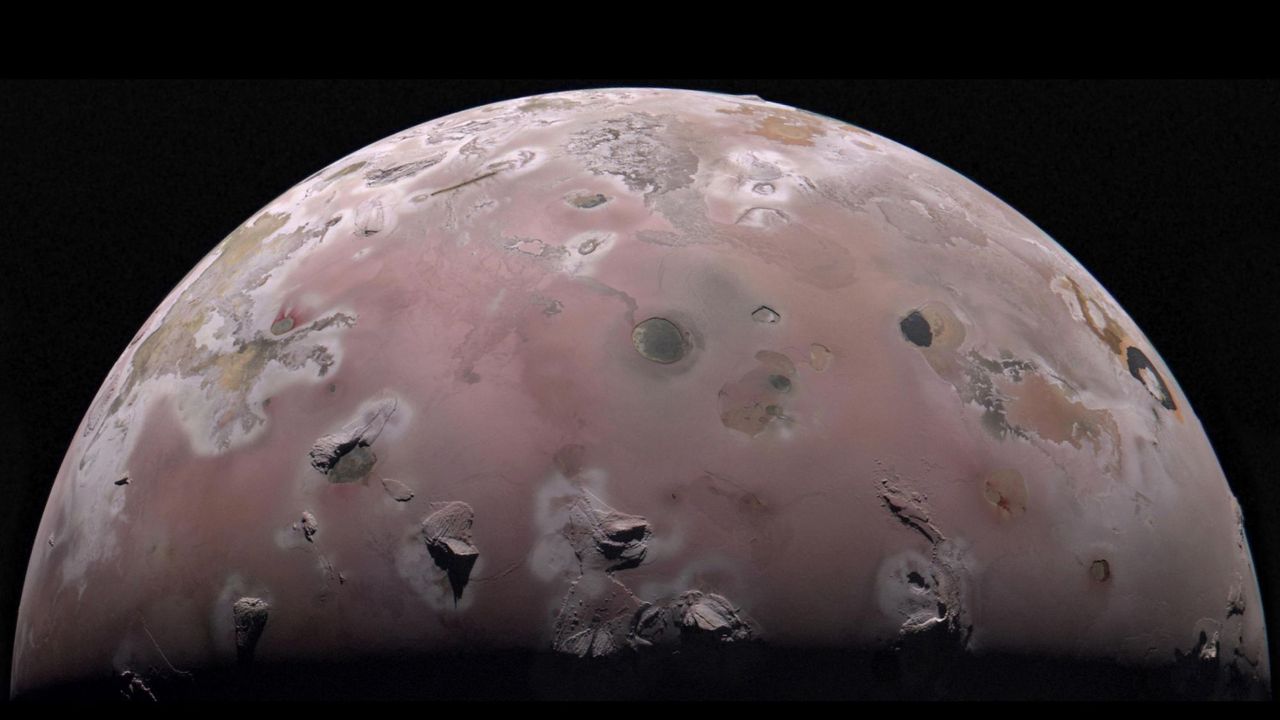
Scientists have measured temperatures beneath the surface of Jupiter's volcanic moon Io, offering the first-ever glimpse of the hidden heat driving the most volcanically active world in the solar system.

During close flybys of Io in late 2023 and early 2024, NASA's Juno spacecraft turned its Microwave Radiometer (MWR) instrument toward the moon, probing roughly six to 20 feet (two to six meters) beneath its surface. Originally designed to peer through Jupiter's thick clouds, the instrument instead revealed a powerful new way to study how heat moves through planetary crusts, according to a statement from the space agency.

"The surprising discovery that we could see below a rocky moon's surface has important implications for studying Earth's volcanoes," Scott Bolton, coauthor of the study and Juno's principal investigator, said in the statement. "Juno has taught us that if we look with an MWR-type instrument near a volcano on Earth, we might see a similar signature in the subsurface temperature gradient, providing new information on how terrestrial volcanoes work."

Until now, researchers had relied almost entirely on infrared observations, which detect only the temperature of Io's surface. By probing several feet underground, Juno has revealed how heat moves through the moon's crust for the first time.

The measurements showed temperatures rising by more than 40 degrees Fahrenheit (22 degrees Celsius) just a few feet below the surface — far more than sunlight alone could explain. Juno's subsurface heat map also revealed localized regions of elevated heat, with temperatures measuring between 18 and 36 degrees F (10 to 20 degrees C) warmer than the surrounding terrain, according to the statement.

Juno's observations uncovered another surprise, too. Despite being known for its towering mountains and active volcanoes, much of Io's surface appears remarkably smooth and composed of unusually low-density material. Researchers think the moon is blanketed by porous layers of volcanic ash, sulfur frost and other eruptive debris that continually resurface Io, burying older terrain beneath fresh deposits.

Scientists think the heat detected beneath Io's surface could be rising steadily from the moon's molten interior through a conductive crust or coming from pockets of cooling lava flows trapped just below the surface. Either way, the data provide the clearest picture yet of how Io transports heat from its interior.

Unlike Earth, where volcanism is driven largely by heat from radioactive decay, Io is continuously stretched and squeezed by Jupiter's immense gravity as it orbits the giant planet. This constant tidal flexing generates enormous amounts of internal heat, fueling hundreds of active volcanoes and making Io the most volcanically active object in the solar system. By improving scientists' understanding of how heat and magma move beneath a planet's surface before eruptions, the same microwave techniques used by Juno could one day help researchers better monitor Earth's volcanoes and improve eruption forecasting.

"Io provides a unique window into learning how tidal heating works throughout the cosmos, a fundamental process that provides energy and heat to worlds that are far from their parent star," Bolton said in the statement. "This process can not only create the most volcanic body in the solar system, in the case of Io, but also fuels the subsurface oceans on the moons of giant planets, such as Europa and Ganymede. Up until this point we could only observe the heat escaping at the surface or through eruptions. Now we can characterize how the heat is moving from the interior toward the surface."

Because Io is an extreme example of volcanic activity, it serves as a natural laboratory for studying how heat moves through planetary crusts. Those insights could help scientists better understand ancient volcanism on Mars, Venus, and Earth's moon, whose landscapes were shaped by massive eruptions billions of years ago.

The technique could also aid the search for life elsewhere. While Io itself is far too hostile to support life, microwave instruments can also probe beneath icy surfaces. Juno has already used the same instrument to study Jupiter's moons Europa and Ganymede, where scientists believe vast oceans lie hidden beneath thick shells of ice. Understanding how heat moves through those crusts is key to determining whether they could harbor environments suitable for life as we know it.

Their findings were published July 22 in the Journal of Geophysical Research: Planets.

  •  

NASA’s Bennu Samples Reveal Tiny Ancient Clues About the Asteroid’s Long-Lost Origins

When NASA’s OSIRIS-REx spacecraft delivered pristine samples from the asteroid Bennu back to Earth in 2023, scientists knew they were receiving one of the most chemically untouched collections of material ever recovered from the Solar System.

Since then, the returned grains have steadily transformed researchers’ understanding of how asteroids formed, how water altered primitive worlds, and even how the ingredients for life may have spread through the early Solar System.

Now, a new study, published in Nature Communications, has uncovered another surprise hidden inside those microscopic particles. Embedded within Bennu are tiny mineral fragments that formed during the Solar System’s earliest moments—less than 100,000 years after its birth—and they may reveal that the asteroid’s ancient parent body formed much farther from the Sun than scientists once suspected.

The research suggests that Bennu inherited some of the oldest surviving solids ever created, while simultaneously preserving evidence that Jupiter’s formation may have acted as an enormous cosmic filter, separating different populations of dust before planets had even fully formed.

“Our observations of phyllosilicates replacing olivine and interstitial phyllosilicates between olivine grains within AOAs… collectively indicate that these refractory inclusions experienced aqueous alteration on Bennu’s parent planetesimal,” researchers write. “Therefore, they were incorporated into the parent planetesimal before the onset of aqueous alteration, during which phyllosilicates and magnetite formed.”

“These mineralogical, isotopic, and chronological similarities among refractory inclusions in Bennu samples, Ryugu samples, and CI chondrites provide evidence that their parent planetesimal(s) accreted a common suite, and likely similar relative abundances, of high-temperature refractory inclusions and their fragments,” researchers write.

The research concentrates on “refractory inclusions”—tiny mineral-rich objects known as calcium-aluminum-rich inclusions (CAIs) and amoeboid olivine aggregates (AOAs). These objects are widely considered the oldest solid materials to condense from the hot gas surrounding the newborn Sun.

Long before planets existed, the infant Solar System consisted of a rotating disk of gas coupled with dust known as the protoplanetary disk. Temperatures near the young Sun exceeded 2,000 degrees Fahrenheit (roughly 1,100 degrees Celsius), allowing only the most heat-resistant minerals to crystallize.

These refractory inclusions were among the very first solids to emerge from that environment before eventually being transported throughout the growing Solar System.

Although scientists have found such inclusions in meteorites for decades, Bennu offered an unprecedented opportunity to examine them in material collected directly from an asteroid rather than from meteorites that survived passage through Earth’s atmosphere.

To investigate, researchers analyzed polished sections prepared from 12 Bennu particles using scanning electron microscopy, transmission electron microscopy, oxygen isotope measurements, and radioactive aluminum-magnesium dating techniques.

The team identified six amoeboid olivine aggregates and three calcium-aluminum-rich inclusions, all remarkably small—none exceeding roughly 100 micrometers across, or about the thickness of a human hair. This turned out to be one of the study’s most important discoveries.

The mineral chemistry and oxygen isotopes showed these inclusions formed in an extremely hot, oxygen-16-rich environment during the Solar System’s earliest stages. Radioactive dating using aluminum-26 indicated at least one inclusion formed essentially at the very beginning of Solar System history, within roughly the first 100,000 years after the earliest known solids condensed.

In other words, Bennu contains fragments that have survived for approximately 4.567 billion years with surprisingly little alteration. Yet, those ancient relics also preserve evidence that they later encountered liquid water.

Several inclusions show minerals partially replaced by phyllosilicates—water-bearing clay minerals—while magnetite and other alteration products reveal that water once circulated through Bennu’s ancient parent body after these primordial objects had already become incorporated into it.

For scientists, that sequence helps establish a timeline. First, the earliest high-temperature solids formed close to the newborn Sun. Later, they were transported outward through the protoplanetary disk. Only after they became part of Bennu’s larger parent asteroid did liquid water alter portions of the rock.

Researchers found distinct similarities between Bennu’s inclusions and those previously identified in samples returned from Japan’s Hayabusa2 mission to asteroid Ryugu, as well as in rare CI carbonaceous chondrite meteorites found on Earth.

The oxygen isotopes, crystal chemistry, and formation ages all closely match, suggesting these seemingly distant objects inherited material from the same population of ancient Solar System building blocks.

That mutual heritage points toward a surprisingly interconnected early Solar System, where material formed close to the Sun was efficiently transported across enormous distances before eventually becoming incorporated into multiple asteroid populations.

However,  the absence of something proved just as revealing as what scientists found.

Unlike many carbonaceous meteorites, Bennu contains no large refractory inclusions larger than about one-tenth of a millimeter. Other meteorites frequently preserve inclusions ranging from submillimeter sizes up to several centimeters across.

According to the researchers, the missing population may reflect the increasing influence of the Solar System’s first giant planet.

As proto-Jupiter accumulated mass, its gravity likely created a pressure bump within the gas disk encircling the young Sun. Such pressure bumps act as natural traffic jams for dust, trapping larger particles while allowing much smaller grains to continue drifting through the disk.

Under this scenario, larger refractory inclusions became concentrated closer to Jupiter’s orbit. At the same time, only the smallest particles were able to migrate farther outward into the distant regions where Bennu’s parent body eventually formed.

If correct, Bennu’s microscopic inclusions effectively record the influence of Jupiter before the giant planet had even fully matured.

The hypothesis also helps explain why Bennu, Ryugu, and CI meteorites all possess nearly identical populations of tiny refractory inclusions while lacking the larger varieties commonly found elsewhere.

Rather than showing different source materials, the distinction may instead reflect where—and perhaps when—their parent bodies assembled within the developing protoplanetary disk.

The findings similarly reinforce earlier studies suggesting Bennu is among the Solar System’s most chemically primitive objects. Because large refractory inclusions contain unusually high concentrations of certain elements, their absence helps preserve Bennu’s overall composition close to that of the earliest solar nebula from which the planets formed.

That makes the asteroid an unusually valuable time capsule. Every new microscopic grain examined inside the OSIRIS-REx collection provides another insight into processes that occurred billions of years before Earth existed as a habitable world.

Rather than simply representing rubble from a small asteroid, Bennu appears to preserve a remarkably faithful record of how the Solar System sorted, mixed, transported, and assembled its earliest building materials.

The study also demonstrates why sample-return missions have grown increasingly important to planetary science. Laboratory instruments on Earth can perform measurements impossible for spacecraft operating millions of miles away, letting researchers reconstruct events that occurred within the Solar System’s first fractions of a million years.

“We conclude that Bennu’s parent planetesimal, like those of Ryugu and CI chondrites, accreted small refractory inclusions that persisted in the outer Solar System beyond the influence of the proto-Jupiter-induced pressure bump,” researchers write. “Taken together, these findings highlight the need to integrate Bennu samples into comparative studies of early Solar System solids to better constrain the diversity and possible genetic links among planetesimal formation pathways,” researchers write.

The study, “Refractory inclusions in Bennu samples indicative of outer Solar System accretion,” appeared in Nature Communications.

Tim McMillan is a retired law enforcement executive, investigative reporter and co-founder of The Debrief. His writing typically focuses on defense, national security, the Intelligence Community and topics related to psychology. You can follow Tim on Twitter: @LtTimMcMillan.  Tim can be reached by email: tim@thedebrief.org or through encrypted email: LtTimMcMillan@protonmail.com 

  •  

“That’s No Moon!”: Astronomers Vexed by “Super Weird” Moon-Like Object Without a Planet

Scientists working at the European Southern Observatory’s Very Large Telescope (ESO’s VLT) in Chile have detected evidence for an unusual, ‘moon-like object’ in the CD-35 2722 system that doesn’t appear to orbit a planet.

The research team behind the discovery said the unusual object, which orbits a brown dwarf that orbits a large, Sun-like star, doesn’t fit normal astronomical categories, leaving them unsure what to name it.

If confirmed, the unusual space object would be the first moon without a host planet ever discovered. Such a confirmation would also make the newly termed “exosatellite” the first exomoon of any type discovered outside our Solar System.

Moon-Like Object Part of ‘Super Weird’ System

According to a statement announcing the moon-like object, ESO student Kevin Hoy had been monitoring the CD-35 2722 star system for months. The measurements that spotted the new, moon-like object were taken with the observatory’s CRIRES+ instrument using the radial velocity method that spotted the first planet around a Sun-like star.

During that time, the researcher and lead author of a study detailing the find said he noticed the system was “super weird” compared to our local Solar System. While the star at the center of the system, with a mass of about half of our Sun, was not unusual, they also determined that it is orbited by a brown dwarf. Brown dwarfs are astronomical objects too small to be a star, but too massive to be a planet, making the pairing unusual. Still, it was not unheard of.

moon-like object exosatellite
The region in the sky around CD-35 2722, a star orbited by a brown dwarf, which is itself orbited by an object at least as massive as Jupiter. The ‘moon’ orbiting the brown dwarf is not visible, but it has been detected via the gravitational pull it exerts on the brown dwarf (Image Credit: ESO/Digitized Sky Survey 2).

However, according to Hoy, when the team spotted a third, smaller object in the system, they were left confused. Measurements indicated it is at least as massive as Jupiter, suggesting it may be a moon orbiting the Brown Dwarf, only without a host planet.

“The satellite we report is a giant gaseous body orbiting a highly massive companion, itself several times the mass of Jupiter,” explained Alice Zurlo, Director of the Millennium Nucleus of Young Exoplanets and their Moons (YEMS) in Chile project and collaborator on the study.

Mysterious ‘Exosatellite’ Defies Traditional Classification

The team has temporarily named the moon-like object an “exosatellite.” However, Hoy said the object’s status as a ‘third wheel’ in the system makes them want to classify it as a moon, “even if it is nothing like the small, rocky moons we have in our system.”

“This system is somewhat hard to define using Solar-System-based words like ‘planet’ and ‘moon’,” the researcher explained. “The exosatellite is clearly massive enough to be a planet, but it does not orbit a star, though it orbits an object that orbits a star.”

Director Zurlo said the differences between the observed system and our own Solar System have added to the difficulty in labeling the moon-like object.

“We have a clear delineation between the planets and the Sun in the Solar System, so defining things like moons is simple,” Zurlo explained. “In the CD-35 2722 system, where we are blurring the lines between stars, planets, and moons, the whole thing becomes more complicated to describe.”

“This System is Truly Unique and Represents a Breakthrough”

When discussing the significance of the moon-like object, Director Zurlo said detecting satellites in other systems will help researchers better understand the diversity in formation and evolution of planets, moons, and other moon-like objects. The director also noted the historical nature of the detection.

“As exotic as it is, this system is truly unique and represents a breakthrough: the first plausible detection of an exosatellite,” the researcher explained.

Moving forward, the team said the increased sensitivity of the 39-meter mirror on the ESO’s in-development Extremely Large Telescope (ELT) will allow for the detection of even smaller moons, including potentially spotting moons the size of Earth’s largest satellite. The researchers said such detections will likely force the astronomical community to reconsider how planetary objects are labeled, especially those in systems so radically different from our own.

The study “Planetary-mass exosatellite detected around the substellar companion of a star” was published in the journal Nature.

Christopher Plain is a Science Fiction and Fantasy novelist and has spent the last six years as Associate News Editor and Head Science Writer at The Debrief. Follow and connect with him on X, learn about his books at plainfiction.com, or email him at christopher@thedebrief.org.

  •  

This Week In Space LIVE: The Viking Mars landings 50 years later

Hey, Space Fans! Every weekend here at Space.com, you may have noticed we highlight the latest episode of the podcast This Week In Space, a TWiT show co-hosted by yours truly and my friend and colleague Rod Pyle, a space historian and editor of the National Space Society magazine Ad Astra.

This Week In Space episodes usually drop each Saturday, but this week we're doing something a bit different. To mark the 50th anniversary of NASA's Viking landings (Viking 1 touched down on Mars on July 20, 1976), Rod and I will host a special live taping of the podcast to discuss all things Martian starting at 1:30 p.m. EDT (1730 GMT). It should last up to 90 minutes.

Joining us on the podcast will be:

  • Dr. Pascal Lee, a planetary scientist, geologist and artist with the SETI Institute, Mars Institute and NASA Ames Research Center.
  • Dr. Penny Boston, an astrobiologist and speleologist (the study of caves) with the New Mexico Institute of Mining and Technology.

During our discussion, we'll touch on the personal and scientific impacts of NASA's Viking Mars landings and look at where Mars exploration may go in the modern age. We might even discuss the best places for the hunt for signs of life: the surface or inside Martian caves?

So if you're a Mars fan or a casual space aficionado, join us today at 1:30 p.m. EDT to get a detailed look at NASA's Viking Mars landings and their lasting impact on Martian exploration.

  •  

Scientists may have finally solved the mystery of the sun's missing silver

For several years now, astronomers who study the sun have faced a little mystery — our star seemed to hold too little silver. Whenever scientists examined the sun's outer layers, they've seen significantly less silver than they've expected to find.

Where, then, did the missing silver go?

As it turns out, this mystery may finally be solved. Newly published research suggests that the sun's missing silver may have been hiding in plain sight all along.

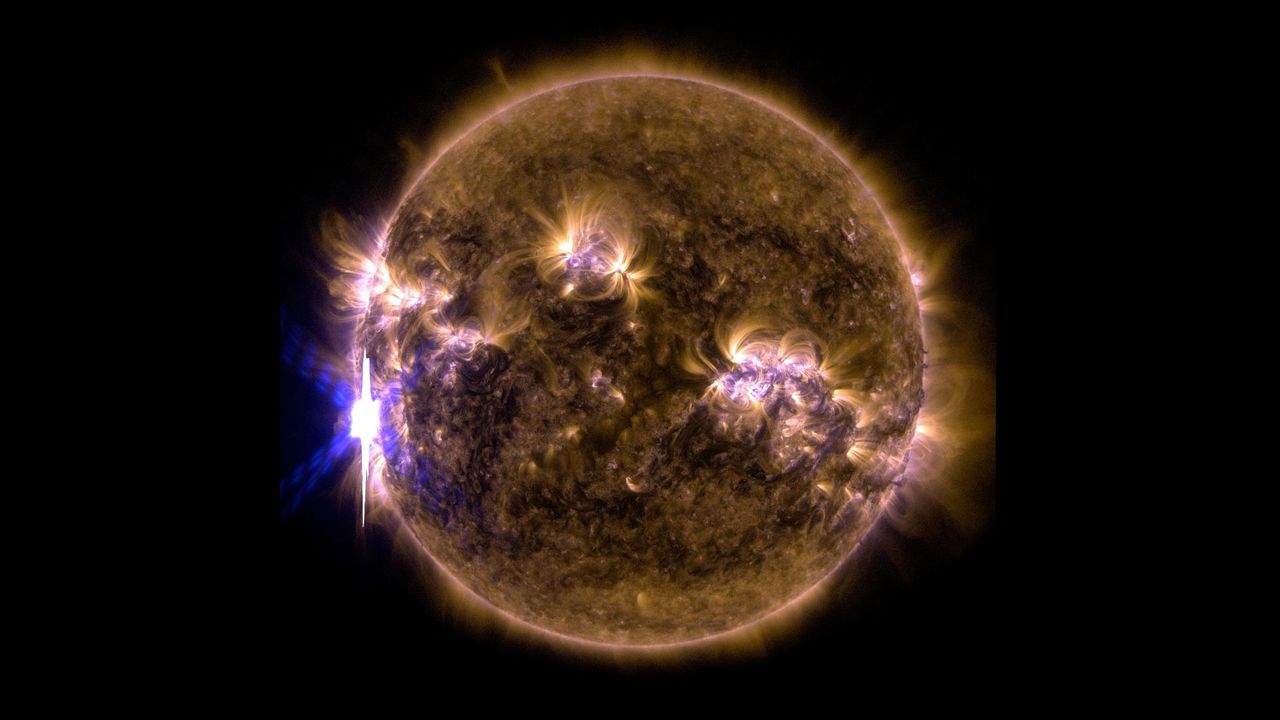
At first, the real mystery might seem to be why you'd seek silver in the sun at all. After all, 98.5% of the sun's mass is made from lightweight hydrogen and helium. Silver is just a tiny fraction of the remaining 1.5%, which also includes traces of other heavy elements like iron and copper.

These trace elements can illuminate the history of the cosmos. Silver is thought to form when dying stars violently explode in supernovas. When astronomers find silver in the sun and other stars, they can retrace the silver's origins and how stars have evolved over the eons.

"By studying the light of stars of different types and ages, we hope to understand where silver is formed in the universe, and how it has been distributed throughout the Milky Way over time," says Sema Caliskan, the lead author of the research and now a postdoc at the University of Liège in Belgium, in a statement.

Silver is particularly interesting because it's also found in utterly ancient meteorites called CI chondrites. These meteorites formed from the same primordial matter that created the sun, 4.6 billion years ago. As a result, when scientists break into CI chondrites that have fallen to Earth, they expect to find silver levels that match those they see in the sun.

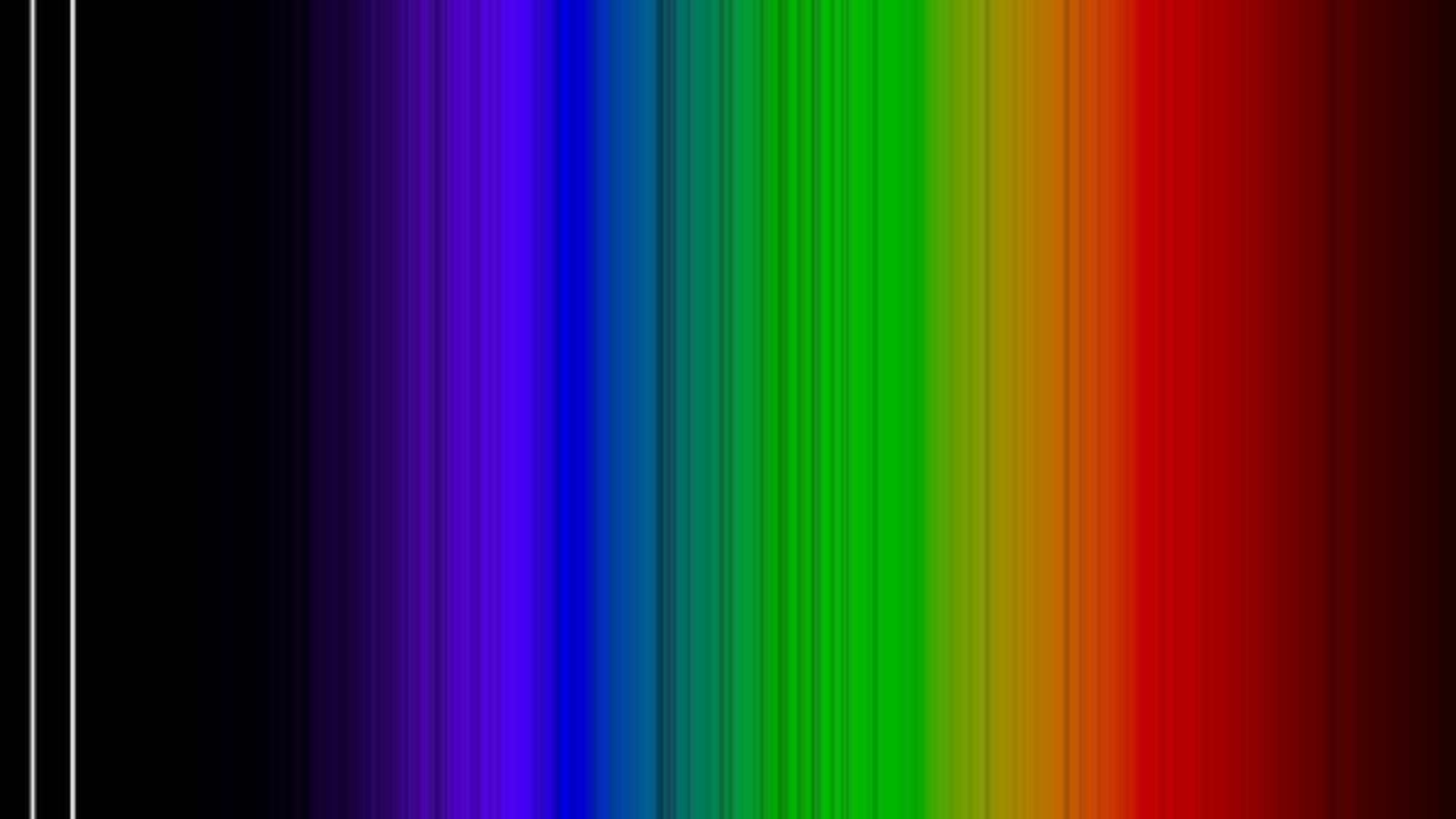
A rainbow assortment of spectral lines. On the left, where it's dark, there are two vertical white lines.

(Image credit: Anish Amarsi/Uppsala University)

Astronomers can measure the latter from afar by looking at sunlight's spectral lines. As light streams out from the sun's heart, it crashes into the atoms of our star's outer layers, which absorb the light at certain wavelengths. Look at a spectrum of sunlight, and you'll see dark lines where light has been absorbed. Atoms of different elements absorb different wavelengths, so each element leaves a distinct fingerprint.

Scientists can pore over these spectral fingerprints to reconstruct what elements created them and in what quantities. Therein lies the mystery: The sun seemed to contain much less silver than CI chondrites would indicate. This missing silver is a source for confusion in the sun's history.

Caliskan and her colleagues wondered if astronomers were missing something. They could not visit the sun in person, but they could still find where the silver might be hidden by simulating the sun's atoms on a computer. If they could create a high-silver model that still spawned the low-silver spectral lines, that model could be a good guess for the silver's whereabouts.

Other scientists had tried this before to limited success, but their simulations had been relatively simple. As light strikes an atom, the light has all sorts of intricate effects on the atom's innards. These effects can alter how the atom absorbs the light and, therefore, change how astronomers see that light.

Past models hadn't accounted for many of these tricky "non-equilibrium effects", because simulating them is far easier said than done. They're messy and complex and they vary a great deal from atom to atom.

In fact, no known scientists had ever tried to simulate a silver atom with non-equilibrium effects before Caliskan and her fellow investigators took on the challenge. They tried with their best guesses and the power of the Tetralith supercomputer in Linköping, Sweden.

Indeed, these non-equilibrium effects seem to explain the silver mystery. Based on their model, Caliskan and colleagues calculated that the sun holds 55% more silver than astronomers have measured.

This isn't a perfect match for the CI chondrites, but it's close enough that investigators can rule out any extraordinary cause. Instead, the missing silver may have been right there, in the sun all along, simply occluded from astronomers' view by tricks of physics. Next, Caliskan and colleagues plan to use this method to simulate other types of stars.

They published their work in the journal Astronomy & Astrophysics in July 2026.

  •  

Juno’s Microwave Vision Peers beneath Surface of Jupiter’s Volcanic Moon Io

The north polar region of Io was captured by NASA’s Juno spacecraft on December 30, 2023. Image credit: NASA / JPL-Caltech / SwRI / MSSS / Gerald Eichstädt.

New data from NASA’s Juno spacecraft show temperatures spike more than 20 degrees Celsius just a few meters under Io’s surface, providing the first look at what’s happening below the crust of the Solar System’s most volcanic world.

The post Juno’s Microwave Vision Peers beneath Surface of Jupiter’s Volcanic Moon Io appeared first on Sci.News: Breaking Science News.

  •  

NASA’s MAVEN Illuminates New Understanding of Auroras at Mars

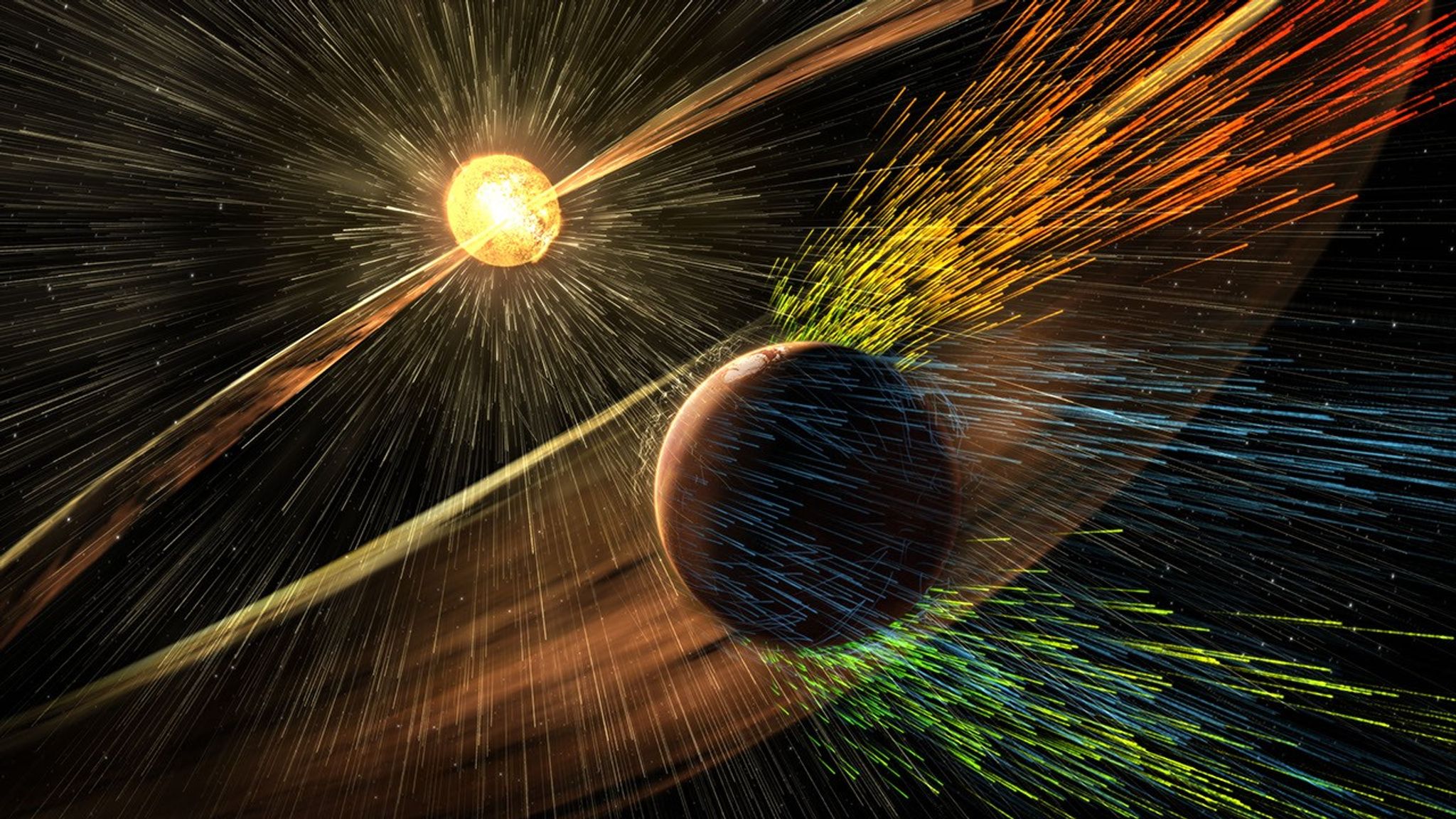
This illustration depicts charged particles from a solar storm stripping away charged particles of Mars' atmosphere, one of the processes of Martian atmosphere loss studied by NASA's MAVEN mission, beginning in 2014.
This illustration depicts charged particles from a solar storm stripping away charged particles of Mars’ atmosphere, one of the processes of Martian atmosphere loss studied by NASA’s MAVEN mission.
NASA/GSFC

NASA MAVEN (Mars Atmosphere and Volatile Evolution) mission scientists have uncovered a key puzzle piece in understanding certain types of auroras on Mars, finding that they form in a similar way to Earth-based auroras.
 
Results published Thursday in Nature Communications show the same mechanism that circulates and catapults charged particles into Earth’s atmosphere is happening at Mars on much smaller scales because of differences in the two planets’ magnetic fields.
 
The MAVEN spacecraft, in orbit around Mars, experienced a loss of signal with ground stations on Earth on Dec. 6, 2025. On June 3, NASA declared the mission had concluded after finding the spacecraft to be unrecoverable. However, data from the mission is still being used to inform NASA science and future missions to Mars.
 
When the Sun’s magnetic field lines get close to Earth’s magnetosphere, the large magnetic bubble protecting the planet, they can reconnect and inject energy and mass throughout Earth’s magnetosphere and magnetotail, ultimately firing electrons back into the atmosphere to generate Earth’s auroras. This process, called the Dungey cycle, drives electrical currents, accelerates charged particles that create auroras, and controls the circulation of plasma in Earth’s magnetosphere and ionosphere.
 
This new study shows that a miniature version of the Dungey cycle is happening over Mars’ strong crustal magnetic fields, which gives scientists a better look into the physics of Martian auroras.
 
“We knew that magnetic reconnection was happening at Mars but did not expect it to be like the Dungey cycle,” said Shaosui Xu, lead author of the study and associate research physicist at the Space Sciences Laboratory at the University of California, Berkeley.
 
Mars does not have a global magnetic field like Earth. Earth’s magnetic field is created by our planet’s churning core, while Mars has numerous miniature magnetospheres that arise from intensely magnetized crust scattered around the planet.  These regions were formed around 4 billion years ago when lava cooled in the presence of Mars’ ancient global magnetic field, which has since disappeared due to intense solar wind stripping the planet’s atmosphere.
 
The MAVEN mission has observed highly localized auroras over these crustal fields, similar to Earth’s auroras at the poles, but it wasn’t until now that scientists could fully understand the physics of how they form. The study used several instruments aboard the MAVEN spacecraft to build up a picture of the Dungey-like behavior: the Magnetometer and Solar Wind Electron Analyzer instruments, which were used to determine the magnetic configuration and derive electrical currents, and the STATIC (Suprathermal and Thermal Ion Composition) instrument, which was used to measure plasma flows in the ionosphere.
 
“We really pushed the limit of STATIC to get the data we needed,” said Xu. “It was the final piece to the puzzle in understanding these localized auroras.”
 
The realization that a Dungey-like cycle was happening within these crustal magnetic fields answered the question of how the electrons were being energized to create the auroras. It also shows that a Dungey-like mechanism can happen on both large and small scales, giving more insight into where in the solar system this process could be taking place.
 
“This is a remarkable result that changes how we think of Martian auroras and is another important step toward understanding why Mars and Earth have evolved so differently despite being governed by the same underlying physics.” said Shannon Curry, MAVEN’s principal investigator and a research scientist at the Laboratory for Atmospheric and Space Physics at the University of Colorado Boulder. “I am incredibly proud of our team’s work on this discovery and excited to uncover new insights into the Red Planet and its evolution.”
 
By finding out more about this process, scientists also are gaining a better understanding of how the solar environment interacts with the Red Planet as a whole, which is essential for future robotic and crewed missions.
 
“I remember in graduate school discussing with my advisor how the cycling of crustal magnetic fields could work at Mars,” said Xu. “It’s incredible to be part of the team that found the answer to that question.”
 
The MAVEN mission is part of NASA’s Mars Exploration Program portfolio. The mission’s principal investigator is based at the Laboratory for Atmospheric and Space Physics at the University of Colorado Boulder, which also is responsible for managing science operations and public outreach and communications. NASA’s Goddard Space Flight Center in Greenbelt, Maryland, manages the MAVEN mission. Lockheed Martin Space built the spacecraft and is responsible for mission operations. NASA’s Jet Propulsion Laboratory in Southern California provides navigation and Deep Space Network support.
 
For more information on NASA’s MAVEN mission, visit:
 
https://science.nasa.gov/mission/maven/
 
Karen Fox / Alana Johnson
Headquarters, Washington
240-285-5155 / 202-672-4780
karen.c.fox@nasa.gov / alana.r.johnson@nasa.gov
 
Lonnie Shekhtman
NASA’s Goddard Space Flight Center, Greenbelt, Md.
lonnie.shekhtman@nasa.gov


  •  

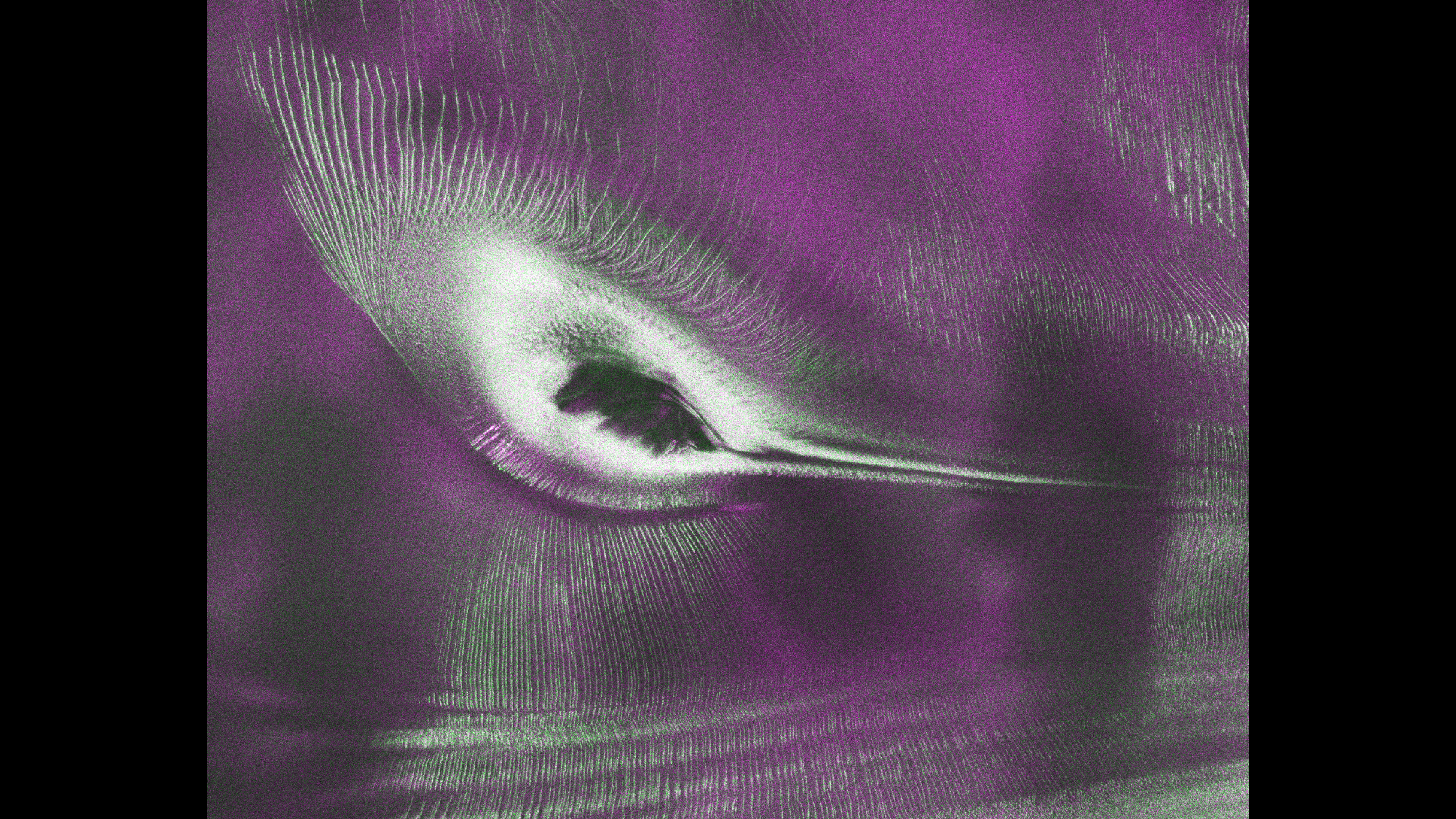
Satellite spots a 'hummingbird' in Antarctica | Space photo of the day for July 23, 2026

A black and white hummingbird shape appears in data of a mountaintop.

A hummingbird shape in satellite data from NISAR is actually a mountaintop spotted in Antarctica. (Image credit: NASA/JPL-Caltech)

In satellite data captured over Antarctica, what appears to be a beautiful, colorful hummingbird emerges from the crest of a mountaintop.

What is it?

While there are no hummingbirds flying around Antarctica, we can see what looks like a small, purple bird in a new satellite image of an Antarctic mountain. The dark belly of this "bird" at the center of this image is actually the top of the mountain Nunatak Zaterjavshijsja in East Antarctica.

What looks like a bird's tail is a stream of ice flowing northeast all the way out to the ocean, and what appear to be feathers splaying outward from the mountaintop are actually crevasses down the mountain. These crevasses are formed by a glacier fracturing the mountain's surface as it flows in the icy current toward the ocean.

This view was captured by radar instruments onboard the satellite NISAR (NASA-ISRO Synthetic Aperture Radar) that launched as a collaboration between NASA and ISRO (Indian Space Research Organisation). The director of NASA's Earth Science Division called NISAR "the most sophisticated radar we've ever built" in a pre-launch briefing last year.

Why is it incredible?

At first glance, this image is puzzling. What could it possibly be? Its bold colors and sharp lines evoke almost alien qualities. But the strange beauty of the shapes and colors in this satellite image reveal important information about glacier movements on the mountain.

"First, it's a beautiful image, with rich details of features that provide insights to how the glacier is moving. Then, because radar can often see through snow and deep into the ice, NISAR can observe fundamentally different properties of Antarctic ice than can be seen in optical imagery," Seongsu Jeong, the signal analysis engineer who produced the image at NASA's Jet Propulsion Laboratory, said in a statement. "With NISAR we're seeing what's hidden beneath the surface."

And now anyone can explore NISAR's data. Earlier this week, on July 20, NISAR started making the data from its radar instruments public. Moving forward, mission teams will be rolling out this data so researchers everywhere can use it to study and protect our ever-changing planet.

  •  

The Sun’s twin star may have tilted the planets’ orbits

Around 4.6 billion years ago, an immense cloud of gas and dust in space collapsed in on itself. As it collapsed, gravity pulled most of the material toward several small points, one of which would eventually become our Sun. The other points formed other stars in what scientists call an open cluster. 

During this early stage of the Sun’s life, it was surrounded by a swirling disk of leftover material aligned with its equator, known as a protoplanetary disk. Eventually, this disk condensed to form the planets that make up our solar system. This process normally results in a system with a star at its center, and the planets orbiting the plane of the star’s equator. 

However, scientists have found that this scenario doesn’t quite hold for our solar system. The planets in our solar system orbit the Sun in a single plane offset from the Sun’s equator by approximately 6°. The fact that the planets are in the same orbital plane suggests that the protoplanetary disk model of solar system formation is correct, since the odds of the Sun capturing 8 rogue planets in this arrangement are astronomically low. So, what threw the planets in our solar system off-kilter?

The plane in which the solar system’s planets orbit the Sun is offset from the Sun’s equator by approximately 6°. Li simulated how the solar system tilted based on its 4 largest planets, from left to right: Neptune, Saturn, Jupiter, and Uranus.

The plane in which the solar system’s planets orbit the Sun is offset from the Sun’s equator by approximately 6°. Li simulated how the solar system tilted based on its 4 largest planets, from left to right: Neptune, Saturn, Jupiter, and Uranus. Illustration by Andrew Bizal.

To determine what caused the solar system to tilt, Daohai Li at Queen Mary University of London recently used the computer program NBODY6++ to model different versions of the open cluster from which the Sun came. In these simulations, he varied the number of stars in the cluster, from 500 to 2,000 to 8,000. He also varied the radius of the cluster, from 0.25 to 1 to 4 parsecs (8 to 30 to 100 trillion kilometers or 5 to 20 to 70 trillion miles). Finally, he varied the percentage of stars with a binary companion from 10% to 50% to 90%. Li assigned each star a randomly generated initial mass, starting position, and velocity, and simulated their interactions for 400 million years.

First, Li examined the simulations to identify stars with masses approximately equal to the Sun’s. From this group of solar-massed stars, Li found ones that left the cluster after 400 million years as a single star, after either forming alone or having lost a former companion star. He proposed that these stars were the most similar to the Sun and could thus host a simulated solar system.

Li then simulated the planets and their orbits as they would have formed on these potential host stars. To simplify this process, Li only simulated the 4 giant planets, Jupiter, Saturn, Uranus, and Neptune, which dominate planetary behavior in our solar system. He modeled these solar systems independently for 200 million years to ensure they would remain intact and used those that did for statistical analysis of the solar system’s past.

Overall, Li discovered 2 scenarios that could explain the solar system’s tilt. In the first, the primordial solar system was jostled by many distant neighboring stars in its cluster. This jostling tilts the planets’ orbits, but it does so randomly. Therefore, this scenario would make it unlikely for the planets to remain in the same orbital plane. It would also cause them to orbit the Sun faster and more chaotically than in our solar system.

In the second scenario, the Sun had a temporary companion star that it either formed with or briefly encountered before separating. When this occurred, the simulated planets’ orbits all tilted together. Stars that formed with a binary companion had a 10% chance of tilting their planets’ orbits by 6° or more, while stars that formed alone had a less than 0.1% chance. 

Li concluded that the solar system could have tilted as a result of interactions between the Sun and a temporary companion star within its parent cluster. However, he acknowledged that the model strongly depends on how closely a star passes by the Sun, since the closer a star passes, the more it disturbs the solar system. Despite this uncertainty, it’s possible that somewhere in space is the Sun’s twin or former neighbor that we haven’t seen in eons, and that’s what made our solar system crooked!

The post The Sun’s twin star may have tilted the planets’ orbits appeared first on Sciworthy.

  •  

Space Weather May Warp Martian Weather during Dust Storms, Planetary Scientists Suggest

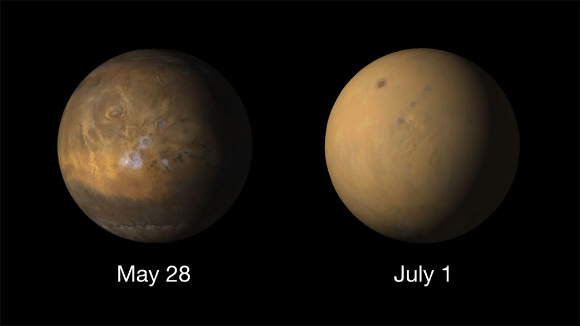
These images from Mars Color Imager (MARCI) aboard NASA’s Mars Reconnaissance Orbiter (MRO) show Mars before (left) and during (right) the June 2018 dust storm. Image credit: NASA / JPL-Caltech / University of Arizona.

Planetary researchers have found the first evidence that bursts of energetic particles from the Sun could warm the lower atmosphere of Mars during massive dust storms, hinting at an unexpected link between space weather and Martian climate.

The post Space Weather May Warp Martian Weather during Dust Storms, Planetary Scientists Suggest appeared first on Sci.News: Breaking Science News.

  •  

After nearly 30 years, NASA realized this near-Earth asteroid is actually a comet. The discovery may help us defend the planet some day

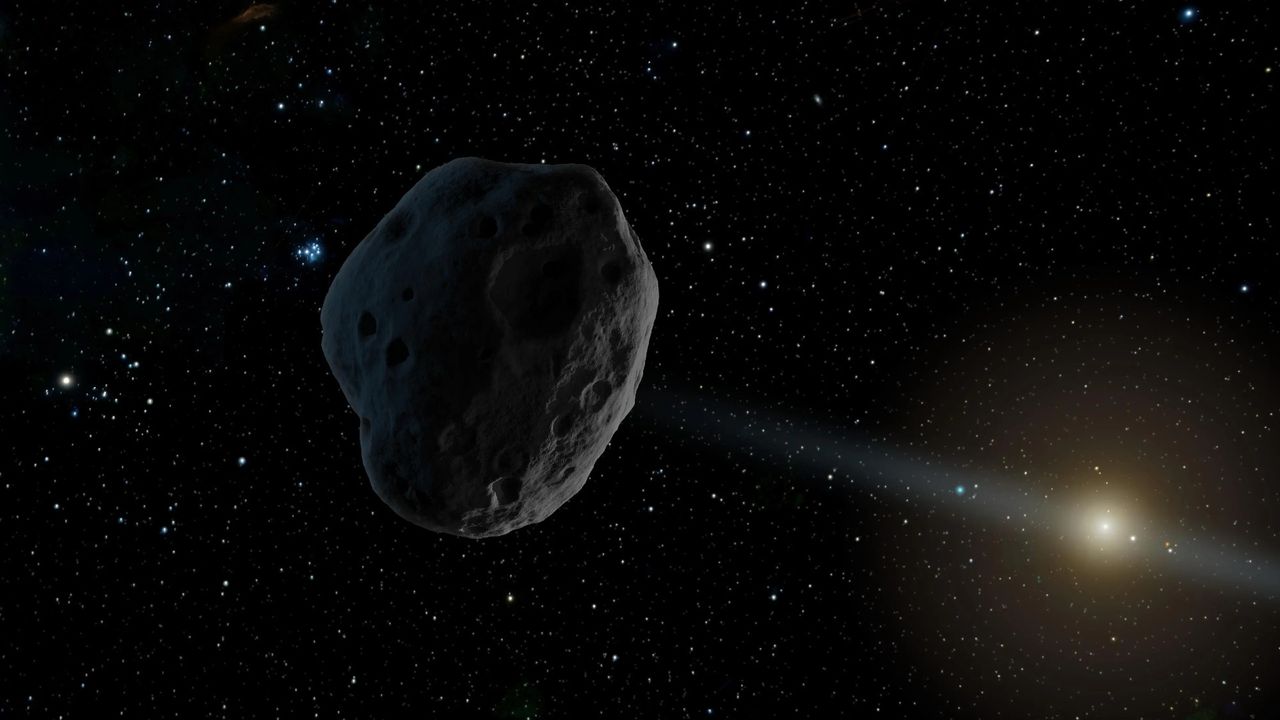
A near-Earth object that astronomers believed was an asteroid for nearly three decades has been unmasked as a faint, active comet, revealing a case of cosmic mistaken identity that could help improve planetary defense.

The object, known since its discovery in 1998 as 1998 SH2, appeared to be an ordinary asteroid. It follows a 4.5-year orbit around the sun and showed no obvious signs of cometary activity, such as the glowing coma or tail produced when sunlight vaporizes surface ice.

However, during a close pass about 2 million miles (3 million kilometers) from Earth in August 2025, researchers using NASA's Deep Space Network planetary radar system noticed something unexpected: The object wasn't where orbital predictions said it should be, according to a statement from the space agency. That discrepancy prompted scientists to take a closer look, and what they found surprised them.

Using decades of precision optical astrometry — measurements of the object's position against background stars — researchers found that gravity alone couldn't explain its irregular motion. Instead, they detected tiny nongravitational forces consistent with jets of gas escaping from the object's surface as hidden ice warmed in sunlight.

"After we measured the nongravitational perturbations affecting the motion of 1998 SH2 and recognized they weren't compatible with the object being an asteroid, we suspected the object could be an active comet," Davide Farnocchia, lead author of the study and navigation engineer with NASA's Center for Near-Earth Object Studies at the Jet Propulsion Laboratory, said in the statement.

To test the idea, the team observed the object with the European Southern Observatory's Very Large Telescope in Chile and the Canada-France-Hawaii Telescope atop Mauna Kea. The observations revealed a faint but unmistakable comet tail, confirming the object's true identity.

The discovery earned 1998 SH2 a second designation: P/1998 SH2, officially recognizing it as a comet. Beyond solving the mystery, the finding has important implications for planetary defense.

Unlike rocky asteroids, comets can subtly change course as gas escaping from their surfaces acts like tiny thrusters. Identifying those nongravitational forces allows scientists to more accurately predict an object's future orbit and assess any potential impact risk.

"This work shows the importance of continuously tracking near-Earth objects," Farnocchia said in the statement. "Because of outgassing, the motion of comets is more significantly perturbed than that of asteroids.

"Detecting these perturbations can be an important diagnostic tool for planetary defense that will help understand which objects may be comets rather than asteroids, how their orbits evolve, and how that influences their Earth impact risks."

The study also suggests that 1998 SH2 may not be unique. The researchers noted that analyzing the motions of near-Earth objects with increasingly precise astrometry could reveal more hidden comets that have long been classified as asteroids because they lack obvious tails or glowing comas.

As astronomers continue to monitor the growing population of near-Earth objects, subtle orbital changes may prove just as revealing as spectacular comet tails, uncovering more examples of cosmic mistaken identity while helping scientists better understand which objects pose potential threats to Earth.

Their findings were published July 10 in the journal Nature Astronomy.

  •  
  •  

Our 1st-ever up-close look at the Martian surface | Space photo of the day for July 22, 2026

A black-and-white image of the surface of Mars with rocks and part of the Viking 1 lander.

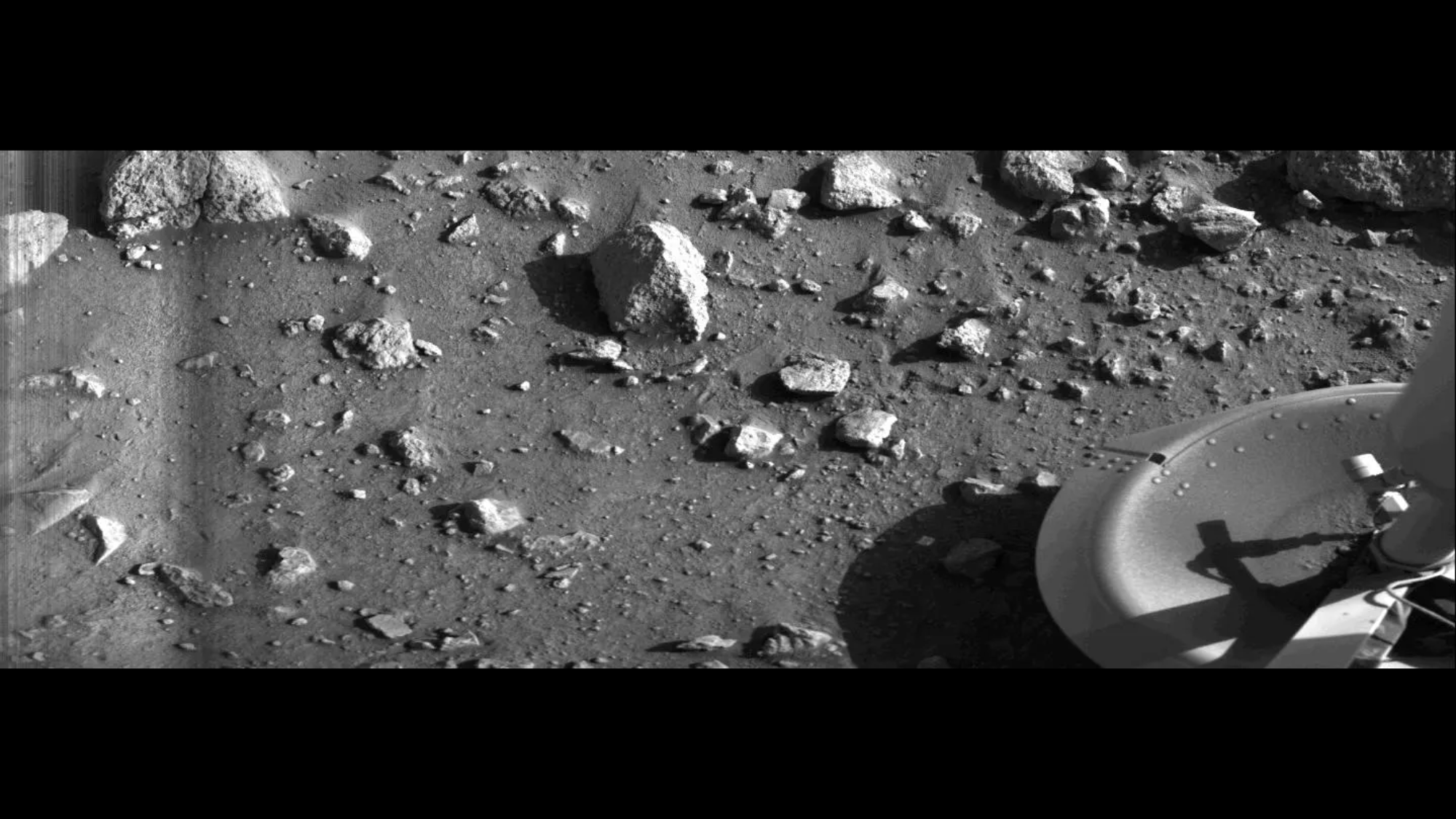
The first-ever photo captured on the surface of Mars, snapped on July 20, 1976 by NASA's Viking 1 lander. (Image credit: NASA/JPL)

You're looking at history. What might seem like a simple black-and-white picture of some rocks is actually the first photograph ever taken on the surface of Mars.

What is it?

Bright and early on the morning of July 20, 1976, NASA's Viking 1 lander touched down on the surface of Mars. This moment 50 years ago marked the first fully successful touchdown on the Red Planet, and, pretty much as soon as it landed, Viking 1 captured the first image of the Martian surface.

The Soviet Union had already made multiple Mars landing attempts, all of them failures to some degree. The nation's Mars 3 lander did manage to survive its landing initially in December 1971, but it lost contact less than two minutes later.

Viking 1 did more than just survive. While its mission tasked the lander with studying the planet for 90 days after landing, it lasted over six years on the planet and made some incredible observations. The Viking 1 lander worked in tandem with an orbiter by the same name, and was soon joined at Mars by Viking 2, another lander/orbiter pair.

Why is it incredible?

It has now been 50 years since Viking 1's historic first, which opened our eyes to the Martian surface. And NASA has kept improving technologies and exploring further on Mars ever since. Agency rovers began scouring the planet's surface in the 1990s, so we have gathered data on the planet's surface for decades upon decades at this point.

But in 1976, no one had ever seen the surface of Mars close up. This view was preceded by science fiction like Ray Bradbury's "The Martian Chronicles," which painted fantastical possibilities about what it might really be like on Mars. With Viking 1's view, we finally got some concrete evidence of the reality on the planet.

In 50 years, our understanding of Mars, our solar system and beyond has grown tremendously. But with each major accomplishment, we can look back at previous milestones such as this to see the stepping stones that paved the way to get us there.

  •  

New timelapse video shows NASA's Psyche spacecraft zooming by Mars

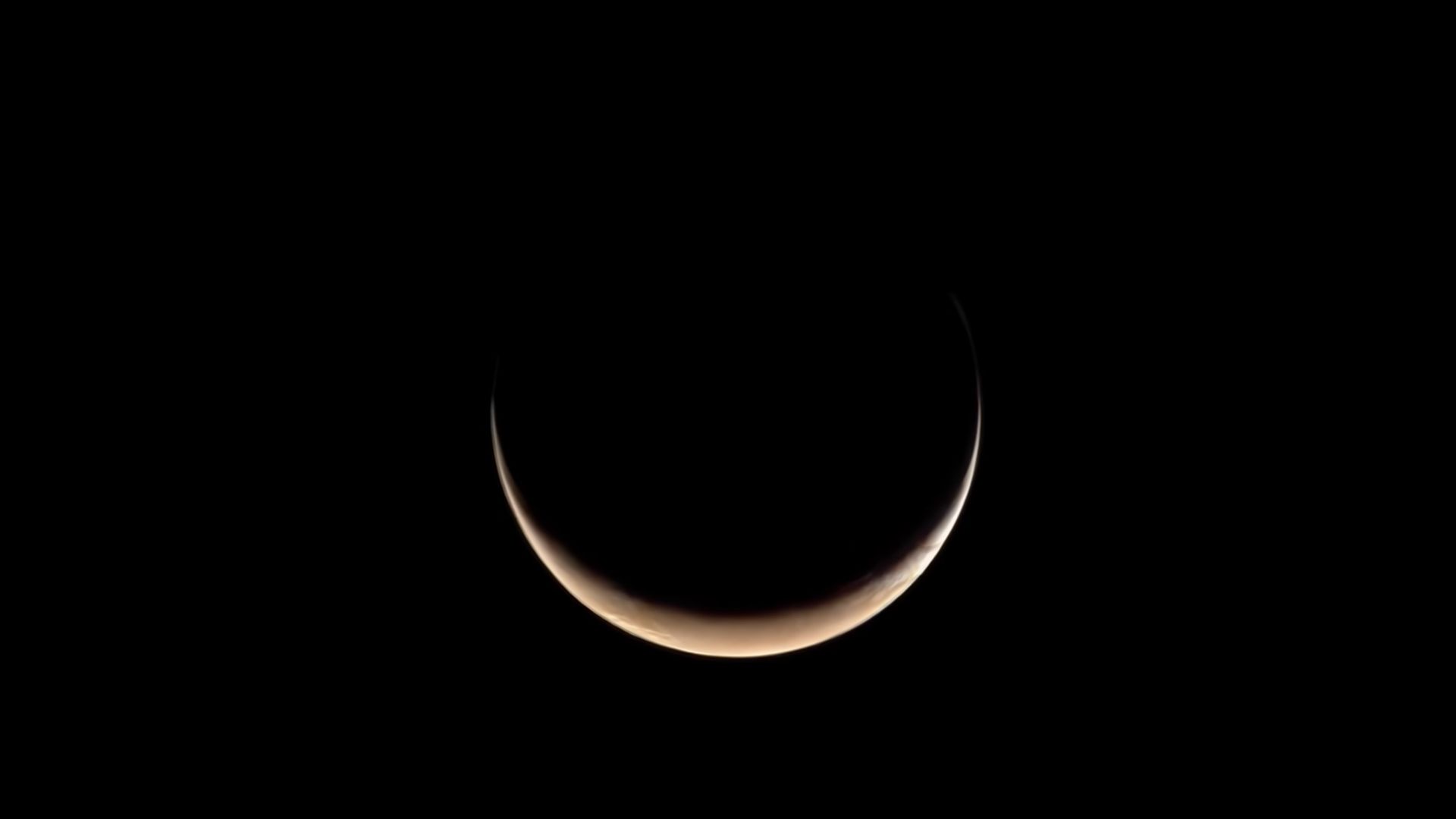
Swelling from a razor-thin crescent into a cratered world before fading back into the darkness, Mars gave NASA's Psyche spacecraft both a spectacular view — and a 1,000-mph boost toward its namesake asteroid.

A new time-lapse video released by NASA, stitched from images taken throughout May, captures the probe's month-long encounter with Mars. On May 15, Psyche swooped within 2,864 miles (4,609 kilometers) of the surface, using the planet's gravity to boost its speed and adjust its trajectory toward asteroid Psyche, a metal-rich world in the main asteroid belt between Mars and Jupiter that the spacecraft is scheduled to reach in 2029.

"This gravity assist was years in the making, and the navigation team nailed it — Psyche flew by Mars on exactly the trajectory we needed to set us on a path to rendezvous with the asteroid in the summer of 2029," Bob Mase, Psyche's project manager at NASA's Jet Propulsion Laboratory in California, said in a statement.

A crescent that's slightly reddish over a pitch black background.

A screenshot from the timelapse, showing Psyche approaching a crescent Mars. (Image credit: NASA/JPL-Caltech/ASU/True Story Films)

Approaching from a steep or what scientists call a "high phase" angle relative to the sun, Psyche initially caught Mars as a slender crescent with just 4 percent of its disk illuminated and its thin atmosphere glowing in scattered sunlight, Hannah Zigo, a Psyche team member at the Arizona State University, said in a NASA video accompanying the statement.

As the spacecraft closed in, the video follows Mars steadily expanding to reveal numerous craters puncturing its surface, the ancient double-ringed Huygens crater and the south polar ice cap before receding in the spacecraft's rearview.

The flyby served a dual purpose. By aiming Psyche's suite of instruments at a well-studied world, engineers say they calibrated and validated the spacecraft's scientific payload ahead of its 2029 destination.

"We didn't anticipate big discoveries, given how extensively the planet has been studied," Lindy Elkins-Tanton, principal investigator for the Psyche mission at the University of California, Berkeley, said in the statement, "but we did complement Mars science with the data we collected through Psyche's unique perspective."

All three of the spacecraft's science instruments performed as expected, according to NASA. Its gamma-ray and neutron spectrometer, designed to determine the asteroid's elemental makeup, detected the predicted surge of escaping neutrons during closest approach, confirming its operational readiness.

The mission's magnetometer, which will search for evidence that asteroid Psyche is the metallic core of an early planetesimal, recorded its first magnetic signature from a planetary body since its launch in 2023, detecting the bow shock where the solar wind meets Mars' magnetic environment.

Psyche's twin multispectral cameras also passed their calibration tests, capturing the frames for the time-lapse while spotting Mars' tiny moons, Phobos and Deimos, from a distance, the NASA statement read.

Spotting the moons served as "a practice for the satellite search that we'll use at the asteroid Psyche to look for any moonlets there," Jim Bell, a planetary scientist at Arizona State University who leads the multispectral imager instrument team, said in the statement.

With Mars in its rearview and its instruments fully vetted, Psyche remains locked on course for its summer 2029 rendezvous with the metal asteroid.

"The spacecraft is in great shape, and we're on schedule to resume sustained thrusting with the solar-electric propulsion system later this fall," Mase said.

  •  

Puzzling Near-Earth Asteroid Turns Out to Be Comet with Weak Tail

This artist’s concept depicts a near-Earth asteroid with an elongated orbit; a few objects such as these can exhibit significant perturbations in their motion around the Sun and, like 1998 SH2, could turn out to be regular comets with a weak tail and coma. Image credit: NASA / JPL-Caltech.

The near-Earth object (875163) 1998 SH2, which is currently classified as an asteroid, has revealed a hidden identity: it’s actually a comet in disguise, according to a new study published in the journal Nature Astronomy.

The post Puzzling Near-Earth Asteroid Turns Out to Be Comet with Weak Tail appeared first on Sci.News: Breaking Science News.

  •  

A massive crater was spotted on Google Earth. It could be a scar from an ancient meteorite impact

An amateur astronomer's plans for a camping vacation two years ago transformed into a possible crater find in Canada's north.

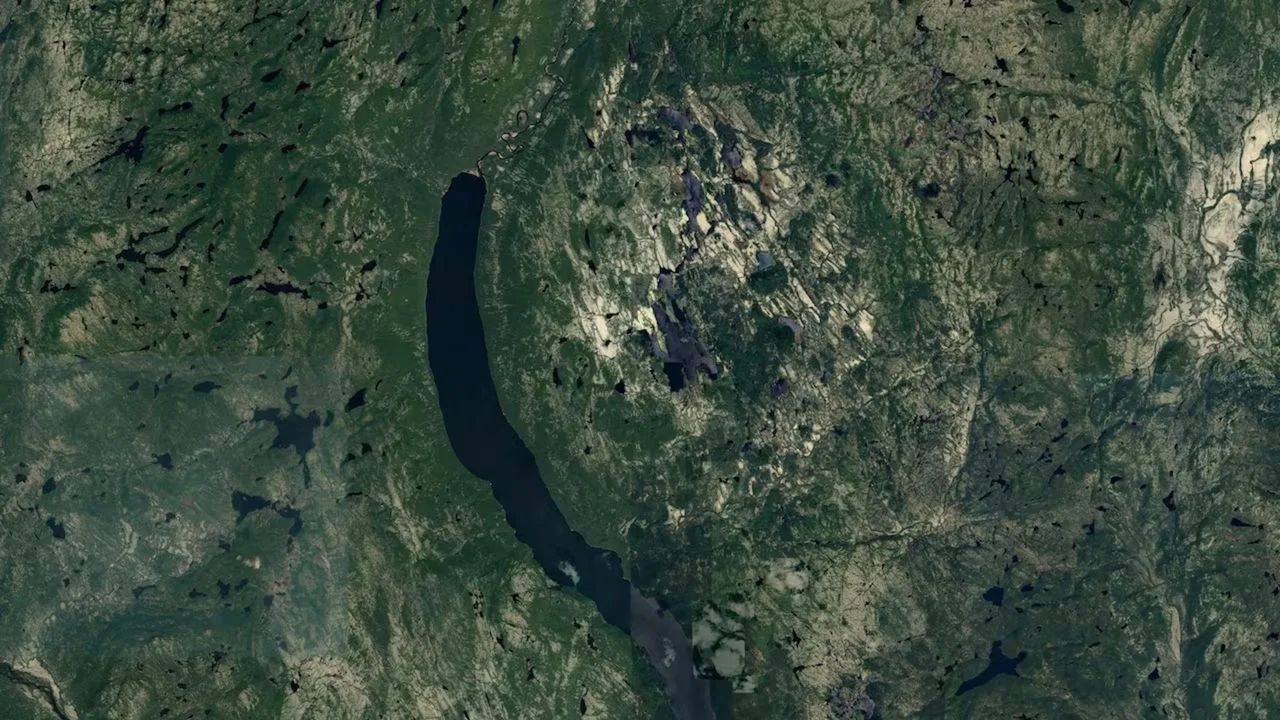
Amateur astronomer Joël Lapointe, using Google Maps to figure out his route for the 2024 vacation, saw some odd terrain in Quebec's Côte-Nord region centered on Lake Marsal. Lapointe suspected it was an impact crater from a meteorite, and made a report on Impact Earth — a crowdsourcing website for craters with Canada's Western University in London, Ontario near Toronto. Western planetary geologist Gordon Osinski made a visit to the region in 2025, provisionally not only confirming the crater, but saying it's probably one of the biggest discovered in recent years. The 390-million-year old feature is roughly 15 miles (25 kilometers) wide.

In an email interview with Space.com while on travel in Scotland, Osinski — known as "Oz" by the space community — said to his knowledge the last discovery of that scale was the approximately 31-km (19-mile) Hiawatha structure, also possibly a crater, spotted in Greenland in 2018. "However, that structure is completely buried by ice, so its diameter is uncertain and there is still some controversy about its origin," Oz said.

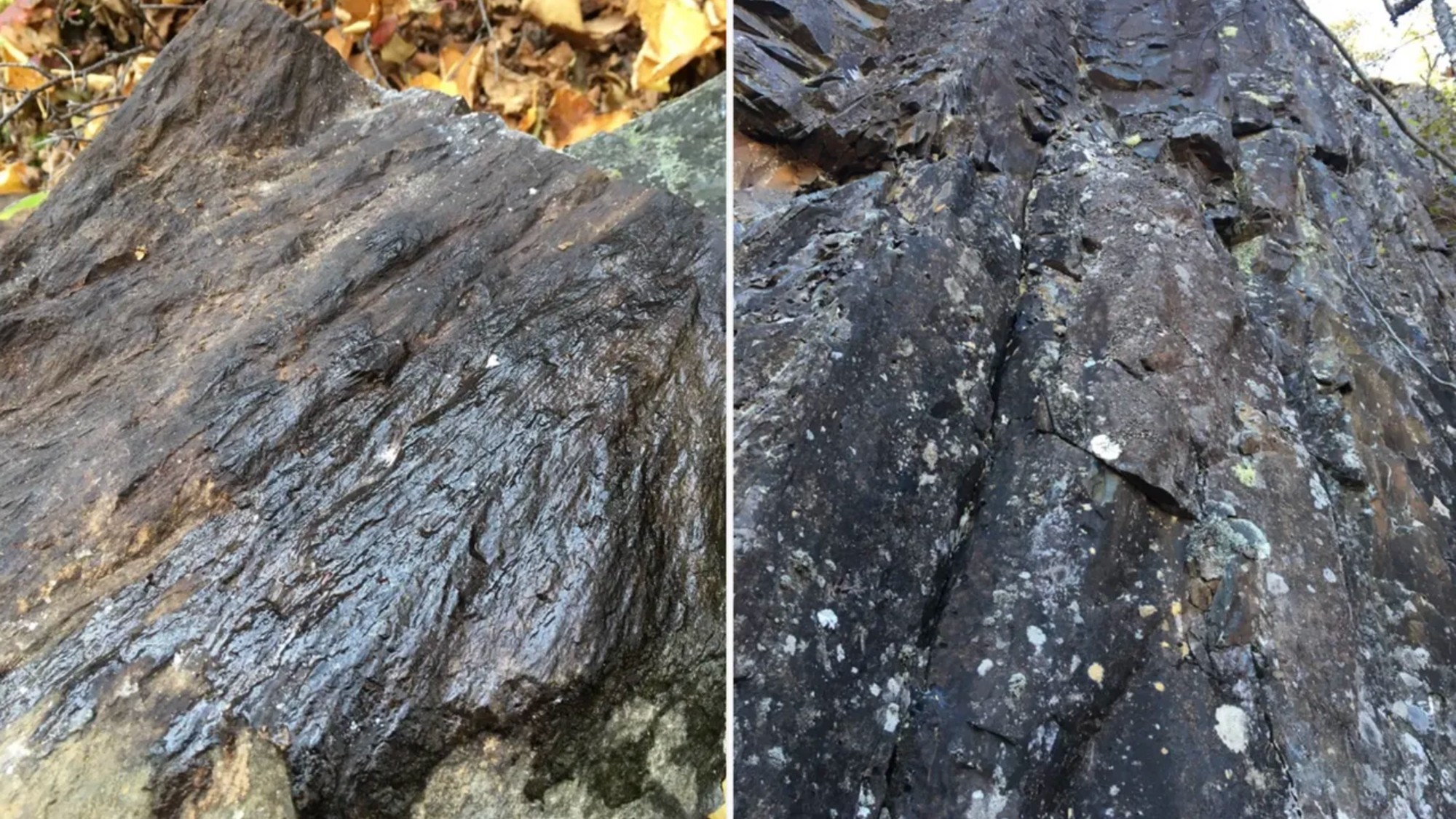
But in the case of the new crater, called Uhackatik with approval from the Innu Council of Ekuanitshit in whose traditional lands the crater lies, there is no doubt at all where the crater came from. Oz's expedition to the area revealed "shock metamorphic effects", which are deformations to the rocks induced by the shock waves and heating produced by a meteorite impact.

"Impact melt rocks are like they sound: large volumes of rock that are melted by the impact event, but then cool and crystallize to look a lot like volcanic rocks," he said. "Finding these preserved — as they are usually some of the first parts of a crater to be eroded — was a big surprise."

While most of the features are microscopic, Oz said in the field he and his collaborators could easily see "shatter cones", which are branching features in rock layers produced by the shockwave of impact. The research is not yet peer-reviewed, but it will be presented at the 88th Annual Meeting of the Meteoritical Society in Frankfurt, Germany in August.

two photos of rocks with cone-like striations on them

A shatter cone seen in rocks found at the center of the structure (left); melt rock found 2.5 miles (4 kilometers) west of the structure's center. (Image credit: Gattacceca, J. et al.)

While 400-million-year-old impact craters on Earth are hard to find, as geologic activity as well as erosion change their features over time, the precious evidence is helpful for scientists to better understand meteorite impacts on the moon, Mars and other rocky extraterrestrial bodies.

In terms of age, Oz noted, the moon's prominent Tycho crater best represents what Uhackatik probably looked like 390 million years ago. But On Earth, one of the best comparisons to Uhackatik is a moon-like crater used to help the Artemis II astronauts get ready for their moon mission this year.

That Earth crater is called Kamestastin (also known as Mistastin) in northern Labrador, Canada. Oz regularly runs expeditions there in consultation with the Mushuau Innu First Nation, as the crater lies within their traditional hunting grounds. Kamestastin includes anorthosite, a common mineral found in craters at the moon's south pole, where NASA hopes to land astronauts under the US-led Artemis program.

Artemis II astronauts Jeremy Hansen (from the Canadian Space Agency or CSA) and Christina Koch (NASA), as well as CSA backup astronaut and lunar-flyby capcom Jenni Gibbons, did an expedition to Kamestastin crater in 2023 alongside Oz and collaborators.

"For comparative craters [to Uhackatik], Kamestastin is actually a great one as the size is very similar," Oz said. "Kamestastin is well-preserved and I've worked there a lot … so in my mind, I was using Kamestastin as a template for exploring this new potential crater."

To fully confirm Uhackatik's extraterrestrial origin, Oz and collaborators are examining samples microscopically for more evidence of shock effects, such as chemistry indicating a high-temperature melt, or deformation effects in the quartz. In the meantime, Oz's lunar work with NASA continues: he will be part of the geology teams supporting the moon-landing astronauts during the Artemis 4 and 5 missions, which will touch down as soon as 2028.

  •  
❌