Scientists have identified a brain protein that may help Alzheimer’s spread, revealing a potential new target for slowing the disease’s progression. Alzheimer’s disease is closely linked to the accumulation of a toxic form of the protein Tau inside the brain. As Tau damage reaches additional brain regions, more neurons are harmed, symptoms intensify, and the [...]
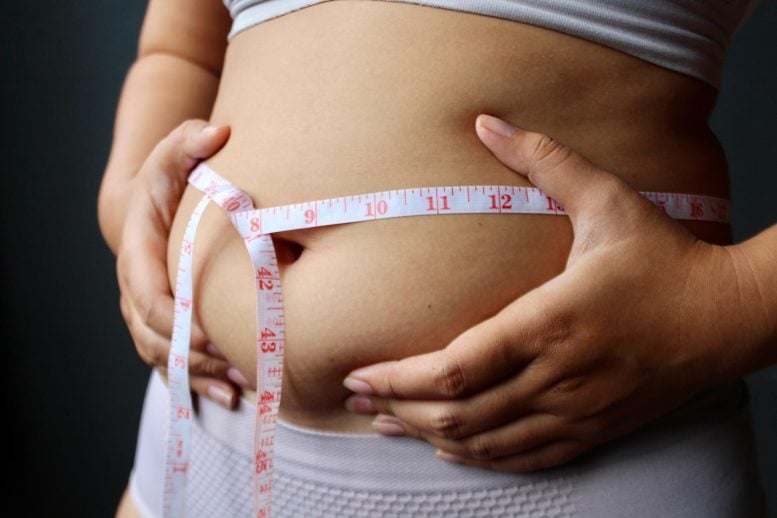
Biological defenses make losing weight and keeping it off unusually difficult. Better treatments, healthier environments, and sustainable habits may support long-term health more effectively than willpower alone. For years, weight loss has been framed as a simple test of discipline: consume fewer calories and exercise more. Modern research, however, shows that body weight is regulated [...]
Even moderate amounts of walking may help protect brain function and slow changes linked to Alzheimer’s disease. New research reveals a modest amount of daily movement may help protect the brain from Alzheimer’s disease, but the apparent benefit does not involve the biological target researchers expected. Using pedometers, researchers followed nearly 300 older adults with [...]
Sleep tracking on Apple Watch can make an invisible part of daily health easier to understand. Each morning, the watch may show sleep duration, stages, interruptions, overnight vitals and a score intended to summarize the night.
That information can be useful. It can also create a new habit of judging the entire day before getting out of bed.
One low score may make a person feel tired before noticing how they actually feel. A few minutes less deep sleep can become a source of concern. Going to bed can even start to feel like a test that must be passed rather than a normal biological process.
Apple Watch sleep data works better as a long-term observation tool than as a nightly verdict. The goal is not to collect perfect scores. It is to notice repeatable patterns and make small changes when those patterns match real-life problems.
What Apple Watch Measures During Sleep
Apple Watch estimates sleep using movement and signals collected while it is worn overnight. Depending on the model and available features, the Health and Sleep apps can show total sleep time, awake periods and estimates for core, deep and REM sleep.
The watch may also collect sleeping heart rate, respiratory rate, wrist temperature and other overnight metrics. The Vitals app compares several of these measurements with the user’s established typical range.
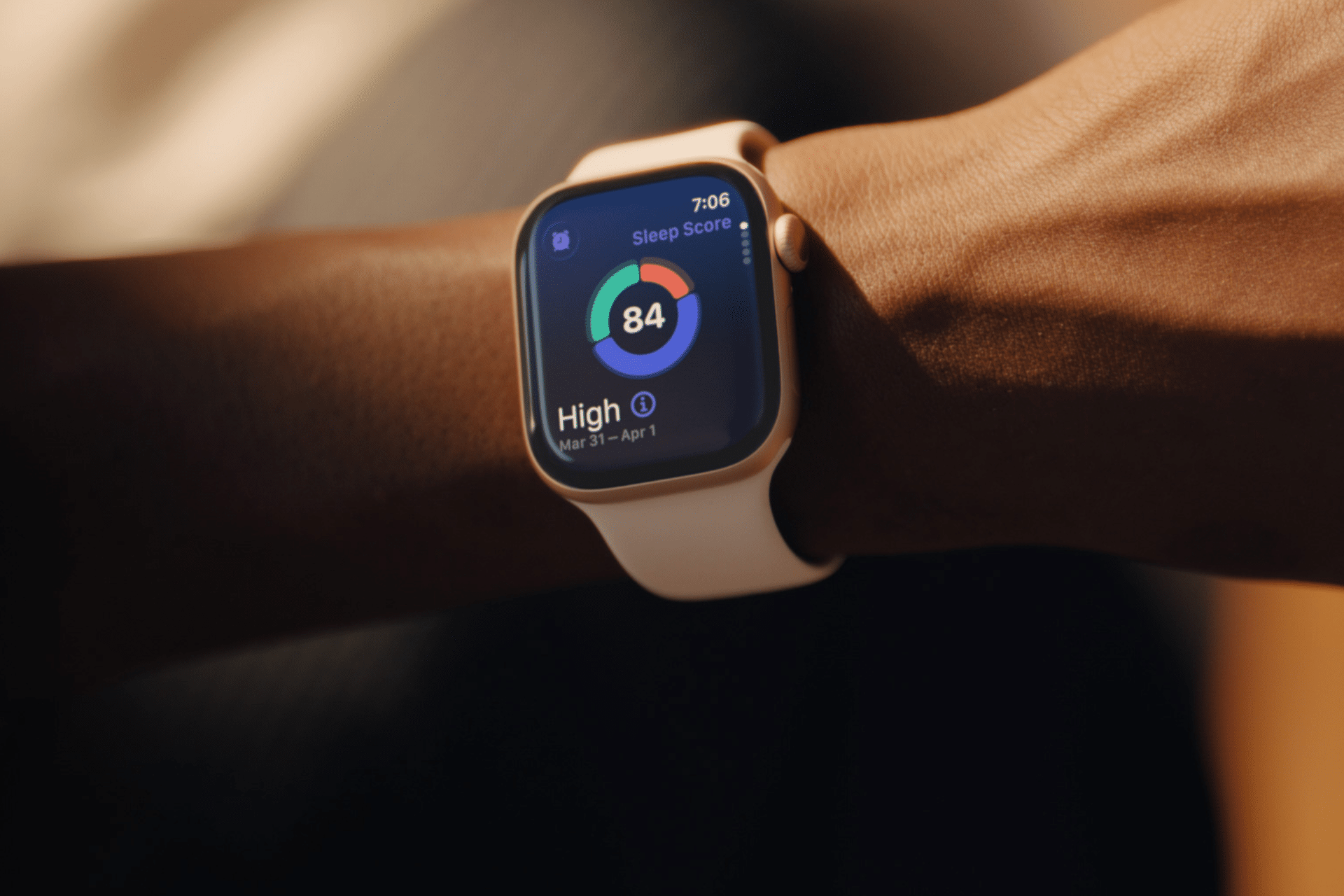
A sleep score compresses parts of the night into one number or category. Apple’s score considers factors including sleep duration, consistency and time spent awake. That makes it convenient, but convenience should not be confused with a complete medical interpretation.
The watch cannot know whether a stressful conversation kept someone awake, whether a child interrupted the night or whether the wearer woke feeling unexpectedly refreshed after fewer hours. It estimates physiological and behavioral signals. The person still supplies the context.
Sleep Tracking Apple Watch Data Works Best as a Trend
One night can be distorted by almost anything: travel, alcohol, illness, noise, a late meal, room temperature or a loose watch band. Even the position of the arm can affect sensor collection.
A weekly or monthly view is more useful because it reduces the influence of isolated nights. Patterns begin to emerge around bedtime consistency, total duration and changes in overnight vitals.
To review longer sleep trends on iPhone:
Health > Search > Sleep > select the weekly, monthly or six-month view
Look first at sleep duration and timing. These measurements are generally easier to interpret than small changes in individual sleep stages.
A person who repeatedly sleeps less on work nights may have a scheduling issue. Someone whose sleep becomes more fragmented after late caffeine may have found a useful connection. A consistently irregular bedtime may explain more than whether deep sleep moved by 12 minutes on Tuesday.
The data becomes valuable when it supports an observation that can lead to a realistic adjustment.
Image Credit: Apple Inc.
Do Not Treat Sleep Stages as Exact Measurements
Core, deep and REM sleep are presented as distinct colored sections, which can make them appear more precise than they are. Apple Watch estimates these stages from signals available at the wrist. A clinical sleep study uses additional equipment and is designed for medical evaluation.
That does not make the stage information worthless. It means small nightly differences should not be overinterpreted.
A person does not need to increase deep sleep manually or achieve a perfect proportion of REM sleep. Sleep architecture changes naturally across age, stress levels, exercise, illness and different parts of the night.
Use stage data to notice substantial or persistent changes, not to compete with yesterday’s chart. Spending 15 minutes less in one estimated stage is not automatically a health problem.
Start With How You Feel
Before opening the Sleep app, notice how the morning feels.
Was waking difficult? Is concentration normal? Is there unusual daytime sleepiness? Does the body feel recovered after exercise? Was the night interrupted for an obvious reason?
This brief self-check prevents the score from defining the experience. Someone may feel fine after a lower-rated night, while another person may feel exhausted despite receiving a favorable score.
The most useful interpretation combines both sources: subjective experience and device data. When they repeatedly agree, the pattern deserves attention. When they conflict for one night, there may be no reason to react.
Use Vitals as Context, Not a Diagnosis
The Vitals app can show whether overnight measurements such as heart rate, respiratory rate, wrist temperature and sleep duration fall within a typical range. It becomes more useful after the watch has collected enough nights to establish a personal baseline.
An outlier may reflect alcohol, medication, elevation, intense training or the beginning of an illness. It may also be an ordinary variation or imperfect reading.
Several unusual metrics appearing together may provide more context than one isolated number. Even then, Apple Watch data should not be used to diagnose a condition independently.
Persistent symptoms, breathing concerns, extreme daytime sleepiness or major changes in sleep should be discussed with a qualified healthcare professional. Bring the trend data if it helps describe what has been happening, but do not let the watch replace an evaluation.
Build a Routine Around Behavior, Not Scores
The healthiest use of sleep tracking is to connect the data with actions a person can actually control.
A consistent bedtime may improve the pattern. Charging the watch before the evening makes tracking more reliable. Reducing late caffeine, adjusting the bedroom temperature or moving an intense workout earlier may also produce noticeable changes.
To set a sleep schedule:
Health > Search > Sleep > Full Schedule & Options > Add Schedule
A schedule can provide Wind Down reminders and help keep bedtime more regular. It should remain a helpful structure rather than a rigid obligation. Life will occasionally interrupt it.
Choose one adjustment and observe it for a week or two. Changing five habits after one poor night makes it difficult to identify what helped.
Image Credit: Apple Inc.
When Sleep Tracking Creates More Stress
Some people become preoccupied with improving sleep data, repeatedly checking results or worrying that a low score guarantees a bad day. The anxiety can itself make falling asleep more difficult.
That is a sign to reduce exposure to the numbers.
Sleep tracking can be turned off temporarily, or the data can be reviewed only once per week. Another option is to avoid checking the score in the morning and examine trends at a neutral time later.
To change sleep tracking settings:
Watch app on iPhone > My Watch > Sleep
A break does not erase the knowledge already gained. A person who has learned that regular timing and less late caffeine improve sleep may no longer need a daily chart to confirm it.
The device should support rest, not supervise it.
A Better Way to Read the Morning Report
A practical morning review can remain simple. Check whether the watch recorded the full night. Notice total duration. Consider whether the bedtime was typical. Look for any major change in overnight vitals, then move on.
There is rarely a need to analyze every stage, compare several apps or search for explanations after one ordinary variation.
Sleep tracking on Apple Watch is most useful when it reveals something that was difficult to see without data: a repeated shortfall in duration, an inconsistent schedule or a pattern linked to habits and recovery.
The score can summarize one night, but it cannot grade the person who slept through it. A healthier measure is whether the information helps create calmer nights, better days and fewer reasons to think about the watch after waking.
If you’re like me, you or a loved one has struggled through the process of gaining pre-approval for the medical care that your physician has recommended. Personal stories abound regarding the tribulations of patients as they go through hoops to get their health insurer to pay for certain prescription medications, medical procedures, and more.
When used judiciously, this process—known as prior authorization—serves as a check on overuse and spending on services or technologies for which there are less costly alternatives. But a large majority of physicians voice concerns about care delays, which can cause patients to abandon recommended treatments while waiting for the insurance company to verify their eligibility and confirm that the treatment is, indeed, medically necessary. Patients who are denied care may submit an appeal, but that requires more time.
AI might be able to help. With its ability to efficiently sort through vast reams of information, artificial intelligence could theoretically expedite approval of unambiguously allowable claims, thereby reducing care delays. However, AI-driven prior authorization is facing resistance, as it may increase wrongful denials of health insurance coverage. A 2025 American Medical Association survey of physicians revealed significant concern about the application of AI tools, with 61 percent of doctors worrying that AI will exacerbate denials of what they deem are necessary treatments.
A negative scan does not always mean recurrent prostate cancer is nowhere to be found. Sometimes, the disease may simply be too small or too faint to appear yet. New research suggests that repeating a PSMA PET scan later can reveal cancer that was missed the first time. Among patients with rising prostate-specific antigen (PSA) [...]
A population study suggests the human body may already be responding to changes in the composition of the atmosphere. The air outside may be leaving a subtle signature in human blood. Researchers have identified gradual changes in a key carbon dioxide-related blood marker and warn that it could approach the upper limit of its healthy [...]
New research suggests that low oxygen levels may help alleviate disease caused by defects in mitochondrial quality control. Oxygen is essential for people—and most other organisms—but more is not always better. When oxygen accumulates beyond what cells can safely use, it can become toxic and contribute to serious health problems. In the brain, excess oxygen [...]
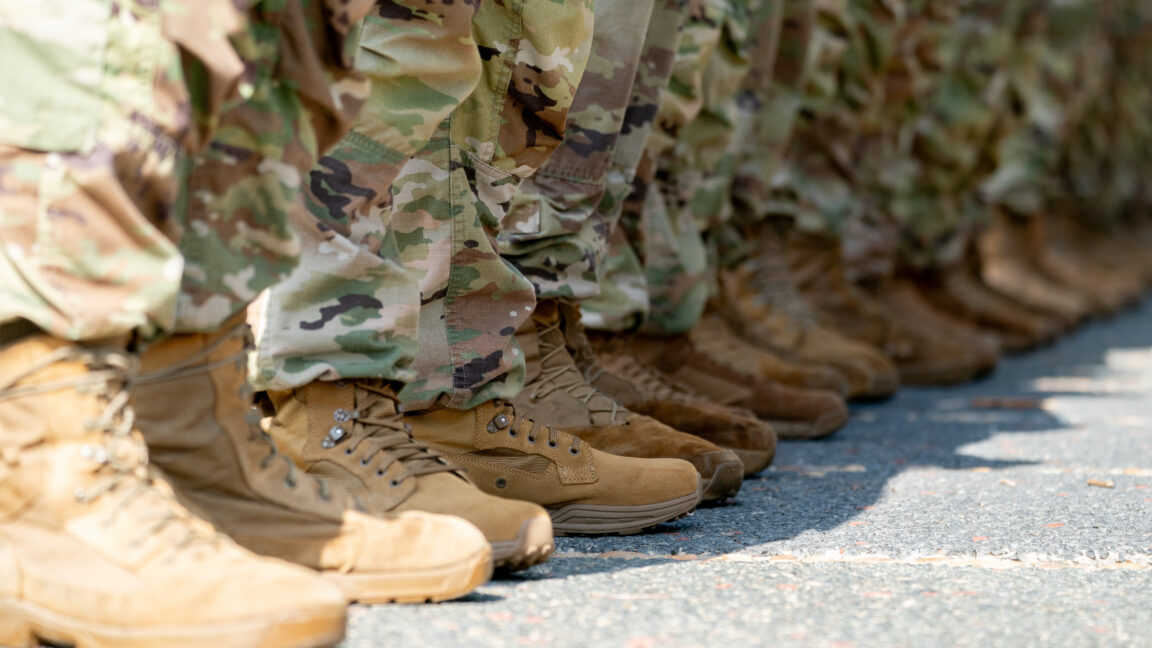
On Wednesday, Defense Secretary Pete Hegseth made the startling announcement that the US military would begin requiring all active duty and reserve personnel aged 30 and older to undergo mandatory screening for testosterone deficiency. The screenings will take place during yearly health assessments. Those under age 30 can also get screened on request.
In a short video posted on social media, Hegseth explained to the military community that the screenings and possible subsequent treatments are intended to "optimize your performance, your resilience, and your long-term health." While saying that the initiative wasn't about "artificial enhancement" and that members could decline treatment, Hegseth claimed that the testing and potential treatment was for "restoring and optimizing" capabilities, protecting "longevity," and "ensuring you have the biological foundation required to sustain the fight."
But will testosterone screening and treatment actually "optimize" our "warfighters"? Will it help most of them live longer? Should everyone else get screened and treated, too?
Federal officials on Friday announced that shredded iceberg lettuce imported from Mexico and served at Taco Bell restaurants in five states is a source of Cyclospora, the foodborne parasite causing the nationwide surge in cases of explosive, watery diarrhea. The five states are Indiana, Kentucky, Michigan, Ohio, and West Virginia.
A traceback investigation by the Centers for Disease Control and Prevention and the Food and Drug Administration identified a single supplier in Mexico as the source of iceberg lettuce for Taco Bell restaurants where sick people reported eating. While federal authorities did not name the supplier, sources told the Washington Post that it is Taylor Farms.
Taylor Farms was also implicated in a 2024 multi-state E. coli outbreak linked to contaminated onions served at McDonald's and other fast-food restaurants. At the time, FDA inspectors found multiple violations at a Taylor Farms facility in Colorado.
Aging appears to alter how key cerebellar neurons fire, with measurable effects on movement and coordination. Aging often brings slower movement, weaker balance, and reduced agility, but the brain changes behind these losses have been difficult to identify. McGill University researchers have now directly linked declining activity in Purkinje cells, an important type of neuron [...]
New data reveal major geographic disparities and highlight the urgent need for global action on prevention, early detection, and equitable access to treatment. For roughly one in five people worldwide, cancer will become part of their lifetime. Global Cancer Statistics, 2026 estimates that nearly 21 million people were diagnosed with cancer in 2024 and 9.8 [...]
New research examines how antioxidants may influence the risk of cancers linked to digestion. Vitamin C may do more than support the immune system. It could also help block chemical reactions in the stomach that are linked to cancer risk. New mathematical modeling from the University of Waterloo suggests the vitamin may help explain why [...]
“Based on simple math, these outbreak responses—which require rapid, timely responses—are going to be greatly diminished,” the former CDC lab director tells WIRED.
A gum disease bacterium may contribute to aortic valve calcification through inflammation, according to preliminary human tissue and mouse research. A bacterium best known for damaging gums may also be involved in the hardening of the heart’s aortic valve. Preliminary research presented at the American Heart Association’s Basic Cardiovascular Sciences Scientific Sessions 2026 points to [...]
Controlling ribosomal RNA could help researchers target diseases driven by too little or too much protein production. Cells do not simply make proteins at a fixed pace. They continually adjust production to match their needs, and those changes can help determine whether a cell keeps dividing, adopts a specialized identity, or retains the developmental flexibility [...]
A natural supplement strengthened lasting anticancer immune responses in obese mice. Weight loss can improve many aspects of health, but the immune system may not recover as quickly. Obesity can leave behind long-lasting changes in the bone marrow, where immune cells are formed, potentially weakening the body’s ability to respond to cancer even after excess [...]
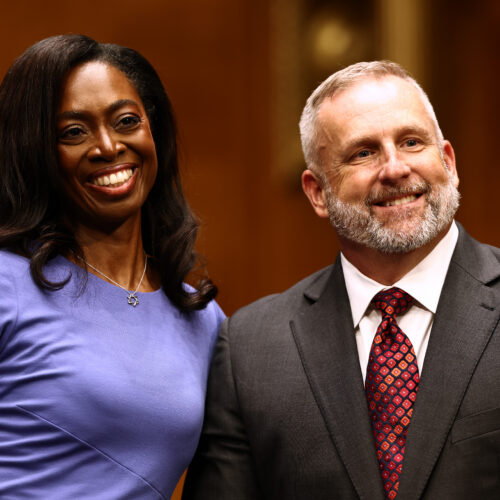
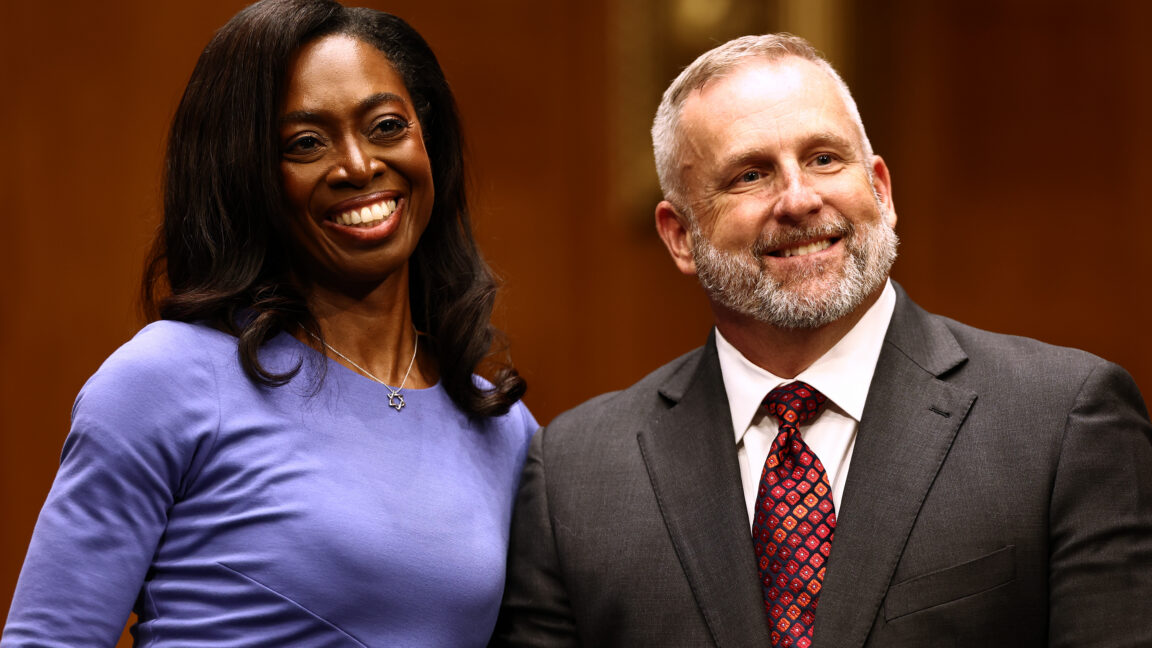
Two nominees for high-profile health roles in the Trump administration faced scrutiny from the Senate health committee Wednesday—and both crashed and burned in their own special ways.
The Senate Committee on Health, Education, Labor, and Pensions (HELP) scrutinized Erica Schwartz, the nominee for director of the Centers for Disease Control and Prevention, and Sean Kaufman, up for the role of assistant secretary for preparedness and response.
Schwartz's assignment
Public health experts were "cautiously optimistic" about Schwartz's nomination. She is well-respected and holds views in line with evidence-based medicine, including being supportive of vaccinations—in contrast to anti-vaccine Health Secretary Robert F. Kennedy Jr., whom she will serve under. She is also highly qualified for the role, with a medical degree, a master's degree in public health, and a law degree. She's had a long career as a Navy Officer and previously held the roles of chief medical officer for the US Coast Guard and deputy surgeon general in the first Trump administration.

 Login

 Scientists have identified a brain protein that may help Alzheimer’s spread, revealing a potential new target for slowing the disease’s progression. Alzheimer’s disease is closely linked to the accumulation of a toxic form of the protein Tau inside the brain. As Tau damage reaches additional brain regions, more neurons are harmed, symptoms intensify, and the [...]