When it comes to putting strange substances into your body in 2026, the sky’s the limit.
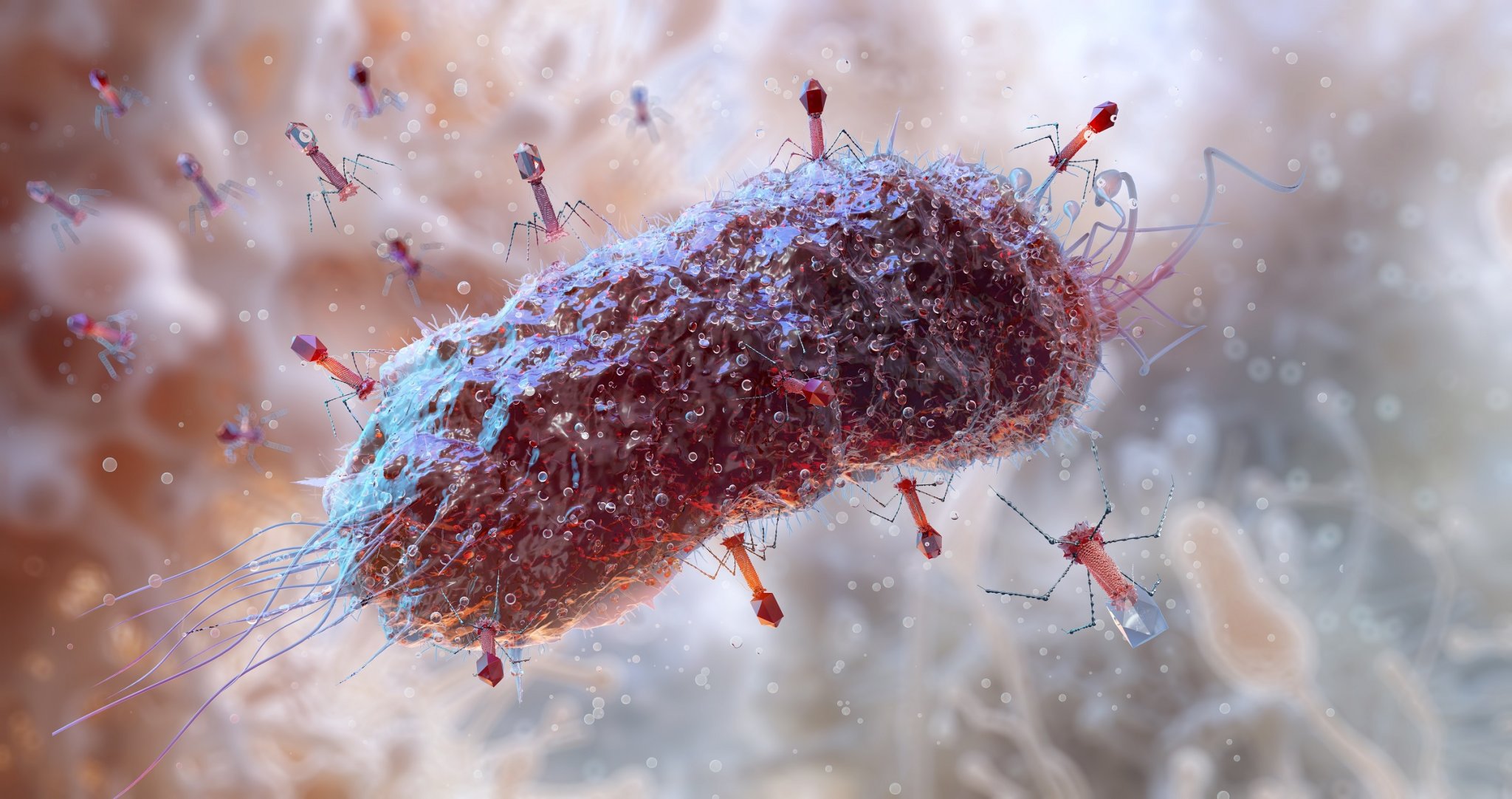
First there were black-market Russian peptides — and now there are AI-generated viruses, which one startup claims has been used to successfully treat a bacterial infection.
On Tuesday, the company called Radical Numerics published a technical paper on its website, explaining the process by which they trialed an AI-engineered viral treatment on a human subject.
Targeting bacteria with special viruses isn’t new — it’s called “phage therapy,” and it involves deploying viruses that specifically target harmful microscopic organisms. But the hunt for viruses capable of locking onto a particular infection is arduous, and Radical Numerics says it’s found a way to use AI to revolutionize the process.
Yet as the New York Times notes in its reporting, Radical Numerics’ research is really more like a blog post — not only was the study self-published, rather than being vetted by a scientific journal, but it hasn’t even been peer reviewed. Making matters even murkier, the company declined to share clinical information about the patient or the doctors involved with the NYT, citing the proprietary nature of a treatment it hopes to monetize.
“We take our responsibility to protect patient confidentiality and maintain the trust of our clinical partners extremely seriously,” CEO of Radical Numerics Eric Nguyen told the paper. “We intend to publish our scientific findings through peer-reviewed research, with any future disclosure of clinical details subject to appropriate consent.”
As Harvard microbiologist Michael Baym told the NYT, “if it works, that’s incredible,” but his “impulse is to be skeptical.”
As the saying goes, extraordinary claims require extraordinary evidence — and that goes double when you’re running a venture-backed commercial lab exposing sick people to AI-generated viruses.
O novo smartphone da OPPO é um dos candidatos ao top de melhores smartphones do ano, com foco especial na fotografia e um sistema de três câmaras de 200 MP. O TEK Notícias já testou o X10 Pro Max e há muitos pontos positivos, mas também apostas arriscadas.
Prime Minister Andy Burnham announced a campaign against listening to music or videos without headphones on public transportation. We asked London commuters to weigh in.
O novo Mobi Fold da Logitech impressiona no transporte e na forma como assenta na mão, mas o scroll tátil e as dúvidas sobre a dobradiça impedem-no de ser "O rato portátil" perfeito.
The Slow Horses season 6 finale, episode 6 “Judgment Day,” is listed for October 21, 2026 on Apple TV, according to Apple’s episode guide. Apple has already confirmed a seventh season, announced last year, and on September 15, 2026 it announced a six-episode eighth season adapted from Mick Herron’s novel “Clown Town.” So the end […]
The movie Disclosure Day, directed by Spielberg, investigates a conspiracy about government suppression of alien evidence dating back to Roswell. This review questions current societal beliefs about extraterrestrials and Darwinian evolution. It exposes the deception, ultimately portraying alien visitation as a misunderstood age-old phenomenon rather than a new factual reality.
Le mur sert d'appui et de repère : il stabilise le bassin et permet de solliciter les muscles profonds de la ceinture abdominale sans matériel. Ces exercices renforcent le gainage et soutiennent le dos. Ils ne font en revanche pas disparaître la graisse abdominale, et deux situations imposent de...
AI is increasingly getting good at doing some tasks, but it can never replace human workers’ judgment
Autonomous cars, which may be the safest we have built, keep getting easily avoidable parking tickets. While Waymos crash far less often than human drivers over tens of millions of miles, they’re still terrible at performing basic tasks – keeping out of disabled parking spots and tow-away zones, or steering clear of a church garage during Sunday service, according to the Wall Street Journal.
That is the state of AI today: impressively capable at something complex, yet embarrassingly clumsy at something easy. And it has implications for what work will remain human and what will be automated by AI.
Madhu Shashanka is co-founder, chief scientist and chief technology officer at Concentric AI, a data security software company
Quand on cherche à perdre du ventre, on pense surtout aux kilos sur la balance ou au pantalon devenu trop serré. Mais une partie de la graisse abdominale se cache plus profondément, autour des organes. Un médicament expérimental pourrait agir sur cette graisse liée à plusieurs maladies...
A gene variant called APOE4 dramatically increases the risk of late-onset Alzheimer's disease, the most common form of dementia. Now, emerging research is revealing APOE4's true role in the condition, and a new study pinpoints a possible way to treat it.
Historically, scientists studying Alzheimer's disease have focused on two proteins that accumulate in patients' brains: amyloid-beta and tau. However, there's a "third thing that people didn't pay attention to, until recently," said study co-author Li-Huei Tsai, a neuroscientist at MIT. That third thing is the accumulation of droplets of fat, or lipids, in the brain, she told Live Science.
The APOE gene makes proteins responsible for transporting fat around cells throughout the body and brain. A version of the gene called APOE4, which increases the risk of late-onset Alzheimer's three- to 12-fold, makes proteins that are less efficient at this function, Tsai said. But how APOE4 affects different brain cells was not clearly understood.
Tsai's team has been working to close that gap for about a decade.
"APOE4 can influence many different cell types," she emphasized. "It's not just one cell type."
Zeroing in on the clues
In past laboratory research, Tsai's team found that APOE4 causes a buildup of cholesterol in astrocytes, star-shaped brain cells that support the function of neurons. Genetic analyses suggested that the gene variant may mess with how these cells process fat.
Another study zoomed in on oligodendrocytes, cells that help insulate neurons' outgoing wires with a fatty material called myelin. This material helps neurons send messages more efficiently. APOE4 caused the oligodendrocytes to accumulate cholesterol. So, in lab mice, the team used a drug to help the cells get rid of that extra cholesterol, and it improved the cells' ability to make myelin and the mice's performance on cognitive tests.
In their latest research, published Thursday (Oct. 15) in the journal Cell Stem Cell, Tsai's team dug into the question of why APOE4 causes fat to accumulate in the first place.
They used stem cells to grow APOE4-carrying oligodendrocytes and then turned specific genes on or off, to see if they increased or decreased the formation of fat droplets. This screening pointed to a major group of genes involved in cell-to-cell communication, called the Wnt signaling pathway. This included a key gene called DKK1, which acts as a brake on this signaling system.
Disabling DKK1 — essentially lifting the brake — reduced the concentration of fat droplets in the cells, the team found.
In brain tissue samples from organ donors with APOE4, the team also found signs of low Wnt signaling. This finding "establishes a very strong link" between the signaling pathway and formation of fat droplets, said Rosie Jackson, a cell biologist at the University of Dundee who was not involved in this study.
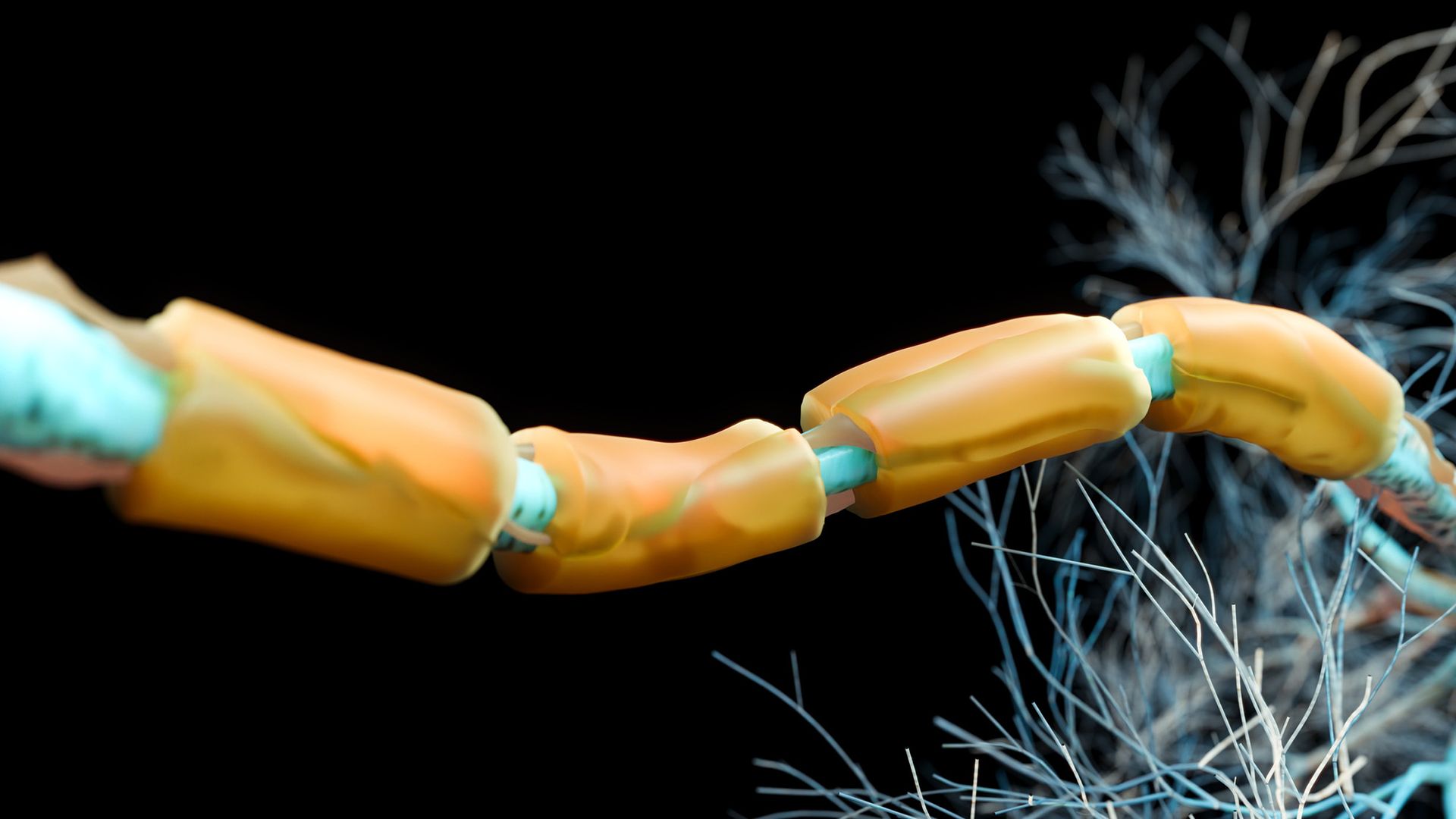
Myelin (orange) is a fatty material that coats the outgoing wires of many neurons, helping the cells send signals more efficiently. (Image credit: koto_feja via Getty Images)
APOE4's effects across the brain
The researchers then investigated exactly how Wnt signaling was disrupted in oligodendrocytes.
APOE4 seemed to decrease the cells' supply of a protein that helps relay Wnt signals. That helpful protein was being broken down by an enzyme whose levels had been boosted by the APOE4. In mice, the team used a drug to block that extra enzyme, and the treatment ultimately restored normal Wnt signaling, reduced fat buildup, and helped the cells make myelin properly.
This could change how scientists think about treating Alzheimer's disease, Jackson said. It "opens up a new wave of potential therapeutics" that could target the accumulated fats, rather than going after only amyloid-beta and tau, she said.
"I think that this is becoming a really common idea in the field — that we're going to need multiple medications that target slightly different elements," she told Live Science. "And targeting lipids will be a really important part of that."
That said, the findings have not been confirmed in humans yet.
"It's very encouraging that facilitating lipid clearance and lipid movement is a potential therapeutic avenue," said study co-author Joel Blanchard, a neuroscientist at the Icahn School of Medicine at Mount Sinai. The question is how we can do that in a safe and effective manner in humans, he said.
While cells with other versions of the APOE gene can put a lot of energy toward breaking down the proteins, APOE4-carrying cells put all their energy toward fat storage, Blanchard said.
But more research is needed to understand how to fix the problem, he said. Hopefully, targeting fat storage "could rescue not just one thing but multiple things that go wrong in the course of Alzheimer's disease," he told Live Science.
This article is for informational purposes only and is not meant to offer medical advice.
Spain is one of the easiest places in the world to experience thetotal solar eclipse on Aug. 2, 2027. The so-called "eclipse of the century" first makes landfall in Andalucía, where totality will last up to 4 minutes and 40 seconds during mid-morning, with the sun comfortably high at around 38-42 degrees above the horizon in the eastern sky. Excellent roads, plentiful accommodation and Málaga's international airport make this an obvious alternative to North Africa and the Middle East.
However, choosing where to watch requires some thought. Southern Spain's narrowing shape funnels the path toward the Strait of Gibraltar, potentially concentrating huge numbers of eclipse chasers around Tarifa, the Costa del Sol and the British Overseas Territory of Gibraltar during the peak summer holiday season.
From busy Mediterranean beaches to mountain villages, here's where to see the total solar eclipse on Aug. 2, 2027 in southern Spain. All times, totality durations and historical cloud cover data come from Time and Date.
1. Tarifa
At the southernmost tip of mainland Europe, Tarifa will experience almost four minutes and 40 seconds of totality on Aug. 2, 2027. (Image credit: MEDITERRANEAN via Getty Images)
Location: Cádiz province
Start of totality and duration: 10:45 a.m. CEST; 4 minutes, 40 seconds
Historical August cloud cover: 13%
Altitude of the sun: 38 degrees above east
At the southernmost tip of mainland Europe, where the Atlantic Ocean meets the Mediterranean Sea, Tarifa is likely to be one of the country's busiest eclipse-watching locations because it will experience the longest totality in mainland Spain. Just 9 miles (14 km) across the Strait of Gibraltar from Morocco, the historic port town is known for its whitewashed old town, the medieval Castle of Guzmán el Bueno and its long, sandy beaches. Los Lances and Valdevaqueros offer wide horizons and plenty of open space.
2. Gaucín
The whitewashed mountain village of Gaucín will experience more than three minutes of totality on Aug. 2, 2027. (Image credit: japatino via Getty Images)
Location: Málaga province, Andalucía, Spain
Start of totality and duration: 10:46 a.m. CEST; 3 minutes, 13 seconds
Historical August cloud cover: 5%
Altitude of the sun: 38 degrees above east
For eclipse chasers who would rather head into the mountains than join the crowds on the Costa del Sol, Gaucín is an intriguing alternative. One of Andalucía's classic pueblos blancos, the whitewashed village occupies a spectacular position in the mountains above the coast, crowned by the ruins of Castillo del Águila. Its elevated setting offers sweeping views across the surrounding countryside towards Gibraltar and, on clear days, the mountains of North Africa. Crucially, heading inland doesn't sacrifice too much totality.
3. Gibraltar
The Rock of Gibraltar will be plunged into darkness for almost four and a half minutes during the total solar eclipse on Aug. 2, 2027. (Image credit: Eloi_Omella via Getty Images)
Location: Gibraltar
Start of totality and duration: 10:45 a.m. CEST; 4 minutes, 29 seconds
Historical August cloud cover: 17%
Altitude of the sun: 38 degrees above east
Few places in Europe could provide a more dramatic setting for totality than Gibraltar, the tiny British Overseas Territory dominated by its famous 1,398-foot (426-meter) limestone Rock. However, eclipse chasers will need to view either from The Rock or its east coast, where elevated viewpoints and beaches face the Mediterranean and the eclipsed sun. However, Gibraltar has a potential complication — the easterly Levanter wind can create a distinctive cap of cloud over the Rock even when surrounding skies are clear. Another issue is accommodation, which is already at a premium. See Gibraltar Eclipse 2027.
4. La Línea de la Concepción
La Línea de la Concepción offers the chance to watch more than four minutes of totality with the Rock of Gibraltar dominating the horizon. (Image credit: fhm via Getty Images)
Location: Cádiz province
Start of totality and duration: 10:45 a.m. CEST; 4 minutes, 24 seconds
Historical August cloud cover: 17%
Altitude of the sun: 38 degrees above east
Immediately north of Gibraltar, La Línea de la Concepción occupies the sandy isthmus between the Bay of Gibraltar and the Mediterranean Sea. Its location creates one of Spain's most distinctive possibilities for eclipse photography. On the Mediterranean side, Playa de Santa Bárbara is a wide sandy beach north of the border, with the immense Rock of Gibraltar rising to the south — a potentially spectacular foreground. The city has around 9 miles (14 kilometers) of coastline, providing plenty of alternatives for eclipse viewing.
5. Estepona
Estepona on the Costa del Sol will experience more than three and a half minutes of totality on Aug. 2, 2027. (Image credit: John Harper via Getty Images)
Location: Costa del Sol, Málaga province
Start of totality and duration: 10:46 a.m. CEST; 3 minutes, 41 seconds
Historical August cloud cover: 7%
Altitude of the sun: 38 degrees above east
About an hour's drive southwest of Málaga Airport, Estepona is one of the Costa del Sol's most attractive resort towns, with a pedestrianized old quarter of whitewashed streets, colorful flowerpots and squares centered on Plaza de las Flores. For eclipse day, the mile-long Playa de la Rada is the obvious gathering place, with its broad Mediterranean horizon and proximity to the town center. Other attractions include Estepona Marina and the Sierra Bermeja mountains rising behind the coast.
6. Cádiz
The ancient Atlantic port of Cádiz will experience almost three minutes of totality on Aug. 2, 2027. (Image credit: Flottmynd via Getty Images)
Location: Cádiz province
Start of totality and duration: 10:45 a.m. CEST; 2 minutes, 56 seconds
Historical August cloud cover: 13%
Altitude of the sun: 37 degrees above east
Historic Cádiz occupies a narrow peninsula jutting into the Atlantic and is packed with reminders of its long maritime past, including the Cádiz Cathedral, the Roman Theatre and Torre Tavira, one of more than 100 watchtowers once used to spot approaching ships. For eclipse day, the long, sandy Playa de la Victoria offers plenty of open space, while La Caleta provides a more historic setting between two coastal castles.
7. Málaga
Málaga, capital of the Costa del Sol, will experience almost two minutes of totality on Aug. 2, 2027. (Image credit: Guven Ozdemir via Getty Images)
Location: Málaga province
Start of totality and duration: 10:48 a.m. CEST; 2 minutes
Historical August cloud cover: 9%
Altitude of the sun: 39 degrees above east
Málaga may lose some duration compared with locations farther west, but it makes up for it with excellent transport links, plentiful accommodation and all the attractions of a major Mediterranean city. It combines the hilltop Gibralfaro Castle and Moorish Alcazaba with a Roman theatre, cathedral, museums and a lively historic center. For eclipse day, the obvious option is the coast. La Malagueta beach is within walking distance of the city center, while numerous beaches extend east and west along the Costa del Sol.
8. Torremolinos
The beaches of Torremolinos on the Costa del Sol will experience almost three minutes of totality on Aug. 2, 2027. (Image credit: By LTCE via Getty Images)
Location: Málaga province
Start of totality and duration: 10:47 a.m. CEST; 2 minutes, 46 seconds
Historical August cloud cover: 11%
Altitude of the sun: 39 degrees above east
One of the best-known resorts on Spain's Costa del Sol, Torremolinos combines a long Mediterranean beachfront with easy access to Málaga and its international airport. Its 4-mile (6-kilometer) promenade links broad sandy beaches, including Playa del Bajondillo and Playa de la Carihuela, offering plenty of potential eclipse-watching spots with views toward the eastern sky. For a higher vantage point, nearby Mount Calamorro rises almost 2,600 feet (800 meters) above Benalmádena, with panoramic views across the Costa del Sol and, on clear days, towards Gibraltar and North Africa.
9. Marbella
Marbella's Mediterranean beaches will experience more than three minutes of totality on Aug. 2, 2027. (Image credit: Tu xa Ha Noi via Getty Images)
Location: Costa del Sol, Málaga province
Start of totality and duration: 10:46 a.m. CEST; 3 minutes, 21 seconds
Historical August cloud cover: 7%
Altitude of the sun: 38 degrees above east
Marbella has around 17 miles (27 kilometers) of Mediterranean coastline, so eclipse chasers will have dozens of beaches to choose from, from San Pedro de Alcántara in the west to Cabopino in the east. Options include the sandy beaches and dunes around Cabopino, Las Chapas, Puerto Banús and San Pedro de Alcántara, all with open views across the Mediterranean. Away from the beach, Marbella offers a whitewashed old town centered on Plaza de los Naranjos, while the Sierra Blanca mountains provide a dramatic backdrop to the resort.
10. Motril
Motril on Spain's Costa Tropical lies close to the northern edge of the path of totality on Aug. 2, 2027. (Image credit: Getty Images)
Location: Costa Tropical, Granada province
Start of totality and duration: 10:49 a.m. CEST; 1 minute, 57 seconds
Historical August cloud cover: 10%
Altitude of the sun: 39 degrees above east
Close to the northern edge of the path of totality, Motril gets a shorter eclipse than destinations farther west, but could be among the quieter places on Spain's Mediterranean coast from which to experience it. The largest town on Granada's Costa Tropical sits between the Mediterranean and the foothills of the Sierra de Lújar, with the Sierra Nevada rising beyond. Nearby Playa Granada and Playa Poniente offer broad coastal views.
Some Ray-Ban Meta smart glasses were recording people’s conversations without the wearer knowing. The recordings occurred without users saying the prompt phrase (“Hey, Meta”), in a bug that Meta says has been fixed.
This week, some usersreported online that their Ray-Ban Metas were recording without their consent. A person going by Kindly-Audience-137 on Reddit, for example, said this happened to them across three Meta Ray-Bans and that they had the “Respond without Hey Meta” setting turned off. The person said the Meta AI app “saves audio recordings and text transcripts of these conversations in my conversation history.”
“I believe this deserves a serious technical investigation. Customers should not have to wonder whether their private conversations are being captured when they have not intentionally activated their glasses’ AI assistant,” the Reddit user said.
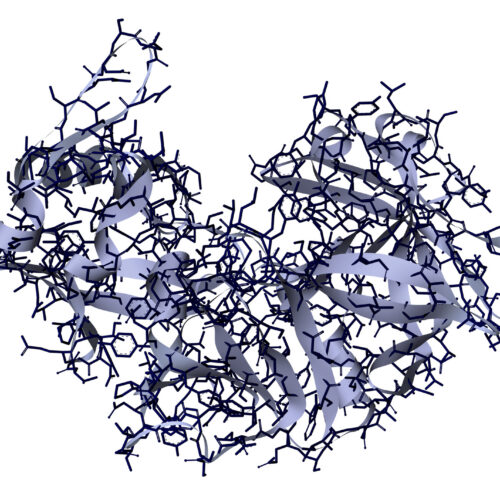
A protein is a chain of amino acids held together by what are called peptide bonds. On their own, those bonds are extremely stable; they're estimated to have a half-life of several hundred years. But in Earth's environment, most proteins don't last nearly that long. That's because organisms have evolved a handful of ways to catalyze the break-up of peptide bonds, which have diversified into countless specialized protein-digesting enzymes. Proteases are everywhere and generally make short work of any proteins that find their way into the environment.
Now, researchers have basically short-circuited the diversification process, using AI-based protein design tools to take the catalytic core of two types of protease and replace the entire rest of the protein. The resulting enzymes could be tuned to cut specific proteins in half, and the researchers demonstrated their effectiveness by using them to cut proteins associated with neurological diseases.
Cutting proteins
The basic peptide bond isn't especially interesting-looking—it's what you get when you link an amino group to an acid, releasing a water molecule in the process. As their name implies, amino acids have both an amino and an acid group, allowing them to form peptide bonds on two sides of the amino acid. This is critical for building up the long chains found in proteins. (The amino acids also have side chains with distinctive chemistry, which gives a backbone specific properties.)
The risks and rewards of removing Apple Intelligence to reclaim storage storage space space are debated, along with some experiences of performance problems following macOS upgrades. They investigate reports of iPhone 18 Pro Max failures on AT&T, debating whether hardware, software, or carrier networks are responsible. The conversation concludes with new, expanded iCloud+ email alias options, custom domains, and the advantages of owning a personal domain.
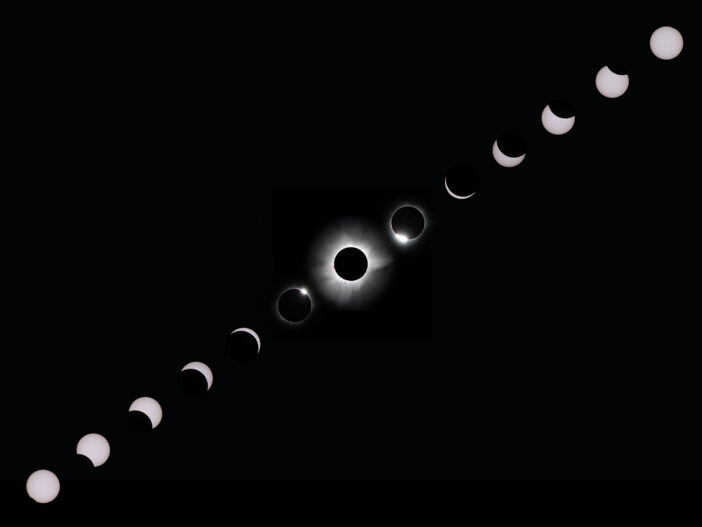
Humans have recorded solar eclipses for thousands of years. Recently, researchers translated and analyzed solar eclipse observations from 18th-century Sweden to determine the Sun’s radius at that time and study the first confirmed record of solar prominences.
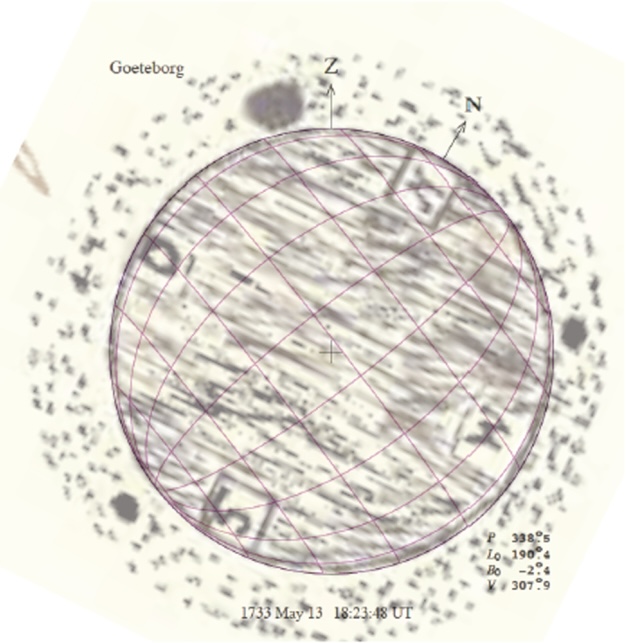
On 13 May 1733, a solar eclipse darkened skies across a swath of modern-day Canada, Greenland, Iceland, and Scandinavia. Among the eclipse’s careful observers was Swedish astronomer and mathematician Birger Wassenius, who dutifully sketched the eclipse and the massive loops of plasma and magnetic fields — solar prominences — that bulged out from behind the Moon’s obscuring disk.
Wassenius penned a short account of his observations in Latin for Philosophical Transactions of the Royal Society (the longest-running scientific journal in the world!). His drawings of the event, which include the first robust record of solar prominences, were never officially published, but were housed in the Royal Academy Archives of Sweden. Now, researchers have translated Wassenius’s full report from Swedish to English and analyzed his sketches, helping to fill an important gap in the historical record of solar activity.
Drawing from Observations
Hisashi Hayakawa (Nagoya University; Rutherford Appleton Laboratory) and collaborators translated Wassenius’s notes, which describe how he viewed the eclipsed Sun through a 21-foot-long telescope during just over two minutes of totality. From Wassenius’s measurements, Hayakawa and coauthors calculated the solar radius to be 696,250 ± 170 km; this is larger than the modern accepted radius, but it’s in line with what has been calculated from solar eclipse measurements two decades earlier, in 1715.
Wassenius’s sketch of the solar eclipse, showing three prominences as filled circles emerging from behind the disk of the Moon. [Adapted from Hayakawa et al. 2026]
Wassenius also made several sketches of prominences hovering above the edge of the Sun. While assessing these drawings, Hayakawa and coauthors had to contend with the imperfections of these hand-recorded features. With a narrow field of view that prevented him from seeing the entire disk at once, and with his time limited by the brief eclipse, Wassenius scribbled in two of the three prominences after the fact, from memory. After assigning reasonable uncertainties to the positions of these prominences, the team determined that at least one of these features was located at a high latitude.
Prominent Features
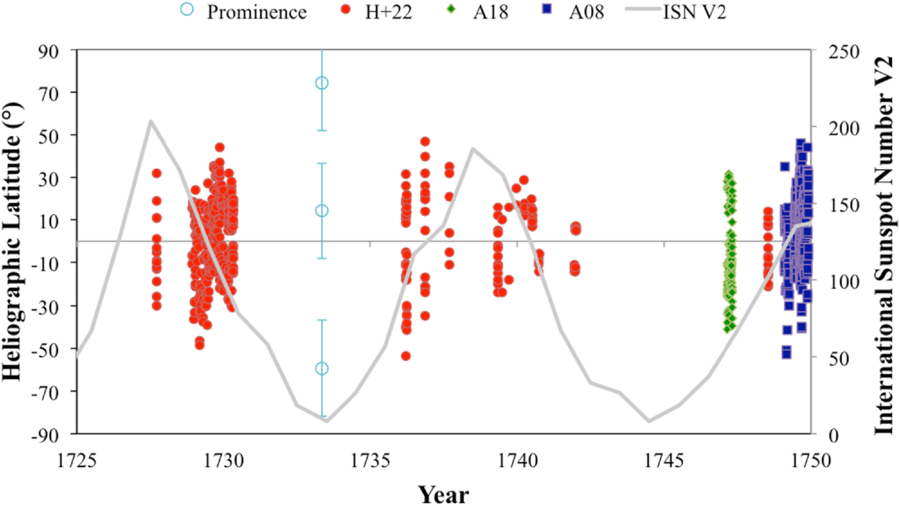
High-latitude prominences like the one (or more) seen by Wassenius are most common during what’s known as the “polar rush,” which occurs as solar activity rises toward a maximum. If these prominences are related to the polar rush, that would mean that in 1733, the Sun was not in an activity minimum as previously thought. However, it’s also possible for prominences to pop up at high latitudes during other times in the solar cycle; the authors estimated the likelihood of this happening at 20%.
Heliographic latitude of solar prominences estimated from Wassenius’s drawings (light blue circles), compared to the positions (filled symbols) and number (gray line) of sunspots. Note that sunspot data around this time were scarce, and some researchers have suggested that revisions to the sunspot number are needed. Click to enlarge. [Hayakawa et al. 2026]
This work shows the value of historical observations in determining the Sun’s past activity cycles. The 1733 eclipse observation by Wassenius adds a fascinating data point to the long history of solar eclipse observations, helping to illuminate a time when sunspot data were scarce.
Citation
“Analyses on Wassenius’s Report for Total Solar Eclipse in 1733: Quantifications of the Solar Radius and the Earliest Reported Prominences,” Hisashi Hayakawa et al 2026 ApJ1007 189. doi:10.3847/1538-4357/ae6451
When a new disease emerges, things can get a little weird. We start to clean groceries with antibacterial wipes, the sound of a sneeze can trigger our fight-or-flight response, and we generally become more cautious. Humans may not be the only primate species that change their behavior in the face of disease.
According to a study published today in the journal Royal Society Open Science, Japanese macaques (Macaca fuscata) that lived through a deadly outbreak in 2020 became noticeably more cautious about food that appeared contaminated, even though this disease was not spread by food or feces. This indicates that purposefully shifting behavior to avoid a pathogen can be shaped by our appearance and that disgust may have deep evolutionary roots. It also sheds light on the behavioral immune system—a collection of behaviors that help animals avoid an infection before the biological immune systems respond.
“We can show now, in non-human primates, that this is the same for them,” Federico Rossano, a study co-author and cognitive psychologist at the University of California San Diego, said in a statement. “Even with no knowledge of how disease is transmitted, being exposed to others getting sick and dying changes the likelihood of engaging in behaviors that potentially could lead to some form of sickness.”
2020 was a big year for outbreaks
In 2020, the staff at a primate sanctuary in southern Texas confirmed the presence of simian retrovirus Type II. This disease can cause AIDS-like immunodeficiency and is primarily transmitted through bites and scratches. It caused severe illness and death in some of the monkeys. The sanctuary staff separated the groups and implemented testing and quarantine measures in response to the outbreak. Since the groups live in separate enclosures, scientists then had the chance to compare animals with similar backgrounds that had experienced very different social and disease environments.
In total, three groups of monkeys experienced the outbreak while one had not. The team tested
55 macaques to see how they responded to a choice between food that was put on a clean wooden surface and food placed on a surface covered with real macaque feces. The food with the feces was sealed under a layer of clear epoxy, so that the monkeys could see the food and poop without risking infection.
In the group that had been exposed to the outbreak, some of the individuals had been infected while others had lived alongside sick monkeys without getting sick. This allowed the researchers to question if experiencing an outbreak without getting infected could change the macaque’s behavior. To test that further, the clean surface was replaced with a brightly colored kitchen sponge in some of the scenarios to see if the animals were just avoiding unfamiliar objects.
Previous studies found that macaques aren’t necessarily deterred by contamination—as long as the payoff is tempting. When presented with a favorite treat (such as a peanut) wild Japanese macaques would still eat food from a surface covered in feces, but will avoid it for food like grains of wheat.
Continued caution
The team found that macaques from groups that went through the outbreak were far less likely to eat the food from the contaminated surface. They ate from the fake contaminated surface in only 47 percent of trials. The monkeys that did not experience the outbreak ate from the potentially contaminated surface in 79 percent of trials.
The monkeys from outbreak-exposed groups also behaved similarly whether or not they themselves had been infected. According to the team, this suggests the behavioral change was associated with their experiencing living through the outbreak, instead of actually getting sick
“Groups have histories, and those histories show up in behavior,” added study co-author and UC San Diego cognitive psychologist Stephan Kaufhold. “Living through the disease outbreak appears to have made those monkey groups more cautious around food that looks contaminated.”
The virus was spread through blood or saliva from bites and scratches, and not through contaminated food. Interestingly, the macaques who saw their fellow primates get sick, were more reluctant to eat food placed on a surface that visually suggested contamination in some of the tests.
Disgust’s evolution
In addition to shedding light on how illness affects primate behavior, it also offers insight into the evolution of disgust. The team did not measure disgust directly, but found that monkey’s avoidance of potential sources of infection can change with their experience, similar to what humans do.
Human disgust is believed to play an important role in protecting us from pathogens. We recoil from the smell and sight of poop, spoiled food, and other potential sources of infection. Our sensitivity to those cues can also change depending on context.
Since primates are capable of social learning, the team believes that heightened pathogen avoidance could be learned from other members in the group and persist over time. Future studies could see if newly introduced animals adopt the behavior of a group that has already experienced an outbreak.
Comprar um novo iPhone é sempre uma experiência especial — principalmente quando estamos falando dos recém-lançados iPhones 18 Pro, 18 Pro Max e do novíssimo iPhone Duo! Mas, junto com a empolgação de conhecer os novos recursos, surge também uma preocupação inevitável: como proteger um aparelho tão valioso sem esconder seu design ou comprometer a experiência de uso?
Pensando nisso, os nossos parceiros da Shokan Premium apresentam sua nova linha de capas desenvolvida especialmente para os novos modelos profissionais da Apple.
Mais do que um acessório, a capa representa a primeira linha de defesa do iPhone contra quedas, impactos, riscos e pequenos acidentes do dia a dia. Afinal, basta um único descuido para transformar a empolgação com o aparelho novo em uma grande dor de cabeça.
Proteção premium por todos os lados
As novas capas Shokan Premium foram desenvolvidas para proporcionar proteção, conforto e um acabamento à altura dos iPhones 18 Pro, 18 Pro Max e do novíssimo iPhone Duo, garantindo uma experiência realmente premium.
Com encaixe preciso, construção resistente e design cuidadosamente elaborado, elas ajudam a proteger as laterais, a traseira, os botões e o conjunto de câmeras, preservando a aparência premium do iPhone sem deixá-lo pesado ou exageradamente volumoso.
É proteção para a rotina real: dentro da bolsa, sobre a mesa, durante o trabalho, em viagens ou naquele momento inesperado em que o iPhone escapa das mãos.
Capa, película e garantia de tela original
Para uma proteção ainda mais completa, a Shokan oferece uma condição especial que combina a capa premium com a película de proteção avançada da marca.
Além de ajudar a proteger a tela contra riscos, arranhões e impactos, a película Shokan conta com um grande diferencial: a sua garantia exclusiva de tela.
Depois da compra e da ativação da garantia, caso ocorra um dano acidental coberto pelo programa, a tela do iPhone poderá ser substituída por outra original em um Centro de Serviço Autorizado Apple, conforme os termos e condições da garantia Shokan.
Enquanto a capa protege as laterais, a traseira e o conjunto de câmeras, a película cuida justamente da parte mais sensível e utilizada do aparelho.
É uma combinação pensada para quem deseja aproveitar o novo iPhone com muito mais segurança e tranquilidade desde o primeiro dia.
Você já comprou algum case nos Estados Unidos? E película?
A Shokan Premium é uma marca brasileira com produtos desenvolvidos nos Estados Unidos, então se você conhece as cases premium de verdade (como Incipio, OtterBox, Tech21, Speck, Balkin, Griffin e Prodigee), precisa conhecer a Shokan Premium. É uma marca pensada para quem realmente sabe o que quer em termos de qualidade e proteção — produtos com acabamento completamente diferente do que encontramos aqui no Brasil.
A proposta da marca é trazer produtos de qualidade superior com uma relação ótima de custo-benefício. Se compararmos, por exemplo, o preço de um case premium em uma Apple Store ou na Best Buy (que vai de US$69 a US$199), vale muito mais a pena comprar a proteção completa da Shokan e receber em casa.
Ah, e se você estiver nos EUA, a Shokan também entrega em todo o território pelos mesmos preços daqui.
Shokan Pencil: mais precisão para criar, trabalhar e estudar
Além da nova linha de proteção, a Shokan também oferece uma alternativa versátil para quem deseja ampliar as possibilidades de uso dos seus dispositivos Apple.
A Shokan Pencil é uma caneta capacitiva ativa e passiva, com bateria interna recarregável, ponta de alta precisão e excelente desempenho para atividades domésticas e profissionais.
Ela pode ser utilizada para fazer anotações, desenhar, assinar documentos, editar imagens, navegar por aplicativos e executar tarefas que exigem mais controle e precisão do que o toque dos dedos.
Entre seus principais diferenciais estão:
Funcionamento ativo e passivo;
Bateria interna recarregável;
Ponta de alta precisão;
Formato confortável e ergonômico;
Ampla compatibilidade com dispositivos Apple elegíveis;
Uso profissional, criativo, acadêmico e doméstico;
Garantia e suporte especializado da Shokan no Brasil.
Para celebrar a chegada da nova geração, os leitores do MM terão acesso a condições especiais para adquirir os produtos Shokan. Ao utilizar o cupom exclusivo SHKMM, o cliente garante:
Desconto nos produtos participantes para toda a linha de iPhones;
Compra segura diretamente na Loja Oficial Shokan no Mercado Livre;
Garantia e suporte especializado da Shokan.
Cupom: SHKMM
Basta acessar a oferta, selecionar os produtos e o modelo correspondente ao seu iPhone e aplicar o cupom antes de concluir a compra.
Se você investiu em um novo iPhone 18 Pro ou 18 Pro Max, não espere a primeira queda para começar a pensar em proteção. Afinal de contas, quanto vale a sua tranquilidade?
E, se deseja mais precisão para trabalhar, estudar ou criar, aproveite também a condição especial da Shokan Pencil.
Proteja seu novo iPhone e amplie suas possibilidades com a qualidade da Shokan Premium
Ofertas válidas por tempo limitado e sujeitas à disponibilidade de estoque. A garantia de tela está vinculada à película Shokan elegível, exige ativação e está sujeita aos termos, prazos, limites e demais condições do programa. Benefícios de frete e entrega são aplicados conforme as regras da campanha e do Mercado Envios.
Quer revender produtos Shokan na sua loja?
Se você é lojista do mercado mobile e tem interesse em revender a linha da Shokan, o distribuidor autorizado da marca no Brasil é a AllCell, que fica no DF. Entre em contato (+55 61 98354-0125; Alexandre) e tenha as melhores opções em acessórios premium para a sua loja!
You would think, post-COVID, that we would all understand the importance of frequent and thorough handwashing. And yet, spend any time in a public restroom and you’ll see an alarming number of people who still see it as optional.
We know it can help curb the spread of illness when you’re sick, but on an average day, just how gross is it to not wash your hands?
“Your hands have a microbial flora that is always present. These are mostly good bacteria that help protect your skin,” Allison Pappas, PhD, Director of Business Development at Gillson Sciences, tells Popular Science. “On unwashed hands, your normal flora is going to be the most abundant group of inhabitants and they’re nothing to worry about. If you’re not washing your hands, they won’t become overgrown by deadly bacteria. However, your hands will accumulate an increasing number of pathogenic bacteria and viruses from your environment.”
Pappas explains that eating a sandwich or wiping your nose after exposure to these pathogenic bacteria are quick ways to then introduce those germs into your body. She describes it as a “tug-of-war,” with germs pulling one way and handwashing your only way to tug in the opposite direction. There are also physical characteristics that come into play as well. People with longer fingernails or rough, coarse skin give bacteria more places to hide. And it’s not always visible. As Pappas puts it: “Your hands can look clean but be utterly disgusting from a microbial perspective.”
“It’s extremely gross, but assume you’ve got poop on your hands,” says Pappas. “That sounds crazy, but studies have found fecal bacteria on children’s hands and toys and on the hands of 28 percent of commuters in the UK. Even if you don’t have a child and don’t commute via subways, you’re still touching all the same door handles and common utensils as the people who do. That poop is transferring to your hands, you just can’t see it.”
So how gross is not washing your hands? It’s “you have poop on your hands” gross.
Recent studies suggest that most people wash their hands too briefly to actually kill germs. So, if you want to avoid getting sick and spreading illness, it’s time to forget everything you thought you knew, and follow these instructions for proper hygiene:
Wet your hands with water at a comfortable temperature. You can’t actually get the water hot enough to kill microbes without burning your skin, so just do what feels nice. The CDC actually recommends shutting the tap off while you lather your soap to conserve water.
Lather your hands with soap. Don’t worry about buying something with anti-microbial ingredients; research shows that outside of a hospital setting, these additives don’t provide a significant benefit, and their use contributes to the rise of antibiotic resistance.
Make sure you lather the backs of your hands, between your fingers, and under your nails, as dangerous microbes can lurk on any part of your skin.
Continue scrubbing for 20-30 seconds before you start rinsing. It’s longer than you think. One study showed that most adults lather for just six seconds. Try singing “Happy Birthday” twice in your head (or out loud, if you’re feeling fun) to help keep time.
Turn the tap back on and rinse. The CDC notes there’s little evidence that using a paper towel to turn the tap on and off after washing will improve your health.
Dry your hands with a clean towel if possible, or with an air dryer. The CDC says that wet hands more easily transfer microbes. Plus, you don’t want to walk around with clammy hands all day.

 Login