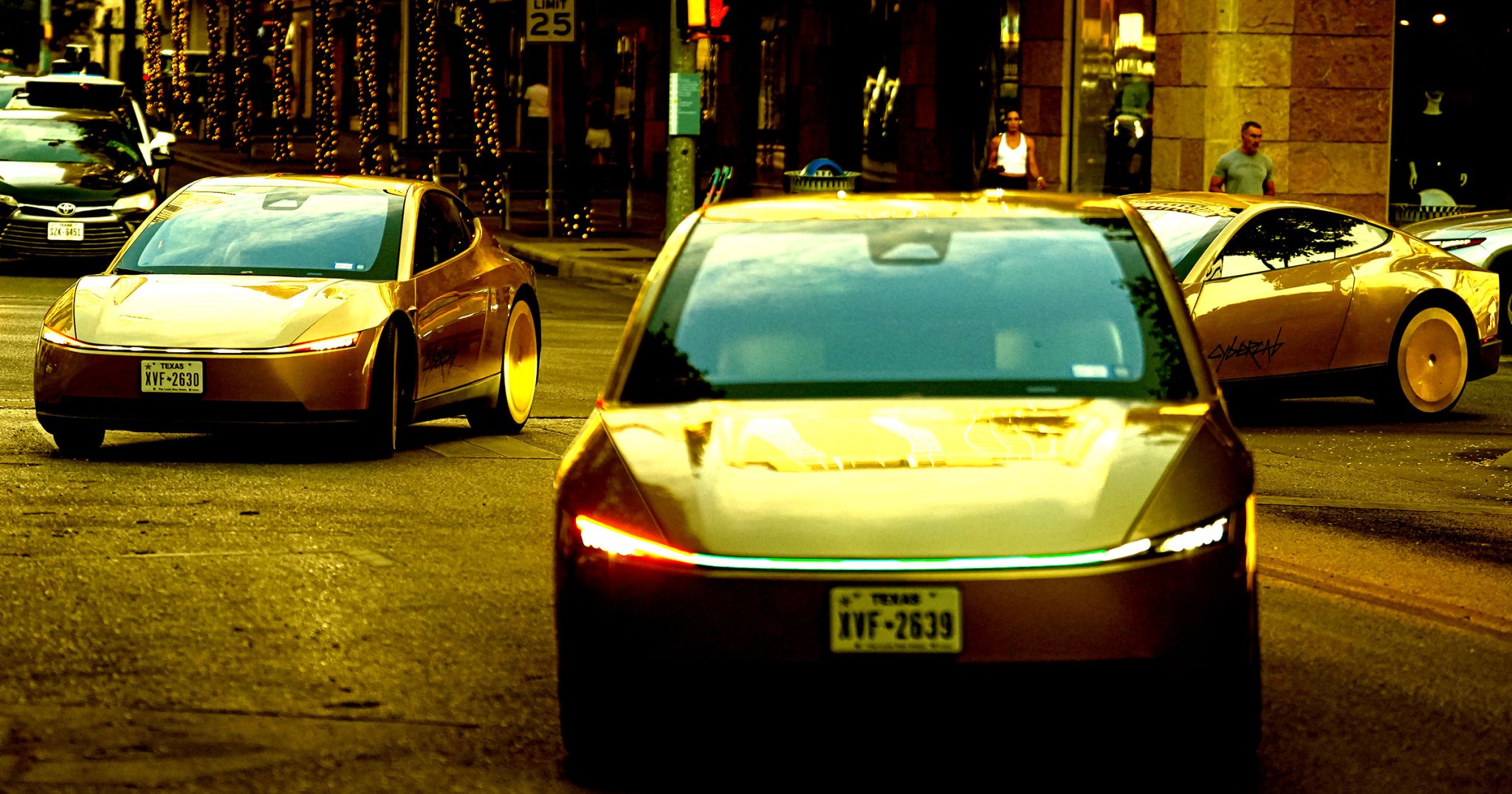
It’s always a good idea to carefully consider the company you keep — especially if you happen to work for one of Elon Musk’s massive companies.
According to local channel FOX7, SpaceX manager Kyle Gonzalez has been arrested over the alleged stabbing of a Tesla contractor during a team-building exercise gone horribly wrong.
During the night out with a group of co-workers and friends, Gonzalez reportedly got into a heated argument with the Tesla worker over a game of pool at the Waterhole Saloon, a roadside honky-tonk just outside of Austin, Texas.
Court documents viewed by the Austin American-Statesmanclaim that the SpaceX manager became irate after one of the women he had entered the bar with went to compliment the Tesla contractor’s performance on a karaoke song. When the Tesla worker asked the woman to join him for a game of pool, Gonzalez allegedly became angry, saying he was “going to kill” the contractor.
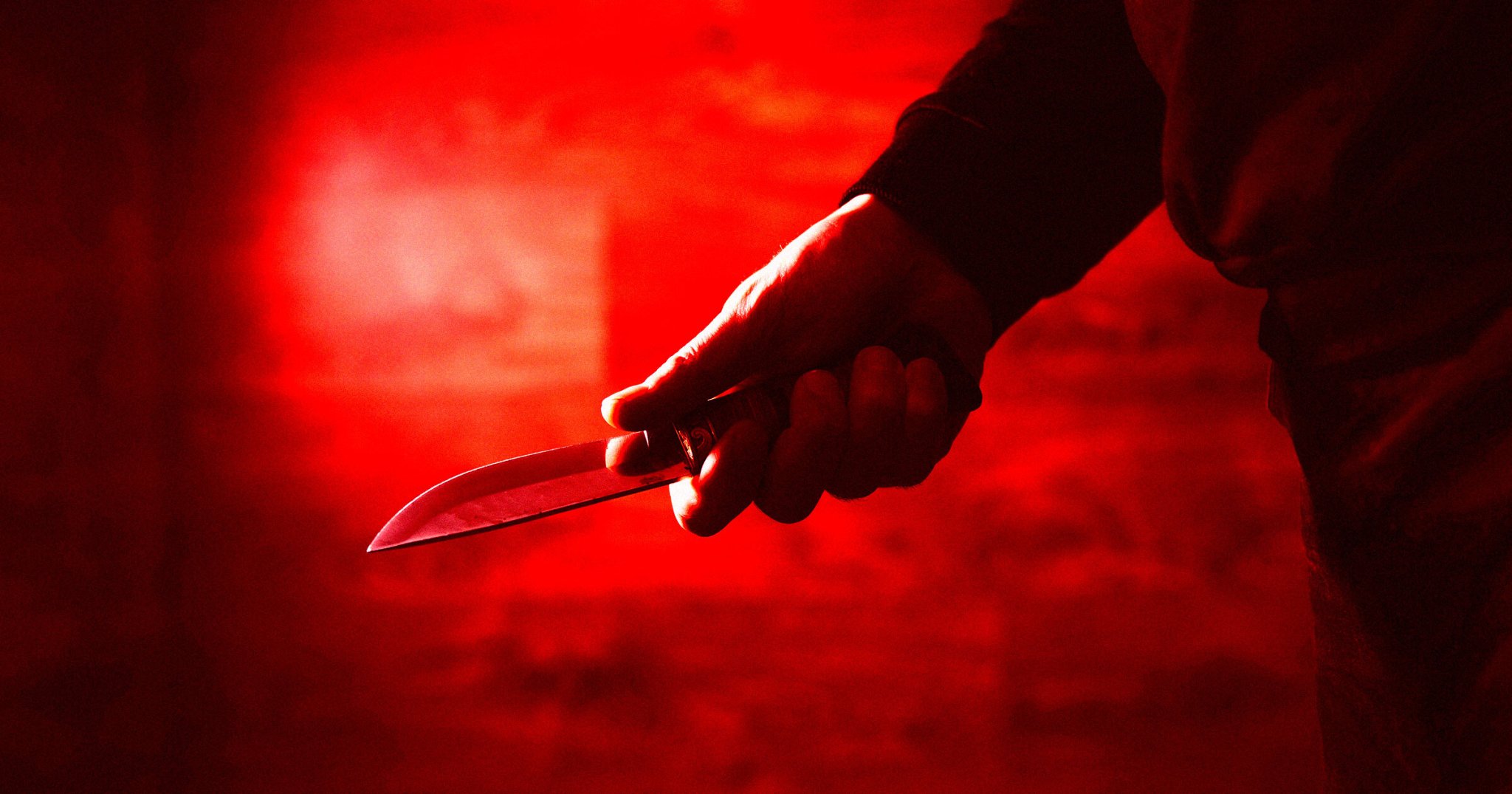
That’s when Gonzalez allegedly pulled out his pocket knife and stabbed the man in the neck, leaving him with a one-inch puncture wound, the Statesmen recounts.
The unnamed contractor was then rushed to the hospital for life-saving surgery, and is expected to pull through.
Gonzales was reportedly found hiding out in a nearby parking lot, still holding the bloody knife. Court documents note that the SpaceX manager said he hid “for his safety,” though he later apologized for the attack three separate times. He was charged with felony assault with a deadly weapon, with a bond set at $25,000.
In Austin, a man’s attempt to be chauffeured out of his hotel in style was foiled when his confused ride couldn’t even pull out of the building.
His ride, of course, was a Tesla Cybercab — Elon Musk’s self-driving, steer-wheeling free robotaxi.
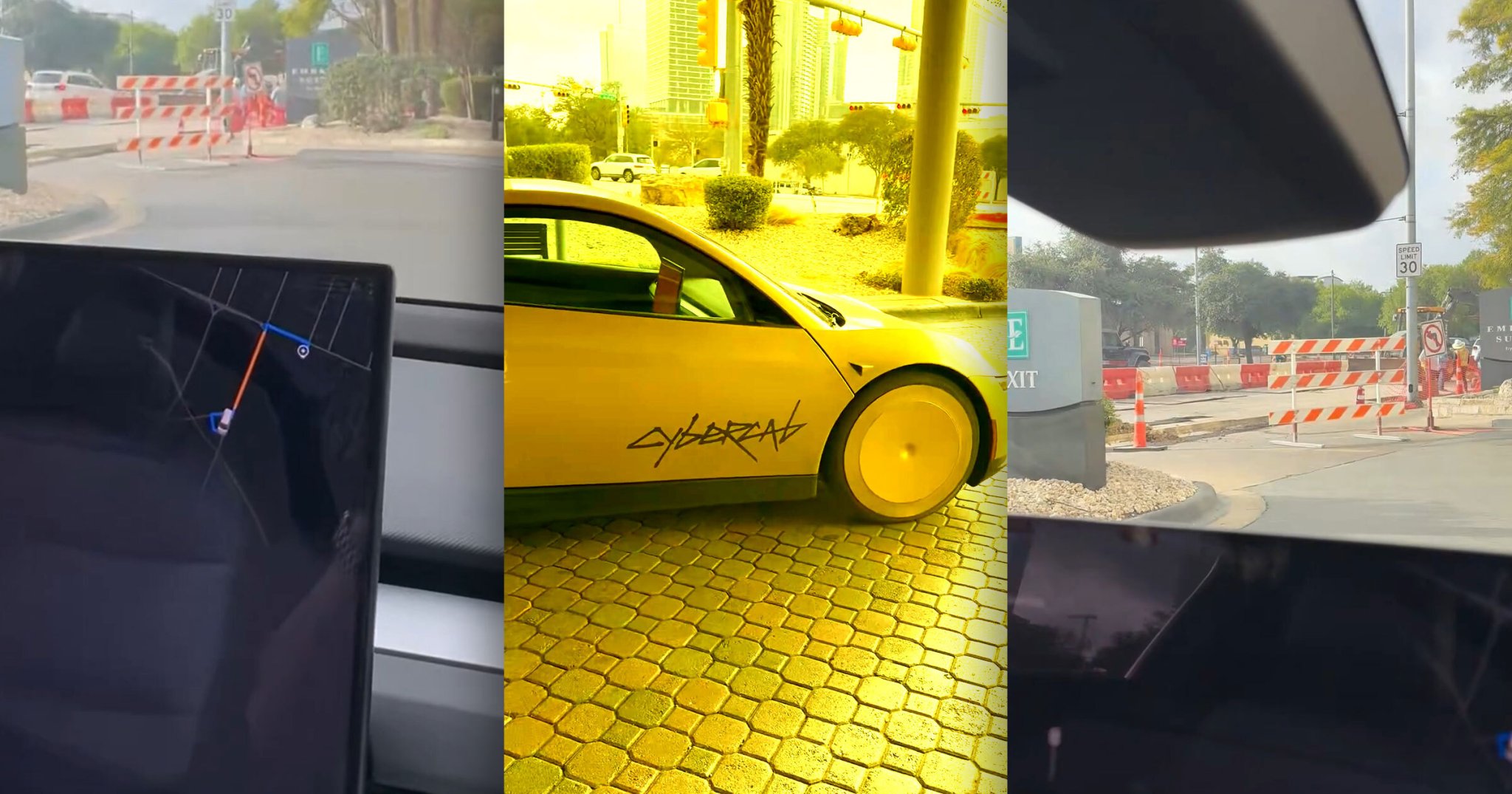
“The Robotaxi arrived… and then couldn’t get out of the hotel parking lot,” the man, who claims to be a computer engineer, wrote on X, posting brief footage of his trip.
As he went on to explain, construction workers had blocked off one of the lanes. And the gleaming gold Cybercab, in all its canny computing power, couldn’t see the other lane that was left open.
He never made it to his destination, but he did arrive at a destination, albeit rather unceremoniously. The Cybercab “drove back and forth four times,” he said, “and then stopped and said I had arrived!”
“Not a great first experience!” he concluded. “Clearly this technology is nowhere close to being ready for large scale deployment.”
So I arrived in Austin and decided to take a robotaxi ride into work..
The Robotaxi arrived… and then couldn’t get out of the hotel parking lot. There was construction in one lane.. but it couldn’t see the other open lane. It drove back and forth 4 times and then stopped and… pic.twitter.com/101F04Al9n
Tesla rolled out its two-seater Cybercabs in Austin earlier this month, after years of anticipation. The company had already operated a Robotaxi service in the city for over a year using modified Model Ys, but the Cybercab represents its first purpose-built robotaxi — and with its complete lack of driver controls like steering wheels and pedals, its no-turning-back commitment to pursuing genuine human-free driving. (Many of its Robotaxis still requiring a human safety monitor inside the car, something the company is clearly conscious about.)
It hasn’t made quite the splash that Tesla may have hoped, however, with many investors underwhelmed by the Cybercab’s launch. While the golden cars haven’t been involved in any high profile incidents yet, the software’s autonomous capabilities haven’t stacked up impressively next to robotaxi leader Waymo. The company is also being investigated by federal regulators over how it self-certified that the vehicles were safe for the road despite their lack of conventional controls.
The Cybercab’s hotel misfire is part of a long chain of weird behavior by Tesla’s robotaxis. Customers — many of whom are Tesla enthusiasts and boosters — complain that they often pick up and drop them off at inconvenient locations, ranging from the middle of busy intersections to hidden alleys, or at absurd distances from their actual destination.
Still, Tesla boosters have been hard at work trying to hype up the cars. Roughly a week before a Cybercab got trapped at a hotel, another Tesla account posted a video bragging about how a Cybercab picked them up from their own hotel.
“You’ll feel like a VIP getting into this car!” he extolled.
After only a few months on the market, Meta’s new AI-integrated smart glasses are already being exploited for nefarious purposes.
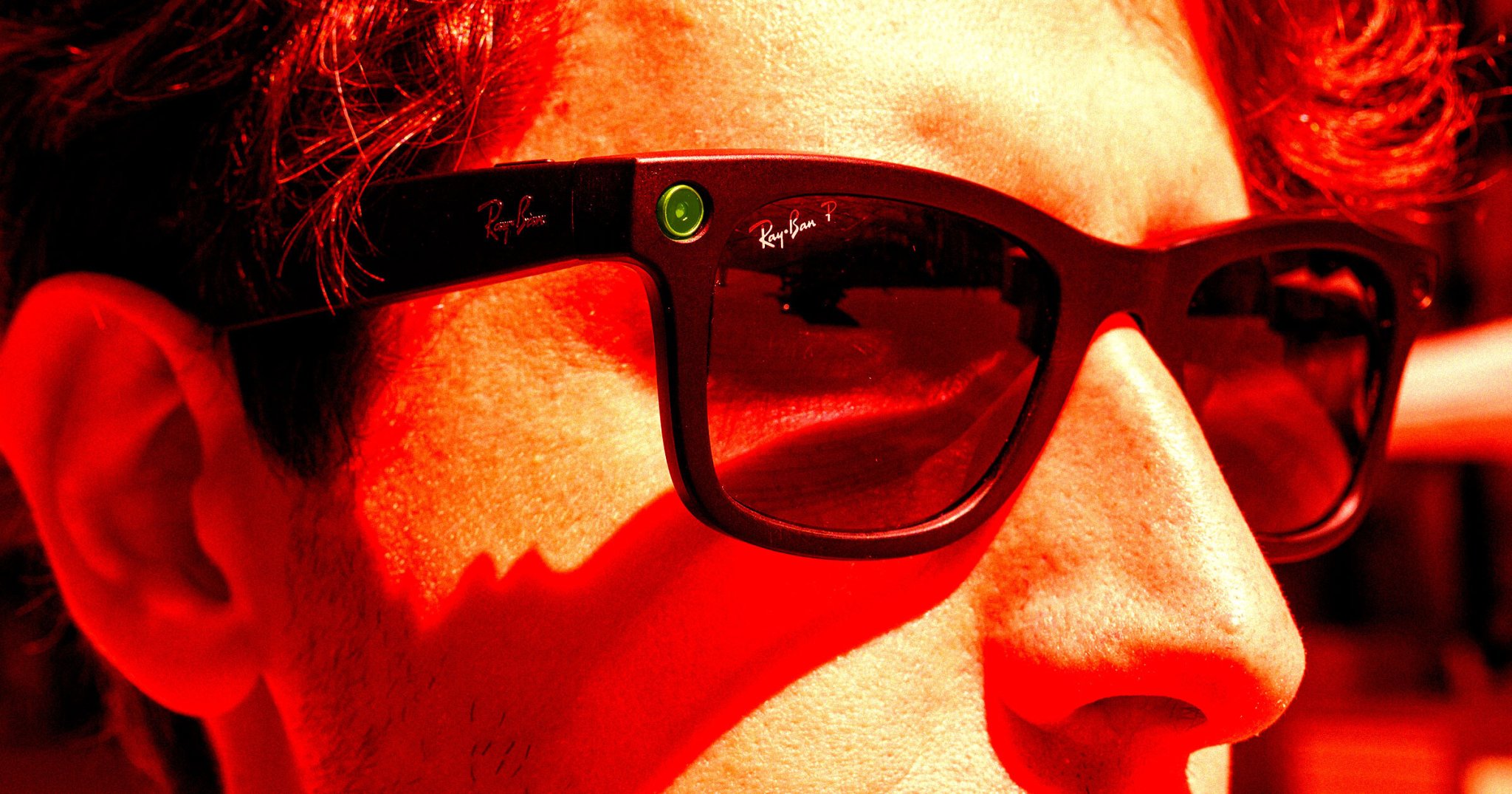
Dubbed “pervert glasses” for their incognito ability to film anybody in public, the new specs have enabled voyeurs and content creeps the world over, leading to widespread harassment, bullying, and privacy violations.
And now the pervert glasses are also feeding another grim genre of content: joybait.
You may have heard of ragebait, which is online content deliberately designed to piss people off, therefore driving clicks and views. Joybait is ragebait’s seemingly innocent twin: content designed to stir up those warm fuzzies and make you smile.
A now-viral clip uploaded by public prank content creator Levese shows that a user of Meta’s AI glasses shows how the scheme unfolds. The video, first spotted by journalist James Vincent, shows Levese catch a glimpse of the author Travis Schick as he shops with his partner in a Walmart.
Crucially, Levese doesn’t approach Schick right away, but rather uses his phone to snap a photo of Schick’s face, which he then searches using a facial recognition site. After the service uncovers Schick’s social media accounts — revealing the random man as an aspiring novelist — Levese makes his approach, recording with his Meta glasses as he catches the unassuming writer off guard.
“Wait, Travis?” Levese asks as Schick tries to check out. “You wrote the book ‘The Readhead?'”
“Yeah?” the confused writer confirms.
“No way I love that book man! Yo I love that book bro,” Levese replies disingenuously. “It was a really good novel.”
“Yeah that was me,” Schick says, trying to contain a smile.
As positive as the interaction seems on its surface, it’s all based on a false premise constructed through use of facial recognition software, without which Levese never would have known who Travis Schick actually was. Of course, Schick himself is ancillary to the entire scheme, which was really about making some content — joybait — for Levese to post to his 225,000 TikTok followers.
And as content, the stunt was wildly successful. The reel has over 60 million views and 30,000 comments on Levese’s TikTok page alone, and has become easy fodder for content farms on every social media feed you can think of.
On uncovering the clip, the journalist James Vincent remarked that it embodies “individualized surveillance culture posing as feelgood content.”
Falling for the original premise of the bait, some excused the privacy violation, arguing the exposure is boosting Schick’s work.
Sure enough, comments under Schick’s novel “The Redhead” on the creative platform Quotev are flooding in by the hundreds, full of well wishers and supporters who otherwise never would have found his work. Schick’s TikTok page has likewise exploded, going from around 150 followers to well over 12,700 in just a few short days.
But Schick’s viral moment is beside the point, as Vincent observes: “there may be positive outcomes from this one video (which stem from its novelty as short form content) — but the larger effect is creating a society where we monetize kindness, exploit the goodwill of strangers, and destroy the right to privacy in public,” he wrote in a comment on X-formerly-Twitter.
And the aspiring novelist is far from alone. Levese has dozens of videos following the exact same format, each with millions of views. For his part, the content creator is well aware that he’s crossing a line. The first one, in which the content creator stalks a man buying bananas, prominently features pinned text reading “day 1: stealing people’s digital footprint.”
“This app is dangrous [sic],” Levese wrote in the video caption.
In record time, Meta’s camera-adorned smart glasses have turned from a lucrative and well-reviewed consumer product into a widely-reviled and privacy-infringing tool of abuse in the arsenal of creepy men.
The backlash has grown so much that many owners of the “pervert glasses” have become too afraid to use them in public, a PR disaster for what once was an accessory that was flying off the shelves.
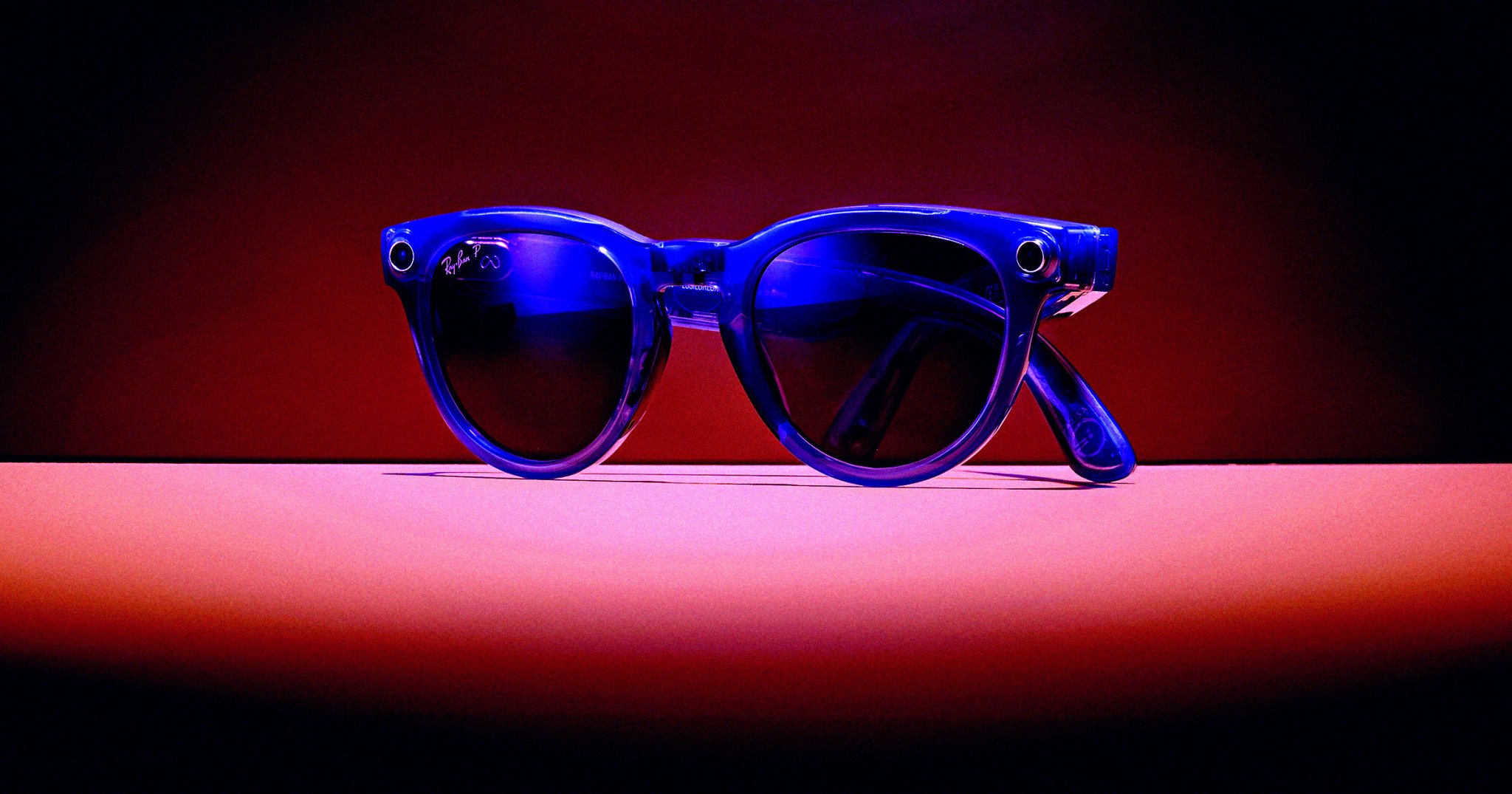
And now, as The Information reports, the Mark Zuckerberg-led company is now looking to release a camera-free pair as well later this year — the clearest indication yet that Meta is losing in the court of public opinion.
Whether removing the camera from the glasses will be enough to assuage ongoing concerns over privacy remains to be seen. The camera-free glasses, code-named Luna, will still feature an array of six microphones to allow users to speak to the company’s AI chatbot and its recently-released AI assistant, called Muse. They’ll presumably pick up audio from users’ environments as well, where bystanders may not be aware of the eavesdropping.
The glasses could be the ultimate litmus test on what drew buyers to the pair of spectacles in the first place. By relying on microphones alone, Meta is betting that people are willing to shell out hundreds of dollars just to talk to its flawed AI companions — not take first-person view photos.
Project Luna could be unveiled as soon as next week’s Meta Connect conference. It’ll be interesting to see how the company will address the major backlash to its camera-equipped smart glasses, if at all. An admission that its consumer product is facilitating some incredibly creepy behavior in public feels unlikely — but it’ll certainly be the elephant in the room.
Almost immediately after Tesla unleashed its steering wheel- and pedal-free Cybercabs on the streets of Austin, Texas this month, regulators at the National Highway Traffic Safety Administration cried foul.
The regulator opened an investigation — an audit query, specifically — mere hours after the launch, aiming to find out whether the new Cybercab “meets all applicable Federal Motor Vehicle Safety Standards,” or FMVSS.
Days later, the agency followed up with a “Special Order” requiring the Elon Musk-led company to prove under oath that its Cybercabs meet federal safety standards, which were originally intended for human drivers, as Electrek reports. It’s a considerable escalation over its original query, and failure to do so by September 30 could force Tesla to pay a fine of up to $139 million. Falsifying information could land a responsible officer at the company in prison for up to 15 years.
Tesla’s efforts to brute force its self-driving vehicles onto public streets could end up meeting many more regulatory roadblocks from here, effectively making them illegal to sell. (Whether anybody will actually want to take on all those risks by investing in a fleet operated by Tesla is a separate, albeit just as hard to answer, question.)
Tesla self-certified its autonomous robotaxi as compliant with all vehicle safety standards, which assume a human driver behind the wheel. But given the lack of any physical driver controls, the NHTSA unsurprisingly has its doubts about them actually meeting these standards, given the Special Order.
The Cybercab’s lack of a brake pedal could especially make it difficult to meet certification standards. The FMVSS makes it clear that the brakes need to be activated “by means of a foot control.”
Put simply, Tesla appears to have taken some liberties in self-certifying its Cybercab, a decision that could end up coming back to haunt it. One possibility is that the EV maker temporarily bolted on physical controls, including a steering wheel and pedals, while going through the process, only to remove them ahead of delivery, as Electrek points out, a move that flaunts the FMVSS certification rules.
Amazon’s Zoox, in contrast, played by the rules and proved its cars were safe. The company managed to get an exemption from the NHTSA for its autonomous vehicles in July, which also lack a steering wheel and pedals.
It’s only the latest instance of an Elon Musk-led firm flaunting regulations to get what it wants, an ask-for-forgiveness-later approach that clearly isn’t going all too smoothly even under a government run by the billionaire’s allies.
“Regulations, basically, should be default gone,” Musk said last year shortly after forming the much-maligned “Department of Government Efficiency.” “Not default there, default gone.”
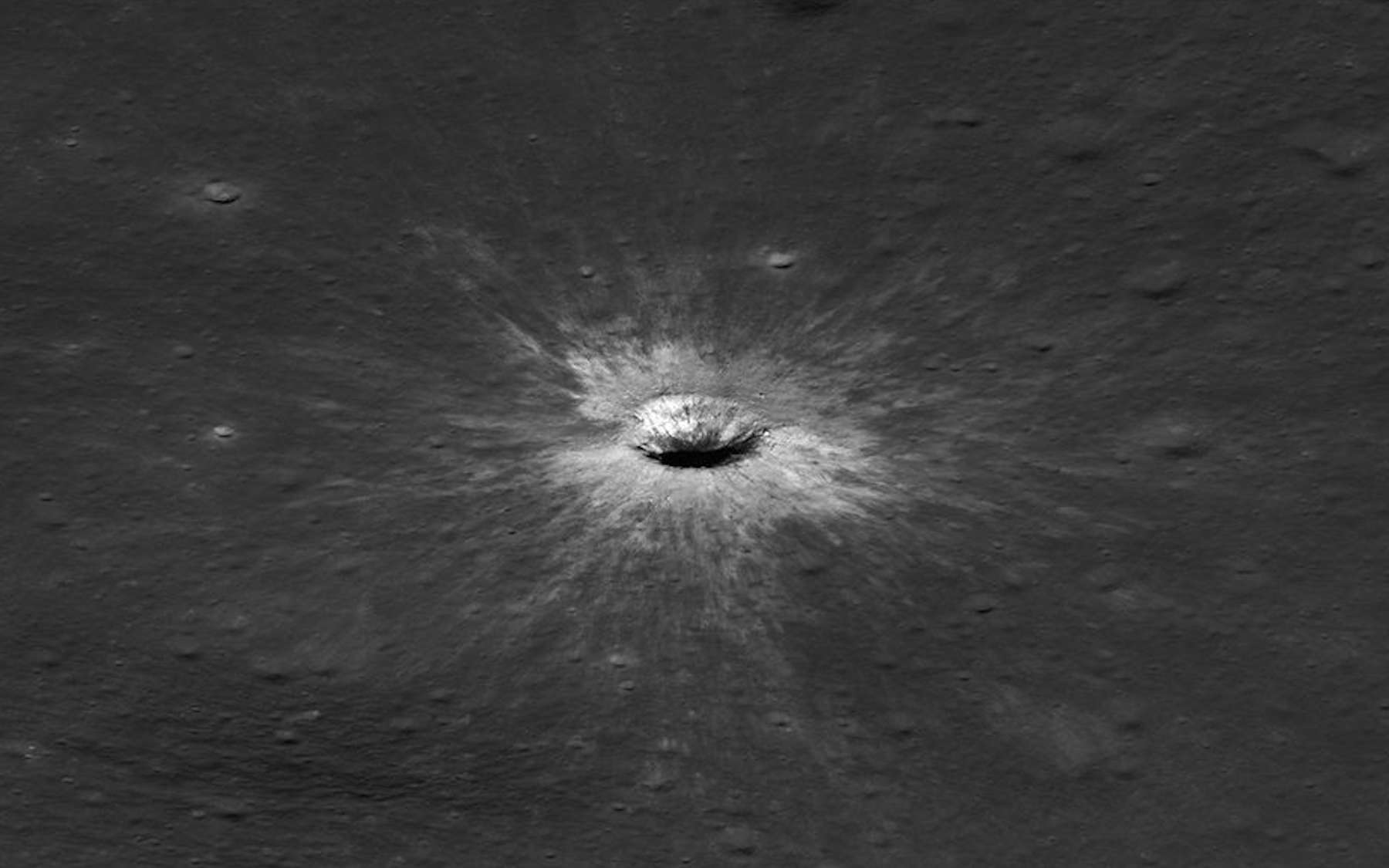
Le immagini ad alta risoluzione della sonda Lunar Reconnaissance Orbiter della NASA hanno rivelato un recente impatto sulla faccia nascosta della Luna. Un asteroide o frammento cometario ha scavato una cavità di oltre 200 metri di diametro, sollevando detriti incandescenti e dimostrando la continua vulnerabilità del suolo lunare al bombardamento cosmico.
Confermata l'esistenza dell'esopianeta più giovane mai individuato, un pianeta della massa di Giove a 450 anni luce da noi che sta rivoluzionando i modelli sulla formazione dei sistemi planetari.
Un gruppo di scienziati dell’Università di Stanford ha creato topi con cellule cerebrali umane funzionanti, aprendo nuove possibilità per lo studio delle malattie neurologiche. I ricercatori hanno impiantato nel cervello dei topi piccoli aggregati di cellule umane, chiamati organoidi. Nel corso dei mesi, queste cellule si sono sviluppate e collegate ai circuiti nervosi degli animali. […]
Uno studio basato sui dati GPS suggerisce che la Terra si stia appiattendo leggermente meno. Un cambiamento lentissimo, ma capace di influenzare anche la rotazione del nostro pianeta e il modo in cui misuriamo il tempo. Vista dallo spazio, la Terra appare come una splendida sfera blu. In realtà, il nostro pianeta ha una forma […]
Oggi il deserto di Atacama è conosciuto come una delle regioni più aride del pianeta. Le sue distese di terra brulla e roccia sembrano però raccontare una storia diversa quando si osservano i fossili del passato. A Bahía Inglesa, sulla costa cilena, i ricercatori hanno scoperto un dente fossilizzato risalente a circa 8,8 milioni di […]
Gli astronomi hanno catturato in tempo reale gli esiti di una devastante collisione frontale tra due giovani pianeti in orbita attorno alla stella Gaia20ehk. L'impatto ha generato una gigantesca nube di detriti e polveri incandescenti che ha oscurato la luce visibile della stella, provocando al contempo un forte picco di emissione infrarossa. L'evento, avvenuto a una distanza dalla stella pari a quella tra la Terra e il Sole, offre una rara finestra osservativa sui processi violenti che quattro miliardi di anni fa portarono alla formazione della Luna.
La struttura, una vasca destinata all’immersione rituale ebraica, è stata rinvenuta in condizioni tali da poter essere estratta e trasferita praticamente intatta. Per recuperarla è stata necessaria una grande gru. L’operazione ha richiesto anche la chiusura temporanea della strada e l’utilizzo di veicoli di scorta per accompagnare il trasporto del reperto verso un deposito dell’Israel […]
There has still been no reckoning for the five long months it took for the authorities to warn the public about myocarditis from Covid vaccines, nor for falsely claiming it was only "mild" when they did, says Dr Ros Jones.
Chinese President Xi Jinping suffered a severe stroke in India and, after refusing treatment in the country, may now be suffering with long-lasting effects, it has been claimed by his political opponents.
Gli astronomi hanno scoperto 84 misteriose sorgenti di raggi X in sei galassie vicine. Chiamate “hypersoft X-ray sources”, potrebbero essere sistemi binari contenenti nane bianche, stelle di neutroni o buchi neri e aiutare a risolvere due importanti enigmi dell'astrofisica.
Nuove analisi digitali di un'antica iscrizione suggeriscono che Meretneith, vissuta circa 5.000 anni fa, potrebbe aver governato l'Egitto come una vera sovrana durante la Prima Dinastia.
Uno studio giapponese durato dieci anni ha rilevato un'associazione tra sanguinamento delle gengive e rischio di demenza e Alzheimer. Il gruppo con più sanguinamento presentava un rischio di Alzheimer del 61% più elevato, ma la ricerca non dimostra che i problemi gengivali siano una causa della malattia.
Arctic summer sea ice should have melted away years ago, according to the 'experts' who foretold its demise by 2007, 2012, 2016... But with the ice going nowhere, those experts are very quiet now, says Paul Homewood.
Une tache lumineuse sur une image de la Lune. Suffisant pour mettre les spécialistes en alerte. Car derrière ce point brillant se cache une découverte aussi rare qu’instructive pour l’exploration spatiale.
Ainda é só uma proposta e o texto pode mudar até à aprovação final, mas a Comissão Europeia quer proibir o acesso de crianças e jovens até aos 13 anos às redes sociais em toda a Europa, e responsabilizar as plataformas pela aplicação efetiva da medida.

 Login