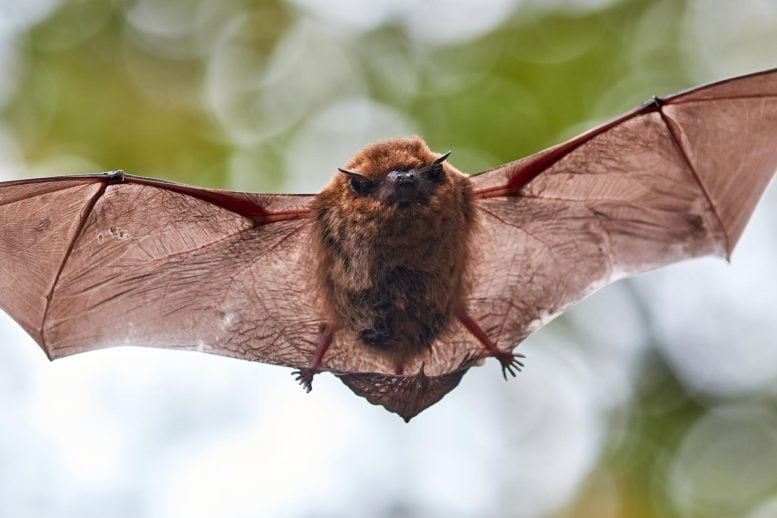
Bats’ remarkable ability to withstand decades of strenuous flight while keeping infections, inflammation, and cancer in check may offer new clues to healthier human aging Bats are unusually long-lived for animals of their size. Small mammals generally burn energy quickly and die relatively young, yet some bats survive for several decades. Brandt’s myotis, Myotis brandtii, [...]
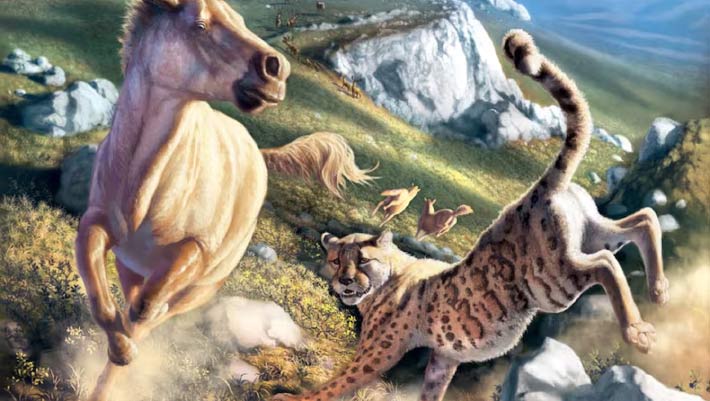
For several decades, paleontologists have described Miracinonyx trumani -- an extinct species of cheetah-like felid that roamed the North American prairies and steppe terrains more than 13,000 years ago -- as North America’s answer to the African cheetah (Acinonyx jubatus).
Researchers have identified more than 1,200 locations in the human genome associated with personality traits, offering the most detailed look yet at the biological underpinnings of traits like sociability, anxiety and curiosity.
L’essor des drones sous-marins pourrait modifier en profondeur l’équilibre stratégique des océans. Des chercheurs chinois estiment que ces engins autonomes sont désormais capables de menacer une infrastructure essentielle.
CompartilharO GNOME Disks está sendo atualizado para GTK4 e libadwaita e o GNOME Disks com GTK4 e libadwaita muda completamente de visual. Veja as principais …
Neanderthals vanished roughly 42,000 years ago, but a piece of their biology appears to be quietly at work in some people today, according to a new study led by scientists from the Max Planck Institute for Evolutionary Anthropology.
A lot of the AI work in biology has been focused on designing proteins. That's partly because proteins do most of the business of life, catalyzing the interesting chemistry and structuring cells. So, figuring out how to make a new protein can mean directly tinkering with biochemistry, providing new and potentially useful functions.
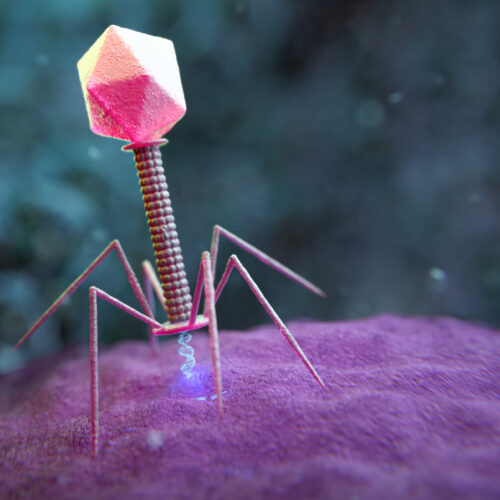
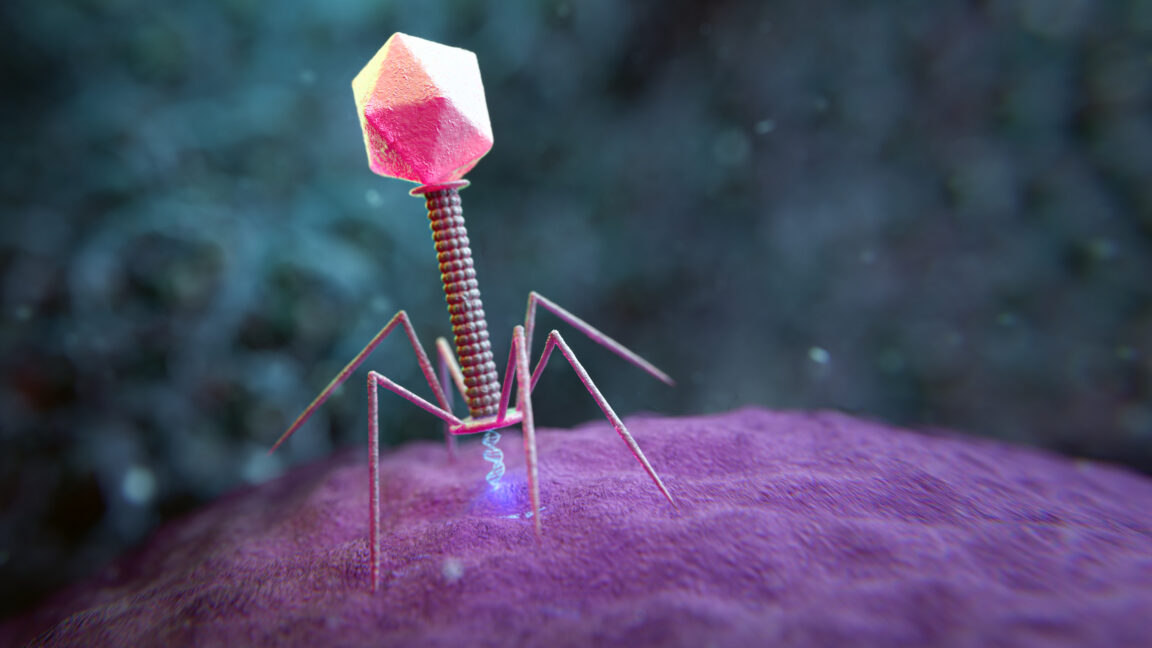
Since the genetic code provides a layer of abstraction between DNA and proteins, it wasn't obvious what a model trained on DNA could do. Yet people went ahead and made a large genome model, and it turned out to be able to output DNA sequences that could encode functional proteins in bacteria and mimic the gene structures found in complex cells. Now, those same models have been used to output the genomes of viruses that infect bacteria.
This isn't science fiction—all the viruses the models created are closely related to an existing virus. But they do have some distinct features that would be challenging to evolve. And the researchers who did the work, based at Stanford University, suggest we may want to start thinking now about preparing for the potential that someone could develop a related AI that can design a virus that targets vertebrates.
More than 150 years after Charles Darwin first wondered whether certain sticky-leaved Saxifraga plants might be secretly carnivorous, Kunming Institute of Botany researcher Tao Deng and colleagues say they have finally confirmed it.
Se você costuma usar o aplicativo Relógio (Clock) em iPhones, iPads e Macs ou o Timers do Apple Watch para ativar alarmes ou timers, saiba que é possível identificá-los adicionando um nome (ou etiqueta, como a Apple chama).
Isso é muito útil para quem possui múltiplos alarmes/timers em ação e quer ter um controle sobre eles.
Neste artigo, ensinaremos como é simples adicionar uma etiqueta em cada um, veja só.
Com o aplicativo Pré-Visualização (Preview), usuários de iPhones, iPads e Macs podem facilmente preencher e assinar formulários, escanear documentos e fazer alterações em PDFs e imagens, por exemplo.
Para encontrar mais facilmente um arquivo, você pode renomeá-lo em alguns passos simples.
Veja, nos parágrafos a seguir, como fazer exatamente isso no seu dispositivo! 😉
Com o app Pré-Visualização aberto, faça um dos seguintes procedimentos:
Toque e segure o dedo ou clique com o botão direito do mouse em cima do arquivo e escolha “Renomear”.
Com o arquivo aberto, selecione a setinha ao lado do nome dele e renomeie-o (no iPhone/iPad, é preciso primeiramente tocar em “Renomear”). Se estiver no Mac, você também pode fazer a mesma coisa indo até Arquivo » Renomear…, na barra de menus.
New research led by the University of California, Berkeley reveals that beyond Neanderthals and Denisovans, humans interbred with two mysterious ‘ghost’ lineages: one in Africa more than 50,000 years ago, another in Eurasia over 1.7 million years ago.
A large British study spanning more than 70 years has found that people who experience chronic money struggles over their working lives show measurable declines in memory and processing speed by their 50s, along with signs of accelerated brain shrinkage decades later.
Está precisando ter um controle mais rígido do tempo que seus filhos usam o computador? Então instale a ferramenta de controle parental TIMEKPR no Ubuntu e resolva seu problema.
Researchers have identified and formally described a new species of the African monkey genus Colobus living in the remote interior of the Democratic Republic of Congo, marking only the fifth new monkey species found on the continent in the past 75 years.

 Login