❌

Reading view

The universal language of space is... Star Trek? Mais oui.

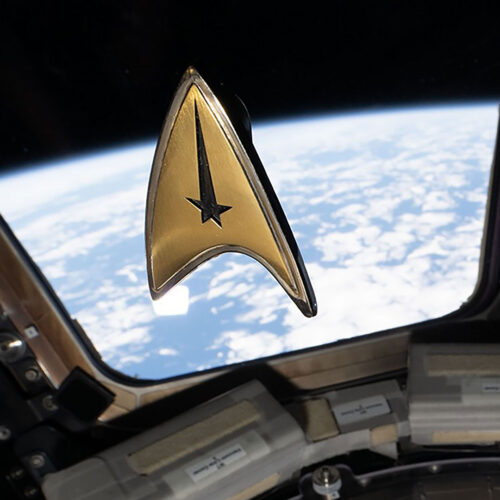
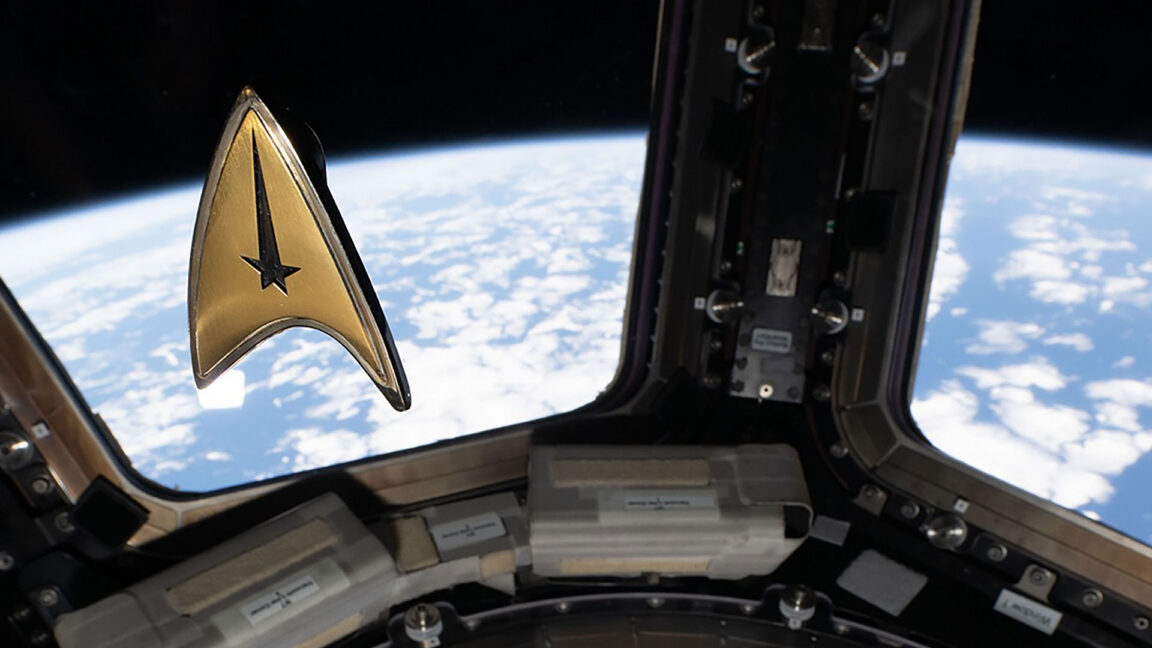
Sixty years after television audiences first tuned in to see the voyages of the Starship Enterprise, an astronaut on board the International Space Station has paid tribute to Star Trek by flying the badge of the franchise's latest fictional captain.

Expedition 75 flight engineer Sophie Adenot with European Space Agency (ESA) donned the Delta badge originally worn by actor Anson Mount for a video recorded from aboard the space station. Mount portrays Christoper Pike in the Paramount+ streaming series Star Trek: Strange New Worlds. Paramount and ESA both released the clip on their Instagram feeds.

"For 60 years, Star Trek has brought us stories of friendship and exploration. I'm wearing Captain Pike's badge aboard the ISS in celebration of continuing the real world work of science and exploration," said Adenot. "For me, exploration and science are about curiosity and cooperation daring to go a little farther together, learning from what we discover and build, and turning that knowledge into a better future for everyone."

Read full article

Comments

© ESA

  •  

2ª temporada de “Mulheres de Azul” estreia hoje no Apple TV

Estreou hoje no Apple TV o primeiro episódio da segunda temporada de “Mulheres de Azul” (“Las Azules”), drama policial espanhol cocriado pelo diretor vencedor do Emmy Internacional Fernando Rovzar ao lado de Pablo Aramendi.

A temporada terá um total de oito episódios, e os sete capítulos remanescentes serão lançados toda quarta-feira, até o dia 30 de setembro.

Confira o trailer:

Ele também está disponível numa versão dublada em português do Brasil:

A segunda temporada acompanha María (interpretada por Bárbara Mori), que agora foi promovida a tenente e se vê dividida entre as regras da instituição e sua busca incessante pela verdade quando o corpo de uma estudante ativista é encontrado. As Azules acabam envolvidas em uma investigação que remonta ao Massacre de Tlatelolco, ocorrido no ano de 1968.

Antes de descobrirem o desfecho, o corpo de uma pessoa conectada a esse capítulo brutal da história é descoberto, provocando um choque completo dentro da corporação. Enquanto María, Valentina (Natalia Téllez), Gabina (Amorita Rasgado) e Ángeles (Ximena Sariñana) travam batalhas dentro e fora da delegacia, verdades ocultas vêm à tona e elas são forçadas a confrontar uma questão incômoda: em um sistema assolado pela corrupção, qual é o preço de lutar pelos seus ideais?

Fruto de uma parceria com a Lemon Studios, a produção executiva é assinada por Rovzar ao lado da indicada ao Emmy Wendy Riss, Alejandro Lozano, Erica Sánchez Su e o vencedor do Emmy Internacional Billy Rovzar.

O Apple TV está disponível no aplicativo Apple TV em mais de 100 países e regiões, seja em iPhones, iPads, Apple TVs, Macs, dispositivos Android, smart TVs ou online — além de também estar em aparelhos como Roku, Amazon Fire TV, Chromecast com Google TV, consoles PlayStation e Xbox. O serviço custa R$29,90 por mês, com um período de teste gratuito de 7 dias. Por tempo limitado, quem comprar e ativar um novo iPhone, iPad, Apple TV ou Mac ganha 3 meses do Apple TV. Ele também faz parte do pacote de assinaturas da empresa, o Apple One.

NOTA DE TRANSPARÊNCIA: O MacMagazine recebe uma pequena comissão sobre vendas concluídas por meio de links deste post, mas você, como consumidor, não paga nada mais pelos produtos/serviços usando os nossos links de afiliado.

  •  

Scientists Are About to Test a Revolutionary New Device During This Week’s Solar Eclipse—Here’s What It Could Reveal

European scientists are taking advantage of this week’s solar eclipse to test a potentially groundbreaking instrument that could transform the way astronomers study the Sun.

For weeks, a team from the Astrophysical Observatory of Turin has been stationed at Spain’s Javalambre Astrophysical Observatory, preparing to deploy a novel spectrometer ahead of the August 12 eclipse.

On that date, researchers will activate the Circular Slit Spectrometer (CISS), which the Turin-based team says will provide a unique new view of our life-giving star. Specifically, the device will focus on the corona, the outermost portions of the Solar atmosphere, and the hottest part of the Sun.

The 2026 Solar Eclipse: A Trio of Occurrences

This month, skywatchers will be treated to a trio of celestial events: a solar eclipse and the peak of the Perseids meteor shower on August 12, followed by a lunar eclipse between August 27 and 28. The total solar eclipse will be best viewed from parts of Spain, Portugal, Russia, Iceland, and Greenland, while observers across much of Europe, Africa, and North America will experience only a partial eclipse.

To take advantage of the event, the research team traveled from its home base in Padua, northern Italy, to Spain, where years of development work will culminate in the first field test of CISS. The scientists believe the new instrument could significantly improve observations of the Sun’s corona.

Opportunities Arise During the European Eclipse

Spectrometers are among astronomers’ most valuable tools, allowing researchers to analyze the composition of stars and even detect the atmospheres of distant exoplanets by examining subtle changes in starlight.

Closer to home, the Italian team believes CISS can separate the wavelengths of sunlight far more rapidly than existing instruments. That capability could prove especially valuable because the corona drives powerful space weather events capable of disrupting communications, power grids, and GPS systems on Earth and in orbit.

The researchers see the eclipse as the ideal opportunity to test their instrument, since the Moon’s passage in front of the Sun dramatically increases the contrast of the corona against the sky. For the team, the observation marks the culmination of more than two and a half years spent rethinking some of the fundamental design principles behind conventional spectrometers.

CISS: A Spectrometer Unlike Any Other

Unlike traditional spectrometers, which typically rely on a narrow rectangular slit, CISS uses a circular slit. This allows it to “capture the spectrum of the entire corona at a certain distance from the centre of the Sun in a single photograph,” according to principal investigator Federico Landini of the Astrophysical Observatory of Turin.

By redesigning the instrument’s aperture, the researchers say they have reduced the time needed to scan the corona from hours to just minutes. If successful, the eclipse demonstration could pave the way for incorporating the technology into future space missions designed to observe the Sun from closer vantage points.

For now, the team is focused on ensuring the best possible observing conditions. Researchers continue to monitor the weather, with current forecasts appearing favorable for eclipse viewing. To minimize the risk of equipment problems, the team transported CISS from Italy to Spain by van rather than by air, avoiding the need to disassemble the instrument and reducing the possibility of flight delays or cancellations.

Later this week, they will learn whether years of work have produced a breakthrough in solar observation—or simply the next step in refining a promising new technology.

Ryan Whalen covers science and technology for The Debrief. He holds an MA in History and a Master of Library and Information Science with a certificate in Data Science. He can be contacted at ryan@thedebrief.org.

  •  

Eclipse solar em Portugal: como fotografar com segurança, inclusive com o iPhone

Quem estiver em Portugal nesta quarta-feira, 12 de agosto, terá a oportunidade de testemunhar o primeiro eclipse solar total desde 1912, com previsão de repetição do feito somente daqui a 118 anos, em 2144.

A sua raridade, além da sazonalidade, está especialmente no percentual de visibilidade do fenômeno em todo o país, que varia de 92% a 100%. Para quem quiser ver o eclipse em sua totalidade, será necessário visitar o Parque Natural de Montesinho, no concelho de Bragança.

Caso também seja do seu interesse registrar esse momento histórico, existem algumas coisas importantes a se observar e algumas alternativas, a depender do que você pretende fotografar exatamente.

Antes de qualquer dica tecnológica, é importante se certificar de que a sua visão estará protegida: recomenda-se o uso de óculos de eclipse com certificação ISO 12312-2, que serão distribuídos gratuitamente pela ZEISS em parceria com a rede de óticas Club da Visão, mediante cadastro e enquanto durarem os estoques (que, aparentemente, já esgotaram-se).

Depois, vale observar as janelas de horário do eclipse:

  • Início: entre 18h30 e 18h40;
  • Pico: entre 19h30 e 19h40;
  • Fim: entre 20h20 e 20h30.

Fotografia: câmera DSLR/mirrorless ou iPhone?

Caso você opte por fotografar o evento, existem duas opções de mais fácil acesso: uma câmera digital ou o seu iPhone. Em ambos os casos, há uma série de poréns.

Sobre DSLRs e mirrorless, vale adquirir um filtro solar para a sua lente, considerando a sensibilidade do sensor à exposição ao sol, que pode acarretar uma danificação irreversível — dada a quantidade de entrada de luz. Recomenda-se fixar a abertura entre ƒ/8 e ƒ/16, com a velocidade do obturador ajustada entre 1/1000 e 1/4, de acordo com as especificações da sua câmera.

Já o iPhone, dado o tamanho do seu sensor e outras limitações técnicas, terá dificuldade de registrar o eclipse naturalmente. Claro, ainda é possível obter muitos resultados legais em relação à sombra e aos seus efeitos, ou até mesmo capturar a atmosfera do momento com um time-lapse utilizando um tripé ou outro equipamento estabilizador.

No entanto, para quem quiser de fato registrar o sol de maneira direta, será necessário adquirir acessórios:

  • Lente de zoom com ampliação entre 12x e 18x — das mais amadoras até as mais sofisticadas, com preços flutuando entre dezenas e centenas de dólares;
  • Filtro solar para o iPhone;
  • Tripé, visando não comprometer o resultado final das fotos borrando-as com um movimento sutil.

Quanto ao software, embora existam boas opções de apps de terceiros, como o Project Indigo ou o Halide, o próprio aplicativo Câmera (Camera) nativo do iPhone deverá dar conta.

Cada escolha (ou ausência) poderá impactar o registro do fenômeno, mas nada será tão determinante quanto a prática de quem fotografa. Independentemente da escolha, vale conhecer o equipamento que você tem em mãos antes do tão esperado dia, testar o comportamento da câmera sob o sol e pensar qual será o enquadramento do registro no dia do eclipse.

via AppleInsider, Lisboa Secreta

  •  

Apple TV: 2ª temporada de “Mulheres de Azul” ganha trailer

O Apple TV divulgou hoje o trailer da segunda temporada de “Mulheres de Azul” (“Las Azules”), série mexicana criada pelo premiado showrunner e diretor Fernando Rovzar, ao lado de Pablo Aramendi.

Marcada para estrear em 12 de agosto (uma quarta-feira), a nova parte da produção acompanhará María (Bárbara Mori), agora promovida a tenente, enquanto se vê dividida entre as regras que jurou cumprir e uma busca implacável pela verdade, após a descoberta do corpo de uma estudante ativista.

Mexico’s most courageous against corruption.#WomenInBlue — Reporting for duty August 12 pic.twitter.com/zo1hX3fQCE

— Apple TV (@AppleTV) July 21, 2026
As mais corajosas do México contra a corrupção.

#WomenInBlue — Apresentando-se para o serviço em 12 de agosto.

Veja o trailer também no YouTube:

Enquanto María, Valentina (Natalia Téllez), Gabina (Amorita Rasgado) e Ángeles (Ximena Sariñana) travam batalhas dentro e fora da delegacia, verdades ocultas vêm à tona e elas são forçadas a confrontar uma questão incômoda: em um sistema assolado pela corrupção, qual é o preço de lutar pelos seus ideais?

Além de Mori, Sariñana, Téllez e Rasgado, a série é estrelada por Miguel Rodarte, Leonardo Sbaraglia, Christian Tappán, Horacio García Rojas e Bruno Bichir.

“Mulheres de Azul” é produzida pela Lemon Studios e conta com Rovzar na produção executiva, ao lado da indicada ao Emmy Wendy Riss, Alejandro Lozano, Erica Sánchez Su e o vencedor do Emmy Internacional Billy Rovzar.

Depois da estreia, novos episódios de “Mulheres de Azul” serão lançados semanalmente, sempre às quartas-feiras, até 30 de setembro.

O Apple TV está disponível no aplicativo Apple TV em mais de 100 países e regiões, seja em iPhones, iPads, Apple TVs, Macs, dispositivos Android, smart TVs ou online — além de também estar em aparelhos como Roku, Amazon Fire TV, Chromecast com Google TV, consoles PlayStation e Xbox. O serviço custa R$29,90 por mês, com um período de teste gratuito de 7 dias. Por tempo limitado, quem comprar e ativar um novo iPhone, iPad, Apple TV ou Mac ganha 3 meses do Apple TV. Ele também faz parte do pacote de assinaturas da empresa, o Apple One.

NOTA DE TRANSPARÊNCIA: O MacMagazine recebe uma pequena comissão sobre vendas concluídas por meio de links deste post, mas você, como consumidor, não paga nada mais pelos produtos/serviços usando os nossos links de afiliado.

  •  

Icarus Robotics taps KULR to provide batteries for Space Station robots

NAPA, Calif. – Icarus Robotics, the New York startup developing dexterous mobile robots for space missions, selected KULR Technology Group to provide batteries for Joy, a free-flying platform destined for […]

The post Icarus Robotics taps KULR to provide batteries for Space Station robots appeared first on SpaceNews.

  •  

Something is Swarming in Swirls of Green in the Black Sea—and These NASA Images Captured the Phenomenon from Orbit

NASA recently captured a summertime spectacle in orbital imagery of the Black Sea, as eerie-looking swirls of turquoise could be seen swarming in its waters.

The curious curling features were observed by astronauts aboard the International Space Station in May, and more recently by the Ocean Color Instrument (OCI) on NASA’s Plankton, Aerosol, Cloud, Ocean Ecosystem (PACE) satellite on June 22, 2026, as it passed over the body of water that marks the boundary between Europe and Asia.

The vibrant oceanic display is believed to be the result of summertime blooms of coccolithophores, which begin surging in ocean waters near the shoreline in warmer weather months.

These phytoplankton are armored in plates composed of calcium carbonate, which can often cause discoloration in ocean waters as the blooms occur, which are driven by nutrients entering ocean waters that are often carried from inland sources.

PACE Black Sea
The Black Sea, as seen from NASA’s PACE satellite on June 22, shows swirls of turquoise-green as large swarms of coccolithophores bloom in its warm waters (Image Credit: NASA/Earth Observatory/Mikala Garrison)

Earlier this year, a similar turquoise spectacle occurred in Atlantic waters along the eastern United States, as coccolithophores surged in numbers as temperatures rose, and meltwater in mountainous regions made its way downstream, carrying vital nutrients which were deposited in coastal waters after they made their way downstream.

Unlike coccolithophores, which generally brighten the color of ocean water in the spring and early summer, later in the year another kind of microscopic organism, known as diatoms, can darken the water due to the silica shells that encase their microscopic bodies.

Similar orbital color shows were observed in recent weeks within the narrow waters of the Bosporus Strait, which separates Turkey as it parts Asia Minor and Thrace. In the recent photos obtained from the ISS, the entire Bosporus can be seen illuminated in turquoise as its waters have been flooded with coccolithophores.

Black Sea Bosporous
In the image above, large turquoise blooms of coccolithophores can be seen in the middle of the image and along the shoreline of the Black Sea. The Bosporus Strait can also be seen on the narrow strip of land between the Black Sea and the Sea of Marmara, as captured in this image taken by a member of the Expedition 74 crew from the ISS on May 27, 2026 (Image Credit: NASA).

Apart from the odd but beautiful swirling patterns they produce as these phytoplankton are carried by ocean currents, these colorful creatures also provide a more practical benefit, since they can be leveraged by remote sensing technologies to help study the dynamics of these blooms when they occur.

Additionally, these microscopic creatures can also make significant contributions to oceanic carbon cycles, since the creatures sink to the seafloor at the end of their life cycles, carrying carbon they’ve absorbed with them. Once deposited on the ocean floor, this carbon can be maintained at such depths for long periods.

Additional information about the recent coccolithophore blooms in the Black Sea, along with other imagery of our planet as seen from space, can be found at NASA’s Earth Observatory page.

Micah Hanks is the Editor-in-Chief and Co-Founder of The Debrief. A longtime reporter on science, defense, and technology with a focus on space and astronomy, he can be reached at micah@thedebrief.org. Follow him on X @MicahHanks, and at micahhanks.com.

  •  

NASA and Boeing still uncertain about when Starliner will return to flight

Starliner at ISS

NASA’s safety advisers say that while the agency and Boeing make progress in addressing problems with the CST-100 Starliner, it could be up to a year before it flies again.

The post NASA and Boeing still uncertain about when Starliner will return to flight appeared first on SpaceNews.

  •  

The first long-duration resident of the ISS, a cosmonaut, has died

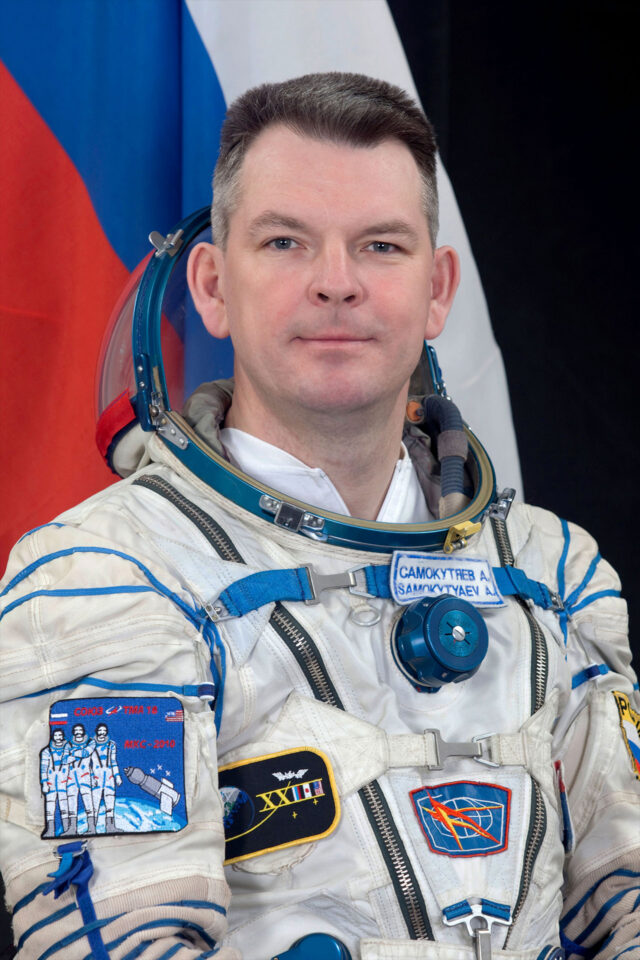
Russian cosmonaut Aleksandr Samokutyaev, who served twice as a crew member aboard the International Space Station (ISS), including during the final US space shuttle mission in 2011, has died at the age of 56.

With Samokutyaev's death on Wednesday, he becomes the first former ISS long-duration resident to die in the 26 years that the space station has been a home to 155 other cosmonauts and astronauts as expedition crew members. The cause of his death is unknown.

Portrait of cosmonaut Aleksandr Samokutyaev. Credit: Roscosmos
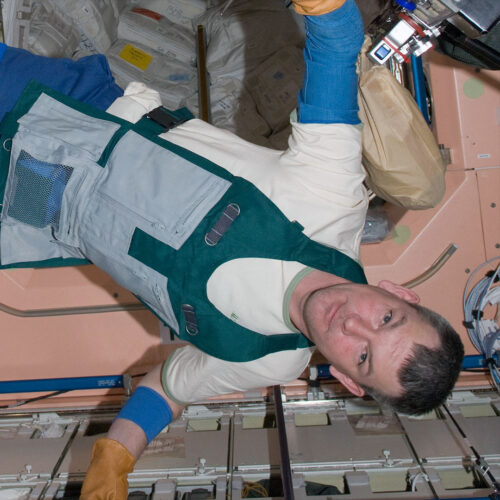
"The leadership and staff of the Roscosmos State Corporation extend their sincere condolences to the family and loved ones of Aleksandr Mikhailovich," officials with Russia's space agency said in a statement.

Read full article

Comments

© NASA

  •  

The first long-duration resident of the ISS, a cosmonaut, has died

Russian cosmonaut Aleksandr Samokutyaev, who served twice as a crew member aboard the International Space Station (ISS), including during the final US space shuttle mission in 2011, has died at the age of 56.

With Samokutyaev's death on Wednesday, he becomes the first former ISS long-duration resident to die in the 26 years that the space station has been a home to 155 other cosmonauts and astronauts as expedition crew members. The cause of his death is unknown.

Portrait of cosmonaut Aleksandr Samokutyaev. Credit: Roscosmos
"The leadership and staff of the Roscosmos State Corporation extend their sincere condolences to the family and loved ones of Aleksandr Mikhailovich," officials with Russia's space agency said in a statement.

Read full article

Comments

© NASA

  •  

Próximo dobrável da Vivo chega com câmara de 200 MP e suporte a teleconversor para “ver” mais longe

Além de uma câmara principal de 200 MP e de uma telefoto periscópica ZEISS APO, o dobrável Vivo X Fold 6 será compatível com um teleconversor, que permite alcançar uma distância focal equivalente até 200 mm.

The post Próximo dobrável da Vivo chega com câmara de 200 MP e suporte a teleconversor para “ver” mais longe appeared first on Tek Notícias.

  •  

Ha superato il PIL di intere nazioni ed è entrato nel Guinness dei Primati. La storia incredibile dell'opera umana più costosa di sempre.

L'oggetto più costoso mai realizzato dal genere umano detiene un record ufficiale sul Guinness dei Primati, avendo superato un costo complessivo stimato in oltre 150 miliardi di dollari — una cifra superiore al PIL annuale di numerosi Stati. Presentato inizialmente nel 1984 con una previsione di budget di appena 8 miliardi, il progetto ha subìto una massiccia escalation finanziaria a causa di continui ridisegni strutturali, obsolescenza dell'hardware in corso d'opera e problemi di standard qualitativi da parte dei partner internazionali. A questi dati si aggiungono i costi operativi e di manutenzione, che si attestano stabilmente su oltre 3 miliardi di dollari all'anno. L'avamposto completerà il suo ciclo vitale nel 2030, anno in cui è previsto il suo definitivo ritiro attraverso un'operazione di smantellamento e rientro atmosferico guidata da SpaceX, dal valore di quasi un miliardo di dollari.
  •  

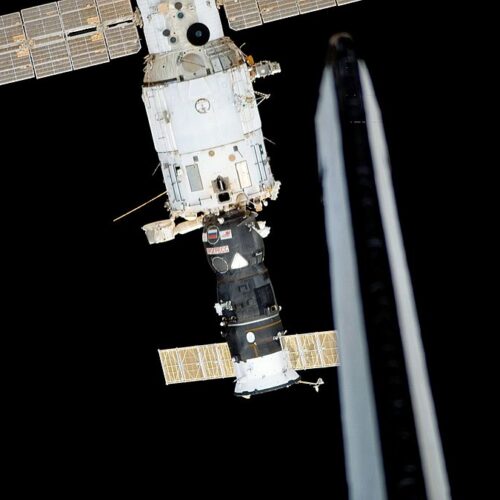
Russia appears set to finally address long-term, serious space station cracks

Ten days ago, in a moment of very high drama in orbit, NASA directed its astronauts living on the International Space Station to briefly seek emergency refuge in a Crew Dragon spacecraft.

Since then, neither the US space agency nor Roscosmos has provided additional public information about the situation in orbit. But according to sources who spoke to Ars, following the spectacle in space, the problem has been successfully fixed.

At issue were persistent cracks in a small area of the International Space Station attached to the Russian Zvezda service module, known as the PrK module. The problem has been ongoing since 2019, and Russian astronauts have been attempting various fixes, often using a sealant called Germetall-1.

Read full article

Comments

© NASA via Getty Images

  •  

La photo de la semaine : « Elles dansaient et serpentaient en dessous de nous »… une scène qu’ont vue les astronautes

Des rubans verts qui serpentent dans le ciel polaire, des voiles mouvants qui s’étirent sous la Station spatiale internationale (ISS) : Jessica Meir a partagé, il y a quelques jours, un time-lapse d’aurores australes d’une beauté presque irréelle.

  •  
  •  

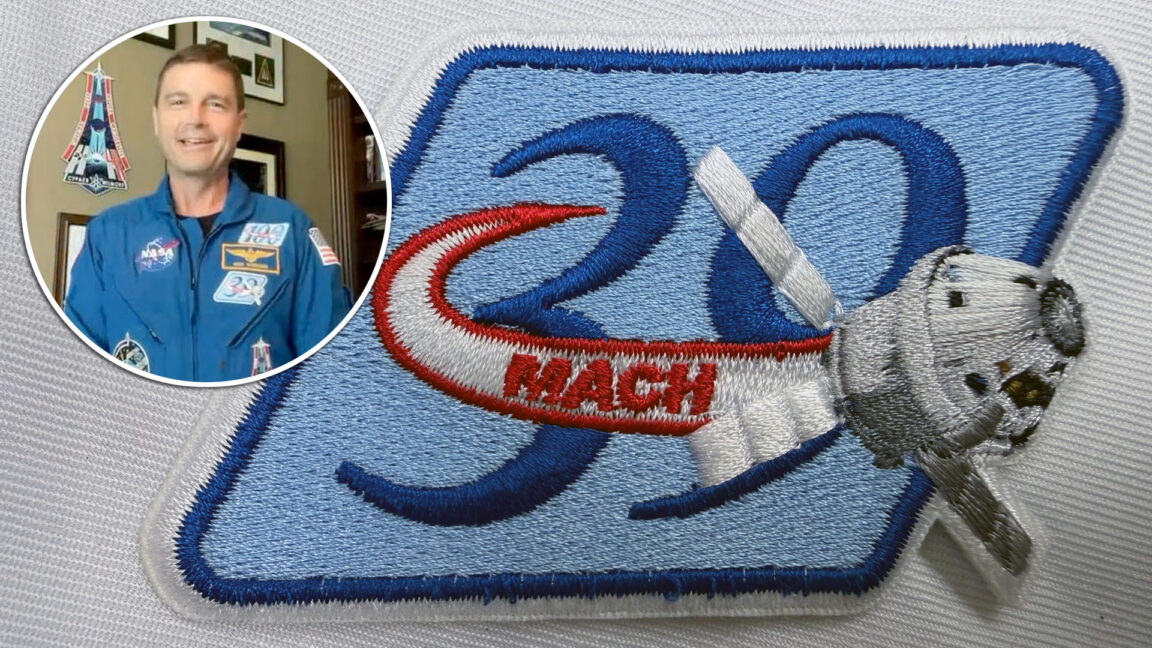
The fastest humans in the galaxy just got a spiffy patch to prove it

NASA's Artemis II crew are the fastest people alive, and now they have the patch to prove it.

Mission Commander Reid Wiseman, pilot Victor Glover, and mission specialists Christina Koch and Jeremy Hansen (the latter with the Canadian Space Agency) spent 10 days in early April flying by the Moon. Their journey took them farther away from Earth than any humans have gone (52,756 miles [406,771 km]) and then, on the way back on board their Orion spacecraft Integrity, they sped up to about 24,664 miles per hour (39,693 k/ph) reentering the atmosphere.

Only three other people in history have traveled faster. NASA's Apollo 10 astronauts Thomas Stafford, John Young, and Eugene Cernan set the record for the highest speed attained by a crewed vehicle relative to the Earth's surface: 24,791 mph (39,897 kph) on May 26, 1969.

Read full article

Comments

© Reid Wiseman/A-B Emblem/collectSPACE

  •  
❌