The panel explores Samsung’s entry into the credit card market, why iPhone owners continue to resist switching to Android, and the growing influence of AI across technology and society. Discussion ranges from AI escaping coding sandboxes and solving long-standing mathematical problems to AI-generated music and the impact of European Union regulations on innovation, competition, consumer […]
Samsung has largely defined the foldable phone category, but it's no longer alone in releasing flexible devices. Google, Motorola, and a raft of Chinese OEMs have their own take on this form factor. Is the new Galaxy Z Fold 8 Ultra really "ultra" enough to remain on top?
This phone doesn't have the wide frame of the new Z Fold 8, instead matching the approximate size and shape of the company’s last few tablet-style foldables. The Z Fold 8 Ultra is not a big leap, but it continues Samsung's pattern of iterative foldable improvements. At this point, there's very little left to improve. The compromises of going with a foldable over a regular flat phone have largely been erased with the Z Fold 8 Ultra. Well, except for the price.
Flatter and a little better
Foldables used to be real pocket-busters, almost like carrying two phones glued together. Samsung has successively shaved a few millimeters off every year, taking a leap last year with the Z Fold 7. The Z Fold 8 Ultra is even a bit slimmer than that phone, but the difference is basically imperceptible. It still has the same buttons in the same places, including a fingerprint sensor in the power button.
Fomos procurar quais os smartphones com as melhores câmaras à venda em Portugal, dividindo-os em duas categorias, sem limite de preço e até 500 euros. Explicamos também quais os critérios que deve ter em contra na hora de escolher.
Mentre la One UI 9 stabile è ancora solo un'esclusiva dei nuovi pieghevoli Galaxy Z Fold 8, Fold 8 Ultra e Flip 8 (sui Galaxy S26 è in beta) ha già cominciato a lavorare a One UI 9.5. E la prima traccia della prossima personalizzazione scovata dal portale Sammyguru ci svela che una delle novità in cantiere riguarda la modalità scura.
ICONE A SFONDO QUASI NERO
A suggerirlo è un'immagine individuata all'interno dell'ultimo aggiornamento dell'app Nearby Devices di Samsung, quello che porta la versione 1.3.07.3791. Il file mostra alcune icone di sistema in una variante completamente scura, alimentando l'ipotesi che l'azienda stia preparando un comportamento diverso per le applicazioni preinstallate.
Con One UI 9.0, attivare la modalità scura modifica principalmente l'aspetto dell'interfaccia, ma lascia sostanzialmente inalterate le icone delle applicazioni di sistema. Con One UI 9.5, invece, Samsung potrebbe introdurre vere e proprie versioni scure delle icone, che verrebbero applicate automaticamente quando il tema scuro è attivo.
Anche per il nuovo Samsung Galaxy Z Fold8 è arrivato il momento del durability test di JerryRigEverything, all'anagrafe Zack Nelson. E, come sempre, ciò che ne esce non è una visione adatta ai deboli di cuore. Il video dura poco più di nove minuti, durante i quali lo youtuber mette alla prova la tenuta e la robustezza dello smartphone pieghevole con tutti i test che nessuno di noi avrà mai il coraggio di eseguire sui propri dispositivi.
DURABILITY TEST PER IL SAMSUNG GALAXY Z FOLD8
Si parte con la valutazione della resistenza ai graffi, passando sulla superficie diverse punte. Il display esterno si comporta bene, riportando segni solo con quelle più dure, grazie alla protezione del Gorilla Glass Ceramic 3. Non si può invece dire lo stesso per quello interno, dove a coprire il pannello foldable con tecnologia Flex Titanium c'è comunque uno strato in plastica che soffre anche il semplice contatto con una moneta.
Il filmato prosegue incidendo la scocca con un taglierino, cercando di strappare dalla loro sede i pulsanti fisici, le fotocamere e mettendo a dura prova il meccanismo di apertura con quella che è da sempre la kryptonite di questa categoria: la sabbia. Buona visione.
Serão realmente os smartphones topo de gama que oferecem o melhor valor-desempenho? Ou existem equipamentos a preços mais acessíveis que acabam por se destacar? O ranking da AnTuTu foca-se exatamente neste tema.
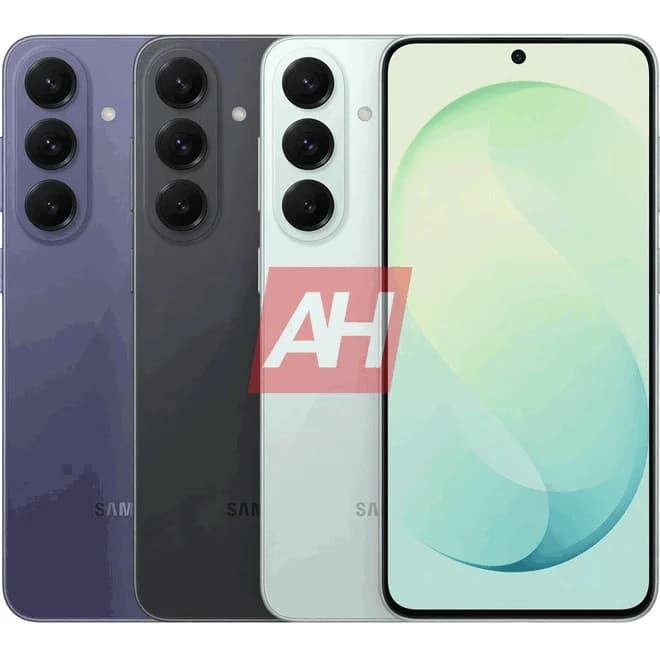
Samsung is preparing to expand its Fan Edition lineup with the upcoming Galaxy S26 FE, and newly leaked specifications suggest the device will bring a flagship-style display, upgraded performance, and a larger battery while maintaining the value-focused positioning of the FE series.
According to a report from WinFuture, the Samsung Galaxy S26 FE is expected to launch in early September 2026. The leaked details reveal information about the phone’s design, display, chipset, cameras, battery, and connectivity features.
Slim Design with IP68 Water Resistance
The Galaxy S26 FE is expected to continue Samsung’s lightweight premium design approach. The device reportedly measures as thin as 7.4mm and weighs approximately 193g, making it relatively slim for a smartphone with a large display and high-capacity battery.
The phone is also expected to feature IP68-rated dust and water resistance, providing protection against accidental splashes and exposure to water.
Samsung is reportedly planning three color options for the Galaxy S26 FE:
Graphite (Dark Gray)
Pistachio (Green)
Blueberry (Purple)
These color choices suggest Samsung is targeting users who want a more stylish alternative to traditional flagship smartphone designs.
6.7-inch Dynamic AMOLED 2X Display with 120Hz Refresh Rate
The Galaxy S26 FE is expected to feature a 6.7-inch Dynamic AMOLED 2X display, offering a premium viewing experience similar to Samsung’s higher-end Galaxy models.
According to the leaked specifications, the display will include:
Resolution: 2340 × 1080 pixels
Refresh rate: 120Hz
Typical brightness: Around 1,200 nits
Peak brightness: Up to 1,900 nits in high-brightness mode
The high refresh rate should provide smoother scrolling, improved gaming responsiveness, and better animations, while the high brightness level will help improve outdoor visibility.
Exynos 2500 and Snapdragon Variants Expected
Performance will reportedly be one of the key upgrades of the Galaxy S26 FE. European models are expected to use Samsung’s Exynos 2500 processor, featuring a ten-core CPU design with a maximum clock speed of 3.3GHz.
Meanwhile, certification documents reportedly indicate that the US version of the Galaxy S26 FE may feature a Qualcomm Snapdragon chipset, continuing Samsung’s strategy of offering different processors depending on market availability.
The device is expected to include:
8GB RAM
128GB storage
256GB storage option
While the RAM capacity remains focused on efficiency rather than extreme specifications, the combination of a modern flagship-level chipset and optimized software should provide smooth everyday performance.
Triple Camera System with 8K Video Support
The Galaxy S26 FE is expected to feature a versatile triple-camera setup designed for photography and video recording.
The leaked camera specifications include:
Main Camera
50MP sensor
f/1.8 aperture
Optical image stabilization (OIS)
Supports up to 8K video recording at 30fps
Supports 4K recording at 60fps
Ultra-Wide Camera
12MP sensor
f/2.2 aperture
Telephoto Camera
8MP sensor
f/2.4 aperture
Supports 3x optical zoom
For selfies and video calls, the phone is expected to feature a:
12MP front camera
f/2.2 aperture
The camera setup suggests Samsung is aiming to deliver a balanced photography experience, combining high-resolution main imaging with ultra-wide and zoom capabilities.
Larger 4,900mAh Battery with 45W Fast Charging
Battery life is another area where the Galaxy S26 FE is expected to improve. The smartphone will reportedly include a 4,900mAh battery, paired with 45W wired fast charging.
According to the European EPREL energy database information mentioned in the report, the device may achieve:
Up to 50 hours of typical usage time
Battery durability rating of 1,200 charging cycles
The larger battery capacity should help the phone deliver extended daily usage, especially when combined with Samsung’s display efficiency and chipset optimizations.
Modern Connectivity Features
The Galaxy S26 FE is expected to support a range of updated connectivity technologies, including:
Bluetooth 5.4
Wi-Fi 6
NFC
Dual physical nano-SIM support
These features should provide compatibility with modern wireless accessories, faster network connections, and convenient mobile payment functions.
Samsung Galaxy S26 FE Expected Specifications
Feature
Details
Display
6.7-inch Dynamic AMOLED 2X
Resolution
2340 × 1080 pixels
Refresh Rate
120Hz
Peak Brightness
Up to 1,900 nits
Processor
Exynos 2500 (Europe) / Snapdragon variant (US)
RAM
8GB
Storage
128GB / 256GB
Rear Cameras
50MP + 12MP Ultra-wide + 8MP Telephoto
Front Camera
12MP
Battery
4,900mAh
Charging
45W wired fast charging
Water Resistance
IP68
Connectivity
Bluetooth 5.4, Wi-Fi 6, NFC
Thickness
7.4mm
Weight
193g
Galaxy S26 FE: A More Affordable Flagship Alternative?
The Samsung Galaxy S26 FE appears set to continue the company’s Fan Edition philosophy by bringing several flagship-inspired features to a more accessible price segment.
With a 120Hz Dynamic AMOLED display, flagship-class processors, OIS camera system, 45W charging, and IP68 protection, the Galaxy S26 FE could become an attractive option for users who want premium features without moving to Samsung’s most expensive Galaxy S26 series models.
Samsung has not officially confirmed the Galaxy S26 FE launch date or final specifications yet, so some details may change before the official release. However, if the leaked information proves accurate, the Galaxy S26 FE could become one of the most competitive premium mid-range smartphones of 2026.
ⓘWe may earn a commission when you buy through our links. This helps support MacSources and keeps our content free. Thank you!
The Galaxy Z Fold8 combines flagship performance, a versatile foldable display, and improved One UI 9, but its high price and ecosystem compromises make the decision more complicated.
The Galaxy Z Fold8 arrives at an interesting point in the evolution of foldable smartphones. Samsung has had several generations to refine the concept, and the Fold8 represents the company’s latest attempt to make a foldable feel less like an experimental alternative and more like a legitimate flagship. With a new generation of Snapdragon hardware, updated software, a redesigned chassis, and a growing collection of AI features, there is plenty here to evaluate beyond the novelty of having a phone that folds.
For this review, I wanted to look at the Fold8 as a smartphone I could actually live with rather than simply evaluating its specifications. That means looking at its performance, battery life, software, cameras, design, and everyday usability while also considering where it fits among the other flagship phones available today.
About the Samsung Galaxy Z Fold8
The Samsung Galaxy Z Fold8 is Samsung’s latest flagship foldable smartphone, combining the portability of a traditional smartphone with a 7.6-inch foldable display that provides a much larger workspace when opened. The Fold8 features a slimmer and lighter design than previous generations, a 120Hz Dynamic AMOLED 2X cover and inner display, and is powered by the Snapdragon 8 Elite Gen 5 for Galaxy processor. It also includes a 50MP wide camera, 50MP ultra-wide camera, and a range of Galaxy AI features designed to make multitasking, communication, photography, and everyday productivity easier.
With up to 1TB of storage and 16GB of RAM, the Galaxy Z Fold8 is positioned as both a premium smartphone and a compact productivity device. Its large inner display makes it particularly suited to multitasking, content consumption, document editing, and other tasks that benefit from additional screen space, while its redesigned hinge and thinner profile make it more practical to carry throughout the day.
Features & Specs
Weight & Size
Cover Display Dimension: 5.5”
Main Display Dimension: 7.6”
Weight: 201g
Camera
Wide: 50.0 MP
Ultra Wide: 50.0 MP
Front: 10.0 MP (Cover) + 10.0 MP HID (Main)
Zoom: Optical Quality Zoom 2x, Digital Zoom up to 10x
Specifications and benchmark numbers only tell part of the story with a device like the Galaxy Z Fold8. A foldable can have all the right hardware on paper, but what matters is how that hardware comes together when you actually use the phone every day. After spending time with the Fold8, there are several things about the experience that stood out to me.
First of all, the Galaxy Z Fold8 has a bright display that does an excellent job of hiding the crease in most lighting conditions. When the screen is on, the crease is almost impossible to see, which makes the display feel much more like a traditional smartphone screen than I expected.
The hinge also feels tight and well made. Samsung has put a significant amount of R&D into the hinge, including testing how many times it can be opened and closed, and that engineering is apparent in the way it feels during everyday use.
The glass on the front of the phone is nice, although it does not seem to be as scratch-resistant as the glass on the iPhone. If you take care of the phone or use a screen protector, I don’t expect this to be a major issue. The enter screen can potentially scratch, but this isn’t necessarily Samsung’s fault. It is simply where we are with current screen technology. We haven’t quite caught up with what we want to be able to do with glass while maintaining the durability we expect from it.
A Form Factor That Works
Using the wider form factor has been a joy for my eyes. I’ve been noticing that I have to squint when looking at text on my iPhone, but text renders comfortably on the Fold8’s larger display. Reading on this phone has been a joy.
The phone is smaller than an iPhone Pro Max when it is closed, yet the screen still feels like you’re reading from a much larger display. The combination of its compact closed form and large inner display is one of the things I have enjoyed most about using the Fold8.
If you’re an Apple fan, this form factor could be particularly interesting when Apple eventually releases its own foldable iPhone coming up in a month. The Fold8 provides a good example of what a larger foldable phone can offer without requiring you to carry a tablet-sized device.
Typing
Typing on the Fold8 has been a joy, both open and closed. The wider body when the phone is closed gives me a better grip while texting.
One of my concerns was that typing with the phone open would feel unwieldy, similar to typing on an iPad mini. Instead, the split design of the keyboard felt natural after just a few minutes of use and has been very comfortable.
That was one of the surprises of using the Fold8. I expected the larger screen to make typing more awkward, but Samsung’s approach to the keyboard makes good use of the additional screen real estate.
Setup and Connectivity
When setting up the phone, I wanted to test the transfer option between Android devices. Unfortunately, this is where I ran into a problem. The phone would get so far into the transfer process and then fail.
This may have been related to the Google Pixel I was transferring from, but I also ran into an issue when trying to transfer my eSIM. I was ultimately unable to complete the transfer and had to have a brand-new eSIM sent to me via email.
The setup experience wasn’t as seamless as I had hoped, although I don’t necessarily think the transfer issue can be attributed entirely to Samsung.
Samsung’s Magnetic Case
I’m currently using Samsung’s magnetic case with the Fold8. This case is designed only to fit on the back of the phone. It isn’t intended to protect the front or sides. Its primary purpose is to provide MagSafe-style charging and compatibility with magnetic accessories.
When using this case, the phone actually feels lighter than my iPhone Pro Max with a thin case attached to it. That’s an impressive difference considering how much more screen the Fold8 provides when opened.
The magnetic functionality also gives the Fold8 access to a range of charging options and MagSafe-style accessories, which adds another layer of flexibility to the phone.
Performance and Software
Overall, I am very excited about the hardware in this phone. The Snapdragon processor is extremely fast, and the phone comes with a 12GB of RAM. If you keep the phone for more than a year, I expect that combination to make it a relatively future-proof device.
The software experience has also surprised me.
The last time I used a Samsung device, I believe we were on One UI 6 or 7, and I wasn’t a huge fan of it. With One UI 9 and Android 17, the experience feels much more polished. The software feels stable and much more visually appealing than I remember.
I can see how casual iPhone and Pixel users could be tempted to switch to Samsung because of the Fold8. There is a lot to like here, particularly when you combine the hardware with the improved One UI experience.
That said, there are small things I miss from iOS.
For example, I frequently take screenshots, and copying text from a screenshot is incredibly simple on an iPhone. I also miss being able to tap text within an image and select it directly. If this functionality is available in Android 17, I haven’t been able to find the setting that enables it.
These may sound like small things, but when you use a particular operating system for years, those small conveniences add up.
Ecosystem Matters
Having my phone work seamlessly with my Mac, iPad, Apple TV, and the other devices in my Apple ecosystem is another factor that is difficult to overlook. Those little conveniences can turn an otherwise excellent hardware experience into more of a challenge when you move outside of that ecosystem.
For someone who is already heavily invested in Apple, the Fold8 would require giving up some of those conveniences. The hardware may be compelling enough to make that worthwhile, but it is something potential buyers should consider before making the switch.
The same is true for Google users. If you enjoy the Google ecosystem, it is worth remembering that Google has an event coming up on Wednesday where it is expected to introduce its next generation of foldable devices, while Apple is expected to make its own announcements the following month.
Pixel vs. Fold8
For me, the Google Pixel 10 Pro XL has been my secondary phone. It is a great flagship testing phone and has worked well for my second number.
However, as my primary device, as much as I enjoy the new form factor and the speed of the hardware in the Fold8, it can’t push my iPhone into the secondary position. What it has done is knock the Pixel down a spot and taken its place as my secondary phone.
That puts me at something of a crossroads.
I enjoy the bare-bones approach of Google Pixel phones, but that more stripped-down version of Android can sometimes feel a little plain. I previously strongly disliked Samsung’s One UI, but the current version feels much more stable and visually appealing.
Ultimately, both devices are running Android, and your data belongs to either Samsung, Google, or both depending on the services you use. With the Google Pixel, you have options such as GrapheneOS, while there are also Android debloating tools that can be used on the Fold8 to remove some of the software you don’t want.
For most people, the default experience will be perfectly fine. It’s simply nice to know that tools exist to give you more control if you need it.
Overall Feel
After spending time with the Fold8, I’m very impressed with the hardware. The display is bright, the crease is surprisingly easy to ignore, the hinge feels solid, and the phone is comfortable to hold and use.
The rounded corners are a nice touch, although I think a more pronounced curve could have made the phone slightly more comfortable to hold for long periods. This is a relatively minor complaint, but when you’re using a device this large for extended periods, small ergonomic details matter.
The biggest consideration for me isn’t whether the Fold8 is a good phone. It absolutely is. The question is whether its excellent hardware and improved software experience are enough to overcome the ecosystem conveniences I get from using an iPhone.
For me, the answer is no, at least as my primary phone. But the Fold8 has absolutely earned its place as my secondary device, replacing the Pixel 10 Pro XL in that role.
Benchmark Testing
To get a better understanding of how the Galaxy Z Fold8 performs beyond everyday use, I ran a series of industry-standard benchmarks covering CPU performance, GPU performance, artificial intelligence, everyday productivity, battery life, and sustained graphics performance. These tests provide a consistent way to measure the hardware and compare the results with Samsung’s published performance claims.
Benchmarks don’t necessarily represent how a phone will perform during every real-world task, but they can reveal the capabilities of the processor, GPU, NPU, memory subsystem, and battery. They can also help determine whether a device can maintain its performance under sustained workloads rather than simply delivering a high score during a short test.
Geekbench 7
Geekbench 7 provides a standardized way to measure CPU and GPU performance. The CPU tests are particularly useful for evaluating the Snapdragon 8 Elite Gen 5 for Galaxy’s ability to handle both single-threaded and multi-threaded workloads. Single-core performance is important for many everyday tasks, while multi-core performance becomes more important when several demanding processes are running simultaneously.
The Galaxy Z Fold8 produced a single-core score of 3,056 and a multi-core score of 9,629.
Geekbench 7 CPU
Single-Core: 3,056
Multi-Core: 9,629
These results provide a useful baseline for the Fold8’s overall processing capability and help demonstrate whether Samsung’s flagship hardware delivers the level of performance expected from the Snapdragon 8 Elite Gen 5 for Galaxy.
Geekbench 7 also includes a GPU compute test. Rather than measuring traditional gaming performance, this test evaluates how effectively the GPU handles compute workloads.
Geekbench 7 GPU
OpenCL: 17,377
The OpenCL result gives us another way to evaluate the Adreno GPU and provides a useful point of comparison with other flagship smartphones. While it shouldn’t be treated as a direct representation of gaming frame rates, it helps establish how much computational power is available for GPU-accelerated workloads.
Geekbench AI
The Fold8’s Snapdragon 8 Elite Gen 5 for Galaxy isn’t only designed to deliver high CPU and GPU performance. Samsung also places considerable emphasis on AI capabilities, making Geekbench AI an especially relevant benchmark for this phone.
Geekbench AI measures machine-learning performance across different hardware acceleration paths. Running the benchmark using the CPU, GPU, NNAPI, and Qualcomm’s QNN framework helps show how the phone handles AI workloads depending on which processing hardware is being used.
CPU
Geekbench AI CPU
Single Precision: 2,552
Half Precision: 4,109
Quantized: 6,153
The CPU results provide a baseline for AI workloads without relying on the phone’s dedicated AI acceleration hardware. These numbers are useful for understanding how the Snapdragon processor handles AI tasks when they are executed through the general-purpose CPU.
GPU
Geekbench AI GPU
Single Precision: 2,984
Half Precision: 4,576
Quantized: 4,082
The GPU results demonstrate how the Fold8 handles AI workloads using its graphics processor. This is particularly relevant for applications that can take advantage of GPU acceleration rather than relying entirely on the CPU or dedicated NPU.
NNAPI
Geekbench AI NNAPI
Single Precision: 670
Half Precision: 646
Quantized: 1,476
NNAPI, or Android’s Neural Networks API, provides a standardized way for Android applications to access available neural-network acceleration hardware. These results help show how AI workloads can perform through Android’s broader machine-learning framework.
QNN
Geekbench AI QNN
Single Precision: 659
Half Precision: 27,041
Quantized: 67,208
The QNN results are particularly interesting because QNN is Qualcomm’s neural-network framework and is designed to take advantage of Qualcomm’s AI hardware. The dramatic increase in the half-precision and quantized results compared with the CPU, GPU, and NNAPI results highlights the difference between general-purpose AI processing and the specialized acceleration available through Qualcomm’s QNN framework.
The 67,208 quantized QNN score is especially noteworthy. Quantized models use reduced numerical precision to make AI workloads more efficient, which is important for running AI features locally on a smartphone while minimizing power consumption and processing overhead.
These results don’t mean that every AI application will achieve anything close to the Geekbench AI scores. Applications use different models and APIs, and software optimization plays a significant role. However, they provide evidence that the Fold8 has the specialized hardware needed to support the local AI processing Samsung is promoting with this generation of Galaxy devices.
PCMark for Android
PCMark provides a different perspective than Geekbench because its Work benchmark is designed around common smartphone tasks rather than isolated processor workloads.
For this test, the Galaxy Z Fold8 achieved a PCMark Work 3.1 score of 20,546.
PCMark Work 3.1
Overall: 20,546
PCMark Work 3.1 evaluates tasks representative of everyday smartphone use, including web browsing, document and data manipulation, image editing, and other productivity-oriented workloads. This makes it useful for putting the synthetic CPU and GPU results into a more practical context.
A strong Geekbench score tells us that the processor is powerful. A strong PCMark score helps demonstrate how that hardware translates into everyday productivity.
3DMark
To evaluate the Galaxy Z Fold8’s sustained graphics performance, I ran 3DMark’s Wild Life Extreme Stress Test. Unlike a standard benchmark that measures peak performance during a relatively short workload, the Stress Test repeatedly runs the same demanding graphics workload to determine how well the phone maintains performance as it heats up.
The Galaxy Z Fold8 produced the following results:
3DMark Wild Life Extreme Stress Test
Best Loop Score: 5,949
Lowest Loop Score: 3,037
Stability: 51%
The most notable result here is the difference between the best and lowest loop scores. The Fold8 started with a score of 5,949 but dropped to 3,037 during the later loops. That’s a reduction of approximately 49% from its best performance.
The resulting 51% stability rating indicates that the phone was unable to maintain anywhere near its initial level of GPU performance throughout the extended workload. This is important because it demonstrates the difference between peak performance and sustained performance. The Snapdragon 8 Elite Gen 5 for Galaxy is capable of delivering very strong graphics performance, but when the GPU is pushed continuously, thermal limitations have a significant impact on how much of that performance can be sustained.
This doesn’t mean the Fold8 will constantly operate at half of its benchmark performance during normal use. Everyday tasks typically don’t place the same continuous load on the GPU that a stress test does. Gaming sessions, however, can create workloads that are much closer to this type of sustained testing, particularly with demanding 3D titles.
For Samsung’s performance claims, the result provides an important qualification. The Fold8 clearly has the hardware necessary to deliver flagship-level peak performance, but the Stress Test shows that sustained performance is considerably lower than peak performance under prolonged heavy workloads. That’s not unusual for a thin, powerful smartphone, but it is something potential buyers should keep in mind if they intend to use the Fold8 for extended gaming or other graphics-intensive tasks.
What the Results Tell Us
Taken together, these benchmarks show that the Galaxy Z Fold8 has the hardware to deliver a true flagship-level experience. The Snapdragon 8 Elite Gen 5 for Galaxy provides strong CPU and GPU performance, while the Geekbench AI results, particularly through QNN, demonstrate the potential of Qualcomm’s dedicated AI hardware. The PCMark Work 3.1 score of 20,546 also shows that this performance translates well to everyday productivity workloads.
The 3DMark Wild Life Extreme Stress Test provides an important look at what happens when that hardware is pushed for an extended period. While the Fold8 achieved a strong Best Loop Score of 5,949, its Lowest Loop Score fell to 3,037, resulting in 51% stability. This shows that sustained GPU performance is considerably lower than peak performance under a prolonged, demanding workload. While most users won’t place this kind of continuous load on the phone, it is worth considering for extended gaming sessions or other graphics-intensive tasks.
No benchmark can completely reproduce the way someone uses a smartphone. However, by combining CPU, GPU, AI, productivity, and sustained-performance testing, we get a much more complete picture of what the Galaxy Z Fold8’s hardware is capable of. The results largely support Samsung’s positioning of the Fold8 as a high-performance flagship, while also showing that peak performance and sustained performance are two very different things.
Conclusion
The Samsung Galaxy Z Fold8 has left me with a somewhat unexpected conclusion. I went into this review expecting to evaluate another generation of Samsung’s foldable hardware, but I came away genuinely impressed by how mature the overall experience has become. The hardware is excellent, the Snapdragon 8 Elite Gen 5 for Galaxy provides plenty of performance, the displays are impressive, and One UI 9 is considerably more polished than I remember from my previous experiences with Samsung.
The Fold8 also demonstrated why foldable smartphones continue to be interesting. The larger inner display isn’t simply a novelty. For reading, typing, multitasking, and working with content, it can fundamentally change how you use a smartphone. At the same time, the device remains relatively compact when closed, making the form factor surprisingly practical.
The biggest drawback is the price. The Fold8 is an expensive smartphone, and while the hardware helps justify some of that premium, buyers need to decide whether the foldable form factor provides enough additional value to warrant the cost. The 3DMark results also show that while the Fold8 delivers excellent peak performance, sustained GPU performance can drop considerably under prolonged workloads.
The Galaxy Z Fold8 isn’t perfect, and it doesn’t have to be. What matters is that Samsung has continued refining the concept rather than simply making a phone that folds. The Fold8 feels like a mature flagship with a different approach to what a smartphone can be. For users who want a larger screen without carrying a tablet, it is one of the most compelling options available. For those deeply invested in another ecosystem, however, the decision is more complicated.
For me, the Fold8 doesn’t replace my iPhone. It does something arguably more interesting: it made me enjoy using a Samsung phone.
NTT Docomo and Samsung Electronics validated AI-RAN technology which optimises user experience at an individual level to cut service issues, a feat the pair asserted is an important step towards predictive architecture expected to be prevalent in 6G.
The companies explained the technology tested in a trial earlier this year in Japan uses AI to analyse a user’s movement patterns and behaviour to predict potential service degradation before it happens.
Rather than applying the same network configuration to every device connected to a base station, the technology tested is meant to tailor each user’s experience depending on real-time network conditions and their expected actions.
The companies noted the traditional approach led to connectivity drops in areas of weak signal and other degradation issues, stating increased demand for high bandwidth services meant users increasingly required greater stability.
Validation tests for the AI-RAN optimisation technology reduced the frequency of data rate degradation from 13% to 7%.
The companies expect the technology to “usher in an era where networks autonomously recognise user contexts and service requirements, delivering optimal communication environments”, stating it is an important step towards predictive network operations.
They added this is needed as “AI-driven network optimisation becomes increasingly prevalent in the 6G network”.
JinGuk Jeong, EVP and head of the Advanced Communications Research Centre at Samsung Electronics, said “by shifting our research focus from overall cell performance to AI-driven individual user considerations, we have demonstrated the potential for enhanced perceived quality at the user level”.
The executive added through further collaboration with its partner, it would “continue securing core technologies for future communications centred around users”.
Samsung and NTT added they also developed a related data collection process to minimise the network burden during optimisation.
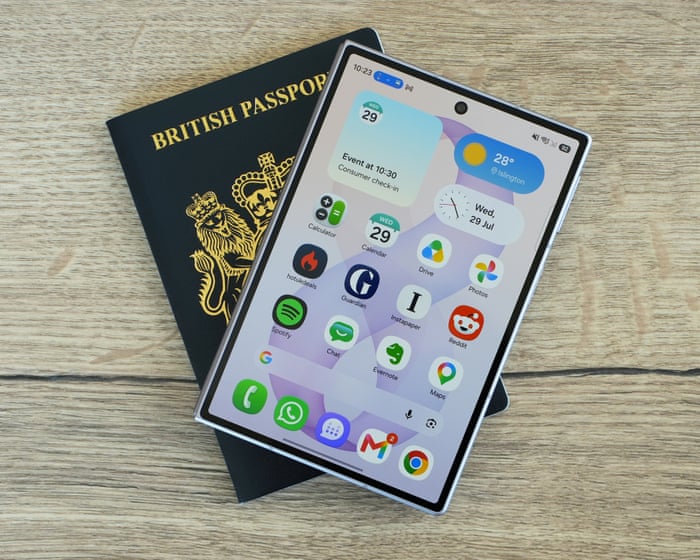
Novel squat Android opens to an iPad-like screen for video or multitasking, with plenty of power and battery life
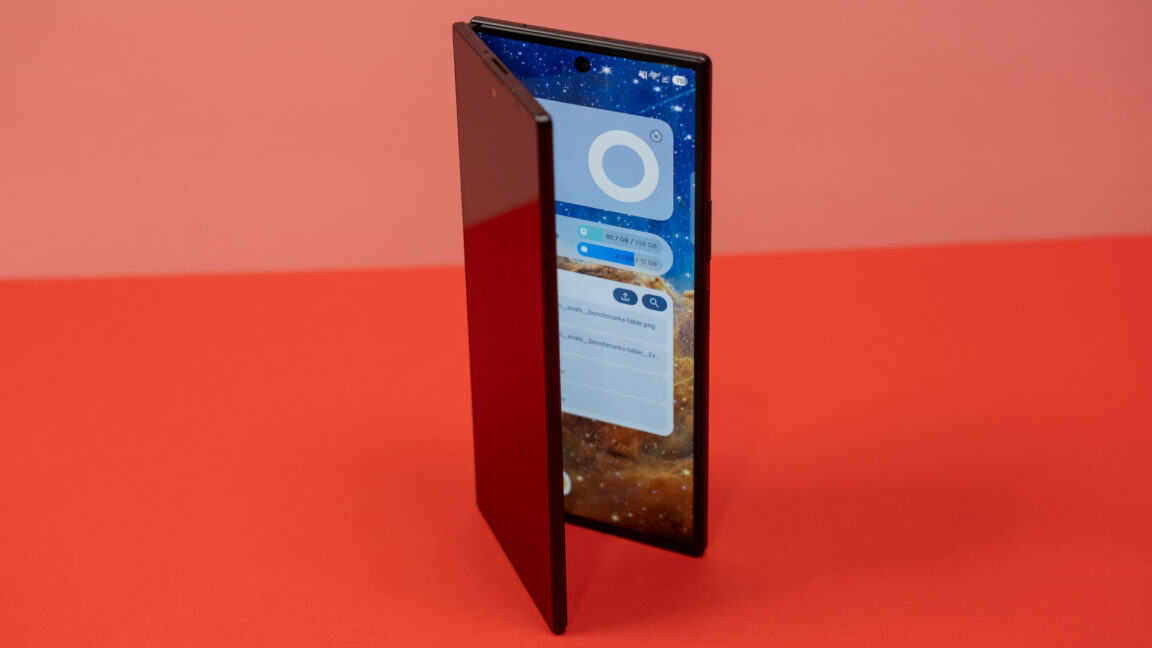
Samsung’s latest folding phone breaks the mould with a squat, passport-like shape reminiscent of the Blackberry, which opens up to become a tablet similar to an iPad mini. It is certainly a better shape for a tablet than other designs, but is a short and wide phone when closed a compromise too far?
The Galaxy Z Fold 8 is an entirely new variant in Samsung’s foldable family for this year launched alongside the Z Fold 8 Ultra with a more familiar candy bar shape. Both folders are extremely expensive, with the Fold 8 starting at £1,699 (€1,999/$1,899.99/A$2,699) and the Fold 8 Ultra at £1,899 (€2,199/$2,099.99/A$2,999), with RAMageddon driving up prices even at the top of the market.
Samsung lo ha confermato ufficialmente: i Galaxy Tab S12 stanno arrivando, e lo stesso vale per Galaxy S26 FE (con buone probabilità che il lancio sia congiunto o quasi). Ma non ha detto esattamente ancora quando, né ha rivelato nulla su specifiche e design: per fortuna, però, rumor e leak non mancano. E col debutto che si fa sempre più vicino - settembre dovrebbe essere il mese giusto, guardando alle tempistiche con cui l'azienda ha lanciato i predecessori - l'identikit di Galaxy Tab S12 Ultra e Galaxy Tab S12+ si fa sempre più nitido e dettagliato.
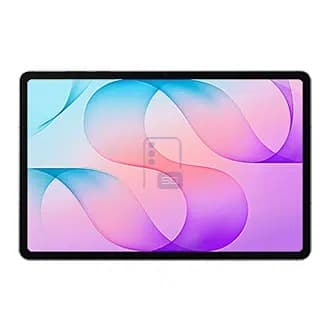
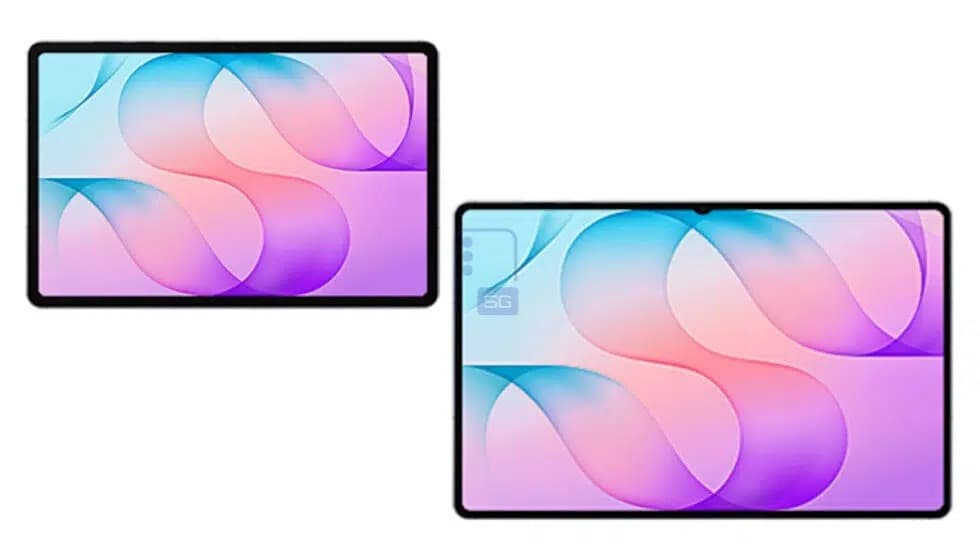
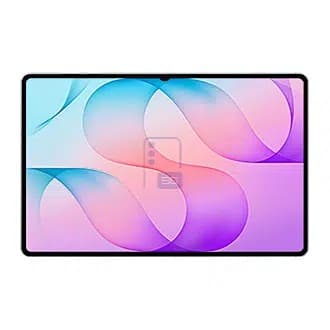
L'immagine condivisa oggi dal portale Sammyguru ci fornisce conferme del design del modello Ultra, che era già filtrato in alcuni render a luglio, e anche di quello di Galaxy Tab S12+.
In entrambi i casi abbiamo una vista frontale: e intendiamoci, in questo senso tutti i tablet sono uguali o quasi. Di sicuro questi nuovi modelli sono in perfetta continuità con la generazione precedente: si può giusto giudicare ad occhio lo spessore delle cornici, che sembra invariato rispetto a Galaxy Tab S11 Ultra e Galaxy Tab S11+.
Igeekphone News August 8, 2026 — Samsung’s next-generation flagship tablet lineup is reportedly getting closer to launch, with new renders of the Galaxy Tab S12+ and Galaxy Tab S12 Ultra now surfacing online. The leaked images suggest that Samsung will largely retain the design language introduced with the previous Galaxy Tab S11 series, while upgrading the internal hardware and software.
According to a report from Sammyguru, the renders provide a clear look at the front design of both upcoming tablets, as well as a new set of Samsung wallpapers. The Galaxy Tab S12 series is expected to make its official debut in September 2026 as part of Samsung’s annual flagship tablet refresh.
Familiar Galaxy Tab S11-Inspired Design
Based on the leaked renders, the Galaxy Tab S12+ and Galaxy Tab S12 Ultra will retain much of the visual identity of their predecessors.
The front panels appear largely unchanged, with Samsung continuing to use slim bezels and a minimalist tablet design. There are reportedly no major changes to the overall screen proportions or front-facing appearance.
For users familiar with the Galaxy Tab S11 family, the new tablets may therefore look immediately recognizable rather than representing a major redesign.
The Ultra Model Keeps Its Notch
One of the more interesting details concerns the Galaxy Tab S12 Ultra.
Earlier rumors suggested that Samsung could abandon the notch used by the previous Ultra model and move to a punch-hole camera design. However, the newly leaked renders indicate that Samsung may once again retain the notch for the front-facing camera system.
If accurate, Samsung will have chosen continuity over a cleaner full-screen appearance for another generation. That could also mean a more significant front-camera redesign may not arrive until a future Galaxy Tab Ultra model.
New Blue-Purple “S” Wallpaper
While the hardware design appears familiar, Samsung is expected to introduce a new collection of wallpapers with the Galaxy Tab S12 series.
The leaked wallpaper features a bright blue-to-purple gradient with a prominent letter “S” positioned in the center. Compared with the more restrained visual themes commonly associated with Samsung’s flagship tablets, the new design appears more colorful and dynamic.
Samsung typically introduces new wallpapers alongside its major flagship products, making the appearance of these images another indication that the Tab S12 series is moving toward its official launch.
MediaTek 9500 Expected to Power the Series
Under the hood, both the Galaxy Tab S12+ and Galaxy Tab S12 Ultra are expected to receive a significant performance upgrade.
Reports indicate that Samsung could equip both models with the MediaTek Dimensity 9500 processor. If confirmed, this would represent a notable change from previous Galaxy Tab flagship generations and could give the tablets strong performance for demanding applications, gaming, multitasking, and creative workloads.
The tablets are also expected to run One UI 9, Samsung’s latest Android-based software platform.
Samsung could further strengthen the long-term appeal of the devices by offering extensive software support. According to the current reports, the Galaxy Tab S12 series may receive up to seven generations of Android OS upgrades and seven years of security updates.
12.4-Inch and 14.6-Inch AMOLED Displays
The two tablets will continue to target different size preferences.
The Galaxy Tab S12+ is expected to feature a 12.4-inch Dynamic AMOLED 2X display with a 120Hz refresh rate. This configuration should provide smooth animations and scrolling while maintaining the high-contrast visuals associated with Samsung’s premium AMOLED panels.
Meanwhile, the flagship Galaxy Tab S12 Ultra is expected to retain the enormous 14.6-inch display used by its predecessor.
The Ultra’s large panel continues to make it one of the more laptop-like Android tablets on the market, particularly for users who want a large workspace for multitasking, digital drawing, video editing, or productivity applications.
Large Batteries for Long-Session Use
Battery capacity is another area where Samsung is expected to maintain its focus on endurance.
The Galaxy Tab S12+ is reportedly set to feature a 10,600mAh battery, while the Galaxy Tab S12 Ultra could pack an even larger 11,600mAh battery.
Combined with the efficiency improvements of a newer flagship processor, the large batteries should help the tablets handle extended periods of video playback, productivity, gaming, and web browsing.
Actual battery life will naturally depend on display brightness, refresh rate, connectivity, applications, and other usage conditions.
S Pen Expected to Remain Included
As flagship members of Samsung’s Galaxy Tab S family, both tablets are expected to support the company’s S Pen stylus, with the accessory reportedly included in the retail package.
The S Pen remains an important part of Samsung’s premium tablet ecosystem, particularly for note-taking, sketching, handwriting, document annotation, and creative work.
For international buyers comparing premium tablets with Apple’s iPad Pro and other high-end Android devices, the inclusion of a stylus could remain one of Samsung’s strongest differentiating features.
Expected Galaxy Tab S12+ vs. Tab S12 Ultra Specifications
Feature
Galaxy Tab S12+
Galaxy Tab S12 Ultra
Display
12.4-inch Dynamic AMOLED 2X
14.6-inch display
Refresh rate
120Hz
120Hz expected
Processor
MediaTek Dimensity 9500
MediaTek Dimensity 9500
Operating system
One UI 9
One UI 9
Battery
10,600mAh
11,600mAh
Stylus
S Pen expected
S Pen expected
Colors
Gray, Silver
Gray, Silver
Android updates
Up to 7 generations
Up to 7 generations
Security updates
Up to 7 years
Up to 7 years
Expected launch
September 2026
September 2026
Samsung Galaxy Tab S12 Series: What to Expect
If the current leaks prove accurate, Samsung’s Galaxy Tab S12 generation will focus more on internal upgrades than a major visual redesign.
The familiar Tab S11-inspired appearance could make the new tablets feel evolutionary, but the combination of the Dimensity 9500 chipset, One UI 9, large AMOLED displays, substantial batteries, long-term software support, and S Pen integration could still make them compelling flagship Android tablets.
The continued use of the Ultra model’s notch is perhaps the biggest disappointment for buyers hoping for a cleaner display design. However, Samsung may be saving a more substantial camera and display redesign for a future generation.
Expected Launch in September
Samsung is reportedly preparing to launch the Galaxy Tab S12 series in September 2026, meaning the official announcement could be only weeks away.
The company has not yet confirmed the launch date, pricing, complete specifications, or availability for individual markets. As a result, the details currently circulating should be considered unofficial until Samsung makes a formal announcement.
For international consumers, regional pricing and configurations will be particularly important. Samsung’s flagship tablets typically launch across multiple markets, but storage options, connectivity variants, and pricing can vary by region.
Final Thoughts
The leaked Galaxy Tab S12+ and Galaxy Tab S12 Ultra renders suggest that Samsung is taking an evolutionary approach to its next flagship tablet generation. Rather than introducing a dramatic redesign, the company appears set to refine the existing formula with a new processor, updated software, refreshed wallpapers, large batteries, and continued S Pen support.
With a 12.4-inch Galaxy Tab S12+ and a 14.6-inch Galaxy Tab S12 Ultra, Samsung could once again target both mainstream premium-tablet users and consumers looking for a large-screen productivity machine.
If the rumored September launch schedule holds, more information about pricing, configurations, performance, and global availability should emerge soon.
Foto, video ad alta risoluzione e decine di applicazioni sempre nuove minacciano ogni giorno lo spazio di archiviazione disponibile sullo smartphone. Ciò è valido soprattutto nei modelli di fascia alta, in cui spesso ci si ritrova a fare la conta dei Gigabyte di memoria residui considerata l’impossibilità di utilizzare una memory card esterna.
Tra le tante soluzioni di terze parti per recuperare spazio prezioso sul dispositivo, Samsung mette a disposizione dei propri clienti una utility integrata nella One UI e che prende il nome di “Assistenza dispositivo”. Grazie a questo strumento è possibile analizzare alcuni parametri dello smartphone, controllare lo stato della memoria interna e intervenire sui file che occupano GB inutilmente.
RECUPERARE SPAZIO IN POCHI PASSAGGI
Il primo step consiste nell’accedere al menù Impostazioni dello smartphone, aprire Assistenza dispositivo e cliccare sulla voce Spazio di archiviazione. Il riquadro mostrerà una serie di informazioni dettagliate sulla memoria interna, tra cui: spazio utilizzato, file duplicati, file di grandi dimensioni, suggerimenti, cestino e app inutilizzate.
Dopo aver sistemato la fascia media con Galaxy A57 e A37, Samsung sta per rinnovare uno dei suoi modelli entry level. Galaxy A18, infatti, si prepara a raccogliere l'eredità del Galaxy A17. E a giudicare dai primi render emersi a inizio luglio, e dai benchmark comparsi online in queste ultime ore, non sembra destinato a portare grandi cambiamenti né sul fronte del design né su quello hardware. I risultati fatti registrare su Geekbench dallo smartphone hanno infatti svelato alcune delle principali caratteristiche tecniche.
Il dispositivo, identificato dai numeri di modello SM-A185G e SM-A185F, è il modello LTE, non quello 5G: ha ottenuto circa 744 punti nel test single-core e 2.064 punti nel multi-core. Il protagonista della scheda tecnica è il MediaTek Helio G99: se il nome vi suona familiare è perché sì, stiamo parlando dello stesso chip impiegato su Galaxy A17.
Il SoC è realizzato con processo produttivo a 6 nm e dispone di due core Cortex-A76 con frequenza fino a 2,2 GHz e sei Cortex-A55 a 2,0 GHz, affiancati dalla GPU Mali-G57 MC2. La scelta permette a Samsung di contenere i costi di produzione, ma significa anche che le prestazioni dovrebbero rimanere molto vicine a quelle della generazione precedente.
Il nuovo Samsung Galaxy Z Fold 8 è uno degli smartphone più richiesti del momento. Il pieghevole ha introdotto un nuovo formato e sta registrando ottimi risultati, come confermato da varie notizie emerse online in questi giorni. Il prezzo resta un ostacolo per molti utenti. In questo momento, però, lo smartphone è protagonista di una nuova offerta su eBay e, grazie al codice sconto AUG26, può essere acquistato in sconto a 1.535 euro, con un risparmio di 624 euro rispetto al prezzo di listino di listino (2.099 euro). Il pagamento può avvenire anche in 3 rate senza interessi, con PayPal o Klarna. Per accedere alla promo basta premere sul banner qui di sotto.
O formato “passaporte” do novo Galaxy Z Fold8 da Samsung mostra que há espaço para inovação no tamanho e apresentação dos smartphones dobráveis, com uma experiência de utilização que vai além da forma e se destaca pela funcionalidade.
Compare Galaxy Watch7, Watch9, and Ultra2 for glucose monitoring, with CGM compatibility, phone requirements, battery life, and what to know before you buy.
New Samsung devices arrive in Verizon stores August 7 with simplified monthly pricing, trade-in promotions, device bundles, and waived activation fees
Verizon today announced full in-store availability of the Samsung Galaxy Z Fold8, Galaxy Z Fold8 Ultra, Galaxy Watch9, and Galaxy Watch Ultra2.
To celebrate the launch, Verizon is offering customers several ways to save, including simplified monthly pricing, trade-in promotions, free companion devices, and waived activation and upgrade fees.
Galaxy Z Fold8 for $30 per month
Customers who switch to Verizon’s new Simplicity Plan can get the Samsung Galaxy Z Fold8 with 256GB of storage for $30 per month for 48 months. No trade-in is required.
Save up to $420 on the Galaxy Z Fold8 Ultra
Customers who add a new line or upgrade an existing line on the Simplicity Plan can get the Galaxy Z Fold8 Ultra for $35 per month for 48 months, representing savings of up to $420.
Save up to $1,100 with an eligible trade-in
Customers on an Unlimited Plus or Unlimited Ultimate plan can trade in an eligible smartphone and receive up to $1,100 off the Galaxy Z Fold8 or Galaxy Z Fold8 Ultra.
Get a Galaxy Watch9 and Galaxy Tab S10 FE on Verizon
Customers who purchase a new Samsung smartphone, or bring their own compatible device to Verizon, can receive a new Galaxy Watch9 and Galaxy Tab S10 FE on Verizon with qualifying service.
Bring your own phone and save on a Galaxy Watch
Customers who bring an eligible Android smartphone to a new Verizon line can receive a Galaxy Watch9 on Verizon. They can also purchase the rugged Galaxy Watch Ultra2 for as little as $8 per month.
Waive activation and upgrade fees
Verizon postpaid customers can have activation and upgrade fees waived by enrolling in Verizon Loyalty through the My Verizon app.
Six months of streaming included
For a limited time, customers who purchase a qualifying Galaxy Z Fold8 or Galaxy Z Fold8 Ultra can receive the Disney+, Hulu, and ESPN+ with Ads perk for six months on Verizon.
Offers for Verizon Business customers
New and existing Verizon Business customers can receive up to $900 off devices in the Samsung Galaxy Z8 series with a qualifying trade-in. Savings depend on the customer’s My Biz or Business Unlimited plan tier.
The Samsung Galaxy Z Fold8, Galaxy Z Fold8 Ultra, Galaxy Watch9, and Galaxy Watch Ultra2 will be available beginning today at Verizon stores and through Verizon’s online store.
Availability, eligibility, device payments, service requirements, trade-in values, and promotional credits may vary. Additional terms and conditions may apply.
In a striking reversal of traditional supply-chain dynamics, China’s ChangXin Memory Technologies (CXMT) has rebuffed Apple’s requests for lower prices on mobile DRAM, according to industry reports. The move underscores a severe shortage in general-purpose memory chips and hands greater negotiation leverage to South Korea’s Samsung Electronics and SK Hynix.
Apple had been exploring CXMT as a potential new supplier of LPDDR5X and other mobile DRAM for upcoming iPhones and smart devices, aiming to ease manufacturing cost pressures amid soaring memory prices. Sources indicate the iPhone maker sought further price reductions during negotiations. CXMT refused, instead holding firm at levels matching or even exceeding those charged by Samsung and SK Hynix.
The Chinese manufacturer’s bold stance stems from robust domestic demand. Companies such as Huawei and Xiaomi have locked in large volumes of CXMT’s DRAM through high-priced, long-term contracts. This push for supply-chain self-reliance has been intensified by ongoing U.S. semiconductor restrictions on China. With strong local orders secured, CXMT has little incentive to accommodate Apple’s stricter quality requirements or discount demands.
The episode highlights a broader market shift. Major memory producers have redirected significant wafer capacity toward high-bandwidth memory (HBM) to meet surging demand from AI servers and accelerators. This has sharply reduced output of conventional DRAM products like DDR5 and LPDDR5X, triggering a pronounced shortage—sometimes called “memflation” — and rapid price increases across the sector.Big tech firms that once used Chinese low-cost alternatives as leverage in annual pricing talks with primary suppliers now find that strategy ineffective. The low-cost “bypass” route has effectively closed, transferring pricing power from device makers to memory manufacturers.
For Samsung and SK Hynix, the developments create a favorable cycle. CXMT’s absorption of substantial Chinese commodity DRAM demand relieves the Korean firms of pressure to supply lower-margin general-purpose chips. They can instead prioritize higher-value AI memory products, including HBM4, LPCAMM2, and enterprise SSDs. Industry observers note that this positions the Korean companies with stronger control over global pricing in negotiations with major customers in the second half of the year.
One semiconductor industry source described the situation as unusual: CXMT is effectively supporting a floor under general DRAM prices while Samsung and SK Hynix consolidate leadership in premium AI memory. As a result, the Korean firms’ operating margins and market influence are expected to strengthen further.
Earlier this year, Apple had lobbied the U.S. government for clearer approval to source from CXMT, which appears on a Pentagon list of companies with alleged Chinese military ties. Memory cost pressures had already prompted Apple to raise prices on some Mac and iPad models. The latest reports suggest any potential deal with CXMT would not deliver the hoped-for cost savings.
MacDailyNews Take: The memory shortage is widely expected to persist well into 2027 and possibly beyond, as new fab capacity takes years to come online and AI-related demand continues to outpace supply growth. In this environment, the balance of power in the DRAM market has tilted decisively toward suppliers, particularly those focused on advanced, high-margin products.
Please help support MacDailyNews — and enjoy subscriber-only articles, comments, chat, and more — by subscribing to our Substack: macdailynews.substack.com. Thank you!

 Login

 a 2,099 euro
 a 1,551 euro