A stunning drone video capturing dozens of stingrays swimming together off the coast of New York has drawn widespread attention from beachgoers and marine life enthusiasts alike. The footage offers an unusual bird’s-eye perspective on cownose rays, a species known for its seasonal visits to Long Island’s waters.
Captured last Friday off Southampton, the video was filmed by Joanna Steidle, a Hamptons-based drone pilot recognized for her striking aerial ocean photography. The clip shows a large group of cownose rays gliding gracefully just beneath the water’s surface, their distinctive wing-shaped bodies visible in remarkable detail.
Cownose rays, which can grow wing spans of up to three feet, are known for traveling in large schools and typically arrive in the region during the warmer summer months. Despite their somewhat intimidating appearance, marine scientists describe the species as shy and generally harmless to humans, posing little threat to swimmers or beachgoers who might encounter them.
While the sight of so many rays moving together may seem unusual to casual observers, experts note that this behavior is a normal part of their seasonal pattern and that these creatures have likely been visiting Long Island’s coastal waters for decades. The viral footage has offered a rare glimpse into a natural phenomenon that typically goes unnoticed by those on shore, highlighting the rich marine biodiversity present just off New York’s beaches during summer.
At sunrise, the yacht Boaventura II departs Rio de Janeiro carrying a boatload of eager whale watchers. Just past the Cagarras Islands, a rocky archipelago three miles from Ipanema beach, passengers crowd the bow, eyes fixed on the horizon.
Their patience is quickly rewarded. A pod of bottlenose dolphins surfaces first, leaping and diving playfully near the boat. Moments later, two plumes of mist rise into the air—the telltale sign of humpback whales. The massive creatures breathe rhythmically at the surface before diving, their distinctive tail flukes briefly visible above the waves.
This scene, once unimaginable, has become increasingly common off Rio’s coast. Humpback whales, hunted to near extinction during the 20th century whaling era, have made a remarkable comeback in Brazilian waters. Their resurgence has sparked a booming whale-watching tourism industry, drawing visitors eager to witness these ocean giants up close.
Yet the very success story that brings tourists to the water is now raising concerns among marine biologists. As boat traffic increases to meet demand, researchers are questioning whether unchecked tourism growth could threaten the fragile recovery of the species. The challenge now facing Rio: how to celebrate and share this conservation triumph without loving the whales back toward danger.
The apparent benefits of updated COVID-19 vaccines in older adults may be influenced by more than the vaccines themselves, according to a study examining the “healthy vaccinee effect,” a form of bias that can complicate observational research. Published in Nature Communications, the work by Lyth, Spreco, Hinkula and colleagues focuses on how differences between people who receive vaccination and those who do not can alter estimates of vaccine effectiveness, particularly in elderly populations whose health status can change rapidly.
Updated COVID-19 vaccines are designed to improve protection against circulating SARS-CoV-2 variants, especially protection against severe disease, hospitalization and death. Because randomized clinical trials are not usually repeated for every reformulated vaccine and every emerging variant, researchers frequently rely on real-world health data. These studies compare outcomes among vaccinated and unvaccinated people, but the two groups may differ in important ways before vaccination occurs. Such differences can produce an apparent vaccine benefit—or obscure a real one—even when the analysis carefully accounts for age and medical conditions.
The healthy vaccinee effect arises when people who are vaccinated are temporarily healthier, more active or better connected to healthcare services than those who remain unvaccinated. Individuals may postpone vaccination during an acute illness, after hospitalization or when they are approaching the end of life. At the same time, people who attend vaccination appointments may be more likely to receive preventive care, follow medical advice and seek treatment early. These characteristics are not necessarily caused by vaccination, but they can lower the vaccinated group’s risk of death or hospitalization during the period used for analysis.
This issue is particularly important in older populations. Elderly people often have multiple chronic conditions, fluctuating functional status and frequent contact with hospitals or long-term care facilities. A person may be eligible for a vaccine campaign but unable to receive the dose because of an acute health problem. If that person later dies or is hospitalized, conventional analyses may attribute the worse outcome to the absence of vaccination, even though the underlying illness was already present. Conversely, if researchers compare groups immediately after vaccination without accounting for this selection process, the vaccine may appear more protective than it truly is.
The study evaluates how this bias affects assessments of updated COVID-19 vaccines in elderly populations. Its central scientific contribution is to treat vaccination not simply as an exposure, but as an event embedded in a changing health trajectory. The health of older adults is not static: frailty, infection, recent hospitalization and access to care can all influence whether and when vaccination occurs. By examining these time-dependent factors, the researchers draw attention to the difference between a vaccine’s biological effect and the characteristics of the people who are able to receive it at a particular moment.
In epidemiological terms, the healthy vaccinee effect is a form of confounding and selection bias. Confounding occurs when another factor is associated with both vaccination and the outcome being measured. Selection bias occurs when inclusion in the vaccinated or comparison group depends on health-related circumstances. Timing can intensify both problems. If follow-up begins on the day of vaccination for one group but at an arbitrary date for another, the groups may not have equivalent baseline risks. Researchers therefore need to define an appropriate index date, align observation periods and account for recent illness, healthcare use and changes in eligibility.
The challenge is not merely statistical. A vaccine can provide strong protection against severe COVID-19 while producing a smaller or more variable effect against infection, depending on the variant, time since vaccination, prior immunity and the outcome being studied. If an observational analysis reports a lower mortality rate among vaccinated people, that result may reflect a combination of direct vaccine protection and the healthier profile of vaccine recipients. Separating these components requires careful design, including adjustment for measured risk factors and, where possible, comparison strategies that mimic a randomized trial.
The findings have practical implications for interpreting public-health evidence. Estimates of updated vaccine effectiveness should not be read in isolation from the population being studied, the timing of vaccination and the definition of the unvaccinated comparison group. Researchers may need to conduct sensitivity analyses, use negative-control outcomes, examine short intervals after vaccination and account for healthcare-seeking behavior. Analyses that compare people with similar recent health histories, or that use methods designed for time-varying confounding, can help determine whether an observed association is likely to represent a genuine vaccine effect.
The study does not undermine the value of COVID-19 vaccination for older adults; rather, it highlights the methodological care required to measure that value accurately. For clinicians, policymakers and the public, the message is that real-world vaccine evidence is strongest when biological protection is evaluated alongside the circumstances that determine who gets vaccinated and when. As SARS-CoV-2 continues to evolve and vaccine formulations are periodically updated, understanding the healthy vaccinee effect will remain essential for distinguishing the protection delivered by immunization from the protection that appears because healthier people are more likely to receive it.
Subject of Research: Healthy vaccinee effect and the evaluation of updated COVID-19 vaccines in elderly populations.
Article Title: Healthy vaccinee effect in the evaluation of updated COVID-19 vaccines in elderly populations.
Article References:
Lyth, J., Spreco, A., Hinkula, J. et al. Healthy vaccinee effect in the evaluation of updated COVID-19 vaccines in elderly populations. Nat Commun17, 8014 (2026). https://doi.org/10.1038/s41467-026-76312-x
Ebola vaccine research has taken a step toward broader protection against one of the most persistent challenges in filovirus medicine: the existence of multiple Ebola virus species that can cause severe human disease. In a study published in Nature Communications, Weidle, Brunette, Wrenn and colleagues report that a pan-Ebolavirus nanoparticle vaccine protected rodents from lethal infection with both Zaire ebolavirus and Sudan ebolavirus. The finding is significant because vaccines designed around a single viral species may not provide reliable protection against genetically distinct Ebola viruses, particularly those responsible for separate outbreaks in different regions of Africa.
Ebola viruses belong to the filovirus family, a group of filament-shaped, enveloped viruses capable of causing hemorrhagic fever. Zaire ebolavirus is the species most closely associated with the large West African epidemic of 2014–2016 and remains the primary target of licensed Ebola vaccines. Sudan ebolavirus, however, is sufficiently different at the molecular level to present a separate immunological challenge. Outbreaks caused by Sudan virus have repeatedly demonstrated the need for countermeasures that are not limited to one viral lineage. A vaccine capable of recognizing shared features across several Ebola viruses could therefore simplify outbreak preparedness and improve the speed of emergency responses.
The strategy described in the study is based on nanoparticle vaccine technology. Nanoparticles can be engineered to present viral antigens in a highly organized, repetitive arrangement that resembles the dense surface of an actual virus. This geometry can improve the activation of B cells, the immune cells responsible for producing antibodies, by efficiently cross-linking B-cell receptors. Nanoparticles may also enhance the delivery of antigens to lymphoid tissues, where immune responses are initiated and refined. Rather than presenting a soluble protein in a relatively dispersed form, the platform is designed to display Ebola-related molecular targets in a configuration that can stimulate a stronger and more coordinated response.
A central challenge in creating a pan-Ebolavirus vaccine is selecting antigens that are both accessible to the immune system and sufficiently conserved among viral species. Ebola viruses share a broad structural organization, but their surface glycoproteins contain regions that vary in sequence and shape. The glycoprotein is especially important because it enables the virus to attach to host cells and enter them. Antibodies that bind to vulnerable regions of this protein can block infection, interfere with membrane fusion or mark viral particles for destruction by immune cells. A broadly protective vaccine must therefore encourage immunity against sites that remain functionally important even as the virus evolves.
In the rodent experiments, the vaccine was evaluated against lethal challenge with viruses representing the Zaire and Sudan species. Such challenge studies are designed to test whether vaccination-induced immunity can prevent severe disease after exposure to a high-risk pathogen. Protection in this setting reflects the combined activity of several immune mechanisms, including neutralizing antibodies, antibody-dependent cellular functions and virus-specific T-cell responses. Antibodies can prevent viral entry into cells, while T cells and other immune components help eliminate infected cells and limit the spread of infection. The reported protection across both virus species indicates that the nanoparticle formulation generated immune recognition broad enough to cross an important species barrier.
The result does not mean that the viruses are identical, nor does it establish that the vaccine will perform in humans in the same way. Rodent immune systems, dosing schedules and routes of exposure can differ substantially from human conditions. Animal challenge models are nevertheless a crucial stage in vaccine development because they reveal whether an immune response is capable of controlling infection under stringent circumstances. They also allow researchers to examine how quickly protection develops, how long it persists and whether vaccination reduces viral replication and tissue damage. Further studies will be needed to determine which immune markers best predict protection and whether the platform can be adapted for use against additional Ebola species.
The broad scope of the vaccine could have practical implications for epidemic preparedness. Existing Ebola vaccination strategies have demonstrated that immunization can protect against severe disease, but the need to match a vaccine to a particular viral species can complicate decisions during an outbreak. When the causative virus is initially unknown, health authorities may face uncertainty over which product to deploy. A pan-Ebolavirus formulation could potentially reduce that uncertainty by providing coverage against more than one major pathogen. It could also be useful for laboratory personnel, health-care workers and communities living in regions where different Ebola species may emerge over time.
Nanoparticle approaches may offer additional advantages beyond breadth. Their modular design can allow scientists to alter the antigen displayed on the particle without rebuilding the entire vaccine concept from the beginning. This flexibility is relevant to viral pathogens, which can change through mutation and may contain several related species with distinct antigenic profiles. At the same time, the platform must meet demanding standards for manufacturing consistency, stability, storage and safety. A formulation that performs well in laboratory animals must eventually demonstrate reproducible production, acceptable tolerability and durable protection in progressively more advanced models before clinical testing can be considered.
The study’s findings place nanoparticle engineering among the most promising strategies for developing next-generation filovirus vaccines. By combining multivalent antigen presentation with targets shared across Zaire and Sudan viruses, the researchers have demonstrated a route toward broader Ebola protection in rodents. The work does not eliminate the need for species-specific vaccines or replace surveillance, rapid diagnostics and infection-control measures. It does, however, provide experimental evidence that a single vaccine design can generate protective immunity against two medically important Ebola viruses. As outbreaks continue to expose gaps in preparedness, such cross-species technologies could become an important part of the scientific effort to prevent Ebola from turning a local emergence into a global health crisis.
Subject of Research: Pan-Ebolavirus nanoparticle vaccine protection against lethal Zaire and Sudan virus infection in rodents
Article Title: Pan-Ebolavirus nanoparticle vaccine provides protection in rodents from lethal infection by Zaire and Sudan viruses
Article References: Weidle, C., Brunette, N., Wrenn, S.P. et al. Pan-Ebolavirus nanoparticle vaccine provides protection in rodents from lethal infection by Zaire and Sudan viruses. Nature Communications (2026). https://doi.org/10.1038/s41467-026-76114-1
Exclusive: anonymous flagging service says cases have surged, as watchdog says AI is making sexualised or ‘nudified’ content easier to produce
Children in the UK have reported a surge in explicit deepfake images featuring their likenesses, as a safety watchdog warned AI is making such content easier to produce.
The Report Remove service, which blocks intimate images from appearing online, said there had been a rapid increase in imagery that had been digitally manipulated or “faked” in some way, including with AI and nudification tools.
The penalty, imposed by a state judge, is on top of a $375 million fine ordered by a jury that found Meta misled users about the safety of its platforms.
With Advanced Data Protection for iCloud, users have the choice to further protect important iCloud data even in the case of a data breach.
Apple has filed a legal complaint with the UK’s Investigatory Powers Tribunal seeking to overturn a secret government order requiring the company to enable access to encrypted customer data stored in its cloud services.The challenge, reported in early March 2025, targets a technical capability notice (TCN) issued by the Home Office in January under the Investigatory Powers Act 2016. The notice reportedly directed Apple to create the technical means for UK law enforcement and intelligence agencies to access data protected by the company’s Advanced Data Protection (ADP) feature: an optional end-to-end encryption layer for iCloud backups, photos, notes and other files that even Apple itself cannot normally decrypt, according to Financial Times.
Apple responded by withdrawing ADP for UK users rather than comply, stating that it would not build a “back door” or master key into its products or services. The company has long argued that creating such access points would undermine security for all users and could be exploited by malicious actors. Standard iCloud encryption remains available and is accessible to Apple when presented with a valid legal warrant, but ADP provides a higher level of protection that the firm says it cannot and will not weaken.
The case is understood to be the first major legal test of the Investigatory Powers Act’s provisions allowing authorities to compel technology companies to maintain capabilities to access encrypted material. The tribunal, an independent body that reviews complaints against the UK’s security and intelligence agencies, could quash the notice if it finds the order unlawful. Proceedings were expected to begin relatively quickly, though the government was anticipated to seek restrictions on public disclosure on national security grounds.
The dispute highlights the long-running tension between tech firms’ commitment to strong encryption and governments’ desire for lawful access in cases involving terrorism, serious crime or national security. Privacy advocates have warned that any mandated vulnerability in widely used systems could have global repercussions, while UK authorities maintain that such powers are essential for public safety and are subject to legal safeguards.Apple has consistently maintained that it has never built backdoors into its systems and will not do so. The outcome of the tribunal challenge could set an important precedent for how encryption and government surveillance powers interact under UK law.
MacDailyNews Take: We’ve been fairly clear on this subject for many years:
It’s not enough that every Brit alive has a government camera shoved up their ass 24/7/365? The UK has already slipped far down the slope that they ought to rename the place Airstrip One. – MacDailyNews, November 3, 2015
Those who would give up essential liberty to purchase a little temporary safety deserve neither liberty nor safety. – Benjamin Franklin
The current batshit insane “leadership” of Airstrip One is having yet another crisis of confidence. – MacDailyNews, February 7, 2025
Censorship reflects a society’s lack of confidence in itself. – Potter Stewart
MacDailyNews Note: Apple’s Advanced Data Protection for iCloud is an optional setting that offers Apple’s highest level of cloud data security. If you choose to enable Advanced Data Protection, the majority of your iCloud data — including iCloud Backup, Photos, Notes, and more — is protected using end-to-end encryption. No one else can access your end-to-end encrypted data, not even Apple, and this data remains secure even in the case of a data breach in the cloud.
How to turn on Advanced Data Protection for iCloud
On Mac
Choose Apple menu > System Settings.
Click your name, then click iCloud.
Click Advanced Data Protection, then click Turn On.
Follow the onscreen instructions to review your recovery methods and enable Advanced Data Protection.
On iPhone and iPad
Open the Settings app.
Tap your name, then tap iCloud.
Scroll down, tap Advanced Data Protection, then tap Turn on Advanced Data Protection.
Follow the onscreen instructions to review your recovery methods and enable Advanced Data Protection.
More info about Apple’s Advanced Data Protection for iCloud here.
Please help support MacDailyNews — and enjoy subscriber-only articles, comments, chat, and more — by subscribing to our Substack: macdailynews.substack.com. Thank you!
Em mais um capítulo da batalha travada entre a Apple e o governo do Reino Unido sobre a exigência de um ponto de acesso (ou backdoor) à criptografia do iCloud, a empresa apresentou uma contestação judicial contra a tentativa, por parte do governo britânico, de acessar os dados criptografados de usuários, segundo o Financial Times.
Na ação protocolada junto ao Investigatory Powers Tribunal (IPT), no mês passado, a Apple afirmou que não criou e não pretende criar uma backdoor para os dados dos seus usuários, argumentando que a ferramenta enfraqueceria a segurança do iPhone.
A exigência iniciada com base na Technical Capability Notice (ou Notificação de Capacidade Técnica, uma ordem governamental que prevê a interceptação, por parte do governo do Reino Unido, de dados de usuários mantidos pelas grandes empresas de tecnologia) ordenava que a Apple fornecesse informações dos usuários do iCloud protegidas pela Proteção Avançada de Dados (Advanced Data Protection), obrigando a empresa a redesenhar seu serviço caso optasse por acatar as demandas estatais britânicas.
A abrangência dos usuários impactados também foi motivo de disputa: como a determinação inicialmente impactava integralmente a base instalada do iCloud, o governo dos Estados Unidos optou por pressionar o Reino Unido a desistir de aplicá-la a todos os usuários americanos, o que de fato ocorreu posteriormente. O recuo, porém, não durou muito, e uma segunda ação — muito semelhante à primeira — foi protocolada em outubro de 2025.
Neonatal necrotizing enterocolitis (NEC) remains one of pediatrics’ most devastating intestinal disorders, and safer, mechanism-driven therapies are urgently needed. New findings suggest that tiny vesicles naturally present in human breast milk—exosomes—may offer protection by delivering a specific regulatory microRNA.
Researchers report that exosomes enriched with miR-144-5p can help restore the intestinal tight junction barrier, a key defense line that collapses during NEC. By focusing on miR-144-5p, the team moves beyond earlier observations that breast milk exosomes can reduce NEC severity and instead pinpoints a molecular cargo likely responsible for part of that benefit.
The study centers on how NEC damages epithelial integrity and promotes inflammatory signaling. Tight junction disruption is associated with increased permeability, bacterial translocation, and worsening inflammation—conditions that accelerate disease progression in vulnerable newborns. The investigators therefore examined whether miR-144-5p could counter these barrier failures in NEC contexts.
Mechanistically, the work links miR-144-5p action to the TLR4/NF-κB pathway, a well-known inflammatory axis. Toll-like receptor 4 (TLR4) senses danger-associated cues and can trigger NF-κB activation, driving transcription of pro-inflammatory mediators. In NEC, exaggerated signaling through this route contributes to tissue injury and impaired repair.
By modulating this cascade, miR-144-5p appears to dampen downstream inflammatory responses while promoting recovery of junctional structure. The paper’s data indicate that exosomal delivery is central: miRNAs packaged within vesicles can be taken up by recipient cells more efficiently than naked RNA, enabling functional gene regulation in target intestinal compartments.
Together, the results support a model in which breast milk exosomal miR-144-5p alleviates NEC by suppressing TLR4-driven NF-κB activation, thereby reducing inflammatory injury and enabling tighter regulation of epithelial junctions. If translated, such a cargo-guided approach could complement existing supportive NEC treatments.
While additional work will be required to confirm efficacy across models and to evaluate safety, the study provides a clear mechanistic roadmap: therapeutic exosomes or miRNA mimics that bias TLR4/NF-κB activity may be a promising strategy for protecting the neonatal gut.
Subject of Research: Neonatal necrotizing enterocolitis (NEC), breast milk-derived exosomes, miR-144-5p, tight junction barrier repair, TLR4/NF-κB signaling.
Article Title: Human milk exosomal-miR-144-5p alleviates neonatal necrotizing enterocolitis by regulating the TLR4/NF-κB pathway.
Article References: Chen, Z., Chen, C., Hu, X. et al. Human milk exosomal-miR-144-5p alleviates neonatal necrotizing enterocolitis by regulating the TLR4/NF-κB pathway. Pediatr Res (2026). https://doi.org/10.1038/s41390-026-05305-9
Then, there’s the website you’ve just seen: elaborate, with nice “before and after” animations, and a fun landing page. I thought the installation steps, given the complexity of the effort, were exemplary and even educational. There’s also a page listing all the apps confirmed to work, and a “How Liquid Radius limits its blast radius” (ha) section, revealing the author is clear-eyed about their work being a hack, and even the dimensionality of its hackiness. Even within the tool there are nice design details.
But, as I was exploring the site, I kept switching between “this is ridiculous!” (laudatory) and “this is ridiculous!” (derogatory) in my head.
A new study reporting in Translational Psychiatry suggests that a traditional medicinal formulation called Rannasangpei—and particularly its constituent crocin-1—may help blunt autism-like behaviors triggered by prenatal exposure to valproic acid (VPA). The work frames autism-related impairments not only as behavioral phenomena, but also as downstream consequences of disrupted redox balance and chronic neuroinflammatory signaling in the brain.
The researchers used a VPA-induced model to mimic key aspects of autism-like neurodevelopmental disruption. Within this framework, they assessed whether Rannasangpei components could restore biological stability and translate into measurable improvements in behavior. The experimental logic is straightforward: if oxidative stress and neuroinflammation are causal amplifiers, then reducing them should lead to behavioral rescue.
A central finding is that treatment with Rannasangpei correlated with reduced oxidative stress markers. Oxidative stress is increasingly viewed as a bridge between genetic/environmental risk and neuronal dysfunction, because reactive oxygen species can disturb synaptic integrity, neuronal maturation, and signaling cascades essential for social and cognitive behaviors.
Equally important, the study reports a suppression of neuroinflammation. Neuroinflammation can reshape neural circuits through glial activation and altered cytokine profiles, potentially worsening developmental trajectories. By dampening inflammatory responses, crocin-1–linked effects appear to protect the brain environment during a sensitive developmental window.
The authors also emphasize that crocin-1’s contribution is not merely supportive but functionally significant, consistent with the bioactive chemistry of crocins that have been studied for antioxidant and anti-inflammatory activity. In this sense, the paper positions crocin-1 as a mechanistic candidate within a multi-component formulation.
Importantly for translational enthusiasm, the results connect molecular readouts to behavior, strengthening the argument that the observed changes are not cosmetic. Instead, they suggest an integrated pathway: oxidative imbalance and inflammatory tone shift in parallel with autism-like phenotype severity.
Overall, the study adds to a growing viral science-news narrative in neurodevelopment: natural compounds may modulate the biological “stress–inflammation” axis that shapes risk models like VPA. While animal data cannot be directly generalized to humans, the mechanistic coherence makes crocin-1 and Rannasangpei an attention-worthy direction for future preclinical and clinical exploration.
In the meantime, the headline is clear: Rannasangpei and crocin-1 show promise in reducing VPA-induced autism-like behaviors by calming oxidative stress and neuroinflammation, bringing a traditional medicine ingredient into modern neurobiological spotlight.
Subject of Research: Autism-like behaviors induced by valproic acid; oxidative stress and neuroinflammation Article Title: Rannasangpei and its constituent crocin-1 ameliorate valproic acid–induced autism-like behaviors accompanied by reduced oxidative stress and neuroinflammation. Article References: Qiu, R., Li, L., Yao, T. et al.Transl Psychiatry (2026). https://doi.org/10.1038/s41398-026-04283-0 Image Credits: AI Generated DOI: https://doi.org/10.1038/s41398-026-04283-0
A new study in npj Urban Sustainability points to the practical levers that determine whether stormwater systems actually deliver long-term sustainability. As cities expand and rainfall extremes intensify, green and nature-based infrastructure has been promoted to capture runoff, reduce flooding, and protect water quality. But the research warns that success is not automatic: design decisions and operational realities can make or break performance.
The authors, Sun, Randrup, Blecken and colleagues, analyze what they call “decisive factors” governing sustainable stormwater management. Their central message is that the most visible features—such as bioswales, permeable surfaces, or detention basins—only work when supported by the right planning assumptions and measurable hydrological outcomes.
A key technical theme is how stormwater must be matched to system capacity under changing conditions. The study emphasizes that system sizing, soil or media properties, and infiltration or storage behavior strongly influence whether the infrastructure can handle typical storms and rare, high-intensity events. When these factors are misestimated, treatment efficiency can collapse during peak flows.
Equally important are maintenance and lifecycle considerations. Sustainable stormwater is sensitive to clogging, sediment accumulation, vegetation health, and changes in catchment behavior. The research highlights the need for maintenance regimes that reflect likely failure modes, rather than generic schedules that ignore local hydrology and traffic or land-use impacts.
The paper also stresses the value of monitoring and model-informed decision-making. Reliable data on rainfall patterns, runoff routing, and pollutant loads allow managers to validate performance and adjust operations. This feedback loop helps prevent long-term degradation that otherwise remains invisible until issues become costly.
For cities seeking viral, widely transferable “what works” guidance, the authors’ findings offer a shortlist of priorities: realistic capacity planning, robust material characterization, design for multi-storm performance, and maintenance strategies tied to specific mechanisms. Together, these elements translate sustainability goals into systems that function under real weather and real urban change.
The study’s DOI is 10.1038/s42949-026-00448-4.
Subject of Research: Sustainable stormwater management / urban sustainability Article Title: Decisive factors in sustainable stormwater management Article References: Sun, Z., Randrup, T.B., Blecken, GT. et al. Decisive factors in sustainable stormwater management. npj Urban Sustain 6, 104 (2026). https://doi.org/10.1038/s42949-026-00448-4 Image Credits: AI Generated DOI: https://doi.org/10.1038/s42949-026-00448-4
The European Union is stepping up its actions against US tech giants under the Digital Markets Act, which is intended to ensure fair competition between digital platforms. On Thursday, the European Commission issued two rulings to limit Google’s dominance.
The Commission ordered Google to open up the Android operating system to AI assistants other than its own Gemini, ensuring that they had the same access to applications and operating system services. A second ruling ordered Google to share search data that only it is big enough to collect with other search engines.
Google has hit back at the measures, warning that they could create security issues for users. “Today’s decisions risk undermining vital privacy and security guardrails for millions of Europeans. We have repeatedly offered solutions to safeguard users while satisfying the DMA’s goals, but these rulings discount extensive evidence of user harm,” said Kent Walker, Google’s President of Global Affairs, in a company blog post.
The EU move doesn’t just cause problems for Google but for CISOs as well, warned Roman Stanek, CEO of Good Data AI. “Enterprise security has always leaned on a simple assumption, that apps are boxes, and the OS decides what crosses the box. But once multiple agents get equal system-level reach, access to screen context, cross-app actions, background execution, that assumption breaks.
“CISOs need to stop treating ‘AI assistant’ as a single, well-understood permission and start treating it as a category risk, one they have to govern like they govern app stores and MDM policies today. That requires device policies that name which agents can hold system-level permissions, not just which apps are installed. It means DLP and conditional access rules that account for an agent reading and acting on data, not just an app requesting it.,” he said.
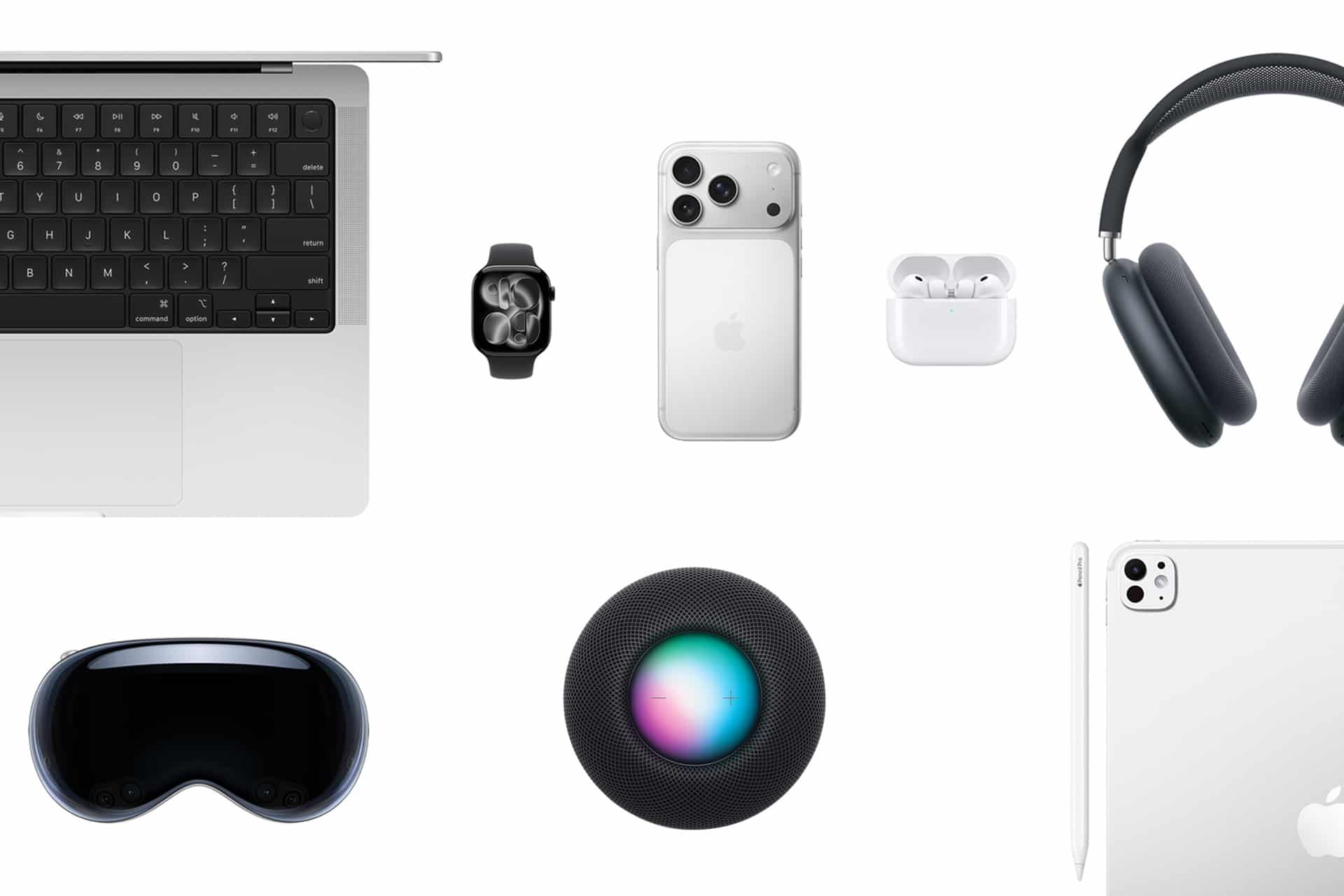
AppleCare+ pricing has gone up for new Mac and iPad customers, adding another small cost increase to the Apple ownership equation. According to Bloomberg, Apple has raised monthly and annual AppleCare+ rates for new Mac and iPad plans, with the change applying to new coverage rather than existing plans already active on customer devices.
The increase is modest on paper. Reports indicate Apple has raised monthly AppleCare+ rates by 50 cents and annual plans by $5 for affected Mac and iPad products. For example, AppleCare+ for the 13-inch MacBook Air is now listed at $7.99 per month or $79.99 per year, up from $7.49 per month and $74.99 per year. The Mac mini now starts at $4.49 per month or $44.99 per year, while the 16-inch MacBook Pro costs $15.99 per month or $159.99 per year.
The numbers are not dramatic alone. The context is harder for buyers. Mac and iPad prices have already been under pressure from component costs, financing changes and longer upgrade cycles. AppleCare+ is optional, but for many customers buying expensive laptops and tablets, it is part of the real purchase price.
AppleCare+ Pricing Adds to the Ownership Cost
AppleCare+ pricing is one of those costs many buyers do not fully consider until checkout. The device price gets attention first. Then come storage upgrades, cellular connectivity, keyboard accessories, Apple Pencil, taxes, financing, software subscriptions and protection coverage.
For a MacBook Air, an extra 50 cents per month may not change the decision. For a MacBook Pro, iPad Pro or a family buying multiple devices, the increases add up over time. Annual plans rising by $5 also signal that Apple is comfortable nudging protection costs higher even when the change is small enough to avoid a major backlash.
AppleCare+ remains valuable for users who carry devices daily or depend on them for work. Macs and iPads are portable, expensive and often used in places where accidents happen: classrooms, coffee shops, airports, offices, studios, kitchens and family rooms. A cracked iPad screen or damaged MacBook display can be expensive without coverage.
Apple’s pitch is convenience as much as insurance. AppleCare+ includes priority support, battery service when capacity drops below Apple’s threshold, and reduced service fees for accidental damage. For iPad, AppleCare+ can also cover Apple-branded keyboard accessories and Apple Pencil damage under service-fee terms.
That makes the plan attractive. It also makes the higher price easier for Apple to defend.
Image Credit: Apple Inc.
New Customers Feel the Change First
The latest increase applies to new Mac and iPad AppleCare+ customers. Existing customers with active plans are not the immediate target of the reported change. That distinction helps Apple avoid angering subscribers who already signed up at previous rates, while still lifting revenue from new device buyers.
This approach fits Apple’s broader shift toward recurring coverage. Apple has been moving AppleCare+ further into monthly and annual subscription-style plans, with AppleCare One offering a bundled option for multiple products. The protection plan is no longer only a one-time add-on at purchase. It is increasingly part of Apple’s services layer.
That matters because Apple’s services business depends on recurring payments. AppleCare+ may not get the same attention as iCloud, Apple Music or Apple TV, but it is another way Apple extends the customer relationship beyond the hardware sale. A Mac or iPad purchase becomes not only a device transaction, but also a support and repair subscription.
The price increase strengthens that pattern. A small rise across a large base of new buyers can support services revenue without changing the product lineup.
Mac Buyers Should Compare Plans
Mac buyers now have more reason to compare AppleCare+ options before adding coverage. Apple’s Mac plans vary by model because repair risk and device cost vary. A Mac mini plan starts lower because the device is stationary and less likely to face drops or screen damage. A 16-inch MacBook Pro costs more because it is a high-value portable machine with expensive components.
For a buyer choosing a MacBook Air, AppleCare+ may be easier to justify if the laptop travels daily. Students, journalists, consultants, photographers, editors and business travelers are more exposed to accidental damage than someone who leaves a Mac mini on a desk.
For MacBook Pro buyers, the decision often depends on work dependency. If the Mac is the primary income tool, AppleCare+ can be less about repair math and more about reducing downtime. Access to Apple support and lower repair costs can be worth the subscription if the device is central to daily work.
Still, users should compare the plan cost with their own risk. A careful desktop Mac user may not need the same coverage as a frequent traveler. AppleCare+ is useful, but it should not be automatic for every buyer.
iPad Buyers Face a Different Calculation
iPad AppleCare+ has its own logic because iPads are more physically exposed than Macs in many homes. They are passed between family members, used by children, carried around the house, taken to school, placed in bags and paired with accessories that raise the total cost of ownership.
For iPad Pro and iPad Air buyers, AppleCare+ can make sense because screen repairs and accessory damage can be costly. Apple’s current AppleCare+ terms for iPad include service fees for screen damage, other accidental damage and covered accessories. That can make the plan appealing for users who buy Magic Keyboard, Apple Pencil Pro or a high-end iPad Pro.
The decision becomes more complicated for entry-level iPad buyers. A lower-cost iPad may not justify years of coverage for every user, especially if it stays mostly at home. Families, however, may see the protection differently. An iPad used by children faces more risk than a laptop used carefully by one adult.
The new pricing does not change the core question. It makes the answer slightly more expensive.
AppleCare Products | Warranty Check
AppleCare One Becomes More Relevant
AppleCare One gives Apple another way to soften individual plan increases. The bundle starts at $19.99 per month for up to three eligible products, with additional devices available for $5.99 per month each. It includes AppleCare+ benefits and adds theft and loss coverage for eligible iPhone, iPad and Apple Watch products.
For users with only one Mac or one iPad, AppleCare One may not be the best fit. For users with multiple devices, it can become more attractive as individual plans rise. A person with an iPhone, iPad and Mac may compare three separate AppleCare+ plans against the bundle and find the monthly difference easier to justify.
That is likely part of the strategy. Apple can raise individual plan prices modestly while giving heavier ecosystem users a bundled option. The company has used similar logic across services with Apple One, where the value increases as users subscribe to more Apple products.
The same principle now applies to protection. The deeper a customer is inside Apple’s hardware ecosystem, the easier it becomes to turn support coverage into a monthly bundle.
Small Increase, Larger Signal
AppleCare+ pricing increases may be small, but they arrive during a period when Apple is asking customers to absorb more costs across the ecosystem. Device prices, component pressure, cellular financing, AI hardware demands and service subscriptions all affect the total ownership picture.
The AppleCare+ change fits that pattern. Apple is not dramatically changing the service. It is raising the price slightly while keeping the value proposition intact: lower repair costs, battery service, accidental damage coverage and Apple support.
For buyers, the best response is not panic. It is math. Compare the plan price with the device cost, repair risk, usage pattern and whether multiple Apple products would make AppleCare One more efficient. Someone buying a MacBook Pro for travel may want the protection. Someone buying a Mac mini for a desk may not. A family iPad may be a stronger candidate than a carefully handled personal tablet.
AppleCare+ remains a useful safety net. It is just a slightly more expensive one for new Mac and iPad buyers, and that makes the real cost of the device a little higher than the number on the product page.
The two photos started out as typical teenage selfies: looking into the mirror, fully clothed. But once online predators had got hold of those pictures and ran them through an AI imaging tool, they had become the basis for extreme pornography videos.
These examples come from the Report Remove service, which allows children who have had explicit pictures of themselves distributed without their consent to flag the image confidentially and have it blocked or taken down from social media. Due to breakthroughs in AI, and the wide availability of AI models and nudification apps, some under-18s are becoming victims without even being in contact with criminals.
In a groundbreaking study that promises new horizons in the treatment of hypertension-associated cognitive decline, researchers have uncovered the potential of hydrogen sulfide (H₂S) as a therapeutic agent to alleviate spatial learning deficits. This novel work, spearheaded by Kumar, Mishra, and Goswami, delves into the intricate molecular pathways by which H₂S mediates neuroprotection in the context of angiotensin II-induced hypertension, revealing the suppression of endothelial NOX2 and subsequent neuroinflammatory cascades as a key mechanism. These findings not only expand our understanding of the pathophysiological link between hypertension and cognitive impairment but also highlight the therapeutic promise of gaseous signaling molecules in neurovascular health.
Hypertension, a pervasive cardiovascular disorder, has long been implicated in cognitive decline and an increased risk of neurodegenerative diseases. The relationship between elevated blood pressure and impaired spatial learning is complex, involving multifactorial processes such as oxidative stress, endothelial dysfunction, and neuroinflammation. This study addresses the critical gap in understanding how these pathological mechanisms interplay and how specifically targeting them might prevent or reverse cognitive deficits commonly observed in hypertensive patients.
A central player in this pathology is the NADPH oxidase 2 (NOX2), an enzyme prominently expressed in the endothelium and a major producer of reactive oxygen species (ROS). Overactivation of NOX2 leads to excessive oxidative stress, which in turn triggers inflammatory pathways damaging neuronal networks essential for spatial learning and memory. The research identifies NOX2 not merely as a bystander but as a pivotal driver of the neuroinflammatory processes exacerbated by angiotensin II, a peptide hormone central to blood pressure regulation.
The role of hydrogen sulfide in cellular signaling has emerged as a vibrant area of research, particularly its cytoprotective effects in the cardiovascular system. This gasotransmitter is synthesized endogenously and exerts diverse biological functions, including vasodilation, anti-apoptotic actions, and antioxidant effects. Intriguingly, H₂S is shown to modulate the activity of endothelial cells, suggesting a potential intersection between vascular health and cognitive function. The study meticulously explores how administrating exogenous H₂S can modulate endothelial responses in hypertensive models.
Utilizing advanced in vivo models of angiotensin II-induced hypertension, the researchers employed comprehensive behavioral assays to evaluate spatial learning and memory deficits. These studies revealed pronounced impairments consistent with neuroanatomical and functional alterations within the hippocampus, a brain region integral to spatial navigation. The administration of hydrogen sulfide donors elicited a marked reduction in cognitive deficits, underscoring the functional significance of H₂S in this setting.
At the molecular level, the investigation demonstrated that hydrogen sulfide suppresses NOX2 expression and activity in endothelial cells exposed to hypertensive stimuli. This effect culminates in reduced oxidative stress and diminished activation of downstream pro-inflammatory mediators such as cytokines and microglial markers. The attenuation of these pathways underscores the multifaceted influence of H₂S in preserving the integrity of the neurovascular unit under conditions of elevated blood pressure.
Moreover, this research sheds light on the intricate interaction between endothelial dysfunction and neuroinflammation, which has emerged as a critical nexus in the pathogenesis of cognitive decline. The findings suggest that endothelial-derived oxidative stress and inflammation contribute to microglial activation and neuronal damage, processes that H₂S effectively counters. This adds a new layer to our conceptual framework of how vascular health dictates neural outcomes.
From a translational perspective, the study offers compelling evidence supporting hydrogen sulfide donors as viable therapeutic agents. The modulation of NOX2 and inflammatory pathways by H₂S paves the way for pharmacological strategies aimed at mitigating hypertension-induced neural deficits without directly targeting blood pressure itself. Such approaches could complement existing antihypertensive therapies, broadening the arsenal against cognitive impairment in hypertensive populations.
Importantly, the safety profile and physiological relevance of hydrogen sulfide administration were addressed, with the researchers noting minimal adverse effects in the animal models. This aspect is crucial given the dual nature of H₂S, which at elevated concentrations can be toxic. The study’s careful titration of dose and delivery methods serves as a valuable blueprint for future clinical investigations.
Another notable contribution of the study is its use of molecular imaging and histological techniques that corroborate the behavioral findings. These methodologies revealed decreased markers of oxidative damage and neuroinflammation in treated samples, providing robust evidence that H₂S exerts its effects through tangible cellular and tissue-level changes. Such multimodal validation strengthens the case for H₂S’s integrative role in neurovascular protection.
The work also prompts intriguing questions about the broader implications of gasotransmitters in neurodegeneration. Given the overlapping mechanisms of vascular and neurodegenerative diseases, the therapeutic modulation of gas signaling pathways may represent a paradigm shift in managing multifactorial brain disorders. This article can stimulate further research into the cross-talk between vascular function and cognitive health, championing hydrogen sulfide and related molecules as key modulators.
Furthermore, the research adds to the growing body of literature underscoring the critical importance of the endothelial interface in neural function. By targeting endothelial NOX2, hydrogen sulfide indirectly protects neural cells from oxidative and inflammatory insults, delineating an elegant mechanism wherein vascular and neural health are inextricably linked. This insight encourages a more integrated approach to cardiovascular and cognitive care.
As hypertension continues to affect millions worldwide and remains a predominant risk factor for dementia and stroke, therapies that confer cognitive resilience hold immense value. Hydrogen sulfide’s ability to mitigate vascular and neural insults in this context may redefine therapeutic goals, prioritizing the preservation of cognitive faculties alongside blood pressure control. Such dual-focused treatment paradigms could dramatically improve patient outcomes.
In conclusion, the pioneering study by Kumar and colleagues stands out as a beacon in the endeavor to unravel and counteract hypertension-induced cognitive dysfunction. By elucidating the molecular substrates by which hydrogen sulfide ameliorates endothelial oxidative stress and neuroinflammation, the research opens a new therapeutic frontier. As the science community advances these findings, we may soon witness the integration of gasotransmitter-based interventions in clinical practice, offering hope for millions at risk of cognitive decline associated with hypertension.
Subject of Research:
Article Title:
Article References: Kumar, G., Mishra, S., Goswami, S. et al. Hydrogen sulfide mitigates spatial learning deficits in angiotensin II-Induced hypertension via inhibition of endothelial NOX2 and neuroinflammation. Transl Psychiatry (2026). https://doi.org/10.1038/s41398-026-04178-0
Image Credits: AI Generated
DOI: https://doi.org/10.1038/s41398-026-04178-0
Le 12 août prochain, une éclipse solaire offrira un spectacle rare aux observateurs du monde entier. Visible depuis la France métropolitaine, elle promet des conditions d’observation particulièrement impressionnantes dans certaines régions. Mais attention : admirer le Soleil, même partiellement...
In a groundbreaking study set to reshape our understanding of aging, researchers have delved into the intricate relationship between insulin-like growth factor-1 (IGF-1) and various aspects of gait dynamics in older adults. This pioneering investigation leverages wearable sensor technology to decode how IGF-1 influences gait vigor, symmetry, and stability—parameters crucial to mobility and fall prevention in aging populations. As the global demographic shifts towards an older average age, insights like these are not only timely but carry profound implications for enhancing quality of life and reducing healthcare burdens associated with age-related mobility decline.
IGF-1, a hormone structurally similar to insulin, plays a pivotal role in growth and development, muscle function, and neuroprotection. Its significance extends beyond mere biochemical pathways; it acts as a linchpin connecting endocrine health to physical capability in later years. The scientific community has long speculated about the hormone’s potential role in preserving or enhancing motor functions, but empirical evidence directly relating IGF-1 levels with gait characteristics in older adults has remained scarce until now.
This study distinguishes itself through the innovative use of wearable sensor arrays, marking a shift from traditional laboratory-based gait analysis to more ecologically valid, real-world assessments. These sensors capture subtle variations in gait patterns, including vigor, which refers to the intensity and power behind each step; symmetry, the evenness of movement between left and right limbs; and stability, the ability to maintain balance and resist destabilizing forces. Such metrics provide a multidimensional view of an individual’s mobility profile, transcending simplistic measures like walking speed.
Collecting data from a robust cohort of older adults, the researchers meticulously correlated circulating levels of IGF-1 with recorded gait parameters. What emerged was a nuanced portrait revealing that higher IGF-1 concentrations were generally associated with greater gait vigor and improved symmetry, suggesting that this hormone might underpin both the muscular strength and neuromuscular coordination essential for efficient walking. Conversely, diminished IGF-1 corresponded with compromised gait performance, potentially flagging individuals at risk for mobility-related complications.
One of the most striking findings centers on gait stability, a critical factor in fall prevention among seniors. Falls constitute a leading cause of injury and mortality in the elderly population, often triggered by instability during locomotion. The study’s data indicated that participants with elevated IGF-1 exhibited enhanced stability metrics, inferring a protective role for this hormone in maintaining balance and preventing falls. This connection not only advances scientific understanding but also lays groundwork for targeted interventions.
The implications of the study extend into clinical practice, where wearable sensor technology could be harnessed alongside biomarker profiling to develop personalized mobility enhancement strategies. This dual approach holds promise for early detection of decline in motor function and proactive management through tailored exercise regimens or pharmacological modulation of IGF-1 pathways. Such innovations resonate strongly with the burgeoning field of precision medicine in geriatric care.
Moreover, the study casts fresh light on the complex interaction between endocrine health and musculoskeletal performance, hinting at underlying mechanisms that may involve IGF-1’s influence on muscle mass maintenance, neuroplasticity, and even cognitive function related to motor planning. This holistic perspective suggests that interventions aimed at modulating IGF-1 could yield multifaceted benefits, from physical mobility gains to mental well-being enhancements.
Future research inspired by these findings is poised to explore longitudinal impacts of IGF-1 modulation and its potential synergistic effects when combined with lifestyle modifications such as resistance training or nutritional optimization. The integration of wearable sensor data streams with longitudinal biochemical assays could unlock predictive models for decline and recovery patterns, setting a new standard in aging research methodologies.
Importantly, this study also exemplifies the transformative power of wearable technology in health sciences, shifting the paradigm towards continuous monitoring and real-time feedback. Such technologies empower individuals and clinicians alike with actionable insights, fostering a proactive approach to aging gracefully and independently.
In summary, this research elucidates a pivotal hormonal link influencing the subtle dynamics of gait, a vital indicator of overall health and autonomy in older adults. By marrying cutting-edge sensor technology with biochemical analytics, it opens avenues for innovative diagnostic and therapeutic tools that hold great promise for mitigating age-associated mobility challenges.
As the population ages globally, findings like these not only offer hope but also a scientific roadmap to extend the healthspan of older adults, promoting not just longer life but better quality of movement and function. This convergence of endocrinology, biomechanics, and wearable tech heralds an exciting era in gerontological research and care.
The study’s authors advocate for a multidisciplinary approach, integrating endocrinologists, biomechanists, geriatricians, and data scientists to fully harness the potential of these insights. The convergence of expertise is paramount to translating molecular findings into tangible health outcomes for the elderly demographics worldwide.
In closing, the exploration of insulin-like growth factor-1 as a biomarker intimately linked with gait parameters embodies a critical frontier in aging research. With wearable sensors providing real-world data granularity, the path is paved to innovate not only diagnostics but comprehensive management strategies to preserve mobility and independence, core facets of human dignity and quality of life.
Subject of Research: Associations of insulin-like growth factor-1 (IGF-1) with gait vigor, symmetry, and stability metrics in older adults using wearable sensor technology
Article Title: Associations of insulin-like growth factor-1 with gait vigor, symmetry, and stability metrics measured by wearable sensors in older adults
Article References: Zhang, C., Liu, Y., Zhang, Y. et al. Associations of insulin-like growth factor-1 with gait vigor, symmetry, and stability metrics measured by wearable sensors in older adults. BMC Geriatr (2026). https://doi.org/10.1186/s12877-026-07822-y
In a groundbreaking development addressing the burgeoning concern of privacy in modern medical technology, researchers at the University of Kansas have unveiled a transformative artificial intelligence (AI) model designed specifically to safeguard sensitive biometric data embedded within electrocardiograms (ECGs). This innovation is poised to reshape how medical institutions share and analyze vital cardiovascular data without compromising patient confidentiality. Electrocardiograms have long been renowned for their role in capturing the heart’s electrical activity to diagnose and monitor cardiac health; however, as AI integration deepens, these signals inadvertently reveal more than just clinical information — exposing personal attributes such as sex, age, race, and even uniquely identifiable biometric markers.
The research team at Kansas, led by doctoral candidate Fairuz Shadmani Shishir in collaboration with the KU Medical Center, has pioneered the privacy-preserving variational autoencoder (PP-VAE). This novel AI architecture is specially engineered to retain the clinical utility of ECG data while systematically obfuscating sensitive biometric features that might otherwise be inferred through advanced AI analysis. The dual objective of PP-VAE is both technically sophisticated and ethically imperative, ensuring that predictive diagnostic accuracy remains uncompromised while minimizing the risk of privacy breaches inherent in sharing raw biomedical signals.
Electrocardiograms, traditionally viewed as a straightforward diagnostic tool, have grown in complexity with modern AI techniques that can extrapolate a multiplicity of patient traits beyond the cardiovascular parameters they were designed to measure. Shishir notes that these advanced systems can uncover “soft biometrics” such as demographic information, which raises pressing data governance and patient privacy challenges. By developing PP-VAE, the researchers aim to reimagine ECG data processing whereby sensitive attributes are masked without degrading the signal quality necessary for important medical prognoses, such as identifying patients at risk of left ventricular ejection fraction (LVEF) abnormalities, a critical indicator linked to heart failure and mortality risk.
The technical underpinning of PP-VAE involves training independent convolutional neural networks to disentangle and suppress identifiable biometric markers while preserving clinically relevant features within the ECG signal. This balancing act required careful engineering to ensure that the encoded ECG data remained diagnostically rich, capable of supporting predictions related to conditions such as left ventricular hypertrophy and forecasting five-year mortality risk. The research showcased that their method consistently outperformed or competed with other state-of-the-art AI models, marking a significant stride in machine learning’s ability to harmonize privacy with clinical efficacy.
Importance of such privacy-preserving strategies becomes particularly clear against the backdrop of the healthcare industry’s increasing reliance on data sharing for collaborative research, AI model development, and multi-institutional patient care coordination. The KU team articulates that unrestricted data sharing without privacy controls introduces tangible risk vectors for patient re-identification and misuse. PP-VAE proposes a scalable approach toward enabling secure exchange of ECG data, thus fostering innovation and improving medical outcomes while staunchly protecting individual privacy rights.
This research also touches on the profound issue of bias within AI-driven medical diagnostics, which has historically contributed to disparities in healthcare delivery among marginalized populations. The team consciously incorporated balanced datasets reflective of gender and racial diversity in their model training to mitigate bias and improve generalized performance across varied demographic groups. While initial validations were primarily conducted using data from KU Medical Center and publicly available datasets, future work is projected to expand this cross-regional training, enhancing the robustness and impartiality of the model when applied globally.
Another compelling facet of this breakthrough is the planned public release of the PP-VAE model, reflecting the researchers’ commitment to transparency, collaboration, and democratization of AI tools in medicine. By allowing institutions worldwide to access and further refine the model with local datasets, the innovation promises to catalyze a new era of secure, privacy-conscious healthcare analytics. Adoption of PP-VAE could alleviate prevalent trust issues among patients concerned about the confidentiality of their biometric health information—a critical barrier to broader acceptance of AI-driven healthcare technologies.
Furthermore, the researchers discuss the broader implications for data-driven diagnosis, illustrating how balancing the protection of sensitive attributes with clinical utility could become a standard principle in biomedical AI applications beyond cardiology. This approach offers a blueprint for addressing ethical and privacy challenges that increasingly pervade the intersection of health data science and artificial intelligence.
The University of Kansas team’s work is also distinguished by its multidisciplinary nature, featuring collaboration between electrical engineering, computer science, and cardiovascular medicine experts. Such an integrated approach enabled the synthesis of advanced machine learning expertise with intimate clinical insight, culminating in a pragmatic solution tailored precisely to real-world healthcare needs.
This pioneering study was recently published in Scientific Reports, showcasing detailed methodology, experimental evaluations, and comparative performance analyses that underscore the efficacy and potential transformative impact of PP-VAE. Supported by the American Heart Association, this research is an exemplar of innovative technological stewardship addressing one of the most pressing challenges in digital health.
As AI continues to proliferate across medical diagnostics, models like PP-VAE will undeniably play a critical role in shaping ethical frameworks and technological architectures for future patient data management. By protecting sensitive biometric identifiers embedded in ECG data, the model not only preserves patient autonomy but also enhances the potential for AI-driven insights to be safely harnessed for better clinical outcomes worldwide.
The journey ahead involves validating and deploying this technology in diverse healthcare environments globally to ensure scalability, efficacy, and fairness remain intact as data heterogeneity increases. Yet, with the foundational work from the University of Kansas, a robust and privacy-conscious approach to ECG analysis and beyond appears well within reach, heralding a new era of secure AI-driven cardiovascular care.
Subject of Research: Privacy-preserving AI models for electrocardiogram data analysis Article Title: Safeguarding Patient Privacy in Electrocardiogram Analysis with AI-driven Models Web References: Scientific Reports Article Image Credits: Fairuz Shadmani Shishir / University of Kansas
Keywords
Privacy-preserving AI, Electrocardiogram (ECG), Variational Autoencoder, Convolutional Neural Networks, Biomedical Data Security, Cardiovascular Diagnostics, Left Ventricular Ejection Fraction, Patient Privacy, Machine Learning Bias, Medical Data Sharing, Artificial Intelligence in Healthcare, Clinical Decision Support

 Login