Login

A Space Expert Hoped to Use the Eclipse as Science Class. The D.J.s Had Other Plans.
Mar Carretero-Castrillo, an astrophysicist, returned to her remote village in Spain to be in the path of totality. Hundreds of partygoers came too.

Se você é um colecionador de jogos físicos e gostaria de uma ferramenta que o ajudasse a catalogá-los, o app GameZ, desenvolvido pelo brasileiro Raul Lermen, talvez seja a solução que você procurava.
O app reúne tudo num lugar só, organizando a sua coleção inteira de jogos, bem como oferecendo uma avaliação do seu catálogo em reais.

Um diferencial do GameZ é que você pode enviar uma foto ou usar a arte oficial dos seus jogos, as quais aparecem como caixas — com a possibilidade de girá-las para ver a frente e o verso. Além da coleção física, dá para registrar o que você está jogando e acompanhar seu progresso em cada jogo.
Seu catálogo também mostra o registro completo de cada cópia, incluindo seu estado, preço pago, fotos próprias, tags e anotações. É possível buscar pelos jogos pelo nome ou com o código de barras — sendo que o app conta com uma base de dados com mais de 450 mil títulos.

O app oferece ainda um feed social entre amigos colecionadores e tela de descoberta de lançamentos com base no seu gosto por jogos. Ele também conta com diversos recursos de customização da sua coleção.

O GameZ está disponível gratuitamente na App Store, contando com três opções de licenças que desbloqueiam a versão Pro: uma de R$20/mês, outra de R$100/ano e uma compra vitalícia de R$250.


A multidisciplinary team from Baylor College of Medicine, Rice University and the University of Texas School of Public Health has received the inaugural Climate + Health Excellence award from the Burroughs Wellcome Fund. The five-year, $10 million award will support FORECAST, an ambitious program designed to investigate how climate change, extreme weather and environmental disruption influence the emergence and spread of infectious diseases. Led by infectious disease researcher Dr. Anthony Maresso, the project will combine wastewater surveillance, metagenomic sequencing, climate science, epidemiology and public education to create an early-warning system for pathogen activity across Texas.
FORECAST will build on Texas’s expanding wastewater-monitoring infrastructure, including the Texas Wastewater Environmental Biomonitoring Network, or TexWEB. The statewide network samples sewage from 15 Texas cities and analyzes biological material shed by communities. Unlike clinical surveillance, which depends on people seeking medical care and receiving diagnostic tests, wastewater epidemiology captures population-level signals from entire communities. Viral genetic fragments, bacterial DNA and other biological markers can appear in sewage before hospitals and clinics register a rise in patients, providing public health officials with valuable time to investigate and respond.
The program will use metagenomic surveillance, a technique that examines genetic material recovered from environmental samples rather than searching only for a predetermined pathogen. In conventional testing, laboratories typically use targeted molecular assays designed to detect a known virus or bacterium. Metagenomic sequencing can survey a much broader range of organisms, including variants and potentially unfamiliar pathogens. Researchers can then compare these signals with clinical data, geographic information and environmental measurements to determine whether changes in temperature, rainfall, flooding, drought or other conditions are associated with shifts in infectious disease activity.
The scientific goal is not simply to identify pathogens after they appear, but to uncover relationships between microbes and the environmental conditions that help them enter or circulate within human populations. Climate change can influence disease transmission through several pathways. Warmer temperatures may expand the geographic range or seasonal activity of mosquitoes and other vectors. Heavy rainfall and flooding can overwhelm sanitation systems and redistribute contaminants, while drought can alter water use and concentrate biological material. Changes in human behavior, animal movement and ecosystems may create additional opportunities for pathogens to cross species boundaries.
Maresso and his colleagues demonstrated during the COVID-19 pandemic that SARS-CoV-2 signals in wastewater could precede increases in clinically diagnosed infections. Viral RNA released in feces entered sewage systems, where researchers tracked changes in concentration over time. Although wastewater measurements cannot determine which individuals are infected, they can reveal whether pathogen activity is increasing or declining within a catchment area. The approach has since been extended to a wider range of targets, including avian influenza, measles, HIV and viruses associated with cancer. FORECAST aims to develop this surveillance capacity into a predictive climate-health platform.
Rice University climate scientist Dr. Sylvia Dee will help connect pathogen observations with weather and climate data. The team plans to examine whether specific environmental patterns consistently occur before increases in particular infectious agents. Such models could eventually function like a public health weather report, indicating when conditions are becoming more favorable for disease transmission. The researchers emphasize that predictive systems will require careful validation because the presence of pathogen genetic material does not necessarily indicate infectious virus, active transmission or a future outbreak. Interpreting the signal will require laboratory studies, clinical evidence and knowledge of local infrastructure.
The project will also investigate diseases transmitted by vectors such as mosquitoes. Dr. Peter Hotez and colleagues at the National School of Tropical Medicine will focus on vector-borne pathogen transmission and the growing health risks associated with changing climate conditions. Texas is particularly relevant for this work because it contains diverse ecological regions and experiences heat waves, hurricanes, flooding and rapid urban growth. These factors can affect mosquito habitats, human exposure and the movement of pathogens across communities. Integrating wastewater findings with vector surveillance could help reveal connections that would remain hidden if either system were used alone.
Education and public communication will form a central part of FORECAST. The team plans to create a “Middle to Medical” climate-health education track extending from middle school through medical training and professional development. Dr. Nancy Moreno, who developed Baylor’s BioEd online program, will lead educational efforts with Rice University’s Dr. Joseph Campana, director of the university’s Center for Environmental Studies and EcoStudio. The curriculum will explain how pathogens spread, how climate conditions alter disease risk and how scientific evidence can guide decisions by students, clinicians, policymakers and communities.
The award is particularly significant because FORECAST was selected as the sole funded project from 161 applications submitted to the new CHEX program. The initiative is intended to strengthen research, education and public engagement at the intersection of climate change and human health. Dr. Eric Boerwinkle, dean of the UT School of Public Health and a project co-investigator, will contribute access to large clinical datasets that can be used to evaluate wastewater and environmental signals against reported illnesses. The investigators say the work could improve outbreak preparedness while advancing the still-developing field of wastewater science.
By combining environmental sequencing with climate modeling and health education, FORECAST seeks to shift infectious disease surveillance from a largely reactive system toward earlier detection and prevention. Its findings may help officials recognize emerging threats before they produce widespread clinical disease, while also clarifying how environmental changes shape viral evolution, transmission and geographic spread. The researchers describe wastewater as an unusually candid public health resource: it aggregates biological information from a population without requiring individual testing. As climate pressures intensify, they argue, that collective signal could become an essential tool for protecting communities and preparing the next generation of scientists.
Subject of Research:
Climate-driven infectious disease emergence, wastewater epidemiology, metagenomic pathogen surveillance and climate-health education.
Article Title:
Texas Researchers Launch FORECAST Program to Link Climate Change With Emerging Viral Threats
Web References:
Baylor College of Medicine; Rice University; University of Texas School of Public Health; Burroughs Wellcome Fund; Texas Wastewater Environmental Biomonitoring Network (TexWEB).
References:
Information provided in the source news release concerning the FORECAST project, the Climate + Health Excellence award and TexWEB wastewater surveillance activities.
Keywords:
Wastewater epidemiology, viral surveillance, metagenomic sequencing, climate change, infectious diseases, pathogen emergence, public health, Texas, SARS-CoV-2, avian influenza, measles, vector-borne disease, climate health, epidemiology, wastewater science
A research team in Japan has won a US$1 million Milestone 2 award in the XPRIZE Healthspan competition for developing engineered “super exosomes,” microscopic biological delivery vehicles designed to target aging and damaged cells. Led by Professor Keisuke Goda of Tohoku University’s SiRIUS Institute of Medical Research and Graduate School of Medicine, in collaboration with researchers from the University of Tokyo’s Department of Chemistry, the team was selected from more than 600 competitors worldwide.
XPRIZE Healthspan is a seven-year international competition focused on extending the period of life people spend in good health. Participating teams are challenged to develop treatments capable of restoring muscle, cognitive, and immune function in adults between 50 and 90 years old. The competition sets a minimum target of reversing at least 10 years of biological decline, while the most ambitious goal is a 20-year improvement within one year or less of treatment. Goda’s team is now moving forward after receiving recognition for results obtained in aged animal studies.
At the center of the research are exosomes, naturally occurring nanoparticles released by cells. These membrane-bound vesicles normally transport proteins, lipids, messenger RNA, and other molecular signals between cells, functioning as part of the body’s communication network. Because exosomes can carry biological cargo and interact with specific tissues, scientists have been investigating them as potential alternatives to synthetic drug-delivery systems. However, naturally produced exosomes often lack sufficient targeting precision, limiting their ability to reach the cells most relevant to a disease or aging process.
The Tohoku-led group attempted to solve that problem by chemically modifying the surface of exosomes with lanthanide ions. Lanthanides are a family of metallic elements with distinctive electronic and chemical properties. According to the researchers, attaching these ions changes the surface behavior of the exosomes and substantially improves their ability to recognize and bind to senescent cells. The resulting particles have been named “super exosomes,” a term that reflects their enhanced targeting and delivery capabilities rather than a new biological category.
Cellular senescence is one of the major biological processes associated with aging. Senescent cells have generally stopped dividing because of accumulated damage or stress, but they do not necessarily disappear. Instead, some remain metabolically active and release inflammatory molecules, growth regulators, and other signals that can disrupt nearby tissues. This collection of secreted factors, often called the senescence-associated secretory phenotype, can contribute to chronic inflammation, impaired tissue repair, and the deterioration of organs. Precisely influencing these cells has therefore become a major objective in longevity research.
The proposed super-exosome platform is designed to deliver regenerative molecular cargo directly to aging tissues after attaching to senescent cells. Potential cargoes include growth factors, messenger RNA, and other genetic materials capable of altering cellular behavior. Rather than distributing such molecules broadly throughout the body, a targeted exosome could concentrate them near damaged or dysfunctional tissue. In theory, this approach could promote repair while reducing unwanted effects in healthy cells, although the degree of targeting and the durability of the response will need to be confirmed in human studies.
In preclinical experiments involving several groups of aged mice, the researchers reported statistically significant improvements in frailty, physical performance, and multiple functional measures associated with aging. They also described the treatment’s safety profile as excellent in the studies conducted so far. The team says the overall benefit corresponds to more than 15 additional healthy human years when estimated using cross-species lifespan scaling. Such calculations can help compare biological effects between species, but they are not evidence that a mouse treatment will extend human life by a specific number of years. Human biology, dosing, immune responses, and long-term risks could differ substantially.
The award will support the next stage of development: clinical studies planned in collaboration with Tohoku University Hospital and the Tohoku University Healthspan Research Center. These studies will need to establish how the particles behave in humans, how efficiently they reach senescent cells, what cargoes are most effective, and whether the treatment produces measurable improvements in strength, cognition, immunity, or other healthspan indicators. Researchers will also have to monitor possible immune reactions, unintended effects on healthy tissues, changes in tumor risk, and the persistence of engineered exosomes in the body. These questions are essential before claims of age reversal can move beyond the laboratory.
The platform could eventually be investigated for conditions involving muscle decline, cognitive impairment, immune dysfunction, hair loss, skin aging, and reproductive health. The team plans to commercialize the technology through NanoTitan, with the aim of developing scalable manufacturing and international distribution for exosome-based therapeutics produced in Japan. “Advancing to the XPRIZE Healthspan finals is an important milestone, but our ultimate goal is to translate this technology into therapies that allow people to lead healthy, independent, and active lives longer,” Goda said. The research now enters its most demanding phase: determining whether an impressive result in aged mice can become a safe, reproducible, and clinically meaningful treatment for people.
Subject of Research: Engineered “super exosomes” designed to target senescent cells and deliver regenerative molecular cargo for healthy aging.
Article Title: Japanese Research Team Wins US$1 Million XPRIZE Award for “Super Exosome” Aging Technology
Web References: https://mediasvc.eurekalert.org/Api/v1/Multimedia/673c8fb3-268a-4a90-93b4-a0d531624a52/Rendition/low-res/Content/Public
Image Credits: Goda Lab
Keywords: Super exosomes, exosomes, cellular senescence, healthy aging, longevity research, XPRIZE Healthspan, regenerative medicine, Tohoku University, lanthanide ions, aged mice, healthspan, nanomedicine
The price of saving a newborn’s life can extend far beyond the hospital walls. A new analysis published in the Journal of Perinatology is drawing attention to a largely invisible consequence of neonatal intensive care: the direct medical out-of-pocket costs paid by families. The study, led by researchers Gorka, Profit and Phibbs, examines who carries the greatest financial burden during a neonatal intensive care unit admission and investigates how structural conditions may shape those costs.
Neonatal intensive care is among the most technologically advanced forms of medicine. Infants in NICUs may require mechanical ventilation, incubators that regulate temperature and humidity, continuous heart and oxygen monitoring, intravenous nutrition, specialized medications and repeated laboratory testing. These interventions can be lifesaving, particularly for babies born extremely prematurely or with serious medical complications. Yet the financial consequences of receiving this care are not experienced equally by every household, even when families receive treatment in the same health-care system.
The researchers’ focus is direct medical out-of-pocket spending: the money families must pay themselves for medical services connected to a NICU admission. This can include deductibles, copayments, coinsurance and other forms of cost sharing that remain after insurance has paid its portion. Unlike the total hospital charge or the amount reimbursed by an insurer, out-of-pocket cost reflects the portion that reaches a family’s own budget. For households already coping with an unexpected high-risk birth, even relatively small individual charges can accumulate rapidly.
The study is designed not only to document these expenses, but also to explore the structural forces behind differences in cost burden. In health economics, structural contributions refer to the way institutions and systems distribute risk and resources. Insurance design, employment-linked coverage, household income, geographic location, hospital characteristics and access to public assistance can all affect how much a family ultimately pays. Two infants with similar clinical needs may therefore generate very different financial experiences for their parents, depending on the architecture of coverage surrounding them.
That distinction matters because the effects of a NICU admission are not limited to the newborn’s medical condition. Parents may need to travel long distances to reach a specialized hospital, arrange accommodation near the facility, pay for transportation or meals, and take unpaid leave from work. These expenses may not always appear in estimates of direct medical out-of-pocket costs, but they can intensify the economic shock associated with a prolonged admission. The medical bill is only one component of the broader financial strain that can accompany neonatal illness.
A central question raised by the analysis is whether the families with the fewest financial resources are also the ones most exposed to high cost sharing. A payment that is manageable for a high-income household may consume a substantial share of a lower-income family’s monthly budget. Economists often describe this pattern as a disproportionate cost burden: the absolute amount paid may not be the highest, yet the payment represents a greater fraction of household resources. This distinction can reveal inequities that remain hidden when researchers look only at average dollar amounts.
The findings are expected to be relevant to health-policy debates about medical debt, insurance protection and the financial consequences of premature birth. If structural factors account for meaningful differences in family payments, reducing inequality may require more than improving clinical care. Potential responses could include limits on neonatal cost sharing, stronger protections against unexpected bills, expanded eligibility for public coverage and assistance with transportation or family support services. The analysis may also help hospitals and policymakers identify families at risk of financial hardship while an infant is still receiving care.
The issue has significance beyond individual hospitalizations because NICU care can influence a family’s financial stability long after discharge. Parents may face follow-up appointments, medications, developmental assessments and specialist care for children who experienced complications of prematurity or serious illness. Medical expenses can overlap with reduced work hours, job loss or the need for one parent to become a full-time caregiver. A short period of intensive treatment can therefore produce a long economic aftershock, particularly when families lack savings or paid leave.
By placing family payments at the center of neonatal research, Gorka, Profit and Phibbs emphasize a dimension of NICU care that is often absent from clinical success measures. Survival, complications and length of stay remain essential indicators, but they do not fully describe the experience of families navigating intensive care. Understanding who pays the most, why they pay it and how those payments relate to broader social structures could help redefine quality in neonatal medicine. The study’s message is potentially viral because it connects cutting-edge life-saving technology with a simple but consequential question: when medicine saves a baby, how much of the cost is left for the family to survive?
Subject of Research: Direct medical out-of-pocket costs of neonatal intensive care admissions and structural factors contributing to differences in financial burden among NICU families.
Article Title: Who pays the most for neonatal intensive care? An analysis of the out-of-pocket cost burden borne by NICU families
Article References: Gorka, N., Profit, J. & Phibbs, C.S. “Who pays the most for neonatal intensive care? An analysis of the out-of-pocket cost burden borne by NICU families.” Journal of Perinatology (2026). https://doi.org/10.1038/s41372-026-02869-6
Image Credits: AI Generated
DOI: 10.1038/s41372-026-02869-6
Keywords: neonatal intensive care, NICU, out-of-pocket costs, medical expenses, health-care inequality, premature birth, financial burden, insurance, neonatal health, health policy
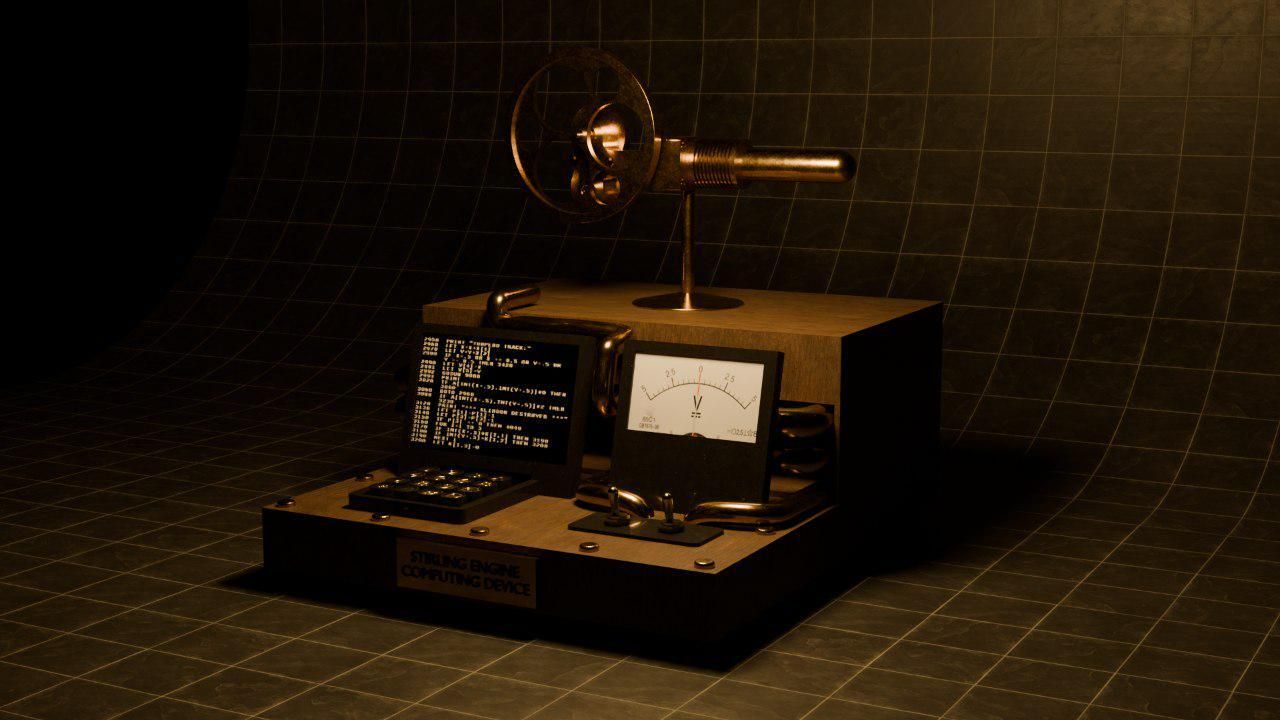
In one of the most unique DIY projects, Reddit user PickentCode has created what can be described as a completely off-the-grid "heat engine computing device." Instead of relying on solar panels or a battery pack, the creator went in a completely different direction, building a custom steampunk-inspired microcomputer which features a miniature Stirling engine to power the hand-crafted wooden console.
Originally patented in 1816 by the Scottish minister and inventor Robert Stirling, a Stirling engine converts heat directly into mechanical energy. By applying a flame to one end of a sealed cylinder, the temperature difference forces the air inside to expand and contract. This cycle pushes a piston that spins the flywheel, which can be used to power a simple generator that converts the mechanical rotation into usable electricity.
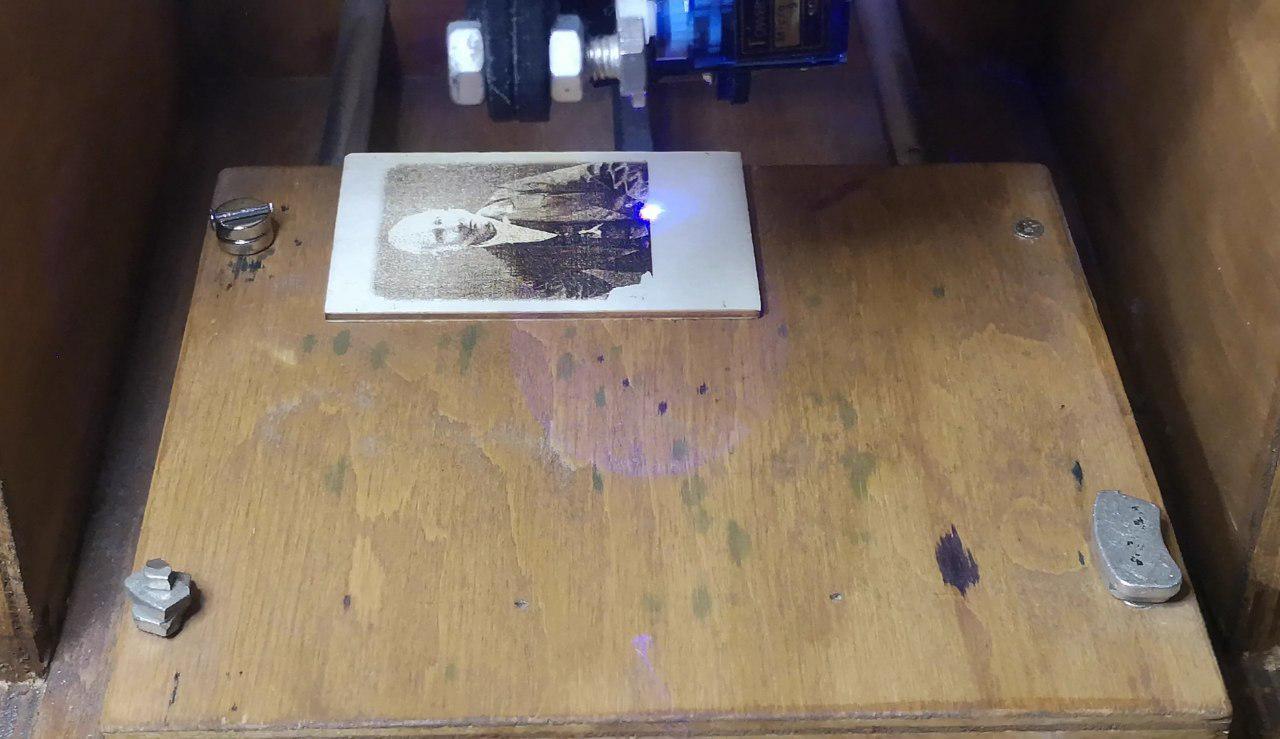
"The entire project took about a month to design, build, and program," PickentCode told Tom's Hardware. They first conceptualized a 3D layout using Blender before constructing the physical case out of wood. They even went ahead and utilized a DIY laser engraver to etch a portrait of Robert Stirling and his original 1816 engine patent sketch directly onto the wooden side panels. For the smaller structural elements, the electronic housings and the keycaps were custom 3D printed, while the decorative pipes winding across the frame were made from old shower tubing and some gold paint.
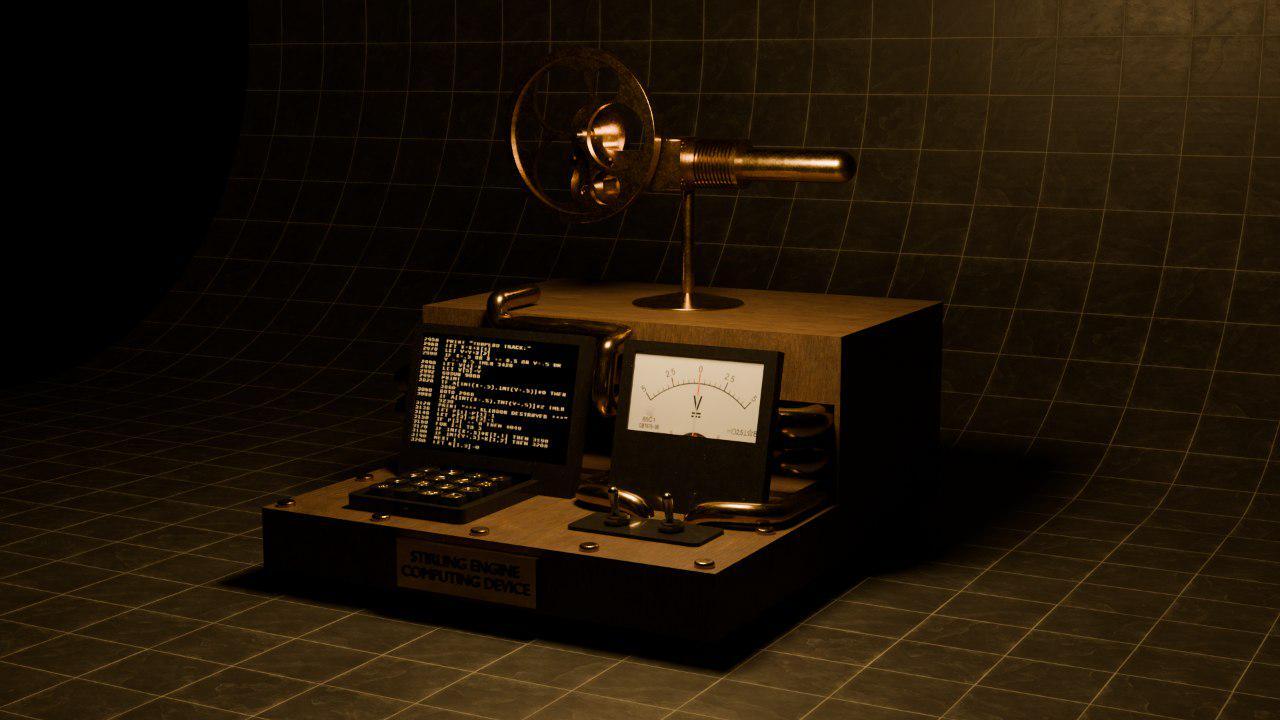
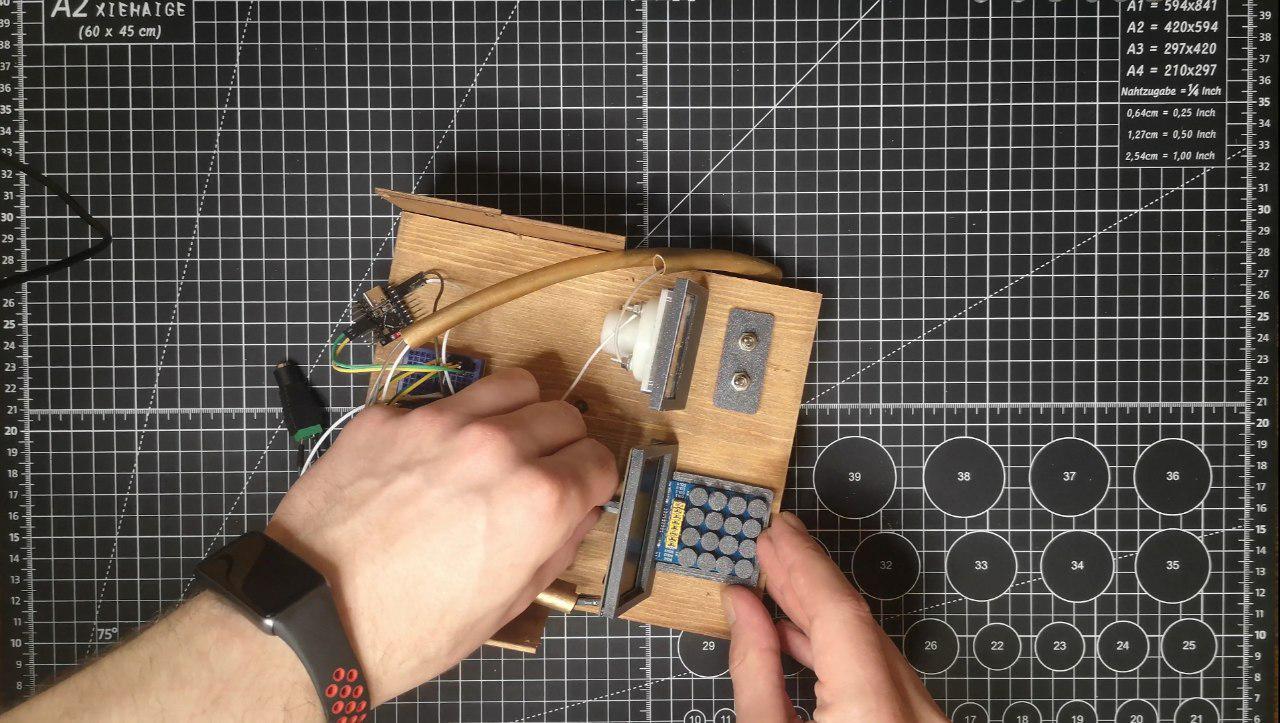
The brains of the system are an ESP32 C3 microcontroller paired with a 2.42-inch monochrome OLED display with a 128x64 resolution, alongside a 16-key keypad. The electrical output of the generator is stabilized using small capacitors wired into the circuit. One can also actively monitor the voltage output using the analog voltmeter, which is wired in parallel, and the two toggle switches mounted on the front panel can be used to turn on the main circuit and the voltmeter.
Running an electronic device, in this case a microcomputer, purely on fire comes with obvious energy limitations. The model Stirling engine can produce only 150 milliwatts of power, and to stay within this tiny power budget, the creator implemented certain hardware and software optimizations. For instance, Wi-Fi and Bluetooth were completely disabled, and the screen brightness was kept low to conserve every milliwatt. PickentCode also tuned the ESP32's CPU frequency, reducing it down to just 80 MHz when updating the screen or interpreting opcodes, going all the way down to just 10 MHz while sitting idle in the main loop.
Despite the limitations, the computer is fully functional. It runs a custom CHIP-8 virtual machine preloaded with classic gaming ROMs like Tetris, Snake, and Pong. Impressively, it also features a built-in code editor, allowing users to type in CHIP-8 opcodes directly to write and execute their own custom programs on the fly.
Stirling engines are not exactly new to the world of computing. Earlier this year, we covered a project by Windows development guru Dave Plummer who showcased a cooling solution that used a small Stirling engine to convert waste heat from an AMD Threadripper system into mechanical energy, which was used to spin the engine's flywheel. While it isn’t an actual solution to an overheating chipset, it is claimed that the flywheel can spin up to about 200 RPM in a 20C/68F environment.
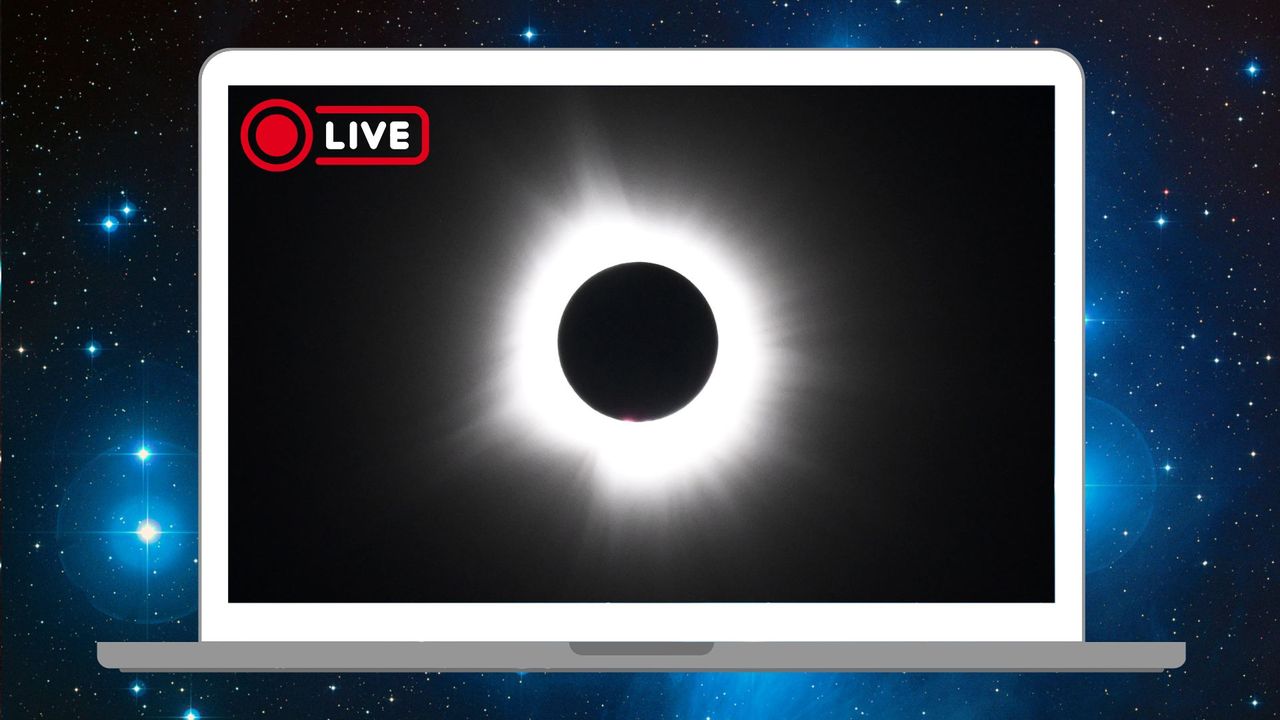
The Aug. 12 total solar eclipse is just one day away! Here's how you can watch the entire show live online from the comfort of your home
Millions of people across Spain, Iceland and Greenland will see the moon completely hide the sun during the climactic phase of totality on Aug. 12. Countless more skywatchers across Europe will witness a deep partial solar eclipse, as the moon's curved silhouette covers a swathe of the sun's surface, while failing to cover it entirely.
Thankfully, we live in modern times. So there's no need for you to miss out on the solar spectacle if you find yourself outside of the path of totality, or if clouds conspire to ruin your view. Here's where to watch every phase of the 2026 total solar eclipse live online.
NASA will be hosting its own livestream of the event starting at 1:15 p.m. EDT on Aug. 12, featuring live views of totality from cameras spread throughout the path of the eclipse. The visuals will be accompanied by information on the science of the incredible event and details on how the agency is working to learn more about our sun.
The NASA coverage will be hosted here on Space.com, but can also be streamed through YouTube, Twitch, NASA+, Facebook, Instagram and Amazon Prime.
Time and Date's YouTube livestream kicks off at 12 p.m. EDT (1700 GMT) on Aug. 12, bringing live views of the eclipse from Leon in northwestern Spain and the island of Mallorca, along with live commentary from journalist Anne Buckle and astrophysicist Graham Jones.
An official European Space Agency (ESA) livestream will begin at 1:30 p.m. EDT (1730 GMT) on Aug. 12. The stream will feature expert commentary on the science of the eclipse along with live views from telescopes at the Observatorio Astrofisco de Javalambre, which is located close to the Spanish city of Teruel directly in the path of totality.
London's historic Royal Observatory Greenwich will host two simultaneous YouTube streams featuring live views of the partial solar eclipse starting at 1:15 p.m EDT (1815 GMT) on Aug. 12. The first livestream will be presented by Royal Observatory astronomer Greg Brown, who will discuss the science of the sun while providing expert commentary on the eclipse, while the second will offer a silent livestream, featuring visuals of the eclipse with no accompanying audio.
The Virtual Telescope Project livestream begins at 1:20 p.m. EDT (1720 GMT) on Aug. 12, bringing real-time views from the organization's robotic telescopes in Manciano, Italy, where a partial eclipse will be visible and from the path of totality in Spain. The Virtual Telescope Project will host a separate livestream a few hours later featuring views of the Perseid meteor shower peak, which occurs overnight on Aug. 12-13.
Be sure to check out our live blog for all of the latest news on the Aug. 12 total solar eclipse. We'll also have reports from Skywatching Writer Anthony Wood as he watches the eclipse unfold low in the horizon in central Spain, and also from Skywatching Editor Daisy Dobrijevic as she witnesses the spectacle during a voyage with HX Expeditions to Greenland!
Editor's Note: If you would like to share your eclipse photos with Space.com's readers, then please send your photo(s), comments, and your name and location to spacephotos@space.com.
 Schizophrenia may leave a distinctive biological footprint across the brain’s communication network. Using specialized PET imaging, researchers have mapped where synaptic connections are most reduced in people with schizophrenia and identified a possible region from which the damage begins to spread. The study, which involved a Rutgers professor, was published in Molecular Psychiatry. Synapses are [...]
Microsoft is betting that the integration of HorizonDB, the cloud-native PostgreSQL alternative it is developing, with Azure will attract more enterprise AI and agentic workloads to its cloud services.
Enterprises may not be willing to take that bet.
It’s been nine months since Microsoft unveiled HorizonDB, but the service remains in public preview with no announced general availability date. Why put AI projects on hold waiting for HorizonDB to arrive, when AWS, Google, Databricks, Snowflake, and others already have production-ready PostgreSQL services positioned for the same AI workloads that Microsoft says it is building HorizonDB to handle?
AWS has had the longest head start. Aurora PostgreSQL became generally available in 2017 and has since evolved from a cloud-native PostgreSQL database into an AI-ready service with vector search and integrations with Amazon Bedrock. Similarly, Google’s AlloyDB, which followed in 2022, now includes AlloyDB AI with vector search, embeddings and model interaction for generative AI and agentic applications.
Databricks and Snowflake, too, have their own platform-centric services in the form of Lakebase, which became generally available on AWS and Azure this year, and Snowflake Postgres, which was made generally available in February 2026.
As the latecomer, when Microsoft pitched HorizonDB at Ignite in November 2025 it talked up its new architectural approach to cloud-native PostgreSQL, built around disaggregated compute and storage and a database-as-log design. The hyperscaler also positioned native vector search and deep integration with Foundry and Fabric as key differentiators for AI-heavy workloads.
Those architectural differences may not be compelling enough for CIOs to wait for HorizonDB to become generally available, though.
“Most enterprises with urgent needs will not wait. A long preview window creates uncertainty around SLAs, pricing, operational maturity, and roadmap confidence,” said David Linthicum, an independent cloud consultant.
And, said Stephanie Walter, practice lead of AI stack at Hyperframe Research, enterprises cannot build mission-critical production plans around an undefined GA date, regional footprint or support commitment.
Given the difficulty of unwinding a poor database choice, enterprises will approach unknown quantities with caution.
“Database platforms eventually become sticky control points. Once the database is connected to the rest of the application, analytics, AI, and governance stack, switching becomes a business transformation rather than just an infrastructure swap,” said Michael Ni, principal analyst at Constellation Research.
In the case of a cloud database, there’s also the unwelcome possibility of “huge egress fees” in case of change, said Bradley Shimmin, lead of the data and analytics practice at The Futurum Group.
All that uncertainty is likely to lead enterprises to restrict HorizonDB to experimental use cases for now, Shimmin added.
Analysts also questioned whether HorizonDB’s technical differences will show up in performance benchmarks.
Microsoft has said HorizonDB can deliver up to three times the throughput of open-source PostgreSQL, but makes no comparisons with rival offerings such as Aurora or AlloyDB that it will compete with, Walter said.
The bigger question, according to Igor Ikonnikov, advisory fellow at Info-Tech Research Group, is whether those performance advantages, still largely on paper, translate into a meaningful difference in production.
“A database with a better compute benchmark can still be more expensive once resilience and ecosystem costs are included,” Ikonnikov said.
The economics also point to another HorizonDB limitation, particularly for workloads that are not continuously running, said Advait Patel, senior site reliability engineer at Broadcom.
HorizonDB currently uses provisioned compute rather than a serverless, scale-to-zero model, meaning customers continue to incur compute charges while an instance is provisioned, even if its workload is intermittent or idle, Patel said.
There are developer considerations too.
HorizonDB’s PostgreSQL compatibility does not necessarily mean every existing PostgreSQL application will move cleanly as in its current form the database supports only an approved set of PostgreSQL extensions rather than arbitrary ones, Walter said.
For enterprises already deeply invested in Microsoft’s Azure ecosystem, those limitations may not be enough to rule out waiting for HorizonDB, Patel said: The chance to integrate the database with AI services and the wider Microsoft stack may outweigh immediate availability, he added.
That calculus also reflects how enterprises typically make database decisions in the first place: not by comparing databases in isolation, but by weighing how well they fit into the broader technology stack, including the cloud platform they have standardized on, Ikonnikov said.
For Azure shops, the choice may therefore be less about moving an existing workload away from Aurora or AlloyDB and more about whether a new Azure workload should start on Azure Database for PostgreSQL today or wait for HorizonDB when it becomes available, he said.
That may be an open question for some enterprises, said Devin Pratt, research director at IDC. “Plenty of organizations are still mid-decision, not locked in,” he said.
Microsoft still won’t say exactly when HorizonDB will launch, with Shireesh Thota, corporate vice president for Azure Databases at Microsoft, saying only, “General availability for Azure HorizonDB is currently targeted for the second half of 2026.”
That narrows it down to a period of a little over four months, including Microsoft’s FabCon and Ignite conferences — an eternity in AI.

If you're planning to watch the total solar eclipse on Aug. 12, knowing exactly when to look up is crucial.
While totality will be visible from parts of Greenland, Iceland and Spain, millions more people across Europe will experience a dramatic partial solar eclipse. Whether you're chasing the moon's shadow in Reykjavik or watching the moon take a 'bite' out of the sun from London, Paris, or Berlin, timing is everything.
You can keep up with the latest total solar eclipse news and coverage with our total solar eclipse live blog.
Location | Totality begins (local time) | Duration |
|---|---|---|
Scoresby Sund, Greenland | 4:35 p.m. | 1m 46s |
Reykjavik, Iceland | 5:48 p.m. | 1m 1s |
Snæfellsjökull, Iceland | 5:45 p.m. | 2m 10s |
Gijón, Spain | 8:26 p.m. | 1m 46s |
A Coruña, Spain | 8:27 p.m. | 1m 15s |
Burgos, Spain | 8:28 p.m. | 1m 44s |
Mallorca, Spain | 8:31 p.m. | 1m 36s |
Location | Local time (maximum coverage) | % of sun's disk covered |
|---|---|---|
New York City | 1:54 p.m. | 9% |
St. John's, Newfoundland, Canada | 3:35 p.m. | 53% |
Nuuk, Greenland | 4:35 p.m. | 79% |
Oslo, Norway | 7:57 p.m. | 83% |
Berlin, Germany | 8:08 p.m. | 84% |
London, U.K. | 7:13 p.m. | 91% |
Paris, France | 8:17 p.m. | 92% |
Tangier, Morocco | 7:40 p.m. | 92% |
Dublin, Ireland | 7:10p.m. | 94% |
Lisbon, Portugal | 7:36 p.m. | 94% |
Nice, France | 8:24 p.m. | 95% |
Madrid, Spain | 8:32 p.m. | 99.96% |
Barcelona, Spain | 8:29 p.m. | 99.82% |
Looking for your own eclipse time? The interactive map and resources from Time and Date let you search by city and view detailed timing information for every stage of the eclipse.
A total solar eclipse occurs when the moon moves directly between Earth and the sun, completely blocking the sun's disk from view.
During totality, the sky darkens significantly, temperatures drop and bright stars and planets can even become visible. Observers can also catch a glimpse of the sun's outer atmosphere, known as the corona, glowing around the silhouetted moon.
Totality — when the sun is completely obscured — is only visible within the narrow path of the moon's shadow. Outside that path, observers may see a partial solar eclipse, whereby only a portion of the sun is covered.
REMEMBER to NEVER look directly at the sun. To view this solar eclipse safely, you must use solar filters. Only during the brief period of totality when the moon completely covers the sun, is it safe to look at the sun without protection. Observers will need to wear solar eclipse glasses, and cameras, telescopes and binoculars must have solar filters placed in front of their lenses at all other times.
Our how to observe the sun safely guide tells you everything you need to know about safe solar observations.
After the total solar eclipse on Aug. 12, 2026, the next solar eclipse will be an annular solar eclipse on Feb. 6, 2027 visible across parts of Africa and South America. The next total solar eclipse will be a spectacular event on Aug. 2, 2027. Visible across North Africa, it will be the longest totality on land since 1991.
Noctua is known for making high-end, high-quality fans and air coolers, which it has been doing for over 20 years, recently expanding into AIOs. However, it appears that there were a few questions regarding its PC case compatibility database, which some PC DIYers say don’t match the data from the manufacturer’s website. The company cleared this up in a blog post, saying that it has undertaken its own measurements and it has determined that 56 of the more than 100 cases it has tested showed significant deviation from the details officially listed online.
The company gave two diverging situations of inaccurate official measurements. The first one is when the case is larger than what is actually written, which would allow PC builders to attach a larger cooler. Noctua said that the deviations aren’t minor, either. For example, the NZXT H2 Flow case is listed as being compatible with a maximum 75mm CPU cooler height, but the actual case can accommodate an air cooler up to 79mm. There’s also the Thermaltake TR100, which is 2.7mm larger than what the Thermaltake website says, and the Corsair Frame 4000D, which gives you 10mm of extra clearance.
This is a good thing, as any cooler you bought based on their website’s measurement means that it will definitely fit, but Noctua said that this is a missed opportunity. That’s because you could’ve bought a larger cooler that delivered more performance in the same case.
On the flip side, the company warned that there were also some cases that were actually smaller versus the numbers in their specifications. It cited two examples — the Asus Prime AP201 and the Lian Li B4-mATX. The former is 1.7mm shorter while the latter is 3.5mm shorter than what’s listed on their specific product pages.
This could to be a major issue, especially if you bought items that fitted the available space exactly, based on the manufacturer’s measurements. It would mean that these parts would either be touching the case panels, or worse, not allow them to close at all. If that’s the case, you’ll have to spend extra effort to return either the part or the case and get something that fits better.
The safest solution to this is for you to buy the PC case before you shop for the remaining parts of your build. This is especially true if you’re looking at the best mini-ITX cases, as the tight tolerances mean that you don’t have much margin if the numbers aren’t accurate. But by having the case physically available and measuring it yourself, you’re at least confident that what you’re buying will fit. Alternatively, you can check out Noctua’s compatibility search page, with the clearances of the cases in its database verified by its team.
This compatibility tool will give you peace of mind when shopping for the best cooler and is useful for confirming measurements even if you end up buying from another brand. But this begs the question — are the variations between official and actual measurements limited to the air coolers? Or are the numbers for other components, like the GPU, PSU, and other key components also inaccurate? Noctua’s website only covers coolers, so you’ll have to rely on other pages (or your own measurements) if you want some confirmation of a case’s specifications and clearances for other parts like GPUs and PSUs.
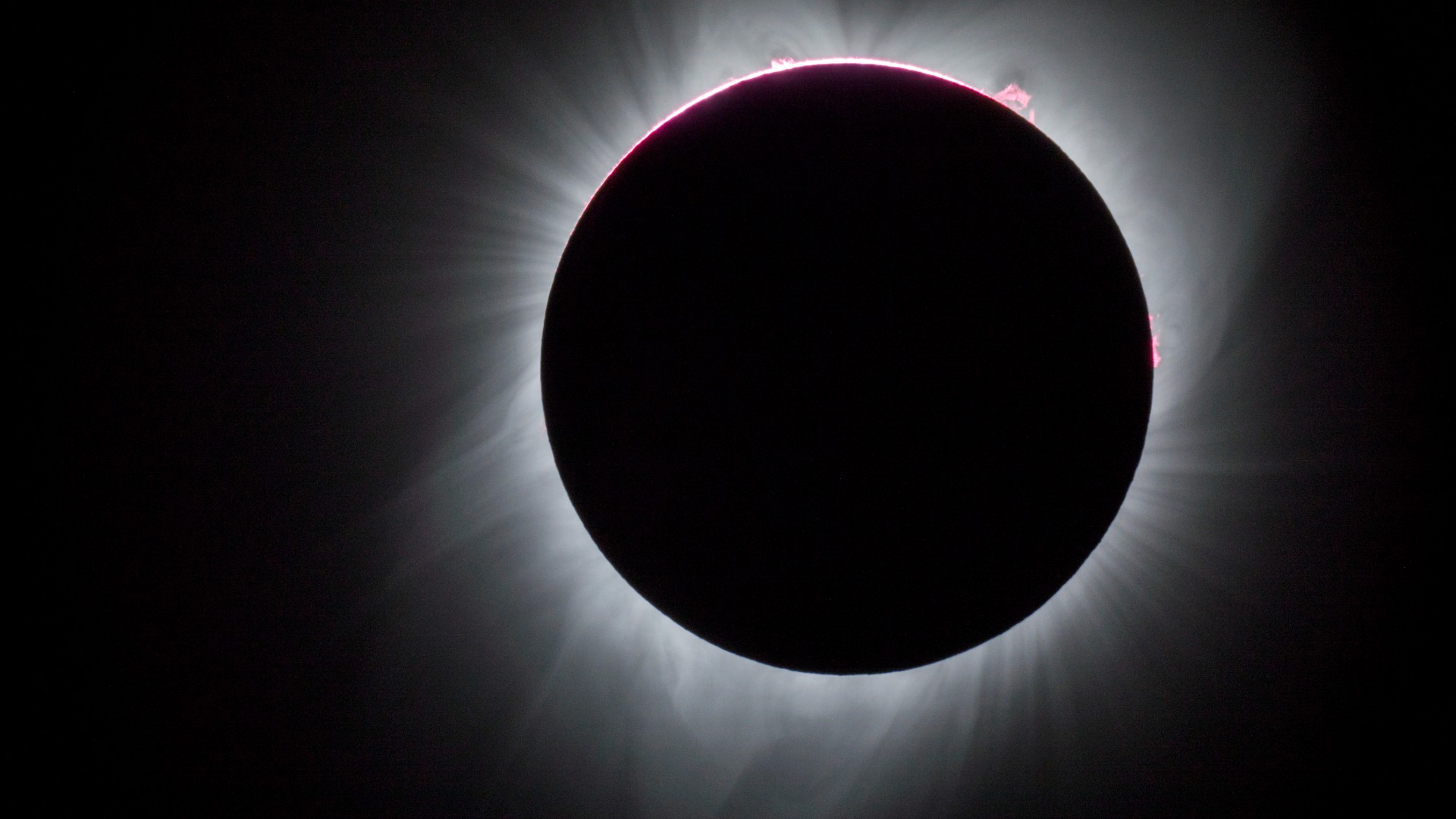
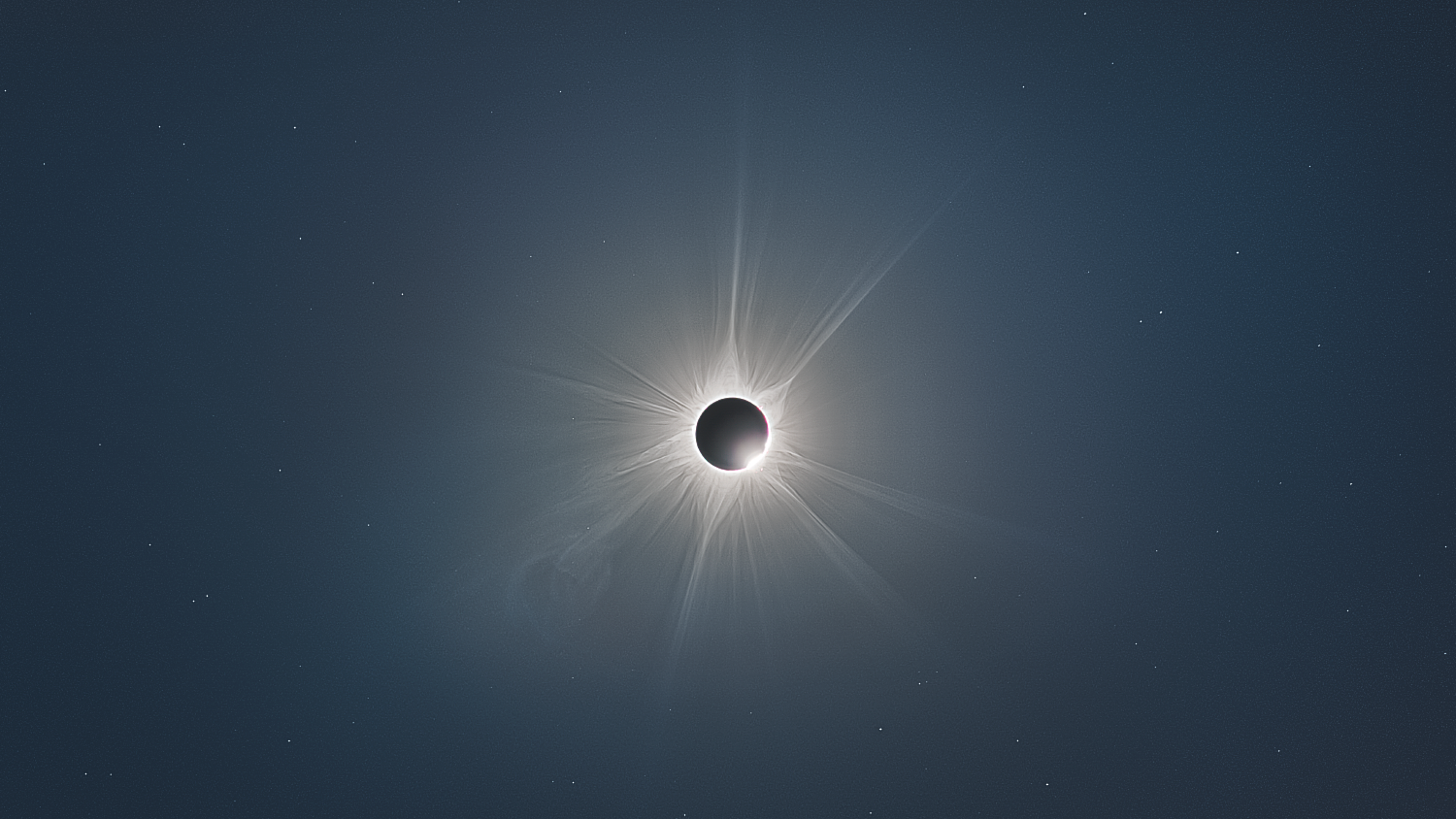
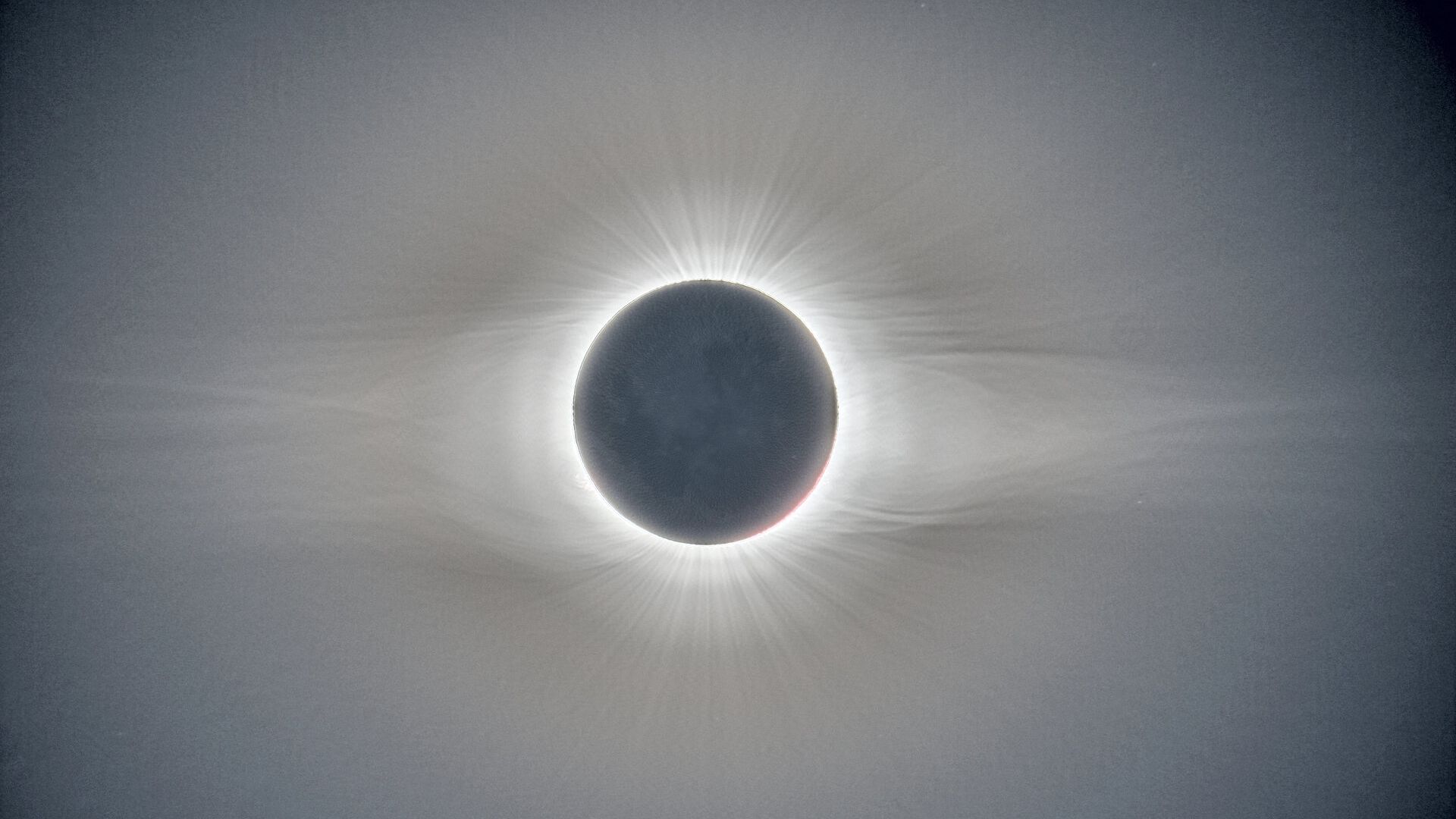
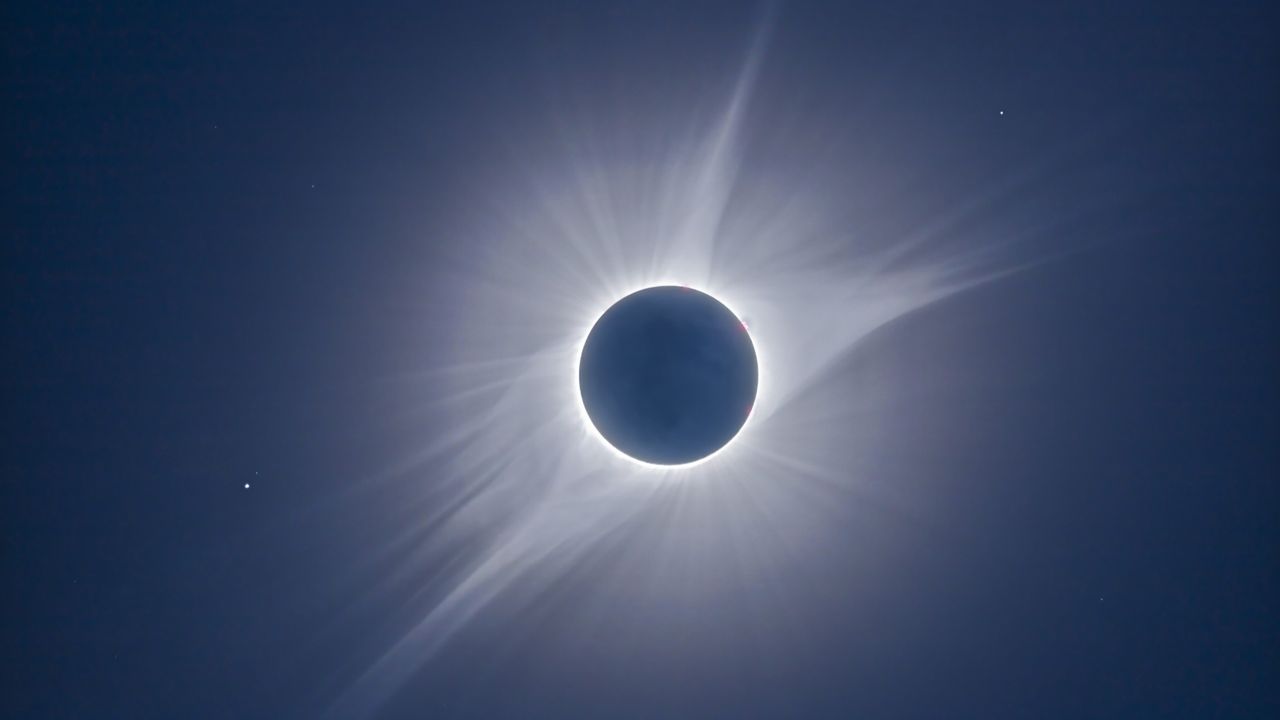
Every total solar eclipse is different. While the silhouette of the moon passing across the sun barely changes, the moment our natural satellite covers the entire solar disk, something spectacular happens — the emergence of the corona. The Latin word for "crown", the solar corona is one of the wonders of nature. To gaze upon its delicate, spiky white tendrils during brief moments of totality is to glimpse the infinite, but it's only a glimpse because the corona is always changing. Shaped by the sun's constantly changing magnetic field, the corona evolves from year to year, month to month and even day to day. No two total eclipses ever reveal exactly the same structure.
It's one reason why eclipse chasers keep traveling. The corona visible during the total solar eclipse of Aug. 12, 2026 — if skies are clear — will be a unique snapshot of the sun at a specific moment in Solar Cycle 25. It will reflect years of changing magnetic activity, thousands of sunspots and countless eruptions of solar material.
Once totality ends, that exact configuration of the corona will never be seen again. Can we know in advance what it might look like?
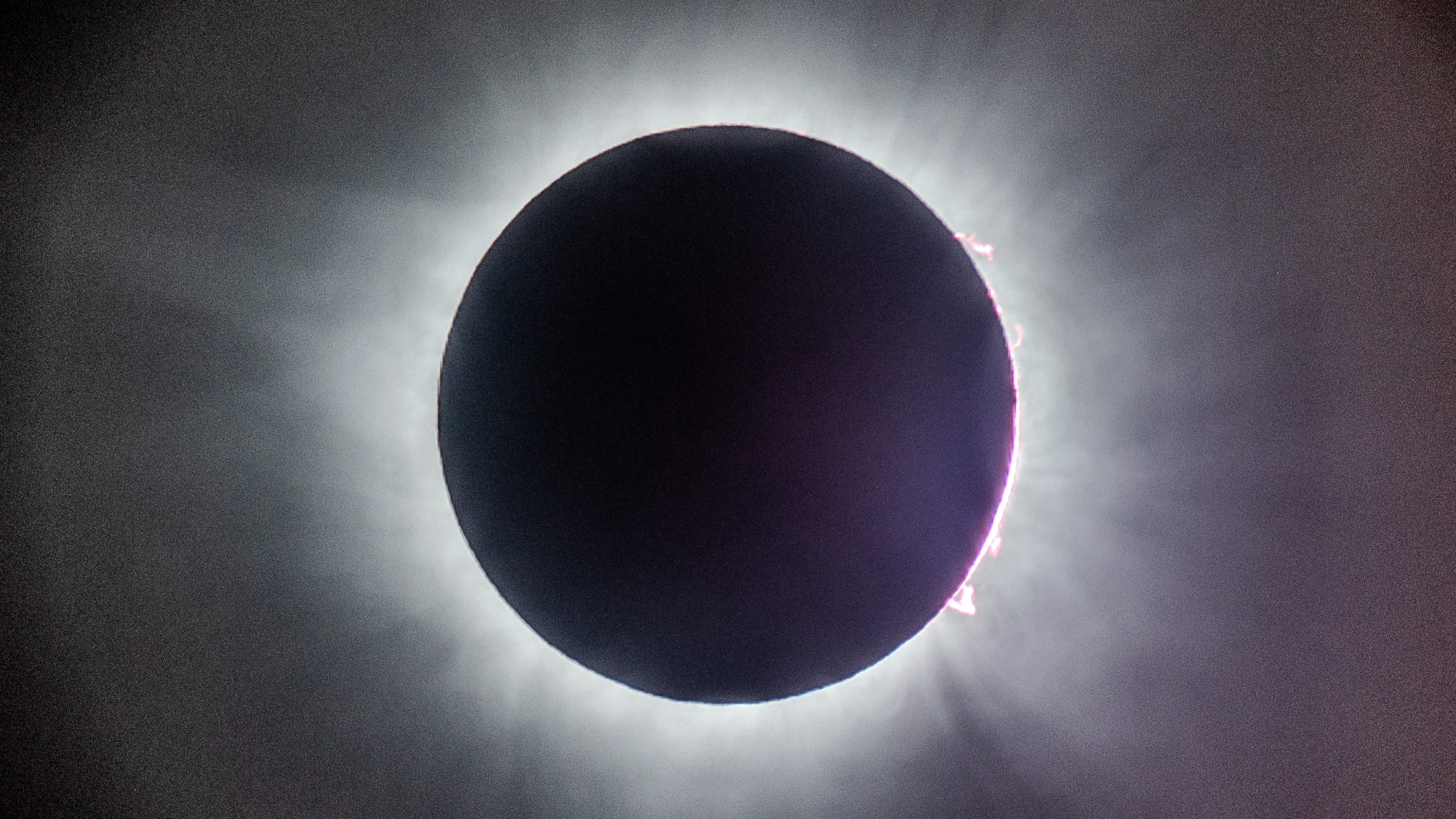
Under normal circumstances, the sun's corona — our star's outer atmosphere — is invisible. It extends millions of miles into the solar system, but it's overwhelmed by the brilliant light of the sun's photosphere, its visible surface. Totality changes that. When the moon completely covers the photosphere, the corona suddenly emerges. White streamers extend away from the black silhouette of the moon. Pink loops and prominences can appear around the edge of the moon.
For many first-time observers, the greatest surprise during totality is not only the detail but the scale. The corona often appears much larger than expected, extending several solar diameters away from the eclipsed sun. Photographs can capture some of that complexity, but they rarely reproduce the impression of depth and structure visible to the human eye, whose dynamic range is vastly superior to any camera.
The corona is not a fixed object. It is created by extremely hot plasma — highly energized, ionized gas — that's trapped and sculpted by the sun's magnetic field. Since the sun's magnetic field is constantly changing, the corona changes with it.
"The sun follows a natural 11-year cycle of increasing and decreasing activity," Ryan French, solar physicist, author and science communicator at the Laboratory for Atmospheric and Space Physics (LASP) in Boulder, Colorado, and author of Little Book of Eclipses: An Essential Companion to Solar and Lunar Events told Space.com in an email. "At the peak of this cycle, called solar maximum, there are loads of sunspots on the sun, which are giant magnets nestled in the base of the sun's atmosphere. These sunspots produce a lot of solar flares and coronal mass ejections, which are kind of bursts and eruptions of energy from the sun's atmosphere, and at solar minimum, the sun has none of these things."
That magnetic activity determines the overall shape of the corona. During solar minimum, when the sun has few or no sunspots, the corona tends to look more uniform and more symmetrical. Long streamers often stretch from either side of the sun, giving the corona a wing-like appearance. During solar maximum, it can look much more complex. Sunspot regions act like magnetic anchors, creating structures that can appear as spikes or streamers extending in different directions.
"If you were to see a total eclipse during solar maximum, the solar corona looks almost like a five-pointed cartoon star," said French. "That's because every one of these sunspot regions creates a spire or spike that you can see with the eye."
The 2026 eclipse will not occur at solar maximum. Solar Cycle 25 peaked in October 2024, according to NASA and NOAA, with the Aug. 12, 2026 eclipse occurring almost two years later, during the cycle's declining phase. However, solar activity does not collapse immediately after solar maximum. It declines gradually, and the sun is expected to remain more active than it was in the lead-up to solar maximum.
"We're no longer in solar maximum — we're a third of the way past the peak in terms of amplitude and years passed," said French. "The corona will still be far more active than during the 2017, 2019 and 2020 total solar eclipses, but much less so than 2024's."
That makes the 2026 eclipse especially interesting. It likely won't show the full, highly structured corona seen close to the peak of activity in 2024, when the April 8 total solar eclipse occurred with a monthly sunspot number of about 144. Current predictions for August 2026 are closer to 102; far fewer, but still considered active by recent-cycle standards.
That means eclipse-watchers should expect something between extremes: not the clean, flattened corona of solar minimum, but not quite the wildest solar-maximum display either.
A useful comparison may be the total solar eclipses near the previous solar maximum. Solar Cycle 24, which peaked in April 2014, was relatively weak. The closest total solar eclipses to that peak were the rare hybrid eclipse of Nov. 3, 2013, when the monthly sunspot number was around 113. By contrast, Solar Cycle 23, which had a double peak — in March 2000 and November 2001 — was relatively strong. The closest total solar eclipse occurred on June 21, 2001, with a monthly sunspot number of around 203. Its corona was likely more complex than expected in 2026.
The 2026 eclipse therefore sits in a middle category. It's not a repeat of 2024, but it's not a quiet-sun eclipse either. An active declining-phase corona, it will likely feature strong streamers extending far into space, but with greater asymmetry, with one side of the corona more active. "It's sunspots specifically near the edge of the sun that dictate what the corona will look like," said French. The sun rotates every 27 days, so any large active region of sunspots rotating onto the sun's edge shortly before Aug. 12 could alter the corona's appearance dramatically. It's why any forecasts of what the corona looks like — which often come from Predictive Science a week before the eclipse — are generally refined on the day of the eclipse.
One of the most memorable sights during totality is the appearance of vivid pink or crimson features around the moon's edge. These are usually prominences — immense structures of hydrogen plasma suspended above the sun's surface by magnetic fields. They're often mistaken for solar flares by beginners, such as after the 2024 total solar eclipse.
"Prominences are large magnetic structures that suspend plasma in the atmosphere of the sun, and they glow very bright in a very specific wavelength of light called hydrogen alpha," said French. Prominences are more likely when the sun is active, and because they can last for days or weeks, they are easier to anticipate than a flare. In hydrogen-alpha images taken before eclipse day, observers may be able to see which prominences are present around the solar edge.
The 2026 eclipse may have favorable geometry for sighting prominences. Because the moon will appear only slightly larger than the sun — which contributed to the relatively short duration of totality, at a maximum of just 2 minutes 18 seconds — smaller prominences on different sides of the sun could be visible at the same time. That is different from longer eclipses, where the larger apparent moon can cover prominences on one side before revealing others on the opposite side.
A coronal mass ejection (CME) is an eruption of plasma and magnetic field from the sun's atmosphere. Seeing one during totality is possible — it happened during the total solar eclipse on Dec. 14, 2020 — but requires luck. "CMEs travel very slowly, so they take several hours to traverse and escape from the sun's atmosphere, so you wouldn't see any motion during an eclipse," said French. "But what you could see, if you're lucky, is a snapshot of an eruption — though maybe a long exposure camera will be more likely to see this than your eye would." Such a view would be rare, but the chances are higher in an active solar environment than near solar minimum.
There will be a forecast from Predictive Science, which can be so accurate that some eclipse chasers avoid it, so as not to ruin the surprise of totality. One way to get a general idea is to look at real-time images from telescopes that use coronagraphs to block the sun, such as the COSMO K-Coronagraph, NASA SOHO's LASCO C3 and the GOES CCOR-1. For sunspots, check the latest H-Alpha image from the Global Oscillation Network Group (GONG).
No scientist can say exactly what the corona will look like on Aug. 12, 2026. That will depend on the sun's magnetic activity in the days immediately before totality, the location of sunspot groups, the presence of prominences and the possibility of eruptions. "What exactly we see during the August eclipse will depend on what the activity is that week," said French. "And even if you saw an eclipse a month before or a month after, it could be very different." For a few fleeting minutes over Greenland, Iceland, Spain and the Balearic Islands, the sun's hidden atmosphere will become momentarily visible before vanishing back into the glare, never being seen again in quite the same way.
We're just a few short days away from the Aug. 12 total solar eclipse, when millions will watch as the moon glides across the face of the sun, hiding its light in a wondrous display of orbital mechanics.
The eclipse will unfold during August's new moon phase, as the lunar disk slips silently between the sun and Earth in the daytime sky. Ordinarily, the subtle tilt in the moon's orbit causes its shadow to pass just below, or above our planet, missing it entirely.
However, on Aug. 12, the moon's orbit will carry it into a near-perfect alignment with the sun and Earth, casting its colossal shadow across a 182-mile-wide corridor known as the path of totality, where viewers will get to see the lunar disk fully hide the sun's disk.
The path of totality for the Aug. 12 eclipse cuts through Spain, Iceland and Greenland. Hundreds of millions more watching from outside of this narrow corridor will also bear witness to a spectacular partial solar eclipse, as the moon passes in front of our parent star, without fully obscuring its surface. Those unable to watch the eclipse in person by dint of geography can also follow along online, with details of the livestream to be released closer to the event.
Read on to discover what will happen during each stage of the Aug. 12 total solar eclipse.
The partial phase of the eclipse officially begins at the moment of "first contact", when the lunar disk takes its first nibble out of the sun — a subtle transformation that will first become visible in the skies over the U.S. state of Alaska at 11:34 a.m. EDT (1534 GMT) on Aug. 12.
You can check out exactly when the partial eclipse will begin from your location and find out exactly how much of the sun will be hidden by the moon using Time and Date's interactive eclipse tracker.
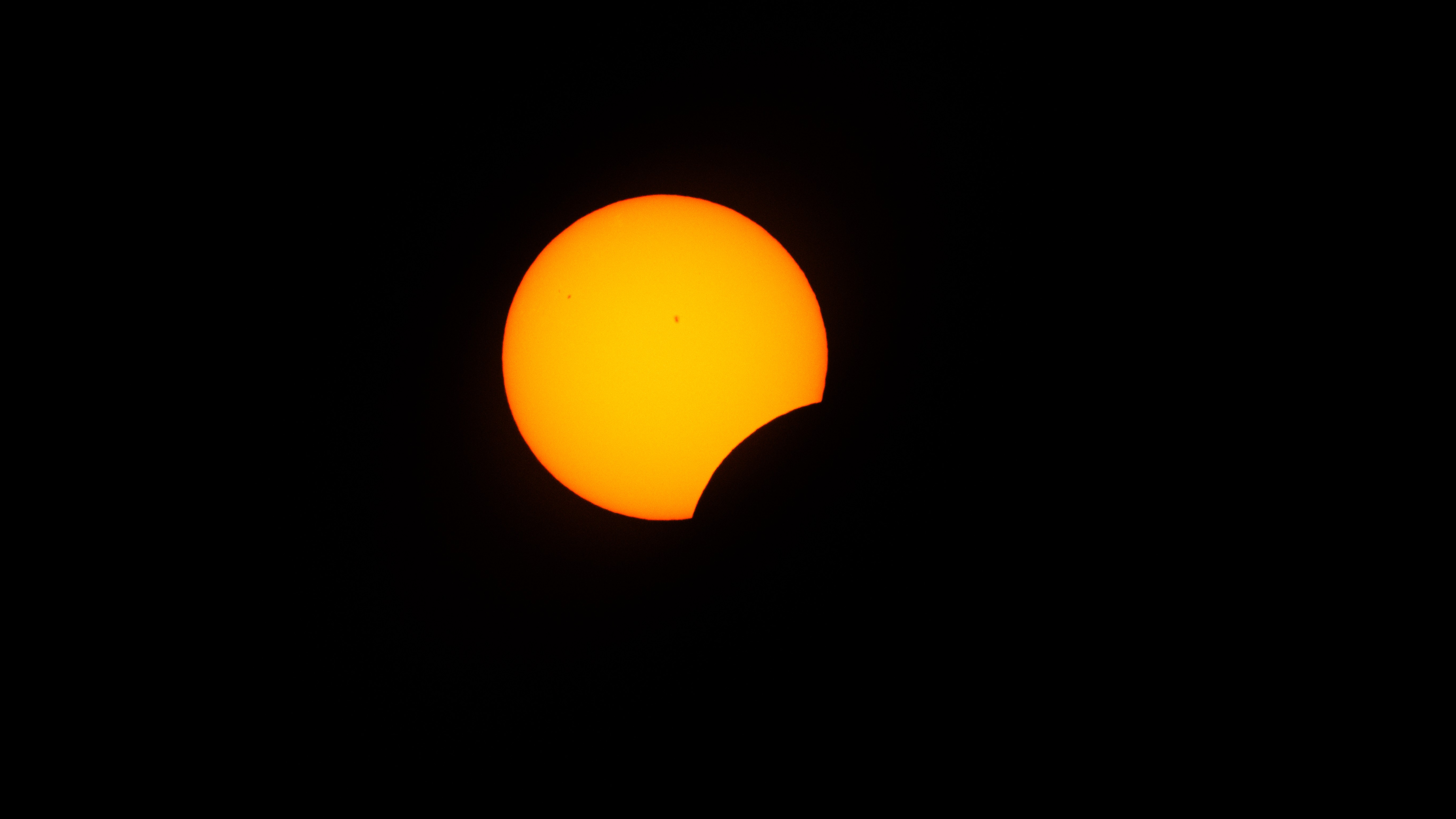
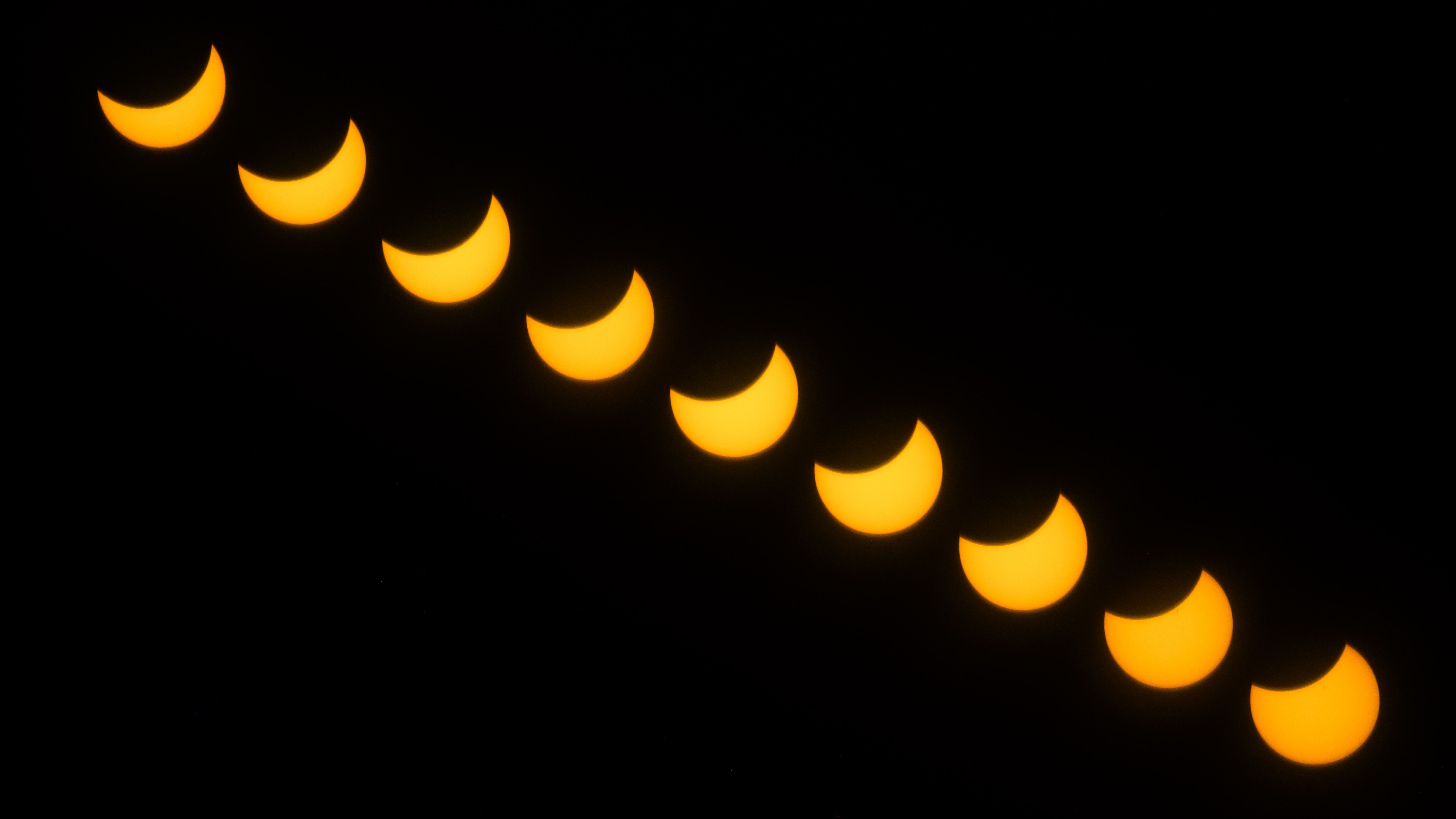
The hour and a half following first contact will see the moon sink ever farther into the sun's disk for those in the path of totality, transforming it from a burning orb into a magnificent shining crescent.
You may notice the temperature drop noticeably, accompanied by a subtle darkening of the sky in the half hour preceding the climactic phase of totality, as the moon reduces the sun to a thin sickle in the evening sky. Pinpricks of light — such as those that shine through a colander, or the gaps in a leaf — will also appear to mirror the scene above, creating a kaleidoscope of tiny bright crescents.
Remember, staring at the sun for even the briefest of moments can lead to permanent loss of vision, so be sure to read our guide on how to view the sun safely and to wear your eclipse glasses or sunoculars during the entirety of the partial phases of the eclipse. You can read our roundup of the best solar viewing equipment to find out more, along with our tips on how to check the quality and condition of your eclipse glasses.
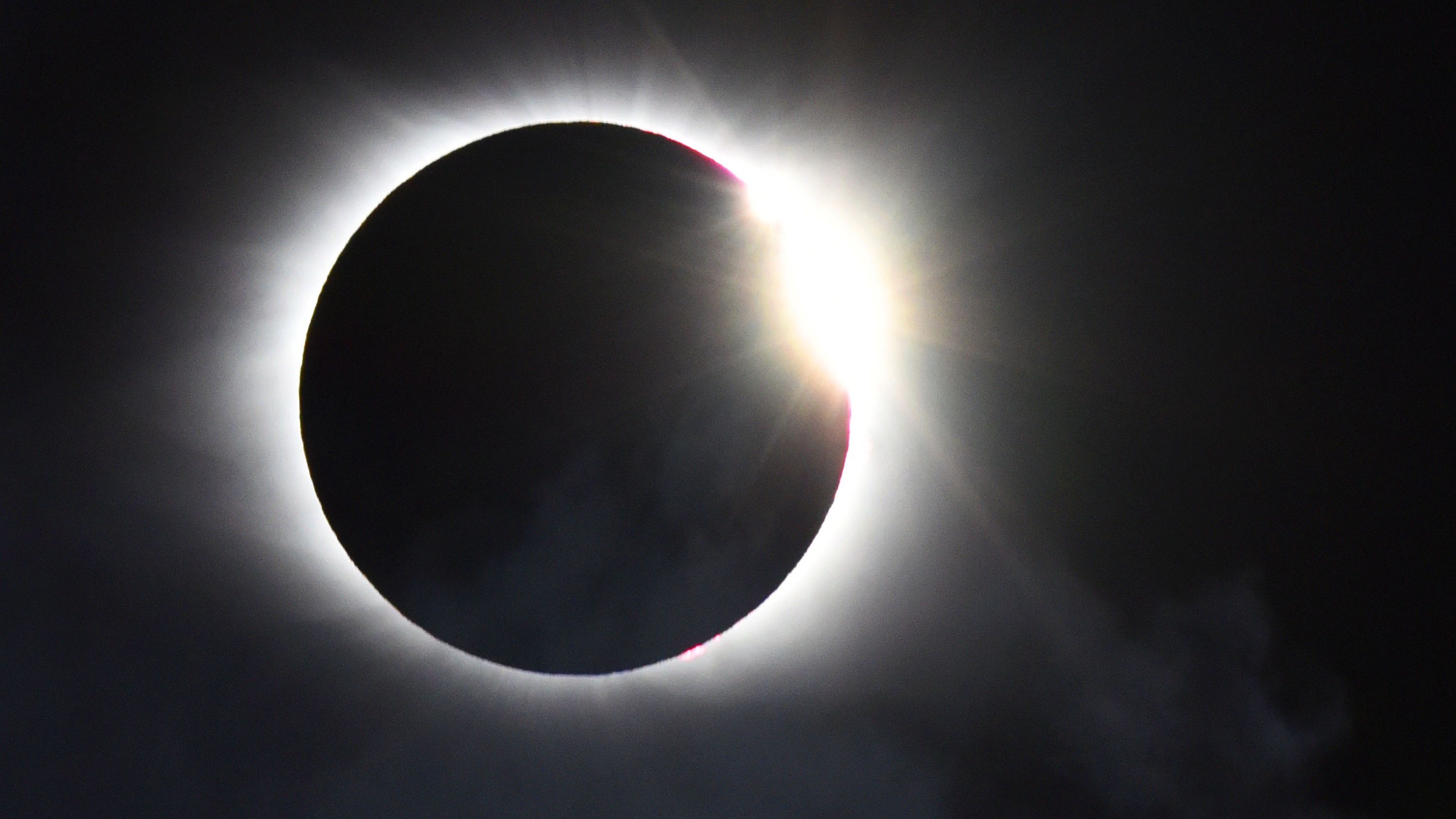
Some of the most spectacular moments of an eclipse occur just before and after totality. First, look out for the "diamond ring" effect, as the last sliver of the sun peeks out from behind the lunar disk to appear as a gorgeous celestial jewel, while the outermost layer of our star's atmosphere, the corona, creates a glowing halo around the moon.
Tear your eyes away from the sun for just a second and you may just catch sight of the moon's shadow advancing on you from the west, before it engulfs your surroundings in a false night.
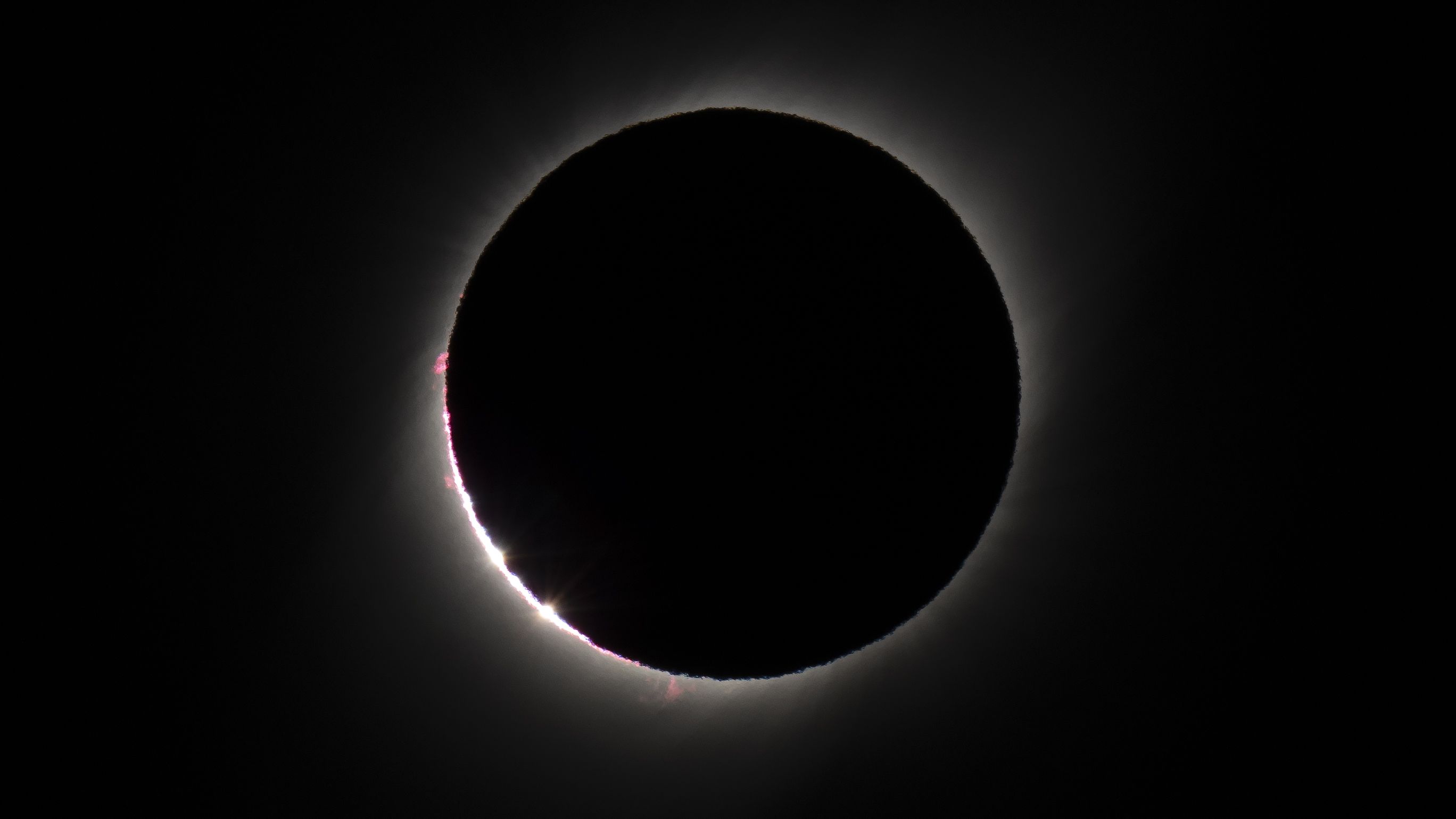
The final seconds before totality will see bright "Baily's Beads" form dazzling points of light on the moon's edge, where the last shreds of the sun's disk shine through the ravines and valleys that scar the ancient lunar surface.
As the last of the sun's surface slips behind the moon, totality begins. This is the climactic phase of the eclipse, when the moon acts like a natural coronagraph to block the brilliance of the sun's disk, ushering in a false night in which our star's outer atmosphere can be seen leaping out from the lunar silhouette.
Totality will last a maximum of 2 minutes, 18 seconds, during which time it's safe to remove your glasses and look at the sun. Just be sure to put them on again before its fiery disk reemerges from the other side of the lunar disk.
That white halo surrounding Earth's natural satellite is the sun's corona — a jacket of superheated gas that surrounds our parent star. Look out for glowing solar prominences leaping outward through the sun's atmosphere, along with the red line of the chromosphere — the layer of the sun's atmosphere beneath the corona — which appears fleetingly at the beginning and end of totality, according to NASA.
The point of maximum eclipse occurs roughly halfway through totality, when the sun's disk is most hidden by the moon.
Eagle-eyed skywatchers may catch Jupiter and Mercury shining to the lower right of the eclipsed sun in the faux twilight experienced during totality, while Venus will appear as a bright star-like object to its upper left. If you're incredibly lucky, you could even spot one of the brightest shooting stars or fireballs of the Perseid meteor shower, which comes to a peak around the same time as the Aug. 12 total eclipse.
The fourth stage of the eclipse comes as the very edge of the sun's disk emerges from behind the moon, marking the end of totality as Bail's Beads and the diamond ring effect play out in reverse, before giving way to an ever-thickening solar crescent.
The waning partial eclipse will come to a global end at 3:57 p.m. EDT (1957 GMT), as the moon's silhouette exits the sun's disk in the skies off the west coast of Africa — a moment known to astronomers as fourth contact.
Space.com is on hand to provide expert coverage and on the ground reporting as the eclipse unfolds. Skywatching Editor Daisy Dobrijevic is undertaking an expedition with HX to observe the total solar eclipse from the waters around Greenland, while Skywatching Writer Anthony Wood heads to Spain in a cowboy hat, to catch the orbital showdown with citizen scientists from NASA's Dynamic Eclipse Broadcast Initiative.
Be sure to check out our total eclipse live blog to stay up to date with all the latest news, along with our handy explainer article detailing everything you need to know about the Aug. 12 total solar eclipse.
If photography is your thing then why not read our guide to imaging the total solar eclipse, along with our roundup of the best cameras and lenses for astrophotography? You'll also want to peruse our picks for the best eclipse glasses and viewing gear available in 2026.
Editor's Note: If you capture footage of the Aug. 12 total solar eclipse and want to share it with Space.com's readers, then please send your photo(s), comments, name and location to spacephotos@space.com.