❌

Reading view

Elon Musk’s Efforts to Cut Spending in the Government Were So Incompetent That It’s Shocking, Internal Analysis Finds

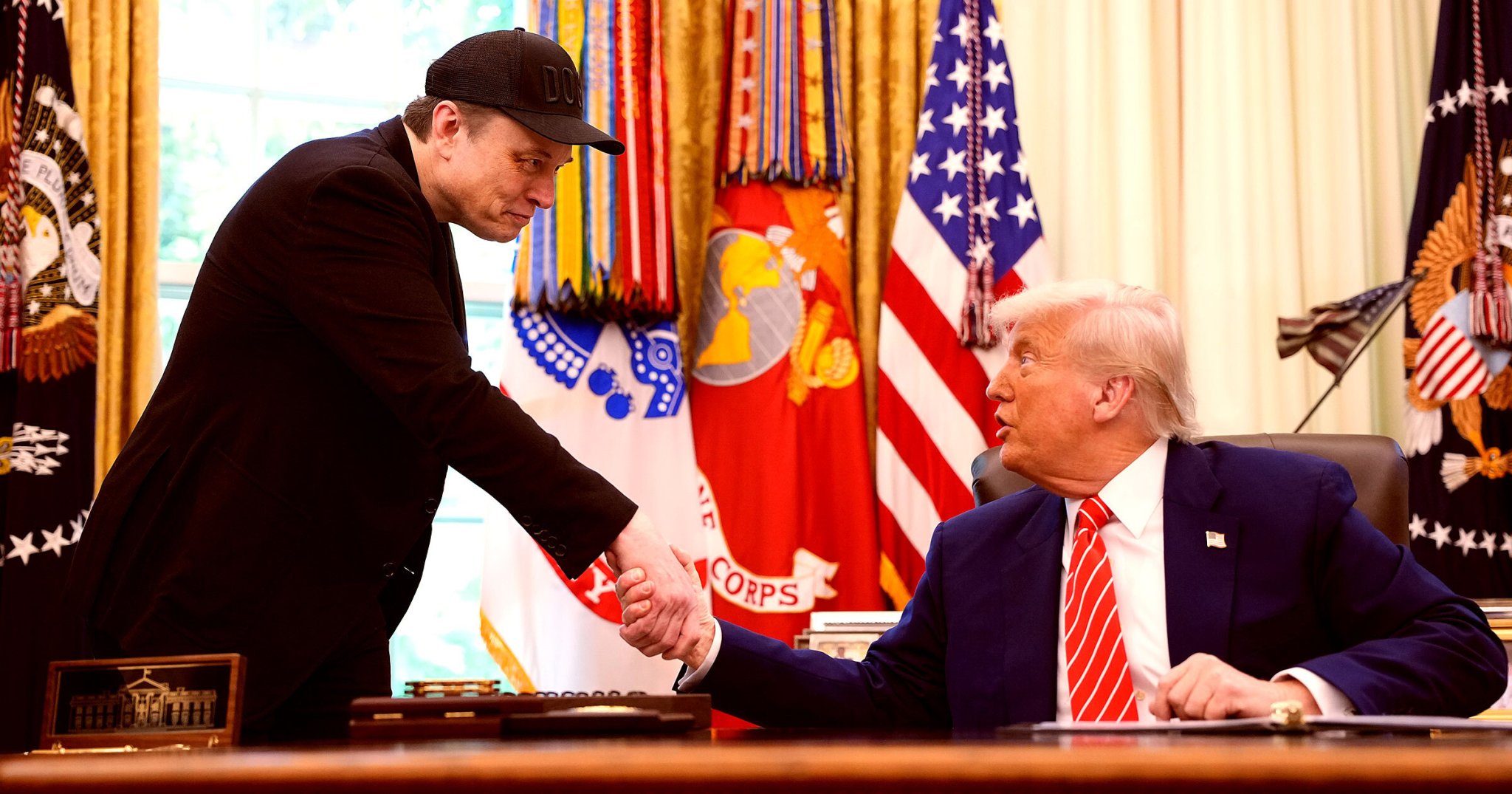
In terms of demoralizing the federal workforce and demolishing the public sector, Elon Musk’s Department of Government Efficiency was a success.

In terms of actually saving money, though — its ostensible raison d’être — it was a dismal failure.

Musk vowed to slash $2 trillion in government “waste and fraud.” Then he lowered that target to $1 trillion, and behind the scenes reportedly promised Trump to save just a tenth of that figure. In the end, DOGE boasted on its website’s “Wall of Receipts” that it had saved around $215 billion — peanuts compared to its original promise.

But the actual amount of spending it slashed may be even lower than that. In a sweeping audit, the Government Accountability Office looked through the $110 billion that DOGE claimed it saved between January and July 2025, and found a trail of staggering incompetency that let loads of supposedly saved money fall through the cracks. That framing, though, could be too generous to Musk and his pimple-faced lackeys. You could also take the view that DOGE, in all likelihood, was deliberately cooking the books.

Per the GAO’s new report, released this month, DOGE claimed it terminated 13,476 contracts, but nearly 2,000 of them weren’t actually terminated. Spending-wise, about $27.4 billion of the purported savings came from these contracts that DOGE botched the terminations of.

The clumsy — or deceptive — bookkeeping didn’t end there. The receipts “includes leases identified for termination before [the group] was established,” the report states, as quoted by The Washington Post. And 108 of 264 of the leases it claimed it nixed “were already in process for termination.”

In all, the GAO found that over half of DOGE’s claimed $61 billion in contract savings couldn’t be verified or came from contracts that weren’t actually terminated. Similarly, 96 percent of the savings that it claimed came from grants couldn’t be verified by the accountability office, either.

Last August, an investigation by Politico found that of the $52.8 billion that DOGE had claimed to save by cancelling contracts at the time, its actual savings were closer to just $1.4 billion. To calculate how it saved money, DOGE dubiously used the maximum spending limit listed on the contracts it axed, figures that in practice are much higher than what the government ends up spending.

At the time, government procurement expert Jessica Tillipman told the outlet that the practice was akin to “taking out a credit card with a $20,000 credit limit, cancelling it and then saying, ‘I’ve just saved $20,000.'”

More on Elon Musk: Columbia Economist Baffled as to Why the Masses Aren’t Rising Up Against Elon Musk

The post Elon Musk’s Efforts to Cut Spending in the Government Were So Incompetent That It’s Shocking, Internal Analysis Finds appeared first on Futurism.

  •  

Why Jameela Jamil is Wrong to Describe the British as “the Most Evil People in History”

Jameela Jamil has dubbed the British 'the most evil people in history' based on the history of the Empire. Read this point-by-point rebuttal by Maxi Gorynski. On the contrary, he says, our Empire was one of the most benign

The post Why Jameela Jamil is Wrong to Describe the British as “the Most Evil People in History” appeared first on The Daily Sceptic.

  •  

AI detectors are creating a new era of distrust

A book that is being scanned for possibility of AI-generated text

This is The Stepback, a weekly newsletter breaking down one essential story from the tech world. For more news about how AI is changing our daily lives, follow Emma Roth. The Stepback arrives in our subscribers' inboxes at 8AM ET. Opt in for The Stepback here.

How it started

Long before ChatGPT became a thing, educators and editors frequently used anti-plagiarism tools to see if writers were being honest about their work. These tools work by comparing a written work against a database filled with content from across the web, scholarly articles, and more to check for matching sentences and phrases. Some, like Turnitin, offer a percentage th …

Read the full story at The Verge.

  •  

Notebook a meno di 600€ su Amazon? Questo Lenovo è il modello giusto (anche a rate)

A causa della crisi delle memorie, il prezzo dei portatili è aumentato notevolmente. Per un nuovo notebook da meno di 600 euro è possibile puntare sul Lenovo IdeaPad Slim 3 con Snapdragon X e 16 GB di memoria RAM.

Sfruttando la promo in corso su Amazon, infatti, il modello in questione è ora disponibile in sconto a 569 euro, con anche la possibilità di pagare in 12 rate mensili, per gli utenti abilitati ai pagamenti rateali.

Per sfruttare l'offerta in corso basta premere sul box qui di sotto. 


Il miglior smartphone pieghevole del momento? Samsung Galaxy Z Flip 7, compralo al miglior prezzo da Amazon Marketplace a 854 euro.

CLICCA QUI PER CONTINUARE A LEGGERE

  •  

Lord Sumption is Wrong: Trump is No Despot

Lord Sumption was a hero during Covid, standing up against the pandemic tyranny. But his recent attempt to paint Donald Trump as a despot of totalitarian bent couldn't be wider of the mark, says Professor James Allan.

The post Lord Sumption is Wrong: Trump is No Despot appeared first on The Daily Sceptic.

  •  

Cigar, Cigarillo, and Pipe Smoking: Lung Cancer Risk and Screening Eligibility

A new study published in the British Journal of Cancer is challenging the way lung-cancer risk is discussed among people who do not smoke conventional cigarettes. Researchers led by S. Vaja, J.L. Dickson and C. Horst examined the effects of cigar, cigarillo and pipe smoking, focusing on two questions with immediate public-health consequences: how these products influence the likelihood of developing lung cancer and whether their users are being identified as eligible for screening.

Lung-cancer prevention strategies have traditionally been built around cigarette consumption, especially the number of cigarette packs smoked per year. This measure, known as pack-years, combines smoking intensity and duration. One pack-year generally represents smoking 20 cigarettes a day for one year. Because cigars, cigarillos and pipes are used differently from cigarettes, their tobacco exposure is harder to convert into the same standardized measurement. That difference can leave regular users outside the systems designed to identify people at high risk.

The study addresses a persistent misconception: that alternative combustible tobacco products are inherently safer because they are not smoked in the same way as cigarettes. Cigar and pipe users may inhale less deeply or less frequently, but the smoke still contains carcinogenic compounds produced by burning tobacco. These include polycyclic aromatic hydrocarbons, tobacco-specific nitrosamines, volatile organic compounds and fine particulate matter. The precise dose entering the lungs can vary substantially, yet repeated exposure can still damage airway cells and contribute to mutations associated with cancer development.

Cigarillos occupy a particularly complicated position because they range from small, cigarette-like products to larger cigars that may be smoked over a longer period. Their nicotine content and smoke volume can also differ widely. Some users inhale cigarillo smoke deeply, while others do not. Pipes introduce another set of variables, including the duration of a smoking session, the amount of tobacco burned and the frequency with which the pipe is used. These differences make simple comparisons difficult, but they do not eliminate the biological hazards of combustion.

According to the research, the central concern is not only whether cigar, cigarillo and pipe smoking increases lung-cancer risk, but also whether current screening rules recognize that risk. Lung-cancer screening commonly relies on age and a history of cigarette smoking measured in pack-years. People who have smoked other combustible tobacco products may therefore be classified as having insufficient exposure, even when their cumulative tobacco use has been substantial. If risk is underestimated at the eligibility stage, some people could miss the opportunity to detect a tumour before symptoms appear.

Screening works by identifying disease at an earlier and more treatable stage, often using low-dose computed tomography, or LDCT. Unlike a conventional CT scan, LDCT uses a lower radiation dose to create detailed images of the lungs. Its effectiveness depends on selecting people whose probability of developing lung cancer is high enough to justify the benefits and potential harms of testing. Those harms include false-positive findings, unnecessary follow-up procedures, anxiety and cumulative radiation exposure. The challenge is to expand access without encouraging indiscriminate scanning.

The researchers’ analysis highlights why tobacco history needs to be recorded in greater detail. A questionnaire that asks only whether someone smokes cigarettes can overlook the frequency, duration and type of cigar, cigarillo or pipe use. It may also fail to capture former users whose exposure occurred years earlier. More comprehensive risk models could incorporate the number of products used, smoking intensity, years since quitting, inhalation patterns and additional factors such as age, occupational exposure, air pollution and family history.

The findings also carry a message for people who use these products socially or intermittently. Risk is not determined solely by whether smoking occurs every day. The biological impact depends on cumulative exposure, the composition of the product and how smoke is inhaled. Occasional use may carry less risk than heavy, long-term use, but “less” does not mean “none.” Combustible tobacco remains fundamentally different from non-combustible nicotine products because burning creates the toxic mixture responsible for much of the damage to the respiratory system.

The study does not suggest that every cigar or pipe smoker should automatically undergo a CT scan. Instead, it points to a gap between real-world tobacco exposure and the simplified categories used in many screening policies. The authors’ work could encourage clinicians and policymakers to assess alternative tobacco use more systematically and to investigate whether existing eligibility thresholds should be adapted. Any change would require careful validation, because screening recommendations must balance earlier diagnosis against the risks of testing people who are unlikely to benefit.

The broader lesson is that lung-cancer risk cannot be reduced to a single cigarette-based number. As smoking patterns evolve and tobacco products diversify, prevention programmes must keep pace with the ways people actually consume tobacco. The study by Vaja and colleagues adds evidence that cigar, cigarillo and pipe smoking deserve a more visible place in lung-health research and clinical risk assessment. For now, the clearest preventive message remains unchanged: avoiding all combustible tobacco products offers the strongest protection, while anyone with a history of substantial use should discuss their individual risk with a healthcare professional.

Subject of Research: The effects of cigar, cigarillo and pipe smoking on lung-cancer risk and eligibility for lung-cancer screening.

Article Title: The effect of cigar, cigarillo and pipe smoking on lung cancer risk and screening eligibility.

Article References: Vaja, S., Dickson, J.L., Horst, C. et al. “The effect of cigar, cigarillo and pipe smoking on lung cancer risk and screening eligibility.” British Journal of Cancer (2026). https://doi.org/10.1038/s41416-026-03578-9

Image Credits: AI Generated

DOI: 10.1038/s41416-026-03578-9

Keywords: lung cancer, cigar smoking, cigarillo smoking, pipe smoking, tobacco exposure, cancer screening, low-dose CT, smoking-related cancer, public health, epidemiology

  •  

Como descobrir qual versão do tvOS a sua Apple TV está rodando

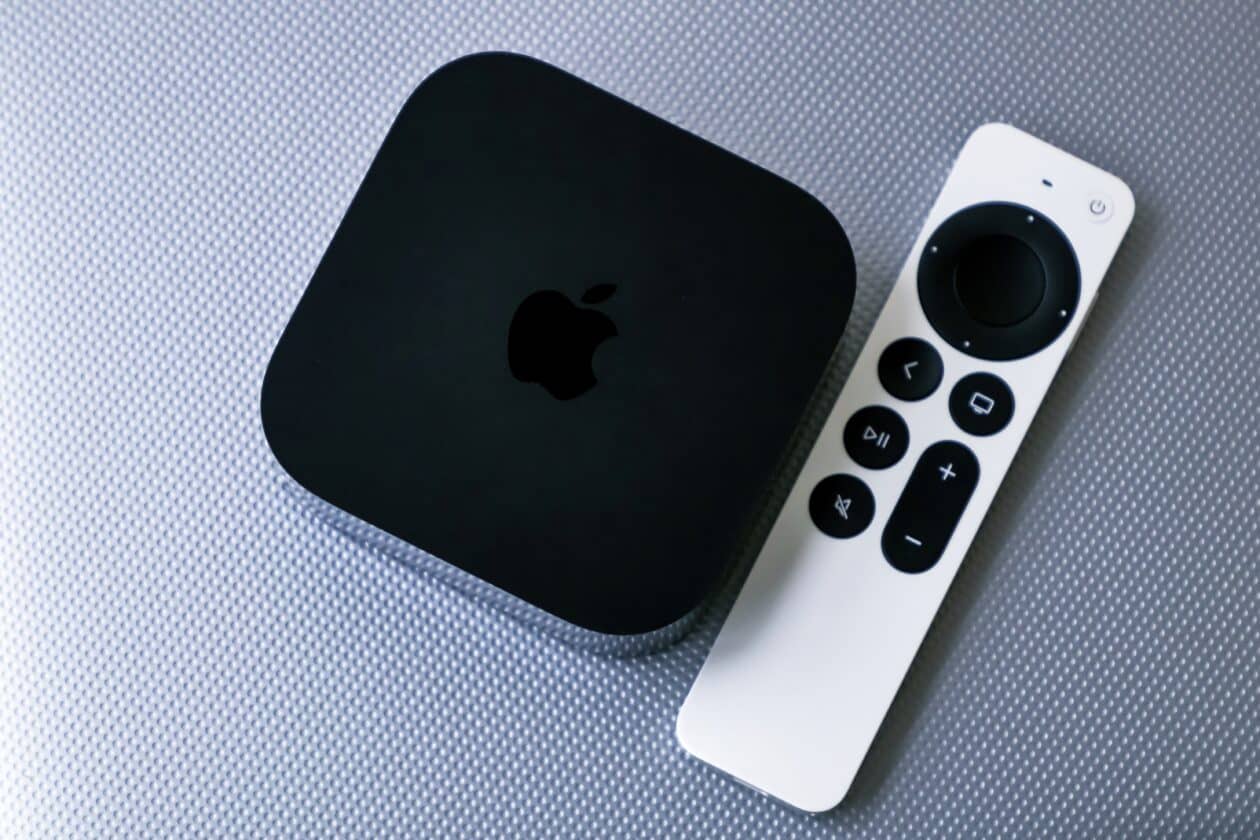
A Apple TV 4K é a melhor opção de set-top box para quem quer aproveitar ao máximo todos os serviços e recursos disponibilizados pela empresa.

O que torna essa experiência tão mágica é o sistema operacional tvOS, feito especialmente para esse produto. Para garantir todos os recursos mais recentes e também as correções de erros, é imprescindível manter o OS sempre atualizado.

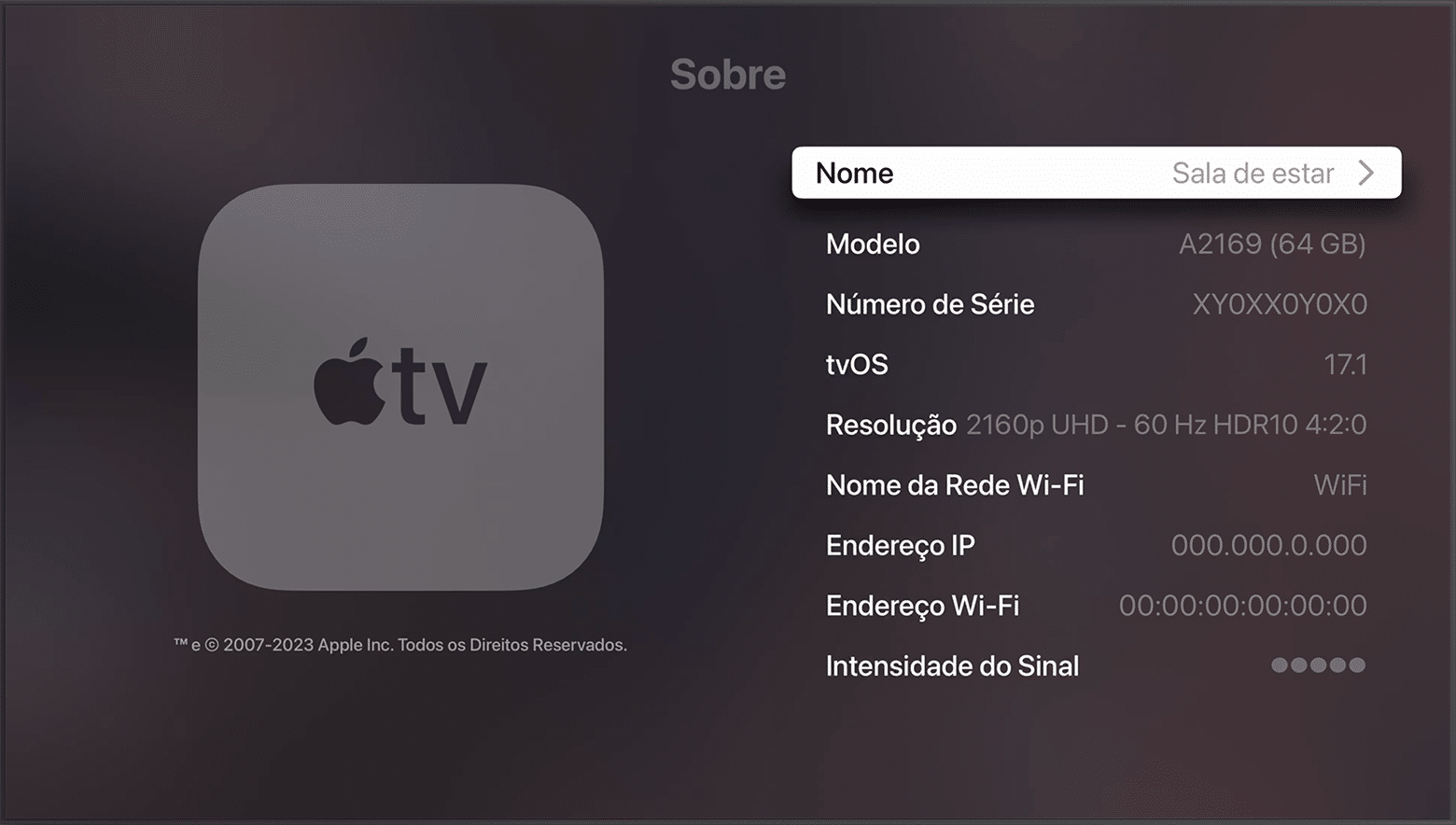
Veja como conferir qual versão do tvOS sua Apple TV está rodando!

Na tela inicial, abra os Ajustes (Settings) e clique em “Sistema”.

Depois, vá até “Sobre” para conferir a versão do tvOS instalada no momento.

Apple TV 4K (3ª geração)

Armazenamento: 64GB ou 128GB
Conectividade: Wi-Fi ou Wi-Fi + Ethernet
R$ 2.299,00

NOTA DE TRANSPARÊNCIA: O MacMagazine recebe uma pequena comissão sobre vendas concluídas por meio de links deste post, mas você, como consumidor, não paga nada mais pelos produtos/serviços usando os nossos links de afiliado.

  •  

Como saber qual versão do macOS seu Mac está rodando

O macOS é o sistema operacional que equipa os computadores da Apple, os Macs.

Para receber os novos recursos e estar sempre protegido contra ataques ou brechas de segurança, é recomendável manter o seu dispositivo atualizado para a última versão disponível.

Veja como conferir qual versão do sistema seu Mac está usando! 👨‍💻

Abra os Ajustes do Sistema (System Settings). Em seguida, clique em “Geral” (na barra lateral esquerda) e vá em “Sobre”.

Versão do macOS

Você também pode ver essa informação clicando no logo da Apple (na barra de menus) e depois em “Sobre Este Mac”.

Simples, né?

Mac Studio

Chip: M4 Max ou M3 Ultra
Memória: 36GB, 48GB, 64GB, 96GB, 128GB, 256GB ou 512GB
Armazenamento: 512GB, 1TB, 2TB, 4TB, 8TB ou 16TB
R$ 25.999,00

Mac mini

Chip: M4 ou M4 Pro
Memória: 16GB, 24GB, 32GB, 48GB ou 64GB
Armazenamento: 256GB, 512GB, 1TB, 2TB, 4TB ou 8TB
Conectividade: Ethernet ou Gigabit Ethernet 10
R$ 12.299,00
R$ 16.999,00

iMac

Chip: M4
Cores: azul, roxo, rosa, laranja, amarelo, verde ou prateado
Vidro: convencional ou nano-texture
Memória: 16GB, 24GB ou 32GB
Armazenamento: 256GB, 512GB, 1TB ou 2TB
Conectividade: sem Ethernet ou Gigabit Ethernet
R$ 15.499,00

MacBook Pro de 16″

Cores: preto-espacial ou prateado
Tela: padrão ou nano-texture
Chips: M5 Pro ou M5 Max
Memória: 24GB, 36GB, 48GB, 64GB ou 128GB
Armazenamento: 1TB, 2TB, 4TB ou 8TB
R$ 30.599,00
R$ 33.999,00

MacBook Pro de 14″

Cores: preto-espacial ou prateado
Tela: padrão ou nano-texture
Chips: M5, M5 Pro ou M5 Max
Memória: 24GB, 36GB, 48GB, 64GB ou 128GB
Armazenamento: 1TB, 2TB, 4TB ou 8TB
Adaptador de energia: USB-C de 70W ou 96W
R$ 30.959,00

MacBook Air de 15″

Cores: azul-céu, prateado, estelar ou meia-noite
Chip: M5
Memória: 16GB, 24GB ou 32GB
Armazenamento: 512GB, 1TB, 2TB ou 4TB
Adaptador de energia: USB‑C de 30W, 35W com duas portas ou 70W
R$ 15.999,00

MacBook Air de 13″

Cores: azul-céu, prateado, estelar ou meia-noite
Chip: M5
Memória: 16GB, 24GB ou 32GB
Armazenamento: 512GB, 1TB, 2TB ou 4TB
Adaptador de energia: USB‑C de 30W, 35W com duas portas ou 70W
R$ 12.599,00
R$ 13.999,00

MacBook Neo

Cores: prateado, blush, amarelo-cítrico ou índigo
Armazenamento: 256GB ou 512GB (com Touch ID)
R$ 6.999,00

NOTA DE TRANSPARÊNCIA: O MacMagazine recebe uma pequena comissão sobre vendas concluídas por meio de links deste post, mas você, como consumidor, não paga nada mais pelos produtos/serviços usando os nossos links de afiliado.

  •  
  •  
  •  
  •  

Sex Ideology, Like Gender Ideology, Misses What Makes Us Men and Women

Gender ideology was defeated by sex ideology this week. But what both of these outlooks miss is what really makes us men and women, says Dr Sinéad Murphy – and how it protects us from the control of technocracy.

The post Sex Ideology, Like Gender Ideology, Misses What Makes Us Men and Women appeared first on The Daily Sceptic.

  •  
  •  
❌