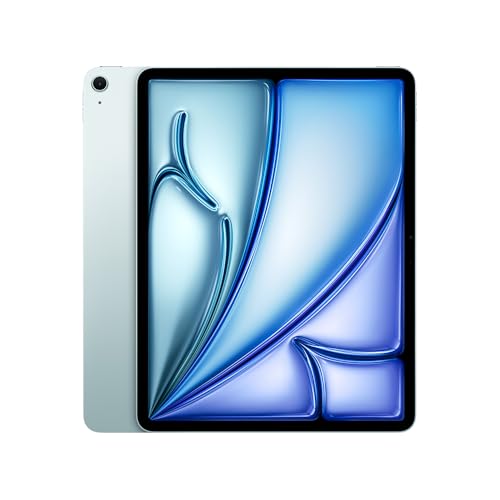
Em seu relatório mais recente sobre o mercado de tablets, a Omdia aponta para uma queda nas vendas de iPads no segundo trimestre deste ano — embora a Apple permaneça na liderança isolada entre as empresas que mais comercializam esse tipo de dispositivo.
Segundo os dados, a Maçã enviou 13,5 milhões unidades de seus tablets no período, enquanto no segundo trimestre do ano passado foram 14,5 milhões — o que representa uma queda de 7,5%, seguindo a tendência do mercado como um todo, que caiu 9,9%.
Embora tenha vendido menos, a Apple ampliou sua participação no mercado, sendo responsável por 37,8% das vendas de tablets — seguida por Samsung (16,3%), Lenovo (11,1%), Xiaomi (8%) e HUAWEI (7,7%), enquanto outras fabricantes somaram 19,1% no período.
Segundo a empresa de pesquisas, o iPad padrão foi o responsável pela maior parte das vendas da Apple, embora os modelos Air e mini tenham também contribuído com uma participação menor. Não foram mencionados dados referentes aos modelos do iPad Pro.
É algo curioso, uma vez que a Omdia aposta em um investimento maior em modelos premium de tablets nos próximos meses devido à crise atual no fornecimento de componentes.
iPad Pro de 13″
Cores: preto-espacial ou prateado Armazenamento: 256GB, 512GB, 1TB ou 2TB Vidro: convencional ou nano-texture Conectividade: Wi-Fi ou Wi-Fi + Cellular
NOTA DE TRANSPARÊNCIA: O MacMagazine recebe uma pequena comissão sobre vendas concluídas por meio de links deste post, mas você, como consumidor, não paga nada mais pelos produtos/serviços usando os nossos links de afiliado.
Se você costuma usar o aplicativo Relógio (Clock) em iPhones, iPads e Macs ou o Timers do Apple Watch para ativar alarmes ou timers, saiba que é possível identificá-los adicionando um nome (ou etiqueta, como a Apple chama).
Isso é muito útil para quem possui múltiplos alarmes/timers em ação e quer ter um controle sobre eles.
Neste artigo, ensinaremos como é simples adicionar uma etiqueta em cada um, veja só.
As primeiras notícias sobre a adaptação pelo Apple TV surgiram em abril passado e, após meses de desenvolvimento, a Warner Bros. (estúdio responsável pela produção) optou por não seguir com o projeto ao lado da Maçã. De acordo com a reportagem, as partes “não estavam alinhadas criativamente” e, ainda por cima, Kelley não estava satisfeito “com a forma como o projeto foi conduzido”.
Publicado em formato de folhetim na revista Rolling Stone a partir de 1984, antes de sair em versão integral em 1987, o romance explora a vida na cidade de Nova York em 1987 sob a perspectiva de Sherman McCoy, um corretor da Bolsa de Valores de Wall Street, cujo estilo de vida começa a desmoronar após um incidente.
O Apple TV está disponível no aplicativo Apple TV em mais de 100 países e regiões, seja em iPhones, iPads, Apple TVs, Macs, dispositivos Android, smart TVs ou online — além de também estar em aparelhos como Roku, Amazon Fire TV, Chromecast com Google TV, consoles PlayStation e Xbox. O serviço custa R$29,90 por mês, com um período de teste gratuito de 7 dias. Por tempo limitado, quem comprar e ativar um novo iPhone, iPad, Apple TV ou Mac ganha 3 meses do Apple TV. Ele também faz parte do pacote de assinaturas da empresa, o Apple One.
NOTA DE TRANSPARÊNCIA: O MacMagazine recebe uma pequena comissão sobre vendas concluídas por meio de links deste post, mas você, como consumidor, não paga nada mais pelos produtos/serviços usando os nossos links de afiliado.
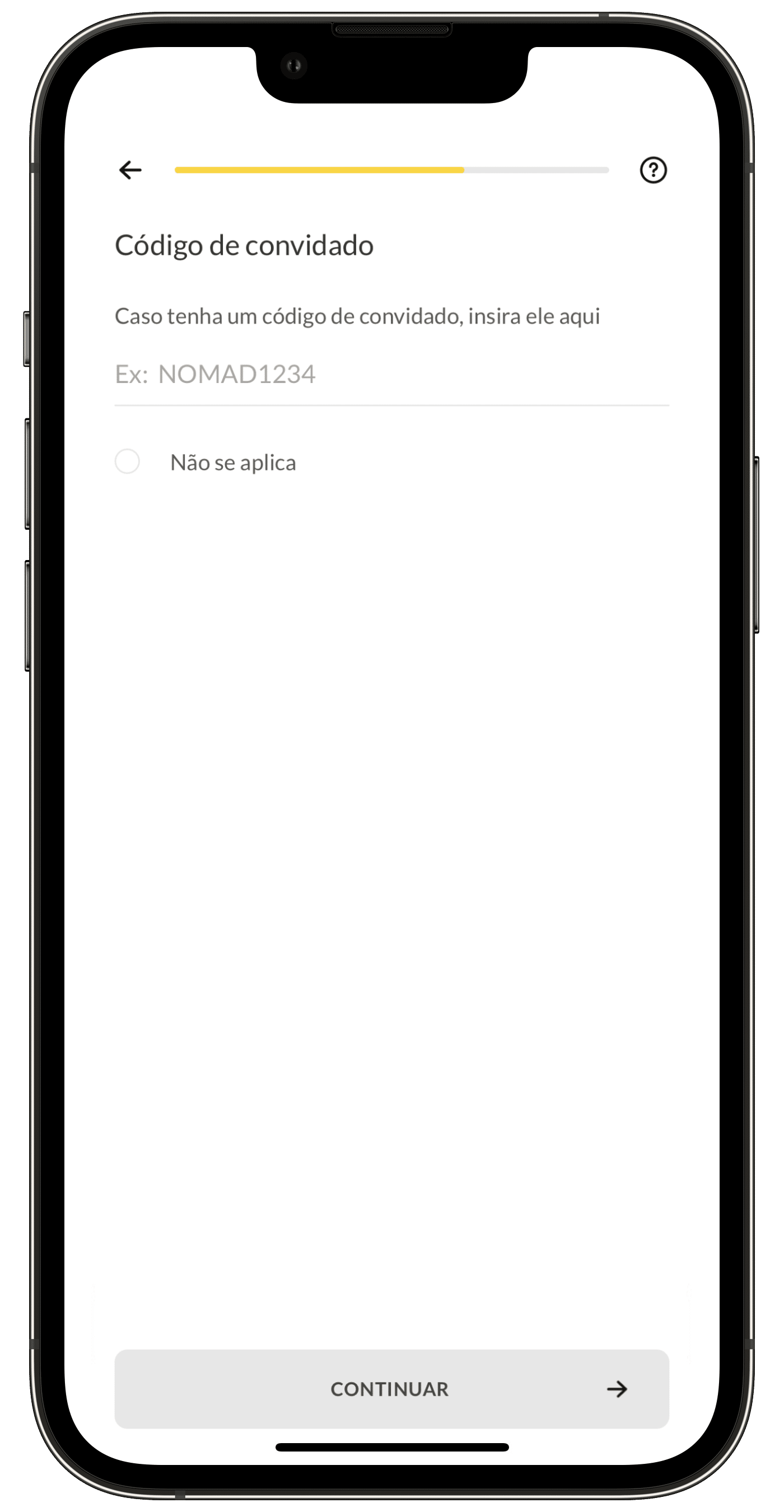
A Nomad liberou uma nova oferta feita para você que quer acumular pontos no Clube Azul (programa de fidelidade que permite juntar pontos e trocá-los por passagens aéreas), na qual você pode ganhar até 15.000 pontosabrindo a sua conta e efetuando sua primeira operação de câmbio.
Funciona assim: você pode ganhar 10.000 pontos (caso não participe do programa Clube Azul) na sua primeira conversão ou 15.000 pontos (se for assinante Clube Azul). Portanto, certifique-se de que você possui um cadastro no Clube Azul — para realizar a adesão, é necessário ter uma conta Azul e estar logado nela.
Nesta tela, digite o cupom MAC15AZUL para ganhar até 15.000 pontos no Clube Azul!
Pronto! Você receberá 10.000 pontos para usar como quiser. Como dito, assinantes do Clube Azul receberão 15.000 pontos.
Os pontos serão disponibilizados em até 30 dias úteis, mas é necessário que você se atente ao prazo de até 15 dias após a aprovação da sua conta (e a operação de câmbio mínima) para garantir o seu benefício.
Sobre a Nomad
A Nomad foi a primeira a oferecer uma conta em dólar sediada nos Estados Unidos, sem nenhuma taxa de abertura, anuidade ou manutenção. O cartão da empresa é aceito em mais de 180 países, oferecendo taxas bastante menores que as dos cartões de crédito internacionais.
Além de poder fazer compras, com ela você pode investir nas bolsas de valores americanas (NYSE e Nasdaq), comprar ações, ETFs, ETFs de renda fixa e REITs… tudo a partir de US$1 e sem taxa de corretagem. A conta de banking da Nomad é assegurada em até US$250 mil pelo Community Federal Savings Bank, membro do fundo garantidor dos EUA (FDIC), para cada tipo de conta por titular. Já a conta de investimentos, aberta em parceria com a Drive Wealth — membro do FINRA —, é assegurada pelo SIPC em até US$500 mil, sendo US$250 mil em solicitações em dinheiro.
E não para por aí: com a sua conta Nomad você tem acesso a descontos em lojas parceiras e ainda pode aproveitar o Nomad Lounge, que concede acesso a uma das melhores salas VIP do Terminal 3 do Aeroporto Internacional de Guarulhos (SP).
Só na Nomad você tem uma conta internacional sem taxas mensais de manutenção, até 10% de economia em compras e IOF de 1,1% para a conta de banking e de apenas 0,38% para a conta de investimentos.
NOTA DE TRANSPARÊNCIA: O MacMagazine recebe uma pequena comissão sobre vendas concluídas por meio de links deste post, mas você, como consumidor, não paga nada mais pelos produtos/serviços usando os nossos links de afiliado.
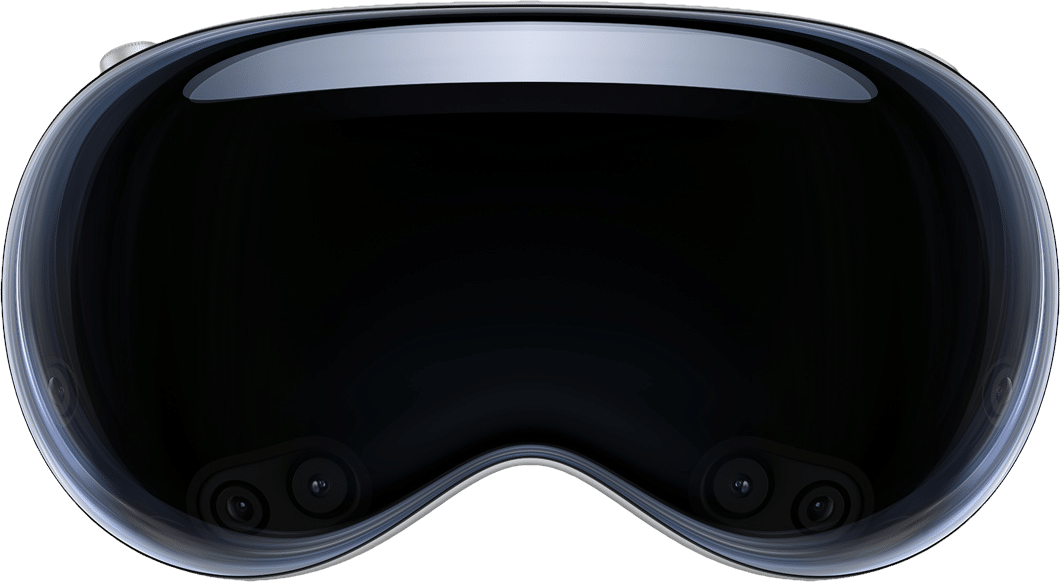
Na medicina, a computação espacial e os headsets de realidade aumentada/virtual — incluindo o Apple Vision Pro — têm sido aplicados em uma gama crescente de ambientes clínicos e cirúrgicos.
Inclusive, um novo estudo divulgado pelo Asymco, realizado por pesquisadores do Shiley Eye Institute (vinculado à Universidade da Califórnia em San Diego), está entre os primeiros a avaliar o uso do Apple Vision Pro como a tela principal de visualização intraoperatória para cirurgia lacrimal endoscópica.
Entre os achados do estudo, o uso do Vision Pro foi associado a tempos operatórios mais curtos e a uma menor carga de trabalho relatada pelo cirurgião — ocupando, ao mesmo tempo, um espaço mínimo. Por ser uma das primeiras avaliações do dispositivo para a cirurgia em questão, esses resultados sugerem vantagens ergonômicas e de fluxo de trabalho, mas requerem confirmação em estudos maiores e controlados.
Por outro lado, o Vision Pro é criticado por dois aspectos: ser grande/pesado demais e ser muito caro. Segundo o estudo, mesmo para um hospital, o custo do Vision Pro não é “insignificante” — ainda assim, ele levou em conta o que o dispositivo é capaz de fazer e, sob essa ótica, aponta-se que o headset representa um excelente custo-benefício.
ComprarApple Vision Prode Apple 🇺🇸Preço: a partir de US$3.699 Armazenamento: 256GB, 512GB ou 1TB
NOTA DE TRANSPARÊNCIA: O MacMagazine recebe uma pequena comissão sobre vendas concluídas por meio de links deste post, mas você, como consumidor, não paga nada mais pelos produtos/serviços usando os nossos links de afiliado.
O aplicativo de mensagens Signal, conhecido pelo seu grande enfoque em segurança e privacidade, anunciou hoje que está expandindo o suporte a dispositivos vinculados — permitindo agora usar uma mesma conta em mais de um smartphone, tanto no iOS quanto no Android.
No sistema operacional da Apple, o suporte como dispositivo vinculado é uma adaptação do que já era possível fazer com iPads desde 2019. Basicamente, o Signal modificou a mesma interface já existente para que ela funcionasse bem em telas menores, sem perder a compatibilidade com o iPadOS.
No Signal, ao configurar a vinculação de um novo dispositivo, o usuário pode escolher entre duas opções: transferir todo o histórico de conversas e mídias armazenadas dos últimos 45 dias ou simplesmente começar do zero — nesse caso, o novo aparelho recebe apenas novas mensagens.
A possibilidade de sincronizar o histórico de conversas, vale recordar, estreou no aplicativo no ano passado. Diferentemente de alguns mensageiros, todo o processo é criptografado de ponta a ponta — ou seja: os servidores do Signal não têm acesso ao conteúdo das mensagens.
Além de possibilitar definir outros smartphones e tablets como dispositivos vinculados, o Signal também permite (há bastante tempo) fazer o mesmo com computadores — seja no macOS, Windows ou Linux.
De acordo com uma reportagem da Bloomberg, a Apple dará o pontapé inicial nos preparativos para o evento especial de lançamento dos próximos iPhones com um sorteio interno entre funcionários de suas Apple Stores, com o objetivo de selecionar quais deles trabalharão presencialmente lá no Apple Park durante o grande dia.
Como trata-se de um número limitado de vagas (que certamente são bem disputadas), a empresa abriu inscrições para funcionários interessados até o dia 8 de agosto, e notificará os selecionados até o dia 17 do mesmo mês, segundo um memorando ao qual o veículo teve acesso.
Para se inscrever, os candidatos também não podem ter participado da WWDC26 e nem do evento especial de lançamento dos iPhones em setembro do ano passado — o que garante uma maior rotatividade nos funcionários selecionados para esses eventos.
Os funcionários que forem agraciados com o sorteio, segundo o memorando, atuarão em tarefas como organização de filas, check-in dos convidados e recepção aos participantes, bem como fornecerão informações e oferecerão suporte às equipes de segurança envolvidas.
O memorando também diz que o evento ocorrerá na primeira quinzena de setembro. Tradicionalmente, ele ocorre na 2ª terça ou quarta-feira do mês. Como segunda (7/9) será feriado nos Estados Unidos, é provável que o grande evento deste ano aconteça na quarta-feira (9/9).
A JBLlançou hoje no Brasil os Endurance Pace. Apresentados no início deste ano, eles são uma opção interessante para quem pratica algum esporte ou exercícios físicos, e contam com recursos projetados especialmente para esse tipo de atividade.
Um dos maiores diferenciais desse produto é a tecnologia OpenSound, capaz de entregar áudio de grande qualidade sem bloquear o canal auditivo — num formato que é indicado para quem não curte fones de ouvido do tipo intra-auricular.
O driver dinâmico sensível de 18x11mm oferece agudos nítidos e cristalinos, médios encorpados e ricos, com um algoritmo de reforço de graves adaptativo. Devido ao formato e à tecnologia, o som direcional é reproduzido com o mínimo de vazamento, mantendo os fones encaixados por fora e confortáveis durante o uso.
Com uma armação leve (de metal com memória de titânio), que mantém os fones confortáveis durante o dia, o produto também conta com classificação IP68 e pode ser submerso em água doce por até 30 minutos, a mais de um metro de profundidade.
Os fones também possuem captação sonora avançada (graças aos seus dois microfones com tecnologia beamforming), bem como uma bateria com autonomia de até 10 horas e capaz de prover até 4 horas de uso com uma carga de 10 minutos.
Uma boa parte das pessoas certamente já teve aquela ideia “matadora”, que acredita ser capaz de revolucionar ou transformar o mundo de alguma forma. Essa ideia, no entanto, quase sempre acaba esbarrando na falta de meios ou recursos para colocá-la em prática.
Com a criação de conteúdos audiovisuais, não é diferente. Muitas vezes, aquela ideia genial que poderia lhe render bons frutos no futuro acaba ficando estagnada seja por falta de conhecimento técnico para executá-la ou até mesmo por limitações de tempo ou dinheiro.
Nos últimos anos, a magia da inteligência artificial generativa vem mudando bastante esse cenário, tornando a produção mais acessível e prática até mesmo para não profissionais. E esse potencial é ainda maior quando usamos aplicativos dedicados no nosso workflow.
Um exemplo de app bem interessante focado em produção audiovisual é o Flow Studio. Basicamente, com ele você terá todos os recursos e facilidades para ajudar a transformar ideias em recursos 3D editáveis, performances animadas e tomadas bem trabalhadas.
Desenvolvido pela renomadíssima Autodesk, o Flow Studio é um hub que reúne ferramentas 3D baseadas na nuvem e alimentadas por IA para acelerar a produção gráfica, diminuindo a complexidade de tarefas que antes podiam ser para lá de técnicas.
Basicamente, o Flow Studio ajuda a transformar filmagens em cenas 3D editáveis e resultados prontos para direção, com ferramentas para captura de movimento, rastreamento de câmera, integração de CG e exportação — seja você um criador independente ou parte de uma equipe de efeitos visuais.
O recurso Wonder 3D, por exemplo, permite gerar rapidamente personagens ou objetos 3D a partir de uma simples solicitação de texto ou do envio de uma imagem. Após gerados, os assets podem ser refinados, editados e reutilizados em diversos projetos, plataformas e fluxos de trabalho.
Após gerar seu personagem, você pode usar o AI Rigging para ajudar no processo de animação — uma das etapas mais técnicas dessa fase — com poucos cliques. Ele também permite usar mockups de IA nos projetos ou exportar ativos manipulados para outras ferramentas.
O AI Rigging se integra ao Neural Layer no fluxo de trabalho mais amplo do Flow Studio: crie a estrutura dos personagens para animação e, em seguida, use o Neural Layer como uma etapa de finalização cinematográfica para aperfeiçoar a aparência das tomadas com renderização aprimorada diretamente na plataforma do Flow Studio — sem a necessidade de um pipeline de renderização tradicional.
Na prática, o Flow Studio reduz a distância entre a imaginação e a execução. Em vez de gastar horas com configurações técnicas, criadores de conteúdo audiovisual 3D podem dedicar mais tempo a experimentar, iterar e encontrar a melhor versão para as suas ideias.
NOTA DE TRANSPARÊNCIA: Este é um artigo fruto de um acordo comercial com um anunciante, que não influenciou a nossa opinião. O MacMagazine recebe uma pequena comissão sobre vendas concluídas por meio de links deste post, mas você, como consumidor, não paga nada mais pelos produtos comprando pelos nossos links de afiliado.
Mais de uma década após lançar o Apple Pay nos Estados Unidos, a Maçã continua expandindo sua plataforma de pagamentos sem contato mundo afora. Desta vez, o recurso está chegando às Filipinas.
Conforme relatado por um usuário do Reddit, a novidade está disponível para donos de cartões do GoTyme Bank, UnionBank, Chinabank e Metrobank — tanto para a bandeira Visa quanto para a Mastercard — nas modalidades crédito e/ou débito.
Com esse suporte, usuários dos bancos supracitados podem adicionar seus cartões ao aplicativo Carteira (Wallet) da Apple para fazer pagamentos por aproximação usando o iPhone ou o Apple Watch.
O Apple Pay também pode ser usado para fazer pagamentos com facilidade na web (inclusive no macOS) sem a necessidade de digitar seus dados pessoais e os do cartão na hora do checkout.
A Apple anunciou o watchOS 27 com uma quantidade razoável de novidades, e neste vídeo lhes trago um resumo das principais mudanças que chegarão ao Apple Watch nesta atualização.
Entre os destaques, está a Siri AI (que requer um iPhone compatível), com um novo app dedicado a conversas mais naturais e contextuais. A interface também recebeu refinamentos visuais com o Liquid Glass, incluindo ícones redesenhados como o do Maps, além de um novo grid dinâmico de sugestões de apps ao pressionar a Digital Crown.
Outras novidades incluem novos botões para fechar ou silenciar notificações, um gesto de tocar e segurar para abrir itens do Conjunto Inteligente, e a chegada de um novo app Buscar (Find My), unificando a localização de pessoas, dispositivos e itens. Há ainda o recurso Call Context, que exibe informações relevantes durante chamadas.
No quesito desempenho, a reprodução de música ficou mais rápida, e a Apple promete melhor eficiência de bateria e conectividade Wi-Fi aprimorada. Para quem treina, o watchOS 27 traz maior precisão de distância em corridas e caminhadas na esteira, contagem de passos mais precisa e um Workout Buddy menos intrusivo, mais independente e agora com suporte a espanhol. O Acompanhamento de Ciclo (Cycle Tracking) também passa a contar com alertas de perimenopausa e menopausa.
Uma ausência notável é a do app Walkie-Talkie, que curiosamente não está presente nesta versão.
Este vídeo contou com o apoio do IvyCraft, um workspace de criação com IA que transforma documentos, vídeos e páginas da web em conteúdo pronto — slides, infográficos, vídeos explicativos, podcasts e muito mais, tudo direto do navegador, sem precisar instalar nada. Experimente gratuitamente!
De acordo com uma reportagem do Financial Times, a gigante de Cupertino disse que precisou limitar, ainda em junho, o número de relatórios de bugs enviados por caçadores de vulnerabilidades amadores para a empresa, já que muitos têm utilizado LLMs 1Large language models, ou grandes modelos de linguagem. para identificar supostas brechas em seus softwares.
Embora sejam, sim, capazes de identificar bugs em códigos, ferramentas de IA possuem a tendência de alucinar e apontar vulnerabilidades que, na verdade, não são reais. Isso, como era de esperar, dificulta o trabalho dos engenheiros da Apple, que, embora também estejam explorando ferramentas de IA, precisam revisar as denúncias manualmente.
Segundo as informações, além de poderem relatar apenas um número limitado de bugs por vez, os caçadores ainda precisam esperar 30 dias para enviar novos relatórios. Pessoas/empresas que quiserem aumentar o seu limite precisam enviar um pedido para a Apple, que pode ou não ser atendido.
Esse fenômeno, vale notar, também está atrapalhando o trabalho de firmas de cibersegurança, as quais não estão conseguindo comunicar à Apple falhas graves em seus sistemas devido a esse limite. Entre elas, está a startup italiana Bynario, que disse ao FT ter usado o ChatGPT para identificar mais de 50 bugs no macOS, incluindo um que poderia permitir que um invasor assumisse o controle total do Mac, obtendo acesso irrestrito ao sistema.
Questionada pelo veículo, a Apple disse que já entrou em contato com a Bynario. “Com o crescente volume de relatórios de segurança gerados por IA em todo o setor, ajustamos recentemente o número de novos relatórios que um pesquisador pode ter abertos simultaneamente”, disse a empresa em um comunicado.
A Maçã, vale lembrar, mantém o programa Apple Security Bounty, que oferece recompensas em dinheiro para pessoas/empresas que conseguirem encontrar brechas de segurança em seus sistemas.
Notas de rodapé
1
Large language models, ou grandes modelos de linguagem.
Inicialmente, a limitação da disponibilidade era restrita ao Mac mini e ao Mac Studio, mas agora ela já afeta os notebooks mais populares da Maçã. Segundo as fontes de Gurman ligadas ao varejo, percebe-se uma maior dificuldade por parte da Apple em manter o estoque previsto, e também mais limitação no fornecimento de novas unidades.
Also in Power On: Major shortages hit the MacBook Air amid the memory and silicon crunch, with many new orders now not arriving until September. Apple appears to be prioritizing sales now of the entry level MacBook Pro. https://t.co/3aouZVsmsg
Também na “Power On”: grande escassez atinge o MacBook Air em meio à crise de memórias e silício, com muitos novos pedidos agora não chegando até setembro. A Apple parece estar priorizando agora as vendas do MacBook Pro de entrada.
A hipótese não parece difícil de atestar: para quem opta por adquirir os notebooks agora, seja em uma Apple Store física ou online, o prazo de entrega para novos modelos pode se estender até setembro em casos de personalização (cor, tela e memória) ou até o final de agosto para configurações básicas.
Ele afirmou que isso se deve em parte à priorização da aquisição de novas memórias para o MacBook Pro de entrada (modelo de 14 polegadas), que poderá ganhar em breve uma atualização com o chip “M6” durante o outono do hemisfério norte (nossa primavera — isto é, entre setembro e dezembro).
Por fim, o jornalista observou que, tanto em seus sites quanto nas lojas físicas, o MacBook Pro básico ganhou mais destaque do que os MacBooks Air, um feito possivelmente inédito. Em alguns casos, a Apple chega a incluir um aviso de que a linha Air está sujeita à disponibilidade de estoque.
MacBook Pro de 16″
Cores: preto-espacial ou prateado Tela: padrão ou nano-texture Chips: M5 Pro ou M5 Max Memória: 24GB, 36GB, 48GB, 64GB ou 128GB Armazenamento: 1TB, 2TB, 4TB ou 8TB
Cores: preto-espacial ou prateado Tela: padrão ou nano-texture Chips: M5, M5 Pro ou M5 Max Memória: 24GB, 36GB, 48GB, 64GB ou 128GB Armazenamento: 1TB, 2TB, 4TB ou 8TB Adaptador de energia: USB-C de 70W ou 96W
Cores: azul-céu, prateado, estelar ou meia-noite Chip: M5 Memória: 16GB, 24GB ou 32GB Armazenamento: 512GB, 1TB, 2TB ou 4TB Adaptador de energia: USB‑C de 30W, 35W com duas portas ou 70W
Cores: azul-céu, prateado, estelar ou meia-noite Chip: M5 Memória: 16GB, 24GB ou 32GB Armazenamento: 512GB, 1TB, 2TB ou 4TB Adaptador de energia: USB‑C de 30W, 35W com duas portas ou 70W
NOTA DE TRANSPARÊNCIA: O MacMagazine recebe uma pequena comissão sobre vendas concluídas por meio de links deste post, mas você, como consumidor, não paga nada mais pelos produtos/serviços usando os nossos links de afiliado.
Tras 30 años sin excavarse, Villa Sora revela un techo con grifos, garzas doradas y un ictiocentauro alado como protagonistas. La mansión seguía en reformas cuando el Vesubio entró en erupción-
Na bio do seu perfil do Instagram, é possível colocar informações básicas sobre você, como sua profissão, idade ou qualquer outra coisa que julgue útil para quem for visitá-lo.
Para assinantes do Instagram Plus, a Meta oferece uma forma de escolher entre diferentes tipos de fontes para usar na bio. Veja como alterar isso! 📱
Apple Podcasts runs within CarPlay, Apple’s in-car software platform for accessing compatible iPhone apps through a vehicle’s display and controls. CarPlay provides the driving environment, while Podcasts supplies the programs, episodes, library and playback features available inside it.
That combination suits a part of the day that often feels wasted. A commute may be too fragmented for reading or watching something, but it can provide enough uninterrupted time for a news briefing, interview, documentary series or comedy show.
Podcasts also give each journey a different character. The morning drive can offer information before work, while the return trip can provide lighter entertainment or continue a longer story. Drivers are free to choose whether the time should be useful, relaxing or simply less repetitive.
Apple Podcasts Fits Naturally Inside CarPlay
Apple Podcasts appears alongside other compatible audio apps when an iPhone connects to CarPlay. The vehicle display offers access to available episodes and essential controls without reproducing the complete iPhone interface on the dashboard.
The distinction is simple: Apple Podcasts does not create or power CarPlay. It is an audio app designed to operate within the wider CarPlay experience, which also handles navigation, calls, messages and other supported services.
CarPlay reduces podcast playback to the functions most appropriate in a vehicle. Drivers can use the Now Playing screen, CarPlay Dashboard, steering-wheel controls or buttons provided by the vehicle. Available commands can include playing, pausing, jumping back 15 seconds, moving forward 30 seconds and changing playback speed.
Siri provides another way to manage audio while keeping attention on the road. A driver can request a followed show, pause the current episode or continue listening without searching through the display. Support varies according to the vehicle and its controls, but the app remains connected to the iPhone rather than operating as a separate system installed by the automaker.
The interface is especially suitable for spoken audio. Songs can often continue without intervention, while a podcast listener may want to replay an explanation, skip part of an episode or resume a program interrupted earlier. CarPlay keeps those common controls accessible without placing the full Podcasts app in front of the driver.
Image Credit: Apple Inc.
The Commute Becomes a Listening Window
A regular route creates a predictable amount of listening time. Someone with a 15-minute drive may prefer concise news, business updates or language lessons. A 40-minute journey provides room for detailed interviews, investigative reporting or serialized fiction.
Apple Podcasts includes programs covering education, technology, culture, history, sports, health and entertainment. The variety allows listeners to build different routines around the same drive rather than depending on one radio schedule or repeatedly hearing familiar music.
A morning episode can provide context for events likely to shape the working day. On the way home, comedy and conversational programs can create distance from work before the listener reaches the front door. Neither choice requires treating every available minute as a productivity exercise.
The format can also make traffic less frustrating. A delayed journey remains inconvenient, but an episode gives the driver something continuous to follow as the arrival time changes. Spoken stories can hold attention without asking the driver to look away from navigation or the road.
Apple Podcasts keeps longer programs useful even when they do not fit into one trip. Listening progress can synchronize across compatible devices using the same Apple Account, allowing an episode started at home to continue in the car or resume later on another device.
Preparation Makes CarPlay Listening Better
The safest podcast decision is usually the one made before the car starts moving. Apple Podcasts allows listeners to follow shows, download episodes and arrange a queue on the iPhone in advance. CarPlay can then concentrate on playback instead of discovery.
A prepared queue is useful when several episodes are planned for one journey. The next selection can begin automatically after the current program ends, removing the temptation to search through categories while driving. Listeners can combine a short briefing with a longer interview or place lighter material after a demanding program.
Downloads make the experience more reliable. Saved episodes can continue playing through areas with weak cellular coverage, including rural roads, tunnels and underground parking structures. Downloading through Wi-Fi can also prevent a long daily routine from consuming unnecessary mobile data.
Automatic downloads can keep recent episodes from followed shows ready for the next drive. Storage still requires attention, especially when subscriptions publish frequently, but played downloads can be removed automatically according to the selected Podcasts settings.
Playback speed provides another form of control. Faster playback can help a listener finish a familiar news format within a shorter trip, while normal or slower speeds may suit technical discussions, unfamiliar accents or narrative programs where delivery forms part of the experience.
Listening Continues After the Car Stops
CarPlay does not create a separate podcast library inside the vehicle. It extends the listening activity already connected to the iPhone, preserving followed shows, saved programs and playback position when the drive ends.
That continuity prevents commute listening from becoming isolated. A listener can discover and prepare episodes on an iPhone, hear part of one through CarPlay and continue later on a Mac or another compatible device. Downloads remain stored on the device that received them, while supported library information and progress can synchronize through the Apple Account.
Commute length can eventually shape a personal programming schedule. A 12-minute daily news show may fit the morning route almost exactly, while a 45-minute interview can cover both directions with the remaining section ready for the following day. The queue can change with the calendar, leaving shorter episodes for busy mornings and deeper programs for the roads that provide enough time to hear them properly.
Entre aplicações para seguir o Sol no eclipse, jogos e apoio ao exercício físico, as aplicações que a equipa do TEK Notícias escolheu esta semana podem dar uma ajuda a refrescar o seu smartphone ou tablet.
The current state of music streaming is interesting, yet unpredictable. The shift from the CD era into the streaming era has made access to music more ubiquitous, but it’s also thrown up problems: some users aren’t interacting with music like they did before, and the explosive spread of AI is threatening the entire streaming model. Enter Mauhan M. Zonoozy, former Head of Innovation at Spotify, who has plans to tackle both these problems.
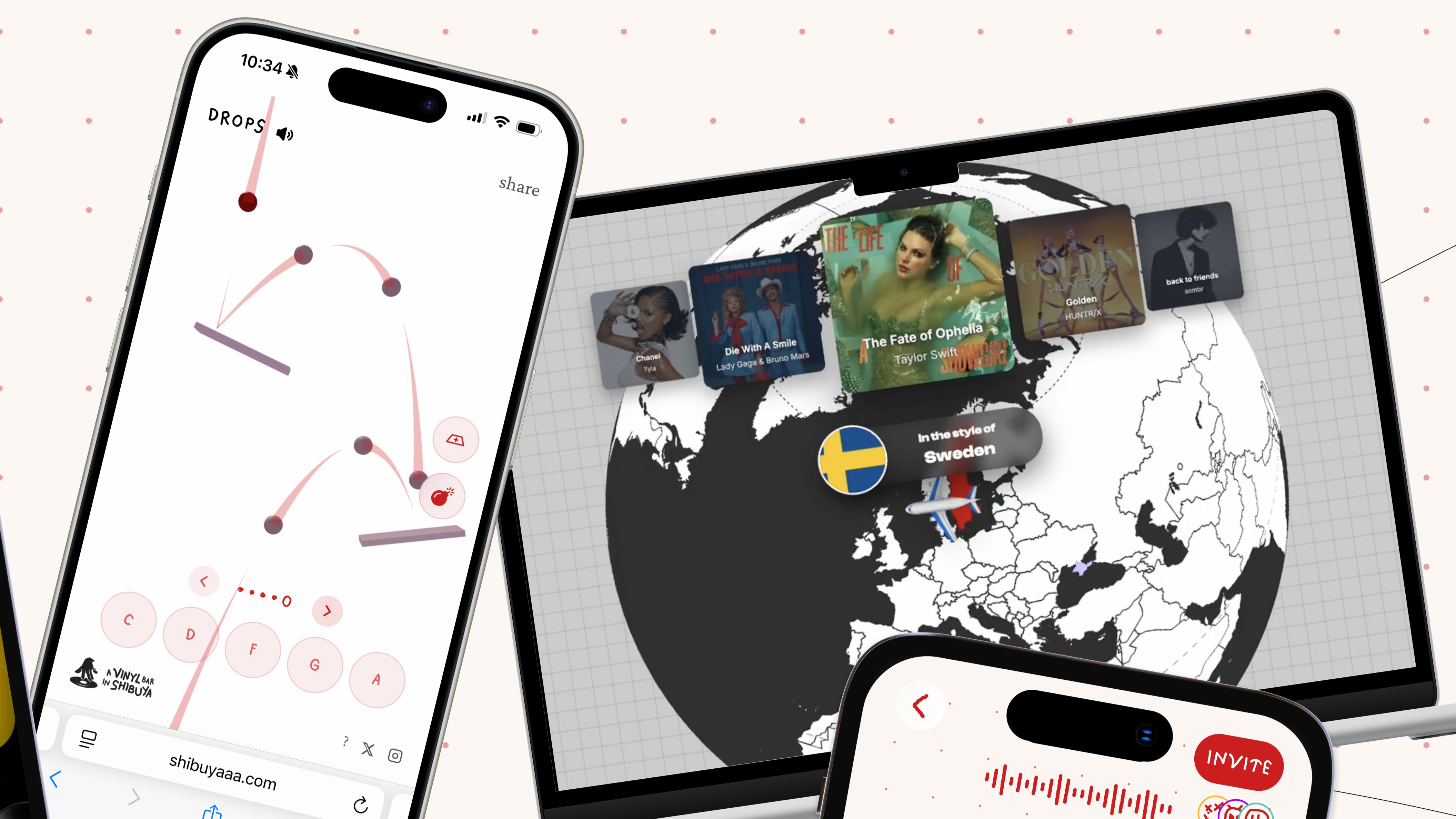
Zonoozy left Spotify in 2023, and since then has set up his own music software label, A Vinyl Bar in Shibuya, a record label-meets-production studio that releases playful music apps the way labels drop records, including jetset.fm and Stacks. Essentially, it’s creating digital music playgrounds.
While Shibuya’s products don’t have extensive libraries of music like typical streaming platforms, they offer users different ways to create new sounds, even if you only use them for a couple of minutes. But despite the label still being in its infancy, Zonoozy knows exactly where he wants to take it.
I chatted with Zonoozy about where his post-Spotify career is heading, and his ambitious plans to insert his music services into a streaming world in which AI is becoming a growing presence.
Music is participatory
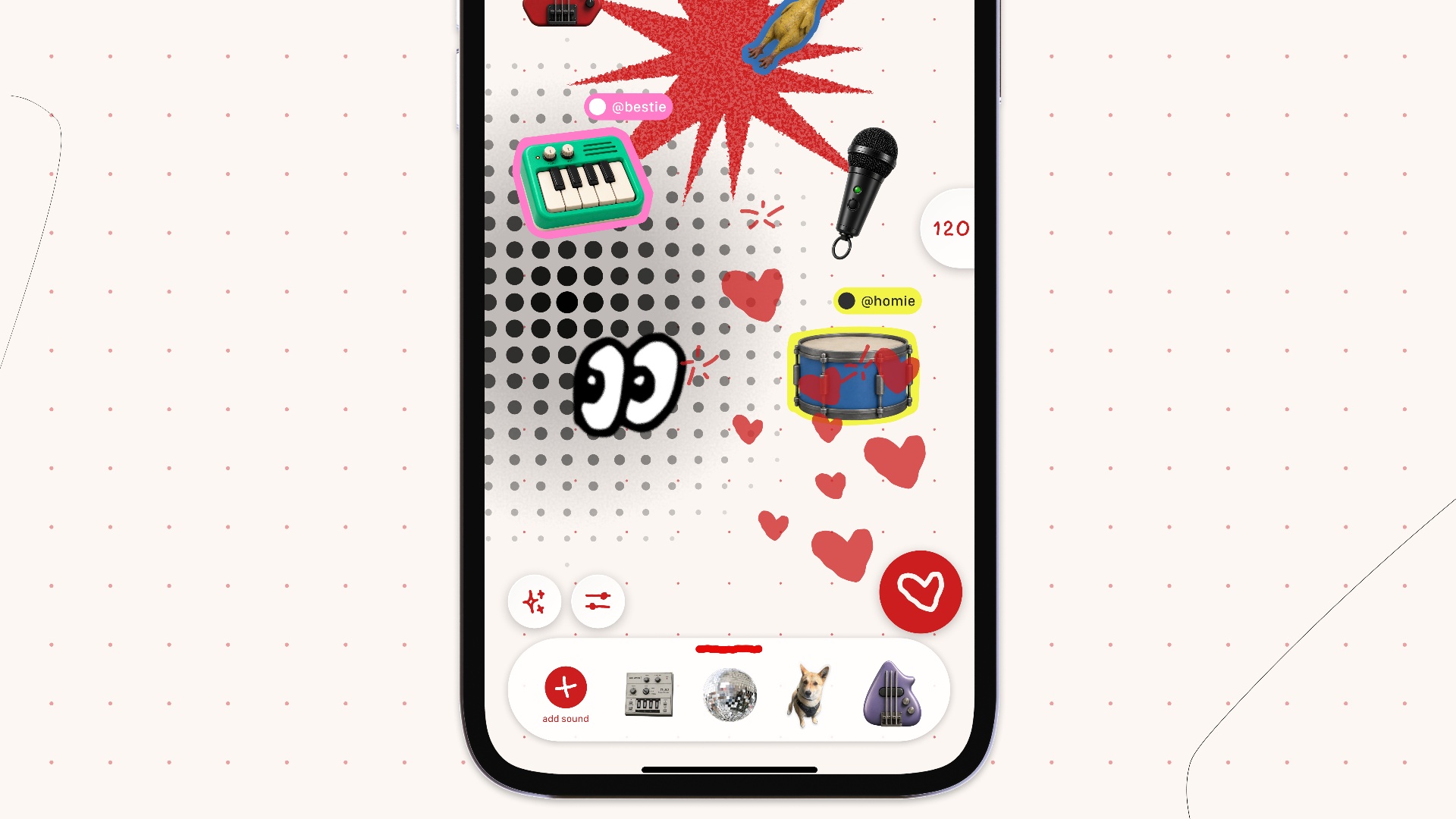
Bop is an interactive DJ music app that lets you mix and mess around with music (Image credit: A Vinyl Bar in Shibuya )
In a short period of time, Mauhan and his “small team of creative technologists” have released a slew of casual, interactive music platforms across web and mobile — but this is only the beginning.
“I spent years at Spotify and I loved it,” Mauhan tells me. “Incredible company, incredible team. But I think I spent most of my time effectively thinking about what comes next. I started A Vinyl Bar in Shibuya around a simple belief that music is a verb, that the next major music platform should give people something to do with the music. It should be more participatory, more engaging”.
Streaming has certainly made music a lot more accessible, but there was always one thing missing for Mauhan: interaction. “With streaming, you can hear almost anything, anywhere instantly, but the dominant interaction is still effectively sorting through folders and pressing play,” he continues. “There's an entire generation that was growing up playing with music through different mediums and different devices. I think their relationship with everything felt a lot more interactive.”
This sparked a lightbulb moment for Mauhan, and his mission statement is simple: “to empower more people to express themselves with music, or feel self-expressive with music”. This is where his latest project, Bop, comes into play.
(Image credit: A Vinyl Bar in Shibuya )
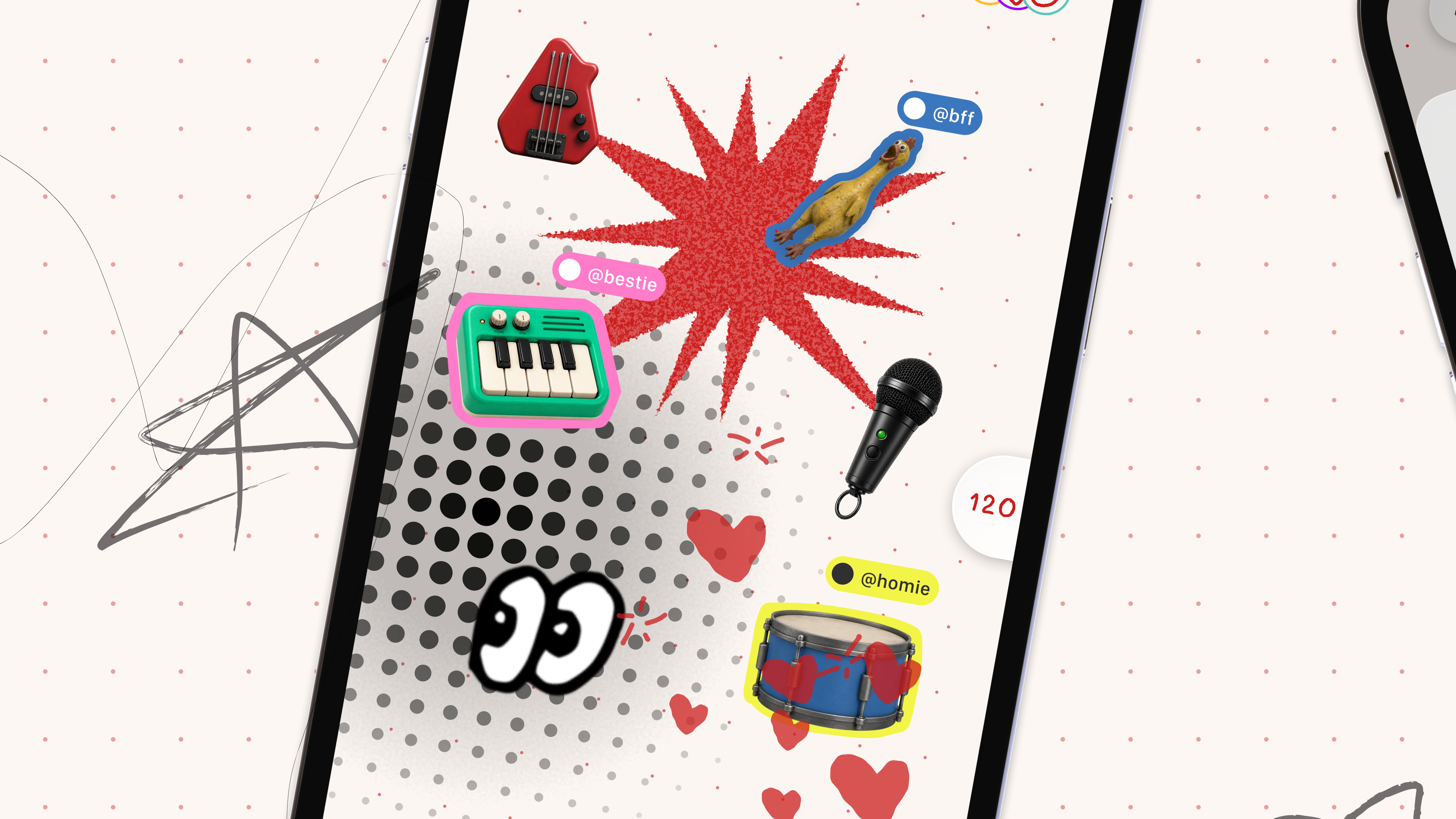
Bop is a pocket DJ app, currently in beta, that lets you mix, mash, and mess with music. Its interface is like an MPC workstation, allowing you to create remixes of popular songs by dragging and dropping effects and sounds onto its grid. “We're not all about replacing the creative process,” Mauhan adds. “We're more about building instruments and new ways to express yourself.”
When it comes to the best music streaming services, tools like this aren’t a new concept — Spotify has its own DJ-style mixing feature — but Mauhan believes there’s still more room for music services whose focus is user expression.
“I think there's a yearning for creative expression (in music platforms),” he says. “I think listening to music the way artists created and intended is absolutely a big part of it, but I also think having Legos that you play and interact with, engage with is also very important.
“The next step in our journey is packaging that up into something that is platform scale, and we can actually deploy it and build a larger community of users and fans around it.”
Next stop: a larger music platform
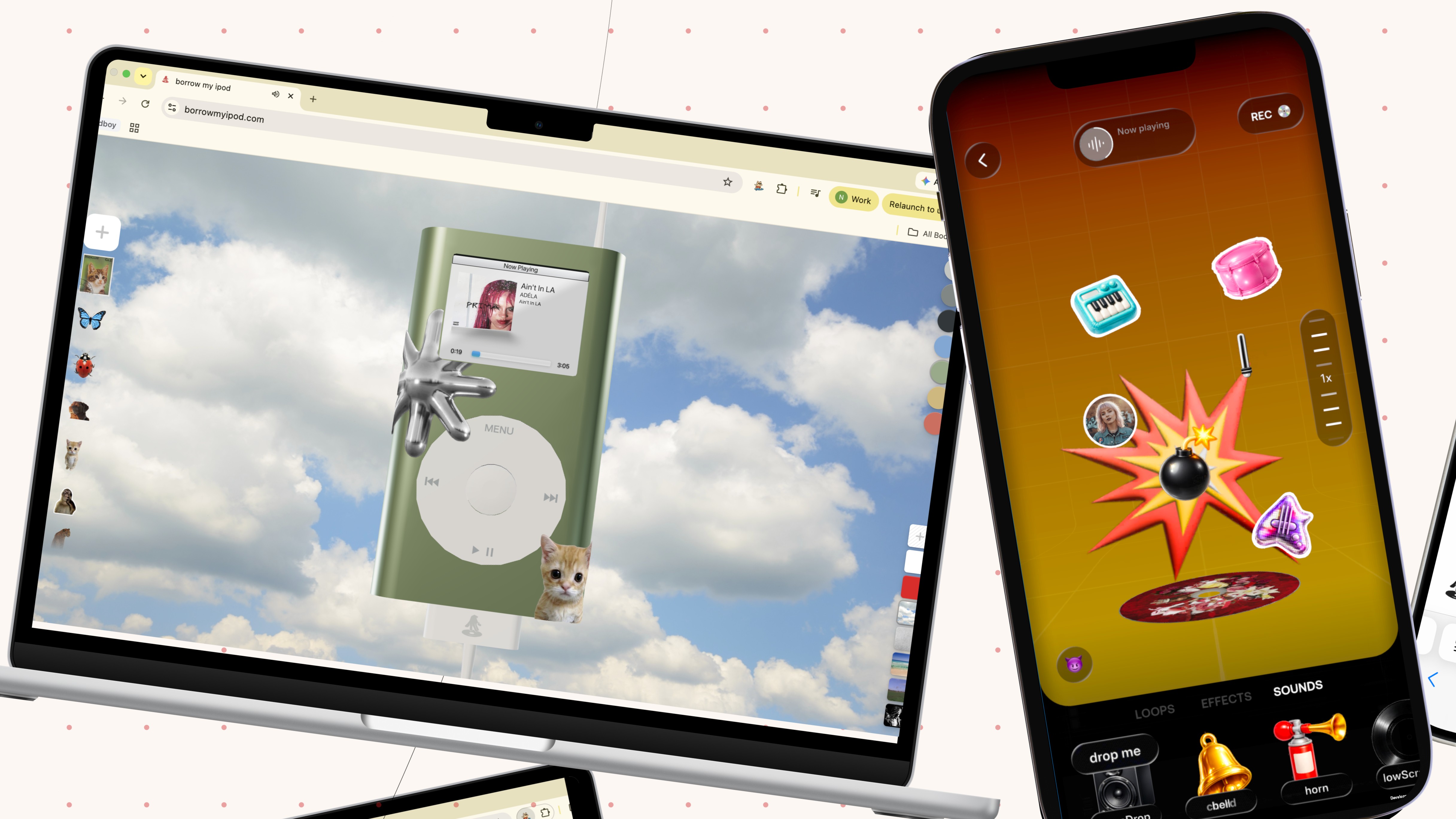
In addition to Bop, borrowmyipod.com is a music service that lets you customize a classic iPod, and you can enter links for your Spotify and Apple Music playlists (Image credit: A Vinyl Bar in Shibuya)
It’s clear that Zonoozy has had a blast developing Shibuya’s array of sonic playground tools, but what I want to know is if there’s a larger music platform on the horizon — and turns out, there is.
“I think there's a bigger platform at the end of the tunnel for sure,” he tells me. “A Vinyl Bar in Shibuya is working actively on building it. I don't think it's gonna look or feel like any streaming platform you've seen before.” Now I’m intrigued — how will this platform compete with the likes of the music streaming big dogs? Turns out Zonoozy has thought about that too.
“We believe it's going to be more participatory,” he shares. “We're not building something that puts the music in the background, we want to put it in the foreground”. And it's as simple as that. “The hints are in the products, and we want things that feel more playful and approachable. I don't think anyone's going to accuse us of building a DSP,” he adds.
(Image credit: A Vinyl Bar in Shibuya )
Despite it still being in early stages of development, Zonoozy has a lot of faith in Shibuya’s bigger project; but music streaming tools are evolving rapidly as is tech in general, so he’s had to do a lot of thinking ahead.
“My personal belief was that a lot of the cues around where media is going were in the gaming space,” he continues. “And I think interactive media was always a little bit ahead of the rest of the world in terms of film and music. I think because it was closer to technology, it was exploring the more creative technological boundaries of what you could do with media.
“I think now with what's going on and how powerful these computers in our pockets are becoming, there's so much new, cool stuff you can do. It's a responsibility for all of us working in music and tech to figure out ways to do it that supports the industry, the community, and more than anything, the art form.” It occurs to me that Zonoozy is as interested in conserving as he is in innovating.
Will music streaming survive without AI?
(Image credit: A Vinyl Bar in Shibuya )
It wouldn’t be a discussion about where the music-streaming industry is going without me bringing up AI, and Zonoozy sounds dismissive about AI at first, telling me: “You know what I like about AI? It's easy to spell”.
AI is having a big influence on music platforms in many ways, with algorithmic recommendations and tools such as AI playlist generators now pretty much part of the package. Because these features are right at users’ fingertips, I ask, will there come a time where listeners won’t be able to use services without the help of AI?
Zonoozy has hope, saying, “It's hard for me to imagine a world where people are building things completely void of touching some semblance of AI, but I do believe that there will be products that are not purely driven by generative media.” While he doesn’t necessarily favor the reliance on AI tools to enhance the UX, Zonoozy isn’t against AI altogether. If anything, he acknowledges its benefits, and how it’s helped provide the foundations to his services.
“It's enabling technology for us, it's just not the consumer proposition,” he adds. “Shibuya doesn't build LLMs or ask anyone to prompt music and wait for a finished song, but we do use it as a co-pilot for coding and development. I'd be naïve to say that there's no AI somewhere in the stack there. But on the music side, all the stems are all hand produced”.
He continues, “I'm not anti-AI. I think AI is an incredible, powerful future-facing infrastructure. I think it can build so many cool things and empower so many cool things. I’m a traditionally strong techno optimist in that sense, I think it will lead to incredible discoveries and advancements — it makes coding infinitely easier. But AI is not our product thesis on our side.”
When it comes to streaming services, there’s a huge focus on churning out tools designed to make the listening experience more personalized, more convenient, and more interactive. Given the pace of this evolution, I find it difficult to envisage where streaming culture is headed — Zonoozy shared my uncertainty.
“In terms of streaming specifically, I don't know what's going to happen,” he admits. “The extreme levels of personalization to custom content made for you — I don't know where that line ends. Is it being personalised, or is it being generated for you?”
Torn ear tips. Snapped charging case. Dented drivers. Like every other kind of gadget imaginable, the best headphones aren't built to last, and I'd wager that everyone reading this article has some skeletons (of old, ailing gadgets) in their (metaphorical) closet.
In fact, according to a European Union report, in 2024, 51% people kept their old smartphones even though they were no longer using them, and 34% were still holding onto their outdated laptops and tablets. We just don't know what to do with our old kit.
So, do you throw away your broken over-ear headphones and buy a new pair? Do you hunt down your nearest electronics recycling bank, or donate them to an organization which could use the parts? In recent years, the second-hand tech industry has boomed, with refurbishing and reselling sites such as Back Market and Refurbed ensuring that used gadgets get a second lease of life.
But too often, that first lease of life is all-too-easily abandoned. The tech you might be recycling — or consigning straight to landfill — might actually be easily repairable.
Per the BBC, a survey suggested that 7,000,000 wireless headphones (yes, seven-million) were thrown away in 2022, in the UK alone. And as we'll explore later, the majority of those may not have needed throwing away.
There's a simple truth. Gadget sellers are often loathe to admit it, worrying that repairing your own gadgets may affect their bottom line. And as we'll also soon learn, many companies seem to make repairs really quite difficult.
The thing is, your faulty gadget may be only a quick fix from working like new. From complicated pieces of kit such as AV machines and computers, to white-label toasters and kettles, electronics can often be repaired at home, for a fraction of the cost of buying new... within reason.
The long road to repairable tech
(Image credit: Pixabay)
Tech repairability isn't a new concept, but it's a rather new debate. Or, at least, it's one that's only recently been at the forefront of the news cycle, under the somewhat beige name 'right to repair'.
For two years now, repairability has been of growing importance to politicians as well as makers. In July 2024, the EU entered into force its 'Directive on repair of goods', and since Europe is a major market for tech companies, changes made for the region have been reflected in tech sold globally.
Designed to go hand-in-hand with several other EU policies on eco-friendly design, the repair directive is designed to make your gadgets easier to fix.
For example, electronics makers are now obliged to repair faulty kit, or make spare parts accessible for a reasonable price, so that third parties can do the repairs for you.
Some companies may look for loopholes — but not Fairphone
(Image credit: Future)
Before repairability was codified in legislation, it was still a focus for certain brands. One of those was Fairphone, a Dutch brand which began life as a campaign about conflict minerals in tech, and now makes phones and headphones. Miquel Ballester, its Head of Product, explained to us why it made the jump into physical devices:
"You can put the most ethically sourced materials in the world into a device, but if it dies in a year and a half because a battery's glued in, you've undone most of the good you just did".
He continued: "In the case of smartphones, earbuds, and headphones, repairability was what made the rest of the mission focus on bringing action into the industry. We've been fighting this fight for over a decade, long before 'right to repair' was something people brought up at dinner."
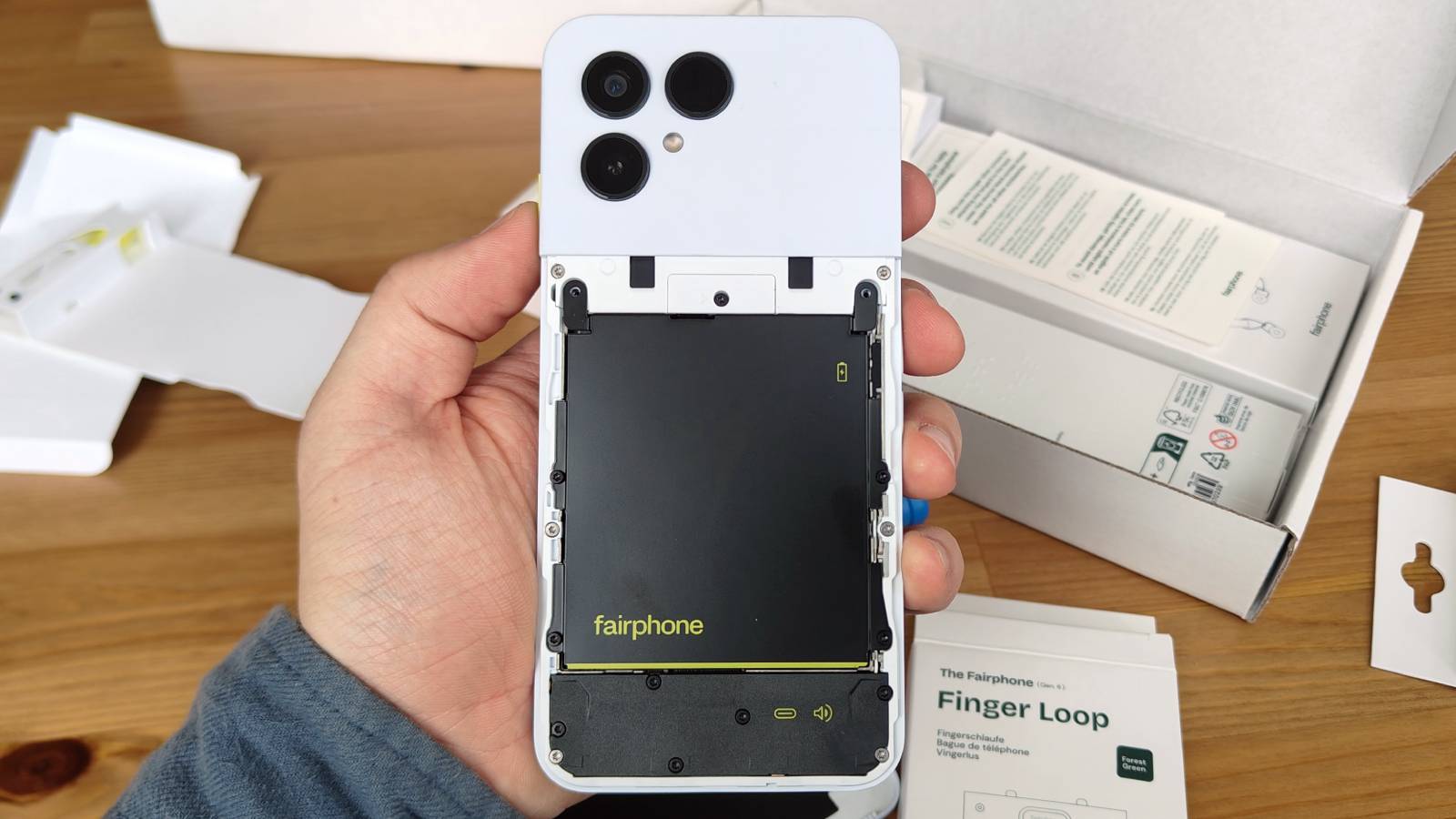
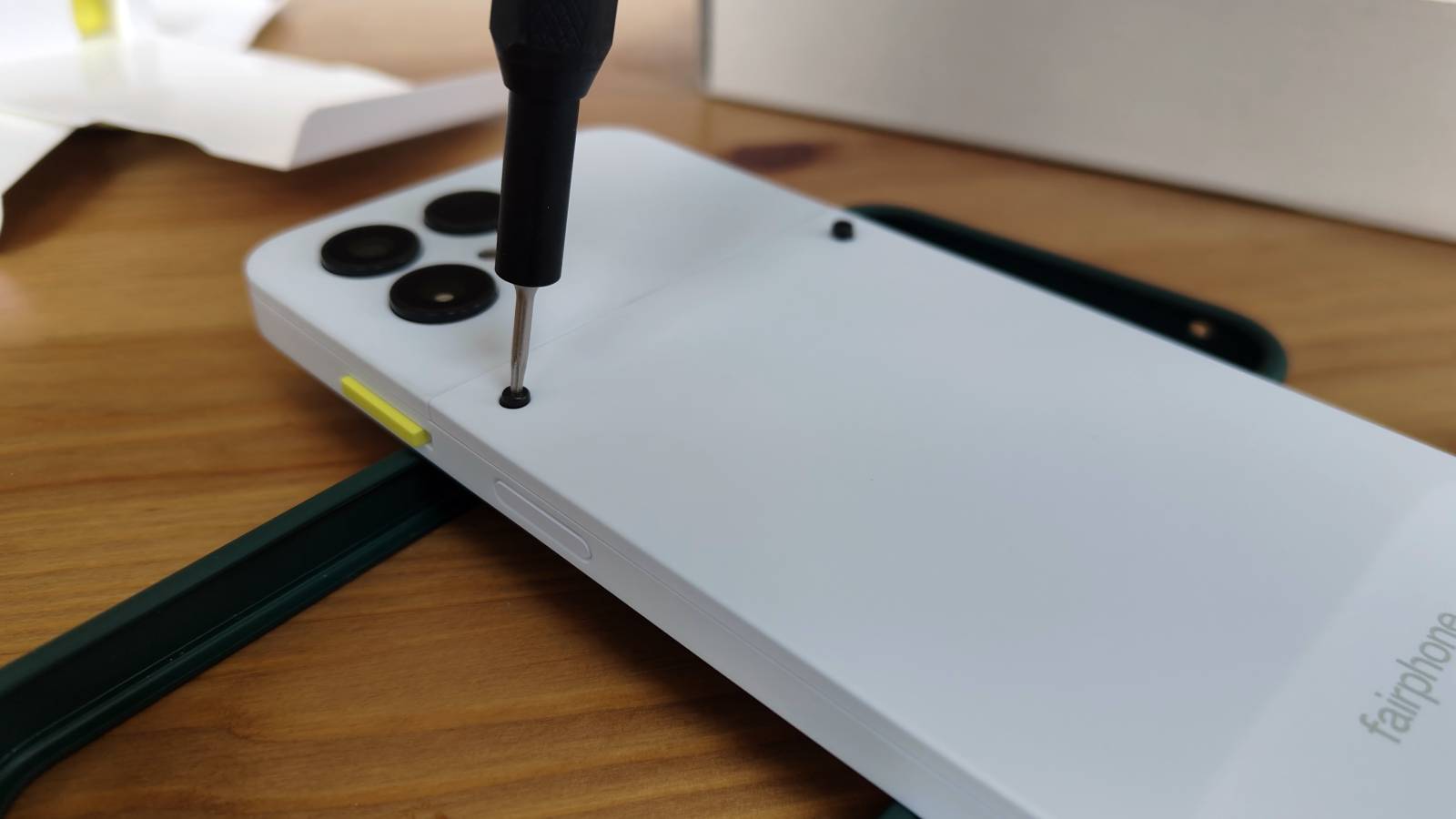
Fairphone devices are modular, meaning you can easily remove and replace the screen, camera, batteries, or other parts, all without having to extricate them from a tightly-packed device. The brand sells replacement parts online, so you can repair faulty components at home.
According to Ballester, Fairphone found that making its phones repairable didn't mean it had to change the performance and style of its products, but there was an impact on the price: "Designing for modularity means you're working with connectors, seams, and screws instead of glue and epoxy, and that adds a bit of cost compared to a phone that's built to be sealed shut forever".
We've been fighting this fight for over a decade, long before 'right to repair' was something people brought up at dinner
Miquel Ballester, head of product at Fairphone
Don't chase a high IP-rating (when you probably don't need it)
I also asked Ballester if any components or specs struggle in repairable gadgets. "Waterproofing is the one I'd point to first," he explained, railing against the trend of tech companies chasing an IP68 rating.
"Realistically, unless you're taking your phone free diving, IP55 gets you everything you actually need. It holds up against rain, spilled coffee, sweat at the gym, all the situations people actually put their phones through."
So, not IP68, which guarantees you protection for 30 minutes in a meter of water? "Chasing that rating basically forces you into permanent seals and factory-glued seams, because that's still the easiest way to guarantee a device survives being submerged.
"We'd rather give you a device that can be opened and repaired for the next seven years than one that survives a swimming pool once and then can't have its battery replaced. It's a genuinely difficult engineering line to walk, and I won't pretend IP68 wouldn't look nice on a spec sheet, but chasing it would mean compromising the thing we actually care about."
As mentioned, the EU's right to repair changes mean that companies may have to sell tools to repair their gadgets. But for Fairphone, that isn't a problem; they've been designed not to require proprietary tools. A Phillips screwdriver is all you need.
But how repairable is tech really?
(Image credit: Future)
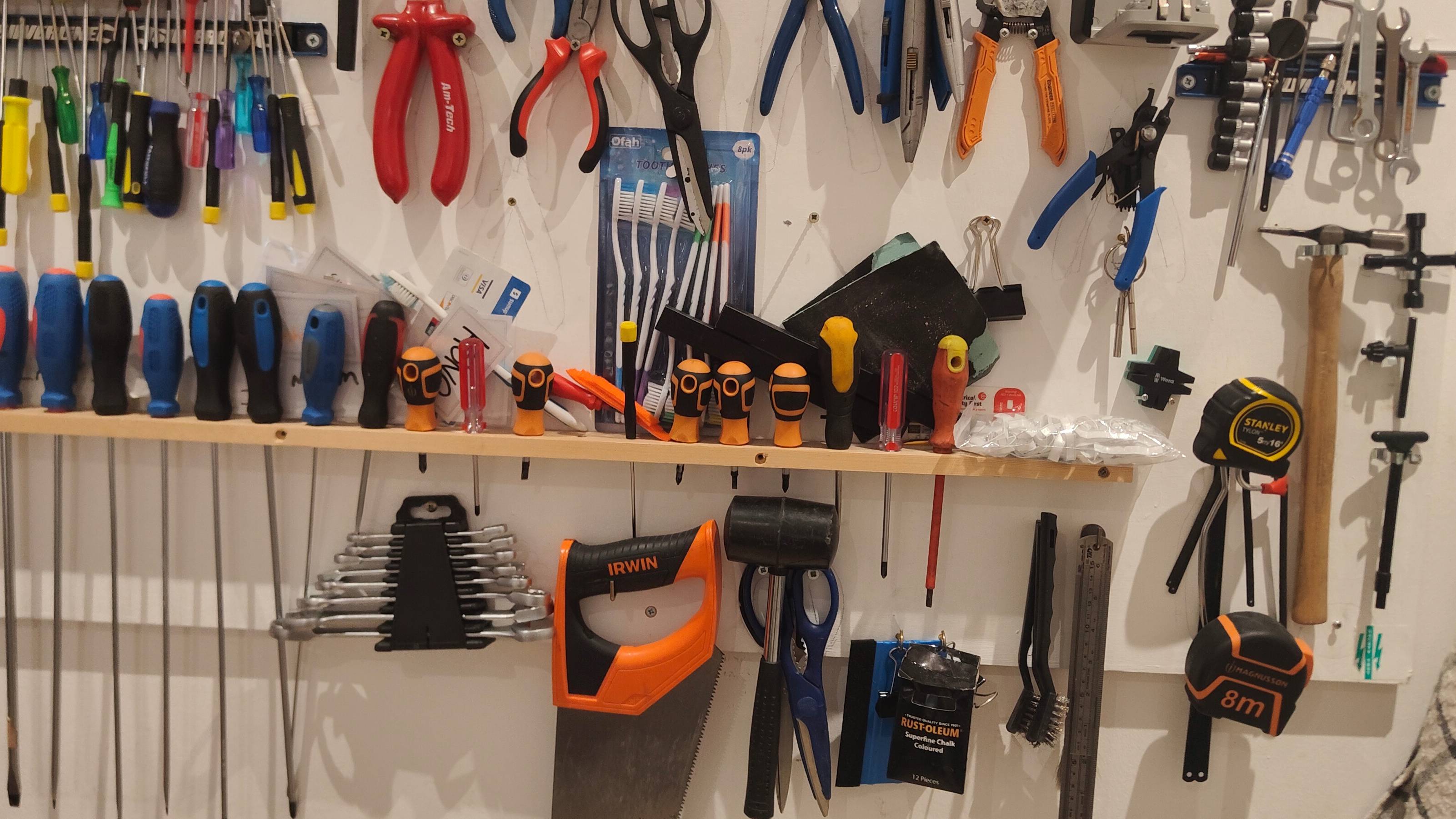
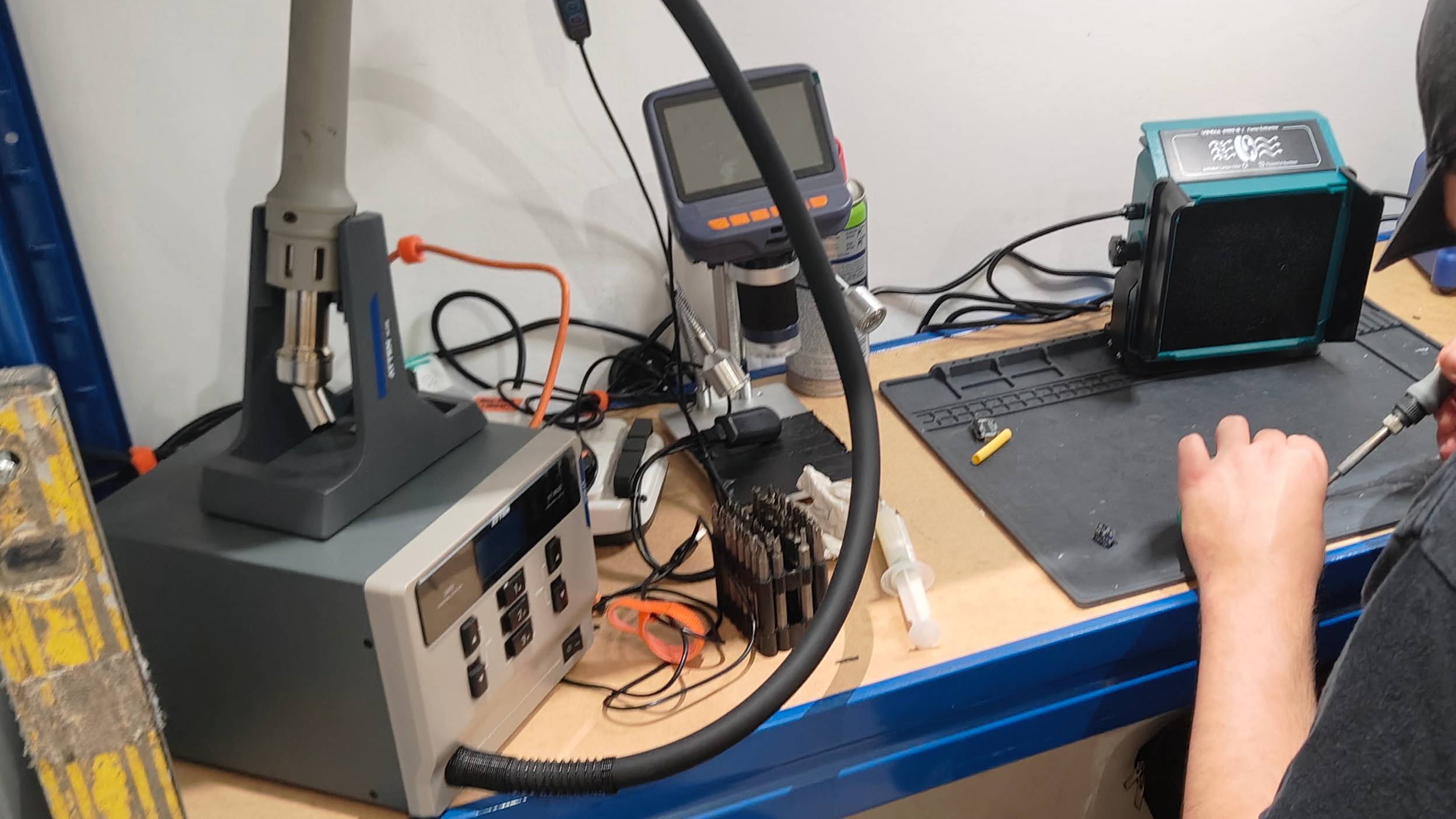
Just because a company doesn't make gadget repairability a selling point, doesn't mean that you can't easily fix it. To learn more about the repair process, I visited a local community repair shop called Fixing Factory, which operates several locations in London, UK.
Fixing Factory lets residents bring in broken items to get them repaired, but it also operates as a way to train volunteers in fixing household items.
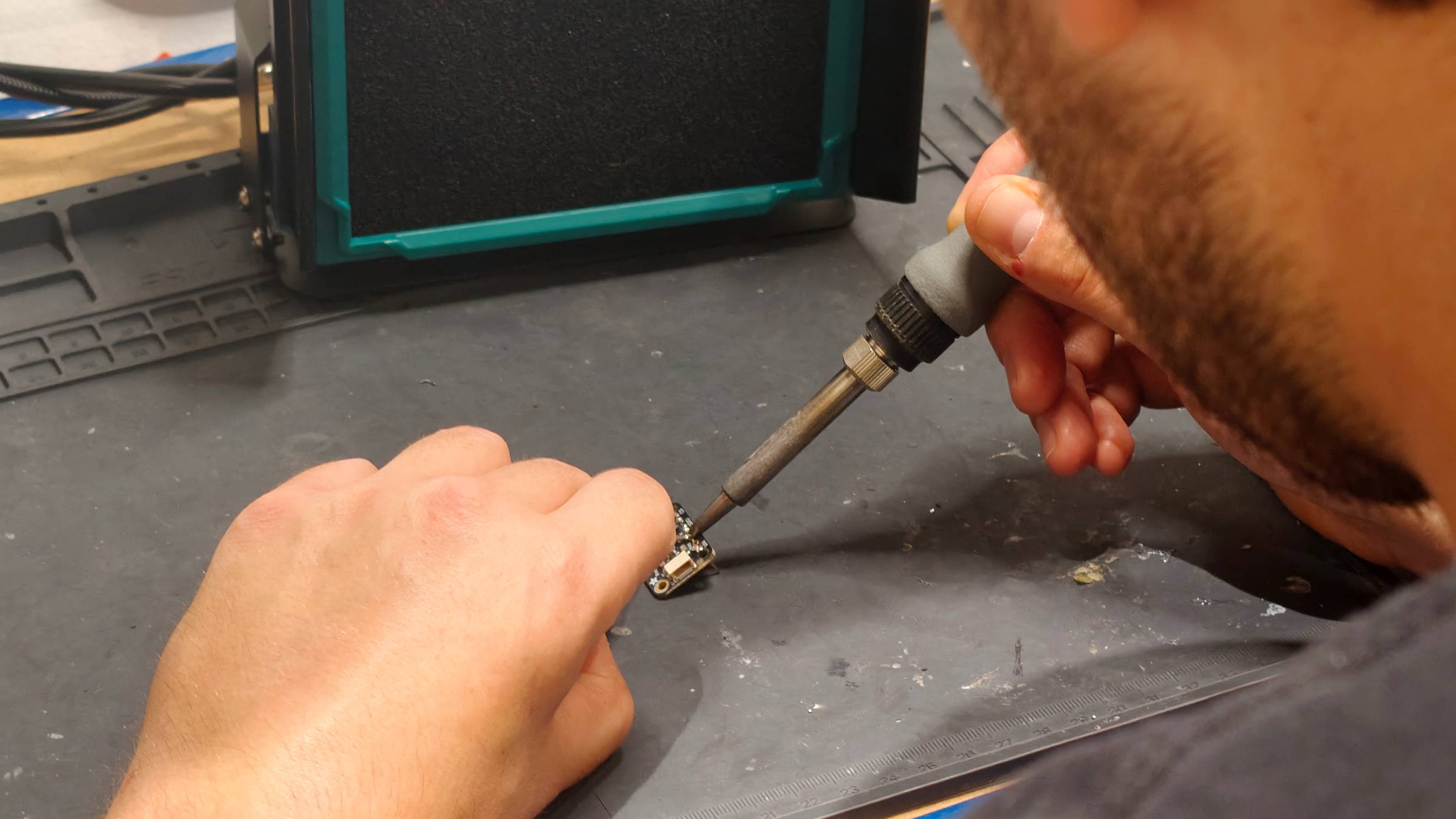
When I visited the Fixing Factory's Camden location, the streets around the shop were abuzz — England was just hours away from its ultimately-unsuccessful World Cup match against Argentina. But inside the repair shop, a different kind of squad was assembled: a troop of junior repairers (volunteers learning how to repair tech) were being briefed on safety procedures.
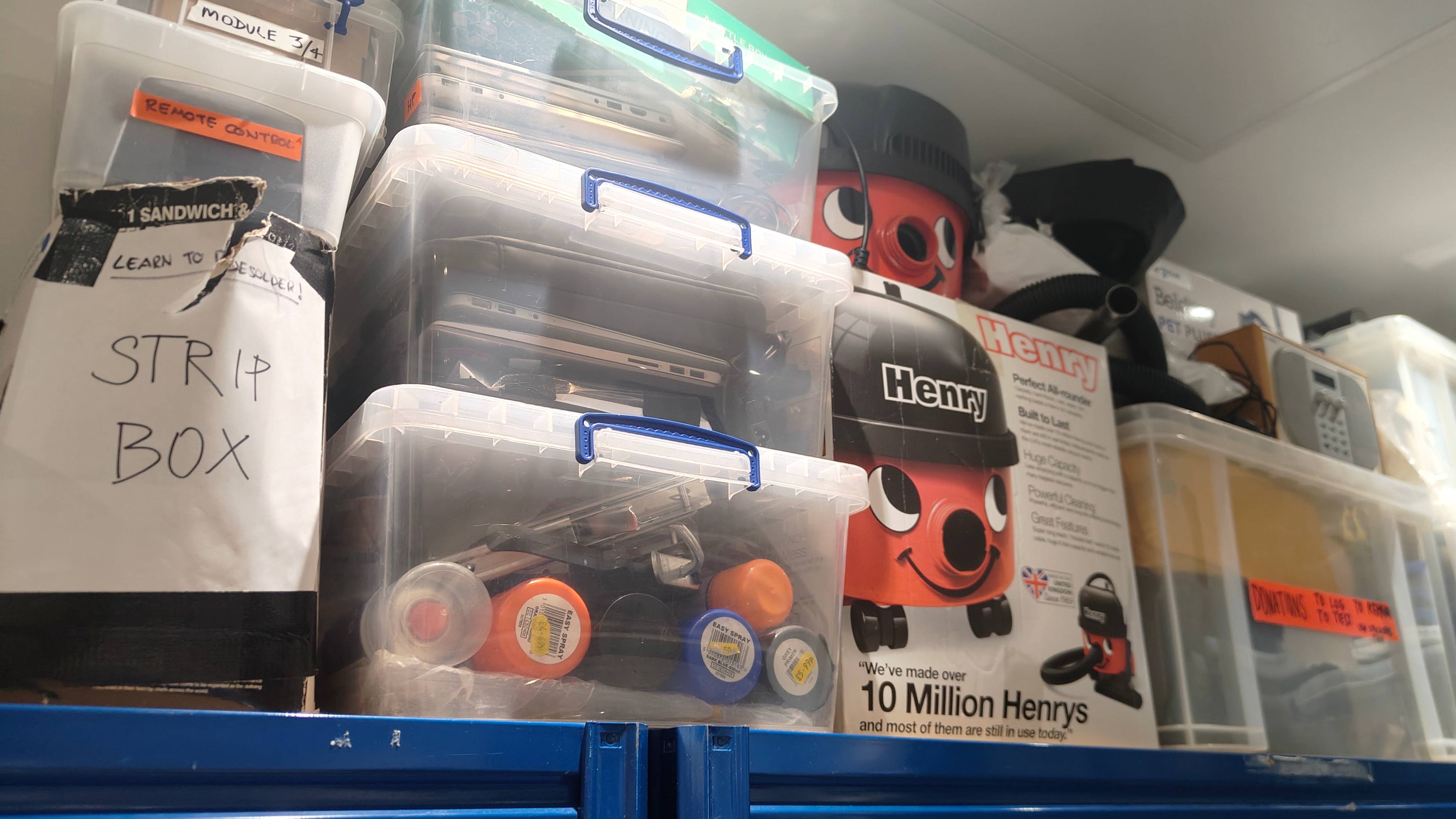
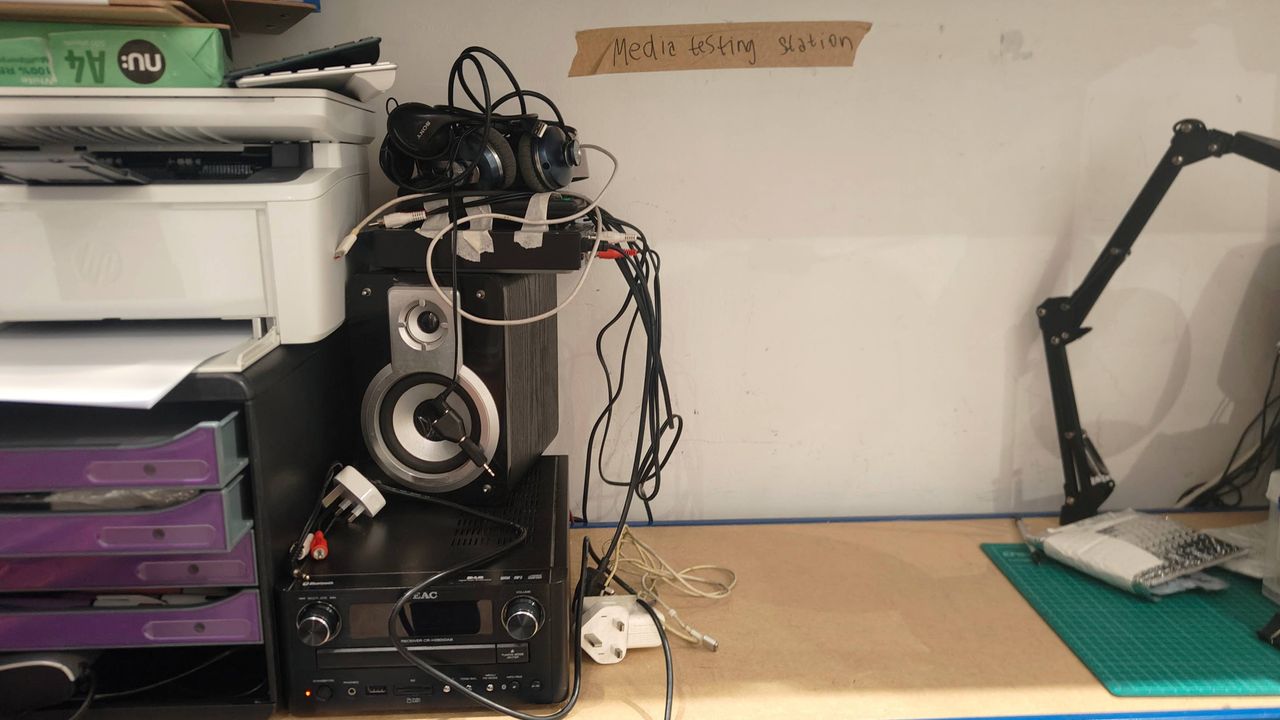
As I waited, I got to admire the huge collection of gadgets in various stages of repair (or lack thereof, in the cases of some training toasters). Laptops, vacuum cleaners, radios, even some throwback iPod nanos. Waiting alongside me was an older lady, who'd somehow managed to transport several startlingly-sized antique lamps in a series of backpacks and strollers, all ready to be repaired by the volunteers.
Not all of the Fixing Factory attendees were in training, and I was lucky enough to speak to several of the expert volunteers. They explained to me how to tell if a gadget can be repaired, what to do if you want to fix your tech, and when you should rely on an expert to bring your tech up to spec.
Identifying gadgets as repairable
(Image credit: Future)
One repair volunteer, describing themselves as a 'generalist' who liked to fix everything, told me how they'd helped create the teaching material for the trainees in the next room and explained how they work out if a gadget can be fixed in the first place.
"The first thing we do is we will safety check the device. If we've got a plug, we'll make sure we do PAT testing [a standardized way of checking the safety of portable appliances], and then everything goes into an RCD [Residual Current Device, which can instantly turn off power if something goes wrong] before we plug it in, and then we'll do a functional test.
"From there, we'll then diagnose what's going wrong and sit down with a member of the public, and work with them and go: 'okay, tell me the story, what happened, what's not working.'"
From what I was told, about half of the people with broken tech know why it's broken, either because of their own research or because the fault is obvious. And the other half "just have no clue".
We had far in excess of 70% repairability on e-waste
A Fixing Factory volunteer
The volunteer told me about a recent trial the group conducted, in which they went to a local recycling facility for several months, to log the kind of items thrown away and how much was actually repairable.
"We had far in excess of 70% repairability on e-waste. And so I like to think that's probably reflective of what comes into Fixing Factory locations."
I was staggered by that number; by the sounds of it, well over half of the gadgets we throw away could actually be fixed!
Stats from a similar study carried out by The Restart Project also found that only 12.4% of electrical devices thrown away were truly at the end of their life span. A further 7.2% needed repairs that were deemed too costly to be worthwhile; 9.5% were economical to repair; 36.2% were working just fine, and for the remaining 34.7% it wasn't possible to determine what state of life they were in.
Looking back at that 7,000,000 headphone figure I mentioned before, that'd suggest about 2.5 million of them could get back to a state of working just fine. Truly, the trash is not the first destination for faulty gadgets.
Do (or don't) try this at home
(Image credit: Future)
Repair shops such as Fixing Factory are one option for handling your broken tech, but how easy are they to fix at home? (Unless you have a Fairphone product, of course). I spoke to another Fixing Factory volunteer to find out.
Kevin, a student at a local university, told me: "You can literally fix anything if you watch enough YouTube... but it's pretty complicated".
He was one of many volunteers who flagged YouTube and the iFixit channel (and website) specifically, as an invaluable source of information for prospective home repairers. The site publishes teardowns, repair guides, and has an active forum to help you understand just how feasible a home repair is.
Sometimes, even this isn't necessary: "A lot of things are just dirty and need to be cleaned deeply."
You can literally fix anything if you watch enough YouTube
A Fixing Factory volunteer
This is something I understand all too well; a deep-clean of my home-built PC recently made me realize that I didn't need to buy new parts. It was just dusty.
Kevin gave some sage advice: "Take good notes or good photos to make sure you put [the gadget] back together correctly".
Another volunteer pointed out, though, that online guides and a little clean both play second fiddle to another, more important type of learning: "Sitting down with someone and sharing the experience, I think is something that's very valuable."
Not all tech is worth repairing
Most of the advice so far has pertained to smaller electricals and 'safer' items, but often you want to fix something more complicated. When I asked one volunteer whether home tech repairs were feasible, I was told: "Is it feasible? Yes. Is it safe? Questionable."
There are several dangers involved with lithium-ion batteries, the kind of which you find in most portable gadgets, and their predilection for catching fire is chief amongst them. You don't even have to be repairing them for disaster to strike.
The North London Waste Authority has identified several types of lithium-ion battery-toting gadgets — including smartphones and electric toothbrushes — as major fire risks. According to the organization, which handles waste disposal for seven London boroughs, "electrical items can easily catch fire if they are thrown into general waste and become damaged in waste vehicles".
A spokesperson told me that, across 2025, they saw at least 20 fires which could be linked to battery combustion. They even shared a video of one such incident, which you can see above. Stats from the National Fire Chiefs Council point to there being over 1,200 battery fires across the UK in bin lorries and waste sites that same year.
One false move and you can suddenly have a nasty fire.
Fixing Factory volunteer
And it's even worse if you're intentionally trying to fiddle around with them.
"One false move and you can suddenly have a nasty fire," one volunteer told me, adding, "Equally, when you're dealing with mains voltage, you can suffer some serious burns, let alone cardiac arrest. I would encourage anybody to find a friendly electrician, or someone with some qualifications, or a place like Fixing Factory."
(Image credit: Labutin.Art / Shutterstock)
Unrepairable tech isn't a manufacturing accident, as the Senior Workshop Manager and Operational Specialist of the Fixing Factory location I visited, Petra Backovska, explained to me. "Sometimes, you find that tech isn't built to be repaired, or repaired easily. And if there's something that wasn't made to be repaired, they make it really hard for you to do it — you can actually break it very, very easily".
Backovska identified cheap electronics manufacturers as a prime culprit for unrepairable tech, where important considerations are forgotten in favor of low costs and mass production. But more complex electronics were just as bad: "There could be things that need to have a CE mark on every item [as opposed to one for the entire gadget]".
If there's something that wasn't made to be repaired, they make it really hard for you
Petra Backovska, Senior Workshop manager at Fixing Factory
This is a mark affixed to most tech products sold in the European Economic Area to show that they're compliant with European health, safety and environmental standards. It'll be familiar to anyone who lives in the area; inspect any gadget within arm's reach, you'll likely find the mark hidden somewhere.
"So if the item doesn't have a CE mark, it's not safe, and we're not going to touch it anyways. So that could increase the number of things that we turn down, because we just don't know if it was manufactured safely."
I was also told that such a mark doesn't necessarily mean tech is safe: "Sometimes the mark is actually fake, and someone just slapped it on and didn't actually do all of the standardized testing in the process, which allowed them to produce something in large quantities very quickly, to sell it very cheap. But that also means that the item is not safe."
So how do you know if something should be repaired at home, or by an expert? Every volunteer advised that, if in doubt, consult an expert or take it to a repair shop: "It's that classic thing: asking is always the safest way."
There's a hard way to learn, and an easy way
(Image credit: Future)
Given the risks mentioned, I asked whether repairing tech from home could actually be dangerous, but was told by Backovska, "It doesn't have to be, but you need to have some training and follow the safety steps."
"If you jump into something just guessing things, then you're learning the hard way — and the hard way might be that you give yourself an electric shock. If you don't have experience with repairing, bring it to your local repair group."
I was told that Fixing Factory works with regulators, safety experts and product designers in order to create health and safety processes. These are taught to trainee volunteers, many of whom pass them onto customers whose goods are broken.
One of the volunteers I spoke to helped develop the training courses I got to witness, and told me that gadget-specific skills were often passed along, between volunteers and gadget owners.
The money and the waste
(Image credit: Photo by Tom Fisk via Pexels)
At the heart of the matter, two key reasons define why tech repairs are important. The first is economical: it will often be much cheaper to fix a device than to buy a new one. Second is the environmental impact: e-waste is a massive (and growing) problem, and keeping a hold of old gadgets (by repairing them) reduces the amount of clutter in landfill.
I love to quote a United Nations stat looking at e-waste from 2022: apparently, it'd fill roughly "enough trucks to form a bumper-to-bumper line encircling the equator". Our planet has a gastric band of junk, and hopefully, it'll push us to stop throwing away electronics. It's one of the core drives behind the aforementioned EU legislation.
The Restart Project is a UK-based charity which focuses on the right to repair electronics; it lobbies for legislation, helps organize repair groups (like the Fixing Factory I visited) and educates on the state of electronics. I spoke to Fiona Dear, co-Director at The Restart Project, to learn where repairable tech is going in the future.
There's nothing much on the horizon for other product categories
Fiona Dear, Co-Director at The Restart Project
"We have seen a bit of change [from companies] in recent years, and that's generally as a response to legislation. Even if the legislation isn't enacted, [manufacturers' changes are] in anticipation of legislation."
At the moment though (and in Europe, at least), this is limited: "There's only really legislation for two kinds of products. The first is white goods like dishwashers, and there's been legislation in place for a few years now. And it's just expanded to smartphones and tablets in Europe — that's why we're seeing a difference.
"Unfortunately, there's nothing much on the horizon for other product categories". That's why it's such a shame that, as mentioned earlier, wireless earbuds have seen a repairability exemption.
A problem of parts pairing
(Image credit: Future)
When I asked how technological changes are affecting repairability, one massive problem reared its head, which Dear called out specifically: "Parts pairing".
Parts pairing is a software limitation some brands apply to their devices. The gadgets will recognize when non-native parts are added, and throw up an error message when you try to use them.
For example, a phone might not let you use a new screen, a pair of headphones might reject their drivers, or a laptop might not play with a battery you install. In fact, software seems to be public enemy number one for tech repairability at the moment.
"A dishwasher or even a toaster, might have some kind of smart element in it," Dear explained, "which means it's dependent on software, and software isn't designed to last for as long as the mechanics of the product".
As iFixit points out in its guide to parts pairing, this is done by brands to encourage you to use its own repair services, instead of third-party ones (or repairing your own tech at home, using replacement parts). Often, the brand in question has unique access to make these error messages disappear. Dear flagged refurbished smartphones as being especially susceptible to this practice.
Parts pairing is one of the more cynical practices in this industry
Miquel Ballester, head of product at Fairphone
"Parts pairing is, in my personal opinion, one of the more cynical practices in this industry", Fairphone's Miquel Ballester explained. "Every component we ship, whether it's a battery in a Fairphone or bud and case battery in Fairbuds, is built to be freely interchangeable".
But software limitations remain an issue for tech longevity. "The repair experts who point out that software is the real bottleneck are right. It's exactly why we also treat long-term software support as inseparable from the repairability story".
The brand's latest mobile, the Fairphone 6, has a guaranteed 8 major Android updates, one of the longest life spans pledged by an Android maker. For many years, any more than two years' updates were a rarity, but nowadays companies are offering more and more updates. The Samsung Galaxy S26 and Google Pixel 10 series, for example, both have 7 years in the can.
Did you know TechRadar now has membership?
(Image credit: Future)
Become a TechRadar Insider by simply clicking 'Join Now' at the top of this page. Have a question? Please email membership@techradar.com
When I told peers that I was working on a tech repair piece, I received some intriguing reactions. Some view it as a great way to keep your gadgets ticking along (as it should be), but stories of cowboy repairers abound.
But the high proliferation of gadget repair stores is indicative of something different: a strong demand for our gadgets to keep working longer. Tech shops aren't fronts for dodgy dealings; they fix the devices we use every day, which is probably a more lucrative market than narcotics or single-use vapes.
Over the last few years, the rise of AI has driven up memory prices, causing gadgets to cost a lot more money, and new purchases to be more and more of a treat. You've surely noticed that electronics purchases nowadays cost a lot more (and bundle in some useless AI tools as a consolation prize, but that's a gripe for another day).
With no sign of that slowing down, gadget repairs are only going to be more and more important. And so a change is needed: a change in attitude to tech fixing, a change in our own skill sets so we're able to do so at home, and a change in legislation so that companies have to make it easier for us to mend our ailing electronics.

 Login