Chegou hoje ao Apple TV o primeiro episódio da quarta temporada de “Ted Lasso”, série aclamada do serviço estrelada por Jason Sudeikis. Dividida em dez episódios, os nove capítulos remanescentes chegarão ao catálogo do streaming da Maçã todas as quartas-feiras, até o dia 7 de outubro.
A nova temporada se concentra em um novo momento na trajetória de Ted: ele retorna a Richmond para comandar um time de futebol feminino da segunda divisão inglesa. Com o desenrolar da história, ele e a sua equipe aprenderão a arriscar antes de possuírem todas as respostas, encarando desafios até então inimagináveis.
Com o roteiro de Sarah Walker, Phoebe Walsh (que também são creditadas como produtoras), Goldstein (que também é produtor), Julia Lindon e Dylan Marron (que exerce também a função de editor de roteiro), a produção executiva fica a cargo de Joe Kelly, Jane Becker, Jamie Lee e Bill Wrubel — além de Goldstein, Hunt e Walsh. O vencedor do Emmy Jack Burditt também assume esse posto na nova temporada.
O Apple TV está disponível no aplicativo Apple TV em mais de 100 países e regiões, seja em iPhones, iPads, Apple TVs, Macs, dispositivos Android, smart TVs ou online — além de também estar em aparelhos como Roku, Amazon Fire TV, Chromecast com Google TV, consoles PlayStation e Xbox. O serviço custa R$29,90 por mês, com um período de teste gratuito de 7 dias. Por tempo limitado, quem comprar e ativar um novo iPhone, iPad, Apple TV ou Mac ganha 3 meses do Apple TV. Ele também faz parte do pacote de assinaturas da empresa, o Apple One.
NOTA DE TRANSPARÊNCIA: O MacMagazine recebe uma pequena comissão sobre vendas concluídas por meio de links deste post, mas você, como consumidor, não paga nada mais pelos produtos/serviços usando os nossos links de afiliado.
One week ago, more than 200 miles above the Earth, a refrigerator-size satellite making its way toward an attempted rescue of NASA's $500 million Swift gamma-ray observatory suddenly spun out of control.
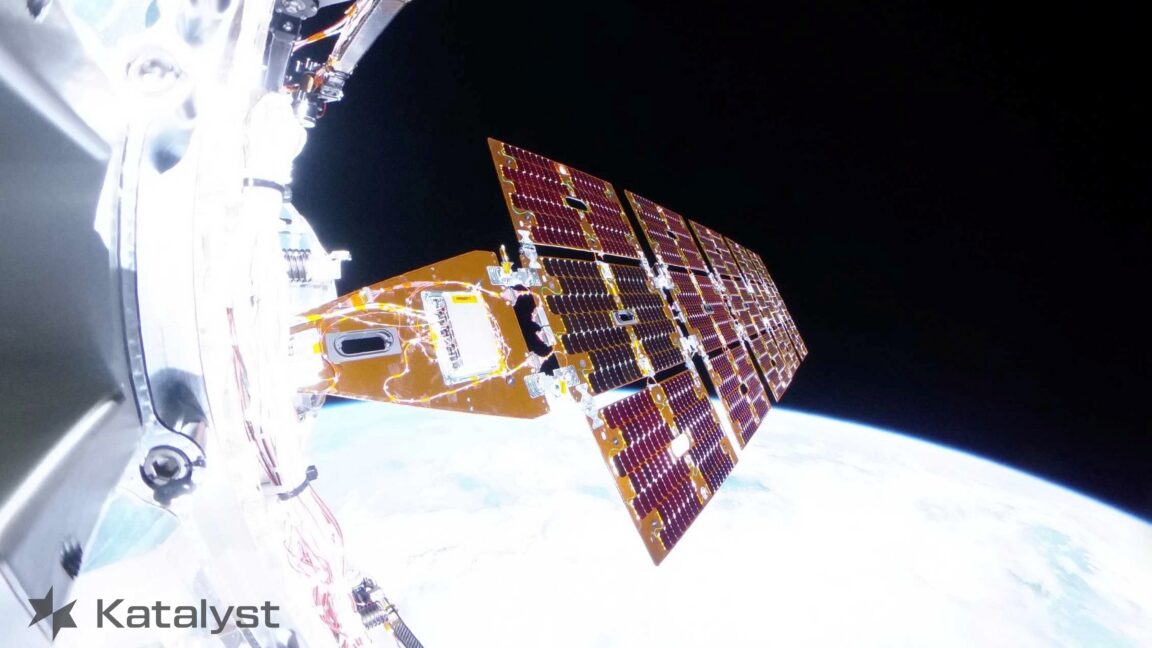
It didn't look good. The spacecraft, named Link, was rotating on multiple axes, rendering it unable to maintain a reliable communications link with the ground and complicating efforts to arrest the spin. Two of the satellite's three reaction wheels, used for pointing, also stopped working. Through sporadic radio contact, engineers discovered a problem with some of the spacecraft's cold gas thrusters used for finer attitude control.
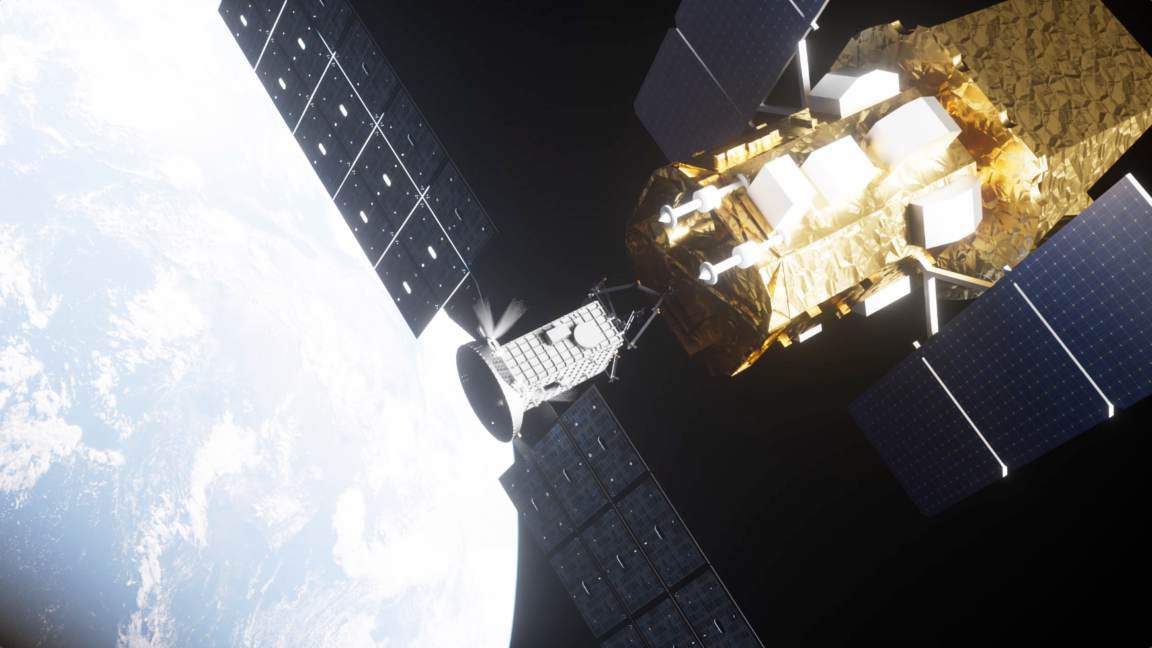
The Link satellite is built, owned, and operated by Katalyst Space Technologies, a satellite servicing startup that won a $30 million contract from NASA to fly up to the Swift observatory, grab onto it, and boost its orbit before succumbing to aerodynamic drag and burning up int he atmosphere.
One week ago, more than 200 miles above the Earth, a refrigerator-size satellite making its way toward an attempted rescue of NASA's $500 million Swift gamma-ray observatory suddenly spun out of control.
It didn't look good. The spacecraft, named Link, was rotating on multiple axes, rendering it unable to maintain a reliable communications link with the ground and complicating efforts to arrest the spin. Two of the satellite's three reaction wheels, used for pointing, also stopped working. Through sporadic radio contact, engineers discovered a problem with some of the spacecraft's cold gas thrusters used for finer attitude control.
The Link satellite is built, owned, and operated by Katalyst Space Technologies, a satellite servicing startup that won a $30 million contract from NASA to fly up to the Swift observatory, grab onto it, and boost its orbit before succumbing to aerodynamic drag and burning up in the atmosphere.
Qui va sauver le robot de sauvetage ? Lancé il y a plusieurs semaines, le robot Link devait attraper le télescope spatial Swift et le remettre en orbite, prolongeant ainsi sa vie. Il s’agit de la première mission de ce genre. Malheureusement, à la suite de défaillances techniques, l’engin s’est...
Nearly a month since its launch, a first-of-its-kind commercial satellite built to save NASA's Swift gamma-ray telescope from a fiery reentry is having problems of its own, the agency announced Tuesday.
The Link satellite developed by Katalyst Space Technologies "experienced issues with attitude control" over the weekend, NASA said, causing the spacecraft to spin and resulting in sporadic communications.
"Preliminary investigation shows that two of Link's three reaction wheels currently are not operable, and there is some loss of functionality in its cold gas thruster system," NASA said.
O Apple TV divulgou hoje o aguardado trailer da quarta temporada de “Ted Lasso”, cujo primeiro episódio estreará no dia 5 de agosto (quarta-feira da semana que vem).
Com um total de dez episódios, os nove capítulos remanescentes chegarão ao catálogo do streaming da Maçã às quartas-feiras, até o dia 7 de outubro.
Eis o trailer:
E também a versão dublada em português do Brasil:
Tim Cook, CEO 1Chief executive officer, ou diretor executivo. da Apple, também compartilhou o trailer no X:
Welcome home, Ted! Can’t wait to cheer on the Lady Greyhounds in the new season! https://t.co/g3w8xk0tFF
Bem-vindo de volta, Ted! Mal posso esperar para torcer pelas Lady Greyhounds na nova temporada! – É bom estar de volta. #TedLasso retorna em 5 de agosto.
Estrelada por Jason Sudeikis, a nova temporada segue com o foco em Ted, que retorna a Richmond para enfrentar o seu maior desafio até aqui: comandar um time feminino da segunda divisão do futebol inglês. Com o desenrolar da história, ele e a equipe aprendem a arriscar antes de terem todas as respostas, encarando desafios que até então pareciam inimagináveis.
O roteiro é assinado por Sarah Walker e Phoebe Walsh (que também são creditadas como produtoras), ao lado de Goldstein (que também é produtor), Julia Lindon e Dylan Marron (que exerce também a função de editor de roteiro). Além de Walker, Goldstein, Hunt e Walsh, a produção executiva é assinada por Joe Kelly, Jane Becker, Jamie Lee e Bill Wrubel. O vencedor do Emmy Jack Burditt também chega para a nova temporada.
O Apple TV está disponível no aplicativo Apple TV em mais de 100 países e regiões, seja em iPhones, iPads, Apple TVs, Macs, dispositivos Android, smart TVs ou online — além de também estar em aparelhos como Roku, Amazon Fire TV, Chromecast com Google TV, consoles PlayStation e Xbox. O serviço custa R$29,90 por mês, com um período de teste gratuito de 7 dias. Por tempo limitado, quem comprar e ativar um novo iPhone, iPad, Apple TV ou Mac ganha 3 meses do Apple TV. Ele também faz parte do pacote de assinaturas da empresa, o Apple One.
NOTA DE TRANSPARÊNCIA: O MacMagazine recebe uma pequena comissão sobre vendas concluídas por meio de links deste post, mas você, como consumidor, não paga nada mais pelos produtos/serviços usando os nossos links de afiliado.
Gerenciadores da área de transferência estão entre alguns dos apps mais abundantes para macOS. Ainda assim, de vez em quando surgem ferramentas que conseguem se destacar em meio à multidão, como o Text Catalyst, da Sense Labs.
Lançado há poucas semanas, ele faz tudo o que um bom clipboard manager precisa fazer: oferece um histórico dos últimos itens que você copiou no seu Mac, permitindo que você os cole a qualquer momento. Ele também deixa você pesquisar por itens no seu histórico (incluindo texto em imagens), além de poder ser aberto facilmente com um atalho de teclado.
Divulgação/Sense Labs
Os recursos, no entanto, não param por aí, com coisas bem legais como a Fila de Colagem (Paste Stack) jogando um pouquinho de tempero sobre a experiência. Com ele, você pode copiar vários itens de uma vez para depois colá-los em sequência em algum app qualquer da mesma forma como faria se estivesse colando apenas um item: usando apenas o atalho ⌘ commandV.
Divulgação/Sense Labs
O Text Catalyst, no entanto, oferece outras formas de copiar e colar itens, as quais podem substituir por completo os tradicionais ⌘C e ⌘V. É possível, por exemplo, configurá-lo para copiar um trecho de texto apenas ao selecioná-lo com cursor do mouse, bem como pressionar uma tecla modificadora da sua preferência duas vezes para abrir a Lista de Colagem (Paste List).
Divulgação/Sense Labs
A interface principal do app também é bem completa e conta até mesmo com filtros que separam por aplicativo de origem os itens da sua área de transferência. Há, ainda, abas para texto simples, links, imagens, arquivos, cores, etc.
Assim como outras ferramentas do tipo, o Text Catalyst também traz um recurso de substituição de texto chamado Expansão de Texto (Text Expander). Com ele, você pode atrelar palavras, símbolos (como ⌘ e ⌥), emojis e até templates de emails a uma abreviação, que é substituída automaticamente pelo conteúdo desejado. Itens da sua Lista de Colagem também podem ser convertidos em trechos a serem inseridos no lugar de uma palavra ou sigla.
Divulgação/Sense Labs
Programada em Swift para ser um app nativo, a ferramenta permite copiar até 48.000 itens, além de funcionar com o recurso Visualização Rápida (Quick Look) do macOS.
Juno Temple, Abbie Hern, Jeremy Swift, Jason Sudeikis, and Brendan Hunt attend a press conference and welcome fans to the “Ted Lasso” Night fan event at CPKC Stadium in Kansas City to celebrate the fourth season of the Apple TV series. Season four of “Ted Lasso” premieres globally on Apple TV on Wednesday, August 5, 2026.
Ahead of the highly anticipated fourth season of the global phenomenon “Ted Lasso,” Apple TV hosted a weekend of events in celebration of the series in Coach Ted Lasso’s hometown of Kansas City. Emmy Award-winning star and executive producer Jason Sudeikis, along with series stars Juno Temple, Brendan Hunt, Jeremy Swift, and Abbie Hern, were in attendance for a press conference at CPKC Stadium, a special “Ted Lasso” Night fan event, and a screening of the fourth season’s debut episode at Regnier Extreme Screen in Kansas City.
Jeremy Swift, Juno Temple, Jason Sudeikis, Abbie Hern and Brendan Hunt attend a press conference and welcome fans to the “Ted Lasso” Night fan event at CPKC Stadium in Kansas City to celebrate the fourth season of the Apple TV series. Season four of “Ted Lasso” premieres globally on Apple TV on Wednesday, August 5, 2026.
The 10-episode fourth season of “Ted Lasso” will premiere on Apple TV with the first episode on August 5, followed by one new episode every Wednesday through October 7, 2026. In season four, Ted returns to Richmond, taking on his biggest challenge yet: coaching a second division women’s football team. Throughout the course of the season, Ted and the team learn to leap before they look, taking chances they never thought they would.
Season four marks the return of fan favorites, including Emmy Award winner Hannah Waddingham, Juno Temple, Emmy Award winner Brett Goldstein, Brendan Hunt and Jeremy Swift, alongside new additions Tanya Reynolds, Jude Mack, Faye Marsay, Rex Hayes, Aisling Sharkey, Abbie Hern and Grant Feely.
“Ted Lasso” season four adds Emmy Award winner Jack Burditt as executive producer under a new overall deal with Apple TV. Jason Sudeikis stars and executive produces alongside Hunt, Joe Kelly, Jane Becker, Jamie Lee, and Bill Wrubel. Goldstein serves as writer and executive producer alongside Leann Bowen. Sarah Walker and Phoebe Walsh serve as writers and producers for season four, and Sasha Garron co-produces. Bill Lawrence executive produces via his Doozer Productions, in association with Warner Bros. Television and Universal Television, a division of NBCUniversal content. Doozer’s Jeff Ingold and Liza Katzer also serve as executive producers. The series was developed by Sudeikis, Lawrence, Kelly,, and Hunt, and is based on the preexisting format and characters from NBC Sports.
Following its global debut on Apple TV, “Ted Lasso” broke records and quickly earned praise from fans and critics all over the world. The first season became the most Emmy Award-nominated comedy series, and the series went on to land rare back-to-back Outstanding Comedy Series Emmys for its first two seasons on air.
The first three seasons of “Ted Lasso” are now streaming globally on Apple TV.
Apple TV offers premium, compelling drama and comedy series, feature films, groundbreaking documentaries, and kids and family entertainment, and is available to watch across all of a user’s favorite screens. After its launch on November 1, 2019, Apple TV became the first all-original streaming service to launch around the world, and has premiered more original hits and received more award recognitions faster than any other streaming service in its debut. To date, Apple Original films, documentaries and series have been honored with 850 wins and 3,734 award nominations and counting including multi-Emmy Award-winning and history-making comedies “The Studio” and “Ted Lasso,” global cultural phenomenon “Severance,” Apple’s most-viewed drama “Pluribus,” Academy Award Best Picture winner “CODA” and Academy Award winner “F1,” the highest-grossing sports feature of all time.
MacDailyNews Note: Apple TV is available on the Apple TV app in over 100 countries and regions, on over 1 billion screens, including iPhone, iPad, Apple TV 4K, Apple Vision Pro, Mac, popular smart TVs from Samsung, LG, Sony, VIZIO, TCL and others, Roku and Amazon Fire TV devices, Chromecast with Google TV, PlayStation and Xbox gaming consoles, and at tv.apple.com, for $12.99 per month with a seven-day free trial for new subscribers. For a limited time, customers who purchase and activate a new iPhone, iPad, Apple TV 4K or Mac can enjoy three months of Apple TV for free.
Please help support MacDailyNews — and enjoy subscriber-only articles, comments, chat, and more — by subscribing to our Substack: macdailynews.substack.com. Thank you!
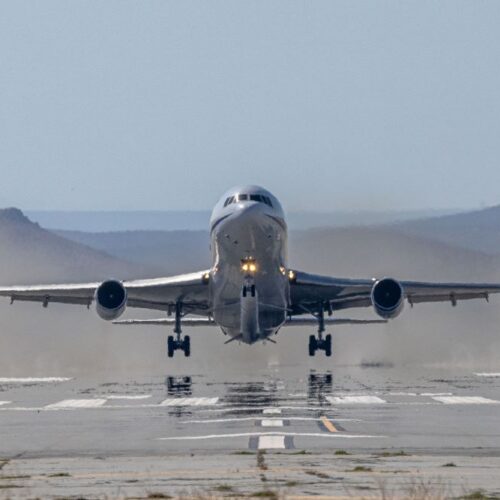
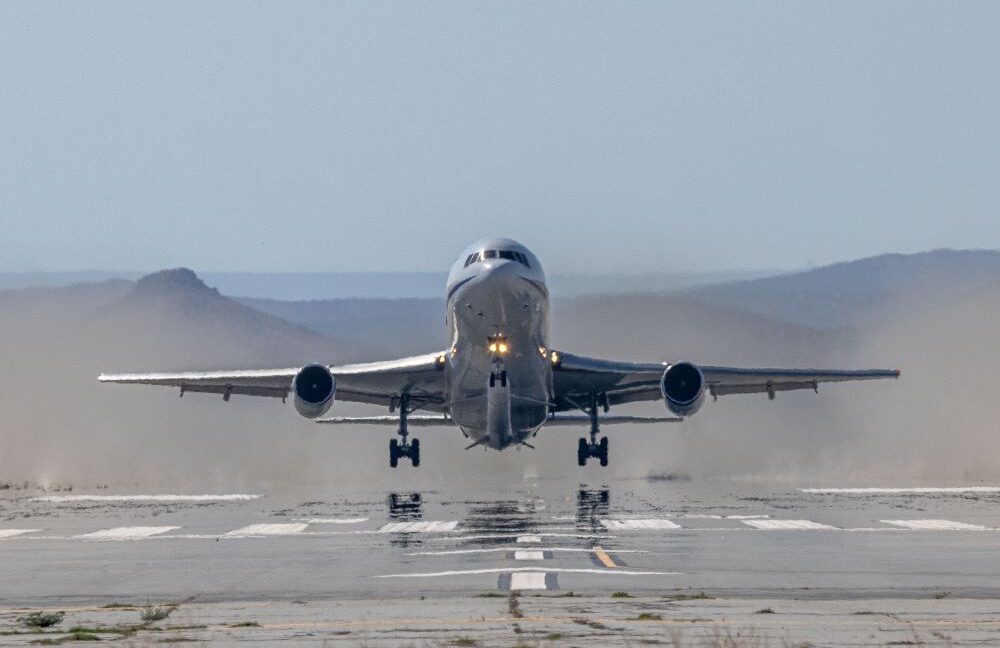
High above the remote Pacific Ocean, about halfway between Hawaii and the northernmost part of Australia, an air-launched rocket fired into space on Independence Day weekend to kick off a weekslong pursuit of a NASA astronomy satellite perilously close to falling out of orbit.
The endeavor to rescue NASA's Swift satellite is the first mission of its kind. NASA put out a call for commercial companies less than a year ago to propose how they could rapidly build and launch a small satellite to latch onto the Swift spacecraft and boost its altitude so that it doesn't come down in a few months.
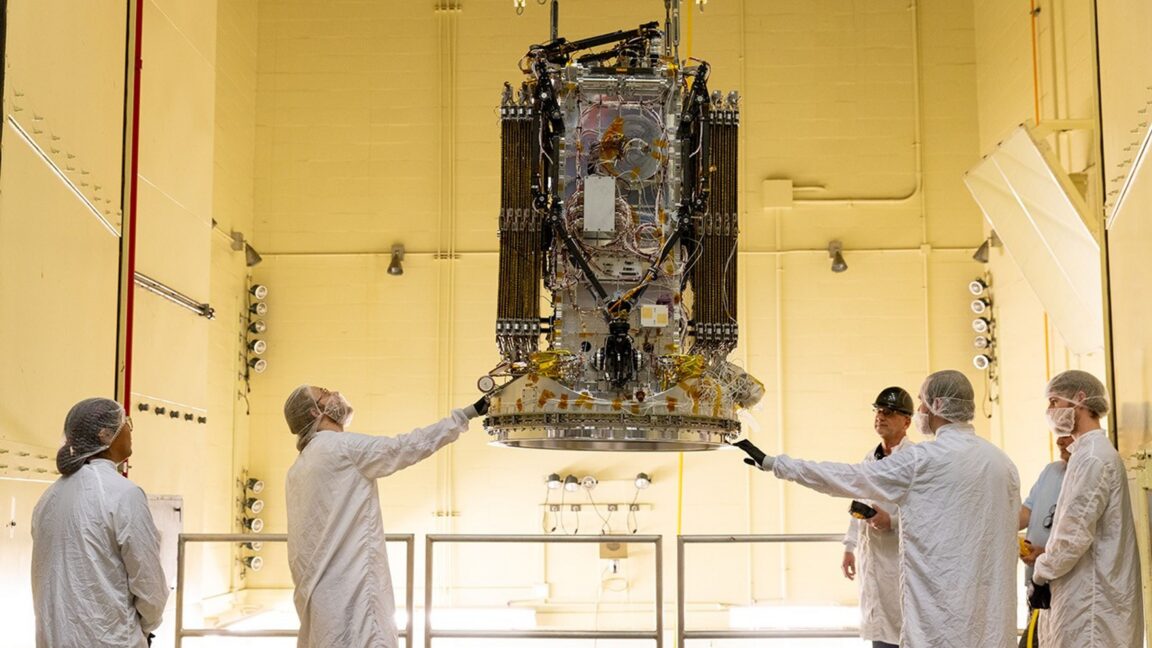
Katalyst Space Technologies responded with the best offer. NASA awarded the company a contract last September to build and launch a mission to rescue Swift. A little more than nine months later, Katalyst's nearly half-ton Link satellite is safely in orbit. For anyone who follows the space industry, building, testing, and launching a functioning first-of-its-kind satellite of that size in less than a year is a remarkable achievement; it would usually take several years.
Condamné à voir son orbite décroître jusqu’à une rentrée atmosphérique inévitable, le télescope spatial Swift pourrait finalement échapper à son destin. La Nasa s’apprête à tenter une opération sans précédent qui pourrait grandement prolonger la durée de vie de nombreux appareils en orbite.
WALLOPS ISLAND, Virginia—Just 10 months ago, NASA asked three companies if they could do something nobody had done before. Could they build and launch a satellite to save a $500 million astronomy mission at risk of crashing back to Earth? What's more, could they do it in less than a year on a tight budget?
Katalyst Space Technologies, a startup founded in 2020, presented the most compelling solution. "They came back with a response that was technically and programmatically plausible, and then we were like, 'Yeah, let’s do it,'" said Shawn Domagal-Goldman, director of NASA's astrophysics division.
That was in August of last year. In September, NASA awarded Katalyst a $30 million contract to build, test, and launch a small satellite to chase down Swift and latch onto it with three robotic arms. Then, Katalyst's Link servicing spacecraft will boost Swift's orbit back to a safe operating altitude, allowing it to resume scientific observations. Easier said than done.
WALLOPS ISLAND, Va.—Just 10 months ago, NASA asked three companies if they could do something nobody had done before. Could they build and launch a satellite to save a $500 million astronomy mission at risk of crashing back to Earth? What's more, could they do it in less than a year on a tight budget?
Katalyst Space Technologies, a startup founded in 2020, presented the most compelling solution. "They came back with a response that was technically and programmatically plausible, and then we were like, 'Yeah, let’s do it,'" said Shawn Domagal-Goldman, director of NASA's astrophysics division.
That was in August of last year. In September, NASA awarded Katalyst a $30 million contract to build, test, and launch a small satellite to chase down Swift and latch onto it with three robotic arms. Then, Katalyst's Link servicing spacecraft will boost Swift's orbit back to a safe operating altitude, allowing it to resume scientific observations. Easier said than done.
As NASA prepares an attempt to reboost an astronomy spacecraft in a decaying orbit, it is open to doing something similar for Hubble, if its operating costs can be reduced.

 Login