Toutes les vitamines D ne se valent pas. Une vaste analyse révèle même que l'une des deux formes pourrait faire baisser les niveaux de l'autre, celle qui protège le mieux notre immunité. De quoi interroger le choix des compléments alimentaires, très prisés à la saison sombre.
Aspire Pixo Aura 2 is a stylish and easy-to-use pod vape designed for adult users who value portability, performance, and simplicity. As the latest addition to Aspire’s Pixo Series, the Pixo Aura 2 combines a sleek ergonomic design, long-lasting battery, refillable pods, and smooth airflow to deliver an enjoyable vaping experience for both beginners and experienced users.
Whether you’re switching from disposable vapes or looking for a reliable everyday pod system, the Aspire Pixo Aura 2 offers a balance of flavor, convenience, and modern design.
Modern and Ergonomic Design
The Aspire Pixo Aura 2 features a slim, lightweight body that fits comfortably in your hand or pocket. Constructed from durable materials with a premium finish, the device is designed for everyday portability while maintaining a stylish appearance.
Its minimalist design includes intuitive controls, making it easy to operate without a complicated learning curve.
Long-Lasting Built-In Battery
Powered by a high-capacity rechargeable battery, the Pixo Aura 2 is designed to provide all-day vaping for most users. USB Type-C fast charging helps reduce downtime, allowing you to recharge quickly and get back to vaping with minimal interruption.
Smooth and Consistent Flavor
The Pixo Aura 2 is engineered to maximize flavor delivery through Aspire’s advanced pod technology. The integrated mesh coil heats e-liquid evenly, producing rich flavor, smooth vapor, and excellent coil longevity.
Whether you enjoy nicotine salts or standard freebase e-liquids, the device is optimized to provide a satisfying vape with consistent performance.
Refillable Pod System
The refillable pod design allows users to easily fill their favorite e-liquid while reducing waste compared to disposable devices.
Benefits of the refillable system include:
Easy top or side filling (depending on pod version)
Leak-resistant construction
Transparent pod for monitoring e-liquid levels
Convenient magnetic pod connection
The pod system is designed for quick installation and effortless daily maintenance.
Adjustable Airflow
The Aspire Pixo Aura 2 features adjustable airflow, allowing users to customize their vaping experience.
With a simple airflow adjustment, you can switch between:
Tight Mouth-to-Lung (MTL) draws for a cigarette-like inhale
Restricted Direct-to-Lung (RDL) vaping for increased vapor production
This flexibility makes the device suitable for a wide range of vaping preferences.
Intelligent Performance
The device automatically detects the installed pod and delivers an appropriate power level for consistent vapor production. This smart output system eliminates complicated wattage adjustments, making the Pixo Aura 2 especially beginner-friendly.
Built-in safety protections typically include:
Overcharge protection
Short-circuit protection
Low-voltage protection
Overheat protection
Overtime vaping protection
These features help ensure reliable and safe operation during everyday use.
Easy Everyday Operation
Designed with convenience in mind, the Aspire Pixo Aura 2 offers a simple vaping experience.
Key user-friendly features include:
Draw-activated firing
Quick pod replacement
Fast USB Type-C charging
Lightweight construction
Compact pocket-friendly size
Minimal maintenance
Its intuitive operation makes it an excellent choice for users transitioning from disposable vapes to refillable pod systems.
Key Features
Compact and ergonomic design
Rechargeable built-in battery
USB Type-C fast charging
Refillable pod system
Advanced mesh coil technology
Rich flavor production
Adjustable airflow
Leak-resistant pod design
Automatic power adjustment
Suitable for MTL and RDL vaping
Multiple built-in safety protections
Who Is the Aspire Pixo Aura 2 For?
The Aspire Pixo Aura 2 is ideal for:
Adult smokers switching to refillable vape devices
Users replacing disposable vapes
Beginners seeking a simple pod system
Flavor-focused MTL vapers
Users looking for a compact everyday vape
Travelers who need a lightweight and portable device
Final Thoughts
Aspire Pixo Aura 2 combines elegant design, dependable battery life, refillable convenience, and excellent flavor performance in a compact pod system. With adjustable airflow, intelligent power delivery, and easy operation, it offers a satisfying vaping experience for both new and experienced adult users.
If you’re looking for a stylish refillable pod vape that delivers consistent performance without unnecessary complexity, the Aspire Pixo Aura 2 is a strong option for everyday use.
WARSAW, Poland — The Polish government has agreed to invest around $745 million in the development of the planned IRIS² multi-orbit satellite internet constellation with the European Union. The money […]
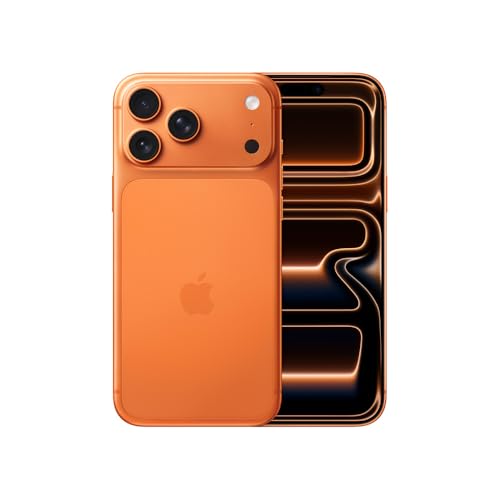
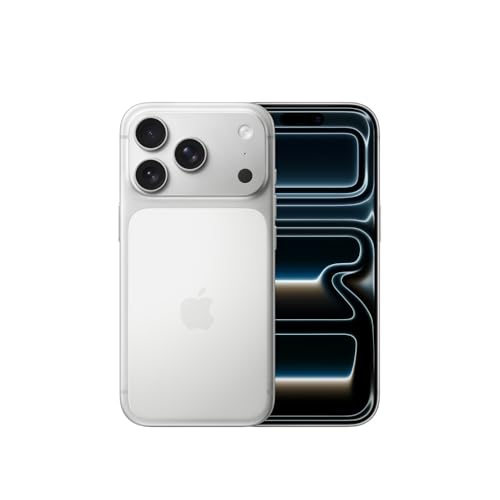
Available in four beautiful colors, the polished titanium on Apple’s original iPhone Air has an elegant mirrored finish.
Apple is doubling down on its ultra-thin iPhone experiment. According to The Information, the upcoming iPhone Air 2 will feature a vapor chamber cooling system — a significant upgrade that first appeared in the iPhone 17 Pro series. The report also confirms that Apple is proceeding with the second-generation model despite softer-than-expected sales of the original iPhone Air.
The first-generation iPhone Air, released as part of Apple’s 2026 lineup, stood out for its remarkably slim profile — one of the thinnest iPhones ever made. However, it came with notable trade-offs: a single rear camera and relatively modest battery capacity (around 3,149mAh).
Key Upgrades Rumored for iPhone Air 2
Multiple credible sources, including The Information and Bloomberg News, point to several meaningful improvements:
• Dual rear cameras: The biggest change is the addition of a second camera. The iPhone Air 2 is expected to feature a 48MP main wide lens paired with a new ultrawide lens. This brings the camera setup in line with Apple’s base iPhone models and directly addresses one of the most common criticisms of the first-generation Air.
• Vapor chamber cooling system: The Information specifically reports that the Air 2 will incorporate a vapor chamber for better heat dissipation. This technology allows the phone to sustain higher performance levels for longer periods without thermal throttling — a welcome addition in such a thin chassis.
• Larger battery: Leaks suggest the battery will grow to approximately 3,500mAh or more (an increase of roughly 11% or greater). Combined with the efficiency gains from the next-generation chip, this should deliver noticeably better endurance than the original Air.
• A20 Pro chip on 2nm process: The device is expected to be powered by Apple’s A20 Pro chipset, fabricated on a 2nm process node. This should bring meaningful gains in both performance and power efficiency. Some reports also mention advanced integration techniques (such as Wafer-Level Multi-Chip Module) for further optimizations.
Design and Display
The iPhone Air 2 is expected to retain the signature ultra-thin form factor of its predecessor, with possible minor refinements. No major redesign is anticipated. It will likely feature a similar 6.55-inch LTPO OLED display with 120Hz ProMotion refresh rate.
Release Timeline and Positioning
Current expectations point to a spring 2027 launch for the iPhone Air 2, alongside the base iPhone 18 and iPhone 18e models. This would be a departure from Apple’s traditional September iPhone event timing for the “Air” line.
Some reports also suggest Apple may lower the price of the Air 2 compared to the first generation in an effort to boost adoption.
MacDailyNews Take: The iPhone Air line is Apple at its most audacious — a premium “thin-and-light” flagship that dares to prioritize sleek portability and elegant design above all else, even if it means sacrificing some camera versatility and outright battery capacity in the process. The first-generation model successfully proved the concept and wowed those who value form factor above all, but it also laid bare the inevitable trade-offs that come with pushing the envelope that far.
The iPhone Air 2 looks to be Apple’s smart evolution: giving customers the most-requested upgrades — a second rear camera, improved thermals via vapor chamber cooling, and a meaningfully larger battery, all while retaining the ultra-thin identity that defines the Air. It’s classic Apple: listen to real-world feedback, iterate intelligently, and refuse to bloat the design just to check arbitrary spec boxes.
Will these enhancements be enough to push the Air into the mainstream hit column? Time will tell, but the signals are clear: Apple isn’t walking away from its thin-phone vision. Instead, the company is committed to refining it, learning from the first generation, and delivering a more complete package in 2027.
As always the case with pre-launch rumors and supply chain whispers, final specs can shift before the iPhone Air 2 hits store shelves next spring. We’ll be watching closely as development continues. Apple’s willingness to iterate boldly on ambitious new product categories is exactly why the company continues to lead in smartphones, the product it invented and revealed way back in 2007.
Please help support MacDailyNews — and enjoy subscriber-only articles, comments, chat, and more — by subscribing to our Substack: macdailynews.substack.com. Thank you!
The pilot of Artemis 2 says NASA’s return to the moon should start with human landings in less challenging equatorial regions rather than go directly to the south pole.
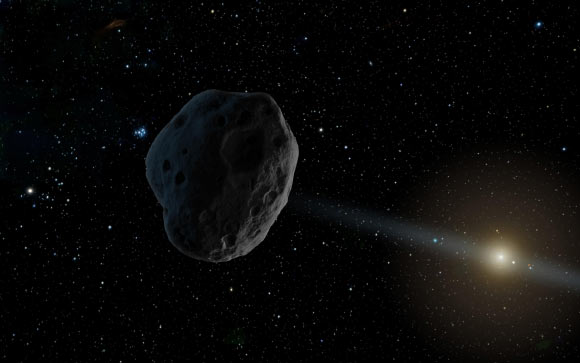
The near-Earth object (875163) 1998 SH2, which is currently classified as an asteroid, has revealed a hidden identity: it’s actually a comet in disguise, according to a new study published in the journal Nature Astronomy.
Nintendo Switch 2 The single-player offshoot of the quirky and colourful multiplayer series is disappointingly run-of-the-mill
Splatoon is among Nintendo’s most ingenious inventions of the last decade: a series of shooting games whose paint-splattered turf war nature means being bad at shooting is just as valuable as – if not more so than – being good. It is also blessed with an abundance of personality, with vibrant characters, a richly imagined world, and a hipness that the competition can only dream of achieving. Unfortunately, Splatoon Raiders makes it difficult to remember all of this.
The first spinoff in the ink-soaked franchise, Splatoon Raiders is advertised as a single player-focused entry in this primarily multiplayer series. While this is true enough – one can play through the entire game solo just fine – Raiders is clearly best enjoyed cooperatively with up to three others. Players start each session on a hideout ship where they can upgrade their equipment and tweak their play style before heading out on bite-sized repeatable missions, and this structure is tailor-made for teaming up with friends or helping out strangers (the game lets you do either), as each person works towards creating their ultimate squid-kid avatar of chaos.
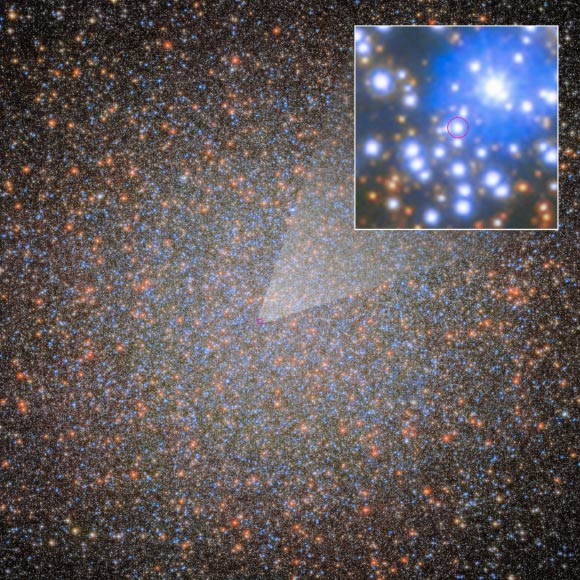
After decades of searching, astronomers have pinpointed the first of an estimated 10,000 stellar-mass black holes thought to lurk in Omega Centauri, the most massive stellar system in the Milky Way found so far, with a stellar mass of 3.6 million solar masses.
Segundo o que foi reportado por fontes de cadeia de suprimentos, a Foxconn já teria dado o pontapé inicial na produção em massa do “iPhone 18 Pro” e do “iPhone 18 Pro Max”, os próximos smartphones topos-de-linha da Apple.
A informação partiu do portal de notícias chinês MyDrivers, o qual afirmou que a principal fabricante contratada da Apple iniciaria em breve seu período de pico de contratações para dar conta desse estágio de aumento da produção em massa, já iniciado no mês de julho.
Pela primeira vez, a Apple deverá segregar o lançamento dos novos iPhones, separando os modelos tradicionais dos da linha Pro: tanto o “18 Pro” quanto o “18 Pro Max” deverão ser anunciados em setembro ao lado do “iPhone Ultra” — a estreia da Apple no segmento de celulares com telas dobráveis —, enquanto lançamentos como a segunda geração do iPhone Air, o “iPhone 18” e o “iPhone 18e” deverão ficar para o começo do ano que vem.
iPhone 17 Pro Max
Cores: prateado, laranja-cósmico ou azul-intenso Armazenamento: 256GB, 512GB, 1TB ou 2TB
NOTA DE TRANSPARÊNCIA: O MacMagazine recebe uma pequena comissão sobre vendas concluídas por meio de links deste post, mas você, como consumidor, não paga nada mais pelos produtos/serviços usando os nossos links de afiliado.
Os novos dobráveis chegam meses antes de a Apple alegadamente adentrar nesse segmento do mercado com o famigerado “iPhone Ultra” — logo, as apostas da gigante sul-coreana baterão de frente com o futuro dispositivo da Maçã.
Sem mais delongas, vamos conferir os detalhes de cada anúncio abaixo!
Galaxy Z Fold8
Divulgação/Samsung
Agora que os dobráveis da Samsung possuem três variantes, o Z Fold tradicional passou por um reposicionamento, tornando-se talvez a adição mais diferente dentre toda a linha de novos produtos anunciados.
Seu grande destaque é a reformulação no design, adotando um formato que se convencionou chamar de “passaporte”, com uma proporção maior do que aquilo que foi estabelecido nas últimas gerações do dobrável principal da Samsung. Isso resultou em uma tela externa de 5,5 polegadas e aspect ratio de 10:16, além de uma principal de 7,6″ e proporção de 4:3 — especificações bem semelhantes ao que se especula sobre o “iPhone Ultra” —, ambas com taxas de atualização de até 120Hz.
A sul-coreana destacou ainda o peso do modelo, sendo o celular dobrável mais leve já lançado por ela até agora (201 gramas, para ser exato).
Uma das principais diferenças do modelo em relação ao Z Fold8 Ultra está nas câmeras: o modelo padrão conta apenas com duas lentes traseiras (um sensor principal e uma lente ultra-angular, ambos com 50 megapixels), além dos 200mAh de diferença na bateria (4.800mAh no caso do Z Fold8 e 5.000mAh no caso do Z Fold8 Ultra). A linha também marca a estreia das baterias de silício-carbono nos celulares da fabricante.
Quanto ao restante das suas especificações técnicas, destaca-se pela implementação da tecnologia Flex Titanium — baseada em alumínio — para a resistência da tela, a presença do chip Snapdragon 8 Elite Gen 5, opções a partir de 12GB de memória e 256GB de armazenamento (até 1TB), resistência IP48 contra água e poeira, além de suporte ao carregamento de 45W com fio e 15W sem fio. Assim como os demais aparelhos, ele chega com o Android 17 e a One UI 9.
Nos Estados Unidos, ele chega a partir de US$1.900 (US$200 a menos que o Z Fold8 Ultra e US$100 a menos que o Z Fold7) nas cores preta, branca, lavanda e verde pistache (esta última exclusiva para compra no site oficial da Samsung).
Galaxy Z Fold8 Ultra
Divulgação/Samsung
Para os entusiastas do tradicional formato dos dobráveis da Samsung, a melhor opção é o modelo Ultra. Ele conta com as mesmas 8″ na tela principal e 6,5″ na tela externa do Z Fold7, com aspect ratios de 3:2 e 21:9, respectivamente.
Outra diferença notável em relação ao modelo menor é a presença da lente teleobjetiva de 10MP, aos moldes da presente no Z Fold7.
Como citado anteriormente, o aparelho conta com uma bateria de 5.000mAh de silício-carbono, além de compartilhar o Snapdragon 8 Elite Gen 5, as mesmas opções de memória/armazenamento, a resistência IP48 e o suporte aos 45W de carregamento com fio e 15W sem fio do Z Fold8.
Um de seus maiores destaques (nesse caso, negativo) é o preço: US$2.100 — um aumento em comparação ao modelo equivalente da geração passada (vale lembrar, o Z Fold7 chegou por US$2.000 lá fora). Ele está disponível nas cores preta, branca, roxo escuro e verde escuro (esta última exclusiva para compra no site oficial da Samsung).
Galaxy Z Flip8
Divulgação/Samsung
Modelo mais básico da nova linha, o Z Flip8 se destaca pela redução na espessura (13,1mm dobrado contra os 13,7mm do antecessor) e no peso (188g contra 180g do Z Flip7), possibilitando o que a Samsung chama de “uma experiência cotidiana sem vinco”.
Ele conta com uma tela interna de 6,9″, enquanto a externa tem 4,1″, com proporções de 22:9 e 1:1, respectivamente, e suporte a taxas de atualização de 120Hz em ambas. O aparelho chega com um conjunto duplo de câmeras, sendo a lente principal de 50MP, um sensor ultra-angular de 12MP e câmera frontal de 10MP.
Ele chega com o processador Exynos 2600, resistência IP48, 12GB de memória e opções de armazenamento de 256GB e 512GB. Em termos de bateria e recarga, o componente de silício-carbono possui uma capacidade de 4.300mAh, carregamento de até 25W por fio e 15W sem fio.
O Z Flip8 custa US$1.200 (um aumento de US$100 em relação ao Z Flip7) e está disponível nas cores azul, preta, vermelha coral e menta (esta última exclusiva para compra no site oficial da Samsung).
Galaxy Watch9 e Ultra2
Ambos os modelos ganharam suporte ao recurso “levante para falar”, que aciona de imediato o Gemini do Google sem a necessidade de toque ou botão. Os dois relógios contam com o Wear OS 7 e a One UI 9 Watch, compatíveis com smartphones que possuam Android 13 ou superior.
Divulgação/Samsung
Com especificações e design um tanto semelhantes ao seu antecessor, as grandes novidades do Galaxy Watch9 incluem a ampliação de bateria (o modelo de 40mm ganhou um aumento de quase 20%, com 390mAh, enquanto a versão de 44mm possui 445hmAh), a pulseira com design Air Pocket (até 25% mais leve que a presente no Watch8) e a estreia do processador Snapdragon Wear Elite.
Ele continua com as opções de 2GB de memória e 32GB de armazenamento e está disponível em caixas de 40mm e 44mm, nas cores preto e creme, custando a partir de US$380 (um aumento de US$30 em relação ao Watch8).
Já o Galaxy Watch Ultra2 adota uma reformulação na identidade visual que o aproxima do restante da linha, sendo até 12% mais fino que o seu antecessor, mantendo a bateria de 800mAh. A tela também ganhou melhorias, contando com 5.000 nits de brilho máximo.
Para experiências aquáticas, o Ultra2 atende o padrão EN13319 para mergulho e possui certificação IP69K. Além disso, o app Marz deverá receber suporte à metrificação de velocidades e orientações de descompressão.
Disponível nas cores titânio preto e titânio prata, o modelo está disponível a partir de US$700, um aumento de US$50 em relação à primeira geração.
Inteligência artificial
Durante o evento, a Samsung reforçou sua ciência e presença quanto às IAs agênticas, expandindo a experiência para além das telas dos smartphones e passando a oferecer assistência contínua de IA em tempo real nos dispositivos do seu ecossistema; o foco da Samsung é a entrega da experiência hands-free (ou seja, mãos livres). Ela afirmou ainda que essa integração contará com mecanismos de proteção e segurança, embora não tenha adentrado em detalhes técnicos de como fará isso.
A empresa também mencionou a integração de dados biométricos coletados pelos Galaxy Watch ao fluxo de trabalho médico, focada na prevenção de riscos de saúde com o auxílio da inteligência artificial (IA), permitindo a sugestão de refeições e treinos adaptados com base em interpretações de biossinais.
Preço e disponibilidade
Os novos smartphones chegarão ao Brasil no dia 6 de agosto, mas ainda não tiveram seus preços divulgados; ainda assim, a Samsung já antecipou que a aquisição de algum dos dispositivos durante a pré-venda garantirá até seis meses de Google AI Pro sem custos adicionais.
NOTA DE TRANSPARÊNCIA: O MacMagazine recebe uma pequena comissão sobre vendas concluídas por meio de links deste post, mas você, como consumidor, não paga nada mais pelos produtos/serviços usando os nossos links de afiliado.
Em mais um dos seus tradicionais vídeos comentados com renders, o YouTuberJon Prosser tratou do “iPhone 18 Pro”, previsto para chegar ao mercado no mês de setembro.
O foco da vez é a câmera com abertura variável, um dos aguardados principais diferenciais do “18 Pro” em relação ao seu antecessor.
Relembrando os feitos do Modo Retrato (Portrait Mode), Prosser explica que a abertura variável — que foi inclusiva “confirmada” pelo megavazamento da fornecedora indiana Tata Electronics — poderá contribuir com capturas de fotos mais naturais com mais ou menos profundidade de campo. Quanto menor ela for, mais borrado fica o plano de fundo (efeito chamado na fotografia de bokeh). Ele considera esse uma das maiores melhorias dos iPhones, embora pouco perceptível à primeira vista.
O restante do vídeo menciona a escolha de design pela continuidade do alumínio, as cores — fazendo coro às especulações de azul claro, cereja escuro, cinza escuro e prata —, a Ilha Dinâmica (Dynamic Island) reduzida — já abordada em outro vídeo do mesmo canal sobre o aparelho —, o chip “A20 Pro” (de 2nm, com a especulada ampliação de quase 15% em performance e 30% em eficiência energética se comparado ao A19 Pro), o empacotamento do tipo Wafer-level Multi-Chip Module (WMCM) — acoplando CPU, GPU, Neural Engine e memória na mesma placa —, a bateria de 4.288mAh no modelo menor e 5.567mAh no “18 Pro Max”, além do modem “C2”, que poderá contar com suporte ao 5G via satélite (também abordado em outro vídeo do “18 Pro”).
O vídeo encerra provocando a indagação sobre o apelo da linha em meio à estreia da linha de dobráveis da Apple com o “iPhone Ultra”, que deverá ser anunciado também em setembro.
iPhone 17 Pro Max
Cores: prateado, laranja-cósmico ou azul-intenso Armazenamento: 256GB, 512GB, 1TB ou 2TB
NOTA DE TRANSPARÊNCIA: O MacMagazine recebe uma pequena comissão sobre vendas concluídas por meio de links deste post, mas você, como consumidor, não paga nada mais pelos produtos/serviços usando os nossos links de afiliado.
Experimente e explore um mundo devastado pela humanidade na pele da última raposa da Terra e de seus filhotes. Descubra toda a destruição, a poluição e os problemas causados ao planeta.
Explore várias áreas de rolagem lateral em 3D e defenda suas pequenas bolas de pelo, alimente-as, veja-as crescer, observe suas personalidades e medos únicos e, o mais importante, ajude-as a sobreviver.
Confira um vídeo:
Controles na tela serão as suas ferramentas. Proteja-se de ameaças, cace, esconda-se e teste o seu instinto de sobrevivência. Aproveite a oferta e compre esse belo título! 🦊
Abaixo outros jogos/apps que, juntos, somam mais de R$120 em descontos:
Jogos
Jogo de ação e estratégia.
Jogo de corrida.
Jogo de aventura.
Gerencie seu shopping.
Aplicativos
Diário de alimentação.
Uma palavra por dia.
Aproveite as ofertas e até amanhã! Vale lembrar que as ofertas são sempre por tempo limitado, então é bom correr. 🛸
A Copa do Mundo pode até ter acabado, mas o app Apple Sports segue ganhando novos recursos focados no esporte mais popular do planeta. A sua mais recente atualização (4.2), por exemplo, adiciona suporte a uma série de novas ligas de futebol, incluindo a tradicional Eredivisie, da Holanda.
Liberado hoje pela Maçã, o update torna possível acompanhar a temporada de equipes clássicas como AFC Ajax, PSV Eindhoven e Feyenoord Rotterdam, incluindo suas formações iniciais — algo que, de acordo com a companhia, também vale para “a maioria das ligas de futebol” presentes na ferramenta.
Além do “holandesão”, também chegaram ao Apple Sports a Primeira Liga da Bélgica, a Superliga da Dinamarca, a J1 League (do Japão), a Ekstraklasa (da Polônia), a Premiership (da Escócia) e a Superliga da Suíça.
Disponível no Brasil desde o início do ano, o Apple Sports é gratuito e pode ser instalado em iPhones com o iOS 18.0 ou mais recente. Além das principais ligas do futebol internacional (bem como outros esportes), ele também suporta a Série A do Campeonato Brasileiro.
a responsabilidade da Cibersegurança não pode continuar fechada no IT. Já não é apenas um tema tecnológico; é uma responsabilidade organizacional que exige envolvimento da gestão e capacidade de traduzir risco para a linguagem da decisão, avisa David Grave.
Last summer, astronomers were observing the near approach of a space object believed to be an asteroid that had been tracked since its discovery in 1998. However, in a surprising development, the object failed to appear where it was predicted to be after decades of observations.
Now, a team of researchers reports in a new study that this mysterious orbital body is no asteroid at all, but instead may be an elusive class of space objects that scientists are still working to fully understand.
The research, published in the journal Nature Astronomy, identifies the newly suspected reasons for this unexpected “dark” twist in the developing story of 1998 SH2, a celestial body once thought to be a common space rock that is now upending past thinking on how to protect Earth from potential impact risks.
1998 SH2’s August Surprise
Since its discovery in 1998, the object designated 1998 SH2 has been monitored by astronomers continuously, providing close to three decades of observations that inform us about its orbit, leaving what researchers thought would be little room for surprises.
That all changed last August as the anticipated return of 1998 SH2 approached. Based on radar observations, the object appeared to be absent from its expected orbital path—a mystery that initially baffled astronomers.
Eventually, once the near-Earth object was spotted again by Brazil’s Southern Observatory for Near Earth Asteroids Research, it had moved significantly beyond its expected path. But what could account for such an unusual display?
When AN Asteroid Goes “Dark”
Now, according to Jet Propulsion Lab and CalTech researcher Davide Farnocchia and colleagues, 1998 SH2 was likely steered off course as a result of jets of gas escaping from beneath the object’s surface—a phenomenon known as weak cometary outgassing—meaning that the suspected asteroid is actually probably a type of comet.
However, unlike most comets, this one showed none of the typical characteristics astronomers associate with them, including a glowing tail or coma. This helped to explain the confusion over its initial classification, and additional observations of layered composite imagery did finally reveal these features, albeit faintly.
This confirmation that the object was indeed releasing material meant that 1998 SH2 was a rare variety of space objects known as dark comets, enigmatic bodies whose subtle behavior falls somewhere between comets and asteroids.
Planetary Defense Implications
One of the more concerning aspects of the discovery involves 1998 SH2’s unexpected orbital shift, which presents the question of whether other suspected asteroids might turn out to be dark comets. If so, could any of these shifty space objects pose a risk to Earth?
Fortunately, Farnocchia and his colleagues say there is currently no indication that 1998 SH2 poses an impact threat to Earth in the foreseeable future. Still, the team’s findings do have important implications for planetary defense, since their findings underscore the possibility that additional near-Earth objects currently classified as asteroids may turn out to be hidden comets.
Given the unpredictable orbital shifts and changes in acceleration these objects display, challenges associated with identifying and tracking them could complicate long-term impact forecasts, and influence how future deflection missions are designed.
Fortunately, the team’s study also highlights beneficial findings, which include the possibility that a hidden population of dark comets could potentially resolve questions about how water was delivered throughout the early solar system, eventually making its way to a young planet Earth billions of years ago.
Additionally, such possibilities could help to explain past observations of enigmatic objects like ‘Oumuamua, the first confirmed interstellar object, whose detection in 2017 and unexplained acceleration during subsequent observations have fueled scientific debate over its origins for many years.
Micah Hanks is the Editor-in-Chief and Co-Founder of The Debrief. A longtime reporter on science, defense, and technology with a focus on space and astronomy, he can be reached atmicah@thedebrief.org. Follow him on X @MicahHanks, and at micahhanks.com.
PC, PS5, Xbox Series X/S, Nintendo Switch 2; Undercoders Colourful, counter-cultural and captivating – this rail riding game set in a dystopian Japan is as weird as it is exhilarating
Every now and again a game appears with a premise so outrageous you stop in your tracks to take it all in. Denshattack!, a game about kickflipping trains across a dystopian future Japan, is the epitome of this feeling. Set in a post climate disaster world, people have retreated to corporate-owned domed cities to live out their days in air-conditioned, ignorant comfort. Save for a handful of outcasts, the rest of the country is a mess of broken infrastructure, where rival gangs battle it out on the ruins of Japan’s famously extensive rail network. Naive upstart Emi has one goal: become the best Denshattacker there is, one sick nosegrind at a time.
Taking the idea of an on-rails platforming game to its extreme conclusion, developers Undercoders have combined the best bits of the Tony Hawk’s Pro Skater series – grinding, flipping and spinning through an entire dictionary of tricks – with the anti-establishment message behind Jet Set Radio. The rivals Emi encounters showcase the history of Japanese misfits, pitting you against ageing rockabillies and violent girl gangs without a shred of judgment.

 Login