Apple has raised prices for Apple Music and most Apple One bundles, citing rising licensing costs. AppleCare+ prices also increased, presumably to keep pace with rising component costs.
The price increases for Apple Music come after Spotify announced its own round of price hikes earlier this year, which Apple poked fun at on social media. Even with today’s price hikes, though, Apple Music remains cheaper than Spotify.
Apple Music no longer makes sense when I’m already paying for YouTube Premium. Apple Music goes up to £11.99, YouTube Premium is £12.99 and on top of a good music service you get no ads on YouTube.
Distilling my longtime argument down to its simplest bit, I’d ask “do you want to pay $10 a month for music for the rest of your life?”
But truly, it was never going to just be $10 per month. The price was going to go up over time. It was going to get more expensive to have access to the same music.
If you purchase your music, though, I think most people would reach a point in their life where they stop buying new music entirely or they’re only buying a few albums per year. The cost of music would go down for you over time.
That was my thinking, too, but then I found that music I’ve purchased from Apple won’t work on my HomePod. I refuse to condone that behavior, so now I have two solid reasons not to subscribe to Apple Music.
While the monthly and annual prices of AppleCare+ plans for Macs and iPads received a slight increase this week, AppleCare One continues to start at $19.99 per month in the U.S., making the multi-device plan even more valuable.
O WhatsAppoficializou hoje um conjunto de novidades para usuários de recursos e dispositivos da Apple, com destaque especial para o CarPlay e o iPad — que só ganhou um app do mensageiro no ano passado.
No caso do sistema de infoentretenimento da Maçã, foi revelada uma reformulação completa da experiência, que inclui agora a possibilidade de ouvir e responder mensagens com as mãos livres. Também passou a ser possível fazer ligações, consultar o histórico delas e acessar seus favoritos diretamente da multimídia do veículo.
Divulgação/Meta
Usuários de iPad, por sua vez, agora podem criar uma conta na plataforma e configurá-la diretamente do tablet, o que os livra também de ter que conectar o app a um smartphone. Segundo o mensageiro, essa adição era um dos principais pedidos dos usuários.
O WhatsApp também oficializou a possibilidade de compartilhar uma música do Apple Music ou do Spotify na forma de um status, expandindo as possibilidades de expressão nessa seção do app.
Por fim, também foi anunciada uma integração com o Adobe Acrobat para permitir que usuários abram PDFs diretamente do WhatsApp Web (ou do app para Windows) sem precisar baixá-los. Também passou a ser possível fazer edições simples, como destacar e adicionar comentários, sem deixar o mensageiro e com criptografia de ponta a ponta.
Divulgação/Meta
Segundo a Meta, essas novidades já foram liberadas para todos os usuários do WhatsApp.
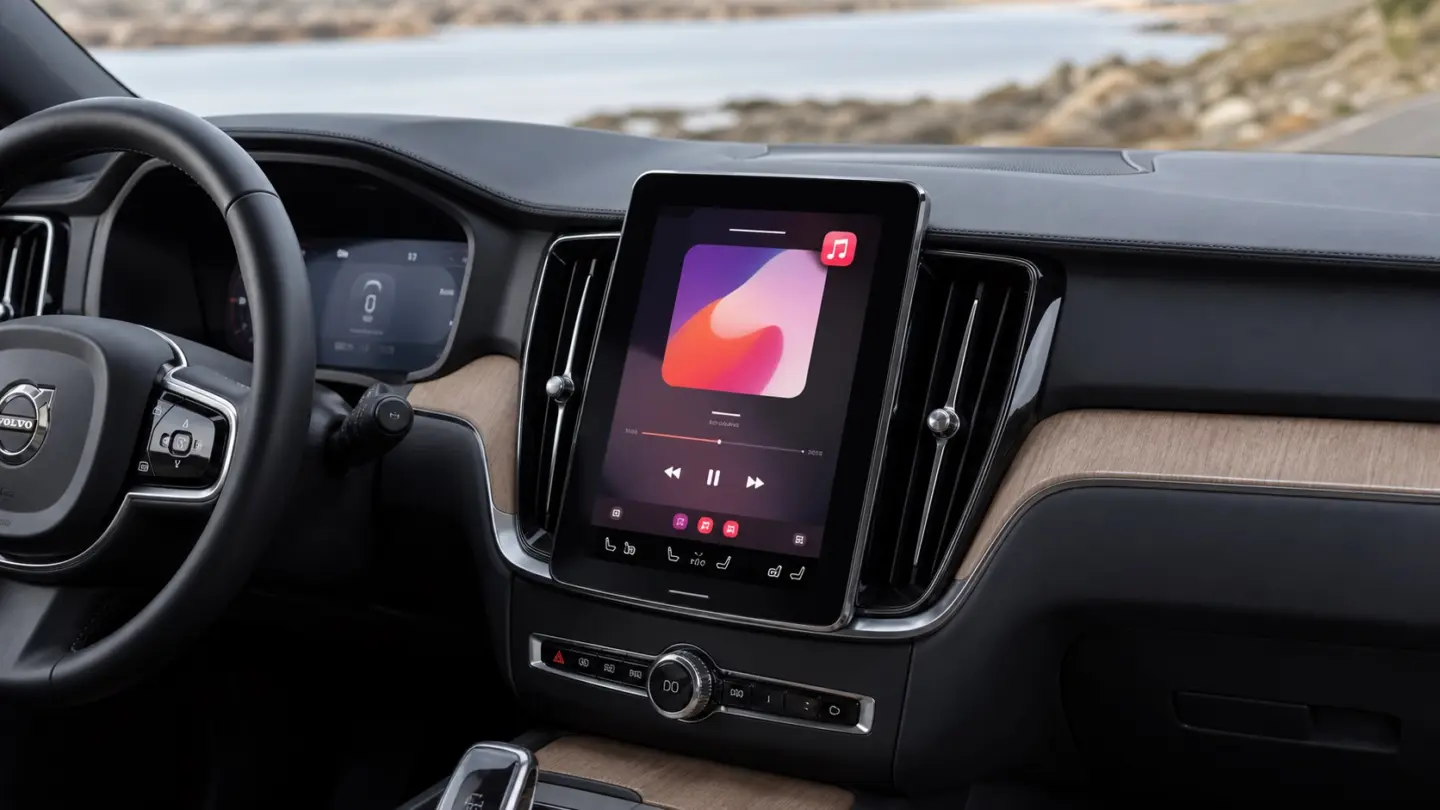
A Volvo anunciou que o Apple Music passará a integrar mais de 2 milhões de seus carros por meio de uma atualização remota (over-the-air, ou OTA), oferecendo até três meses grátis do serviço para os veículos compatíveis.
Para resgatar o teste gratuito, é necessário entrar com sua Conta Apple no app Volvo Cars. Tanto para antigos quanto novos assinantes, a oferta de resgate é válida até 6 de julho de 2027.
Alwin Bakkenes, diretor global de engenharia de software da Volvo, comentou a novidade:
Muitos dos nossos clientes já utilizam o Apple Music em seus smartphones ou em casa. Ao levarmos o Apple Music diretamente para nossos carros, transformamos nossos veículos em um lugar extraordinário para vivenciar a música. […] Você sentirá como se estivesse em meio a uma sala de concertos ou a uma arena durante a sua apresentação ao vivo favorita, ou imerso nas músicas mais recentes em Áudio Espacial, exatamente como os artistas pretenderam — uma experiência sonora verdadeiramente emocionante.
Embora o streaming seja compatível com os modelos XC90, S90, V90, XC60, S60, V60, XC40, EX40 e EC40 fabricados a partir de 2020, o Áudio Espacial do Apple Music será exclusivo do EX90, do ES90 e do EX60 (este último chegará ao mercado brasileiro em outubro).
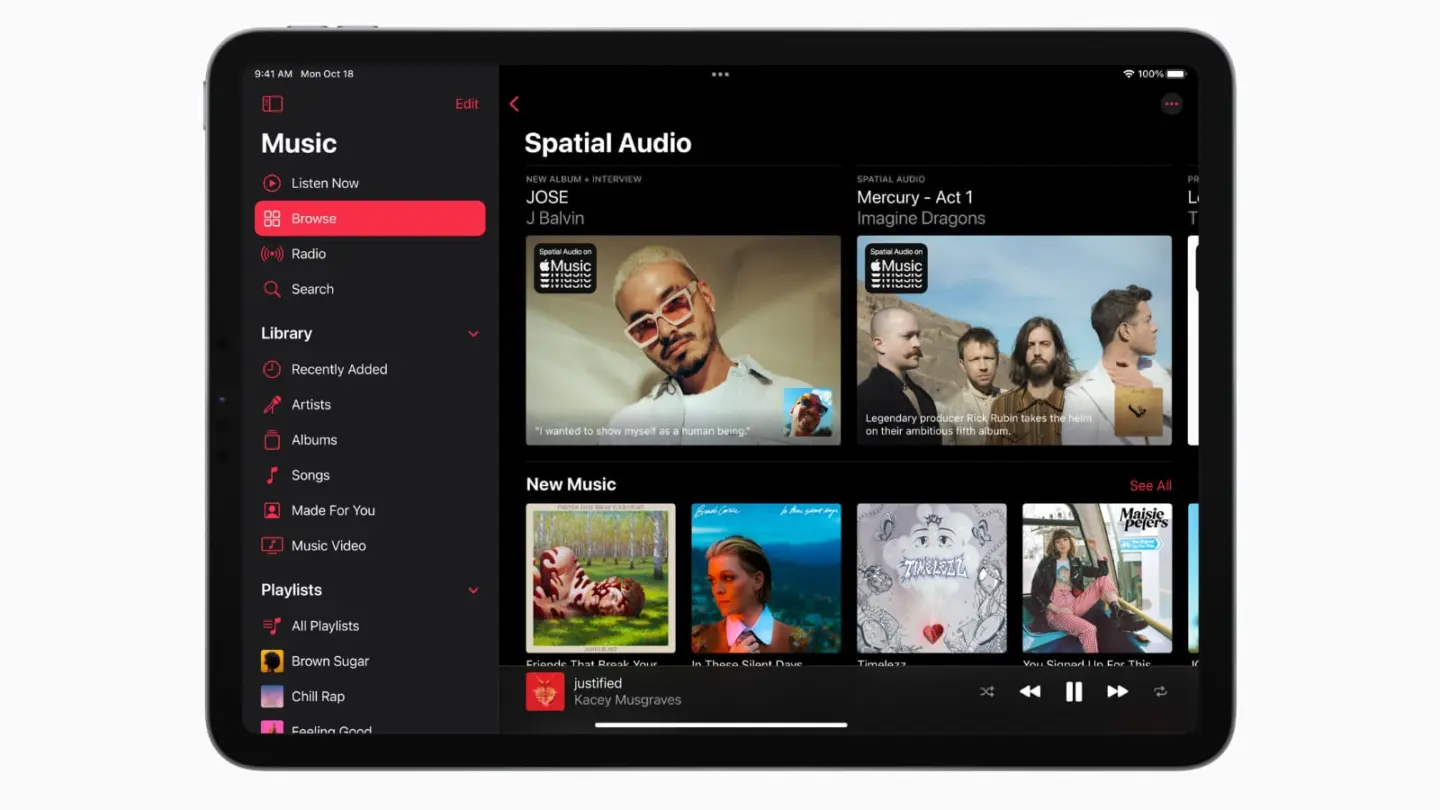
O Apple Music conta com um catálogo de mais de 100 milhões de músicas e 30 mil playlists — muitas delas com suporte a Áudio Espacial (Dolby Atmos) e em altíssima definição, com áudio Lossless. Para quem ama música clássica, há um app dedicado com mais de 5 milhões de faixas, tudo em uma interface simplificada! No Brasil, são três tipos de assinatura: Universitária (R$12,90/mês), Individual (R$23,90/mês) e Familiar (R$40,90/mês). Caso você não seja um assinante, pode testar o serviço de forma gratuita por um mês. Ele também faz parte do pacote de assinaturas da empresa, o Apple One.
NOTA DE TRANSPARÊNCIA: O MacMagazine recebe uma pequena comissão sobre vendas concluídas por meio de links deste post, mas você, como consumidor, não paga nada mais pelos produtos/serviços usando os nossos links de afiliado.
Apple has increased the monthly subscription prices for its Apple Music streaming service in the United States and other markets, marking the first hike in nearly four years. The changes took effect today.
New Apple Music pricing:
• Individual plan: $11.99 per month (up from $10.99)
• Family plan: $19.99 per month (up from $16.99)
• Student plan: $6.99 per month (up from $5.99)
Select Apple One bundles have also seen increases:
• Family plan: $27.95 per month (up from $25.95)
• Premier plan: $39.95 per month (up from $37.95)
The Apple One Individual plan remains unchanged at $19.95 per month.
In a statement to Music Business Worldwide, Apple explained the move: “As a result of rising licensing costs, Apple Music is increasing its subscription price beginning today.”
This increase follows Spotify’s earlier 2026 price adjustment in the U.S., which Apple had publicly highlighted. Despite the hikes, Apple Music’s new Individual rate of $11.99 remains lower than Spotify Premium’s current $12.99.
The last Apple Music price rise occurred in October 2022, when the Individual plan moved from $9.99 to $10.99. Apple has periodically adjusted prices for other services like Apple TV and components within Apple One bundles since then.
MacDailyNews Take: The timing aligns with broader industry trends of streaming services adjusting prices amid rising content and licensing expenses. Existing subscribers will see the changes on their next billing cycle.
Please help support MacDailyNews — and enjoy subscriber-only articles, comments, chat, and more — by subscribing to our Substack: macdailynews.substack.com. Thank you!
Embora costume dar mais foco aos seus próprios sistemas operacionais, a Apple também lança esporadicamente recursos para as versões de seus aplicativos em plataformas concorrentes, como o Android.
O aplicativo Apple TV, por exemplo, está ganhando widgets para a tela inicial do Android — o que permite que usuários acessem ou visualizem informações sem precisar abrir o aplicativo.
Além dessa novidade, o aplicativo também está ganhando suporte ao recurso “Continue Assistindo” (“Continue Watching”) no sistema operacional do Google, juntando-se a outras tantas plataformas de streaming populares do mercado.
A novidade, semelhante ao recurso disponível no aplicativo Apple TV nas plataformas da Maçã, permite continuar assistindo a produções a partir do hub unificado de serviços de streaming do sistema operacional.
Ainda na seara dos updates, o 9to5Google revelou que o Apple Music também está sendo atualizado no sistema concorrente, agora com suporte ao compartilhamento via WhatsApp.
Prices are going up across almost all the Apple Music tiers
There are some bumps in Apple Music prices too
These are the first price hikes we've seen since October 2022
Apple Music is the latest subscription package to get a bump in price, leaving users with the choice between paying more or losing access to the streaming part of their library. The bundled Apple One package that includes Apple Music now costs more as well.
As reported by Music Business Worldwide (via Engadget), the reason cited by Apple is "rising licensing costs". It's the first price hike for this particular subscription we've seen since October 2022. The new monthly prices are below:
New Apple Music prices
US
UK
Australia
Individual
$11.99 (up $1)
£11.99 (up £1)
AU$14.99 (up AU$2)
Family
$19.99 (up $3)
£19.99 (up £3)
AU$23.99 (up AU$4)
Student
$6.99 (up $1)
£5.99 (unchanged)
AU$7.99 (up $1)
The Apple One price increases are less clear, as they're not as easily available on the Apple website. It appears the Apple One Family plan is now $27.95 per month (up $2) and the Apple One Premier plan is now $39.95 (also up $2), though the Apple One Individual plan has stayed at $19.95. Internationally, similar price rises are likely.
This comes at a time when everything tech-related is getting more expensive, from laptops to streaming services. Exploding AI resource demand has sent the price of memory and storage rocketing, and that continues to have a knock-on effect everywhere.
Apple is of course by no means the first company to put up its subscription prices, but it's a reminder of the pitfalls of the digital rental model. As soon as you stop paying, you lose access — so if you need a service, you have no choice but to accept the higher price.
The online reaction has mostly focused on this too: "It's not even about the cost sometimes," writes one Redditor. "It's about loss of control over your finances. Companies can jack up their prices whenever they want." Few commenters seem ready to quit Apple Music, though many are pointing out the billions that Apple has in the bank.
Apple Music doesn't have a free tier like Spotify does, but it beats every other music streaming service in the support it gives you for local files. If you have enough MP3s and ripped CDs, you can use it perfectly well without a subscription.
As we've written about recently, Apple is selling more and more of its software products through recurring payments rather than a flat one-off fee, and one of the reasons is that it's more profitable — and makes it more likely that users will continue to pay up.
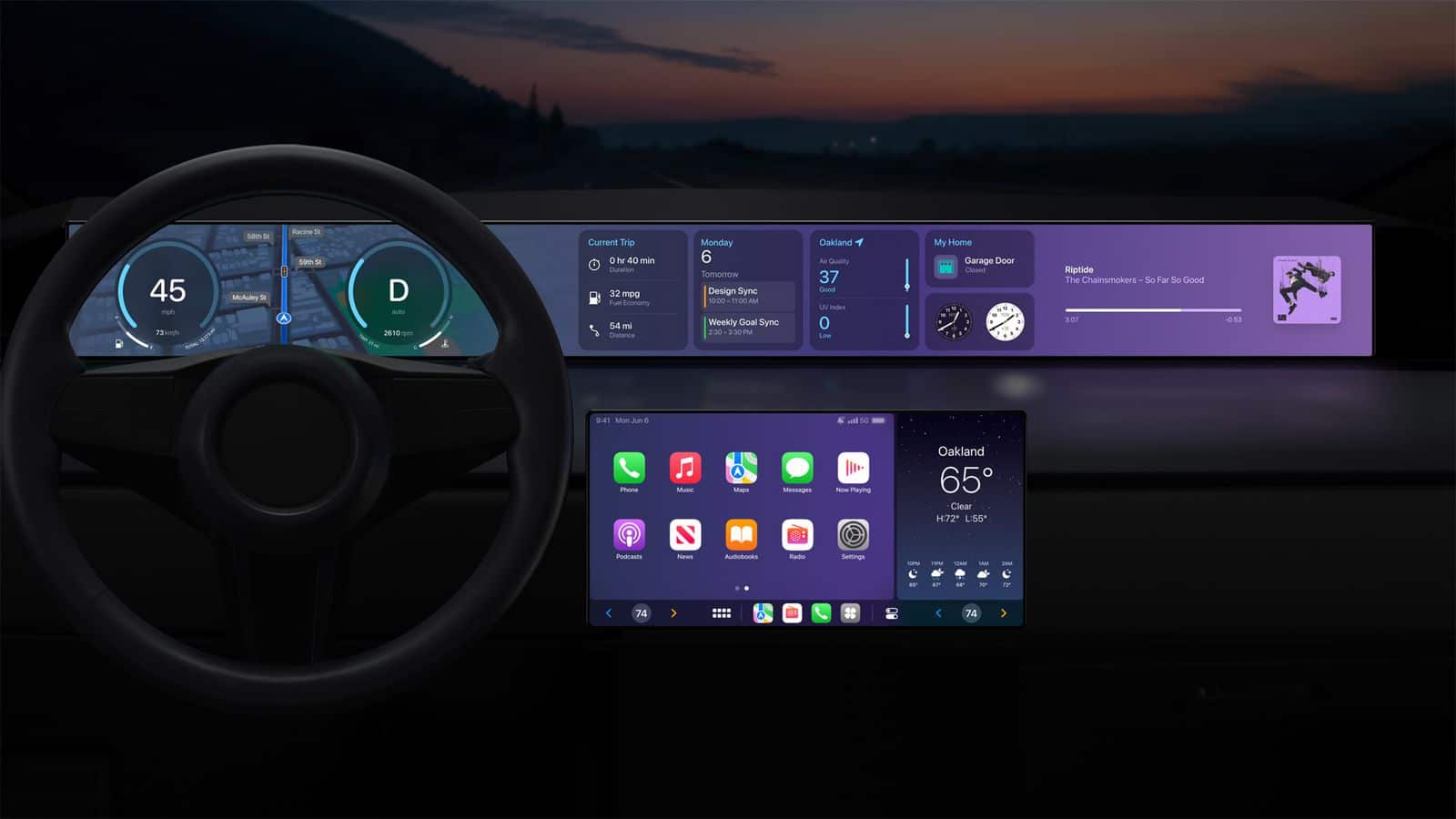
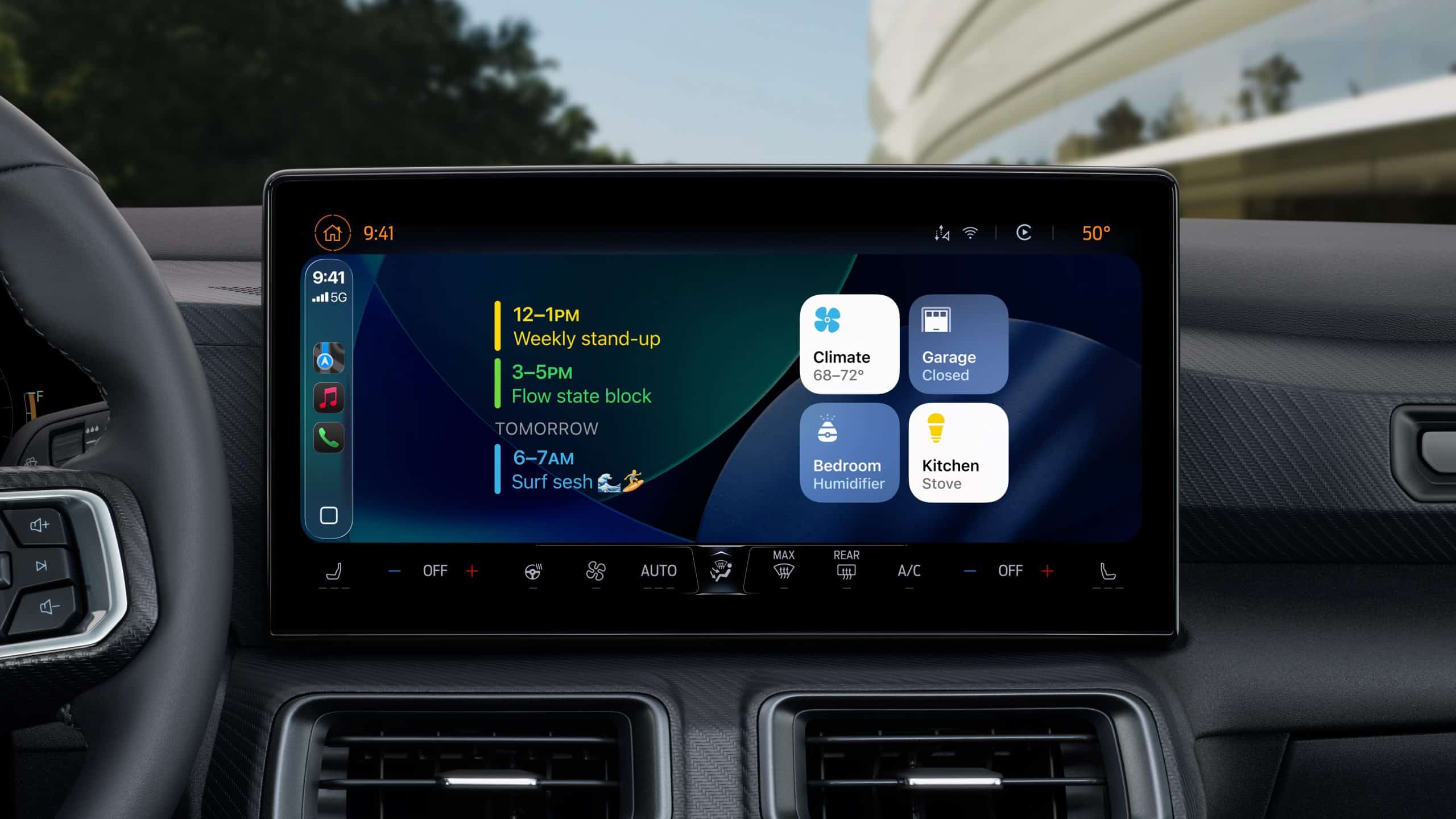
CarPlay apps have grown far beyond maps, music and basic messaging. More than 120 popular iPhone apps now offer some form of support for Apple’s in-car platform, giving drivers access to navigation, podcasts, audiobooks, sports, communication, electric vehicle charging, parking, food ordering and newer AI assistants.
Not every compatible app places its full iPhone interface on the dashboard. CarPlay uses simplified layouts, voice controls and restricted features designed to reduce distractions. Some apps show lists and buttons, while others operate mainly through Siri or audio playback.
The larger catalog nevertheless changes what CarPlay can do. It is becoming a controlled extension of the iPhone rather than a small collection of driving utilities.
CarPlay Apps Cover More of the Journey
The first generations of CarPlay concentrated on a small set of familiar activities: choosing a route, making a call, sending a message and playing audio. Those functions remain central, but Apple has gradually opened additional categories to developers.
CarPlay apps can now help drivers find parking, locate fuel, identify EV charging stations, order food for collection and complete certain driving-related tasks. Automakers can also build apps that control supported vehicle features without forcing the driver to leave the CarPlay interface.
Apple continues to limit which app categories qualify. A social network, game or ordinary shopping app cannot simply reproduce its iPhone screen on the dashboard. Developers must use Apple’s CarPlay frameworks and present only functions considered suitable for the car.
The approach explains why the available catalog can feel both extensive and restrained. More than 120 apps may be compatible, but the dashboard does not become a crowded copy of the App Store.
Image Credit: Apple Inc.
Navigation Remains the Starting Point
Apple Maps is built directly into CarPlay and provides turn-by-turn guidance, traffic information, estimated arrival times and destination suggestions based on information from the iPhone.
Drivers can also choose popular alternatives including Google Maps and Waze. Each service brings a different combination of traffic data, route preferences, incident reporting and familiar saved locations.
Other navigation and travel options include HERE WeGo, TomTom GO Navigation, Sygic GPS Navigation, Gaia GPS and specialist apps designed for trucks, motorcycles or outdoor routes.
The strongest choice usually comes down to habit and regional coverage. A driver already using Google Maps or Waze on iPhone can continue using saved destinations and preferences inside the car. Apple Maps benefits from tighter system integration, including Siri requests, Calendar suggestions and Apple Watch directions.
CarPlay allows several navigation apps to appear in the Dashboard layout, where mapping can share the screen with media controls and other useful information.
Music, Radio and Podcasts Dominate the Catalog
Audio remains the largest CarPlay app category because it suits an environment where users should spend as little time as possible looking at the screen.
Apple Music, Spotify, YouTube Music, Amazon Music, Deezer, Tidal and Pandora provide access to large music libraries. Radio services such as TuneIn, iHeartRadio and SiriusXM add live stations, news, sports and talk programming.
Podcast listeners can use Apple Podcasts, Overcast, Pocket Casts, Castro and Spotify. Audiobook options include Apple Books, Audible, Audiobooks.com and Bookmate.
The CarPlay versions usually emphasize large buttons, recent listening, saved libraries and voice search. More detailed account management remains on the iPhone.
Siri can start playback without requiring users to browse through several menus. The experience is safer and often faster when the request includes the service and content, such as asking Siri to play a specific playlist through Apple Music or Spotify.
Messaging Is Becoming More Visual
Messages has long allowed CarPlay users to hear incoming texts and dictate replies through Siri. Third-party messaging services have expanded the same general idea.
WhatsApp now offers a fuller CarPlay experience that can display recent chats, calls and favorite contacts while keeping message composition centered on voice. Other supported communication apps include Telegram and selected business messaging services, depending on region and app version.
CarPlay does not display long text conversations like an iPhone. Siri reads messages aloud, and users can dictate a response. Visual elements remain limited so the dashboard does not become a scrolling chat screen.
Phone and supported calling apps also provide simplified access to contacts, recent calls and favorites. Meeting services can support audio participation, but video remains unavailable while driving.
AI Assistants Enter CarPlay
AI assistants represent one of the newest CarPlay app categories. ChatGPT, Perplexity and Grok have introduced CarPlay support, allowing drivers to interact through voice without handling the iPhone.
These apps can answer general questions, explain subjects, brainstorm ideas or continue voice conversations. Their usefulness in a car is different from navigation or music. They provide a hands-free knowledge interface during a commute or long trip.
Google Meet and other communication apps have also expanded their in-car presence, emphasizing audio conversations rather than video.
AI responses should not replace directions, emergency information or vehicle warnings. They can also produce inaccurate answers, particularly when asked about rapidly changing road conditions. Apple Maps, official traffic services and the vehicle’s own systems remain the appropriate sources for driving decisions.
The arrival of AI assistants still marks a meaningful expansion. CarPlay is no longer limited to commands with predefined outcomes. Drivers can now hold longer spoken interactions through supported services.
Parking, Fuel and EV Charging Become Easier
Practical travel apps can reduce the need to handle an iPhone after arriving near a destination.
Parking services can help locate garages, compare availability or start a parking session. Availability varies by city, but apps from services such as SpotHero, EasyPark and ParkWhiz may offer CarPlay functions in supported markets.
Fueling apps can guide drivers to compatible stations and, in some cases, prepare or authorize payments. EV charging apps can locate chargers, show connector availability and begin navigation to a selected station.
ChargePoint, PlugShare, Electrify America and other charging networks provide different levels of CarPlay integration. Drivers should confirm that their preferred service supports the platform in their country and app version.
Food-ordering support is more restricted. Compatible apps are designed around quick pickup tasks rather than browsing complete menus while the vehicle is moving.
Sports and Driving Information Join the Dashboard
Sports apps are also finding a place in the car. Apple Sports and selected third-party services can provide scores or spoken updates without requiring drivers to follow a live visual feed.
Audio broadcasters already make sports a major part of CarPlay through radio and podcast services. Dedicated sports support makes it easier to reach a favorite team or competition directly.
Driving-task apps can handle functions such as recording mileage, managing road trips or communicating with fleet systems. These experiences are generally built for narrow purposes and use simplified controls.
Automaker apps form another category. Depending on the vehicle, they can expose controls for radio stations, climate functions, drive modes or other systems through CarPlay. Support is determined by the manufacturer and may differ between models.
How to Find CarPlay Apps on an iPhone
Compatible apps installed on the iPhone normally appear in CarPlay automatically. Users can decide which ones remain visible and change their order.
To organize CarPlay apps:
Settings > General > CarPlay > select the vehicle > Customize
Apps can be added, removed or rearranged from this screen. Removing an app from the CarPlay layout does not uninstall it from the iPhone.
An app may not appear when its developer has not enabled CarPlay support, the feature is unavailable in the region or the app needs to be updated. Some services also require an active subscription or account.
The safest layout keeps frequently used navigation and audio apps near the first page. Less essential services can remain farther back or be removed to reduce dashboard clutter.
More Apps Do Not Mean More Screen Time
The value of 120 CarPlay apps is not having 120 icons inside the car. It is having a useful service available when a particular trip requires it.
A daily commute may involve only Maps, Music and Messages. A road trip may add charging, parking, audiobooks and weather information. A workday could involve audio meetings and mileage tracking.
CarPlay’s restrictions remain part of its appeal. Apps are expected to simplify their interfaces, support voice interaction and limit detailed visual tasks. The system should reduce the temptation to use the iPhone rather than reproduce every distraction on a larger screen.
As iOS 27 expands capabilities for audio, communication, navigation and driving-task apps, the catalog is likely to keep growing. The more useful evolution will be deeper integration with the Dashboard, Siri and vehicle controls—not simply another row of icons.
Apple today increased the price of Apple Music and some Apple One subscription bundles. An individual Apple Music subscription is now $1 more expensive in the United States, going from $10.99 to $11.99 per month.
Pricing on the Apple Music Family plan increased by $3, increasing from $16.99 to $19.99. Student pricing is up $1, with the plan now priced at $6.99.
The price of the individual Apple One plan hasn't changed, but the Family and Premier plans have gone up $2. The Family plan is now $27.95 per month and the Premier plan is $39.95 per month. Apple has also raised prices in Brazil.
In a statement to Music Business Worldwide, Apple said it was raising prices due to the "result of rising licensing costs." Apple Music prices were last increased in October 2022.

 Login