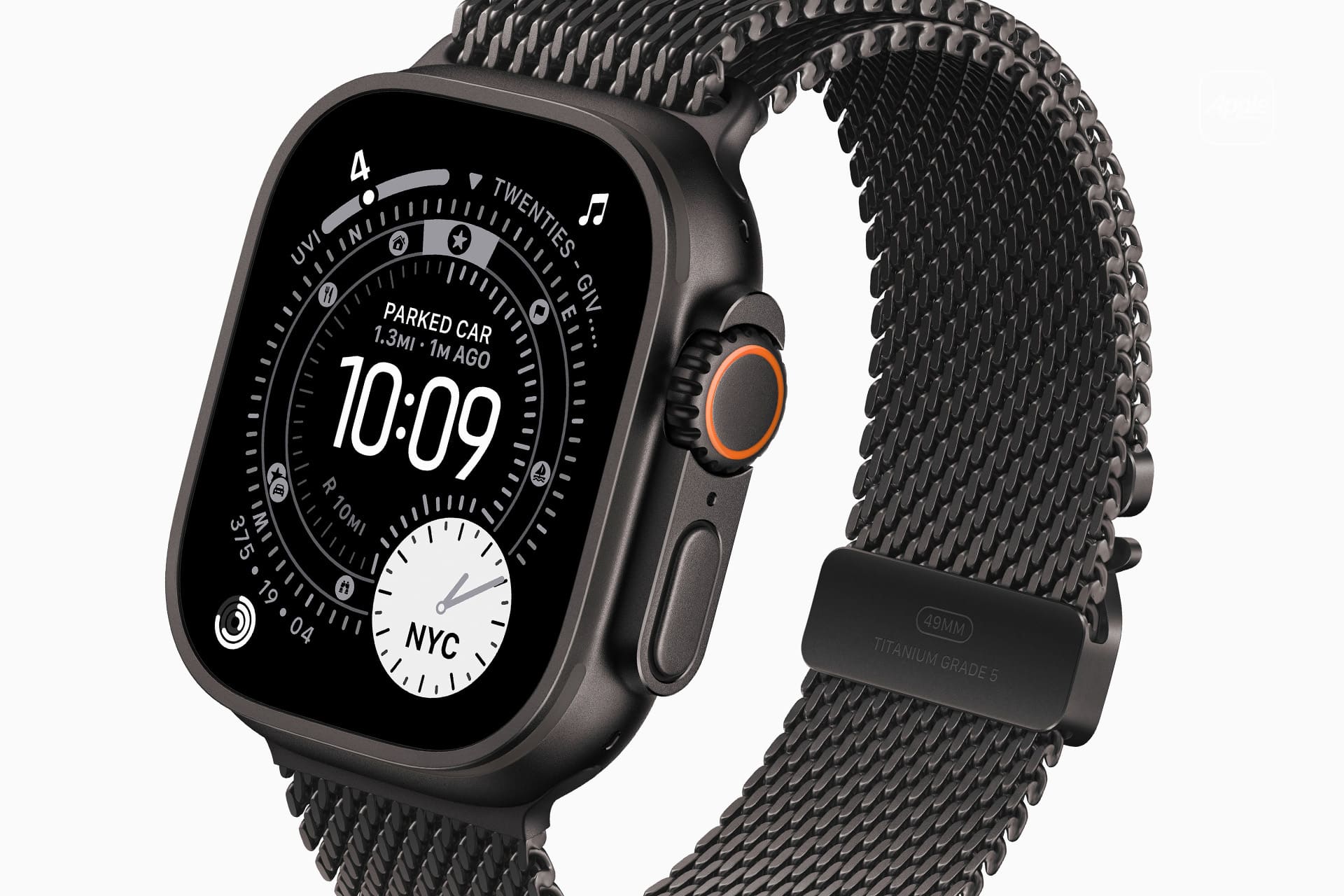
The European Commission yesterday adopted new exemptions to its Batteries Regulation that free the Apple Watch and AirPods from having to offer user-removable and replaceable batteries.
[…]
The reasoning largely mirrors why devices like electric toothbrushes were already exempt: Opening a compact, sealed enclosure and failing to reseal it properly could let water in and create a safety risk. Products can also qualify for exemption if their construction makes battery removal inherently dangerous, or if there is no realistic way to build in user access given current manufacturing methods.
[…]
The iPhone was already exempt from the removability rule under the original regulation, thanks to its battery cycle life and water resistance rating.
This is one of those exceedingly rare cases where EU legislation has produced an unambiguously good outcome: from February 2027, Logitech’s European wireless devices will ship with hard-pack, user-replaceable batteries, and Logitech will sell certified replacements.
Apple today announced that the Passwords app can now automatically update weak and compromised passwords using Apple Intelligence and Safari to take action on a user’s behalf.
[…]
Apple describes the system as agentic, with Apple Intelligence and Safari securely navigating through websites, signing in, and upgrading accounts to strong passwords without the user needing to intervene beyond an initial tap.
Raise your hand if you’re going to trust an AI agent with your passwords.
Maybe it’s architected so that the agent doesn’t see the actual passwords, but I find the idea of this ghost surfing through sites, logged in as me, really creepy.
Passwords has an agentic AI feature that will scan your list of compromised passwords and then present you with a list of the ones it believes it can update for you. Even on that subset though, my experience was uneven, with just 5 of 18 updated. It’s a very cool idea, and should hopefully see improvements as the technology progresses, but right now it’s hit or miss.
A new study reporting in Translational Psychiatry suggests that a traditional medicinal formulation called Rannasangpei—and particularly its constituent crocin-1—may help blunt autism-like behaviors triggered by prenatal exposure to valproic acid (VPA). The work frames autism-related impairments not only as behavioral phenomena, but also as downstream consequences of disrupted redox balance and chronic neuroinflammatory signaling in the brain.
The researchers used a VPA-induced model to mimic key aspects of autism-like neurodevelopmental disruption. Within this framework, they assessed whether Rannasangpei components could restore biological stability and translate into measurable improvements in behavior. The experimental logic is straightforward: if oxidative stress and neuroinflammation are causal amplifiers, then reducing them should lead to behavioral rescue.
A central finding is that treatment with Rannasangpei correlated with reduced oxidative stress markers. Oxidative stress is increasingly viewed as a bridge between genetic/environmental risk and neuronal dysfunction, because reactive oxygen species can disturb synaptic integrity, neuronal maturation, and signaling cascades essential for social and cognitive behaviors.
Equally important, the study reports a suppression of neuroinflammation. Neuroinflammation can reshape neural circuits through glial activation and altered cytokine profiles, potentially worsening developmental trajectories. By dampening inflammatory responses, crocin-1–linked effects appear to protect the brain environment during a sensitive developmental window.
The authors also emphasize that crocin-1’s contribution is not merely supportive but functionally significant, consistent with the bioactive chemistry of crocins that have been studied for antioxidant and anti-inflammatory activity. In this sense, the paper positions crocin-1 as a mechanistic candidate within a multi-component formulation.
Importantly for translational enthusiasm, the results connect molecular readouts to behavior, strengthening the argument that the observed changes are not cosmetic. Instead, they suggest an integrated pathway: oxidative imbalance and inflammatory tone shift in parallel with autism-like phenotype severity.
Overall, the study adds to a growing viral science-news narrative in neurodevelopment: natural compounds may modulate the biological “stress–inflammation” axis that shapes risk models like VPA. While animal data cannot be directly generalized to humans, the mechanistic coherence makes crocin-1 and Rannasangpei an attention-worthy direction for future preclinical and clinical exploration.
In the meantime, the headline is clear: Rannasangpei and crocin-1 show promise in reducing VPA-induced autism-like behaviors by calming oxidative stress and neuroinflammation, bringing a traditional medicine ingredient into modern neurobiological spotlight.
Subject of Research: Autism-like behaviors induced by valproic acid; oxidative stress and neuroinflammation Article Title: Rannasangpei and its constituent crocin-1 ameliorate valproic acid–induced autism-like behaviors accompanied by reduced oxidative stress and neuroinflammation. Article References: Qiu, R., Li, L., Yao, T. et al.Transl Psychiatry (2026). https://doi.org/10.1038/s41398-026-04283-0 Image Credits: AI Generated DOI: https://doi.org/10.1038/s41398-026-04283-0
Como parte de seus esforços para dar a pais um maior controle sobre o que seus filhos visualizam e com quem se comunicam em suas plataformas, a Metaestá expandindo alguns dos seus recursos de controle parental para o Threads.
A partir da semana que vem, pais e responsáveis nos Estados Unidos poderão usar a Central da Família da Meta para controlar como as crianças sob sua guarda usam o Threads — tal como já é possível no Instagram e no Facebook.
Divulgação/Meta
Quando a supervisão estiver ativada, pais poderão visualizar o tempo que as crianças e adolescentes gastam na plataforma, definir limites de tempo para o uso, gerenciar quem pode marcá-los em posts e preferências de conteúdo.
A Meta ainda destacou que continuará expandindo suas ferramentas de supervisão para tornar mais fácil a familiares encontrarem controles e apoiar a experiência de seus adolescentes nas suas diferentes plataformas.
Novidades para os Live Chats
Além dos recursos de controle parental, o Threads também está ganhando novidades especificamente para os Live Chats, bem como anunciou recursos que chegarão em breve às suas salas de bate-papo públicas.
Segundo o TechCrunch, a Meta está liberando a criação de Live Chats para todos os Community Champions (usuários ativos e influentes nas comunidades da plataforma) e um recurso que permite traduzir mensagens na conversa.
Anfitriões, por sua vez, agora contam com um maior destaque em suas mensagens, bem como podem convidar até três co-hosts para ajudá-los a conduzir uma conversa, além de agora poderem excluir mensagens para todos os participantes.
Para o futuro, a Meta prometeu novidades como suporte aos Live Chats na versão para desktop do Threads e às mensagens fixadas, que permitirão ao anfitrião deixar avisos ou informações importantes no topo de uma conversa.
O jornal divulgou dados da empresa de pesquisas Sensor Tower que apontam para o lançamento de cerca de 600 mil apps (um crescimento de 30%) na App Store no ano passado — justamente no ano em que os aplicativos criados com inteligência artificial começaram a se tornar cada vez mais populares.
É um crescimento relevante, mas a tendência é que o deste ano seja ainda maior. Só no primeiro semestre, foram publicados 560 mil novos apps. Com o ritmo de novos lançamentos mais que dobrando, pode-se dizer que trata-se do primeiro grande crescimento desde o boom dos primeiros anos da App Store.
Embora isso possa ser considerado vantajoso para a Apple, que recebe uma comissão por compras dentro de apps, muitos desses softwares sobrevivem exclusivamente com anúncios (o que não rende receita à Maçã) e uma boa parte está apenas “ocupando espaço”, sem um número relevante de downloads.
Os dados da Sensor Tower, inclusive, mostram que o crescimento na quantidade de downloads é bem mais modesto que o de novos apps. Ao longo de todo o ano passado, foram registrados 35,4 bilhões de downloads (+3%) na loja, enquanto no primeiro semestre deste ano esse número é de 17,6 bilhões (+2%).
Para a Apple, isso pode ser algo negativo, uma vez que todos os aplicativos hospedados na loja dependem de avaliação humana para serem liberados. Um alto número de novos apps pode dificultar esse processo de revisão ou até mesmo diminuir a qualidade dos softwares que são disponibilizados.
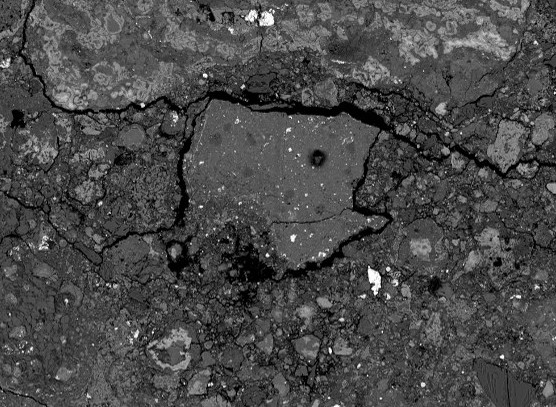
Scientists have discovered the building blocks of life inside a meteorite that smashed through a New Jersey home two years ago. The space rock contains amino acids, carbon compounds and other "prebiotic" molecules similar to what may have helped kick-start life on our planet, a new study shows.
Scientists on the study team — led by Peter Jenniskens, a meteor astronomer with affiliations at the SETI Institute and NASA's Ames Research Center — praised the homeowner in Hillsborough, N.J., for quickly preserving the meteorite after it fell through the roof on July 16, 2024, despite the adverse circumstances. His actions included using disposable gloves and aluminum foil to place pieces of the meteorite fragments into glass jars.
"I was at home at the time, heard a loud crash and found a hole in the ceiling of the master bedroom," the homeowner, who was not named, said in a statement from the SETI Institute. "I smelled a strong, sulfur-like odor and saw many black fragments, along with debris and black dust that covered my bed, carpet and surrounding areas."
A close-up of the Hillsborough meteorite’s surface. (Image credit: SETI Institute)
Those meteorite pieces were precious, the scientists said, and likely came from an ancient solar system planet that wasn't fully formed. "A forensic study of the fragments revealed that they contained preserved bits from near the surface of a small primitive asteroid where it experienced concentrated salty fluids — a process not previously known from this type of protoplanet world," Jenniskens said in the statement.
The rock broke apart in midair, with observer reports stopping when the meteor reached 22 miles (35 kilometers) in altitude, although Newark Liberty International Airport briefly tracked pebbles falling from the sky with Doppler weather radar after that. Fragments from only one meteorite — called Hillsborough, after the town where it crashed through the New Jersey home — were recovered.
The American Meteor Society used its cameras in Northford, Connecticut, and Douglassville, Pennsylvania — along with a doorbell camera in Wayne, New Jersey — to figure out the meteor's origin, Mike Hankey, an operations manager at the American Meteor Society and co-author of the study, said in the statement. "The path traced back to low in the asteroid belt."
Hillsborough is the second stony meteorite of its type ever spotted in a fall. Later analysis showed that the meteorite is full of ancient brines or salt. Scientists classified the meteorite as a type of stony space rock called a carbonaceous chondrite.
Scientists will compare the salt minerals to samples of asteroids Ryugu and Bennu, both of which contain ingredients of life and are samples of another carbonaceous chondrite type that formed earlier than Hillsborough. This analysis could help scientists further trace the origins of life-friendly chemistry in the early solar system.
Up to 90% of Earth's population may be able to see the enormous "God of Chaos" asteroid Apophis zoom past our planet in less than three years, scientists say. The skyscraper-size space rock will come closer to us than some satellites, making it clearly visible to the naked eye during the "once-in-a-millennium" skywatching event.
This will be the first time humans have ever been able to predict a flyby of an asteroid visible to the naked eye, and it could be a once-in-a-lifetime experience for the up to 7.6 billion people who manage to see it, scientists said at the Apophis T-3 Years workshop, held June 18-19 at the University of Padua in Italy.
"Sighting Apophis as it passes by is a way of feeling a shared cosmic experience, realizing the smallness of Earth in the vastness of space," Richard Binzel, a planetary scientist and asteroid expert at MIT who helped organize the recent workshop and create new maps of the flyby, told Live Science in an email.
The asteroid, dubbed 99942 Apophis (or simply Apophis), is a peanut-shaped object that spans about 1,500 feet (450 meters) across at its widest point, or around as wide as the Empire State Building is tall, making it large enough to wipe out a city if it ever impacted our planet. Apophis likely originated from the solar system's main asteroid belt between Mars and Jupiter, but it now resides between the orbits of Venus and Earth, circling our home star roughly every 10.5 months. The name Apophis comes from Apep, the Egyptian serpent god of darkness and disorder, which has earned the space rock the nickname "God of Chaos."
On April 13, 2029, Apophis will make a superclose flyby of Earth, reaching a minimum distance of around 19,000 miles (30,600 kilometers) from our planet, according to The Planetary Society. That's much farther away than the International Space Station and the thousands of other spacecraft in low Earth orbit, but it's closer than several hundred satellites stationed in an elevated geosynchronous orbit. (Apophis poses no threat to these high-altitude satellites because they can easily be maneuvered away from its projected path.)
At the recent Apophis T-3 Years workshop, scientists shared new maps showing how many people will be within viewing range of the asteroid at each point of its seven-hour flyby of Earth. (Image credit: eclipseatlas.com)
Therefore, scientists are keen to monitor the flyby in great detail and will coordinate observations from telescopes around the world to understand the potentially hazardous asteroid better. Several spacecraft, including NASA's OSIRIS-APEX, will also attempt to fly past Apophis to study its structure and trajectory. The event is so significant that the United Nations has declared 2029 the International Year of Asteroid Awareness and Planetary Defence.
Researchers also hope the flyby will provide a unique opportunity to inspire the next generation of space scientists. "I hope people will find the Apophis flyby intriguing, as it is not anything fearful or frightening at all," Binzel said. "Who knows how many young people might find a spark of curiosity that leads them on a path to a career in space studies."
Who will see Apophis?
The new maps help break down who might be able to see Apophis throughout the roughly seven-hour period it passes by our planet. The asteroid will be visible only to people who are positioned within its path at twilight or night amid clear skies and limited light pollution.
Apophis will slowly move across the night sky through a set of well-known constellations, although its exact position will depend on where in the world you are. (Image credit: eclipseatlas.com)
At the start of the flyby, when Apophis is farthest from Earth, the asteroid could be visible to around 4.5 billion people across Australia and most of Asia. By the end of the flyby, when the space rock reaches its closest point to us, it might be visible to around 1.9 billion people in eastern South America, northern Africa and parts of Europe, according to the new maps.
Peak visibility will occur around halfway through the flyby, when Apophis might be seen by as many as 5.7 billion people across eastern Africa, Southern Europe, Australia, and all of Asia and the Middle East. At this point, astronomical observatories situated on Spain's Canary Islands will likely snap the best photos of the asteroid's flyby, according to Live Science's sister site Space.com.
North America is the only continent that will not get a clear view of Apophis.
For those who are lucky enough to see the passing space rock, the asteroid will appear as a "modest star passing slowly across the sky, much like a slow-moving satellite," Binzel said, and it will shine as brightly as the stars in the Big Dipper.
New NASA Earth Missions Gear Up to Start Science Flights
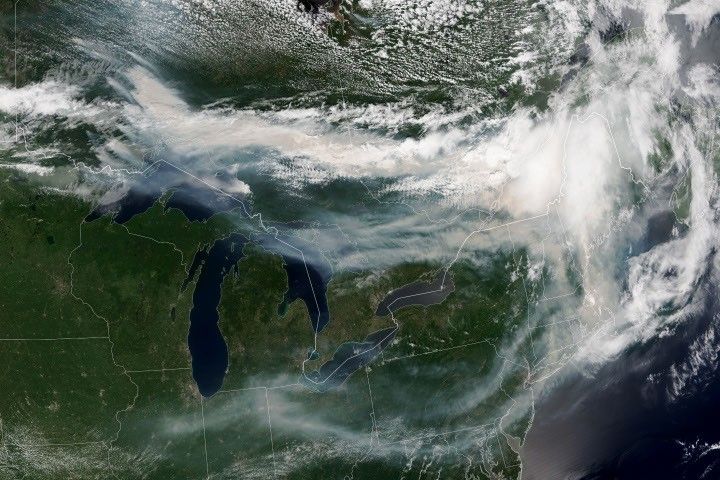
Satellite imagery captured wildfires burning hot enough to generate pyrocumulonimbus clouds north of Lake Superior in July 2026. NASA aircraft will help scientists study the powerful storms as they develop.
Credits: CSU/CIRA & NOAA
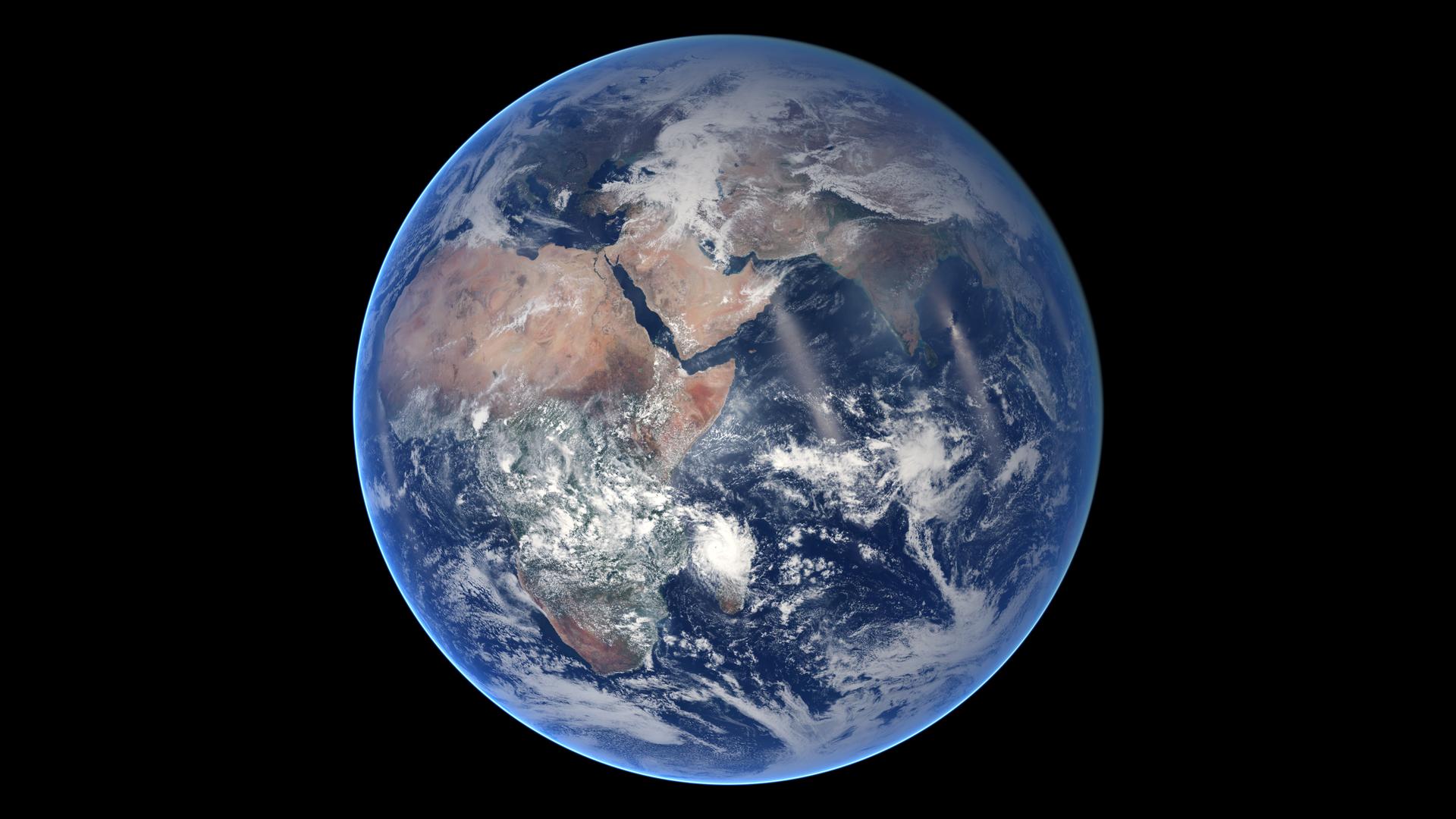
Landslides in Alaska. Air quality in Atlanta. Fire clouds out West. From the Arctic fringes to farm country, NASA’s newest class of suborbital Earth Venture missions is gearing up to deliver science that will benefit communities in the United States and beyond.
The six projects will mobilize hundreds of scientists and pilots from NASA, the U.S. Navy, universities, and other institutions over the next several years. While the investigations range across topics, a defining feature of suborbital missions is the use of sensors mounted on aircraft.
Airborne remote sensing serves as a bridge between ground-based instruments and satellites. Data collected via planes, helicopters, drones, and balloons can fill in gaps in computer models used by weather forecasters, city planners, and others.
When wildfires create their own weather
The first project to take wing this summer is Injected Smoke and PYRocumulonimbus Experiment (INSPYRE), led by the Naval Research Laboratory. From mission headquarters in Colorado, the team will chase one of the least understood forms of severe weather on Earth: towering “fire clouds” generated when extreme wildfires burn hot enough to brew their own thunderstorms.
Pyrocumulonimbus clouds crackle with lighting in imagery captured over Utah and Colorado by the GOES-18 satellite in early July 2026.
CSU/CIRA & NOAA
Smoky and crackling with lightning, these unique storms can create blind spots for aviators above and spark new blazes below. Measuring and mapping the dangerous storms as they develop in real-time will help scientists forecast them in the future. Several aircraft, including NASA’s high-altitude ER-2, flying out of Montana, will carry a large suite of instruments over wildfire-generated storm systems. Among them will be two state-of-the-art infrared wildfire trackers, which were developed at NASA’s Jet Propulsion Laboratory (JPL) in Southern California and will be flying as part of the agency’s FireSense program.
Testing the air over farmland, megacities
Agricultural emissions represent an important and understudied part of Earth’s land and atmosphere systems. The FarmFlux mission, which kicks off this year, will deploy more than a dozen sensors to measure ozone, methane, ammonia, particulates, and other pollutants rising from agricultural lands and animal farms stretching from the Midwest to California’s Central Valley. These emissions affect human health, global climate, and stratospheric ozone. The mission is led by NASA’s Goddard Space Flight Center in Greenbelt, Maryland, along with Colorado State University, and Boston University.
NASA’s 777 aircraft is gearing up to start science flights. Structural modifications – like enlarged cabin windows and instrument portals – have transformed the former passenger plane into a flying laboratory. It’s seen here at Langley Research Center in Hampton, Virginia, in April 2026.
NASA/Ryan Hill
Two North American cities with air quality concerns are Atlanta and Mexico City. But the causes differ, with weather and terrain playing a role. To explore these differences, the Hemispheric Airborne Measurements of Air Quality (HAMAQ) mission will investigate areas of poor air in the two capitals and test how satellite information can help forecasting and mitigation efforts. The team will deploy two aircraft at different altitudes: NASA’s P-3B will fly close to the surface, directly measuring fine particle and gaseous pollutants, while the recently acquired 777 science jet will soar high above, mapping pollution with remote sensors. NASA’s Langley Research Center in Hampton, Virginia, is leading the mission.
Fast-changing north
As the Arctic warms at least twice as fast as the rest of Earth, data collected today can help guide communities on the front lines of change.
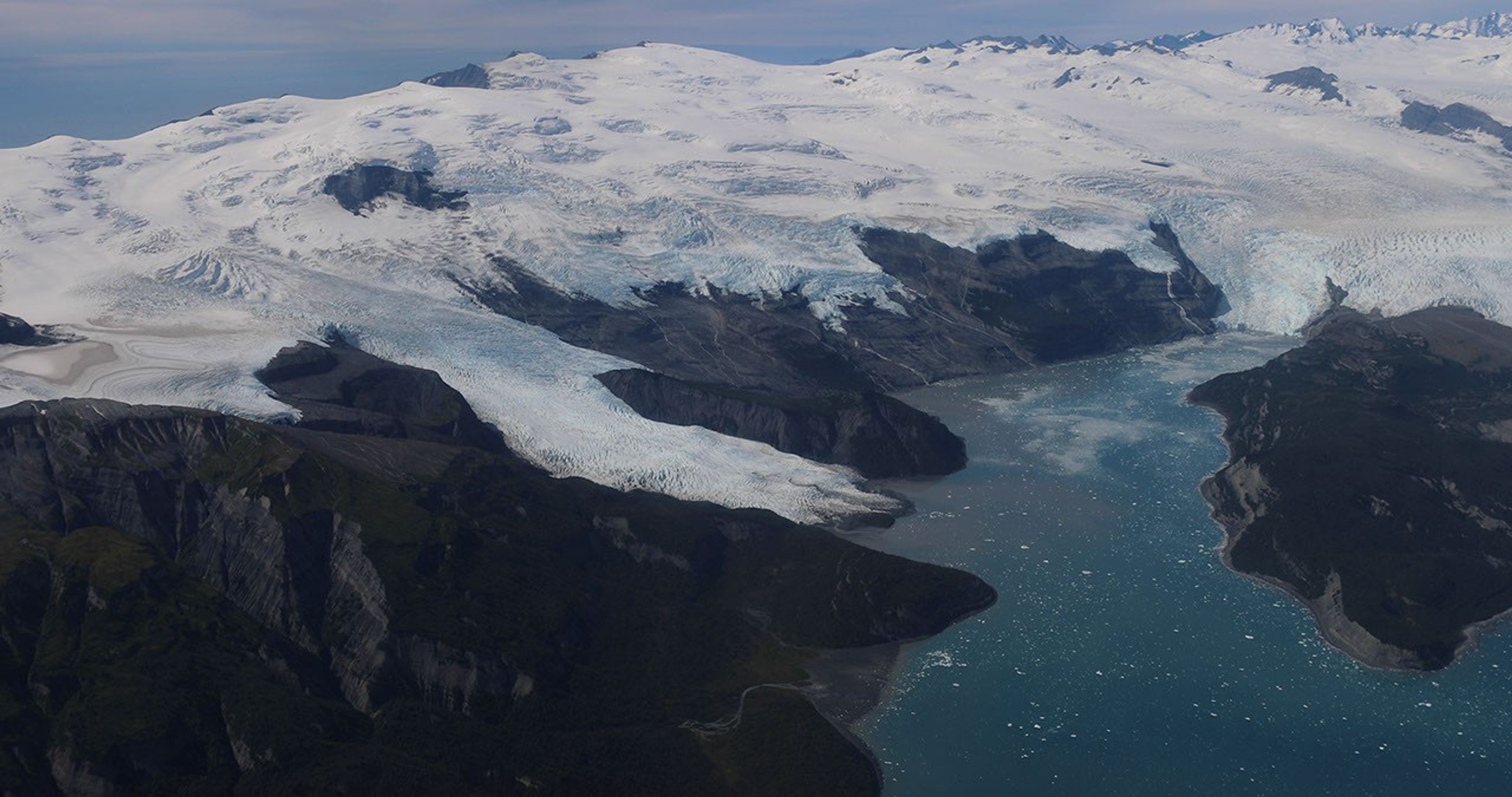
Alaska’s glaciers are losing ice and contributing to sea level rise. NASA is tracking the changes from land, air, and space.
NASA
The Snow4Flow campaign, led by the University of Arizona, seeks to measure and model how far and fast glaciers are retreating in the far north. Traversing remote icescapes across Alaska, the Yukon, Arctic Canada, Greenland, and Svalbard, Norway, they’ll sound both the near-surface and frozen depths of hundreds of glaciers while flying over in a modernized WWII-era aircraft outfitted with a scanning laser altimeter and two custom radars. Their observations, combined with satellite data and advanced models of snowfall and glacier flow, will advance our understanding of how glaciers behave in different regions of the Arctic. The mission seeks to uncover not just what these glaciers look like beneath the surface today, but the processes that will drive changes in the future.
As permafrost thaws, rivers on the doorstep of the Arctic become conveyor belts of carbon and sediment. NASA Goddard, and the City College of New York lead a multidisciplinary team studying how rivers, lagoons, and estuaries across Alaska’s North Slope interact with the Arctic Ocean. The project, called Frontlines of Rapidly Transforming Ecosystems (FORTE) will combine optical and radar measurements from satellites, planes, high-tech research vessels, drones, and underwater autonomous systems to track microscopic marine life, water flow, and chemistry. The team will collaborate with local and tribal communities to sustain observations over time and apply NASA assets to address emerging local needs and decision-making priorities.
Landslide triggers
When a slow-moving landslide in California suddenly collapsed and buried a section of coastal highway in 2017, scientists at NASA JPL wanted to know how precipitation swings played a role. JPL studies how water infiltrates and destabilizes hillslopes all over the world. The Landslide Change Characterization Experiment (LACCE) project will combine airborne synthetic aperture radar with land-based sensors to track how slopes in California are responding to a world of intensifying droughts and downpours. The project also takes aim at emerging landslide hazards in Alaska, where rapidly retreating glaciers are accelerating slope movements that have the potential to create mega-tsunamis.
This series of images shows the collapse of the Mud Creek landslide in May 2017 along the Big Sur coast in Central California, and the subsequent repairs to Highway 1, which was damaged during the event.
Andy Ritchie/USGS Pacific Coastal and Marine Science Center
NASA’s Earth Venture Suborbital program, designed to be nimble and high impact, was established following a recommendation by the National Research Council in 2007. In the decades since, teams have studied phenomena, including blizzards, coral reefs, and ocean whirlpools.
Ryan Reynolds and Kenneth Branagh star in the action-packed comedy “Mayday,” premiering globally on Apple TV on September 4, 2026.
Apple Original Films on Tuesday unveiled the trailer for the upcoming action comedy “Mayday,” starring Ryan Reynolds and Kenneth Branagh.
“Mayday” is a genre-bending, action-packed buddy comedy that flips the spy thriller on its head. When hotshot U.S. Navy pilot Lieutenant Troy “Assassin” Kelly (Reynolds) is sent on a top-secret mission into Russian territory at the height of the Cold War, the operation implodes, leaving him stranded behind enemy lines. Discovered by Nikolai Ustinov (Branagh), a gruff ex-KGB agent with a penchant for American culture, Troy thinks he’s toast — but could an unlikely alliance between the two lead to Troy’s rescue and a bond neither saw coming?
An Apple Original Film hailing from Skydance Media, “Mayday” is co-directed, written and produced by John Francis Daley and Jonathan Goldstein. The film is produced by Skydance’s David Ellison, Dana Goldberg and Don Granger, and Maximum Effort’s Ashley Fox and Johnny Pariseau. Executive producers are Maximum Effort’s Ryan Reynolds and George Dewey, alongside John G. Scotti.
Apple TV offers premium, compelling drama and comedy series, feature films, groundbreaking documentaries, and kids and family entertainment, and is available to watch across all of a user’s favorite screens. After its launch on November 1, 2019, Apple TV became the first all-original streaming service to launch around the world, and has premiered more original hits and received more award recognitions faster than any other streaming service in its debut. To date, Apple Original films, documentaries and series have been honored with 850 wins and 3,734 award nominations and counting including multi-Emmy Award-winning and history-making comedies “The Studio” and “Ted Lasso,” global cultural phenomenon “Severance,” Apple’s most-viewed drama “Pluribus,” Academy Award Best Picture winner “CODA” and Academy Award winner “F1,” the highest-grossing sports feature of all time.
MacDailyNews Note: Apple TV is available on the Apple TV app in over 100 countries and regions, on over 1 billion screens, including iPhone, iPad, Apple TV 4K, Apple Vision Pro, Mac, popular smart TVs from Samsung, LG, Sony, VIZIO, TCL and others, Roku and Amazon Fire TV devices, Chromecast with Google TV, PlayStation and Xbox gaming consoles, and at tv.apple.com, for $12.99 per month with a seven-day free trial for new subscribers. For a limited time, customers who purchase and activate a new iPhone, iPad, Apple TV 4K or Mac can enjoy three months of Apple TV for free.
Please help support MacDailyNews — and enjoy subscriber-only articles, comments, chat, and more — by subscribing to our Substack: macdailynews.substack.com. Thank you!
Maintenance release with a handful of improvements and bug fixes for the password manager. ($47.88 annual subscription, free update, 4.8 MB, macOS 12+)
Fechando a semana com a nossa tradicional seleção de promoções na App Store para esta sexta-feira!
Canon: Chord Composer, desenvolvido por Dylan Shade, destaca-se como uma ferramenta de composição extremamente intuitiva e inspiradora — e, por isso, é o nosso destaque do dia.
O app combina três modos de criação (Instant Inspiration, Intelligent Discovery e Total Control), permitindo desde progressões totalmente aleatórias até construções manuais detalhadas.
A interface, limpa e direta, facilita a experimentação dos acordes de diferentes estilos (jazz, guitarra, piano, ukulele) e a audição de tudo com reprodução realista, seja você um músico profissional ou apenas um entusiasta no assunto.
Desbloqueie sua criatividade musical! Aproveite a oferta!
Abaixo outros jogos/apps que, juntos, somam quase R$60 em descontos:
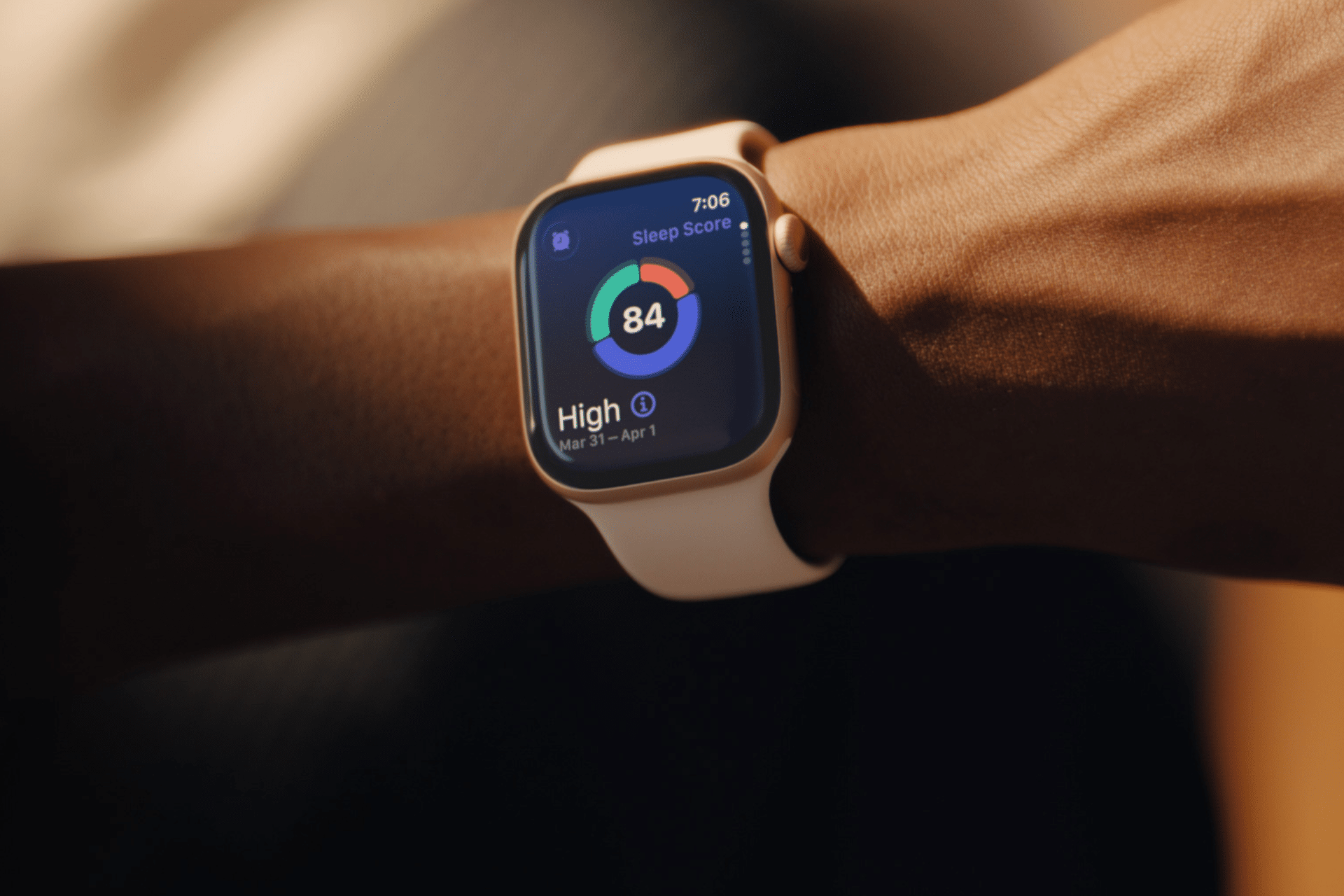
Sleep tracking on Apple Watch can make an invisible part of daily health easier to understand. Each morning, the watch may show sleep duration, stages, interruptions, overnight vitals and a score intended to summarize the night.
That information can be useful. It can also create a new habit of judging the entire day before getting out of bed.
One low score may make a person feel tired before noticing how they actually feel. A few minutes less deep sleep can become a source of concern. Going to bed can even start to feel like a test that must be passed rather than a normal biological process.
Apple Watch sleep data works better as a long-term observation tool than as a nightly verdict. The goal is not to collect perfect scores. It is to notice repeatable patterns and make small changes when those patterns match real-life problems.
What Apple Watch Measures During Sleep
Apple Watch estimates sleep using movement and signals collected while it is worn overnight. Depending on the model and available features, the Health and Sleep apps can show total sleep time, awake periods and estimates for core, deep and REM sleep.
The watch may also collect sleeping heart rate, respiratory rate, wrist temperature and other overnight metrics. The Vitals app compares several of these measurements with the user’s established typical range.
A sleep score compresses parts of the night into one number or category. Apple’s score considers factors including sleep duration, consistency and time spent awake. That makes it convenient, but convenience should not be confused with a complete medical interpretation.
The watch cannot know whether a stressful conversation kept someone awake, whether a child interrupted the night or whether the wearer woke feeling unexpectedly refreshed after fewer hours. It estimates physiological and behavioral signals. The person still supplies the context.
Sleep Tracking Apple Watch Data Works Best as a Trend
One night can be distorted by almost anything: travel, alcohol, illness, noise, a late meal, room temperature or a loose watch band. Even the position of the arm can affect sensor collection.
A weekly or monthly view is more useful because it reduces the influence of isolated nights. Patterns begin to emerge around bedtime consistency, total duration and changes in overnight vitals.
To review longer sleep trends on iPhone:
Health > Search > Sleep > select the weekly, monthly or six-month view
Look first at sleep duration and timing. These measurements are generally easier to interpret than small changes in individual sleep stages.
A person who repeatedly sleeps less on work nights may have a scheduling issue. Someone whose sleep becomes more fragmented after late caffeine may have found a useful connection. A consistently irregular bedtime may explain more than whether deep sleep moved by 12 minutes on Tuesday.
The data becomes valuable when it supports an observation that can lead to a realistic adjustment.
Image Credit: Apple Inc.
Do Not Treat Sleep Stages as Exact Measurements
Core, deep and REM sleep are presented as distinct colored sections, which can make them appear more precise than they are. Apple Watch estimates these stages from signals available at the wrist. A clinical sleep study uses additional equipment and is designed for medical evaluation.
That does not make the stage information worthless. It means small nightly differences should not be overinterpreted.
A person does not need to increase deep sleep manually or achieve a perfect proportion of REM sleep. Sleep architecture changes naturally across age, stress levels, exercise, illness and different parts of the night.
Use stage data to notice substantial or persistent changes, not to compete with yesterday’s chart. Spending 15 minutes less in one estimated stage is not automatically a health problem.
Start With How You Feel
Before opening the Sleep app, notice how the morning feels.
Was waking difficult? Is concentration normal? Is there unusual daytime sleepiness? Does the body feel recovered after exercise? Was the night interrupted for an obvious reason?
This brief self-check prevents the score from defining the experience. Someone may feel fine after a lower-rated night, while another person may feel exhausted despite receiving a favorable score.
The most useful interpretation combines both sources: subjective experience and device data. When they repeatedly agree, the pattern deserves attention. When they conflict for one night, there may be no reason to react.
Use Vitals as Context, Not a Diagnosis
The Vitals app can show whether overnight measurements such as heart rate, respiratory rate, wrist temperature and sleep duration fall within a typical range. It becomes more useful after the watch has collected enough nights to establish a personal baseline.
An outlier may reflect alcohol, medication, elevation, intense training or the beginning of an illness. It may also be an ordinary variation or imperfect reading.
Several unusual metrics appearing together may provide more context than one isolated number. Even then, Apple Watch data should not be used to diagnose a condition independently.
Persistent symptoms, breathing concerns, extreme daytime sleepiness or major changes in sleep should be discussed with a qualified healthcare professional. Bring the trend data if it helps describe what has been happening, but do not let the watch replace an evaluation.
Build a Routine Around Behavior, Not Scores
The healthiest use of sleep tracking is to connect the data with actions a person can actually control.
A consistent bedtime may improve the pattern. Charging the watch before the evening makes tracking more reliable. Reducing late caffeine, adjusting the bedroom temperature or moving an intense workout earlier may also produce noticeable changes.
To set a sleep schedule:
Health > Search > Sleep > Full Schedule & Options > Add Schedule
A schedule can provide Wind Down reminders and help keep bedtime more regular. It should remain a helpful structure rather than a rigid obligation. Life will occasionally interrupt it.
Choose one adjustment and observe it for a week or two. Changing five habits after one poor night makes it difficult to identify what helped.
Image Credit: Apple Inc.
When Sleep Tracking Creates More Stress
Some people become preoccupied with improving sleep data, repeatedly checking results or worrying that a low score guarantees a bad day. The anxiety can itself make falling asleep more difficult.
That is a sign to reduce exposure to the numbers.
Sleep tracking can be turned off temporarily, or the data can be reviewed only once per week. Another option is to avoid checking the score in the morning and examine trends at a neutral time later.
To change sleep tracking settings:
Watch app on iPhone > My Watch > Sleep
A break does not erase the knowledge already gained. A person who has learned that regular timing and less late caffeine improve sleep may no longer need a daily chart to confirm it.
The device should support rest, not supervise it.
A Better Way to Read the Morning Report
A practical morning review can remain simple. Check whether the watch recorded the full night. Notice total duration. Consider whether the bedtime was typical. Look for any major change in overnight vitals, then move on.
There is rarely a need to analyze every stage, compare several apps or search for explanations after one ordinary variation.
Sleep tracking on Apple Watch is most useful when it reveals something that was difficult to see without data: a repeated shortfall in duration, an inconsistent schedule or a pattern linked to habits and recovery.
The score can summarize one night, but it cannot grade the person who slept through it. A healthier measure is whether the information helps create calmer nights, better days and fewer reasons to think about the watch after waking.

 Login