Ukraine’s Stetman prepares a 360-satellite network with SpaceX launch support
New leadership keeps Ukraine’s ambitious satellite project moving forward
The billion-euro constellation aims to strengthen Ukraine’s communication independence
Ukrainian company Stetman is currently preparing to launch its own low Earth orbit (LEO) satellite constellation, with service set to begin in 2027.
The company recently lost its founder, Dmytro Stetsenko, but the project is still on course after the appointment of a new CEO, Kateryna Diachenko.
According to the company, its planned constellation will orbit at an altitude of approximately 550 kilometers, with a test satellite currently scheduled for launch in October 2026 to validate the underlying technology together with SpaceX engineers.
Constellation with Danish and American partners
Full deployment of the constellation is expected to begin in 2027 and take three full years to complete entirely across the network.
The finished network will ultimately consist of 360 satellites manufactured by the Danish company GomSpace under an ongoing partnership.
Stetman has chosen SpaceX to handle the launches, citing the company's lower cost and stronger reliability compared with rivals.
"SpaceX is the best option, as they are the cheapest and the most reliable," Stetsenko had previously told reporters directly.
No formal agreement has yet been reached covering delivery of the remaining constellation satellites beyond that initial test satellite launch.
Ukraine itself would require roughly 150 satellites, according to Andrii Kolesnyk, a former adviser to the head of Ukraine's State Space Agency.
Diachenko has already met personally with GomSpace representatives to confirm continuity of their joint manufacturing plans going forward into the future.
A billion-Euro project
The total project cost reportedly exceeds one billion euros, though financing will proceed in several separate stages, a Stetman representative said.
That budget reportedly covers the satellite constellation itself, software development, launch services, broker fees, and staff salaries across the entire company workforce.
Manufacturing and launching a single satellite reportedly cost between $2 million and $3 million per unit.
A single SpaceX Falcon 9 rocket can carry several dozen satellites into orbit, and each launch typically costs between $60 million and $70 million depending on payload size.
With a target of 360 satellites, those per-unit costs alone would account for roughly $720 million to over $1 billion of the total budget
Stetman also plans a joint satellite manufacturing facility inside Ukraine alongside GomSpace, expected to fully open next year if funding arrives on schedule.
The factory could require several hundred million euros in investment, although details about funding sources remain undisclosed.
The company currently supplies communication equipment to Ukraine’s military, emergency services, police, medical personnel, and government institutions.
The company also produces modified communication terminals, including Starmod systems designed for military conditions and UASAT satellite terminals operating through existing satellite networks.
These products support Ukraine’s broader effort to strengthen communication independence during wartime.
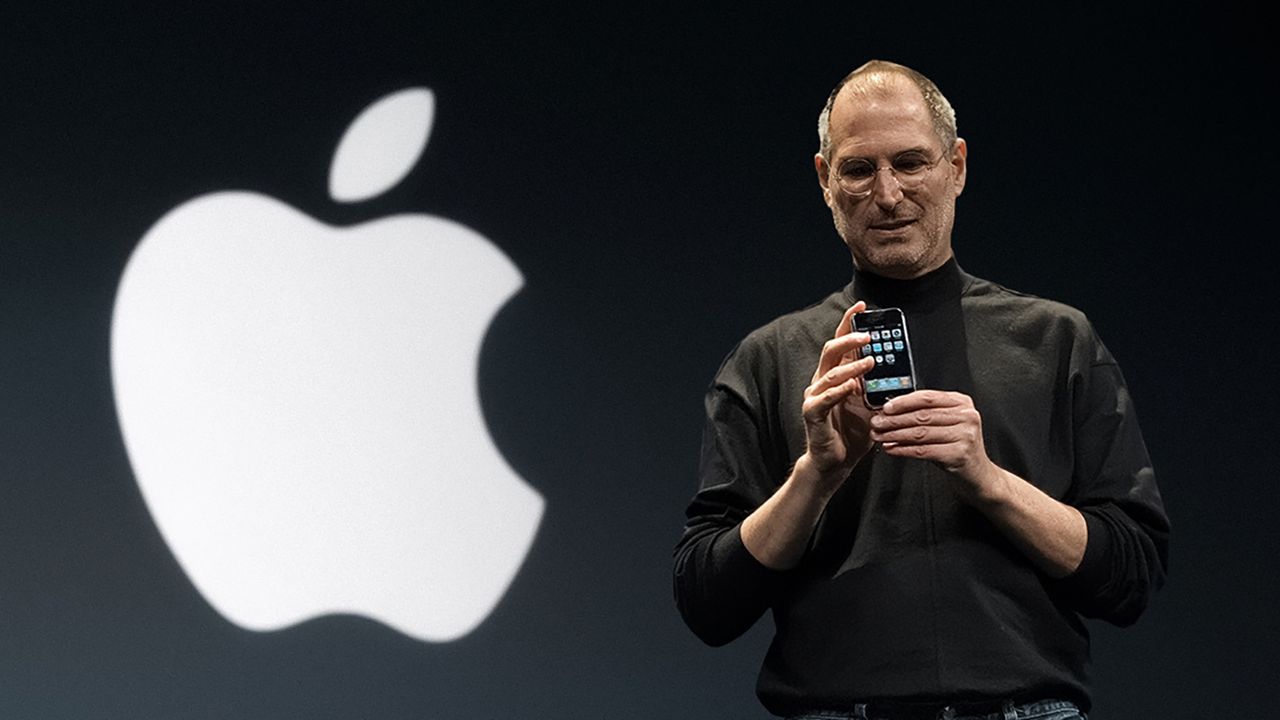
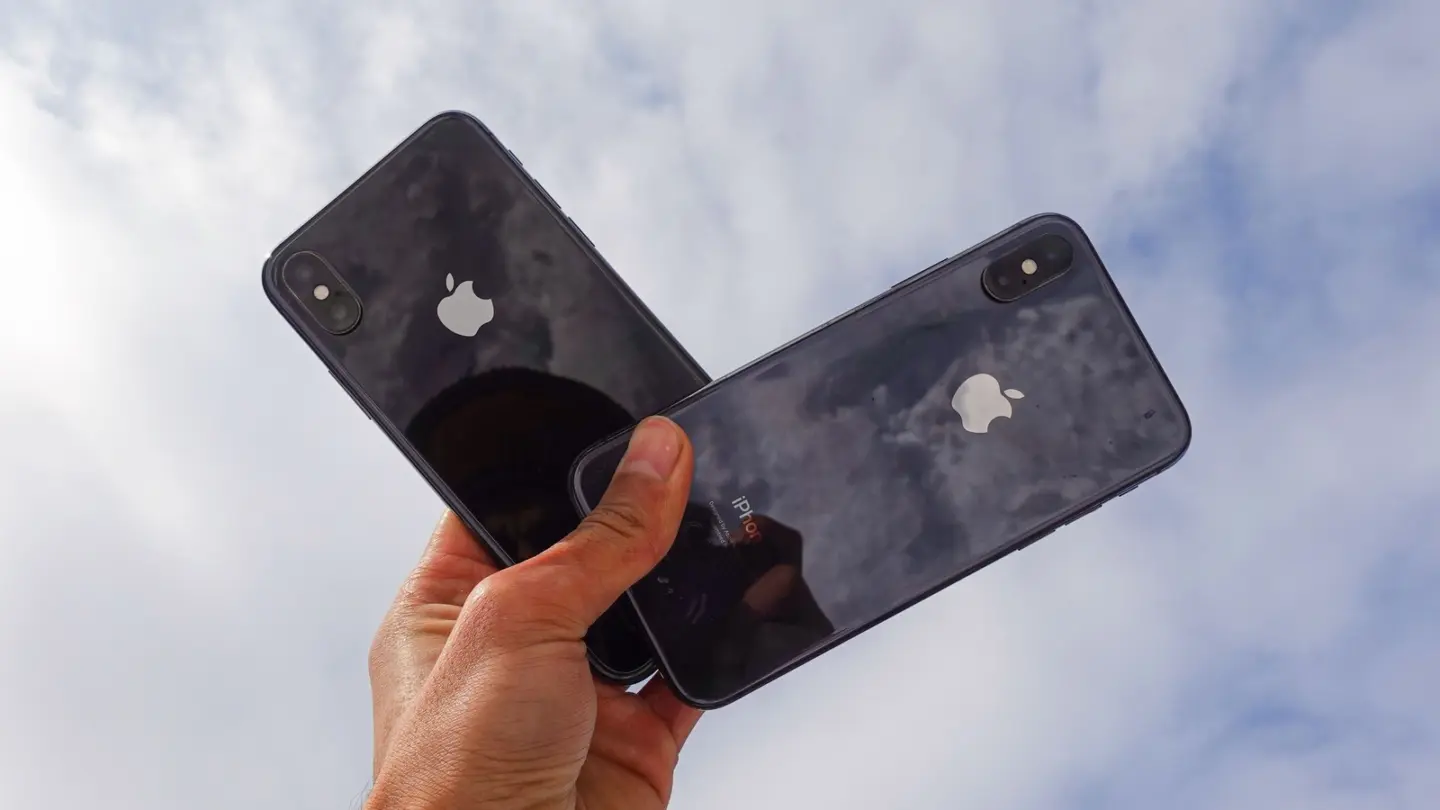
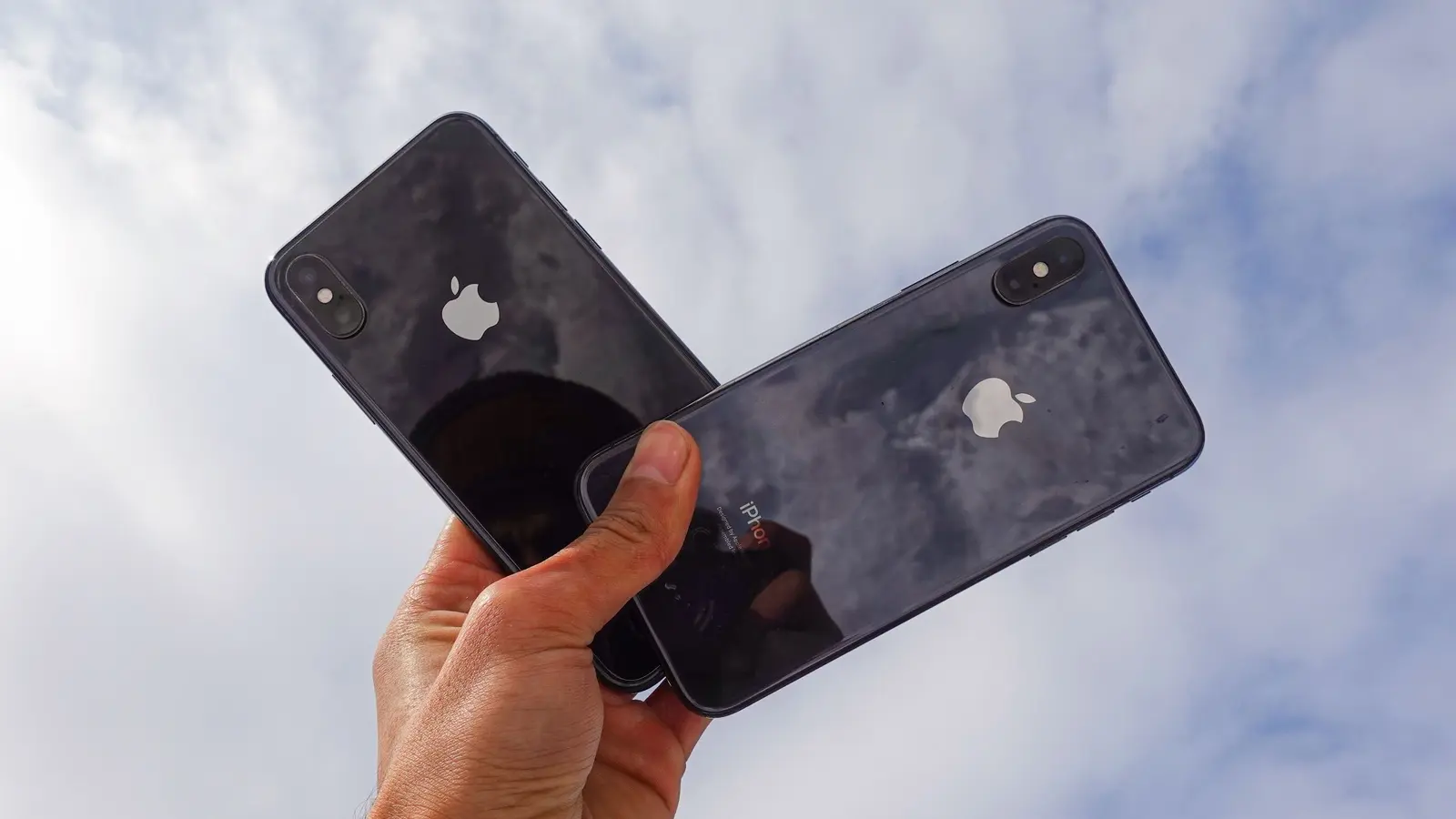
The smartphone market is dominated by two main operating system players — with Apple's iOS leading the charge in the mid-2000s and Google's Android following suit, only maturing relatively recently. But Steve Jobs took the news of Android's launch personally, frustrated and betrayed at its development.
Eating machines
The Apple chief was speaking with Walter Isaacson, his biographer, when he shared his exact feelings about Google's development of Android.
Quote of the day
This article is part of TechRadar Pro's QOTD project to provide an insight into the minds of the brightest and most recognized figures in the technology industry today and in years gone by. Read the full series here.
Published very shortly after Jobs' death in October 2011, Steve Jobs was based on several exclusive interviews conducted over two years, alongside conversations with more than 100 people who knew the Apple co-founder.
One of the most spicy exchanges involved Jobs vowing to destroy Google for its work developing Android in secret, while Eric Schmidt was also serving on the Apple board. Schmidt offered to resolve the issues with a settlement, but Jobs took it more than personally.
Energy efficiency
Jobs was apparently angry after learning in January 2010 that HTC had introduced an Android smartphone with many of the same popular features in an iPhone.
Reports from the time the comments were made public suggest the episode reflected Jobs' own perspective on a particular breed of profit-driven executives who only cared about making money.
Although iOS enjoyed a reputation for many years during the 200s of being a better platform in most, if not all, quarters, including its overall design philosophy, Android-powered smartphones were significantly cheaper. In the modern era, the Android OS is incredibly intuitive, with different smartphone makers usually looking to Apple for inspiration in designing features for their own custom flavors.
During his tenure as CEO, Tim Cook also pivoted on this approach, softening Apple's stance and settling many of the ongoing legal disputes, including the long-running battle with Samsung.
US Air Force drone fires live missile during landmark autonomous aircraft test
Human pilots remain in control despite growing drone autonomy capabilities
YFQ-44A advances America’s plans for future robotic fighter operations
The US Air Force has successfully tested a Collaborative Combat Aircraft firing a live AIM-120 AMRAAM missile, marking a major step for autonomous combat systems.
The YFQ-44A drone, developed by Anduril Industries, launched the weapon against a digital target over the Mojave Desert during the historic test.
The event moves the Air Force closer to deploying unmanned aircraft designed to support human pilots during future air operations.
AI wingman drone moves from carrying weapons to firing them
The missile launch followed earlier testing phases where engineers confirmed the aircraft could safely carry the weapon and maintain stable flight.
The drone first carried an inert version of the AMRAAM before validating the communication links required between the aircraft, weapon systems, and human operators.
Air Force officials said the test involved more than simply releasing a missile because the weapon successfully tracked the simulated target during the engagement.
General Ken Wilsbach described the event as an important development toward delivering Collaborative Combat Aircraft capabilities to military operators.
"It wasn’t just an AMRAAM that came off, it was tracking the target," Wilsbach said while discussing the test.
The Air Force has stressed that autonomous systems will not independently decide when to fire weapons, as human authorization remains required before any engagement.
The YFQ-44A, also known internally as Fury, is part of the first CCA development phase alongside General Atomics' YFQ-42A Dark Merlin.
These aircraft are designed to operate with crewed fighters such as the F-35 and F-22 by providing additional sensors, weapons, and operational support during missions.
The Air Force expects CCA platforms to perform multiple roles beyond missile carriage, including electronic warfare, reconnaissance, and other battlefield tasks.
Officials believe these aircraft could increase combat effectiveness by allowing pilots to manage several unmanned systems during complex operations.
Air Force expands autonomous aircraft program
The successful missile test comes after the Air Force approved both CCA designs to move toward production in June 2026.
Anduril, Shield AI, and Collins Aerospace are competing to provide autonomous software for the aircraft, while the service continues developing future versions through multiple program increments.
Air Force officials have not disclosed total program costs or production numbers for the first manufacturing phase.
However, budget documents show the service requested about $1.4 billion for CCA development and nearly $1 billion for procurement during fiscal 2027.
The Air Force estimates the drones have reached a cost goal of about one-third of an F-35A fighter, which has an average flyaway cost of around $83 million in its current production lot.
Future CCA designs may require greater range, speed, and electrical power, especially for potential operations in regions where long-range weapons threaten U.S. bases.
However, American lawmakers have argued that future systems will need the ability to deploy from the continental United States and reach distant combat areas.
Modified ultralight aircraft now carry full-sized aerial bombs into combat
Ukraine has publicly revealed what appears to be a previously undisclosed squadron of Horynych reusable bomber drones converted from civilian light aircraft for long-range strike operations.
Official images show at least ten modified aircraft carrying Soviet-designed OFAB-100-120 aerial bombs, suggesting the program has expanded beyond isolated experimental missions.
The aircraft are based on SkyRanger Swift and Nynja ultralight airframes originally developed for civilian recreational flying before undergoing military conversion.
Civilian aircraft converted into reusable bomber drones
Engineers replaced conventional cockpit controls with remote piloting equipment and electro-optical cameras, allowing operators to guide the aircraft from the ground throughout bombing missions.
Each aircraft appears to carry one OFAB-100-120 bomb weighing approximately 100kg beneath the fuselage during long-range operations.
Unlike one-way attack drones that are destroyed after striking their objectives, these aircraft are designed to return safely for repeated missions after releasing their payloads.
The appearance of at least ten drones together indicates the capability may have developed into a larger operational force rather than remaining a limited experimental effort.
The absence of leaves on nearby trees suggests the images may have been taken several months before their public release.
If that assessment proves accurate, Ukraine may have maintained this reusable bomber fleet for an extended period before officially revealing its existence.
Reported strike focused attention on expanding deep attack capability
According to Serhii Sternenko, adviser to Ukraine's Defense Minister, the aircraft participated in an overnight strike against an underground Russian logistics facility near Armyansk in occupied Crimea.
Armyansk lies close to the Perekop Isthmus, an important land corridor linking occupied Crimea with Russian-controlled territory and supporting military supply movements across the region.
These underground facilities serve as hardened storage and distribution sites for fuel, ammunition, and military equipment supporting Russian military operations.
The strike was reportedly carried out jointly by Ukraine's Air Force, the Lazar Group, and the Venom Unmanned Systems Center.
Neither Ukraine's military nor its Ministry of Defense has officially confirmed the number of aircraft involved or the extent of damage.
Independent assessments of the reported attack have not yet been published, leaving several key operational details unverified by outside observers.
Ukraine has previously used modified civilian aircraft in long-range strikes, including a June 2025 attack using an A-22 Foxbat towing an unpowered glider.
That glider carried a 100-kilogram warhead and struck a Shahed drone production facility in Alabuga, marking an earlier tandem strike configuration.
Ukraine has also used converted SkyRanger aircraft since 2024, although earlier sightings typically involved individual aircraft rather than a larger operational group.
Whether this expanded Horynych fleet can sustain repeated missions deep inside Russian territory remains unverified without independent confirmation of results.
Ukrainian officials have offered no additional public timeline for when the broader Horynych program might expand its operations further significantly.
There is also no information on the size of the fleet or the extent of damage that it can cause.
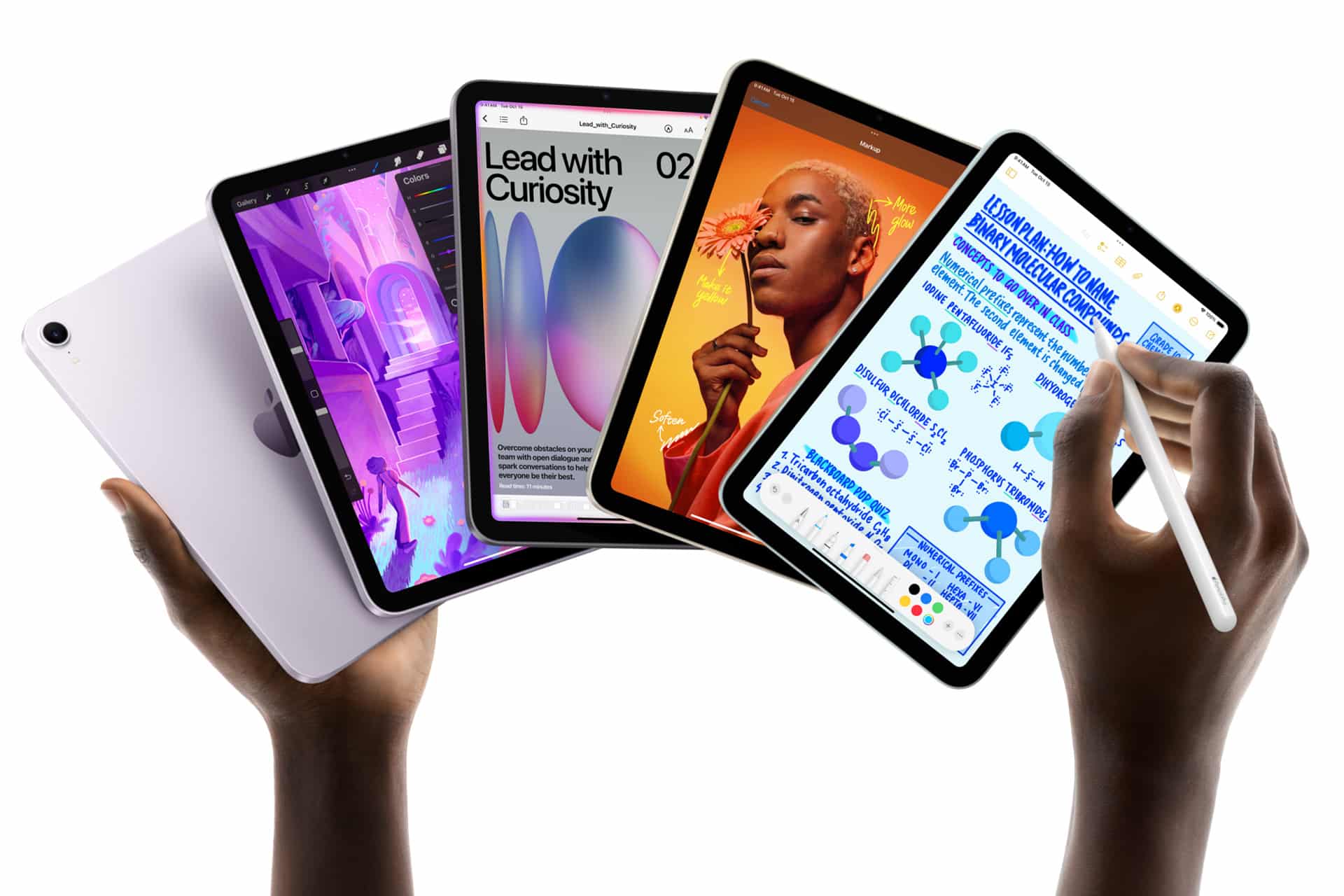
Apple’s next iPad lineup refresh could begin this fall with a new iPad mini, followed by updates across the rest of the tablet family during 2027. The reported schedule would give Apple a rolling series of launches rather than one event covering every iPad at once.
Bloomberg’s Mark Gurman reports that Apple is preparing replacements for the iPad mini, entry-level iPad, iPad Air and iPad Pro. The compact model is expected to arrive first, potentially as early as October, while the remaining tablets would follow over the next several months.
Apple has not announced any of the devices, and release timing can change. The report nevertheless gives prospective buyers a clearer picture of where each current model sits in its cycle. The first update could also bring one of the most requested display improvements to Apple’s smallest tablet.
iPad Lineup Refresh Starts With the Mini
The iPad lineup refresh is expected to begin with the iPad mini, which has received fewer updates than Apple’s larger tablets. The current design remains popular because it offers an 8.3-inch screen in a device small enough to hold comfortably with one hand, place in a small bag or use as a portable reading and note-taking tool.
The next model is reportedly moving to an OLED display. That would give the iPad mini deeper black levels, stronger contrast and more vivid color than its current LCD panel. OLED would be particularly noticeable when reading in dark environments, watching video or working with images.
The new display is expected to measure approximately 8.4 inches without producing a major change to the overall design. Apple may retain a 60Hz refresh rate rather than bringing the 120Hz ProMotion technology used by the iPad Pro. That could disappoint buyers hoping the mini would become a compact Pro model, but OLED alone would represent a visible upgrade.
Reports have also pointed to an A19 Pro chip. That would give the smaller tablet more performance for games, creative apps, Apple Intelligence and longer-term software support. The current iPad mini already occupies an unusual position between a reading device and a compact professional tool. A stronger chip and OLED screen would push it further toward the second category.
Price may become the less attractive part of the update. Apple could raise the starting cost as display and memory expenses increase. Buyers interested mainly in portability may accept a higher price, but the iPad mini would need to avoid moving too close to the iPad Air.
The Entry-Level iPad May Stay Familiar
Apple’s least expensive iPad is expected to receive a more modest update in early 2027. The company reportedly plans to preserve the current design while replacing the processor with a newer chip.
That would fit the role of the entry-level model. Apple uses it for education, families, basic productivity, streaming, games and first-time tablet buyers. A dramatic redesign could increase the cost without improving the tasks most customers use it for.
The processor update could bring Apple Intelligence compatibility, depending on the chip and memory configuration Apple chooses. The current model’s position outside some advanced AI features creates an increasingly visible separation from the rest of the lineup.
A newer chip would also extend the useful life of the device. Entry-level iPads are often kept for several years, passed between family members or deployed in schools and businesses. Long software support can be more valuable in that segment than a thinner body or new camera arrangement.
Anyone considering the current base iPad should decide whether price or longevity has greater value. The current model remains suitable for ordinary use, particularly when discounted. Buyers who want the longest possible support window may prefer to wait.
iPad Air Could Receive the Larger Display Upgrade
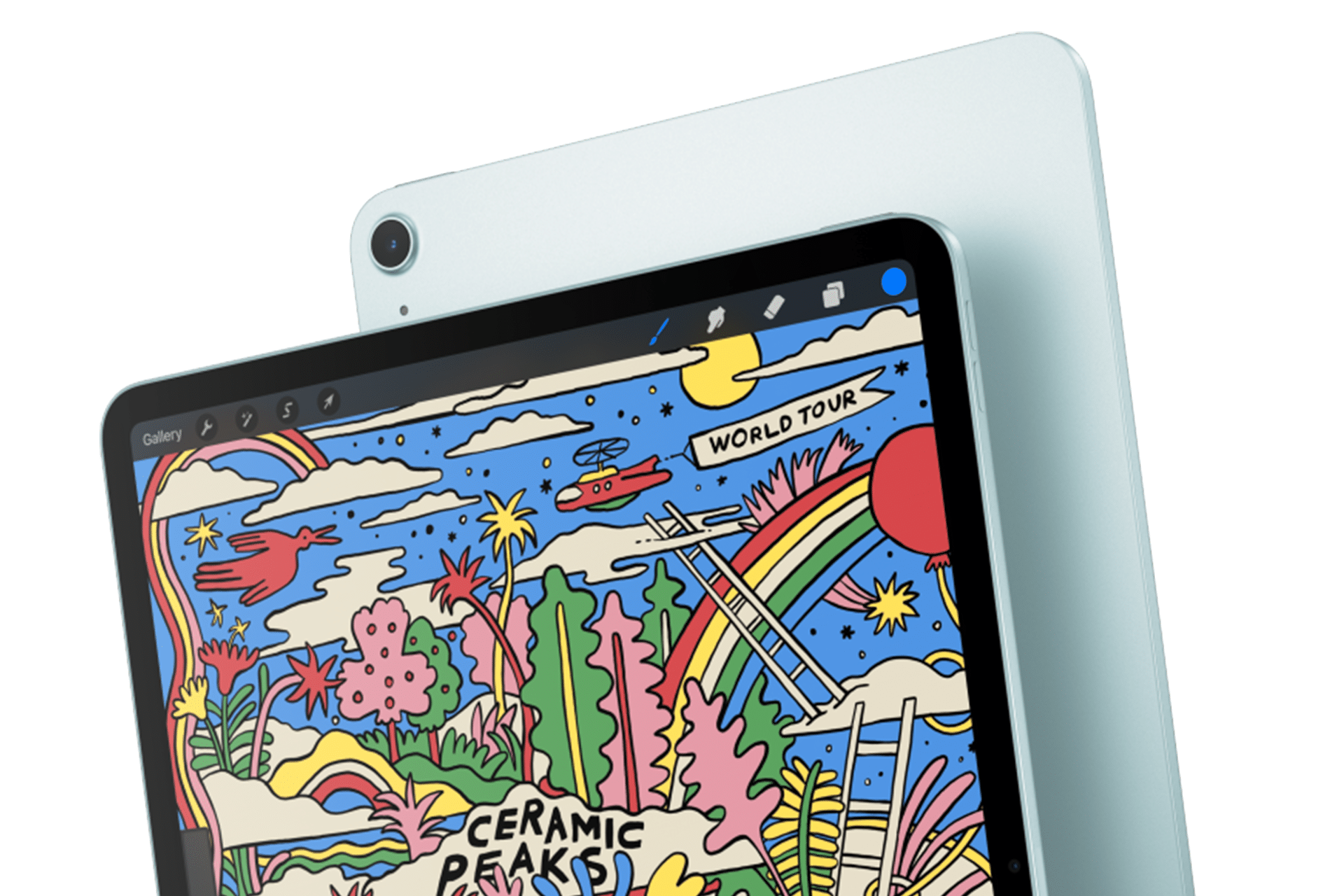
The iPad Air is also expected to receive an update in 2027, with OLED display technology reportedly planned for the range. That would narrow one of the most obvious visual differences between the Air and the iPad Pro.
Apple currently positions the Air as the balanced choice: stronger than the entry model, less expensive than the Pro and available in 11-inch and 13-inch sizes. It supports Apple Pencil Pro and Magic Keyboard while offering M-series performance for demanding apps.
An OLED display would make that value proposition more aggressive. The Air could offer improved contrast and image quality without requiring buyers to move to the Pro tier. Apple would still have several ways to distinguish the Pro, including ProMotion, brighter displays, thinner hardware, advanced cameras and newer processors.
The processor is likely to receive another M-series upgrade as well, though the exact chip remains uncertain. For most users, the Air already has far more processing power than routine tablet work demands. The screen may provide the stronger reason to wait.
The risk for Apple is pricing. OLED panels could push the Air upward, especially in the 13-inch configuration. If the gap between Air and Pro becomes too narrow, buyers may move directly to the flagship. Apple will need to preserve a convincing middle tier.
iPad Pro May Focus on Power and Accessories
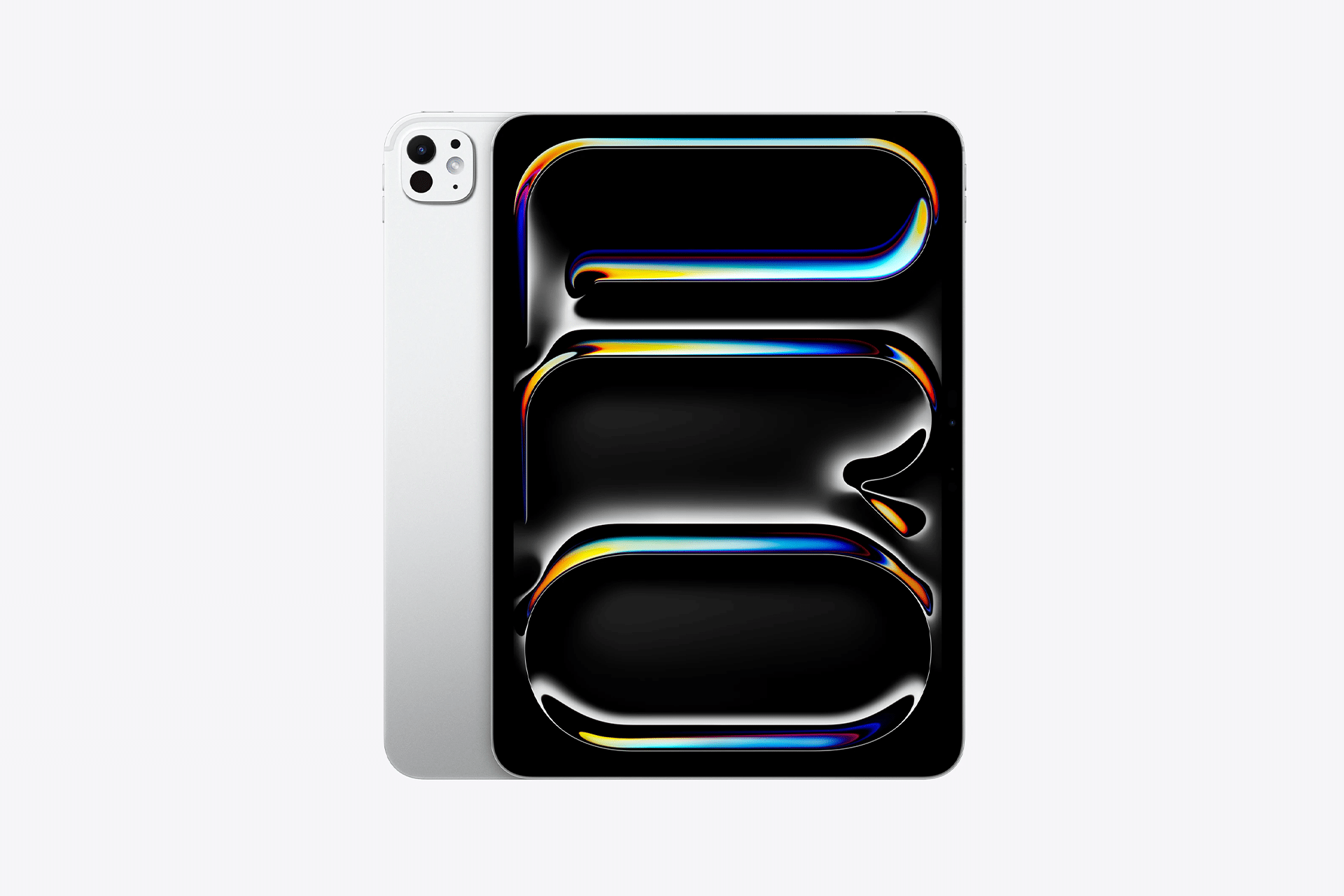
The next iPad Pro is reportedly planned for spring 2027. Apple may use a new M-series processor while leaving the current thin design largely intact.
That would make the Pro refresh more evolutionary than transformative. The current generation already includes OLED displays, high-end performance, Face ID, ProMotion and support for Apple Pencil Pro and Magic Keyboard.
Apple is also reportedly preparing two updated Apple Pencil models. Those accessories could arrive alongside the next iPad Pro, with changes potentially related to battery design and regulatory requirements.
The larger question is what additional processor power will do for the tablet. iPadOS 27 has expanded multitasking and window management, but buyers continue to evaluate the Pro against MacBook models at similar prices. A faster chip alone will not settle that comparison.
Apple may rely more heavily on AI, professional applications and accessory integration to justify the update. The Pro has become a platform for illustration, video editing, music production, 3D work and specialized enterprise apps. New hardware needs to strengthen those uses rather than simply win another benchmark.
Should Buyers Wait?
The answer depends on the model. Prospective iPad mini buyers have the strongest reason to pause because the reported fall update could introduce a substantially better display within months.
Entry-level buyers can still consider the current iPad when pricing is attractive. Its expected replacement appears focused on performance rather than design. Waiting becomes more sensible for anyone who wants Apple Intelligence support or maximum longevity.
The current iPad Air remains a capable option, particularly for users who need a tablet now. OLED would improve the experience, but a 2027 release leaves a longer wait. The same logic applies to the iPad Pro. Its successor may be faster, though the existing model already covers demanding work comfortably.
Apple’s gradual schedule could keep the iPad in the hardware conversation from fall through spring. It also means there will be no single perfect moment when every model is equally new.
The iPad mini may open the cycle because it has the most obvious opportunity for visible improvement. After that, Apple can use the base iPad for reach, the Air for broader OLED adoption and the Pro for its latest silicon and accessories.
The tablet lineup is not expected to change all at once. It may instead evolve model by model, giving buyers repeated reasons to reconsider which iPad fits their needs.
Copenhagen-based Triton Depth, founded in 2025 by three DTU engineering students, has raised €1 million in pre-seed funding
It aims to address one of the EU's most underserved security concerns: the seabed, as Baltic cable sabotage, shadow-fleet activity, and underwater drone warfare are increasingly growing concerns
Triton Depth intends to build a scalable network of passive acoustic sensors it calls 'Triton Nodes' to address the issue, leveraging AI to identify vessels and objects in real time
A three-man Danish company founded by students is venturing into a somewhat interesting industry for an EU-based startup: underwater defense.
Triton Depth has received €1 million in pre-seed funding from investors including London-based The Creator Fund and Denmark's state-owned Export and Investment Fund (EIFO), with aims to focus on acoustics to answer what is arguably Europe's biggest security threat in the days to come: drone-based naval warfare and sabotage.
With growing concerns about the vulnerability of the European Union, and by extension, Denmark, to a variety of sea-borne threats, EIFO's investment in Triton Depth might be more than just a value play, but a hallmark of a realization that it needs to tend to its own defense needs even as NATO continues to meander, with the US proving to be a volatile partner of late, to say the least.
Using affordable dual-use acoustic technology as the first line of defense
Triton Depth's approach is appealing for a domestic defense industry that does not share the budgets that larger naval players such as the US, Russia, or China possess: it is simple, yet elegant in its premise, and even partial wins when it comes to its claims would go a long way to safeguard Denmark and the EU's regional interests.
Triton Depth's approach centers around the use and deployment of its 'Triton Nodes', a scalable cluster of low-maintenance passive acoustic sensors that measure sound underwater before feeding information back to an AI model that assesses and classifies signatures it detects in real time.
The company intends to market its product line as a dual-use technology play, with CEO and Co-Founder Carl Borg stating that they aim to build "the intelligence layer for the ocean" for both civilian and defense use cases.
The focus on defense stems from Denmark's own vulnerabilities in the Baltic Sea, which has previously suffered significant economic damage from sabotage, including the destruction of Nord Stream 1 and 2.
With an increasing share of its critical infrastructure, including power interconnectors, data cables, and offshore wind, lying underwater, it could be argued that EIFO's investment is the Danish state safeguarding its own maritime security and intelligence interests by investing in an intelligent tripwire for the future.
Other European governments are also actively seeking scalable, affordable ways to monitor coastal and subsea infrastructure, even as Nordic defense budgets continue to rise, with Triton Depth among many defense infrastructure companies poised to benefit from a renewed focus on maritime security in the region, even as acoustics are seen as a reliable metric to monitor for a variety of infrastructure plays.
It goes without saying that it takes a lot to win the Tour de France, as those who conquer cycling's greatest race have scarified so much in their quest for glory, with every single second counting.
The 2026 race has already started strongly for Tadej Pogačar and his UAE Team Emirates-XRG team, with the Slovenian building a seemingly unsurpassable lead as he bids for his fifth triumph.
But asides from his incredsible physiology and stamina, Pogačar is also boasting another major advance for the 2026 Tour - a customized 3D-printed fizik One-to-One saddle, possibly the most detailed ever made - I spoke to the company to find out more.
Marginal gains
"Small details in the technology might make the difference," Alex Locatelli, Head of Brand at Fizik says, "the marginal gains in this case - comfort is strictly related to performance, as if you are able to forget about this, it's less thought you need to give while you have to focus on another part of training and racing."
3D-printed and adaptive saddles have been around for some time, but Fizik's one-to-one product goes beyond a standard mould, using the company's proprietary pressure-mapping sensor technology (pictured below) to create a hyper-customized product designed specifically for an individual rider's anatomy and riding style.
(Image credit: fizik)
Locatelli notes each saddle takes around two to three weeks to produce, but certain VIPs (such as a multi-Tour winner) can get their products rushed through.
"We have a very good relationship with Tadej," he says, "that's something that's not easy to achieve...as a matter of fact, the team principal told me it's very rare that Tadej is so enthusiastic about a product - sometimes he's not even happy after winning the Tour de France, he's so demanding to the team and to himself."
"We are offering thr top of the pyramid when it comes to the technology," Locatelli says, noting that the saddle may be the next in a series of upgrades used by Pogačar that his rivals may soon look to copy.
But even the standard saddles Fizik produces in the future will benefit from the pressure-mapping data the company is collecting now, as it all goes in to future production and product development.
The technology is so precise and advanced right now that it may be a while before we see such innovations trickle down to us everyday cyclists, but I have to ask Locatelli if there's a future for park cyclists like myself ever getting hyper-personalized 3D-printed components.
He notes that it may take a few years, but adds, "general customization in cycling is expanding," highlighting how some smaller manufacturers are offering more options in terms of custom frames and saddles.
So you never know - the next bike you buy could be the most personal ever - but it might not let you ride quite as fast as Tadej Pogačar.
And an AI-designed helmet for good measure
However Pogačar won't just have fizik's individually-sculpted saddle to help him try and win this year's Tour. For stage 5 of the 2026 race, UAE Team Emirates-XRG also revealed a new helmet designed by AI.
Specifically designed by Helmetverse, the AI-powered design platform of tech group and team sponsor G42, and built by MET Helmets, the helmet was created in collaboration with AI artist Gizem Akdag, who says they were, "inspired by the transition from city to signal and from data to light", as the kit's "visual language captures the speed, energy and flow of professional cycling, translating movement and performance".
(Image credit: G42)
“The reaction to Helmetverse last year showed how passionate cycling fans are about engaging with our sport in new ways. As a team, we are always looking to push boundaries, whether that's through performance, innovation or fan engagement," said Mauro Gianetti, Team Principal and CEO of UAE Team Emirates-XRG. "Helmetverse reflects that mindset and gives cycling fans an opportunity to leave their mark on the team.”
Fans of the team can also now submit their own helmet designs, including creating their own using Helmetverse AI, with the winning design worn by UAE Team Emirates-XRG at the UAE Tour in February 2027.
NHS warns curiosity over patient records could end healthcare careers permanently
Jail time now joins dismissal for unlawful access to confidential medical records
High-profile crime victims' records triggered tougher NHS privacy enforcement nationwide
NHS England has launched a nationwide campaign warning staff that accessing patient records without proper legal justification could end their careers.
The initiative includes screensavers and posters across NHS organisations reminding workers not to let curiosity override professional and legal boundaries.
Staff who breach these confidentiality rules risk disciplinary action, dismissal, regulatory referral, or even imprisonment under existing data protection legislation.
A response to recent high-profile breaches
The campaign follows several recent dismissals linked to staff who unlawfully viewed records connected to victims of high-profile crimes nationwide.
NHS England specifically cited unlawful access incidents involving the 2023 Nottingham attacks and the 2024 Southport knife attack, both of which drew significant national attention.
“Patients must be able to trust that their personal information is kept confidential by the NHS – any instance of staff looking at records without a valid reason is wholly unacceptable, a disgraceful breach of patients’ trust and against the law,” said Sir Jim Mackey, NHS Chief Executive.
He added that most staff manage patient information appropriately, although a limited group has seriously damaged that confidence through inappropriate access.
New guidance has now been issued outlining different categories of unlawful access, alongside advice on monitoring and conducting regular audits.
Some newer electronic patient record systems can reportedly flag suspicious activity in real time, helping organisations identify unauthorised access quickly.
Breaches can be reported to both the Information Commissioner's Office (ICO) and police, who may pursue criminal prosecution under the Data Protection Act 2018.
Legal consequences and independent findings
The ICO reiterated the expectations of patients and staff, as well as the consequences of this illegal action.
“When people seek medical care, they share some of their most sensitive personal information in the trust that it will be kept safe,” said Paul Arnold, Chief Executive of the ICO.
“Unauthorised access to those records is not just a breach of data protection law — it is a betrayal of that trust, with real and lasting consequences for patients and their families…Staff who breach that trust face serious consequences: loss of employment, removal of professional accreditation and criminal prosecution.”
The temptation to access patient records unlawfully often increases when cases attract widespread public attention.
"When a local incident becomes national news – a serious crime, a public tragedy, a story that captures widespread attention – there is an increased risk that healthcare staff could be tempted to look at records they have no reason to view," Arnold added.
“Anyone considering accessing records for personal reasons or out of curiosity should be in no doubt they could be putting their career at risk, and may face disciplinary action, dismissal, referral to the regulator or even time in prison,” said Sir Jim Mackey.
Findings show that 18 staff members at York and Scarborough Teaching Hospitals wrongfully accessed patient records since 2021.
Eight of those 18 cases were subsequently referred onward to the ICO for further formal investigation.
Another investigation began after up to 40 staff members reportedly accessed the medical records of a three-year-old boy injured in a crocodile enclosure incident near Huntingdon.
Cambridge University Hospitals said restrictions had already been placed on the child's records and confirmed any staff lacking legitimate clinical or operational reasons would face disciplinary action, including dismissal.
Offences under the Data Protection Act 2018 and Computer Misuse Act 1990 can carry fines and prison sentences for those convicted.
The scale of these repeated incidents suggests that existing safeguards have not consistently deterred staff from unlawfully viewing sensitive records.
“Having the ability to view a record is not the same as having a legitimate need to do so. Every member of staff has a personal responsibility to respect that boundary…” Arnold added.
Conducted during June 2026 by the nonpartisan survey research company Verasight, the survey consisted of 17 questions sent to 1,690 adults (18 and above), finding over two-thirds (69%) supporting Sanders’ policy – a figure that only drops to 64% once it is revealed which politician the idea is associated with.
The bad news for the AI industry doesn’t end there, as respondents demonstrated a notable distrust for how AI companies conduct themselves, with nearly half (43%) believing that the regulations proposed by the AI companies are designed to benefit those same companies. Incredibly, 30% of respondents trust the US federal government more than companies like OpenAI and Anthropic.
How does AI wealth distribution work?
(Image credit: Getty Images / Tasos Katopodis)
Senator Bernie Sanders’ plan gives the public a direct stake in America’s largest AI companies, with a one-off tax paid not in cash, but in stock. "Since AI is built on the collective knowledge of humanity, the wealth it generated must benefit humanity," he said, announcing his planned Act on social media.
This would, according to Sanders’ proposal, deliver an annual $1000 check to U.S. citizens, and fund healthcare and education.
"The findings from our latest survey demonstrate a rare instance of bipartisan agreement," noted Ben Leff, CEO and Co-Founder of Verasight.
"There is an undeniable desire among Americans of both parties for federal oversight, absolute transparency, and accountability to ensure AI safety and to enable all Americans to participate in the economic benefits of AI."
Even with a polarizing figure like Bernie Sanders attached, the wealth fund idea retains support, which suggests that while people are happy to use AI to answer questions, streamline processes, and make tasks quicker, they’re less comfortable with the industry’s wider impact.
A poor public perception
While AI companies are becoming increasingly unpopular, it isn’t all bad news. The survey quizzed subjects about their feelings on other industries, including tobacco, pharmaceuticals, and casinos, along with social media. If the tide is turning against AI, it still isn’t regarded as poorly as casinos or tobacco.
Feelings about AI companies are also notably more positive than social media. Given the concerns expressed about federal oversight and public wealth funds, there could be an avenue for OpenAI, Google Gemini, Anthropic, Microsoft, and others to improve the general feeling about AI: accepting a degree of social responsibility.
Now, the CEO of JPMorgan has described the risks the technology poses as a “real issue,” and likened wide access to the AI as “giving ballistic missiles to individuals.”
Speaking at the Pennsylvania Defense and Innovation Summit, JPMorgan’s Jamie Dimon underscored the risks posed by the AI, which has already been shown to both identify and exploit cybersecurity challenges.
Mythos isn’t Skynet
Currently, Claude Mythos is limited to a small selection of organizations, companies, and federal and military departments. Public access to the AI has been blocked, and worldwide access has been blocked due to the potential security issues of this powerful AI.
Claude Mythos is not the type of threat that can become self-aware and take over military appliances like the fictional Skynet of the Terminator movie series. However, it does have the capacity to cause immense damage in the wrong hands.
The AI is capable of detecting cybersecurity vulnerabilities and reporting on them; it is also able to generate automatic exploits. So, for white hat cybersecurity analysts, it is a powerful defensive tool, but in the wrong hands, it is a destructive power. In addition, its automated capabilities make it easy for black hats to scale their cybercrime operation and make ransomware, phishing, and other data-based scams more profitable.
It isn’t just cybersecurity where Anthropic’s Claude Mythos AI has demonstrated such incredible capacities. Scientific research, specifically biology, can be targeted by attackers using AI to turn complex concepts into terms, potentially to misuse the information.
There is also the challenge of a strategic imbalance between single nations or bodies having exclusive access to the technology.
Will the public ever access Anthropic’s Claude Mythos?
Given the security considerations, it seems unlikely that Claude Mythos will be publicy available anytime soon. However, Anthropic has already stated that it intends Mythos-level features and capabilities to become more widely available.
For this to happen, however, it needs to develop and apply various safeguards.
The most likely scenario is that public access to Mythos is eventually unblocked, with restrictions to specific features that relate to cybersecurity and biological/medical tasks and research.
Project Glasswing is already in operation with a handful of key partners (including Amazon Web Services, Anthropic, Apple, Broadcom, Cisco, CrowdStrike, and others), and will probably be expanded until the safeguards are demonstrated to be fit for purpose, and public use.
The portable power station (which is the same hardware sold elsewhere as the Explorer 3000 V2), is a practical investment for home backup, camping, RV travel, and job sites.
The HomePower 3000 packs a huge 3072Wh battery and delivers 3600W of continuous AC output with a 7200W peak surge. That's enough to run everything from refrigerators and microwaves to power tools, air conditioners, and other demanding appliances.
Today's top Jackery portable power station deal
This portable power station delivers reliable backup power for almost any appliance, with fast recharging, solar compatibility, app control, quiet operation, and enough output for emergencies, RV trips, campsites, and more.
Despite its large capacity, the unit can recharge from a standard AC outlet in around 2.4 hours, while solar charging is also supported through Jackery's SolarSaga panels.
Pairing it with compatible solar panels gives you a renewable way to keep the battery topped up when you're away from a mains electricity supply.
There's no shortage of connectivity either. You get five AC outlets, including a NEMA TT-30 outlet for RVs, alongside two 100W USB-C ports, two USB-A ports, two DC5521 outputs, and a 12V car socket.
The power station can supply up to 10 devices simultaneously, making it useful for families, remote workers, photographers, and tradespeople.
Jackery has also focused on usability and durability. Wi-Fi and Bluetooth connectivity allow you to monitor battery levels, charging status, and power usage through the companion smartphone app, while a quiet charging mode operates at under 30dB, making it suitable for indoor use.
Advanced battery management, UL certification, and a battery rated for 4,000 charge cycles help ensure long-term reliability.
Weighing 27kg, the HomePower 3000 is still portable enough to transport between locations while offering enough energy storage to handle extended outages or demanding workloads.
In his review of the Explorer 3000 V2 (same as the HomePower 3000), our expert Jack said, "High output and high storage mean that this is superb for most home uses in an emergency or using off peak charging to use during the day."
If you've been considering a high-capacity portable power station that combines fast charging, strong output, and broad connectivity, I can wholeheartedly recommend this model.
This compact portable power station, on sale at Wellbots, delivers 2042Wh capacity, 2200W output, fast 1.7-hour charging, UPS backup, long-lasting LiFePO4 battery, smart app control, and enough power for appliances, camping, RVs, emergencies, and everyday use.
Whole-home backup system delivers 7200W output with expandable 6kWh to 90kWh capacity, fast solar charging, seamless UPS protection, smart app control, and enough power to keep essential appliances running during extended outages.
Expandable portable power station includes a 500W solar panel, delivers 3000W output, scales from 2kWh to 24kWh, features a long-lasting LiFePO4 battery, fast solar charging, quiet operation, and smart app control.
DataDome analysis claims agentic traffic has surged by 45% in Q2 2026
Meta AI bots have grown over 163% on the previous quarter
The analysis was conducted by bot management and agent control platform DataDome
If you run a website, every crawl costs bandwidth, resources, logging, and creates CDN transactions, and while search engine crawlers offered the promise of sending visitors, AI bots do not.
Analysis in a report from cybersecurity firm DataDome has shown that while bots from Meta AI have increased activity, they’re not delivering any significant returns to websites.
Conversely, ChatGPT crawlers have reduced in traffic, but are sending more referrals.
AI agent traffic is growing
While Meta AI is usually considered to be the “chatbot within Facebook” it seems that it is becoming something more – and the emergence of the Meta-WebIndexer bot (which grew 163% on Q1) suggests that Meta may be indexing a library of websites, in much the same way Google has done for the past few decades.
The growth of Meta AI as an active crawler is only part of the story, as is ChatGPT’s comparative efficiency. The OpenAI tool seems to know enough about websites, so can provide the answers it already “knows.” Conversely, Meta AI’s activity indexing the web seems to explain its heavy impact in Q2 2026.
But also emerging is the Model Context Protocol (MCP) signal, which connects AI agents with external tools, and differs from standard crawler traffic.
“Q2 showed us that the ground is shifting faster than most organizations realize. Meta now dominates AI traffic on our network, MCP traffic has emerged as a real signal, and ChatGPT is driving more referral value with fewer crawls," noted Jérôme Segura, VP of Threat Research at DataDome.
The differences in the way the AI agents are interacting with websites – some behaving like users, others scraping content – means that organizations need to act accordingly.
“What the data makes clear is that not all agents are created equal. The organizations building policy around these distinctions are the ones gaining an edge, and that's exactly why agent trust adoption is accelerating."
Unfortunately, MCP’s existence and growth into a significant, measurable quantity, means that it should also be treated as part of an organization’s attack surface.
Allocating resources
Given the origins of the report, there is naturally a cybersecurity aspect to this. While ransomware, malware, and phishing are not going anywhere, autonomous software on the web needs addressing in a different way.
Those “organizations building policy” that Segura mentions might, for example, give full crawl access to Google, allow ChatGPT to retrieve results, but rate-limit Meta AI based on its poor return.
Meanwhile, unknown agents – perhaps cybersecurity threats – would require additional verification or be blocked entirely.
An internal DHS readout shows analysts twice dismissed intrusion alerts on the HSIN information-sharing network as false positives
This effectively gave hackers roughly three weeks of undetected access before a breach was declared on June 4 2026
The as-yet anonymous attackers altered server files, ran malicious code through a legitimate web-server program, deleted logs, installed backdoors, and stole credential files
Hackers managed to find their way into the US Department of Homeland Security's primary information sharing platform, gaining unfettered access to the HSIN network that hosts unclassified information that multiple US agencies and international rely on.
The hack allowed the attackers to modify server files, run malicious code and steal credential files while installing backdoors and deleting logs to remove their digital footprint.
Their movements were flagged twice by automated systems and analysts in May 2026, before being dismissed as a false positive each time before an active breach was declared a month later.
Bad timing meets bad security practices?
The timing and specifics of this intrusion are, in particular, details which could prove to be embarrassing for the US government.
Not only does the HSIN network serve as a key intelligence-sharing tool for both domestic and international partners during the FIFA World Cup, but it also hosts information on other major events, such as America250.
The fact that the hack was picked up not once, but twice by flags before being dismissed as a false positive raises competency concerns for an instance that has already sparked interest, with the House Homeland Security Committee staff having already requested a briefing on the intrusion.
The DHS, for its part, is downplaying the incident, with a spokesperson confirming it but characterizing it narrowly: the department is "aware of a recent cyber incident involving a specific, unclassified legacy information sharing environment" and states there is no indication that classified networks were affected.
This viewpoint is countered by Senate Intelligence Committee Vice Chairman Mark Warner, who argued the platform's sensitivity outstrips its classification level, saying that the information in HSIN, "while not classified, is highly sensitive, and its exposure risks national security."
Investigators have yet to identify or assign blame to a particular hacking group or organization, adding to the chaos in determining motive. The hackers have deleted logs on servers, which only adds to the confusion here.
Major implications
The important question, perhaps, is not how the breach happened, but why confusion and mischaracterization of the security lapse allowed it to become a much bigger issue than it would have been if it had been contained from the start. Despite security flags and analysts highlighting the breach as early as the 15th of May, the hackers essentially had free rein to operate until at least the 3rd of June thanks to initial reports being dismissed as false positives.
HSIN as a platform handles event security planning, interagency coordination, threat information, and details on persons of interest. Whether any of that material was actually copied remains unknown. Investigators have not determined what, if anything, was exfiltrated, though the theft of credential files is itself telling: attackers who steal credentials are, almost by definition, trying to reach systems and accounts beyond their initial foothold.
This is not the first time HSIN has been compromised, with two documented previous incidents, including a compromised account in 2009 and misconfigured access in 2023, that have resulted in intentional and unintentional breaches of the network.
The issue is only exacerbated by the fact that the DHS, along with its cybersecurity agency, CISA, has absorbed significant workforce cuts over the past year, potentially weakening its defenses against sophisticated hacks that require manual human intervention or oversight to detect, even when the correct flags (which triggered as intended) are already in place.
Such manpower shortages have also been politically polarizing in the US Congress and may be highlighted when the department provides more detailed information about the hack in the coming days, even as the Pentagon deals with its own OPSEC issues that are also being aired in the same forum.
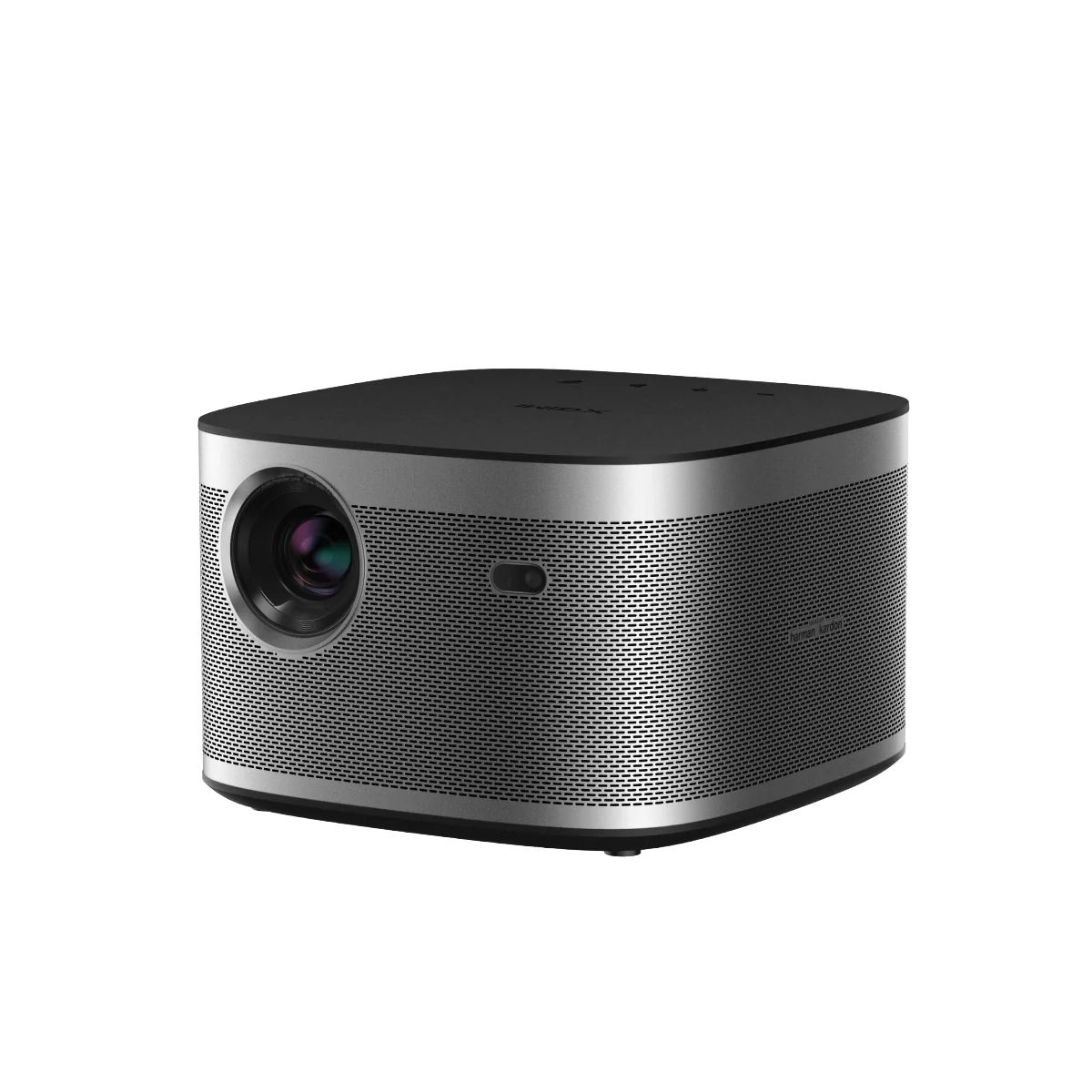
Brightness is where this model earns its keep: 2200 ANSI lumens is well above what budget projectors in this range typically offer. That ANSI-lumen brightness (a more rigorous measurement than the inflated "LED lumens" figures some cheaper projectors use) is important. That gives it good use for business and presentations, since the picture holds up reasonably well even with some ambient light in the room, not just in a fully dark home theater setup.
Today's top Xgimi projector deal
1920 x 1080 native resolution DLP projector with HDR10 and HLG support, 2200 ANSI lumens brightness, auto focus, auto keystone correction, and intelligent obstacle avoidance. Built-in Android TV with Chromecast, dual-band Wi-Fi, and Bluetooth 5.0. Two 8W Harman Kardon speakers with Dolby Audio, Dolby Digital, and DTS-HD support. Projects a 40-200in image.View Deal
One thing worth clearing up first: despite some marketing copy floating around describing this as a 4K projector, the Horizon's native resolution is 1920 x 1080 — this is Xgimi's entry-level Horizon, not the 4K "Horizon Pro" that sits above it in the line-up. If you specifically need native 4K, this isn't that projector. But for presenting or streaming Full HD content, 1080p from a bright, well-built projector at this price is a genuinely great deal.
The built-in Harman Kardon speaker setup is a real convenience feature — two 8W drivers with Dolby Audio and DTS-HD support mean you don't need a soundbar or external speakers just to get a watchable experience out of the box.
The setup features are also worth calling out: auto focus, auto keystone correction, and intelligent screen alignment handle the fiddly parts of projector setup automatically, and obstacle avoidance helps the image adjust around furniture in the frame rather than requiring a perfectly clear wall.
One honest caveat beyond the resolution: Our own testing of the pricier Horizon Pro found that if you're mostly watching Full HD content rather than 4K, the standard non-Pro Horizon is actually the smarter buy — which lines up well with what this deal is offering. Just don't expect the sharper 4K detail of Xgimi's higher-end models at this price.
For a bright, well-connected 1080p smart projector with genuinely good built-in sound, the Xgimi Horizon at $529 is a smart buy. And for other top-performing picks, see our guide to the best portable projectors.
ARK augmented reality describes a form of spatial interaction in which artificial intelligence does more than place digital objects in the physical world. It uses knowledge from foundation models to understand unfamiliar scenes, generate useful information and adapt its response to the person, task and environment.
The concept comes from a 2023 research paper titled “ArK: Augmented Reality with Knowledge Interactive Emergent Ability.” Its authors proposed a system that transfers knowledge from large foundation models into new physical and virtual environments. Instead of training an AI agent separately for every room, object or activity, ArK uses existing knowledge memory to interpret what it sees and generate appropriate 2D or 3D content.
Traditional augmented reality places information over reality. ARK augmented reality tries to understand reality before deciding what should appear.
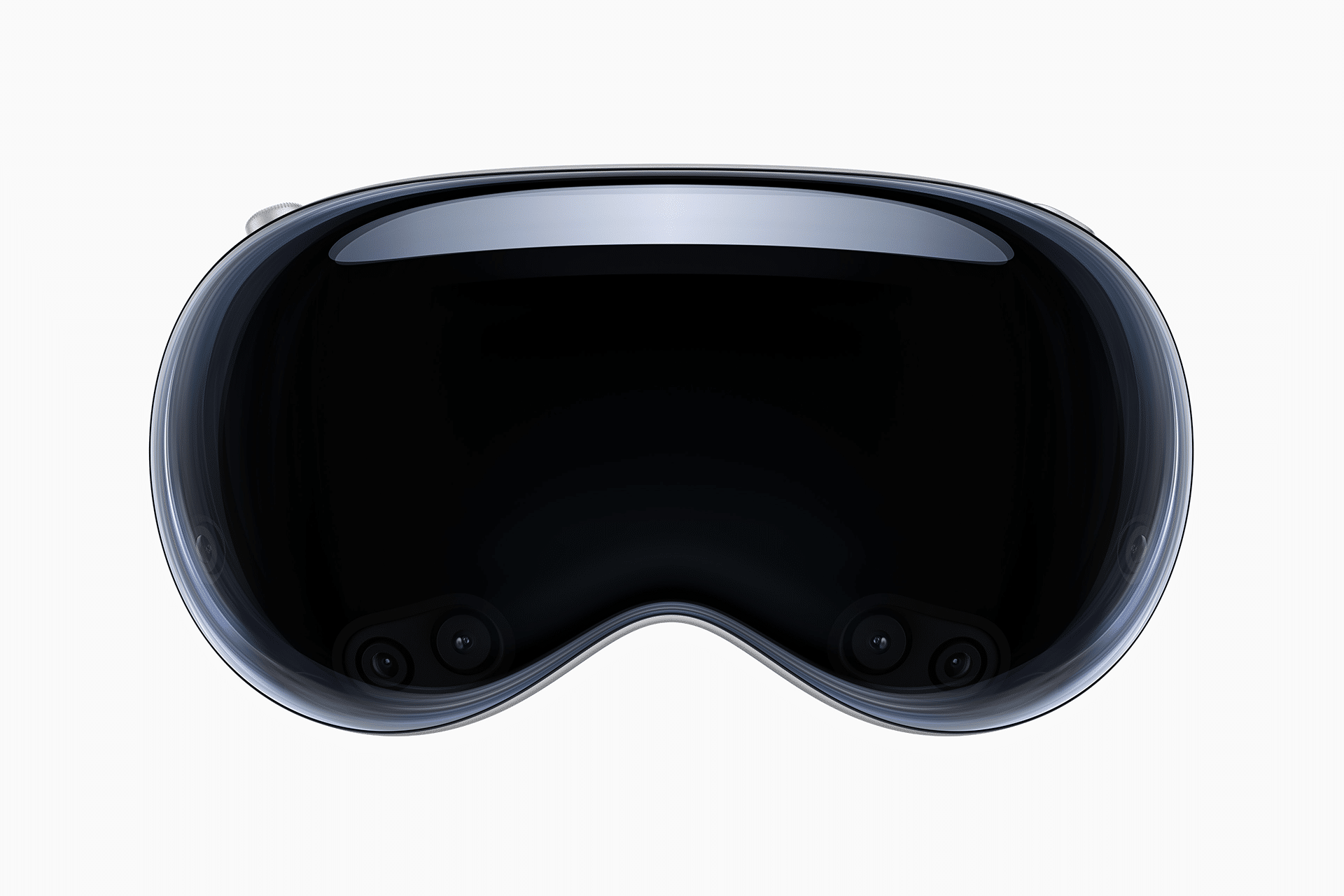
That distinction creates a compelling direction for Apple. Vision Pro already blends digital content with physical space. Apple Intelligence adds language, image understanding and personal context. Visual Intelligence lets users look at objects, text and scenes before asking for information. Siri AI adds a conversational layer. ARKit, RealityKit and visionOS provide the spatial foundation.
Apple now has many of the components required to build a knowledge layer over the physical world.
ARK Augmented Reality Goes Beyond Digital Overlays
Most familiar augmented reality experiences are relatively fixed. A furniture app places a digital sofa in a room. A navigation app displays arrows over a street. A museum app identifies an artwork. A repair app shows where a component belongs.
These experiences can be useful, but they usually depend on predefined content and rules. The system recognizes a known object or location, then presents prepared information.
ARK augmented reality proposes something more adaptive. A knowledge-enabled system could enter an unfamiliar environment, interpret what is present and generate assistance based on a broader understanding of objects, relationships and possible actions.
A user looking at a complicated electrical panel would not only see labels. The system could identify the panel type, explain the purpose of each section, compare the arrangement with standard configurations and warn the user not to touch dangerous components.
A student examining a machine could ask how it works and receive a spatial explanation attached to its real parts. A surgeon could review anatomical information positioned around a medical model. A technician could receive repair guidance even when the exact equipment had not been included in a previous training dataset.
The display becomes less like a floating screen and more like an informed interpretation of the environment.
Image Credit: Apple Inc.
Why Apple Is Positioned to Build It
Apple’s advantage would not come from inventing every part of ARK augmented reality. It would come from combining hardware, software, artificial intelligence and personal context into one controlled ecosystem.
Vision Pro already understands rooms, surfaces, hands, eyes and objects well enough to place digital content convincingly in physical space. Its cameras and sensors continuously map the environment while visionOS manages windows, volumes and immersive experiences.
Apple Intelligence provides another layer. Foundation models can interpret language, summarize information, generate content and connect requests with app actions. Visual Intelligence can identify text, images and real-world objects. Siri AI can act as the conversational interface.
The Apple ecosystem also provides personal context that a generic AR platform may not have. Calendar knows the user’s schedule. Maps understands location. Photos contains visual history. Notes and Mail hold project information. Health contains personal trends. Home understands rooms, accessories and automations.
An Apple-built knowledge layer could combine the environment in front of the user with the information already available across trusted devices and apps.
A person preparing for a meeting could look at a conference room and see the agenda, participant names and relevant documents arranged around the table. A traveler could look across a train station and receive directions connected to the correct platform, departure time and digital ticket. A homeowner could examine a room and see live information from temperature, air-quality and energy sensors.
The physical environment becomes the interface.
Vision Pro Is the Laboratory
Vision Pro is the obvious development platform for this idea because it already offers the cameras, displays, sensors and processing required for advanced spatial understanding. Its size and price limit broad adoption, but those same characteristics allow Apple and developers to test experiences that would be harder to build first on lightweight glasses.
ARK augmented reality on Vision Pro could become especially useful in enterprise environments. Apple already promotes the headset for employee training, product design, field service, collaboration and specialized visualization.
A worker could enter an unfamiliar facility and receive contextual instructions attached to real equipment. An engineer could inspect a physical prototype while design changes, performance data and maintenance history appear around it. A new employee could learn a workflow through spatial guidance generated from company manuals and operational knowledge.
The system would not need to display every available fact. It would need to understand which information fits the current task.
That is where AI knowledge becomes more valuable than a traditional AR overlay. Too much information can be as disruptive as too little. A strong system should filter, prioritize and explain rather than cover the room with floating labels.
The iPhone Could Bring ARK to More People
Vision Pro may be the development environment, but iPhone could provide the scale. The iPhone already combines cameras, LiDAR on Pro models, location, motion sensing, Visual Intelligence and Apple Intelligence.
An iPhone-based ARK experience would be less continuous because users would need to hold up the device. It could still deliver useful knowledge interaction without requiring a headset.
A user could point the camera at a plant and receive care guidance based on its species, visible condition, local weather and placement in the room. Someone assembling furniture could receive generated guidance positioned over the actual parts. A shopper could compare products by looking at them rather than manually searching for each model.
The difference from ordinary visual search would be interaction. The user could ask follow-up questions, change the goal and let the system update the visual guidance.
Future glasses could eventually make the experience persistent. The iPhone would help Apple develop the intelligence, privacy controls and app ecosystem before lightweight eyewear becomes ready.
A World That Explains Itself
The most ambitious version of ARK augmented reality is a world in which information is attached to objects, places and situations only when requested or needed.
A city could become understandable without searching through maps, review sites and separate transit apps. Buildings could reveal history. Streets could explain temporary closures. Restaurants could surface reservations, dietary options and accessibility details. Public transport could show the correct entrance and platform.
Inside a home, Apple’s knowledge layer could explain energy use, identify maintenance problems and guide repairs. In a classroom, physical models could become interactive lessons. In healthcare, patients could receive visual instructions for approved home procedures or medication devices.
The experience would depend on context rather than menus. The user looks, asks and receives information positioned where it belongs.
This is the transition from augmented reality as decoration to augmented reality as understanding.
Privacy Will Decide Whether It Works
A knowledge layer capable of understanding the physical world also creates serious privacy questions. The system may see homes, workplaces, documents, faces, screens and private conversations. The more context it receives, the more useful it becomes. The same access can also make it invasive.
Apple’s privacy architecture could become one of its strongest advantages. On-device processing would allow some scene understanding without sending continuous camera feeds to external servers. Private Cloud Compute could handle more complex requests while preserving stricter controls than an ordinary cloud AI service.
Apple would also need visible controls over what is analyzed, remembered and shared. A user should know when the system is interpreting the environment and whether information is temporary or retained. Workplaces and public spaces would need rules for recording, identification and sensitive data.
ARK augmented reality cannot become socially acceptable if people feel that nearby devices are constantly cataloging them.
The successful version would behave less like surveillance and more like intentional assistance. The user asks for understanding. The system processes only what is needed. The knowledge disappears when the task ends unless the user chooses to save it.
Image Credit: Apple Inc.
Developers Could Build Knowledge Worlds
Apple would not need to create every knowledge experience itself. visionOS, ARKit, RealityKit and App Intents could let developers connect specialized knowledge with physical environments.
A medical company could build guidance for approved equipment. A manufacturer could create spatial maintenance systems. A university could attach interactive explanations to laboratories and museums. A retailer could create product comparisons based on inventory and customer preferences.
Apple could provide the shared intelligence layer: scene understanding, object recognition, language interaction, privacy permissions and spatial presentation. Developers would provide the trusted domain knowledge.
This division would be essential. General AI can explain many things, but professional environments require verified information. A generated answer about a historical building has different consequences from an answer about industrial machinery or medical treatment.
Apple’s platform could distinguish between general knowledge and certified domain sources, allowing users to see where information comes from before acting.
From Spatial Computing to Contextual Computing
Apple describes Vision Pro as a spatial computer because digital content can occupy physical space. ARK augmented reality suggests the next progression: contextual computing.
A spatial computer knows where digital content is placed. A contextual computer understands why the content is useful in that location, what the user is trying to accomplish and which knowledge should appear.
That would connect several Apple strategies that currently look separate. Vision Pro supplies spatial awareness. Apple Intelligence supplies reasoning and generation. Siri AI supplies conversation. Visual Intelligence supplies real-world understanding. The ecosystem supplies personal context.
Together, they could create a system that does not wait for users to open the correct app and search through the correct menu. The environment itself becomes the starting point.
Apple’s opportunity is to make that interaction restrained rather than overwhelming. The company does not need to cover reality with digital noise. It can use design, privacy and contextual intelligence to make information appear only when it improves the moment.
ARK augmented reality offers a useful description of that future. Reality remains visible. Knowledge becomes interactive. The computer begins to understand the world in front of the user instead of asking the user to translate everything into a search box.
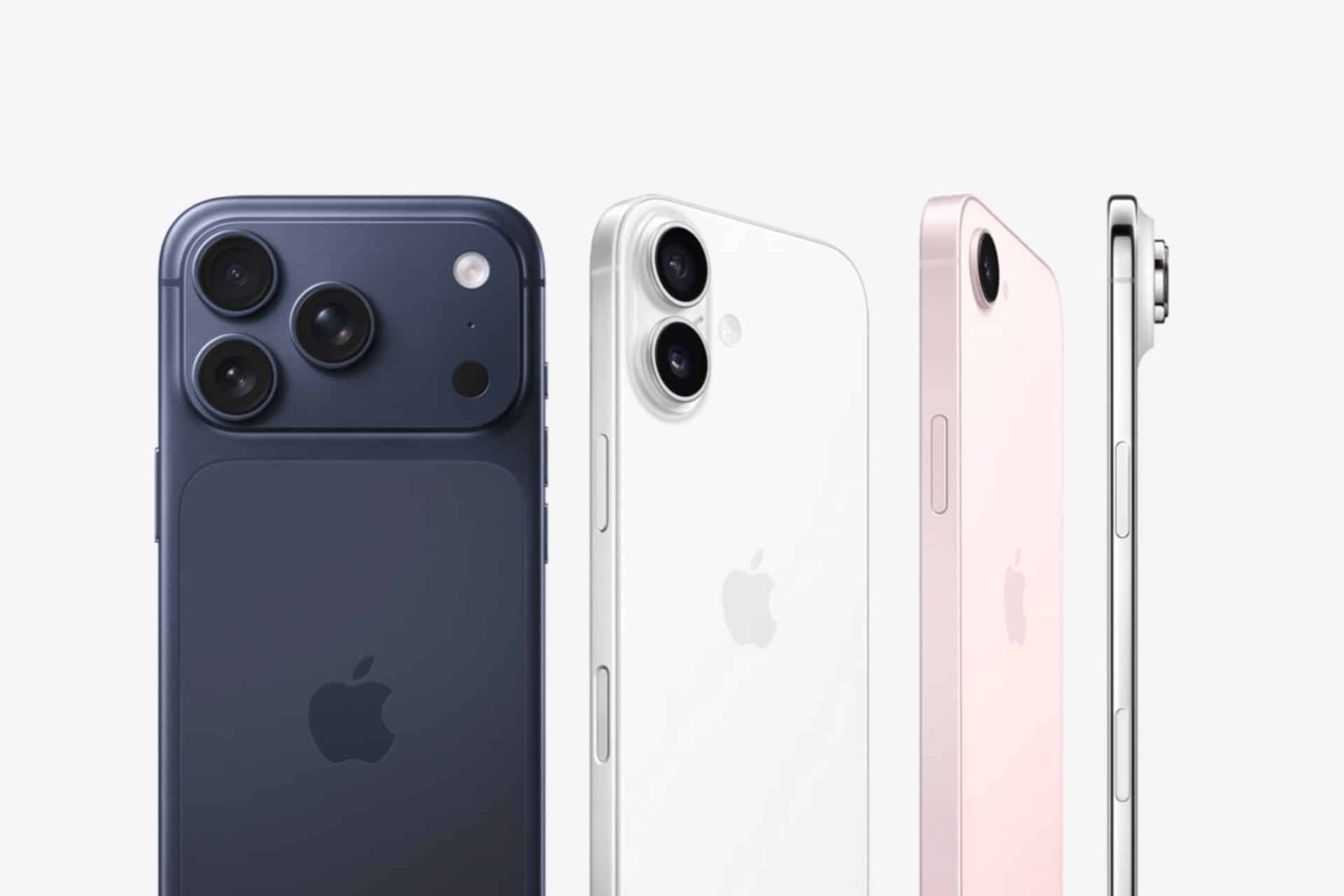
PrismML AI compression could give Apple a way to place far more capable artificial intelligence directly inside the iPhone. The Caltech spinout says it reduced a 27-billion-parameter model from approximately 54GB to less than 4GB, small enough to run locally on an iPhone 17 Pro.
That represents a reduction of about 93%, but the more useful number may be memory efficiency. PrismML says its technology can use up to 15 times less memory than conventional versions of the same model. Apple has reportedly held early discussions with the startup about possible uses for the technology.
Neither company has announced a partnership, acquisition or product plan. PrismML’s claims also need to be judged through independent testing, sustained performance and the compromises introduced by heavy compression. Even so, the demonstration points directly at one of Apple’s largest AI challenges: fitting stronger models inside devices without destroying battery life, consuming too much memory or sending every complex request to the cloud.
PrismML AI Compression Changes the Size Problem
Large AI models are difficult to run on phones because their parameters require substantial storage and working memory. A standard model may perform well in a data center equipped with powerful accelerators, large memory pools and constant electricity, then become impractical inside a device designed to last all day on one battery.
PrismML approaches that problem by representing model weights with far fewer bits. The startup has developed what it calls Bonsai models, including 1-bit versions designed to preserve much of the original model’s capability while sharply reducing size and energy use.
The reported iPhone demonstration used a compressed version of Alibaba’s Qwen model with 27 billion parameters. That is far larger than the compact language models normally associated with smartphones. Running it locally suggests that model size may no longer be controlled only by the number of parameters. How efficiently those parameters are represented becomes just as relevant.
Compression is not new. Developers already use quantization, pruning and other methods to make models smaller. PrismML’s claim is that its approach pushes that process much further while retaining useful reasoning and language performance.
That claim is exactly why Apple would be interested.
Why Siri AI Needs Smaller Models
Apple’s AI strategy depends on dividing work between the device and the cloud. Simpler Apple Intelligence requests can run locally, while more demanding tasks may move to Private Cloud Compute. That hybrid structure allows Apple to offer stronger capabilities without forcing the iPhone to carry every model it may ever need.
The cloud layer, however, introduces cost, latency and availability requirements. A request must leave the device, reach a server, be processed and return. Apple has designed Private Cloud Compute around strong privacy protections, but local processing remains faster and easier to explain.
A larger on-device model could improve Siri AI’s language understanding, reasoning and ability to complete multi-step tasks without a network connection. It could also reduce the number of requests sent to Apple’s servers.
That does not mean cloud processing would disappear. Server models can remain larger and support especially demanding requests. PrismML AI compression could instead move the dividing line. Tasks that currently need Private Cloud Compute might become possible directly on a future iPhone.
The benefits could include quicker responses, stronger offline operation and less server demand as Apple Intelligence reaches more users.
Image Credit: Apple Inc.
Privacy Fits Apple’s Preferred Direction
On-device processing has always been central to Apple’s AI positioning. Personal information can remain on the iPhone rather than moving through a conventional cloud service. The device can interpret a request, use local context and produce an answer without exposing the underlying data beyond the hardware.
A model capable of handling more work locally would reinforce that approach. Siri AI could potentially understand messages, notes, schedules or onscreen content while reducing the need to transfer information elsewhere.
Apple already uses Private Cloud Compute when local processing is insufficient, and the company has built significant safeguards around that system. Yet every task completed on the iPhone removes one additional processing step.
Privacy is not the only advantage. Local models can continue operating when connectivity is poor or unavailable. That could help Siri AI during flights, rural travel, crowded events or other situations where cloud access becomes unreliable.
A capable offline assistant would also feel more like part of the operating system and less like a remote service accessed through an interface.
The iPhone Still Has Physical Limits
Shrinking a model to less than 4GB does not automatically make it ideal for everyday iPhone use. The model must also run quickly enough, avoid excessive heat and leave enough memory for iOS and active apps.
A technical demonstration may complete tasks successfully while consuming more energy or time than users would accept from Siri. Apple would need to optimize the model for its Neural Engine, memory architecture and software frameworks rather than simply loading PrismML’s existing build onto every supported device.
Storage is another consideration. A model occupying several gigabytes would compete with apps, photos, offline media and system files. Apple could reserve more storage for intelligence features, deliver models selectively or use several specialized models instead of one large general system.
Battery use may create the hardest constraint. An AI model can fit in memory and still require too much sustained computation for frequent mobile use. The ideal system needs to be small, fast and efficient enough to disappear into normal iPhone behavior.
Apple’s chip design gives it an advantage here. The company controls the processor, Neural Engine, operating system and AI software stack. PrismML could provide the compression technique while Apple handles the deeper hardware integration.
Image Credit: Apple Inc.
Better AI Without Replacing the Cloud
The strongest use of PrismML’s technology may not be putting one enormous model on every iPhone. Apple could use compression across a family of models designed for different devices and tasks.
A smaller model could handle routine language requests. A more capable local model could be downloaded only to recent Pro devices with sufficient memory. Specialized models could support writing, image generation, app actions or Visual Intelligence. Private Cloud Compute could remain available when the request exceeds local capability.
That would give Apple more flexibility than an all-local or all-cloud design. Each device could carry the intelligence appropriate for its chip, memory and battery capacity.
The approach could also help Macs, iPads and future home products. A compressed model may run more comfortably on a MacBook Air, HomePod or smart home hub without requiring constant server access. Apple could scale the same intelligence foundation across products while adjusting model size to the hardware.
This is especially relevant as Siri AI moves beyond answering questions. App actions, personal context and ambient smart home control require intelligence that remains available throughout the day. Lower memory and energy requirements could make those experiences more practical.
Compression Always Includes Trade-Offs
A 93% reduction is a striking headline, but compression can affect output quality. A smaller representation may lose precision, weaken reasoning or struggle with uncommon information. The real test is not whether the model runs. It is whether it performs well enough across the tasks Apple expects Siri AI to handle.
PrismML says its technology preserves strong performance compared with full-precision models. Apple would still need extensive evaluation across languages, safety categories, tool use and personal-assistant scenarios.
Reliability is especially sensitive for an operating-system assistant. A model used for casual brainstorming can tolerate occasional weakness. A model handling messages, appointments, directions or app actions needs a higher level of consistency.
Apple may therefore use aggressive compression selectively. Some tasks can accept a smaller model, while others may remain on a higher-quality server model. The user would not need to know which model is active as long as the response remains fast and dependable.
Image Credit: Apple Inc.
Apple Wants the Technology, Not Necessarily the Company
Reports indicate Apple has spoken with PrismML, but early conversations can lead in several directions. Apple could license the startup’s technology, work on a technical integration, hire members of the team or explore an acquisition.
The company has a long history of purchasing smaller firms for specialized technology and engineering talent. Model compression would fit that pattern because it supports Apple’s existing AI strategy rather than creating a separate consumer product.
PrismML could also remain independent and provide its tools to multiple hardware companies. Its technology has potential uses across phones, computers, robotics, vehicles and industrial equipment where cloud access is expensive or unreliable.
Apple’s interest alone gives the startup attention. The larger significance is that efficient models are becoming as valuable as larger ones. The AI industry spent years treating scale as the primary route to improvement. Mobile computing forces a different question: how much intelligence can fit inside the power and memory limits of one personal device?
A Smaller Model Could Make Siri Feel Larger
Apple does not need to place the biggest available model on an iPhone. It needs a model capable enough to improve the interactions users repeat every day.
PrismML AI compression could help Siri understand more context, complete more requests locally and respond without waiting for a server. It could strengthen Apple’s privacy argument while reducing the infrastructure load created by millions of AI-enabled devices.
The technology remains early, and a startup demonstration is not the same as a shipping Apple feature. The 93% figure will mean little if quality, battery life or speed suffer under daily use.
But the direction fits Apple unusually well. The company has spent years designing smaller, more efficient hardware systems that perform beyond their apparent limits. PrismML is proposing a similar strategy for AI models.
If the startup’s claims hold up, the next major Siri improvement may not come from sending a larger model into the cloud. It may come from fitting one into the iPhone without making the iPhone feel the weight.
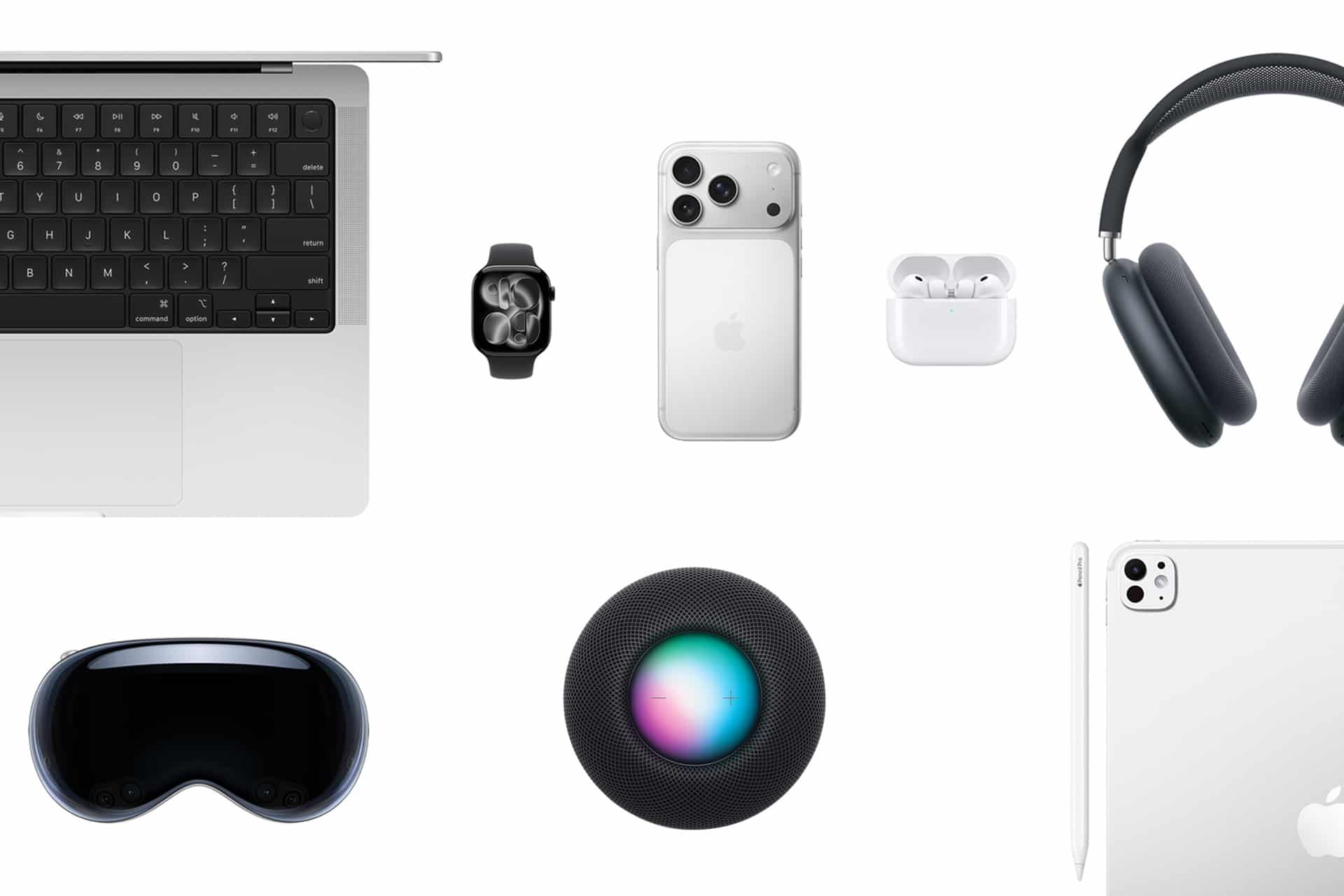
AppleCare+ pricing has gone up for new Mac and iPad customers, adding another small cost increase to the Apple ownership equation. According to Bloomberg, Apple has raised monthly and annual AppleCare+ rates for new Mac and iPad plans, with the change applying to new coverage rather than existing plans already active on customer devices.
The increase is modest on paper. Reports indicate Apple has raised monthly AppleCare+ rates by 50 cents and annual plans by $5 for affected Mac and iPad products. For example, AppleCare+ for the 13-inch MacBook Air is now listed at $7.99 per month or $79.99 per year, up from $7.49 per month and $74.99 per year. The Mac mini now starts at $4.49 per month or $44.99 per year, while the 16-inch MacBook Pro costs $15.99 per month or $159.99 per year.
The numbers are not dramatic alone. The context is harder for buyers. Mac and iPad prices have already been under pressure from component costs, financing changes and longer upgrade cycles. AppleCare+ is optional, but for many customers buying expensive laptops and tablets, it is part of the real purchase price.
AppleCare+ Pricing Adds to the Ownership Cost
AppleCare+ pricing is one of those costs many buyers do not fully consider until checkout. The device price gets attention first. Then come storage upgrades, cellular connectivity, keyboard accessories, Apple Pencil, taxes, financing, software subscriptions and protection coverage.
For a MacBook Air, an extra 50 cents per month may not change the decision. For a MacBook Pro, iPad Pro or a family buying multiple devices, the increases add up over time. Annual plans rising by $5 also signal that Apple is comfortable nudging protection costs higher even when the change is small enough to avoid a major backlash.
AppleCare+ remains valuable for users who carry devices daily or depend on them for work. Macs and iPads are portable, expensive and often used in places where accidents happen: classrooms, coffee shops, airports, offices, studios, kitchens and family rooms. A cracked iPad screen or damaged MacBook display can be expensive without coverage.
Apple’s pitch is convenience as much as insurance. AppleCare+ includes priority support, battery service when capacity drops below Apple’s threshold, and reduced service fees for accidental damage. For iPad, AppleCare+ can also cover Apple-branded keyboard accessories and Apple Pencil damage under service-fee terms.
That makes the plan attractive. It also makes the higher price easier for Apple to defend.
Image Credit: Apple Inc.
New Customers Feel the Change First
The latest increase applies to new Mac and iPad AppleCare+ customers. Existing customers with active plans are not the immediate target of the reported change. That distinction helps Apple avoid angering subscribers who already signed up at previous rates, while still lifting revenue from new device buyers.
This approach fits Apple’s broader shift toward recurring coverage. Apple has been moving AppleCare+ further into monthly and annual subscription-style plans, with AppleCare One offering a bundled option for multiple products. The protection plan is no longer only a one-time add-on at purchase. It is increasingly part of Apple’s services layer.
That matters because Apple’s services business depends on recurring payments. AppleCare+ may not get the same attention as iCloud, Apple Music or Apple TV, but it is another way Apple extends the customer relationship beyond the hardware sale. A Mac or iPad purchase becomes not only a device transaction, but also a support and repair subscription.
The price increase strengthens that pattern. A small rise across a large base of new buyers can support services revenue without changing the product lineup.
Mac Buyers Should Compare Plans
Mac buyers now have more reason to compare AppleCare+ options before adding coverage. Apple’s Mac plans vary by model because repair risk and device cost vary. A Mac mini plan starts lower because the device is stationary and less likely to face drops or screen damage. A 16-inch MacBook Pro costs more because it is a high-value portable machine with expensive components.
For a buyer choosing a MacBook Air, AppleCare+ may be easier to justify if the laptop travels daily. Students, journalists, consultants, photographers, editors and business travelers are more exposed to accidental damage than someone who leaves a Mac mini on a desk.
For MacBook Pro buyers, the decision often depends on work dependency. If the Mac is the primary income tool, AppleCare+ can be less about repair math and more about reducing downtime. Access to Apple support and lower repair costs can be worth the subscription if the device is central to daily work.
Still, users should compare the plan cost with their own risk. A careful desktop Mac user may not need the same coverage as a frequent traveler. AppleCare+ is useful, but it should not be automatic for every buyer.
iPad Buyers Face a Different Calculation
iPad AppleCare+ has its own logic because iPads are more physically exposed than Macs in many homes. They are passed between family members, used by children, carried around the house, taken to school, placed in bags and paired with accessories that raise the total cost of ownership.
For iPad Pro and iPad Air buyers, AppleCare+ can make sense because screen repairs and accessory damage can be costly. Apple’s current AppleCare+ terms for iPad include service fees for screen damage, other accidental damage and covered accessories. That can make the plan appealing for users who buy Magic Keyboard, Apple Pencil Pro or a high-end iPad Pro.
The decision becomes more complicated for entry-level iPad buyers. A lower-cost iPad may not justify years of coverage for every user, especially if it stays mostly at home. Families, however, may see the protection differently. An iPad used by children faces more risk than a laptop used carefully by one adult.
The new pricing does not change the core question. It makes the answer slightly more expensive.
AppleCare Products | Warranty Check
AppleCare One Becomes More Relevant
AppleCare One gives Apple another way to soften individual plan increases. The bundle starts at $19.99 per month for up to three eligible products, with additional devices available for $5.99 per month each. It includes AppleCare+ benefits and adds theft and loss coverage for eligible iPhone, iPad and Apple Watch products.
For users with only one Mac or one iPad, AppleCare One may not be the best fit. For users with multiple devices, it can become more attractive as individual plans rise. A person with an iPhone, iPad and Mac may compare three separate AppleCare+ plans against the bundle and find the monthly difference easier to justify.
That is likely part of the strategy. Apple can raise individual plan prices modestly while giving heavier ecosystem users a bundled option. The company has used similar logic across services with Apple One, where the value increases as users subscribe to more Apple products.
The same principle now applies to protection. The deeper a customer is inside Apple’s hardware ecosystem, the easier it becomes to turn support coverage into a monthly bundle.
Small Increase, Larger Signal
AppleCare+ pricing increases may be small, but they arrive during a period when Apple is asking customers to absorb more costs across the ecosystem. Device prices, component pressure, cellular financing, AI hardware demands and service subscriptions all affect the total ownership picture.
The AppleCare+ change fits that pattern. Apple is not dramatically changing the service. It is raising the price slightly while keeping the value proposition intact: lower repair costs, battery service, accidental damage coverage and Apple support.
For buyers, the best response is not panic. It is math. Compare the plan price with the device cost, repair risk, usage pattern and whether multiple Apple products would make AppleCare One more efficient. Someone buying a MacBook Pro for travel may want the protection. Someone buying a Mac mini for a desk may not. A family iPad may be a stronger candidate than a carefully handled personal tablet.
AppleCare+ remains a useful safety net. It is just a slightly more expensive one for new Mac and iPad buyers, and that makes the real cost of the device a little higher than the number on the product page.

 Login