❌

Reading view

White Spot on iPad Screen: What to Do

A white spot on iPad screen can appear as a bright patch that remains visible while browsing, watching videos or using apps. It may be small and easy to ignore at first, then become distracting whenever the screen shows a white, gray or lightly colored background.

The spot may come from a temporary software problem, but a fixed bright area is more commonly connected to the display hardware. Pressure inside the iPad, a damaged backlight layer, display separation or an impact can create uneven illumination that no setting can remove.

Before arranging a repair, a few simple checks can reveal whether the spot belongs to the image being displayed or to the physical screen itself.

What Causes a White Spot on iPad Screen?

A white spot on iPad screen is often described as a bright spot, pressure mark or backlight patch. On iPads with LCD displays, light passes through several internal layers before reaching the glass. When one of those layers becomes damaged, separated or compressed, light can concentrate in one area.

The mark may be more visible against pale backgrounds and almost disappear when the screen displays black or dark content. This is different from a dead pixel, which usually appears as a tiny fixed dot rather than a larger cloudy patch.

Pressure is one possible cause. Carrying an iPad in an overloaded bag, placing heavy objects on it or using a tight case can place stress on the display. A drop may also disturb the internal screen layers without cracking the front glass.

Battery swelling can create similar pressure from inside the device. If the screen is lifting from the frame, the iPad feels unusually warm or the body appears bent, stop using it and seek service. A swollen battery should not be pressed back into place or handled as an ordinary screen defect.

The problem can also appear after a display replacement involving a poorly fitted or lower-quality part. Apple notes that nongenuine displays may produce inconsistent brightness, color or touch behavior.
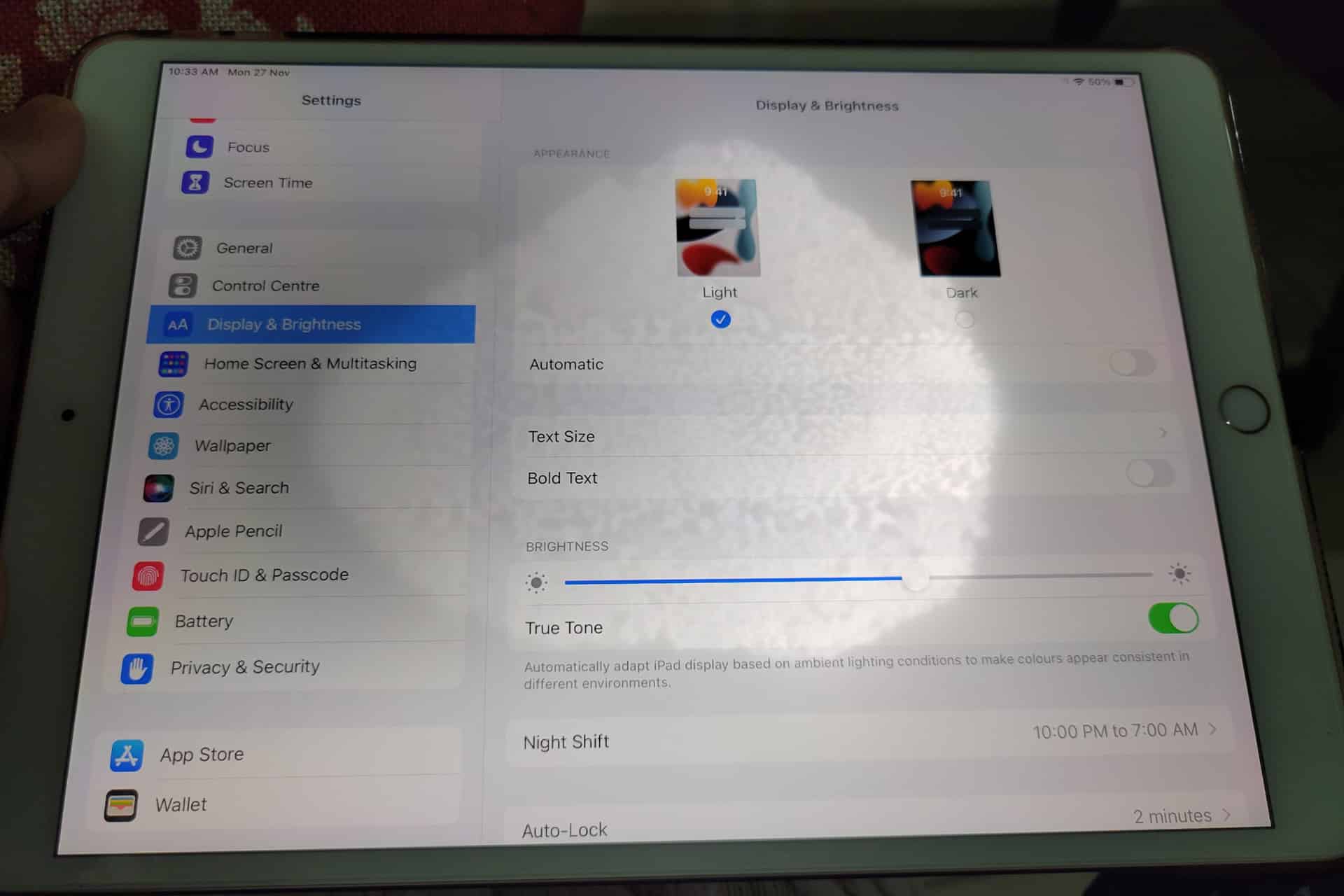
White spot on iPad screen - An iPad displays its "Display & Brightness" settings, showing options for Light and Dark modes, brightness adjustment, True Tone, Night Shift scheduling, and other appearance settings—features that can help users address common issues like an iPad screen problem or an uneven iPad backlight. A hand holds the device.
Image Credit:

Check Whether the Spot Is Really on the Display

Begin by opening several different apps. Look at the spot over a white webpage, a gray Settings screen, a dark photo and a full-screen video. A hardware-related mark normally stays in the same physical location regardless of what appears underneath it.

Rotate the iPad. If the content changes orientation but the bright patch remains in the same part of the glass, the display is the likely cause.

Taking a screenshot provides another useful test. A physical screen defect will not normally become part of the screenshot file.

To take a screenshot on an iPad without a Home button:

Top button + either volume button

To take a screenshot on an iPad with a Home button:

Top button + Home button

Open the screenshot on another device or send it to a trusted computer. If the white spot does not appear there, the image generated by iPadOS is normal and the problem is probably inside the display assembly.

If the mark appears in the screenshot, it may belong to an app, image, accessibility setting or software effect rather than the panel.

Restart Before Assuming Hardware Failure

A restart is worth trying because it clears temporary display and system behavior without affecting personal files. It is unlikely to repair physical backlight damage, but it can eliminate a short-lived graphical problem.

To restart an iPad without a Home button:

Press and hold the top button and either volume button > Drag the power slider > Wait approximately 30 seconds > Hold the top button until the Apple logo appears

To restart an iPad with a Home button:

Press and hold the top button > Drag the power slider > Wait approximately 30 seconds > Hold the top button until the Apple logo appears

After restarting, return to the same pale background and check the area again. A spot that remains fixed is unlikely to be caused by a temporary iPadOS issue.

Two tablets displaying a colorful Apple Magazine cover are shown side by side. Blue arrows point to the corners of the tablet on the right, highlighting its narrower bezels compared to the left; it resembles an iPad Screenshot in vibrant detail.
Image Credit: AppleMagazine

Brightness Can Make the Problem More Visible

Lowering brightness may make a bright patch less distracting, but it does not repair the underlying display. The same applies to Dark Mode, Night Shift and Reduce White Point. These settings can change how noticeable the mark becomes without removing it.

To adjust screen brightness:

Settings > Display & Brightness > Brightness

Test the iPad at several brightness levels. A backlight-related spot may become easier to see as brightness increases. Photographing the screen against a plain background at medium and high brightness can also help document the defect before requesting service.

Avoid pressing or rubbing the affected area. Pressure may temporarily change the appearance, but it can damage the display further. Internet advice suggesting that users massage bright spots out of a panel should be ignored.

Check the Case and Screen Protector

Remove any rigid case that appears unusually tight or has been damaged. A poorly fitted case can place uneven pressure around the frame, particularly if the iPad has been dropped while inside it.

A screen protector normally cannot create a true illuminated patch beneath the display. It can, however, produce bubbles, trapped moisture or reflective marks that resemble a screen defect. Examine the iPad with the display turned off. If the mark is visible on the surface even when the screen is black, the protector or glass may be involved.

Do not remove a properly installed protector solely as an experiment unless the mark clearly appears close to its surface. A bright patch visible only while the display is illuminated usually comes from deeper inside the screen.

When the iPad Needs Repair

A persistent white spot generally requires display service when it remains after restarting and does not appear in screenshots. There is no iPadOS setting that can realign a damaged diffuser, remove internal pressure or repair separated display layers.

Back up the iPad before service so photos, documents and app data remain protected.

To create an iCloud backup:

Settings > your name > iCloud > iCloud Backup > Back Up Now

Apple can inspect the device and determine whether the defect qualifies for warranty coverage, AppleCare service or paid repair. Coverage depends on the device, purchase date, condition and whether the problem resulted from accidental damage.

To check coverage:

Settings > General > AppleCare & Warranty

Apple or an Apple Authorized Service Provider may replace the display assembly or the iPad, depending on the model and available service process. The final repair estimate normally requires inspection.

A white cloud icon centered on a blue gradient background symbolizes iCloud Drive offline, with a small Apple logo and the word "Apple" in the lower right corner.
Image Credit: AppleMagazine

Do Not Ignore Physical Changes

A stable white spot that has not changed for months may remain only a visual annoyance. A spot that is expanding, accompanied by screen lifting or followed by unusual heat needs faster attention.

Stop using the device if the display separates from the enclosure, the iPad becomes visibly swollen or pressure marks spread across the panel. Do not puncture the device, force the display closed or continue charging it unattended.

For an ordinary fixed bright patch, the practical path is simpler: confirm it does not appear in screenshots, restart the iPad, remove any case applying pressure and arrange display service if the mark remains.

A white spot on iPad screen rarely affects the information stored on the device, but it can indicate physical damage that software cannot correct. A brief check can rule out the easy causes. After that, repair is usually more effective than repeatedly changing display settings and hoping the light disappears.

The post White Spot on iPad Screen: What to Do appeared first on AppleMagazine.

  •  

AppleCare+ Pricing Rises for Mac and iPad

AppleCare+ pricing has gone up for new Mac and iPad customers, adding another small cost increase to the Apple ownership equation. According to Bloomberg, Apple has raised monthly and annual AppleCare+ rates for new Mac and iPad plans, with the change applying to new coverage rather than existing plans already active on customer devices.

The increase is modest on paper. Reports indicate Apple has raised monthly AppleCare+ rates by 50 cents and annual plans by $5 for affected Mac and iPad products. For example, AppleCare+ for the 13-inch MacBook Air is now listed at $7.99 per month or $79.99 per year, up from $7.49 per month and $74.99 per year. The Mac mini now starts at $4.49 per month or $44.99 per year, while the 16-inch MacBook Pro costs $15.99 per month or $159.99 per year.

The numbers are not dramatic alone. The context is harder for buyers. Mac and iPad prices have already been under pressure from component costs, financing changes and longer upgrade cycles. AppleCare+ is optional, but for many customers buying expensive laptops and tablets, it is part of the real purchase price.

AppleCare+ Pricing Adds to the Ownership Cost

AppleCare+ pricing is one of those costs many buyers do not fully consider until checkout. The device price gets attention first. Then come storage upgrades, cellular connectivity, keyboard accessories, Apple Pencil, taxes, financing, software subscriptions and protection coverage.

For a MacBook Air, an extra 50 cents per month may not change the decision. For a MacBook Pro, iPad Pro or a family buying multiple devices, the increases add up over time. Annual plans rising by $5 also signal that Apple is comfortable nudging protection costs higher even when the change is small enough to avoid a major backlash.

AppleCare+ remains valuable for users who carry devices daily or depend on them for work. Macs and iPads are portable, expensive and often used in places where accidents happen: classrooms, coffee shops, airports, offices, studios, kitchens and family rooms. A cracked iPad screen or damaged MacBook display can be expensive without coverage.

Apple’s pitch is convenience as much as insurance. AppleCare+ includes priority support, battery service when capacity drops below Apple’s threshold, and reduced service fees for accidental damage. For iPad, AppleCare+ can also cover Apple-branded keyboard accessories and Apple Pencil damage under service-fee terms.

That makes the plan attractive. It also makes the higher price easier for Apple to defend.

A flat lay of Apple active devices on a white background, including a MacBook, Apple Watch, iPhone, AirPods, AirPods Max headphones, HomePod, iPad, and Apple Vision Pro headset.
Image Credit: Apple Inc.

New Customers Feel the Change First

The latest increase applies to new Mac and iPad AppleCare+ customers. Existing customers with active plans are not the immediate target of the reported change. That distinction helps Apple avoid angering subscribers who already signed up at previous rates, while still lifting revenue from new device buyers.

This approach fits Apple’s broader shift toward recurring coverage. Apple has been moving AppleCare+ further into monthly and annual subscription-style plans, with AppleCare One offering a bundled option for multiple products. The protection plan is no longer only a one-time add-on at purchase. It is increasingly part of Apple’s services layer.

That matters because Apple’s services business depends on recurring payments. AppleCare+ may not get the same attention as iCloud, Apple Music or Apple TV, but it is another way Apple extends the customer relationship beyond the hardware sale. A Mac or iPad purchase becomes not only a device transaction, but also a support and repair subscription.

The price increase strengthens that pattern. A small rise across a large base of new buyers can support services revenue without changing the product lineup.

Mac Buyers Should Compare Plans

Mac buyers now have more reason to compare AppleCare+ options before adding coverage. Apple’s Mac plans vary by model because repair risk and device cost vary. A Mac mini plan starts lower because the device is stationary and less likely to face drops or screen damage. A 16-inch MacBook Pro costs more because it is a high-value portable machine with expensive components.

For a buyer choosing a MacBook Air, AppleCare+ may be easier to justify if the laptop travels daily. Students, journalists, consultants, photographers, editors and business travelers are more exposed to accidental damage than someone who leaves a Mac mini on a desk.

For MacBook Pro buyers, the decision often depends on work dependency. If the Mac is the primary income tool, AppleCare+ can be less about repair math and more about reducing downtime. Access to Apple support and lower repair costs can be worth the subscription if the device is central to daily work.

Still, users should compare the plan cost with their own risk. A careful desktop Mac user may not need the same coverage as a frequent traveler. AppleCare+ is useful, but it should not be automatic for every buyer.

iPad Buyers Face a Different Calculation

iPad AppleCare+ has its own logic because iPads are more physically exposed than Macs in many homes. They are passed between family members, used by children, carried around the house, taken to school, placed in bags and paired with accessories that raise the total cost of ownership.

For iPad Pro and iPad Air buyers, AppleCare+ can make sense because screen repairs and accessory damage can be costly. Apple’s current AppleCare+ terms for iPad include service fees for screen damage, other accidental damage and covered accessories. That can make the plan appealing for users who buy Magic Keyboard, Apple Pencil Pro or a high-end iPad Pro.

The decision becomes more complicated for entry-level iPad buyers. A lower-cost iPad may not justify years of coverage for every user, especially if it stays mostly at home. Families, however, may see the protection differently. An iPad used by children faces more risk than a laptop used carefully by one adult.

The new pricing does not change the core question. It makes the answer slightly more expensive.

AppleCare | Apple Warranty Check: The image features a logo with a red apple symbol and a leaf on top, associated with Apple Inc. Below the logo, the text reads "AppleCare+ Products" on a square white background. The backdrop is draped with soft white fabric.
AppleCare Products | Warranty Check

AppleCare One Becomes More Relevant

AppleCare One gives Apple another way to soften individual plan increases. The bundle starts at $19.99 per month for up to three eligible products, with additional devices available for $5.99 per month each. It includes AppleCare+ benefits and adds theft and loss coverage for eligible iPhone, iPad and Apple Watch products.

For users with only one Mac or one iPad, AppleCare One may not be the best fit. For users with multiple devices, it can become more attractive as individual plans rise. A person with an iPhone, iPad and Mac may compare three separate AppleCare+ plans against the bundle and find the monthly difference easier to justify.

That is likely part of the strategy. Apple can raise individual plan prices modestly while giving heavier ecosystem users a bundled option. The company has used similar logic across services with Apple One, where the value increases as users subscribe to more Apple products.

The same principle now applies to protection. The deeper a customer is inside Apple’s hardware ecosystem, the easier it becomes to turn support coverage into a monthly bundle.

Small Increase, Larger Signal

AppleCare+ pricing increases may be small, but they arrive during a period when Apple is asking customers to absorb more costs across the ecosystem. Device prices, component pressure, cellular financing, AI hardware demands and service subscriptions all affect the total ownership picture.

The AppleCare+ change fits that pattern. Apple is not dramatically changing the service. It is raising the price slightly while keeping the value proposition intact: lower repair costs, battery service, accidental damage coverage and Apple support.

For buyers, the best response is not panic. It is math. Compare the plan price with the device cost, repair risk, usage pattern and whether multiple Apple products would make AppleCare One more efficient. Someone buying a MacBook Pro for travel may want the protection. Someone buying a Mac mini for a desk may not. A family iPad may be a stronger candidate than a carefully handled personal tablet.

AppleCare+ remains a useful safety net. It is just a slightly more expensive one for new Mac and iPad buyers, and that makes the real cost of the device a little higher than the number on the product page.

The post AppleCare+ Pricing Rises for Mac and iPad appeared first on AppleMagazine.

  •  

A Month with Logitech’s Innovative Mobi Fold Travel Mouse

I can’t recall the last time I was truly excited about a mouse. I primarily use a trackpad whether I’m at my desk or using a laptop. The trouble with a trackpad-only setup, though, is that I sometimes wind up with wrist and elbow pain. That’s why I keep a Logitech MX Master 4 mouse on my desk to balance out the stress on my arms.

But that only works if I’m at my desk. More and more, I’ve been turning to a MacBook Pro for working away from my desk at home or elsewhere. Those locations are always less ergonomic than sitting at my desk, causing wrist and elbow pain more quickly. Still, I’ve never made it a habit to bring a mouse with me, especially when I’m away from home, because it’s more than I want to carry – that is, until Logitech’s latest mouse, the Mobi Fold, came along.

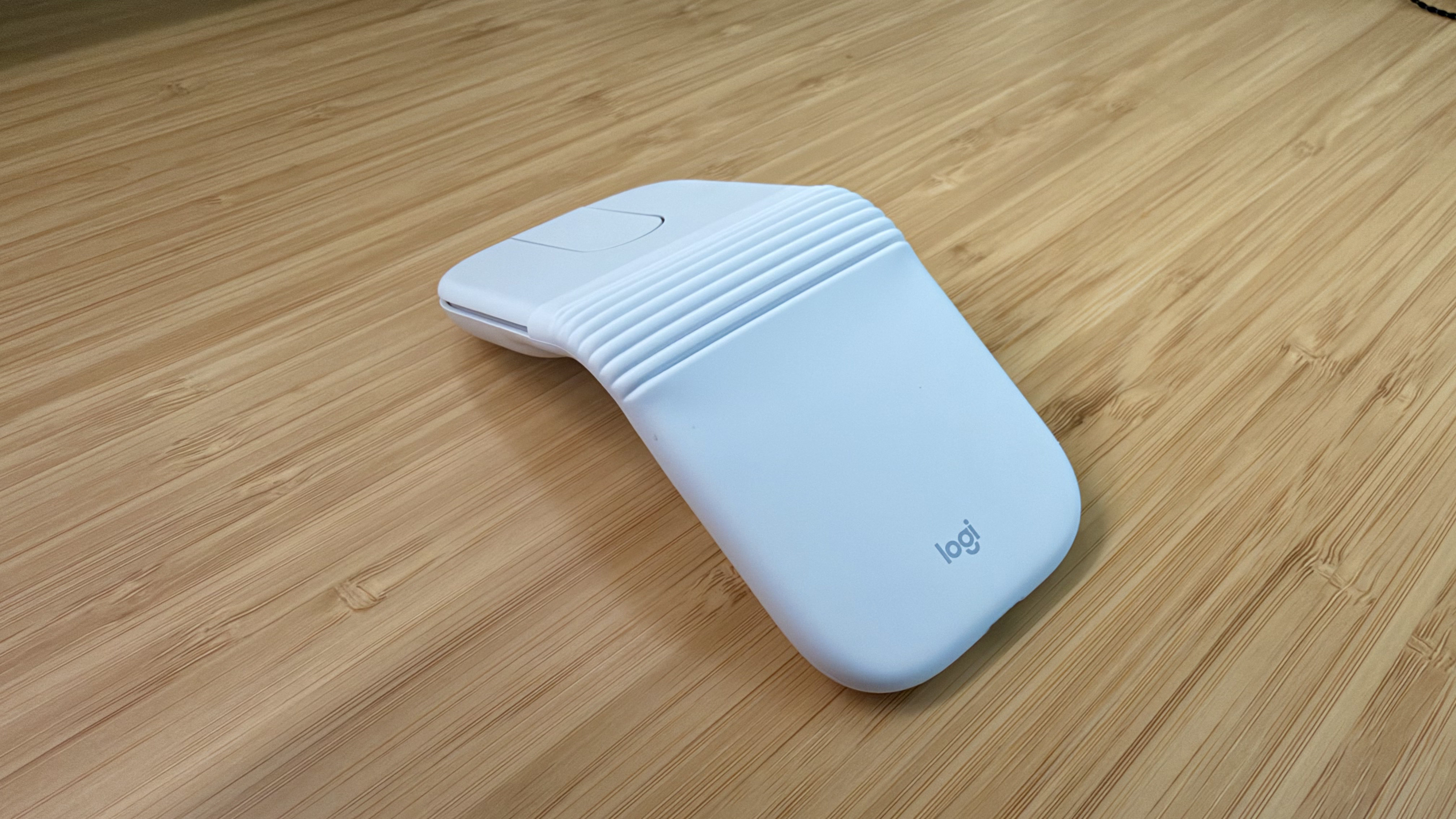
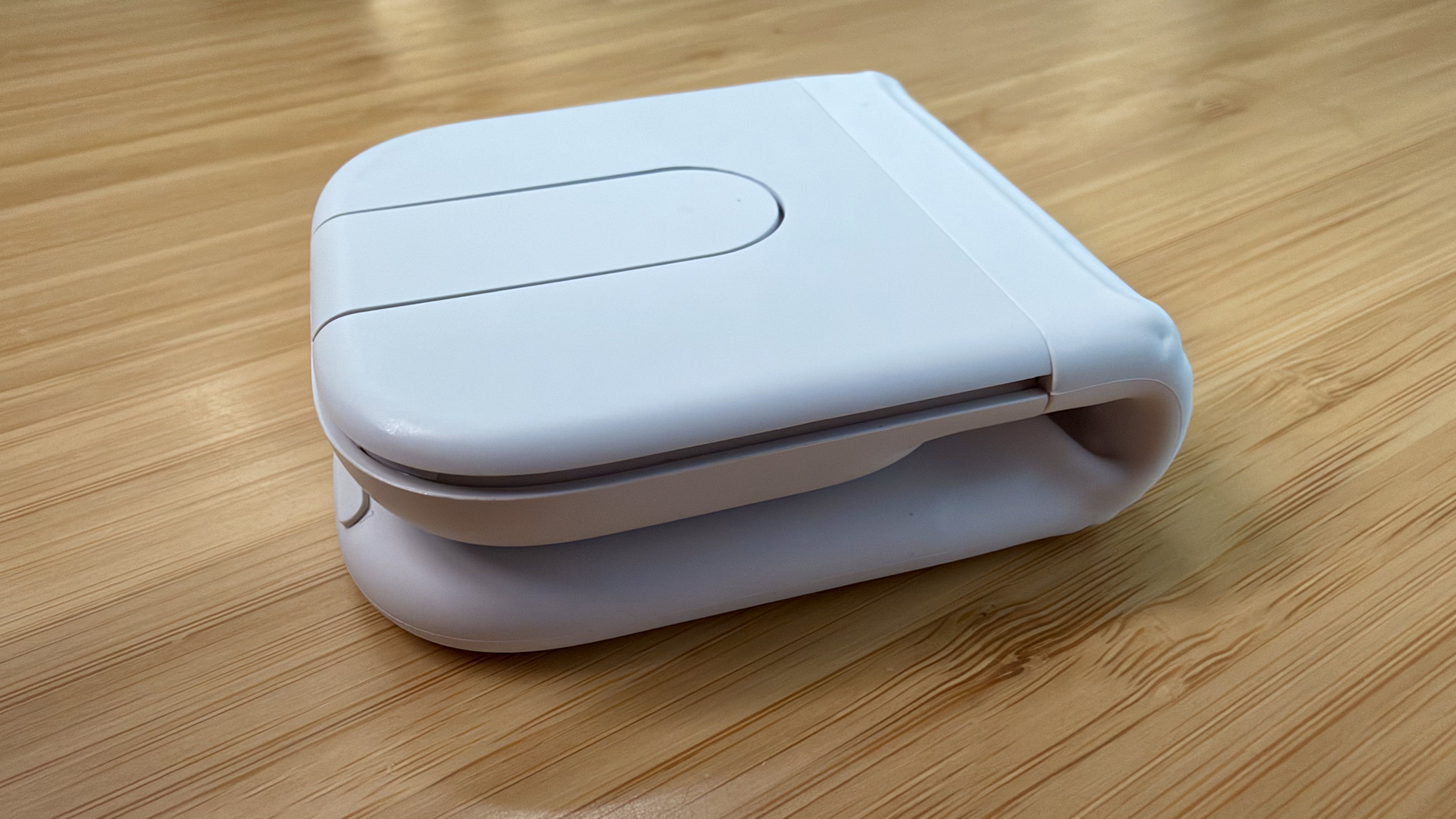
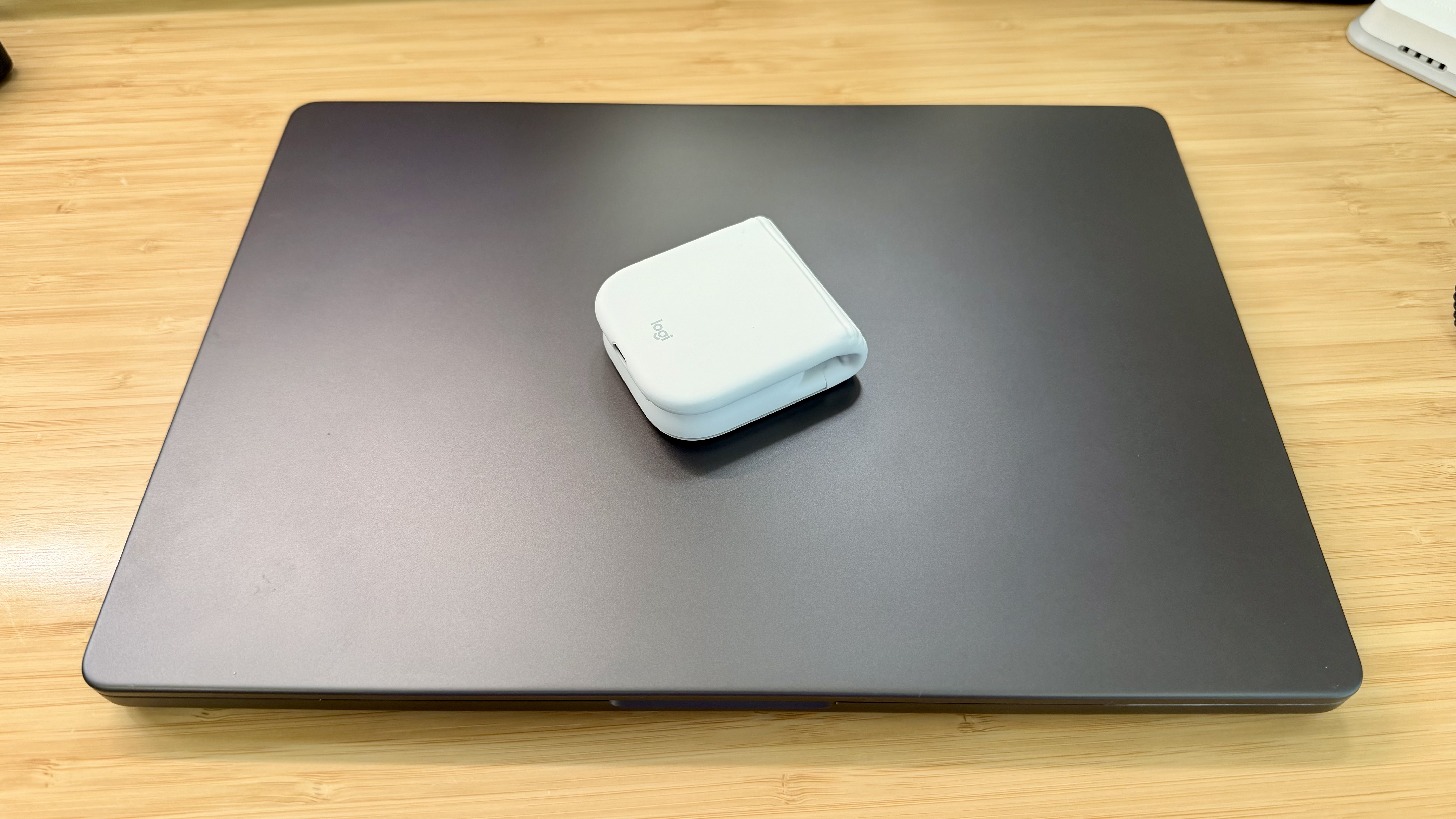
The Logitech Mobi Fold is an impossibly small mouse that folds completely in half, reducing its footprint to about ⅓ the size of my iPhone 17 Pro Max and about twice its thickness. Unfolded, it’s close to the length of the MX Master 4 but narrower. The Mobi Fold is impressively full-featured, too, making it an excellent all-around travel mouse worth taking a closer look at.

Folded, the Mobi Fold doesn't look much like a mouse.

Folded, the Mobi Fold doesn’t look much like a mouse.

I’ve been testing the Mobi Fold for about a month, and my favorite thing to do with it is fold it up, show it to someone, and ask them to guess what it is. No one has guessed correctly because a folding mouse just isn’t a thing most people have encountered before. Instead, the most common guess is that the Mobi Fold is a small battery for charging an iPhone, until I unfold it and the shape becomes more familiar.

The Mobi Fold is tiny.

The Mobi Fold is tiny.

Really tiny.

Really tiny.

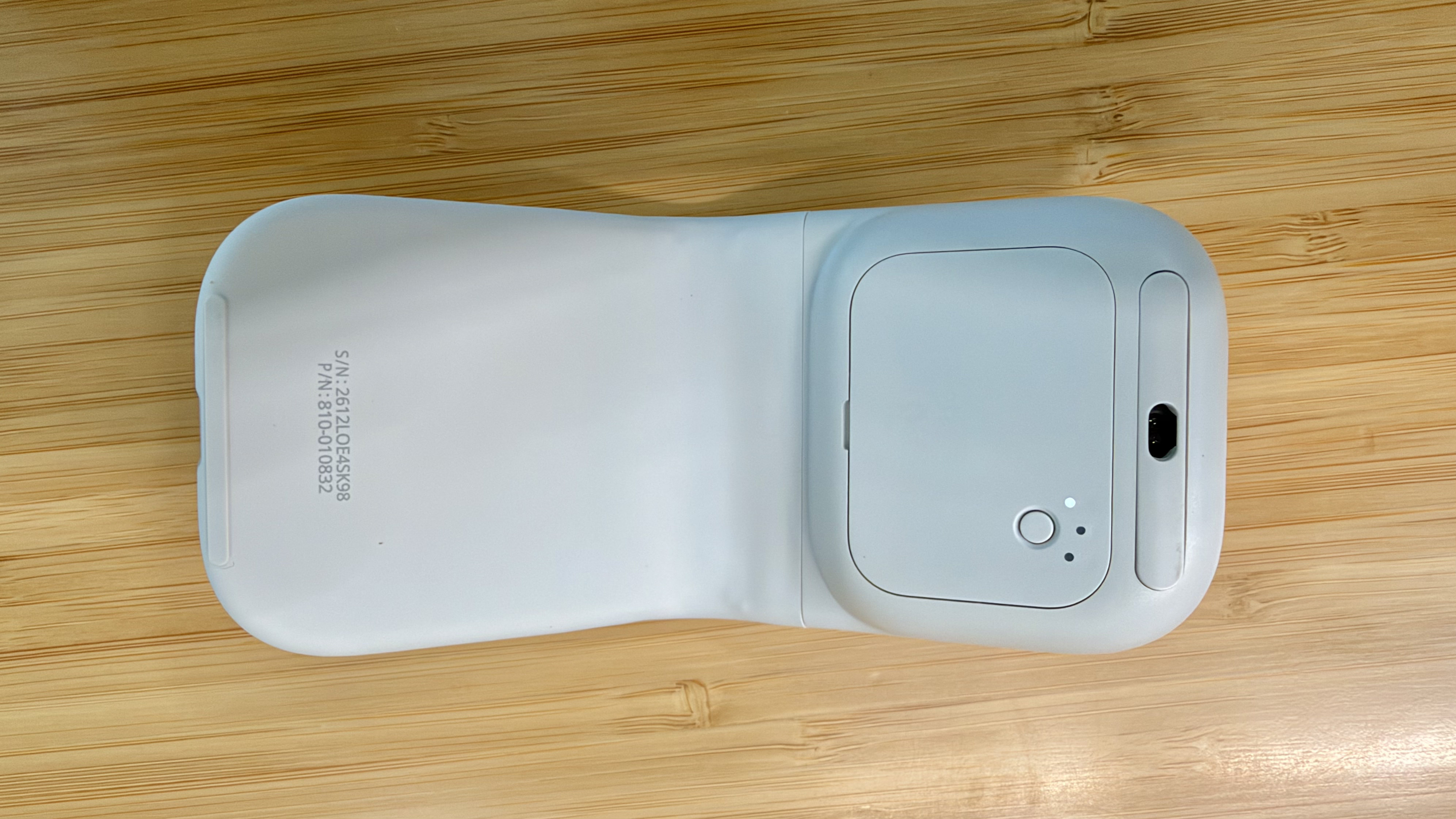
The Mobi Fold is powered by a rechargeable battery that Logitech says lasts for up to 33 days (and up to 22 hours on a one-minute quick charge). The device also turns itself on and off automatically when unfolded and folded, which I love. Plus, the Mobi Fold can connect to up to three devices, and it supports both Bluetooth connections and Logitech’s Bolt dongle (sold separately).

The Mobi Fold’s surface is a soft-touch plastic that feels comfortable in your hand, and it has three buttons arrayed across the front. The middle button doubles as a trackpad, allowing you to drag a finger across its surface to scroll and perform gestures like a double tap for zooming in and out of a webpage.

The Mobi Fold pairs with up to three devices.

The Mobi Fold pairs with up to three devices.

By default, tapping the front of the middle button navigates forward, while tapping the back navigates back in a browser. However, as with other Logitech mice, you can program the Mobi Fold’s buttons and gestures to:

  • perform different actions depending on the app you’re using,
  • control system settings like brightness and volume,
  • perform macro-like smart actions, and
  • display the Logitech Actions Ring, a customizable set of actions that are overlayed on your work environment.

That’s a lot of customization for a diminutive mouse, which I appreciate. However, because the Mobi Fold is typically my “long work sessions at the coffee shop” mouse, I’ve found that all I really need is its traditional point-and-click functionality.

The Mobi Fold makes a good companion to an iPad.

The Mobi Fold makes a good companion to an iPad.

Ultimately, the Mobi Fold isn’t going to replace the MX Master 4 sitting on my desk, but it’s not meant to. I’ve fallen for the Mobi Fold just the same because its compact size and light weight make it a no-brainer to carry with me. I’ve also been pleasantly surprised at just how comfortable the Mobi Fold is to use, unfolding into a sturdy, angular shape that feels good in hand, unlike, say, Apple’s shallower Magic Mouse.

As a result, I really can’t recommend the Mobi Fold enough for on-the-go use with a Mac laptop or iPad. The combination of features in such a small, portable package sets it apart from every other mouse I’ve used and makes it well worth its $79.99 price tag.

The Mobi Fold is available in Graphite, Lilac, Off White, and Sand colors, both directly from Logitech and from Amazon.

  •  

Apple Raises iPhone Prices in Japan

After raising prices on all Macs and iPads worldwide last month, Apple has now increased the price of iPhone models in Japan.


As spotted by the Spanish blog iPhoneros, the iPhone 16, iPhone 17e, iPhone 17, iPhone Air, iPhone 17 Pro, and iPhone 17 Pro Max all received price increases on Apple's online store in Japan today. Prices increased by up to 11%.


Model Previous Price New Price Increase
iPhone 17 Pro Max ¥194,800 ¥214,800 10.3%
iPhone 17 Pro ¥179,800 ¥194,800 8.3%
iPhone Air ¥159,800 ¥177,800 11.3%
iPhone 17 ¥129,800 ¥142,800 10%
iPhone 17e ¥99,800 ¥107,800 8%
iPhone 16 ¥114,800 ¥124,800 8.7%


Apple attributed the Mac and iPad price increases last month to the ongoing memory chip shortage, which has driven up chip prices. In this case, however, the increases are likely due to the Japanese yen's depreciation against the U.S. dollar over the past year.

Apple did not raise iPhone prices today in the U.S. or any other countries that we checked.

Apple also raised the prices of iCloud+ and Apple Music plans in many countries today, including Japan, so price increases are a theme this Friday.
Tag: Japan
Related Forum: iPhone

This article, "Apple Raises iPhone Prices in Japan" first appeared on MacRumors.com

Discuss this article in our forums

  •  

La science cachée de votre maison : ce n’est pas vraiment la pluie qui salit vos vitres

Vous venez de nettoyer vos vitres, puis une averse éclate. Et les voilà couvertes de traces. Faut-il en conclure que la pluie est responsable ? En réalité, le phénomène est bien plus subtil et révèle ce qui se cache dans l'air que nous respirons.

  •  

La science cachée de votre maison : quel rôle jouent réellement les plantes dans la qualité de l’air ?

Elles sont souvent présentées comme des alliées naturelles capables de purifier l'air de nos intérieurs. Pourtant, derrière cette réputation largement relayée depuis des décennies, les preuves scientifiques racontent une histoire bien différente.

  •  

NRC is (sort of) getting rid of "as low as reasonably achievable" standard

Last week, just before the US started its break for the July Fourth holiday, the Nuclear Regulatory Commission (NRC) proposed a new rule that would change how it regulated exposure to radiation. The Trump administration has been pushing to restart construction of nuclear power plants in the US, and many pro-nuclear advocates have been complaining about the US's existing regulations, portraying them as the main barrier to the flourishing of the industry. So, it had seemed likely that major revisions were coming.

Instead, the NRC's proposed new rules endorse the science behind its current rules and suggest that any problems are largely in the vagueness of the terminology that it has been using. So, instead, it's endorsing standards that are meant to accomplish the same thing, but avoid using some of the language it had relied on. Probably the clearest indication of the evolutionary change at play is that the NRC estimates the changing rules will save industry—not just power, but also medical and research applications—only about $9.5 million a year.

LNT and ALARA

There are two technical abbreviations at the center of US nuclear regulations. The first is LNT, which stands for "linear non-threshold." It's in reference to the issue of whether there's any level of radiation that is so low that it no longer produces harmful biological effects—the "threshold" in LNT. The "non-threshold" implies that it doesn't, and that's in keeping with biology, which has demonstrated that even single particles or photons of radiation can damage DNA and that the mechanisms cells have for repairing that damage are inherently error-prone. The "linear" in LNT simply describes how the impact of radiation scales directly with the dose.

Read full article

Comments

© SOPA Images

  •  

New Technology Uncovers How the Heart Produces Cells with Regenerative Potential

In a groundbreaking advancement for cardiovascular science, researchers at the Centro Nacional de Investigaciones Cardiovasculares Carlos III (CNIC) in Spain, in collaboration with the Karolinska Institute in Sweden, have devised a cutting-edge technique to analyze the proteome of individual cardiomyocytes. These cells, essential for heart contraction, have long eluded comprehensive single-cell proteomic scrutiny due to technological limitations. This novel approach now allows for a detailed protein-level characterization of single heart muscle cells, opening unprecedented avenues for understanding heart biology and regeneration.

The heart has traditionally been viewed as an organ comprised of relatively homogeneous cardiomyocytes. However, recent findings highlight remarkable heterogeneity even within this single cell type. Variability in protein expression among cardiomyocytes may underpin differences in their functional capacity and regenerative potential. This study, published in Genome Biology, leverages an innovative integration of optimized cell isolation methods, advanced mass spectrometry, and sophisticated bioinformatic algorithms to dissect this proteomic diversity with extraordinary precision.

Central to their investigation was Myc, a transcription factor already noted for its role in regenerative strategies for heart repair. Despite its promise, until now the specific mechanisms by which Myc modulates protein expression in individual cardiomyocytes remained elusive. Applying their novel single-cell proteomics technology, the researchers uncovered that Myc expression differentially alters metabolic enzyme levels across single cardiomyocytes. This heterogeneity results in a subset of cells exhibiting distinct immature states, which in turn possess enhanced regenerative potential—a finding that transforms our comprehension of how cardiac regeneration might be selectively targeted.

The technical feat achieved by these scientists hinges on the fusion of multiple cutting-edge methodologies. First, the meticulous isolation of adult mouse cardiomyocytes ensures viable, intact cells reflecting true physiological states. These cells then undergo mass spectrometry procedures tailored for minute sample volumes, capable of identifying thousands of proteins with high sensitivity and quantitative accuracy at the single-cell level. The ensuing data are processed with bespoke computational pipelines designed to handle the intrinsic variability and noise characteristic of single-cell omics measurements.

By revealing the proteomic fingerprints that distinguish a pro-regenerative subpopulation of cardiomyocytes, this research elucidates a previously uncharted layer of cardiac cellular complexity. Understanding how Myc drives metabolic remodeling at the protein level provides a molecular explanation for its regenerative effects and establishes a foundation for engineering therapeutic approaches that harness or mimic these cellular states.

Regeneration in the adult mammalian heart remains a formidable challenge, owing largely to the low intrinsic capacity of cardiomyocytes to proliferate or replace damaged tissue after injury such as myocardial infarction. Previous models relying largely on bulk tissue analyses have masked the nuanced cellular dynamics at play. This single-cell approach offers resolution sufficient to detect rare but critical cell subsets that might hold the key to effective myocardial repair.

Moreover, this study underscores the transformative impact of integrating proteomics with single-cell biology, moving beyond transcriptomic analyses that often fail to predict functional protein abundance accurately. Proteins, as the primary effectors of cellular function, are the crucial link between gene regulation and phenotype. Hence, this proteomic lens provides a direct readout of the biochemical state of cardiomyocytes under regenerative cues.

The implications of this work extend beyond cardiac biology. It exemplifies the broader potential of single-cell proteomics to deepen our grasp of cellular heterogeneity in health and disease, from cancer biology to neurodegeneration. The refinement and dissemination of such methodologies will empower researchers across biomedical fields to uncover subtle but impactful cellular states previously hidden in ensemble measurements.

Miguel Torres and Jesús Vázquez, who co-led the CNIC teams responsible for this study, emphasize the critical novel insights gained. According to them, dissecting Myc’s action at the single-cell level illuminates pathways and protein networks that govern cellular immaturity and regeneration, which are masked in population-level studies. This knowledge fundamentally shifts how regenerative medicine strategies might be designed, focusing on targeted modulation of key proteins identified within pro-regenerative cardiomyocyte subgroups.

Consuelo Marín-Vicente, the study’s first author, highlights the heterogeneous response to Myc induction in adult cardiomyocytes. Instead of a uniform effect, Myc induces diverse proteomic profiles, driving some cells toward a state primed for regeneration. This discovery points to the existence of intrinsic regulatory mechanisms that govern cardiomyocyte plasticity, with possible manipulation routes to expand these favorable subpopulations therapeutically.

This advancement also signifies a leap toward personalized regenerative therapies. By characterizing the protein signatures specific to regenerative-competent cardiomyocytes, future interventions could selectively enhance these signatures in patient hearts, enabling more effective recovery post-injury. It also offers biomarkers to monitor therapeutic efficacy or to stratify patients likely to benefit from Myc-based or related regenerative treatments.

The CNIC, recognized as a Severo Ochoa Center of Excellence and funded by a unique public-private partnership, remains at the forefront of cardiovascular research. Under the leadership of Dr. Valentín Fuster, CNIC’s mission to translate scientific discoveries into clinical innovations is exemplified by this study’s promise. Collaboration with leading international centers like the Karolinska Institute further underscores the global effort to unravel heart regeneration’s complexity.

In sum, by pioneering a technique for single-cell proteomic analysis of adult cardiomyocytes, this research opens transformative possibilities for cardiovascular medicine. It elucidates how transcription factors like Myc can orchestrate heterogeneous proteomic landscapes within single cells, generating subpopulations equipped with regenerative capabilities. These insights herald a new era in designing precision therapies that could one day restore heart function after injury, dramatically improving outcomes for millions suffering from cardiovascular diseases worldwide.


Subject of Research: Cells

Article Title: Pro-regenerative fingerprints identified in a sub-population of adult mouse cardiomyocytes by integrative single-cell proteomics

News Publication Date: 22-May-2026

Web References:
10.1186/s13059-026-04110-1

Image Credits: CNIC

Keywords

Cardiomyocytes, Single-cell proteomics, Myc transcription factor, Heart regeneration, Mass spectrometry, Cellular heterogeneity, Cardiovascular disease, Protein expression, Regenerative medicine, Proteome, Metabolic enzymes, Cardiovascular research

  •  

BTP : face aux canicules, les chantiers français contraints de s’adapter

Fin mai, le thermomètre a frôlé les 40 °C en France, confirmant l’urgence climatique après les étés étouffants de 2023 et 2025. Pour le secteur du BTP, la chaleur ne peut plus être gérée au coup par coup. Vinci, Bouygues, Eiffage… entre nouvelles obligations légales et retours d’expérience de...

  •  

Prime Days Amazon : l'appareil ultime Philips 3-en-1 (Purificateur, Chauffage, Ventilateur) chute sous les 350 € !

Les Amazon Prime Days continuent de surprendre avec une offre incontournable pour votre confort intérieur ! Le Philips Purificateur d'air Série 8000 (AMF870/15), un appareil premium combinant trois fonctions indispensables, bénéficie d'un prix exceptionnel.

  •  

Blair’s Encyclical Labor Imbecilis

Everyone knows that Tony Blair and the Pope issued encyclicals in the last week or two. The Pope's was entitled ‘Magnifica Humanitas’; by analogy, Blair's should have been called ‘Labor Imbecilis’, says James Alexander.

The post Blair’s Encyclical Labor Imbecilis appeared first on The Daily Sceptic.

  •  

New Study Seeks to Prolong Immune System Longevity

In a groundbreaking advance poised to transform the landscape of age-related immune decline, University College London (UCL) researchers are spearheading a pioneering clinical trial aimed at rejuvenating worn-out T cells through an innovative immune restoration therapy. This Phase 1 first-in-human study will explore the therapeutic potential of metabolically resetting exhausted or senescent T cells, a subset of immune cells that accumulate with age and chronic disease and lose their robustness in coordinating immune responses. The initiative promises to reopen avenues for combating a spectrum of diseases, including cancer, HIV, and neurodegenerative disorders like dementia, by profoundly modifying the immune system’s intrinsic capacity to defend and repair.

Central to the research is the recognition that immune ageing, characterized by the progressive dysfunction and decline in immune cell performance, is a key factor leading to increased vulnerability in the elderly and those with chronic infections. T cells, particularly the CD4+ subtype—often regarded as the conductors of the immune orchestra—become less effective with time, diminishing the immune system’s ability to coordinate defenses accurately. These cells, rendered senescent or exhausted, exhibit impaired proliferation, cytokine production, and cytotoxic activity, undermining responses to pathogens, malignancies, and cellular damage.

The novel therapy, developed by SenTcell, a biotech startup founded by Dr. Alessio Lanna from UCL Medicine, employs a liquid formulation administered intramuscularly akin to conventional vaccines. This delivery method facilitates patient-friendly administration while targeting key metabolic pathways within dysfunctional T cells. By reprogramming the intracellular environment of these immune cells, the treatment aims to restore youthful functional properties, including enhanced proliferative capacity and efficient pathogen recognition, thereby revitalizing the immune system’s broad protective functions.

Dr. Lanna explains that although antiretroviral advancements have significantly improved lifespans for individuals living with HIV, many still experience premature immune ageing. Similar patterns of immune exhaustion are also detected in cancer patients and other chronic disease cohorts. The imminent clinical trial represents a critical stepping stone towards verifying whether exhausted immune cells can be safely and effectively rejuvenated in human subjects, with the potential to redefine therapeutic paradigms for diseases rooted in immune dysregulation.

At the molecular level, one of the intriguing aspects under investigation involves the role of telomeres—protective caps on chromosome ends whose shortening serves as a hallmark of biological ageing. Laboratory studies have suggested that rejuvenated CD4+ T cells may release telomere-containing extracellular structures, whimsically termed “telomere Rivers,” into the bloodstream. The presence and behavior of these structures might offer novel insights into how restored immune cells influence systemic health, extending their benefits beyond immediate immune niches to broader tissue health. Although this phenomenon has yet to be validated in human clinical contexts, it highlights the sophisticated interplay between immune rejuvenation and organismal aging.

The clinical trial enjoys regulatory support from the UK’s Medicines and Healthcare products Regulatory Agency (MHRA) through its Innovative Licensing and Access Pathway (ILAP), underscoring the therapy’s potential to meet the pressing unmet medical needs associated with immune senescence. This endorsement accelerates development timelines and affirms the significance of targeting immune metabolic dysfunction as a viable therapeutic strategy.

Participants in the upcoming Phase 1 trial will be meticulously selected adults exhibiting characteristics of immune dysfunction, including evidence of premature immune ageing or persistent viral infections. Comprehensive immune profiling will be conducted before and after therapeutic administration to discern immunological changes and safety outcomes. Although the initial focus is on evaluating biological activity and tolerability, successful results could pave the way for advanced trials assessing clinical efficacy.

Unlike conventional treatments that combat diseases by targeting individual pathogens or tumor cells directly, this therapy seeks to recalibrate the immune system itself—restoring its intrinsic resilience and regenerative functionality. Such a paradigm shift holds profound implications; by enhancing the immune system’s natural defensive repertoire, it may afford broad-spectrum protection and facilitate healthier ageing trajectories.

Beyond chronic infections like HIV and cancer, this approach could ultimately apply to autoimmune disorders characterized by immune exhaustion, wherein overly active yet dysfunctional immune cells drive pathology. Immune rejuvenation strategies offer a novel means of restoring balance without broadly suppressing immune activity, potentially mitigating disease progression while improving quality of life.

This research aligns with a growing global focus on understanding the cellular and molecular underpinnings of ageing and immune decline. By intervening at the level of T cell metabolism and function, scientists hope to extend not only lifespan but healthspan—preserving cognitive and physical function while reducing susceptibility to infections, cancer, and degenerative diseases.

As UCL celebrates two centuries of academic excellence and innovation, this project embodies the institution’s commitment to translating bold scientific ideas into therapies capable of reshaping medicine. If validated through clinical trials, this immune rejuvenation therapy could herald a transformative era in treating age-associated diseases, offering hope for millions affected by immune dysfunction worldwide.

Subject of Research: People
Article Title: Immune Rejuvenation: UCL’s Pioneering Trial Targets T Cell Exhaustion to Combat Age-Related Immune Decline
News Publication Date: Not provided
Web References: www.ucl.ac.uk
References: Not provided
Image Credits: Not provided
Keywords: Immune ageing, T cell exhaustion, CD4+ T cells, immune rejuvenation, senescent immune cells, telomeres, immune dysfunction, chronic disease, HIV, cancer, metabolic resetting, Phase 1 clinical trial

  •  

Voici combien de cas de maladies en France pourraient être évités chaque année en respectant simplement les normes de l'OMS

La pollution atmosphérique est un fardeau de plus en plus lourd. La dernière étude de Santé publique France pointe les nombreuses maladies chroniques, respiratoires, cardiovasculaires et métaboliques qu'elle provoque, touchant particulièrement les enfants et les personnes vulnérables. Chaque...

  •  

UCLA Scientists Uncover Potential Method to Repair Damaged Kidneys

A groundbreaking discovery at the University of California, Los Angeles (UCLA) has unveiled a promising new therapeutic avenue for kidney regeneration, leveraging a drug initially designed to repair heart tissue following myocardial infarction. This drug, known as AD-NP1, targets a specific protein—ENPP1—that plays a critical role in impeding the body’s natural healing processes in injured tissues. The revelation that AD-NP1 can also accelerate kidney repair heralds a significant advancement in regenerative medicine, especially for patients suffering from chronic kidney disease (CKD), a condition that affects millions globally.

The heart of this research revolves around a protein named ectonucleotide pyrophosphatase/phosphodiesterase 1 (ENPP1). When tissues such as the heart or kidney sustain injury, ENPP1 production escalates, initiating a cascade of metabolic disturbances that hinder energy synthesis within cells. This disruption compromises cellular function and ultimately stalls effective tissue regeneration. In the context of the kidney, which is vital for maintaining systemic homeostasis, such impediments can lead to progressive scarring and functional decline, culminating in kidney failure.

Through years of meticulous experiments, the UCLA team delineated the detrimental impact of ENPP1 on the kidney’s reparative capacity. They observed that injured renal tissue upregulates ENPP1 expression, which in turn resets the metabolic landscape of cells in the damaged microenvironment. This altered metabolic signaling disrupts mitochondrial function, thereby curtailing ATP production essential for cell proliferation and repair. By employing genetic knockout models in mice, where ENPP1 expression was inhibited, the researchers documented a striking enhancement in renal recovery post-injury. These mice demonstrated reduced fibrotic scarring and improved renal biomarkers, signaling restored kidney function.

Central to translating these findings into potential clinical interventions is AD-NP1, a sophisticated monoclonal antibody engineered to specifically neutralize ENPP1. Unlike broad-spectrum immunosuppressants or anti-inflammatory agents, AD-NP1 offers targeted therapeutic precision by binding solely to human ENPP1, circumventing off-target effects. Initially conceptualized to mitigate cardiac fibrosis and promote myocardial regeneration following heart attacks, AD-NP1’s mechanism exerts a similar rejuvenating influence on kidney tissues. The antibody effectively halts the ENPP1-induced metabolic sabotage, facilitating an environment conducive to cellular proliferation and tissue repair.

In experimental paradigms, the administration of AD-NP1 in mice subjected to nephrotoxic diets and chemically induced renal injuries yielded compelling outcomes. Within merely seven days of treatment, subjects exhibited marked improvements in kidney function tests and histological assessments showed diminished collagen deposition and scarring. These findings underscore the drug’s potential to transform the management of acute and chronic kidney injuries by reinstating the organ’s intrinsic regenerative programs, which are often stifled in disease states.

Moreover, the team’s translational approach integrated analyses of human kidney biopsies acquired from individuals with chronic kidney disease. These samples consistently manifested elevated ENPP1 levels relative to healthy controls, substantiating the protein’s pathological role in human renal disorders. This correlation not only reinforces the relevance of the preclinical models used but also paves the way for clinical evaluation of AD-NP1’s efficacy in human subjects suffering from renal ailments.

The broader implications of this discovery extend into the metabolic regulation of tissue repair. ENPP1’s role appears multifaceted, orchestrating cellular energy dynamics and intercellular communication networks that dictate regenerative outcomes. Inhibiting this protein intervenes in maladaptive signaling cascades, thereby restoring bioenergetic balance and enabling clonal expansion of healthy cells adjacent to injury sites. This paradigm shift in understanding organ regeneration emphasizes metabolic modulation as a cornerstone of effective healing strategies.

Prior to this research, the therapeutic targeting of ENPP1 was primarily confined to cardiac medicine. The successful repurposing of AD-NP1 for kidney injury illustrates the concept of cross-organ regenerative mechanisms, where molecular pathways governing tissue healing are conserved albeit contextually modulated. This discovery propels the field into a new frontier, advocating for the exploration of shared regenerative targets that can be manipulated across diverse organ systems.

AD-NP1’s journey into clinical trials commenced recently with FDA approval of a Phase 1 safety study in human patients recovering from heart attacks. This milestone reflects the rigorous preclinical validation of the drug’s pharmacodynamics and safety profile. Building on these milestones, ongoing efforts at UCLA aim to extend these trials to include patients with progressive kidney disease, setting the stage for comprehensive evaluation and potential future clinical application.

Underlying this innovative research are substantial investments from the National Institutes of Health, California Institute of Regenerative Medicine, and the U.S. Department of Defense. This underscores the strategic importance and translational potential of regenerative medicine therapies in addressing chronic diseases that impose heavy societal burdens. The interdisciplinary collaboration among cardiovascular scientists, nephrologists, and molecular biologists at UCLA exemplifies the synergy needed to unlock complex biological processes for therapeutic gain.

In summation, the identification of ENPP1 as a metabolic gatekeeper that impedes tissue repair, combined with the development of AD-NP1 to neutralize its effects, represents a significant leap forward in regenerative medicine. The drug’s ability to foster organ regeneration by restoring metabolic and cellular homeostasis offers hope for millions afflicted by kidney disease and opens novel avenues for organ repair strategies. As clinical trials progress, the scientific community eagerly anticipates further validation of these findings, potentially heralding a new era where molecularly targeted therapies can substantially reverse organ damage and restore quality of life.

Subject of Research: Kidney regeneration, metabolic regulation of tissue repair, ENPP1 protein inhibition, monoclonal antibody therapy

Article Title: UCLA Researchers Discover Novel Role for ENPP1 Inhibition in Enhancing Kidney Repair via AD-NP1

News Publication Date: Not specified (based on provided content)

Web References: Cell Stem Cell Journal Article

Keywords: ENPP1, kidney injury, chronic kidney disease, tissue regeneration, monoclonal antibody, AD-NP1, metabolic signaling, renal repair, fibrosis, UCLA, regenerative medicine, Phase 1 clinical trial

  •  

20 years of Intel Macs: Why Apple switched, and why it switched again

The release of macOS 27 later this fall won't quite close the book on the Intel Mac. The last handful of models that could run macOS 26 Tahoe will be eligible for security and Safari updates for two more years, and elements of the Rosetta compatibility layer for running Intel code on Apple Silicon Macs will be with us in some form for some indeterminate amount of time after that.

But macOS 26 is definitely the last chapter of the Intel Mac story. Anything that happens after this is a coda or an epilogue.

Most of our WWDC coverage has been forward-looking, so indulge us if you will in a look backward at the full history of the Intel Mac, a partnership between two companies that made Macs dramatically better, until it started making them worse.

Read full article

Comments

© David Paul Morris/Getty Images

  •  

Lucid (LCID) finally adds hands-free driving to the Gravity SUV

Lucid Group (NASDAQ: LCID) announced it has begun rolling out an over-the-air software update that brings hands-free highway driving to the Gravity SUV in North America.

Lucid first promised hands-free driving for its vehicles well over a year ago, but the feature’s actual rollout has been notoriously slow. The Gravity update arrives at a critical time for the EV startup, which is dealing with shareholder lawsuits, a new CEO, and a stock trading near all-time lows.

  •  
❌