❌

Reading view

Missing a Night’s Sleep Has an Effect on Your Brain You May Not Believe

Experiments exploring the effects of missing a night’s sleep on the human brain have found indications that a sleepless night actually increases connections between brain cells instead of impeding growth. However, the lack of sleep could also create brain “fatigue” and pressure, resulting in burnout.

The Forschungszentrum Jülich Institute of Neuroscience and Medicine team behind the discovery said that their findings might support the idea that sleep plays an important role in restoring the brain’s cellular balance.

Missing a Night’s Sleep Could Disrupt Cellular Balance

In a statement announcing the surprising discovery, study leader David Elmenhorst and colleagues note that scientists still are not in complete consensus about why humans and other animals need sleep. One proposal involves restoring synaptic connections between brain cells during certain stages of sleep, helping the brain maintain a form of cellular ‘homeostasis.’

For example, previous research has shown that synaptic connectivity increases during wakefulness. This increased activity also increases energy consumption, potentially resulting in problematic protein buildup. Conversely, scientists suspect that sleep helps restore baseline synaptic connections and protein levels, thereby maintaining a healthy cellular balance.

“Sleep is essential for synaptic homeostasis, a proposed mechanism whereby wake­fulness leads to synaptic potentiation, and sleep facilitates synaptic down-selection,” the research team explains in a recently published study.

Although previous studies suggest that missing a night’s sleep could disrupt this balance, the team notes that there is very little experimental data to support these conclusions.

Study Reveals Elevated Synaptic Activity After 28 Hours Awake

To explore the role of sleep in cellular homeostasis in the human brain, the researchers used an advanced brain-scanning technology called positron emission tomography (PET). According to the team’s statement, this tool can scan the human brain for signs of synaptic vesicle glycoprotein 2A (SV2A),  which they describe as a “marker” of brain synapses.

The team started by enlisting 40 study volunteers. Next, each volunteer was given a PET scan to establish baseline marker levels. After their first scan, 20 of the volunteers were told to get a normal night’s sleep. According to the study authors, the second half were assigned to “the sleep deprivation condition,” where they were told to miss a night’s sleep.

The next day, the team used the PET scan to search for telltale brain synapse markers. As hoped, the scans revealed a distinct difference between the two groups. Where the normal sleep group’s levels were within expected ranges, the synapse markers of the volunteers who had missed a night’s sleep were elevated.

A closer analysis found that once people passed 28 hours of continued wakefulness, their SV2A markers were higher “in several brain regions.” Notably, these increased markers were detected in the hippocampus, which plays an important role in memory, and in the thalamus, which is critical for information relay within the brain.

“Sleep deprivation led to significant increases in synaptic vesicle glycoprotein 2A binding in multiple brain regions, including the thalamus (+4.6%), hippocampus (+5.6%), and parietal cortex (+3.2%), whereas no changes were observed in controls,” the study authors write.

Sleep Deprivation Causes Fatigue and CHanges Neural COnnections

When discussing the study’s limitations, the authors note that the SV2A marker used is a “proxy” for connections between brain cells, not a direct measure. They also note that the observed changes after a missed night’s sleep “were relatively small.” Still, they add, the results in several regions across several study participants “suggest a biological connection between the need for sleep and the buildup of cell connections.”

“During sleep deprivation, the brain remains awake longer and continues to process stimuli and information,” they write. “Our study shows that after approximately 28.5 hours of wakefulness, a marker for synaptic density increases in several brain regions. This suggests that sleep deprivation not only causes fatigue but is also accompanied by measurable changes in neural connections.”

The study “Sleep deprivation increases levels of the synaptic density marker SV2A in the human brain” was published in PLOS Biology.

Christopher Plain is a Science Fiction and Fantasy novelist and Head Science Writer at The Debrief. Follow and connect with him on X, learn about his books at plainfiction.com, or email him directly at christopher@thedebrief.org.

  •  

New Feathered Dinosaur from China Had Peacock-Like Tail

Changzhousaurus sinensis. Image credit: Connor Ashbridge / CC BY 4.0.

A new genus and species of four-winged pennaraptoran dinosaur from the Early Cretaceous of northern China is adding another twist to the story of how birds evolved from their dinosaur ancestors.

The post New Feathered Dinosaur from China Had Peacock-Like Tail appeared first on Sci.News: Breaking Science News.

  •  

Interstellar Visitor 3I/ATLAS Is Bursting With an Unexpected Chemical

Artist’s Impression of 3IATLAS Passing the SunAstronomers have found that interstellar comet 3I/ATLAS contains an unusually large amount of methanol. Every interstellar object that passes through our solar system offers a rare chance to sample material forged around another star. Now, new observations of comet 3I/ATLAS using the Atacama Large Millimeter/submillimeter Array (ALMA) have revealed a chemical surprise: the comet is [...]
  •  

Black Holes Reveal Their Seeds

Illustration of an active galactic nucleus

Editor’s Note: Astrobites is a graduate-student-run organization that digests astrophysical literature for undergraduate students. As part of the partnership between the AAS and astrobites, we occasionally repost astrobites content here at AAS Nova. We hope you enjoy this post from astrobites; the original can be viewed at astrobites.org.

Title: A GLIMPSE of Intermediate Mass Black Holes in the Epoch of Reionization: Witnessing the Descendants of Direct Collapse?
Authors: Qinyue Fei et al.
First Author’s Institution: University of Toronto
Status: Published in ApJ

In the late 2010s, astronomers were getting hints of something strange going on in the early universe. Using the most powerful telescopes on the ground, we were able to find black holes in the centers of some of the most distant galaxies. The light from these active galactic nuclei (AGNs) was emitted over 12 billion years ago, revealing conditions close to the beginning of cosmic time.

To an astronomer, that’s the mundane part. I’m only half joking — thousands of AGNs had already been identified in the previous half century. However, the most distant of these sources were startling because their central black holes appeared much more massive than expected. To be specific, we know how much mass black holes can start with, and we can write down equations to predict how quickly they should grow. The AGNs we observed seemed to violate these predictions. This raised some serious questions and was highlighted as a major point of inquiry to focus on going into the 2020s.

Then JWST launched, and the mystery grew deeper. No matter where we looked, enormous black holes kept cropping up in astonishing numbers. Astronomers who model the universe with equations and computer simulations have tried to explain these results, but this has been a serious challenge. Some researchers have broken the emergency glass and reached for a highly theoretical tool: the direct-collapse black hole. Unlike the normal pathway for forming black holes (the deaths of massive stars), this model suggests that an enormous cloud of gas could directly collapse into a black hole without forming a star at all. The resulting black holes could have as much mass as a hundred thousand Suns put together — orders of magnitude more than a “normal” black hole. Although this pathway can explain the presence of huge black holes so early in the universe’s history, we’ve never directly seen this happen, so for now it remains just a theoretical possibility.

However, if direct-collapse black holes were widespread at early times, there is one indirect signature we might be able to detect: a large population of intermediate-mass black holes with masses between a hundred thousand and a million times that of the Sun. If we can find such a population, we’ll have strong evidence for the direct-collapse model. Let’s go looking!

Intermediate Mass, Impossible Difficulty

Identifying intermediate-mass black holes requires a tricky combination of spectral resolution and sensitivity. Light from an object must be examined very finely in order to detect the telltale features of an intermediate-mass black hole. However, these sources are already quite faint, so spreading their emission this thin means that any potential signal is very likely to get lost in the noise.

The authors of today’s article use an unprecedented set of observations to leap over this hurdle and directly probe intermediate-mass black holes. They not only use the most sensitive spectroscopic instrument (NIRSpec) on the most powerful space telescope (JWST), but they take advantage of a phenomenon known as gravitational lensing.

According to Einstein’s general theory of relativity, gravity is the result of matter curving spacetime. Areas with more concentrated matter will experience stronger curvature. When an object traveling in a completely straight line moves through curved space, its path appears bent. This same effect happens to light. Intriguingly, a large concentration of matter can redirect diverging rays of light to a focus, acting like an enormous magnifying glass.

Astronomers take advantage of gravitational lensing by pointing telescopes at massive clusters of galaxies. The intense gravity of these regions can magnify sources in the background by tens or even hundreds of times. Galaxies that would be impossibly faint to see under normal conditions can thus be observed if they are strongly lensed, making this a powerful technique to examine otherwise hidden objects.

Putting Faint AGNs Under a Lens

The Galactic Legacy Infrared Mid-Plane Survey Extraordinaire (GLIMPSE) program took extremely powerful observations of a galaxy cluster called Abell S1063 using JWST. The long exposure time, combined with the lensing power of the cluster, allows extremely faint sources in the background to be seen in unprecedented detail. The researchers scoured the data to search for signs of active black hole growth in the observed galaxies. Specifically, they carefully studied the emission lines in the spectrum of each object.

Normally, emission lines appear narrow. However, gas surrounding a massive black hole circulates at rapid speeds. A phenomenon known as the Doppler effect then comes into play. This is the same effect responsible for the characteristic rise and fall in the pitch of a siren from an emergency vehicle passing by. Emission from gas moving toward our line of sight appears bluer than it otherwise would, and gas moving away from us appears redshifted. The net effect is that a single emission line is widened, and we see characteristic “broad wings.” The width of the emission line can be used to estimate the mass of the central black hole, where broader wings imply a more massive black hole.

The researchers uncover 10 AGNs that display broadened Balmer series lines. Strikingly, they estimate that these galaxies have central black holes with masses as low as 400,000 times that of the Sun. While that might sound like a lot, it’s practically nothing compared to the monstrous 100-million-solar-mass black holes that JWST consistently turns up in other studies. Detecting such lightweight black holes, pushing into the realm of intermediate-mass black holes, is only possible due to the incredible sensitivity of these observations.

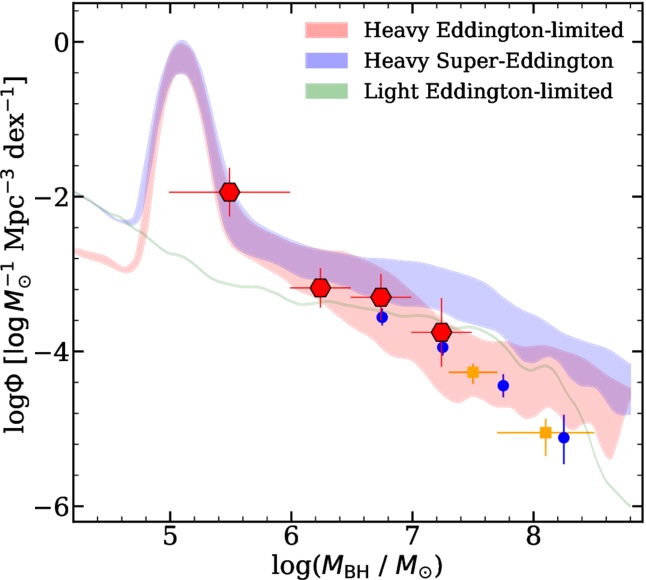
The researchers also compute what’s known as the black hole mass function. This is a measure of how many black holes exist at each mass. In other words, the black hole mass function measures how common lightweight black holes are compared to heavy ones. The mass function computed in this work and several other points of comparison are shown in Figure 1.

comparison of black hole mass functions

Figure 1: A comparison of black hole mass functions from various previous works and today’s article. The red hexagons are data points computed using the AGNs observed in this work, while blue circles and yellow squares are measurements computed using AGNs observed in previous articles. The red, green, and blue shaded areas represent the expected black hole mass function from various theoretical models. [Adapted from Fei et al. 2026]

Because the AGNs analyzed in today’s article host central black holes with much lower masses than any that have been observed in the past (at this early time in the universe), the authors are able to probe a completely new region of the black hole mass function. As seen in Figure 1, the leftmost red hexagon (lowest-mass data point) deviates from the roughly straight line traced by the other data points. This suggests that there are substantially more black holes with a few hundred thousand solar masses than previously expected.

Amazingly, this is exactly the measurement you would get if direct-collapse black holes (the hypothetical kind of massive black holes mentioned earlier in this article) were common in the early universe. If you scatter huge seeds across a large field, then you shouldn’t be surprised to see a sea of barely larger plants a few months later. Likewise, since these black holes start off so massive, they only need to grow a tiny bit to reach the threshold of that first red hexagon.

So is this proof that the early universe was filled with direct-collapse black holes, with this study probing the tip of an astonishing iceberg? It’s too early to tell for sure. While this is certainly an exciting result that sheds light on a previously unexplored population of objects, one can only do so much with a sample size of 10. More follow-up observations will be needed to measure the black hole mass function more precisely. Still, it’s amazing to think how much has changed in just a few years. JWST continues to provide unprecedented insight into some of the most breathtaking questions in all of astronomy.

Original astrobite edited by Tori Bonidie.

About the author, Ansh Gupta:

I’m an astronomy graduate student at the University of Texas at Austin working with Steven Finkelstein. I use data from JWST to study the formation and growth of the first galaxies and black holes in the universe. In my spare time, I enjoy playing piano, reading, and making YouTube videos.

The post Black Holes Reveal Their Seeds appeared first on AAS Nova.

  •  

Scientists Release New Images Captured by the Lucy Spacecraft Flyby of Asteroid Donaldjohanson


Scientists have released a series of previously unseen images of the asteroid Donaldjohanson captured by NASA’s Lucy spacecraft during an April 2025 flyby.

The team behind the photos’ release said the Lucy spacecraft, which was named for the infamous hominin fossil discovered by anthropologist Donald Johanson, captured critical details about the small main-belt asteroid’s surface features and motion that could help clarify the space rock’s origin and evolution.

The data could also inform studies of the Solar System’s formation, including how asteroids move and evolve over extended timescales.

Craters on Asteroid Donaldjohanson Confirm Its Age

According to a statement from team leader Simone Marchi and colleagues, images captured during the deep-space rendezvous revealed that the oddly shaped rock consists of two cratered ‘lobes’ connected by a comparatively smooth central “neck” section. The researchers noted that Donaldjohanson measured over 8.8 kilometers by 4.4 km by 3.1 km.

An analysis of the surface features helped the team pinpoint the asteroid’s likeliest age to a set of asteroids belonging to the Erigone family, a group that broke apart a larger “parent” body into smaller fragments. The team notes that this ancient age “implies that DJ is a fragment of a larger parent body that was destroyed in a collision about 155 million years ago.”

asteroid Donaldjohanson, Lucy spacecraft
A grey-scale optical image, acquired with the L’LORRI instrument, of the main belt carbonaceous asteroid (52246) Donaldjohanson as observed by the NASA Lucy Spacecraft on April 20, 2025. Distance: 1272.5 km
Phase: 34.4 deg. Image Width: 6.5 km. Image Credit: NASA/GSFC/SwRI/JHU-APL.

Although an examination of the craters helped place the asteroid’s likely age, they noted that craters less than 0.4 kilometers “have been preferentially erased.” The researchers suggest that this preferential erasure of smaller craters might have been caused by “seismic shaking” following a more recent impact event.

“DJ Rotates Slowly in a Tumbling State”

Along with surface features, the newly released images revealed the asteroid’s motion. Specifically, the team determined that Donaldjohanson has a slow, tumbling movement rather than a simple rotation.” Instead of an impact, the team suspects that the asteroid’s motion could have been produced gradually by “torques” resulting from thermal radiation.

“DJ rotates slowly in a tumbling state, likely owing to spin-down by radiative forces,” the team writes.

Lucy spacecraft, asteroid Donaldjohanson
The main belt carbonaceous asteroid (52246) Donaldjohanson as observed by the NASA Lucy Spacecraft on April 20, 2025. Here, the grey-scale optical image, acquired with the L’LORRI instrument, is overlaid with a false-color map indicating the gravitational slopes on the asteroid’s surface. Distance: 1059 km. Phase: 50.5 deg. Image Width: 5.4 km. Image Credit: NASA/GSFC/SwRI/JHU-APL/DLR.

A spectral analysis of the rock’s cratered surface also revealed a similar composition to other Erigone family asteroids, particularly the presence of iron-bearing phyllosilicates. The team notes these phyllosilicates indicate an “aqueous evolution” on the parent body. However, they also note that the water-induced mineral alteration was likely halted “at an early stage” due to insufficient water or heat.

Next Mission Encounter Planned for 2027

Although the newly released Lucy images were captured in 2025, the team notes that the Donaldjohanson flyby mission was one leg of a larger set of 8 planned Lucy asteroid flybys, with the entire set expected to take 12 years to complete.

“Over its 12-year mission, Lucy will explore a record-breaking number of asteroids: it will fly by three in the belt of asteroids that circle the Sun between the orbits of Mars and Jupiter, and then eight Trojans, which includes five asteroid targets and the satellites of three of those,” a NASA statement explained. “Lucy also will fly by Earth three times to get a push from its gravity, making it the first spacecraft to return to the vicinity of Earth from the outer solar system.”

The study “​The Lucy flyby of asteroid (52246) Donaldjohanson:​ ​A bilobed object with a tumbling rotation” was published in Science.

Christopher Plain is a Science Fiction and Fantasy novelist and Head Science Writer at The Debrief. Follow and connect with him on X, learn about his books at plainfiction.com, or email him directly at christopher@thedebrief.org.

  •  

NRSN2 Deficiency Disrupts Memory via NMDA Impairment

In a groundbreaking study soon to redefine neuroscientific understanding of memory mechanisms, researchers have uncovered the pivotal role played by Neurensin-2 (NRSN2) in regulating hippocampal synaptic plasticity and memory functionality. This newly published research reveals how deficiency in NRSN2 leads to profound impairments in memory, traced back to disrupted excitatory synaptic transmission and weakened long-term potentiation (LTP) within the hippocampus, a brain region critically involved in memory formation and cognitive processing.

The hippocampus serves as the brain’s memory hub, integrating myriad neuronal signals to encode and retrieve information efficiently. Central to this integration is the function of excitatory synapses that employ glutamate receptors, especially the N-methyl-D-aspartate (NMDA) receptor, which plays an essential role in synaptic plasticity—the ability of synapses to strengthen or weaken over time. This plasticity underlies learning and memory. The study elucidates how NRSN2 exerts a regulatory influence on the expression of NMDA receptor subunits, with deficiency in NRSN2 tipping the balance unfavorably and compromising synaptic efficacy.

Utilizing advanced genetic models, the investigators engineered mice lacking NRSN2 to dissect its functional contributions. Behavioral assays showcased a marked decline in memory performance, particularly in spatial and recognition tasks reliant on hippocampal circuits. These deficits were not attributed to developmental anomalies but to disrupted synaptic physiology, signaling a direct role for NRSN2 in maintaining synaptic integrity and plasticity during adult cognition.

At the molecular scale, the absence of NRSN2 triggered a significant downregulation of key NMDA receptor subunits, notably NR1, NR2A, and NR2B. These subunits orchestrate receptor assembly and gating properties critical for calcium influx, a signal cascade necessary for potentiation of synaptic strength. The reduction in their expression correlated tightly with the inhibition of LTP induction, a process considered the cellular analog of memory encoding, confirming the hypothesis that NRSN2 deficiency impairs memory by hampering core synaptic mechanisms.

Electrophysiological recordings from hippocampal slices further substantiated the disrupted synaptic function. In control animals, robust LTP was readily induced by theta burst stimulation—a protocol mimicking physiological neuronal firing during learning. Conversely, hippocampi from NRSN2-deficient mice exhibited significantly weakened potentiation, underscoring the protein’s critical role in modulating synaptic responsiveness. This impairment was not a general defect of synaptic transmission but selectively impacted excitatory plasticity mediated through NMDA receptors.

Delving deeper, the team explored the intracellular cascades influenced by NRSN2, discovering that its absence perturbed the trafficking and surface expression of NMDA receptor complexes. NRSN2 appears to act as a chaperone or scaffold protein, ensuring proper receptor assembly and synaptic localization. Without it, receptor subunits fail to achieve adequate membrane insertion, resulting in diminished postsynaptic sensitivity to glutamate and compromised signal transduction.

This mechanistic insight offers a fresh perspective on how synaptic architecture and molecular composition govern cognition. The study’s integration of molecular biology, electrophysiology, and behavioral neuroscience draws a comprehensive picture of how a single protein’s deficit can destabilize the neural substrates of memory. Such findings not only enrich fundamental neuroscience but also hint at novel targets for cognitive-enhancing therapies.

Intriguingly, alterations in NRSN2 expression and NMDA receptor dysfunction have been implicated in various neuropsychiatric disorders, including schizophrenia and major depressive disorder. By illuminating this molecular nexus within the hippocampus, the research opens doors to understanding disease pathophysiology at a finer scale and may spur development of precision interventions aimed at restoring synaptic balance in affected individuals.

The investigators also examined compensatory mechanisms that might mitigate NRSN2 absence. While some plasticity-related proteins showed upregulation, these changes failed to rescue the deficits in NMDA receptor expression and synaptic potentiation. This highlights the non-redundant and indispensable nature of NRSN2 in maintaining synaptic homeostasis and cognitive function.

Beyond the laboratory findings, the study raises fascinating questions about how synaptic proteins coordinate to sustain the dynamic range of neural connectivity required for adaptive learning. The delicate equilibrium modulated by NRSN2 and NMDA receptors underscores the complexity of neuronal networks and their vulnerability when key molecular elements are compromised—insights that are pivotal as the field seeks to decode the neural basis of memory disorders.

Future research directions spawned by this work include investigating how NRSN2 interacts with other synaptic scaffold proteins and cytoskeletal elements, potentially shaping the three-dimensional organization of the postsynaptic density. Additionally, exploring the developmental timeline of NRSN2 expression could reveal critical periods during which intervention might prevent or reverse memory impairments.

From a translational perspective, the study’s revelations beckon the clinical neuroscience community to consider NRSN2 and its pathways as therapeutic candidates. Pharmacological strategies aimed at upregulating NRSN2 or mimicking its stabilizing effects on NMDA receptors could hold promise for enhancing cognition or slowing neurodegenerative progression in disorders marked by synaptic decline.

In sum, this landmark research defines NRSN2 as a vital regulator of excitatory synaptic plasticity and memory formation. Its deficiency causes a cascade of molecular disturbances culminating in impaired NMDA receptor expression and disrupted LTP, ultimately compromising hippocampal-dependent memory functions. This work not only advances our understanding of the molecular machinery underlying memory but also charts new territory in the quest to ameliorate cognitive dysfunction.

As neuroscience inches closer to mapping the intricate cellular and molecular landscape of cognition, findings such as these underscore the profound impact a single synaptic protein can have on brain function. The compelling evidence presented lays a robust foundation for future explorations into synaptic plasticity and memory, promising strides in both basic science and clinical applications that may soon transform lives burdened by memory loss.


Subject of Research: Impact of Neurensin-2 (NRSN2) deficiency on hippocampal memory functions and synaptic plasticity

Article Title: Impact of NRSN2 deficiency on memory: Altered excitatory synaptic plasticity associated with reduced expression of NMDA receptor subunits and impaired LTP in the hippocampus.

Article References:
Wei, J., Wu, Y., Yi, Y. et al. Impact of NRSN2 deficiency on memory: Altered excitatory synaptic plasticity associated with reduced expression of NMDA receptor subunits and impaired LTP in the hippocampus. Transl Psychiatry (2026). https://doi.org/10.1038/s41398-026-04163-7

Image Credits: AI Generated

DOI: https://doi.org/10.1038/s41398-026-04163-7

  •  

113-Million-Year-Old Pterosaur Fossil Reveals What Flying Reptiles Ate

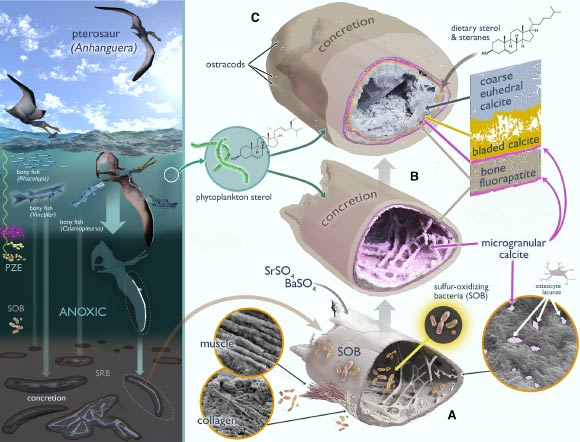
Grice et al. integrate organic geochemical analyses with high-resolution micro-mineral imaging of a three-dimensionally preserved Cretaceous pterosaur wing phalanx from Brazil to reveal steroid biomarkers and multi-stage mineralization pathways underlying its preservation. Image credit: Grice et al., doi: 10.1016/j.isci.2026.116199.

A 113-million-year-old pterosaur fossil from northeastern Brazil has yielded rare evidence of soft tissues, organic molecules and chemical traces of a diet heavy in fish and cephalopods such as squid or nautilus relatives.

The post 113-Million-Year-Old Pterosaur Fossil Reveals What Flying Reptiles Ate appeared first on Sci.News: Breaking Science News.

  •  

Astronomers Find Four Separate Generations of Stars in ‘Globular Cluster’ Terzan 5

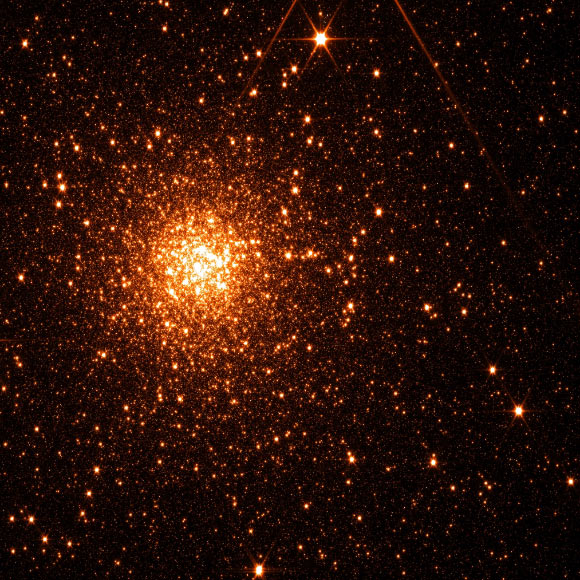
This Webb/NIRCam image shows the star cluster Terzan 5. Image credit: NASA / ESA / CSA / Webb.

New Webb and Hubble data not only confirm the existence of two distinct populations of stars in the ancient stellar system Terzan 5, once classified as a globular cluster, but also provides evidence for two more recent rounds of star formation.

The post Astronomers Find Four Separate Generations of Stars in ‘Globular Cluster’ Terzan 5 appeared first on Sci.News: Breaking Science News.

  •  

Astronomers Trace Elusive High-Energy Neutrino to Star-Forming Galaxy in Early Universe

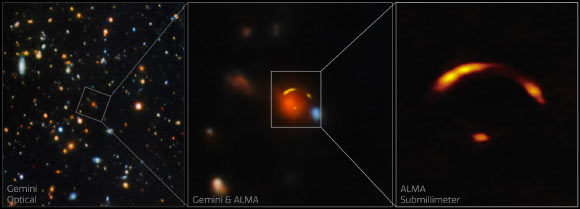
The origin of high-energy astrophysical neutrinos remains unresolved, and secure electromagnetic counterparts to individual events are rare despite rapid follow-up. Dusty star-forming galaxies at cosmic noon (redshift of z ≈ 1-4) are natural cosmic-ray calorimeters, yet observational links between these galaxies and neutrinos have remained unknown. Urata et al. report a compact-core, dusty star-forming galaxy within an IceCube localization, JCMT0402-0424, a quadruply lensed galaxy at z = 2.988 located inside the 90% containment region of the IceCube event IC 210922A. Image credit: International Gemini Observatory / NOIRLab / NSF / AURA / ALMA / ESO / NAOJ / NRAO / T.A. Rector, University of Alaska Anchorage & NSF’s NOIRLab / D. de Martin & M. Zamani, NSF’s NOIRLab / Yuji Urata. MITOS Science Co., LTD.

JCMT0402-0424, a dusty starburst galaxy around 11 billion light-years away, is the strongest candidate yet for the source of the high-energy neutrino event IC 210922A, according to a team of astronomer led by Yuji Urata of MITOS Science Co.

The post Astronomers Trace Elusive High-Energy Neutrino to Star-Forming Galaxy in Early Universe appeared first on Sci.News: Breaking Science News.

  •  

Decoding the Genetic Blueprint Behind Our Three-Dimensional Body

In a groundbreaking series of experiments conducted by researchers at the University of Jena, scientists have revisited and expanded upon a century-old discovery that shapes our understanding of embryonic development. Originally unearthed by Hans Spemann and his student Hilde Mangold in 1924, the concept of the “organiser” is a pivotal developmental mechanism that directs the formation of body axes during the early stages of an embryo’s growth. Spemann and Mangold’s pioneering work involved tissue transplantation between amphibian embryos, revealing the presence of a group of cells within the blastopore that orchestrate the development of a secondary body axis. This discovery earned Spemann a Nobel Prize in 1935 but tragically Mangold passed away young, never witnessing the lasting impact of their findings.

The new research from Jena not only reaffirms these foundational insights but extends them dramatically into the early evolutionary origins of metazoans. Using delicate microsurgical manipulation, the team studied the ribbed comb jelly Mnemiopsis leidyi, a member of the ancient phylum Ctenophora. This lineage diverged from that of other animals approximately 700 million years ago, according to the latest evolutionary models. By transplanting small portions of blastoporal tissue from one comb jelly embryo into another, Jena researchers induced a secondary body axis, effectively recapitulating Spemann and Mangold’s classic findings but now in one of the earliest-diverging animal lineages. The experiment demonstrated that the organiser’s developmental blueprint is deeply conserved across vast evolutionary time frames.

What makes these experiments particularly astounding is the technical difficulty involved. Comb jelly embryos measure only about 120 micrometers in diameter—just a fraction larger than the width of a human hair—while the transplanted tissue samples were barely 20 micrometers in size. Dr. Stanislav Kremnyov, the lead experimentalist, had to master an extraordinary level of manual dexterity to integrate these tiny groups of cells into host embryos without triggering rejection or other developmental derailments. To an outside observer, it appeared as if the researchers were “dissecting clouds,” a vivid metaphor used by Prof. Andreas Hejnol, who leads the research team at Jena.

The functional transplantation of organising tissue between individuals of the same species was spectacular enough. Yet the Jena team dared to push further by performing xenotransplantations, transferring organiser tissue across animal orders into the sea anemone, a cnidarian species that diverged from ctenophores roughly 60 million years later. Remarkably, the transplanted organiser tissue also initiated axis formation in the sea anemone embryos. This unprecedented success underscores the extraordinary evolutionary conservation of developmental mechanisms underpinning animal body plans. Xenotransplantation of organiser tissues across distinct phyla had never before been demonstrated, marking this as a historic advance in developmental biology.

Beyond the cellular choreography, the study also zeroed in on genetic underpinnings. The team identified, for the first time, the specific gene responsible for organiser formation in the sea anemone, bridging molecular mechanisms across species boundaries. This gene appears to regulate the signalling networks critical to early embryonic axis determination, providing a molecular anchor to the organiser’s functional role. Such findings hint that the genetic toolkit necessary for complex body plan organisation was already present in the earliest multicellular ancestors of modern animals.

These discoveries overturn previous assumptions that organiser-driven axis formation was a feature exclusive to more recently evolved animal groups such as bilaterians. Instead, the findings position the organiser as a primordial control system in multicellular organism development, dating back to the dawn of animal evolution itself. It suggests a remarkable evolutionary continuity where the fundamental blueprints for constructing the three-dimensional architecture of multicellular animals remained largely stable across hundreds of millions of years.

The implications of this research extend far beyond ctenophores and sea anemones. Since the organiser guides the spatial coordination of cell fate during development, understanding its origins and conservation sheds light on the evolutionary emergence of animal diversity and complexity. It also offers potential new perspectives for biomedical research, particularly in regenerative medicine and congenital defect studies, where guiding axis formation and tissue patterning is critical.

Technical mastery was central to these findings. The researchers employed advanced microscopy and vital cell staining techniques allowing them to trace transplanted cells dynamically within host embryos. Coupling this with precise microsurgical transplantation provided not only functional but also visual confirmation of organiser activity. This combination of cutting-edge experimental methods enabled insights previously thought unattainable in such fragile and inaccessible embryonic systems.

Prof. Andreas Hejnol reflects on the evolutionary significance with enthusiasm: “Our data demonstrate that this organizer mechanism coordinates the entire body axis and is conserved among one of the earliest-diverging animal lineages, suggesting that complex body plan organisation arose very early in metazoan evolution.” His team’s work bridges developmental biology with evolutionary biology, providing a vivid example of how ancient developmental principles underpin the incredible diversity of life forms on Earth today.

This research, published in the prestigious journal Nature, represents a milestone in understanding early animal evolution and embryogenesis. It dramatically shifts the paradigm surrounding the origins of the organiser and prompts reconsideration of the molecular and cellular processes foundational to animal multicellularity. As scientists continue to explore these ancient mechanisms, further revelations about the building blocks of life’s complexity are eagerly anticipated.

Subject of Research: Animals
Article Title: A blastoporal organiser in a ctenophore
News Publication Date: 17-Jun-2026
Web References: http://dx.doi.org/10.1038/s41586-026-10643-z
Image Credits: Lisa-Marie Barf
Keywords: embryonic development, organiser, blastopore, ctenophore, Mnemiopsis leidyi, evolutionary biology, axis formation, multicellularity, xenotransplantation, sea anemone, cnidaria, developmental genetics

  •  

Ancient Cosmic Event Revealed by Radionuclides in Deep-Sea Sample

In an extraordinary breakthrough that delves deep into the cosmic past, an international consortium of scientists from Dresden, Sydney, and Canberra has uncovered rare signatures of radioactive isotopes embedded within a deep-sea manganese crust. This discovery provides unprecedented insights into the astrophysical phenomena responsible for forging the universe’s heaviest elements, particularly illuminating the timeline of the last significant r-process nucleosynthesis event in the solar system’s vicinity. Their findings, published in the esteemed journal Nature Astronomy, draw a cosmic map that stretches back over 100 million years, signaling the rarity and tremendous scale of cataclysmic events such as neutron star mergers or exceptionally energetic supernovae.

Ferromanganese crusts, mineral deposits found at profound ocean depths ranging from hundreds to thousands of meters, serve as unparalleled geological time capsules. These crusts accrete slowly—millimeters over millions of years—absorbing trace elements, including rare radioactive isotopes transported from distant cosmic events. By decoding these isotopic deposits, researchers can trace the history of cosmic explosions and paint a detailed portrait of stellar processes that shaped the chemical evolution of our galaxy.

Central to this research is the isotope plutonium-244, with its rare genesis through the rapid neutron-capture process, known simply as the r-process. During such events, atomic nuclei experience a rapid succession of neutron captures, instigating the synthesis of heavy elements beyond iron. Conditions conducive to this process are believed to arise predominantly during titanic neutron star collisions or hyper-energetic supernovae, events many orders of magnitude less frequent than typical supernova explosions. Detecting plutonium-244 within the Earth’s geological record offers direct evidence of these rare phenomena.

The team’s meticulous analyses utilized state-of-the-art detection methods to isolate and quantify iron-60, plutonium-244, and curium-247 isotopes in Pacific Ocean crust samples. Iron-60 serves as a definitive marker of conventional supernovae, and its isotope profile corresponded precisely to two well-documented near-Earth supernova events occurring within the past few million years. In stark contrast, plutonium-244 exhibited a distribution pattern dramatically different—one consistent with deposition over a much longer timespan, pointing to a rare cosmic event that transpired at least a hundred million years ago.

Intriguingly, plutonium-244’s widespread but time-extended presence suggests it did not originate from the same near-Earth supernovae that deposited iron-60. Instead, it implies an older, more distant event where the synthesized elements had ample time to diffuse through the interstellar medium, creating a diffuse veil of heavy atoms engulfing the solar neighborhood. This insight recalibrates our understanding of when and how the most massive elements were introduced into our galactic environment.

Adding further weight to this narrative is the absence of curium-247, another isotope forged by the r-process. Despite its pivotal role—curium-247 decays more rapidly than plutonium-244, with a half-life of approximately 15.6 million years—its conspicuous scarcity in the crust sample indicates no recent r-process activity within the last 100 million years. This “expiry date” phenomenon serves as a cosmic clock, reinforcing the conclusion that the solar system’s immediate neighborhood has been devoid of major r-process events for many millions of years.

The technical sophistication required for these measurements cannot be overstated. Detecting individual plutonium atoms amidst an ocean of roughly ten sextillion non-plutonium atoms illustrates the extraordinary sensitivity needed. Recent advancements at the VEGA facility in Sydney, led by Michael Hotchkis, have pushed the boundaries of accelerator mass spectrometry, enabling researchers to detect and map plutonium distribution layer by layer with unparalleled time resolution. This breakthrough is complemented by the pioneering use of the Heavy Ion Accelerator Facility in Canberra for iron-60 detection, underscoring the collaborative, multinational nature of this endeavor.

Furthermore, a comprehensive age model was constructed using beryllium-10 isotopes measured at the DREAMS facility in Dresden. These measurements were instrumental in refining the growth history of the ferromanganese crust, allowing the researchers to place each isotopic signature accurately within a cosmic timeline spanning more than ten million years. Coupled with advanced imaging techniques such as X-ray scanning and 3D reconstruction of smaller drill cores, the team assembled a remarkably precise chronicle of element deposition.

The implications of this research extend beyond the confines of our solar system. Prof. Anton Wallner, head of the Accelerator Mass Spectrometry and Isotope Research Department at HZDR, emphasized that the detected plutonium likely originated from extraordinarily rare cosmic explosions, such as neutron star mergers recently observed via gravitational waves—albeit occurring far outside our own galaxy. These discoveries not only challenge preexisting assumptions about local r-process events but also rule out alternative hypotheses, including the crossing of the solar system through dense interstellar clouds, as a source of these heavy elements.

This research heralds a new era in studying cosmic nucleosynthesis. Upcoming analyses involving lunar samples provided by NASA promise to enrich our understanding of recent r-process events further. Equally exciting is the anticipated operational commencement of the HAMSTER facility at HZDR, which aspires to replicate and surpass current detection capabilities. This facility aims to detect a broader spectrum of rare radionuclides, potentially unlocking fresh insights into the astrophysical origins of our universe’s elemental diversity.

In sum, the discovery of plutonium-244 traces scattered throughout ancient oceanic crust reframes our knowledge of cosmic history and nucleosynthesis. It reveals a universe punctuated by rare, monumental events that have imprinted an indelible trace on Earth’s geological archives. These findings not only illuminate the elemental assembly of the cosmos but also open up new frontiers for studying the universe’s most violent and transformative phenomena with unprecedented detail and temporal precision.


Subject of Research: Not applicable

Article Title: The timing of the last r-process event near Earth from interstellar 60Fe, 244Pu and 247Cm deposition on Earth

News Publication Date: 15-Jun-2026

Web References: http://dx.doi.org/10.1038/s41550-026-02841-6

References: Published in Nature Astronomy


Keywords

r-process nucleosynthesis, plutonium-244, curium-247, iron-60, deep-sea manganese crust, neutron star mergers, supernova, radioactive isotopes, accelerator mass spectrometry, interstellar medium, cosmic explosions, element formation

  •  

Transforming Aged Care Mealtimes: Maggie Beer’s Model

In the evolving landscape of residential aged care, one of the most pressing challenges has been to enhance the quality of mealtime experiences for elderly residents. A groundbreaking study entitled “Maggie Beer’s Big Mission: implementation and service-system outcomes of a multi-component and multi-disciplinary mealtime model in residential aged care,” recently published in BMC Geriatrics, illuminates a novel approach that is transforming dining in care facilities. This innovative intervention, rooted in multi-disciplinary collaboration and comprehensive system changes, is shaping a future where mealtimes are more than just nutritional necessities—they become moments of joy, social connection, and holistic well-being for residents.

At the heart of this pioneering model is the integration of culinary excellence with clinical care needs. Traditional aged care mealtimes often suffer from a lack of individualized attention and culinary appeal, which can negatively influence nutritional intake and overall health. This research demonstrates that elevating food quality, presentation, and mealtime environment ensures residents receive not only physical nourishment but also psychological and emotional benefits. By combining Maggie Beer’s culinary expertise with clinical insight, the program yields measurable improvements in residents’ health and quality of life.

Implementation of such a system required a fundamentally different approach to service delivery. The model emphasized multi-component strategies, incorporating nutritional assessment, food service redesign, staff training, and environmental modifications. Each of these components was carefully tailored to the unique needs of aged care populations, acknowledging the complex interplay between medical conditions, sensory changes, and social isolation that often complicate mealtime experiences.

Central to the success of this intervention was the development of multidisciplinary teams comprising dietitians, nurses, chefs, occupational therapists, and care staff. This diverse expertise fostered collaborative problem-solving and helped to align goals across traditionally siloed departments. Such teamwork ensured that nutritional interventions were not only clinically appropriate but also culturally and personally appealing, recognizing the importance of respecting residents’ food preferences and dignity.

A critical technical innovation in the project was the enhanced training modules designed to equip care staff with actionable knowledge about nutrition, food handling, and interpersonal skills necessary to support residents during meals. This holistic focus on staff development resulted in increased confidence among personnel and a more engaged, empathetic approach to residents’ mealtime needs. Training also extended to culinary teams, who adopted new cooking techniques aimed at preserving nutrients and enhancing flavor and appearance, addressing common issues such as dysphagia.

The environmental changes implemented alongside culinary and care-focused measures significantly contributed to positive outcomes. Dining areas were redesigned to create welcoming, homely atmospheres with adequate lighting, comfortable seating, and noise reduction. These modifications reduced mealtime stress and promoted social interaction, critical factors in encouraging adequate food and fluid intake. This psychological comfort addresses a frequently overlooked barrier to proper nutrition in aged care settings.

Moreover, the study underscores the importance of systematic data monitoring and continuous quality improvement processes. Regular assessments of meal satisfaction, nutritional status indicators, and psychosocial outcomes enabled timely adjustments to care plans and interventions. This data-driven approach ensured that the model maintained responsiveness to the dynamic needs of residents and care environments, optimizing long-term sustainability and effectiveness.

One of the remarkable findings reported was the significant enhancement in residents’ nutritional status, evidenced by improvements in body mass index, serum albumin levels, and reduced incidence of malnutrition-linked complications. These clinical indicators are paramount, considering that malnutrition remains a pervasive issue in aged care, often exacerbating morbidity and hospital readmissions. The intervention’s ability to reverse or mitigate these trends highlights its clinical robustness.

Importantly, the multi-component mealtime model also had profound psychological and social benefits. Residents reported increased satisfaction with their mealtime experiences, greater social engagement, and improved mood indicators. The act of eating, supported by attentive staff and an inspiring environment, became an opportunity for community-building rather than a routine task. These intangible benefits are fundamental in aged care, where social isolation and depression frequently impair well-being.

The study’s comprehensive approach also included strategic involvement of family members and volunteers, further enhancing the social fabric of mealtimes. Engaging this wider community fostered a culture of respect and companionship, reducing stigma associated with aged care and empowering residents within their food choices and daily routines. This participatory aspect distinctly amplifies the model’s scalability across diverse care settings.

From a system perspective, the research highlights how implementing this multi-disciplinary mealtime model necessitates organizational commitment and resource allocation. Facility leadership must prioritize mealtime reforms and integrate them into the broader quality and safety frameworks. Successful adoption depends on clear communication, ongoing leadership support, and alignment with policy and funding mechanisms, without which even the most effective interventions may falter.

The ripple effects also extended to staff satisfaction and retention, a critical consideration given workforce shortages in aged care sectors globally. Staff reported greater job satisfaction and reduced burnout symptoms when engaged in meaningful, well-supported mealtime care practices. This improvement underscores the model as a win-win for residents and care providers alike, fostering a culture of compassion and competence.

Technological integration played a subtle yet impactful role in the implementation phase. Electronic dietary tracking systems synchronized with electronic health records ensured precise monitoring of individual nutritional intake and facilitated interprofessional communication. This seamless data flow supported clinical decision-making and personalized care planning in real-time, highlighting the potential for further digital innovations in aged care practices.

The findings in this study bear significant policy implications. As nations grapple with aging populations and escalating care costs, models that enhance quality of life while potentially reducing hospitalization rates present a compelling value proposition. Policymakers are urged to consider such multi-disciplinary, evidence-based approaches when shaping future aged care regulations and funding models, ensuring they prioritize person-centered, holistic interventions.

Looking ahead, the research anticipates exploring scalability across different cultural contexts and care facility sizes. Continued evaluation of long-term outcomes, including cost-effectiveness analyses and resident-centered metrics, will be crucial in refining the model and broadening its impact. This study sets a benchmark, catalyzing further innovations aimed at transforming aged care mealtimes into a celebrated domain of healthcare excellence.

In conclusion, Maggie Beer’s Big Mission exemplifies how revitalizing mealtime experiences in residential aged care demands a comprehensive, multi-layered approach. By bridging culinary arts, clinical expertise, environmental design, and systemic quality improvement, this work transcends traditional models and redefines what good care means at the table. As the aged care sector evolves, such pioneering interventions will play a vital role in enhancing dignity, health, and happiness for older adults worldwide.


Subject of Research: Implementation and outcomes of a multi-component and multi-disciplinary mealtime model in residential aged care.

Article Title: Maggie Beer’s Big Mission: implementation and service-system outcomes of a multi-component and multi-disciplinary mealtime model in residential aged care.

Article References:
Cartwright, J., Oliver, E., Whitworth, A. et al. Maggie Beer’s Big Mission: implementation and service-system outcomes of a multi-component and multi-disciplinary mealtime model in residential aged care. BMC Geriatr (2026). https://doi.org/10.1186/s12877-026-07690-6

Image Credits: AI Generated

  •  

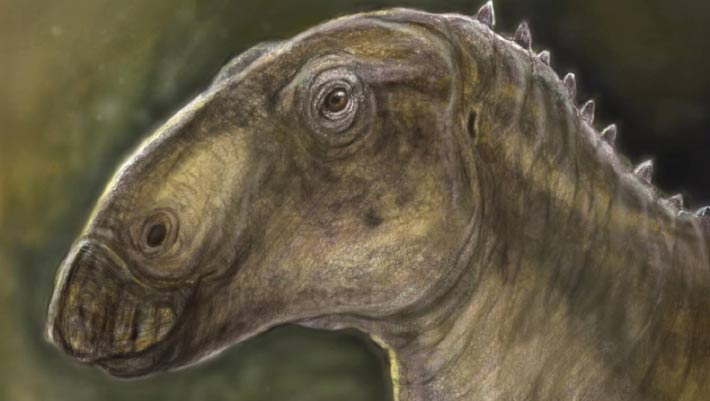
New Duck-Billed Dinosaur Unearthed in Romania

Kryptohadros kallaiae. Image credit: Tibor Pecsics.

An international team of paleontologists from Romania, Hungary and Italy has identified a new genus and species of herbivorous, duck-billed dinosaur from an incomplete skeleton unearthed in the Hațeg Basin, a bowl-shaped depression in the Carpathians of present-day Romania.

The post New Duck-Billed Dinosaur Unearthed in Romania appeared first on Sci.News: Breaking Science News.

  •  

Scientists Reveal New Discoveries About Cells Forming Brain’s Protective Barriers

In the complex landscape of brain development, the formation of the brain’s protective barriers—the blood-brain barrier (BBB) and the blood-cerebrospinal fluid (CSF) barrier—has long fascinated neuroscientists. These barriers are composed of highly specialized cells that serve a critical function: permitting necessary nutrients to enter the brain while preventing harmful substances, pathogens, and toxins circulating in the bloodstream from crossing into the delicate neural environment. Despite a deep understanding of their function, the cellular mechanisms orchestrating their assembly during embryogenesis have remained elusive. A groundbreaking study led by researchers at the University of California San Diego, recently published in Cell, unveils a surprising and paradigm-shifting contributor to brain barrier development: cellular senescence.

Cellular senescence is traditionally characterized as a permanent cessation of cell division, commonly associated with aging and pathology. These so-called “zombie” cells, which remain metabolically active but fail to proliferate, accumulate in aging tissues, contributing to chronic inflammation, tissue dysfunction, and cognitive decline. As a consequence, senescent cells have become key targets in developing therapeutic strategies to mitigate age-related diseases. However, recent evidence challenges the simplistic association of senescence solely with aging and damage. Instead, senescence appears highly context-dependent, playing complex and sometimes beneficial roles in development and healing.

Emerging studies have revealed transient senescent cell populations in mouse embryos during the formation of limbs and kidneys, as well as in wound healing contexts, where senescence promotes tissue repair. These discoveries suggest that senescence may be an evolutionarily conserved mechanism to guide tissue remodeling and regeneration when temporally controlled. The UC San Diego research team, led by Assistant Professor Hiruy Meharena, has extended this concept into the realm of brain development, uncovering diverse senescence-associated cell states that actively contribute to constructing the brain’s vital protective barriers.

Through a multifaceted approach combining single-cell RNA sequencing, advanced imaging, and precise genetic lineage tracing in developing mouse brains, the investigators identified three distinct cell types that transiently or persistently enter senescence during the formation of the BBB and blood-CSF barrier. These cell types include vascular endothelial cells, brain-resident macrophages, and choroid plexus epithelial cells, each exhibiting unique senescence profiles and functional roles in the brain’s developmental timeline.

Vascular endothelial cells, which line the embryonic blood vessels, and brain-resident macrophages engage senescence transiently during critical windows of brain vascular remodeling and patterning. These senescent states appear to fine-tune the formation of the intricate vascular network essential for establishing the highly selective BBB, coordinating cellular interactions and molecular signaling pathways that regulate tight junction formation and barrier integrity. This temporary senescent phase helps orchestrate the vascular architecture that prevents harmful molecules in the blood from infiltrating brain tissue.

In contrast, choroid plexus epithelial cells—responsible for generating cerebrospinal fluid and forming the blood-CSF barrier—exhibit a persistent senescence-like state that endures beyond embryonic development into adulthood. This finding defies the prevailing dogma that developmental senescence is exclusively transient and suggests a novel dimension of senescence’s role in maintaining barrier function over the lifespan. The sustained senescent phenotype in these epithelial cells likely supports the continuous protective and homeostatic functions of the blood-CSF barrier, which plays a critical role in brain fluid regulation and immune surveillance.

One of the study’s most unexpected revelations emerged when the researchers experimentally ablated senescent cells during embryogenesis. The resulting mice exhibited marked abnormalities in the structural and functional development of both brain barriers, accompanied by disrupted fluid balance within the central nervous system. These defects underscore the indispensability of senescent cells in normal brain barrier formation and highlight the complex interplay between senescence and tissue morphogenesis.

This nuanced view of senescence challenges the traditional perception of a monolithic, detrimental “senescence program,” revealing instead a spectrum of senescence-associated cell states tailored to specific developmental contexts and cell types. Senescence acts not as a simple arrest signal but as a dynamic, multifaceted process facilitating intercellular cooperation during neurovascular development. It integrates molecular cues that modulate cell behavior, extracellular matrix remodeling, and immune cell function to sculpt the brain’s defensive frontiers.

The implications of these findings extend beyond developmental biology into the pathophysiology of brain disorders. Since the integrity of the BBB and blood-CSF barrier is compromised in neurodegenerative diseases, stroke, and neuroinflammation, understanding the diverse roles of senescent cells in barrier biology may herald new therapeutic avenues for restoring barrier function and mitigating neurological deficits. The UC San Diego team is now probing how senescence-related mechanisms unfold in disease contexts, aiming to decipher whether modulating senescent cell populations can ameliorate or prevent barrier dysfunction.

Moreover, the identification of persistent senescence in adult choroid plexus cells prompts intriguing questions about the balance between beneficial senescence and potential chronic senescent cell accumulation contributing to pathology. Future research will explore how this persistent senescence is regulated and whether it participates in age-related changes in brain fluid dynamics or susceptibility to CNS infections.

This research challenges the classical narrative that equates senescence with detrimental aging by elucidating its fundamental, constructive roles in brain development. It elevates the concept of senescence from a pathological endpoint to an essential, adaptive cellular state finely tuned in time and space. By redefining senescence as a developmental and homeostatic facilitator, the study sets a new trajectory for investigating cellular aging, brain barrier biology, and neurovascular health.

As neuroscience embraces the complexity of cellular states within the brain’s microenvironment, these insights offer a richer, more integrative framework. The study’s comprehensive use of cutting-edge genomic, imaging, and genetic tools exemplifies the power of modern neurobiology to unravel the elusive choreography underlying brain structure and function. Continued exploration of developmental senescence promises to deepen our understanding of brain physiology and opens transformative possibilities for innovative treatments targeting the blood-brain and blood-CSF barriers across the lifespan.


Subject of Research: Animals

Article Title: Persistent and transient senescent cells contribute to brain barrier development

News Publication Date: 10-Jun-2026

Web References: https://www.cell.com/cell/fulltext/S0092-8674(26)00581-7

References: DOI 10.1016/j.cell.2026.05.022

Image Credits: Ella Maru Studio, conceptualized by Ashley Watson and Hiruy Meharena

Keywords: Cellular neuroscience, cellular senescence, developmental neuroscience, molecular neuroscience, cellular physiology, cell development, cellular processes

  •  

Yang Group Unveils Novel Mechanism for Metal Carbene Radical Cross-Coupling

In the quest to unlock new frontiers in chemical synthesis, researchers are persistently searching for innovative methods that allow the formation and manipulation of molecular bonds in unprecedented ways. A remarkable breakthrough has emerged from the laboratory of Professor Yang Yang at the University of California, Santa Barbara, where his team has pioneered a novel class of biocatalytic reactions that blend the power of enzymatic catalysis with advances in photochemistry. This groundbreaking research, recently published in the prestigious journal Nature Catalysis, reveals a previously unknown mechanism for carbon-carbon bond formation via metal-carbene chemistry, fundamentally expanding the toolkit available to chemists for building complex molecules.

Transition metal carbene chemistry has been a vibrant area of study for decades, owing to the unique reactivity of metal-carbene intermediates—transient species in which a metal center is bound to a divalent carbon atom. These metal-carbenes act as powerful but fleeting intermediates, able to forge key carbon-carbon bonds essential for constructing the diverse frameworks found in pharmaceuticals, agrochemicals, and advanced materials. Despite their importance, the mechanistic landscape of metal-carbene chemistry remained relatively constrained, with well-established pathways that have been refined but seldom revolutionized—until now.

Professor Yang’s innovative approach combines two distinct catalytic cycles working in synergy: a light-driven photoredox cycle and an enzymatic metalloenzyme catalytic cycle. This integration ushers in a new paradigm where photochemically generated radical intermediates are directly coupled with enzymatically created iron-carbenoid intermediates. This union facilitates an intermolecular carbon-carbon bond-forming reaction that exploits radical intermediates in a controlled enzymatic environment—an achievement that not only challenges existing dogmas but also heralds unprecedented control over reaction selectivity and efficiency.

Central to this discovery is the use of directed evolution to engineer a metalloprotein catalyst capable of hosting iron ions within its active site. This finely tuned protein environment not only produces the iron-carbenoid intermediate but also exercises exquisite control over the highly reactive iron-radical intermediates generated during the photochemical step. The enzyme facilitates the crucial proton transfer step, a fundamental transformation in organic synthesis, with a precision that synthetic catalysts have struggled to match. Without this engineered metalloenzyme, the researchers believe this distinctive chemistry would have likely remained undisclosed.

The cooperation between photoredox catalysis and metalloenzyme activity effectively pushes the boundaries of transition metal carbene chemistry, offering a synthetic strategy with considerable generality. The dual catalytic system provides a versatile platform for carbon-carbon bond formation, accommodating a broad range of substrates and enabling the construction of molecules featuring multiple stereogenic centers. Such stereochemical complexity is vital for function in biologically active compounds, underscoring the potential impact on drug discovery and the design of agrochemical agents.

Photoredox catalysis has garnered significant attention in recent years for its ability to harness visible light energy to access radical intermediates under mild conditions. By integrating this with a metalloenzyme cycle, Yang’s team has pioneered a cooperative catalytic process that allows controlled radical coupling in a biological setting, effectively marrying the finesse of enzymatic catalysis with the versatility of photochemistry. This represents a new frontier in synthetic methodology, where light-powered biocatalysts can orchestrate complex chemical transformations with enhanced selectivity and sustainability.

The intricate mechanistic interplay revealed through this work demonstrates how radicals—often regarded as indiscriminate and challenging to control—can be tamed within an enzymatic pocket. The iron center in the metalloenzyme acts as a conductor, directing the radical pathway toward selective bond formation, while the protein scaffold stabilizes ephemeral intermediates. This fine balance of reactivity and control is unprecedented in the realm of metallocarbene chemistry and exemplifies the power of directed evolution in tailoring enzyme function for synthetic purposes.

Beyond method development, the researchers anticipate a wide spectrum of applications that could flow from this approach. The ability to generate complex, chiral molecules with high precision opens doors for the synthesis of fine chemicals and bioactive compounds that were previously difficult or impractical to obtain. Moreover, the modularity of this dual catalytic platform suggests that it could be expanded to include other metal centers and reaction types, fostering a versatile toolkit adaptable to diverse chemical challenges.

The collaborative nature of this research, involving experts from UCSB, the University of Pittsburgh, and Florida State University, highlights the interdisciplinary effort required to unravel such complex chemistry. Combining expertise in enzymology, photoredox catalysis, organometallic chemistry, and computational modeling was crucial in elucidating the mechanism and optimizing the catalytic system. This synergy underlines the importance of collaborative approaches in pushing the boundaries of contemporary chemical science.

Moving forward, the team plans to generalize this transformative methodology to broaden its applicability. By exploring additional substrates and refining the biocatalyst through further rounds of directed evolution, they aim to generate a diverse array of synthetically valuable molecules. This work not only deepens fundamental mechanistic understanding but also provides a roadmap for integrating photochemical activation with biocatalysis, opening avenues for green and sustainable synthesis.

In summary, the discovery of this new metal-carbene chemistry mechanism represents a significant leap in transition metal catalysis. It leverages the specificity and tunability of metalloenzymes engineered by directed evolution, combined with the power of photochemistry, to orchestrate complex carbon-carbon bond-forming reactions with unprecedented control. This advancement is poised to transform the synthesis of stereochemically rich molecules critical to pharmaceuticals and agrochemicals, catalyzing further innovation in both academic and industrial chemistry.


Subject of Research: Novel metal-carbene biocatalytic reactions enabling carbon-carbon bond formation through integrated photoredox and metalloenzyme catalysis.

Article Title: (Information not provided)

News Publication Date: (Information not provided)

Web References:

References: Research by Yang’s lab including Huanan Wang, Chongtao Li, Xiao-Wang Chen at UCSB; Peng Liu and Binh Khanh Mai at the University of Pittsburgh; Rachel Weiss and Bryan Kudisch at Florida State University.

Image Credits: (Information not provided)

Keywords

Physical sciences, Chemistry, Chemical reactions, Organic chemistry, Organometallic chemistry, Stereochemistry

  •  

Vigorous Mantle Convection Sparked Cretaceous Pacific Igneous Provinces

In a groundbreaking study poised to reshape our understanding of Earth’s deep interior dynamics, researchers have unveiled a comprehensive model elucidating the genesis of the extensive large igneous provinces (LIPs) in the Pacific Ocean during the Early Cretaceous period. These massive volcanic events, which left a profound imprint on the planet’s geological record, had long been attributed to various causes including isolated mantle plumes, tectonic slab return flows, or complex plume–ridge interactions. This latest research integrates geophysical modeling with paleogeographic data to reveal a multifaceted interplay between mantle convection processes, subducting tectonic plates, and migrating mid-ocean ridges that collectively controlled the timing, location, and intensity of LIP formation.

The Pacific Ocean’s Early Cretaceous LIPs, encompassing some of the largest volcanic eruptions in Earth’s recent history, had puzzled researchers due to their sporadic yet intense episodes of basaltic outpourings. Historically, hypotheses have swung between attributing these vast eruptions to the arrival of deep superplumes—a concept suggesting stable, buoyant columns of hot mantle material rising from the core-mantle boundary—to mechanisms involving return flows of cold slabs being subducted beneath the Pacific basin. Adding complexity, the interaction between these mantle upwellings with tectonic spreading ridges has also been proposed as a trigger for massive melt generation. Yet, until now, a unified mechanistic explanation that could integrate these disparate phenomena remained elusive.

The pivotal insight of the new study comes from advanced mantle flow simulations constrained by precise paleogeographic reconstructions of Early Cretaceous plate configurations. By projecting plate motions and subduction geometries back in time, the researchers were able to create dynamic models of mantle convection patterns beneath the Pacific basin. These simulations revealed a stable pattern of thermally buoyant mantle upwellings, or plumes, persisting between approximately 165 million and 80 million years ago. Intriguingly, these upwellings were not isolated features but were rooted above enduring lower mantle thermal anomalies, suggesting the importance of inherited mantle structure in shaping convective behavior.

A particularly striking finding emerged around 130 to 125 million years ago, when the intensity of mantle upwelling reached its zenith. This peak activity appears fundamentally linked to an increase in slab flux beneath the Pacific realm, where enhanced subduction rates delivered cold tectonic plates deeply into the mantle, inducing a return flow that effectively strengthened the buoyant upwellings. This coupling indicates that rather than being independent processes, subduction dynamics and preexisting mantle heterogeneities synergistically elevate mantle temperatures and buoyancy, fostering conditions ripe for extensive melting and volcanic activity.

The study highlights the critical role of mantle-ridge interaction in modulating LIP genesis. Around 145 to 120 million years ago, migrating spreading ridges—regions where tectonic plates diverge, allowing mantle material to rise and solidify as new crust—passed over these vigorous upwellings. The models suggest that when spreading ridges intersected with zones of intense heat advection from the underlying mantle plumes, the accompanying thermal anomaly slowed ridge propagation. This transient deceleration enhanced the efficiency of mantle melting, channeling voluminous magma to Earth’s surface and triggering the prolific LIP eruptions witnessed in the geological record.

However, subsequent to this period of intense volcanic activity, the simulations indicate a pronounced decline in LIP eruption frequency and magnitude. This downturn corresponds to a combination of factors: a weakening of mantle upwelling intensity as slab flux diminishes, and the accelerated migration of spreading ridges away from the central Pacific mantle plumes. Such dynamic decoupling reduces the capacity for significant mantle melting beneath the ridges, thereby suppressing the generation of large-scale igneous provinces.

The revelations of this study carry profound implications for our grasp of Earth’s mantle convection and its surface expressions. The joint control of radial heat advection by slab flux and inherited lower-mantle structures innovatively bridges the gap between mantle plume theory and plate tectonic processes. It underscores the necessity of considering the deep Earth’s thermal architecture not as static but as an evolving, inherited template that interacts intricately with episodic tectonic phenomena to produce massive surface volcanism.

Moreover, the research offers a nuanced perspective on the temporal and spatial variability of LIP occurrences. The inferred stability of the central Pacific mantle upwellings over tens of millions of years challenges the traditional view that mantle plumes are transient or short-lived. Instead, the presence of deep-rooted thermal anomalies suggests longevity that serves as a backdrop for dynamic tectonic events, providing fertile mantle heat reservoirs that can be tapped repeatedly under favorable conditions.

The evidence for spreading ridges acting as crucial melting amplifiers rather than mere passive features reshapes existing paradigms around mid-ocean ridge evolution. The transient slowing of ridge migration due to underlying thermal anomalies offers a novel mechanism explaining how mantle melting can be efficiently modulated over geological timescales. This insight emphasizes the interconnectedness of deep mantle processes and plate boundary dynamics, illuminating a feedback system where surface plate motions influence, and are influenced by, mantle convection.

Such a feedback mechanism further accounts for the spatial clustering and episodic nature of LIP eruptions in the Pacific basin. As spreading ridges move relative to mantle plumes, the precise location and intensity of melting episodes shift, giving rise to spatially focused volcanic provinces at certain intervals. This dynamic explains observed geological distributions that earlier models struggled to fully capture, providing a cohesive narrative linking mantle physics, tectonic processes, and surface volcanism.

In addition to unraveling long-standing geological puzzles, this study also enhances predictive frameworks that may be vital for understanding the Earth’s future geodynamic behavior. The coupling between slab dynamics, mantle structure, and ridge migration suggests that monitoring contemporary subduction zones and spreading ridges could illuminate potential sites of enhanced mantle melting, which could, in extreme cases, relate to future volcanic hazards or crustal growth episodes.

The sophisticated modeling approaches employed further demonstrate the power of integrating multi-disciplinary datasets in geosciences. The confluence of plate reconstructions, mantle convection simulations, and thermal structure analyses exemplifies a holistic methodology transcending traditional disciplinary boundaries. This approach not only advances fundamental scientific knowledge but also opens avenues for exploration into Earth’s deep processes that underpin surface phenomena critical to the planet’s evolution.

While the findings present a compelling mechanism for Early Cretaceous LIP activity in the Pacific, the study also raises exciting questions about the potential for analogous mantle-plume and ridge interactions in other oceanic basins and geological epochs. Could similar dynamics explain volcanic provinces elsewhere, or are these processes unique to the Pacific’s mantle and tectonic configuration during that period? Future research targeted at extending these models globally and temporally promises to deepen our understanding of Earth’s geodynamic engine.

In conclusion, the fusion of mantle convection modeling with tectonic and paleogeographic data in this research provides a transformative lens on one of Earth’s most dramatic volcanic phenomena. The identification of vigorous mantle convection driven by tiered slab flux and legacy mantle structures, alongside nuanced ridge-upwelling interactions, charts a paradigm shift in interpreting large igneous province formation. These revelations not only solve longstanding enigmas of the Cretaceous Pacific LIPs but also refine the broader framework within which mantle dynamics and surface tectonics coalesce to sculpt our planet’s geological evolution.

As our planet continues to evolve, studies like this reaffirm the deep interconnectivity of processes spanning from Earth’s core to its crust, reminding us of the subtly intertwined forces shaping the planet on scales across both space and time. Through sophisticated simulations and integrative science, the tantalizing mysteries of Earth’s volcanic past inch closer to clarity, offering unprecedented glimpses into the fiery heart of our dynamic planet.


Subject of Research: Mantle convection dynamics and formation of large igneous provinces during the Early Cretaceous period in the Pacific Ocean.

Article Title: Vigorous mantle convection triggered the Cretaceous Pacific large igneous provinces.

Article References:
Deng, D., Li, S., Cao, X. et al. Vigorous mantle convection triggered the Cretaceous Pacific large igneous provinces. Nat. Geosci. (2026). https://doi.org/10.1038/s41561-026-02016-y

Image Credits: AI Generated

DOI: https://doi.org/10.1038/s41561-026-02016-y

  •  
  •  

NASA’s James Webb Space Telescope Spots a Hidden ‘Galaxy Killer’ Lurking in the Early Universe


The James Webb Space Telescope (JWST) has revealed a cosmic catastrophe, as winds extinguished a star-forming galaxy in the early universe, offering new insight into earlier strange observations.

Cosmic winds may destroy entire galaxies, according to new JWST research exploring the lingering mystery of why certain parts of the universe are unexpectedly devoid of growth.

The findings were published in a recent paper in the Monthly Notices of the Royal Astronomical Society, revealing galactic-scale death in a universe just one billion years old, and potentially answering questions about previous troubling JWST observations.

James Webb Space Telescope Observation

Observations made by the JWST revealed cold gas, an essential star-forming material, blowing out of the CRISTAL-2 galaxy in a massive plume, severely degrading its ability to produce new stars. According to the researchers, it would take less than 50 million years for the galaxy to be completely dead if this activity keeps up, a mere blink in the scheme of a 13.8 billion-year-old universe.

Astronomers consider galaxies to be “dead” if they are no longer capable of producing fresh stars. Traditionally, astronomers expected that it would take billions of years for an old galaxy to slowly run out of fuel and burn out. However, JWST observations have continually captured events in the early universe that were not expected to occur until much later.

One of these was finding a host of dead galaxies in the early universe shortly after it first became operational in 2022. How galaxies could die so close to the beginning of the universe, without sufficient time to burn through their cold gas supplies, has long perplexed scientists.

Explaining Galaxy Death

As researchers began considering various explanations for the phenomenon, they initially settled on dark energy, essentially explaining one unknown with another. Dark energy is a theoretical substance that scientists believe drives the expansion of the universe and was once a stronger force than it is now. While the Dark Energy Spectroscopic Instrument survey revealed last year that dark energy appears to be weakening over time, an exotic galaxy-killer is not required, according to this latest research.

Instead, researchers offer a much simpler explanation of powerful cosmic winds in the remote past. Conventional thinking has it that such powerful winds could only be generated by a supermassive black hole, yet these new observations challenge that assumption.

JWST Reveals the Culprit

CRISTAL-02 is a galaxy still in the making, composed of several smaller galaxies in the final stages of merging into a single system. Because the early universe was far denser than it is today, such collisions were much more common. During these mergers, gravitational forces funnel vast amounts of gas toward the galactic centers, triggering intense bursts of star formation.

Observations of CRISTAL-02 by the James Webb Space Telescope and the Atacama Large Millimeter/submillimeter Array (ALMA) revealed a star formation rate roughly twice that of similar galaxies. Ironically, this extraordinary burst of stellar activity is also generating a powerful cosmic wind that is stripping away the very gas needed to form new stars.

Compounding the effect, many of the newly formed stars rapidly exhaust their fuel and end their lives as supernovae, producing additional outflows that further deplete the galaxy’s star-forming material.

Together, these processes appear capable of shutting down star formation far more quickly than astronomers previously believed possible. Going forward, ongoing JWST observations are likely to continue challenging astronomers’ assumptions, as more evidence indicates that nearly half of the early universe’s massive galaxies were interacting—a finding which also suggests early “galactic deaths” like these may not be all that rare, after all.

The paper, “Multiphase Images of a Powerful Supernova-Driven Wind in the Early Universe,” appeared in Monthly Notices of the Royal Astronomical Society on June 10, 2026.

Ryan Whalen covers science and technology for The Debrief. He holds an MA in History and a Master of Library and Information Science with a certificate in Data Science. He can be contacted at ryan@thedebrief.org, and follow him on Twitter @mdntwvlf.

  •  
❌