Login

A 2,300-Year-Old Bottle Found in a Chinese Tomb Still Held Ancient Alcohol (But You Can’t Drink It)
 Ancient liquid from a sealed bronze vessel points to a millet-based brew.
 Ancient liquid from a sealed bronze vessel points to a millet-based brew.
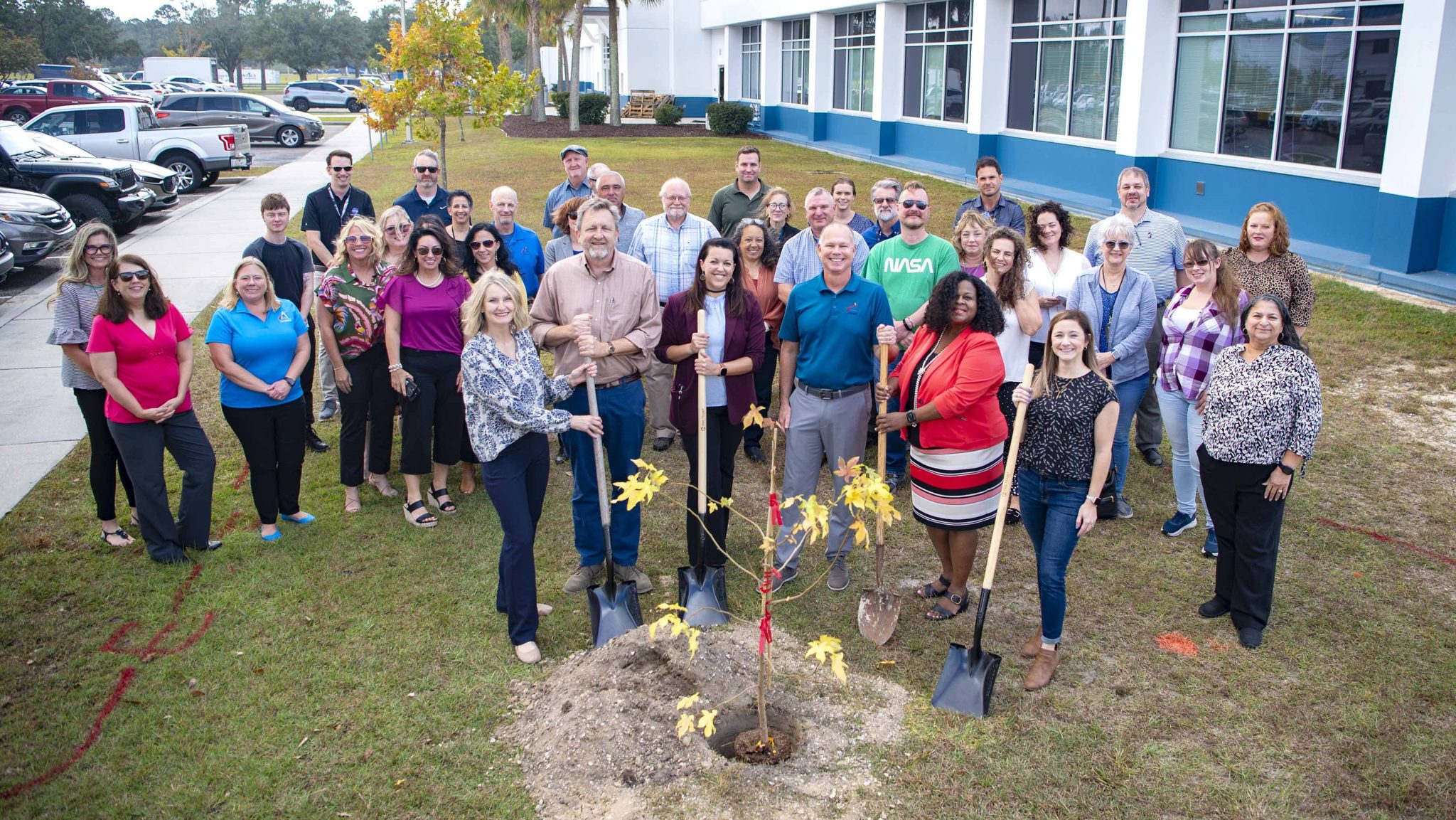
Sprouted from seeds that journeyed around the Moon aboard Apollo 14 in February 1971, “Moon Trees” planted across the United States endure as living reminders of Apollo-era lunar exploration.
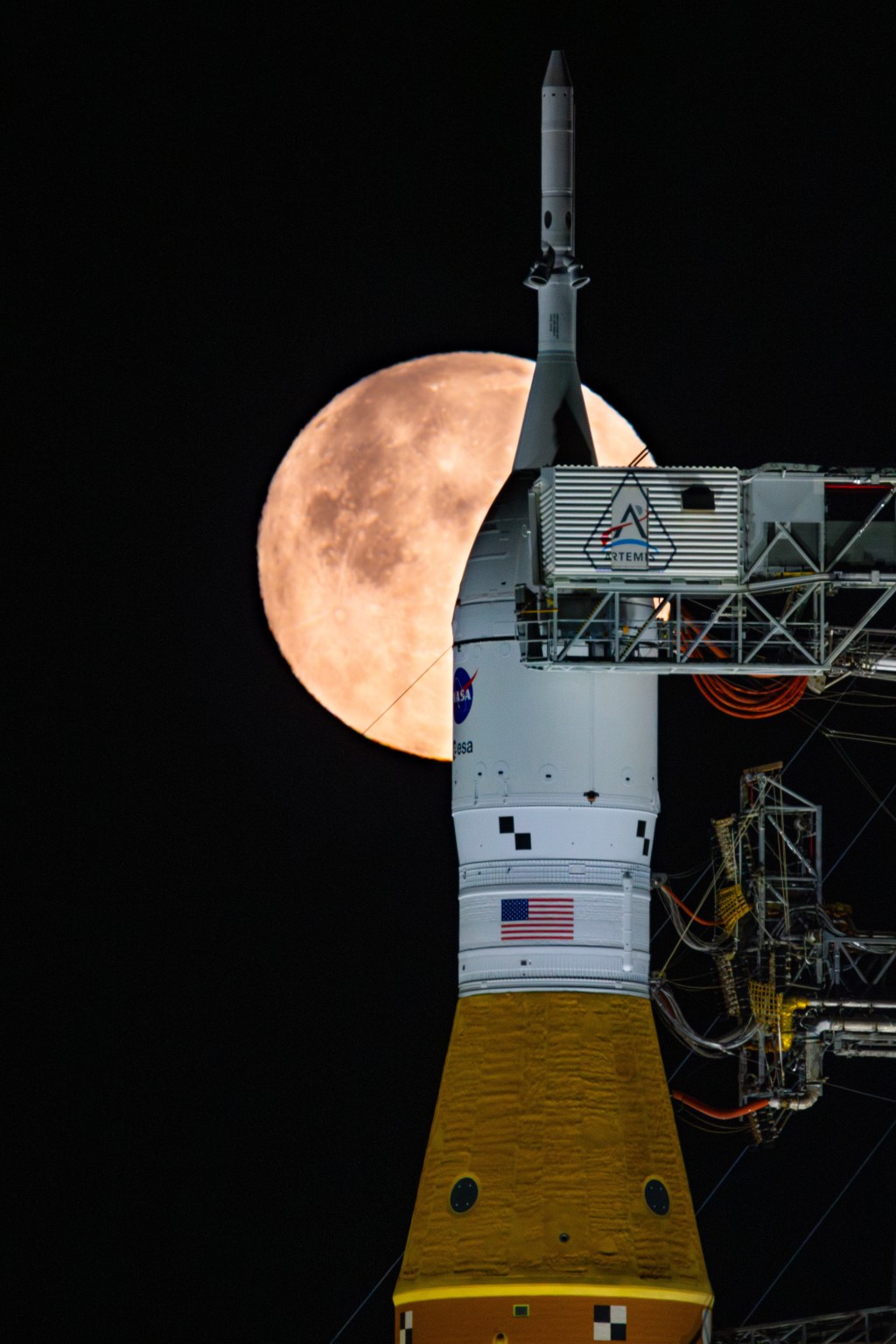
In 2022, a new generation of tree seeds flew around the Moon on NASA’s Artemis I mission as part of a national STEM Engagement and conservation education initiative.

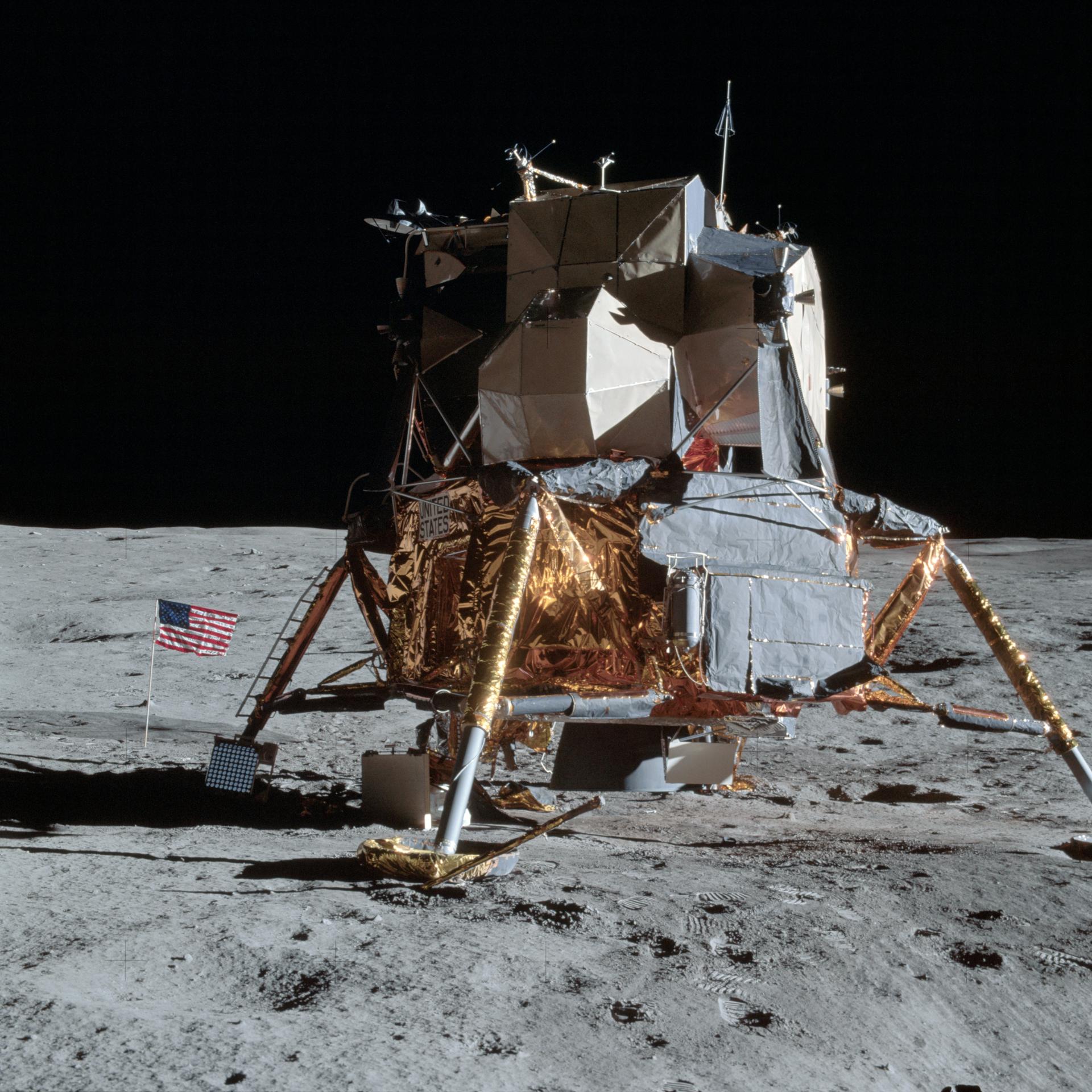
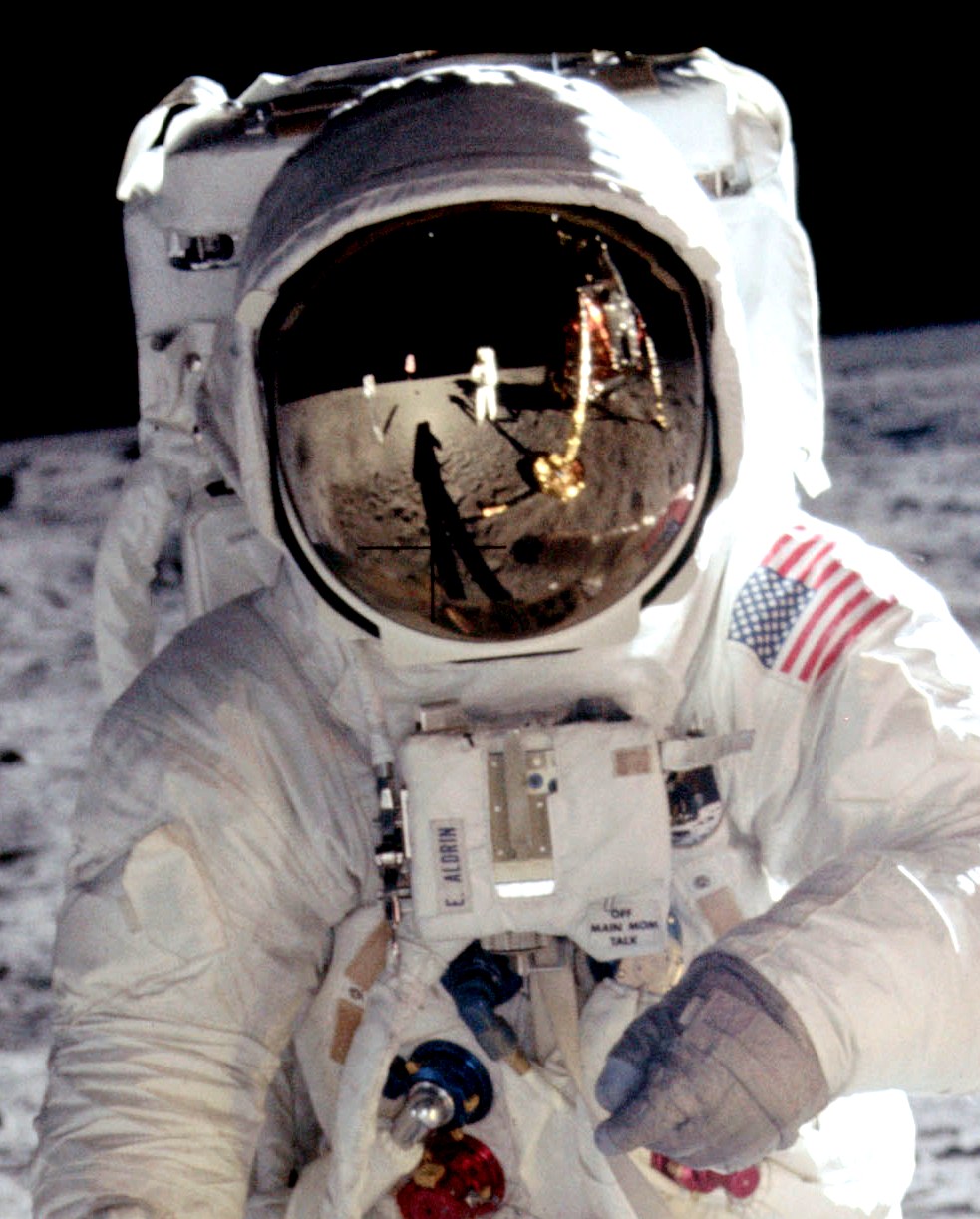
Apollo 14 launched in the late afternoon of January 31, 1971 on what was to be our third trip to the lunar surface. Five days later Alan Shepard and Edgar Mitchell walked on the Moon while Stuart Roosa, a former U.S. Forest Service (USFS) smoke jumper, orbited above in the command module. Packed in small containers in Roosa’s personal kit were hundreds of tree seeds, part of a joint NASA/USFS project. Upon return to Earth, the seeds were germinated by the Forest Service. Known as the Apollo “Moon Trees”, the resulting seedlings were planted throughout the United States (often as part of the nation’s bicentennial in 1976) and the world. They stand as a tribute to astronaut Roosa and the Apollo program.

The project began after Roosa was chosen for the Apollo 14 mission. Ed Cliff, Chief of the Forest Service, knew of Stuart Roosa from his days as a smokejumper and contacted him about bringing seeds into space. Stan Krugman of the Forest Service was put in charge of the project and selected the seeds for the experiment. Seeds were chosen from five different types of trees: loblolly pine, sycamore, sweetgum, redwood, and Douglas fir. The seeds were classified and sorted, and sealed in small plastic bags that were stored in a metal canister. Control seeds were kept on Earth for later comparison. Roosa carried possibly 2,000 or more seeds in the canister in his personal kit, a small canvas pouch that stayed with him as he orbited the Moon in the command module “Kitty Hawk” in February, 1971. Unfortunately, the seed bags burst open during the decontamination procedures after their return to Earth, and the seeds were scattered about the chamber and exposed to vacuum, and it was thought they might not be viable.
Stan Krugman collected the seeds and an attempt at germinating some of the seeds was made in Houston. Somewhat surprisingly, it proved successful and the seeds started growing, but they did not survive long because the facilities there were inadequate. A year later the remaining seeds were sent to the southern Forest Service station in Gulfport, Mississippi (sycamore, loblolly pine, and sweetgum) and to the western station in Placerville, California (redwood and Douglas fir) to attempt germination. Many of the seeds, and later cuttings, were successful and grew into viable seedlings. Some of these were planted with their Earth-bound counterparts as controls, (as might be expected, after over forty years there is no discernable difference) but most were given away in 1975 and 1976 to many state forestry organizations to be planted as part of the nation’s bicentennial celebration. These trees were southern and western species, so not all states received trees. A loblolly pine was planted at the White House, and trees were planted in Brazil, Switzerland, and presented to the Emperor of Japan, among others. Trees have also been planted in Washington Square in Philadelphia, at Valley Forge, in the International Forest of Friendship, and at various universities and NASA centers, reportedly in 40 different states.

Stuart Roosa was born on August 16, 1933, in Durango, Colorado. He worked for the Forest Service in the early 1950’s as a smoke jumper fighting fires and later joined the Air Force and became a test pilot. He was one of 19 people selected for the astronaut class of 1966 and was part of the astronaut support crew for Apollo 9. Following Apollo 14, Roosa was backup command module pilot for Apollo 16 and 17. He then worked on the Space Shuttle program until his retirement as a Colonel in the Air Force in 1976, the time when many of his trees were being planted. Roosa passed away in December 1994.
The Moon Trees continue to flourish, a living monument to our first visits to the Moon and a fitting memorial to Stuart Roosa. Believed locations of some of the original Moon Trees are listed below, but no list was ever kept nor any systematic tracking made of the disposition of all the trees. This list of Moon Trees was initiated by Dr. David R. Williams, retired curator at NASA’s National Space Science Data Center, after receiving a request for more information from Joan Goble, a third grade teacher in Indiana in 1996. Since then, dozens of people have contributed with information about other Moon Trees.
If you know of a Moon Tree not listed here or have a update to the status of one of those listed, please send a message to marie.j.henderson@nasa.gov.
| City and State | Location | Type of Tree | Planting Date |
|---|---|---|---|
| Birmingham, Alabama | Birmingham Botanical Gardens | Sycamore | 25 February 1976 |
| Montgomery, Alabama | State Capitol | Loblolly Pine | 19 April 1976 |
| Troy, Alabama | Pioneer Museum of Alabama | Loblolly Pine | 5 August 1976 |
| Tuscumbia, Alabama | Ivy Green | Loblolly Pine | 19 October 1976 |
| Tuskegee, Alabama | VA Medical Center | Loblolly Pine | 1976 |
| Tucson Arizona | University of Arizona | Sycamore | 30 April 1976 |
| Ft. Smith, Arkansas | Sebastian County Courthouse | Loblolly Pine | 15 March 1976 |
| Washington, Arkansas | Old Washington Historic State Park | Loblolly Pine | 15 March 1976 |
| Arcata, California | Humboldt State University | 3 Redwoods | 1976 |
| Berkeley, California | Tilden Nature Area | 2 Redwoods | 26 July 1976 |
| Lockeford, California | Lockeford Plant Materials Center | Redwood | 1979 |
| Monterey, California | Friendly Plaza | Redwood | 27 July 1976 |
| Sacramento, California | Capitol Park | Redwood | April 1976 |
| San Luis Obispo, California | Mission Plaza | Redwood | 30 July 1976 |
| Gainesville, Florida | University of Florida | Sycamore | c. 1977 |
| Keystone Heights, Florida | Keystone Heights Library | Sycamore | 1984 |
| Perry, Florida | Forest Capital State Park | Loblolly Pine | 29 April 1978 |
| Tallahassee, Florida | Cascades Park | Sycamore | |
| Tallahassee, Florida | Doyle Conner Building | Loblolly Pine | 1976 |
| Athens, Georgia | Clarke County Planning Dept. | Loblolly Pine | May 1976 |
| Macon, Georgia | Georgia Forestry Center | Loblolly Pine | 22 March 1976 |
| Waycross, Georgia | Okefenokee RESA | Loblolly Pine | |
| Boise, Idaho | Lowell Elementary School | Loblolly Pine | 1977 |
| Cannelton, Indiana | Camp Koch Girl Scout Camp | Sycamore | 1976 |
| Indianapolis, Indiana | Indiana Statehouse | Sycamore | 9 April 1976 |
| Lincoln City, Indiana | Lincoln State Park | Sycamore | 1 May 1976 |
| Atchison, Kansas | International Forest of Friendship | Sycamore | 24 July 1976 |
| Elmer, Louisiana | Palustris Experimental Forest | Loblolly Pine | April 1976 |
| Bethesda, Maryland | Society of American Foresters | Loblolly Pine | 30 September 1975 |
| Greenbelt, Maryland | Goddard Space Flight Center | Sycamore | 9 June 1977 |
| Holliston, Massachusetts | Holliston Police Station | Sycamore | 1982 |
| Niles, Michigan | Fernwood Botanical Gardens | Sycamore | 23 April 1976 |
| Biloxi, Mississippi | Private Residence | Sycamore | 1974-75 |
| Starkville, Mississippi | Mississippi State University | Sycamore | 1975 |
| Wiggins, Mississippi | Camp Iti Kana | Sycamore | April/May 1974 |
| DeSoto, Missouri | Walther Park | Sycamore | |
| Santa Fe, New Mexico | State Capitol Building | Douglas Fir | 22 July 1976 |
| Silver City, New Mexico | Gough Park | Sycamore | 15 August 1976 |
| Asheville, North Carolina | Botanical Gardens at Asheville | Sycamore | 19 March 1976 |
| Clyde, North Carolina | Haywood Community College | Sycamore | 1976 |
| Pisgah National Forest, North Carolina | Cradle of Forestry | Sycamore | 18 October 1976 |
| Jefferson County, Ohio | Friendship Park | Sycamore | 29 July 1976 |
| Corvallis Oregon | Oregon State University | Douglas Fir | Spring, 1976 |
| Eugene Oregon | University of Oregon | Douglas Fir | 1976 |
| Roseburg, Oregon | U.S. Veteran’s Hospital | Douglas Fir | 3 May 1976 |
| Salem, Oregon | State Capitol Building | Douglas Fir | 30 April 1976 |
| Salem, Oregon | Private Residence | 2 Douglas Firs | 1973 |
| Coudersport, Pennsylvania | Coudersport Area Recreational Park | Sycamore | Late 1970’s |
| Dillsburg, Pennsylvania | Dillsburg Elementary School | Sycamore | 29 April 1983 |
| Ebensburg, Pennsylvania | Cambria County Courthouse | Sycamore | 29 June 1976 |
| Hollidaysburg, Pennsylvania | Highland Hall | Sycamore | 5 May 1976 |
| King of Prussia, Pennsylvania | Lockheed Martin | Sycamore | 30 June 1976 |
| Newtown/Langhorne, Pennsylvania | Core Creek Park | Sycamore | 30 April 1976 |
| Topton, Pennsylvania | Topton Mini Museum | Sycamore | 20 June 1976 |
| Knoxville, Tennessee | University of Tennessee | Loblolly Pine | April 1976 |
| Sewanee, Tennessee | University of the South | Sycamore | April 1976 |
| Westlake, Texas | Private Residence | Sycamore | 1978 |
| Draper, Utah | Lone Peak Conservation Center | Sycamore | 1976 |
| Bracey, Virginia | River Ridge Campground | Sycamore | Unknown |
| Doswell, Virginia | Kings Dominion Amusement Park | Sycamore | 1976? |
| Hampton, Virginia | Patrick Elementary School | Sycamore | 30 April 1976 |
| Loudoun County, Virginia | Scott Jenkins Memorial Park | Sweetgum | September 1978 |
| Olympia, Washington | State Capitol Building | Douglas Fir | April 1976 |
| City and Country | Location | Type of Tree | Planting Date |
|---|---|---|---|
| Brasilia, Brazil | IBAMA Institute | Sweetgum | 14 January 1980 |
| Cambara do Sul, Brazil | Praça Central São José | Redwood | 26 September 1982 |
| Rio Grande do Sul, Brazil | Santa Rosa | Redwood | 18 August 1981 |
| Chavaniac, France | Chateau Lafayette | Sycamore status unknown | 1976 |
| City and State | Location | Type of Tree | Planting Date |
|---|---|---|---|
| San Francisco, California | Strybing Arboretum | Coast Redwood status unknown | 22 July 1976 |
| Savannah, Georgia | Unknown | Sycamore status unknown | Unknown |
| Pocatello, Idaho | Idaho State University | Douglas Fir status unknown | 18 May 1976 |
| Springfield, Illinois | State Capitol | Sycamore status unknown | 29 April 1976 |
| Des Moines, Iowa | State Capitol | Sycamore ? status unknown | 30 April 1976 |
| Baton Rouge, Louisiana | Governor’s Mansion | 2 Loblolly Pines status unknown | 16 January 1976 |
| Annapolis, Maryland | Tawes Garden | Sycamore status unknown | Unknown |
| Cleveland, Mississippi | Delta State University | Status Unknown | 1976 |
| Hattiesburg, Mississippi | University of Southern Mississippi? | Status Unknown | 1976 |
| Missoula, Montana | University of Montana | Douglas Fir Status Unknown | 17 July 1976 |
| Nebraska City, Nebraska | National Arbor Day Center | Status Unknown | 24 April 1976? |
| Monmouth County, New Jersey | Monmouth County Courthouse | Sycamore Status Unknown | |
| Albany, New York | Empire State Plaza | Sycamore status unknown | 1977? |
| Brooklyn, New York | Fulton Ferry | Sycamore status unknown | June 1976? |
| Buffalo, New York | Delaware Park Lake | Sycamore status unknown | 25 May 1977? |
| Rome, New York | Fort Stanwix | Sycamore status unknown | 1976? |
| Elkton, Oregon | D.L. Phipps State Forest Nursery | Douglas Fir status unknown | |
| Portland, Oregon | Western Forestry Center | Douglas Fir Status Unknown | 25 May 1976 |
| Emporium, Pennsylvania | Cameron County Courthouse | Sycamore Status Unknown | 15 May 1976 |
| Portersville, Pennsylvania | Moraine State Park | Sycamore status unknown | 4 August 1977 |
| City and State | Location | Type of Tree | Planting Date |
|---|---|---|---|
| Auburn University, Alabama | G.W. Andrews Forestry Sciences Lab | Loblolly Pine†, Sycamore† | 22 October 1976 |
| Huntsville, Alabama | U.S. Space and Rocket Center | 5 Sycamores†, 2 Pines† | 29 October 1976 |
| Flagstaff, Arizona | Flagstaff Jr. High School | Douglas Fir† | 30 April 1976 |
| Little Rock, Arkansas | Forestry Commission Headquarters | Loblolly Pine† | 15 March 1976 |
| Monticello, Arkansas | University of Arkansas at Monticello | Loblolly Pine† | 15 March 1976 |
| El Dorado Hills, California | St. Stephen’s Lutheran Church | Redwood† | 1976 |
| San Dimas, California | Technology & Development Center | Giant Sequoia?† | 29 March 1977 |
| Cape Canaveral, Florida | Kennedy Space Center | Sycamore† | 25 June 1976 |
| Gainesville, Florida | University of Florida | 2 Loblolly Pines† | c. 1977 |
| Boise, Idaho | State Capitol | Douglas fir† | 7 May 1976 |
| Moscow, Idaho | University of Idaho | Sycamore† | |
| Tell City, Indiana | Forest Service Office | 2 Sweetgums† | 1976 |
| New Orleans, Louisiana | New Orleans River Walk | Loblolly Pine† | June 1983 |
| New Orleans, Louisiana | NASA Michoud Assembly Facility | Loblolly Pine (2?)† | July 1976 |
| North Pembroke, Massachusetts | Historical Society | Sycamore† | April 1976 |
| Jackson, Michigan | Dahlem Environmental Education Center | Sycamore† | 22 April 1976 |
| Lansing, Michigan | State Capitol | Sycamore† | 22 April 1976 |
| Wyoming, Michigan | Wyoming Police Station | Sycamore† | 23 April 1976 |
| Waynesboro, Mississippi | Forestry Commission Nursery | Sycamore† | |
| Alamogordo, New Mexico | International Space Hall of Fame | Sycamore† | 5 October 1976 |
| Albuquerque, New Mexico | Civic Plaza | Douglas Fir† | 7 April 1976 |
| Capitan, New Mexico | Smokey Bear State Park | Sycamore† | 15 May 1976 |
| Athens, Ohio | District 4 Headquarters | Sycamore† | 20 July 1976 |
| Columbus, Ohio | City Nursery | Sycamore† | 1976 |
| Illinois Valley, Oregon | Siskiyou Smoke Jumpers Base | Douglas Fir† | |
| Portland, Oregon | World Forestry Center | Douglas Fir† | |
| Philadelphia, Pennsylvania | Washington Square | Sycamore† | 6 May 1975 |
| Elizabethton, Tennessee | Sycamore Shoals State Park | Sycamore† | April 1976 |
| Tullahoma, Tennessee | Arnold Air Force Base | Loblolly Pine† | April 1976 |
| College Station, Texas | Brazos County Arboretum | Sycamore† | 21 March 1976 |
| Salt Lake City, Utah | State Capitol Building | Douglas Fir† | |
| Doswell, Virginia | Kings Dominion Amusement Park | Sycamore† | 1976? |
| Washington, D.C. | White House | Loblolly Pine† | 19 January 1977 |
| Princeton, West Virginia | Forestry Sciences Lab | Sycamore† | 18 October 1975 |
† Trees no longer alive
The craters, mountains, and plains of the Moon stretched beneath the Apollo 14 Command and Service Module Kitty Hawk in…
Read the Story
Second-generation trees, either grown from seeds of mature Moon Trees or from cuttings, are also growing around the world and continue to be planted today. In memory of her father, Stuart Roosa’s daughter, Rosemary Roosa, has continued the legacy of the original Apollo 14 Moon Trees through promoting planting second-generation Moon Trees around the world.
| City and State | Location | Type of Tree | Planting Date |
|---|---|---|---|
| Enterprise, Alabama | Private Residence | Sycamore | 15 February 2002 |
| Enterprise, Alabama | Private Residence | Sycamore | 15 March 2003 |
| Huntsville, Alabama | Marshall Space Flight Center | Sycamore | 22 April 1996 |
| Lancaster, California | Lancaster Performing Arts Center | Sycamore | 23 September 2009 |
| Blue Lake, California | Ultra Powers Co. | Redwood | |
| Lake Arrowhead, California | MSAS Astronomy Village | Sycamore | May 1999 |
| Mountain View, California | Private Residence | Redwood | January, 1998 |
| Tampa, Florida | Museum of Science and Industry | Sycamore | 16 November 1996 |
| Hartwell, Georgia | Madora Garden Club | 4 Sycamores | Spring, 2006 |
| Boise, Idaho | National Interagency Fire Center | Sycamore | Spring, 2002 |
| Libertyville, Illinois | Adler Park School | Sycamore | 1 October 1997 |
| Indianapolis, Indiana | Greenbriar Elementary School | Sycamore | 22 April 1999 |
| Storm Lake, Iowa | Living Heritage Tree Museum | Sycamore | |
| Louisville, Kentucky | Louisville Zoo | Sycamore | |
| Stevensville, Maryland | Private Residence | Sycamore | Circa 1997 |
| Battle Creek, Michigan | Private Residence | Sycamore | May, 1998 |
| Buchanan, Michigan | Private Residence | Sycamore | 1996 |
| Wyoming, Michigan | Wyoming Police Station | Sycamore† | 23 April 1976 |
| Unionville, Missouri | Historic Tree Museum | Sycamore | November, 1988 |
| Wayne, New Jersey | Cyanamid Company | Sycamore | |
| Somers, New York | Lasdon Park and Arboretum | Sycamore | |
| Greensboro, North Carolina | Guilford College | Sycamore | Spring, 1995 |
| Rowan County, North Carolina | Sloan Park | Sycamore | |
| Canal Winchester, Ohio | Private Residence | Sycamore | August, 1996 |
| Fairfield, Ohio | Paper Products Company | Sycamore | 13 July 2016 |
| Cave Junction, Oregon | Siskiyou Smoke Jumpers Base | Douglas Fir | 6 October 2012 |
| Hockley, Texas | Private Residence | Sycamore | 15 April 2002 |
| Arlington, Virginia | Arlington National Cemetery | Sycamore | 9 February 2005 |
| Flamstead, England | Private Residence? | Sycamore | Summer, 2008 |
| Tradate, Italy | Tradate Astronomical Observatory | Loblolly Pine | 12 October 2011 |
| Lucern, Switzerland | Swiss Museum of Transport | Sycamore | 8 October 2011 |
† Trees no longer alive
If you are seeking detailed information about the Moon trees listed here, contact marie.j.henderson@nasa.gov.
A new generation of Moon Tree seeds traveled into lunar orbit aboard the Artemis I spacecraft in 2022. These Artemis Moon Tree seedlings have found homes with schools, museums, libraries, universities, and community organizations across the contiguous United States.
In a nod to the legacy of Apollo 14, and a celebration of the future of space exploration with NASA’s Artemis Program, a “New generation” of Moon Tree seeds traveled into lunar orbit aboard the Orion spacecraft. The seeds travelled thousands of miles beyond the Moon spending about 4 weeks in space before returning to Earth.
NASA’s Office of STEM Engagement partnered with U.S. Department of Agriculture Forest Services to fly five species of tree seeds aboard Artemis I as part of a national STEM Engagement and conservation education initiative.
Through NASA’s Office of STEM Engagement (OSTEM) and NASA’s Artifact Module, museums, universities, federal agencies, including NASA Field Centers, and K–12 serving organizations were invited to apply for ownership of a Moon Tree seedling. Recipient distribution schedule aligned to four planting cycles: Spring 2024, Fall 2024, Spring 2025, and Fall 2025.
Artemis I Moon Tree seedlings found new homes with schools, museums, libraries, universities, and community organizations across the United States. An open call to NASA’s Artifacts Module in Fall, 2023 welcomed over 1000 organization submissions, which were reviewed and ranked by a joint USDA Forest Service and NASA panel.
View the List of Stewards
In 2022 NASA’s Orion spacecraft returned to Earth with more than 2,000 tree seedlings sourced in a partnership with USDA…
Read the Story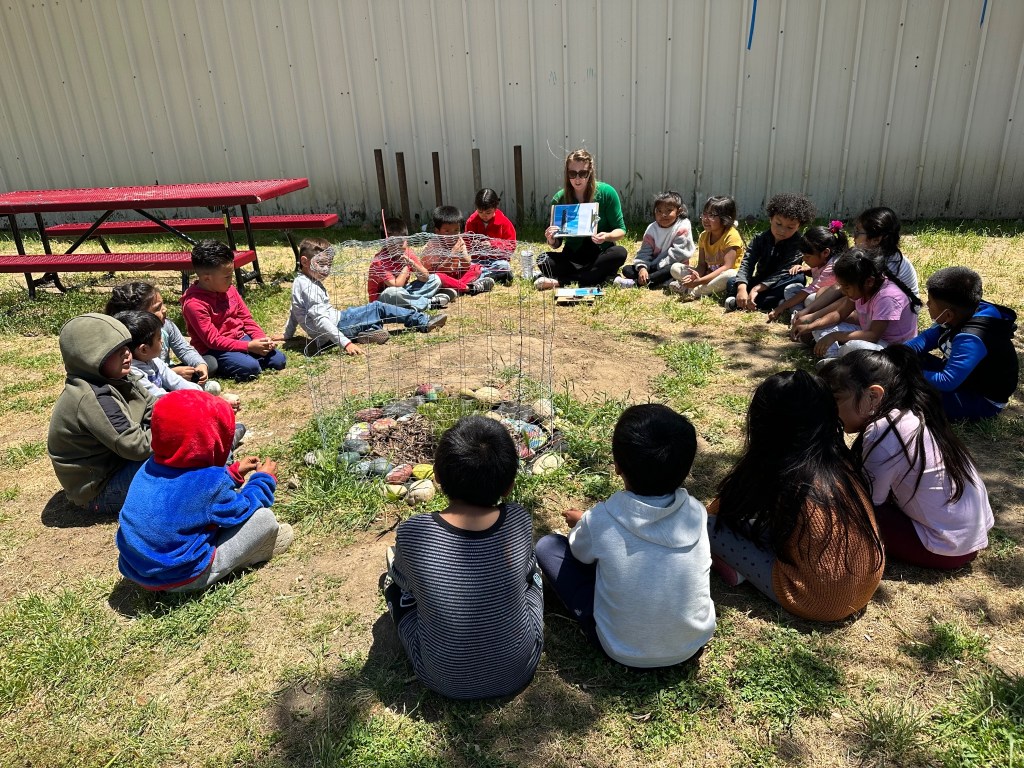
The post Moon Trees appeared first on NASA Science.
Russian cosmonaut Aleksandr Samokutyaev, who served twice as a crew member aboard the International Space Station (ISS), including during the final US space shuttle mission in 2011, has died at the age of 56.
With Samokutyaev's death on Wednesday, he becomes the first former ISS long-duration resident to die in the 26 years that the space station has been a home to 155 other cosmonauts and astronauts as expedition crew members. The cause of his death is unknown.
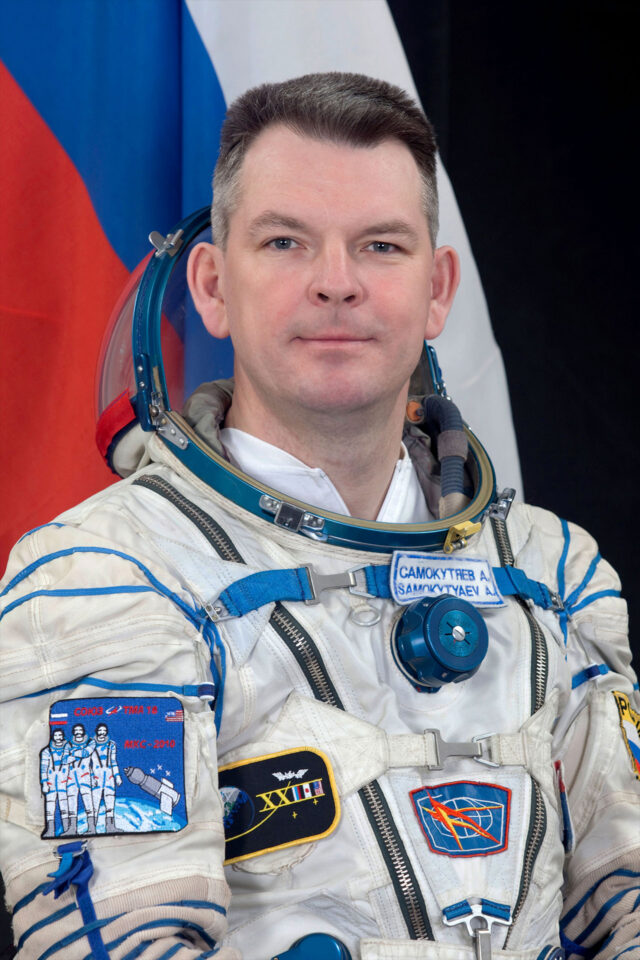 Portrait of cosmonaut Aleksandr Samokutyaev.
Credit:
Roscosmos
"The leadership and staff of the Roscosmos State Corporation extend their sincere condolences to the family and loved ones of Aleksandr Mikhailovich," officials with Russia's space agency said in a statement.
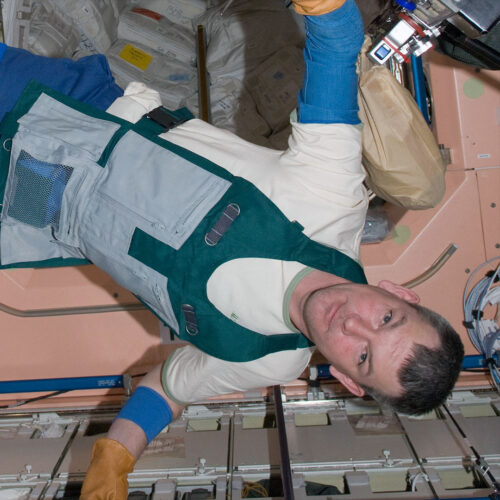
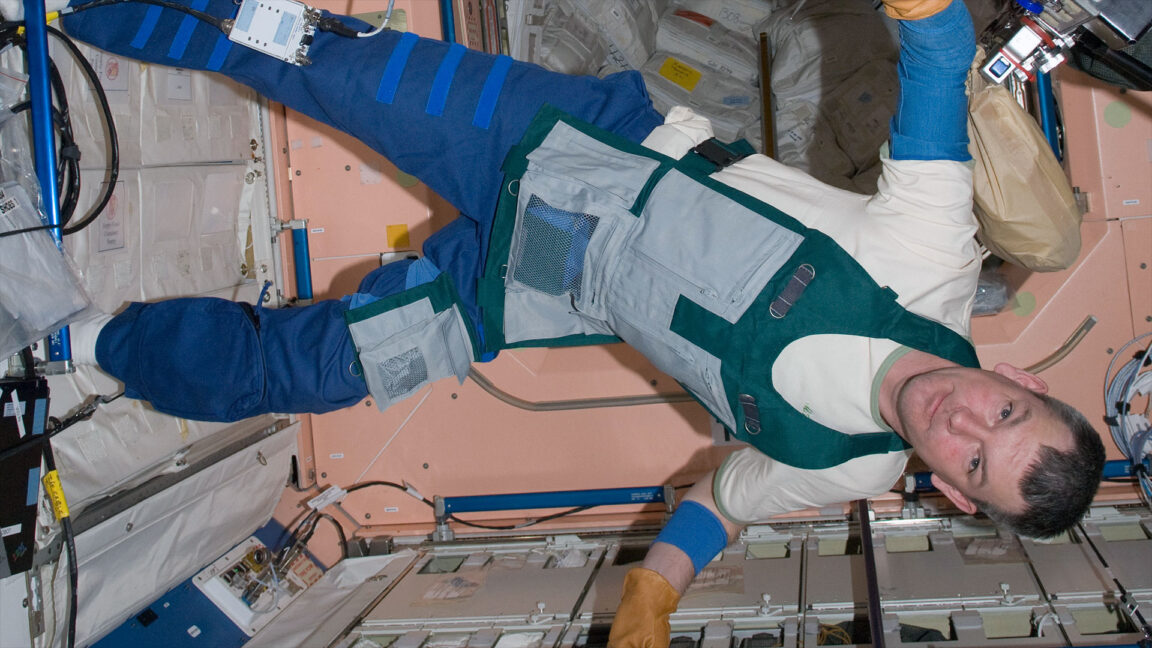
© NASA
Russian cosmonaut Aleksandr Samokutyaev, who served twice as a crew member aboard the International Space Station (ISS), including during the final US space shuttle mission in 2011, has died at the age of 56.
With Samokutyaev's death on Wednesday, he becomes the first former ISS long-duration resident to die in the 26 years that the space station has been a home to 155 other cosmonauts and astronauts as expedition crew members. The cause of his death is unknown.
Portrait of cosmonaut Aleksandr Samokutyaev.
Credit:
Roscosmos
"The leadership and staff of the Roscosmos State Corporation extend their sincere condolences to the family and loved ones of Aleksandr Mikhailovich," officials with Russia's space agency said in a statement.
© NASA
And researchers have a new theory for her untimely demise
The post The Model for Botticelli’s Venus Died at 23 appeared first on Nautilus.

One of the United States' most storied space launch sites has been cleared of its decades-old support towers, making way for modern rockets to use the pad. Space Launch Complex-6 (SLC-6) at Vandenberg Space Force Station is arguably better known for what did not lift off from there than for what did.
A series of demolition charges on Tuesday (June 16) brought down the access tower, mobile service tower, and what remained of the assembly building at SLC-6—pronounced "slick-six"—in Southern California. Once the location for the US Air Force's first effort to put humans into space and later, the West Coast launch site for the space shuttle, SLC-6 will next be used by SpaceX in support of Falcon 9 and Falcon Heavy missions.
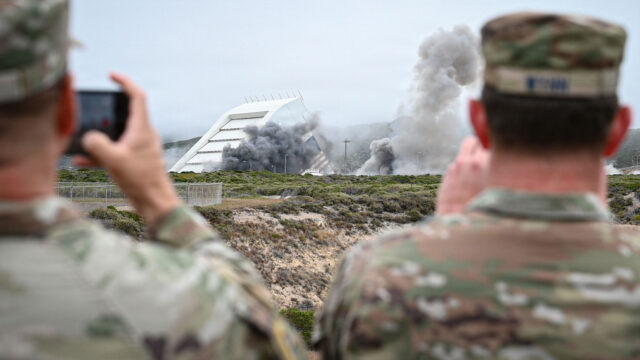 Vandenberg Space Force Base personnel watch as the assembly building at Space Launch Complex-6 (SLC-6) is toppled on June 16, 2026, to make way for SpaceX's use of the site.
Credit:
Space Launch Delta 30/Tech. Sgt. Draeke Layman
"Space Launch Complex-6 represents six decades of American innovation and our unwavering commitment to securing space superiority," Col. James T. Horne III, commander of Space Launch Delta 30 at Vandenberg, said in a statement. "By modernizing this historic footprint in partnership with our defense industrial base, we are building directly upon the foundation of our pioneers."
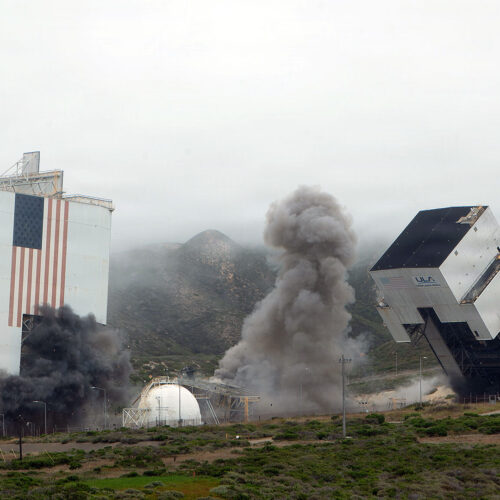
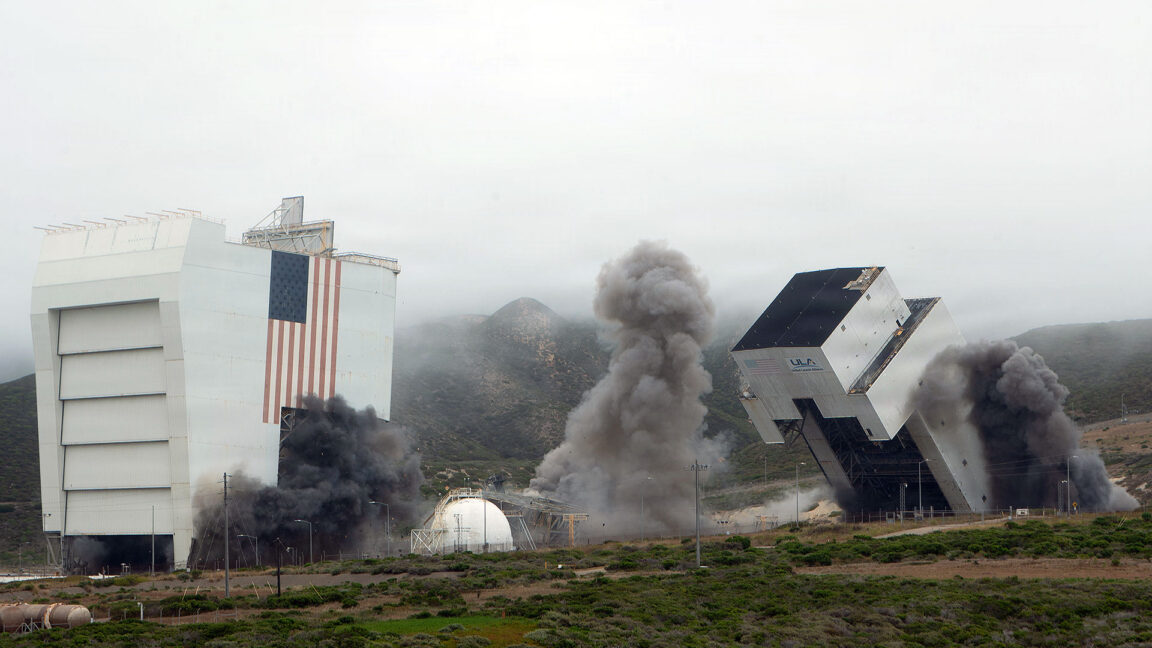
© Space Launch Delta 30/Staff Sgt. Daekwon Stith
In a groundbreaking study set to redefine our understanding of infectious disease risk post-incarceration, researchers have illuminated the heightened vulnerabilities faced by formerly incarcerated individuals in Lima, Peru, specifically concerning tuberculosis (TB). This investigation provides unprecedented evidence that the risk of TB remains substantially elevated even after individuals have been released from prison, posing serious public health challenges that extend beyond prison walls and timelines. The study, published in Nature Communications, draws critical attention to the intersection of social determinants, incarceration history, and tuberculosis epidemiology, offering essential insights that could pivot global TB control strategies.
Tuberculosis remains a formidable public health threat worldwide, exacerbated in settings marked by overcrowding, malnutrition, and limited access to healthcare—conditions prevalent in correctional facilities. However, the full scope of TB risk post-release has been insufficiently explored. The new findings from Lima reveal that the period following incarceration represents a window of sustained and potentially heightened TB risk, mandating urgent action in both public health policy and clinical care for this vulnerable population. By focusing on formerly incarcerated populations—a group often marginalized in health research—the study bridges a critical knowledge gap.
The investigation employed a longitudinal cohort design, tracking individuals released from prisons in Lima over several years. Advanced epidemiological modeling techniques were used to quantify the incidence of active tuberculosis following release, accounting for confounding variables such as age, gender, HIV status, socioeconomic conditions, and previous TB history. The rigor of the approach offers a robust, nuanced understanding of TB dynamics in this unique context, underscoring that incarceration and the period immediately after release must be treated as a continuum when assessing TB risk.
One of the pivotal revelations is the persistence of TB risk in the community setting following prison release, highlighting that the end of incarceration does not equate to the end of health vulnerability. This underscores how the prison environment, often characterized by high transmission rates and suboptimal health services, likely seeds infections that clinically manifest months or even years after release. Furthermore, systemic barriers such as stigma, limited healthcare access, and socioeconomic instability exacerbate disease outcomes and complicate efforts for early diagnosis and treatment.
The biological underpinnings of post-release tuberculosis susceptibility are multifactorial. Immunological stress associated with incarceration, compounded by conditions such as HIV co-infection or malnutrition, creates a permissive environment for latent Mycobacterium tuberculosis infection to reactivate. In addition, the stress of reintegration, disruption of treatment continuity, and potential exposure to TB in the community all converge to elevate risk. The study’s detailed analysis of these intertwined factors provides a clarion call for integrated interventions spanning correctional and community health services.
Perhaps most strikingly, the research highlights a critical temporal risk window—generally spanning the first two years post-release—during which TB incidence peaks. This temporal pattern suggests that interventions must be strategically timed to target this high-risk period. Enhanced screening, prophylactic therapy for latent TB infection, and improved linkage to care immediately following release could substantially reduce the disease burden for this population, thereby also curtailing community transmission chains.
The implications of this work extend well beyond Lima’s prisons. Globally, over 10 million people are estimated to be incarcerated annually, many in countries burdened with high TB prevalence. Understanding that TB risk persists and evolves post-incarceration challenges traditional paradigms that focus solely on active prison environments. Instead, comprehensive TB control must embrace a lifecycle perspective addressing social reintegration and continuity of care as integral to disease mitigation.
Health policy experts underscore the necessity of incorporating post-release care into national TB programs. This includes leveraging technologies such as mobile health platforms to monitor symptoms, ensuring continuity of TB preventive therapy, and addressing social determinants like housing instability and unemployment that underpin poor health outcomes. The Lima study’s findings provide empirical justification for allocating resources and redesigning healthcare delivery to encompass these critical components.
Moreover, the study accentuates that prisons are not isolated epidemiological entities but rather nodes interfacing with broader community health ecosystems. Tuberculosis transmitted within correctional facilities disproportionately affects communities to which incarcerated individuals return, amplifying TB transmission dynamics on a population scale. Addressing post-release TB risks, therefore, presents a compelling opportunity for broader epidemic control.
From a clinical perspective, the research advocates for routine post-release screening protocols and enhanced diagnostic vigilance among healthcare providers serving formerly incarcerated individuals. Diagnostic algorithms that incorporate risk stratification informed by incarceration history could enable earlier detection of active TB and latent infections prone to reactivation. The deployment of rapid molecular diagnostics in community settings could be particularly transformative.
This study also calls attention to necessary shifts in social policy. Eradicating stigma associated with incarceration and TB, facilitating reintegration support, and promoting equitable healthcare access are paramount. The intersectional vulnerabilities faced by formerly incarcerated populations demand an interdisciplinary approach encompassing health, social services, and criminal justice reform to break the cycle of disease and disadvantage.
Importantly, the nature of tuberculosis—a disease intricately tied to social determinants and biological factors—renders purely biomedical approaches insufficient. The Lima study’s integrative methodology, accounting for epidemiological, clinical, and social variables, sets a new standard for infectious disease research in marginalized populations. It paints a vivid portrait of how correctional and community health systems must synergize to effectively combat TB.
In conclusion, the findings emerging from Lima’s formerly incarcerated populations herald a paradigm shift in tuberculosis control. Recognition of the sustained, elevated risk post-incarceration compels a reevaluation of public health strategies to incorporate targeted post-release interventions. By bridging gaps between correctional health and community care, and acknowledging the complex socio-biological tapestry underpinning TB risk, the global health community can move closer toward the ambitious goals of TB elimination and improved health equity for vulnerable populations worldwide.
Subject of Research: Post-release tuberculosis risk among formerly incarcerated populations
Article Title: Post-release tuberculosis risk among formerly incarcerated populations in Lima Peru
Article References: Huang, CC., Brooks, M.B., Becerra, M.C. et al. Post-release tuberculosis risk among formerly incarcerated populations in Lima Peru. Nat Commun (2026). https://doi.org/10.1038/s41467-026-74436-8
Image Credits: AI Generated
In an unprecedented exploration of how entertainment media shapes public awareness of critical yet overlooked health care history, researchers from the University of Pittsburgh School of Public Health have unveiled compelling evidence that a single episode of the hit medical drama “The Pitt” catalyzed a surge in public knowledge about the Freedom House Ambulance Service. This pioneering emergency medical service, established in 1967 in Pittsburgh’s Hill District, holds the distinction of being the first EMS system in the United States staffed entirely by African Americans. Despite its foundational contributions to prehospital care, Freedom House’s legacy has languished in obscurity—until now.
The study, published in the American Journal of Health Promotion, marks a first-of-its-kind effort to quantitatively and qualitatively assess the impact of a scripted health-related storyline on public consciousness. Utilizing a multifaceted methodology that combined Google Trends analytics with comprehensive content analysis of Reddit discussions, the research team documented a remarkable 170% spike in online searches for “Freedom House” immediately following the episode’s original broadcast on February 20, 2025. This elevated search interest persisted for approximately one week, highlighting sustained public intrigue ignited by the storyline.
The TV episode in question, “2:00 P.M.” from the inaugural season, centers on Willie Alexander, an octogenarian patient navigating a glitching pacemaker while intermittently regaling the emergency department staff with medically accurate commentary about his case. As the narrative unfolds, viewers discover Willie’s own history as a former member of Freedom House Ambulance Service, affording a rare window into the challenges and triumphs of this groundbreaking group. Founded during a turbulent era marked by systemic racial inequities, Freedom House provided not only emergency medical transport but also vital paramedic training and community employment opportunities to African Americans excluded from many healthcare roles.
Despite its transformative community impact and innovative operational model, Freedom House was ultimately shuttered eight years after its inception when Pittsburgh transitioned EMS management to city authorities, who replaced the predominantly Black cadre with a mostly white workforce. The storyline poignantly underscores how Freedom House’s pioneering efforts were largely erased from mainstream recognition—a fact that elicited profound emotional responses from both the study participants and the viewing audience.
This resurgence of interest was catalyzed in part by the University of Pittsburgh’s public health researchers hosting a special screening event that included a panel discussion featuring six surviving members of Freedom House Ambulance Service. Their firsthand testimonies and reflections resonated deeply with attendees, many of whom expressed astonishment at learning about Freedom House only through the television narrative. According to Dr. Beth L. Hoffman, assistant professor of behavioral and community health sciences at Pitt Public Health and lead author on the study, the audience’s reactions illuminated a significant gap in public knowledge and a hunger for stories that reveal hidden chapters of health equity and systemic racism.
Coauthor Dr. Sylvia Owusu-Ansah, who also acted as medical consultant for “The Pitt,” articulated the personal significance of bringing Freedom House’s story to a broader audience. As an African American physician and emergency medical services director, Dr. Owusu-Ansah highlighted the importance of representation and the pride associated with recognizing historical pioneers who paved the way for greater diversity in healthcare professions. Her expertise ensured that the storyline accurately portrayed medical details while authentically conveying the sociohistorical context of Freedom House.
The research methodology deployed by the University of Pittsburgh team leveraged the power of social media as a digital ethnographic resource. Reddit, a platform where users engage in real-time discourse, served as a vital space to observe public reactions and information dissemination catalyzed by the episode. Analyzing nearly 200 posts, the researchers found a proliferation of content explicating Freedom House’s history, alongside emotional reactions ranging from surprise and admiration to frustration over the service’s historical obscurity. Many Reddit users proactively contributed context, fielded questions, and debated the implications of Freedom House’s narrative within broader conversations about racial equity in American medical history.
This study not only exemplifies the dynamic relationship between entertainment media and public health education but also reinforces the potential of thoughtfully crafted storylines to function as catalysts for social change. Dr. Hoffman emphasized that when narratives are developed collaboratively with subject matter experts ensuring accuracy and cultural sensitivity, even brief on-screen depictions can ignite expansive public engagement with complex health topics.
From a technical standpoint, the analysis underscores the utility of integrating traditional media impact studies with digital data analytics to capture both quantitative spikes in interest and the qualitative nuances of audience interpretation. The 170% increase in Google search volume represents a statistically significant indicator of episodic influence on information-seeking behavior, while the thematic coding of Reddit discourse provides insight into the multidimensional ways stories resonate across diverse audiences.
The resurgence of Freedom House’s legacy via “The Pitt” exemplifies how the intersection of media, medicine, and social justice can advance collective memory and awareness. It invites further exploration into harnessing entertainment platforms to shed light on marginalized histories and catalyze dialogue around systemic disparities in healthcare. Going forward, this case study sets a benchmark for future research on how fictional narratives enriched by authentic lived experiences can elevate public understanding and inspire advocacy.
In conclusion, the University of Pittsburgh’s investigation into the ripple effects of a medical drama’s nod to a historically crucial EMS pioneer reveals the transformative capacity of storytelling as a public health intervention. By rekindling interest in the Freedom House Ambulance Service, the research not only honors the unsung heroes of emergency medicine but also energizes ongoing discussions about health equity, systemic racism, and the power of media to inform and engage society at large.
Subject of Research: Not applicable
Article Title: Public Awareness of Freedom House Ambulance Service After Viewing the Pitt
News Publication Date: 10-Jun-2026
Web References:
References:
Hoffman, B. L., Owusu-Ansah, S., Fawole, O., Leshniowsky, K. (2026). Public Awareness of Freedom House Ambulance Service After Viewing the Pitt. American Journal of Health Promotion. DOI: 10.1177/08901171261460703
Keywords: Social media, Medical specialties, Emergency medicine, Mass media, Television, History of medicine, Health equity, Systemic racism, Prehospital care, Public health education
One of the United States' most storied space launch sites has been cleared of its decades-old support towers, making way for modern rockets to use the pad. Space Launch Complex-6 (SLC-6) at Vandenberg Space Force Station is arguably better known for what did not lift off from there than for what did.
A series of demolition charges on Tuesday (June 16) brought down the access tower, mobile service tower, and what remained of the assembly building at SLC-6—pronounced "slick-six"—in Southern California. Once the location for the US Air Force's first effort to put humans into space and later, the West Coast launch site for the space shuttle, SLC-6 will next be used by SpaceX in support of Falcon 9 and Falcon Heavy missions.
Vandenberg Space Force Base personnel watch as the assembly building at Space Launch Complex-6 (SLC-6) is toppled on June 16, 2026, to make way for SpaceX's use of the site.
Credit:
Space Launch Delta 30/Tech. Sgt. Draeke Layman
"Space Launch Complex-6 represents six decades of American innovation and our unwavering commitment to securing space superiority," Col. James T. Horne III, commander of Space Launch Delta 30 at Vandenberg, said in a statement. "By modernizing this historic footprint in partnership with our defense industrial base, we are building directly upon the foundation of our pioneers."
© Space Launch Delta 30/Staff Sgt. Daekwon Stith
 This horrid disease has been with us for much longer than we thought.
 He also strapped wings to his hands and feet and glided for 200 meters.
The Soviet Union beat the United States to the punch by 20 years
The post This Cosmonaut Was the First Woman in Space appeared first on Nautilus.

In a groundbreaking study poised to reshape our understanding of Earth’s deep interior dynamics, researchers have unveiled a comprehensive model elucidating the genesis of the extensive large igneous provinces (LIPs) in the Pacific Ocean during the Early Cretaceous period. These massive volcanic events, which left a profound imprint on the planet’s geological record, had long been attributed to various causes including isolated mantle plumes, tectonic slab return flows, or complex plume–ridge interactions. This latest research integrates geophysical modeling with paleogeographic data to reveal a multifaceted interplay between mantle convection processes, subducting tectonic plates, and migrating mid-ocean ridges that collectively controlled the timing, location, and intensity of LIP formation.
The Pacific Ocean’s Early Cretaceous LIPs, encompassing some of the largest volcanic eruptions in Earth’s recent history, had puzzled researchers due to their sporadic yet intense episodes of basaltic outpourings. Historically, hypotheses have swung between attributing these vast eruptions to the arrival of deep superplumes—a concept suggesting stable, buoyant columns of hot mantle material rising from the core-mantle boundary—to mechanisms involving return flows of cold slabs being subducted beneath the Pacific basin. Adding complexity, the interaction between these mantle upwellings with tectonic spreading ridges has also been proposed as a trigger for massive melt generation. Yet, until now, a unified mechanistic explanation that could integrate these disparate phenomena remained elusive.
The pivotal insight of the new study comes from advanced mantle flow simulations constrained by precise paleogeographic reconstructions of Early Cretaceous plate configurations. By projecting plate motions and subduction geometries back in time, the researchers were able to create dynamic models of mantle convection patterns beneath the Pacific basin. These simulations revealed a stable pattern of thermally buoyant mantle upwellings, or plumes, persisting between approximately 165 million and 80 million years ago. Intriguingly, these upwellings were not isolated features but were rooted above enduring lower mantle thermal anomalies, suggesting the importance of inherited mantle structure in shaping convective behavior.
A particularly striking finding emerged around 130 to 125 million years ago, when the intensity of mantle upwelling reached its zenith. This peak activity appears fundamentally linked to an increase in slab flux beneath the Pacific realm, where enhanced subduction rates delivered cold tectonic plates deeply into the mantle, inducing a return flow that effectively strengthened the buoyant upwellings. This coupling indicates that rather than being independent processes, subduction dynamics and preexisting mantle heterogeneities synergistically elevate mantle temperatures and buoyancy, fostering conditions ripe for extensive melting and volcanic activity.
The study highlights the critical role of mantle-ridge interaction in modulating LIP genesis. Around 145 to 120 million years ago, migrating spreading ridges—regions where tectonic plates diverge, allowing mantle material to rise and solidify as new crust—passed over these vigorous upwellings. The models suggest that when spreading ridges intersected with zones of intense heat advection from the underlying mantle plumes, the accompanying thermal anomaly slowed ridge propagation. This transient deceleration enhanced the efficiency of mantle melting, channeling voluminous magma to Earth’s surface and triggering the prolific LIP eruptions witnessed in the geological record.
However, subsequent to this period of intense volcanic activity, the simulations indicate a pronounced decline in LIP eruption frequency and magnitude. This downturn corresponds to a combination of factors: a weakening of mantle upwelling intensity as slab flux diminishes, and the accelerated migration of spreading ridges away from the central Pacific mantle plumes. Such dynamic decoupling reduces the capacity for significant mantle melting beneath the ridges, thereby suppressing the generation of large-scale igneous provinces.
The revelations of this study carry profound implications for our grasp of Earth’s mantle convection and its surface expressions. The joint control of radial heat advection by slab flux and inherited lower-mantle structures innovatively bridges the gap between mantle plume theory and plate tectonic processes. It underscores the necessity of considering the deep Earth’s thermal architecture not as static but as an evolving, inherited template that interacts intricately with episodic tectonic phenomena to produce massive surface volcanism.
Moreover, the research offers a nuanced perspective on the temporal and spatial variability of LIP occurrences. The inferred stability of the central Pacific mantle upwellings over tens of millions of years challenges the traditional view that mantle plumes are transient or short-lived. Instead, the presence of deep-rooted thermal anomalies suggests longevity that serves as a backdrop for dynamic tectonic events, providing fertile mantle heat reservoirs that can be tapped repeatedly under favorable conditions.
The evidence for spreading ridges acting as crucial melting amplifiers rather than mere passive features reshapes existing paradigms around mid-ocean ridge evolution. The transient slowing of ridge migration due to underlying thermal anomalies offers a novel mechanism explaining how mantle melting can be efficiently modulated over geological timescales. This insight emphasizes the interconnectedness of deep mantle processes and plate boundary dynamics, illuminating a feedback system where surface plate motions influence, and are influenced by, mantle convection.
Such a feedback mechanism further accounts for the spatial clustering and episodic nature of LIP eruptions in the Pacific basin. As spreading ridges move relative to mantle plumes, the precise location and intensity of melting episodes shift, giving rise to spatially focused volcanic provinces at certain intervals. This dynamic explains observed geological distributions that earlier models struggled to fully capture, providing a cohesive narrative linking mantle physics, tectonic processes, and surface volcanism.
In addition to unraveling long-standing geological puzzles, this study also enhances predictive frameworks that may be vital for understanding the Earth’s future geodynamic behavior. The coupling between slab dynamics, mantle structure, and ridge migration suggests that monitoring contemporary subduction zones and spreading ridges could illuminate potential sites of enhanced mantle melting, which could, in extreme cases, relate to future volcanic hazards or crustal growth episodes.
The sophisticated modeling approaches employed further demonstrate the power of integrating multi-disciplinary datasets in geosciences. The confluence of plate reconstructions, mantle convection simulations, and thermal structure analyses exemplifies a holistic methodology transcending traditional disciplinary boundaries. This approach not only advances fundamental scientific knowledge but also opens avenues for exploration into Earth’s deep processes that underpin surface phenomena critical to the planet’s evolution.
While the findings present a compelling mechanism for Early Cretaceous LIP activity in the Pacific, the study also raises exciting questions about the potential for analogous mantle-plume and ridge interactions in other oceanic basins and geological epochs. Could similar dynamics explain volcanic provinces elsewhere, or are these processes unique to the Pacific’s mantle and tectonic configuration during that period? Future research targeted at extending these models globally and temporally promises to deepen our understanding of Earth’s geodynamic engine.
In conclusion, the fusion of mantle convection modeling with tectonic and paleogeographic data in this research provides a transformative lens on one of Earth’s most dramatic volcanic phenomena. The identification of vigorous mantle convection driven by tiered slab flux and legacy mantle structures, alongside nuanced ridge-upwelling interactions, charts a paradigm shift in interpreting large igneous province formation. These revelations not only solve longstanding enigmas of the Cretaceous Pacific LIPs but also refine the broader framework within which mantle dynamics and surface tectonics coalesce to sculpt our planet’s geological evolution.
As our planet continues to evolve, studies like this reaffirm the deep interconnectivity of processes spanning from Earth’s core to its crust, reminding us of the subtly intertwined forces shaping the planet on scales across both space and time. Through sophisticated simulations and integrative science, the tantalizing mysteries of Earth’s volcanic past inch closer to clarity, offering unprecedented glimpses into the fiery heart of our dynamic planet.
Subject of Research: Mantle convection dynamics and formation of large igneous provinces during the Early Cretaceous period in the Pacific Ocean.
Article Title: Vigorous mantle convection triggered the Cretaceous Pacific large igneous provinces.
Article References:
Deng, D., Li, S., Cao, X. et al. Vigorous mantle convection triggered the Cretaceous Pacific large igneous provinces. Nat. Geosci. (2026). https://doi.org/10.1038/s41561-026-02016-y
Image Credits: AI Generated




 These 23 words link modern and extinct languages. You would have been understood if you used them 15,000 years ago.
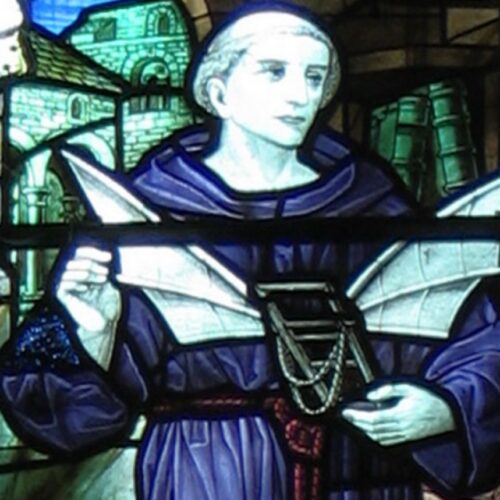
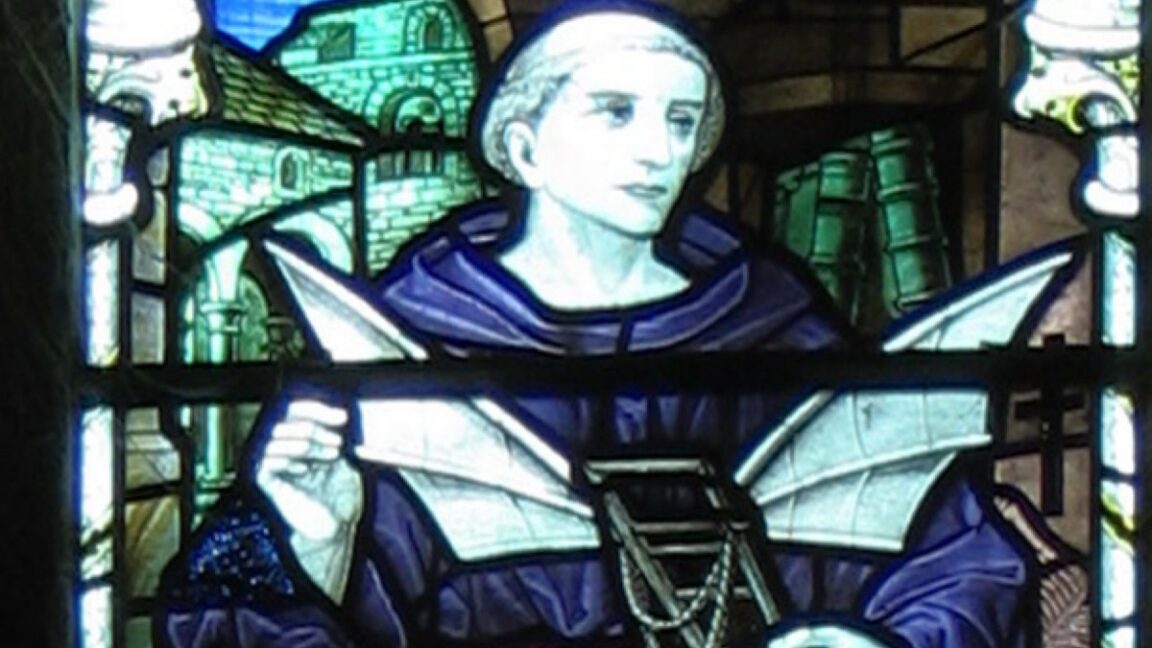
Early in the 11th century, a young Benedictine monk named Eilmer jumped from the 150-foot tower of his abbey in the small English town of Malmesbury, wearing a pair of crude wings he’d fashioned from willow wood and cloth. Eilmer managed to glide a good 600 feet, passing over the city wall before crash-landing in a small valley near the river Avon. The fall broke both his legs, crippling him. Malmesbury Abbey still boasts a stained-glass window in honor of Brother Eilmer.
This legendary experiment in medieval aviation comes to us via 12th-century historian William of Malmesbury in an account written circa 1125, although William neglected to provide future historians with an exact date for the feat. But William does mention another key episode in Eilmer's life when the monk was "advanced in years": Eilmer witnessed Halley's comet in 1066, commenting, "It is long since I saw you." Some historians have interpreted this to mean that Eilmer saw Halley's comet on an earlier fly-by in 989, when he would have been a young boy.
Assuming Eilmer was at least 5 years old in 989, he would have been born no later than 984. This would make Eilmer in his 80s in 1066, with his attempt at flight—which occurred when he was "in his first youth"—likely falling between 1000 and 1010. However, it's an estimate that is based on a lot of assumptions, according to James Aitcheson of the University of Leicester, who argues in a paper published in the journal Notes and Queries that Eilmer may have seen a different comet altogether in his youth—the comet of 1018. If so, he would have been born much later, and the date of his flight would have occurred between the 1020s and 1040s.
© Andrew Dunn/CC BY-SA 2.0

You don't really ever have to explain why a universal remote is a good idea. You have a bunch of stuff that needs controlling; this thing controls them all. Many companies have set out to build a product worthy of this idea, and one product came much closer than most. It was called the Harmony, and for many years it was the best universal remote on the market. Maybe the only one that mattered. And still, even the Harmony couldn't make it work.
On this episode of Version History, we tell the story of the Harmony. The Verge's David Pierce, Nilay Patel, and John Higgins are joined by Matt Rogers, the CEO of Mill and former cofounder of Nest, t …
 Rare charcoal fragments from an ancient lakeshore campsite are offering new clues about fire use, resource management, and the environmental knowledge of some of humanity’s earliest fire users. Long before cities, farms, or written language existed, some of humanity’s ancestors had already discovered a resource that would transform the course of human evolution: fire. But [...]