We’re used to a lot of different natural things falling out of the sky. These can include snow, rain, and sometimes even frogs (yes, really). All of these relate to weather phenomena. Far more exotic things fall from the sky that are not related to weather. Earth is pelted by about 14 tons of micrometeoritesContinue reading "A meteorite impact may have once rained gold on Western Australia – new study"
Even small asteroids lead complex lives. During its flyby of the asteroid Donaldjohanson last year, NASA’s Lucy spacecraft revealed the asteroid to be a wobbly, peanut-shaped body that has undergone a lot of activity in its relatively short history. Formed as fragments coalesced after a violent collision 155 million years ago, the asteroid was transformed by the small but inexorable force of the Sun’s radiation, all while retaining signs of the brief presence of liquid water in its distant past.
Zooming through the main asteroid belt toward one of the Jupiter Trojan asteroid groups, the Lucy spacecraft collected the first close-up images and other data at Donaldjohanson on April 20, 2025, as it passed 650 miles away from the asteroid. The data revealed that, instead of spinning simply around one axis like most other asteroids and planets, Donaldjohanson has a more complicated two-axis rotation. Scientists also saw Donaldjohanson’s peanut shape and the craters and ridges on its surface.
A timelapse video made from images taken by NASA’s Lucy spacecraft as it approached the asteroid Donaldjohanson on April 20, 2025. The L’LORRI (Lucy Long Range Reconnaissance Imager) instrument, the spacecraft’s high-resolution black-and-white imager, collected these images over two hours as the spacecraft rapidly closed in on the asteroid from an initial separation of more than 58,000 miles (93,000 km), until the spacecraft passed a mere 650 miles (1000 km) from the 5-mile- (8 km-) wide asteroid.
NASA/Goddard/SwRI/JHU-APL
Lucy’s encounter with the asteroid was planned as a dress rehearsal for the spacecraft and mission team before its primary asteroid encounters, which begin with Lucy’s flyby of the Trojan asteroid Eurybates on Aug. 12, 2027. The instruments performed as expected, and, as a bonus, scientists got a rare opportunity to study a previously unexplored asteroid up close and to compare it to two asteroids with similar compositions but different histories: Bennu, the target of NASA’s OSIRIS-REx sample-return mission, and Ryugu, the site of JAXA’s (Japan Aerospace Exploration Agency) Hayabusa2 sample-return mission.
With Earth-based telescopes, observers saw fluctuations in the light Donaldjohanson reflects, regular patterns of peaks and valleys, typical of an elongated object rotating once every 10.5 Earth days. But Lucy’s data revealed another pattern: Donaldjohanson appears to be rotating like a wobbly top. Paper authors reported that the asteroid rotates end-over-end once every 10.5 Earth days, and wobbles back and forth around its long axis once every 26.5 days.
The asteroid Donaldjohanson is shown slowly rotating in a tumbling, non-principal axis motion, with its angular momentum vector and rotation axes indicated. The surface is colored by gravity slope, which measures the angle between the local surface and the direction of gravity. Higher values (warmer colors) indicate steeper terrain relative to the local gravitational pull. Regions with limited stereo image coverage have been masked out where the shape model is less well constrained.
Kel Elkins/NASA’s Science Visualization Studio/DLR
Peanut shape
While the Earth-based observations hinted at Donaldjohanson’s elongated shape, the Lucy flyby revealed a “bilobate” structure: two lobes connected by a neck, like a peanut. These lobes are likely two fragments from an asteroid collision that gently came together afterward by their mutual gravity.
Donaldjohanson likely rotated at least 10 times faster when it formed, having slowed to its current rate in the last 20 to 60 million years, the team estimates. As it slowed, the balance between the centrifugal force pushing things apart and gravity pulling things together changed and loose rocky material slid down slopes creating the worn-down appearance of many craters, as the flyby images showed.
The paper’s authors say that the asteroid’s slowing rotation is likely caused by a subtle consequence of solar heating known as the YORP effect. Each part of the asteroid’s Sun-warmed surface radiates heat away as infrared light, and that radiation imparts a tiny recoil force to the surface. Because the asteroid’s shape isn’t symmetric, this results in a net torque, or twist, that can change the asteroid’s rotation. Thus, YORP can slow asteroid spins down or speed them up, as in the case of Bennu (once every four hours) and Ryugu (once about every seven hours), which both likely used to rotate much slower than they do today.
Fleeting water
As it passed by Donaldjohanson at 30,000 mph, Lucy recorded the signatures of iron-rich clay minerals on the surface. These clays must have formed in the distant past with the help of liquid water. However, the exposure must have been brief, Lucy scientists concluded, because iron in clays tends to be replaced with other elements, such as magnesium, as water lingers.
Indeed, scientists saw magnesium-rich clays at Bennu and Ryugu, which suggested prolonged water exposure, perhaps lasting millions of years, when they were still part of larger asteroids.
This difference in water exposure history, and other characteristics, may mean that the parent bodies of these asteroids formed at different times or in different regions of the solar system before relocating to the main belt.
Compare, contrast
Donaldjohanson is thought to be made from rocky remnants of a larger, carbon- and water-rich asteroid that collided with another object in the main asteroid belt. Bennu and Ryugu are thought to have formed in the same way and in the same region.
But Donaldjohanson is different. At 155 million years old, it is much younger than Bennu and Ryugu, which formed 1 to 2 billion years ago. Donaldjohanson also has remained in the asteroid belt since birth, while its wandering cousins migrated into orbits around the Sun that bring them close to Earth’s orbit about once a year (which made them perfect close targets for sample return missions).
During its April 20, 2025, encounter with the main-belt asteroid Donaldjohanson, NASA’s Lucy spacecraft discovered evidence for iron-rich clays on the surface using its infrared spectrometer. These clays, which are similar to those found in carbon-rich meteorites such as QUE 97990, indicate that water was briefly present in the asteroid during the distant past.
NASA/Goddard/SwRI/Dan Gallagher
“It’s helpful for scientists to compare Donaldjohanson with asteroids like Bennu and Ryugu, which are seemingly similar asteroids, because every subtle difference is another clue to our origin story,” said Simone Marchi, Lucy deputy principal investigator and lead author of the study at the Boulder, Colorado, office of the Southwest Research Institute.
“Once we start learning more about the Trojans, a completely different population of space rocks with very different histories, our understanding of solar system formation is destined to be challenged,” said Marchi.
Named after a fossilized skeleton of a human ancestor discovered in Ethiopia in 1974, NASA’s Lucy will be the first mission to explore Jupiter’s Trojan asteroids, a population of well-preserved space rocks that formed early in our solar system’s history and could help scientists understand how the planets formed and moved around before settling in their current configuration.
Lucy’s principal investigator is based out of the Boulder, Colorado, branch of Southwest Research Institute, headquartered in San Antonio. NASA’s Goddard Space Flight Center in Greenbelt, Maryland, provides overall mission management, systems engineering, and safety and mission assurance. Lockheed Martin Space in Littleton, Colorado, built the spacecraft. Lucy is the 13th mission in NASA’s Discovery Program. NASA’s Marshall Space Flight Center in Huntsville, Alabama, manages the Discovery Program for the agency’s Science Mission Directorate in Washington.
For more information on NASA’s Lucy mission, visit:
Zooming through the main asteroid belt toward one of the Jupiter Trojan asteroid groups, the Lucy spacecraft collected the first close-up images and other data at Donaldjohanson on April 20, 2025, as it passed 650 miles away from the asteroid. The data revealed that, instead of spinning simply around one axis like most other asteroids and planets, Donaldjohanson has a more complicated two-axis rotation. Scientists also saw Donaldjohanson’s peanut shape and the craters and ridges on its surface.
In a groundbreaking advancement that could revolutionize cancer prognosis and treatment, a team of researchers led by Liu, X., Dai, F., and Dai, J., has unveiled a sophisticated multimodal multitask deep learning system for grading management in non-small cell lung cancer (NSCLC). Published recently in Nature Communications, this innovative approach integrates diverse data modalities through an advanced artificial intelligence framework, demonstrating unprecedented accuracy and efficiency in tumor grading and patient stratification—key factors in tailoring personalized therapies and improving patient outcomes.
Non-small cell lung cancer remains one of the leading causes of cancer-related mortality worldwide, largely due to its heterogeneity and the challenge of precise tumor grading. Traditional grading methods rely heavily on histopathological analysis, which, while indispensable, faces limitations in capturing the complex biological and morphological variations across patients. This novel multimodal multitask network leverages deep learning’s capacity to extract nuanced features across multiple data types, including histology images, radiographic scans, and molecular profiles, effectively capturing the multidimensional nature of the disease.
The core innovation of this system lies in its multitask learning architecture, which simultaneously addresses multiple clinical endpoints—tumor grading, staging, and survival prediction—within a unified model. This approach contrasts with previous single-task models that focus on one predictive target, often neglecting the interdependencies among clinically significant tasks. By jointly optimizing these objectives, the model enhances its robustness and clinical utility, improving prognostic accuracy and enabling more informed decision-making.
From a technical perspective, the deep learning model employs convolutional neural networks (CNNs) tailored to each data modality. For imaging data, sophisticated CNN architectures with residual connections enable hierarchical feature extraction, while genomic and proteomic data are processed via fully connected layers, integrated through fusion mechanisms within the network. Crucially, the system employs attention mechanisms that dynamically weigh contributions from each data source, ensuring that the most relevant features guide the tumor grading process. This multimodal fusion enhances interpretability, as clinicians can trace back which data aspects influence the model’s predictions.
The training dataset comprises an extensive cohort of NSCLC patients, encompassing thousands of digitized histopathology slides, CT images, and matched molecular data. The researchers implemented rigorous preprocessing pipelines to normalize and augment the data, addressing variability inherent in clinical datasets. Importantly, domain adaptation techniques were employed to mitigate batch effects and imaging protocol heterogeneity, ensuring the model’s generalizability across different clinical settings and patient populations.
Performance metrics reported in the study underscore the system’s superiority over conventional grading methods and previous AI models. With an area under the receiver operating characteristic curve (AUC-ROC) exceeding 0.90 for tumor grading tasks, the model exhibits remarkable sensitivity and specificity. Notably, survival prediction tasks achieved similarly high accuracy, enabling stratification of patients into risk categories with potential to guide treatment intensification or de-escalation.
In addition to diagnostic accuracy, the system’s design emphasizes clinical workflow integration. The researchers developed an interactive platform allowing pathologists and oncologists to visualize model outputs alongside raw data, fostering collaborative interpretation. This interface incorporates uncertainty quantification and confidence scores, aiding clinicians in evaluating prediction reliability and assimilating AI-driven insights with clinical judgment.
The researchers also addressed ethical and regulatory considerations critical for clinical deployment. Data privacy was preserved through federated learning techniques during model training, circumventing the need for centralized data storage and enabling multi-institutional collaboration without compromising patient confidentiality. Moreover, the model’s transparent architecture and interpretability features facilitate compliance with emerging AI governance frameworks and regulatory approvals.
Beyond the immediate clinical implications, this study exemplifies the transformative potential of deep learning for precision medicine. By capturing tumor heterogeneity through multimodal data fusion, it paves the way for dynamic tumor characterization that adapts to evolving cancer biology over time, potentially informing adaptive therapy paradigms. Furthermore, the model’s multitask structure could be extended to other malignancies or complex diseases characterized by multifactorial phenotypes.
The authors highlight several avenues for future research, including prospective clinical trials to assess real-world efficacy and impact on treatment outcomes. Plans to incorporate longitudinal patient data hold promise for modeling disease progression and therapy resistance. Additionally, incorporating emerging data modalities such as circulating tumor DNA and spatial transcriptomics could further refine the grading system’s sensitivity and specificity.
In summary, this landmark study ushers in a new era of AI-driven oncology, where deep learning models not only automate grading but also synthesize heterogeneous clinical data to empower personalized management in NSCLC. By bridging computational innovation and clinical applicability, it stands to significantly enhance diagnostic precision, treatment planning, and ultimately patient survival in a notoriously challenging cancer type.
As research continues to unravel the complexities of NSCLC, such sophisticated AI frameworks represent vital tools in the quest to deliver more effective, individualized care. The collaborative effort showcased by Liu, Dai, and colleagues sets a compelling precedent for harnessing multimodal data integration and multitask deep learning to tackle other pressing challenges in oncology and beyond.
Subject of Research: Multimodal multitask deep learning for tumor grading and management in non-small cell lung cancer
Article Title: Multimodal multitask deep learning for grading management system in non-small cell lung cancer
Article References: Liu, X., Dai, F., Dai, J. et al. Multimodal multitask deep learning for grading management system in non-small cell lung cancer. Nat Commun (2026). https://doi.org/10.1038/s41467-026-74474-2
Ebola Virus Finds Sanctuary in the Brain: Breaking Ground with Human Cerebral Organoids
In a landmark study published in Nature Microbiology, researchers from the Icahn School of Medicine at Mount Sinai and the Bernhard Nocht Institute for Tropical Medicine (BNITM) have uncovered how the deadly Ebola virus can persist and replicate stealthily within the human central nervous system. By leveraging cutting-edge cerebral organoid models—three-dimensional brain-like structures derived from human pluripotent stem cells—the team has shed light on the viral mechanisms that allow long-term survival, raising critical implications for treatment and prevention strategies of Ebola virus disease (EVD).
It has long been a harrowing clinical observation that survivors of acute Ebola infections sometimes suffer relapses or develop inflammatory syndromes months or even years after recovery. This enduring threat is attributed to the virus’s ability to hide out in “immune-privileged” regions of the body—such as the central nervous system (CNS)—where the immune surveillance is deliberately restrained to protect vulnerable tissue from damaging inflammation. This latest research elucidates the ways Ebola virus exploits this sanctuary and endures prison-like conditions inside cerebral tissue without fully succumbing to immune clearance.
The team engineered cerebral organoids by coaxing human induced pluripotent stem cells (iPSCs) into forming spherical, differentiated structures composed of multiple neural cell types: neurons, astrocytes, and microglia alike. These organoids mimic the cellular environment of the human brain closely enough to serve as a viable model to explore viral persistence with unprecedented resolution and relevance. Unlike traditional animal models, these human-derived organoids enable direct examination of host-virus interactions in a context that recapitulates human neuroanatomy and immunology.
Longitudinal infection experiments revealed that Ebola virus and related filoviruses—including Sudan, Reston, and Marburg viruses—could sustain active replication within these cerebral organoids for up to 120 days. More intriguingly, Ebola virus infected not just neurons but also astrocytes and microglia, the brain’s resident immune cells. The virus exhibited two spreading modalities: direct cell-to-cell contact transmission as well as classical budding from host cells. This productive persistence clearly places the virus in an infectious, replicative state rather than a latent or inactive one.
Despite the robust production of pro-inflammatory cytokines by infected organoids, the innate immune responses orchestrated within this model failed to clear the infection entirely. The study observed an upregulation of immune and inflammatory markers at later stages, mirroring clinical presentations seen in Ebola virus disease survivors who develop delayed meningoencephalitis and other inflammatory sequelae. The data affirm that persistent filovirus infection in immune-privileged tissues contributes to localized inflammation, fostering neurological disease conditions even after primary viremia subsides.
At the molecular level, whole-genome sequencing of viral populations recovered from persistently infected organoids uncovered the presence of defective viral genomes (DVGs) and a spectrum of mutations emerging during chronic replication. DVGs are truncated or mutated forms of viral genomes known to modulate replication dynamics and immune evasion in other viral families. These defective genomes may allow the Ebola virus to dampen replication while maintaining a foothold inside host tissue, facilitating long-term survival without triggering overwhelming immune destruction.
Several mutations identified in the viral sequences corresponded to variants previously reported to attenuate replication in natural infections, while others were novel and uncharacterized. This emerging mutational landscape hints at an ongoing evolutionary arms race as the virus adapts to the CNS environment and immune pressures. Such adaptations could be critical determinants in the capacity of Ebola virus to establish persistent reservoirs and cause relapses.
This cerebral organoid model’s faithful recapitulation of human Ebola virus infection patterns underscores its utility as a powerful platform for mechanistic studies of viral persistence. Unlike animal models, which often fail to mimic intricate human neural immunology adequately, organoids offer a nearer-to-human experimental system. This breakthrough has potential ramifications for testing and optimizing targeted antiviral therapies aimed specifically at reservoirs residing in immune-privileged compartments.
Moreover, cerebral organoids provide an ethically favorable and scalable alternative to animal experiments, fostering more humane and potentially faster progress in infectious disease research. This innovation aligns with global efforts to reduce animal use in biomedical studies and to increase translational fidelity to human conditions.
Looking ahead, the research team emphasizes expanding their investigations to include other lesser-studied filoviruses such as Taï Forest, Bombali, and Bundibugyo viruses. Comprehensive deciphering of host–virus dynamics in such a model may unravel universal persistence mechanisms across filovirus species, informing cross-cutting therapeutic strategies. Crucially, this work also lays groundwork for exploring how viral persistence in the CNS intersects with immune modulation, neuroinflammation, and long-term neurological sequelae in EVD survivors.
Persistent Ebola infection in the brain highlights a formidable challenge for public health, given the potential for virus reactivation or even transmission from immune-privileged sanctuaries. This study delivers a compelling window into that hidden battleground, leveraging state-of-the-art human cellular models to confront a deadly pathogen’s stealth strategies. Unlocking the biology of Ebola’s cerebral persistence may ultimately pave the way for interventions that not only save lives during acute infection but also circumvent post-recovery complications and community outbreaks.
As our understanding deepens, harnessing cerebral organoids as investigative tools promises to revolutionize the study of neurotropic viral infections. The Mount Sinai and BNITM collaboration exemplifies how multidisciplinary, translational research can illuminate the dark corners of viral pathogenesis and guide clinical innovation for diseases once deemed intractable.
Subject of Research: Animals (via human-derived cerebral organoids)
Article Title: Host–virus determinants of Ebola virus persistence in a human cerebral organoid model
In recent years, the coastal waters of Vancouver have witnessed an unprecedented resurgence of whale activity, captivating marine biologists and local observers alike. This renewed presence, not merely anecdotal, stems from a culmination of seasonal patterns, thriving ecosystems, and impactful conservation measures. A comprehensive study led by researchers at the University of British Columbia’s Institute for the Oceans and Fisheries (IOF) has quantitatively confirmed that transient killer whales now inhabit the Salish Sea for more than two-thirds of the year. Alongside these apex predators, humpback and grey whales are increasingly frequenting these waters, signaling a dynamic shift in regional marine biodiversity.
Transient killer whales, known for their elusive nature and specialized diet of marine mammals, particularly seals and sea lions, are now commonly sighted along Vancouver’s shoreline and within the surrounding straits and harbors. Data collected from 2016 to 2023 underscores not only their presence but also their routine exploitation of these rich feeding grounds. This expanded usage correlates strongly with the rebound of pinniped populations, themselves benefiting from decades-old protections that halted their severe culling. The recovery has thus created a robust trophic cascade, enabling transient killer whales to establish a near year-round residency within the inside waters of Vancouver Island.
Humpback whales represent another remarkable comeback story in this region. Historically decimated by intense commercial whaling in the early 20th century, these baleen giants were completely extirpated from British Columbia waters by 1910. Without older generations to transmit migratory and feeding knowledge, their return to ancestral feeding grounds was lost for nearly a century. However, conservation efforts since the 1960s, including international bans on whaling and improved fisheries management, have facilitated a population recovery that now sees substantial numbers of humpbacks returning each summer to feast on abundant krill, herring, and other prey.
The presence of grey whales in areas around Vancouver is comparatively anomalous but increasingly documented. These whales typically forage offshore near Alaska, subsisting on amphipods—small crustaceans dependent on nutrient-rich algae associated with Arctic sea ice. The drastic loss of sea ice due to climate change directly undermines this fundamental food source, causing nutritional stress especially among pregnant and lactating females who must meet extraordinarily high energetic demands during migration and calf-rearing periods. Consequently, some grey whales are observed making unscheduled stops in the Salish Sea, an adaptation that reflects their deteriorating foraging options rather than traditional migratory behavior.
Studies estimate that pregnant grey whales require a daily intake of approximately 1,600 to 1,900 kilograms of prey to sustain both fetal development and energy reserves critical for postnatal care during their long migrations. Following calving, lactating females continue to consume between 1,300 and 1,600 kilograms of prey daily to nourish their calves for several months. Disruptions in prey availability, driven by climate-induced changes in sea ice and associated ecosystem dynamics, are thus placing immense physiological strain on these populations. The unfortunate consequence has been an observed increase in mortality rates, with malnourished grey whales occasionally stranding along the coastline.
This resurgence of whale activity near Vancouver not only highlights the success of targeted conservation policies but also underscores emerging challenges. Increased interactions between humans and whales necessitate rigorous adherence to safe viewing practices. Researchers advocate for maintaining substantial distances from whales—minimum thresholds are typically 200 meters for most killer whales and extend to 1,000 meters for the endangered southern resident killer whales. The regulations also stipulate 100 meters for other cetaceans, increasing to 200 meters when whales are resting or accompanied by calves. These guidelines are critical in minimizing disturbances and preventing collisions, which pose significant risks to these vulnerable animals.
Furthermore, the role of public awareness and responsible recreational boating cannot be overstated. Boaters, kayakers, and paddleboarders are urged to stay vigilant and reduce speeds when whale blowholes are sighted. The unpredictability of whale movements demands a precautionary approach to navigation within whale habitats. Educational initiatives, such as free online whale-safe boating courses offered by organizations like the Marine Education & Research Society (MERS), have proven effective tools in promoting safer human-wildlife coexistence in marine environments.
The broader implications of these findings extend into the realm of ecosystem health and global climate resilience. Whales function as keystone species, their feeding and migratory behaviors facilitating nutrient transport and productivity within marine systems. The return of diverse whale populations to coastal waters symbolizes not just ecological recovery but offers hope for restoring complex marine food webs fractured by human exploitation. Yet, the acute vulnerability of species such as grey whales to climate-driven habitat changes serves as a stark reminder of ongoing environmental threats.
Simultaneously, the study’s revelations about transient killer whales reveal a nuanced predator-prey dynamic finely attuned to regional ecosystem changes over recent decades. The resurgence of pinniped populations has provided these cetaceans with ample sustenance, allowing for sustained presence in traditionally seasonal zones. This trophic realignment invites further studies into the long-term evolutionary and behavioral adaptations of marine mammals in a rapidly changing oceanic milieu.
Whale conservation is, thus, at a critical juncture. While success stories abound, exemplified by humpback recovery, emerging stressors including climate change, ship traffic, and underwater noise pollution complicate the ecological narrative. The scientific community and policymakers must continue fostering adaptive management strategies that address these multifaceted challenges while engaging public participation for effective stewardship.
In conclusion, the intensifying presence of transient killer whales, humpbacks, and grey whales in Vancouver’s coastal waters offers a vivid testament to both nature’s resilience and the pressing need for sustained conservation vigilance. These marine mammals, emblematic of wider ocean health, depend on intact habitats, thoughtful human behaviors, and responsive environmental policies. As our understanding deepens through ongoing research, so too must our commitment to coexistence with these ocean giants, ensuring their survival amidst an era of rapid ecological transformation.
Subject of Research: Marine mammal population dynamics and conservation in Pacific Northwest coastal waters.
Article Title: Rebounding Giants: The Return of Whales to Vancouver’s Coastal Waters
News Publication Date: Not specified in the provided content.
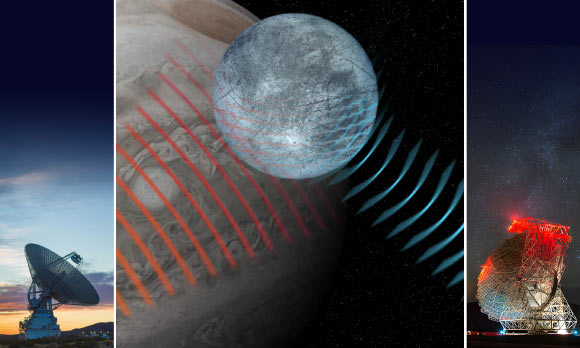
Using NASA’s Goldstone Solar System Radar and NSF’s Green Bank Telescope, astronomers from the University of California, Los Angeles, confirmed that the icy surface of Jupiter’s moon Europa scatters radio energy in an unusually strong and complex way not seen on rocky worlds.
A groundbreaking study published in the open access journal PLOS One on June 17, 2026, reveals a compelling link between varying degrees of contact with the U.S. criminal legal system and the mental health outcomes of adolescents and young adults. Conducted by Raquel V. Oliveira and Elizabeth Culatta at Augusta University, this research dissects the complex and often overlooked mental health ramifications for youth entangled within the legal framework, a subject of critical importance given the high prevalence of mental health conditions in this demographic.
The study draws on data from the Pathways to Desistance project, an extensive longitudinal observational study following 1,354 youths from Phoenix, Arizona, and Philadelphia, Pennsylvania. These participants were initially assessed between 2000 and 2003 during late adolescence, spanning ages 14 to 18, and then tracked with follow-up interviews over seven years. Such an extended study period provides a rare and valuable opportunity to analyze mental health trajectories in relation to different interactions with the criminal justice system, including arrests, court appearances, and institutionalization.
Previous research has consistently demonstrated a disproportionate representation of mental health conditions among incarcerated youth, estimating that while only 15 to 22 percent of all youths in the U.S. have diagnosable mental health disorders, an alarming 40 to 80 percent of incarcerated youths fall into this category. However, Oliveira and Culatta’s work delves deeper, examining the nuanced effects of various legal system encounters on mental health symptoms such as anxiety, depression, hostility, and psychoticism, moving beyond prevalence to explore causative complexities.
The findings illustrate that the experience of arrest acts as a significant short-term stressor, exacerbating symptoms related to anxiety, depression, and psychoticism in adolescents and young adults. These acute psychological impacts can be attributed to the trauma, stigma, and uncertainty commonly associated with arrest, which can introduce substantial emotional upheaval during a developmental stage already sensitive to stress.
Institutionalization—a potential consequence of judicial decisions—was similarly linked to increased short-term symptoms of depression, hostility, and psychoticism. The constrained and often isolating environment of juvenile detention facilities can compound existing mental health issues or catalyze new psychological distress, highlighting the critical need for targeted mental health support within these settings.
Interestingly, court appearances painted a more complex picture. While the act of appearing in court was initially associated with a short-term decrease in anxiety—perhaps reflecting relief after the end of anticipatory stress—this was counterbalanced by significant long-term increases in anxiety, depression, and psychoticism symptoms. Such findings suggest that while resolutions of legal events momentarily alleviate some distress, the enduring implications and future uncertainty following these events continue to burden affected youths.
Equally noteworthy is the discovery that youth experiencing two or more concurrent legal system contacts endure more consistent and lasting mental health symptoms over time. This cumulative effect underpins the critical intersectionality of criminal justice interactions and mental health, indicating an urgent need to re-evaluate how multiple touchpoints with the system may perpetuate or intensify psychological harm.
The study also acknowledges the influence of other adverse factors commonly entangled with justice-involved youth such as substance use, engagement in criminal behavior, and the use of prescribed psychiatric medication. These intersecting variables complicate the mental health landscape, emphasizing the multifactorial nature of psychological distress in this vulnerable group.
It is important to contextualize these findings within the limitations outlined by the authors. The Pathways to Desistance study deliberately limited the inclusion of male drug offenses, potentially skewing the representativeness of offense types nationwide. Moreover, the observational nature of the research restricts conclusions to associations rather than direct causative relationships, leaving gaps for future explorations into the causal mechanisms linking legal system contact and mental health outcomes.
Despite these constraints, the authors robustly argue that contact with the criminal legal system serves as a significant psychosocial stressor for youth, triggering mental health symptoms that not only emerge in the short term but may persist years beyond initial contact. This highlights a considerable gap in both the criminal justice system’s and public health domain’s capacity to adequately address the mental wellbeing of adjudicated youth.
Oliveira and Culatta’s work resonates powerfully with existing literature emphasizing the necessity for diversion programs and comprehensive mental health services tailored to youths in contact with the justice system. Their findings reinforce the call for systemic reforms focused on ameliorating the psychological burdens imposed by mechanisms of legal adjudication.
From a policy and intervention perspective, this study sends a clear message: psychiatric assessment and therapeutic interventions must become foundational components of juvenile justice procedures. Without these, the cycle of mental health deterioration intertwined with legal entanglements is likely to continue unabated, hindered by insufficient support structures and reactive rather than proactive care models.
Ultimately, this investigation fosters a crucial dialogue around the broader societal implications of youth incarceration and court involvement, advocating for multidisciplinary approaches that incorporate mental health expertise in legal contexts. Such integration promises not only to mitigate harmful mental health outcomes but also to facilitate more humane and effective justice practices for adolescents on the cusp of adulthood.
By shedding light on the intrinsic link between criminal legal system encounters and mental health trajectories, Oliveira and Culatta’s research paves the way for future inquiries and innovations aimed at reducing psychological distress and promoting resilience among justice-involved youth cohorts, a population too often marginalized in both research and policy.
Subject of Research: People
Article Title: Effects of differential contacts with the criminal legal system on mental health outcomes of adolescents and young adults: A fixed-effects model
News Publication Date: 17-Jun-2026
Web References:
http://dx.doi.org/10.1371/journal.pone.0344895
References:
Oliveira RV, Culatta E (2026) Effects of differential contacts with the criminal legal system on mental health outcomes of adolescents and young adults: A fixed-effects model. PLoS One 21(6): e0344895.
Keywords: mental health, criminal legal system, adolescents, young adults, anxiety, depression, psychoticism, institutionalization, arrest, juvenile justice, Pathways to Desistance, longitudinal study, observational study
Among the range of proposed alternatives, one potential candidate involves what are called solar light sails, a theoretical propulsion system that relies on pressure generated from solar radiation against a large surface to move a spacecraft.
Such concepts have been proposed since the 1980s, some of which combine the idea of using sunlight as a power source with the implementation of lasers, which could propel such futuristic starships to speeds our best current technologies cannot attain.
However, not all spacecraft propulsion experts are necessarily sold on the idea of solar light sails just yet. According to new findings detailed in a paper by researchers Jiaze Li and Chao Shen of the Harbin Institute of Technology in China, this novel form of propulsion may have a few hurdles to cross before it can attain the near-light-speeds many experts had hoped for.
A Tale of Three Forces
According to Shen and Li’s recent research, a key problem arises once a solar light sail spacecraft begins nearing the speed of light: drag forces resulting from the very source of energy used to propel the devices could place significant limitations on their maximum attainable speeds.
A combination of different forces can be expected to occur as sunlight strikes a light sail, the authors say, which includes incident light, specular reflection, and diffuse scattering.
Incident light describes the physical momentum generated by light energy in the form of photons as they strike the sail, whereas specular reflection describes the momentum produced as photons reflect off the sail. Finally, diffuse scattering is a separate form of momentum generated by photons, which, rather than bouncing away upon impact, is actually absorbed by the sail, the energy from which is thereafter released in random directions.
New Limitations on Solar Light Sails
Based on these primary forces, the authors identify that once a light sail begins reaching relativistic speeds, it also becomes subjected to intense Doppler effect—the phenomenon that occurs as changes in the frequency of waves result as their source and an object or observer’s distance changes in relation to it.
In the case of solar light sails, the more the frequency of light waves striking the sail decreases, the less the amount of thrust generated by the three forces the paper identifies. In simpler terms, the faster a solar light sail spacecraft attempts to travel, the harder it becomes for it to accelerate.
Relativistic Light Aberration
At approximately 75% of the speed of light, the researchers say that an additional hindrance emerges, as what physicists call relativistic light aberration takes over. This phenomenon, first described by Einstein more than a century ago, involves relativistic corrections of light sources for observers who move at velocities approaching light speed.
In the case of our prospective future solar light sailors, this would mean that the weakest of the three forces impacting the sail (diffuse scattering) would begin to impose an active drag once the sail reaches approximately three-quarters of light speed. While the overall force of lasers helping to propel the light sail would remain positive at this stage in the system’s acceleration, the authors note an inevitable decline in efficiency.
The authors do concede that while their paper examines the radiative dynamics of solar light sail propulsion, it does not account for other factors that may include drag resulting from encounters with materials like gases, dust, or other physical sources (i.e., non-radiative sources), which could also impact overall speeds.
Additional factors worthy of consideration, but which the authors do not directly address in their paper, include the melting point of any materials used for solar light sail propulsion, which could be heated to extreme temperatures due to combined exposure to solar radiation, laser energy, and friction from movement.
Fundamentally, the team reports that their paper “provides a rigorous and in-depth theoretical foundation for lightsail dynamics,” which illustrates that while this future propulsion concept has its merits, we may still be far from seeing its realization for practical space travel.
By outlining the factors that contribute to constraints on light sail propulsion, Li and Shen aim to improve our overall understanding of this prospective future technology, thereby helping engineers to realize its potential for use in space exploration at some point in the future.
Micah Hanks is the Editor-in-Chief and Co-Founder of The Debrief. A longtime reporter on science, defense, and technology with a focus on space and astronomy, he can be reached atmicah@thedebrief.org. Follow him on X @MicahHanks, and at micahhanks.com.
In a groundbreaking advancement in neuroscience technology, researchers from the Aerospace Information Research Institute at the Chinese Academy of Sciences have unveiled a state-of-the-art dual-mode wireless microsystem designed to simultaneously monitor electrophysiological activity and dopamine-related electrochemical signals within the brain. This innovative platform promises to illuminate the intricate neural mechanisms underlying pharmacological effects on cortical circuits by capturing real-time electrical and chemical brain dynamics, a feat that has long eluded scientists due to technical constraints.
Neuroscientific investigations often grapple with the challenge of correlating multidimensional neural signals that operate on different modalities. Electrophysiological recordings capture rapid neuronal spikes and local field potentials (LFPs), presenting a temporal resolution ideal for observing immediate neuronal events. However, these signals alone fail to convey the chemical milieu shaping neural behavior. Neurotransmitter dynamics, especially dopamine, play a crucial role in modulating brain function but require sensitive electrochemical detection methods for accurate monitoring. Historically, research platforms have predominantly focused on one modality—either electrophysiological or neurochemical—making it difficult to obtain a holistic understanding of brain states or drug effects.
The newly developed dual-mode microelectrode array tackles this limitation through a sophisticated electrode design. Using platinum nanoparticles (PtNPs) and poly(3,4-ethylenedioxythiophene) polystyrene sulfonate (PEDOT:PSS), the researchers engineered electrophysiological sites with enhanced conductivity and stability for precise spike and LFP recordings. Simultaneously, an electrochemical site tailored for dopamine sensing incorporates additional modifications with reduced graphene oxide (rGO) and Nafion, constructing a PtNPs/PEDOT:PSS/rGO/Nafion composite. This multi-layered structure significantly amplifies electrochemical sensitivity and ensures selectivity against common interferents such as uric acid, serotonin, ascorbic acid, and lactic acid.
On the hardware frontier, the team implemented a hybrid acquisition system that integrates a specialized electrophysiological chip alongside the AD5941 electrochemical front end. An intelligent dual-controller architecture comprising a field-programmable gate array (FPGA) paired with an ESP32 microcontroller orchestrates independent yet synchronized data capture and wireless transmission from both signal modalities. Critical to minimizing crosstalk and data corruption, electrophysiological and electrochemical data streams are transmitted simultaneously but via separate TCP ports. This architectural choice guarantees the temporal alignment and integrity of neural datasets, enabling researchers to dissect the interplay between electrical spikes, LFPs, and dopamine fluctuations with millisecond precision.
The comprehensive calibration and validation of this microsystem were first conducted in vitro. Dopamine calibration curves revealed a robust and linear electrochemical response, confirming the device’s sensitivity and dynamic range. Notably, selectivity tests demonstrated the system’s ability to discriminate dopamine oxidation currents amidst a cocktail of neurochemical interferents, ensuring fidelity in complex biological environments. Furthermore, wireless transmission integrity was rigorously assessed, demonstrating accurate data delivery across distances up to 25 meters with negligible latency or packet loss, underscoring the device’s suitability for freely moving animal experiments without tethers.
Translating these advances into a live animal model, the researchers implanted the dual-mode microsystem into the prelimbic (PrL) cortex of rats. This brain region is integral to executive functions and is sensitive to neuropharmacological modulation. By administering dexmedetomidine—a sedative with known but paradoxical and poorly understood effects on cortical activity—the team pursued a dynamic interrogation of neural electrical firing patterns alongside dopamine fluctuations. This sophisticated approach exposed nuanced dose-dependent changes: higher doses correlated with reduced spike firing rates and dampened peak-to-peak amplitudes, suppressed overall LFP power, increased delta-frequency activity (associated with decreased arousal), and reduced gamma oscillations, indicative of a reconfigured cortical state consistent with sedation.
Simultaneously, electrochemical monitoring unveiled an increase in amperometric signals related to dopamine concentrations as dexmedetomidine dosage escalated. This parallel observation of neurochemical enhancement accompanying electrophysiological suppression substantiates the microsystem’s capability to capture the complex, multifaceted neural correlates of sedation. Importantly, control saline conditions elicited minimal changes, affirming system specificity and the physiological relevance of the recorded responses. These findings reveal the microsystem’s potential as a powerful investigative tool for understanding the neurochemical underpinnings of anesthetic action and cortical state transitions.
The scientific implications of this dual-mode wireless microsystem are profound. Unlike prior single-modality or tethered platforms, this technology conserves 32 independent electrophysiological channels at high sampling rates while integrating dopamine-sensitive electrochemical pathways within the same device footprint. The dual-TCP wireless architecture enables real-time, synchronized acquisition and visualization of electrical and chemical signals, overcoming longstanding barriers in multimodal neural monitoring. Such comprehensive systems are invaluable for probing the mechanistic interactions between neural circuit activity and neurotransmitter dynamics under pharmacological challenges.
Looking forward, despite its remarkable performance, the current microsystem has limitations that present rich avenues for refinement. The modest in vivo sample size tempers broad generalization of the reported electrophysiological and dopamine-related observations. Amperometric readings in vivo remain susceptible to confounding factors such as electrode fouling, baseline drift, shifts in local pH or oxygenation, tissue inflammatory responses, and reference electrode stability. Thus, the data are best interpreted as dopamine-correlated signals rather than exact dopamine quantifications in extracellular space. Furthermore, the system currently relies on commercial electronic components, which constrain further miniaturization. It also lacks integrated stimulation or closed-loop modulation functionalities, which are critical for advanced neuromodulation studies.
Future developments aspire to embed dedicated, custom-fabricated integrated circuits that will shrink device size and power consumption. Incorporation of multimodal closed-loop control systems will enable responsive neurochemical-electrical feedback interventions, enhancing therapeutic and experimental utility. Expanding recording capacity to encompass multiple brain regions simultaneously will provide a more comprehensive spatial map of neurophysiological network dynamics. Cross-validation with orthogonal neurochemical detection modalities could further bolster confidence in dopamine measurements. Together, these advances would propel the technology from a sophisticated measurement tool to an instrumental platform for neurological disease research, neurorehabilitation, and cognitive neuroscience.
The research team responsible for this innovation includes Peiyao Jiao, Yilin Song, Jin Shan, Yu Liu, Qianli Jia, Qi Li, Ying Wang, Yan Luo, Pengfei Zhao, Juntao Liu, Zhenchang Wang, Mixia Wang, and Xinxia Cai. Their work represents a significant leap toward decrypting the intertwined electrical and chemical language of the brain in vivo, promising to inspire future explorations into neural circuit regulation and pharmacodynamics.
This pioneering study titled “A Dual-Mode Wireless Microsystem for Monitoring Dopamine and Spike Changes with Dexmedetomidine” was published on May 21, 2026, in the journal Cyborg and Bionic Systems. It was supported by funding from the National Natural Science Foundation of China, the Major Program of Scientific and Technical Innovation 2030, the Chinese Academy of Sciences Joint Foundation Program, and the Natural Science Foundation of Beijing.
Subject of Research: Dual-mode wireless monitoring of electrophysiological and dopamine-related electrochemical signals in vivo under pharmacological modulation.
Article Title: A Dual-Mode Wireless Microsystem for Monitoring Dopamine and Spike Changes with Dexmedetomidine
News Publication Date: May 21, 2026
Image Credits: Peiyao Jiao, Aerospace Information Research Institute, Chinese Academy of Sciences
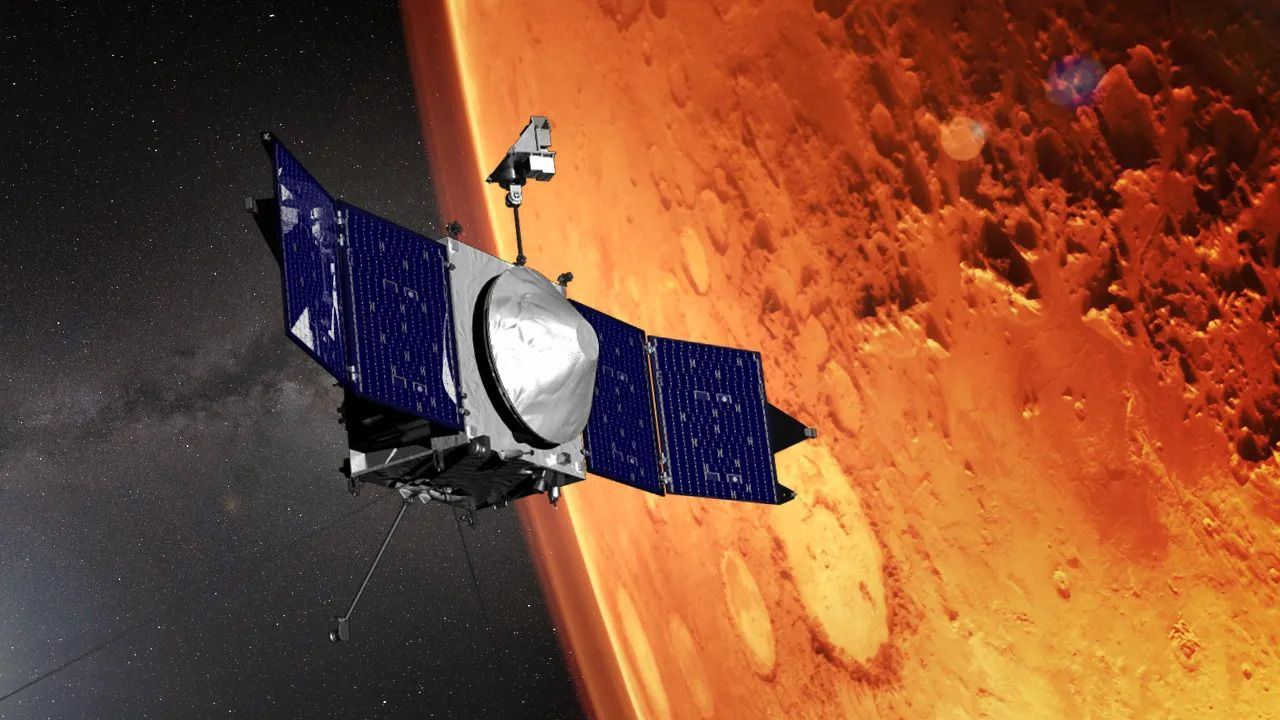
NASA's MAVEN Mars mission ended after 11 years, having revealed how the planet lost its atmosphere and served as a key communications relay for surface missions.
In an era where neonatal care constantly strives for innovation, a groundbreaking advancement has taken center stage with the introduction of a novel preterm standardized parenteral nutrition (PN) system. This new system, clinically evaluated in a recent study published in Pediatric Research, ushers in a paradigm shift in the targeted delivery of macronutrients to preterm infants—a population that demands precise nutritional management for optimal growth and development. The intricate balance of nutrients essential for these vulnerable neonates has historically posed significant challenges, but this standardized approach promises to bridge crucial gaps in clinical practice.
Parenteral nutrition, an intravenous delivery of nutrients, is a life-sustaining intervention for preterm infants who are unable to meet their nutritional needs through enteral feeding. Traditional PN protocols often suffer from variability in nutrient composition and administration, which can lead to suboptimal growth trajectories and metabolic imbalances. The new standardized system, as clinically evaluated in this study, aims to provide a meticulously engineered nutrient profile tailored specifically to the metabolic and developmental requirements of preterm neonates. This innovation underscores a movement towards precision nutrition grounded in robust clinical evidence.
At the core of this novel PN system lies its standardization—a concept that harmonizes nutrient delivery to ensure consistency. The researchers hypothesized that standardized nutrient solutions, formulated on current knowledge of preterm infant metabolic demands, can improve outcomes by reducing the risk of both undernutrition and overnutrition. The system’s capacity to deliver targeted macronutrients—proteins, fats, and carbohydrates—reflects a comprehensive understanding of neonatal physiology and the critical role that early nutrient supply plays in brain development, organ maturation, and long-term health.
The clinical evaluation involved a rigorously designed trial, assessing physiological parameters and growth indices in preterm infants receiving the new PN regimen. Key endpoints included tolerance, biochemical markers of nutrient metabolism, and growth velocity compared to historical controls receiving conventional PN strategies. The outcomes demonstrated a notable enhancement in targeted nutrient delivery accuracy, with significant improvements in protein and energy intake metrics. This elevation in nutrient provision was correlated with improved early growth patterns, a crucial determinant of neurodevelopmental outcomes in preterm infants.
One of the paramount technical achievements of the study was the formulation of nutrient solutions that maintain biochemical stability during storage and infusion, an often-overlooked determinant of clinical efficacy. Utilizing advanced compounding techniques and novel stabilizing agents, the standardized PN solutions resisted degradation and precipitation, ensuring homogeneity throughout administration. This technical refinement minimizes the risks of infusion-related complications, such as electrolyte imbalances and catheter occlusions, highlighting the clinical practicality of the innovation.
Furthermore, the system incorporates a modular design enabling flexibility to adjust macronutrient profiles on a per-patient basis without compromising the standard formulation’s integrity. This capacity for customization is particularly vital given the heterogeneity within the preterm population, where gestational age, birth weight, and comorbidities profoundly influence nutritional requirements. The ability to balance standardization with individualized care positions this PN system as a versatile tool adaptable to various neonatal intensive care unit (NICU) settings worldwide.
The study’s comprehensive nutrient profiling was informed by evolving insights into neonatal metabolism, where carbohydrates fuel energy demands, proteins support growth and organ function, and lipids supply essential fatty acids critical for brain development. By synchronizing these macronutrients to mirror physiological needs, the standardized system optimizes metabolic efficiency and reduces metabolic stressors, potentially mitigating complications such as parenteral nutrition-associated liver disease (PNALD) and metabolic acidosis.
Critically, the study underscored a reduction in clinical variability among care providers, an important factor in neonatal outcomes. Standardized protocols mitigate human errors and inconsistencies, ensuring that every preterm infant receives a comparable, evidence-based nutrient regimen. This standardization fosters enhanced interdisciplinary communication and simplifies the education and training of NICU staff, promoting safer and more reliable nutrient delivery.
Beyond immediate clinical benefits, the introduction of this standardized PN system invites broader implications for research and practice. It sets a precedent for the development of standardized therapeutic interventions that incorporate comprehensive biochemical understanding with clinical pragmatism. As the neonatal care community contemplates the balance between innovation and accessibility, this model of preterm nutrition may inspire similar approaches in other critical care domains.
Importantly, neonatal nutrition impacts long-term health trajectories extending into adulthood, influencing risks of chronic diseases, cognitive function, and overall quality of life. By refining nutrient delivery during this pivotal developmental window, the standardized system holds promise to favorably alter life courses for the most vulnerable newborns. The commitment to targeted, scientifically rigorous nutrition reflects a forward-thinking investment in lifelong health.
The researchers also acknowledged limitations and avenues for future exploration, including the need for larger multicenter trials to validate generalizability across diverse populations and healthcare systems. Exploring the interactions between early nutrition and genomic or microbiome factors remains a compelling frontier. Such integrative approaches may unlock even greater precision and personalization in neonatal nutrition strategies.
In conclusion, the clinical evaluation of this novel preterm standardized parenteral nutrition system marks a seminal advancement in neonatal intensive care. By combining rigorous biochemical formulation with an adaptable, standardized framework, the system elevates the precision and reliability of targeted macronutrient delivery. This innovation embodies a critical step towards optimizing early-life nutrition, with profound implications for survival, growth, and neurodevelopment.
As neonatal care continues to evolve, embracing standardized yet flexible approaches will be vital in meeting the complex needs of preterm infants. The research by Brennan et al. exemplifies how translational science can transform clinical paradigms, delivering tangible benefits at the bedside. Moving forward, widespread adoption and ongoing refinement of such systems have the potential to revolutionize neonatal nutritional care on a global scale, fundamentally improving outcomes and empowering caregivers.
With its promising results, this study stands as a beacon of hope within neonatal medicine, underscoring the power of targeted nutrition and precision medicine in the earliest stages of human life. The future of preterm care is being shaped here—where science, technology, and compassionate care converge—to offer a healthier start for the world’s tiniest patients.
Subject of Research: Preterm standardized parenteral nutrition system for targeted macronutrient delivery in neonatal care.
Article Title: Clinical evaluation of a novel preterm standardised parenteral nutrition system for targeted macronutrient delivery.
Article References:
Brennan, AM., Fenton, S.E., Panaite, L.S. et al. Clinical evaluation of a novel preterm standardised parenteral nutrition system for targeted macronutrient delivery. Pediatr Res (2026). https://doi.org/10.1038/s41390-026-05167-1
In a groundbreaking advancement that bridges the gap between biological intelligence and artificial systems, researchers at Oregon State University have engineered a light-sensitive device that not only detects visual stimuli but also bio-mimics the brain’s ability to store and modulate memories dynamically. Drawing direct inspiration from the complex workings of human neural processes, this pioneering approach integrates sensing, memory, and signal processing into a single phototransistor, a feat poised to revolutionize the future of neuromorphic computing.
Traditional artificial intelligence hardware architectures typically bifurcate these essential functions—detection, memory retention, and processing—forcing data to shuttle between distinct components. This separation not only introduces latency but significantly amplifies energy consumption. The novel phototransistor developed by the OSU team disrupts this paradigm by embedding memory capabilities precisely where sensory inputs occur, vastly improving computational efficiency and speed.
Central to this device’s innovation is its ability to mimic the neurochemical processes governing memory strength and decay in the human brain. Rather than storing information with fixed permanence, the phototransistor utilizes trapped electrical charges generated by incident light to represent memories, which can then be pharmacologically tuned—via electrical gate voltages—to either reinforce or weaken these stored traces over time. This dynamic modulation reproduces the adaptive nature of biological synapses and opens unprecedented avenues for creating AI systems that can ‘forget’ as well as ‘remember,’ essential for real-time learning and adaptation.
Structurally, the device marries an oxide semiconductor acting as the electronic transistor channel with an organic photosensitive layer responsible for absorbing photons and generating charge carriers. The organic layer traps a subset of these carriers, creating a persistent local electric field even after illumination ceases. This trapped charge influences electron flow through the semiconductor channel, effectively encoding a memory of prior light exposure.
A key technical breakthrough lies in the device’s gate-tunable interface: by adjusting the voltage applied to the transistor’s gate terminal, researchers can manipulate the spatial positioning of trapped charges relative to the conduction channel at a nanoscopic level. This precise control modulates the strength of electrical interaction, allowing for programmable decay times of the optoelectronic memory—ranging from seconds to considerably longer durations. Such flexibility is vital for neuromorphic systems requiring adjustable time constants for processing temporal patterns.
The implications of this technology extend beyond simple visual sensing. By localizing both sensing and adaptive memory functions, the phototransistor can serve as a foundational building block for advanced vision systems capable of real-time data processing with exceptional energy efficiency. This novel hardware approach offers substantial improvements over conventional sensors, which often offload processing to centralized units, incurring latency and energy penalties.
Neuromorphic computing, a field striving to emulate the architecture and operational principles of the brain, stands to gain significantly from this development. The device’s capacity to embody synapse-like plasticity within a phototransistor embodies a leap toward systems that do not merely compute but adapt, learn, and optimize autonomously. Furthermore, the integration of these functionalities at the hardware level paves the way for compact, scalable AI platforms potentially transformative for robotics, autonomous vehicles, and sensory-rich IoT devices.
The research team acknowledges that the trapped charges’ mobility within the device’s photosensitive layer marks a fundamental departure from fixed-charge memory devices. By enabling charge repositioning in response to externally applied voltages, the phototransistor achieves an unprecedented degree of control over memory retention timescales—a property rarely realized in optoelectronic components designed for AI applications.
From an energy perspective, co-localizing sensing and computation reduces data transfer bottlenecks traditionally plaguing AI processors. This attribute directly addresses pressing challenges in AI hardware, where escalating computational demands often collide with limitations in battery life and thermal management. As a result, the novel phototransistor aligns with broader efforts to develop sustainable, high-performance AI technologies.
Conceived through a multidisciplinary collaboration spanning electrical engineering and physical sciences at Oregon State University, the device’s development also underscores the growing convergence of materials science with computational intelligence. By synergizing metal oxide semiconductors with organic tetracene compounds, the team harnessed complementary material properties—robust electron transport with efficient light absorption—to realize the device’s multifunctional capabilities.
The National Science Foundation’s support, alongside the efforts of researchers including Larry Cheng, Ahasan Ullah, Tasnim Sarker, Xueqiao Zhang, Andrew Ensinger, Lizhong Chen, Roshell Lamug, and Oksana Ostroverkhova, culminated in the publication of their findings in the esteemed journal Advanced Functional Materials. The study not only charts new territory in optoelectronics but also sets the stage for transformative innovation in neuromorphic computing hardware.
As artificial intelligence increasingly demands systems capable of real-world adaptability and resource efficiency, innovations like this gate-tunable neuro-phototransistor epitomize the direction forward. By drawing directly from the brain’s principles of memory modulation and energy-efficient computation, the OSU team’s technology heralds a new era where AI devices can perceive, process, and remember in ways that approximate human cognition more closely than ever before.
Subject of Research: Not applicable
Article Title: Neuromodulator-Inspired Gate-Tunable Tetracene–Metal Oxide Phototransistor for Adaptive Optoelectronic Memory and Neuromorphic Computing
Residential segregation remains one of the most pressing and persistent challenges facing American cities today. It fractures economic opportunity, stifles social cohesion, and underpins many of the inequities visible across urban landscapes. Despite decades of research into the patterns and consequences of segregation, the measurement of these patterns has long grappled with a thorny methodological problem: how the artificial boundaries used to aggregate population data influence estimates of segregation. This problem, often called the modifiable areal unit problem (MAUP), arises because segregation indices depend critically on how spatial units—like Census tracts—are defined and aggregated. Until now, a comprehensive assessment of this source of variability has remained out of reach.
In a groundbreaking study published in Nature Cities, researchers have employed an innovative approach that leverages redistricting algorithms to simulate millions of alternative spatial boundary configurations. These alternative maps adhere to official Census criteria but shuffle tract boundaries within those parameters, creating an unprecedented way to probe how sensitive traditional segregation indices are to the arbitrary boundaries that political and statistical geographies impose. The results challenge established assumptions and ultimately affirm the practicality—and peculiar robustness—of Census tracts as tools for racial segregation measurement across U.S. cities.
Traditionally, segregation research relies on fixed geographic units, most commonly Census tracts, to evaluate how populations of different racial and ethnic groups are distributed across cities. But these tracts, while designed to be relatively homogeneous and stable, are shaped by administrative decisions that do not directly correspond to natural or social boundaries. Since the exact delineation of these tracts can stray substantially, estimates of segregation derived from them have always carried a hidden risk of aggregation bias. Sensitivity analyses that explore alternate aggregations have been limited in scope, relying on hypothetical adjustments or crude spatial aggregations, rather than systematically exploring the vast universe of plausible boundary alternatives.
The new study breaks this impasse by borrowing tools from political redistricting theory—where map-drawing is a highly contested and technically advanced field. The researchers developed a computational framework using redistricting software capable of generating millions of alternate Census tract configurations within each city. These alternative configurations satisfy Census Bureau guidelines on population equality and contiguity, approximating what feasible boundary revisions might realistically look like. By calculating segregation indices for each configuration, the team was able to characterize the full probabilistic distribution of segregation estimates that arise purely from boundary variability.
Their analysis covered a wide range of U.S. cities, from smaller metropolitan areas with relatively few tracts to sprawling urban agglomerations comprising thousands of tracts. The findings reveal a striking pattern: in smaller cities, the estimated levels of racial segregation can fluctuate substantially when alternative boundary maps are considered. This variability highlights the dangers of over-reliance on fixed census geographies in contexts where granularity is limited and aggregation artifacts become significant. In contrast, as city size grows and spatial units multiply, the observed segregation estimates converge; the impact of redrawing boundaries diminishes, and estimates become more stable and trustworthy.
Perhaps more surprisingly, the study found no evidence that existing Census tract-based estimates are systematically biased in either direction. The official tract boundary estimates tended to fall near the mean of the simulated distribution of alternative boundaries. This outcome challenges the often-expressed concern that Census tracts might drastically overstate or understate segregation. Instead, while individual estimates do carry inherent spatial aggregation uncertainty, the conventional measures are, on average, representative. This nuance adds an important layer of confidence to decades of segregation research relying on these geographic units.
Technically, the probabilistic distributions generated by the redistricting simulations provide a novel way to frame segregation statistics in an uncertainty framework. Instead of presenting segregation as a point estimate, urban researchers and policymakers can now appreciate a spectrum of plausible segregation values conditioned on boundary choices. This opens avenues for more transparent reporting that reflects the inherent spatial ambiguity in aggregate data analysis, empowering better-informed decisions on interventions aimed at mitigating segregation and its effects.
The methodology itself is noteworthy for blending urban demographics with advanced computational geography. By applying constraints like population equivalence and spatial contiguity, the simulations closely mimic the federal redistricting process and ensure that the alternative boundaries are grounded in realistic criteria rather than purely theoretical constructs. This rigor elevates the findings beyond mere sensitivity checks, framing boundary uncertainty as a quantifiable dimension of segregation research rather than a theoretical limitation.
These insights carry significant implications not only for researchers but also for policymakers and activists engaged in urban planning, housing, and civil rights advocacy. Recognizing that reported segregation metrics come with an intrinsic range of variance caused by how boundaries are drawn can lead to greater caution in interpreting city rankings or trends over time. More fundamentally, it signals the need for complementary approaches that integrate non-aggregate data sources or spatially continuous methods to further refine segregation measurement.
The study also presents a generalizable framework adaptable to other domains where spatial aggregation introduces bias and uncertainty. Fields such as public health, environmental justice, and economic geography often rely on aggregated spatial data vulnerable to the MAUP. The redistricting simulation approach offers a powerful template for diagnosing and statistically correcting aggregation error in these varied contexts, paving the way for more robust spatial analyses across disciplines.
One of the most profound contributions of this research is its nuanced vindication of the Census tract as a unit of analysis. While researchers have long critiqued the arbitrariness inherent in fixed administrative boundaries, the study’s results demonstrate that in many urban contexts at scale, these units provide a sufficiently stable foundation for measuring segregation. This balancing of skepticism with empirical validation is rare in social science and signals a promising path toward methodological refinement rather than wholesale rejection of conventional metrics.
The findings also underscore the importance of city size and spatial scale in segregation measurement. Smaller cities, where the number of spatial units is limited, experience much greater volatility in segregation estimates. This volatility arises because each tract, or aggregation unit, represents a larger proportional share of the city’s population, amplifying boundary effects. Larger cities benefit from statistical smoothing through numerous smaller units, increasing estimate robustness. This insight could deeply inform urban comparative studies and the design of equitable zoning or integration policies tailored to city scale.
Going forward, the authors advocate for broad adoption and further development of their redistricting simulation platform. Enhancing the tool’s accessibility and integrating it with standard segregation calculations could democratize this approach, allowing urban researchers everywhere to rigorously address aggregation bias. Moreover, expanding simulations to explore additional boundary constraints or to incorporate social network data could refine understanding of how human geography and administrative geography intersect to shape segregation patterns.
The study arrives at a critical moment, as U.S. cities grapple with evolving demographic realities amid ongoing debates over race, equality, and urban policy. Precise and reliable measurement tools are foundational to both academic inquiry and effective governance. By making segregation measurement more transparent and statistically nuanced, this research provides a critical step towards evidence-based urban reform that acknowledges complexity without being paralyzed by it.
In conclusion, this pioneering study reframes the measurement of racial segregation by exposing the variability introduced through spatial aggregation while reassuring researchers and policymakers of the general reliability of established Census tract definitions. By harnessing computational redistricting techniques, it both deepens and democratizes understanding of urban racial geography, offering a blueprint for more rigorous and nuanced measurement in this socially consequential domain. The framework not only enriches segregation studies but sets a new standard for spatial data analysis in the social sciences, inviting an era where measurement uncertainty is openly acknowledged and expertly managed.
Subject of Research:
City-scale racial segregation measurement and spatial aggregation bias in U.S. metropolitan areas.
Article Title:
City racial segregation statistics are robust to aggregation bias.
Article References:
Brown, J.R., Kenny, C.T. & Simko, T. City racial segregation statistics are robust to aggregation bias. Nat Cities (2026). https://doi.org/10.1038/s44284-026-00459-3
An international team of researchers led by Dr. Liora Kolska Horwitz of the Hebrew University of Jerusalem’s National Natural History Collections, working at the site of the oldest dated intentional use of fire by ancient human ancestors, South Africa’s Wonderwerk Cave, has found new evidence pushing that date even earlier into prehistory.
The research team behind the potentially history-altering findings said the discovery, which suggests that ancient hominins intentionally controlled fire, resulting in charred animal bones sometime between 1.07 and 1.79 million years ago, provides researchers with previously unavailable insights into how our ancestors first began to harness one of the most important tools in the evolution of human society and culture.
The study also introduced the archaeological community to a promising new method for analyzing burned bone samples by monitoring its light-emitting properties.
Intentional Use of Fire Provided Human Ancestors with a Critical Tool
According to a statement announcing the study, Dr. Horwitz, who is co-director of the Wonderwerk Cave project with Prof. Michael Chazan at the University of Toronto, and colleagues note the historical significance of fire, ranging from warmth and predator protection to extended daylight and the cooking of meat. However, historians have struggled to identify a single moment or historical period where humanity’s ancient ancestors first started to use fire intentionally.
“Evidence of fire from such ancient sites is often subtle and difficult to detect,” Dr. Horwitz explained.
Before the new analysis, the oldest agreed-upon evidence for intentional fire use also came from Wonderwerk Cave. Situated within the Kalahari Desert of South Africa, the cave provided evidence placing fire use to approximately 1 million years ago.
While that study used the most advanced techniques available, the team behind the new study decided to employ a non-invasive process that involves illuminating ancient bone fragments with specific wavelengths of light to determine whether they had been exposed to intense heat. In cases where bones have been heated to fire-like temperatures, the right wavelength of light will cause them to glow.
Remains Likely Left by Homo Erectus
Because evidence from ancient sites is scarce, the team’s non-invasive technique allowed them to study tiny fossilized rodent bones left in the cave by owls without damaging them. The team noted that using remains that accumulated naturally on the ancient cave floor provides an “independent, non-anthropogenic record” of ancient events within the local area.
White (#5 on right) is the most burnt, while yellow-beige (on left #1) is unburnt. Image Credit: Wonderwerk Cave Project.
After exposing the ancient bone to specific wavelengths of light, the team found what they described as “clear signs of burning.” Dr. Horowitz confirmed the findings, noting that the team’s analysis reveals “fire was repeatedly present deep inside Wonderwerk Cave.”
Because the deposits were found over 30 meters deep in the cave, the team ruled out wildfires as a possible source of combustion. The layer also lacked bat guano remains, which the team noted “rules out spontaneous combustion.”
A chemical analysis of the charred bones dated them to between 1.07 and 1.79 million years ago, redating the 2012 findings. Critically, the evidence for ancient fire use was in an archaeological layer “associated with artifacts” from the initial Acheulean period, which is consistent with the dating. If correct, this would make the likeliest early human ancestor that used fire Homo erectus.
Although the findings appear to extend the chronology of one of the earliest known records of fire use associated with hominins by as much as 790,000 years, the research team said the findings do not suggest that these early proto-humans could create fire “at will.” Instead, the likeliest scenario involves early human ancestors collecting fire from natural sources, such as lightning-induced wildfires on the African savanna, and bringing it into the cave.
“The early humans introduced this fire into the cave on multiple occasions and maintained it there before it eventually died out,” the team’s statement explained.
The team did not immediately pinpoint what methods these early hominins used to maintain a burning fire. However, they suggested that burning owl pellets as additional fuel may inadvertently have scorched the rodent bones.
A New Tool for Identifying Traces of Burning
When discussing the implications of the new, earlier date for the first intentional use of fire, Dr. Horwitz said the discovery shows that early human ancestors “were not simply passive observers of natural fires,” but instead were “actively engaging with fire and incorporating it into their lives.”
Beyond offering an earlier date range for early fire use, the work provides clues into how our ancestors used fire before they could make it on their own. The study also debuted a new, non-invasive, portable tool for investigating early fire use, which the study authors note “can be applied to large collections of fossils without damaging them.”
“Our study provides new tools for identifying traces of ancient burning,” Dr. Horwitz explained, with the team adding that application of this new technique to sites around the world “may help clarify the origins and development of one of the most consequential technologies in human history.”
Christopher Plain is a Science Fiction and Fantasy novelist and Head Science Writer at The Debrief. Follow and connect with him on X, learn about his books at plainfiction.com, or email him directly at christopher@thedebrief.org.
A laser system, previously tested on board the International Space Station, helped to stream video directly from the Artemis 2 mission on its way around the moon.

 Login