❌

Reading view

UCLA Scientists Uncover Potential Method to Repair Damaged Kidneys

A groundbreaking discovery at the University of California, Los Angeles (UCLA) has unveiled a promising new therapeutic avenue for kidney regeneration, leveraging a drug initially designed to repair heart tissue following myocardial infarction. This drug, known as AD-NP1, targets a specific protein—ENPP1—that plays a critical role in impeding the body’s natural healing processes in injured tissues. The revelation that AD-NP1 can also accelerate kidney repair heralds a significant advancement in regenerative medicine, especially for patients suffering from chronic kidney disease (CKD), a condition that affects millions globally.

The heart of this research revolves around a protein named ectonucleotide pyrophosphatase/phosphodiesterase 1 (ENPP1). When tissues such as the heart or kidney sustain injury, ENPP1 production escalates, initiating a cascade of metabolic disturbances that hinder energy synthesis within cells. This disruption compromises cellular function and ultimately stalls effective tissue regeneration. In the context of the kidney, which is vital for maintaining systemic homeostasis, such impediments can lead to progressive scarring and functional decline, culminating in kidney failure.

Through years of meticulous experiments, the UCLA team delineated the detrimental impact of ENPP1 on the kidney’s reparative capacity. They observed that injured renal tissue upregulates ENPP1 expression, which in turn resets the metabolic landscape of cells in the damaged microenvironment. This altered metabolic signaling disrupts mitochondrial function, thereby curtailing ATP production essential for cell proliferation and repair. By employing genetic knockout models in mice, where ENPP1 expression was inhibited, the researchers documented a striking enhancement in renal recovery post-injury. These mice demonstrated reduced fibrotic scarring and improved renal biomarkers, signaling restored kidney function.

Central to translating these findings into potential clinical interventions is AD-NP1, a sophisticated monoclonal antibody engineered to specifically neutralize ENPP1. Unlike broad-spectrum immunosuppressants or anti-inflammatory agents, AD-NP1 offers targeted therapeutic precision by binding solely to human ENPP1, circumventing off-target effects. Initially conceptualized to mitigate cardiac fibrosis and promote myocardial regeneration following heart attacks, AD-NP1’s mechanism exerts a similar rejuvenating influence on kidney tissues. The antibody effectively halts the ENPP1-induced metabolic sabotage, facilitating an environment conducive to cellular proliferation and tissue repair.

In experimental paradigms, the administration of AD-NP1 in mice subjected to nephrotoxic diets and chemically induced renal injuries yielded compelling outcomes. Within merely seven days of treatment, subjects exhibited marked improvements in kidney function tests and histological assessments showed diminished collagen deposition and scarring. These findings underscore the drug’s potential to transform the management of acute and chronic kidney injuries by reinstating the organ’s intrinsic regenerative programs, which are often stifled in disease states.

Moreover, the team’s translational approach integrated analyses of human kidney biopsies acquired from individuals with chronic kidney disease. These samples consistently manifested elevated ENPP1 levels relative to healthy controls, substantiating the protein’s pathological role in human renal disorders. This correlation not only reinforces the relevance of the preclinical models used but also paves the way for clinical evaluation of AD-NP1’s efficacy in human subjects suffering from renal ailments.

The broader implications of this discovery extend into the metabolic regulation of tissue repair. ENPP1’s role appears multifaceted, orchestrating cellular energy dynamics and intercellular communication networks that dictate regenerative outcomes. Inhibiting this protein intervenes in maladaptive signaling cascades, thereby restoring bioenergetic balance and enabling clonal expansion of healthy cells adjacent to injury sites. This paradigm shift in understanding organ regeneration emphasizes metabolic modulation as a cornerstone of effective healing strategies.

Prior to this research, the therapeutic targeting of ENPP1 was primarily confined to cardiac medicine. The successful repurposing of AD-NP1 for kidney injury illustrates the concept of cross-organ regenerative mechanisms, where molecular pathways governing tissue healing are conserved albeit contextually modulated. This discovery propels the field into a new frontier, advocating for the exploration of shared regenerative targets that can be manipulated across diverse organ systems.

AD-NP1’s journey into clinical trials commenced recently with FDA approval of a Phase 1 safety study in human patients recovering from heart attacks. This milestone reflects the rigorous preclinical validation of the drug’s pharmacodynamics and safety profile. Building on these milestones, ongoing efforts at UCLA aim to extend these trials to include patients with progressive kidney disease, setting the stage for comprehensive evaluation and potential future clinical application.

Underlying this innovative research are substantial investments from the National Institutes of Health, California Institute of Regenerative Medicine, and the U.S. Department of Defense. This underscores the strategic importance and translational potential of regenerative medicine therapies in addressing chronic diseases that impose heavy societal burdens. The interdisciplinary collaboration among cardiovascular scientists, nephrologists, and molecular biologists at UCLA exemplifies the synergy needed to unlock complex biological processes for therapeutic gain.

In summation, the identification of ENPP1 as a metabolic gatekeeper that impedes tissue repair, combined with the development of AD-NP1 to neutralize its effects, represents a significant leap forward in regenerative medicine. The drug’s ability to foster organ regeneration by restoring metabolic and cellular homeostasis offers hope for millions afflicted by kidney disease and opens novel avenues for organ repair strategies. As clinical trials progress, the scientific community eagerly anticipates further validation of these findings, potentially heralding a new era where molecularly targeted therapies can substantially reverse organ damage and restore quality of life.

Subject of Research: Kidney regeneration, metabolic regulation of tissue repair, ENPP1 protein inhibition, monoclonal antibody therapy

Article Title: UCLA Researchers Discover Novel Role for ENPP1 Inhibition in Enhancing Kidney Repair via AD-NP1

News Publication Date: Not specified (based on provided content)

Web References: Cell Stem Cell Journal Article

Keywords: ENPP1, kidney injury, chronic kidney disease, tissue regeneration, monoclonal antibody, AD-NP1, metabolic signaling, renal repair, fibrosis, UCLA, regenerative medicine, Phase 1 clinical trial
  •  

BU’s Sushrut Waikar, MD, MPH, Recognized by American Society of Nephrology

In a remarkable acknowledgment of his contributions to nephrology, Dr. Sushrut S. Waikar has received the American Society of Nephrology (ASN) Distinguished Mentor Award. This prestigious accolade honors individuals who have profoundly impacted the kidney health community through their dedication to mentorship, fostering the careers of emerging clinicians and researchers. Dr. Waikar’s influence extends far beyond routine clinical practice; he has been instrumental in inspiring trainees to dedicate themselves to nephrology, emphasizing innovation in both research and healthcare practice.

Dr. Waikar currently holds the position of Chief of Nephrology at Boston Medical Center and serves as the Norman G. Levinsky Professor of Medicine at Boston University’s Chobanian & Avedisian School of Medicine. As a clinician-scientist, Dr. Waikar has maintained continuous funding from the National Institutes of Health (NIH) for over two decades, highlighting his sustained commitment to advancing kidney disease research. His expansive research agenda incorporates epidemiologic methodologies, translational science, and interventional clinical trials designed to address urgent clinical challenges.

Central to Dr. Waikar’s research portfolio is the refinement of diagnostic tools for kidney diseases, an area critical for early detection and improved patient outcomes. His laboratory has developed novel biomarkers and testing algorithms that aim to enhance diagnostic accuracy, thereby allowing for more timely and precise therapeutic interventions. Such advancements are vital in a field where early-stage kidney dysfunction often goes undetected until it progresses to irreversible damage.

Another significant thrust of Dr. Waikar’s research involves kidney biopsy studies, which offer invaluable insights into the pathophysiological mechanisms underlying disease progression within the renal parenchyma. By analyzing tissue samples, his team seeks to elucidate the cellular and molecular pathways that drive kidney deterioration, providing a foundation for the future design of targeted therapies. This level of detailed study bridges the gap between clinical observation and basic science, enabling a more comprehensive understanding of renal pathology.

Dr. Waikar’s investigations also spotlights a particularly devastating public health concern known as Chronic Kidney Disease of uncertain etiology (CKDu). This disease has emerged as a lethal epidemic primarily afflicting young agricultural workers in Central America and South Asia. Unlike traditional forms of chronic kidney disease associated with diabetes or hypertension, CKDu’s etiology remains elusive and multifactorial. His research endeavors aim to clarify environmental, occupational, and genetic risk factors contributing to this silent crisis, with hopes of informing preventative strategies and policy interventions.

Within the realm of precision medicine, Dr. Waikar acts as principal investigator for the NIH Kidney Precision Medicine Project. This ambitious initiative is engineered to leverage cutting-edge genomic, proteomic, and proteomic technologies to tailor kidney disease treatment at an individual level. By integrating these high-throughput techniques with clinical data, this project aspires to revolutionize management paradigms for kidney disorders, ultimately improving personalized patient care outcomes.

In addition to his leadership in precision medicine, Dr. Waikar coordinates the CKD of Unknown Etiology Consortium, a collaborative network of investigators dedicated to elucidating CKDu. This consortium underscores the importance of multidisciplinary cooperation in tackling complex health challenges, combining epidemiology, environmental sciences, and nephrology to develop holistic solutions to kidney health crises.

Dr. Waikar’s intellectual journey began with an undergraduate education in English and neuroscience at Amherst College, fostering a broad intellectual foundation that supports his interdisciplinary approach. He then earned his medical degree at Yale University, further complementing his scientific expertise with clinical acumen. His postgraduate training in internal medicine and nephrology at highly regarded institutions such as the University of California, San Francisco, and the Mass General Brigham system was distinguished by leadership roles, including chief medical resident, reflecting his early commitment to medical education and mentorship.

His academic trajectory also includes earning a Master’s degree in Public Health from Harvard University, which underpins his rigorous approach to epidemiology and population-based studies. This public health background allows Dr. Waikar to navigate and address the systemic factors impacting kidney health globally, marrying clinical insight with health policy and preventive medicine.

The American Society of Nephrology, founded in 1966, stands as the largest professional society devoted to kidney disease research and education worldwide. To further acknowledge the critical contributions of midcareer professionals, ASN established the Midcareer Awards Program in 2019, celebrating individuals like Dr. Waikar who demonstrate exceptional clinical expertise, innovative research, and dedicated service to the nephrology field and the society’s mission.

Dr. Waikar’s recognition by the ASN Distinguished Mentor Award not only celebrates his individual achievements but also highlights the critical role that mentorship plays in shaping the future of nephrology. His ability to guide, inspire, and cultivate the development of emerging leaders ensures that advances in kidney research and patient care continue to accelerate, ultimately benefiting countless individuals suffering from kidney disease globally.

Through the integration of basic science, clinical application, and public health strategies, Dr. Waikar exemplifies the modern physician-scientist who transforms knowledge into meaningful biomedical progress. His contributions serve as a catalyst for ongoing discoveries and innovations that hold the promise of reducing kidney disease burden worldwide.

Subject of Research:
Kidney disease diagnostics and research, Chronic Kidney Disease of uncertain etiology (CKDu), kidney biopsy studies, precision medicine in nephrology.

Article Title:
Not provided.

News Publication Date:
Not provided.

Web References:
Not provided.

References:
Not provided.

Image Credits:
Not provided.

Keywords:
Nephrology, kidney disease, chronic kidney disease, CKDu, NIH Kidney Precision Medicine Project, kidney biopsy, biomarkers, epidemiology, translational research, mentorship, American Society of Nephrology, public health.

  •  

New Copper Drug Could Clean Alzheimer’s Waste and Improving Memory

Alzheimer’s disease is the most common cause of dementia and one of the biggest health challenges facing the world today. It gradually damages memory, thinking abilities, and the capacity to perform everyday tasks. In the early stages, people may forget recent conversations or misplace objects more often. As the disease progresses, many struggle to recognize […]

The post New Copper Drug Could Clean Alzheimer’s Waste and Improving Memory appeared first on Knowridge Science Report.

  •  

Experimental Copper-Based Drug Clears Alzheimer’s Plaques and Boosts Memory in Mice

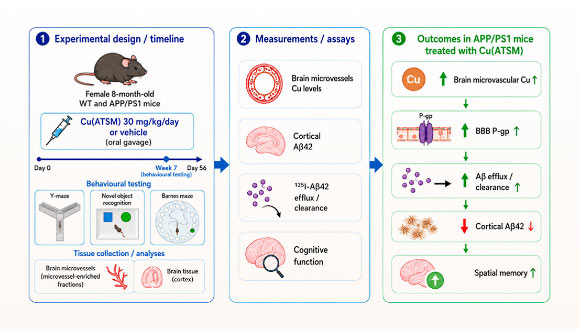
Using the APP/PS1 mouse model of familial Alzheimer’s disease, Pyun et al. investigated the effect of Cu(ATSM) on brain microvascular abundance and function of P-glycoprotein and the associated effects on exogenous amyloid-beta clearance, brain amyloid burden, and cognitive function. Image credit: Pyun et al., doi: 10.1021/acschemneuro.6c00252.

Copper diacetyl bis(4-methyl-3-thiosemicarbazone), or Cu(ATSM), restored a key waste-removal system in the brain, reducing toxic amyloid-beta buildup and improving spatial memory in lab models of Alzheimer’s disease, according to a team of researchers at Monash University.

The post Experimental Copper-Based Drug Clears Alzheimer’s Plaques and Boosts Memory in Mice appeared first on Sci.News: Breaking Science News.

  •  

Follow the Money: Pandemic Fearmongering is a Growth Industry

From Ebola to Nipah, the combined death toll since Covid is under 1,000 worldwide. So why the endless panic? Follow the money – pandemic fearmongering is a growth industry, says Dr David Bell.

The post Follow the Money: Pandemic Fearmongering is a Growth Industry appeared first on The Daily Sceptic.

  •  

Joint Pain Supplement Linke to Faster Alzheimer’s Growth

Glucosamine has become one of the world’s most popular dietary supplements. Many people take it daily to ease joint discomfort, maintain cartilage health, and remain active as they grow older. Because it has been available for years and is widely sold without a prescription, glucosamine is often viewed as a harmless addition to a healthy […]

The post Joint Pain Supplement Linke to Faster Alzheimer’s Growth appeared first on Knowridge Science Report.

  •  

New Drug Could Slow the Development of Alzheimer’s

Alzheimer’s disease is one of the greatest medical challenges of our time. Millions of people around the world live with the condition, and the number continues to grow as populations age. The disease slowly destroys memory, thinking abilities, and independence. Although several drugs have been developed in recent years, most only slow the disease for […]

The post New Drug Could Slow the Development of Alzheimer’s appeared first on Knowridge Science Report.

  •  

Could Alzheimer’s Disease Start With Mutated Immune Cells? New Research Reveals an Unexpected Clue

For many years, scientists have searched for the causes of Alzheimer’s disease. Most attention has focused on abnormal protein deposits that build up inside the brain. These protein clumps are considered one of the main signs of the disease. However, a new study suggests that another process may also be involved, and it comes from […]

The post Could Alzheimer’s Disease Start With Mutated Immune Cells? New Research Reveals an Unexpected Clue appeared first on Knowridge Science Report.

  •  

Surprising Cancer-Like Changes in the Brain May Drive Alzheimer’s Disease

As people age, changes slowly build up inside their cells. Every day, our cells divide, repair damage, and respond to the environment around them. During these processes, small mistakes can appear in DNA. These mistakes, known as mutations, become more common over time. Most of them are harmless, but some can affect how cells behave. […]

The post Surprising Cancer-Like Changes in the Brain May Drive Alzheimer’s Disease appeared first on Knowridge Science Report.

  •  

Scientists Discover a Hidden Cause of Heart Disease

Heart disease remains one of the leading causes of death around the world. In the United States alone, it is responsible for about one in every four deaths. Although doctors have made great progress in treating heart problems, many people still develop serious conditions that can lead to heart attacks, strokes, and other life-threatening complications. […]

The post Scientists Discover a Hidden Cause of Heart Disease appeared first on Knowridge Science Report.

  •  

This Simple Food Could Prevent Heart Disease, High Blood Pressure, Diabetes

As people get older, many begin to worry about their heart health, blood sugar levels, blood pressure, and weight gain around the waist. These changes are common with aging, but they can also increase the risk of serious health problems such as heart disease, stroke, and type 2 diabetes. While medications can help manage some […]

The post This Simple Food Could Prevent Heart Disease, High Blood Pressure, Diabetes appeared first on Knowridge Science Report.

  •  

A Strong Link Between Ultraprocessed Grains and Digestive Disease

Over the past few decades, inflammatory bowel disease has become increasingly common in many parts of the world. Conditions such as Crohn’s disease and ulcerative colitis affect millions of people and can cause lifelong digestive problems. Symptoms often include stomach pain, persistent diarrhea, weight loss, fatigue, and periods of severe illness that can interfere with […]

The post A Strong Link Between Ultraprocessed Grains and Digestive Disease appeared first on Knowridge Science Report.

  •  

Could a Popular Joint Supplement Increase Alzheimer’s Risk?

Millions of people take glucosamine every day in the hope of reducing joint pain and maintaining mobility as they age. The supplement has long been marketed as a natural way to support joint health, particularly for people with osteoarthritis. Because it is sold over the counter and does not require a prescription, many consumers assume […]

The post Could a Popular Joint Supplement Increase Alzheimer’s Risk? appeared first on Knowridge Science Report.

  •  

Simple Blood Test Could Help Doctors Detect and Track Alzheimer’s Disease

Alzheimer’s disease is the most common cause of dementia, affecting millions of people worldwide. It gradually damages brain cells, leading to memory loss, confusion, difficulty with daily activities, and changes in thinking and behavior. As populations continue to age, the number of people living with Alzheimer’s is expected to rise sharply in the coming decades, […]

The post Simple Blood Test Could Help Doctors Detect and Track Alzheimer’s Disease appeared first on Knowridge Science Report.

  •  

Mini Brain Organoids Expose Hidden Biological Differences in Alzheimer’s Disease

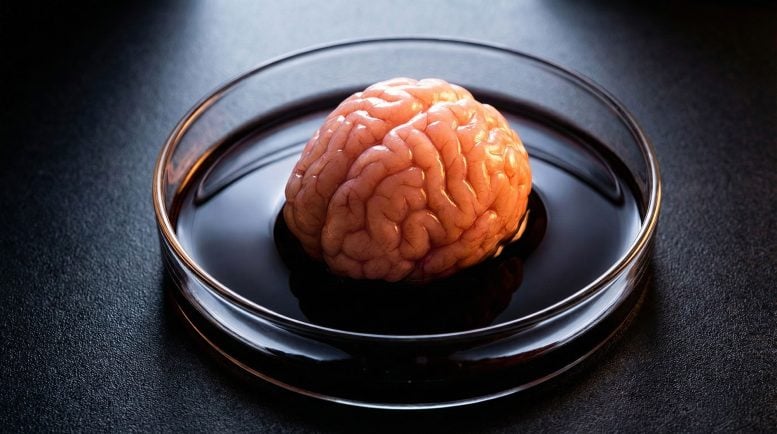
Brain Organoid Petri DishTiny lab-grown brain models and the particles they release may reveal hidden differences among Alzheimer’s patients. Personalized treatment remains one of the biggest challenges in Alzheimer’s disease. Two patients can receive the same medication for symptoms such as depression, anxiety, or agitation and experience very different outcomes, leaving doctors with few ways to predict who [...]
  •  

High-Dose Psilocybin Case Report Suggests Hidden Function May Persist in Advanced Alzheimer’s


For five years, an elderly woman with advanced Alzheimer’s disease had spoken mostly in single words, needed help walking, and showed little spontaneous interaction with the people around her. Then, roughly 19 hours after receiving a high dose of psilocybin-containing mushrooms, she emerged from a prolonged, deep sleep-like state and began talking about her life.

The striking episode, described in a new case report published in Frontiers in Neuroscience, does not show that psilocybin reverses Alzheimer’s disease. The researchers are careful to stress that this was a single patient, observed in a real-world private clinical setting without brain imaging, formal sleep monitoring, or standardized cognitive testing.

Still, the study’s authors say the case raises the interesting possibility that in late-stage dementia, some functional abilities may indeed remain dormant rather than be completely lost.

“Advanced Alzheimer’s disease is generally regarded as a stage of irreversible functional decline,” researchers write. “This case documents transient multidomain functional improvement in advanced Alzheimer’s disease following psilocybin administration.”

The case involved a Japanese-American woman in her 80s with a 10-year history of Alzheimer’s disease. The patient was described as being in an advanced stage of dementia, with the previous five years being noted for severe decline.

Her speech had become mostly monosyllabic, and she had chronic urinary incontinence, executive dysfunction, dysphagia, dependent mobility, flat affect, prolonged somnolence, and a severe reduction in spontaneous communication.

Her diagnosis had been made clinically about a decade earlier, based on a steadily progressive neurodegenerative course, memory impairment, language reduction, executive dysfunction, and functional decline.

The intervention was a single oral dose of 5 grams of psilocybin-containing mushrooms from the “Enigma” strain. Researchers note that no established psilocybin dosing framework exists for advanced dementia, and the dose was high by almost any comparison.

Recreational users commonly describe 1 to 3 grams of dried Psilocybe cubensis mushrooms as a typical range, while doses around 3.5 grams or more are generally considered strong. A 5-gram dose is often treated as an especially intense experience. However, direct comparisons are imprecise because psilocybin content can vary widely between mushroom species, strains, batches, and even different parts of the same mushroom.

The study also notes that the dose was “relatively high compared with dosing approaches commonly used in modern clinical trials,” which typically use carefully measured amounts of purified psilocybin rather than whole mushrooms.

One month later, after some improvements persisted, the patient underwent a second supervised session using 3 grams.

The first session produced a dramatic acute response. The patient experienced autonomic activation, profuse sweating, suspected hyperthermia, and what the researchers describe as a prolonged deep sleep-like state. Exact temperature measurements were not available.

The study’s timeline shows that the first 12 hours were dominated by autonomic and sleep-like effects. At about 19 hours, the patient spontaneously awakened and produced roughly four hours of autobiographical speech.

By the first day, she showed increased alertness and recognition of family. By the second day, she was independently walking. By days two and three, she was dressing herself and showing spontaneous initiative. Around the same time, her diapers remained dry, including at night.

The improvement in continence was particularly notable to researchers because urinary control depends on more than a single simple reflex. It requires awareness of bodily signals, executive inhibition, and coordination among brain networks affected by dementia. The report states that the patient remained continent one month after the initial session, which was one reason a second session was performed.

During that second session, the patient reportedly remained more verbally expressive and described positive imagery involving surfing with her son on a peaceful island.

Researchers also observed improved facial expressivity, emotional reciprocity, spontaneous humor, and greater agility while walking. At one point during follow-up, the patient spontaneously said, “It is pleasant to come here.”

The study’s broader importance is in what it may suggest about the brain in advanced neurodegenerative disease. Alzheimer’s is usually understood as a progressive condition in which neurons and networks progressively deteriorate, stripping away memory, communication, mobility, and autonomy. By the advanced stage, treatment is largely supportive, and meaningful functional recovery is generally considered unlikely.

Psilocybin, however, is known to transiently alter large-scale brain dynamics via activation of the serotonin 5-HT2A receptor. Researchers point to prior human neuroimaging studies showing changes in default mode network integrity, network segregation, and functional connectivity after psilocybin administration. They also cited preclinical research suggesting psychedelics may promote structural and functional plasticity, including dendritic growth and synaptic remodeling.

That does not mean psilocybin repaired the patient’s Alzheimer’s disease. Instead, researchers suggest a more measured interpretation. The drug may have temporarily altered brain network activity, allowing remaining functional systems to reintegrate or become accessible again, at least for a limited period.

The report does not claim that plaques, tangles, or neurodegeneration were reversed. It also does not show that other patients would experience similar results. Because this was a single case, there was no control group, no placebo comparison, no formal biomarker confirmation, and no standardized cognitive testing to measure the degree of change.

Researchers acknowledge that mixed or alternative neurodegenerative contributions, including vascular components, cannot be fully excluded. Although they found no evidence of acute delirium, intoxication, or another acute neurological diagnosis during the observation period, the case remains observational. Causality cannot be established, and fluctuations in neurodegenerative disease cannot be completely ruled out.

The safety picture is also incomplete. While no severe persistent adverse effects, prolonged agitation, clinically significant cardiovascular instability, persistent psychotic symptoms, delayed neurological deterioration, or delayed medical complications were observed during follow-up, the acute phase included suspected hyperthermia and profuse sweating. In frail elderly patients, especially those with advanced dementia, such responses could carry serious risks.

For that reason, the findings should not be read as a green light for unsupervised psychedelic use in dementia patients. Psilocybin is still a powerful psychoactive compound, and older adults with complex neurological disease may be especially vulnerable to complications.

Ultimately, the value of the report doesn’t lie in providing a treatment recommendation but in documenting an unusual clinical observation that researchers say warrants controlled investigation.

The case also lands amid a flood of scientific interest in psychedelics as tools for studying brain plasticity, perception, memory, and large-scale network dysfunction.

As The Debrief has previously reported, recent brain-imaging work has found that psilocybin can temporarily dissolve familiar brain-network patterns tied to the sense of self, while other studies suggest psychedelics may redirect visual processing toward memory-related regions. Additional research has analyzed how a single dose of psilocybin may produce lasting brain changes, how the compound can reshape neural pathways associated with depression, and how psychedelic effects may be influenced by factors such as exercise, food restriction, and immune signaling.

However, most clinical work with psilocybin has centered on psychiatric conditions such as depression, anxiety, PTSD, and substance use disorders.

More recently, researchers have begun asking whether similar neuromodulatory effects might have relevance for people with mild cognitive impairment or early Alzheimer’s disease.

Published clinical data involving advanced dementia remain extremely limited, which is why the new report is best understood not as evidence of a treatment, but as a provocative case study that may help guide future controlled research.

This recent case does not prove efficacy, but it questions assumptions about what may remain possible in a brain already deeply affected by Alzheimer’s disease.

If future studies find similar effects under supervised conditions, the implications could be significant, not only for dementia care but also regarding understanding how much latent function can persist beneath the outward appearance of severe decline.

“Residual functional capacity may persist in advanced Alzheimer’s disease and may become transiently accessible following psilocybin induced modulation of large-scale brain networks,” researchers conclude. “Systematic investigation is warranted.”

Tim McMillan is a retired law enforcement executive, investigative reporter and co-founder of The Debrief. His writing typically focuses on defense, national security, the Intelligence Community and topics related to psychology. You can follow Tim on Twitter: @LtTimMcMillan.  Tim can be reached by email: tim@thedebrief.org or through encrypted email: LtTimMcMillan@protonmail.com 

  •  

CKM Syndrome: The Hidden Link Between Obesity, Diabetes, Heart Disease and Kidney Disease

Cardiovascular-kidney-metabolic syndrome, often called CKM syndrome, is a relatively new term that many people have never heard of. Yet health experts believe it may become one of the most important health concepts of the coming decades. CKM syndrome is not a single disease. Instead, it describes the close connection between excess body fat, diabetes, heart […]

The post CKM Syndrome: The Hidden Link Between Obesity, Diabetes, Heart Disease and Kidney Disease appeared first on Knowridge Science Report.

  •  
❌