❌

Reading view

Jupiter Accelerates Electrons to Near-Light Speed, Offering Clues to Cosmic Ray Origins
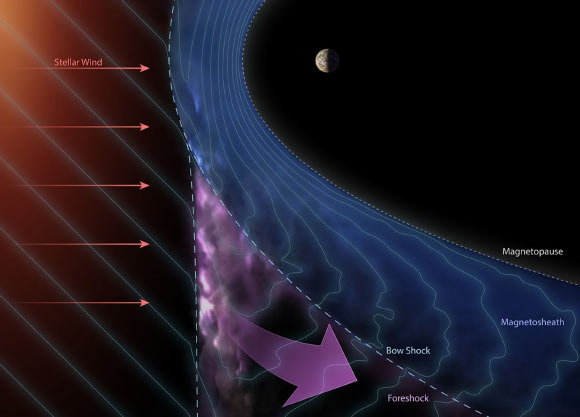
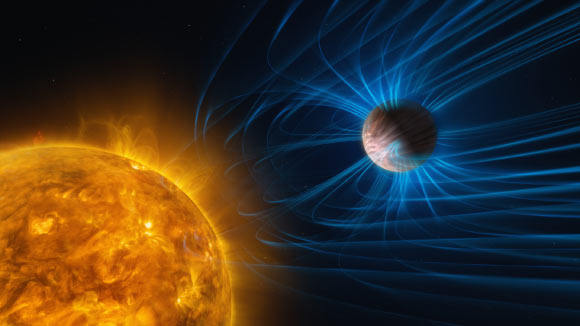
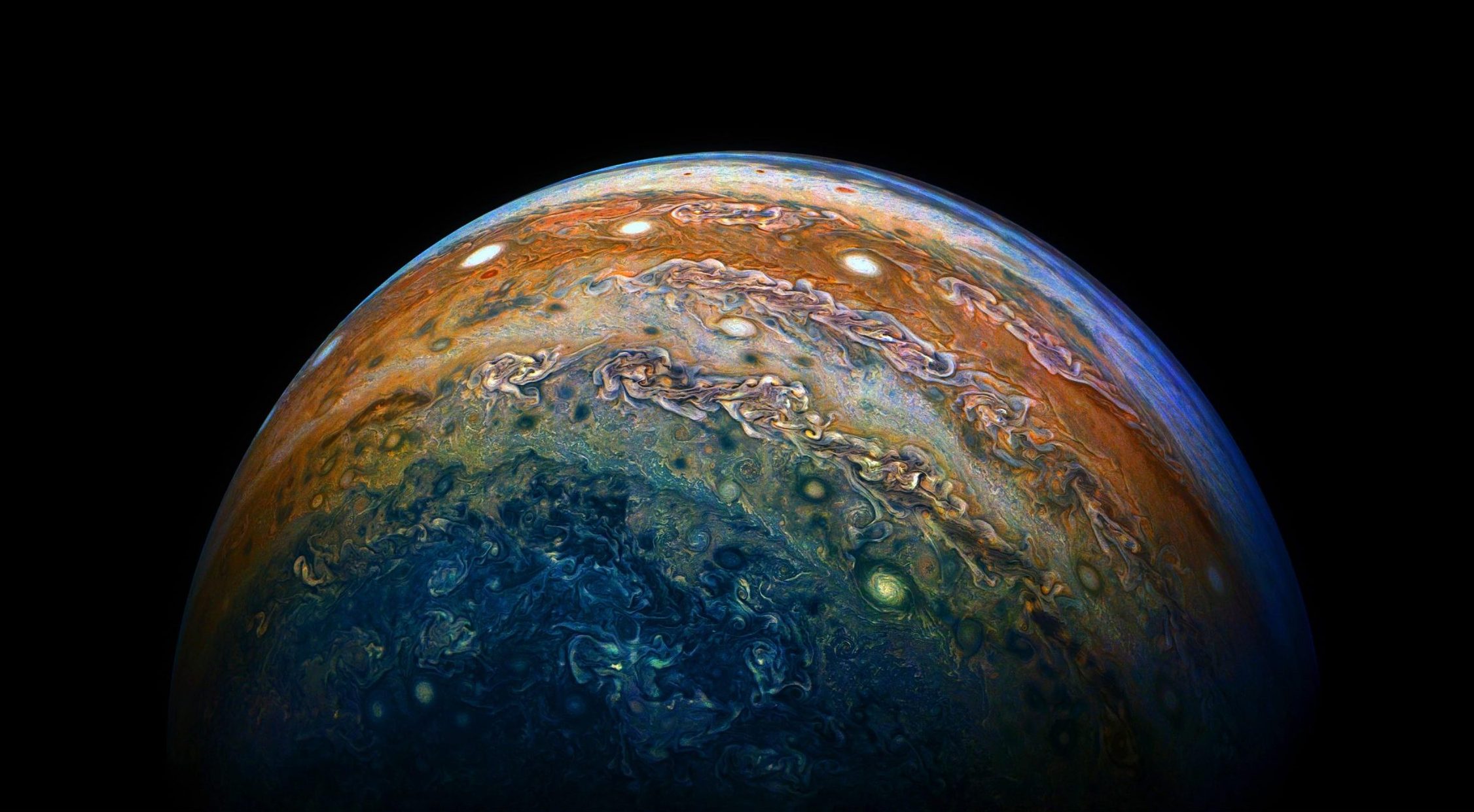
As planets and stars travel through the streams of charged particles flowing across space, their magnetic fields act like obstacles; incoming particles are slowed and deflected, forming a boundary called the bow shock; just ahead of this boundary lies the foreshock, a variable region where magnetic conditions can accelerate some particles to nearly the speed of light. Image credit: Ben C. Smith, Johns Hopkins Applied Physics Laboratory.

The giant planet’s bow shock isn’t just deflecting the solar wind, it’s acting as a powerful particle accelerator, firing electrons to relativistic energies of at least 1 MeV, according to a new analysis of data from NASA’s Juno spacecraft.

The post Jupiter Accelerates Electrons to Near-Light Speed, Offering Clues to Cosmic Ray Origins appeared first on Sci.News: Breaking Science News.
  •  

After 11 years at Mars, NASA's MAVEN spacecraft went out with a whisper

NASA's MAVEN spacecraft was in excellent shape when it disappeared behind Mars on December 6 of last year. The routine passage, called an occultation, was supposed to last less than an hour, but ground teams didn't hear from the spacecraft when it was supposed to regain contact with Earth.

The loss of communication triggered contingency plans for engineers to try to restore a link with MAVEN, which orbits Mars more than 200 million miles from Earth. To no avail, they listened for faint signals and uplinked commands in the blind. Hopes of saving the mission faded over time, and NASA officials announced Wednesday that they're giving up on it.

"NASA has ceased efforts to search for the MAVEN spacecraft and are beginning activities to decommission the mission," said Mike Moreau, MAVEN's project manager at NASA's Goddard Space Flight Center in Maryland.Β 

Read full article

Comments

Β© NASA/University of Colorado/LASP

  •  

Meteorite Found in Africa Preserves Evidence of Long-Lost Massive Protoplanet

This is an artist impression of the protoplanetary disk around HD 107146. Image credit: A. Angelich / NRAO / AUI / NSF.

The Northwest Africa (NWA) 12774, an angrite meteorite discovered in the Sahara Desert, likely in Mauritania, appears to be a fragment of a vanished protoplanet, offering the strongest evidence yet that a large planetary body formed and was later destroyed during the Solar System’s chaotic infancy.

The post Meteorite Found in Africa Preserves Evidence of Long-Lost Massive Protoplanet appeared first on Sci.News: Breaking Science News.
  •  

Astronomers Detect Clearest Signs Yet of Magnetic Fields on Extrasolar Planets

This illustration shows magnetic activity in an ultra-hot Jupiter. Image credit: ESO / M. Kornmesser / L. CalΓ§ada.

By tracking fierce winds racing through the atmospheres of seven ultra-hot Jupiters, astronomers have uncovered the strongest evidence yet that magnetic fields shape weather on worlds beyond our Solar System.

The post Astronomers Detect Clearest Signs Yet of Magnetic Fields on Extrasolar Planets appeared first on Sci.News: Breaking Science News.
  •  
  •  

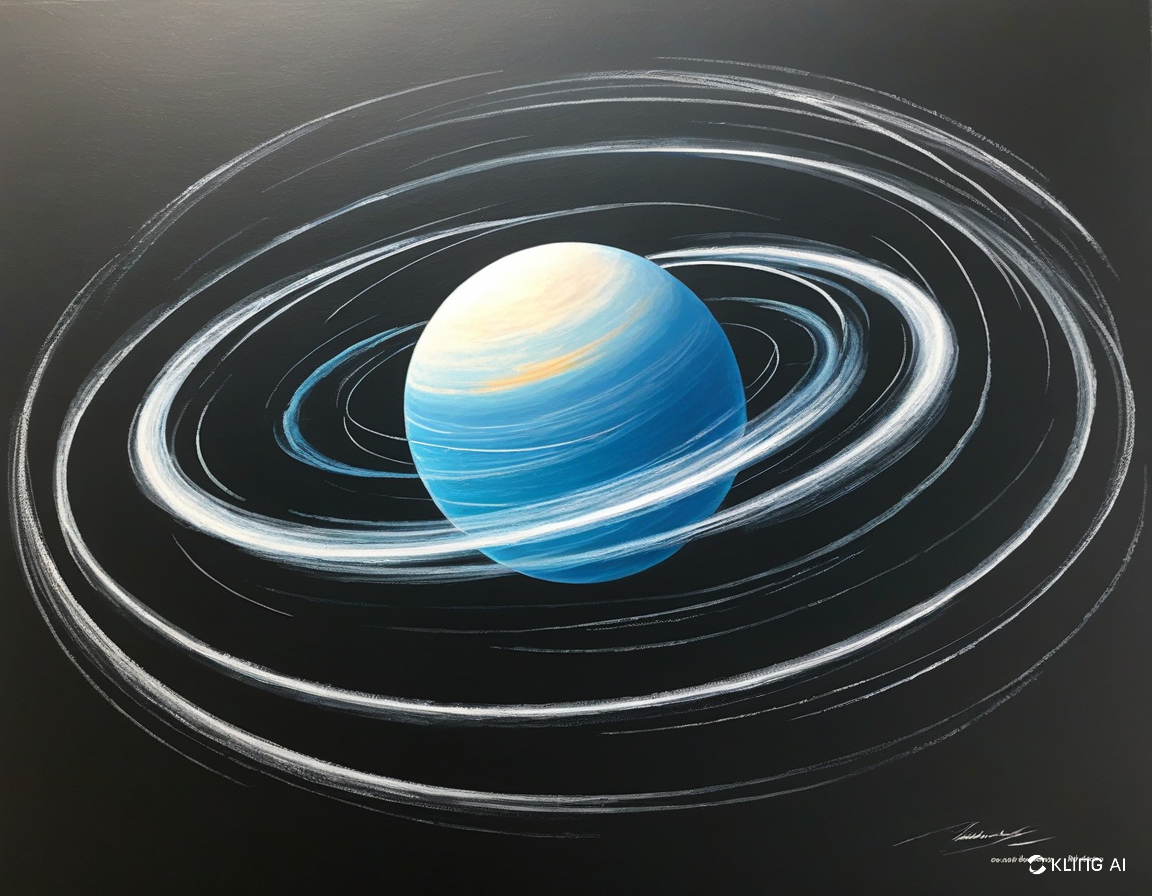
What Happened to Earth’s Rings?

The existence of evidence for Earth’s past equatorial ring, shown by impact craters, raises questions about its loss. Modeling its effects on Earth's rotation presents challenges. However, current findings indicate minor impacts on day length, with significant stability in the Earth-Moon system over 10,000 years.

  •  

Webb Detects Methane on Interstellar Comet 3I/ATLAS

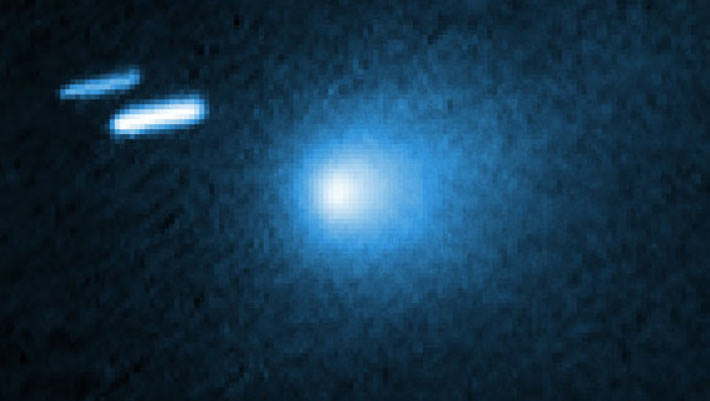
Hubble captured this image of 3I/ATLAS on July 21, 2025, when the comet was 446 million km (277 million miles) from Earth. Image credit: NASA / ESA / David Jewitt, UCLA / Joseph DePasquale, STScI.

Using the spectral data from the Mid-Infrared Instrument (MIRI) onboard the NASA/ESA/CSA James Webb Space Telescope, astronomers have detected methane on 3I/ATLAS.

The post Webb Detects Methane on Interstellar Comet 3I/ATLAS appeared first on Sci.News: Breaking Science News.
  •  

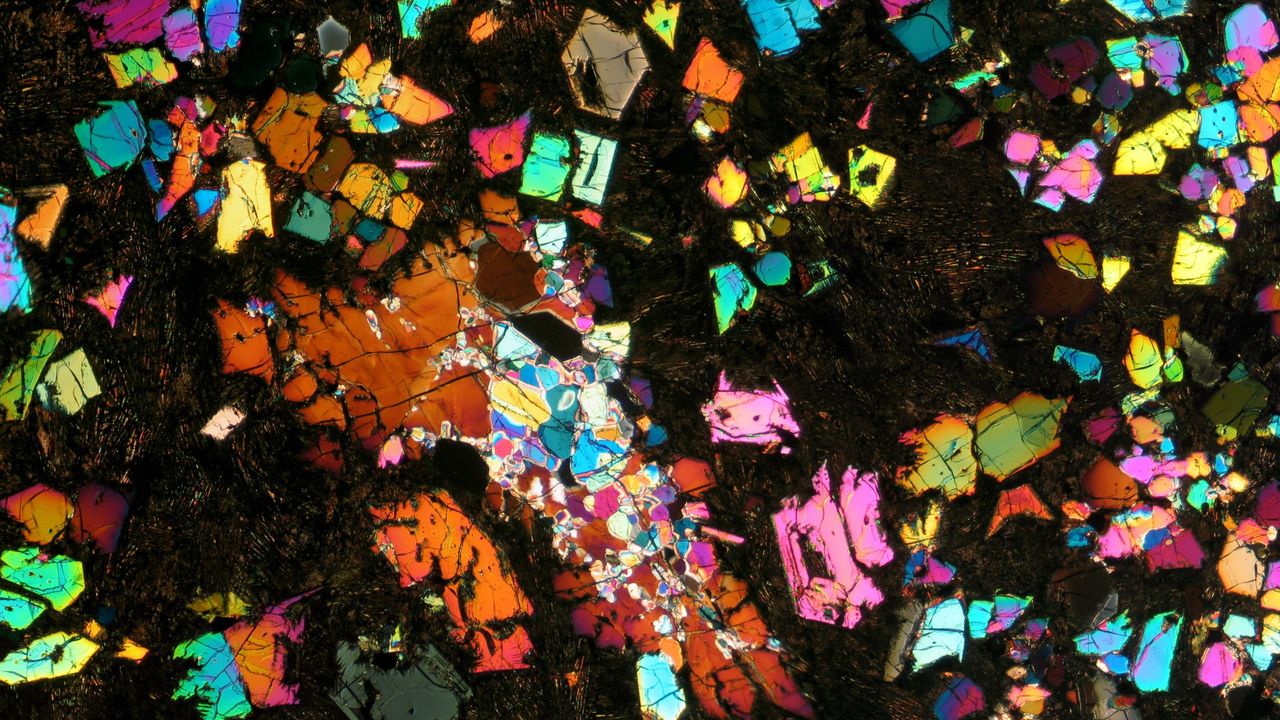
Pigeons May Sense Earth’s Magnetic Field Using Superparamagnetic Immune Cells in Their Livers

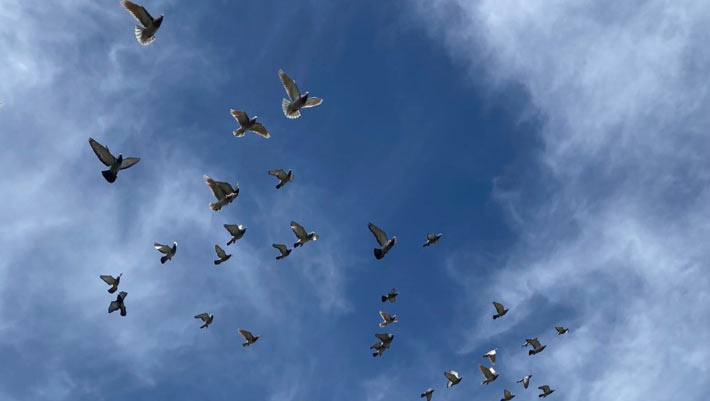
Lisowski et al. used physical, morphological, functional, and genomic assays to identify the presence of superparamagnetic macrophages in the liver of homing pigeons (Columba livia domestica). Image credit: Spanishguitar101 / CC BY-SA 4.0.

Scientists have identified supermagnetic macrophages in the livers of homing pigeons (Columba livia domestica) that appear essential for navigation when the Sun is not visible, pointing to an entirely new mechanism for animal magnetoreception.

The post Pigeons May Sense Earth’s Magnetic Field Using Superparamagnetic Immune Cells in Their Livers appeared first on Sci.News: Breaking Science News.
  •  

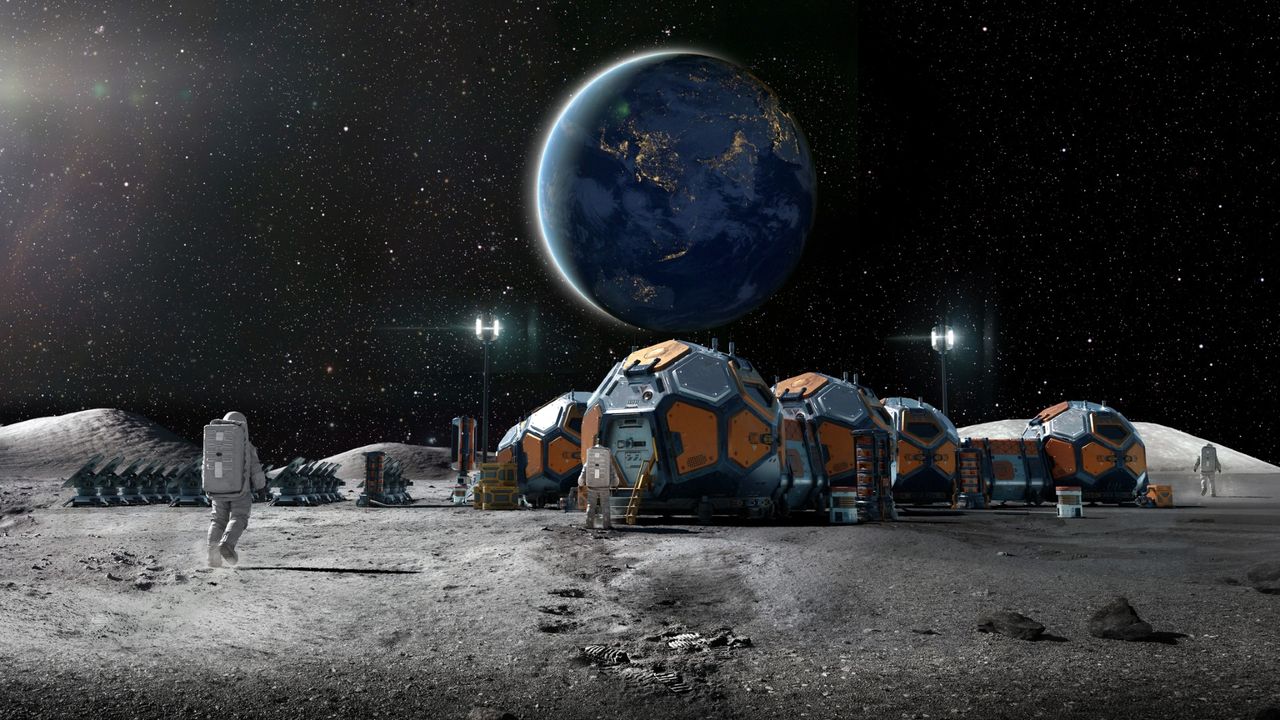
If Jupiter Disappeared Would Earth Face More Asteroid Hits?

Jupiter dominates the Solar System’s architecture. At about 318 times Earth’s mass and orbiting far beyond Mars, it acts as a gravitational gatekeeper, tugging on asteroids and comets that might otherwise stay put or never reach the inner planets. Remove Jupiter from the picture and Earth’s impact environment would change in complicated ways. It would […]

The post If Jupiter Disappeared Would Earth Face More Asteroid Hits? appeared first on Curiosmos.

  •  

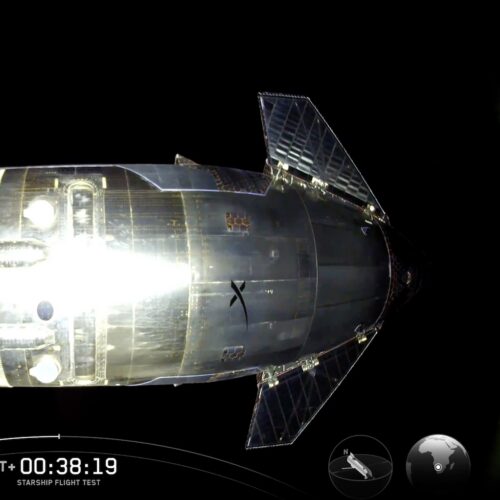
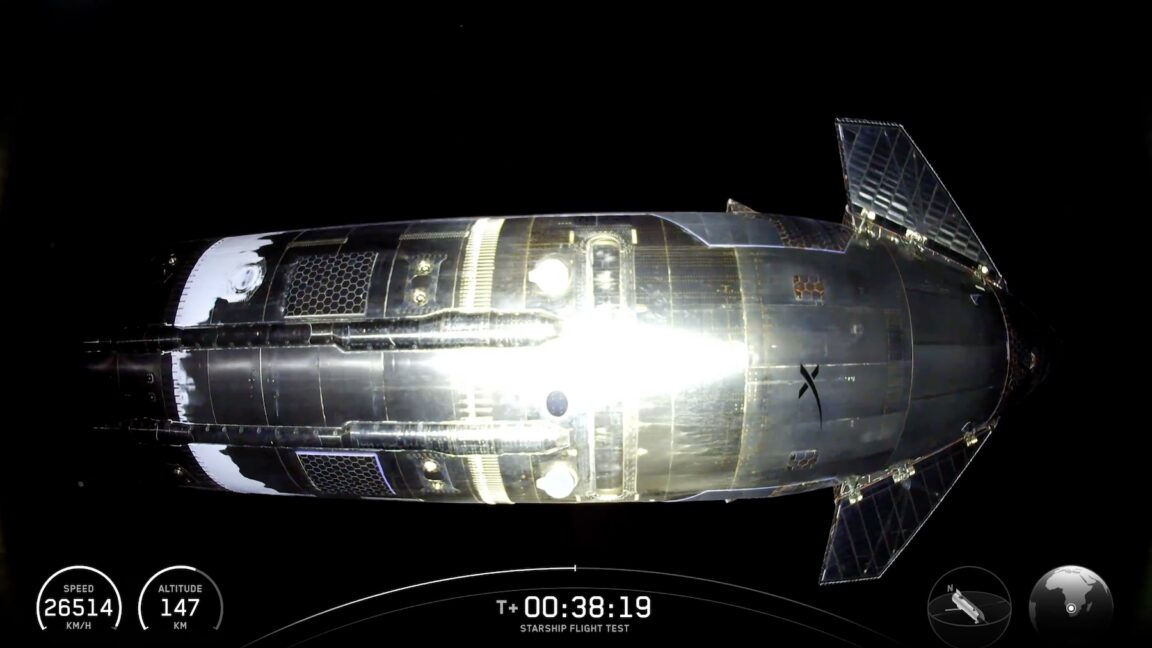
SpaceX's Starship V3β€”still a work in progressβ€”mostly successful on first flight

SpaceX launched the first test flight of its upgraded Starship rocket and Super Heavy booster Friday, with mostly positive results.

The powerful rocket, propelled by 33 methane-fueled main engines, climbed away from SpaceX's Starbase launch facility in South Texas at 5:30 pm CDT (6:30 pm EDT; 22:30 UTC) Friday. Within a few seconds, the 408-foot-tall (124-meter) rocket, the largest ever built, cleared the launch tower and turned onto an eastward heading over the Gulf of Mexico.

Starship splashed down on target in the Indian Ocean a little more than an hour later to conclude the first flight of the latest version of SpaceX's stainless-steel mega-rocket. Starship V3 fared better on its debut than the first flights of Starship V1 and V2 in 2023 and 2025. Both past versions of Starship broke apart during launch on their inaugural flights.

Read full article

Comments

Β© SpaceX

  •  
❌