NASA’s Roman Telescope could reveal 100,000 hidden worlds and rewrite what we know about planets across the Milky Way. NASA’s Nancy Grace Roman Space Telescope is expected to dramatically expand humanity’s catalog of worlds beyond our solar system. Known as exoplanets, these distant planets number nearly 6,300 discoveries so far through NASA missions and other [...]
NASA's MAVEN spacecraft was in excellent shape when it disappeared behind Mars on December 6 of last year. The routine passage, called an occultation, was supposed to last less than an hour, but ground teams didn't hear from the spacecraft when it was supposed to regain contact with Earth.
The loss of communication triggered contingency plans for engineers to try to restore a link with MAVEN, which orbits Mars more than 200 million miles from Earth. To no avail, they listened for faint signals and uplinked commands in the blind. Hopes of saving the mission faded over time, and NASA officials announced Wednesday that they're giving up on it.
"NASA has ceased efforts to search for the MAVEN spacecraft and are beginning activities to decommission the mission," said Mike Moreau, MAVEN's project manager at NASA's Goddard Space Flight Center in Maryland.
Depois de vários meses de testes, o avião supersónico X-59 prepara-se para novos voos mais ambiciosos. A equipa da NASA espera que a aeronave ultrapasse a velocidade do som, a mais de 13 mil metros de altitude, já no início de junho.
NASA is working on a streamlined management approach for a nuclear electric propulsion demonstration mission the agency wants to launch in two and a half years.
Entre células estaminais, plantas e fluidos, a Estação Espacial Internacional continua a funcionar como um laboratório único, onde cada dia de trabalho ajuda a preparar o futuro da exploração espacial e, em muitos casos, a melhorar a vida na Terra.
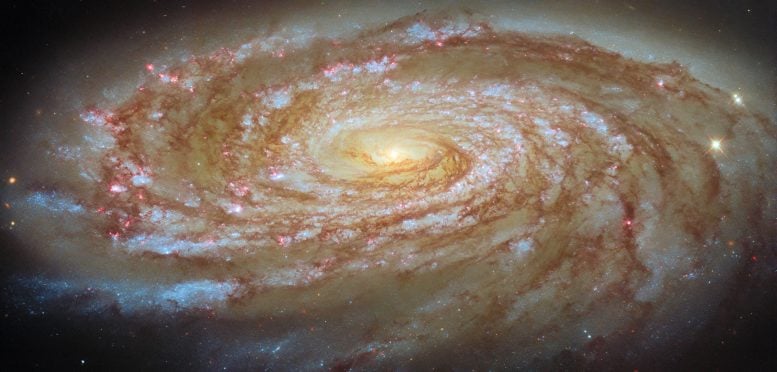
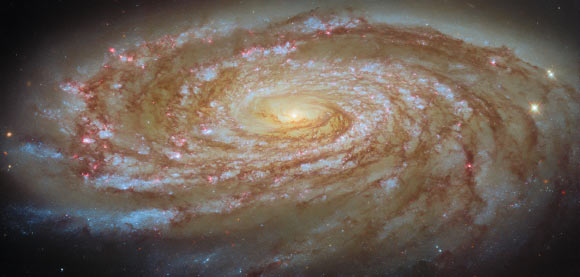
A spectacular spiral galaxy known as M88 is traveling toward the crowded heart of the Virgo Cluster, where powerful forces are already beginning to reshape its future. A striking new image from the NASA/ESA Hubble Space Telescope highlights Messier 88 (M88), a spiral galaxy that is in the midst of a cosmic journey spanning hundreds [...]
NASA’s Fermi telescope may have finally uncovered the magnetic powerhouse behind the universe’s brightest supernovae. An international team of astronomers analyzing observations from NASA’s Fermi Gamma-ray Space Telescope has found what appears to be the first convincing detection of gamma rays from a rare type of extraordinarily bright stellar explosion known as a superluminous supernova. [...]
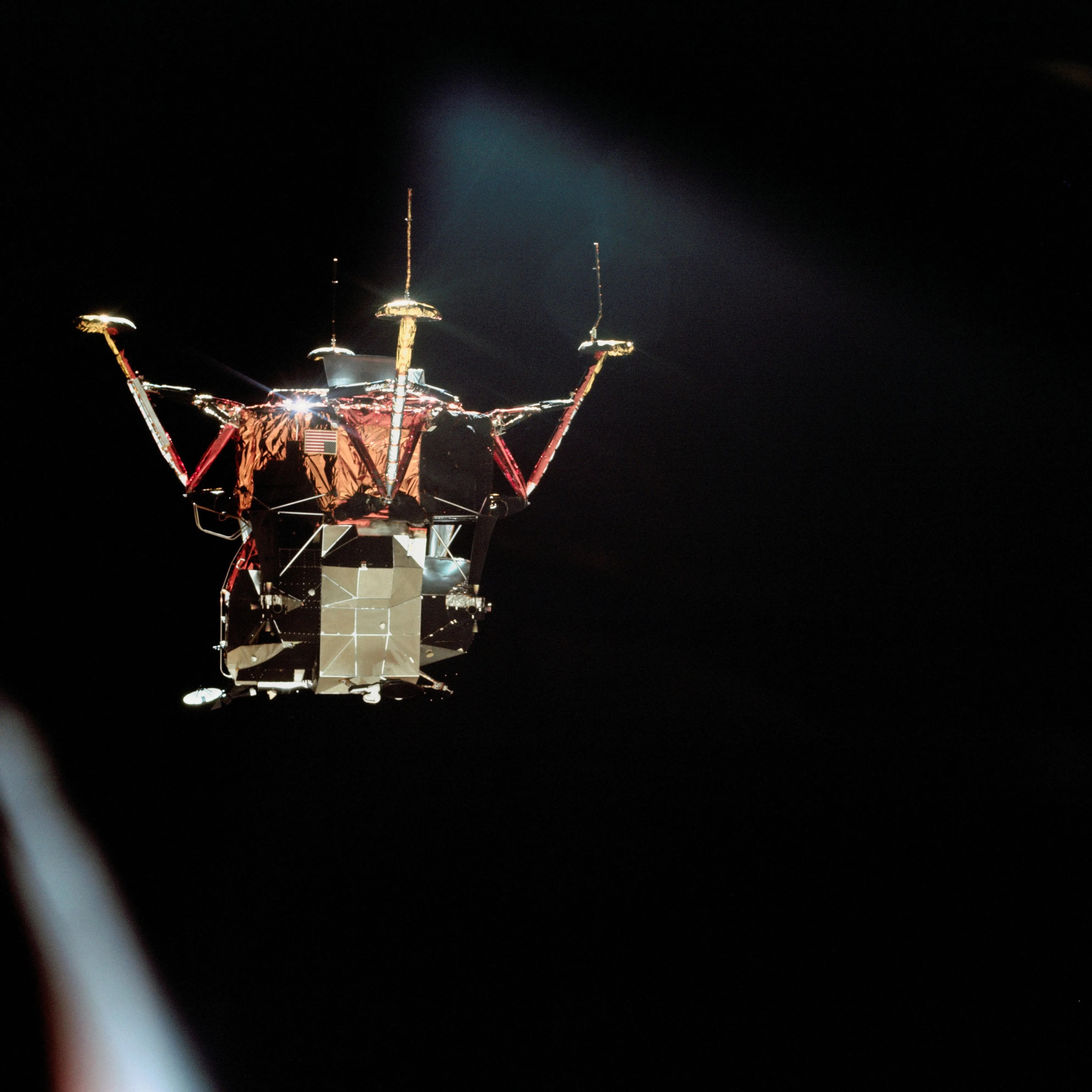
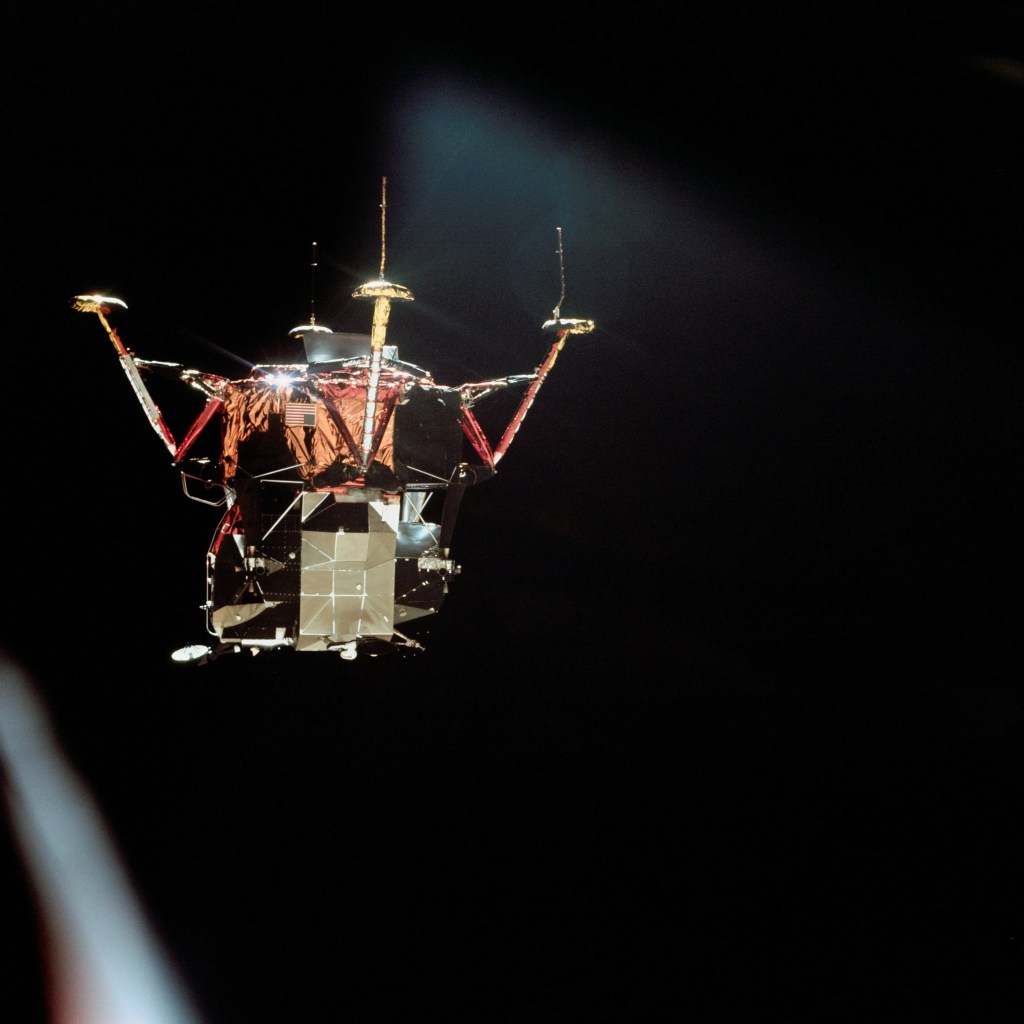
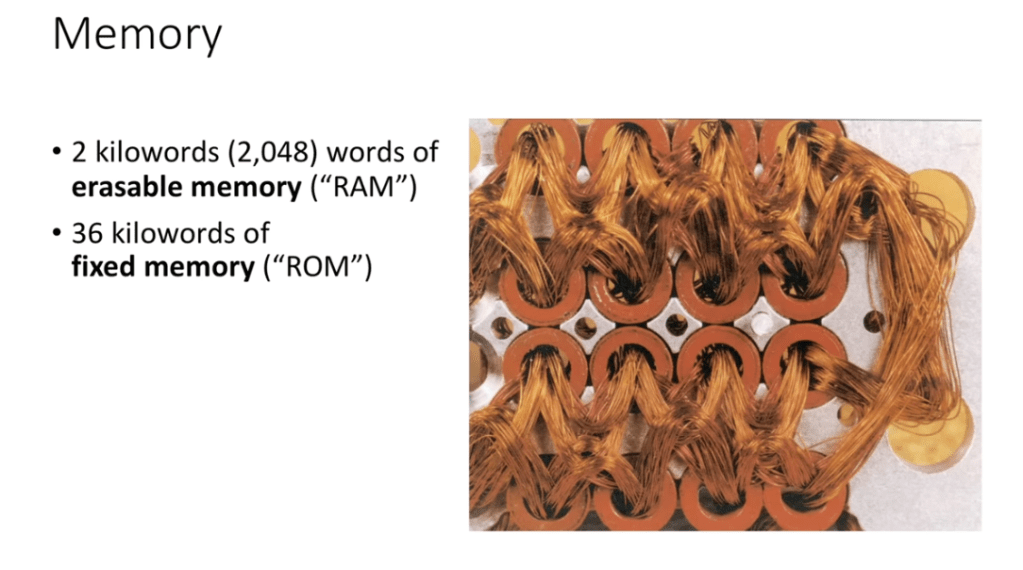
The Apollo Guidance Computer was crucial for the success of the 1969 Moon landing, operating effectively despite its limited technology. Today, Moon landing efforts face challenges but to do so again the U.S. needs to re-engineer new designs using new technology. NASA cannot just turn the clock back 60 years.
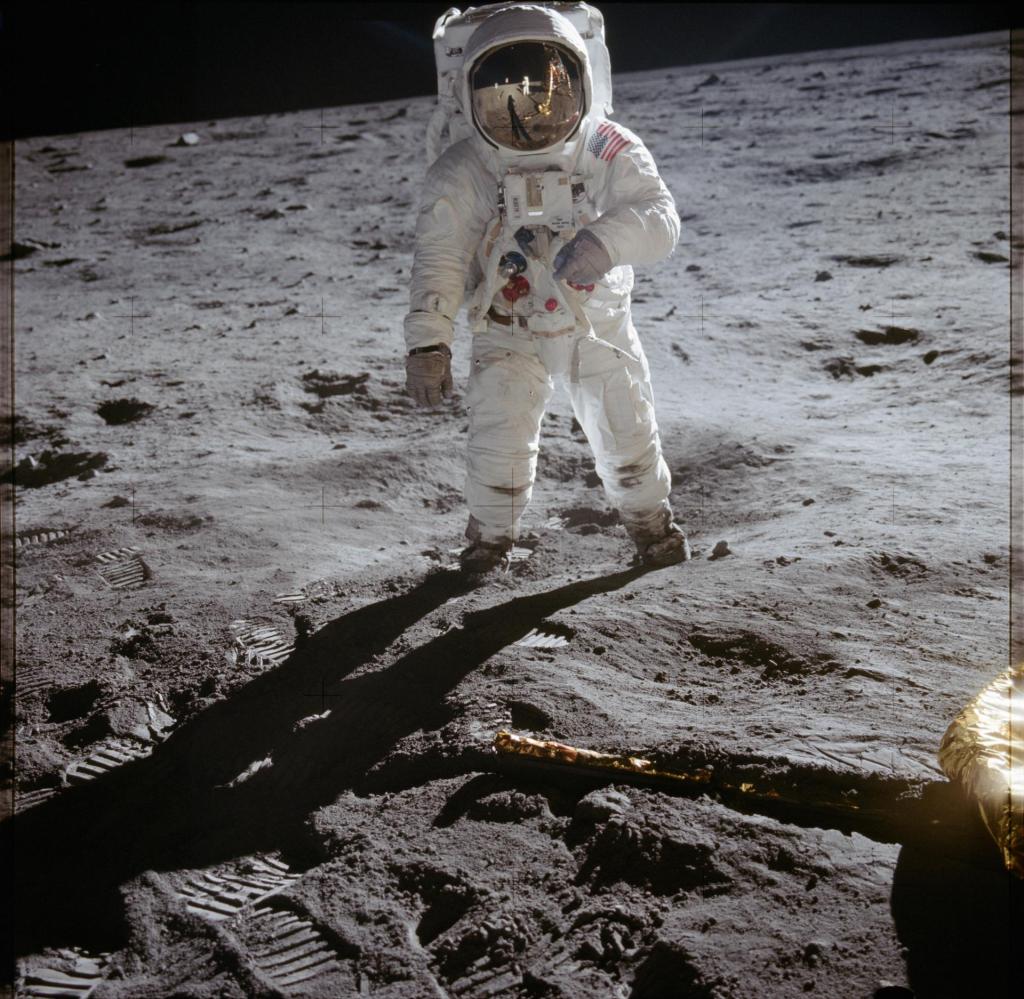
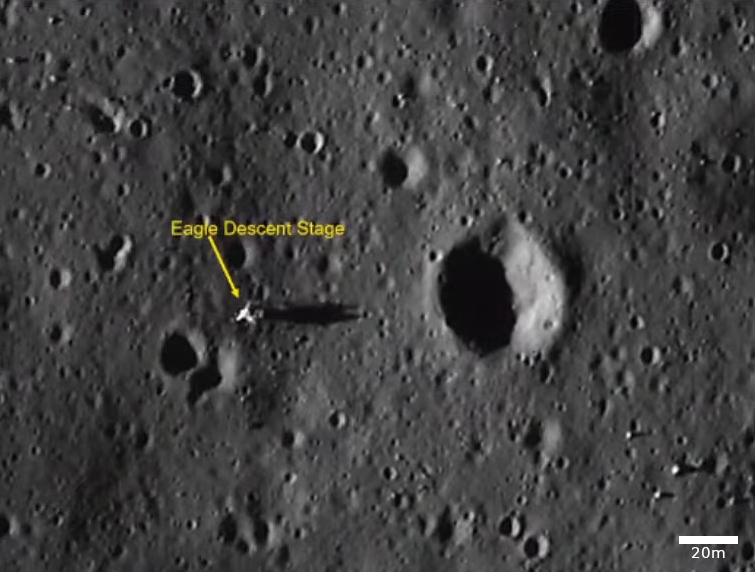
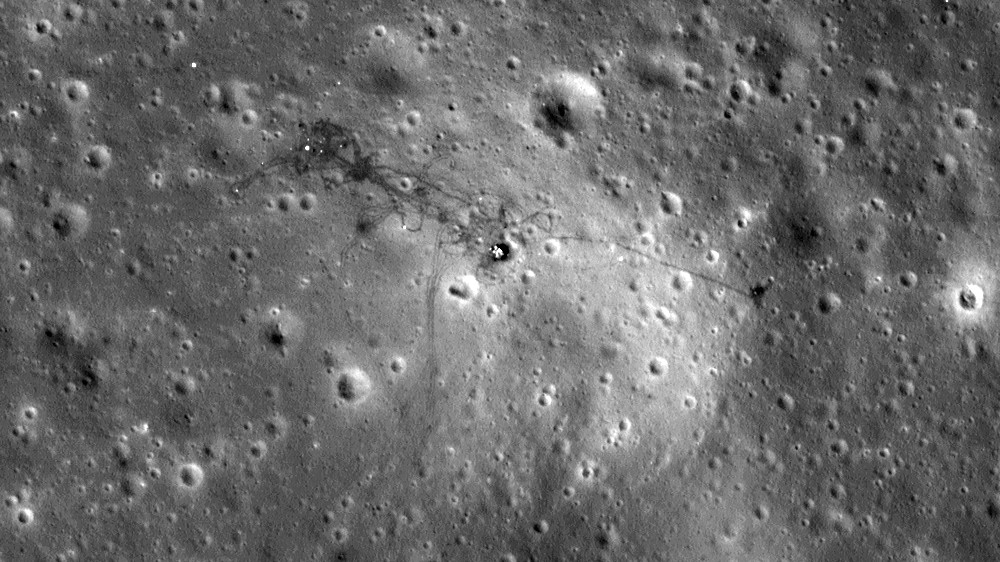
Many "Moon Landing Hoax" proponents dismiss any pictures from NASA which clearly show Apollo Moon landing sites, taken by the lunar orbiter spacecraft. Also we have clear images from India’s ISRO lunar orbiter. But we can’t resolve the Apollo Lunar Module descent stages with Earth-based telescopes because of the limitations of the physics involved.
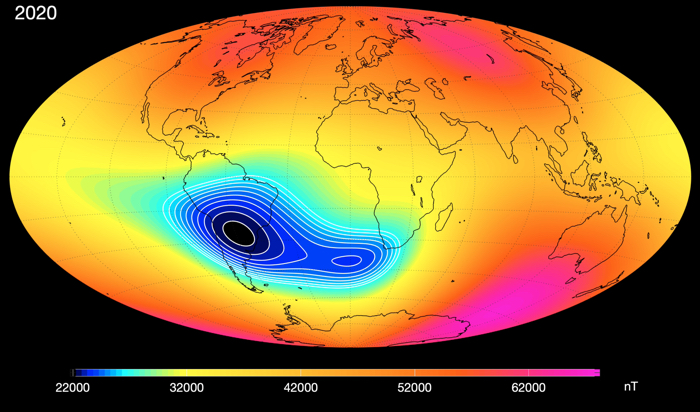
Recent satellite data indicate that the South Atlantic Anomaly in Earth's magnetic field is potentially splitting into two anomalies. This phenomenon, attributed to disturbances in the outer core, threatens the planet's magnetic shielding. This supports a young Earth perspective based on evidence of total energy decay from the magnetic field.
NASA is holding a news conference on Wednesday, January 18th to announce its next steps for the Sustainable Flight Demonstrator project. The project aims to develop a new generation of lower-emission single-aisle airliners and to validate green technologies related to the project. The conference will be led by NASA Administrator Bill Nelson and other agency […]
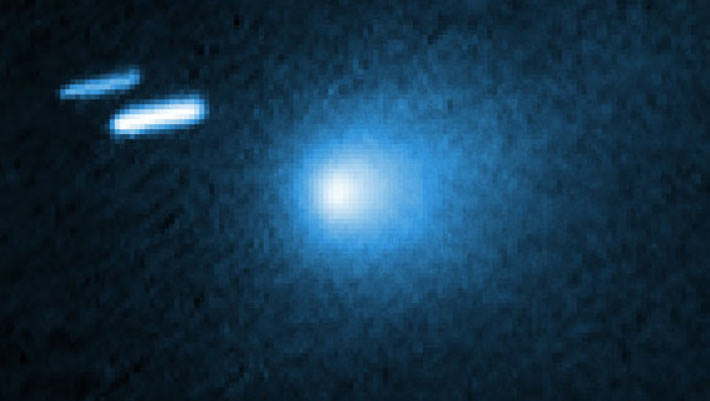
Using the spectral data from the Mid-Infrared Instrument (MIRI) onboard the NASA/ESA/CSA James Webb Space Telescope, astronomers have detected methane on 3I/ATLAS.
A newly-released Hubble image shows Messier 88, a black hole-powered spiral galaxy that is gradually plunging toward the crowded heart of the Virgo Cluster.
Um meteoro explodiu na costa de Massachusetts, nos Estados Unidos, provocando um estrondo sentido em vários estados. De acordo com a NASA, a energia libertada foi equivalente a cerca de 300 toneladas de dinamite.
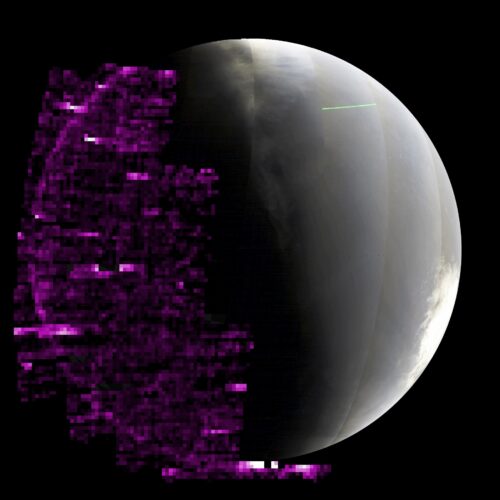
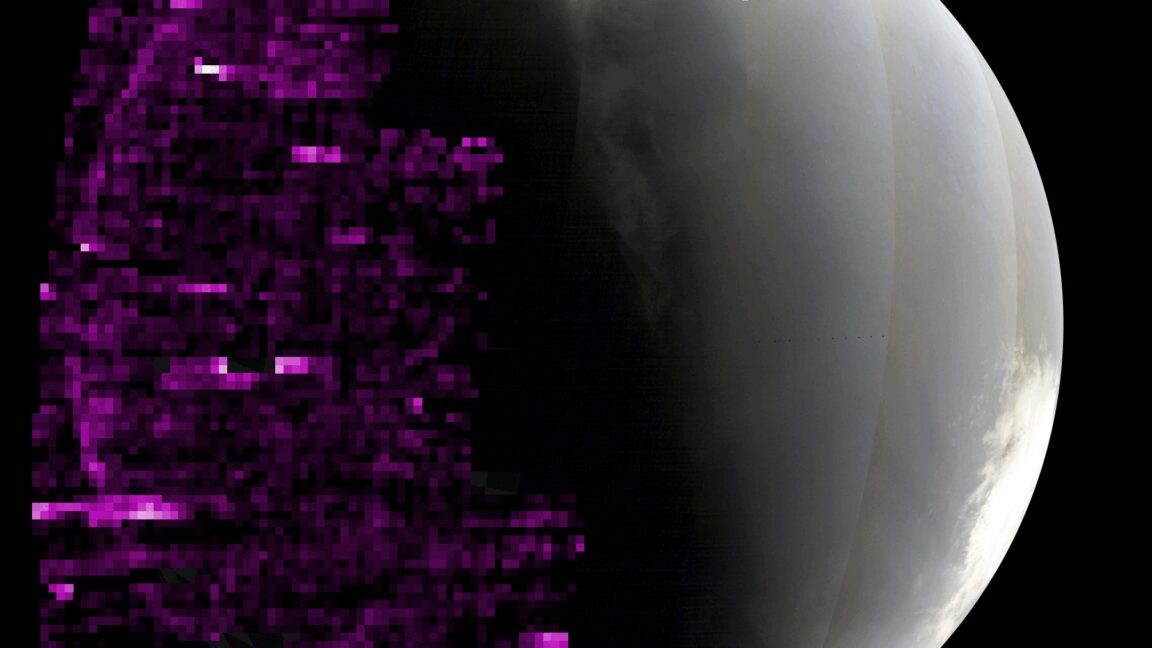
Entre galáxias espirais, auroras verdes e novas vistas infravermelhas da enigmática lua Titã, de Saturno, maio confirmou uma vez mais que a fotografia continua a ser uma das formas mais poderosas de explorar lugares onde, por agora, ainda não podemos chegar.

 Login

 NASA’s Roman Telescope could reveal 100,000 hidden worlds and rewrite what we know about planets across the Milky Way. NASA’s Nancy Grace Roman Space Telescope is expected to dramatically expand humanity’s catalog of worlds beyond our solar system. Known as exoplanets, these distant planets number nearly 6,300 discoveries so far through NASA missions and other [...]