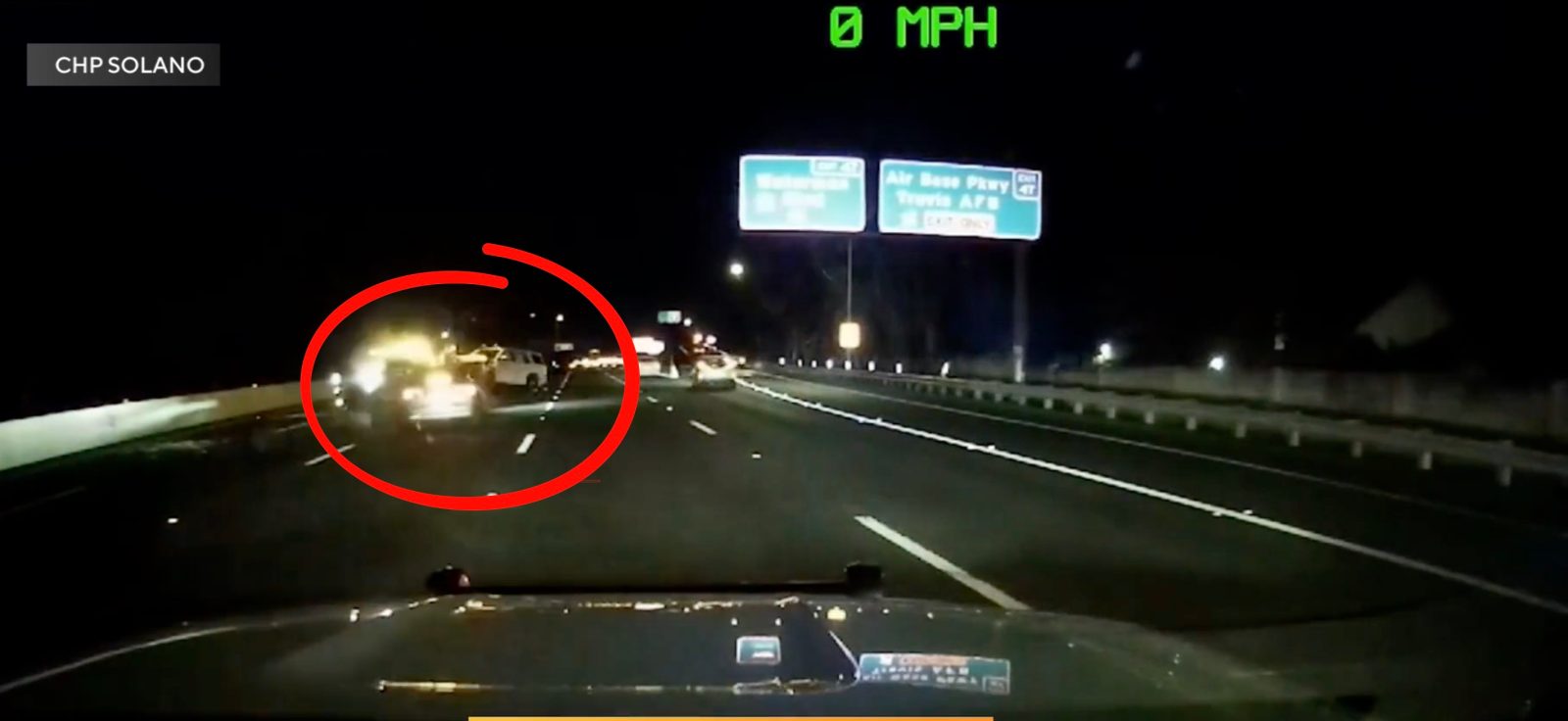
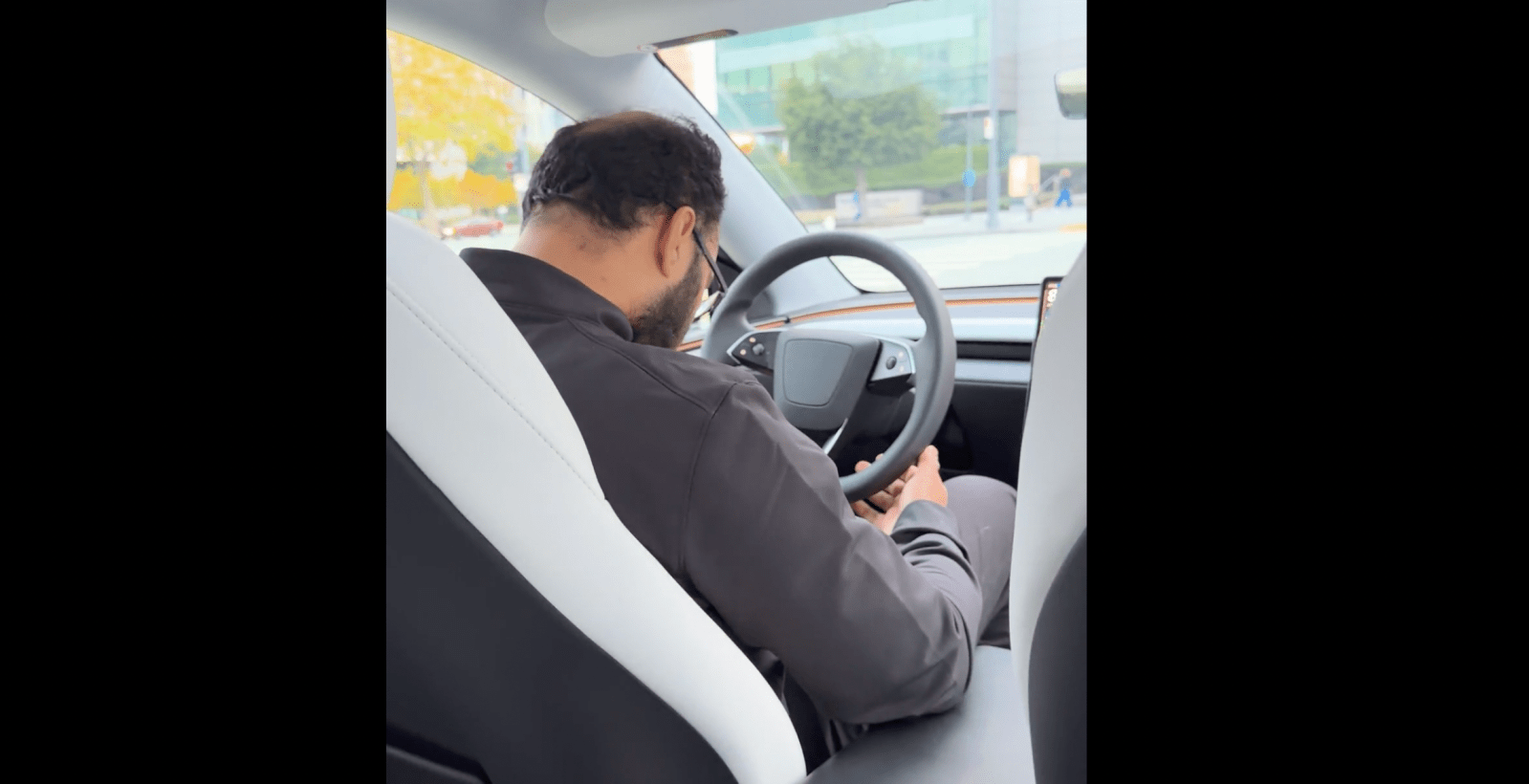
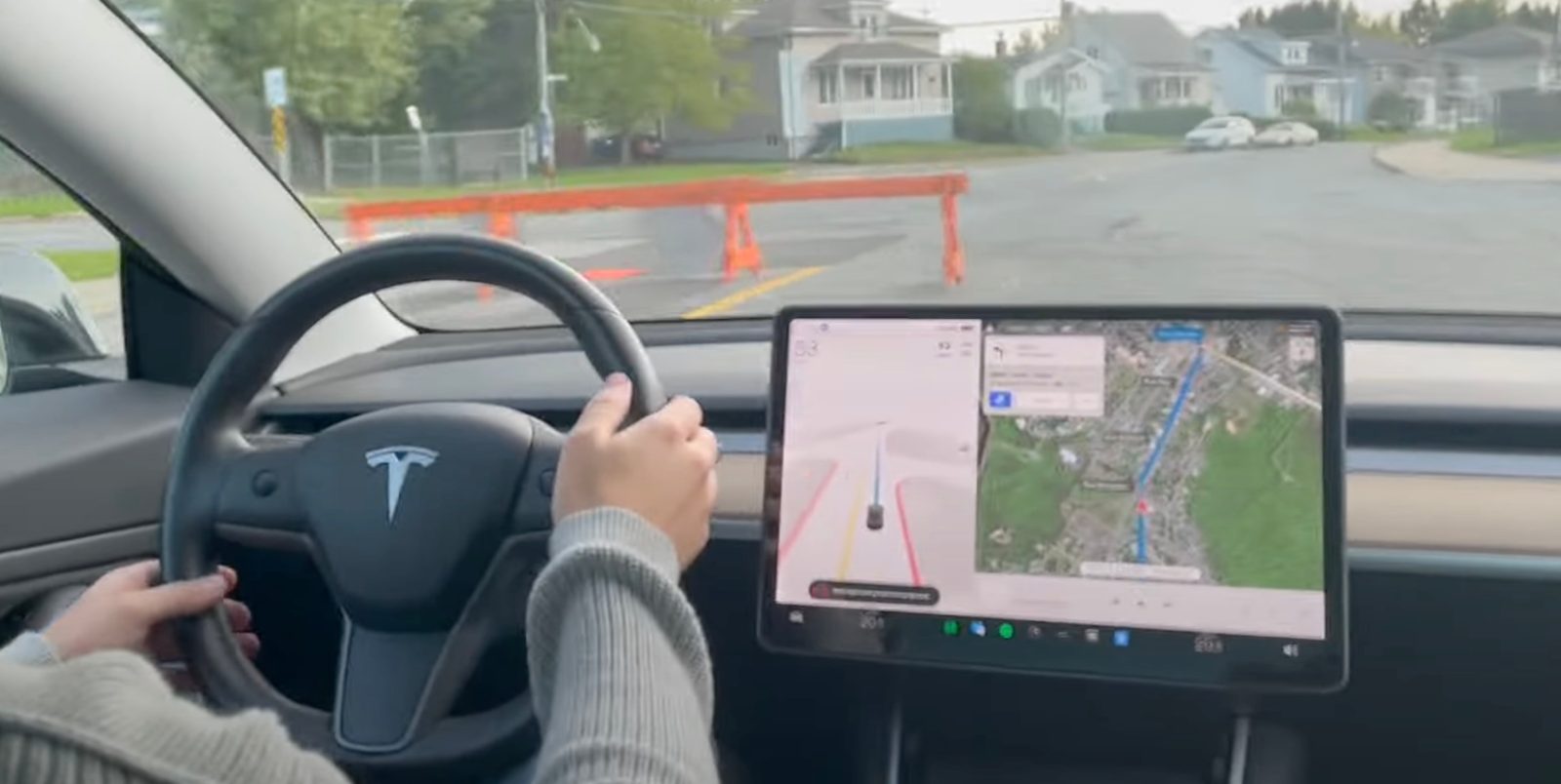
Two California Highway Patrol officers are recovering from serious injuries after a Tesla drove into their patrol car at a crash scene on Interstate 80 in Fairfield. The 22-year-old driver told investigators he was asleep with Tesla’s “Full Self-Driving” engaged.
CHP released dashcam video of the impact on Thursday. It’s the latest Tesla to plow into an emergency scene, a failure federal regulators started investigating five years ago.
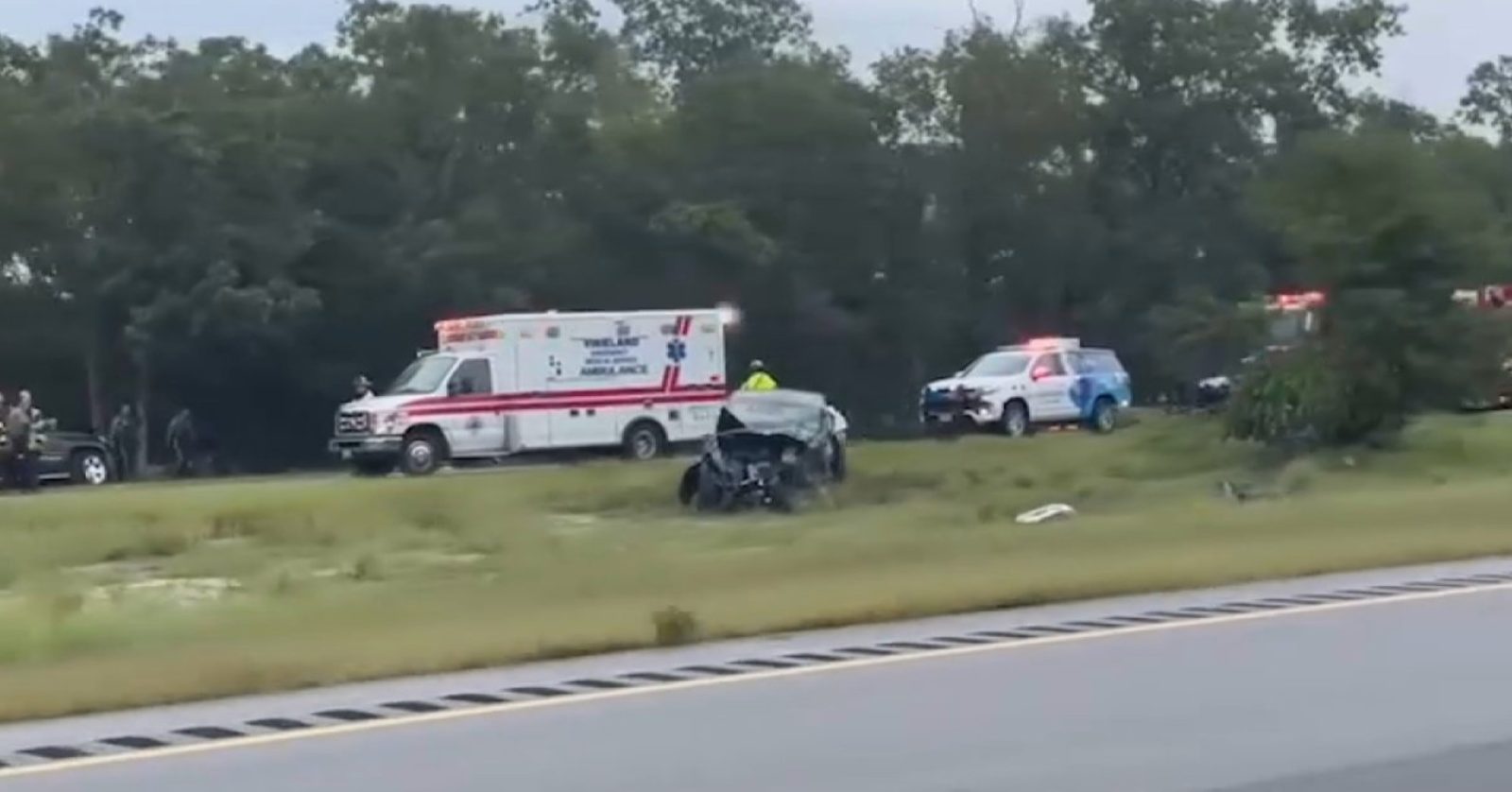
A Tesla crossed the grass median of Route 55 in New Jersey, hit a tree, slid into oncoming traffic, and struck an SUV head-on. The SUV’s driver, 68-year-old Phillip Eastman, was killed.
Police reported it as a driver who lost control. What they didn’t say, and likely didn’t know, is that Tesla’s own report to federal regulators says the car’s driver-assist system was engaged. This is part of an ongoing Electrek investigation matching reported crashes to Tesla’s redacted NHTSA data.
It is happening again: Disney+ and Hulu are raising prices on their streaming services prices, inspiring the panel to discuss strategies for managing streaming costs, and free content alternatives. The conversation then turns to Microsoft dropping Copilot+ branding from new Surface PCs, Copilot’s lacking enterprise presence, reports of human review of CoPilot user photos, and broader concerns about how Microsoft and Meta approach privacy.
A discussion of smart TV privacy examines reports of LG televisions collecting viewing data, whether TVs should ever be connected to the internet, and when firmware updates are worthwhile. The MacVoices Live! panel also considers hotel TV privacy, Microsoft’s increasingly pervasive Copilot strategy and organizational changes, and the enduring influence of Star Trek technology on real-world innovation.
The continuation of AI chatbots arriving in CarPlay, Apple’s opt-in approach to using customer data for AI training, and turmoil surrounding WordPress leadership are the topics for this MacVoices Live! discussion. The conversation also examines Bending Spoons’ latest billion-dollar acquisition, Apple’s international iCloud+ bundles, the potential for services to expand Apple’s global ecosystem, and Michael Dell’s support for new youth investment accounts.
July 2026 was the worst month on record for Tesla driver-assist crashes. Tesla reported 236 of them to federal regulators, the most it has ever filed in a single month.
Four of those crashes killed someone. In every one, Tesla’s own data says Autopilot or “Full Self-Driving” was engaged, and in every one, the public was never told the system was involved. This is the latest from our ongoing investigation matching Tesla’s redacted NHTSA reports to real, named crashes.
Microsoft Copilot will soon support Grok models from xAI. Word, Excel, and PowerPoint users in the Microsoft Frontier Program can test Grok models now, with general support expected to roll out in the future.
Grok models are being added to Microsoft's Online Services Subprocessor list. By offering different models as subprocessors, Microsoft can give customers access to those models without people having to switch away from the overall Copilot experience.
For example, Researcher Agent in Microsoft Copilot works with Claude AI models from Anthropic. Other Copilot experiences may use multiple AI models to complete tasks.
"Our multi-model strategy gives customers access to leading AI models while maintaining the trusted Copilot experience," said Microsoft in a Tech Community post.
For different models to appear as options, admins need to enable them through the settings of their respective organization.
During the testing period, Grok models will not be available in the European Union, European Free Trade Association, or the United Kingdom.
What is a subprocessor?
Subprocessors are third-party providers that help Microsoft deliver online services. Microsoft has an expansive list of subprocessors used for everything from powering data centers to completing tasks in Copilot.
Using Grok as a subprocessor helps Copilot tackle different tasks and provides redundancy that protects against outages or issues with other subprocessors. But users should not expect the witty or irreverent tone and style that Grok has become known for on X.
Subprocessors sit under Microsoft's system prompts and enterprise guardrails, so the generated responses will still be professional. Essentially, you get the benefit of Grok's multi-step logic and mathematical prowess but within Copilot.
Once an admin enables the integration, you can set Copilot in apps like Word, Excel, and PowerPoint to automatically pick the best model for a task, or manually pick between GPT, Claude, or Grok directly from a drop-down menu in the interface.
Join us on Reddit at r/WindowsCentral to share your insights and discuss our latest news, reviews, and more.
Elon Musk is once again promoting the misuse of Tesla’s “Full Self-Driving” (FSD), this time by amplifying a video of a 98-year-old man who openly admits he has stopped watching the road.
The clip is charming. It’s also a textbook example of the exact driver behavior Tesla’s lawyers are fighting in a growing pile of crash lawsuits.
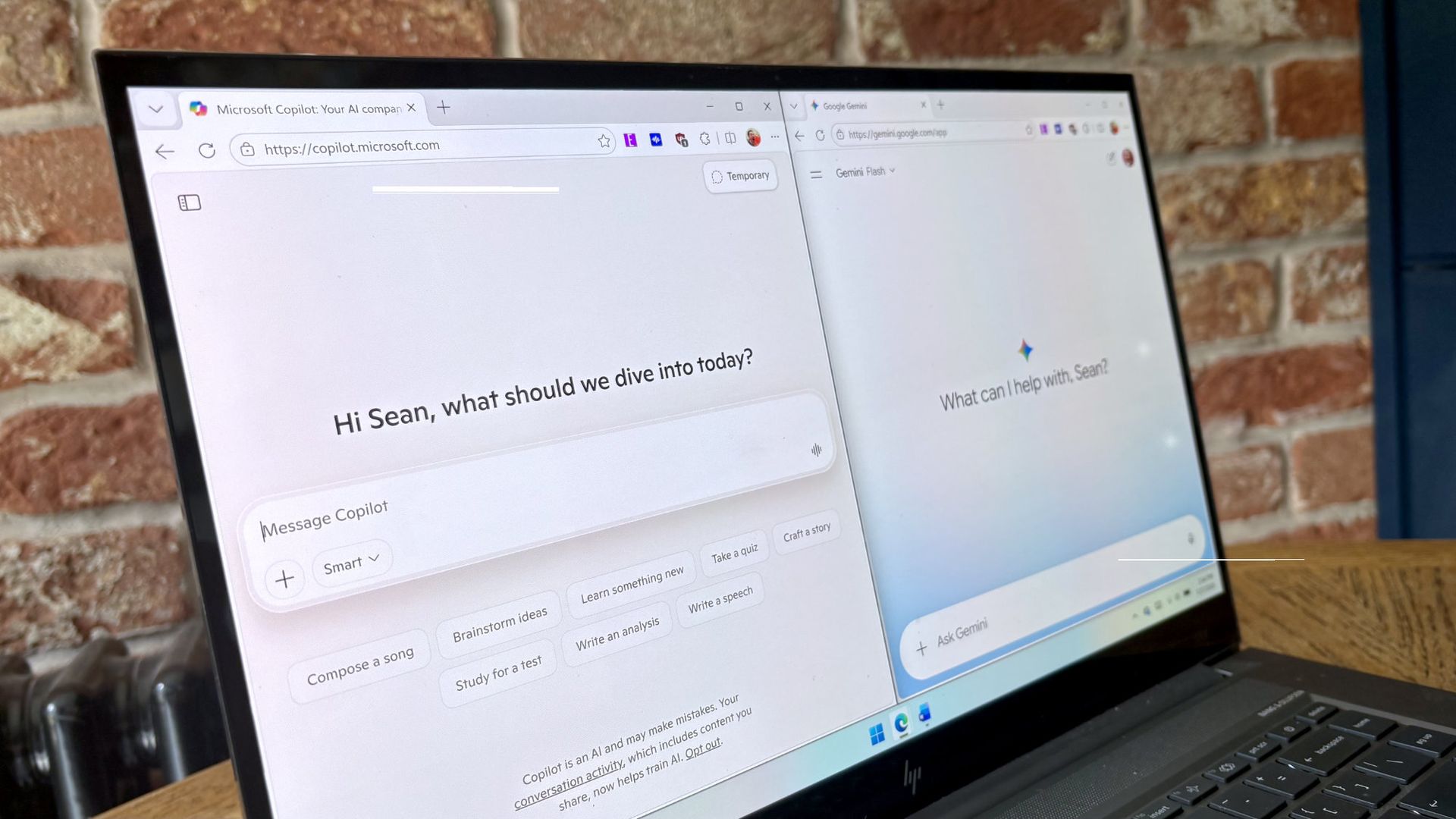
Google Gemini now competes with Microsoft Copilot for space on your keyboard. Google just released Gemini for Windows, and that app uses the same keyboard shortcut as Copilot (Alt + Space).
That shortcut is popular and those hoping to use Gemini may have to remap some shortcuts to perform other tasks. In addition to summoning Copilot, Alt + Space opens PowerToys Run.
The general functionality of the Gemini app is similar to Gemini's web experience. One key difference is that you can summon the AI tool with a keyboard shortcut, which allows you to launch it quickly.
The macOS version of Gemini supports sharing your screen and other native capabilities, such as dictating by pressing both Command keys. Google explains that more native features will ship to the Windows version of Gemini in the future.
I prefer Gemini over Copilot for many tasks. I recently swapped to Google's AI tool for a month to see how it performed as an editor. While Copilot felt more personal, Gemini was often more accurate when it came to correcting tasks.
"In my specific use case, Gemini felt like an upgraded Microsoft Editor while Copilot felt like a modern Clippy," I said a couple months ago.
Both Copilot and Gemini have their strengths and weaknesses, but Google's option is better for my workflow. Our readers disagreed.
21% of those who voted in our poll about proofreading with AI use Microsoft Editor. Another 29% of participants use Microsoft Copilot. Only 11% of voters rely on Gemini to proofread documents.
Of course, Gemini and Copilot can do a lot more than proofread documents. Google recommends the new Gemini app for fact-checking documents, coming up with titles for a presentation, and creating images and videos.
For more complex tasks, you can hand things off to Gemini Spark within the app.
Join us on Reddit at r/WindowsCentral to share your insights and discuss our latest news, reviews, and more.
A 2024 Tesla Model Y ran off Interstate 35 in rural Missouri, struck a guardrail, and killed its driver, a 64-year-old woman from Raymore. Troopers reported a single-vehicle wreck and said the car “went off the road.”
What they didn’t say, and likely didn’t know, is that Tesla’s own report to federal regulators says the car’s driver-assist system was engaged. This is part of an ongoing Electrek investigation matching reported crashes to Tesla’s redacted NHTSA data.
A US congressman is demanding the Department of Transportation explain what it’s doing about Tesla’s Autopilot and Full Self-Driving after an NBC News investigation surfaced dozens of videos of drivers apparently asleep at the wheel.
Rep. Raja Krishnamoorthi gave Transportation Secretary Sean Duffy until September 30 to answer five questions about the systems, which Tesla itself says “require active driver supervision and are not autonomous driving systems.”
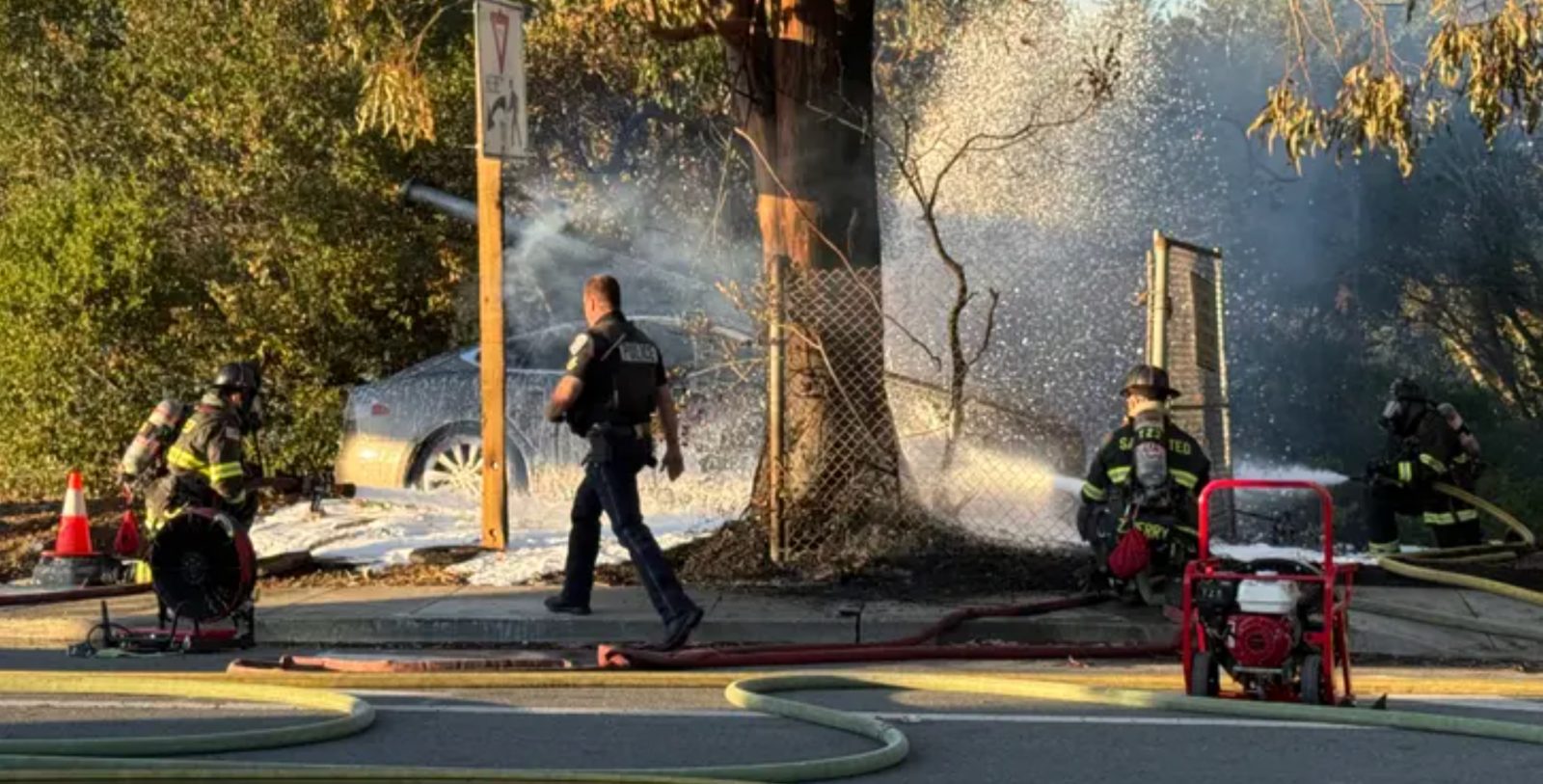
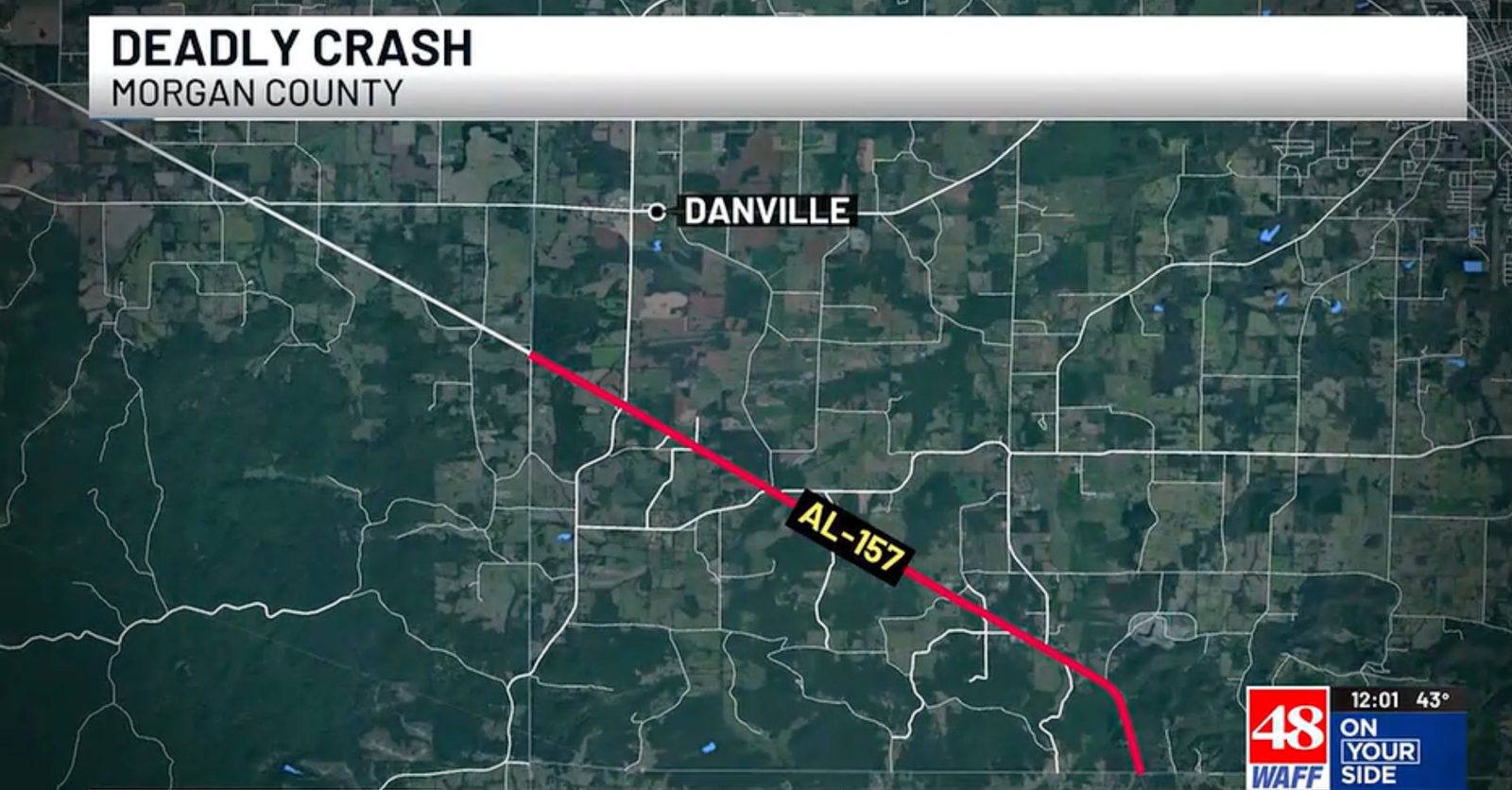
A 2021 Tesla Model Y left an Alabama highway, hit two trees, and caught fire, killing its driver, 29-year-old Kayleigh Page. Her 7-month-old daughter was pulled from the burning car by a stranger who saw it happen.
Troopers reported it as a single-vehicle wreck. What they didn’t say, and likely didn’t know, is that Tesla’s own data shows the car’s driver-assist system was engaged. This is part of an ongoing Electrek investigation matching reported crashes to Tesla’s redacted NHTSA data.
A Tesla Model 3 ran a stop sign in Buena Vista Township, New Jersey, and hit a Honda Civic turning left through the intersection. The Civic’s driver, 82-year-old Stephen Field, was killed.
Police reported it as a car that failed to stop. What no one reported is that Tesla’s own data says the car’s driver-assist system was engaged. This is part of an ongoing Electrek investigation matching reported crashes to Tesla’s redacted NHTSA data.
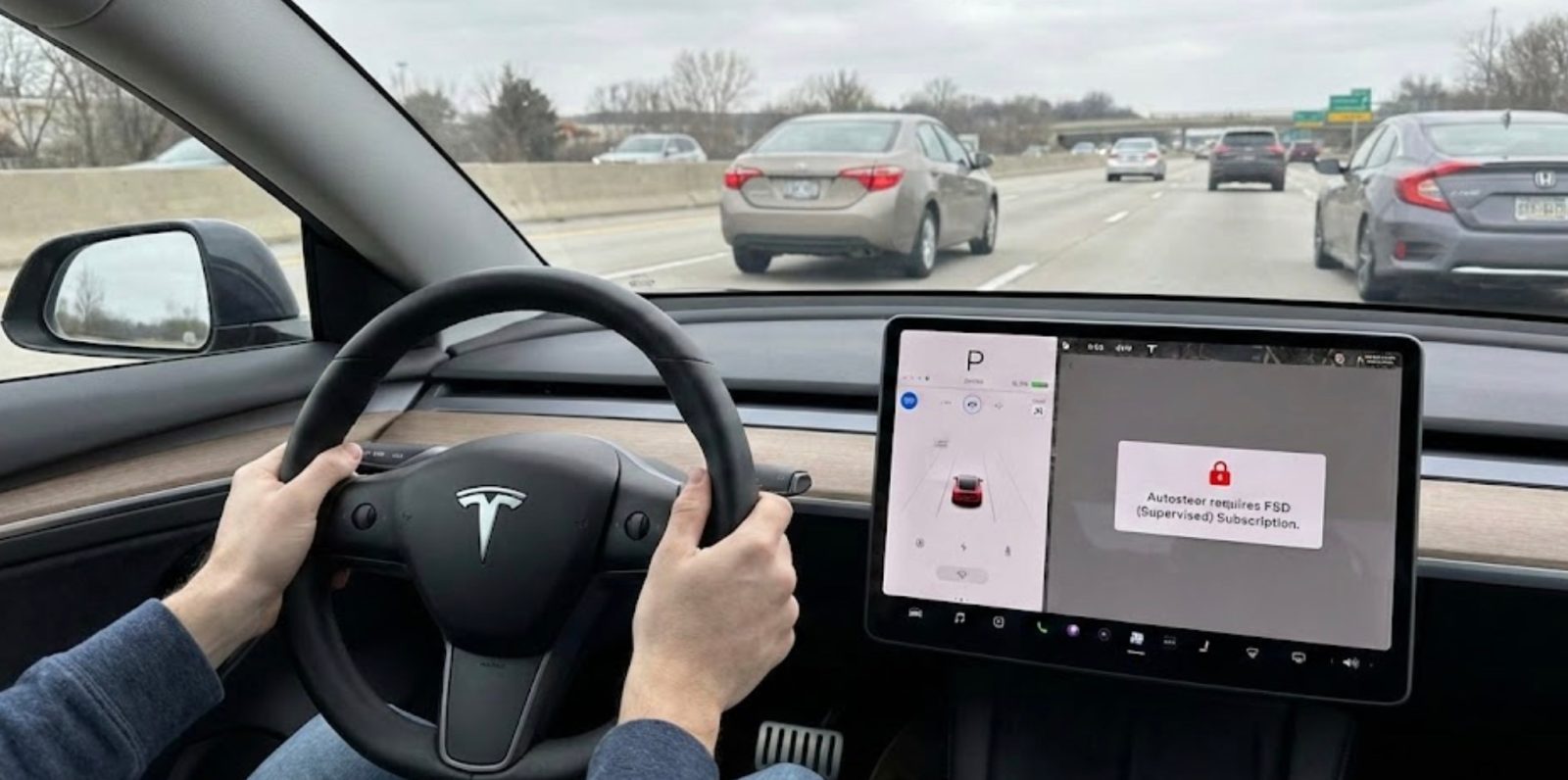
Tesla is rolling out a new version of its Full Self-Driving (Supervised) software that can take control of your car to avoid a crash, even when you’re driving manually.
The automaker announced the feature, part of FSD Supervised v14.3.9, in a post from its AI team early Friday.
A Tesla Model X struck and killed a motorcyclist at an intersection in Moraine last year and the crash went mostly unnoticed.
But Tesla’s own report to federal regulators says the vehicle was a Model X with its driver-assist system, Autopilot or Full Self-Driving (Tesla hides which one) engaged. This is part of an ongoing Electrek investigation matching reported crashes to Tesla’s redacted NHTSA data — and it’s the clearest example yet of how completely these crashes can vanish from the public record.
Tesla has settled a wrongful death lawsuit over a 2023 crash in which a Model S on Autopilot slammed into a parked fire truck, killing the driver and seriously injuring his brother.
The confidential settlement, filed in California federal court, lets Tesla avoid a jury trial that would have put Elon Musk’s own Autopilot claims in front of jurors.
On the Road to Macstock, Allison Sheridan previews her session that features a hands-on spreadsheet workshop comparing Excel, Numbers, and Google Sheets. She explains practical skills like fill-down, fill-right, and possibly pivot tables, while stressing that the goal is not exhaustive training but confidence-building. Our conversation also touches on Copilot i relation to Excel, vibe coding, and why Macstock feels like coming home.
The MacVoices Live! panel examines Spotify adopting Apple-backed video podcast technology, Instagram’s disappearing posts and why anyone would want them, and Microsoft expanding Copilot everywhere, whether it is a good idea or not. Chuck Joiner, David Ginsburg, Jeff Gamet, Guy Serle, Web Bixby, Eric Bolden, Marty Jencius, and Jim Rea also look at the risks of putting AI mini data centers in homes, and Plex’s major lifetime Pass price hike.
It’s not every day that attackers can force a frontier AI model to cough up user passwords and other sensitive data without user confirmation. That’s exactly what researchers recently did to Microsoft 365 Copilot for enterprise. Even more unusual is the source they tapped to discover the critical vulnerability that made their exploit possible. Rather than employing reverse engineering or other traditional vulnerability-hunting methods, they asked Copilot. The LLM assistant readily complied.
Researchers at security firm Varonis knew they wanted to create an exploit that would exfiltrate user data when a user did nothing more than click on a link. Like most AI assistants today, Copilot steadfastly refused and made clear that sensitive prompts like that require explicit user consent in the form of a gesture, such as pressing a return key or other key. In response, the researchers peppered Copilot with questions about the guardrails that required user confirmation before the assistant could execute powerful commands.
Loose lips sink ships
The dialog was like a game of 20 questions. Each answer provided a new clue that divulged information about the complex safety mechanism. Why was auto-execution impossible, they asked. What URL structures and deep links were involved? What happens when a page is loaded with input already in the prompt field? Each answer provided a deeper view into the guardrail and its limits. Eventually, Copilot provided a stunning Microsoft trade secret—an undocumented prompt parameter that completely bypassed the requirement for user consent.

 Login