❌

Reading view

Cellular Stress Hubs Help Oral Cancer Spread, Study Finds

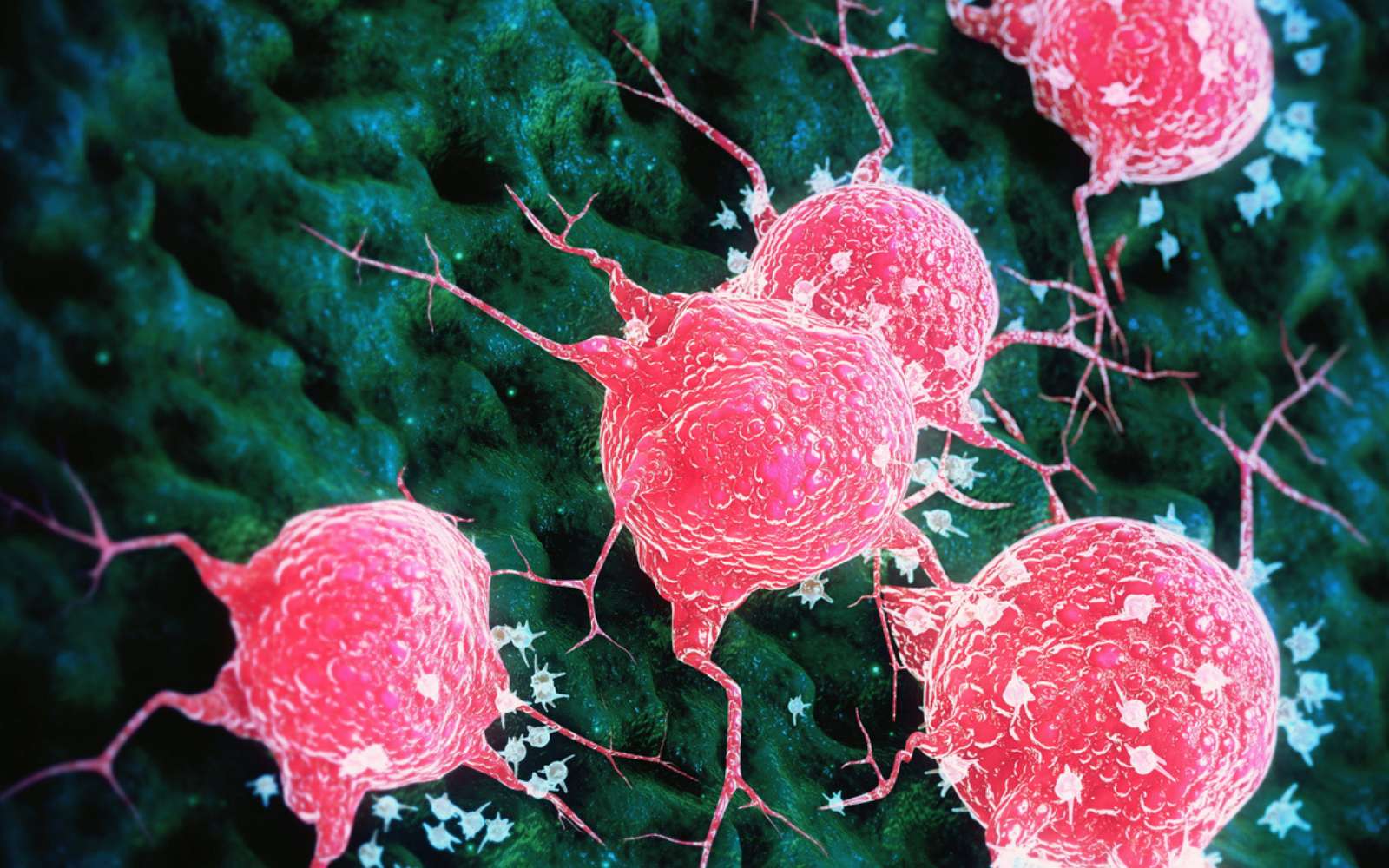
Inside every stressed cell, a quiet emergency response unfolds. When oxygen runs low, toxins accumulate, or nutrients grow scarce, mammalian cells assemble temporary structures known as stress granules, non-membranous aggregates of proteins and RNA that condense in the cytoplasm. In healthy tissue, these assemblies act as a protective pause button, halting protein production so the cell can weather the storm and resume normal function once conditions improve. But a new study suggests that in oral squamous cell carcinoma, one of the most common and disfiguring malignancies of the head and neck, this ancient survival machinery may be hijacked to serve a darker purpose: helping tumors grow and spread.

The research, conducted by a team at Kangwon National University in South Korea and published in Cell Death Discovery, examined how stress granule formation influences tumor progression and metastasis in oral squamous cell carcinoma, or OSCC. The findings point to a specific molecular switch, the phosphorylation of a protein called eIF2α, as a central driver of the process. When that switch is suppressed, the study reports, stress granule formation drops, and with it the growth and metastatic burden of tumors in mouse models. The work adds oral cancer to a growing list of malignancies in which the integrated stress response appears to fuel, rather than restrain, disease.

To understand why this matters, it helps to consider what stress granules actually do. Under stress, cells activate kinases that phosphorylate eIF2α, the alpha subunit of a translation initiation factor. Phosphorylated eIF2α dampens global protein synthesis, and the messenger RNAs that would otherwise be translated are instead sequestered, along with RNA-binding proteins, into dense cytoplasmic droplets. Key markers of these structures include G3BP1, TIAR, and PABP, proteins that researchers use to identify stress granules under the microscope. In normal cells, this translational arrest conserves energy and prevents the accumulation of damaged or misfolded proteins. The system is meant to be reversible: when the stress passes, the granules dissolve and translation restarts.

Cancer cells, however, live in a state of chronic stress. Tumors outgrow their blood supply, creating regions of hypoxia, low oxygen tension that would kill most normal cells. They also face nutrient deprivation, acidic microenvironments, and assault from chemotherapy and radiation. In this context, the stress response can become a liability for the patient rather than a safeguard for the cell. Previous work in other cancers has implicated stress granules in tumor progression and metastasis, partly through their interactions with key signaling pathways, but their role in oral squamous cell carcinoma had remained poorly understood, despite growing scientific interest in the topic.

The Korean team began by comparing human tumor tissue with adjacent normal tissue. They found that markers of stress granules, including G3BP1, eIF2α, TIAR, and PABP, were significantly overexpressed in OSCC tissues compared with their normal counterparts. This observation established that the stress granule machinery is not merely present in oral cancer but is amplified, suggesting that tumor cells may rely on it more heavily than the healthy cells around them. Overexpression of these markers alone does not prove causation, but it set the stage for the functional experiments that followed.

Those experiments turned to mouse models built from OSCC cells that had been preconditioned with hypoxia, deliberately exposing the cells to low oxygen before implantation. The logic was to mimic the stressful conditions tumor cells encounter in a real growing tumor and to ask whether cells that had already mounted a stress response behaved differently afterward. In parallel, the researchers used a compound called ISRIB, an inhibitor of the integrated stress response that acts downstream of eIF2α phosphorylation, in mice subjected to sodium arsenite-induced stress. Sodium arsenite is a classic laboratory trigger of oxidative stress and a reliable inducer of stress granule formation, making it a useful tool for probing the pathway.

The results were striking. In both experimental settings, suppression of eIF2α phosphorylation was associated with reduced stress granule formation, reduced tumor growth, and a reduced metastatic burden. In other words, when the researchers blocked the molecular event that nucleates stress granules, the tumors not only grew more slowly but also spread less aggressively. Conversely, the study found that stress granule formation was elevated during hypoxia-induced stress, underscoring a stress-responsive regulatory mechanism in which the harsh conditions of the tumor microenvironment actively promote the assembly of these granules. Together, the data sketch a coherent chain of causation: hypoxia and other stresses trigger eIF2α phosphorylation, phosphorylation drives stress granule assembly, and the granules support the cellular programs that allow OSCC cells to proliferate and colonize distant sites.

Why would a structure designed to protect cells become an engine of metastasis? The authors and other researchers in the field point to the selective nature of stress granules. While global translation is arrested, certain messenger RNAs are preferentially stored within the granules and protected from degradation. Among the transcripts sheltered this way are often those encoding proteins that promote survival, invasion, and epithelial-to-mesenchymal transition, the process by which stationary epithelial cancer cells acquire the motility needed to invade surrounding tissue and enter the bloodstream. By acting as temporary warehouses for pro-metastatic messages, stress granules may allow tumor cells to stockpile the tools of aggression, releasing them for translation once the acute stress subsides. In this view, the granule is not merely a damage-control structure but a staging ground for the next phase of tumor progression.

The therapeutic implications are considerable. Oral squamous cell carcinoma is frequently diagnosed at advanced stages, and metastasis to cervical lymph nodes is one of the strongest predictors of poor outcome. Existing treatments, surgery, radiation, and chemotherapy, remain limited in their ability to control disseminated disease. If stress granule formation genuinely drives metastatic behavior, then the pathway offers a new target. ISRIB, the compound used in the mouse experiments, has attracted attention in recent years for its ability to blunt the integrated stress response, and the new findings suggest that agents with a similar mechanism could be explored as anti-metastatic therapies in oral cancer. The authors conclude that stress granules promote OSCC progression via eIF2α phosphorylation and might serve as a novel therapeutic target, a formulation that is deliberately cautious but clinically suggestive.

As with any preclinical study, important caveats apply. The evidence comes from human tissue comparisons and mouse models, and translating these findings into patients will require further work to confirm that the same mechanism operates in human tumors in real time, to identify which patient subsets have the highest stress granule activity, and to develop inhibitors with acceptable safety profiles. Suppressing a fundamental cellular stress pathway carries risks, since normal tissues also rely on the integrated stress response during injury and inflammation. Still, the study fills a genuine gap in the literature by connecting a well-characterized cellular stress mechanism to one of the most clinically feared behaviors of oral cancer. It also adds to a broader shift in cancer biology: the recognition that tumors are not just collections of mutated genes but ecosystems shaped by physical and chemical stress, and that the survival programs cells use to endure hardship can be turned against the organism that hosts them. For patients with oral squamous cell carcinoma, whose disease too often spreads before it can be stopped, the humble stress granule may prove to be an unexpected and consequential adversary.

Subject of Research: The role of stress-induced eIF2α phosphorylation and stress granule formation in promoting metastasis of oral squamous cell carcinoma

Article Title: Stress-induced eIF2α phosphorylation promotes tumor metastasis in oral squamous cell carcinoma

Article References: Kim, S., Park, S., Lee, Y., Park, G., & Choi, J. (2026). Stress-induced eIF2α phosphorylation promotes tumor metastasis in oral squamous cell carcinoma. Cell Death Discovery. https://doi.org/10.1038/s41420-026-03412-4

Image Credits: AI Generated

DOI: 10.1038/s41420-026-03412-4

Keywords: stress granules, eIF2α phosphorylation, oral squamous cell carcinoma, metastasis, integrated stress response, ISRIB, hypoxia, G3BP1, tumor progression, translational arrest, cancer biology, therapeutic target
  •  

1 in 8 cancer cases are caused by infections, underscoring the importance of vaccines, experts say

About 1 in 8 cancer cases are caused by infections with viruses, bacteria or parasites, a new study finds, suggesting that one of the most effective ways to reduce cancer rates might be to prevent common infections.

In a new analysis published Sept. 28 in the journal The Lancet Oncology, researchers mapped the global impact of 12 cancer-causing pathogens. They estimate that infections drove about 2.3 million new cancer cases in 2024, or about 12% of all cancer cases diagnosed that year.

The study highlights that a large fraction of cancer cases could be avoided if these underlying infections were prevented, Dr. Prashant Mathur, director of India's National Centre for Disease Informatics and Research, who was not involved in the study, told Live Science in an email.

"When combined with other risk factors such as tobacco use, alcohol consumption, appropriate diet, physical activity, and environmental pollution, it is estimated that about 50 to 60 percent of all cancers in India are avoidable," he said. Past studies suggest that similar figures hold on a global scale.

In the new study, the researchers used the Global Cancer Observatory's GLOBOCAN database, which combines data from various cancer registries to estimate that about 20 million new cancer cases were diagnosed in 2024. The team combined that information with other published data examining the prevalence of different infections in people with specific cancers. This enabled them to estimate how many cases were attributable to each infection.

Their analysis focused on 12 pathogens tied to cancer, including human papillomavirus (HPV), hepatitis B and C, HIV and Epstein-Barr virus (EBV), the virus behind mononucleosis. The resulting breakdown revealed that just four pathogens accounted for roughly 92% of the cancer cases caused by infections.

A bacterium called Helicobacter pylori, which infects the gastrointestinal tract, accounted for 760,000 cases, primarily gastric cancers. The other three leading cancer triggers were viruses. HPV accounted for 750,000 cases, including cervical, penile, throat and mouth cancers. The liver-attacking hepatitis B virus was responsible for 360,000 cases and EBV drove 260,000 cases. (EBV is known to increase the risk of throat cancers, as well as certain lymphomas and stomach cancers.)

The scale of the burden contrasts with gaps in prevention. In 2024, just 31% of eligible adolescent girls worldwide received at least one dose of the HPV vaccine, well below the 90% target, the World Health Organization reports. The degree of protection provided by the vaccine is striking in countries that have achieved higher coverage.

"We have now achieved the critically important milestone of cervical cancer starting to disappear in countries that quickly achieved vaccination rates of over 80 percent," said Dr. Rebecca Perkins, an obstetrician-gynecologist at Tufts University School of Medicine who was not involved in the study. "Research from Australia, England, and Finland have shown zero cases of HPV-related cancers or deaths in young adults who received vaccination by age 13," Perkins told Live Science in an email.

But these successes are concentrated in wealthy nations. The Lancet study found that low- and middle-income countries bear 77% of the global infection-driven cancer burden. For example, about 81% of HPV-linked cancers occurred in these countries.

Perkins pointed out that shifting from the standard two-dose HPV vaccine series to a single-dose regimen using the same vaccines could make mass campaigns easier worldwide by lowering costs and eliminating the need to track patients for follow-ups. The single-dose approach has been backed by recent trials.

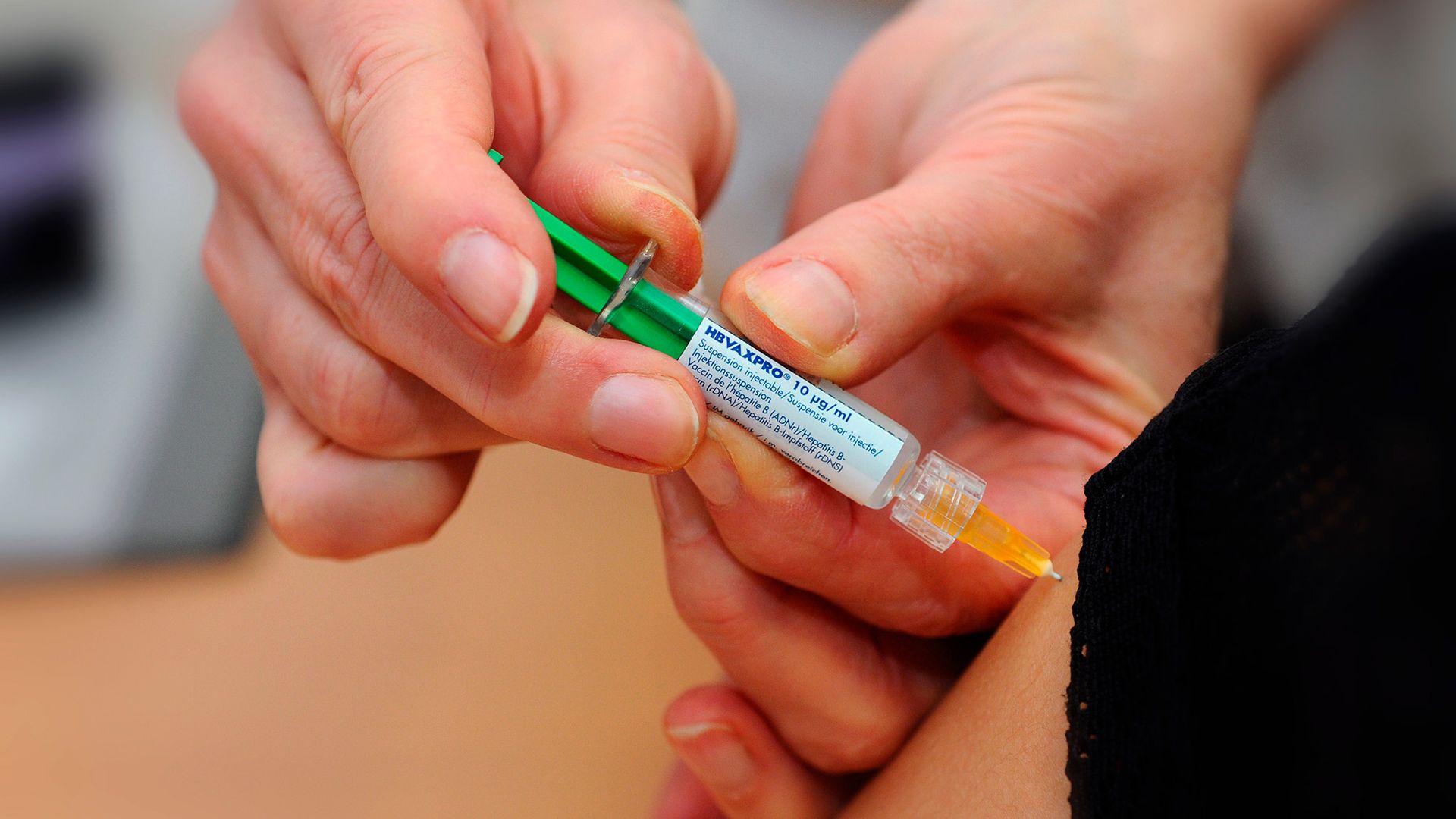
A close up of an orange liquid-filled syringe.

As with HPV, there is a highly effective vaccine for hepatitis B that can help prevent both the infection and related cancers. (Image credit: BSIP via Getty Images)

In the U.S., progress has been uneven across states with some boasting high vaccination rates and others lagging behind. One barrier is that some children's caregivers feel the shots are unnecessary or that their kids are too young to receive it. "The biggest misconception from families is that the HPV vaccine is not needed or that it can wait," Perkins noted. "The reality is that you can't vaccinate too early, only too late."

There is also a highly effective vaccine for hepatitis B, and health officials recommend giving children their first dose as soon as possible after birth. (The U.S. Centers for Disease Control and Prevention recently made the decision to stop recommending universal vaccination at birth, which experts say could raise the country's rates of hepatitis B infections and related cancers.)

While the challenge with HPV and hepatitis B is getting their vaccines into widespread use, there isn't an approved vaccine for EBV yet.

"The biggest hurdle has been the complexity of the virus," said Claire Shannon-Lowe, a tumor virologist at the University of Birmingham in the U.K. who was not involved in the study. "Unlike many other viruses that use just one or two virus proteins to enter cells, EBV uses multiple proteins ... and it hides inside cells for our entire lifetime."

Epstein-Barr infections are also incredibly common, with up to 95% of people infected by adulthood; most people infected with the virus don't develop a related cancer, but it's still a major contributor to the global cancer burden. The germ has also been tied to several autoimmune diseases, which may help spur the development of a vaccine, Shannon-Lowe suggested.

"With the increased impetus following EBV's association with multiple sclerosis and lupus, we may finally have a potential vaccine in sight that could not only prevent virus infection but could help treat EBV-associated cancers," she said.

For H. pylori, meanwhile, researchers are pursuing population-wide testing for and treatment of the infection to help prevent gastric cancer, while vaccine development remains an area in need of further investment.

The true scale of the infection-related cancer burden may be even larger than the study suggested. Some of the registries used in the new research cover only about 19% of the global population, and only 2% of Africa's population. More high-quality data is needed to fill in these gaps.

For Mathur, though, the bottom line is that cancer prevention makes economic sense.

"Studies have clearly demonstrated that the return on investment of prevention on cancers is much higher than on its treatment in the long run," he said. "Preventive aspects must be strengthened for long-term gains."

This article is for informational purposes only and is not meant to offer medical advice.

  •  

Electromagnetic radiation from power lines linked to a higher risk of central nervous system tumors in children


A recent study published in Environmental Research reported an association between exposure to electromagnetic radiation in Mexico City — particularly the extremely low frequency magnetic fields (ELF-MF) produced by power lines and household wiring — and children’s risk for developing central nervous system (CNS) tumors.


In short:

  • Residential exposure to ELF-MF (measured in bedrooms) above 0.4 μT was significantly associated with an increased risk of developing CNS tumors.
  • Prolonged use of a digital tablet (both with and without internet connection) also increased CNS tumor risk, particularly in children ages 6 - 10.
  • More than 5% of children in Mexico City were exposed to ELF-MF levels above 0.3 μT, higher than the global average for exposure.


Why this matters:

Everyday exposure to electromagnetic (EMF) radiation — emitted from power lines and electrical grid infrastructure like substations as well as everyday electronics such laptops, tablets and their charging systems — is steadily increasing in the modern world. While the public has some awareness that homes near high voltage powerlines create EMF exposure, fewer are aware that electronics like tablets, laptops, and phones also create EMF exposures in the body, especially when they are charging.

This study adds to the ever-growing body of science pointing to health risks from EMF exposure. The International Agency for Research on Cancer of the World Health Organization classified ELF-EMF magnetic fields as a “possible” human carcinogen in 2001, based largely on evidence linking residential exposure of 0.3 to 0.4 μT to childhood leukemia. More recent studies continue to show the association. Further, Kaiser Permanente studies report that prenatal ELF-EMF exposure was associated with increased miscarriage risk and also ADHD, obesity, and asthma in children. A review found industry-funded studies more often report “no effect.” When this bias is accounted for, strong evidence links EMF magnetic field exposure to adult leukemia, brain, and breast cancer.


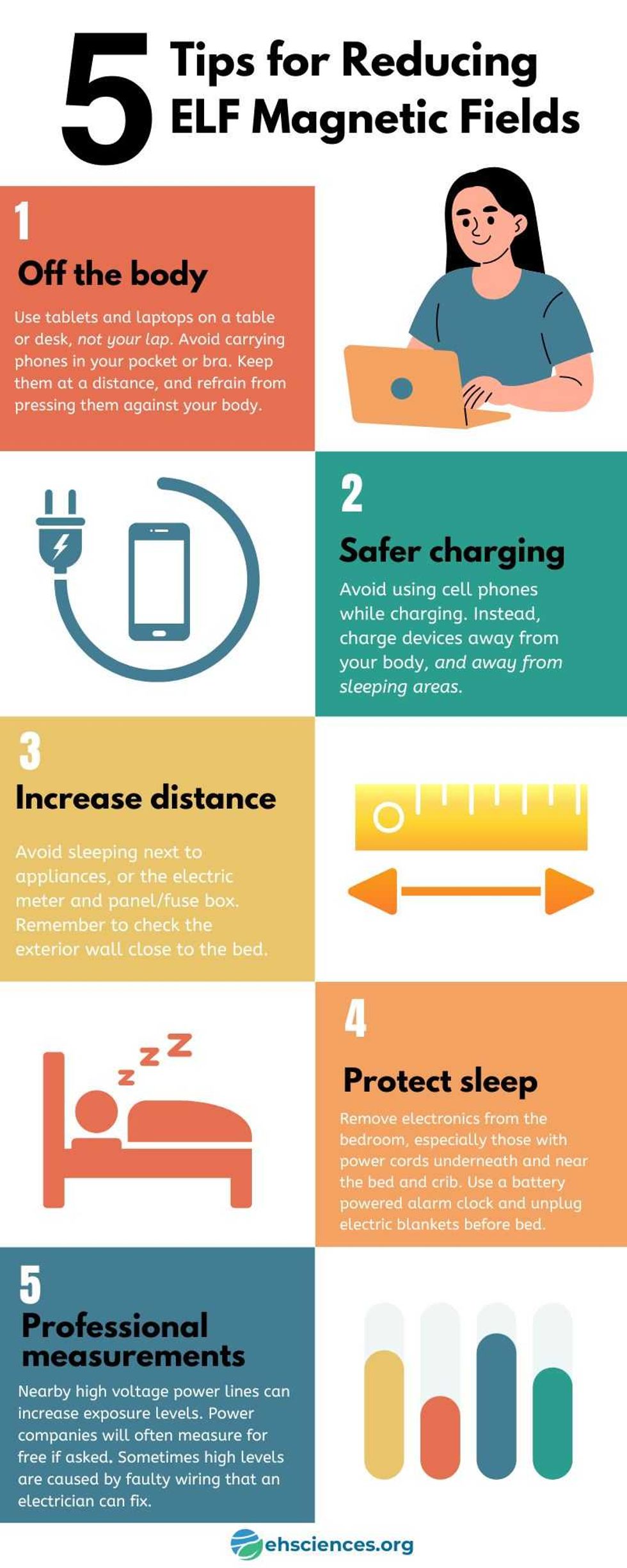
What you can do: On an individual level, you can easily reduce your daily exposures:

  • Relocate beds away from electrical panels
  • Use tablets and laptops on tables, not on laps
  • Charge phones and devices outside of the bedroom, not by the bed
  • Do not use a cell phone while it's charging
  • Unplug water beds and electric blankets before you get in bed

You can also measure the levels in your home with a basic milligauss meter in order to understand the EMF levels in your home.

Many countries limit ELF-MF exposure in homes and schools due to associations with childhood cancer. The Netherlands, as an example, is buying up homes with elevated levels from powerlines and substations. However, the U.S. has no federal safety limits, as the U.S. Environmental Protection Agency was defunded from EMF research in the 1990s. From a policy perspective, individuals can contact school boards, planning commissions, and utility regulators to request EMF measurements and advocate for risk mitigation siting policies for new schools, childcare centers, and residential developments.


Related EHN coverage:


More resources:

Correa‐Correa, Víctor et al. (2025). Extremely low-frequency magnetic fields (ELF-MF) and radiofrequency: Risk of childhood CNS tumors in a city with elevated ELF-MF exposure. Environmental Research


Electromagnetic radiation from power lines linked to a higher risk of central nervous system tumors in children See more resources at ehsciences.org
  •  

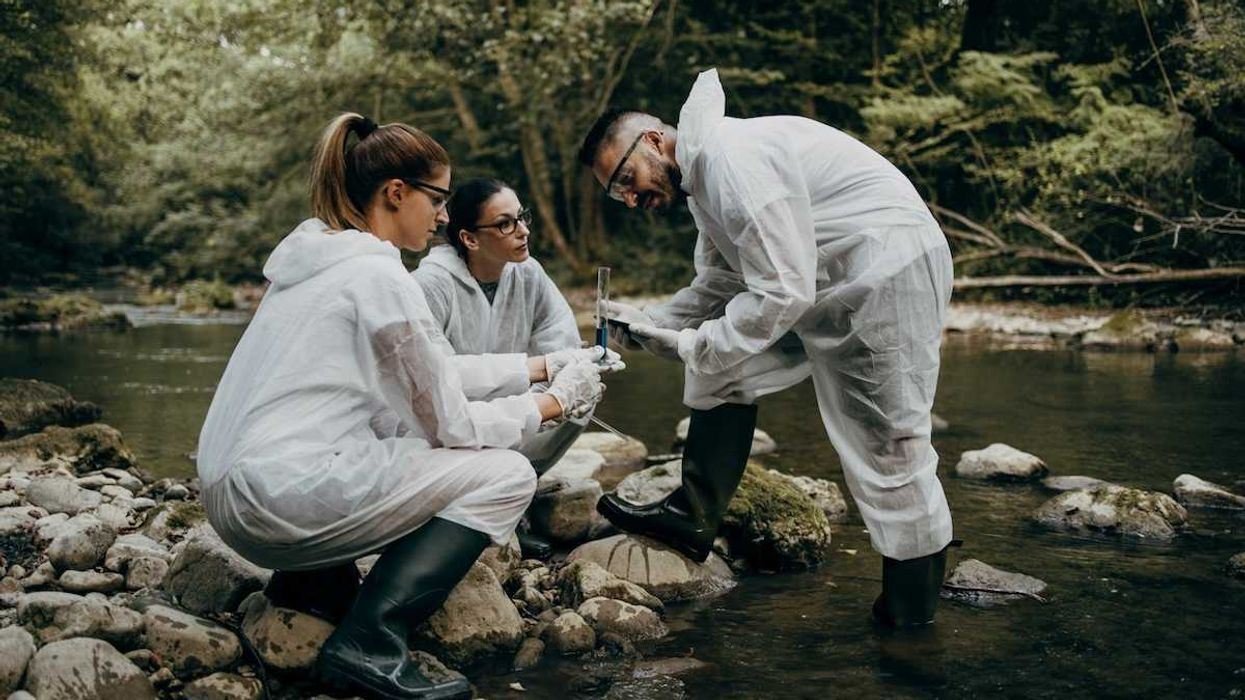
Pesticide linked to cancer and hormone disruption pollutes a quarter of US river miles


A cancer-linked pesticide banned in more than 60 countries around the world contaminates an estimated 25% of river and stream miles in the lower 48 U.S. states, including many waterways used for drinking water, according to a new analysis.

  •  

Enlarged Breasts Linked to Migraine, Neck Pain and Sleep Apnea

Women with unusually enlarged breast tissue may face a higher likelihood of several health problems, including chronic migraine, neck pain and sleep apnea, according to new research. The condition, medically known as macromastia, is often discussed in terms of discomfort or appearance. However, researchers from Wake Forest University School of Medicine say it may be […]

The post Enlarged Breasts Linked to Migraine, Neck Pain and Sleep Apnea appeared first on Knowridge Science Report.

  •  

La forme physique des enfants européens décline depuis des décennies, mais un indicateur inquiète particulièrement les scientifiques

Plus de 400 000 jeunes Européens, six décennies de mesures, quatre indicateurs suivis. Le déclin de la condition physique n'est uniforme ni dans le temps ni selon les capacités : l'endurance s'est stabilisée depuis 2015, quand la souplesse recule de plus en plus vite depuis 2000.

  •  

25 ans, une bascule : l'ARN Messager, de la Covid-19 aux vaccins personnalisés contre le cancer

En quelques années, l’ARN messager est passé du statut de technologie expérimentale à celui d’outil capable de répondre à une pandémie. Rapide à adapter et presque « programmable », il pourrait désormais ouvrir la voie à des vaccins conçus sur mesure contre certains cancers.

  •  

Harold Freeman, Who Helped Remove Barriers to Cancer Treatment, Dies at 93

He developed a program that became a model for hospitals around the world, making it easier for poor Black patients to navigate an onerous bureaucratic system.
  •  

Judge weighs "fairness" of $7.25B Roundup settlement for cancer victims


Opposing teams of attorneys spent hours on Monday battling over a proposed $7.25 billion settlement of the U.S. Roundup cancer litigation that, if approved, would allow Bayer to keep selling its controversial glyphosate weed killers while providing roughly $10,000 to $165,000 for individuals suffering from cancer they blame on Roundup use.

  •  

On pensait les antioxydants protecteurs : dans certaines tumeurs, ils pourraient au contraire aider le cancer

Les radicaux libres ont mauvaise réputation. Ils endommagent l’ADN et sont associés au vieillissement et au cancer. Mais une découverte surprenante vient bousculer cette vision : certaines cellules immunitaires ont besoin de ces molécules pour s’attaquer aux tumeurs, qui ont justement trouvé le...

  •  

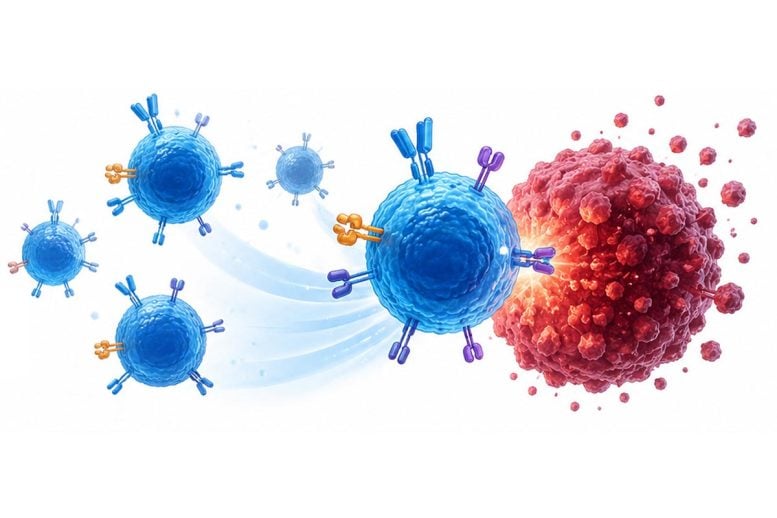
UCLA Scientists Develop Cancer-Fighting Cells That Tumors Struggle to Escape

Engineered T Cells Designed to Attack TumorsUCLA scientists engineered ready-made T cells from cord blood stem cells that can hunt solid tumors even when cancer cells hide their main target. T cell receptor therapy, commonly called TCR therapy, is a form of cancer treatment that genetically modifies immune cells known as T cells so they can recognize and attack cancer more [...]
  •  

Cancer : ce médicament vieux de 100 ans ouvre une piste inattendue contre les métastases

Un médicament cardiaque vieux de 100 ans, dérivé de la digitale, pourrait bouleverser le traitement du cancer. Des chercheurs suisses ont découvert que la digoxine peut dissoudre les amas de cellules cancéreuses en circulation, limitant potentiellement leur propagation dans l'organisme. Cette...

  •  

Ces cellules auraient dû disparaître : comprendre l’un des mécanismes les plus redoutables du cancer

La mort cellulaire programmée joue un rôle essentiel dans le renouvellement et le bon fonctionnement de nos tissus. Mais lorsque ce mécanisme se dérègle, certaines cellules échappent à la mort, se multiplient de façon incontrôlée et peuvent favoriser l’apparition de cancers. Décryptage.

  •  

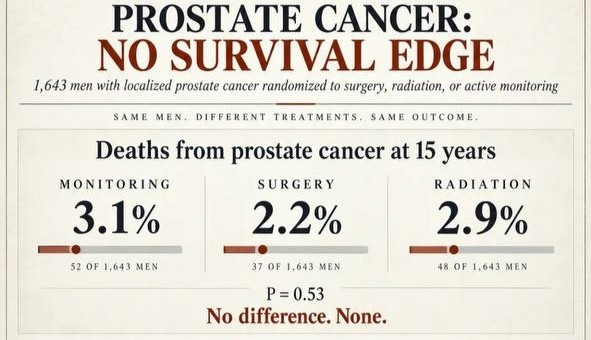
Prostate Cancer | Where is the Survival Edge?

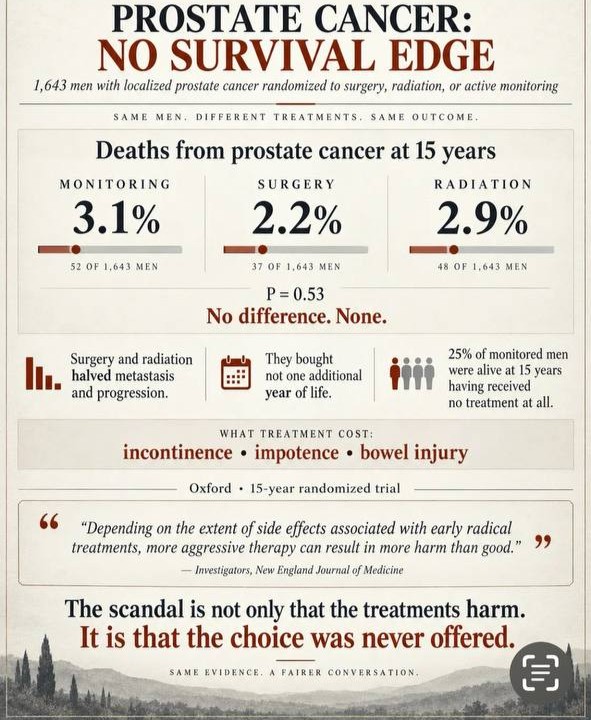
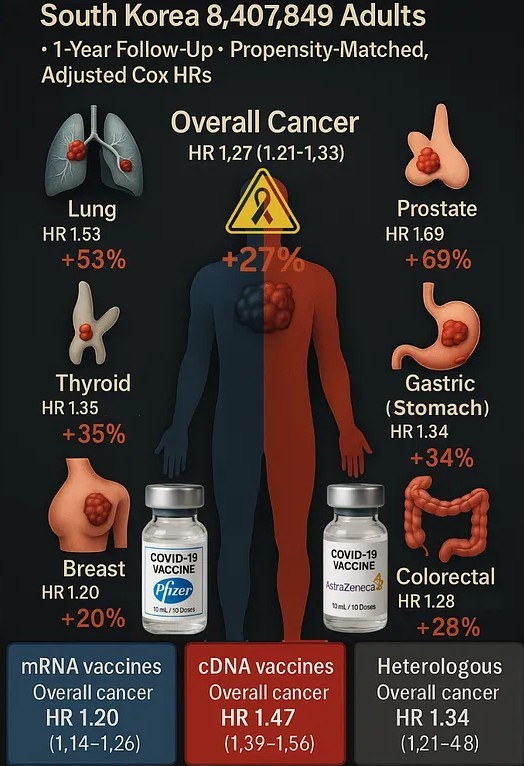
I discuss age-related BPH and prostate cancer screenings, highlighting the unreliability of PSA tests. Having BPH does not increase prostate cancer risk. No advantage is gained from prostate cancer treatment. And there are recent studies linking COVID-19 vaccines to increased cancer risks, particularly prostate cancer.

  •  
❌