❌

Reading view

Benchmarks preliminares dos chips M6 e M5 Ultra revelam avanços de até 35% em CPU

Previstos para serem lançados na semana que vem (pelo menos nos Estados Unidos e em Portugal), os novos Mac mini e Mac Studio são alimentados com os chips M6 e M5 Ultra, respectivamente — lembrando que o mini pode ser configurado também com o M5 Pro, enquanto que o Studio de entrada vem com o chip M5 Max.

Pois os primeiros resultados de benchmarks dos dois novos processadores apresentados recentemente pela Apple surgiram hoje no banco de dados do Geekbench 7, oferecendo uma visão dos ganhos de desempenho de cada um deles.

Em ambos os casos, os resultados vistos até agora tratam apenas dos testes de CPU 1Central processing unit, ou unidade central de processamento. — os de GPU 2Graphics processing unit, ou unidade de processamento gráfico. ainda não foram divulgados.

Confira abaixo a pontuação do chip M6 e as pontuações médias do chip M5 para efeito de comparação:

Benchmark de CPUM6M5
Single-core4.071 pontos3.641 pontos
Multi-core22.783 pontos17.948 pontos

Se o resultado acima for preciso, o chip M6 apresenta um desempenho single-core cerca de 12% mais rápido e uma performance multi-core cerca de 27% mais rápida em comparação com o chip M5. Vale notar que o chip M6 está no novo Mac mini, enquanto as pontuações do chip M5 baseiam-se no MacBook Pro de 14 polegadas — mas o desempenho deve ser semelhante.

Na tabela abaixo está a pontuação do chip M5 Ultra de ponta, com CPU de 36 núcleos, bem como as pontuações médias do chip M3 Ultra de ponta, com CPU de 32 núcleos (já que a Apple nunca lançou um chip “M4 Ultra”).

Benchmark de CPUM5 UltraM3 Ultra
Single-core3.774 pontos2.920 pontos
Multi-core52.516 pontos39.059 pontos

Se os resultados acima procederem, o chip M5 Ultra oferece um desempenho de CPU single-core cerca de 30% mais rápido e um desempenho multi-core cerca de 35% mais rápido em comparação com o M3 Ultra.

Nada mau, hein!

Mac Studio

Chip: M4 Max ou M3 Ultra
Memória: 36GB, 48GB, 64GB, 96GB, 128GB, 256GB ou 512GB
Armazenamento: 512GB, 1TB, 2TB, 4TB, 8TB ou 16TB
R$ 25.999,00

Mac mini

Chip: M4 ou M4 Pro
Memória: 16GB, 24GB, 32GB, 48GB ou 64GB
Armazenamento: 256GB, 512GB, 1TB, 2TB, 4TB ou 8TB
Conectividade: Ethernet ou Gigabit Ethernet 10
R$ 12.299,00
R$ 16.999,00

NOTA DE TRANSPARÊNCIA: O MacMagazine recebe uma pequena comissão sobre vendas concluídas por meio de links deste post, mas você, como consumidor, não paga nada mais pelos produtos/serviços usando os nossos links de afiliado.

via MacRumors [1, 2]

Notas de rodapé

  • 1
    Central processing unit, ou unidade central de processamento.
  • 2
    Graphics processing unit, ou unidade de processamento gráfico.

  •  

Apple software updates bring Siri AI and faster performance across devices

Apple software updates for 2026 are now reaching supported devices, bringing iOS 27, iPadOS 27, macOS 27, watchOS 27, visionOS 27, and tvOS 27 out of preview and into everyday use. The releases place Siri AI and the next generation of Apple Intelligence at the center, but many of the changes extend well beyond generative AI.

The updates began rolling out September 14. Alongside new intelligence features, Apple has made measurable performance changes to iPhone and iPad, overhauled several parental controls, refined the Liquid Glass interface introduced across its platforms, improved search, and added smaller changes to services including iCloud Shared Albums, Maps, AirPods, and Health.

Siri AI is initially rolling out as a beta in English. Apple says French, Japanese, Korean, Portuguese, and Spanish support is scheduled for October, making some of the headline functionality a staggered release rather than something every user receives immediately after installing the new operating systems.

Apple software updates make Siri AI a cross-device feature

Siri AI is built around personal context, onscreen awareness, expanded app actions, and access to current information from the web. The assistant can draw on material stored in areas such as Messages, Mail, and Photos when responding to requests, while Visual Intelligence allows users to ask about content currently displayed on their screen.

On iPhone, Siri mode is integrated directly into the Camera app. A user can point the camera at something and ask questions or perform supported actions based on what appears in front of them.

The assistant also gains a dedicated Siri app that synchronizes conversation history privately through iCloud. A conversation started on an iPhone can therefore be continued on an iPad, Mac, Apple Watch, or Apple Vision Pro.

Write with Siri expands the assistant into text creation and editing. Users can describe the material they need drafted or ask Siri to refine existing writing without moving to a separate application.

Apple Intelligence is also adding more specialized features outside Siri. Photos receives Spatial Reframing, Extend, and an updated Clean Up tool. Image Playground can generate images in a wider selection of styles, including photorealistic output, with metadata designed to identify AI-created material and planned support for the SynthID standard.

Safari can automatically organize tabs by topic and monitor webpages for changes, such as a product returning to stock or a price dropping. Apple is also introducing tools that can create custom extensions from a description.

An iPhone screen with Siri activated, displaying a request to email Elton about free Saturdays in November and asking to bring gluten-free snack options—all seamlessly integrated with the new OS 27 for enhanced Siri functionality.
Image Credit: Apple Inc.

iOS 27 and iPadOS 27 put more emphasis on speed

Some of the less visible changes could be among the most frequently experienced.

Apple says apps can launch up to 30% faster on iPhone and iPad after installing the new software. Photos can load an image up to 70% faster immediately after it is taken, while AirDrop transfers can be up to 80% faster.

iPadOS 27 receives additional work around file handling and multitasking. Apple says browsing files and transferring them to an external USB drive can be as much as five times faster, accompanied by smoother window closing, switching, and dragging.

Connectivity behavior has also been adjusted. Transitions between cellular connections and Wi-Fi are designed to happen more seamlessly, while Messages no longer needs to hold subsequent texts behind a large photo or video being uploaded over a slow connection.

Search across Spotlight, Photos, and Mail has been revised on iPhone, iPad, and Mac. Mail gains a new ranking system for Top Hits, while Apple describes search across the three platforms as more stable and comprehensive.

Liquid Glass has received another round of refinements after becoming the common visual language across Apple’s software. A new Settings slider allows users to adjust the interface from an ultraclear appearance toward a more heavily tinted version, and app icons have been sharpened.

Screen Time and child safety controls get a substantial redesign

Apple has also expanded the controls available to families rather than limiting this software cycle to interface and AI work.

The setup process for child accounts now allows parents to specify which apps a child can access from the beginning, with additional apps added later if appropriate. Ask to Browse extends approval controls to Safari, letting parents require permission before a child opens a new website.

Communication Safety has been expanded beyond sexually explicit material to detect and intervene when gore or violent content appears in shared images and videos.

Screen Time presents average device usage and frequently used apps more prominently. Parents can establish daily time allowances across categories such as Entertainment, Games, and Social Media, while Schedules can change which apps remain available at different points during a weekday or weekend.

These changes are particularly notable because they work at the account and platform level rather than requiring parents to configure separate controls inside every individual app.

A smartphone shows a child texting their dad, asking to visit “cyberpetsgame.net,” with options to decline or approve the request. The game features cute animal icons, highlighting parental controls made even better with the latest Apple software updates.
Image Credit: Apple Inc.

watchOS 27, visionOS 27, and tvOS 27 add targeted upgrades

The smaller platforms receive their own additions rather than simply inheriting features from iPhone and Mac.

watchOS 27 introduces a dedicated Siri app, a dynamic app grid, expanded Smart Stack suggestions, and a new single-handed tap gesture for opening widgets. Workout Buddy can now operate without the paired iPhone nearby, while Cycle Tracking in Health adds support related to perimenopause and menopause.

visionOS 27 brings Siri AI and Visual Intelligence into Apple Vision Pro, where the assistant can respond to objects a user is physically looking at. Panoramas can be converted into spatial scenes and used as personal Environments, while Mac users can bring compatible 3D models into their physical space to preview and edit them.

Apple says Vision Pro can now start up and connect to Wi-Fi up to three times faster. New curved windows, Control Center changes, eye-controlled notification expansion, and improvements to Dwell Control further adjust the spatial interface.

tvOS 27 takes a narrower approach. Apple Music gains high-resolution lossless audio support, Apple Podcasts has been redesigned, and additional text-size accessibility options have been introduced. Apple TV 4K owners can install the release on supported second- and third-generation models.

Other changes stretch across device categories. iCloud Shared Albums can now retain full-resolution photos and videos while making participation easier from Android and Windows devices. AirPods gain custom EQ settings, Maps expands Flyover with AI-assisted aerial detail, and Missed-message notifications and unread counts now synchronize more quickly and reliably across Apple devices.

With the September 14 releases now public, the software cycle shifts from preview demonstrations to staggered feature delivery. Siri AI language expansion begins in October, while some Apple Intelligence capabilities and individual app features will continue arriving through later updates rather than being tied exclusively to the initial 27.0 releases.

Apple software updates - A smartwatch screen running visionOS 27 shows an airline confirmation call, code LUI8L01, for a flight from JFK to RAK at 10:05 PM on April 17. Call duration is 47 seconds; time is 10:09.
Image Credit: Apple Inc.

The post Apple software updates bring Siri AI and faster performance across devices appeared first on AppleMagazine.

  •  

iPhone 18 Pro adds variable aperture, A20 Pro, and longer battery life

iPhone 18 Pro arrives with Apple concentrating its biggest changes in three areas: camera control, sustained performance, and battery life. The new Pro models retain familiar 6.3-inch and 6.9-inch display sizes, but introduce a variable-aperture main camera, the 2-nanometer A20 Pro chip, redesigned thermal hardware, and a smaller Dynamic Island.

The lineup consists of iPhone 18 Pro and iPhone 18 Pro Max, starting at $1,199 and $1,299 in the U.S., respectively. Both begin with 256GB of storage and are available in black, silver, glacier, and a new burgundy finish. Preorders opened September 12, with retail availability beginning September 18 in more than 65 countries and regions.

Rather than treating the Pro models as a cosmetic update, Apple has focused on changes that become more noticeable during demanding use, particularly photography, video work, gaming, AI processing, and long sessions away from a charger.

iPhone 18 Pro brings variable aperture to the main camera

The centerpiece is a new 48MP Fusion Main camera with a physical variable aperture, a first for the iPhone.

Six laser-cut aperture blades can adjust the amount of light reaching the sensor while also changing depth of field. The camera supports four aperture settings: ƒ/1.48, ƒ/1.8, ƒ/2.8, and ƒ/4.0.

At the wider end, the camera can gather more light in darker scenes. A narrower aperture can keep more people or background detail in focus, giving photographers another tool beyond computational depth effects and Portrait mode.

Apple also gives users direct access to those settings through new Pro controls in the Camera app. Aperture, shutter speed, and white balance can be adjusted manually, while a histogram provides a more conventional way to monitor exposure.

The feature is paired with a new main-camera sensor and updated computational imaging pipeline. Apple says the combination improves low-light performance and detail, while Photographic Styles gain texture and grain controls for additional control over an image’s appearance.

Video receives several additions as well. Cinematic effects can now be applied after recording to footage captured at up to 60 frames per second, while Time-lapse can record in 4K with Dolby Vision HDR. Audio Mix has also been updated with improved voice processing and the ability to isolate music.

For photographers who want more evidence of how an image originated, Apple is introducing Apple Reference Image. In Reference mode, the main camera signs sensor data, which Private Cloud Compute uses to create an unalterable reference version that can be compared with an edited image in Photos. Apple is also preparing support for the SynthID standard as another way of identifying AI-generated or altered content.

Close-up of a camera lens with visible aperture blades, surrounded by a maroon-colored body—reminiscent of the sophisticated design seen on the iPhone 18 Pro Max. Subtle reflections are visible on the lens surface.
Image Credit: Apple Inc.

iPhone 18 Pro uses A20 Pro and a redesigned vapor chamber

A20 Pro is built using a 2-nanometer manufacturing process and contains a six-core CPU, seven-core GPU, and dual 16-core Neural Engine.

Apple says memory bandwidth is 50% higher than on A19 Pro, while GPU performance can be up to 40% faster. The Neural Engine provides 32 cores in total, doubling the AI processing capability of the previous Pro chip.

The silicon change is closely tied to a redesigned cooling system. Apple has rearranged the chip package so that the silicon die sits beside the memory rather than beneath it in the thermal path, allowing A20 Pro to connect more directly to a next-generation vapor chamber.

That vapor chamber has three times the surface area of the previous generation and uses new materials to move heat away from the processor more effectively. Apple claims the design can deliver up to a 40% gain in sustained performance compared with iPhone 17 Pro.

That distinction is more relevant than peak benchmark numbers for workloads such as extended gaming sessions, video editing, computational photography, and local AI models, where heat can force a phone to reduce performance over time.

Connectivity has also moved further toward Apple-designed silicon. The N1 wireless chip supports Wi-Fi 7, Bluetooth 6, and Thread, while the new C2 modem succeeds C1X. Apple says C2 uses 15% less energy while offering faster uploads and adds mmWave support in the U.S.

A metallic chip with the Apple logo and text “A20 PRO” in bold, centered on a dark background with a subtle multicolored glow around the edges—designed to power the next-generation iPhone 18 Pro and iPhone 18 Pro Max.
Image Credit: Apple Inc.

iPhone 18 Pro Max reaches 45 hours of video playback

Battery improvements are another major part of the new hardware.

Apple rates eSIM-only versions of iPhone 18 Pro for up to 36 hours of video playback, while iPhone 18 Pro Max reaches as much as 45 hours. Apple says Pro Max receives the largest battery-life increase ever delivered in an iPhone.

Some of that gain comes from using the space previously occupied by a physical SIM tray. In markets receiving eSIM-only models, including the U.S., Canada, Japan, Mexico, Saudi Arabia, and the UAE, the larger internal battery provides an additional two hours of rated video playback.

Charging has accelerated as well. iPhone 18 Pro can reach 50% charge in approximately 15 minutes using a supported wired setup, while wireless charging reaches 50% in around 30 minutes. Apple says five minutes of wired charging on iPhone 18 Pro Max can provide roughly seven hours of video playback.

Both devices use aluminum unibody construction with Ceramic Shield 2 on the front and Ceramic Shield on the back. Storage options run from 256GB through 2TB.

The iPhone 18 Pro weighs 211 grams, while iPhone 18 Pro Max weighs 249 grams. Display sizes remain 6.3 inches and 6.9 inches, respectively.

Four iPhones—featuring the iPhone 18 Pro and iPhone 18 Pro Max—in black, white, blue, and deep red colors are displayed upright in a row against a black background, showing their backs and triple camera arrays.
Image Credit: Apple Inc.

iOS 27 brings Siri AI and new Apple Intelligence tools

The hardware launches alongside iOS 27, which places Apple Intelligence and the new Siri AI more prominently across the system.

Siri AI can use personal context from information stored across apps, respond to onscreen content, perform actions in supported apps, and handle more open-ended questions. A new Siri mode in Camera lets users ask questions and take action based on objects or information visible through the viewfinder.

Photo tools include Spatial Reframing, Extend, and an upgraded Clean Up feature, while Safari can monitor selected webpages for changes such as a product restock or price adjustment.

The Dynamic Island has also been physically reduced and redesigned. It can display up to three Live Activities simultaneously while continuing to support Face ID.

Apple released iOS 27 on September 14, while Siri AI is rolling out initially as a beta in English, with additional language support planned. iPhone 18 Pro and iPhone 18 Pro Max reach stores September 18, giving Apple a Pro lineup whose most substantial additions are less about a new exterior shape and more about physical camera control, heat management, and how long the hardware can sustain demanding workloads.

The post iPhone 18 Pro adds variable aperture, A20 Pro, and longer battery life appeared first on AppleMagazine.

  •  

Xiaomi Pad 9 Pro Max Review: 13.3-Inch Display Explained

The Xiaomi Pad 9 Pro Max makes an immediate impression with its 13.3-inch display and 3:2 aspect ratio. The larger screen provides noticeably more workspace, yet the tablet remains surprisingly portable at just 5.67mm thick and 653g. Despite its size, it does not feel like a device that needs to stay on a desk.

The model tested here is the Soft Light Edition. Unlike a standard display designed to deliver higher brightness and more vivid colors, the soft light panel is better suited to extended viewing. This gives the 13.3-inch tablet a clearer focus on productivity, reading, and long sessions.

However, the large display is not necessarily the most interesting part of the Xiaomi Pad 9 Pro Max. The bigger question is how Xiaomi intends users to take advantage of such a large tablet.

Flagship Performance in a Slim Body

The Xiaomi Pad 9 Pro Max is the first tablet to feature the Xiaomi Xring O3 chip, bringing the company’s flagship-level processor to a tablet form factor. Fitting such a powerful chip into a body measuring only 5.67mm thick makes the device particularly interesting from a hardware perspective.

However, the Xring O3 is not simply about achieving higher benchmark scores or faster gaming performance. Its real value becomes more apparent when combined with the tablet’s large display and software features.

The HyperOS 4 experience introduces large-screen features such as improved multitasking and multi-window functionality. When paired with the floating keyboard and touchpad, the Pad 9 Pro Max starts to feel less like a traditional tablet and more like a flexible productivity device.

Apps such as WPS Office and CapCut also benefit from the additional screen space, giving users more room to work with documents, timelines, and multiple applications. The inclusion of DP-in video input further expands the tablet’s potential use cases, allowing the large display to serve purposes beyond conventional tablet tasks.

This is what makes the Xiaomi Pad 9 Pro Max particularly interesting. Its appeal is not simply based on having a 13.3-inch screen or a powerful processor. Instead, Xiaomi appears to be exploring how hardware, software, and accessories can work together to make a large tablet genuinely useful.

During my experience with the Xiaomi Pad 9 Pro Max, the main question was not how powerful the Xring O3 could be. Instead, I wanted to see whether the combination of the Xiaomi Xring O3, 13.3-inch display, HyperOS 4, keyboard, touchpad, and other accessories could unlock the full potential of a large-screen tablet.

That approach makes the Pad 9 Pro Max more than simply a bigger tablet. It is an attempt to create a device that can adapt to productivity, entertainment, creative work, and other everyday scenarios. The rest of the review will explore whether Xiaomi has successfully achieved that goal.

Design and Screen

The Xiaomi Pad 9 Pro Max features a large 13.3-inch LCD display with a 3408 × 2272 resolution, delivering a sharp 3.4K viewing experience at 308 PPI. It also supports a 144Hz refresh rate, making scrolling, animations, and everyday navigation feel noticeably smoother.

One of the display’s standout features is its 3:2 aspect ratio. Compared with the more common 16:10 format, the taller screen provides additional vertical space, which is particularly useful for browsing websites, reading documents, and working with productivity apps. The panel also supports the P3 wide color gamut, HDR10, and Dolby Vision, while its peak brightness reaches 1,000 nits. As a result, the display is well suited to both office tasks and multimedia consumption.

The model featured in this review comes in a deep wine-red finish inspired by the Burgundy wine region of France. Its color sits between bright and dark red, giving the tablet a distinctive appearance without looking overly flashy. The overall finish feels refined and premium.

At just 653g, the tablet made an immediate impression with its relatively light weight. Considering its 13.3-inch display, it feels considerably easier to carry than a typical laptop of a similar screen size.

Flip the tablet over and you’ll find an all-metal unibody construction that gives it a sturdy and premium feel. The Xiaomi logo sits in the center, while the camera module is positioned toward the upper-right corner. Three metal contact points can be found near the opposite side for connecting the optional floating keyboard.

These three circular contacts allow the keyboard to attach directly to the tablet. Once the magnetic connection is made, the keyboard is ready to use without requiring additional pairing or complicated setup. It’s a simple but practical design for users who frequently switch between tablet and laptop-style workflows.

The rear camera module uses a rounded rectangular design and houses a 50MP main camera. The upper portion of the module also carries the “XRING” branding, highlighting Xiaomi’s in-house Xuanjie chip platform and giving the rear design a distinctive touch.

Along one side of the tablet, you’ll find the speakers and a USB Type-C 3.2 Gen 2 port. The port supports DP-in video input and can handle output of up to 3.4K at 120Hz. This expands the tablet’s versatility, allowing it to work as a secondary display when connected to a laptop or as a larger gaming screen when paired with devices such as a Nintendo Switch.

The opposite edge houses the power button, another speaker, and microphone openings. Xiaomi has also added a “Dolby Vision · Atmos” marking to the chassis, reflecting support for Dolby Vision and Dolby Atmos technologies.

Floating Keyboard

The accompanying Xiaomi Pad 9 Pro Max floating keyboard attaches magnetically and holds the tablet securely in place. Once connected, it is immediately ready for use, allowing the tablet to transition quickly from a traditional touchscreen device into a laptop-style workstation.

With the 13.3-inch display paired with a physical keyboard, tasks such as writing documents, responding to messages, and handling other productivity work become much more comfortable. The setup gives the tablet a laptop-like experience while retaining the flexibility of a detachable design.

The keyboard uses large 16mm keycaps with approximately 1mm of key travel. During typing, the keys provide clear feedback and a relatively crisp response, making the layout more familiar to users accustomed to conventional laptop or desktop keyboards.

The integrated touchpad uses a linear motor to provide tactile feedback and supports multiple gesture shortcuts. This makes navigation more convenient when the tablet is being used in laptop mode without relying heavily on the touchscreen.

The rear of the keyboard cover follows the tablet’s overall material and color scheme, creating a cohesive look when the two are attached. When closed, the cover sits firmly against the tablet and maintains a clean, integrated appearance.

Slim Design and Battery

At only 5.67mm thick, the Xiaomi Pad 9 Pro Max has an exceptionally slim profile for a device of this size. From the side, its thin body gives it an almost plate-like appearance. More impressively, Xiaomi has managed to fit a large 12,000mAh battery and its flagship Xring O3 chip into this slim chassis.

The tablet also comes with a 120W fast-charging adapter. According to Xiaomi’s official figures, the 12,000mAh battery can reach a full 100% charge in approximately 53 minutes. We will put that claim to the test later in the review to see how the real-world charging performance compares with the manufacturer’s specifications.

Hardware and Performance

The Xiaomi Pad 9 Pro Max is the first Xiaomi tablet to feature the company’s third-generation self-developed Xring O3 chipset. The processor uses a 10-core all-big-core CPU architecture and a 16-core Mali G2-Ultra NX GPU, giving it hardware specifications that are closer to desktop-class performance.

As Xiaomi’s most powerful tablet chipset to date, the Xring O3 achieved more than 5.22 million points in AnTuTu V11 under low-temperature laboratory conditions. In our own testing, we used the latest version of AnTuTu in a 25°C environment, where the Xiaomi Pad 9 Pro Max reached 5.53 million points. This puts the tablet firmly among the highest-performing Android tablets.

Thermal Performance and Cooling

To maintain sustained performance, Xiaomi has equipped the Pad 9 Pro Max with a 3,038 mm² vapor chamber (VC) cooling plate and a massive 10,112 mm² graphite heat-spreading layer. The tablet’s 13.3-inch chassis also provides additional internal space for its cooling hardware.

The key question is whether this thermal design can prevent performance from dropping during extended gaming sessions. To find out, we tested three demanding mainstream games under high-performance settings.

1. Honor of Kings

For Honor of Kings, we enabled Performance Mode and selected the highest available graphics quality and frame-rate settings.

During a standard 5v5 match, the Xiaomi Pad 9 Pro Max delivered an average frame rate of 144.22 fps, while the 1% Low frame rate reached 134.3 fps. The frame-rate curve remained remarkably stable throughout the test.

The large 13.3-inch display provides a clear advantage for MOBA games. The wider screen gives players more room to view the battlefield, while the larger interface makes controls and on-screen information easier to see. However, the tablet’s size also makes it less comfortable to hold for extended gaming sessions.

For longer gaming sessions, placing the tablet on a stand is a more practical solution. This is one of the main compromises of using a large-screen tablet for gaming.

Average power consumption during the test was 4.6W, with power consumption per frame measured at 31.9mW.

The highest surface temperature reached 31.9°C on the front and 31.5°C on the rear, showing that the cooling system kept temperatures under control.

2. Genshin Impact

For Genshin Impact, we enabled Performance Mode and frame interpolation. We then ran through Sumeru City for 10 minutes using the highest graphics settings.

Sumeru City is a demanding area because of its dense combination of NPCs, buildings, vegetation, and other environmental elements. This makes it a useful scenario for evaluating sustained GPU performance.

After 10 minutes of gameplay, the Xiaomi Pad 9 Pro Max achieved an average frame rate of 119.7 fps, while the 1% Low figure reached 94.9 fps. Overall, the tablet maintained performance close to a consistent 120 fps.

Average power consumption was 5.98W, while power consumption per frame was 49.98mW.

The highest temperature recorded on the front was 35°C, while the rear reached 33.6°C.

One of the more interesting features of the Xring O3 is its integrated AI rendering capability. The GPU includes eight AI rendering acceleration units that support 3.2K super-resolution and 120fps frame interpolation at the same time.

In practical terms, this allows the tablet to improve image sharpness and frame-rate smoothness without relying on a separate discrete graphics processor.

We also tested the feature directly in Genshin Impact. After opening the game toolbox, enabling Display Enhancement, and turning on super resolution, the visual quality became noticeably sharper. Fine details such as Keqing’s hair, clothing patterns, and textures on the stone walls appeared clearer, while distant building edges looked less blurred.

3. Honkai: Star Rail

For Honkai: Star Rail, we again enabled Performance Mode and frame interpolation. The game was tested for 10 minutes at the highest graphics settings while exploring the Golden Hour area.

After the 10-minute test, the average frame rate reached 119.27 fps, while the 1% Low frame rate was 74.1 fps. Performance remained generally stable, although frame-rate fluctuations became more noticeable during the second half of the test. Even so, the overall result remained within a reasonable range for demanding gameplay.

Average power consumption was 7.92W, with power consumption per frame reaching 66.37mW.

The highest temperature measured on the front was 34.9°C, while the rear reached 33.6°C.

The Xiaomi Pad 9 Pro Max demonstrates strong sustained gaming performance across all three tests. Its Xring O3 chipset, large cooling system, and spacious 13.3-inch chassis work together to maintain high frame rates without excessive surface temperatures.

The tablet is particularly well suited to players who prefer a large display and high refresh-rate gaming. Its main limitation is physical size: while the 13.3-inch panel improves visibility and immersion, holding such a large tablet for long gaming sessions can become uncomfortable.

For users who primarily game with the tablet supported on a desk or stand, however, the Xiaomi Pad 9 Pro Max offers a compelling combination of large-screen immersion, high frame rates, and strong thermal performance.

Productivity Experience

The Xring O3 showed impressive results in gaming, but raw performance is only part of what makes a premium tablet useful. For a device positioned as a large-screen productivity flagship, the more important question is whether its processor, 13.3-inch display, and Surge OS 4 can make everyday work faster and more convenient.

After spending time with the Xiaomi Pad 9 Pro Max, its productivity features make a stronger impression than benchmark numbers alone.

A 13.3-Inch Display Designed for Productivity

The Xiaomi Pad 9 Pro Max features a 13.3-inch display with a 3408 × 2272 resolution and a 3:2 aspect ratio. While the specifications are impressive, the real advantage becomes clear during office work.

When using WPS to write documents, the taller 3:2 screen shows more vertical content than a typical 16:10 tablet display. This means less scrolling when reading or editing long documents.

The Soft Light Edition is particularly useful outdoors. Its anti-glare treatment noticeably reduces reflections under strong lighting, making the display more comfortable to view during extended work sessions.

1. Six Apps Can Run at the Same Time

The Xiaomi Pad 9 Pro Max supports up to six application windows simultaneously. A four-finger pinch gesture opens the panoramic view, allowing all active windows to be displayed together and resized or repositioned as needed.

I tested this feature while planning a weekend trip to Shanghai Disneyland. I used Xiaohongshu to browse travel recommendations, Gaode Maps to check the route from Zhengzhou to Shanghai, Flightradar24 to compare flight information, QQ to communicate with my friend, the Disney store to check ticket prices, and the calculator to work out the overall budget.

With all six applications open, switching between them remained responsive, with no obvious stuttering. This is where the multi-core capability of the Xring O3 becomes useful in everyday productivity rather than simply in benchmarks.

For normal work, four windows feel more comfortable. Six windows are better when you need to compare several sources at once, such as when researching, shopping, planning a trip, or managing multiple work tasks.

2. Full-Featured WPS Brings a Desktop-Like Office Experience

Android tablets have traditionally offered a more limited WPS experience compared with desktop computers. Large spreadsheets could become sluggish when scrolling, while long documents sometimes suffered from delays when zooming or navigating.

The Xiaomi Pad 9 Pro Max takes a different approach with a full-featured version of WPS designed for the tablet. Xiaomi states that its performance is more than 20% higher than the previous container-based version, while scrolling through large spreadsheets, scaling lengthy documents, and rendering complex presentations have also been optimized.

In practical use, large Excel spreadsheets containing tens of thousands of rows remained smooth while scrolling. The brief delays that can occur on less powerful tablets were much less noticeable.

Adding the floating keyboard and touchpad makes the experience even closer to using a traditional computer. Document editing, navigation, and text input feel familiar enough for extended office sessions.

The built-in Lingxi AI features add another layer of convenience. Users can generate presentations, analyze Excel data, and create text content with AI-assisted commands, reducing the amount of repetitive work required for common office tasks.

3. CapCut Pro Makes Large-Screen Video Editing More Practical

The Xiaomi Pad 9 Pro Max comes with CapCut Pro pre-installed. Its interface provides a familiar editing environment, while the 13.3-inch display gives the timeline, media library, preview window, and editing controls more room than a smartphone.

The larger canvas makes dragging clips, adjusting effects, and managing multiple layers considerably easier.

Even with several video tracks, filters, transitions, and effects active, playback remained smooth during testing. This highlights one of the biggest advantages of combining a powerful processor with a large display: the goal is not simply achieving a high benchmark score, but maintaining a responsive experience during real work.

I also tested video export performance. A 30-second 4K video file measuring 113MB took less than 15 seconds to export from the moment the process was started. That makes the tablet particularly useful for creators who need to edit and share footage quickly while traveling or working away from a desk.

4. AI Features: Super Xiao Ai and Cross-Device File Management

Surge OS 4 introduces an expert mode for Super Xiao Ai that goes beyond basic question-and-answer functions. It can understand more complicated instructions, divide them into multiple tasks, and perform operations across different applications.

4.1 Cross-Device AI File Management

One of the more useful AI features is the ability to access files across tablets, smartphones, and computers using natural-language commands.

Instead of manually opening a file manager and transferring documents, users can simply tell Xiao Ai what they need. During testing, a request to send an order-data spreadsheet from a computer to the tablet prompted the system to locate the relevant file and transfer it to the Pad.

The process took only a few seconds and removed several manual steps from the workflow.

4.2 Super Xiao Ai Expert Mode

Expert Mode becomes more interesting when handling multi-step tasks. For testing, a six-minute meeting recording was used with a simple instruction: organize the latest recording, create notes, and prepare a PowerPoint presentation.

Super Xiao Ai automatically processed the recording, created structured meeting minutes, identified the main ideas, and summarized the advantages and risks of the five startup plans discussed during the meeting.

It then generated an 11-page business-style presentation containing a cover page, meeting overview, plan details, comparison information, and an action flow. After reviewing the generated content, the presentation could be created with a confirmation. The system can also generate interactive web pages, data dashboards, and other structured office content from basic instructions.

4.3 AI Notes Turn Recordings Into Structured Summaries

The AI Notes feature can automatically transcribe meeting recordings and turn them into organized summaries.

In one test, a six-minute recording was converted into approximately 660 words of structured notes. The result included the key discussion points, the five solutions mentioned during the meeting, and the final conclusion.

Different processing modes, including key-point summaries, meeting minutes, proofreading, and simplified content, provide additional flexibility.

AI can also answer questions about previously recorded meetings, making it easier to find information without manually searching through every note.

5. DP-In Could Be One of the Tablet’s Most Useful Features

DP-In is arguably one of the most interesting features of the Xiaomi Pad 9 Pro Max. Using a full-featured USB-C cable, the tablet can function as an external display and portable second monitor, supporting input of up to 3.4K at 120Hz.

Because the connection does not depend on Wi-Fi, it can also be useful in environments where wireless connectivity is unreliable.

5.1 Use the Pad as a Portable Second Monitor

I connected the Xiaomi Pad 9 Pro Max to a laptop and used it as a secondary display. Text remained sharp, and moving application windows between the two screens felt responsive.

A dual-screen setup is particularly useful for office work. For example, the laptop can display the main document while the Pad shows reference materials, communication apps, or meeting information.

The tablet also works with Mac devices and supports multiple HiDPI display modes, making it more flexible for different desktop setups.

5.2 Turn a Handheld Console Into a Larger Gaming Setup

DP-In can also expand the display of a handheld gaming device.

After connecting a handheld console, the 13.3-inch screen provided a much larger viewing area than the console’s built-in display. During testing with the SFC version of Chrono Trigger, the larger panel made the pixel graphics easier to appreciate and the dialogue easier to read.

This setup offers a portable alternative to carrying a separate desktop monitor when you want a larger gaming screen.

5.3 Use the Pad as a Portable Drawing Display

When connected to a PC and paired with the Xiaomi Focus Stylus Pro, the Pad can also function as a digital drawing display.

The stylus supports up to 16,384 levels of pressure sensitivity. Its gesture controls can be used to access the color palette, adjust brush settings, and change brush thickness, making common drawing operations easier to access.

I tested the setup with Drawing World Pro. The pen response was responsive, while the 13.3-inch canvas provided enough space for drawing and annotation work. For users who regularly create illustrations or annotate documents while traveling, this setup can be more convenient than carrying a dedicated graphics tablet.

The Xiaomi Pad 9 Pro Max can also connect directly to mainstream cameras. With compatible photo-editing software, photos can be transferred to the tablet for quick editing and output without first moving them to another computer.

Beyond traditional productivity, the tablet can also serve as a rear entertainment and control screen in supported Xiaomi vehicles, including the SU7 and YU7. Depending on the vehicle configuration, users can access functions such as air conditioning, seat controls, music, and navigation. Child-space and anti-motion-sickness features further expand its potential for passengers.

Battery Life and Charging

Battery life is an important consideration for any large-screen tablet, especially a 13.3-inch flagship model. A bigger display and powerful hardware can consume more power, making battery capacity and charging speed key factors in the overall user experience.

The Xiaomi Pad 9 Pro Max addresses this with a large 12,000mAh battery and support for 120W fast charging. While these specifications look impressive, real-world battery performance is a better measure of how well the tablet handles demanding tasks.

Battery Life Test

To evaluate the Xiaomi Pad 9 Pro Max’s endurance, we used BatteryDog, a battery testing tool developed by Fast Technology. The test combines several demanding scenarios to simulate typical daily use, including CPU-intensive workloads, multi-threaded processing, AI recognition, image browsing, video playback, and web browsing.

For consistency, the display brightness was set to 50%, automatic brightness was disabled, and the volume was fixed at 30% throughout the test. These settings help reduce external variables and provide more reliable results.

The test results provide a clearer picture of how the 12,000mAh battery performs under a mixed workload. For a tablet with a 13.3-inch display and flagship-level hardware, endurance under sustained use is particularly important, as it determines how long users can work, stream videos, browse the web, or handle demanding applications before needing to recharge.

Battery Life and Charging

Battery life is an important consideration for a large-screen tablet, especially when it combines a high-resolution display with flagship-level performance. The larger display and more powerful hardware can naturally lead to higher power consumption.

The Xiaomi Pad 9 Pro Max addresses this with a 12,000mAh battery and 120W fast charging. While these specifications are impressive, real-world performance is more important. Here is how the tablet performed in our battery and charging tests.

1. Battery Life Test

We used BatteryDog, a testing tool from Fast Technology, to evaluate the Xiaomi Pad 9 Pro Max under a range of simulated everyday workloads. The test included CPU-intensive tasks, multi-threaded processing, AI recognition, image browsing, video playback, and web browsing.

To maintain consistent testing conditions, the display brightness was fixed at 50%, automatic brightness was disabled, and the volume was set to 30%.

The Xiaomi Pad 9 Pro Max lasted 11 hours and 2 minutes, dropping from 100% to 20% battery capacity during the test. Based on this result, the tablet’s estimated full battery endurance is approximately 13 hours and 47 minutes.

The tablet also maintained a relatively low peak temperature of 35.3°C throughout the test, indicating good control over both heat and power consumption.

For a device featuring the Xring O3 flagship chipset and a 13.3-inch 3.4K high-refresh-rate display, this is a strong result. The combination of a large 12,000mAh battery and the chipset’s power-efficiency optimizations allows the Xiaomi Pad 9 Pro Max to provide enough endurance for a full day of typical use.

2. Charging Test

The Xiaomi Pad 9 Pro Max was also tested with its included 120W fast charger. We performed the test with the screen turned off to measure the charging performance under controlled conditions.

The results were impressive. The tablet charged from 1% to 25% in just 10 minutes, reached 63% after 30 minutes, and completed a full charge in approximately 57 minutes.

Considering the tablet’s large 12,000mAh battery, reaching a full charge in under an hour is particularly useful for users who need to quickly prepare the device before heading out.

The Xiaomi Pad 9 Pro Max also supports 27W wired reverse charging, allowing it to provide emergency power to a smartphone or other compatible device. Although 27W is considerably lower than the tablet’s own 120W charging speed, the feature can still be useful when another device needs a quick power boost.

Overall, the combination of a 12,000mAh battery, nearly 14 hours of estimated endurance, and 120W fast charging makes the Xiaomi Pad 9 Pro Max well suited to users who want both long battery life and fast recharge times from a large-screen flagship tablet.

Verdict

The Xiaomi Pad 9 Pro Max shows that a larger tablet display can offer more than simply extra screen space. After using the device, it becomes clear that the real advantage of its 13.3-inch panel comes from how Xiaomi integrates the display with the hardware and software.

A bigger screen alone does not necessarily make a tablet more useful. However, when the additional space is combined with productivity features, multitasking, creative tools, and support for external devices, the experience becomes significantly more practical.

This is where the Xiaomi Pad 9 Pro Max stands out.

The Xring O3 chip provides a strong performance foundation, but Xiaomi has designed the tablet around more than gaming and everyday performance. The 13.3-inch display works alongside Surge OS 4, a keyboard, and a range of software features to create a more desktop-like experience.

Features such as multi-window support, full-featured WPS, CapCut, AI tools, and DP-in make better use of the large display. Instead of simply showing larger versions of the same content, the screen provides additional room for office tasks, creative projects, and multitasking.

DP-In Adds Another Dimension

One of the most useful features is DP-in, which expands how the tablet can be used. The Xiaomi Pad 9 Pro Max can connect to a computer and serve as a secondary display. It can also work with gaming devices or be used as a digital display when paired with a stylus.

This makes the 13.3-inch screen more than a tablet display. It can become a portable workspace, secondary monitor, or entertainment screen depending on the situation.

For users who frequently switch between a laptop, desktop, gaming device, and tablet, this flexibility could be one of the tablet’s biggest advantages.

Is the Large Size a Problem?

The 13.3-inch form factor does have one obvious drawback: portability in the traditional tablet sense. Its larger body makes it less comfortable to hold for extended periods, particularly when using it without a stand.

For gaming, reading, or watching videos for a long time, placing the tablet on a desk or stand is likely to be more comfortable. However, this limitation matters less for users who primarily want a large workspace for office tasks, creative work, or multitasking.

In other words, the Xiaomi Pad 9 Pro Max is not designed to compete with smaller tablets purely on portability. Its strength lies in providing a much larger working area while retaining the flexibility of a tablet.

The Xiaomi Pad 9 Pro Max is not aimed at users who simply want the biggest tablet possible. Instead, it makes more sense for people who can take advantage of a large display and want one device that can combine tablet functionality, productivity features, creative tools, and secondary-screen capabilities.

Its 13.3-inch display is therefore more than a size upgrade. Combined with the Xring O3 chip, Surge OS 4, multitasking features, and DP-in, it gives the tablet a broader range of practical uses.

That is what makes the Xiaomi Pad 9 Pro Max interesting: it is not just a tablet with enough power to handle work. It is a tablet designed to become a more capable part of a user’s everyday workspace.

Read Also: Xiaomi 18 Pro Max Appears on Geekbench With Snapdragon 8 Super Gen 6

The post Xiaomi Pad 9 Pro Max Review: 13.3-Inch Display Explained appeared first on IGeeKphone China Phone, Tablet PC, VR, RC Drone News, Reviews.

  •  

Will iOS 27 Slow Down Your Older iPhone? Apple Tested Its Speed Claim on an iPhone 11 Pro Max

Apple has published nothing that says an iPhone runs slower after a major update, and there is no iOS 27 known-issues document to check against. The one published measurement that speaks directly to older hardware was taken on an iPhone 11 Pro Max, the oldest generation iOS 27 supports, and it points the other way: […]

The post Will iOS 27 Slow Down Your Older iPhone? Apple Tested Its Speed Claim on an iPhone 11 Pro Max appeared first on The Mac Observer.

  •  

Benchmarks preliminares do chip A20 Pro atestam avanços de CPU e GPU

Resultados preliminares de benchmark do chip A20 Pro, que alimenta o iPhone 18 Pro, o iPhone 18 Pro Max e o iPhone Duo, surgiram na manhã de hoje no banco de dados do Geekbench 7, oferecendo uma primeira visão do desempenho de CPU 1Central processing unit, ou unidade central de processamento. e GPU 2Graphics processing unit, ou unidade de processamento gráfico. dos novos modelos antes mesmo de chegarem ao mercado.

Com base nesses resultados iniciais, o chip A20 Pro parece oferecer um desempenho cerca de 21% a 23% mais rápido em single-core (média de 4.722 pontos), além de 27% a 28% mais rápido em multi-core (média de 12.626 pontos) em comparação com o chip A19 Pro dos iPhones 17 Pro/17 Pro Max.

Benchmarks do iPhone 18 Pro
Benchmarks do iPhone 18 Pro Max

Talvez não surpreenda que os resultados do iPhone 18 Pro Max sejam praticamente iguais aos do iPhone 18 Pro. Uma diferença aparece nas pontuações do teste Metal: o modelo menor marcou 64.069 pontos, enquanto o maior atingiu 64.915 pontos.

Ainda assim, os resultados gráficos alinham-se, em linhas gerais, à afirmação da Apple — presente no comunicado de imprensa e na página do iPhone 18 Pro — de que o A20 Pro oferece uma performance gráfica até 40% mais rápida que o chip A19 Pro.

Também foram vistos resultados de benchmark do iPhone 18 Pro Max no AnTuTu, que registrou uma pontuação geral de 3.551.073. A pontuação da CPU, especificamente, foi de 920.410, enquanto a GPU alcançou 1.397.374 pontos. Os testes de memória e UX registraram 470.245 e 763.044 pontos, respectivamente. Para fins de comparação, o iPhone 17 Pro Max obteve uma média de 2.275.118 pontos, colocando o novo modelo substancialmente à frente no benchmark.

Benchmarks do iPhone 18 Pro Max no AnTuTu

Vale ressaltar que esses testes de desempenho pontuais — que ainda não foram confirmados — não indicam como os dispositivos se comportarão durante sessões prolongadas de jogos ou outras cargas de trabalho exigentes; afinal, os resultados de testes no mundo real poderão apresentar algumas diferenças.

via MacRumors, Gizmochina

Notas de rodapé

  • 1
    Central processing unit, ou unidade central de processamento.
  • 2
    Graphics processing unit, ou unidade de processamento gráfico.

  •  

MacVoices Live! #26242 – Apple Layoffs, On-Device LLMs, and Walmart Blinks

Apple’s layoffs across Siri, AI, Vision Pro, and software teams sparks discussions about shifting priorities, institutional knowledge, and the future of spatial computing. The MacVoices Live! panel also debates the privacy implications of ChatGPT remembering Mac activity, the advantages of on-device AI, and Walmart’s long-overdue decision to embrace Apple Pay and NFC payments. The panel […]

💾

  •  

MacVoices #26241: Live! – New M5 Ultra Mac Studio, M6 Mac mini, and Glyph Keyboards

Apple’s new Mac mini and Mac Studio spark a discussion of the M6 and M5 Ultra chips and how they measure up in performance and  upgrade decisions. The panel weighs Mac Studio trade-ins, Mac mini value, on-device AI and large language models, and Apple’s increasingly powerful silicon. They also examine the move to 2-nanometer technology and debate Apple’s redesigned keyboards and glyph-only modifier keys.

💾

  •  

MacVoices #26162: NAB – PugetBench Helps Creators Compare, Troubleshoot, and Upgrade Systems

From NAB in Las Vegas, Matt Bach, Senior Product Manager at Puget Systems, explains PugetBench, a free benchmarking tool for end users that tests real applications such as Premiere Pro, Photoshop, After Effects, DaVinci Resolve, and soon Unreal Engine. Matt discusses why real-world benchmarks beat synthetic scores, how software updates can dramatically change performance, and […]

💾

  •  

NJIT Professor’s Polymer Proposal Wins $125,000 ACS Grant

A new research project at the New Jersey Institute of Technology is taking a closer look at a strange but important behavior in rubber-like materials: their properties can depend on what happened to them before. With a $125,000 New Directions grant from the American Chemical Society Petroleum Research Fund, chemical and materials engineering professor Gennady Gor and his students will investigate how petroleum-derived polymers absorb fluids, swell, contract and change their elasticity over time. The work could improve predictions of how elastomers perform in everything from industrial seals to oil and gas equipment.

Elastomers are polymers capable of undergoing large, reversible deformations. Silicone, neoprene and natural or synthetic rubber are familiar examples. Their molecular chains can stretch, rearrange and return toward their original configuration, giving these materials their characteristic flexibility. Yet exposure to liquids or vapors can dramatically alter that behavior. Hydrocarbon molecules may enter the polymer network, pushing molecular chains apart and causing the material to expand. At the same time, the absorbed fluid can change the polymer’s stiffness, strength and ability to recover its original shape.

Gor’s project focuses on a phenomenon known as hysteresis, in which a material’s current state depends not only on its present conditions but also on the path it took to reach them. For an elastomer, that means the material may respond differently when it is swelling than when it is shrinking, even if its size and surrounding environment are identical. The difference can arise from molecular rearrangements, delayed relaxation or changes in the interactions between polymer chains and absorbed molecules. Such path-dependent behavior is central to understanding why materials sometimes fail to return fully to their previous mechanical state.

The question is especially relevant for petroleum-related technologies. Elastomers are widely used as O-rings, gaskets and seals because they can deform to fill microscopic gaps and maintain a hermetic barrier. In oil and gas environments, however, these components may encounter complex mixtures of hydrocarbons under pressure and at elevated temperatures. If a seal swells excessively, softens or loses its ability to recover after repeated exposure, it can become unreliable. A better understanding of hysteresis could help engineers select materials and operating conditions that reduce leakage and extend component lifetimes.

The new study represents a shift for Gor’s Laboratory for Materials Interfaces. His previous research has largely examined porous adsorbent materials, which collect molecules on their internal surfaces. Elastomers are different: they do not need pores to take up substantial amounts of fluid. Instead, molecules diffuse into the polymer matrix and interact with its flexible chains. The resulting process is more like a sponge absorbing liquid, although the molecular mechanisms are governed by diffusion, thermodynamics and the elasticity of the polymer network.

Günel Nabiyeva, a fourth-year doctoral student, will lead much of the experimental effort with undergraduate chemical engineering student Elitsa Mileva and second-year doctoral student Supun Rangana. The team has already begun collecting data on how rubber deforms in the presence of liquids and vapors. For Mileva, who has spent considerable time reviewing the scientific literature, the grant will provide an opportunity to move deeper into laboratory work. Nabiyeva describes the project as a new system for the research group because the laboratory has not previously studied elastomers in this way.

The researchers will expose polymer samples to controlled concentrations of hydrocarbon vapors and track how the materials respond. Their measurements will combine swelling, fluid uptake and elasticity rather than treating these properties separately. This approach is essential because a polymer can gain mass and volume while simultaneously becoming softer or, under some conditions, displaying a more complicated mechanical response. Different hydrocarbons may produce different results because their molecular size, chemical structure and compatibility with the polymer influence how quickly they enter the material and how strongly they interact with its chains.

Rangana will contribute expertise in ultrasonic sensing, which can measure subtle changes without physically contacting or damaging the sample. Ultrasonic waves travel through a material in ways that depend on its density, structure and mechanical properties. By analyzing changes in wave transmission or reflection, scientists can detect variations in stiffness and internal condition with high precision. Coupling these measurements to vapor exposure could reveal how quickly elasticity changes as molecules enter the polymer and whether the material follows the same path during desorption as it did during absorption.

The team hopes its results will fill a gap in the fundamental understanding of polymer hysteresis. Although hysteresis is well known in many areas of physics and engineering, relatively few studies have examined how history-dependent elasticity develops in swollen elastomers. The new measurements may help distinguish reversible molecular motions from more persistent structural changes and improve models used to predict polymer performance. Ultimately, the researchers aim to make elastomer behavior less mysterious and more reliable, helping engineers design seals and flexible components that remain dependable across repeated cycles of chemical exposure, swelling and recovery.

Subject of Research: Elastomers, petroleum-derived polymers, polymer swelling, elasticity and hysteresis

Article Title: Ultrasonic Experiments Aim to Reveal Why Rubber Remembers Its History

Web References: Gennady Gor’s NJIT profile; NJIT Laboratory for Materials Interfaces

Image Credits: Courtesy of New Jersey Institute of Technology

Keywords

Elastomers, polymers, hysteresis, rubber, polymer swelling, ultrasonic sensors, materials science, chemical engineering, petroleum research, NJIT

  •  

Vous travaillez voûté devant un écran ? Votre dos n’est pas le seul à subir cette posture

Au bureau, on pense surtout à sa posture pour éviter les douleurs au dos ou à la nuque. Pourtant, la façon dont vous vous tenez pourrait aussi agir, de manière beaucoup plus subtile, sur votre état d’esprit et votre manière de prendre des décisions. Des chercheurs ont voulu vérifier cette...

  •  

Anthropic lança Claude Opus 5, com inteligência do Fable 5 por metade do preço

A Anthropic lançou hoje o aguardado Claude Opus 5, modelo que é descrito pela empresa como proativo, atencioso e com um nível de inteligência que se aproxima do Fable 5, mas que custa a metade do preço do modelo mais poderoso.

O modelo mais do que dobra a performance do Opus 4.8 com um custo menor por tarefa, além de ter uma alta capacidade de verificação e iteração e de ser capaz de criar seus próprios pipelines de visão computacional e ambientes de teste.

O Opus 5 também apresenta melhorias significativas em biologia estrutural, química orgânica e bioinformática. Ele produz melhores outputs como ilustrações interativas de células, visualizações de fluxo de ar em objetos aerodinâmicos.

Claude Opus 5

O modelo apresenta as menores taxas de comportamento enganoso e maior resistência a tentativas de uso indevido. Apesar de ser menos restritivo que o Fable 5, ele também conta com limitações para não explorar falhas cibernéticas descobertas.

Introducing Claude Opus 5.

It's a thoughtful and proactive model that comes close to the frontier intelligence of Fable 5 at half the price. pic.twitter.com/GQWhcq2CQL

— Claude (@claudeai) July 24, 2026
Apresentando o Claude Opus 5.

É um modelo atencioso e proativo que chega perto da fronteira de inteligência do Fable 5 por metade do preço.

Em termos de API 1Application programming interface, ou interface de programação de aplicações., o Opus 5 permite modificar as ferramentas em uma conversa sem invalidar o cache e gerar um novo processamento, além de estrear um sistema de fallbacks que visa reduzir as interrupções causadas por filtros de segurança.

Com o mesmo preço do modelo Opus 4.8 (US$5 por milhão de tokens de entrada e US$25 por milhão de tokens de saída), o Opus 5 já está disponível em todas as plataformas do Claude e conta com um modo Fast, que permite rodá-lo cerca de 2,5x mais rápido que a velocidade padrão pelo dobro do preço base.

Notas de rodapé

  • 1
    Application programming interface, ou interface de programação de aplicações.

  •  

Key Factors Driving Sustainable Stormwater Management Success

A new study in npj Urban Sustainability points to the practical levers that determine whether stormwater systems actually deliver long-term sustainability. As cities expand and rainfall extremes intensify, green and nature-based infrastructure has been promoted to capture runoff, reduce flooding, and protect water quality. But the research warns that success is not automatic: design decisions and operational realities can make or break performance.

The authors, Sun, Randrup, Blecken and colleagues, analyze what they call “decisive factors” governing sustainable stormwater management. Their central message is that the most visible features—such as bioswales, permeable surfaces, or detention basins—only work when supported by the right planning assumptions and measurable hydrological outcomes.

A key technical theme is how stormwater must be matched to system capacity under changing conditions. The study emphasizes that system sizing, soil or media properties, and infiltration or storage behavior strongly influence whether the infrastructure can handle typical storms and rare, high-intensity events. When these factors are misestimated, treatment efficiency can collapse during peak flows.

Equally important are maintenance and lifecycle considerations. Sustainable stormwater is sensitive to clogging, sediment accumulation, vegetation health, and changes in catchment behavior. The research highlights the need for maintenance regimes that reflect likely failure modes, rather than generic schedules that ignore local hydrology and traffic or land-use impacts.

The paper also stresses the value of monitoring and model-informed decision-making. Reliable data on rainfall patterns, runoff routing, and pollutant loads allow managers to validate performance and adjust operations. This feedback loop helps prevent long-term degradation that otherwise remains invisible until issues become costly.

For cities seeking viral, widely transferable “what works” guidance, the authors’ findings offer a shortlist of priorities: realistic capacity planning, robust material characterization, design for multi-storm performance, and maintenance strategies tied to specific mechanisms. Together, these elements translate sustainability goals into systems that function under real weather and real urban change.

The study’s DOI is 10.1038/s42949-026-00448-4.

Subject of Research: Sustainable stormwater management / urban sustainability
Article Title: Decisive factors in sustainable stormwater management
Article References: Sun, Z., Randrup, T.B., Blecken, GT. et al. Decisive factors in sustainable stormwater management. npj Urban Sustain 6, 104 (2026). https://doi.org/10.1038/s42949-026-00448-4
Image Credits: AI Generated
DOI: https://doi.org/10.1038/s42949-026-00448-4

  •  

Establishing a VTE Risk Score for Astronauts Algorithm

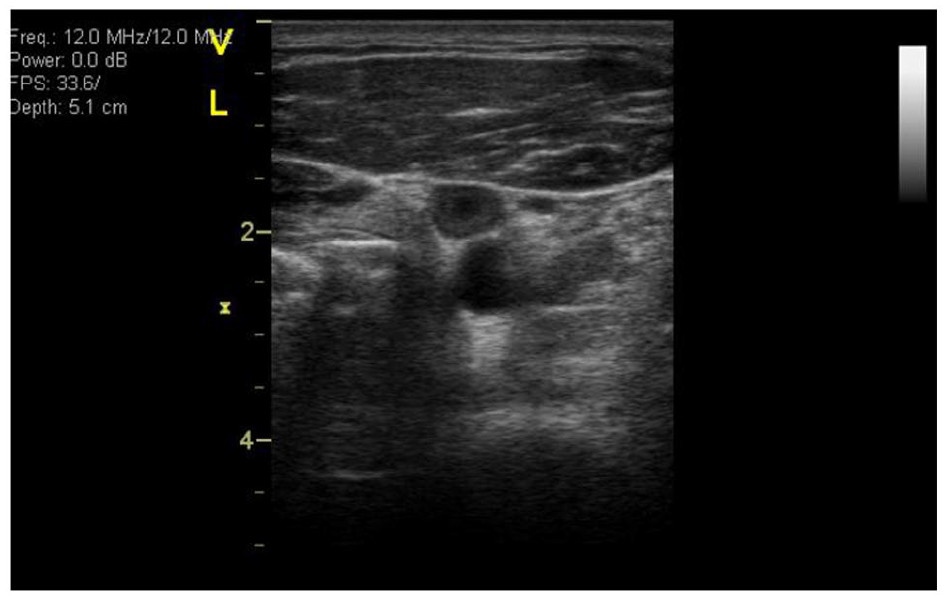
Spontaneous echo contrast (SEC) grade 3 with peripheral echogenicity.
NASA/Pavela

In April 2026, NASA’s Office of the Chief Health and Medical Officer (OCHMO) initiated a working group to review updated VTE case information, additional data gathered revealing altered blood flow status within a cohort of astronauts, and discuss progress of research and clinical activities intended to mitigate the risk of VTE during spaceflight with new evidence-based clinical practice recommendations.

Recommendations

The following is a summary of the working group’s recommendations:

  • The working group’s conclusions emphasized that stasis in the left internal jugular vein (IJV) is consistently viewed as a dominant risk factor for VTE in microgravity, though there is active debate regarding the relative contributions of slow qualitative flow, endothelial factors and/or retrograde flow.
  • Limitations of current in-flight ultrasound capabilities to accurately measure stasis/slow flow was cited as a concern, especially if using only stasis as a factor for indicating the need for prophylaxis.
  • Additional review of assessing stasis with ultrasound in-flight was recommended.
  • After reviewing the risk factors, additional discussions following the working group led to the majority of the panel agreeing that stasis and retrograde flow warranted use of prophylaxis.
  • The working group also recommended assessing all other risk factors other than stasis to also determine when prophylaxis is warranted.
  • Based on a literature review and summary of the panel contributions, a VTE Risk Score for Astronauts Algorithm was developed, which includes providing anticoagulation prophylaxis for stasis alone, or a combination of other thrombosis risk factors that are weighted by terrestrial literature.

Risk of Venous Thromboembolism During Spaceflight

NASA initially formed a working group in October 2024 after diagnosing venous thromboembolisms (VTEs) in astronauts during ISS missions. Experts reviewed case data, updated Clinical Practice Guidelines, and examined possible causes.

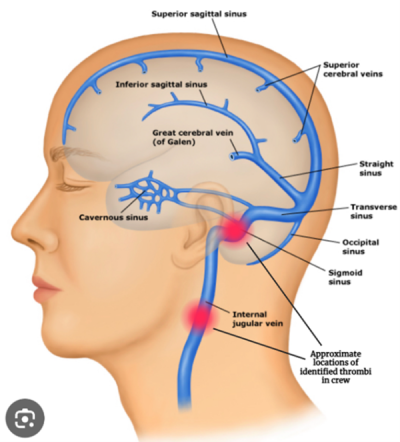
Approximate location of identified thrombi in crewmembers.
Source: Modified from Cerebral Sinus Venous Thrombosis – University of Colorado Denver

The post Establishing a VTE Risk Score for Astronauts Algorithm appeared first on NASA Science.

  •  

Someone is trying to flip a new Rivian R2 for $80,000 — $20K over MSRP

A private seller in Littleton, Colorado has listed a brand-new 2027 Rivian R2 Performance on Cars.com for $79,900 — roughly $20,000 over what Rivian charges for the same vehicle.

The listing went up July 1, just weeks after Rivian started delivering the R2 to its first customers, and it comes with the kind of cover story flippers tend to lean on.

  •  

SwRI and St. Mary’s University Partner to Forecast Durability of Metal Hydride Hydrogen Storage

Southwest Research Institute (SwRI) and St. Mary’s University have embarked on a groundbreaking collaboration aimed at revolutionizing the future of hydrogen storage technology. This joint venture seeks to develop a comprehensive, physics-based forecasting tool capable of predicting the degradation and long-term durability of titanium-iron (TiFe)-based metal hydride vessels. Leveraging a chemical and thermo-mechanical modeling framework, the project represents a significant leap forward in tackling one of the most persistent challenges in hydrogen storage materials science. This initiative is made possible through a $125,839 grant from the St. Mary’s-SwRI Technology and Applied Research (S²TAR) Program, designed to foster impactful research collaborations.

Metal hydrides are pivotal materials in the hydrogen energy landscape, serving as one of the few safe and compact solid-state options for hydrogen storage. These materials function by chemically binding hydrogen to metal lattices through chemisorption, effectively locking hydrogen atoms within the structure. Unlike high-pressure gaseous tanks or cryogenic liquid hydrogen storage, metal hydrides offer improved safety profiles and reduce energy-intensive requirements. However, despite these advantages, their widespread application is hindered by their limited durability and performance degradation resulting from repeated hydrogen absorption and desorption cycles.

At the heart of this ambitious research endeavor is the intricate problem of metal hydride vessel degradation. Over numerous charge and discharge cycles, physical changes ensue within the alloy powders comprising the metal hydride bed. These changes include fracturing of particles, densification of the powder bed, and mechanical stresses that collectively impair hydrogen storage capacity and vessel performance. Traditional evaluation methods rely heavily on prolonged, costly experimental testing to assess long-term vessel integrity—a bottleneck that impedes innovation and commercialization.

The project team, headed by Dr. Richard S. Fu of SwRI and Dr. Mohamed Shaat of St. Mary’s University, seeks to transcend these limitations by integrating advanced physics-based simulations with targeted experimental validation. This dual approach aims to create a robust modeling framework capable of forecasting the lifecycle and operational durability of TiFe metal hydride vessels. The predictive tool will account for the coupled chemical, thermal, and mechanical phenomena driving hydrogen cycling performance over hundreds or even thousands of cycles.

Dr. Shaat is spearheading the development of an intricate, multiphysics computational framework at St. Mary’s University. This model is designed to encapsulate the complex interplay between hydrogen diffusion, chemisorption reactions, phase transformations within the metal hydride, heat generation and transfer, and the evolution of mechanical stress within the vessel. By accurately simulating these interconnected processes, the framework seeks to facilitate precise performance predictions, while also identifying design parameters and operational regimes that optimize both efficiency and vessel longevity.

Central to the team’s vision is the translation of fundamental physical and chemical principles of hydrogen interaction into computationally efficient predictive models. Dr. Shaat emphasizes the importance of capturing the coupling mechanisms—particularly how hydrogen transport influences thermal and mechanical responses and vice versa—in order to provide reliable simulations that replace and reduce the dependence on lengthy physical testing. This innovative approach promises to significantly reduce costs, accelerate development cycles, and improve hydrogen storage system designs.

On the experimental front, SwRI’s team, under Dr. Fu’s guidance, is undertaking controlled, long-term cycling experiments to collect essential validation data. By subjecting metal hydride vessels to realistic charge-discharge scenarios, they aim to quantitatively monitor performance degradation mechanisms as they unfold. These experiments will provide the empirical backbone necessary to calibrate and refine the modeling framework, ensuring that simulation outputs faithfully represent real-world behavior under operational conditions.

The synergy between modeling efforts and experiments forms the cornerstone of the project’s iterative design loop. As Dr. Fu explains, modeling insights will direct the focus of experimental tests to critical phenomena, while the resulting data will feedback to correct and enhance the models. This dynamic interplay is expected to unravel previously obscure degradation mechanisms by illuminating the coupled chemical, thermal, and mechanical interactions at work within the metal hydride vessels. Ultimately, this feedback-driven methodology will yield a predictive tool capable of guiding material improvements and engineering decisions.

Hydrogen’s emergence as a clean, versatile energy carrier is a key cornerstone of global efforts to decarbonize energy and transportation sectors. However, to fulfill its potential, advances in storage technology are imperative. Unlike batteries or fossil fuels, hydrogen storage demands novel materials and engineering solutions due to its unique physical and chemical characteristics. By focusing on metal hydride vessels, this project addresses a promising yet underdeveloped storage pathway that could unlock safer, more efficient hydrogen deployment across diverse applications.

The S²TAR funding mechanism plays an instrumental role in enabling this interdisciplinary collaboration by providing seed resources that draw on the expertise strengths of both SwRI and St. Mary’s University. This partnership is not only poised to produce high-impact scientific outcomes but also lays the foundation for sustained cooperation. Through this collaboration, the team is well-positioned to attract larger external funding sources from federal agencies and industry players focused on advancing hydrogen infrastructure and clean energy technology.

As work progresses, the team anticipates that their predictive modeling tool will be an invaluable resource for the hydrogen storage community. It will offer designers and researchers an evidence-based platform to evaluate new materials, optimize vessel designs, and predict operational lifetimes with higher confidence. By systematically addressing the core durability challenges of metal hydride storage, this project represents a wide-reaching advancement that could significantly accelerate solid-state hydrogen storage adoption worldwide.

In conclusion, this joint initiative by Southwest Research Institute and St. Mary’s University epitomizes the cutting edge of hydrogen storage research. Through combining rigor in experimental validation and sophistication in physics-based modeling, the project champions a future where hydrogen is stored more safely and efficiently. The knowledge generated here promises to not only rewrite the fundamentals of storage vessel degradation understanding but also to catalyze practical applications in the global hydrogen economy.


Subject of Research: Physics-based modeling and experimental validation of TiFe-based metal hydride hydrogen storage vessel degradation and durability.

Article Title: Advancing Solid-State Hydrogen Storage: Predictive Modeling and Experimental Synergy for Metal Hydride Vessel Durability

News Publication Date: June 24, 2026

Web References: https://www.swri.org/markets/energy-environment/power-generation-utilities/advanced-power-systems/hydrogen-energy-research?&utm_medium=referral&utm_source=eurekalert!&utm_campaign=s2tar-metal-hydrides-pr

Image Credits: Southwest Research Institute

Keywords

Hydrogen storage, metal hydrides, TiFe alloys, chemisorption, physics-based modeling, thermo-mechanical framework, hydrogen diffusion, phase transformation, performance degradation, solid-state hydrogen storage, experimental validation, multiphysics simulations

  •  

Apple promete dar nova vida aos iPhones antigos com iOS 27 e traz ganhos reais de desempenho

A Apple diz que, depois de instalar o iOS 27 nos modelos mais antigos dos seus smartphones, como o iPhone 11, os utilizadores vão notar que este é mais rápido e estável.

The post Apple promete dar nova vida aos iPhones antigos com iOS 27 e traz ganhos reais de desempenho appeared first on Tek Notícias.

  •  
❌