❌

Reading view

DDR5 RAM pricing appears to be spiralling out of control even more — it's 5.5x pricier than before the memory crisis, and 2027 could get worse

  • DDR5 RAM has hit a new pricing high in the German market
  • It's now 544% up on the price it was before the RAM crisis began
  • This inflation backs up predictions of the memory shortage worsening, and Dell has just hiked the price of one of its popular laptops, too

If you wanted a telling example of how bad the cost of RAM is getting, the latest report on DDR5 pricing makes it crystal clear – and it reaches us as Dell moves to hike the price of its affordable XPS 13 laptop (in a roundabout way).

I'll come back to the ins-and-outs of what's happening with Dell, but first the DDR5 price jump, which has happened over in Germany.

3D Center keeps tabs on the monthly pricing of DDR5 memory in the German retail market – some 20 products are covered in this largest market in Europe – and as Wccftech flagged, the report for September shows this RAM is now 544% up on the price it was in July 2025 (the baseline level before the crisis began).

This is a big leap from 486% where the DDR5 price index sat in August, and since June, when it was at 419% having remained flat for much of the year. This obviously represents a depressingly hefty additional toll on the wallets of PC buyers or those upgrading their memory.

Meanwhile, as Mashable noticed, Dell has effectively upped the price of its XPS 13 laptop in the US, without actually increasing the baseline cost – instead of doing that, the laptop maker has introduced a new entry-level model with less storage.

So, previously the XPS 13 started from $699 in the US for the model with 8GB of RAM and 512GB of storage. What Dell has done is brought in a new model with 256GB of storage at that $699 level, so while technically the cheapest XPS 13 is still at that price, you're getting a lower spec for the money.

The old baseline model with 8GB RAM and a 512GB SSD is now $799, so it's been hiked by $100 – a pretty nasty bump in cost that moves this notebook into a distinctly less affordable price bracket.

If you want the XPS 13 with 16GB of system memory (and 512GB of storage), that's also gone up $100 so it's now at $999. Do note that these are student-targeted laptops, and students get a $100 discount on the XPS 13, so you will pay less in that case. However, while $599 (with $100 off) remains a tempting price in this climate, 256GB storage is cutting it thin.

Analysis: as predicted, 2026 is turning much nastier with RAM
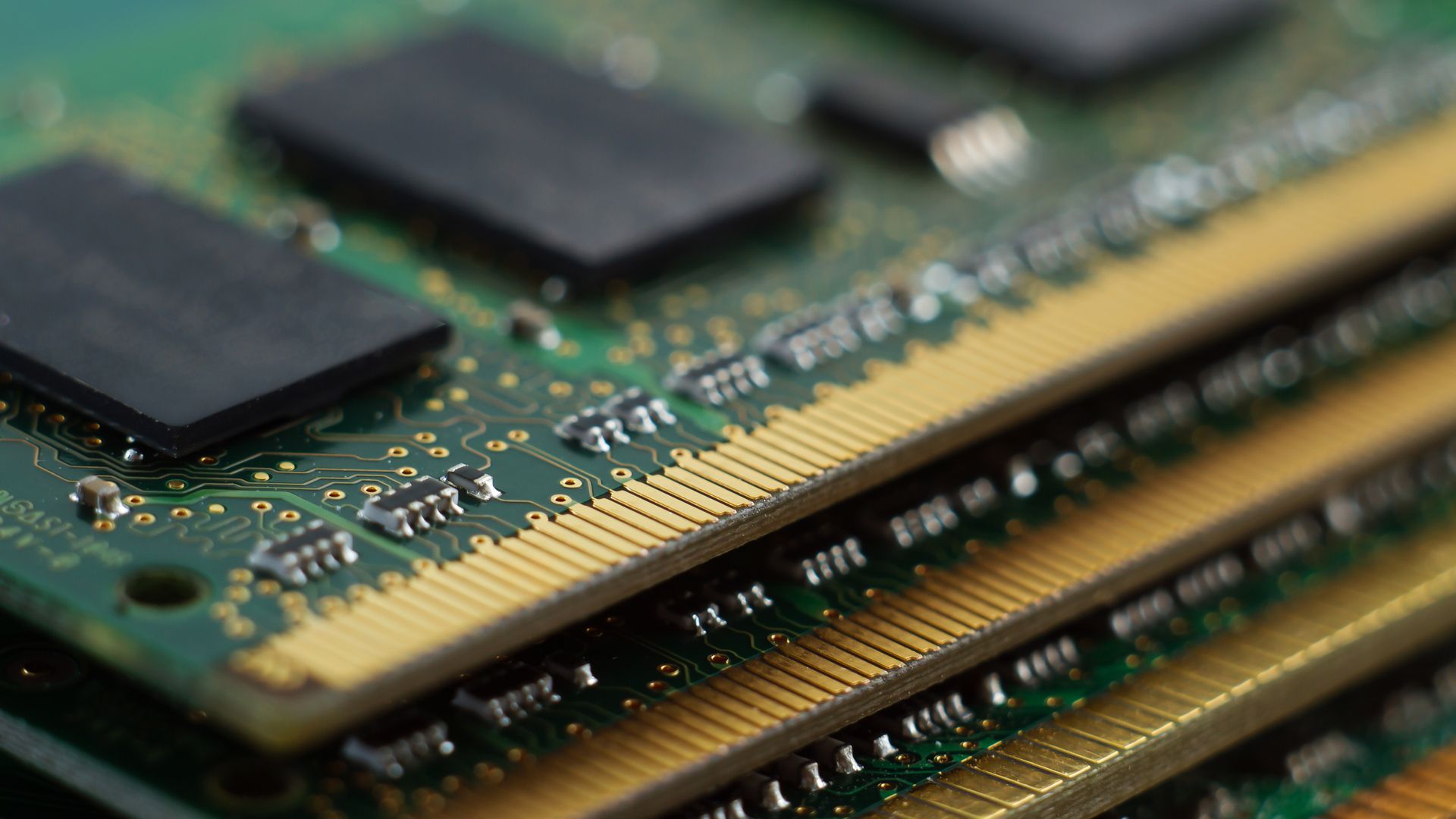
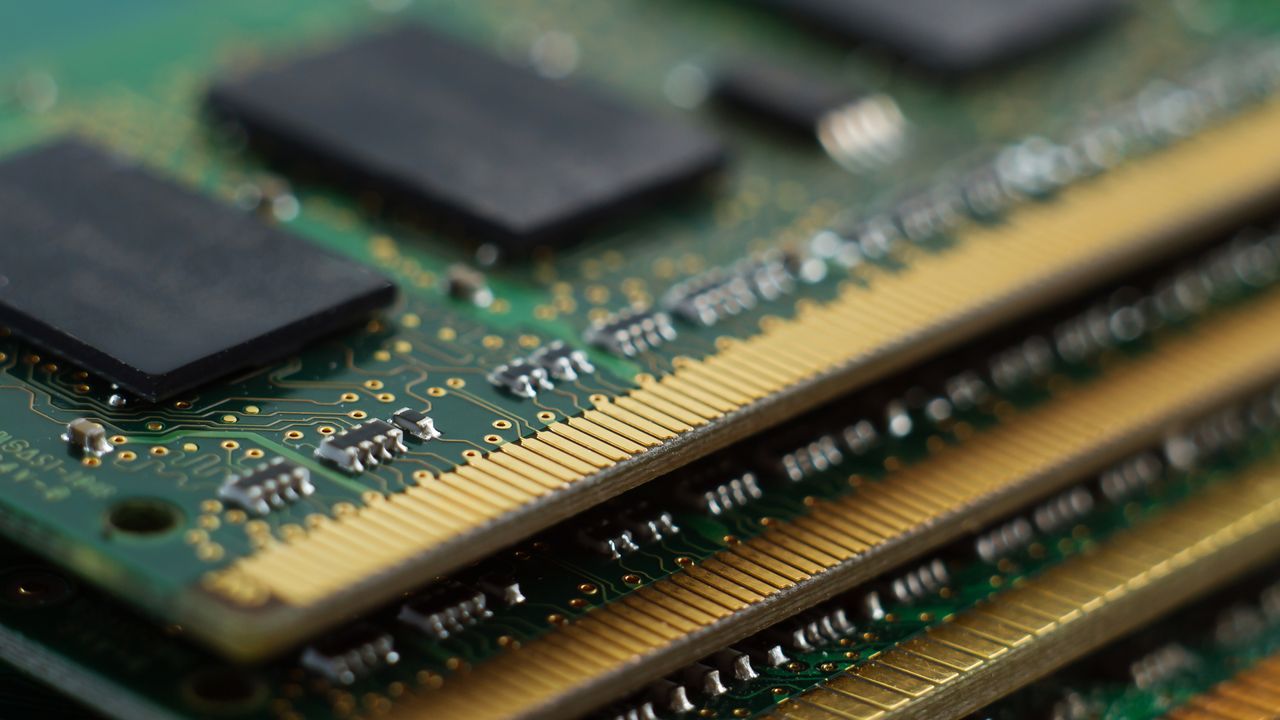
RAM sticks stacked on top of each other

(Image credit: Shutterstock)

The DDR5 price spike is truly worrying in my opinion, simply because it's an acceleration of an already worsening picture. Yes, it's only one retail market and a snapshot of the overall landscape as such, but the same pattern is seen elsewhere. Just look at Tom's Hardware's price tracker that shows 32GB of DDR5-5600 RAM in the US is now $409 (at the time of writing) compared to $72, which was the lowest price seen before the memory crisis.

That's over a 5.5x price increase in the US market (mirroring the German level of RAM inflation in this particular case). The end result is that what used to be a no-brainer of future-proofing any desktop PC – particularly a gaming rig – with 32GB of RAM is now a difficult choice to make, as sticking with 16GB is saving you $200 (or the regional equivalent). Bearing in mind that you're battling all sorts of other component inflation if you're building a new PC, too (most notably with the likes of SSDs and increasingly GPUs).

We were told that the second half of 2026 would see more RAM price misery, and these German market figures illustrate exactly that. Since June, buyers in the country have witnessed an effective 30% increase in the cost of DDR5 (when it was already hugely overinflated). It's worse than I imagined it could get, frankly, and I fear that the most pessimistic predictions – which also forecast a very rough 2027 – are very much on the money.

All these RAM price hikes are eventually reflected in the cost of laptops, of course, and the Dell XPS 13 provides an apt illustration here. Interestingly enough, I recently wrote about Dell's revelation of its new 14S laptop – which was shown off at IFA, but without any price tag being attached – saying that this made me nervous about how much the notebook might cost.

Given this XPS 13 hike, it's easy to see why Dell was hesitant, and to be fair to the company, it isn't the only manufacturer that's reticent to pin launch prices on incoming devices. This is becoming a trend because the memory shortage, and its knock-on effects, are making life difficult for all device makers.

  •  
  •  

'The memory chip market is heading toward a severe shortage': analyst firm believes RAM crisis could get far worse in 2027 — and you can blame AI ramping up

  • A new report from KB Securities gets very gloomy about the RAM crisis
  • We're told the "memory chip market is heading toward a severe supply shortage" in 2027
  • AI demand has ramped up massively with infrastructure investments up 60% year-on-year to $1.3 trillion, creating even more demand for memory as fuel for that rise

If you thought the RAM crisis was going to get worse next year, you're very probably right — but apparently we might suffer an even more severe shortage than some analysts already expect.

Wccftech flagged up an article from Business Korea (translated from Korean), which suggests that the RAM squeeze is tightening its grip on two of the biggest memory chip makers.

Citing a report from KB Securities, the rumor is that Samsung and SK Hynix are now down to fewer than 10 days of memory inventory, which is very close to running dry.

This has caused concerns that available memory supplies could dwindle and be depleted in 2027, with analysts believing that the "memory chip market is heading toward a severe supply shortage" (again, bear in mind this is a translation, but the message is clear enough).

KB Securities notes that the AI boom is what's causing this, as memory chip manufacturers struggle to meet demand for HBM4 memory in AI data centers. Infrastructure investments for AI development have been revised upwards to $1.3 trillion for 2027, we're told, which is a 60% year-on-year increase.

Kim Dong-won, head of research at KB Securities, told Business Korea that: "AI servers will absorb demand for not only HBM but also server DDR5 and enterprise SSDs, potentially leading to a historic shortage."

There's a brighter spot of news from laptop maker Framework though, which, as VideoCardz reports, has taken an unusual step in reducing the price of some of its products. As you may recall, Framework has been hiking laptop prices due to the increased cost of RAM (as have other notebook manufacturers), but the company just announced that it has secured some fresh memory modules at a lower price.

This means that some of its current Framework Laptop orders will be knocked down in price, and the company said on X that it's "retroactively reducing prices for orders that shipped at higher price" too.

Analysis: there's a historic level of gloom, that much is certain

Hand holding two DDR5 RAM memory modules in front of gaming computer with RGB lighting

(Image credit: vlado85rs / Getty)

It's impressive to see Framework acting in the best interests of its customers, particularly seeing as the firm could have (theoretically) kept quiet about bagging a batch of cheaper memory chips, and just kept the difference itself.

While that's commendable, it's a pretty small (but still welcome) bone we're being thrown in the face of the bad news for the RAM crisis here. Talk of a "historic shortage" is worrying, and it feels like this is an escalation of the recent chatter about global memory supply woes which has already turned highly negative.

While this latest report talks about server DDR5 RAM (and HBM), this will obviously have a bearing on consumer products, too. Those less profitable memory sticks are going to end up sidelined even further.

With rumors about GPU price hikes again coming to the fore this week, it's difficult to catch a breath between the bouts of bad news. We can hope that the pessimism is overblown here, but I can't shake the feeling that this seems unlikely.

  •  

This 32GB G.Skill Trident Z RGB DDR4-3600 RAM kit deal is down to just $215 using a special coupon at Newegg

DDR5 might be the memory standard for newer PCs, but it costs far more than DDR4, especially when you're shopping for faster or higher-capacity kits.

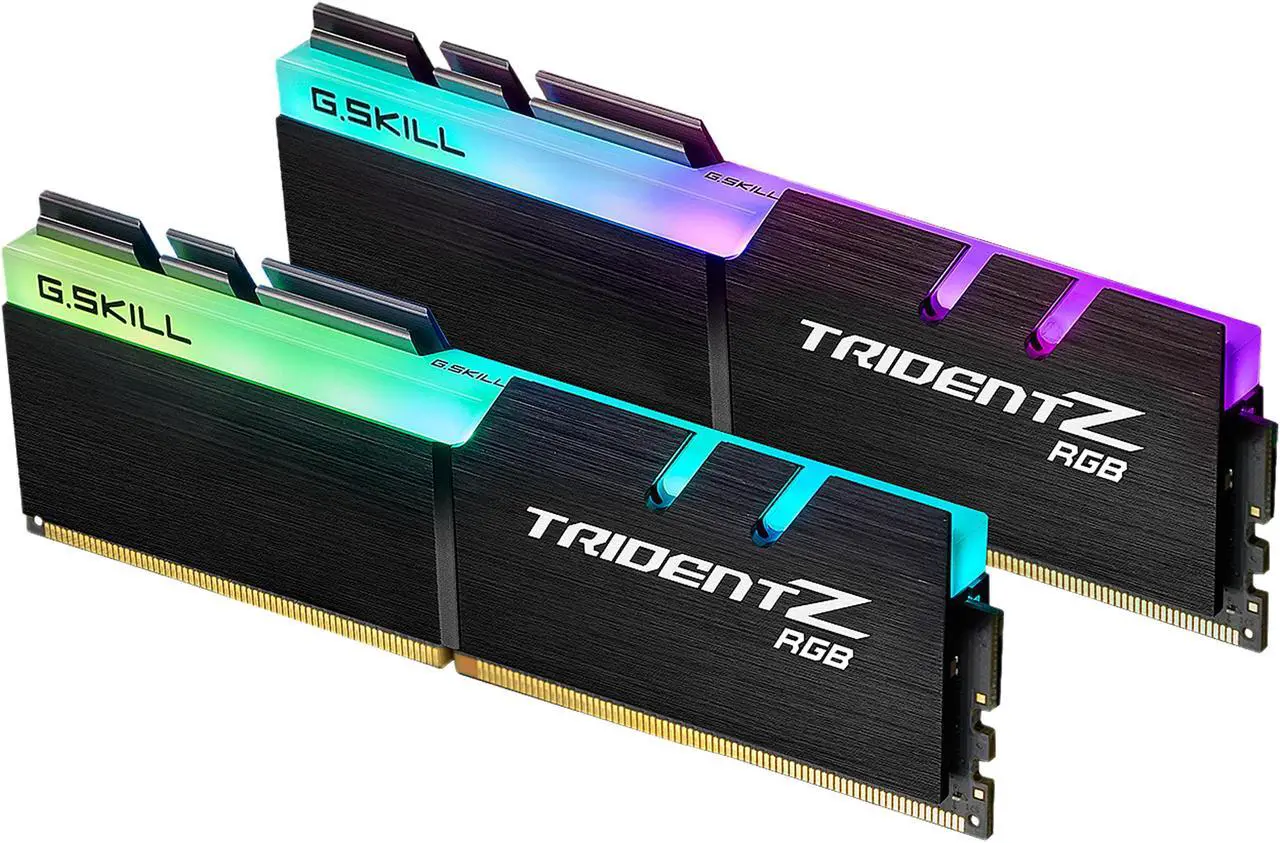
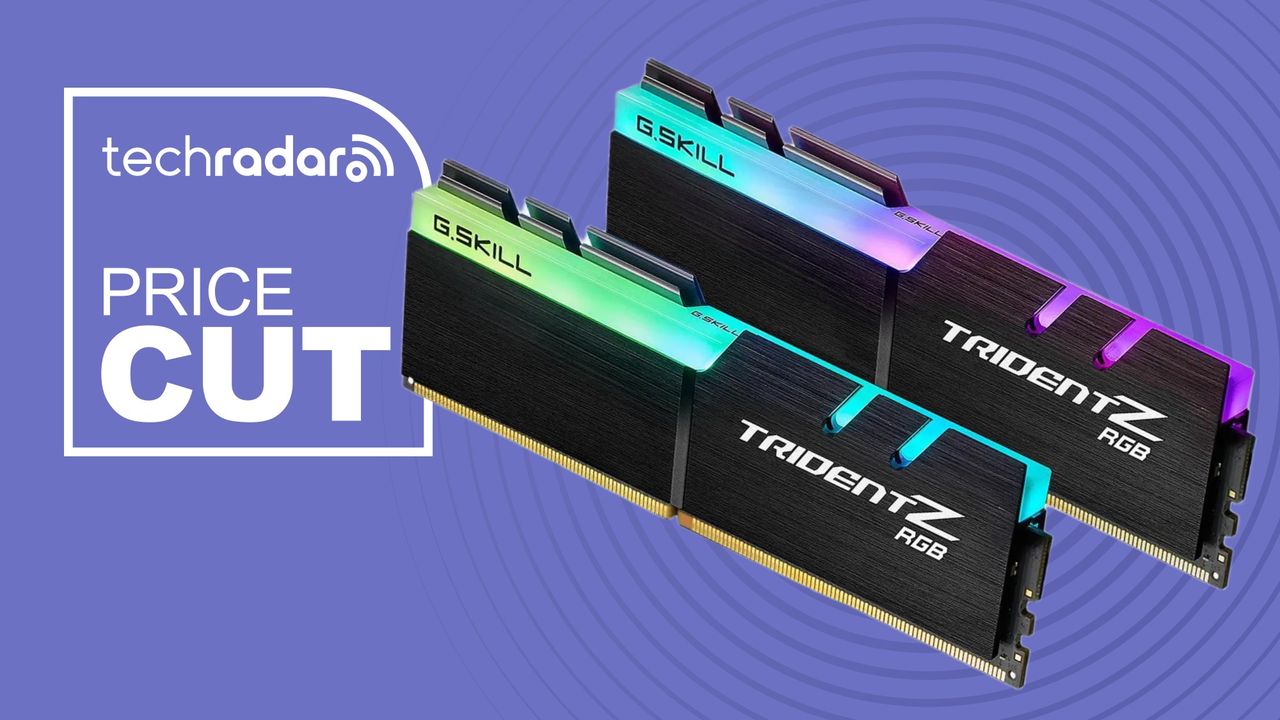
If you're upgrading a DDR4 system, I've found a terrific deal on the G.Skill 32GB Trident Z RGB for $215 (was $258) at Newegg when you use code LUYRF222.

For your money, you get two 16GB DDR4-3600 modules with CL18 timings, aluminum heat spreaders, customizable RGB lighting and Intel XMP 2.0 support.

Today's best DDR4 RAM deal

32GB TridentZ RGB Series DDR4 3600 RAM: was $257.49 now $214.99
This memory kit provides 32GB of dual-channel DDR4-3600 RAM across two 16GB modules, with CL18 latency, 18-22-22-42 timings, aluminum heat spreaders, RGB lighting and XMP 2.0 support. For the full discount, use code LUYRF222View Deal

Why we recommend it

32GB is enough memory for demanding multitasking, gaming and creative applications. The DDR4-3600 speed is also a good fit for compatible DDR4 systems, particularly if you're upgrading an older machine that's currently running slower or lower-capacity memory.

The two matched 16GB modules provide a dual-channel configuration, with timings of 18-22-22-42 at 1.35V.

G.Skill's Trident Z design adds aluminum heat spreaders and customizable RGB lighting, making this a good choice if your PC has a windowed case and you want your memory to complement other RGB components.

Price context & historical value

Newegg sells the 32GB Skill Trident Z RGB kit for $257.49, and it's currently available for $249.99. Using coupon code LUYRF222 brings the final price down to $214.99.

While that's a decent price in today's inflated memory market, it's worth remembering just how much cheaper DDR4 used to be. Newegg sold this exact G.Skill kit for just $69.99 in August 2023, less than a third of its current discounted price.

Unfortunately, it's unlikely to drop down to that level again, so the current deal is worth considering if you need to upgrade your DDR4 system now.

Should you buy it?

✅ Buy the 32GB G.Skill Trident Z RGB kit if...

You have a compatible DDR4 desktop and want to increase its memory capacity without replacing your motherboard and processor to move to DDR5. The combination of 32GB capacity and DDR4-3600 speed makes it a solid upgrade for an older system.

❌ Skip the 32GB G.Skill Trident Z RGB kit if...

You're building a completely new PC around a recent processor and motherboard. In that situation, I'd seriously consider DDR5 instead, as you'll be investing in the newer memory standard rather than spending more than $200 on DDR4 that you won't be able to carry over to a future platform.

The Catch: What to know before you buy

You'll need to enable XMP, DOCP or A-XMP in your BIOS to reach the kit's advertised DDR4-3600 speed on compatible hardware. Otherwise, the memory will initially run at its default SPD speed.

Compatibility is also important. G.Skill recommends checking its motherboard QVL, and it specifically warns against mixing separate memory kits, even when their specifications appear identical, as doing so can cause stability problems.

  •  

Scientists Discover Exercise Can Match One Key Benefit of Sleep for the Brain

Brain Mental Health Boost ConceptOne sleepless night can blur the brain, but just 20 minutes of exercise or a well-timed nap may help new memories survive for days. In a McGill University-led study, participants who exercised for 20 minutes or slept for 90 minutes after prolonged wakefulness performed about 22 percent better on a delayed memory test than those [...]
  •  

Brain’s “Cognitive Legos” May Explain How We Multitask and Switch Between Tasks

The human brain is remarkably adept at juggling different kinds of information, allowing us to switch rapidly between tasks and adapt our behavior as circumstances change. A new study by MIT neuroscientists takes a closer look at how the brain accomplishes this, providing evidence for flexible neural modules that may help support this cognitive versatility.

Using mice, scientists found that a group of neurons in the prefrontal cortex could switch between retaining sensory information and maintaining an action plan in working memory.

“We found that the brain doesn’t dedicate a separate group of neurons for every type of information,” says Yuma Osako, an MIT postdoc and the lead author of the new study. “Instead, it uses the same populations of neurons to perform the same computation on different kinds of information, which means the same subset of neurons can hold both an action and a sensory stimulus in working memory,”

The findings also lend support to a longstanding theory known as compositionality—the idea that cognition can be constructed by combining and reusing neural components.

“One of the solutions that’s always been proposed has been this idea of compositionality — that you can take pieces of cognition that perform part of a task and reuse them in another task,” says Timothy Buschman, a professor at the Princeton Neuroscience Institute, and the senior author of the paper, in a statement. 

Another way to see this is to view it as “cognitive Legos,” Buschman suggests. Instead of building a new neural circuit when a new task starts, the brain reuses existing circuits and combines them in different ways.

The Test 

To see how this neural network operates, the scientists trained mice to compare two tones and respond depending on whether the sounds matched. As the mice performed the tasks, the scientists recorded electrical activity from thousands of neurons. 

“When mice do tasks that test whether memory computations can be reused, the answer is they are,” notes Mriganka Sur, the Newton Professor of Neuroscience at MIT’s Picower Institute for Learning and Memory. “There are subspaces of functional activity in the prefrontal cortex that can be the substrate of mixing and matching toward flexible cognition.”

Two important components of the task allowed the researchers to examine how different kinds of information were maintained. First, the mice had to remember the initial tone for a short period. They then had to retain their decision and form an action plan.

In the parietal cortex, neurons were dedicated to storing information about the tone. However, researchers found something different in the prefrontal cortex: a specific group of neurons could switch roles.

During one stage of the task, the circuit helped maintain a sensory memory. During another, the same population was involved in maintaining an action plan. This flexibility may help explain how a finite number of neurons can support an enormous range of behaviors.

“Our everyday life requires us to temporarily hold many different kinds of information. One big question is how the brain can represent an unlimited variability of information using only a finite number of neurons,” Osako says.

The researchers view these reusable neural circuits as potential building blocks for flexible cognition. More broadly, the findings suggest that the brain may be less like a machine filled with components dedicated to individual tasks and more like an interconnected system that continually repurposes its existing neural resources.

The recent study appeared in the journal Nature.

Chrissy Newton is a PR professional and the founder of VOCAB Communications. She currently appears on The Discovery Channel and Max and hosts the Rebelliously Curious podcast, which can be found on YouTube and on all audio podcast streaming platforms. Follow her on X: @ChrissyNewton, Instagram: @BeingChrissyNewton, and chrissynewton.com. To contact Chrissy with a story, please email chrissy @ thedebrief.org.

  •  

MacVoices #26227: Live! – Apple at $5 Trillion, Earnings Call and Upgrade Program Analysis

The MacVoices Panel tests a new live-production platform while discussing Apple’s reported $5 trillion valuation, and the end of Tim Cook’s earnings-call era. The pros and cons of Apple’s new device upgrade and leasing program is the subject of intense debate over factors such as balloon payments, ownership, carrier lock-ins, AppleCare costs, convenience, and flexibility. […]

💾

  •  

'It's only 4x the price it should be' — Amazon's latest DDR5 RAM deal isn't convincing buyers, but it could get worse

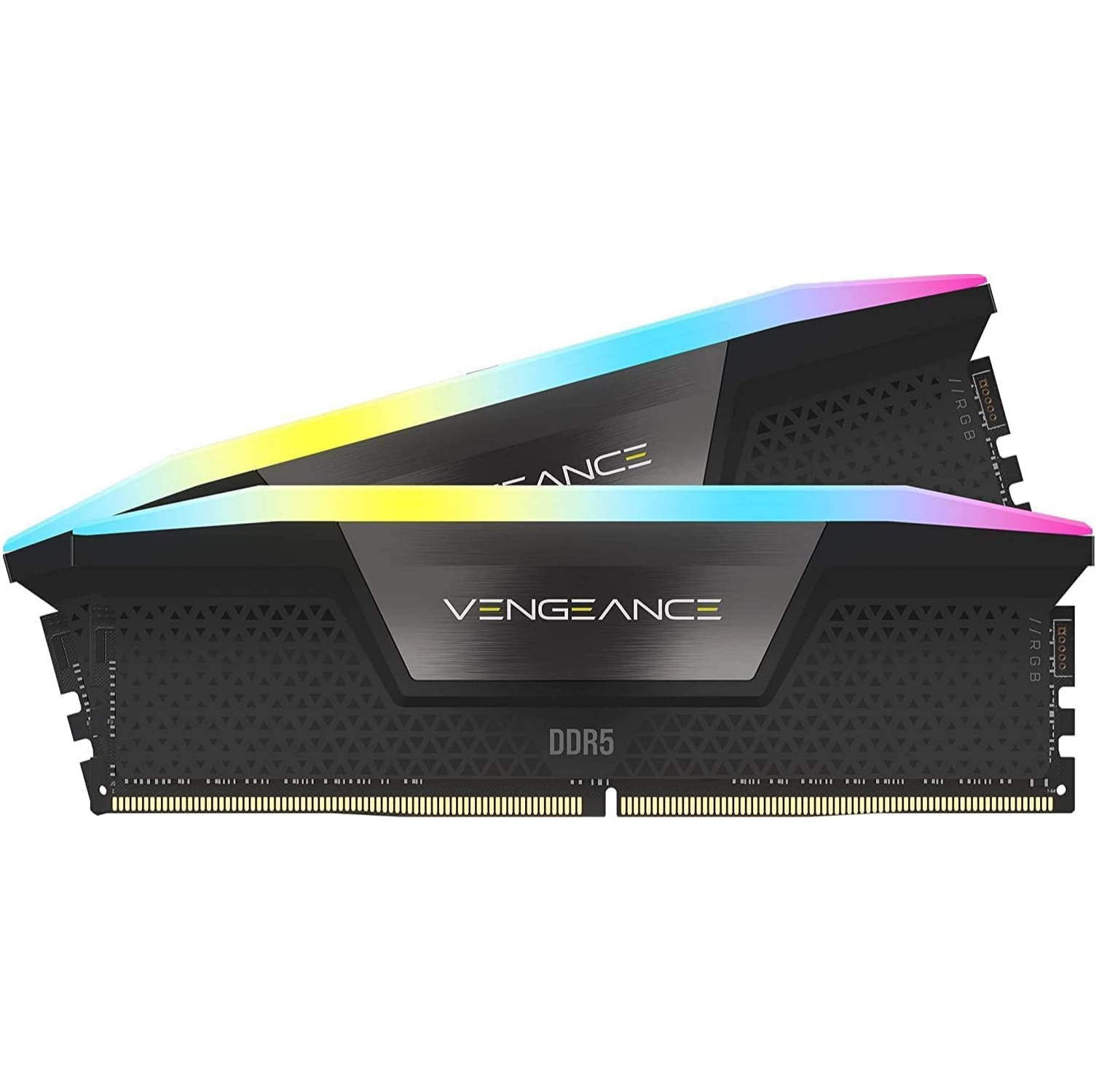
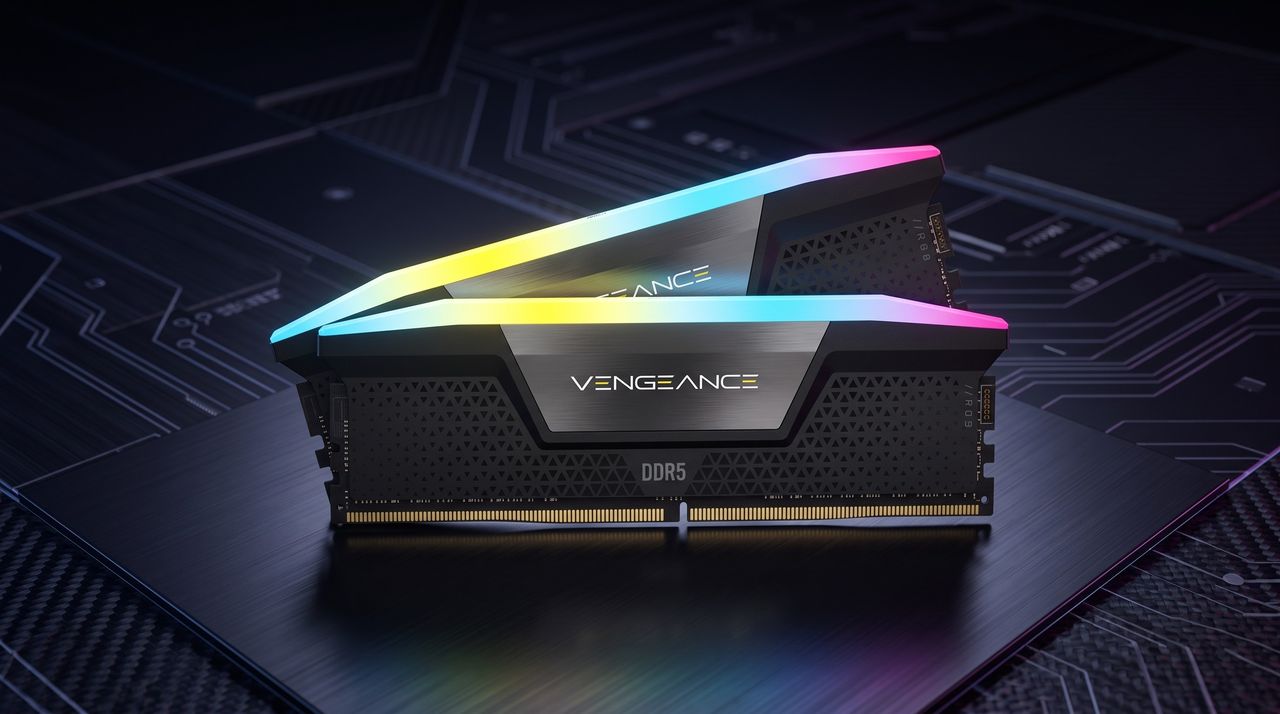
Seeing the red 'limited-time deal' banner on some DDR5 RAM at Amazon should elicit some excitement given the rarity of price cuts lately. But when you click through and see the price for this 32GB Corsair Vengeance kit, you'll wonder if there's genuinely a deal here at all — and other wannabe buyers aren't wholly convinced, either.

"It's 'only' 4x the price it should be," wrote one user named Technikal on HotUKDeals, a community that shares deals from across the web and asks the community to vote whether they think they are hot or cold. "The current average is 5x," he continues, "so, in that sense it's a good deal...I guess."

A muted response, that's for sure. And while it may be true that the deal price of the RAM kit is technically one of the lowest prices available right now, it's so far from the much lower prices we saw before the RAM crisis turned buying memory for your PC into a depressing exercise.

"Blimey, just checked my receipt for mine from 2 years ago - cost £85..." says another HotUKDeals user named Jacko_1975.

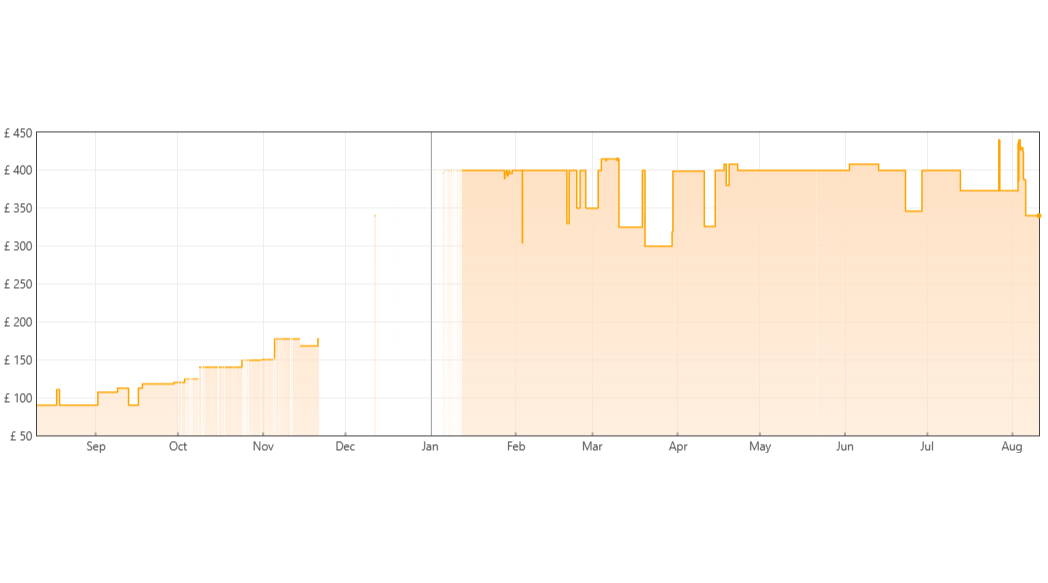
Graph from Keepa showing the price history for the Corsair Vengeance DDR5 RAM over the last 12 months

The price for this specific RAM kit has increased dramatically over the last 12 months at Amazon. (Image credit: Future / Keepa)

In fact, even just a year ago, this very same RAM kit was available for £99.99 when it wasn't even on sale, according to price history information from Keepa.

Given that, it's no surprise that shoppers have reacted negatively to Amazon's flash deal. Unfortunately, though, it doesn't look like things are getting any better when it comes to RAM prices. A report from Samsung suggests the RAM crisis is just getting started, and it could extend to other components in the near future.

If you're looking at these deals and are trying to convince yourself to purchase any RAM in the near future, we've got a PC gaming expert delivering advice on what to do if you're considering buying memory, a GPU, or other components.

Sadly, the news is grim, and these prices could be with us for a while yet. So, yes, it may be difficult to feel happy about seeing supposed RAM deals like this, but from what I'm seeing and hearing, I don't think they're going to get any better, either.

Amazon has launched a limited-time deal on a set of much-sought-after Corsair Vengeance 32GB DDR5 6000MHz CL36 RAM — the sweet spot for most PC gaming builds. Even though you could technically argue this is a deal, as it's the lowest price we've seen in months, it's still astronomically more expensive than the record-lows of under £100 from last year. However, with the ongoing PC component price crisis showing no signs of ending, this is likely one of the better offers we'll see for some time.View Deal

  •  

The RAM crisis just hit a new low — here's my advice on what to do based on 30 years of writing about GPUs, memory and PC components

It appears that the RAM crisis is getting worse than ever as we head further into 2026. I've been closely watching and reporting on memory price hikes — which were soon followed by other PC component cost increases — since this crisis first began, and the worrying thing is, I can't recall a gloomier stream of negative news than I've witnessed over the past few weeks.

That includes Samsung recently declaring that the RAM crisis is going to become more severe in 2027, and rumors that even mighty Apple is floundering in its attempt to secure new RAM supplies from China (as other notebook makers consider this alternative route to the three main memory chip giants: Micron, Samsung and SK Hynix).

Previous to that, we saw laptop maker Framework break news of a truly eye-opening cost increase for mobile RAM, just as one gauge of DDR5 pricing saw it jump in price to a new all-time high (after plateauing earlier this year). On top of that, the boss of SK Hynix voiced the opinion that 2027 will be the worst year in the RAM industry's history, and that the crisis is likely to be drawn out to the next decade.

This isn't just about RAM, of course, but other components, including CPU price rises, and devices themselves — PCs and laptops (and phones). But most notably over the past month it's been graphics cards in the crisis limelight. We've witnessed the resurrection of old GPUs to try to bolster stock levels of more affordable cards, and more recently we've been subjected to what seems like an endless parade of negativity about imminent price hikes.

Apparently, Gigabyte is set to increase the price tags of its graphics card to the tune of 20% to 40% in Japan, and MSI is going to jack up prices of Nvidia GPUs in China by 20% or more. Asus is supposedly preparing a similar 20% hike (as Wccftech reported).

Another recent gloom nugget is the assertion that Nvidia RTX 5000 models will get hikes of 30% in South Korea this month, and all of this pain is mainly rooted in the increased price of video RAM, of course. (Those cost increases are the reason the RTX 5000 Super refreshes have been delayed, according to the grapevine, as those rumored cards are packed with VRAM).

While a good deal of this is individual pieces of regional activity with GPU pricing, it's obvious that these hikes are happening as part of a concerted shift, one that will surely be reflected globally — it's not like Asian markets are in a bubble of their own.

The overarching theme is a worsening of price hike misery, and that the pricing storm is likely to intensify this year, and probably in 2027, too. While previously the RAM crisis has been more of a light-and-shade affair, now it feels like the depression has been turned up a notch. Whereas before, there was certainly more darkness than light, we've had notable spots of relief where an exec in the memory industry stepped forward and theorized that maybe things aren't as bad as we think. But lately those embers of optimism appear to have burned out.

To me, it feels like there's a shift underway towards a full acknowledgement that we really are going to experience a lot more pricing pain in the foreseeable future. If it's so bad that even Apple is purportedly scrambling to secure RAM supplies, and is having trouble doing so, I think it's time to turn up the worry meter by a notch or two.

What should you do?

An Nvidia GeForce RTX 5070 being held in a hand

(Image credit: Future / John Loeffler)

Here's my advice on the current landscape with PC components and hardware (season it appropriately). Obviously, worrying isn't going to help you, but awareness of what might be sensible upgrades or purchases to make now will, based on the likelihood of hikes (we could call it the 'hike-lihood' – or maybe not). Nothing is certain about the future of components, of course, but it does feel like there's a clear area in which the potential price hikes are a bigger threat: GPUs.

As I discussed above, there's a lot of recent evidence that graphics card pricing is going up. Yes, it's a collection of rumors in the main, but there's a lot of it all pointing in a very similar direction — and a video RAM toll was always going to be exacted in the end. We've seen it already with higher-end graphics cards, and now I believe we're going to see it in the mid-range, and even budget models. Indeed, top-end GPUs are likely to get even more expensive as well.

If you're thinking about a GPU upgrade for this year or next, given all this, I think now really is the time to buy — especially with a lower-tier model, as you can still get more affordable graphics cards at their MSRP. Ditto for mid-rangers, although it's tougher to recommend higher-end Nvidia boards when they are already so expensive.

As noted, though, that could get worse. And granted, you may still want to wait for Black Friday — it's not that far off, and there might be some GPU deals then. However, I wouldn't bank on anything hugely compelling (or discounts that aren't offset by the price rises which are predicted to take hold in the next few months).

So, if there's one PC component that I think you should buy now, it's a graphics card. I think the signs are pretty clear on that (and see here for my recommendations on different models to consider). By extension, higher-end gaming laptops could also be a wise move for purchasing sooner rather than later. That's for the same reason, really — they have beefy (mobile) GPUs (with plenty of VRAM in some cases).

I don't think it's a bad move to buy any laptop, by the way, gaming or not (away from the higher-end), come your earliest window of opportunity. I think we'll see further price rises here, too, and RAM is going to cause more upward pricing pressures for notebooks — just look at Framework's recent revelation as mentioned.

Acer Nitro V16 gaming laptop

(Image credit: Peter Hoffmann)

What about RAM and SSDs themselves? While system memory kits and storage have already seen huge price rises, it now looks like there's worse to come (somehow).

On the other hand, there's a ceiling as to how expensive this stuff can get before buyers withdraw from what they see as an increasingly unrealistic and out-of-touch market. This is a much more difficult call to make, but if you can find something that looks relatively reasonably priced, I don't think you'll regret the purchase in the next couple of years. But that said, I can't recommend a RAM upgrade in particular at current pricing levels, unless it's unavoidable, frankly.

Above all, though, consider a GPU upgrade if you're in the market for a new card, or you think you'll need one in the next couple of years (yes, I think it's wise to be looking quite far down the road here).

The other thing to bear in mind is that there's a danger there will be a rush for GPUs, a flurry of buying that puts further strain on supply and therefore prices. As VideoCardz reports, one Japanese retailer has warned of Nvidia RTX 5000 graphics card sales increasing "sharply", even just with the news of rumored price increases — let alone the confirmation. Prices are already rising and restocks of the RTX 5070 Ti and RTX 5080 are already being labelled as "unstable", hinting that inventory could start to dry up quickly.

That's just one report, of course, and it pertains to the high-end of the market, so it's not something to start panicking about yet. But it does make some sense that if pricing begins to creep up, more PC owners may start to act on GPU upgrades. I wouldn't blame them, frankly.

  •  

Apple’s iPhone 18 Pro, iPhone 18 Pro Max, and foldable ‘iPhone Ultra’ likely to sell out fast due to memory shortages

3D render claiming to depict Apple's first foldable iPhone (image: Jon Prosser)
3D render claiming to depict Apple’s first foldable iPhone (image: Jon Prosser)

Apple and its suppliers are scrambling to secure enough DRAM (mobile memory chips) ahead of the expected September 2026 launches of the iPhone 18 series and the foldable iPhone Ultra, according to semiconductor analyst Tim Culpan’s exclusive reporting for Culpium.

With under six weeks to the anticipated debut, assemblers are rushing shipments of DRAM. Apple primarily sources from Micron, with additional supply from SK Hynix and Samsung. Severe shortages due to RAMageddon have left processor wafers sitting idle, awaiting packaging—creating pressure to avoid launch shortages.

The issue stems from Apple’s A20 Pro chips (built on TSMC’s 2nm process), which use Wafer-Level Multi-Chip Module (WMCM) packaging that integrates the processor and DRAM at the wafer level. This means DRAM must be available for packaging; unfinished dies cannot simply be stockpiled and completed later. Reports indicate TSMC is holding roughly $1 billion worth of unpackaged Apple processors delayed by the missing memory.

DRAM has been tight for months, driven in large part by memory makers prioritizing higher-margin chips for AI data centers over consumer devices. This has already affected other Apple products (such as certain Macs) with longer wait times. Apple and its partners (including assemblers like Foxconn) expect to meet initial launch demand, but retail stock could deplete quickly and online preorder wait times may stretch afterward. The foldable iPhone Ultra, with its more complex design and lower planned volumes (historically projected in the low millions for the second half of the year in related analyst notes), is viewed as particularly vulnerable to limited availability.

Culpan’s sources indicate Apple plans roughly 200 million combined units across the iPhone 18, 18 Pro, and Ultra over the product cycle, with the Ultra representing under 10%.

This memory constraint adds to broader industry dynamics of rising memory costs and competing demand from AI infrastructure, which have already influenced pricing discussions and production priorities for Apple hardware.
‎
MacDailyNews Take: Buyers interested in the new Pro models or the Ultra at launch would be advised to pre-order very, very promptly!


‎
Please help support MacDailyNews — and enjoy subscriber-only articles, comments, chat, and more — by subscribing to our Substack: macdailynews.substack.com. Thank you!

Support MacDailyNews at no extra cost to you by using this link to shop at Amazon.

The post Apple’s iPhone 18 Pro, iPhone 18 Pro Max, and foldable ‘iPhone Ultra’ likely to sell out fast due to memory shortages appeared first on MacDailyNews.

  •  

RAM Production Capacity Is Reportedly Sold Out Through 2027

RAM production capacity at Samsung Electronics, SK hynix, and Micron Technology is reportedly committed through the end of 2027, leaving consumer electronics manufacturers with little room to secure additional memory outside existing supply agreements.

Industry reports indicate that the three dominant manufacturers have allocated their available DRAM and high-bandwidth memory production for next year. Long-term contracts with cloud companies, AI chip developers, automakers, and device manufacturers have effectively reserved the output those suppliers expect to produce.

The claim does not mean every RAM module that will be sold in 2027 has already been manufactured or purchased by a consumer. It refers to future production capacity being assigned to customers before the chips leave the factory.

It also does not cover every memory producer worldwide. Chinese manufacturer ChangXin Memory Technologies, known as CXMT, and several smaller suppliers continue to produce DRAM. However, Samsung, SK hynix, and Micron control most of the advanced global DRAM market, making their available capacity the primary constraint for companies such as Apple.

RAM Production Is Already Committed

Selling out a year of production capacity means manufacturers have received enough contractual commitments to allocate the output they expect from their factories. Customers may have reserved specific volumes, product types, or manufacturing capacity under agreements that include minimum purchases and pricing protections.

Micron has been shifting toward this model through strategic customer agreements. The company disclosed 16 multiyear deals covering customers across data centers, consumer devices, automotive products, and industrial equipment.

Those agreements typically run for several years and include binding volume commitments. Some use fixed prices, while others establish price floors and ceilings. Micron has said that its signed contracts represent approximately $100 billion in expected revenue over their remaining terms.

Such agreements give memory manufacturers more predictable revenue than the traditional DRAM cycle, in which aggressive expansion frequently created excess supply and collapsing prices. They also give large buyers assurance that chips will be available for planned products.

The disadvantage falls on customers that did not reserve enough capacity early. A company needing more memory than its contract provides may have to pay higher prices, accept a different specification, delay production, or find another qualified supplier.

SK hynix CEO Kwak Noh-jung has described 2027 as potentially the worst year in the memory industry’s history from a supply perspective. He expects customer demand to remain above the company’s production capacity beyond 2030, despite major investments in new factories.

Samsung has issued a similar warning, expecting the constraints to become more severe in 2027 and continue into 2028. Analysts at UBS have projected that the DRAM market could remain undersupplied until at least the second quarter of 2028.

A man with short dark hair wearing a navy blazer and white shirt smiles while sitting indoors against a blurred blue background, reminiscent of an executive discussing advancements in Apple memory and DRAM supply.
Image Credit: Bloomberg / Getty Images

AI Memory Consumes More Factory Capacity

The shortage originates primarily from the rapid expansion of artificial intelligence infrastructure. AI accelerators require high-bandwidth memory, or HBM, to move large amounts of data between memory and processors at extremely high speeds.

HBM and the LPDDR memory used in Apple devices are different products. An iPhone or Mac is not competing directly for the same finished memory package installed beside an Nvidia AI accelerator.

They still depend on overlapping manufacturing resources. HBM begins with advanced DRAM dies, and producing a given capacity of stacked HBM consumes considerably more wafer output and packaging resources than conventional memory. Suppliers have also concentrated spending, equipment, and engineering work on the more profitable AI segment.

Every production line converted or optimized for HBM can reduce the industry’s flexibility to make standard server DRAM, PC memory, or mobile LPDDR. New investment may increase total memory output while doing little to relieve the parts of the market serving phones and personal computers.

Cloud companies are willing to enter multiyear agreements and make large financial commitments because a shortage of memory can leave costly AI processors unused. Memory manufacturers therefore have a powerful incentive to prioritize these customers over consumer device companies seeking lower component prices.

The pressure is also moving beyond HBM. AI servers need large quantities of conventional DDR5 memory, while storage systems supporting model training and inference consume enterprise NAND flash. This spreads the shortage across several categories that were previously less exposed to AI infrastructure spending.

Apple Faces Expensive Supply Decisions

Apple purchases enormous volumes of LPDDR memory for the iPhone and iPad, along with memory used across the Mac, Apple Watch, Vision Pro, Apple TV, and HomePod product families. Its size gives it substantial negotiating power, but it cannot purchase capacity that suppliers have already assigned to other customers.

The company has acknowledged that memory prices are continuing to rise. Tim Cook recently characterized the pricing environment as a “hundred-year flood” and said Apple expects to pay more for memory during the September quarter.

Apple has already raised prices across several Mac and iPad models while reducing or removing some high-memory Mac configurations. Although memory availability is not the sole influence on every product decision, eliminating configurations can help a manufacturer concentrate limited components around the models expected to sell in larger volumes.

The design of Apple silicon makes memory allocation especially sensitive. Unified memory is integrated closely with the processor package and cannot be upgraded after purchase. Apple must decide how many chips to secure for each configuration long before customers begin ordering those machines.

A shortage can therefore affect more than the cost of an individual RAM component. It can influence base memory capacities, upgrade pricing, the number of configurations offered, production volume, and the timing of product introductions.

Apple can absorb part of the increase through its margins, negotiate longer agreements, adjust retail pricing, or redesign its product mix. Each option carries a cost. Absorbing higher prices reduces profit per device, while passing them to customers could weaken demand. Restricting configurations risks pushing professional users away from Macs that no longer offer enough unified memory.

The company is reportedly evaluating DRAM from CXMT for products sold in China. Adding a fourth major source could improve access to conventional memory, but qualification takes time because Apple must confirm performance, reliability, manufacturing consistency, and compatibility with its hardware.

The political environment creates another obstacle. US lawmakers have raised national security concerns about American companies purchasing memory from Chinese semiconductor manufacturers. Apple could consequently find that a supplier is technically suitable for China-market products but difficult to introduce across its international supply chain.

RAM production - Apple Store Hamburg

Sold Out Does Not Mean Stores Will Be Empty

The reported capacity commitments do not guarantee a universal shortage of finished devices. Apple and other major manufacturers will still receive memory under agreements they have already negotiated.

Products can also continue reaching stores while component prices rise. Manufacturers may reduce discounts, increase retail prices, limit premium configurations, or give priority to their most profitable devices before allowing a shortage to stop production completely.

Contracted capacity can change if customers reduce orders or if AI infrastructure investment slows. Memory makers could redirect production between customers and product categories, although converting lines and qualifying different chips cannot happen immediately.

CXMT could also expand faster than expected, particularly in mainstream DRAM. Its products have reportedly attracted interest from HP, Asus, Acer, Dell, Lenovo, and Apple as established suppliers devote more resources to AI memory. CXMT is unlikely to replace the combined output of Samsung, SK hynix, and Micron during 2027, but it may provide an alternative for products sold outside the United States.

New production facilities offer little immediate relief. Semiconductor factories require construction, equipment installation, process development, yield improvement, and customer qualification before reaching dependable volume.

Micron expects the first wafer output from its initial new Idaho facility around the middle of 2027, with a second facility following in late 2028. Those first wafers will still need to pass through the production ramp and customer qualification process, leaving much of their effect on available device memory for 2028 and later.

A person wearing a long-sleeve dark shirt holds a DRAM memory module between their thumb and fingers, showcasing its memory chips against a plain light background.
Image Credit: Magnific

The post RAM Production Capacity Is Reportedly Sold Out Through 2027 appeared first on AppleMagazine.

  •  

China’s CXMT rejects Apple’s price-cut demands for DRAM, boosting Samsung and SK Hynix’s pricing power amid global shortage

CXMT

In a striking reversal of traditional supply-chain dynamics, China’s ChangXin Memory Technologies (CXMT) has rebuffed Apple’s requests for lower prices on mobile DRAM, according to industry reports. The move underscores a severe shortage in general-purpose memory chips and hands greater negotiation leverage to South Korea’s Samsung Electronics and SK Hynix.

Apple had been exploring CXMT as a potential new supplier of LPDDR5X and other mobile DRAM for upcoming iPhones and smart devices, aiming to ease manufacturing cost pressures amid soaring memory prices. Sources indicate the iPhone maker sought further price reductions during negotiations. CXMT refused, instead holding firm at levels matching or even exceeding those charged by Samsung and SK Hynix.

The Chinese manufacturer’s bold stance stems from robust domestic demand. Companies such as Huawei and Xiaomi have locked in large volumes of CXMT’s DRAM through high-priced, long-term contracts. This push for supply-chain self-reliance has been intensified by ongoing U.S. semiconductor restrictions on China. With strong local orders secured, CXMT has little incentive to accommodate Apple’s stricter quality requirements or discount demands.

The episode highlights a broader market shift. Major memory producers have redirected significant wafer capacity toward high-bandwidth memory (HBM) to meet surging demand from AI servers and accelerators. This has sharply reduced output of conventional DRAM products like DDR5 and LPDDR5X, triggering a pronounced shortage—sometimes called “memflation” — and rapid price increases across the sector.Big tech firms that once used Chinese low-cost alternatives as leverage in annual pricing talks with primary suppliers now find that strategy ineffective. The low-cost “bypass” route has effectively closed, transferring pricing power from device makers to memory manufacturers.

For Samsung and SK Hynix, the developments create a favorable cycle. CXMT’s absorption of substantial Chinese commodity DRAM demand relieves the Korean firms of pressure to supply lower-margin general-purpose chips. They can instead prioritize higher-value AI memory products, including HBM4, LPCAMM2, and enterprise SSDs. Industry observers note that this positions the Korean companies with stronger control over global pricing in negotiations with major customers in the second half of the year.

One semiconductor industry source described the situation as unusual: CXMT is effectively supporting a floor under general DRAM prices while Samsung and SK Hynix consolidate leadership in premium AI memory. As a result, the Korean firms’ operating margins and market influence are expected to strengthen further.

Earlier this year, Apple had lobbied the U.S. government for clearer approval to source from CXMT, which appears on a Pentagon list of companies with alleged Chinese military ties. Memory cost pressures had already prompted Apple to raise prices on some Mac and iPad models. The latest reports suggest any potential deal with CXMT would not deliver the hoped-for cost savings.

MacDailyNews Take: The memory shortage is widely expected to persist well into 2027 and possibly beyond, as new fab capacity takes years to come online and AI-related demand continues to outpace supply growth. In this environment, the balance of power in the DRAM market has tilted decisively toward suppliers, particularly those focused on advanced, high-margin products.


‎
Please help support MacDailyNews — and enjoy subscriber-only articles, comments, chat, and more — by subscribing to our Substack: macdailynews.substack.com. Thank you!

Support MacDailyNews at no extra cost to you by using this link to shop at Amazon.

The post China’s CXMT rejects Apple’s price-cut demands for DRAM, boosting Samsung and SK Hynix’s pricing power amid global shortage appeared first on MacDailyNews.

  •  

How fruit flies chase invisible ribbons of smell to get to their source

A fruit fly hunting a piece of rotting fruit or a mate navigates by smell, following plumes of odor. Out in the wild, turbulent air swirls these plumes into a chaotic, broken landscape—dense chemical filaments laced through long stretches of clean air. A fly trying to find the source gets the smell in stutters, from constantly shifting directions, with no guarantee that a next whiff is coming at all.

Scientist had little idea of how fruit flies manage this chaotic signal with a brain the size of a pinhead. For a long time, biologists stood by the “surge and cast” model, which posited that insects solved this with hardwired reflexes. The idea was that, when a fly registers the plume with olfactory neurons in its antennae, it simply flies upwind until it’s gone and then flies side to side attempting to catch it again. But now a team led by Vanessa Ruta, a neuroscientist at the Rockefeller University, has shown that fruit flies do something far more advanced.

A treadmill for flies

The trouble with the traditional surge and cast model is that it struggles to explain how an insect tracks a meandering plume across long distances. Chemical cues floating in the air in the natural environment are often sparse and unreliable. But those same features make the mechanism behind olfactory navigation notoriously difficult to test. "Odors are invisible," Ruta says, "and often they're carried along by turbulent airflow." We’ve got no way of knowing what the animal is smelling from one moment to the next.

Read full article

Comments

© Joao Paulo Burini

  •  
❌