Apple has barely finished unveiling the iPhone Duo, iPhone 18 Pro lineup, AirPods 5, and new Apple Watches, but the company already has a much larger pipeline queued up for late 2026 and the first half of 2027, according to Bloomberg News‘ Mark Gurman.
The coming products are part of what new CEO John Ternus has internally described as Apple’s most ambitious product road map yet. Many of the devices are designed to spread Siri AI more widely across the lineup and close some of the gap with rivals in artificial intelligence. As always, dates can slip and products can be delayed or canceled.
Later this yearGurman reports that Apple is preparing several updates before year-end:
• HomePod mini with Siri AI — Same familiar design as the 2020 model, but with a new chip to power the overhauled assistant.
• Apple TV with Siri AI — Another look-alike refresh, this time with a faster chip for navigation and the new Siri experience.
• Smart-home hub — A square display that can sit on a speaker base or mount on a wall. It will run a new operating system, support video calls, and use facial recognition to personalize what it shows. Apple had considered showing it at last week’s event and is now aiming as early as October, though the timeline remains fluid after repeated delays.
• Touch-screen MacBooks — The biggest MacBook Pro change since 2021, adding OLED panels and touch screens for the first time, with M5 Pro and M5 Max chips.
• Entry-level 14-inch MacBook Pro — Current design, updated with the M6 chip.
• iMac — New colors and an M6 processor.
• iPad mini — One of the line’s biggest upgrades, adding an OLED display.
The HomePod mini and Apple TV are already being tested with iOS 27. The new Macs are running macOS 27.1 internally, and the iPad mini is on iPadOS 27.1. Both of those software updates are expected late next month.
First half of 2027
The spring and early summer slate is heavier on refresh cycles than radical redesigns:
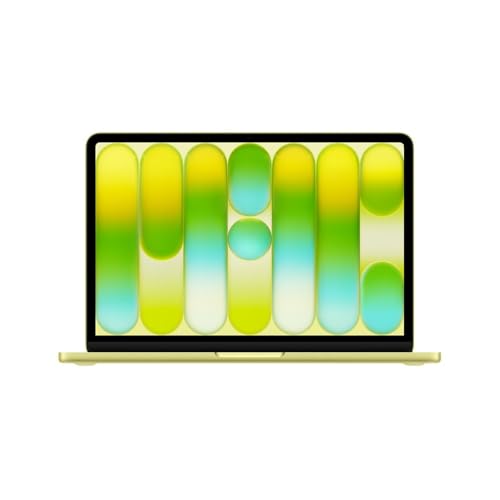
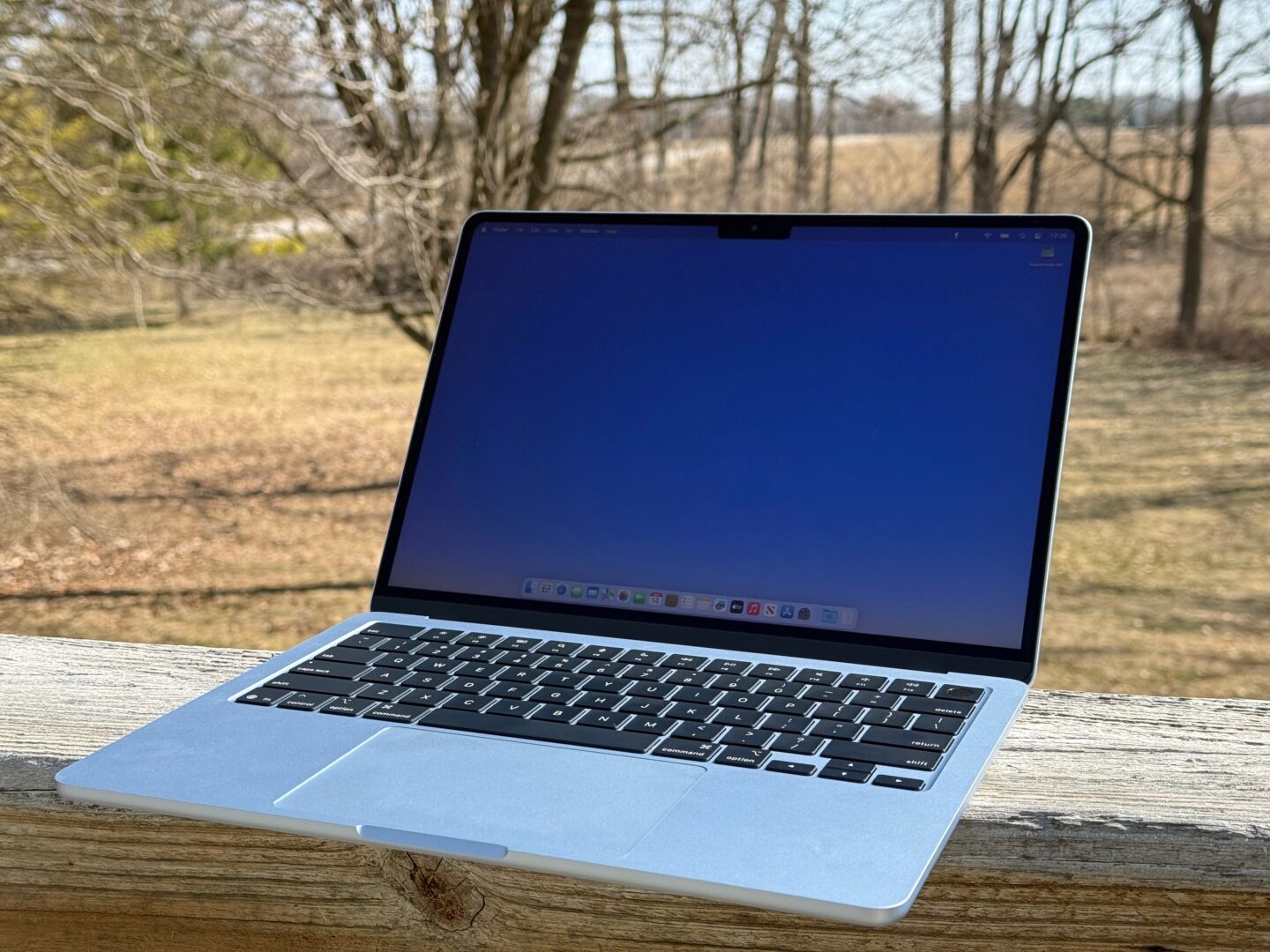
• MacBook Air — Same 13-inch and 15-inch designs, moving to the M6 chip.
• MacBook Neo — Follow-up model with an A19 Pro chip and more memory.
• Entry-level iPad — Faster chip so the cheaper tablet can run Apple Intelligence and Siri AI.
• iPad Pro — Chip upgrade plus vapor-chamber cooling similar to the iPhone 18 Pro.
• iPad Air — First OLED screens in that line, plus a new chip.
• iPhone 18 — Largely an A20 chip upgrade, with the notable change that the standard model is shifting from fall to spring.
• iPhone 18e — Another chip-focused update; Apple will need to make clear how it differs from the regular iPhone 18.
• iPhone Air 2 — More substantial: a 2-nanometer A20 Pro chip, better battery life, and a second rear camera for ultrawide shots.
• Apple Pencils — New Pencil Pro and USB-C models timed with the iPads; the iPhone Duo will support the stylus as well.
Looking further ahead
The second half of 2027 is expected to get more ambitious still, Gurman writes, with M7 updates to MacBooks, smart glasses, camera-equipped AirPods, a home security system, a redesigned Apple Watch, Twentieth Anniversary iPhones, and a second-generation foldable iPhone Duo.
MacDailyNews Take: Taken together, the road map suggests Apple is trying to do two things at once: push Siri AI onto more affordable and living-room devices, and finally refresh categories that have languished for years. Whether October brings a full event or quieter waves of launches, the next 12 months look unusually crowded with product launces!
Please help support MacDailyNews — and enjoy subscriber-only articles, comments, chat, and more — by subscribing to our Substack: macdailynews.substack.com. Thank you!
Apple finally shipped a foldable phone, and the most interesting thing about it is not the hinge. It is what happens when you stop treating the iPhone Duo like a book and start treating it like a laptop.
Bend the device partway, rest the bottom half on a table, and iOS 27 splits the 7.6-inch inner display into two jobs. The top half becomes a landscape screen for the app, document, or video you are actually using. The bottom half turns into a touch keyboard and control deck. That is the mode that makes the $1,999 iPhone Duo feel less like a foldable smrtphone and more like a pocket computer.
Apple has spent years insisting that foldables should not feel like two phones glued together. The Duo is its answer: a passport-shaped handset with a 5.4-inch outer display that opens into a 7.6-inch inner panel, both sharing the same 1:1.4 aspect ratio so content does not warp when you unfold it. The software is the real product. iOS 27 watches the hinge, not just the open/closed state. Content slides away from the crease. Speakers retune as the halves move. And the keyboard follows the posture of your hands.
The laptop pose is the feature people will actually use
Apple and reviewers keep circling the same demo. Set the Duo down half-open, like a tiny clamshell. Video, Mail, Notes, or Safari stay on the upper pane. Playback controls and a full or split on-screen keyboard occupy the lower pane. Slightly more fold and the keyboard splits left and right, so thumbs can type while you hold the device like a book. No settings menu. The crease becomes the dividing line.
That is why the Duo suddenly looks like an argument for a larger sibling. A 7.6-inch inner screen is close to an iPad mini, which is enough for email, messages, and a movie on a tray table. It is not enough for a spreadsheet, a long draft, or two serious windows without feeling cramped. Once you have tasted laptop posture on a phone, a 12- or 13-inch foldable iPad that does the same thing stops sounding like a rumor and starts sounding like the obvious next product.
Apple already designed the Duo to feel “as natural and intuitive as iPad.” Split View finally arrives on iPhone. You can park two apps side by side, or two windows of the same app. Saved app pairs come back later. Controls migrate to the vertical edge so the content column stays tall. StandBy works without a charger: tent the phone on a nightstand and it becomes a clock, photo frame, or widget slab. Those are iPad ideas squeezed into a pocket. They work. They also expose the size ceiling.
Why a foldable iPad now feels inevitable
A foldable iPad has been in the rumor mill for years: first as a ~20-inch board that folds to something closer to a 13-inch slate, later as a delayed 2028 or 2029 project after cost and weight problems. The Duo changes the brief. Apple no longer has to invent hinge software from scratch. It already has angle-aware layouts, a crease-aware keyboard, tent mode, table-top sensors in each half, and developer APIs for reserved fold regions. Scaling that system to a tablet is relatively easy.
Imagine the same half-fold grammar on a larger canvas. Top half: a proper landscape document, timeline, or browser. Bottom half: a real-size software keyboard, or a trackpad zone, or a palette of tools. Apple Pencil on the Duo already hints at the tablet version of that idea. On a phone, Pencil is a nice extra. On a foldable iPad, it is the point: sketch on the upper pane, keep reference material or a keyboard on the lower one, then flatten the device into a single drawing board.
The Duo also proves Apple will move iOS elements when the hardware demands it. Dock and navigation sit on the side. The status bar collapses into a corner puck. Dynamic Island runs vertically. Third-party apps that are not ready get a safe area; apps built for iOS 27.1 can use the full inner panel. That same discipline would make a foldable iPad less of a novelty and more of a second computer.
The iPhone Duo makes an iPad Duo feel necessary rather than greedy. The phone version is a proof of concept. It shows that Apple can make a hinge feel like an input device: slightly open for thumb typing, tented for widgets, laptop-angled for media and mail. The missing piece is area. Give that same software a screen that can hold a full page of text above a usable keyboard, and the “pocket laptop” pitch stops being a clever demo and becomes a category.
Apple did not announce an iPad Duo this week. It did something more useful. It shipped the interaction model first, on the device people actually carry every day. After a few weeks of using the Duo half-folded on a café table, a lot of people will not want a bigger phone. They will want the same trick, at iPad scale.
MacDailyNews Take: An iPad Duo that folds into a laptop pose would steal the exact jobs for which a lot of people already use a MacBook Neo or even MacBook Air: email, docs, browsing, video, light travel work. The iPhone Duo already shows the posture: screen on top, keyboard/controls below. Scale that to iPad size and the “why did I bring a laptop?” question gets louder.
An iPad Duo would not wipe out MacBooks, for the same reasons the iPad Pro never did:
• Software ceiling. iPadOS is still app-and-touch first. Serious windowing, files, terminals, IDEs, and pro apps still live more comfortably on macOS.
• Input. A software keyboard on glass is fine in a pinch. All-day typing still favors a real keyboard and trackpad. People who need that will keep buying Airs and Pros.
• Apple’s own mix. Apple has long accepted overlap: iPad Pro vs. MacBook Air, iPhone vs. iPad mini. A foldable tablet would shift the mix, not collapse it. Some MacBook Neo and Air buyers become Duo buyers; some Duo buyers still want a Mac at the desk or on the go.
Net effect of an iPad Duo: partial cannibalization of entry-level MacBook sales, plus some new demand from people who would never haul a laptop, but would fold a tablet. The Macs most at risk would be mostly MacBook Neo with some MacBook Air.
Please help support MacDailyNews — and enjoy subscriber-only articles, comments, chat, and more — by subscribing to our Substack: macdailynews.substack.com. Thank you!
Apple recently launched its first foldable phone, and the high price is raising eyebrows. At $1,999, the new iPhone Duo carries a price tag that easily beats out a brand-new MacBook Air. Buyers are naturally asking how a phone that fits in a pocket can cost twice as much as a laptop. The answer comes […]
If you’re a MacBook Air or MacBook Neo owner, there’s one accessory that I consider an absolute must-have; a USB-C hub. Why? Because it considerably expands the port options available to you, it’s not cumbersome, and the good news is that they’re also pretty cheap at around $25. What’s not to like? A good USB-C ... Read More
Há dois meses, falamos aqui sobre o RetinaDesk, um site muito bacana que ajuda você a escolher o melhor monitor externo para o seu Mac, levando em conta todas as especificidades dos computadores da Apple.
Pois bem, recentemente, a ferramenta ficou ainda mais completa com a adição de uma página que ajuda você a descobrir, de maneira extremamente intuitiva, a quantidade máxima de displays externos suportados pela sua máquina.
O banco de dados da ferramenta cobre todos os Macs com Apple Silicon lançados até hoje, bem como suas respectivas variantes — detalhe que joga o total de computadores listados pelo RetinaDesk para nada menos que 53.
Encontrar essa página é fácil: basta acessar o site do RetinaDesk, clicar na aba “Tools” na parte de cima da tela e, depois, selecionar a opção “Mac External Display Support by Chip” — ou simplesmente acessar esse link. Feito isso, é só selecionar o modelo do seu Mac na seção “Which Mac is it?” e, em seguida, sua respectiva variante — indicada pelo chip e o ano de lançamento (e, às vezes, o número de portas do computador) — em “Step 2”.
Captura de tela/RetinaDesk
Uma vez que você indicar o modelo do seu Mac, o número máximo de monitores externos ao qual ele pode ser conectado deverá aparecer à direita da tela, junto de uma ilustração do seu “setup máximo” — ou seja, com o maior número de monitores possível.
A nova página, no entanto, não para por aí, já que ela também conta com outra seção a qual ajuda você a montar setups com diferentes combinações de monitores, os quais podem ter resoluções e taxas de atualização distintas — sempre levando em conta, é claro, as limitações do seu computador. Ela também é uma boa forma de descobrir se o seu Mac suporta uma resolução ou uma taxa de atualização (ou uma combinação dessas duas coisas) específica.
Captura de tela/RetinaDesk
A seção “What each built-in port can drive”, por sua vez, exibe com quais resoluções/taxas de atualização cada porta do seu computador é compatível, além de revelar a sua versão (se é Thunderbolt 4 ou 5, por exemplo). Logo abaixo, temos a seção “How you can arrange the displays” que, como seu nome indica, mostra todas as combinações possíveis de monitores para a sua máquina.
Por fim, a ferramenta também deixa você comparar um Mac qualquer com outro modelo da sua escolha, checar se sua máquina precisa estar no modo clamshell para suportar um setup específico e aprender sobre soluções alternativas e suas respectivas concessões.
Captura de tela/RetinaDesk
Assim como o resto das ferramentas do RetinaDesk, essa nova página é totalmente gratuita, com o único “porém” sendo o fato de que ela não está disponível em português — problema que, é claro, pode ser facilmente remediado com a ajuda das ferramentas de tradução dos navegadores atuais.
Ao contrário de muitos dos leilões que já noticiamos por aqui, nesses apenas um dos lotes reúne mais de um produto da Apple — no caso, o lote 83 do leilão de São Paulo, que conta com um iPhone 17 Pro Max e um Apple Watch Series 11 e pode ser arrematado por, no mínimo, R$2.245.
Eis as tabelas com os lotes contendo itens da Maçã (que, vale notar, também podem incluir produtos de outras fabricantes):
São Paulo
Lote
Produto(s) da Apple
Lance mínimo
66
1x MacBook Air (modelo não especificado)
R$13.602
73
1x iPhone 17 Pro Max
R$1.937
74
1x iPhone 17 Pro Max
R$1.937
75
1x iPhone 17 Pro Max
R$1.937
76
1x iPhone 17 Pro Max
R$1.937
77
1x iPhone 17 Pro Max
R$1.937
78
1x iPhone 17 Pro
R$1.604
79
1x iPhone 17 Pro
R$1.604
83
1x iPhone 17 Pro Max 1x Apple Watch Series 11
R$2.245
85
1x MacBook Air (M4) de 13″
R$1.099
212
5x MacBook Air (M2) de 13″
R$8.943
Os interessados poderão enviar propostas para análise a partir das 8h do dia 8 de setembro e serão encerradas às 21h do dia 14/9. As selecionadas poderão participar do pregão online, programado para ocorrer no dia 15/9, às 10h.
Os interessados poderão enviar propostas para análise a partir das 8h do dia 8 de setembro e serão encerradas às 21h do dia 10/9. As selecionadas poderão participar do pregão online, programado para ocorrer no dia 11/9, às 10h.
Para participar, é necessário seguir um processo totalmente digital. Os interessados em adquirir os itens em leilão devem possuir um CPF válido e um certificado digital regular, obtido por meio do acesso ao Centro Virtual de Atendimento ao Contribuinte (e-CAC).
Este certificado será essencial para acessar o site e participar ativamente do evento. Há lotes abertos para lances tanto de pessoas físicas quanto jurídicas, enquanto outros permitem apenas lances por pessoas jurídicas.
Cabe destacar que a Receita Federal não realiza entregas, portanto é necessário retirar os produtos pessoalmente no local indicado em caso de arremate.
Com inúmeros modelos e variações de Macs já fabricados, a Apple consegue abranger diferentes públicos-alvo. Desta forma, seja você uma pessoa que usa computador apenas para navegar na web ou um profissional que precisa de máquinas parrudas para dar conta do recado, pode usufruir de notebooks ou desktops da empresa.
Para ter certeza de qual modelo de computador da Apple você tem no momento, é possível conferir exatamente essa informação pelo sistema.
Cores: preto-espacial ou prateado Tela: padrão ou nano-texture Chips: M5 Pro ou M5 Max Memória: 24GB, 36GB, 48GB, 64GB ou 128GB Armazenamento: 1TB, 2TB, 4TB ou 8TB
Cores: preto-espacial ou prateado Tela: padrão ou nano-texture Chips: M5, M5 Pro ou M5 Max Memória: 24GB, 36GB, 48GB, 64GB ou 128GB Armazenamento: 1TB, 2TB, 4TB ou 8TB Adaptador de energia: USB-C de 70W ou 96W
Cores: azul-céu, prateado, estelar ou meia-noite Chip: M5 Memória: 16GB, 24GB ou 32GB Armazenamento: 512GB, 1TB, 2TB ou 4TB Adaptador de energia: USB‑C de 30W, 35W com duas portas ou 70W
Cores: azul-céu, prateado, estelar ou meia-noite Chip: M5 Memória: 16GB, 24GB ou 32GB Armazenamento: 512GB, 1TB, 2TB ou 4TB Adaptador de energia: USB‑C de 30W, 35W com duas portas ou 70W
NOTA DE TRANSPARÊNCIA: O MacMagazine recebe uma pequena comissão sobre vendas concluídas por meio de links deste post, mas você, como consumidor, não paga nada mais pelos produtos/serviços usando os nossos links de afiliado.
O macOS é o sistema operacional que equipa os computadores da Apple, os Macs.
Para receber os novos recursos e estar sempre protegido contra ataques ou brechas de segurança, é recomendável manter o seu dispositivo atualizado para a última versão disponível.
Veja como conferir qual versão do sistema seu Mac está usando! 👨💻
Cores: preto-espacial ou prateado Tela: padrão ou nano-texture Chips: M5 Pro ou M5 Max Memória: 24GB, 36GB, 48GB, 64GB ou 128GB Armazenamento: 1TB, 2TB, 4TB ou 8TB
Cores: preto-espacial ou prateado Tela: padrão ou nano-texture Chips: M5, M5 Pro ou M5 Max Memória: 24GB, 36GB, 48GB, 64GB ou 128GB Armazenamento: 1TB, 2TB, 4TB ou 8TB Adaptador de energia: USB-C de 70W ou 96W
Cores: azul-céu, prateado, estelar ou meia-noite Chip: M5 Memória: 16GB, 24GB ou 32GB Armazenamento: 512GB, 1TB, 2TB ou 4TB Adaptador de energia: USB‑C de 30W, 35W com duas portas ou 70W
Cores: azul-céu, prateado, estelar ou meia-noite Chip: M5 Memória: 16GB, 24GB ou 32GB Armazenamento: 512GB, 1TB, 2TB ou 4TB Adaptador de energia: USB‑C de 30W, 35W com duas portas ou 70W
NOTA DE TRANSPARÊNCIA: O MacMagazine recebe uma pequena comissão sobre vendas concluídas por meio de links deste post, mas você, como consumidor, não paga nada mais pelos produtos/serviços usando os nossos links de afiliado.
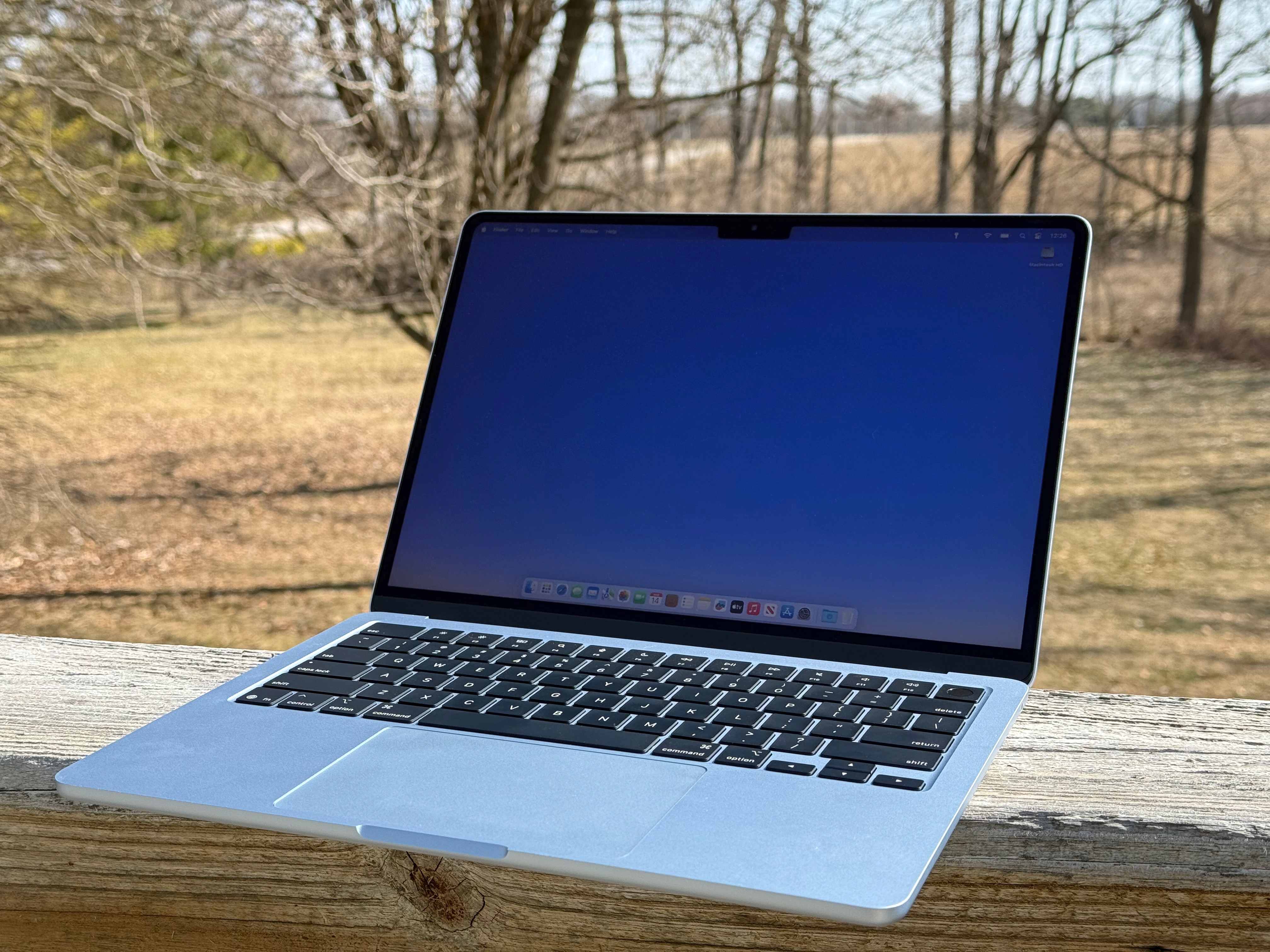
O MacBook Air foi atualizado neste ano com o chip M5 e é o notebook ideal para quem quer um Mac portátil capaz de lidar com a grande maioria das tarefas diárias. Além disso, ele traz um visual moderno, com uma tela Liquid Retina e o conector MagSafe 3.
Se você está de olho nesse notebook, estamos trazendo hoje duas ofertas muito boas no KaBuM! — atrativas principalmente levando em conta os recentes aumentos de preços na linha de computadores da Maçã.
Modelo de 13 polegadas
O modelo de 13″, na cor prateada, traz 16GB de memória unificada, 1TB de SSD1Solid-state drive, ou unidade de estado sólido. e chip M5 com uma GPU 2Graphics processing unit, ou unidade de processamento gráfico. de 10 núcleos.
MacBook Air de 13” (M5 com GPU de 10 núcleos, 16GB de memória e 1TB de SSD)
Parcelado: de R$19.599,00 por R$12.902,10 em até 10x À vista no Pix: de R$17.639,10 por R$12.257,00
Ele está saindo por R$12.902,10, valor que pode ser parcelado em até 10 vezes no cartão de crédito. Se levarmos em conta que o preço tabelado desse mesmo computador é de R$19.599, estamos diante de um desconto de 34%.
Para quem preferir pagar à vista no Pix, o preço cai para R$12.257,00, o que representa um desconto de 31% se compararmos com o valor à vista praticado pela Apple, de R$17.639,10.
Para pagamentos à vista no Pix, o preço fica melhor: cai para R$13.667,99. Como o valor à vista praticado pela Maçã no país é de R$19.439,10, estamos diante de um desconto de 30%.
Para aproveitar ambas as ofertas, aplique o cupom 8DO8 no carrinho.
Todos os descontos de promoções divulgadas pelo MacMagazine são calculados com base nos preços sugeridos pela Apple ou por outras fabricantes. Pode ser que um determinado produto seja comumente encontrado por valores inferiores em redes varejistas, mas a nossa base de comparação é sempre em cima das tabelas oficiais.
Não perca! 💻
Fique sempre por dentro das ofertas!
Se você não é louco, é claro que gosta de economizar. E, para isso, o MacMagazine tem diversas opções para ajudar você a conseguir comprar o seu produto Apple pagando menos!
NOTA DE TRANSPARÊNCIA: O MacMagazine recebe uma pequena comissão sobre vendas concluídas por meio de links deste post, mas você, como consumidor, não paga nada mais pelos produtos/serviços usando os nossos links de afiliado.
Notas de rodapé
1
Solid-state drive, ou unidade de estado sólido.
2
Graphics processing unit, ou unidade de processamento gráfico.
Apple has increased its estimated trade-in values for most current iPhone, iPad, Mac, and Apple Watch models in the United States. The adjustments give customers slightly more credit toward a new device, although some older Apple hardware and several Android phones have moved in the opposite direction.
The updated values are maximum estimates rather than guaranteed payments. Apple calculates the final credit after confirming the model and inspecting its condition. A damaged display, enclosure problems, missing functionality, or an inaccurate description can reduce the amount offered.
Most of the increases are modest, but they arrive across several of Apple’s largest product categories at the same time. Recent iPhones receive between $10 and $25 more, every iPad category listed in Apple’s summary gains value, and several popular Macs receive larger increases.
The revisions also reinforce the role of trade-ins within Apple’s retail operation. Credit can reduce the cost of a regular purchase, be delivered through an Apple Gift Card, or lower payments at the beginning of an eligible Apple Upgrade lease.
Image Credit: Apple Inc.
Trade-In Values Rise Across iPhone and iPad
Every iPhone 16 model included in the update receives a higher maximum estimate. The iPhone 16 Pro Max moves from $685 to $695, retaining the highest listed value among the affected iPhones.
The iPhone 16 Pro increases from $550 to $560, while the iPhone 16 Plus moves from $455 to $465. The standard iPhone 16 receives the largest increase within the family, rising by $25 from $435 to $460.
These changes narrow the difference between the standard iPhone 16 and the larger Plus model. The Pro models retain substantially higher estimates, reflecting their higher original prices and stronger position in the used-device market.
An additional $10 or $25 will not transform the cost of an upgrade, but it can offset part of a case, charger, AppleCare plan, or storage upgrade. The difference also becomes more relevant for customers comparing Apple’s direct program with a third-party reseller offering a similar amount.
Apple’s iPad adjustments are more consistent. The maximum estimate for an iPad Pro rises from $670 to $690, an increase of $20. The iPad Air moves from $445 to $460, while the standard iPad rises from $220 to $235.
The iPad mini also gains $15, moving from a maximum of $250 to $265. That means every current iPad category displayed in Apple’s trade-in summary receives a higher estimate.
Apple’s direct trade-in values are generally lower than the prices an owner might obtain through a private sale. The program instead emphasizes convenience: the device can be returned at an Apple Store or sent using Apple’s online process, with the credit connected directly to a new purchase.
A private sale can produce a better return, especially for a recent device in excellent condition. It also requires the owner to set a price, find a buyer, manage payment, and handle the transfer independently. Apple’s program trades some resale value for a simpler exchange.
Mac and Apple Watch Changes Are Less Consistent
Mac trade-in values receive some of the largest increases, but the category also includes notable reductions.
The MacBook Air rises from a maximum of $485 to $520, adding $35. The Mac mini receives the same increase, moving from $340 to $375. The MacBook Pro changes only slightly, increasing from $685 to $690.
Apple leaves the current iMac estimate unchanged at $355. The Mac Studio receives a larger increase from $975 to $1,045, reflecting the higher value retained by recent desktop configurations.
Older professional desktops move in the other direction. The iMac Pro falls from $325 to $315, while the top Mac Pro estimate declines from $2,090 to $2,045.
That $45 reduction at the top of the Mac range means Apple’s maximum Mac trade-in offer decreases even though several mainstream models receive more credit. The changes appear more closely connected to the resale position of individual product families than to a uniform increase across every computer.
Mac estimates can vary considerably because one model name can cover different years, processors, memory configurations, storage capacities, and physical designs. Apple asks for a serial number before producing a more specific estimate for a Mac.
The Apple Watch adjustments are similarly mixed. Apple Watch Ultra 2 rises from $295 to $305, while Apple Watch Series 9 increases from $120 to $130.
Apple Watch Series 10 remains unchanged at a maximum of $150. The original Apple Watch Ultra falls from $215 to $205, losing $10.
Wearable trade-in values can decline quickly because watches receive frequent updates and are exposed to greater physical wear than many computers or tablets. Battery condition, display damage, case wear, and working buttons can influence whether the device receives the estimated credit.
Apple also accepts devices that no longer qualify for monetary value. Those products can be returned for recycling, including older hardware and accessories that would otherwise remain unused.
Image Credit: Apple Inc.
Android Offers Face Several Reductions
Apple accepts selected smartphones from Samsung, Google, and other manufacturers when customers move to an iPhone. The latest revisions are less favorable to several Android devices.
The maximum Android estimate across Apple’s displayed range decreases from $370 to $360. Individual changes vary by model.
The Samsung Galaxy S23 Ultra drops from $230 to $200, a $30 reduction. Google’s Pixel 8 Pro declines from $170 to $165.
Other devices remain unchanged. The standard Galaxy S23 continues to carry an estimated value of up to $125, while the OnePlus 12 remains at up to $200.
Apple’s Android offers are primarily designed to remove friction for people moving to the iPhone. They do not necessarily match the amount available from the manufacturer, a carrier promotion, or a private buyer.
Carrier promotions can advertise considerably higher trade-in credits than Apple, particularly around a new iPhone launch. Those offers commonly require an eligible unlimited plan, a new line, monthly bill credits, or a commitment lasting two or three years.
Apple’s direct credit is easier to understand because it is tied to the assessed value of the device rather than a long carrier agreement. The best choice depends on whether the customer values flexibility, immediate credit, or the largest possible promotional discount.
A Higher Estimate Is Not the Final Offer
Apple’s published figures represent the maximum available for qualifying devices in suitable condition. The online estimate is based on the answers supplied before the product is inspected.
After receiving the device, Apple or its trade-in partner verifies its identity and checks whether it powers on, functions properly, and matches the reported condition. A difference can produce a revised offer.
Customers can accept or reject a lower revised value. Rejecting it cancels the trade-in and returns the device, although the payment arrangement for the accompanying purchase may also be adjusted. If the inspected value is higher than the original estimate, Apple says it automatically increases the credit.
The way the credit is delivered depends on the purchase. When a customer pays in full for a new iPhone, iPad, Mac, or Apple Watch, the confirmed value can be returned to the original payment method up to the price of the new product. Any remaining amount can be issued through an Apple Gift Card.
With an eligible monthly payment arrangement, the estimated credit can be applied directly to the new device’s purchase price. Under Apple Upgrade, a qualifying trade-in owned by the customer can reduce payments across the initial lease term. Another device cannot be traded in each time the customer exercises the lease’s upgrade option.
Values also differ between countries and can change without a product announcement. The revised dollar amounts apply to Apple’s United States program, while local market prices, available models, currencies, and trade-in partners determine estimates elsewhere.
Anyone considering an exchange should obtain a fresh estimate shortly before purchasing. Apple requires the trade-in device to arrive within the specified return period and says an online estimate is generally protected for 14 days after the customer receives the new product.
Apple’s popular MacBook Air is experiencing significant supply shortages, while the company explores turning its upcoming smart glasses and headsets into health and fitness devices, according to reporting from Bloomberg News‘ Mark Gurman in his Power On newsletter.
MacBook Air Hit by Memory Shortage
The global shortage of memory chips, driven by surging demand from AI data centers, has now reached Apple’s highest-volume Mac. Retail sources describe inventory of the MacBook Air as more constrained than they can recall. Online orders through Apple’s site show delivery estimates stretching into late August, with some higher-RAM or customized configurations delayed into September.
The crunch previously affected lower-volume models such as the Mac mini and Mac Studio. Apple has already raised prices on Macs and iPads (including a $200 increase that took the MacBook Air’s starting price to $1,299 in the U.S.) to offset higher component costs. The company is also exploring sourcing memory from Chinese suppliers for devices sold in China and is prioritizing production and sales of the entry-level 14-inch MacBook Pro ahead of an expected M6 refresh later in the fall. Marketing for the back-to-school season has been adjusted, with greater emphasis on the Pro and warnings that the MacBook Air is “subject to availability.” The timing is particularly challenging, as the MacBook Air is typically a strong seller during that period.
Health and Fitness Ambitions for Glasses and Headsets
Separately, Apple is working to position its future smart glasses and headsets as health and fitness devices. The company’s Vision Products Group is hiring a strategic product design leader to “define the future of health, well-being, and fitness experiences across vision products,” seeking candidates experienced in digital health products and sensor-driven features.
Earlier plans to bring similar capabilities to the Vision Pro, including a Fitness+ experience that would use body-tracking technology to analyze movements during workouts, were dropped due to technological hurdles and the headset’s weight. Future lighter glasses could incorporate a range of sensors to track movement, form, posture, and other fitness data without compromising comfort, Gurman reports. These features are not expected in the first-generation smart glasses (anticipated around 2027) but are part of longer-term plans that could complement devices such as the Apple Watch.
These developments highlight ongoing supply-chain pressures in consumer electronics caused by AI infrastructure buildouts, alongside Apple’s continued expansion of its health and wearable ecosystem beyond the Watch and AirPods.
MacDailyNews Take: Lighter Apple smart glasses will enable a huge range of applications. We can’t wait!
The Apple Glasses will be the key as holding up slabs of glass as “windows” is suboptimal. When we’re running in a race, for example, we don’t want to have to hold an iPhone or even glance at an Apple Watch, but with a pair of Apple Glasses constantly overlaying time, pace, splits, etc. it’ll be ideal! — MacDailyNews, September 6, 2019
Please help support MacDailyNews — and enjoy subscriber-only articles, comments, chat, and more — by subscribing to our Substack: macdailynews.substack.com. Thank you!
A Receita Federal anunciou dois novos leilões os quais contam com uma série de dispositivos da Apple que entraram de forma ilegal no país. Distribuídos nas cidades de Porto Alegre (RS) e Salvador (BA), eles somam, ao todo, 16 lotes com pelo menos um produto da empresa.
O órgão, é sempre bom lembrar, não especifica os modelos ou as versões de determinados itens incluídos nos lotes, sendo que alguns deles podem estar usados, vir sem caixa ou até mesmo sem acessórios (isso costuma ser alertado). Ele também não faz entregas.
Dentro dos lotes com produtos da Apple, também pode haver outros itens sendo leiloados, vale notar.
Porto Alegre
Com 190 lotes (embora apenas 11 com dispositivos da Maçã), os itens desse leilão estão concentrados na Superintendência Regional da Receita Federal do Brasil da 10ª Região Fiscal. Segundo seu edital, as propostas poderão ser enviadas para análise a partir do dia 25 de agosto, às 12h, e serão recebidas até 28/8, às 18h.
As melhores serão selecionadas para participar do pregão online — o qual está previsto para o dia 31/8, a partir das 14h.
Eis os lotes com dispositivos da Apple inclusos nesse leilão:
Lote
Produto(s) da Apple
Valor mínimo
4
2x AirTag (pacote com 4 unidades) 1x iMac (M4) 20x adaptador de parede USB-C (20W)
R$20.000
10
1x Magic Mouse (USB-C) 1x MacBook Air (M2, 256GB) de 13″ 2x MacBook Air (M1, 256GB) de 13″
R$10.000
18
1x Mac mini (M2)
R$10.000
32
219x adaptador de parede
R$3.000
33
6x adaptador de parede
R$4.000
36
20x adaptador de parede 1x Apple Pencil 6x EarPods
R$10.000
54
74x adaptador de parede 3x adaptador de parede (5W) 10x adaptador de parede (20W) 12x adaptador de parede USB-C 4x iPhone 12 Pro Max
R$3.000
83
2x AirTag (pacote com 4 unidades) 1x Apple Pencil Pro 1x MacBook Neo (8GB/256GB)
R$10.000
85
1x cabo USB-C de 1 metro 1x adaptador de parede (20W)
R$5.200
87
2x Apple Pencil (USB-C) 1x Apple Pencil (2ª geração) 2x Magic Keyboard 1x Mac mini (M4, 256GB) 1x MacBook Air (modelo não especificado, 8GB/256GB) de 13″
R$9.000
94
1x adaptador de parede (20W)
R$4.000
Salvador
Os itens desse leilão estão distribuídos em um total de 52 lotes, embora apenas 5 deles tenham algum dispositivo da Maçã.
De acordo com o seu edital, as propostas poderão ser enviadas para análise a partir do dia 17 de agosto, às 8h, e serão recebidas até 20/8, às 18h. As melhores serão selecionadas para participar do pregão online — o qual está previsto para o dia 21/8, a partir das 11h.
Lote
Produto(s) da Apple
Valor mínimo
28
3x adaptador de parede (20W) 23x cabo Lightning para USB 21x cabo USB-C para Lightning 1x cabo MagSafe para USB-C 1x cabo USB-C de 2m 1x capa de couro com MagSafe para iPhone 12 Pro Max
R$24.000
29
110x cabo Lightning para USB 1x cabo USB-C para Lightning 107x adaptador de parede (5W) 110x adaptador de parede (20W) 31x adaptador de parede (20W) 15x cabo USB-C para Lightning de 1m
R$22.000
31
2x AirTag
R$12.000
34
1x adaptador de parede (20W)
R$36.500
35
1x adaptador de parede (5W) 1x cabo Lightning para USB-C de 1m
R$8.500
Como participar
Todo o processo é feito de forma digital. Os interessados em adquirir os produtos do leilão precisam ter um CPF e um certificado digital válidos, via acesso ao Centro Virtual de Atendimento ao Contribuinte (e-CAC) — o qual será utilizado para acessar o site corretamente e poder participar de tudo.
Alguns lotes estão disponíveis para lances tanto de pessoas físicas quanto de pessoas jurídicas.
Inicialmente, a limitação da disponibilidade era restrita ao Mac mini e ao Mac Studio, mas agora ela já afeta os notebooks mais populares da Maçã. Segundo as fontes de Gurman ligadas ao varejo, percebe-se uma maior dificuldade por parte da Apple em manter o estoque previsto, e também mais limitação no fornecimento de novas unidades.
Also in Power On: Major shortages hit the MacBook Air amid the memory and silicon crunch, with many new orders now not arriving until September. Apple appears to be prioritizing sales now of the entry level MacBook Pro. https://t.co/3aouZVsmsg
Também na “Power On”: grande escassez atinge o MacBook Air em meio à crise de memórias e silício, com muitos novos pedidos agora não chegando até setembro. A Apple parece estar priorizando agora as vendas do MacBook Pro de entrada.
A hipótese não parece difícil de atestar: para quem opta por adquirir os notebooks agora, seja em uma Apple Store física ou online, o prazo de entrega para novos modelos pode se estender até setembro em casos de personalização (cor, tela e memória) ou até o final de agosto para configurações básicas.
Ele afirmou que isso se deve em parte à priorização da aquisição de novas memórias para o MacBook Pro de entrada (modelo de 14 polegadas), que poderá ganhar em breve uma atualização com o chip “M6” durante o outono do hemisfério norte (nossa primavera — isto é, entre setembro e dezembro).
Por fim, o jornalista observou que, tanto em seus sites quanto nas lojas físicas, o MacBook Pro básico ganhou mais destaque do que os MacBooks Air, um feito possivelmente inédito. Em alguns casos, a Apple chega a incluir um aviso de que a linha Air está sujeita à disponibilidade de estoque.
MacBook Pro de 16″
Cores: preto-espacial ou prateado Tela: padrão ou nano-texture Chips: M5 Pro ou M5 Max Memória: 24GB, 36GB, 48GB, 64GB ou 128GB Armazenamento: 1TB, 2TB, 4TB ou 8TB
Cores: preto-espacial ou prateado Tela: padrão ou nano-texture Chips: M5, M5 Pro ou M5 Max Memória: 24GB, 36GB, 48GB, 64GB ou 128GB Armazenamento: 1TB, 2TB, 4TB ou 8TB Adaptador de energia: USB-C de 70W ou 96W
Cores: azul-céu, prateado, estelar ou meia-noite Chip: M5 Memória: 16GB, 24GB ou 32GB Armazenamento: 512GB, 1TB, 2TB ou 4TB Adaptador de energia: USB‑C de 30W, 35W com duas portas ou 70W
Cores: azul-céu, prateado, estelar ou meia-noite Chip: M5 Memória: 16GB, 24GB ou 32GB Armazenamento: 512GB, 1TB, 2TB ou 4TB Adaptador de energia: USB‑C de 30W, 35W com duas portas ou 70W
NOTA DE TRANSPARÊNCIA: O MacMagazine recebe uma pequena comissão sobre vendas concluídas por meio de links deste post, mas você, como consumidor, não paga nada mais pelos produtos/serviços usando os nossos links de afiliado.
Many MacBook Air, MacBook Pro, and MacBook Neo owners have noticed something curious; their MacBook battery stops charging at 80% when plugged in. To add to the confusion, even if they leave their MacBook plugged in overnight, the battery seems to be stuck at 80% and will not charge any further. Because this is not ... Read More
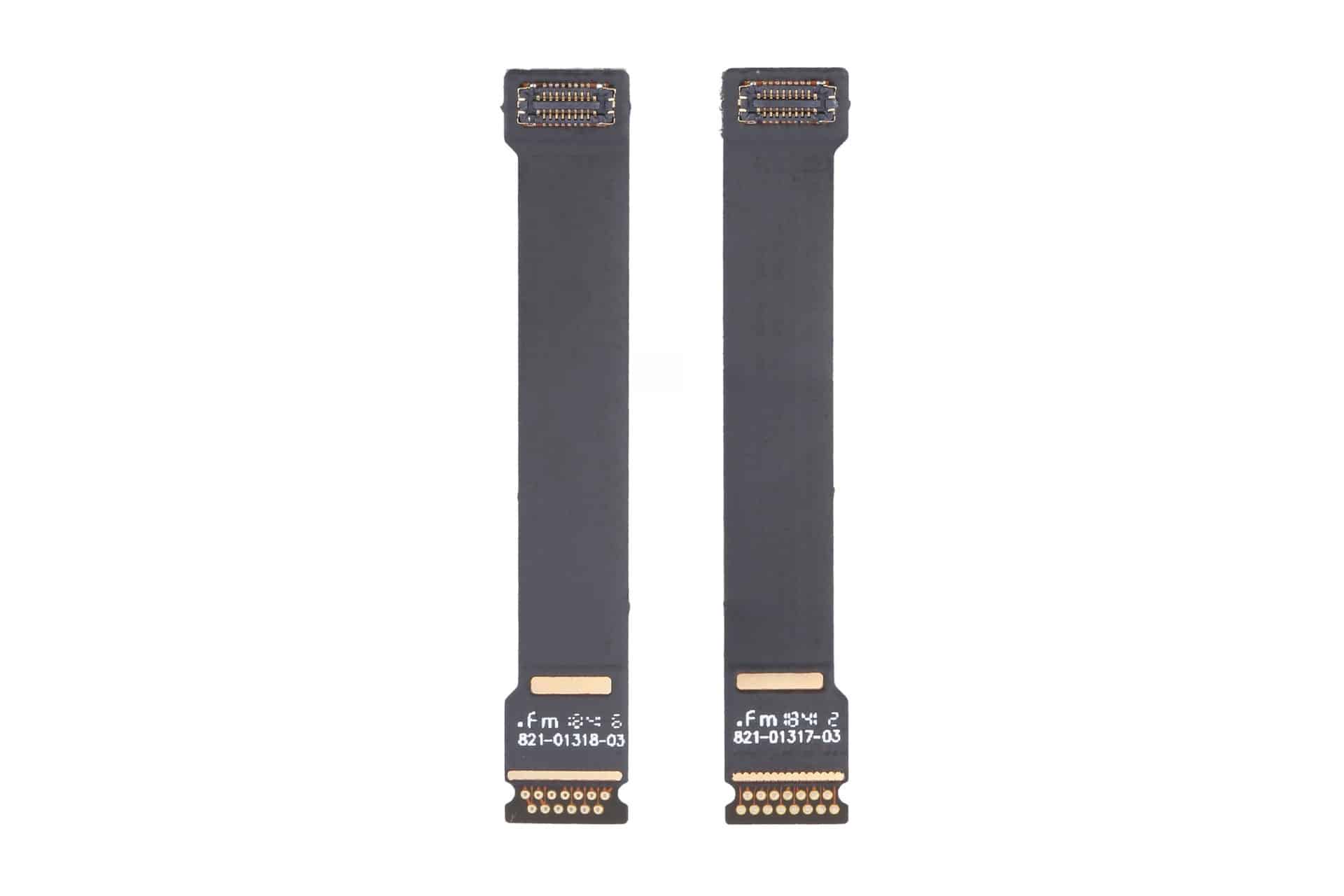
MacBook Air Flexgate is an unofficial name increasingly used for screen problems that appear when the laptop lid reaches a particular angle. The display may flicker, lose its backlight, show colored lines or turn completely black even though the computer continues running.
The term can be misleading. The original Flexgate controversy involved certain 13-inch MacBook Pro models from 2016, not MacBook Air. Apple later created a display backlight service program for eligible MacBook Pro units after determining that a small percentage could develop uneven lighting or lose the backlight entirely.
No equivalent MacBook Air repair program currently appears among Apple active service programs. Individual Air models can still experience failures involving display cables, connectors, backlight components or the LCD panel, but that does not establish one confirmed defect affecting every generation.
Owners therefore need to identify the symptom before assuming the screen has the same problem associated with the earlier MacBook Pro.
MacBook Air Flexgate Is Not the Original Flexgate
MacBook Air Flexgate usually refers to damage or wear affecting the thin cables carrying display information and power between the computer body and the screen.
These cables must flex every time the lid opens or closes. When a cable, connector or bonded section begins failing, the problem may initially appear only at certain screen angles. Moving the lid can restore the image temporarily, followed by another blackout when the display opens farther.
The original MacBook Pro issue became associated with a short backlight cable integrated into the display assembly. Repeated movement could place stress on the cable, producing a stage-light effect along the bottom of the screen before the backlight eventually stopped working.
MacBook Air designs also use compact display connections routed through the hinge area, but the internal construction differs across generations. A cable-related Air failure should not automatically be treated as evidence that Apple reused the exact defective MacBook Pro component.
The distinction matters during repair. A technician may use “Flexgate” as convenient shorthand, while the written diagnosis may identify a damaged display cable, backlight circuit, panel connection or complete display assembly.
Customers should ask which component has failed and how the conclusion was reached rather than accepting the nickname as the diagnosis.
Image Source: Google
Which MacBook Air Models Are Mentioned Most
Reports of angle-dependent MacBook Air display failures most commonly involve Retina models introduced from 2018 onward.
The 2018 and 2019 Intel MacBook Air share a thin Retina design with display connections running through the hinge area. The early 2020 Intel version and late 2020 M1 MacBook Air use closely related chassis designs, making symptoms across these machines look similar even when the failed component is not identical.
Owners describe displays that work when opened slightly but flicker, develop lines or turn black when moved toward a normal viewing position. Some units recover after the lid is partly closed, strongly suggesting a physical connection affected by movement.
The M1 MacBook Air receives particular attention because it sold in large numbers and remained available for several years. A greater number of public complaints does not necessarily mean it has a higher failure rate, but many of these computers are now old enough for wear, accidental pressure and repeated hinge movement to become relevant.
The redesigned M2 MacBook Air introduced in 2022 uses a different enclosure and display assembly. M3 and later versions continue that flatter design. Individual screen and cable failures can occur, but there is no established evidence of a single Flexgate defect covering those generations.
Older wedge-shaped MacBook Air models released before the 2018 Retina redesign can also develop display cable problems. They are not normally included in the Flexgate discussion because their screen architecture predates the MacBook Pro controversy and their failures follow different repair patterns.
The exact model can be checked through:
Apple menu > About This Mac
The model year and screen size are more useful than the date the Mac was purchased. Retailers may sell an earlier generation long after its original release.
How to Recognize a Display Cable Failure
A strong Flexgate-style symptom is a display that changes immediately when the lid moves.
The screen may operate normally below a particular angle, then flicker or disappear as it opens farther. Returning the lid to the previous position restores the picture without restarting the Mac.
Uneven illumination along the bottom edge can point toward a backlight connection. Several bright or dark patches resembling stage lights are especially associated with cable or backlight distribution problems.
A completely dark screen may still contain a faint image. Shining a flashlight toward the display in a dark room can sometimes reveal the desktop beneath the failed backlight. This test should be performed gently without pressing against the panel.
Colored vertical lines, black bands or duplicated images can involve the display data connection, but they may also indicate panel damage. Lines that remain unchanged at every lid angle are less characteristic of a flex-related failure.
Cracks do not always appear on the outer glass. Pressure from a webcam cover, keyboard protector, plug, pen or other object left between the keyboard and display can damage the internal LCD while leaving the surface relatively smooth.
Liquid exposure may create lines, discoloration or intermittent operation around the hinge and display connectors. In those cases, repeatedly opening the lid can spread contamination or worsen damaged connections.
An external monitor provides one of the most useful tests. When the external image remains normal while the built-in screen fails, the graphics processor is probably still generating the picture correctly. Attention then moves toward the internal display assembly, cable or connector.
A screenshot can provide another distinction. Capture the screen while the fault is visible, then inspect the file on another device or external monitor. When the screenshot looks normal, the problem is likely occurring after macOS generates the image.
What Owners Should Do Before Paying for Repair
Back up the Mac as soon as an intermittent display problem begins. A screen that works at one angle today may become completely unusable after another cable movement.
Avoid repeatedly opening and closing the lid to demonstrate the fault. Each movement can place further stress on an already damaged connection.
Record a short video showing the display at different angles. Intermittent failures can disappear when a Mac reaches a repair counter, and clear documentation helps the technician reproduce the condition.
Apple Diagnostics may identify some hardware problems, although a clean result does not rule out a damaged display cable. Testing in macOS Recovery or during startup can help exclude an ordinary application problem.
Apple and authorized providers commonly replace the complete display assembly when the cable is integrated with the screen. That approach can make an out-of-warranty repair expensive even when the visible fault involves a small cable.
Independent repair specialists may offer component-level cable work for certain models. The quality and durability of those repairs vary considerably, and newer Air displays can require specialized equipment, adhesives and calibration.
Before authorizing work, request a written estimate identifying the model, suspected component, warranty on the repair and whether the replacement display is new, used, refurbished or genuine.
AppleCare+ may reduce the cost when coverage remains active, particularly if the screen shows accidental damage. Standard warranty coverage depends on the diagnosis and whether Apple determines that impact, liquid or external pressure caused the failure.
The current Apple service-program list should also be checked before paying. A MacBook Air display program could be introduced or changed later, while consumer-protection laws may provide additional rights in some countries even after the limited warranty ends.
Owners using the Mac with an external monitor can often continue working while evaluating repair options. FileVault credentials, backups and any essential recovery codes should be confirmed before service because a technician may need to erase, reset or retain the computer during inspection.
A Receita Federal disponibilizou mais um edital (0900100/000009/2026) para leilão com produtos apreendidos, nesta ocasião em Curitiba (PR). De um total de 178 lotes disponíveis, pelo menos 13 deles contam com produtos da Apple, como iPhones, MacBooks, iPads e acessórios.
As propostas poderão ser enviadas a partir do dia 17 de agosto, às 8h, com o encerramento previsto para o dia 24/8, às 21h. Aquelas que forem selecionadas serão convidadas a participar do pregão online previsto para o dia 25/8, às 10h.
Relembramos que esses produtos podem vir acompanhados de itens de outras empresas, além de possivelmente não contarem com garantia ou acessórios e de apresentarem estados de conservação dos mais variados.
Vamos aos lotes?
Lote
Produto(s) da Apple
Lance mínimo
2
12x iPad (9ª geração) 8x iPad mini (6ª geração) 3x iPad (11ª geração) 3x iPad (10ª geração) 1x iPad Air (M3) 1x iPad Air (M2) 5x iPad Air (5ª geração) 2x Magic Trackpad (USB-C) 2x Apple Pencil Pro 4x Apple Watch SE (2ª geração) de 40mm 1x Apple Watch Ultra (1ª geração) de 49mm 2x Apple Watch Series 9 de 41mm 1x MacBook Air (modelo não informado) 1x MacBook Air (M2) 1x MacBook (modelo não informado)
R$150.000
3
1x iPad (modelo não especificado) 2x Mac mini (M4) 1x iPad mini (11ª geração) 2x Magic Mouse
R$152.000
5
13x Apple Pencil Pro
R$126.000
6
1x MacBook Air (M3)
R$112.000
16
48x iPhone 17 Pro Max 2x iPhone 17 1x iPhone 16 Pro Max 16x iPhone 16 5x iPhone 15
R$745.000
17
84x iPhone 17 Pro Max 25x iPhone 17 Pro 66x iPhone 17 87x iPhone 16 40x iPhone 15
R$485.000
20
16x iPhone 17 Pro Max 8x iPhone 17 Pro 17x iPhone 17 16x iPhone 16
R$230.000
21
46x iPad (A16) 10x iPad Air (M3) 5x iPad mini (A17 Pro) 30x Apple Watch Series 11 de 42mm 7x Apple Watch Series 11 de 46mm 2x Apple Watch Series 10 de 46mm 2x Apple Watch SE (3ª geração) de 40mm 2x Apple Watch SE (2ª geração) de 44mm 3x Apple Watch SE de 44mm 2x Apple Watch SE de 40mm 4x iPad (modelo não especificado) 1x iPad Air (M3)
R$75.000
24
3x Mac mini (M4) 3x Mac mini (modelo não especificado) 1x Mac mini (M2)
R$27.000
139
2x iPad (A16) 17x iPad (10ª geração) 1x iPad Air (5ª geração) 6x MacBook Air (M1) 4x MacBook Air (M2) 2x MacBook Air (M3) 1x MacBook Air (M4) 6x MacBook Air (modelo não especificado) 1x Apple Watch (modelo não especificado) 1x AirPods Max 1x MacBook de 13” (modelo não especificado) 1x MacBook Pro 14” (modelo não especificado) 1x MacBook Pro 16” (modelo não especificado) 1x MacBook Pro (M4 Pro) 1x AirPods Pro (2ª geração) 17x Apple Watch Series 9 de 45mm 8x iPad (9ª geração) 1x Apple Watch Series 10 de 46mm 1x Apple Watch SE (2ª geração) de 44mm 2x Apple Watch SE (2ª geração, GPS) de 40mm 2x Apple Watch SE (2ª geração, GPS) de 44mm 4x Apple Watch Series 8 de 41mm 5x Apple Watch Series 8 de 45mm 2x Apple Watch SE de 44mm 1x Apple Watch Ultra 2 (GPS + Cellular) de 49mm 1x Apple Watch Ultra 2 de 49mm 1x Apple Watch Ultra de 49mm 2x Magic Mouse 2x MacBook Pro (M3) de 14” 1x MacBook Pro (modelo não especificado) 1x iPad Pro (6ª geração) 1x iPad Air (modelo não especificado) 2x iPad Pro de 11” (modelo não especificado) 1x iPad (modelo não especificado) 2x Apple Pencil (modelo não especificado) 1x Apple Watch Ultra (GPS + Cellular) de 49 mm 2x Mac mini (modelo não especificado) 1x Magic Keyboard para o iPad Pro de 13”
R$80.000
145
2x tela LCD para o MacBook Air (M1)
R$55.000
148
4x AirTags (pacote de 4 unidades) 3x Apple Pencil (USB-C)
R$48.000
175
1x cabo USB
R$135.000
Como participar do leilão?
Se algum desses lotes lhe interessou, para participar é necessário possuir um CPF válido e um certificado digital válido obtido pelo acesso ao Centro Virtual de Atendimento ao Contribuinte (e-CAC).
Os lotes estão disponíveis para lances tanto de pessoas físicas quanto de pessoas jurídicas.
Apple plans to raise the prices of its products as the cost of the memory chips it uses has surged, the technology giant’s boss has said.
Tim Cook, Apple’s outgoing chief executive, told the Wall Street Journal (WSJ) that price increases were “unavoidable” as the situation around memory chips had become “unsustainable”.
During its holiday quarter, Apple’s profit margin on hardware was 40.7%; in its most recent quarter, that dropped to 38.7% — a remarkable figure for physical products. It is these high margins that led to analysts like Ming-Chi Kuo to claim Apple would keep prices more-or-less stable and offset the additional costs through its even higher-margin — 76.7% — services business.
Winkler suggests in his summary that Apple has absorbed the cost increases so far because it has always treated memory and storage upgrades as profit centers. That’s no surprise to the Apple community, which has long chafed at Apple’s premium prices for memory and storage. But now, for instance, the price of standalone internal flash storage is closer to and sometimes even higher than Apple’s upgrade prices.
[…]
Obviously, Apple could absorb such costs and more if it were to accept dramatically lower gross margins. But as high-minded and customer-focused as Apple is, the company is still in business to maximize profit.
I was recently looking to add another SSD and a few hard drives to my setup. Normally, prices go down over time, but currently it SSDs are about double the price I paid last year, and large hard drives are almost triple.
Apple, to my recollection, has never before issued a warning about price increases. Keep in mind that Apple deals with prices in a very different way from its competitors. For Apple, prices are part of a product’s brand, so they don’t fluctuate with component costs.
Apple has raised prices across the board for many of its products today. MacBook Neo now starts at $699 (up from $599), while MacBook Air now starts at $1299 (up from $1099). Other impacted products include MacBook Pro, iPad, iPad Air, and many more.
iPhone, Apple Watch, and AirPods pricing is unchanged.
Earlier this week, I outlined three reasons for agreeing with Mark Gurman that the Apple price increases could be imminent, and that indeed proved to be the case.
iPhones have escaped the increases, but they are otherwise both broad-reaching and pretty dramatic. But perhaps the most surprising thing is that the MacBook Neo has been included …
Apple today increased the starting price of the Mac mini with M4 Pro chip by $200, taking the higher-tier model up to $1,599 on its online store.
[…]
Apple had already raised the Mac mini’s effective starting price in May by discontinuing the $599 configuration with 16GB of RAM and a 256GB SSD, leaving the $799 model with a 512GB SSD as the new entry-level option. Interestingly, the 16GB RAM / 256GB storage option has now been reinstated, but the $799 starting price remains.
Pre-announce it with a small delay, thus giving you a temporary sales boost as people scramble to get their orders in at current prices, and to soften the blow when the increases hit.
I also can’t help but see that “we need to begin raising prices on a number of products, including today’s increases for iPad and Mac,” statement as implying more increases are coming. The iPhone price increase seems inevitable, and my money is on it starting with the new models in September.
Micron CEO, president and chairman Sanjay Mehrotra explained the SCAs in prepared remarks delivered during the company’s Q3 earnings call. He explained that Micron has signed 16 SCAs, most of them covering 2026 to 2030, and that they involve a commitment to buy a certain quantity of product and pay for it in a pricing band that has a floor and a ceiling price. The floor price covers the historically high gross margins mentioned above, and the ceiling price means those who commit to an SCA are insulated if memory prices go even higher.
Micron’s chief business officer has hinted, without calling it out by name, that Apple’s tough supplier negotiations contributed to the conditions behind the global memory shortage.
For years, Apple has been able to dominate and dictate to their suppliers thanks to their scale. But the Asian operations which Tim Cook so famously set up, have been upended, like most everything else, by AI. From TSMC on down, Apple is no longer the customer dictating terms for the entire industry, it’s now the company which has taken over the mantle as the most valuable one in the world: NVIDIA.
Here’s a table with most of the base models whose prices increased[…]
[…]
iPad prices mostly went up 20–25%, but the hardest hit was the no-adjective base model, which rose almost 30%, from $350 to $450. That’s a big increase for a product meant to appeal to buyers for whom price is obviously their biggest concern.
Anyone who purchased a MacBook Neo for $600 (or $500 with education discount) between March and this morning purchased the lowest-price MacBook Apple has ever sold — and perhaps the lowest-price MacBook they ever will sell.
The consumer electronics industry is facing an unprecedented challenge. The rapid expansion of AI data centers has created an extraordinary surge in demand for memory and storage. We have never seen a component price increase this much, this quickly. We have shielded our customers from these increases so far, but we have now reached a point where we need to begin raising prices on a number of products, including today’s increases for iPad and Mac. We know this is not welcome news, and we are working tirelessly to find solutions.
[…]
Apple indicating that it needs to “begin” raising prices suggests that additional price increases might occur later.
“and we are working tirelessly to find solutions.”
I find this to be the most confusing part. Do we believe this to be a genuine effort? Even if so, how would a “solution” actually work? Would they actually lower prices if a solution were to be found?
They also just said they “will continue working” on bringing Siri AI to the EU right before saying in a different venue that they’d stopped working on it.
But even setting aside the prices of competing devices, it just feels wrong to hike prices this much for four-year-old hardware running five-year-old pre-AI silicon. The higher-end model’s price went up 67 percent!
The only way this makes sense is if these prices are really meant for the upcoming new hardware, and those new models are more ambitious home hubs that warrant $200–250 prices.
The Financial Times reports that Apple is seeking clearance from the Trump administration to purchase memory chips from a blacklisted Chinese company. The move would help it meet demand for product manufacturing during the ongoing global memory supply shortage.
Perhaps this is the “working tirelessly” that Apple was referring to.
Apple previously sought permission from the Biden administration to do the same thing back in 2022, and that did not go well – despite promising to use the chips only for iPhones sold in China …
Something happens — outside the company’s control — that causes those essential components to rise in price significantly.
[…]
What you cannot do is hold a philosophically consistent logically coherent view where your answer to how a company should respond in such a scenario is contingent on what the “something happens” is that caused component prices to rise.
Maybe—but that’s only relevant if you accept the premise that it was out of Apple’s control. I don’t know the details of the deals, but there’s an argument that the rising costs to Apple are to some extent Apple’s “fault.” If Tim Cook gets credit for helping suppliers expand capacity and locking in contracts for memory at low prices over the past two decades, doesn’t the same logic apply in reverse? The AI-driven shortages were foreseeable—and publicly discussed years ago. If you believe Micron that Apple chose to prioritize its own past numbers rather than securing its future supply, doesn’t that make today’s situation different from, say, a tsunami that unexpectedly wiped out a bunch of factories? I don’t know exactly how the increased costs should be apportioned, but I think the reasons for the costs are relevant, and I don’t think they’re fully exogenous.
But while tech giants like Apple
and Microsoft, which both announced price hikes this week, have a hefty cash cushion, supply chain leverage and customers numbering in the millions or billions, a much wider swath of businesses face potentially dire straits. Most consumer electronics companies have little margin to spare and can’t confidently raise prices in an economy already grappling with inflationary pressures.
GoPro, the struggling maker of action cameras, warned this month that it might go out of business after memory costs shot up between 80% and 115% at the end of the first quarter. And shares of speaker maker Sonos
are down 23% this year as memory prices pressure margins.

 Login