❌

Reading view

Does opting out of smart TV tracking work? Research finds “suspicious” traffic.

Smart TVs running operating systems from Samsung, Vizio, and Roku continue sending data to automatic content recognition (ACR) endpoints after users opt out of tracking in the devices’ settings, according to research published on Monday. The paper from Northeastern University researchers points to potential privacy violations from some of the biggest TV brands.

ACR captures video screenshots or audio clips from smart TVs and sends the data to remote servers, where it's used for things like measuring content viewership and serving targeted ads.

The paper, "Watching the Watchers: Privacy Analysis of US Smart TV Automatic Content Recognition," examined eight smart TV OSes across 12 smart TVs from 10 manufacturers (Amazon, Hisense, LG, Roku, Samsung, Sony, Supersonic, TCL, Vizio, and Westinghouse) to examine when smart TVs use ACR and how effective opting out of user tracking is.


Read full article

Comments

© https://www.gettyimages.com/detail/photo/modern-living-room-with-smart-tv-and-remote-control-royalty-free-image/2226225055
  •  

JustWatch, which tackles streaming fragmentation, launches own streaming service

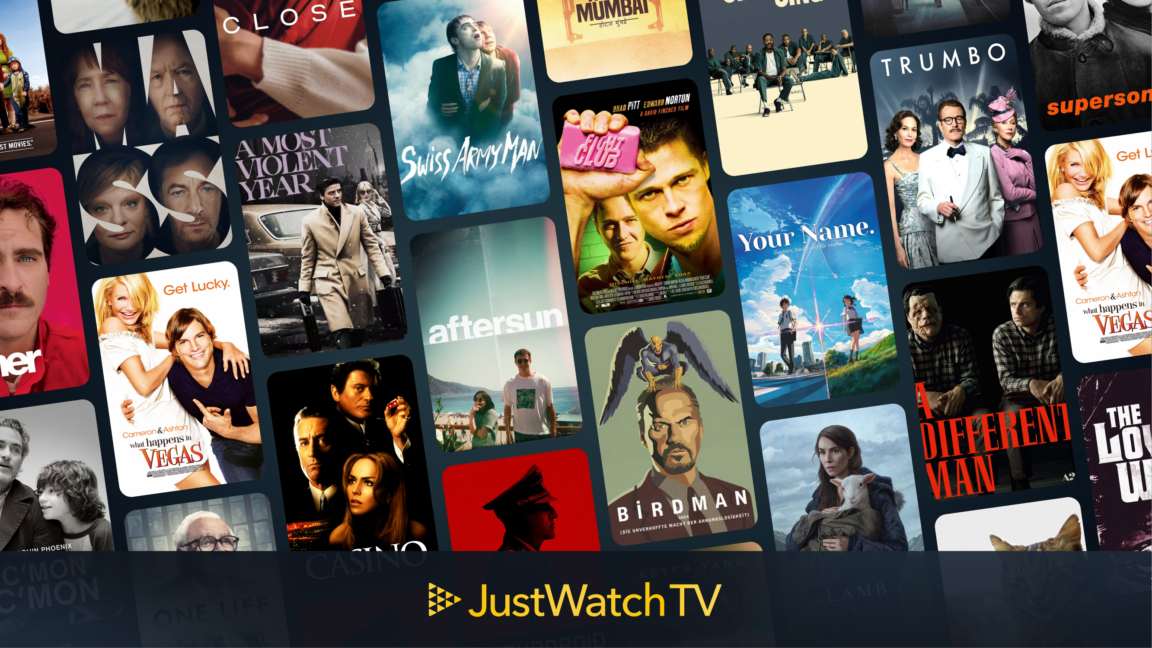
Since launching in 2015, JustWatch has helped people navigate the growing number of streaming services by providing a guide on where to find movies they want to stream. Now JustWatch has its own streaming service and wants people to subscribe.

Launched today, JustWatch TV offers some movies available for free with ads that aren’t free on any other streaming service, including Green Room (2015), Locke (2013), and Sing Sing (2023). Other free movies include Fiddlin’ (2018), Friday the 13th (1980), and Hotel Mumbai (2018). I could play movies available for free on JustWatch TV without creating an account.

JustWatch TV also has movies you can rent.

Read full article

Comments

© JustWatch

  •  

OpenBSD 8.0 arrives with security record still intact

OpenBSD 8.0 is here, marking the project's 61st release and continuing its schedule of semiannual releases dating back to 1996. What started more than 30 years ago as a fork of NetBSD has grown into one of the most security-conscious operating systems in active development. In a post to the project's announcements mailing list, OpenBSD founder Theo de Raadt highlights a host of improvements included with the latest version and writes that the project remains "proud of OpenBSD's record of more than thirty years with only two remote holes in the default install."

The latest OpenBSD version brings new features and improvements across the board. These changes, particularly the new Intel Arc support and expanded virtual address space, should improve compatibility with modern graphics cards and allow the system to map more than 4GB of VRAM. Some of the major updates noted in the release newsletter are as follows:

  • Added support for Intel Arc A-Series (DG2/Alchemist) graphics cards.
  • 512GB kernel virtual address space on AMD64, up from 4GB, allowing VRAM mapping above 4GB.
  • Added hibernation support for ARM64 systems.
  • A new RPKI-to-router daemon: rtrd(8).
  • RISC-V improvements including kernel support for the 'V' vector extension and support for Advanced Interrupt Architecture.
  • Wireless network driver additions and improvements, including 802.11n and 40 MHz channels for the qwx(4) wireless driver.
  • Added support for up to 64 virtual CPUs per guest virtual machine.
  • Security and internal improvements for LibreSSL 4.4.0 and OpenSSH 10.6.
  • Improvements to the vmm/vmd virtualization stack.

The new OpenBSD also retires support for Loongson architecture after the port stopped working with the Clang 22 compiler. If you're interested in reading over all the changes that come with the new OpenBSD 8.0, you can take a look at the release announcement.

Read full article

Comments

© OpenBSD

  •  

Ukraine’s drone rescue of wounded soldier puts much touted idea into practice

Ukraine’s unprecedented drone rescue of a wounded soldier from the battlefield has shown once again how battlefield necessity can spur innovation. The operation was revealed just days after separate Ukrainian drones designed for casualty evacuation were deployed for frontline testing—taking a step beyond the US military’s decades of experimentation with similar concepts.

The drone evacuation of the injured soldier took place at an undisclosed time and place on the frontline where the presence of Russian drones and landmines made it impractical to send in a wheeled ground robot, according to The Kyiv Independent. On October 19, Ukraine’s Army shared a video of the drone evacuation, showing the wounded soldier securing himself in a harness suspended beneath a heavy hexacopter drone with six rotors before being flown to safety.

“This is a historic event, the next stage of evacuating the wounded, which we will all come to,” said Napalm, a programmer of the 92nd separate assault brigade's unmanned ground systems company, who went by his callsign per Ukrainian military practice, in a statement. “Now the serious systematic work begins, so that such missions are carried out constantly.”

Read full article

Comments

© 92nd Separate Assault Brigade of the Ukrainian Ground Forces

  •  

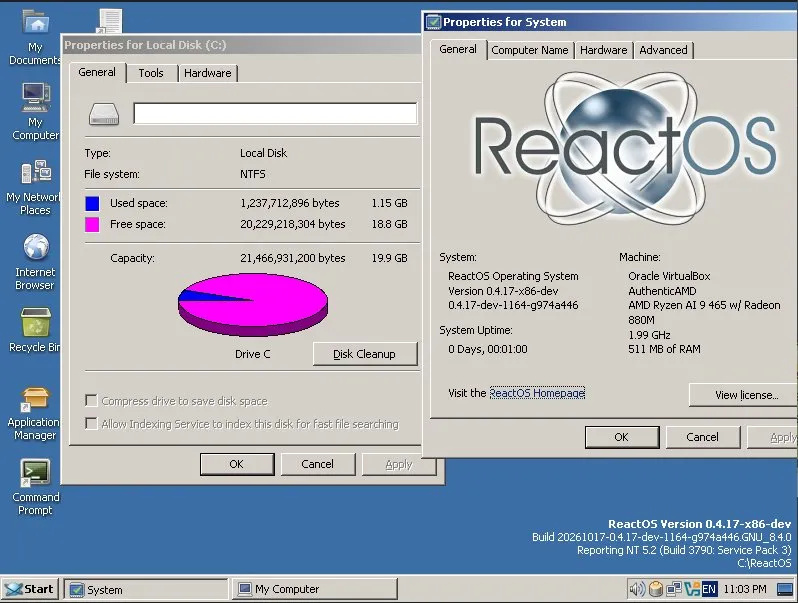
ReactOS reaches major milestone with NTFS install support

Open source Windows alternative ReactOS has reached a major milestone: The operating system can now be installed directly onto an NTFS drive partition. As reported by Phoronix, the move to NTFS clears a long-standing hurdle for the project and brings it one step closer to finally reaching beta.

Prior to this latest announcement, ReactOS required users to keep a FAT32 partition for installations. A proprietary Microsoft-developed filesystem, NTFS can trace its roots back through the Windows NT family lineage starting in 1993 with Windows NT 3.1. The variant introduced with Windows XP in 2001 remains the standard used by most Windows systems today. With ReactOS's stated goal of reaching binary compatibility with Windows Server 2003, being confined to FAT32 partitions was a practical barrier to clear on the way to reproducing the Windows environment.

However, users looking to hop off the Windows train shouldn't be grabbing their bags just yet. ReactOS wrote that the new driver still "lacks caching (which causes inferior performance), journaling and security support." So while the new driver is here, even the most intrepid of OS tinkerers should tread carefully. The ReactOS team warned in its announcement on X that there are still "potentially undiscovered bugs."

Read full article

Comments

© ReactOS

  •  

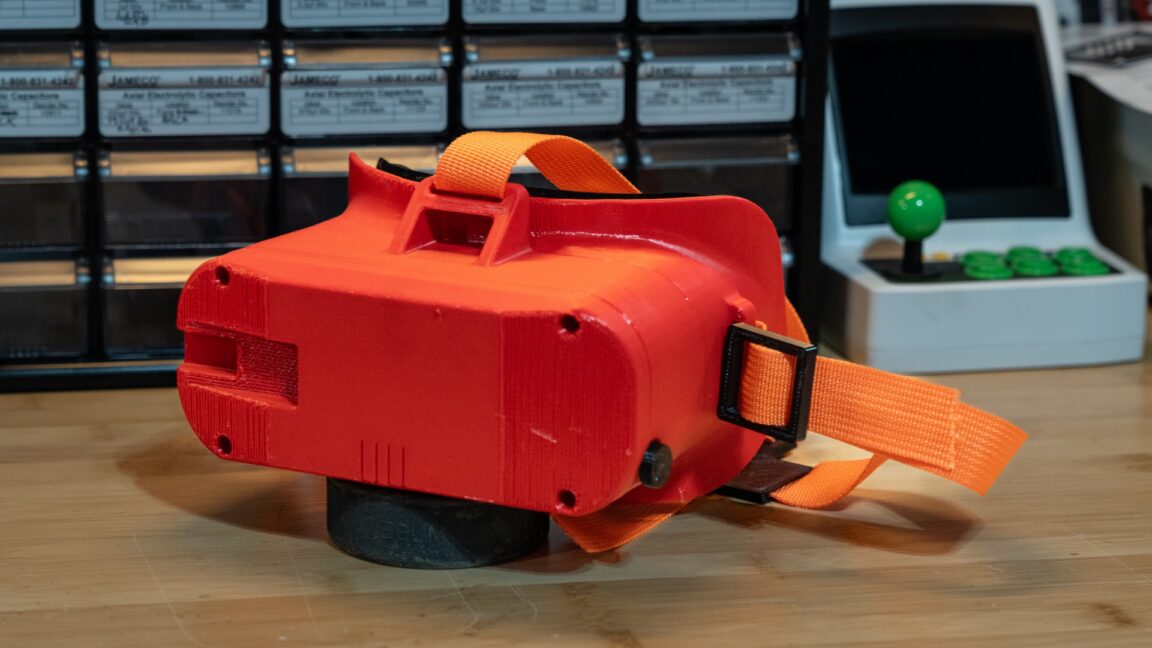
DIY VR: How to build your own headset, and why you probably won't want to

Virtual reality is in a bit of a weird place right now. After a lot of unfulfilled promise in the 1990s, it came back strong with the 2016 release of the Oculus Rift. For a while, it looked like VR, AR, XR, the metaverse, or whatever you wanted to call it, was going to be huge. Mark Zuckerberg was certainly convinced, and even Apple got in on the hype with its Vision Pro.

But by then momentum for alternate realities of every acronym was already in steady decline, and it only dwindled from there. The rate of development of new headsets has slowed, with many companies (including Apple) scaling back or shelving their efforts. While new releases like the Steam Frame and Pimax Dream Air are still happening, many of the most interesting developments in the space these days are on the enthusiast front.

That's right, DIY VR is a thing, and with a couple hundred dollars in components, plus many hours of your time, you too can enter the immersive world of virtual reality while also experiencing the highs and lows of soldering, firmware flashing, and 3D printing. I rode that rollercoaster myself and learned why this is still a decidedly niche movement.

Read full article

Comments

© Tim Stevens

  •  

Stratospheric airship flew from US to Japan to test sky cell tower concept

Nearly 100 years after the dirigible Graf Zeppelin made the first nonstop airship journey across the Pacific Ocean, another airship has successfully completed a round-trip flight from New Mexico to Japan and back. But the significance of this modern feat was less about the journey's length and more about its purpose: demonstrating how a lighter-than-air platform can act as a cell phone tower in the sky.

The trans-Pacific flight that took place over a month between August and September 2026 was the most notable milestone yet for Sceye, a US aerospace company based near Albuquerque, New Mexico. Sceye has developed an uncrewed platform filled with helium for buoyancy and equipped with an electric-powered propeller for active propulsion, allowing it to resist most strong winds and keep hovering over the same location for long periods. The platform also uses top-mounted solar panels and onboard batteries to stay powered for stratospheric operations around the clock.

“We can stay over an area of operation, and we do that in the stratosphere right around 60,000 feet, so we're twice as high as air traffic and we're above the jet stream, and yet 30 times closer than low-Earth orbit satellites,” Mikkel Frandsen, founder and CEO of Sceye, told Ars. “We can fly through day and night until the sun comes up the next morning and recharges the batteries, at which point we're still at the same altitude and still over the same area of operation.”

Read full article

Comments

© Sceye

  •  

Bug turns one of the biggest fears about Ray-Ban Meta smart glasses into reality

Some Ray-Ban Meta smart glasses were recording people’s conversations without the wearer knowing. The recordings occurred without users saying the prompt phrase (“Hey, Meta”), in a bug that Meta says has been fixed.

This week, some users reported online that their Ray-Ban Metas were recording without their consent. A person going by Kindly-Audience-137 on Reddit, for example, said this happened to them across three Meta Ray-Bans and that they had the “Respond without Hey Meta” setting turned off. The person said the Meta AI app “saves audio recordings and text transcripts of these conversations in my conversation history.”

“I believe this deserves a serious technical investigation. Customers should not have to wonder whether their private conversations are being captured when they have not intentionally activated their glasses’ AI assistant,” the Reddit user said.

Read full article

Comments

© Meta

  •  

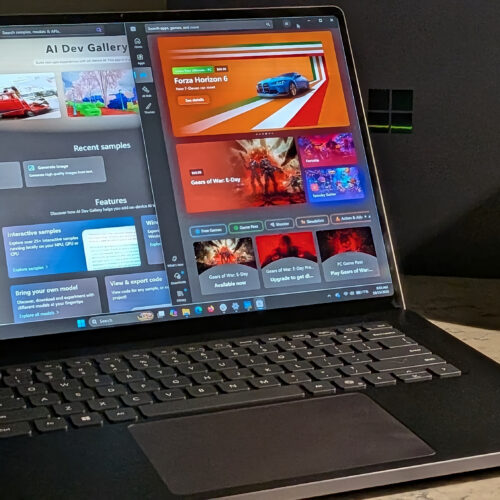
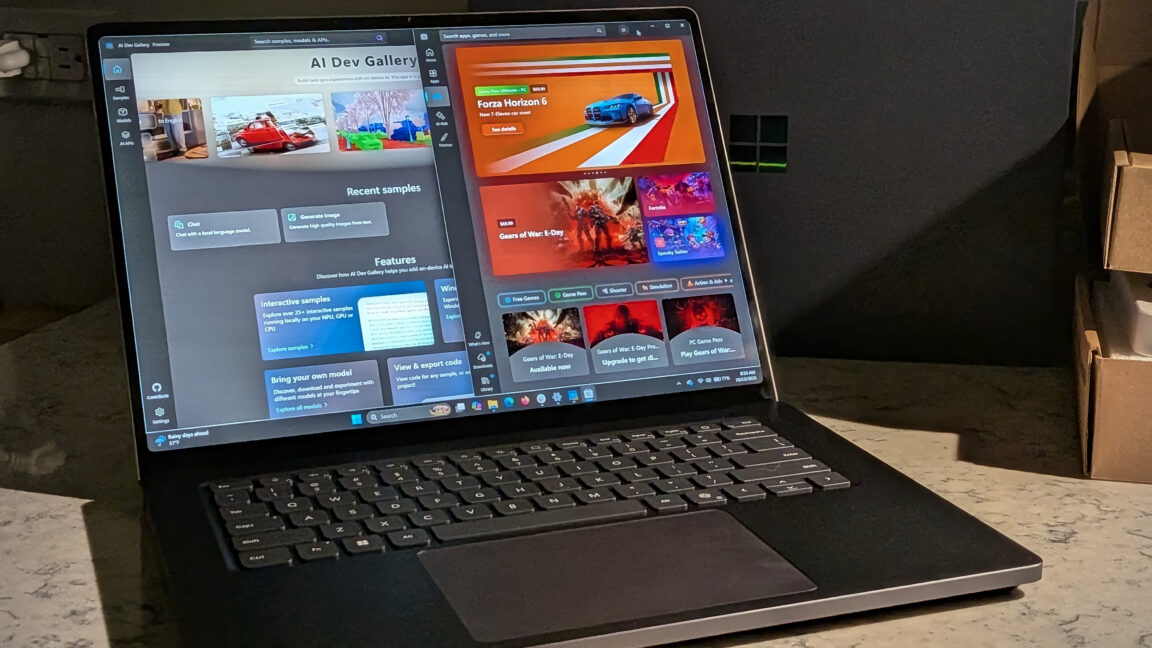
The Surface Laptop Ultra delivers on most of Microsoft's promises

Over the past week, the laptop Microsoft sent me has been summarizing books and movies, generating images from my imagination, and running a 70-billion-parameter AI model that would be a stretch to fit on most laptops. It also played AAA games at a speed and fidelity I would have thought impossible on an ARM system just a year ago. Microsoft wants to sell you one computer for all of your needs, and for once that doesn't feel like total marketing fluff. Mostly.

Microsoft is throwing both arms around the new Nvidia RTX Spark platform with the Surface Laptop Ultra—and setting its sights on the would-be MacBook Pro buyer, or as the company called it, "a high performance audience." The bet is that rather than a gaming desktop for fun and a development laptop for work, buyers will pay more for one machine that does both.

The Surface Laptop Ultra arrives at a strange time in personal computing. Recent industry numbers showed a 20 percent drop in total PC shipments year over year in the third quarter of 2026. That's not just consumer purchasing either—that's across the board. Between the RAMpocalypse that has exploded consumer prices and an industry fixated on enterprise money, there hasn't been much new hardware to excite PC enthusiasts.

Read full article

Comments

  •  

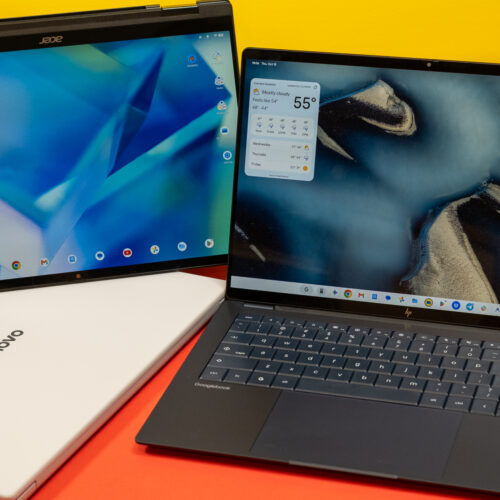
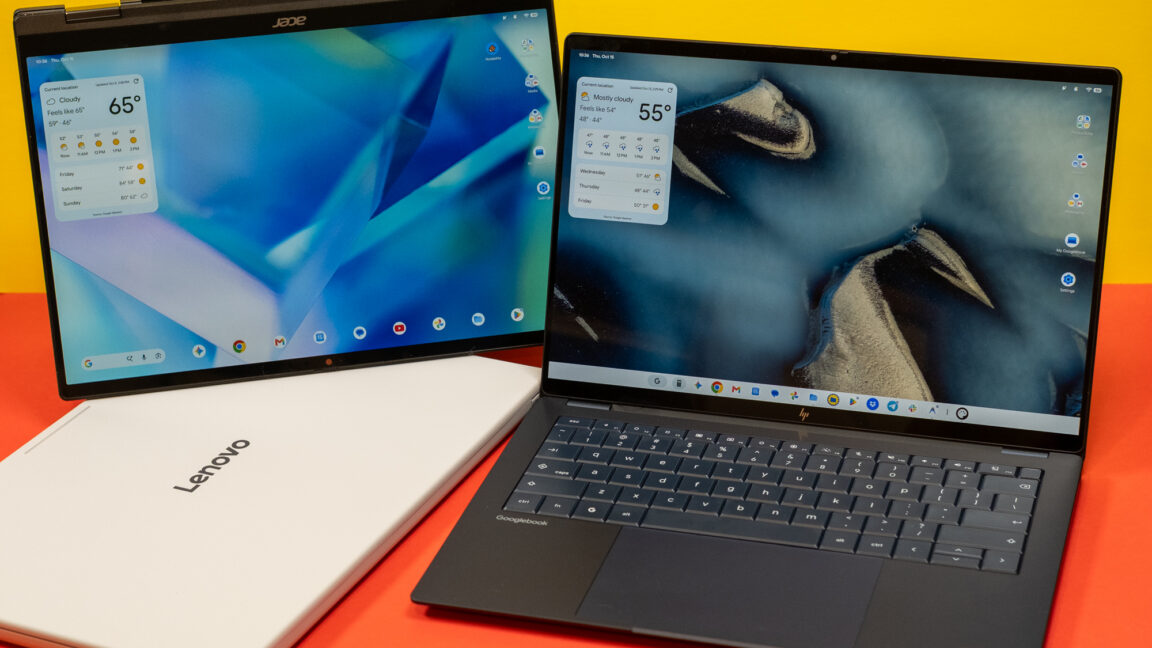
Googlebook review: Android on a laptop is still Android

Android was designed for phones, but that hasn't stopped Google from trying to adapt the OS and its apps to larger machines over the years. Googlebooks are just the latest attempt after tablets, Chromebooks, and foldables induced little change in how people interact with Android software. These new Android-powered laptops are designed to pick up where the web-focused ChromeOS left off, offering premium hardware and native support for Android apps.

Google sees Googlebooks as an alternative to Windows and macOS, but these platforms are entrenched with decades of software and UI conventions that keep users locked in. Googlebooks have to offer something very special to steal users away from either of the dominant operating systems.

For devoted Android phone users, there are some cool things in Googlebook OS, but the Android roots of these machines are impossible to miss. Sometimes it feels like using a Chromebook, and sometimes it feels like using a giant phone. It almost never feels like using a premium laptop, and that's the problem.

Read full article

Comments

© Ryan Whitwam

  •  

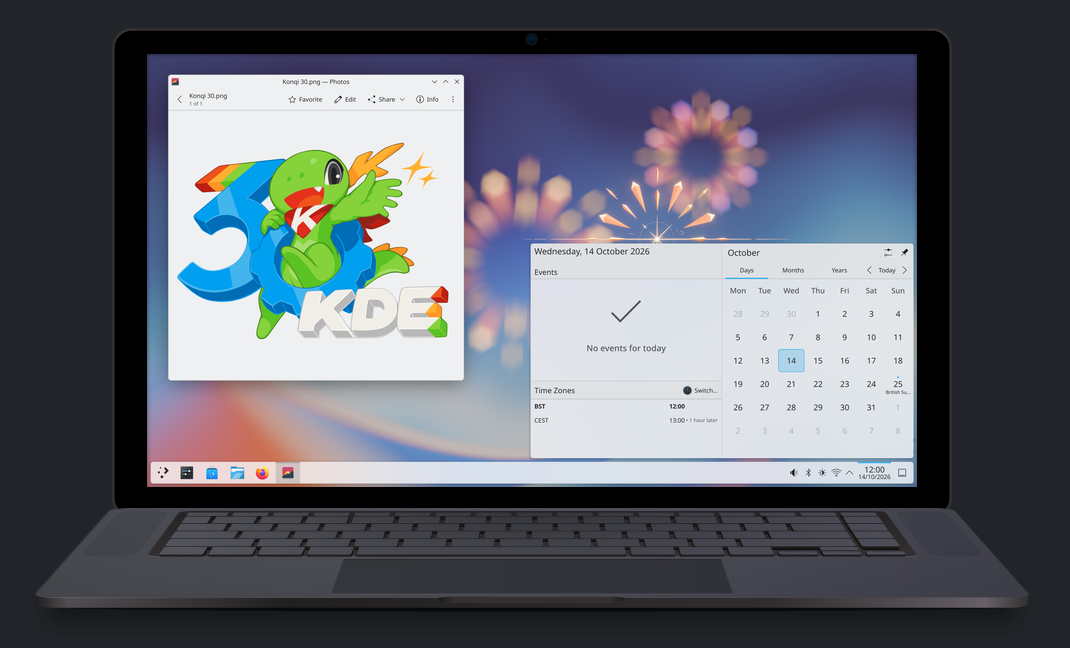
KDE turns 30 with Plasma 6.8, remote upgrades, and an X11 farewell

Marking the 30th anniversary of KDE on October 14, the project released Plasma 6.8, debuted a movie, and retired Plasma's native X11 session support. The announcement from KDE dubs the new Plasma 6.8 as the "30th Anniversary Edition" and describes the update as preparing Plasma for the future. Legacy X11 applications will still function via the XWayland compatibility layer, and KDE applications will also continue supporting X11 under other desktop environments.

After 42 years in service, the X11 protocol is losing another major desktop environment. Plasma will fully adopt the Wayland system and put support for starting new X11 sessions in Plasma to bed. Users opting to stay on Plasma 6.7 will keep their existing sessions for now. The move was expected, with GNOME officially dropping X11 sessions by default in 2025.

The new Plasma 6.8 brings many improvements, including increased support for adding window decorations (like shadows and rounded corners) to third-party apps, and a more streamlined Union theming system. Other notable additions include Nvidia triple buffering being enabled by default, Kup backup integration (KDE's backup utility—now integrated into Plasma), and kscreenctl, a command-line utility that allows power users to adjust display configurations.

Read full article

Comments

  •  

Plex now helps sell movie theater tickets

Plex, which made a name for itself by letting users share movies they own, is now helping sell movie theater tickets. The company is looking to monetize its content-discovery capabilities and expand its business beyond its media server software.

Plex partnered with Fandango, which has sold movie tickets since 2000, to drive ticket sales from people searching for movies to stream. Per the announcement:

Starting today, Plex users in the US will see a Fandango ticketing option on title pages for movies currently playing in theaters, allowing them to click through to Fandango to find showtimes and purchase tickets. The integration also enables direct attribution through Kochava, giving studios and advertisers greater visibility into how campaigns and audience engagement translate into ticket sales.

Fandango says it sells tickets for 31,000 movie theater screens in the US. The Plex deal allows it to leverage data from Plex’s streaming service (Plex claims users of the service “make more than 100 million streaming decisions each month”), including "ratings and cross-platform viewing" to gain “insight into audience intent," the announcement said.

Read full article

Comments

© Getty

  •  

Black Sea drone attacks enter NATO country's territorial waters for first time

Russian drones are suspected of sinking a cargo ship and leaving chemical tankers ablaze near the Black Sea coasts of Bulgaria and Romania, respectively. The latest attacks mean that at least seven ships have been attacked in the exclusive economic zones of NATO member countries—and even within Romania's territorial waters if Russian involvement is confirmed in the case of the chemical tankers.

Such attacks have spurred requests for NATO to redeploy counter-drone systems to provide more protection. In a social media post on October 15, NATO Secretary General Mark Rutte stated that NATO had increased "counter-drone capabilities" along the alliance's eastern flank after meeting with the leaders of Bulgaria and Romania.

The latest attacks this week occurred within 24 hours between October 14 and October 15, when the two chemical tankers were set afire after Russian drones were detected in Romanian airspace, according to Deutsche Welle. Both ships were sitting at anchor near the mouth of the Sulina canal that connects the Black Sea to the Danube River, which has become a crucial shipping export route for Ukraine, Reuters reported.

Read full article

Comments

© Hristo Rusev/Getty Images

  •  

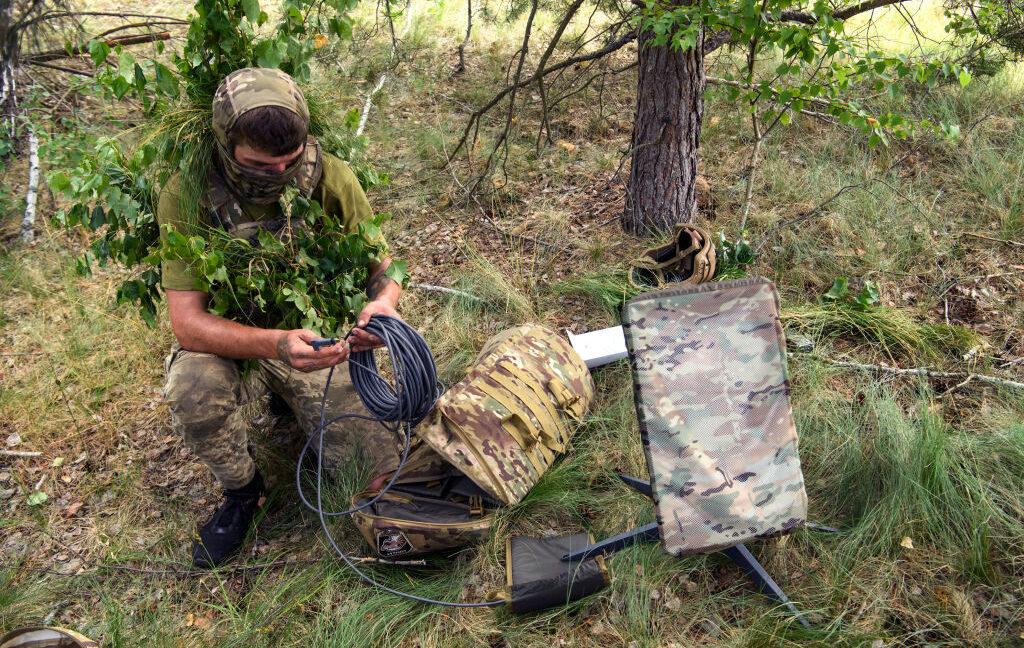
Ukraine blindsided by Starlink throttling restrictions and intelligence gaps

Ukrainian troops have been caught off guard by restrictions on Elon Musk’s Starlink satellite Internet systems that disrupted frontline operations, while Kyiv received no warning from its partners of a Russian missile attack on its energy facilities for the second day running, according to Ukrainian officials.

Starlink terminals used by Ukrainian drone units began experiencing signal failures at speeds above 160 km/h, disrupting several missions early on Wednesday morning, according to military personnel and senior Ukrainian officials.

“Logistics at the frontline and middle strikes are badly limited,” one senior official familiar with the situation on the front told the FT. Ukraine’s middle strikes target Russian military supply lines and logistics. The limitations came with “no warning, just in the middle of the night,” the official said.

Read full article

Comments

© NurPhoto / Contributor

  •  

The Internet’s undersea backbone is slipping into the danger zone

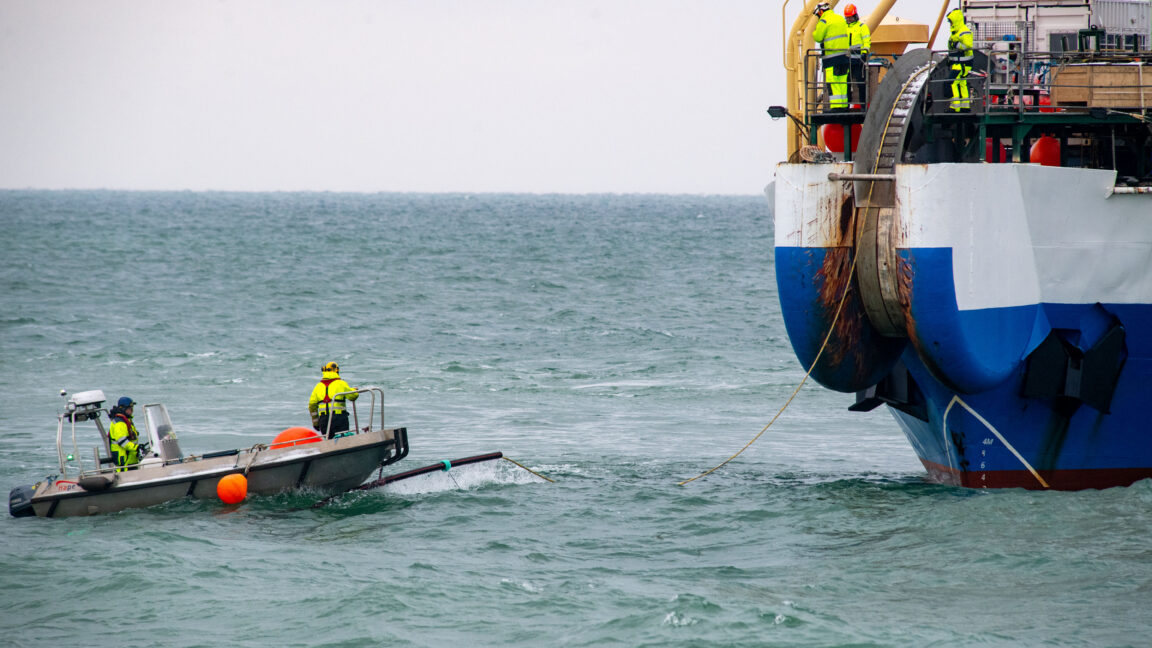
Despite the expansion of Starlink and other communications satellite services, most of the world’s Internet traffic still travels through subsea cables crisscrossing the ocean floors. Those fiber-optic cables coexist with a network of oil and gas pipelines and submarine power cables—and all these crucial links connecting countries and continents now face growing sabotage risks as gray-zone warfare and open conflicts have become widespread.

The rising risks to the world’s invisible infrastructure beneath the waves are the main subject of a new book by Elisabeth Braw, a senior fellow at the Atlantic Council who leads the Threats to the Global Maritime Order Initiative. Her book, titled Undersea War, explores the modern rise in suspicious incidents in which ships dragging their anchors for unusually long periods have cut or damaged undersea cables and pipelines, from the Baltic Sea to the Pacific Ocean.

Braw acknowledges that about 60 percent of undersea cable damage is primarily due to human error during fishing and shipping activities, when weighted nets or anchors drag across the seabed. Natural hazards like storms and undersea landslides also account for a smaller proportion of such incidents. In total, between 150 and 200 cables are damaged each year and usually repaired quickly.

Read full article

Comments

© Stefan Sauer/picture alliance via Getty Images

  •  

Skydance’s Discovery+ prices increase by up to 20 percent

Discovery+ subscription prices went up today.

Ad-free plans for new subscribers went from $10 per month to $12/month. Ad-based plans went from $6 to $7.

The new prices take effect for new subscribers immediately. Current subscribers to the streaming service, which primarily features unscripted content, like reality shows and documentaries, will receive 30 days’ notice before the new prices take effect, starting with bills issued as of November 12.

Read full article

Comments

© Jakub Porzycki/NurPhoto via Getty Images

  •  

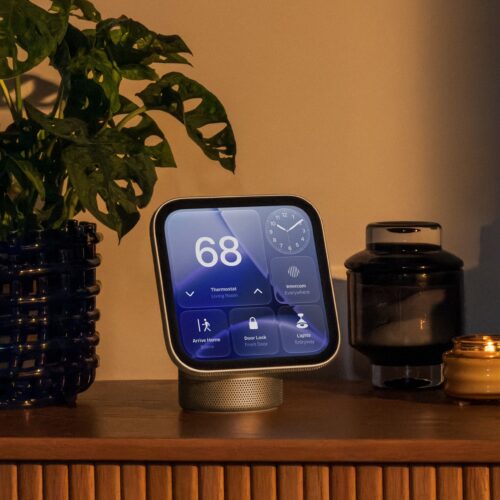
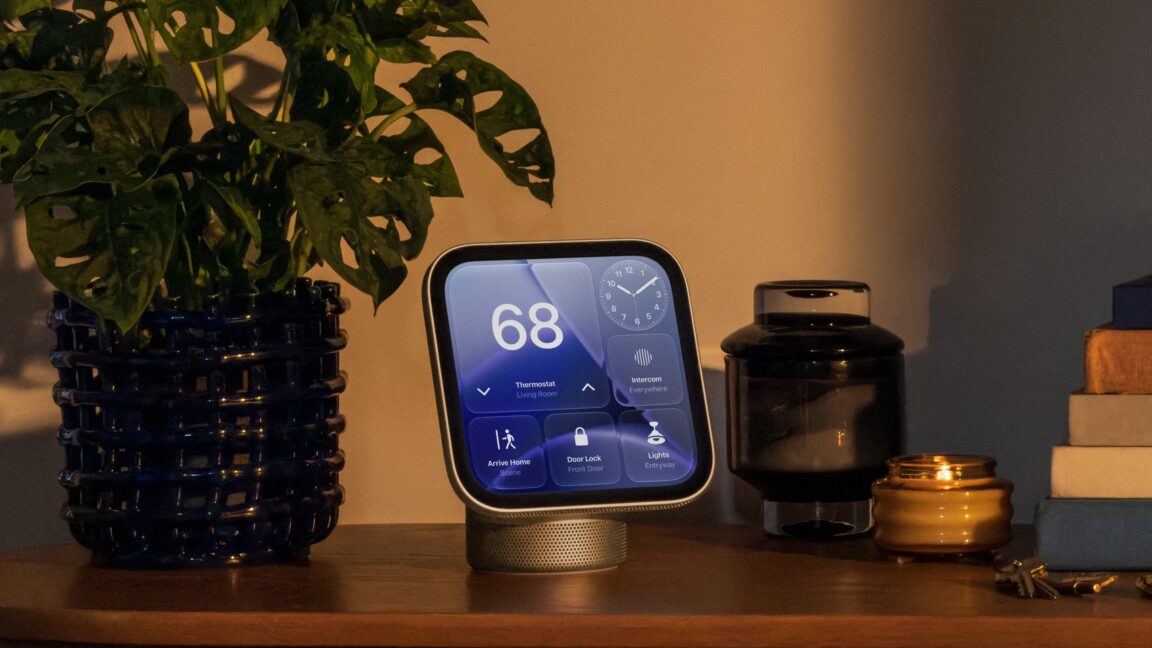
Apple’s first smart display is the 7-inch HomeView for $299

Apple opened preorders for the HomeView smart home hub today.

The HomeView is a 7-inch smart display and speaker that aims to be a central access point for up to six members of a family to access and control Apple’s ecosystem of devices, apps, and the Siri generative AI chatbot that's currently in beta.

Users can speak to HomeView to control smart home devices, such as, for example, telling Siri to close the smart blinds or activate smart locks. HomeView can also show a livestream for up to nine video feeds simultaneously.

Read full article

Comments

© Apple

  •  

Russia was not ready for the data center war it started with Ukraine

When Russia began attacking Ukrainian data centers and telecommunication infrastructure, it apparently failed to prepare for possible retaliation. Now Russia’s digital services are facing widespread outages after Ukrainian drone strikes knocked out three of the largest data centers owned by Russian tech giant Yandex within several days.

Pro-Kremlin bloggers are warning that Russia’s centralized digital economy could collapse because the country is not prepared for the “data center war” it started, according to posts translated by the pseudonymous independent researcher ChrisO_wiki. The Russian commentators also suggested that Ukraine’s decentralized digital services could prove more resilient than Russia’s system if the countries continue trading such blows.

Russia initially launched a drone strike campaign targeting Ukrainian data centers and mobile phone networks in late September. The attacks temporarily disrupted Internet and cell phone service for up to 100,000 households in the Ukrainian capital of Kyiv and came as part of a broader long-range strike campaign that has involved Russian missiles and jet-powered drones hitting Ukraine’s power grid infrastructure, transportation hubs, and even residential apartment building blocks.

Read full article

Comments

© Igor IVANKO / AFP via Getty Images

  •  

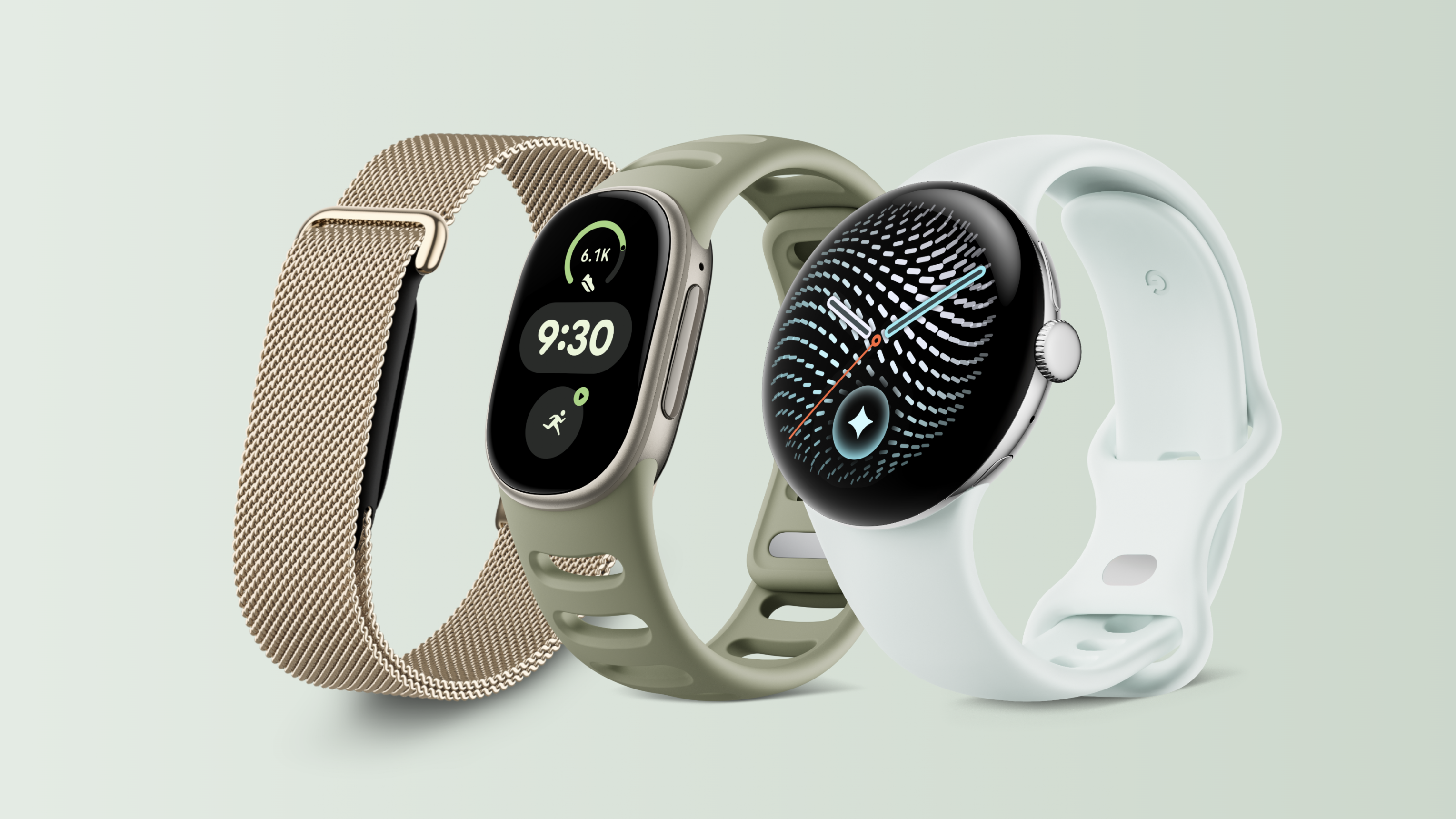
Google announces the Fitbit Edge, a middle ground between Pixel Watch 5 and Fitbit Air

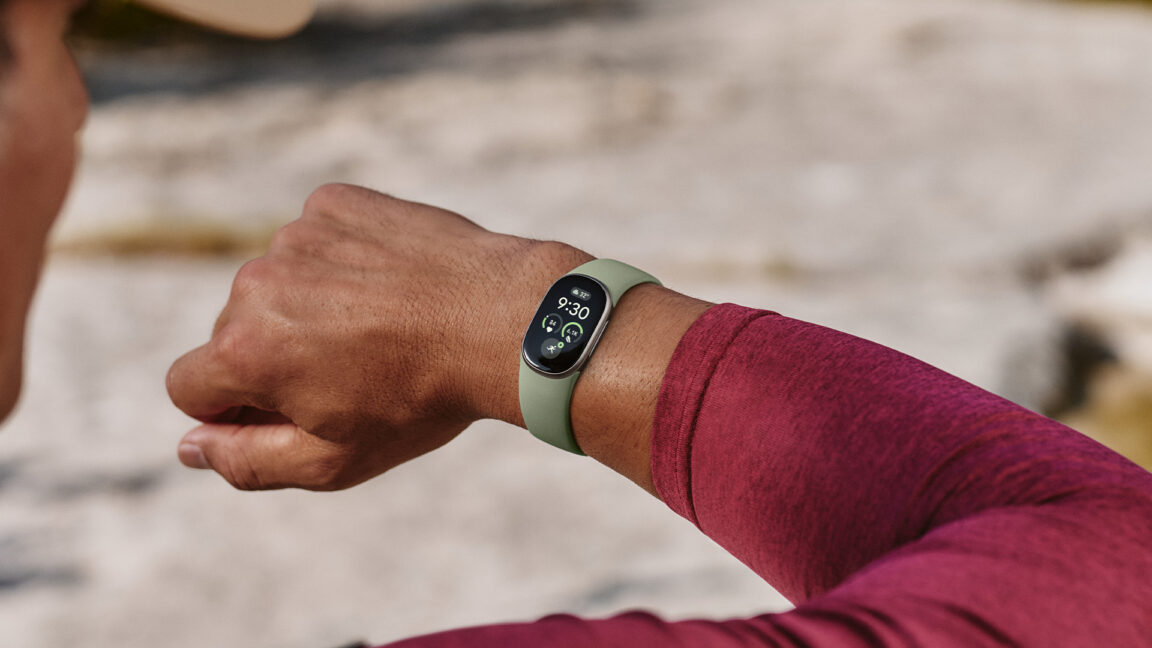
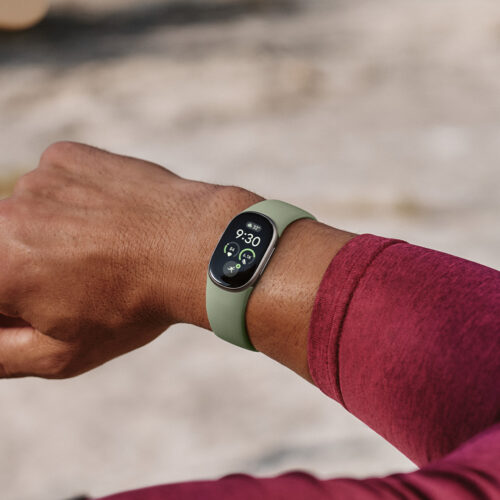
Google is releasing its second Fitbit tracker of 2026, offering fans of the aging Charge 6 a more refined option. The new Fitbit Edge slots right in between the Pixel Watch 5 and the Fitbit Air, featuring a compact screen and more health sensors than the Air. You won't get all the apps and features of the Pixel Watch 5, but the Edge is only about half as expensive.

The Fitbit Edge is essentially a new Charge 6, but it has more of a Pixel Watch aesthetic. Squish Google's smartwatch from the sides, and you've got the Edge. It has a pill-shaped 1.34-inch OLED touch display inside a slender aluminum frame that is rated IP68 (5 ATM) for water and dust protection. Google says the screen has 46 percent more viewable area compared to the Charge 6. It's very close in overall size to the Fitbit Air and uses the same magnetic charging puck.

Left to right: Fitbit Air (with new metal mesh band), Fitbit Edge, and Pixel Watch 5. Credit: Google
The Edge works with Android or iPhones via the Google Health app, and it can run for about seven days on a charge. If the tracker is away from your phone, it can still follow your activity all week with support for seven days of full health data storage (or 30 days of basic data). However, the generous weeklong battery life does not include always-on display mode. If you turn it on, battery life drops to about two days, barely longer than the Pixel Watch 5.

Read full article

Comments

© Google

  •  

Amazon has over 1 million robot workers. What’s next for human employees?

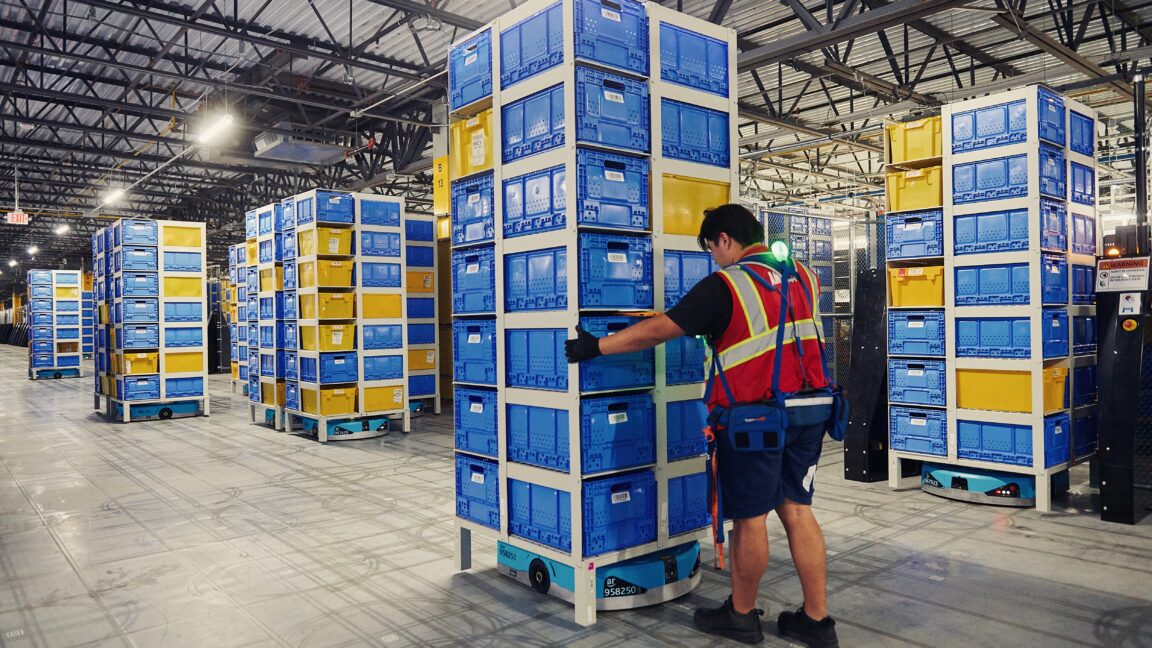
No organization in the world operates more robots than Amazon. The company already has more than 1 million robots working in warehouses around the clock to make tens of millions of same-day and one-day package deliveries happen on a daily basis—and Amazon is poised to significantly grow that robotic fleet in the coming years as it establishes new factories to churn out increasingly more capable robot workers.

Despite deploying so many robots, Amazon is also the second-largest corporate employer in the world, with more than 1.5 million full-time and part-time human workers, according to its 2025 annual report. Amazon executives say that the growing robot fleet has eased the burden on its human workforce by taking on the toughest fulfillment center tasks that carry the greatest risks of physical fatigue and injury. But labor advocacy groups and independent researchers point to evidence suggesting that warehouse automation driven by AI is not all upside for the humans who work alongside robots.

“For the last 100 years, most of the automation that we've seen usually happens away from workers—you're taking that high-risk task away from the worker, and you're doing so in a way that is not physically proximate,” Brad Greenwood, professor of business at George Mason University, told Ars. “The rise of collaborative robots really changes that dynamic for two reasons: one is that it is physically proximate, and two, the robot has the ability to dictate the pace of work.”

Read full article

Comments

© Amazon

  •  
❌