Nanocrystals are so useful that they formed the basis of the 2023 Nobel Prize in Chemistry. But despite their usefulness, scientists have so far been able to make these microscopic crystals from only a limited palette of materials. A group of chemists at the University of Chicago and Argonne National Laboratory has announced a way to make nanocrystals from a useful class of materials known as metal nitrides—a previously impossible task.
A team of researchers from the National and Kapodistrian University of Athens has discovered a completely new genus and species of subterranean freshwater snail in the Peloponnese region of southern Greece. The species, Cyllena hermes, is a small, unpigmented, eyeless aquatic snail fully adapted to life underground.
Due to artificial irrigation and rising temperatures, the concentration of salts (including sodium chloride, or "table salt") is increasing in soils worldwide. This is not only an environmental problem but also a challenge for agriculture. For example, increased salinity can disrupt the water balance of most plants (known as glycophytes) or even lead to their death, including crops.
Scientists have discovered that marsupial forelimbs (arms) develop much earlier before birth than previously thought, providing new insights into evolutionary innovation and biology.
A new analysis revisits the Great Barrier Reef’s past losses of Acropora corals, showing that reef decline was not only a modern story of warming oceans. Using historical ecological records alongside climate-linked environmental data, the study links earlier episodes of Acropora mortality to shifting variability in ocean conditions—factors that can amplify heat stress even before today’s extremes fully arrive. The findings suggest that the reef’s vulnerability has deep roots, shaped by how the atmosphere and oceans interact over time.
The researchers focus on Acropora, a genus that forms structurally complex habitats and supports high biodiversity. When these branching corals die, the consequences cascade: shelter and food sources shrink, juvenile recruitment becomes harder, and reef recovery slows. Their approach connects mortality signals across time to measures of climate variability, aiming to distinguish natural swings from persistent human-driven pressures.
Clues come from patterns consistent with stress events driven by warmer-than-usual water, altered temperature dynamics, and changing conditions that influence coral physiology. Importantly, the work frames these stressors as interacting rather than acting alone. Climate variability can raise the frequency and severity of harmful conditions, while human impacts provide chronic background stress that reduces coral resilience.
The study emphasizes that anthropogenic impacts—such as local water-quality degradation and other human pressures—can intensify the damage caused during climate-driven heat or disturbance events. In this view, the reef does not simply “survive” or “collapse” based on temperature alone; it fails when multiple stressors converge, tipping corals past thresholds for survival and regrowth.
This “multi-stressor” model matters for forecasts. If past mortality aligns with periods of heightened climate variability, then future reef risk depends not only on long-term warming trends but also on how variability evolves. That means management strategies must be tuned to both the climate signal and the local pressures that determine how quickly corals can bounce back after shocks.
The authors also highlight that historical mortality patterns can function like a preview of likely future dynamics. Instead of treating recent bleaching as the first chapter, the analysis portrays a longer timeline of stress accumulation. The reef’s trajectory, they argue, reflects a system that has repeatedly been strained and partially recovered—until cumulative impacts made recovery less complete.
With the Great Barrier Reef facing intensifying marine heatwaves, this work adds urgency to climate mitigation and local conservation. It suggests that reducing human pressures can buy time by strengthening coral tolerance, even as global temperatures continue to rise. In viral science terms, the message is clear: the reef’s past predicts its future—and human actions can still change the ending.
Subject of Research: Great Barrier Reef coral (Acropora) mortality
Article Title: Past Acropora mortality on the Great Barrier Reef linked to climate variability and anthropogenic impacts.
Article References: Clark, T.R., Leonard, N.D., Jupiter, S.D. et al. (2026). Commun Earth Environ. https://doi.org/10.1038/s43247-026-03800-9
Image Credits: AI Generated
DOI: 10.1038/s43247-026-03800-9
Naked mole-rats have long puzzled biologists with their striking eusocial structure, where most adults remain reproductively suppressed while a queen controls the colony’s future. Now, a new study identifies a chemical “queen odour” that links social status to endocrine control, revealing a mammalian analogue to insect queen pheromones.
The molecule, termed IPM, is enriched by the queen and acts as the key mediator of reproductive suppression in non-breeding females. When IPM is present, circulating prolactin rises while progesterone is suppressed, locking the colony into a stable reproductive hierarchy characterized by reduced conflict and maintained group cohesion.
Crucially, the team connects this behavioural outcome to the brain. Using multiple approaches—including non-invasive functional ultrasound imaging (fUSI)—they show that IPM provokes strong activation of olfactory neurons and central neural circuits. This provides a neural substrate for how a chemical cue can trigger colony-wide physiological change, rather than relying on social learning or passive association.
The experiments also clarify sensory routing. Ablating olfaction abolishes aggression initiation and lowers prolactin levels, directly tying IPM detection to reproductive suppression. While the findings are consistent with sensing through the main olfactory epithelium, the authors note that the vomeronasal system may still contribute.
Queen removal normally destabilizes colonies, leading to aggression, reproductive competition, prolactin decline, and, in extreme cases, mortality. Yet when IPM is added to queenless bedding, the colony remains stable for months. During this period, fecal progesterone metabolite levels stay low, indicating sustained ovarian quiescence alongside elevated prolactin.
The study also addresses a longstanding paradox: transferring soiled bedding and urine from parent colonies fails to maintain suppression in isolated individuals. The authors propose that IPM’s chemistry helps explain this discrepancy. As a long-chain fatty acid ester with low volatility, IPM may persist within the colony environment but fail to travel effectively over distance or survive transfer pathways that preferentially carry other chemicals.
Comparative work extends beyond naked mole-rats. IPM is detected in breeding females of four additional Fukomys species. Although reproductive suppression mechanisms may differ across species, the presence of a similar queen-linked odorant suggests convergent chemical strategies for managing reproductive skew in eusocial mammals.
Overall, the research reframes reproduction control as a chemosensory-to-endocrine pathway: IPM activates olfactory–hypothalamic signalling, elevating prolactin and inhibiting GnRH release. This “social hormone” model offers a new principle for social evolution—chemical cues can synchronize behaviour and physiology at the scale of an entire mammal colony.
Subject of Research: Reproductive suppression and social hierarchy in eusocial mammals (naked mole-rats and related Fukomys species)
Article Title: A queen odour mediates reproductive suppression in a eusocial mammal
Article References:
Khallaf, M.A., Hart, D.W., Luo, W. et al. A queen odour mediates reproductive suppression in a eusocial mammal. Nature (2026). https://doi.org/10.1038/s41586-026-10772-5
Bacterial cellulose—nature’s own polymer scaffold—is gaining attention as a renewable feedstock for supercapacitor electrodes. With modern devices demanding fast charge, high power bursts, and long cycle life, researchers are searching for electrode materials that combine performance with sustainability.
A new systematic literature review led by Prof. Dahlang Tahir at Hasanuddin University, Indonesia, maps how bacterial cellulose-derived carbon (BCC) is turned into energy-storage electrodes—and why some fabrication paths outperform others. The study synthesizes evidence from the scientific record to clarify which processing choices control electrochemical behavior.
The review focuses on BCC as a precursor to porous carbon. Bacterial cellulose forms a naturally pure, interconnected network of nanoscale fibers, and heat treatment can convert that architecture into carbon structures with tunable porosity—critical for charge storage. The authors emphasize that electrical performance is not just a matter of “making carbon,” but of preserving and engineering the fiber network before carbonization.
Across 49 Scopus-indexed journal articles, the team compares major strategies including direct carbonization, chemical activation to enlarge pore systems, heteroatom doping to modify surface chemistry, and composite fabrication with materials that can add rapid redox (pseudocapacitive) contributions.
A recurring message is the importance of pre-carbonization drying. Freeze-drying appears as the most commonly used approach because it limits collapse of the wet nanofiber structure during water removal. Since pore architecture governs ion access and charge transport, maintaining nanoscale structure can translate into higher effective capacitance.
The review also distinguishes test formats. Three-electrode measurements are frequently reported, but two-electrode devices better represent real supercapacitor operation, where electrode–electrode interactions shape performance.
When processing is optimized, the results point toward a pathway for BCC-based electrodes to rival or surpass commercial activated carbon under comparable conditions. Activation and heteroatom doping generally increase accessible surface area and create additional active sites, while composites often achieve the strongest capacitance by combining electrical double-layer effects with fast surface reactions.
Yet the authors warn that progress is constrained by inconsistent experimental reporting, uneven protocols, and limited mechanistic understanding. To move beyond laboratory demonstrations, they call for predictive design, data-driven structure–performance models, scalable carbonization methods, and robust flexible devices resistant to deformation and humidity.
Subject of Research: Supercapacitor electrodes using bacterial cellulose-derived carbon Article Title: Bacterial cellulose-derived carbon electrodes for supercapacitors: Fabrication strategies, electrochemical performance, and mechanical properties — A review News Publication Date: 9 June 2026 Web References: https://doi.org/10.1016/j.est.2026.123044 References: 10.1016/j.est.2026.123044 Image Credits: Lightenoughtotravel from Wikimedia Commons
Keywords
bacterial cellulose; supercapacitors; porous carbon; freeze-drying; chemical activation; heteroatom doping; electrode materials; two-electrode testing; pseudocapacitance; sustainable energy storage
Humans have been around for only about 0.01% of Earth’s history, yet we’ve altered natural landscapes and processes that have remained stable for millions of years. A team of researchers from the University of Glasgow recently studied a formerly sandy beach in the UK that highlights how fast these changes can occur.
Industrial steel and iron furnaces operated extensively in the UK from 1856 until the 1980s. During these decades, workers dumped roughly 335 million cubic meters (90 billion gallons) of molten furnace waste, called slag, across the country. Of that, roughly 27 million cubic meters (6 million gallons) now sits on the coast of Derwent Howe in a massive 30-meter (100-foot), solidified cliff.
The researchers analyzed this region to understand how man-made, or anthropogenic, materials influence the way rocks form. Rocks naturally form and change into different types of rocks over million-year timescales, through a continuous process called the rock cycle. When the team uncovered a soda can tab manufactured in 1989 within the hardened grains, or clasts, of slag, they concluded that the beach had solidified within the last 35 years. Based on this discovery, they proposed a new term for rocks formed from anthropogenic sediments: the anthropoclastic rock cycle.
The team collected 1,300 grains of sediment from 13 sites in the study area and found that 83% were slag. Natural beach sediments, like quartz sand, comprised only about 17% of the grains. As wind and waves broke down the cliff, slag clasts fell off and became rounded by friction as tides transported them from the cliff to the beach.
At the boundary where the slag touched the beach, the researchers also saw evidence that the slag had seeped into the underlying wet sediment. The rocks there resembled a type of rock called peperite, which forms when lava flows over wet, loose sediments. They concluded that this peperite-like rock formed as the molten slag flowed over the still sandy beach. Slag is much thicker than wet sand, so the resulting rock looked like blobs of slag encased in sandy rock.
The researchers then visually observed how the slag grains were arranged in the solidified rock to reconstruct the tidewater speeds at different points in the coast’s history. The different ways sediments are arranged within a rock are called sedimentary features, and they reflect the processes that formed the rock. For example, as water flows over sand, it forms small, dune-like ripples. When the sand beds harden into rock, the ripples are preserved as features known as trough cross-bedding.
Faster water erases any ripple formations and instead forms horizontal layers in the sediment, known as planar lamination. The researchers observed both trough cross-bedding and planar laminations preserved in the slag beach rocks. These sedimentary features indicate that the beach at Derwent Howe turned from loose sediment into rock in a generation.
To investigate why this beach rapidly solidified, the researchers scanned the surfaces of the beach rock with electron beams and X-rays using a scanning electron microscope, or SEM, equipped with an energy dispersive X-ray, or EDX. Every chemical element emits a unique set of X-rays with different wavelengths when hit with EDX, so the researchers could compare the X-rays from their samples to databases of known mineral X-ray signatures. They identified the primary binding agents as calcium- and iron-rich minerals like calcite, goethite, and brucite. These minerals are called cements because they bind grains of sediment together.
The researchers expected the slag to produce these cement compositions, since extracting metal ores from rock enriches the resultant slag in calcium, magnesium, manganese, and iron, which readily dissolve in water. When water flowing between closely packed slag grains can no longer hold additional dissolved elements, those elements precipitate as solid mineral cements. Since cements only form when the water has very high concentrations of dissolved elements, the introduction of massive amounts of slag caused the cement to form faster than it would in waters with lower concentrations of elements.
The researchers suspected that the anthropoclastic rock cycle they observed at Derwent Howe is not uncommon. Since slag contains all the elements necessary to form rocks when in contact with seawater and air, slag deposits all over the world could be rapidly influencing their local environments. With this in mind, the team suggested that future researchers update geological models to account for human contributions to the natural rock cycle.
To paleontologists like me, however, a fossil like "Gus" — excavated from the Hell Creek Formation in South Dakota over three years starting in 2021 by commercial collector Thomas Heitkamp and his team — is not a trophy or a work of art. It is an irreplaceable scientific archive. Fossils preserve evidence of evolution, extinction, growth, disease, injury and ancient ecosystems. They are finite, nonsubstitutable records of life’s history on Earth.
Science depends on independent verification of claims and healthy debate. Researchers must be able to revisit specimens, test earlier conclusions and ask new questions.
But once a scientifically important fossil enters a private collection, access for researchers is no longer guaranteed. Collectors typically sequester their fossils in their homes. Even when privately owned specimens are loaned to museums, the owners can change their minds, ending access at any time. This issue is especially of note when it comes to Tyrannosaurus rex; a 2025 study found that while there were 61 T. rex fossils in public trusts at that time, 71 were privately held.
That is why the Society of Vertebrate Paleontology, of which I'm a long-term member and president-elect, has long argued that scientifically significant vertebrate fossils belong in the public trust, curated in museums and universities that preserve them permanently, make them available for research and share them with the public.
Finding a fossil
Supporters of commercial fossil sales often argue that without sales to private collectors, specimens like "Gus" would remain buried or erode away. They’re right about one thing: Discovery matters. Many extraordinary fossils have been found by ranchers, hikers, amateur collectors and commercial excavators. Paleontology is accessible to everyone who has an eye for observing nature — you don't need to be an expert with academic credentials to make an important discovery.
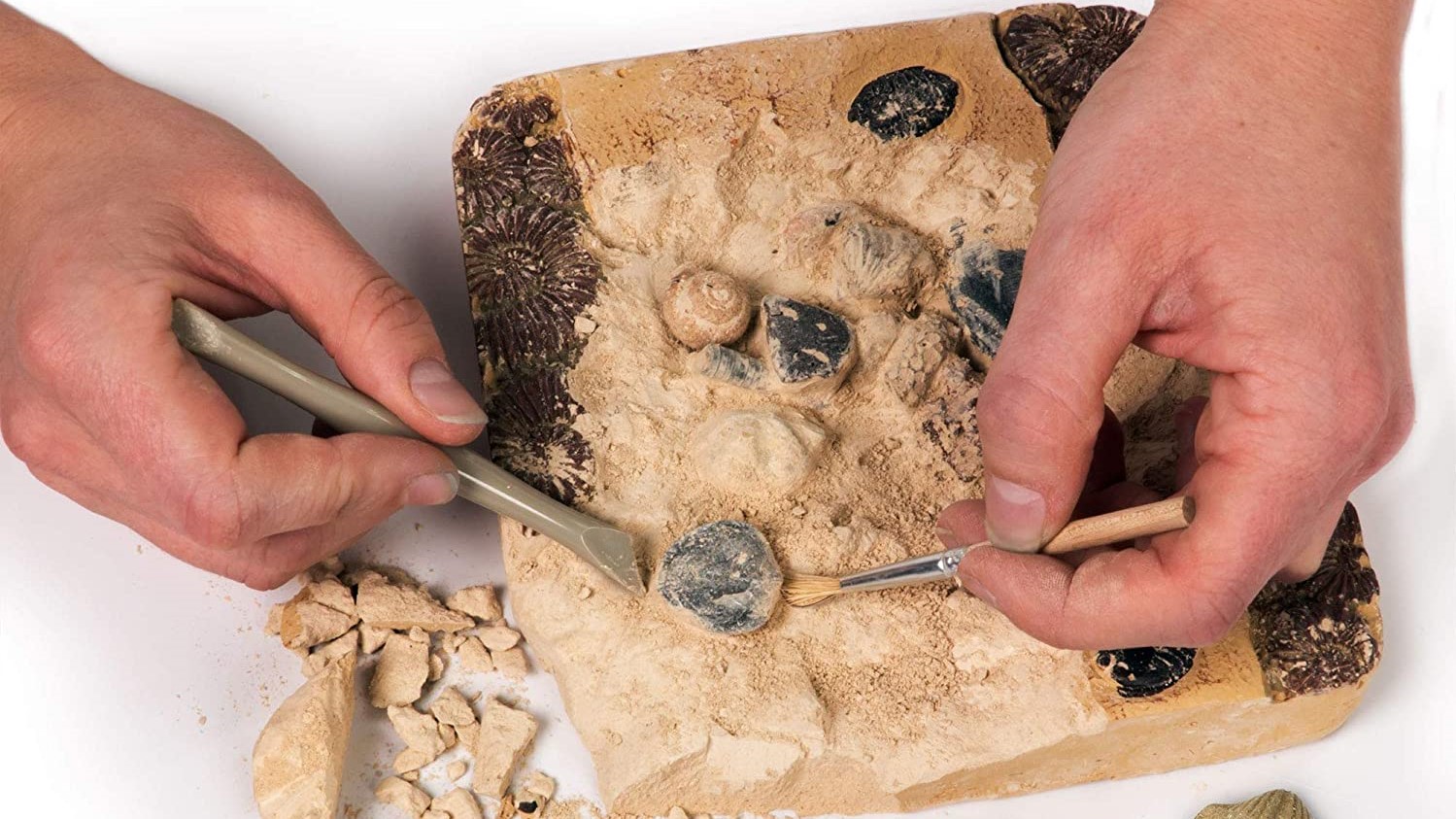
Fossil kits are sold on Amazon and other online retailers, encouraging curiosity in budding paleontologists. (Image credit: Amazon)
But discovery is only the beginning. A fossil's scientific value depends on careful documentation of where it was found, the rocks surrounding it, and the plants and animals preserved alongside it. Those details allow scientists to reconstruct ancient ecosystems, understand how an animal lived and died, and interpret how its remains became fossilized. When that contextual information is incomplete or lost, much of the fossil's scientific value is lost as well.
Yet even discovery, excavation and publication barely scratch the surface of a fossil's scientific importance. The greatest scientific value of a specimen often comes decades later, when researchers ask new questions and apply new technologies that earlier generations never imagined. A specimen that seems fully studied today may yield surprising new information tomorrow, but only if it is still available for study.
Delayed discoveries
Consider the iconic dinosaurs, including T. rex, Triceratops, Diplodocus and Stegosaurus, first collected more than a century ago. Early paleontologists could describe their shapes but had no way to dig deeper by peering inside the bones. Because those specimens were preserved in museum collections, later generations could revisit them with technologies that didn't exist when they were discovered.
Paleontologist Larry Witmer and his collaborators at Ohio University started using CT imaging 20 years ago to reconstruct the internal anatomy of historic dinosaur fossils without damaging them, based on how X-rays travel through specimens. Brain cavities, inner ears, air spaces, nerves and blood vessels became visible for the first time, revealing how dinosaurs balanced, heard, smelled and perceived their world.
More recently, molecular paleontologist Jasmina Wiemann and her collaborators have identified chemical traces preserved in fossil bone, eggshell and skin that reveal aspects of dinosaur biology unimaginable even a generation ago. Until now, paleontologists had no way to know details about metabolic rates and reproduction or the colors of skin, feathers and eggs.
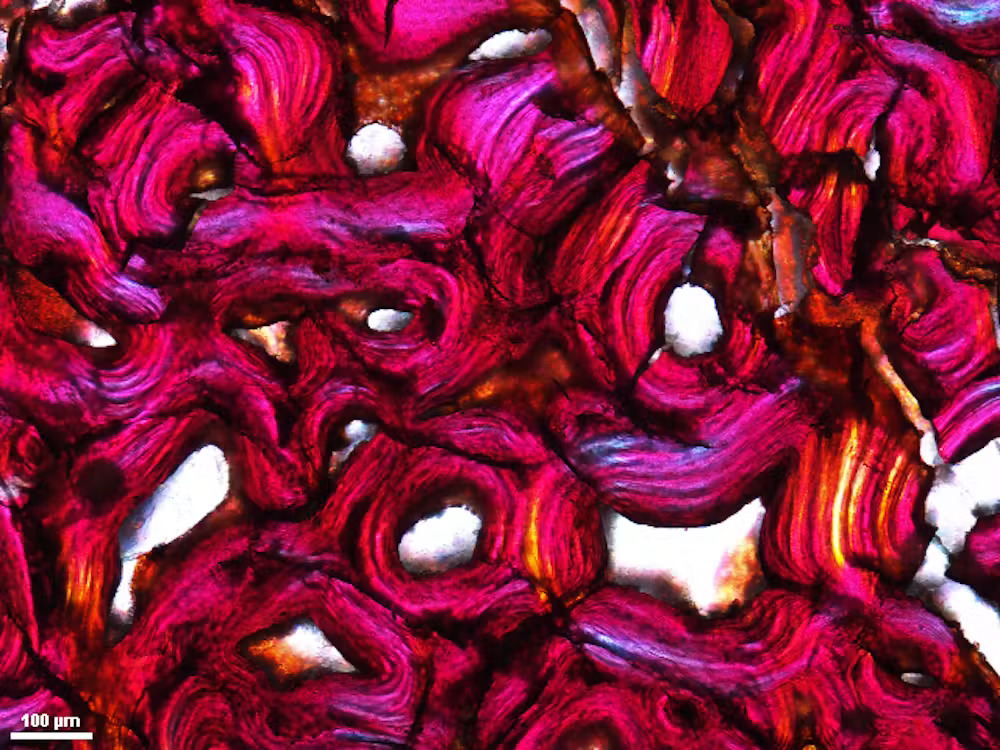
A thin section of a Diplodocus femur reveals the microscopic architecture of the bone, preserving a record of the animal's growth and life history. (Image credit: Kristina Curry Rogers)
In my own research I use microscopes to uncover the hidden stories preserved inside dinosaur bones and teeth. Thin sections of fossil bones reveal that dinosaurs grew more like mammals and birds than like oversized reptiles. Microscopic modifications to bones capture traces of ancient scavenging, and tiny signatures deep inside baby dinosaur bones indicate the moment of hatching.
None of these discoveries would have been possible if the original fossils had vanished into inaccessible private collections.
Shared natural heritage, on the auction block
Fossils are not static objects whose scientific value is exhausted once they are described. Their value grows as science advances, but only if future researchers can continue to examine the original specimens.
Of course, sometimes dinosaur fossils are rescued from obscurity through purchase and immediate deposition or donation to natural history museums. Some of the world's most important dinosaur fossils are accessible today because individuals, companies or organizations with the means to acquire extraordinary specimens recognized that they belong where scientists can continue to study them and where future generations can learn from them.
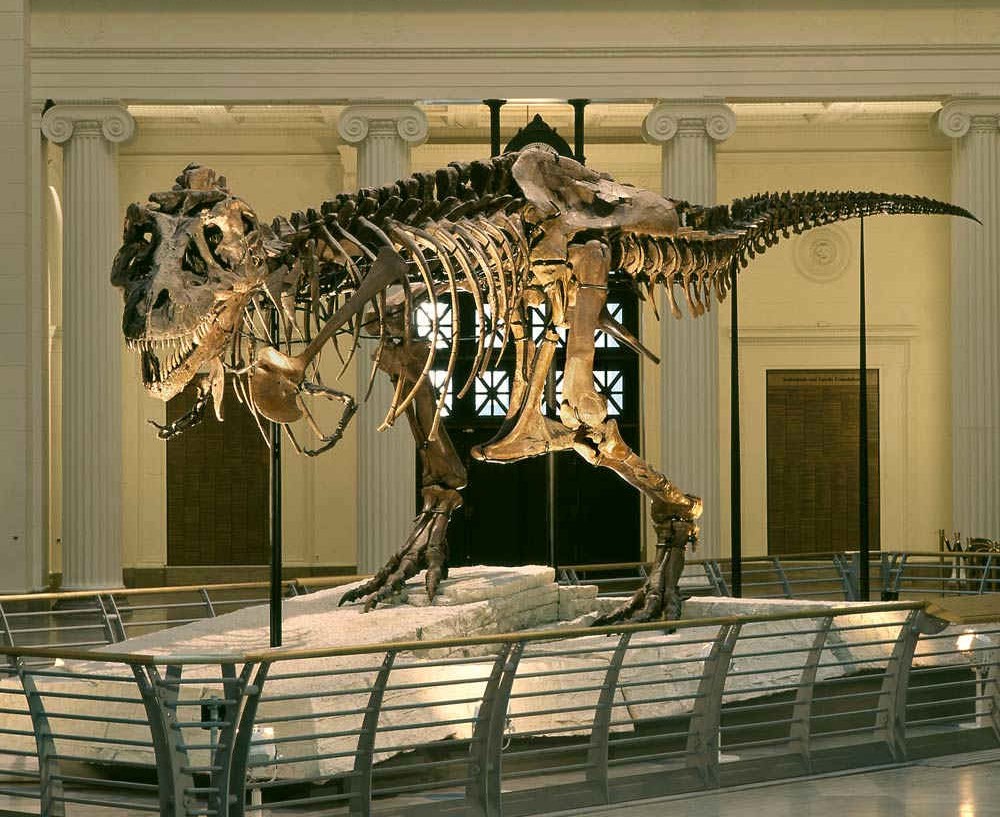
Schoolchildren were among the first to visit 'Sue' the T. rex once it was displayed at the Field Museum of Natural History in Chicago, Ill., thanks to funding from the California State University system, Walt Disney Parks and Resorts and McDonald's. (Image credit: copyright The Field Museum)
Purchasing a fossil in order to place it permanently in the public trust is fundamentally different from acquiring it as a private collectible: One expands access, the other leaves access uncertain.
Dinosaurs belong to our shared natural heritage. They inspire wonder because they connect all of us to a world unimaginably older than our own. For me, the question raised by auctions like the one on July 14 of "Gus" is not who can afford to own these relics of the past. It is whether future generations have the chance to study and learn from them.
Unlock massive discounts on Priceline hotels, flights, and rental cars. Find verified Priceline coupon codes and deals for Express Deals, student discounts, and more.
HP’s convertible OmniBook has a great feature set for the price. | Image: HP
With storage and memory prices still at an all-time high, we’re happy to tell you about a solid deal on a good laptop when we find one, rare as they are. Best Buy is selling the HP OmniBook X Flip 2 in 1 for $999.99 (usually $1,649.99) with an Intel Core 7 Ultra CPU, 16GB of LPDDR5X memory, and a 1TB SSD. The star of the show is the 1920 x 1200 OLED touchscreen, an uncommon perk at this price point. It will display deeper black levels and have faster response times than screens in other similarly-priced models. Also, it has a 360-degree hinge that lets the screen flip so you can use it like a tablet instead, or tent it if you need some portable entertainment.
This model, like other OmniBooks in this year’s lineup, is a Copilot Plus machine, meaning it has a dedicated neural processing unit (NPU) to assist with specialized tasks like helping you quickly find files or live transcribing videos. Whether you use Copilot or not, there’s plenty else to like about this model. For connectivity, the HP includes a pair of Thunderbolt 4 ports, HDMI 2.1, two USB-A ports, a 3.5mm headphone jack, Wi-Fi 7, and Bluetooth 6.0. One other perk is that the OLED screen has a 16:10 aspect ratio, so you’ll be able to see more content at once.
NASA Study of Pristine Meteorite Adds to Story of Ancient Asteroids
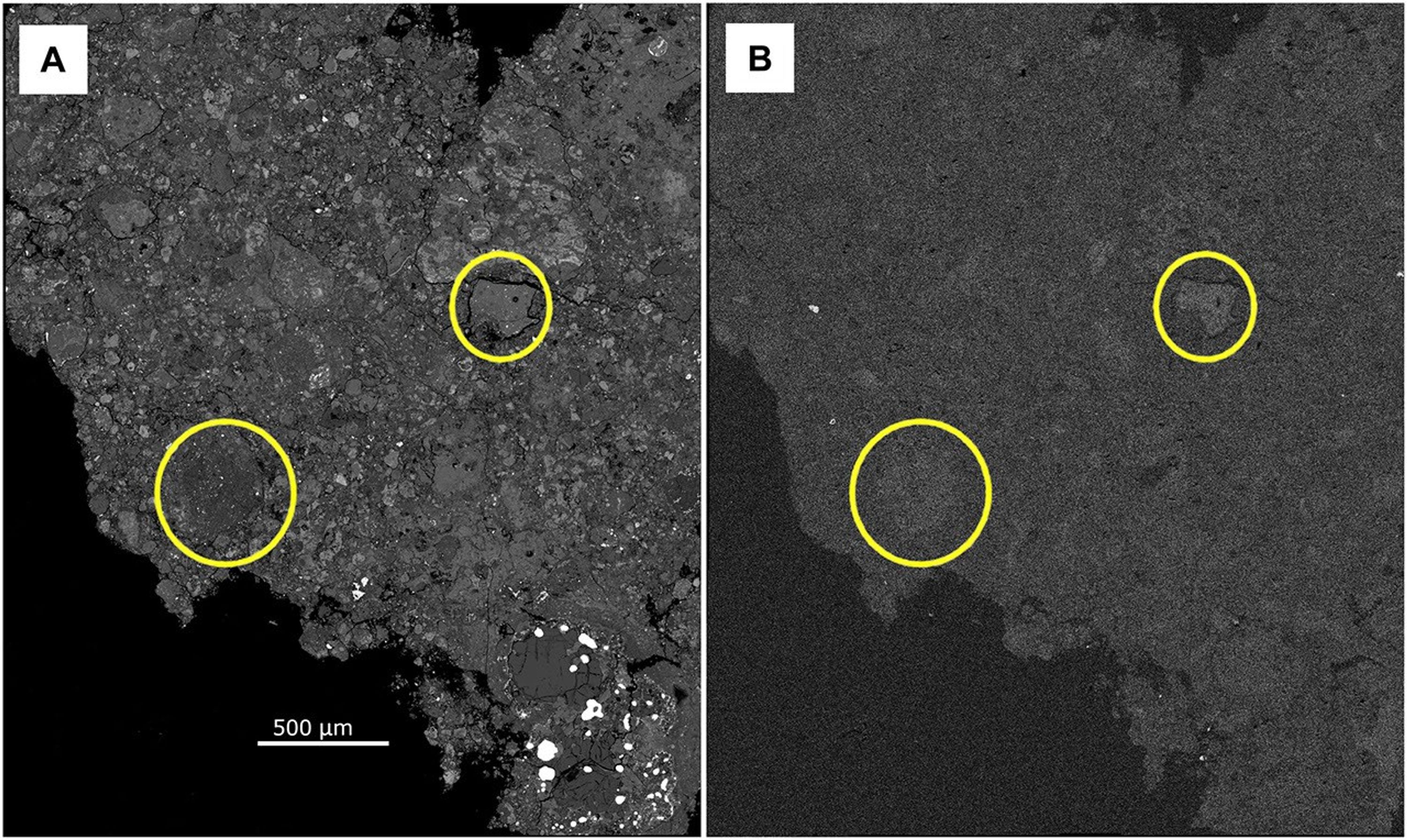
C1 clasts in Hillsborough: On the left is a back-scattered electron image with two C1 748 clasts circled. On the right, an X-ray map of the same area as (A), indicating Na enrichment in 749 of the C1 clasts relative to the bulk of Hillsborough. Credit: NASA/SETI
A meteorite recovered immediately upon its fall to Earth on July 16, 2024, is helping NASA scientists uncover new clues about ancient water, the chemical evolution of primitive asteroids, and the ingredients that may have helped make life possible throughout the early solar system.
This rapid recovery began when an amateur astronomer in New Jersey quickly recognized that a newly fallen meteorite had landed on his property. Recognizing its scientific value and wearing protective gloves, he collected the fragments and stored them in aluminum foil and glass containers, which preserved delicate minerals and organic compounds that are often altered by moisture, weather, and contamination.
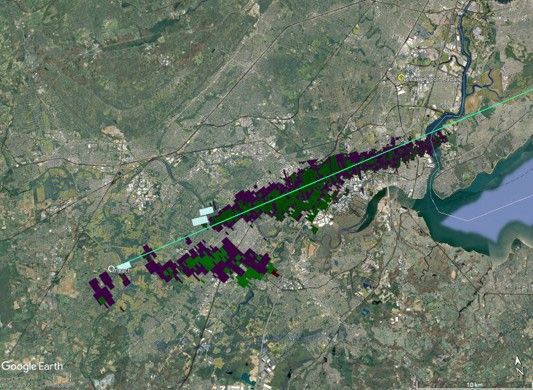
As the meteorite fell to Earth, cameras across New Jersey captured its fiery passage through the atmosphere. Scientists used these observations to reconstruct the fireball’s trajectory and, after recovering the meteorite, combined this data with laboratory analyses to determine where in the solar system the rock most likely originated. In a study published Wednesday in the journal Science Advances, researchers found evidence that ancient salty water altered minerals within the meteorite’s parent asteroid, preserving unique minerals and a rich inventory of organic compounds.
“When we have both a documented fireball and a quick recovery of its meteorite, we can learn not only what the rock is made of, but where it came from in the asteroid belt,” said Peter Jenniskens, meteor astronomer at both NASA’s Ames Research Center in California’s Silicon Valley and the SETI Institute, and lead author of the study.
Combined radar detections from the Hillsborough meteorite fall. The green line shows the fireball’s projected path, while colored radar signatures show falling meteorite fragments drifting east-northeast with prevailing winds. Credit: NASA/Marc Fries
Named for the township where it was recovered, the Hillsborough meteorite belongs to a class of carbon-rich meteorites known as CM carbonaceous chondrites. These primitive rocks preserve some of the oldest materials in the solar system, recording the chemical processes that shaped asteroids more than 4.5 billion years ago.
While examining the unusually pristine meteorite, researchers found a mosaic of tiny broken-up rocks and noticed that some contained unusually high concentrations of sodium — an unexpected finding for this type of meteorite. The surprising signal prompted a closer investigation using powerful electron microscopes that allowed scientists to examine the meteorite from the millimeter scale down to individual atoms. By combining observations across multiple scales, researchers reconstructed the history of the minerals and the fluids that once flowed through them.
These analyses revealed microscopic fractures filled with sodium-rich material left behind by ancient brines. Unlike pure water, brines contain dissolved salts that allow them to transport elements and chemically alter the rocks they move through. In the case of the Hillsborough sample, those ancient fluids altered the asteroid’s minerals and left behind chemical evidence that remained preserved for billions of years.
Scientists were also able to detect fragile sodium-carbonate salts that normally react with moisture in Earth’s atmosphere before they can be studied. Jangmi Han, a paper co-author and mineralogist at NASA’s Johnson Space Center in Houston, identified evidence of ancient brines preserved within microscopic fractures. Similar salts were identified in samples returned from the asteroids Bennu and Ryugu by NASA’s OSIRIS-REx mission and JAXA’s (Japan Aerospace Exploration Agency) Hayabusa2 mission. However,Hillsborough marks the first time the salts have been identified in a CM carbonaceous chondrite meteorite, offering a new glimpse into the surfaces of the primitive asteroids that produced these meteorites.
Together, these findings suggest that ancient, salt-rich brines were more widespread among primitive asteroids than previously recognized, and provide scientists with new opportunities to compare how water altered different asteroid bodies across the early solar system.
“The chips of the most salt-rich bits of this meteorite are quite comparable to the samples returned by the Hayabusa2 and OSIRIS-REx missions,” said Mike Zolensky, a meteorite researcher at NASA Johnson and co-author of the study. “They’re not identical. They’re different in some very interesting ways, but they’ve seen very similar processes.”
Following the history of water through the solar system is an essential part of understanding the origin of life.
Mike Zolensky
Meteorite Researcher
Scientists expected Hillsborough to contain a rich suite of organic compounds because it is a CM carbonaceous chondrite. What made the meteorite exceptional was how quickly it was recovered, allowing researchers to study those compounds before prolonged exposure to Earth’s environment could contaminate the sample.
“One of the big surprises for me when we analyzed a small chip of the Hillsborough meteorite was the complexity of amino acids and other organic compounds,” said Danny Glavin, senior scientist in the Astrobiology Analytical Laboratory at NASA’s Goddard Space Flight Center in Greenbelt, Maryland, and co-author of the study.
Its diversity of amino acids and other organic compounds is, comparable to the Murchison meteorite, a nearly 100-kilogram carbonaceous chondrite that fell in Australia in 1969 and became the benchmark for extraterrestrial organic chemistry.
“It’s just more proof that the chemical building blocks of life could have been delivered — and are still being delivered — to Earth today by these carbonaceous asteroid fragments,” said Glavin, who was a co-investigator on OSIRIS-REx, leading an international team that studied the organic composition of the samples delivered to Earth from asteroid Bennu in 2023.
Understanding the Hillsborough meteorite required expertise from multiple scientific disciplines.
Astronomers reconstructed the meteorite’s journey through space, finding evidence that it may have originated from the Erigone asteroid family in the inner asteroid belt, home to the asteroid Donaldjohanson, which was visited in 2025 by NASA’s Lucy spacecraft. Mineralogists identified evidence of ancient brines preserved within microscopic fractures, while organic chemists analyzed the meteorite’s inventory of amino acids and other organic compounds.
“Together, those complementary studies are helping scientists build one of the clearest pictures yet of how primitive asteroids such as the asteroid Erigone evolved chemically over billions of years,” said Jenniskens.
Researchers continue to study the Hillsborough meteorite, revealing new details about how water transformed primitive asteroids and shaped the early solar system.
By tracing the history of water on primitive asteroids, scientists are learning how water and the chemical ingredients for life were distributed throughout the early solar system.
“If you follow the water through the solar system, you’re actually following life,” Zolensky said. “Following the history of water through the solar system is an essential part of understanding the origin of life.”
For more information on NASA’s astromaterials research and exploration, visit:
Scientists hoped for years to make a machine that could emulate the movements of diving birds, such as puffins, and offer an affordable, unobtrusive way to monitor fragile marine ecosystems. A team of researchers at M.I.T. has been able to create such a waterproof winged robot, according to a study published July 9 in the journal Science.
Scientists have identified a new species of monkey that has orange lips and makes unique roars and snorting sounds. The distinctive monkey lives in a remote region of the Democratic Republic of the Congo (DRC).
It is only the fifth new monkey species to be identified in Africa in the past 75 years, and there might be more unknown monkey species in the region, scientists behind a new study suggested. Researchers named the newly identified species of monkey Colobus congoensis,after the region, and it is known by the common name "likweli" in the local Kilanga language.
"This is remarkable because it's not very common these days to find a new, never-before-documented primate species, let alone a relatively large species of monkey," said Joshua Linder, an anthropologist and president and co-founder of the The Forest Collective, a nonprofit that aims to conserve and restore tropical rainforests.
In 2008, conservationists in the dense rainforests ofLomami National Park, within the Congo Basin in the DRC, photographed an unidentified monkey, but it was partially obscured. Then, in 2018 a similar-looking animal was captured on camera, prompting study co-authorJunior Amboko, a Lomami National Park researcher and a Florida Atlantic University anthropologist, to set out to find the mysterious monkey.
To see what was already known, Amboko and his colleagues showed the pictures to people from 52 villages around the park.
"These people really know the fauna and flora in the forest," Amboko told Live Science. "In only eight villages, people knew the monkey — and these were hunters, who know the economic value of animals or how much food each animal can provide, but even they didn't know much."
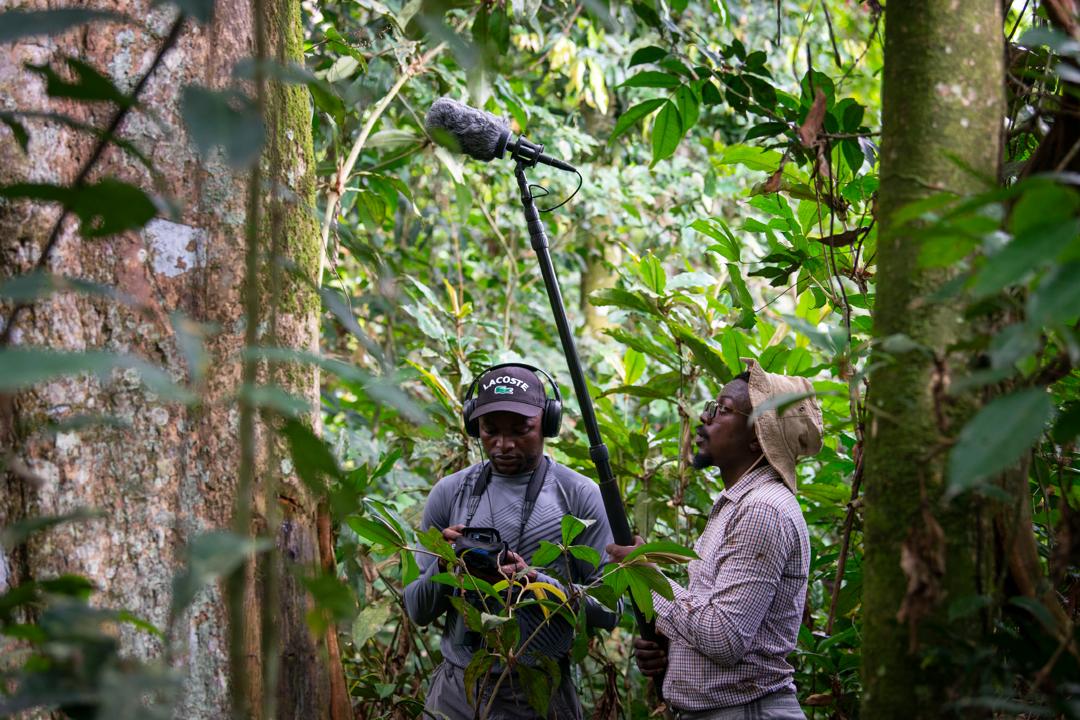
The researchers worked in the Lomami National Park, within the Congo Basin in the Democratic Republic of Congo. (Image credit: Daniel Rosengren, Frankfurt Zoological Society )
Hunters of the Balanga ethnic group called the monkey "likweli," although the meaning of this name isn't known. Some in the Mituku local communities called the species "kasaba nkoni," which Amboko said means "the branch shaker." This refers to the way colobus monkeys leap from branch to branch, Amboko said.
In their searches between 2018 and 2022, the researchers recorded 114 sightings of the species across an estimated range of about 660 square miles (1,700 square kilometers) naturally isolated between the Lomami and Lualaba rivers. They reported their findings July 15 in the journal PLOS One.
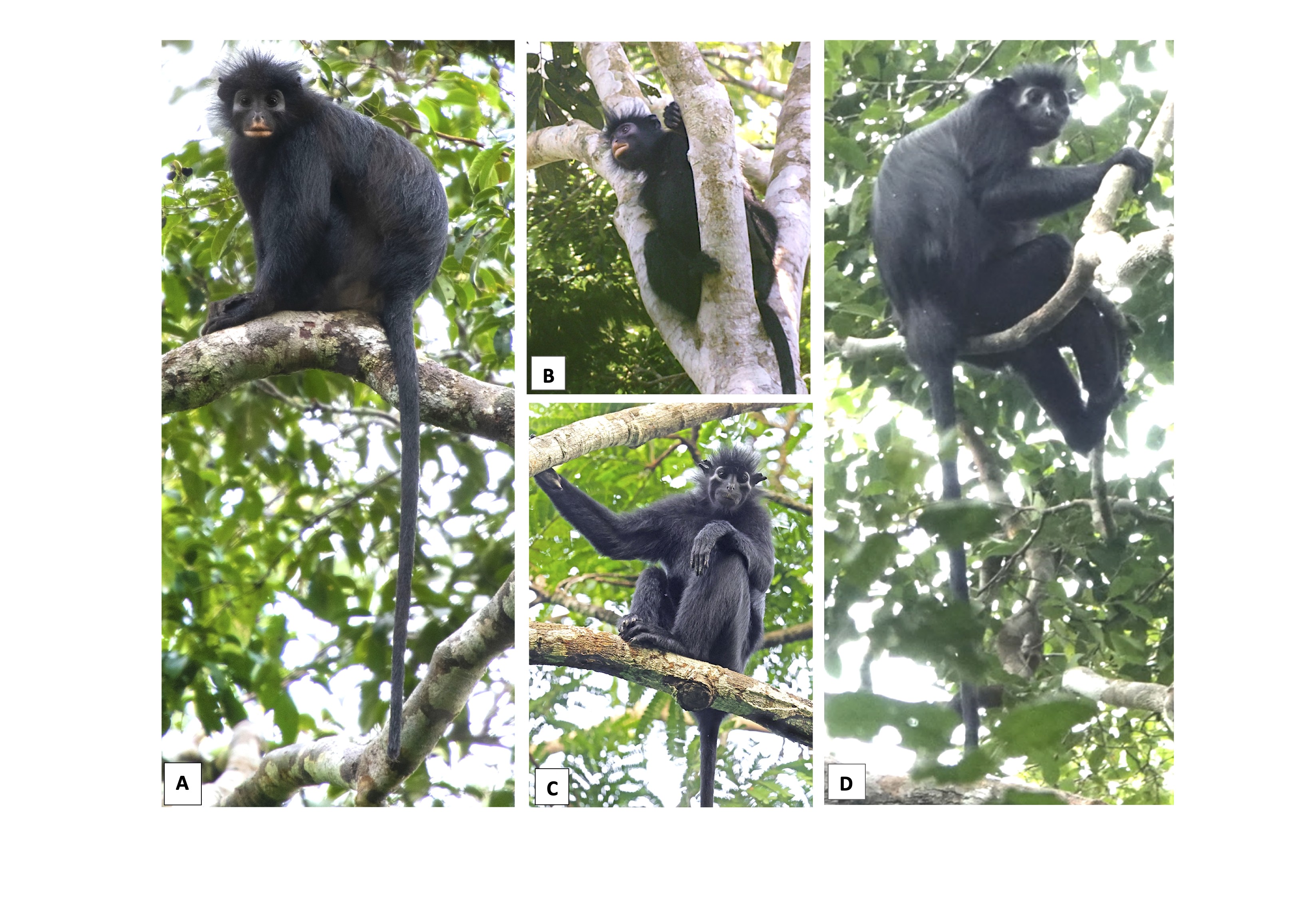
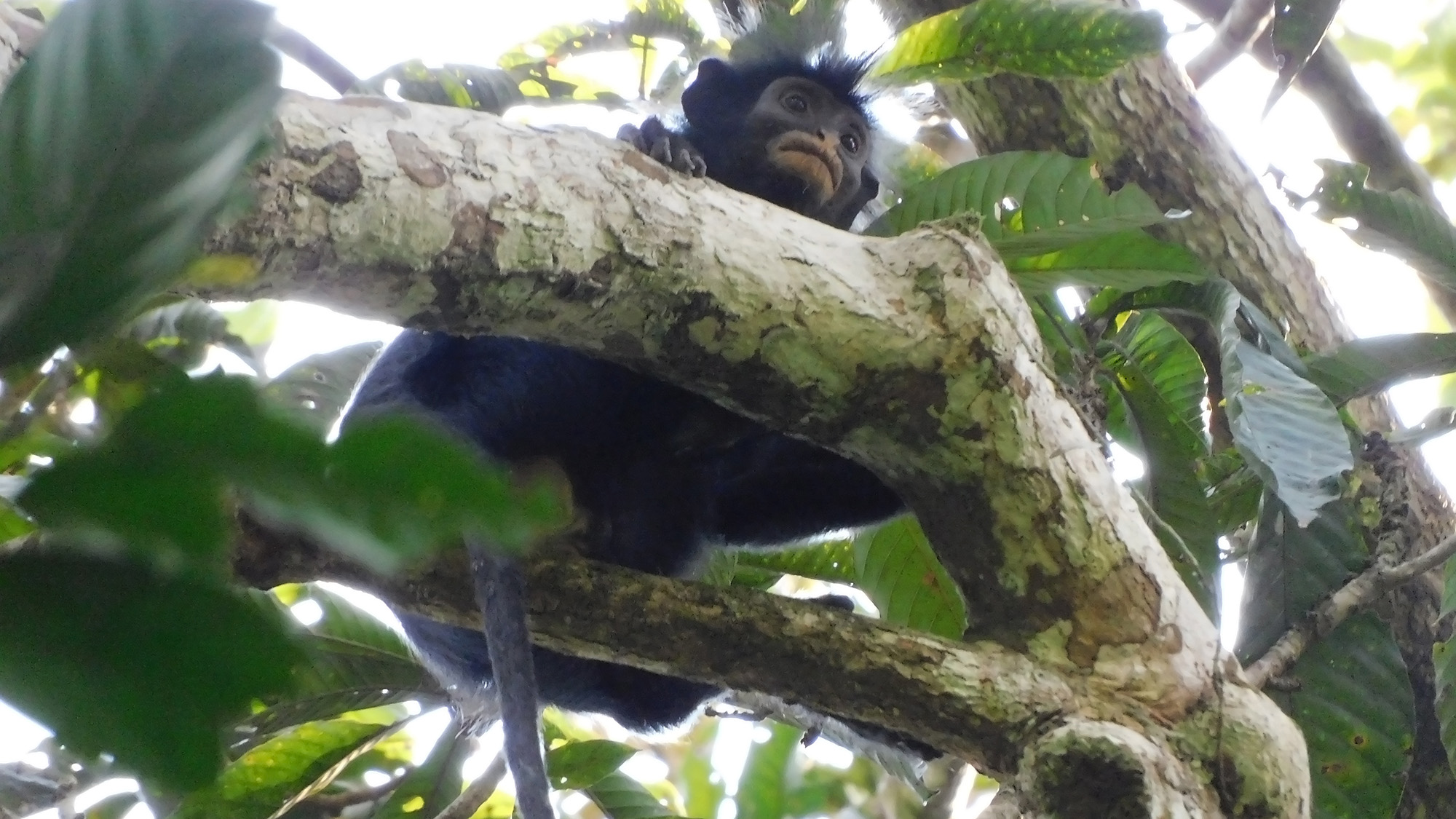
The monkeys, seen hanging out in groups of between one and 20 individuals, are mainly glossy black, but they have a conspicuous orange patch around the mouth and nose. Bare gray skin on their cheekbones makes it look as if they're wearing masks. They also have a patch of white fur around the anus.
"We're going with the face and the rump as the two distinctive traits," said study co-author Kate Detwiler, an anthropologist at Florida Atlantic University. "If you see the face, you see this unique bare skin that's orange cream. And then if you're coming from behind, you see this white patch."
DNA analysis confirmed C. congoensis was a previously unknown species. (Image credit: Daniel Rosengren, Frankfurt Zoological Society )
The monkeys, which weigh about 15 pounds (7 kilograms), also make deep, loud roars, punctuated by distinctive snorts. These unique vocalizations distinguish them from other colobus monkeys, Detwiler told Live Science.
By taking samples, and sequencing DNA, from monkeys killed by hunters and destined for the illegal bushmeat trade, and comparing the results with what’s in museum collections and datasets of genetics, skulls, teeth and pelts for other colobus monkeys, the team confirmed that C. congoensis was a previously unknown species.
"My lab got the tissue sample and did the genetics, and we were shocked by how divergent the key area of the mitochondrial genome was from other colobus monkeys," Detwiler said.
Researchers think the new species diverged up to 5.78 million years ago. (Image credit: Daniel Rosengren, Frankfurt Zoological Society )
The monkeys live in the same forest as the Angola colobus (Colobus angolensis), but their closest relatives are black colobus monkeys(Colobus satanas), which live around 750 miles (1,200 kilometers) to the west, in Cameroon, Gabon and Bioko Island.
"The fact that the results show that the closest living relative to this new species is the black colobus located 1200 km away in West Africa is equally remarkable," Linder, who was not involved in the new study, told Live Science via email.
Detwiler estimates that these close relatives diverged between 5.78 million and 3.44 million years ago — the longest known split between species within the Colobus genus. "The discovery is reshaping our understanding of African monkey evolution," she said.
Given the small geographic range, rare sightings and increasing habitat loss, the researchers recommend that C. congoensis be classified as endangered on theIUCN Red List.
The discovery also emphasizes the importance of Lomami National Park, where another previously undescribed monkey, the lesula (Cercopithecus lomamiensis), wasreported in 2012 by a team that included Detwiler.
The Congolian rainforest ranging across this part of Africa is the world's second-largest tropical forest, after the Amazon, and about 60% of it is in the DRC. "It is a paradise for biodiversity," Amboko said, adding that there might be more undescribed primate species there. "If we are able to discover two big new primate species, who knows how many other new mammals, fish, reptiles or plants there could be?"
What do you know about chimpanzees and great apes? Test your smarts with our primate quiz!
Discover the best ways to save on Noom subscriptions, including free trials, limited-time offers for GLP-1Rx Plus, and essential tips for redeeming your Noom discount.
Get up to 55% off and free meal boxes using a HelloFresh coupon code in September 2026. Discover our best codes and discounts to let you save time and money.

 Login