❌

Normal view

Study Finds a Surprising Link Between Gut Microbes and Aging

1 August 2026 at 16:18
Intestinal Gut Bacteria MicrobiomeCertain gut bacteria were linked to slower or faster biological aging. The communities of bacteria living in the gut may carry clues about how rapidly the body is aging. Researchers at the University of Hawaiʻi at Mānoa found that certain microbial patterns were associated with faster or slower biological aging, adding to evidence that gut [...]

A Single Faulty Gene Copy Can Unravel the Heart’s DNA

DNA Molecule Glowing Genetic DiseaseBy studying a gene associated with congenital heart defects, scientists uncovered a mechanism showing how small reductions in protein levels can disrupt DNA’s three-dimensional structure and lead to disease. A baby can inherit one healthy copy of TBX5 and still develop serious heart defects if the other copy does not work. That genetic imbalance is [...]

Scientists Reveal Hidden DNA Traces in the Shroud of Turin

Shroud of Turin Jesus ChristNew research has revealed the complex biological history preserved in DNA traces on the Shroud of Turin. Fibers taken from the Shroud of Turin nearly five decades ago still contain a complex record of biological material accumulated over centuries. In research published in Scientific Reports, scientists applied advanced genomic sequencing (rigorous PCR-free next-generation metagenomic sequencing) [...]

Not just Neanderthals: Ghost lineage in Africa left its mark on our DNA

31 July 2026 at 23:17

When the history of our ancestry is written, the fact that we've interbred with some of our closest relatives, the Neanderthals and Denisovans, will have a central role. And it will be tempting to write it as a very tidy story: Once we got genomes from these other groups, it was possible to identify the sequences in our genomes that we shared with them.

But in reality, as scientists started poking large enough collections of data, there were regular hints of some strange ancestry in our genomes. It was hard to pin down, though, at least in part because the 2 percent on average of Neanderthal DNA found in many populations does not guarantee that any two individuals will have the same 2 percent. So having the genomes of those two groups made sense of some things researchers had already been seeing.

But knowing what we do about Neanderthal and Denisovan DNA is now allowing researchers to answer a somewhat different question: Is there anything else? Using recently developed analytical techniques, they find evidence of a third lineage that we apparently interbred with before any modern humans left Africa. Again, there were hints of this earlier, but so far, there's been no genome from a modern human relative to help us understand the details—the source of this DNA remains a "ghost lineage."

Read full article

Comments

© BSIP

Not just Neanderthals: Ghost lineage in Africa left its mark on our DNA

31 July 2026 at 23:17

When the history of our ancestry is written, the fact that we've interbred with some of our closest relatives, the Neanderthals and Denisovans, will have a central role. And it will be tempting to write it as a very tidy story: Once we got genomes from these other groups, it was possible to identify the sequences in our genomes that we shared with them.

But in reality, as scientists started poking large enough collections of data, there were regular hints of some strange ancestry in our genomes. It was hard to pin down, though, at least in part because the 2 percent on average of Neanderthal DNA found in many populations does not guarantee that any two individuals will have the same 2 percent. So having the genomes of those two groups made sense of some things researchers had already been seeing.

But knowing what we do about Neanderthal and Denisovan DNA is now allowing researchers to answer a somewhat different question: Is there anything else? Using recently developed analytical techniques, they find evidence of a third lineage that we apparently interbred with before any modern humans left Africa. Again, there were hints of this earlier, but so far, there has been no genome from a modern human relative to help us understand the details—the source of this DNA remains a "ghost lineage."

Read full article

Comments

© BSIP

Scientists Discover Evidence of a Mysterious ‘Ghost’ Human Ancestor Hidden in Our DNA

31 July 2026 at 14:15

In recent years, advances in ancient DNA sequencing have redefined our understanding of human evolution, revealing that our species did not emerge in isolation but repeatedly interbred with close evolutionary relatives like Neanderthals and Denisovans.

Yet one of the field’s greatest mysteries has remained unanswered: What if some of our ancestors also encountered extinct human groups whose DNA has never been recovered from fossils? Now, a recent study published in Science suggests researchers may finally have found a way to detect those long-lost relatives.

Instead of relying on ancient bones or preserved genomes, researchers developed a powerful computational approach capable of identifying genetic traces of previously unknown archaic humans using only the genomes of living people.

Applying the technique to modern populations around the world, the researchers uncovered evidence that an unidentified “ghost” hominin contributed DNA to the ancestors of all living humans before the great migration out of Africa.

Researchers also found new evidence providing evidence for the existence of an even older “super-archaic” human lineage whose genetic legacy may survive today through Denisovan ancestry in Oceania.

“Admixture between modern humans and extinct hominins has shaped the genomes of present-day individuals, but reconstructing this history has been constrained by the scarcity of archaic samples and unadmixed outgroup populations,” researchers write. “We introduce TRACE, a reference- and outgroup-free approach that uses features of ancestral recombination graphs to identify archaic ancestry.”

Past research has sequenced only a handful of high-quality archaic human genomes, all from Eurasia. While those genomes have revealed that most people outside Africa carry roughly 1 to 2 percent Neanderthal DNA and that many Asian and Oceanian populations also inherited Denisovan ancestry, scientists have long suspected those known groups represented only part of humanity’s evolutionary history.

Previous genetic studies had hinted that modern humans, especially African populations, contained fragments of DNA from unidentified archaic relatives. However, because no fossil genomes exist for those populations, proving their existence has been extraordinarily difficult.

The new method, called TRACE, short for “TRacking Archaic Contributions via ARG Estimation,” takes a fundamentally different approach. Rather than comparing modern DNA against known Neanderthal or Denisovan genomes, it reconstructs ancestral recombination graphs. These enormous evolutionary family trees trace how pieces of DNA have been inherited over hundreds of thousands of years.

These ancestral graphs preserve signatures left behind when deeply divergent human lineages interbred. Such events create unusually long branches and distinctive genetic patterns that can persist in descendants for hundreds of thousands of years. By searching for those signatures, TRACE can identify archaic ancestry even when no reference genome exists.

To test the system, the researchers first ran extensive computer simulations modeling ancient human populations and known episodes of Neanderthal interbreeding. The method consistently revealed high accuracy while producing very low false-positive rates.

The team then applied TRACE to genomes from the 1000 Genomes Project, encompassing hundreds of individuals representing populations across Africa, Europe, Asia, and elsewhere.

The program successfully recovered well-established Neanderthal ancestry in Europeans and Asians, along with Denisovan ancestry concentrated primarily in Asian populations. More intriguing, however, was the discovery of an additional category of DNA that matched neither Neanderthals nor Denisovans.

TRACE identified between roughly 0.5 and 1.1 percent “ghost” ancestry across all modern populations examined. The genetic evidence suggests these segments originated from an unknown archaic human lineage that diverged from our ancestors roughly 830,000 years ago, before later contributing DNA to the ancestors of modern humans.

Perhaps most surprising was where that ancestry appeared.

Rather than being confined to African populations, as several earlier hypotheses proposed, the researchers found remarkably similar ghost ancestry in both Africans and non-Africans.

Most of the segments detected outside Africa were shared with African populations, suggesting the interbreeding event occurred before modern humans started dispersing across the globe roughly 50,000 to 70,000 years ago.

The findings point toward a previously unrecognized chapter of human evolution in which an unidentified human population mixed with the common ancestors of everyone alive today.

The researchers also explored where these ancient genetic fragments survive in the modern genome.

They found ghost ancestry spread across more than 70 percent of the accessible human genome, although it was far from evenly distributed. Some regions contained unusually high concentrations of ghost DNA, including genes involved in immune function and metabolism.

Even more unexpectedly, ghost ancestry persisted inside genomic regions previously believed to be largely devoid of archaic DNA.

These regions, known as “Neanderthal and Denisovan ancestry deserts,” have often been interpreted as places where natural selection eliminated archaic genetic variants because uniquely modern human versions proved advantageous.

The presence of ghost ancestry inside many of those same regions suggests the story may be more complicated. Rather than rejecting all archaic DNA equally, natural selection may have acted differently depending on which ancient human lineage contributed the genes.

The study also ventured even farther back in evolutionary time.

Focusing on genomes from Papua New Guinea, Vanuatu, and the Santa Cruz Islands, the researchers searched for evidence of “super-archaic” ancestry—genetic contributions from a lineage that diverged long before Neanderthals, Denisovans, and modern humans separated.

Previous studies had suggested Denisovans themselves may have inherited DNA from such an ancient population. TRACE now provides additional support for that hypothesis.

The team identified deeply divergent genetic segments embedded explicitly within Denisovan-derived DNA in Oceanian populations. Based on their analyses, those ancient lineages may have split from the ancestors of modern humans approximately 1.77 million years ago.

While the researchers stress this represents a conservative estimate of surviving super-archaic ancestry, the findings strengthen the idea that modern humans indirectly inherited DNA from a much older human lineage through Denisovan interbreeding.

The identity of both the ghost lineage and the super-archaic population remains unknown.

The ghost population may represent Middle Pleistocene human groups or African populations of Homo heidelbergensis that encountered the ancestors of modern humans before the Out-of-Africa migration. For the older super-archaic lineage, the researchers note that Homo erectus remains one plausible candidate given its estimated divergence time and broad geographic distribution.

Although the new method cannot yet identify specific fossil species, it provides researchers with an entirely new tool for investigating chapters of human evolution that may never yield recoverable ancient DNA.

Because DNA older than roughly one million years is extraordinarily unlikely to survive outside permanently frozen environments, computational approaches like TRACE are becoming increasingly important for reconstructing humanity’s deepest evolutionary history.

“We find evidence for at least one ghost introgression predating the OOA expansion that contributed ancestry to all present-day populations,” researchers write. “These results point to multiple layers of introgression—both direct and mediated through other archaic groups—shaping modern human genomes.”

The study, “Recovering signatures of archaic hominin introgression using ancestral recombination graphs,” was published in the journal Science.

Tim McMillan is a retired law enforcement executive, investigative reporter and co-founder of The Debrief. His writing typically focuses on defense, national security, the Intelligence Community and topics related to psychology. You can follow Tim on Twitter: @LtTimMcMillan.  Tim can be reached by email: tim@thedebrief.org or through encrypted email: LtTimMcMillan@protonmail.com 

Science word of the day: Allele

29 July 2026 at 09:00

Science word of the day: Allele

Pronunciation: Ah-LEEL'

What it means: Genes contain the instructions for the various proteins that determine traits, such as eye color or blood type. An allele is a specific variant of a gene. Alleles come in pairs, one from each parent. Some are dominant, meaning that copy will override any instruction from the other allele in the pair, and some are recessive, meaning there have to be two copies of that particular allele for those instructions to translate into an observable feature. Of course, not all inheritance is as simple as dominant and recessive patterns, particularly for traits that arise from combinations of hundreds of genes.

How to use it in a sentence: We learned in grade school that alleles for brown eyes are dominant over alleles for blue eyes, leaving the kids with hazel eyes feeling lost and confused.

Can you crack our science word of the day puzzle, Chain Word?

6-year-old in China dies after experimental treatment, investigation finds, raising questions about the country's gene therapy regulations

24 July 2026 at 19:02

A 6-year-old girl was given a first-of-its-kind gene therapy in a hospital in China for a nonlethal condition. Within a week, she was dead.

Her death was never publicly disclosed by the scientists who developed and administered her experimental gene therapy. But now, more than a year after her death, her parents are telling her story in the hope that others will be spared the same fate.

A new joint investigation from Science and Retraction Watch, published July 23, details the case of "Mei," a young girl given gene therapy in March 2025 at Xinhua Hospital, which is affiliated with the Shanghai Jiao Tong University School of Medicine. (Mei's parents asked that the family's names be changed for the report. Her name was changed to Mei, which is Chinese for "beautiful," and they are referred to as "Jason" and "Linda.")

Mei's trial was led by Zilong Qiu, a neuroscientist at the university's brain center. Live Science has contacted Qiu for comment.

Mei had a rare genetic disorder called Snijders Blok-Campeau syndrome, which is caused by mutations in the gene CHD3. The gene carries instructions for a protein that helps control how DNA is packaged in cells, which in turn, affects how genes can be switched on and off. The gene plays an important role in early brain development. In people with the syndrome, this process is disrupted, leading to brain changes that can cause speech problems and intellectual disability.

Mei's parents had sought further tests after their daughter was diagnosed with global developmental delay in 2023; this broad diagnosis is given to young children who show delays in several areas, such as speech and motor skills. Genetic sequencing following her diagnosis revealed she had the syndrome.

People with the condition typically have normal life expectancy, although symptoms can range in severity, with severe cases coming with seizures and heart problems. Mei's case was mild, and her parents secured her speech and occupational therapy alongside special education support to help manage her symptoms.

Jason worried about her future, though, anticipating that she'd continue to trail behind in school and may never live independently. On WeChat (the instant messaging, social media and mobile payment app), Jason and Linda joined a group of parents of kids with autism and similar disorders. There, they learned about Qiu, the neuroscientist, who has a gene-therapy company called Lanqi Xintu Gene Technology. Qiu had been developing a gene therapy for Rett syndrome, another genetic disorder that disrupts brain development.

Jason contacted Qiu about possibly creating a gene therapy for Mei, and Qiu immediately arranged a meeting. He explained that such a therapy would require delivering viruses into Mei's spinal fluid; modified viruses are often used as vehicles to deliver gene therapies into the body. The viruses would then travel to her brain, where they'd make the desired edits. To get a big enough dose into the brain, hundreds of trillions of viruses would be needed.

Qiu planned to use a base editor, a CRISPR-based approach that swaps out just one letter in DNA's code for another. (The technique was famously used in the case of a U.S.-based baby, called KJ, whose life-threatening genetic disease was successfully treated.)

Because Mei's condition was not life-threatening, the approach would need to clear a high bar to pass the university's ethics board, Qi said. It would need to be trialed in mouse and monkey experiments first. Qiu insisted, though, that the university could ensure Mei's safety, although it couldn't guarantee the treatment would work. The possibility of death wasn't discussed — and it would not be in the years to come.

A tan building with Chinese characters on it is seen with people walking in front of it.

Xinhua Hospital, affiliated with the Shanghai Jiao Tong University School of Medicine, treated Mei. (Image credit: c1a1p1c1o1m1 via Getty Images)

Jason and Linda agreed to the plan. They would ultimately put the equivalent of $860,000 toward the cost of developing, testing and deploying the therapy; those costs included informal payments made directly to various members of the research team. Charging for an unproven therapy is forbidden under Chinese law, but Qiu explained this away by saying the parents were paying into his gene-therapy company, which then paid for the procedure.

In January 2025, Qiu submitted a manuscript describing the team's lab-animal experiments to the journal Nature. (A revised version of the manuscript was published in February 2026 and contains no mention of the family nor its financial contributions.) Science had several experts review the manuscript, who expressed concerns about how well the monkey study was conducted.

Live Science contacted Nature for comment, and a spokesperson said "We are looking into the matter carefully following an established process. We are unable to provide further information at this time."

The next month, a toxicology study conducted by the team found that four monkeys given the treatment developed moderate to severe liver damage, and one also had kidney damage. This should have prompted additional safety studies, experts told Science, and hinted that the therapy was triggering a dangerous inflammatory response — a known risk of virus-based gene therapies.

The hospital's ethics committee did not review this data before giving the OK for Mei's procedure. Her parents were told about the results of the animal studies, but they said the scientists seemed unconcerned about them. Under China's regulatory system, the trial did not need to be cleared by the country's equivalent of the Food and Drug Administration before proceeding.

On March 24, 2025, after giving her a steroid to dampen potential immune reactions, Dr. Yongguo Yu injected gene therapy-laden viruses into Mei's spinal fluid. Although some virus-based gene therapies in the U.S. can be given with steroids, as of late, doctors often opt for more aggressive immune-suppressing drugs for safety.

Within days, Mei developed a range of symptoms; she got a fever, wasn't urinating, and her platelet levels plummeted. She was taken into an intensive care unit for treatment, but she died seven days after receiving the injection.

The hospital determined her death was directly related to the treatment and caused by thrombotic microangiopathy. This is an immune reaction that causes blood clots and can arise from virus-based gene therapies.

The hospital was later fined the equivalent of about $3,600 for failing to properly oversee the trial and not registering it as commercially sponsored research in China's national database. The hospital required that the doctor involved receive verbal counseling.

The family asked Qiu to withdraw his Nature paper, worried that other families might be tempted to try the same therapy, and he initially agreed, although it was later published. The paper was covered positively in the press at the time, and parents in the WeChat group began expressing interest. Seeing that, Jason and Linda submitted a complaint to Shanghai Jiao Tong University School of Medicine, calling for a retraction and investigation. The university took no action.

They also sent a letter to Nature after the publication; at the time, the journal said that the ethical issues raised "fall outside our purview in terms of data integrity" and that the matter should be handled by the university.

Regarding the investigation, neither Qiu, Lu, the university or the hospital responded to Science's requests for comment. Nature told Science that it was not aware of the issues surrounding the clinical trial before it published the group's paper.

You can read the full investigation by Brendan Borrell at Science, along with a breakdown of the top four takeaways from the case. In particular, Mei's death raises questions about China's regulations around experimental therapies and human clinical trials, especially in the wake of the infamous "CRISPR baby" cases that purportedly prompted the country to tighten its restrictions around gene editing.

Editor's note: This story was updated at 3:00 p.m. on July 24, 2026, with new comments from Nature. It was first published at 2:00 p.m. the same day.

Cells from your mother likely infiltrated your brain in the womb, and they could survive for decades, study reveals

19 July 2026 at 12:00

Researchers have discovered that children's brains can contain cells with their mother's DNA and that these cells can persist for decades.

The findings, which were posted to the preprint database bioRxiv June 10 but have not been peer-reviewed yet, are part of a growing body of work showing that a mother and fetus exchange cells during pregnancy ‪—‬ a phenomenon known as "microchimerism." Previously, scientists had found that a mother's brain harbors cells with her children's DNA.

The findings are important for several reasons, said Amy Boddy, co-director of the Microchimerism, Human Health and Evolution Project at the University of California, Santa Barbara, who was not involved in the study. Past work mostly found evidence of maternal microchimerism in infancy, and in blood samples, she told Live Science in an email. "What's exciting here is that it's tissue, not blood; it's real human data, not an animal model; and the methods are cutting-edge."

More broadly, the work reinforces the idea that microchimerism is "a normal process of mammalian biology," Boddy said.

Hunting down maternal cells in the brain

Before this study, there was sparse evidence for maternal microchimeric cells in brains, mostly because it is hard for researchers to get samples of human brain tissue and DNA from both parents and their children.

To overcome this challenge, a team led by Sami Kanaan, a staff scientist at the Fred Hutchinson Cancer Center in Seattle, analyzed brain tissue that had been surgically removed from dozens of children with severe epilepsy as part of their treatment. The patients ranged in age from 28 days to 19 years at the time of their surgery, and their mothers provided DNA samples through cheek swabs.

Kanaan's team used a tool called quantitative PCR to identify and count maternal cells hiding among millions of cells in the children's brains.

Out of 37 mother-child pairs, 26 children ‪—‬ 70% ‪—‬ had their mother's cells in their brains. These maternal cells were distributed across multiple regions of the brain, including the frontal, temporal and parietal lobes, which sit on the brain's outer surface, and the hippocampus, which is buried deep inside. Each sample had, on average, about 2.2 maternal cells per 100,000, though one sample from the hippocampus had 459 maternal cells per 100,000 and 11 children had no evidence of maternal DNA in their brains.

That prevalence is probably underestimated, Boddy said, "due to the limits of detecting rare cells at low frequency with this method."

Being a firstborn child seemed to increase the odds of having maternal cells in the brain. Of the children who carried their mother's cells, 14 were firstborns and 12 were later-born. In contrast, among the children who didn't have these cells, only one was a firstborn and 10 were later-born.

Using a technique called single nucleus RNA sequencing, which reveals what a cell is doing by showing which genes within the cells are switched on, the researchers found that the maternal cells had transformed into several types of brain cells. Likely, these cells were originally leukocytes and stem cells and had been transferred to the fetus via the placenta or during pregnancy or breastfeeding.

The transformed cells included neurons; oligodendrocytes, which produce the protective sheath around neurons; astrocytes, which support many brain functions and help fuel neurons; microglia, the brain's immune cells; and endothelial cells, which line blood vessels.

"Being able to use single-nucleus RNA sequencing to identify what type of cells the maternal microchimeric cells actually are is amazing," Boddy said. "We've been so limited in understanding the function of these cells, and papers like this, with these methods, are getting us closer."

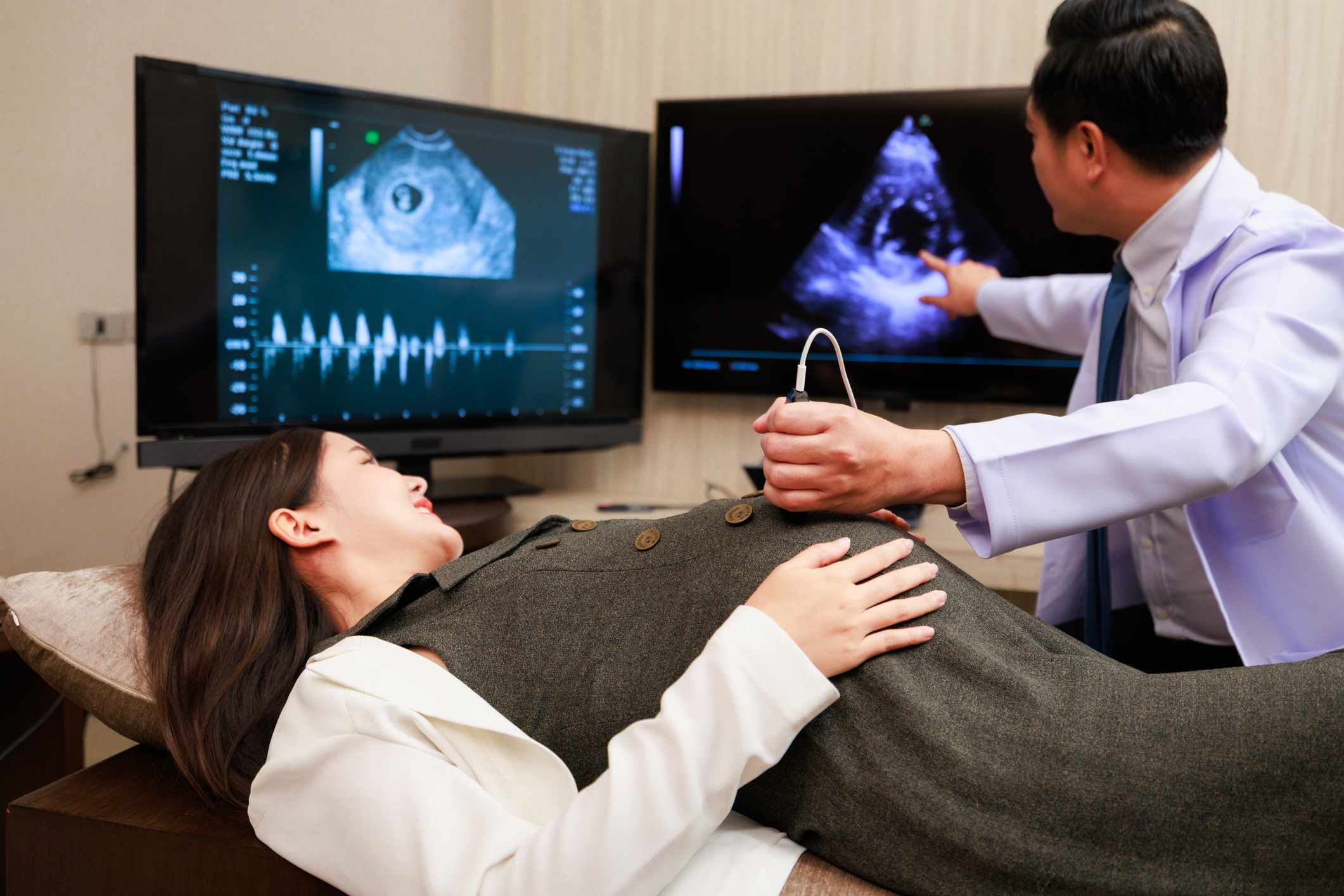
A woman lays on a table with a man giving her an ultrasound

During pregnancy, the mother and fetus exchange cells — a phenomenon called "microchimerism." (Image credit: Rhenizara S via Getty Images)

Checking healthy brains

To see whether these findings also applied to people without epilepsy, the researchers examined brain autopsy data from 29 individuals with no known neurodevelopmental conditions, ranging in age from 22 weeks of gestation to 40 years. They also analyzed brain tissue from three men in their late 80s and early 90s without any known brain conditions originally collected as part of an Alzheimer's disease study.

In total, the researchers found foreign cells in 25 of 32 people — about 78% — including in the brain of a man in his 90s.

The researchers suspect these foreign cells are maternal, but they couldn't confirm it because they didn't have DNA from the mothers. It is possible that the foreign cells came from a twin; an older sibling; a past pregnancy, miscarriage or abortion (in females); or, rarely, from a maternal grandmother, the team wrote in their paper.

As in the epilepsy patients, these cells had matured into several types of working brain cells. In younger brains, they most often became a specific kind of neuron, a layer 2/3 neuron, while in older brains, maternal cells were more likely to be microglia.

Given that these microchimeric cells take on very different roles, it would be interesting to know whether that diversity reflects their origins ‪—‬ for example, whether they came from a mother, an older biological sibling or a maternal grandmother, said Dr. Sing Sing Way, a microchimerism researcher at Cincinnati Children's Hospital Medical Center who was not involved in the study.

The number of maternal cells declined with age, but they never completely disappeared.

Boddy said the findings mostly raise new questions. "Do we maybe need microchimeric cells to 'help out'?" she asked. "Is diversity of cells in the brain important, or is it just a byproduct of being a placental mammal?”

Because microchimeric cells appear to be common, Boddy suspects they "are doing an important job in the brain, so understanding their function could be very important for understanding healthy brain development."

By using new analytical tools to pinpoint microchimeric cells, the study "pushes the boundaries" of previous research, but future studies would benefit from larger and more uniform datasets, Way said. That would mean obtaining more brain biopsies, analyzing more cells from each sample, collecting specimens at different ages, and sampling similar brain regions across individuals to better compare the results.

This article is for informational purposes only and is not meant to offer medical advice.

'RNA can do things which we have never seen before': New study challenges assumptions about what RNA was up to at the dawn of life

17 July 2026 at 18:20

Scientists long thought that when RNA kick-started life on Earth 4 billion years ago, it could form only small, simple structures. But new research shows that naturally occurring RNA molecules can also adopt large, sophisticated geometries, like filaments and cages. Now, scientists wonder whether the structures were present at life's beginning.

According to an idea known as the RNA world hypothesis, RNA-based life-forms preceded modern ones that use DNA and protein. RNA, a molecular cousin of DNA, still plays roles in modern cells but does not serve as the primary genetic material. By comparison, primordial species used RNA to store genetic information and to catalyze reactions as stand-in enzymes.

Proteins eventually dominated as enzymes, perhaps because they can fold into more diverse figures than RNA can. That's because proteins are composed of 20 types of subunits, called amino acids, each with a unique structure, whereas RNA is composed of only four subunits, called nucleotides, that all adopt similar shapes.

Scientists originally thought that only proteins were varied enough to assemble into large structures, but a new paper has demonstrated that RNA — though more limited in its variety — also has the capacity to form these large configurations. The research was posted to the preprint server bioRxiv July 1 and has not been peer-reviewed yet.

"We show RNA can do things which we have never seen before," said study co-author Lin Huang, an RNA biologist at Sun Yat-Sen University in China. "It suggests that at the origin of life RNA could assemble into all kinds of shapes," he told Live Science.

Huang and his colleagues had hypothesized that RNA molecules could link together if they possessed sequences that fold into "kissing stem loops." This occurs when an RNA strand folds over on itself, forming a structure that resembles a loop in a shoelace. If loops from different RNAs bond together, or "kiss," the molecules could link up and form larger complexes, the researchers proposed.

After sifting through a bevy of RNA sequences, the researchers found a family of RNA molecules encoded by bacteriophages ‪—‬ viruses that infect bacteria ‪—‬ that form these loops. They purified several of these RNA molecules in the lab, allowed them to assemble in a dish, and then captured their structures using cryo-electron microscopy.

They discovered that some of the RNA molecules formed long filaments. These resembled protein-based filaments such as the cellular cytoskeleton, a scaffold that participates in many functions, including shaping and moving the cell.

Other RNA molecules assembled into cages as large as common viruses. Some of these took the form of an icosahedron — a 3D shape that is built from 20 equilateral triangles and resembles a soccer ball. Many viruses, including herpesviruses, package their genome into protein-based icosahedra called capsids. This raises a question: Could RNA-based capsids have packaged genomes in the RNA world?

A colorful illustration of an RNA molecule folded

RNA structures assemble into icosahedra as large as protein-based virus capsids. (Image credit: Lin Huang)

This work demonstrates that RNA had the capacity to assemble into these elaborate structures during the RNA world, Huang said, but that doesn't prove it actually happened.

"I definitely think that environmental parameters are a question," Anna Medvegy, an evolutionary biologist at Eötvös Loránd University in Hungary, told Live Science in an email. "Can these structures form in the environment in which the hypothetical RNA World existed?" said Medvegy, who was not involved in the new work.

If scientists could recreate these environmental conditions at the dawn of life, such as high temperatures and low pH, and still observe that these structures take shape, that would strengthen the theory that they could have been present in the RNA world, she said.

Although the RNA cages and filaments were large, Huang's team generated them using only short RNA strands, each no longer than 200 subunits. Medvegy said long RNAs are susceptible to breaking, so if short strands can assemble into these structures, that provides more promise that these multi-tiered molecules could have formed in the RNA world.

Another question is whether these elaborate RNA complexes currently assemble inside the bacteriophage-infected bacteria from which they were derived. So far, Huang's team has only seen these structures form in a lab dish, so they need to determine if factors inside bacteria, such as proteins, would either disrupt or enable their formation inside cells.

Beyond providing insight into life's beginnings, these RNA cages could have potential applications in biotechnology, Huang thinks. Efforts are underway to use DNA folded into "DNA origami" to deliver drugs into cells, and Huang thinks DNA's older cousin, RNA, could one day play a similar role in medicine.

Ancient DNA Reveals the Hidden Origins of China’s Mysterious Shimao Civilization

Carving Stone at Shimao CityAncient DNA from Shimao reveals local origins, broad prehistoric connections, a patrilineal social structure, and gender-specific patterns of human sacrifice. At Shimao, a vast stone-walled settlement in northern China, ancient DNA is filling in details that archaeology alone could not fully resolve. The genetic evidence is helping trace where the people of this late Neolithic [...]

Scientists Discover a Surprising Link Between Sleep, Genes, and Alzheimer’s

14 July 2026 at 15:39
Neuroscience Magnifying Glass Brain Alzheimers ResearchA new study suggests that sleep habits may influence how certain genetic variants affect early brain and cognitive changes associated with Alzheimer’s disease. Sleep may do more than help the brain recover from a busy day. New research suggests it could also influence how certain genes shape the earliest brain changes associated with Alzheimer’s disease. [...]

Japanese Researchers Unlock a Powerful New Way To Edit and Assemble DNA

24 June 2026 at 14:12
Genetic Mutation Damaged Broken DNA StrandSilver nanoparticles provide a more efficient way to cut and assemble DNA, improving recovery rates and boosting DNA joining efficiency for future gene engineering applications. DNA is made of long chains that carry the instructions living things need to grow and function. In genetic engineering, researchers cut DNA at chosen locations and attach the pieces [...]

Epigenetic Locking Drives H. pylori Gastric Cancer

24 June 2026 at 12:02

In a groundbreaking study published in Cell Death Discovery, researchers have unveiled a novel mechanism by which Helicobacter pylori, the notorious gastric pathogen, drives the formation and persistence of gastric cancer through a process termed the “hit-and-run” legacy. This research elucidates how transient infection by H. pylori delivers a lasting epigenetic imprint on gastric epithelial cells, effectively locking these cells into a survival mode that fosters oncogenesis. The implications of these findings are profound, offering fresh insights into the molecular interplay between infection-induced epigenetic modification and cancer development, which could pave the way for revolutionary diagnostic and therapeutic strategies.

Helicobacter pylori has long been established as a principal carcinogen associated with gastric cancer, a malignancy ranking among the world’s deadliest. Traditionally, the carcinogenic potential of H. pylori has been attributed to chronic inflammation and the persistent presence of bacterial virulence factors that continuously disrupt gastric mucosa homeostasis. However, the current study challenges this paradigm by demonstrating that even transient exposure to H. pylori can induce stable, heritable epigenetic alterations that effectively “lock” the cellular genome into an aberrant state, independent of ongoing infection. This “hit-and-run” mechanism underscores the importance of early, possibly even brief, pathogen-host interactions in cancer genesis.

At the heart of this discovery is the concept of epigenetic locking—a process through which transient signals induce durable modifications in DNA methylation and histone patterns, which subsequently enforce gene expression profiles conducive to cell survival and proliferation. The group led by Sun, Hu, and Traub employed state-of-the-art genome-wide methylation profiling alongside chromatin immunoprecipitation sequencing (ChIP-seq) to map the intricate epigenetic landscapes shaped by H. pylori infection. Their findings revealed a marked enrichment of repressive histone marks on tumor suppressor gene loci and a reduction in methylation at key oncogenic enhancers, a dual mechanism that effectively enables gastric epithelial cells to bypass apoptosis and adopt a resilient phenotype.

Intriguingly, the authors identified a “survival switch” embedded within the epigenetic circuitry, which perpetuates cell viability in the hostile gastric environment despite the absence of the pathogen. This survival pathway hinges on the modulation of several critical transcription factors and downstream effectors that drive resistance to oxidative stress and immune checkpoint evasion. The persistence of this switch presents a formidable barrier to therapeutic intervention, explaining the often-observed resistance and relapse seen in conventional anti-H. pylori and chemotherapeutic regimes.

The study further explores the timing and sequence of epigenetic alterations following H. pylori infection. Temporal analysis demonstrated that initial infection triggers a wave of epigenetic remodeling within days, with key changes becoming fixed in the genome over weeks, thus confirming the durability of the modifications. This rapid “imprinting” emphasizes the need for early detection and intervention post infection to prevent the establishment of irreversible oncogenic programs.

Mechanistically, the team delved into the role of bacterial virulence factors such as CagA and VacA in orchestrating these epigenetic changes. They postulate that CagA, upon translocation into host cells, interacts with host chromatin modifiers and signaling pathways like NF-kB and STAT3, initiating cascades that culminate in altered chromatin architecture. VacA further modulates cellular metabolism and stress responses, cumulatively fixing the epigenetic landscape conducive to cancer progression.

The implications of the “hit-and-run” model extend beyond H. pylori-induced gastric cancer, provoking reconsideration of how transient infections may contribute to other epigenetically driven malignancies. This paradigm shift advocates for a broader investigation into the long-term impact of infectious insults at the epigenome level, potentially revolutionizing the standard view of tumorigenesis associated with microbial pathogens.

Therapeutically, the study stimulates the development of epigenetic-targeted approaches aimed at “unlocking” these stable aberrations. By reversing methylation patterns or disrupting the survival networks sustained by epigenetic modifications, it may become possible to sensitize tumor cells to existing chemotherapies or to immune-mediated clearance. The prospect of integrating epigenetic therapy into the clinical management of H. pylori-associated gastric cancer represents a promising frontier.

Moreover, diagnostic innovation could also benefit from these findings. Epigenetic biomarkers identified through this research may serve as early indicators of cancer risk in patients with a history of H. pylori infection, enabling stratification and personalized surveillance. The early detection of epigenetic locking signatures in gastric mucosa could dramatically improve prognosis by facilitating timely therapeutic intervention.

The study’s comprehensive exploration of epigenetic changes was bolstered by the use of gastric organoids and in vivo models, which authentically recapitulated the cellular and tissue contexts of H. pylori infection. This multi-faceted experimental design lent robust physiological relevance to the findings and highlighted the dynamic interplay between pathogen factors and host epigenomic machinery.

Collectively, this research not only deciphers the cryptic molecular legacy left by H. pylori but also refines our understanding of infection-associated carcinogenesis. The “hit-and-run” legacy paradigm sheds light on the complex, often covert, mechanisms through which transient pathogen interactions exert long-lasting oncogenic effects, shifting both scientific insight and clinical approach.

In summary, the work by Sun, Hu, Traub, and colleagues heralds a new era in gastric cancer biology, emphasizing the critical role of infection-driven epigenetic programming. As further investigations build upon this foundation, multidisciplinary efforts encompassing microbiology, epigenetics, and cancer therapeutics will be essential to translate these insights into tangible clinical applications.

The future of combatting H. pylori-associated gastric cancer lies not only in eradicating the bacteria but also in decoding and reversing the epigenetic codes it inscribes. This endeavor carries the promise of transforming patient outcomes, potentially mitigating one of the world’s most lethal cancers with strategies born from the understanding of the pathogen’s epigenetic “hit-and-run” legacy.


Subject of Research: Epigenetic mechanisms underlying the persistence and oncogenic transformation in Helicobacter pylori-associated gastric cancer.

Article Title: The “Hit-and-Run” legacy: epigenetic locking and the survival switch in H. pylori-associated gastric cancer.

Article References:
Sun, J., Hu, P., Traub, B. et al. The “Hit-and-Run” legacy: epigenetic locking and the survival switch in H. pylori-associated gastric cancer. Cell Death Discov. (2026). https://doi.org/10.1038/s41420-026-03210-y

Image Credits: AI Generated

DOI: https://doi.org/10.1038/s41420-026-03210-y

Koalas Nearly Vanished 100,000 Years Ago – Long Before Humans Arrived

22 June 2026 at 00:19
Cute Koala Close UpKoalas survived a climate-driven population crash 100,000 years ago, and new genomic research is helping scientists better protect the species today. A major genomic study has transformed scientists’ understanding of koala (Phascolarctos cinereus) evolution, showing that the species underwent a dramatic population decline about 100,000 years ago, long before humans reached Australia. Researchers found that [...]

Scientists Discover a Gene That Boosts Youth – but It Comes With a Cost

Glowing Green DNA LongevityResearchers have identified a gene that appears to balance a powerful evolutionary trade-off, boosting growth and reproductive success early in life while carrying hidden costs later on. The biological processes that help build a healthy young body may also sow the seeds of aging and cancer. Researchers have now identified a gene that appears to [...]
❌