❌

Normal view

NASA’s Lucy Reveals Wobbling, Peanut-Shaped Asteroid

18 June 2026 at 19:04

Even small asteroids lead complex lives. During its flyby of the asteroid Donaldjohanson last year, NASA’s Lucy spacecraft revealed the asteroid to be a wobbly, peanut-shaped body that has undergone a lot of activity in its relatively short history. Formed as fragments coalesced after a violent collision 155 million years ago, the asteroid was transformed by the small but inexorable force of the Sun’s radiation, all while retaining signs of the brief presence of liquid water in its distant past.

Zooming through the main asteroid belt toward one of the Jupiter Trojan asteroid groups, the Lucy spacecraft collected the first close-up images and other data at Donaldjohanson on April 20, 2025, as it passed 650 miles away from the asteroid. The data revealed that, instead of spinning simply around one axis like most other asteroids and planets, Donaldjohanson has a more complicated two-axis rotation. Scientists also saw Donaldjohanson’s peanut shape and the craters and ridges on its surface.

A timelapse video made from images taken by NASA’s Lucy spacecraft as it approached the asteroid Donaldjohanson on April 20, 2025. The L’LORRI (Lucy Long Range Reconnaissance Imager) instrument, the spacecraft’s high-resolution black-and-white imager, collected these images over two hours as the spacecraft rapidly closed in on the asteroid from an initial separation of more than 58,000 miles (93,000 km), until the spacecraft passed a mere 650 miles (1000 km) from the 5-mile- (8 km-) wide asteroid.
NASA/Goddard/SwRI/JHU-APL

Lucy’s encounter with the asteroid was planned as a dress rehearsal for the spacecraft and mission team before its primary asteroid encounters, which begin with Lucy’s flyby of the Trojan asteroid Eurybates on Aug. 12, 2027. The instruments performed as expected, and, as a bonus, scientists got a rare opportunity to study a previously unexplored asteroid up close and to compare it to two asteroids with similar compositions but different histories: Bennu, the target of NASA’s OSIRIS-REx sample-return mission, and Ryugu, the site of JAXA’s (Japan Aerospace Exploration Agency) Hayabusa2 sample-return mission.

Here’s what Lucy’s science team has learned so far from Lucy’s encounter with Donaldjohanson, as reported on June 18 in the journal Science.

Wobbling rotation

With Earth-based telescopes, observers saw fluctuations in the light Donaldjohanson reflects, regular patterns of peaks and valleys, typical of an elongated object rotating once every 10.5 Earth days. But Lucy’s data revealed another pattern: Donaldjohanson appears to be rotating like a wobbly top. Paper authors reported that the asteroid rotates end-over-end once every 10.5 Earth days, and wobbles back and forth around its long axis once every 26.5 days.

The asteroid Donaldjohanson is shown slowly rotating in a tumbling, non-principal axis motion, with its angular momentum vector and rotation axes indicated. The surface is colored by gravity slope, which measures the angle between the local surface and the direction of gravity. Higher values (warmer colors) indicate steeper terrain relative to the local gravitational pull. Regions with limited stereo image coverage have been masked out where the shape model is less well constrained.
Kel Elkins/NASA’s Science Visualization Studio/DLR

Peanut shape

While the Earth-based observations hinted at Donaldjohanson’s elongated shape, the Lucy flyby revealed a “bilobate” structure: two lobes connected by a neck, like a peanut. These lobes are likely two fragments from an asteroid collision that gently came together afterward by their mutual gravity.

Donaldjohanson likely rotated at least 10 times faster when it formed, having slowed to its current rate in the last 20 to 60 million years, the team estimates. As it slowed, the balance between the centrifugal force pushing things apart and gravity pulling things together changed and loose rocky material slid down slopes creating the worn-down appearance of many craters, as the flyby images showed.

The paper’s authors say that the asteroid’s slowing rotation is likely caused by a subtle consequence of solar heating known as the YORP effect. Each part of the asteroid’s Sun-warmed surface radiates heat away as infrared light, and that radiation imparts a tiny recoil force to the surface. Because the asteroid’s shape isn’t symmetric, this results in a net torque, or twist, that can change the asteroid’s rotation. Thus, YORP can slow asteroid spins down or speed them up, as in the case of Bennu (once every four hours) and Ryugu (once about every seven hours), which both likely used to rotate much slower than they do today.

Fleeting water

As it passed by Donaldjohanson at 30,000 mph, Lucy recorded the signatures of iron-rich clay minerals on the surface. These clays must have formed in the distant past with the help of liquid water. However, the exposure must have been brief, Lucy scientists concluded, because iron in clays tends to be replaced with other elements, such as magnesium, as water lingers.

Indeed, scientists saw magnesium-rich clays at Bennu and Ryugu, which suggested prolonged water exposure, perhaps lasting millions of years, when they were still part of larger asteroids.

This difference in water exposure history, and other characteristics, may mean that the parent bodies of these asteroids formed at different times or in different regions of the solar system before relocating to the main belt.

Compare, contrast

Donaldjohanson is thought to be made from rocky remnants of a larger, carbon- and water-rich asteroid that collided with another object in the main asteroid belt. Bennu and Ryugu are thought to have formed in the same way and in the same region.

But Donaldjohanson is different. At 155 million years old, it is much younger than Bennu and Ryugu, which formed 1 to 2 billion years ago. Donaldjohanson also has remained in the asteroid belt since birth, while its wandering cousins migrated into orbits around the Sun that bring them close to Earth’s orbit about once a year (which made them perfect close targets for sample return missions).

Black background graphic with a large white title at top. Upper left shows a gray, pea-nut-shaped, rock-like object. Upper right shows a rectangular inset image of a dark textured rock fragment. Near the center are a mission patch logo and a small globe with Antarctica highlighted. Lower half contains two side-by-side charts with axes, tick marks, and blue and green plotted lines with scattered blue data points. Additional white, blue, and green labels appear throughout the graphic.
During its April 20, 2025, encounter with the main-belt asteroid Donaldjohanson, NASA’s Lucy spacecraft discovered evidence for iron-rich clays on the surface using its infrared spectrometer. These clays, which are similar to those found in carbon-rich meteorites such as QUE 97990, indicate that water was briefly present in the asteroid during the distant past.
NASA/Goddard/SwRI/Dan Gallagher

“It’s helpful for scientists to compare Donaldjohanson with asteroids like Bennu and Ryugu, which are seemingly similar asteroids, because every subtle difference is another clue to our origin story,” said Simone Marchi, Lucy deputy principal investigator and lead author of the study at the Boulder, Colorado, office of the Southwest Research Institute.

“Once we start learning more about the Trojans, a completely different population of space rocks with very different histories, our understanding of solar system formation is destined to be challenged,” said Marchi.

Named after a fossilized skeleton of a human ancestor discovered in Ethiopia in 1974, NASA’s Lucy will be the first mission to explore Jupiter’s Trojan asteroids, a population of well-preserved space rocks that formed early in our solar system’s history and could help scientists understand how the planets formed and moved around before settling in their current configuration.

Download story graphics from NASA’s Scientific Visualization Studio.

About Lucy:

Lucy’s principal investigator is based out of the Boulder, Colorado, branch of Southwest Research Institute, headquartered in San Antonio. NASA’s Goddard Space Flight Center in Greenbelt, Maryland, provides overall mission management, systems engineering, and safety and mission assurance. Lockheed Martin Space in Littleton, Colorado, built the spacecraft. Lucy is the 13th mission in NASA’s Discovery Program. NASA’s Marshall Space Flight Center in Huntsville, Alabama, manages the Discovery Program for the agency’s Science Mission Directorate in Washington.

For more information on NASA’s Lucy mission, visit:

By Lonnie Shekhtman

NASA’s Goddard Space Flight Center, Greenbelt, Md.

and

Katherine Kretke

Southwest Research Institute, Boulder, Colo.

Media Contacts:

Karen Fox / Molly Wasser

Headquarters, Washington
240-285-5155 / 240-419-1732
karen.c.fox@nasa.gov / molly.l.wasser@nasa.gov

Sarah Frazier

NASA’s Goddard Space Flight Center, Greenbelt, Md.
202-853-7191
sarah.frazier@nasa.gov

Simplified Summary

Zooming through the main asteroid belt toward one of the Jupiter Trojan asteroid groups, the Lucy spacecraft collected the first close-up images and other data at Donaldjohanson on April 20, 2025, as it passed 650 miles away from the asteroid. The data revealed that, instead of spinning simply around one axis like most other asteroids and planets, Donaldjohanson has a more complicated two-axis rotation. Scientists also saw Donaldjohanson’s peanut shape and the craters and ridges on its surface.

The post NASA’s Lucy Reveals Wobbling, Peanut-Shaped Asteroid appeared first on NASA Science.

NASA’s Lucy Reveals Wobbling, Peanut-Shaped Asteroid

18 June 2026 at 19:04

Even small asteroids lead complex lives. During its flyby of the asteroid Donaldjohanson last year, NASA’s Lucy spacecraft revealed the asteroid to be a wobbly, peanut-shaped body that has undergone a lot of activity in its relatively short history. Formed as fragments coalesced after a violent collision 155 million years ago, the asteroid was transformed by the small but inexorable force of the Sun’s radiation, all while retaining signs of the brief presence of liquid water in its distant past.

Zooming through the main asteroid belt toward one of the Jupiter Trojan asteroid groups, the Lucy spacecraft collected the first close-up images and other data at Donaldjohanson on April 20, 2025, as it passed 650 miles away from the asteroid. The data revealed that, instead of spinning simply around one axis like most other asteroids and planets, Donaldjohanson has a more complicated two-axis rotation. Scientists also saw Donaldjohanson’s peanut shape and the craters and ridges on its surface.

A timelapse video made from images taken by NASA’s Lucy spacecraft as it approached the asteroid Donaldjohanson on April 20, 2025. The L’LORRI (Lucy Long Range Reconnaissance Imager) instrument, the spacecraft’s high-resolution black-and-white imager, collected these images over two hours as the spacecraft rapidly closed in on the asteroid from an initial separation of more than 58,000 miles (93,000 km), until the spacecraft passed a mere 650 miles (1000 km) from the 5-mile- (8 km-) wide asteroid.
NASA/Goddard/SwRI/JHU-APL

Lucy’s encounter with the asteroid was planned as a dress rehearsal for the spacecraft and mission team before its primary asteroid encounters, which begin with Lucy’s flyby of the Trojan asteroid Eurybates on Aug. 12, 2027. The instruments performed as expected, and, as a bonus, scientists got a rare opportunity to study a previously unexplored asteroid up close and to compare it to two asteroids with similar compositions but different histories: Bennu, the target of NASA’s OSIRIS-REx sample-return mission, and Ryugu, the site of JAXA’s (Japan Aerospace Exploration Agency) Hayabusa2 sample-return mission.

Here’s what Lucy’s science team has learned so far from Lucy’s encounter with Donaldjohanson, as reported on June 18 in the journal Science.

Wobbling rotation

With Earth-based telescopes, observers saw fluctuations in the light Donaldjohanson reflects, regular patterns of peaks and valleys, typical of an elongated object rotating once every 10.5 Earth days. But Lucy’s data revealed another pattern: Donaldjohanson appears to be rotating like a wobbly top. Paper authors reported that the asteroid rotates end-over-end once every 10.5 Earth days, and wobbles back and forth around its long axis once every 26.5 days.

The asteroid Donaldjohanson is shown slowly rotating in a tumbling, non-principal axis motion, with its angular momentum vector and rotation axes indicated. The surface is colored by gravity slope, which measures the angle between the local surface and the direction of gravity. Higher values (warmer colors) indicate steeper terrain relative to the local gravitational pull. Regions with limited stereo image coverage have been masked out where the shape model is less well constrained.
Kel Elkins/NASA’s Science Visualization Studio/DLR

Peanut shape

While the Earth-based observations hinted at Donaldjohanson’s elongated shape, the Lucy flyby revealed a “bilobate” structure: two lobes connected by a neck, like a peanut. These lobes are likely two fragments from an asteroid collision that gently came together afterward by their mutual gravity.

Donaldjohanson likely rotated at least 10 times faster when it formed, having slowed to its current rate in the last 20 to 60 million years, the team estimates. As it slowed, the balance between the centrifugal force pushing things apart and gravity pulling things together changed and loose rocky material slid down slopes creating the worn-down appearance of many craters, as the flyby images showed.

The paper’s authors say that the asteroid’s slowing rotation is likely caused by a subtle consequence of solar heating known as the YORP effect. Each part of the asteroid’s Sun-warmed surface radiates heat away as infrared light, and that radiation imparts a tiny recoil force to the surface. Because the asteroid’s shape isn’t symmetric, this results in a net torque, or twist, that can change the asteroid’s rotation. Thus, YORP can slow asteroid spins down or speed them up, as in the case of Bennu (once every four hours) and Ryugu (once about every seven hours), which both likely used to rotate much slower than they do today.

Fleeting water

As it passed by Donaldjohanson at 30,000 mph, Lucy recorded the signatures of iron-rich clay minerals on the surface. These clays must have formed in the distant past with the help of liquid water. However, the exposure must have been brief, Lucy scientists concluded, because iron in clays tends to be replaced with other elements, such as magnesium, as water lingers.

Indeed, scientists saw magnesium-rich clays at Bennu and Ryugu, which suggested prolonged water exposure, perhaps lasting millions of years, when they were still part of larger asteroids.

This difference in water exposure history, and other characteristics, may mean that the parent bodies of these asteroids formed at different times or in different regions of the solar system before relocating to the main belt.

Compare, contrast

Donaldjohanson is thought to be made from rocky remnants of a larger, carbon- and water-rich asteroid that collided with another object in the main asteroid belt. Bennu and Ryugu are thought to have formed in the same way and in the same region.

But Donaldjohanson is different. At 155 million years old, it is much younger than Bennu and Ryugu, which formed 1 to 2 billion years ago. Donaldjohanson also has remained in the asteroid belt since birth, while its wandering cousins migrated into orbits around the Sun that bring them close to Earth’s orbit about once a year (which made them perfect close targets for sample return missions).

Black background graphic with a large white title at top. Upper left shows a gray, pea-nut-shaped, rock-like object. Upper right shows a rectangular inset image of a dark textured rock fragment. Near the center are a mission patch logo and a small globe with Antarctica highlighted. Lower half contains two side-by-side charts with axes, tick marks, and blue and green plotted lines with scattered blue data points. Additional white, blue, and green labels appear throughout the graphic.
During its April 20, 2025, encounter with the main-belt asteroid Donaldjohanson, NASA’s Lucy spacecraft discovered evidence for iron-rich clays on the surface using its infrared spectrometer. These clays, which are similar to those found in carbon-rich meteorites such as QUE 97990, indicate that water was briefly present in the asteroid during the distant past.
NASA/Goddard/SwRI/Dan Gallagher

“It’s helpful for scientists to compare Donaldjohanson with asteroids like Bennu and Ryugu, which are seemingly similar asteroids, because every subtle difference is another clue to our origin story,” said Simone Marchi, Lucy deputy principal investigator and lead author of the study at the Boulder, Colorado, office of the Southwest Research Institute.

“Once we start learning more about the Trojans, a completely different population of space rocks with very different histories, our understanding of solar system formation is destined to be challenged,” said Marchi.

Named after a fossilized skeleton of a human ancestor discovered in Ethiopia in 1974, NASA’s Lucy will be the first mission to explore Jupiter’s Trojan asteroids, a population of well-preserved space rocks that formed early in our solar system’s history and could help scientists understand how the planets formed and moved around before settling in their current configuration.

Download story graphics from NASA’s Scientific Visualization Studio.

About Lucy:

Lucy’s principal investigator is based out of the Boulder, Colorado, branch of Southwest Research Institute, headquartered in San Antonio. NASA’s Goddard Space Flight Center in Greenbelt, Maryland, provides overall mission management, systems engineering, and safety and mission assurance. Lockheed Martin Space in Littleton, Colorado, built the spacecraft. Lucy is the 13th mission in NASA’s Discovery Program. NASA’s Marshall Space Flight Center in Huntsville, Alabama, manages the Discovery Program for the agency’s Science Mission Directorate in Washington.

For more information on NASA’s Lucy mission, visit:

By Lonnie Shekhtman

NASA’s Goddard Space Flight Center, Greenbelt, Md.

and

Katherine Kretke

Southwest Research Institute, Boulder, Colo.

Media Contacts:

Karen Fox / Molly Wasser

Headquarters, Washington
240-285-5155 / 240-419-1732
karen.c.fox@nasa.gov / molly.l.wasser@nasa.gov

Sarah Frazier

NASA’s Goddard Space Flight Center, Greenbelt, Md.
202-853-7191
sarah.frazier@nasa.gov

Simplified Summary

Zooming through the main asteroid belt toward one of the Jupiter Trojan asteroid groups, the Lucy spacecraft collected the first close-up images and other data at Donaldjohanson on April 20, 2025, as it passed 650 miles away from the asteroid. The data revealed that, instead of spinning simply around one axis like most other asteroids and planets, Donaldjohanson has a more complicated two-axis rotation. Scientists also saw Donaldjohanson’s peanut shape and the craters and ridges on its surface.

‘Mega-consumers’ of food and energy cost environment $5.7tn a year, study finds

Top 10% generate climate and biodiversity damage bill that exceeds economies of most countries, say researchers

The environmental damage bill racked up by the highest-consuming 10% of the world’s population has reached up to $5.7tn a year – larger than the economy of every country except the US and China, a study has found.

Mega-consumers in this group are concentrated in the global north, accounting for more than half the population of the US and 40-45% of people in the EU.

Continue reading...

© Photograph: Francis R Malasig/EPA

© Photograph: Francis R Malasig/EPA

© Photograph: Francis R Malasig/EPA

Assessing Biosignatures Beyond Abiotic Signs on Ocean Worlds

17 June 2026 at 13:54

In the relentless quest to uncover signs of life beyond Earth, scientists have turned their gaze towards the mysterious realms of ocean worlds—icy moons like Enceladus, Europa, and Titan. These celestial bodies harbor vast, hidden oceans beneath their frozen crusts, creating environments that could potentially support life. Yet, the challenge remains daunting: distinguishing genuine biological signatures from complex abiotic processes that could mimic these signals. A groundbreaking study recently published in Nature Astronomy proposes a sophisticated quantitative framework designed to rigorously evaluate these abiotic baselines on ocean worlds, shedding new light on how future life detection missions might navigate this delicate terrain.

Ocean worlds have captivated astrobiologists not merely because they contain liquid water, a fundamental criterion for habitability, but also because they offer diverse chemical environments where life as we know it might exist. However, confirming the presence of life requires more than spotting chemicals commonly associated with biology; it demands a nuanced understanding of how non-biological processes could generate similar signals, muddying the interpretative waters. The novel framework developed by Higgins, Chen, Warr, and colleagues provides an unprecedented approach to dissect this ambiguity, employing Enceladus as a primary example to demonstrate its utility.

At the heart of the study lies the challenge of interpreting isotopic measurements, particularly of methane (CH₄) and carbon dioxide (CO₂), molecules widely regarded as potential biosignatures due to their roles in Earth’s carbon cycle. The study scrutinizes the isotopic ratios of these molecules, expressed as δ¹³C values, which reflect the ratio of carbon-13 to carbon-12 isotopes. Traditionally, biological processes tend to prefer lighter isotopes, leading to distinctive fractionation patterns. However, the researchers highlight that uncertainties inherent in abiotic chemistry within Enceladus’ ocean and vent systems can produce isotopic signatures overlapping with those produced by biological activity, thereby defying straightforward interpretation.

The implication is profound: future missions that might measure δ¹³C in carbon-bearing molecules emanating from Enceladus’ plumes could misinterpret data, either falsely declaring a biosignature or overlooking subtle hints of life concealed beneath abiotic noise. The framework thus urges caution against over-reliance on isotopic biosignatures without a comprehensive assessment of the abiotic baseline. This is a pivotal insight that recalibrates how missions might prioritize scientific instruments and analytical strategies aboard orbiters or landers.

Complementing isotopic analysis, the study explores amino acid chirality as an alternative biosignature. Chirality, the “handedness” of molecules, is a hallmark of terrestrial biology, as living organisms almost exclusively synthesize left-handed amino acids. Nevertheless, the researchers caution that abiotic synthesis of amino acids on ocean worlds, influenced by factors such as radiation, mineral surfaces, and catalytic processes, could yield racemic mixtures or even chiral excesses unrelated to life. This ambiguity necessitates robust characterization of abiotic organic chemistry before interpreting chirality as a definitive biosignature in extraterrestrial contexts.

Another layer of complexity arises from the physical and geological attributes of the ocean worlds themselves. The study emphasizes that factors like internal temperature gradients, rheology (the deformation behavior of the icy shell and underlying materials), and lithology (rock types beneath the ocean) significantly influence abiotic chemical pathways. Understanding these properties with finer precision could narrow the range of isotopic and chemical signatures attributable to non-biological processes, thereby enhancing the confidence in detecting life.

Central to reducing the abiotic baseline uncertainty is the challenge of constraining the internal temperatures of ocean worlds. The framework points out that if internal temperatures can be pinpointed within a range of about 10 to 100 degrees Celsius, models of abiotic chemistry become markedly more predictive. Doing so would help delineate which molecular signals likely stem from hydrothermal activity and mineral interactions rather than biogenic outputs. This underscores the vital role of geophysical observations, such as gravity mapping, heat flux measurements, and ice shell thickness determinations, in complementing chemical analyses.

Transport timescales within the ocean and the overlying ice shell also feature as critical parameters. The timeframe over which molecules or small organic compounds travel from the ocean floor to the surface can alter their chemical and isotopic signatures dramatically. For instance, longer transport times may lead to isotopic exchanges or degradation processes that obscure the original biosignature signal. Hence, understanding ocean circulation patterns and ice shell permeability is integral to accurately interpreting any detected anomaly.

Expanding beyond Enceladus, the framework’s holistic approach is applicable to other ocean worlds such as Europa and Titan, each with their distinct environments and chemical contexts. On Europa, for example, the ocean’s interaction with a silicate seafloor and potential radiolysis-driven chemistry creates a different abiotic baseline compared to Enceladus. Titan’s complex organic-rich atmosphere and potential subsurface oceans add further layers of chemical diversity. The framework enables tailoring of life detection strategies and biosignature interpretations to these distinct habitats.

The study’s methodology can also inform future mission design, influencing instrument selection, sampling strategies, and data interpretation pipelines. By anticipating where abiotic ambiguity is most pronounced, mission planners can prioritize measurements that either better constrain abiotic baselines or provide multiple independent biosignature lines of evidence. This may include coupling isotopic data with mineralogical, geophysical, and molecular chirality information to build a more integrated and less ambiguous picture of habitability.

Furthermore, the framework embodies a precautionary principle against false positives and false negatives. Past and ongoing searches for life beyond Earth have grappled with ambiguous signals, from Viking’s methyl chloride controversy on Mars to debates over methane on the Red Planet. The ocean worlds’ complex chemistry and challenging environments elevate this problem, making a rigorous, quantitative approach like that offered by Higgins et al. indispensable in the life detection toolkit.

Importantly, this work illustrates the multidisciplinarity essential in astrobiology. Geochemistry, planetary science, biology, and physics converge to piece together the puzzle of extraterrestrial biosignatures. The framework’s integrated perspective exemplifies the collaborative spirit needed to interpret subtle clues from distant worlds and avoid the pitfalls of isolated or oversimplified analyses.

Looking ahead, technological advancements in both remote sensing and in situ exploration promise to enhance constraints on ocean world environments, thereby sharpening the framework’s applicability. For instance, sophisticated flyby missions or landers equipped with mass spectrometers, isotopic analyzers, and chiral detection capabilities may provide richer datasets. Simultaneously, laboratory simulations and terrestrial analog studies will refine models of abiotic chemistry and kinetics under relevant conditions.

The impact of this research extends beyond ocean worlds to the broader quest for life in the cosmos. The principles of robustly addressing abiotic baselines and embracing interdisciplinary data fusion can guide biosignature evaluation on exoplanets and other planetary bodies where life’s chemical fingerprints, if present, might be similarly elusive or confounded by non-biological processes.

In conclusion, the study spearheaded by Higgins and colleagues fundamentally reshapes our approach to biosignature interpretation on ocean worlds. By proposing a quantitative, comprehensive framework that weighs biosignature potential against carefully characterized abiotic backgrounds, it sets a new standard for rigor in the search for extraterrestrial life. As humanity’s exploration of the Solar System’s ocean realms advances, this framework will be pivotal in ensuring that claims of discovering life are grounded in unambiguous, scientifically defensible evidence.


Subject of Research: Evaluation of biosignature potential versus abiotic baselines on ocean worlds in the Solar System.

Article Title: A framework for evaluating biosignature potential against the abiotic baseline on ocean worlds.

Article References:
Higgins, P.M., Chen, W., Warr, O. et al. A framework for evaluating biosignature potential against the abiotic baseline on ocean worlds. Nat Astron (2026). https://doi.org/10.1038/s41550-026-02893-8

DOI: https://doi.org/10.1038/s41550-026-02893-8

From Cleaner “Cracking” to Black Gold: A Scientific Breakthrough

16 June 2026 at 23:15

In a breakthrough that could reshape the future of sustainable materials and energy production, researchers at the University of Pittsburgh’s Swanson School of Engineering have unveiled a revolutionary method of producing high-quality graphite at significantly lower temperatures than those traditionally required. The pivotal discovery emerged unexpectedly in the laboratory of Professor Götz Veser, where ethane was pumped through molten metal heated to under 1,000 degrees Celsius. Contrary to expectations, the carbon byproduct that surfaced was not the usual mundane residue but a fluffy, high-grade graphite, a material that has become a cornerstone in advanced battery technologies.

Graphite, often hailed as “black gold,” particularly in contexts involving automotive and high-tech sectors, is indispensable for lithium-ion batteries that power electric vehicles and modern electronics. Currently, the industrial synthesis of such graphite is a notoriously energy-heavy process necessitating temperatures approaching 3,000 degrees Celsius. Moreover, the global supply chain is heavily dependent on China, which accounts for some 95 percent of battery-grade graphite production. This dependency presents significant challenges in energy efficiency, sustainability, and geopolitical autonomy.

The Pittsburgh team, led by Professor Veser and former PhD candidate Aime Laurent Twizerimana, along with Assistant Professor Mohammad Masnadi and PhD student Nader Sawtarie, recognized the urgent need for an energy-efficient and domestically viable alternative. Their research harnessed an underexplored catalytic method involving molten metals, a concept that traces its roots back nearly a century but remained largely unexploited in this context. Unlike conventional solid catalysts, molten metal catalysts offer a unique physical characteristic: their extreme density causes carbon to separate and float atop the molten medium, simplifying collection and preventing reactor clogging.

The process began as an effort to develop greener pathways for ethylene production by “cracking” ethane, a major component of natural gas abundant in Western Pennsylvania. Ethane cracking conventionally involves steam reforming, a technique plagued by continuous formation of carbon deposits that necessitate frequent shutdowns for maintenance. However, the molten metal catalysis technique demonstrated a cleaner and more efficient alternative, reducing energy input while producing valuable byproducts.

As Twizerimana delved deeper into his doctoral research, he noticed a curious variation in carbon morphology when different metals were employed. Some metals yielded a fluffy, distinct carbon arrangement rather than the dense deposits typically associated with ethane cracking. This observation spurred further analysis by Sawtarie, whose expertise in two-dimensional metals and graphene characterization was instrumental. Their collaboration revealed that this fluffy substance was, in fact, high-value graphite, matching or exceeding quality standards for battery applications.

This discovery not only offers a lower-temperature route for graphite synthesis but simultaneously generates hydrogen as a co-product. Hydrogen, widely recognized as a clean energy vector, complements the sustainability credentials of this novel process by providing an additional revenue stream and reducing reliance on fossil-fuel-based hydrogen production methods.

Revolutionizing a process that typically demands prolonged batch operations at scorching temperatures—often taking up to three weeks—this new method offers a continuous, scalable approach that could dramatically reduce carbon emissions and costs. While small-scale graphite production in the United States exists, it remains economically uncompetitive compared to Chinese imports. The Pittsburgh innovation aims to close this gap by delivering domestic, scalable, and cost-effective graphite synthesis.

Supported by the University of Pittsburgh’s Big Idea Center, which provides vital mentorship and resources for entrepreneurial ventures, the research team transitioned their laboratory success into a startup named Graphonos Materials. The startup’s disruptive technology captured the imagination of investors and judges alike, securing a $20,000 Aramco Innovator Prize at the prestigious Rice Business Plan Competition—an event often dubbed the “Super Bowl” of entrepreneurial pitch contests.

Beyond financial endorsements, these achievements underscore the market’s clear appetite for sustainable, low-cost graphite and the critical role such materials play in the clean energy transition. The team is currently advancing toward developing a fully integrated bench-scale system capable of producing kilograms of graphite per day. This milestone is a crucial stepping stone toward pilot-scale demonstrations and eventual commercialization, aligning with global efforts to localize critical materials supply chains and innovate energy-efficient manufacturing.

If realized at scale, the process promises dual environmental and economic benefits by transforming Western Pennsylvania’s ethane reserves into essential raw materials that undergird electric vehicles, renewable energy storage, and advanced electronics. It embodies a strategic pivot from traditional fossil fuel processing to value-added chemical production within a circular economy framework, contributing meaningfully to energy transition narratives.

As the demand for lithium-ion batteries accelerates worldwide, fueled by electrification policies and consumer preferences, the importance of sustainable graphite synthesis cannot be overstated. The Pittsburgh innovation leverages unique catalytic chemistry and materials science to disrupt entrenched production paradigms marked by extreme energy consumption and geopolitical bottlenecks.

Ultimately, this development is emblematic of how interdisciplinary research—melding chemical engineering, materials science, and entrepreneurship—can yield tangible solutions to pressing global challenges. By capturing the potential of molten metal catalysis, the Graphonos Materials team paves the way for greener, domestic production pathways that harmonize economic competitiveness with environmental stewardship.

Subject of Research:
Advanced molten metal catalytic process for low-temperature synthesis of battery-grade graphite and hydrogen co-production.

Article Title:
University of Pittsburgh Researchers Innovate Low-Temperature Molten Metal Catalysis to Produce Sustainable Battery-Grade Graphite

News Publication Date:
April 2024

Web References:

  • University of Pittsburgh Swanson School of Engineering Faculty Pages
  • Rice Business Plan Competition Official Website
  • Aramco Ventures News Releases

Keywords:

  • Chemical engineering
  • Molten metal catalysis
  • Graphite production
  • Battery materials
  • Ethane cracking
  • Sustainable manufacturing
  • Hydrogen co-production
  • Lithium-ion batteries
  • Energy transition
  • Clean energy technologies
  • Chemical reactors
  • Circular economy

Rising Aircraft Emissions Threaten Air Quality, Health

16 June 2026 at 16:35

As the world continues to witness unprecedented growth in air travel, a groundbreaking study published in Communications Earth & Environment reveals alarming insights into the global repercussions of accelerating aircraft emissions on air quality and human health. This landmark research meticulously quantifies how expanding aviation activities contribute to deteriorating atmospheric conditions and exacerbate public health crises worldwide, underscoring an urgent need for global policy interventions and technological innovation.

The aviation sector, responsible for a substantial portion of anthropogenic greenhouse gas and pollutant outputs, has long been scrutinized for its environmental footprint. Yet, the intricate dynamics linking aircraft emissions to widespread air quality degradation and subsequent health implications have remained largely underexplored until now. Quadros, Nelen, Snellen, and colleagues harnessed sophisticated atmospheric modeling techniques combined with epidemiological data to elucidate these complex pathways with unprecedented precision.

Aircraft engines emit a cocktail of pollutants, including nitrogen oxides (NOx), particulate matter (PM), volatile organic compounds (VOCs), and carbon dioxide (CO2). These emissions initiate a cascade of atmospheric chemical reactions, creating secondary pollutants such as ozone and fine particulate matter, which profoundly impair air quality. The study’s simulation results reveal that aircraft emissions alone contribute significantly to elevated ground-level ozone concentrations, particularly in densely populated and heavily trafficked air corridors.

One of the study’s pivotal findings focuses on the spatial distribution of pollution burdens. Regions adjacent to major airports and common flight routes exhibit air quality dips notably beyond local vehicular and industrial contributions. The researchers found that the transboundary nature of aircraft emissions facilitates the transport of chemically reactive species across continents, linking aviation activities not only to local but also to regional and global air pollution episodes.

In terms of human health, the implications are disturbing. The researchers applied integrated exposure-response functions to estimate the morbidity and mortality attributable to aviation-induced pollution. Their assessments suggest a substantial increase in respiratory ailments, cardiovascular diseases, and premature deaths attributable to aircraft emissions. Particularly vulnerable populations, such as urban dwellers, children, elderly individuals, and those with preexisting conditions, face disproportionate risks.

Moreover, the study highlights the synergistic effects of aircraft emissions with other urban pollutants, exacerbating harmful synergistic interactions that amplify health risks. For instance, the NOx and VOCs emitted interact under sunlight to generate ozone, a potent respiratory irritant, and exacerbate asthma symptoms. The authors stress the importance of recognizing these nonlinear effects for robust public health policy formulation.

Climate feedback mechanisms linked to aviation emissions emerge as a critical concern in the report. The authors delineate how nitrogen oxides released at high altitudes not only affect surface-level ozone but also perturb the radiative balance of the atmosphere. This creates complex feedback loops that potentially accelerate climate warming, indicating that the environmental cost of aviation extends beyond conventional pollutants to include broader climatic impacts.

Technology advances and mitigation strategies receive thorough evaluation in the study. The authors discuss current emission reduction technologies such as lean-burn engines, sustainable aviation fuels (SAFs), and operational measures like optimized flight paths and altitude adjustments. Despite their promise, the research cautions that without comprehensive adoption and scaling, these technologies alone may fall short of offsetting the forecasted growth in emissions.

The aviation sector is projected to expand considerably over the coming decades, driven by economic growth and increasing globalization. The study’s projections indicate that without stringent regulatory frameworks and aggressive emission reduction commitments, the global burden of aviation-induced air pollution and related health impacts will escalate dramatically, particularly in emerging economies with rapidly growing air traffic.

Policy recommendations form a cornerstone of the researchers’ conclusions. They advocate for coordinated international efforts to tighten emission standards, mandate SAF usage, and invest in next-generation propulsion technologies such as electric and hydrogen-powered aircraft. Furthermore, integrating aviation sector goals into broader air quality management and climate policies is deemed essential to maximize health and environmental benefits.

In addition to technological and regulatory measures, the report emphasizes the role of real-time monitoring networks and data-sharing frameworks. Enhanced surveillance of aircraft emissions and their atmospheric transformations can enable dynamic policy responses, better inform public health advisories, and foster transparency and accountability among stakeholders ranging from airlines to regulators.

The health economics dimension discussed in the study reveals enormous societal costs tied to aviation-related air pollution. Hospitalizations, lost productivity, and long-term healthcare expenditures attributed to pollution-induced diseases impose substantial financial burdens on governments and communities alike, reinforcing the public health imperative for aggressive mitigation.

Further research priorities identified in the report call for improved characterization of ultrafine particles emitted by aircraft engines, nuanced understanding of population exposure patterns near airports, and exploration of co-benefits arising from simultaneous air quality and climate interventions. Interdisciplinary collaboration combining atmospheric science, epidemiology, engineering, and policy studies is championed as the pathway to innovative solutions.

In light of this new research, the aviation industry stands at a crossroads. Balancing the undeniable economic and social advantages of air travel with its adverse environmental and health externalities necessitates transformative thinking and collaborative global action. The study’s revelations provide an indispensable scientific foundation for stakeholders to forge a sustainable aviation future.

This comprehensive investigation serves as a clarion call for urgent recognition of the aviation sector’s hidden consequences, urging policymakers, industry players, and the public to engage in proactive, science-informed strategies that safeguard air quality and human health on a planetary scale.

Subject of Research:
The study focuses on evaluating the global impact of increasing aircraft emissions on air quality and related human health outcomes, analyzing both direct and indirect effects through sophisticated atmospheric and epidemiological modeling.

Article Title:
Global air quality and human health impacts of growing aircraft emissions

Article References:
Quadros, F.D.A., Nelen, R., Snellen, M. et al. Global air quality and human health impacts of growing aircraft emissions. Commun Earth Environ (2026). https://doi.org/10.1038/s43247-026-03732-4

Image Credits: AI Generated

DOI: 10.1038/s43247-026-03732-4

Keywords:
Aircraft emissions, air quality, human health, nitrogen oxides, particulate matter, ozone formation, aviation pollution, atmospheric modeling, public health impact, sustainable aviation fuels

Retail giants join UK government drive to boost ‘plug-in’ balcony solar panels

Asda, Amazon and B&Q among retailers in talks to sell devices that feed into household sockets and can cut electricity bills by 30%

Bosses of some of Britain’s biggest retailers are discussing plans with the government to start selling plug-in solar panels as part of a drive to encourage more UK homes to generate their own electricity.

Executives from brands including Currys, B&Q and Amazon met Martin McCluskey, the minister for energy consumers, on Tuesday to discuss guidelines for selling “balcony solar panels” to the British public.

Continue reading...

© Photograph: Climate Central

© Photograph: Climate Central

© Photograph: Climate Central

NASA Astronaut Anil Menon Available for Prelaunch Virtual Interviews

15 June 2026 at 16:02
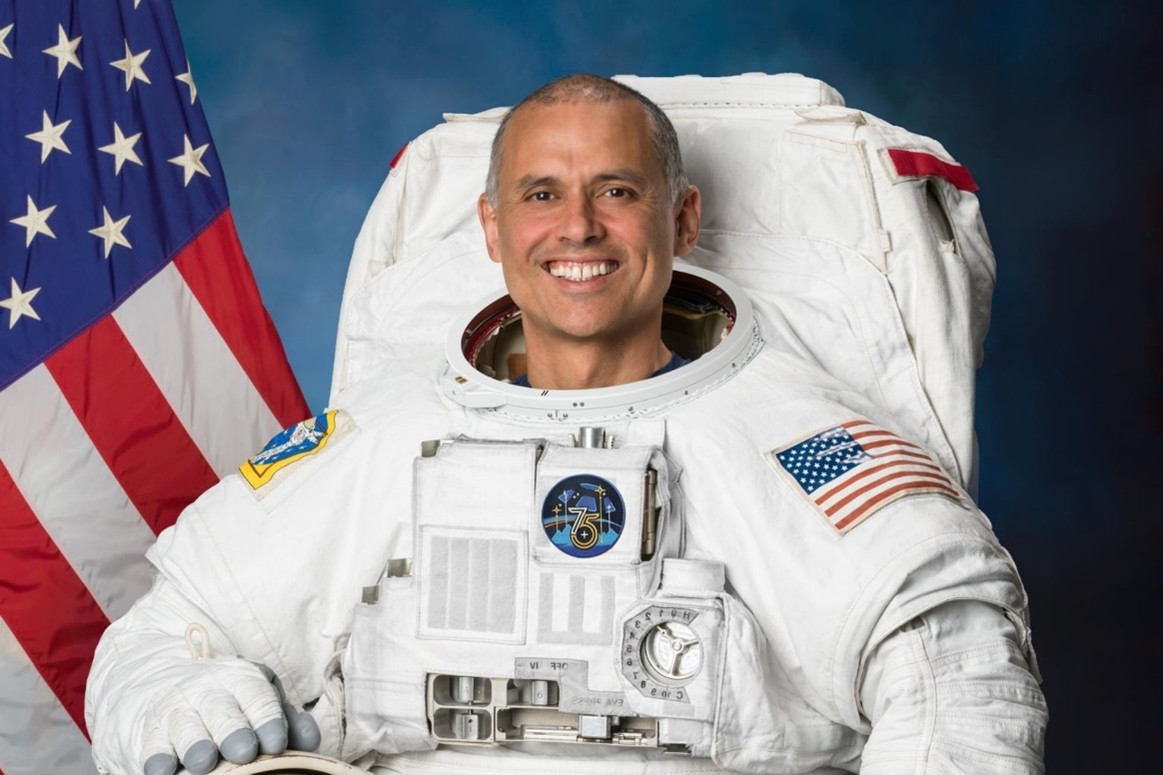
NASA astronaut and International Space Station Expedition 74/75 flight engineer Anil Menon poses for a portrait at NASA's Johnson Space Center in Houston.
NASA astronaut and International Space Station Expedition 74/75 flight engineer Anil Menon poses for a portrait at NASA’s Johnson Space Center in Houston.
NASA/James Blair

NASA astronaut Anil Menon will be available for limited media interviews beginning at 9 a.m. EDT Monday, June 22, to discuss his upcoming mission to the International Space Station as part of Expeditions 74/75.

The virtual interviews will take place from the Gagarin Cosmonaut Training Center in Star City, Russia, and will stream live on the agency’s YouTube channel.

Media interested in participating must submit a request to the newsroom at NASA’s Johnson Space Center in Houston no later than 5 p.m. Wednesday, June 17, by emailing jsccommu@mail.nasa.gov. A copy of NASA’s media accreditation policy is online.

Menon is scheduled to launch to the space station Tuesday, July 14, from the Baikonur Cosmodrome in Kazakhstan aboard the Roscosmos Soyuz MS-29 spacecraft with Roscosmos cosmonauts Pyotr Dubrov and Anna Kikina. The trio will spend about eight months aboard the orbiting laboratory before returning to Earth in spring 2027.

During his expedition, Menon will conduct scientific investigations and technology demonstrations to help humans prepare for future exploration missions to the Moon and Mars, and to provide benefits on Earth. Among the hundreds of experiments planned during his mission, he will participate in studies to better understand astronaut vein structure, blood flow, and blood composition in microgravity. He also will test producing intravenous fluids using the space station’s potable water.

The Soyuz MS-29 mission will be his first spaceflight after he was selected as part of NASA’s 2021 astronaut class. A native of Minneapolis, Menon is an emergency medicine physician, mechanical engineer, and colonel in the United States Space Force. He also has served as an expedition flight surgeon supporting the agency’s crew members aboard the space station.

For more than 25 years, people have lived and worked continuously aboard the International Space Station, advancing scientific knowledge and making research breakthroughs not possible on Earth. The space station helps NASA understand and overcome the challenges of human spaceflight, expand commercial opportunities in low Earth orbit, and build on the foundation for long-duration missions to the Moon, as part of the Artemis program, and to Mars.

To learn more about International Space Station research, operations, and its crews, visit: 

https://www.nasa.gov/station

-end- 

Jimi Russell  
Headquarters, Washington 
202-358-1100 
james.j.russell@nasa.gov

Anna Schneider / Mary Pfister
Johnson Space Center, Houston
281-483-5111
anna.c.schneider@nasa.gov / mary.m.pfister@nasa.gov

The post NASA Astronaut Anil Menon Available for Prelaunch Virtual Interviews appeared first on NASA Science.

NASA Astronaut Anil Menon Available for Prelaunch Virtual Interviews

15 June 2026 at 16:02
NASA astronaut and International Space Station Expedition 74/75 flight engineer Anil Menon poses for a portrait at NASA's Johnson Space Center in Houston.
NASA astronaut and International Space Station Expedition 74/75 flight engineer Anil Menon poses for a portrait at NASA’s Johnson Space Center in Houston.
NASA/James Blair

NASA astronaut Anil Menon will be available for limited media interviews beginning at 9 a.m. EDT Monday, June 22, to discuss his upcoming mission to the International Space Station as part of Expeditions 74/75.

The virtual interviews will take place from the Gagarin Cosmonaut Training Center in Star City, Russia, and will stream live on the agency’s YouTube channel.

Media interested in participating must submit a request to the newsroom at NASA’s Johnson Space Center in Houston no later than 5 p.m. Wednesday, June 17, by emailing jsccommu@mail.nasa.gov. A copy of NASA’s media accreditation policy is online.

Menon is scheduled to launch to the space station Tuesday, July 14, from the Baikonur Cosmodrome in Kazakhstan aboard the Roscosmos Soyuz MS-29 spacecraft with Roscosmos cosmonauts Pyotr Dubrov and Anna Kikina. The trio will spend about eight months aboard the orbiting laboratory before returning to Earth in spring 2027.

During his expedition, Menon will conduct scientific investigations and technology demonstrations to help humans prepare for future exploration missions to the Moon and Mars, and to provide benefits on Earth. Among the hundreds of experiments planned during his mission, he will participate in studies to better understand astronaut vein structure, blood flow, and blood composition in microgravity. He also will test producing intravenous fluids using the space station’s potable water.

The Soyuz MS-29 mission will be his first spaceflight after he was selected as part of NASA’s 2021 astronaut class. A native of Minneapolis, Menon is an emergency medicine physician, mechanical engineer, and colonel in the United States Space Force. He also has served as an expedition flight surgeon supporting the agency’s crew members aboard the space station.

For more than 25 years, people have lived and worked continuously aboard the International Space Station, advancing scientific knowledge and making research breakthroughs not possible on Earth. The space station helps NASA understand and overcome the challenges of human spaceflight, expand commercial opportunities in low Earth orbit, and build on the foundation for long-duration missions to the Moon, as part of the Artemis program, and to Mars.

To learn more about International Space Station research, operations, and its crews, visit: 

https://www.nasa.gov/station

-end- 

Jimi Russell  
Headquarters, Washington 
202-358-1100 
james.j.russell@nasa.gov

Anna Schneider / Mary Pfister
Johnson Space Center, Houston
281-483-5111
anna.c.schneider@nasa.gov / mary.m.pfister@nasa.gov

Delhi Hits 43.5°C as Urban Heat Islands Intensify, Thames Microplastics Study Launched While Dog Disturbances Threaten Record Little Tern Breeding Season — Today’s Environmental Briefing for Mon, Jun 15 2026

15 June 2026 at 14:02
Thermal imaging camera showing extreme heat radiating from Delhi city surfaces during record temperatures

Across the stories today, a common thread emerges around the gap between scientific urgency and practical action — from coral reefs that might survive climate change to political systems struggling to keep pace with environmental reality.

The day’s coverage points to growing momentum around citizen-led conservation, revealing how communities are stepping in where institutions fall short. In Britain, volunteers are using remote cameras to protect red squirrels while citizen scientists help restore bog insect populations through coordinated community efforts. Meanwhile, American homeowners are banding together in group buying programs, saving thousands of dollars on heat pumps while collectively advancing climate solutions one neighborhood at a time.

Yet this grassroots energy exists alongside troubling institutional retreats. The UK government appears ready to scale back electric vehicle targets after industry pushback, while critical monitoring systems for Atlantic ocean currents — which could collapse ten times faster than previously predicted — may lose funding just when we need them most. It’s a reminder that progress and pressure often arrive together, creating political tensions that can undermine long-term environmental goals.

The human cost of these delays becomes starkly visible in places like Delhi, where thermal imaging revealed that 43.5°C air temperatures translated into furnace-like conditions on urban surfaces, or in the Marshall Islands, where researchers race to identify “super reefs” that might survive rising ocean temperatures. Behind the numbers are real communities adapting in real time, from Thai rubber farmers navigating new EU deforestation rules to climate-displaced people facing growing barriers to safety as extreme weather events multiply.

Perhaps most striking is how wildlife serves as both victim and indicator of these broader pressures. Little terns face their most challenging breeding season yet due to dog disturbances, while a single black-headed gull spotted in Australia sends bird enthusiasts flying across the continent — a reminder of how rare the unexpected has become. Meanwhile, Mexican long-tongued bats continue their nightly dance through agave flowers, unknowingly keeping the tequila industry alive through pollination, even as global wildlife trade creates what scientists call “pandemic roulette” by moving billions of animals across unnatural boundaries.

The most promising thread runs through stories of restoration and discovery. A former banker is bringing back Australia’s lost Big Scrub rainforest, while Amazon deforestation drops to nearly decade-low levels, showing environmental progress is possible when political will aligns with practical action. Century-old Antarctic research voyages are revealing early clues to El Niño patterns, and scientists have identified hidden pollutants driving 15 percent of global warming — knowledge that could reshape climate policy.

Indigenous scholar Tyson Yunkaporta’s argument that “false narratives drive environmental destruction” feels particularly relevant amid today’s stories. From conservation groups rejecting shark culling calls in favor of drone technology to the controversy over displaying an African elephant at a political convention, the battle over environmental stories — which ones we tell, which ones we fund, which ones we act upon — shapes outcomes as much as any scientific discovery.

As the week unfolds, all eyes will be on whether these citizen-led conservation efforts can scale fast enough to compensate for institutional hesitation, and whether the gap between scientific understanding and political action will narrow or continue to widen in the face of accelerating environmental change.

The post Delhi Hits 43.5°C as Urban Heat Islands Intensify, Thames Microplastics Study Launched While Dog Disturbances Threaten Record Little Tern Breeding Season — Today’s Environmental Briefing for Mon, Jun 15 2026 first appeared on EnviroLink Network.

UK Government Considers Scaling Back Electric Vehicle Sales Targets After Industry Pushback

15 June 2026 at 11:03
UK Government Considers Scaling Back Electric Vehicle Sales Targets After Industry Pushback

The United Kingdom appears ready to soften its ambitious electric vehicle transition goals following sustained pressure from automotive manufacturers and labor unions. Prime Minister Keir Starmer is reportedly prepared to override Environment Secretary Ed Miliband’s stance on maintaining the current 2030 timeline for electric vehicle adoption.

The government is now planning to launch a public consultation on revised, less stringent targets for the shift to battery-powered vehicles throughout the remainder of this decade. This potential policy reversal comes after car manufacturers and union representatives raised serious concerns about the economic impact of the current mandates.

Industry leaders have argued that the existing 2030 targets could result in financial penalties for manufacturers who struggle to meet the aggressive sales quotas. They warn that such penalties could force companies to reduce operations or relocate production facilities, potentially leading to significant job losses across the automotive sector.

The debate highlights the ongoing tension between environmental policy goals and economic realities in the transition to cleaner transportation. While electric vehicle adoption has been steadily increasing, manufacturers contend that consumer demand and charging infrastructure development have not kept pace with government expectations. The automotive industry employs hundreds of thousands of workers across the UK, making job security a critical consideration in policy decisions.

This development represents a significant test for the government’s climate commitments, as transportation accounts for a substantial portion of the country’s carbon emissions. The final decision on whether to adjust these targets will likely influence the UK’s broader environmental strategy and its ability to meet international climate pledges.

The post UK Government Considers Scaling Back Electric Vehicle Sales Targets After Industry Pushback first appeared on EnviroLink Network.

China’s Coal Surge Threatens Historic Emissions Drop, Hoover Dam Faces Massive Power Cut as Lake Mead Hits Critical Low — Today’s Environmental Briefing for Sat, Jun 13 2026

13 June 2026 at 14:01
Hoover Dam hydroelectric facility with dramatically lowered water levels visible at Lake Mead

**

Across the stories today, a common thread emerges: the tension between revelation and rescue—moments when new understanding drives urgent action, even as time runs short.

Beneath our feet, scientists have mapped fungal networks stretching nearly a billion times the distance to the sun, revealing an underground web of connection that dwarfs anything visible above ground. It’s a reminder that the natural world operates on scales both microscopic and cosmic, with systems we’re only beginning to understand. This same spirit of discovery appears in unexpected places—from the ghostly earthshine illuminating the moon’s dark side to the arrival of a tropical western reef heron in Wales, likely pushed northward by changing climate patterns.

The day’s coverage points to growing momentum around what happens when scientific insight meets conservation urgency. In Mozambique, nine female white rhinos completed their journey to establish the country’s first viable breeding population in generations—a decade-long effort finally bearing fruit. Meanwhile, Australian researchers at PlantBank work like modern-day ark builders, preserving seeds before species disappear forever. On Palau’s Ulong Island, the simple act of removing invasive rats triggered rapid ecological recovery across both land and marine environments, challenging assumptions about how long nature needs to heal.

Yet revelations don’t always bring good news. China’s power sector emissions fell for the first time in a decade, a historic milestone, but a coal surge threatens to reverse that progress. Trees may store less carbon than scientists hoped, according to new research examining growth patterns across 137 forest sites. And Antarctica is missing sea ice equivalent to France’s size, with winter temperatures soaring 20°C above normal—numbers that feel abstract until you consider their global implications.

It’s a reminder that progress and pressure often arrive together. Lake Mead approaches the critical threshold that will slash Hoover Dam’s electricity production, while thousands of marine animals die in fishing nets annually through bycatch. For the 58-year-old Kenyan fisherman Mohamed Mwazigona, returning to shore with just 2 kilograms of fish, these aren’t statistics—they’re the reality of dwindling catches that threaten coastal livelihoods.

Behind the numbers are real communities adapting in real time. Eight volunteers used ropes and pulleys to rescue a 172-pound loggerhead turtle named Bowser from a Florida pier—the kind of hands-on conservation that makes the difference between survival and loss. In Albania, protesters dubbed the “Flamingo Revolution” emerged after bulldozers illegally destroyed protected wetlands for a luxury resort, showing how environmental destruction can galvanize public resistance.

The stories also reveal how legal frameworks struggle to keep pace with environmental challenges. A federal judge ruled the Trump administration’s cancellation of environmental justice grants illegal, while Australia’s climate chief outlined plans to transform the country from fossil fuel exporter to renewable energy leader. Meanwhile, environmental laws were waived to enable border wall construction through Big Bend National Park, illustrating how political priorities can override conservation concerns.

What emerges is a picture of a planet under pressure, but also of human ingenuity rising to meet unprecedented challenges. As commercial satellites threaten the night sky that has guided humanity for millennia, conservationists celebrate osprey chicks hatching in Wales and sengi pups born in captivity. Progress isn’t linear, and solutions often come from unexpected directions—underground fungal networks, community rescue efforts, and the patient work of seed preservation.

As the week unfolds, all eyes will be on how these parallel stories of discovery and rescue continue to intersect, shaping our understanding of what’s possible when knowledge meets action.

The post China’s Coal Surge Threatens Historic Emissions Drop, Hoover Dam Faces Massive Power Cut as Lake Mead Hits Critical Low — Today’s Environmental Briefing for Sat, Jun 13 2026 first appeared on EnviroLink Network.

Environmental News Roundup: Rare Duke of Burgundy Butterfly Population Soars 90-Fold in Kent Conservation Success

11 June 2026 at 14:01
Environmental news and nature photography

Across the stories today, a common thread emerges: conservation is working, but the planet isn’t waiting for us to catch up. From Kent’s butterfly meadows to Cambodia’s tiger corridors, dedicated efforts are bringing species back from the brink — yet climate disasters are simultaneously accelerating faster than anyone predicted.

The Duke of Burgundy butterfly’s 90-fold population surge in Kent represents the kind of conservation victory that reminds us what’s possible with focused effort and patience. Similarly, Kyrgyzstan’s massive wildlife corridor for snow leopards and Cambodia’s ambitious tiger reintroduction program signal that countries are thinking beyond traditional protected areas toward landscape-scale solutions. These aren’t just feel-good stories — they’re blueprints for how targeted conservation can reverse seemingly impossible odds.

But the day’s coverage points to growing momentum around an uncomfortable truth: even our biggest successes are racing against accelerating climate impacts. In Indonesia, extreme rainfall killed 58 of the world’s rarest orangutans in just four days — a 7% population loss that no conservation program can quickly replace. Meanwhile, Antarctica recorded winter temperatures above 15°C, shattering records and leaving scientists describing conditions as “very strange.”

Behind the numbers are real communities adapting in real time. Indonesian fishers are turning to mangrove restoration and crab farming as traditional catches dwindle. Coffee farmers worldwide are rediscovering forgotten species as familiar varieties fail under changing conditions. In the Cotswolds, citizen scientists are filling gaps left by overstretched agencies, uncovering “worrying” pollution levels in rivers that official monitoring might have missed.

The tension between protection and development threads through multiple stories today. Property developers argue that new environmental regulations will drive up housing costs, while environmental groups fight to prevent SpaceX from acquiring wildlife refuge land in Texas. In Ethiopia, successful conservation efforts are preserving nature but may be undermining local food security — a reminder that progress and pressure often arrive together.

Perhaps most revealing is how different institutions are responding to crisis. While the U.S. weakens marine protections domestically, it’s actively policing illegal fishing internationally. Kenya becomes the first African nation to receive UN climate disaster compensation, while proposed federal budget cuts threaten to eliminate Great Lakes monitoring programs. China’s Belt and Road Initiative generates massive emissions through steel-heavy construction, even as solar power surpasses coal in the U.S. for the first time in history.

The enforcement stories offer a different kind of hope. South Africa sentenced two pangolin traffickers to eight years in prison — a serious consequence in a field often marked by weak penalties. Durham’s chemical company faces state lawsuits for decades of toxic contamination, while an 80-year-old Texas shrimper traveled 8,000 miles to Taiwan to confront a petrochemical giant at their shareholder meeting.

What emerges is a picture of environmental action happening at every scale — from butterfly meadows to international courts — but also of systems under unprecedented stress. As extreme weather kills endangered species faster than breeding programs can replace them, and as climate displacement intensifies while immigration laws offer no protection, the question isn’t whether we can solve individual problems. It’s whether we can solve them fast enough, and at the scale the planet now demands.

The post Environmental News Roundup: Rare Duke of Burgundy Butterfly Population Soars 90-Fold in Kent Conservation Success first appeared on EnviroLink Network.

❌