Almost one year ago, paleontologists finally settled a longstanding debate about Tyrannosaurus rex, arguably Earth’s most famous dinosaur. After reviewing decades of mounting evidence, researchers documented around 150 morphological differences across multiple supposed juvenile T. rex skeletons. Instead of young dinosaurs, these were actually adult examples of an entirely separate species now known as Nanotyrannus lancensis.
While Nanotyrannus was dwarfed by its massive relative, itstill reached an impressive 18 feet long and weighed as much as 1,500 pounds. But while it may have lost some of its cultural cache during the rebrand, a well-preserved specimen nicknamed Jodi may still sell for upwards of $9 million at an upcoming auction.
“It completely changes what we understand about the Cretaceous,” Cassandra Hatton, Sotheby’s head of science and natural history, said during a recent interview.
Paleontologists first suspected the existence of a separate species after discovering a uniquely proportioned skull at Montana’s Hell Creek Formation in 1946. Back-and-forth arguments about the dinosaur’s true identity continued for the next 80 years, but the ramifications weren’t simply a matter of semantics. If confirmed, it meant T. rex wasn’t the only tyrannosauroid roaming North America during the late Cretaceous period.
Jodi is a relatively new find. Named after the Montana rancher who found it, Jodi Pierson, the skeleton was excavated at the Hell Creek Formation in 2019, and is estimated to be about 55 percent complete. It features all four of its claws as well as 35 teeth in a nearly complete skull. According to the Sotheby’s auction listing, Jodi stands about 6.5 feet tall and measures 19.6 feet from nose to tail. The mounted dinosaur includes all of its surviving fossilized bones along with 3D-printed and sculpted additions to fill in the paleontological gaps.
Jodi will officially go up for auction on October 27 in New York City, where she is expected to sell for $6–8 million. The final price may still surprise bidders, however. In July, auctioneers estimated that a nearly complete T. rex named Gus would sell for $30 million. Gus blew that out of the water, ultimately fetching over $50 million.
It’s a fungi-filled world and we are just living in it. There are roughly 150,000 to 157,000 known species of fungi, and now there is a new giant species to add to that tally.
A team of scientists exploring the forests of Yunnan in southern China discovered the new fungus, which shows just how large these organisms can grow. The new species Dianjunus rex grows vertical fruiting bodies (the top part of the fungi that we usually see as a mushroom) that can grow as high as a foot (50 centimeters) and weigh close to five pounds (2.2 kilograms).
This new fungus is the largest known species within the phylum Ascomycota, the largest known phylum of fungi with over 64,000 known species. The new fungus is described in a study recently published in the journal Frontiers in Fungal Biology.
“This remarkable species represents a new fungal family, Dianjunaceae, and provides a rare window into the evolution of extreme fungal body forms,” Indunil C. Senanayake, a study co-author and mycologist at the Germplasm Bank of Wild Species of the Kunming Institute of Botany in China, said in a statement. “The discovery illustrates how much fungus biodiversity remains to be discovered in East Asian forests.”
The scientists spotted the fungus during fieldwork in the temperate coniferous forests near Damaidi and Yipinglang and in a tropical rainforest near Nanbang in southern China. They noticed large whitish fruiting bodies (called stromata) coming out of some fallen wood that belonged to an unknown species of Ascomycete fungus.
Stromata of Dianjunus rex in the field. (a, c, d, f) Stromata attached to host roots. (b, e, g, h) Stromata around host plant. (a) Collectors. (i) Total weight of largest bilobedstromata. Image: Song, Yan, Pérez-Moreno, Zhang, Yang, Xie, Su, Liu, Wang, Liu, Yang, Yang, Liu, Shi, Wan, Cheewangkoon, Dai, Senanayake and Yu
Ascomycetes don’t always sprout traditional mushrooms, but release their spores from tiny, sac-like structures inside or on the surface of such fruiting bodies instead. They typically grow on woody roots of Chinese cork oak trees.
The team collected the curious fruiting bodies, and grew spores back in the lab to study the fungus’ morphology and its genome. The genetic tests and a detailed study of its morphology revealed that the fungus is a new species, a new genus, and even a new family.
They named it Dianjunus rex (which the team calls D-rex for short), for its regal size and the ancient Dian kingdom. This ancient civilization in Yunnan reached its height during the second and first centuries BCE.
The team also found a connection to dinosaurs beyond its nickname which sounds like T. rex. It appears that this fungi family arose around 65 million years ago, or only one million years after the Cretaceous-Paleogene mass extinction event. This most famous of Earth’s mass extinctions wiped out the dinosaurs and countless other animals and plants.
“This timing raises an intriguing possibility. After the mass extinction, forests experienced dramatic changes, including the sudden availability of large amounts of dead plant material,” added Senanayake.
For fungi, this kind of environmental disruption may have created new ecological opportunities for it to fill.
As for its size, D-rex’ fruiting bodies grow about 20 to 30 centimeters taller than other Ascomycetes. The team thinks this size might help the wind disperse their spores better in dense forests. However, a large fruiting body like D-rex requires a lot of energy, so the strategy may have evolved if the ecological benefits outweighed the energy costs.
The team also believes that there are more fungi waiting to be discovered in subtropical China—we just need to keep looking.
Bitemarks on the fossilized jaw of a tyrannosaur called Albertosaurus appear to illustrate the first known example of scavenging raptors feasting on a much larger dinosaur The prehistoric snack scene is detailed in a recent study in the Journal of Paleontology. However, researchers, one alternative theory may point to an even darker fate.
A close relative of Tyrannosaurus rex, Albertosaurus roamed its present-day namesake Canadian territory about 73 to 67 million years ago (Late Cretaceous period). It was the region’s undisputed apex predator,and regularly grew upwards of 30 feet long while weighing around 6,000 pounds. But even a fearsome dinosaur like Albertosaurus ultimately succumbed to injury, illness, and old age. In this case, paleontologists analyzed fragments of an immature specimen who died when it was 8 to 10 years old. Despite only being a “teenager” at the time of death, the Albertosaurus was already over 19 feet long and weighed about 1,170 pounds.
Interestingly, the tooth marks on the dinosaur’s lower jaw suggest an unexpected postmortem scenario. Paleontologists didn’t find any evidence of bone healing, which strongly implies the Albertosaurus received the bites around its time of death. This means whoever dined on the dinosaur was a scavenger, or at least an especially hungry carnivore—and they were much smaller than their meal.
“This turns everything on its head, because you’re dealing with a very small dinosaur eating a very big, mean, nasty dinosaur like a tyrannosaur,” study co-author and University of Alberta (UA) paleontologist Philip Currie explained in a recent video.
Paleontologists currently suspect the most likely explanation is that a pack of dromaeosauridae (raptors) chowed down on the dead Albertosaurus. Made famous by the dinosaurs depicted in the Jurassic Park franchise, these small-to-medium sized hunters included recognizable species like Velociraptor and Utahraptor. Another dromaeosaurid example is Albertavenator curriei, a feathered, sickle-clawed hunter who existed alongside Albertosaurus.
While the authors believe the bite marks could point to A. curriei, they can’t rule out another, even more macabre possibility. Based on the distance between each individual tooth mark, an even younger Albertosaurus measuring about 6.5-foot-long is the only other plausible suspect.
“If it is a young Albertosaurus, this would be an event of cannibalism—by a baby,” said study co-author and UA paleontologist Joshua Doyon.
Incidents of cannibalism are common across evolutionary history, but finding direct paleontological evidence is extremely rare. No matter who ate the unlucky Albertosaurus—be it raptor or relative—the fossilized leftovers graphically reveal a complex prehistoric food chain.
Mosasaurs are terrifying enough based on their fossils alone. The Cretaceous marine reptile family encompassed some of the undisputed apex predators of Earth’s ancient oceans (and possibly even some rivers). Species like Mosasaurus hoffmanii easily reached nearly 50-feet long, while weighing as much as 20,000 pounds—and there are many more mosasaurs just like them.
So what could possibly make them any scarier? Some of the ancient aquatic hunters employed speedy, “slam-start” sneak attacks to take down their prey. This new theory is detailed in a recent study for the journal Current Biology, and draws on anatomical fossil record reconstructions supplemented by the physiology of similar present-day predators like the Komodo dragon (Varanus komodoensis).
Formoso and her colleagues focused on four types of mosasaurs, including the especially massive Tylosaurus. The nearly 10-ton carnivore that existed about 92 to 66 million years ago and grew to almost 45-feet long. Based on its overall anatomy and some basic physics principles, Formoso says Tylosaurus likely ambushed its prey. To accomplish this, the mosasaur relied on a single, immensely powerful sweep of the tail to launch it as fast as 15 miles per hour towards an unsuspecting target.
Tylosaurus and its close relatives belong to one of two primary branches in the mosasaur family tree that are separated by different tail anatomies. Their particular group featured tails with a longer, more flexible portion that provided further sweeping action. Formoso compared these “slam-start” attacks from predators like Tylosaurus and Platecarpus to a swimmer using their legs and feet to launch off a pool wall.
“It’s the tail itself pushing off the water,” she explained.
Of the four species Formoso examined, Mosasaurus and Plotosaurus probably preferred maintaining a comparatively steady speed in the open ocean, while Platecarpus and Tylosaurus often relied on slam-start ambushes in shallower water.
“That doesn’t mean Plotosaurus was slow,” clarified Formoso. “Its tail was [more] built for sustained, tuna-like swimming rather than sudden bursts.”
The team’s theory is further supported by existing knowledge of mosasaur fossil compositions, along with their tooth wear and estimated bite forces. Their data and tools are now available for free online so other researchers can examine other extinct marine species. But whoever those creatures might be, they likely weren’t nearly as imposing as the ocean’s largest—and sometimes sneaky—predators.
“At the same time dinosaurs like T. rex were ruling the land, mosasaurs were ruling the seas,” said Formoso.
Kent Hups, a high school science teacher in Colorado, discovered a 23-foot trackway of fossilized dinosaur footprints, which offer a glimpse of how the apex predator moved 66 million years ago.
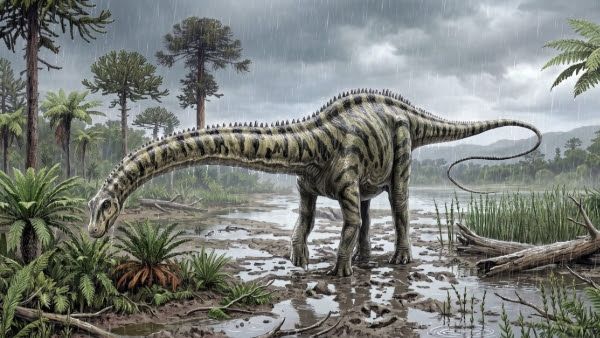
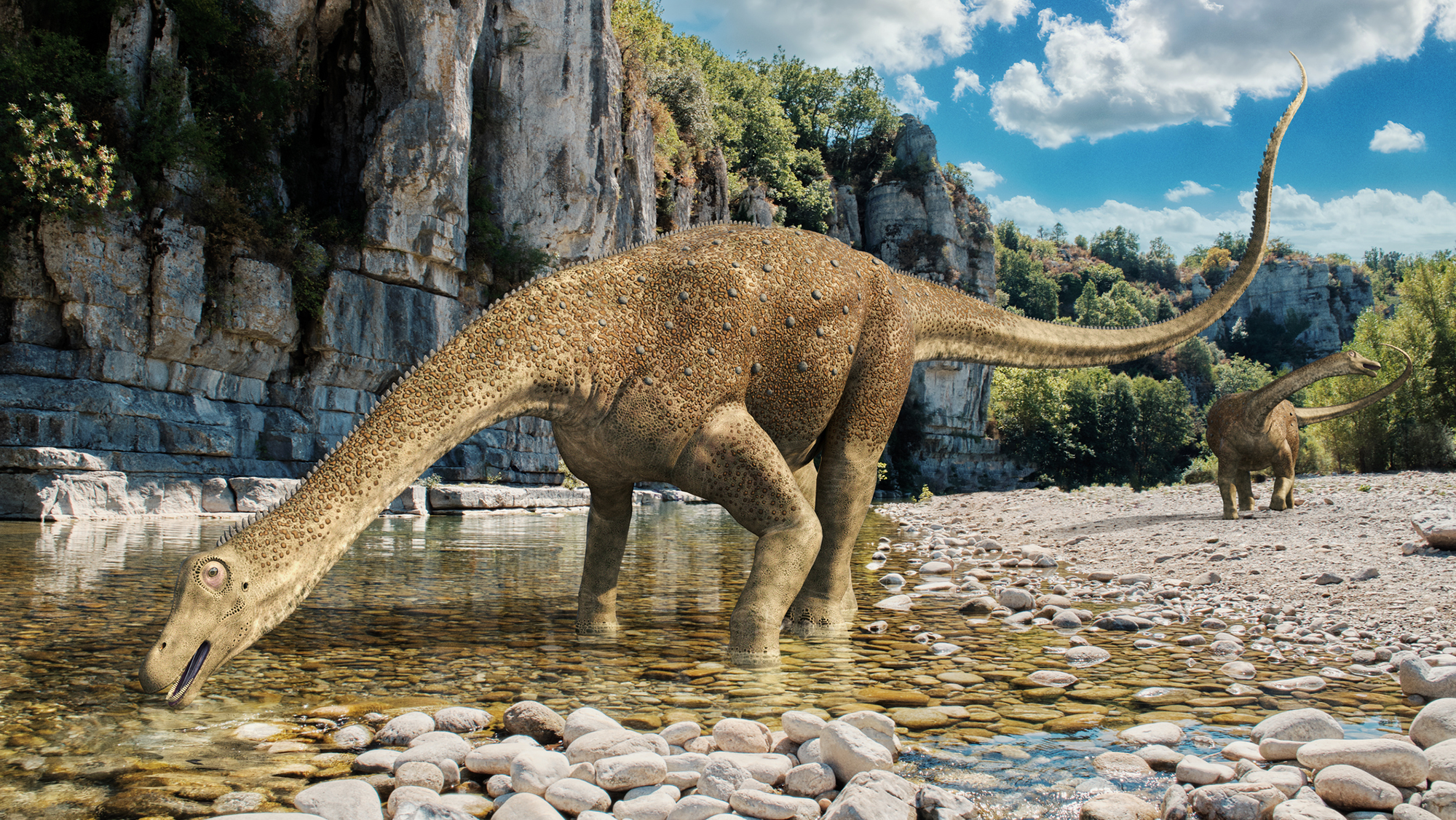
Paleontologists have identified the first confirmed remains of Diplodocus — "Dippy," for short — outside the western U.S., revealing that the iconic long-necked dinosaur reached what is now Spain roughly 150 million years ago.
The findings show that the enormous sauropod didn't live only in North America, as was long thought. Instead, it may have rambled across a land bridge all the way to Europe, the new study suggests.
The discovery, made at the La Tejería site near the small village of El Castellar in eastern Spain, provides some of the strongest fossil evidence yet that dinosaurs could move between North America and Europe during the Late Jurassic, when the Atlantic Ocean was still in its early stages of opening after the breakup of the supercontinent Pangaea. The researchers published their findings Tuesday (Sept. 15) in the Journal of Vertebrate Paleontology.
"Paleontological studies like this one help us better understand the history of life on Earth, reconstruct ancient ecosystems, and understand how they changed through time," study first author Sergio Sánchez Fenollosa, a doctoral student who studies biodiversity and evolutionary biology at the Joint Paleontology Foundation Teruel-Dinópolis (Dinópolis Foundation), a paleontological research institution, told Live Science via email.
A sauropod in Spain
Dippy is one of the best-known dinosaurs. After its fossils made their grand debut at the Carnegie Museum of Natural History in Pittsburgh in the early 1900s, life-size fossil replicas of the towering herbivore were sent around the world, including to England, France, Spain, Argentina and Russia.
But until now, Diplodocus' Late Jurassicfossils were known only from the Morrison Formation in the western United States — and the latest discovery shows that Dippy wasn't a homebody.
The newly unearthed Diplodocus specimen consists of 14 well-preserved tail vertebrae and several chevrons — bones that helped support blood vessels and muscles within the dinosaur's tail.
Study co-author and managing director of the Dinópolis Foundation, Alberto Cobos, said it was a friend who "thought he had spotted some bones on a mountainside," Cobos told Live Science via email. "That very day, I went to the site near El Castellar (a village in the province of Teruel). Sure enough, we saw a couple of sauropod vertebral centers."
Although only part of the skeleton has been recovered, the bones show a series of characteristics associated with Diplodocus, including large cavities corresponding to where air sacs would have been, along with deep grooves running alongside the underside of the tailbones.
The 14 vertebrate and several chevrons found in Spain correspond to the Dipolodocus' anatomy. (Image credit: Carmelo López)
"It was an exciting and continuous process of seeing the pieces of the puzzle gradually fall into place," Sánchez Fenollosa said in a statement. "From the early stages of the osteological study, we noticed strong similarities with several diplodocine sauropods … With each new result, the picture became clearer: we were looking at a Diplodocus."
It's unclear which species of Diplodocus the new specimen is, but like others of its genus, it was a huge dinosaur with an extremely long neck and whip-like tail.
"The Diplodocus from El Castellar was approximately 25 meters [82 feet] long (comparable in size to its North American relatives), making it another of the giant sauropods of the Spanish Jurassic," Cobos said in the statement.
An ancient bridge
Between 195 million and 170 million years ago, the supercontinent Pangaea broke apart as the Atlantic Ocean opened. But the ocean was much narrower than it is today, and the continents were not necessarily as isolated as their modern geography is now.
Evidence indicates that temporary land bridges may have allowed some animals to move between the two regions. The most famous prehistoric land bridge is the Bering Land Bridge that humans used to move between Asia and what is now Alaska. Previous research showed the Bering Land Bridge also existed around 68 million years ago, and it may have allowed an Asian ancestor of Tyrannosaurus rex to trek into North America.
Geological conditions may have allowed dinosaurs like Diplodocus to move between continents, Sánchez Fenollosa told Live Science in an email. "This interpretation is supported not only by the fossil record but also by geological evidence," he said.
The newfound Diplodocus fossils also suggest that the distribution of giant sauropods was more complicated than the fossil record previously indicated.
"More complete specimens will be essential to understand this story in greater detail, particularly to determine which Diplodocus species inhabited Europe: whether it was one already known from North America or a previously unknown species," Sánchez Fenollosa said. "This discovery reminds us that even for such iconic dinosaurs, there are still many unanswered questions about their evolutionary history and biogeography."
Diplodocus is a famous genus of giant sauropod dinosaurs with small heads and long, whip-like tails that lived in the Late Jurassic period (155 to 145 million years ago). Since its discovery in 1878, all confirmed Diplodocus remains have been unearthed from the Morrison Formation fossil hotspot in the western United States. Now, however, paleontologists have identified Diplodocus remains in Spain.
The remains came to light in the El Castellar municipality of the Spanish city of Teruel, and represent the first evidence of Diplodocus beyond the borders of North America. They consist of 14 well-preserved tail vertebrae and several chevron bones (bony arches in the tail). Through traditional anatomical comparisons and advanced phylogenetic analyses, the researchers confidently categorized them as Diplodocus and a close cousin of Diplodocus hallorum.
“As we looked more closely at the anatomy, we began to identify a combination of features characteristic of Diplodocus species. Then, as we carried out different evolutionary analyses, they kept pointing in the same direction,” Sergio Sánchez Fenollosa, lead author of the Journal of Vertebrate Paleontology study and a graduate student in biodiversity and evolutionary biology at the Joint Paleontology Foundation Teruel-Dinópolis research foundation, said in a statement. “With each new result, the picture became clearer: we were looking at a Diplodocus.” Dinópolis is a huge paleontological museum and theme park in Teruel, about 200 miles east of Madrid.
This particular individual dates back to around 150 million years ago. Its place of death indicates that during the Late Jurassic, dinosaurs could migrate from between North America and Europe, probably making use of temporary land bridges that sometimes emerged in the proto-North Atlantic Ocean. During the Jurassic (201.4 to 145 million years ago), the ancient supercontinent Pangea started pulling apart into the Laurasia and Gondwana landmasses, and the Atlantic Ocean also started forming.
Diplodocus are a subgroup of sauropods, which were among the longest land animals to ever walk the Earth. The recent finding sheds light on Iberian Mesozoic (252 to 66 million years ago) ecosystems and sauropod dinosaur diversity in the European Jurassic, Fenollosa explained.
“The Diplodocus from El Castellar was approximately 25 meters long [82 feet] (comparable in size to its North American relatives), making it another of the giant sauropods of the Spanish Jurassic,” said Alberto Cobos, co-author of the study and managing director of the Joint Paleontology Foundation Teruel-Dinópolis. Its remains are now on display at the Aragones Museum of Paleontology at Dinópolis.
The family has put together the Big Premise (a solar flare has flung Oak Street back to the Mesozoic era). The dad predicts, “God's not gonna let us die here.”
In 2016, paleontologist David DeMar Jr. was crawling across a rocky outcrop in northeastern Montana, hunting for fish fossils, when he spotted a dark, reddish-brown nodule about half the size of a golf ball. He picked it up and looked at it through his hand lens. On its surface was something he didn’t expect: a […]
Tyrannosaurus rex fossils are relatively common finds, with dozens of variously complete examples on display in museums around the world. But T. rextracks? That’s an entirely different story. Even when stomped into the mud by a 17,500-pound apex predator, dinosaur footprints rarely last long enough to fossilize over millions of years.
That’s what makes a recent discovery in southwestern North Dakota so remarkable. Paleontologists from the Denver Museum of Nature & Science and Liverpool John Moores University in England have documented not one, but four footprints preserved along a 23-foot-long path within the famous Hell Creek Formation. The prints are the first known trackway made by an adult T. rex, and are described in a study recently published in the Journal of Vertebrate Paleontology.
The tracks were discovered in North Dakota’s Hell Creek Formation: Tyler Lyson
While rare, T. rex footprints are distinctive for their massive size and narrow toes. In this case, each dino-stomp measures about three feet long. Paleontologists identified the roughly 66.5-million-year-old path last year on federal land near the town of Marmath, North Dakota, near the state’s southwestern border with Montana. After carefully clearing the surroundings, researchers imaged each footprint using a high-resolution 3D surface scanner. This allowed the team to digitally analyze the scene, as well as create physical reproductions.
The two left and right imprints suggest that the dinosaur was a sizable adult with an estimated 13-foot stride—but paleontologists don’t think this particular T. rex was in much of a hurry. Based on the gait, it was likely moseying around at 3.5 to 4.5 miles per hour, or about the same speed as a human going on a power-walk. Given the tracks’ weathering and erosion, the team stresses their theorized speed is somewhat speculative.
3D scans allowed researchers to generate digital recreations as well as physical models. Credit: Antoine Bercovici
Paleontologists are now planning to excavate three of the four footprints later this year, then transfer them by helicopter to the Denver Museum of Nature & Science.
“Bones tell us an enormous amount about these animals, but footprints capture a moment of behavior. With a trackway, we can actually follow an animal as it moved across the landscape,” Tyler Lyson, a Denver Museum of Nature & Science paleontologist and study co-author, said in a statement. “That is incredibly rare for T. rex.”
Before 2025, paleontologists had confirmed exactly two footprints anywhere in the world made by an adult Tyrannosaurus rex — one in New Mexico, one in Montana. Isolated prints, each capturing a single instant, with no way to tell how the animal that made them actually moved. That changed with a discovery in the badlands of […]
An AI summarizes the Young Earth Creationist (YEC) perspective in that dinosaurs were created on Day 6 of creation alongside Adam, and therefore were on Noah's Ark. The biblical interpretation of creatures like Behemoth and Leviathan and dragon is what we now call dinosaurs though the word "dinosaur" is not found in the Bible.
The largest Tyrannosaurus rex fossils ever discovered belong to a 66-million-year-old apex predator named Scotty. Like many T. rex skeletons, it’s difficult to determine if the specimen was male or female, but Scotty was an unequivocal bruiser. Standing 13-feet-tall at the hip and measuring upwards of 43-feet-long, the Late Cretaceous hunter weighed as much as 19,500 pounds.
However, Scotty isn’t simply the biggest T. rex on record. One of its bones still has traces of preserved soft tissue. This is almost never seen in paleontology, as soft tissues degrade due to the ravages of time. The only way to safely examine these delicate remains is through highly sensitive techniques like neutron imaging. But with the help of researchers at the Department of Energy’s (DOE) Oak Ridge National Laboratory (ORNL) in Tennessee, paleontologists recently glimpsed Scotty’s rib and its remaining tissue in unprecedented detail. The results offer some of the first in-depth looks at fossilized dinosaur tissue on a microscopic level.
“It’s like winning the lottery,” Mauricio Barbi, a physicist at the University of Regina (U of R) in Saskatchewan, Canada, said in a recent interview. “Scotty’s rib contains a vast network of mineralized blood vessels that has never before been observed in a fossil.”
The reason for the blood vessels’ preservation is also a window into the T. rex’s death. The broken rib indicates that Scotty likely succumbed to injuries sustained during a dinosaur brawl. After the rib cracked, iron-saturated blood covered the wound and formed tiny blood vessels to facilitate faster healing. The anatomical response wasn’t enough, and Scotty soon died in a salty marsh. The surrounding environment slowed down the T. rex’s decomposition so much that it allowed many of those blood vessels to fossilize.
To get a closer look at these details, paleontologists relied on neutron imaging to see the lighter elements present in the fossils as well as X-ray imaging to look at the heavier ones. From there, researchers also used synchrotron radiation and other microscopy approaches to analyze the healing tissues on a cellular level. Importantly, all of this imaging was possible without damaging Scotty’s priceless fossils.
“Neutrons not only corroborated what we found with synchrotron radiation techniques that led to the discovery of blood vessels in Scotty’s rib,” explained U of R physicist Marcella Berg. “They also proved to be a highly valuable addition to our current studies in search of soft tissue preservation in fossils.”
For decades, paleontologists have used the presence of stones inside the skeletons of dinosaurs as an indicator that the animal was herbivorous. These stones, known as gastroliths, have been found in numerous species and were assumed to serve to grind plant material in the stomach, just like many birds do today. However, this relationship has […]
Analysis of living vertebrates shows that changes in brain evolution helped drive major shifts in reproduction across dinosaurs and birds. A bird egg can look surprisingly oversized for the body that produced it. That puzzle becomes even stranger when viewed through deep time: the largest known bird eggs exceed the largest eggs found from nonavian [...]
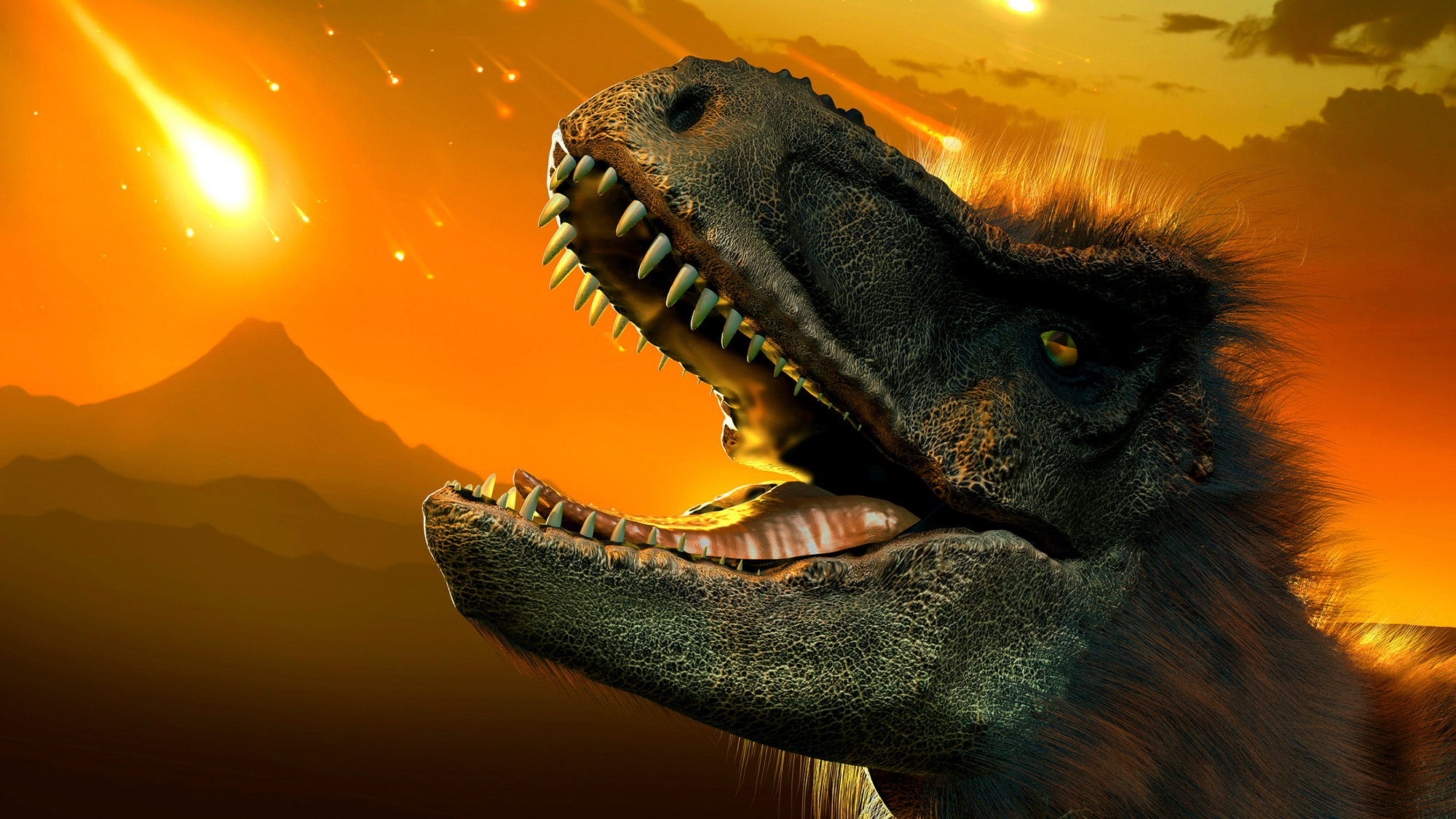
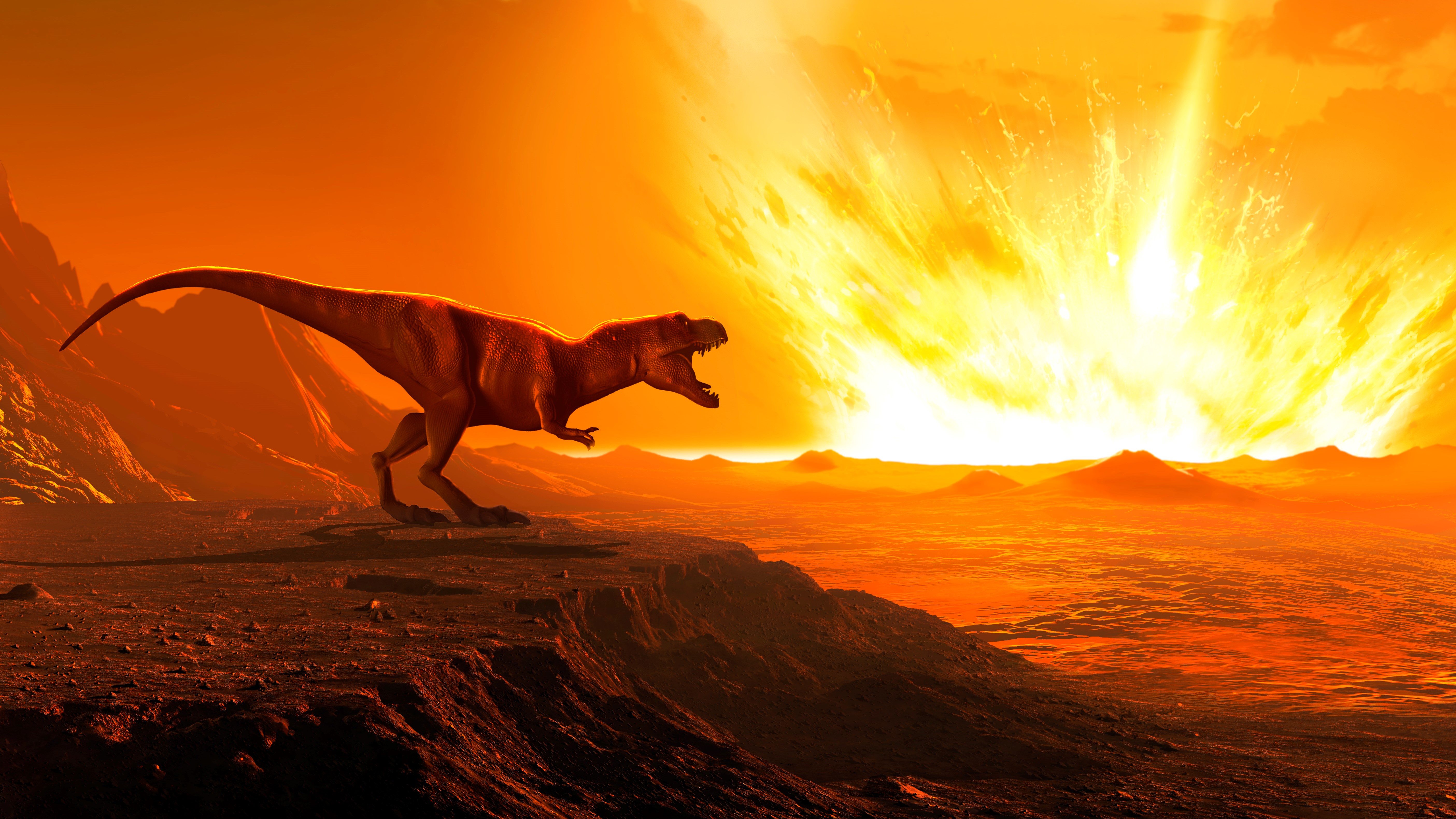
When the famous Chicxulub asteroid struck what is now Mexico's Yucatán Peninsula 66 million years ago, it ended the reign of the nonavian dinosaurs. As ecosystems recovered, small, adaptable mammals rapidly spread into newly vacant niches, evolving new diets, larger bodies and more diverse ways of life until they dominated the land within a few million years.
Now, new evidence suggests that even before the asteroid hit, Earth was already beginning to rot.
A study published May 12 in the journal PNAS found evidence of environmental fungal blooms beforeand after the Cretaceous-Paleogene (K-Pg) mass extinction event. Looking at microscopic fossils from rocks dating to the K-Pg event in North America, a team of researchers led by Dr. Arturo Casadevall, chair of the Molecular Microbiology and Immunology Department at Johns Hopkins University, identified an earlier fungal bloom dating to roughly 30,000 to 100,000 years beforethe asteroid hit, during a period of cooling linked to intense volcanic activity in the Deccan Traps in what is now India.
Not all experts agree that the asteroid-impact led to the rise of mammals due to dinosaurs being more susceptible to fungal infections. (Image credit: MARK GARLICK/SCIENCE PHOTO LIBRARY via Getty Images)
The researchers also found a fungal spike immediately after the Chicxulub impact exactly when dead plants and animals would have littered devastated ecosystems. The finding adds to earlier evidence from New Zealand that suggests the fungal bloom wasn't just a local event.
This idea feeds into a controversial idea called the fungal infection-mammalian selection (FIMS) hypothesis. First proposed two decades ago by Casadevall and subsequently updated in 2018 and 2026 papers, the FIMS hypothesis suggests that the abundance of fungus before the asteroid impact may have helped mammals gain an evolutionary advantage over the dinosaurs that remained after that cataclysm.
The hypothesis doesn't argue that fungus wiped out the dinosaurs. Instead, it proposes that mammals' live births and immune systems may have helped them withstand the rise of fungus in ways egg-laying reptiles and nonavian dinosaurs could not, thereby giving them the upper hand in disrupted ecosystems full of rot, cold, starvation and polluted air.
"The fungal infection mammalian selection hypothesis is focused on how the mammals became the dominant land animals," Casadevall told Live Science via email, "not dinosaur extinction."
But not all experts are convinced. Mary O'Connell, the Chair of the Zoology department at the University of Manchester told Live Science via email that the hypothesis doesn't fit all the evidence and that "it emerges from a chain of plausibility arguments rather than direct evidence, and the links in the chain are weaker than the framing may suggest."
A fungal world before the asteroid
To find this pre-asteroid fungal bloom in their new study, Casadevall and Rosanna Baker, who researches fungus at Johns Hopkins, focused on palynomorphs — tiny fossilized organic remains, including fungal spores, fungal hyphae and plant pollen — preserved in ancient sediment layers from the Denver Basin in Colorado dating back to the K-Pg extinction.
Baker counted between 100 and 500 microfossils per sample across sediment layers spanning about 60,000 years before the K-Pg mass extinction eventto 30,000 years after it. Most samples were dominated by plant material, but some layers contained 50% or more fungal spores. The researchers interpreted this high proportion of fungal spores as a sign of ecological disturbance — more dead material and more fungi feeding on it, especially after the dinosaur-killing asteroid.
Baker and Casadevall also found an earlier fungal bloom dating to roughly 10,000 to 30,000 years before the asteroid impact.
"What surprised us was the proliferation in association with Deccan volcanism, which implies ecological disruption prior to [the] meteor impact," Casadevall told Live Science via email.
In other words, ecosystems may have already been under stress — and faced with a fungal overgrowth — before the asteroid delivered the final blow.
The case for FIMS
When Casadevall first proposed the FIMS hypothesis, it rested on a simple observation: Mammals are unusually resistant to invasive fungal diseases.
Fungi are major pathogens of plants, insects, amphibians and many reptiles, but life-threatening systemic fungal infections are relatively rare in mammals with healthy immune systems. Casadevall argued that mammals' relative resistance to fungi came from their sophisticated immune systems. In mammals, first-line, relatively nonspecific defenses such as neutrophils recognize fungal cell walls, engulf spores and attack invasive filaments, while the adaptive arm of the immune system excels at building customized antibodies that selectively target specific fungi, and then creating immune memory so the invaders are recognized the next time they're encountered.
Casadevall also initially believed that mammals' high, stable body temperatures — generally around 97 to 104 degrees Fahrenheit (36 to 40 degrees Celsius) — could prevent many environmental fungi from growing well enough to establish an infection.
"The success of mammals made no sense given their high energy needs and this idea provided a plausible mechanism for their success," Casadevall said.
The effects of the asteroid would have included increased volcanism and worsening air quality as ash and dust filled the sky. (Image credit: Mark Garlick via Getty Images)
After the asteroid hit, forests burned, plants died, darkness fell and dead matter piled up, providing a feast for fungi. If fungal spores filled the air, surviving animals may have inhaled enormous, possibly dangerous doses.
However, the FIMS hypothesis proposes that mammals had several possible adaptations against these fungal invaders that other animals did not. In addition to having warm body temperatures and complex immune systems, mammals who could maintain stable body temperatures could forage during the cold "impact winter," when ash and dust blocked out the light of the sun. Meanwhile the dinosaurs, who were originally thought to be the "cold-blooded," would have struggled to stay active and find food, leading them to become weaker and more susceptible to disease.
Differences in gestation may have mattered, too. Many mammals protect developing embryos inside the mother's body, where warmth and immunity could shield them from fungi. In contrast, all dinosaurs laid eggs. Those eggs developed in nests, which were often in contact with soil and decaying plant matter — the exact environments where fungi thrive. Modern fungi can invade reptile eggs, and fossilized hyphae, a type of fungus, was described in dinosaur eggshells in a 2008 study.
That does not prove fungi wiped out dinosaur nests. Fossilized hyphae could suggest either that fungi invaded a living egg, or that fungi colonized the egg after death. Still, eggshells provide one clue that fungi were a problem for the survival of dinosaur young..
A sick sauropod
Another potential line of evidence to buttress the FIMS hypothesis came from dinosaur bones that showed evidence of fungal infection.
Sauropods had long, air-filled neck bones connected to their respiratory system. In fossils of healthy sauropods, the places where air-sac tissue met bone are smooth, sometimes glass-like, Woodruff told Live Science.
But in this animal, the normally smooth sockets were rough and irregular. "Coming out of the socket — like imagine coming out towards you —it looked like fossilized heads of broccoli florets," Woodruff said. "And I had never seen that."
Unsure what he was looking at, Woodruff posted a photo online and asked whether anyone had seen anything similar. Other anatomists and paleontologists quickly weighed in. Their response, he recalled, was essentially, "That's exactly what we would have predicted a respiratory infection to look like," he said.
Recent evidence revealed that a sauropod could have suffered from a fungal infection. (Image credit: ROGER HARRIS/SCIENCE PHOTO LIBRARY via Getty Images)
However, the researchers could not identify the exact disease that caused the inflammation. In modern birds, airsacculitis can be caused by fungal infections such as aspergillosis, but also by bacterial infections. Without preserved soft tissue or fungal structures, they stopped short of confirming a fungal infection diagnosis.
Either way, Woodruff thinks the sauropod was probably sick enough that the infection contributed to its death. It may have become too weak to keep up, too ill to eat or drink properly, or too vulnerable to escape predators.
The case against FIMS
Even so, many experts remain skeptical of Casadevall's hypothesis. For one thing, the asteroid and its aftermath already explain a tremendous amount. The impact triggered tsunamis, earthquakes and a global food-web collapse. Those disasters alone would have killed off large dinosaurs at the top of disrupted food chains.
Another problem revolves around body temperature. In 2005, when Casadevall first proposed his hypothesis, dinosaurs were often thought of as "cold-blooded," while mammals were "warm-blooded." But over the years, research has uncovered that many nonavian dinosaurs, such as Velociraptor, T. rex and Brachiosaurus, were likely warm-blooded, too — so body temperature wouldn't explain why fungus would have been a big problem for many dinosaurs.
Complicating the picture, birds — the only surviving dinosaurs — often have higher body temperatures than mammals do. So the FIMS theory rests on an assumption that living examples of dinosaurs don't support, Flynn said.
If everything we know that suggests dinosaurs are more susceptible to fungal infections is based on living dinosaurs (birds) and they survived, doesn't that rather undermine this hypothesis?
Jingmai O'Connor, paleontologist at the Field Museum in Chicago
Around the time of the asteroid impact, cold-blooded creatures like turtles and crocodilians that lived in the water "don't really suffer as severely as other groups, even including mammals," Andrew Flynn, an assistant professor of paleobotany at New Mexico State University, told Live Science. "Clearly this fungal thing is not probably what's causing mammals to rise up and go on to dominate the ecosystem."
The FIMS hypothesis also has a contradiction at its heart, said Jingmai O'Connor, a paleontologist at the Field Museum in Chicago.
"It's just a hypothesis I had vaguely heard about but was not popular, not often mentioned, and I guess I would say 'out of favor,'" O'Connor told Live Science via email. "If everything we know that suggests dinosaurs are more susceptible to fungal infections is based on living dinosaurs (birds) and they survived, doesn't that rather undermine this hypothesis?"
Dr. Isabel Jimenez, an assistant professor at Johns Hopkins University and a proponent of FIMS, agrees that this discrepancy must be explained.
"For the FIMS hypothesis to still hold water, we have to consider alternative mechanisms by which dinosaurs could have been more susceptible to fungal diseases than mammals," Jimenez told Live Science in an email.
Modern-day birds are avian theropods — the surviving branch of the dinosaur family tree — and likely faced the same fungal pressures as their extinct relatives. More recently, in 2026, Jimenez and Casadevall have suggested a tweak to their theory: that some of the small-bodied, beaked, flying or semiflying theropods may have been able to pull through, despite some baseline higher susceptibility to fungal disease. That's because they were small, had feathers to better insulate their bodies, and maintained generalist diets that enabled them to use more food sources than the dinosaur lineages that died out.
Working with Jimenez, Casadevall outlined an updated version of the FIMS hypothesis in a paper published earlier this year. In it, they propose that dinosaurs' respiratory systems may have made them more at risk than their mammalian counterparts.
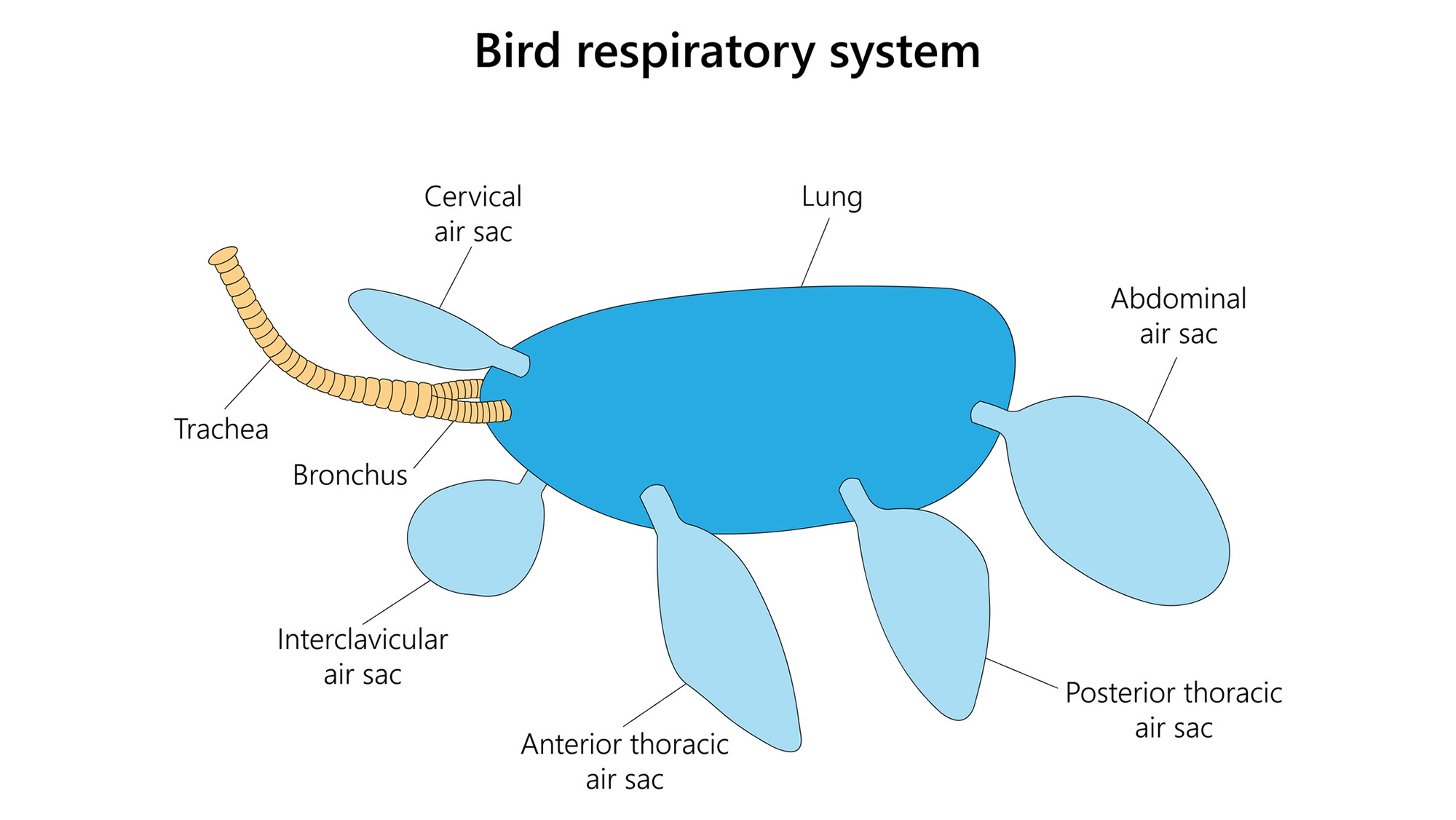
Whereas mammals breathe by expanding and contracting flexible lungs filled with blood-rich alveoli, modern birds — and probably many dinosaurs — have rigid lungs ventilated by a network of thin-walled air sacs. The air sacs act as bellows, maintaining one-way airflow through the lungs, but they perform little gas exchange and have relatively poor blood supply. This system could have also carried inhaled fungal spores deep into the respiratory tract, where they may have settled in air sacs that are harder for circulating immune cells to reach and clear.
While birds have a similar sophisticated immune system as mammals — including macrophages and antibodies — their air sacs extend throughout the body and sometimes into the bones, making fungal infections easier to spread beyond just the respiratory system.
This possible weakness is what Jimenez and Casadevall suggest is what made air-sac-bearing dinosaurs vulnerable to fungal infections, similar to modern birds.
A diagram of the avian respiratory system, with its many air sacs found around the bird's body (Image credit: Anatoliy Stepura via Getty Images)
After the asteroid strike, there would have been soot and sulfur polluting the air and dinosaurs would have been nutritionally stressed. "So secondary fungal infections are certainly possible," Jimenez said, referring to infections that take root after the body's defenses are weakened.
But skeptics argue that even with these updates in the FIMS hypothesis, more evidence is needed to show it's not just possible but likely.
The idea that their air-sac respiratory systems made them more vulnerable to fungus is "a more testable claim," but its likely impact on dinosaurs would also be more limited, because of competing environmental factors, O'Connell said.
And because only a handful of fungal species actually cause disease in animals, to show that fungi worsened dinosaur deaths, researchers would need to find evidence of elevated fungal disease in dinosaur fossils from right after the asteroid struck, O'Connell said.
"We would also need to be able to identify elevation of pathogenic fungal spores in the sedimentary record at that boundary, rather than just more spores," she said.
Overall, "the fungal infection-mammalian selection hypothesis feels like a conjecture in search of any supporting evidence," paleontologist and science writer Riley Black, told Live Science in an email.
How much do you know about the king of the dinosaurs? Test your knowledge with our T. rex quiz!
The spots on a leopard, the stripes on a zebra, and the mask on a raccoon are all types of coloration in mammal fur, referred to as pelage. Scientists have struggled for a long time to understand how these colorations evolved. A team of researchers recently discovered how to reconstruct the colors of ancient mammal fur using cell structures that contain the chemical pigment melanin, known as melanosomes. They hope to use this understanding of ancient mammal pelage to determine how they lived and what their environments were like.
To decipher the color of ancient mammal fur, the researchers constructed a statistical computer model to predict their fur colors based on the shape of their melanosomes. First, they needed to understand how the shapes of melanosomes control fur color in modern mammals. To measure the length and width of the modern melanosomes, the scientists used a beam of electrons like a flashlight to map them in great detail, a technique called scanning electron microscopy.
They measured the length and width of 2,615 melanosomes from the fur of 116 different living mammal species, including a Red Panda, a German Shepard, and one or more species of most types in the mammalian classification. Then they recorded the wavelengths of light reflected off each melanosome using a microspectrophotometer. These wavelengths represented the exact color of hair from each melanosome they measured. This means they now had a quantitative measurement of the color of each hair to compare with its corresponding melanosome length and width.
When they examined their data, the researchers found that spherical melanosomes produced brighter fur colors, like reds and oranges, while elongated melanosomes produced darker fur colors, like browns and grays. The researchers plotted the microspectrophotometric measurements for each melanosome as a graph showing how much light it absorbed across each possible wavelength, creating reflectance curves. Based on these data, the researchers used computer software to create a statistical model that could predict reflectance curves, and therefore color, from melanosome shape alone.
Once the researchers created a model, they needed to find fossilized mammal melanosomes to predict their fur color. Mammal fossils are rare, and pieces of cells are only preserved in the most immaculate fossil deposits. In fact, these researchers only found 6 fossils of this caliber, from Mesozoic rocks deposited around 250 million years ago, soon after mammals evolved.
The fossils came from 2 world-renowned deposits in Northeastern China, the Yanliao and Jehol biotas. They selected 5 previously studied fossils from these locations, including 1 specimen of Megaconus mammaliaformis, 1 specimen of Vilevolodon diplomylos, 2 specimens from the group Docodonta, and 1 specimen from the group Eutheria. All of these animals were small, rodent-like mammals. The researchers also discovered a new species of tree-dwelling mammal, Arboroharamiya fuscus.
The scientists used scanning electron microscopy to measure a total of 2,159 fossilized melanosomes to refine their color predictions. The fossilized melanosomes were all slightly elongated spheres and had far fewer differences in shape than in modern mammals. The researchers used their model to predict reflectance curves based on the shapes of the fossil melanosomes to determine the ancient mammals’ colors. They found that all the extinct mammals they examined likely had dark brown fur without any color patterns.
Based on these findings, the researchers suggested that most, if not all, early mammals were nocturnal, like many dark-colored mammals today. They suggested that this nocturnal lifestyle probably helped them survive the meteorite impact that wiped out the dinosaurs 100 million years later. While dinosaurs were unable to survive in the post-impact wasteland, these smaller, dark-colored mammals were more resilient and thrived in the aftermath. As mammals filled the ecological roles left by the dinosaurs, they evolved new color patterns, some based solely on camouflage, and others on new factors, like sexual selection and visual communication.
The researchers concluded that their model can predict fossilized mammal colors and help determine how these ancient animals lived. Notably, their data suggest that mammals likely stayed small and nocturnal throughout the Mesozoic until the dinosaurs were gone. Future researchers could use similar methods to uncover exactly how mammals evolved the colors we see today. For example, studying mammals closer to the impact event could reveal if it took a long time to develop diverse fur patterns, or if they began before the dinosaurs’ demise. Ultimately, similar studies could help determine whether the extinction of dinosaurs was necessary for the rise of mammals.
What it means: Coprolites are fossilized poop. Scientists have found coprolites from animals as diverse as fish, dinosaurs and saber-toothed cats. Teeth in the saber-toothed cat poop indicated that it had been eating baby sloths, which frankly feels a bit unfair from a creature with 11-inch-long (28 centimeters) teeth.
These fossils form when poop gets rapidly buried and mineralized instead of rotting away. Coprolites can be hard to match to the animal that produced them, but undigested bones and teeth in the fossilized poop can often provide clues to the kinds of animals that other animals eat.
How to use it in a sentence: If you're ever in a science museum and a volunteer, with a twinkle in their eye, asks you what you think a chunky, rock-looking thing is, the answer is always coprolite.
Can you crack our science word of the day puzzle, Chain Word?

 Login