In January 2023, Debbie Martínez was selected as deputy director of the Research Services Directorate (RSD) at NASA’s Langley Research Center. She brings more than three decades of experience in aeronautics, project management, and cross‑agency collaboration.
Previously, Martínez served as associate project manager for the IASP/Low Boom Flight Demonstrator (LBFD X‑59/Quesst) and AAVP/Commercial Supersonic Technology (CST) projects. She also completed a one‑year detail as deputy director of the Office of Strategic Analysis, Communications, and Business Development (OSACB), where she led the Strategic Analysis and Integration team. Earlier, she spent six years as execution manager for the Transformative Aeronautics Concepts Program (TACP)/Convergent Aeronautics Solutions (CAS) Project, guiding more than 21 research teams across NASA’s four aeronautics centers to advance emerging concepts including MADCAT, Learn2FLY, SCEPTOR/X‑57 Maxwell, FUELEAP, Digital Twin, and STEReO.
Martínez has also contributed to major Science and Space Missions. As deputy project manager and lead systems engineer for the Orion Flight Test Article (FTA), she delivered the full‑scale Pad Abort 1 Crew Module for a successful launch and test at White Sands Test Facility. This milestone laid essential groundwork for Artemis by providing the first full‑system demonstration of Orion’s Launch Abort System, validating critical safety, structural, and avionics performance that now underpins the human‑rated spacecraft.
Martínez began her NASA career in 1990 in the Simulation Development & Analysis Branch and later supported Flight Operations. She holds degrees from Embry‑Riddle Aeronautical University (BS), Thomas Nelson Community College (AS), and Old Dominion University (ME), along with an FAA Private Pilot License. She is an active NASA outreach advocate and recipient of numerous agency, academic, and industry honors, including the ODU Batten College of Engineering & Technology Pioneer Award.
Lara E. Kearney serves as the Chief Financial Officer (CFO) of NASA’s Johnson Space Center (JSC). She is responsible for ensuring the overall financial health of JSC, managing the center resources and processes necessary to achieve the Agency’s goals and objectives. Ms. Kearney oversees the center’s financial operations, including budgeting, finance, accounting, business systems, financial audits and internal controls, and cost-estimating activities. She provides oversight of JSC’s $5 billion annual budget, leading the civil servant and contractor business personnel that enable the effective management, control, and reporting of the government’s assets.
Ms. Kearney has over thirty-three years of experience building and operating human spaceflight hardware. She has hands-on experience and management expertise in every phase of flight, from hardware proof of concept and preliminary design through testing, certification, production, and flight operations. Prior to her CFO duties, Ms. Kearney served as the Manager of the EVA and Human Surface Mobility Program, where she was responsible for the daily management of NASA, contractor, private industry, and international partner contributions to spacesuits, lunar rovers and lunar surface integration. Prior to that, she served as the Deputy Manager for the Gateway Program, where she was responsible for the technical and programmatic performance of the Gateway Elements. She has also served as the Orion Crew and Service Module Manager and the Constellation EVA Systems Project Manager, where she managed the entire range of technical, business, and administrative activities of those organizations. In addition, Ms. Kearney has served in JSC’s Human Health and Performance and Engineering Directorates.
Ms. Kearney has a B.S. and an M.E., both in Biomedical Engineering, from Texas A&M University, and an Executive MBA from the Naval Postgraduate School. She is a Federal Acquisition Certified Program and Project Manager (FAC-P/PM) and a former Project Management Professional (PMP)®. She is the recipient of the NASA’s Spaceflight Awareness Leadership Award, Silver Snoopy Award and Outstanding Leadership Medal, as well as the Presidential Rank Award and the 2022 NASA Federal Engineer of the Year Award.
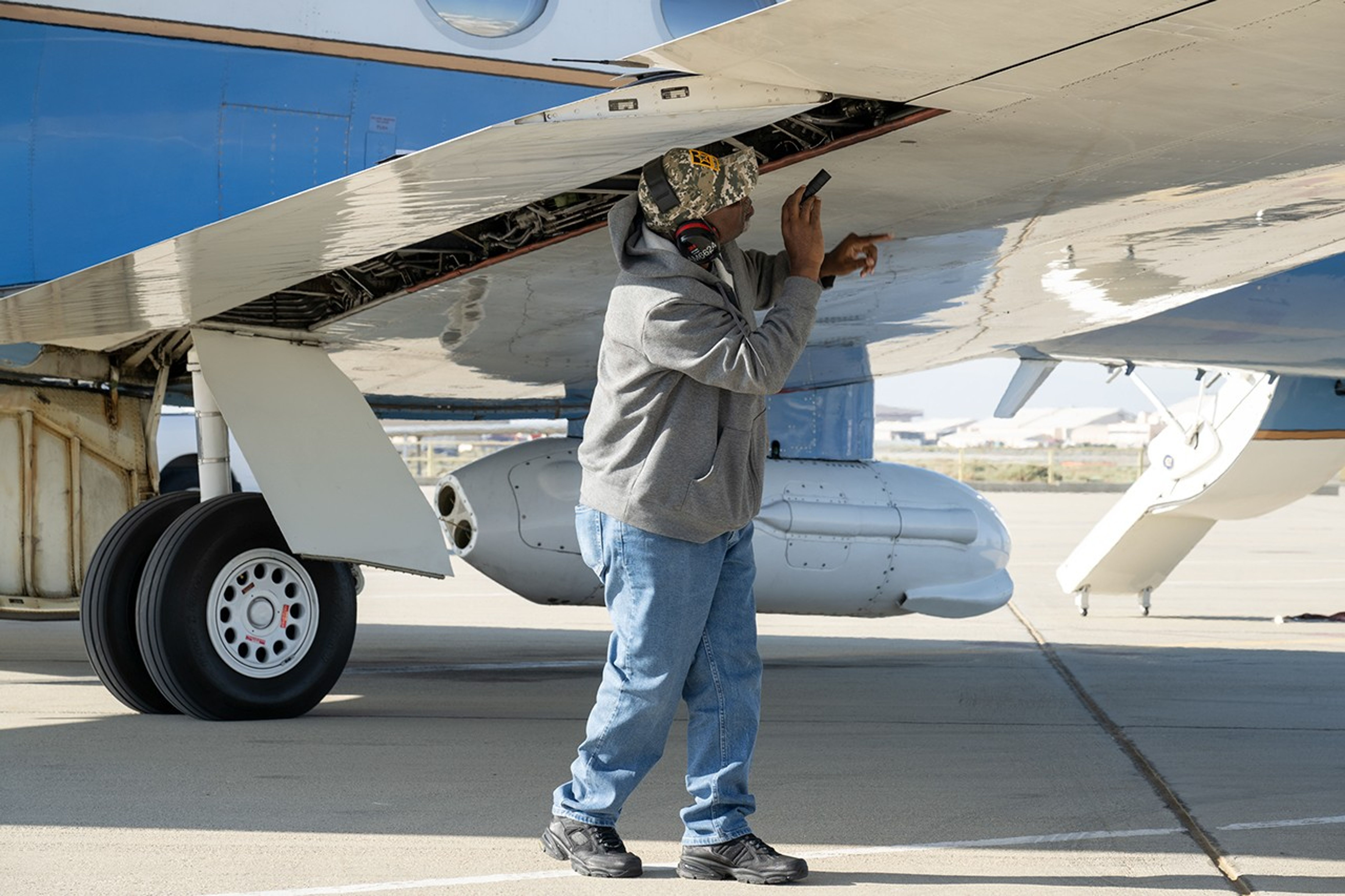
Alvin Mitchell, a NASA C-20A aircraft quality assurance inspector, completes preflight checks at NASA’s Armstrong Flight Research Center in Edwards, California, on April 29 for a mission over Central California. On May 2, the aircraft departed for the Tropical Synthetic Aperture Radar campaign carrying NASA’s Uninhabited Aerial Vehicle Synthetic Aperture Radar.
NASA/Ryan Kline
Data from a NASA campaign in Panama and Peru will help communities prepare for tropical floods in cloud-covered areas, improve scientific understanding of forest health, and support planning for spaceborne missions.
NASA’s C-20A aircraft from Armstrong Flight Research Center in Edwards, California, flew the Uninhabited Aerial Vehicle Synthetic Aperture Radar (UAVSAR) instrument, developed at NASA’s Jet Propulsion Laboratory in Southern California, to gather mission data. While flying repeat paths, the instrument collected high-resolution radar data from a pod mounted beneath the aircraft. The monthlong campaign, known as Tropical Synthetic Aperture Radar, or TropiSAR, concluded on June 4 after 17 flights totaling 75 hours.
Airborne data were captured over Peru in the same times and locations as data captured by the NISAR (NASA-ISRO Synthetic Aperture Radar) satellite to validate key NISAR capabilities and support calibration of the satellite’s L-band radar system. The science validation targeted two measurements: tropical rainforest flood extent within the Pacaya-Samiria National Reserve in Peru, one of the world’s largest protected flooded forests, and glacier movement in the Huascarán National Park in the Peruvian Andes, which is home to the largest concentration of tropical glaciers. The mission also gathered detailed 3D views of tree height and density to estimate biomass, assess forest health, and better understand how forest ecosystems store and release carbon.
In Panama, TropiSAR also supported NASA’s Airborne Validation Unified Experiment: Land and Ocean (AVUELO) campaign in collaboration with the Smithsonian Tropical Research Institute. Airborne radar data were collected from dry forests and coastal wetlands with the goal of better understanding Panama’s rich biodiversity. By linking field measurements with airborne and satellite observations, AVUELO may advance new methods for studying the tropics.
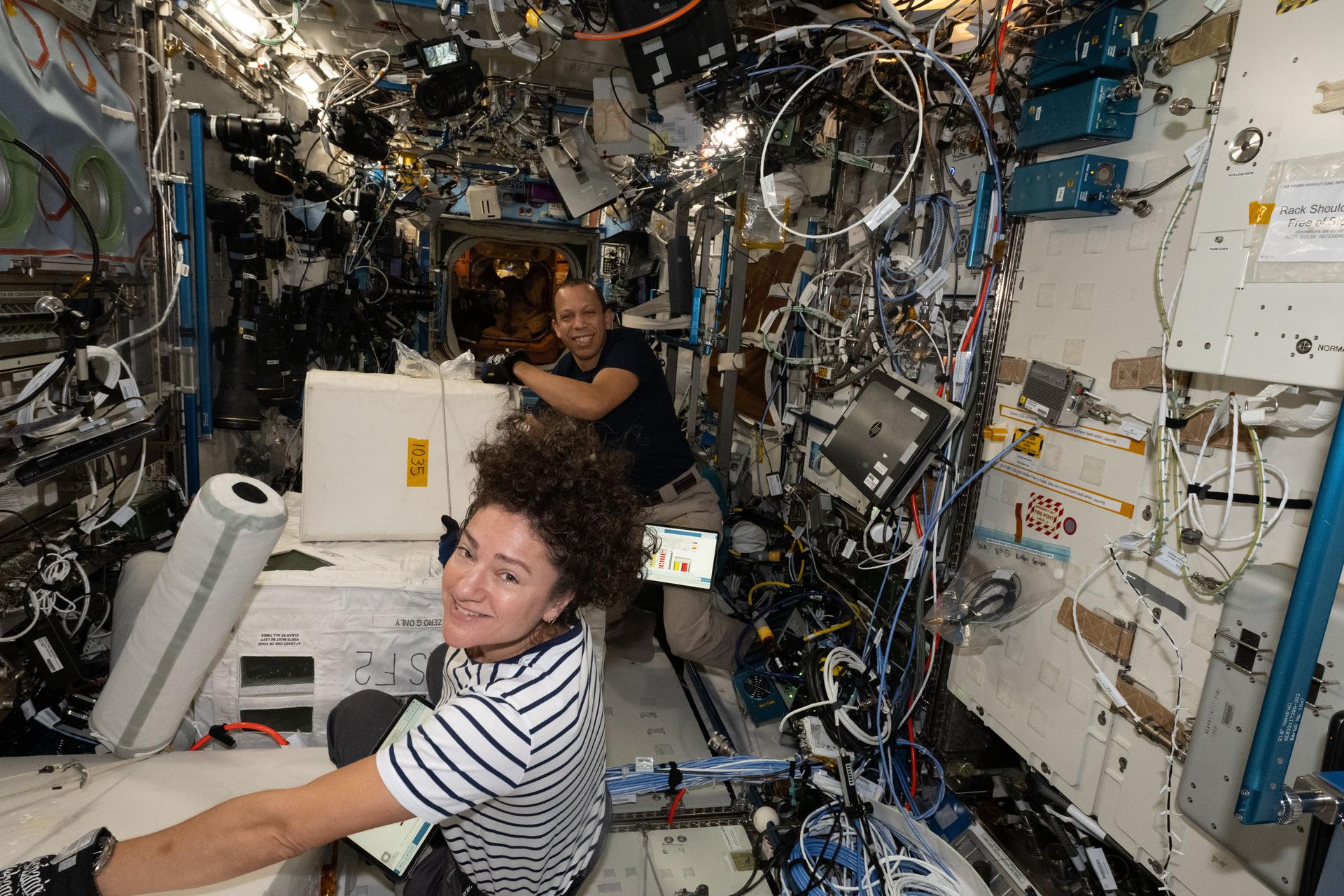
NASA astronauts Jessica Meir and Chris Williams collect frozen research samples while living and working aboard the International Space Station.
Credit: ESA/Sophie Adenot
Students in New Jersey will hear from NASA astronauts Chris Williams and Jessica Meir as they answer prerecorded STEM questions while aboard the International Space Station.
The Earth-to-space call will begin at 12:05 p.m. EDT, Thursday, June 18, and will stream live on the agency’s Learn With NASA YouTube channel.
This event is hosted by Newton Public Schools in Newton, New Jersey, for students in grades K-12 and members of the community. This unique opportunity aims to deepen understanding of space exploration and enhance awareness of STEM careers.
Media interested in covering the event must RSVP no later than 5 p.m. EDT, Wednesday, June 17, to Dr. Joseph Piccirillo at: 973-383-7392, x4229 or jpiccirillo@newtonnj.org.
For more than 25 years, astronauts have continuously lived and worked aboard the space station, testing technologies, performing science, and developing skills needed to explore farther from Earth. Astronauts communicate with NASA’s Mission Control Center in Houston 24 hours a day through SCaN’s (Space Communications and Navigation) Near Space Network.
Research and technology investigations taking place aboard the space station benefit people on Earth and lay the groundwork for other agency deep space missions. As part of NASA’s Artemis program, the agency will send astronauts to the Moon to prepare for future human exploration of Mars, inspiring the world through discovery in a new Golden Age of innovation and exploration.
For more information on NASA in-flight calls, visit:
Research Opportunities in Space and Earth Sciences (ROSES)-2025 is an ongoing “omnibus” or “umbrella” solicitation meaning that it includes many individual program elements each with its own topics and due dates. Refer to Table 3 of ROSES-25 for a list of those program elements. The ROSES-25 “Summary of Solicitation” is the front matter that sets the default backstop rules for each of the program elements in ROSES-25.
ROSES-25 Amendment 59 makes several additions, changes, and clarifications to the ROSES-25 Summary of Solicitation to conform with Agency and administration priorities, see Sections I, I(g), II(a), II(b), III(b), III(d), V(b)ii, VI(c) & VIII(b). New text is in bold.
Important and substantial revisions to 2 CFR 200, the government-wide guidance for grants and cooperative agreements are proposed to take effect October 1, 2026, see https://www.federalregister.gov/documents/2026/05/29/2026-10817/regulation-for-federal-financial-assistance#h-8. Many types of currently allowable costs, such as but not limited to publications, research or events outside the United States, and domestic conferences may be restricted, denied, or may be allowable by legal exception or special award conditions only. Public comments on the revisions to 2 CFR 200 may be submitted until July 13, 2026, at https://www.regulations.gov/commenton/OMB-2026-0034-0001
NASA’s Chandra Finds Unexpected Fireworks in Aftermath of Stellar Explosions
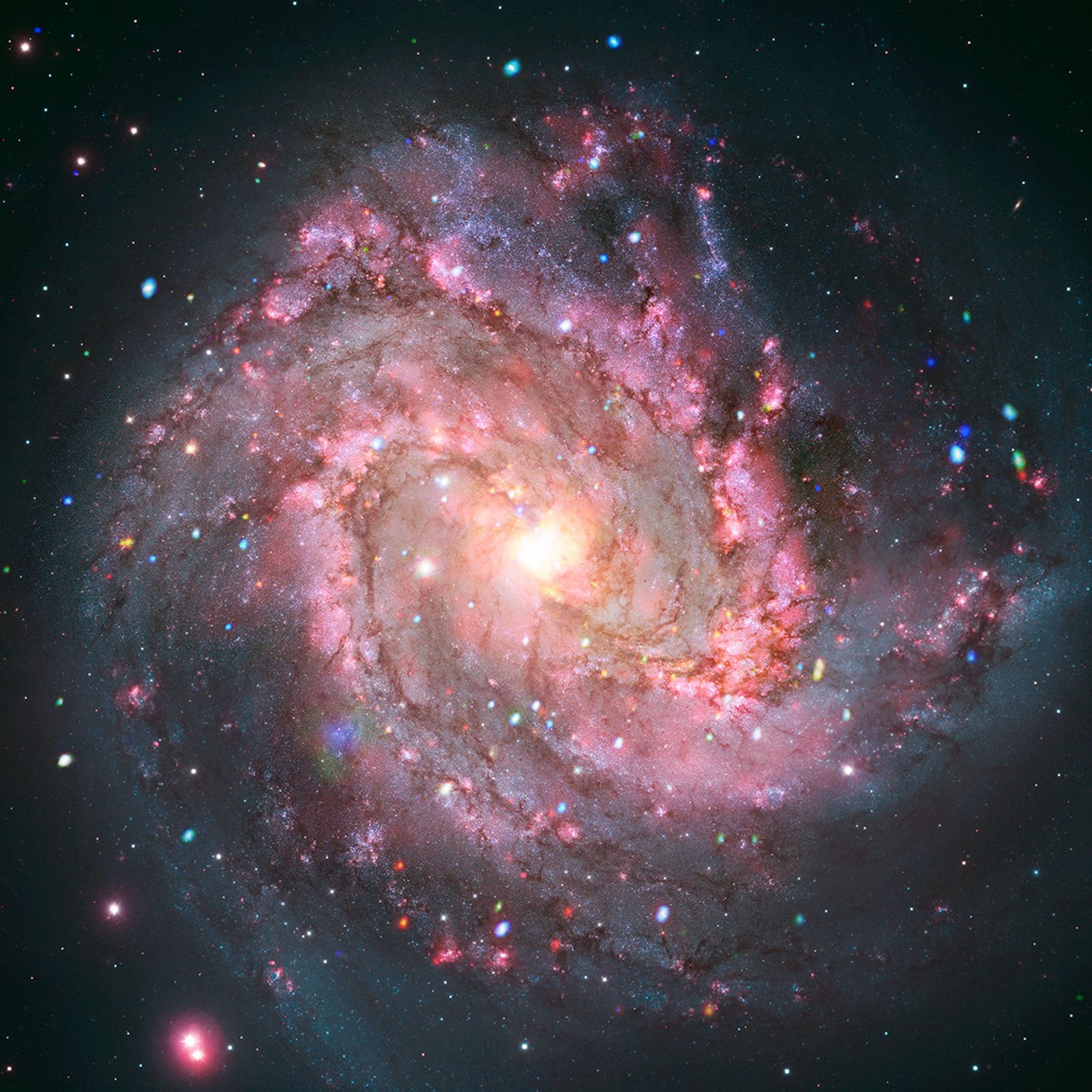
A composite image of the nearby galaxy Messier 83, and short timelapse videos of two curious supernova remnants hidden inside.
X-ray: NASA/CXC/SAO; Optical: NASA/ESA/AURA/STScI, Hubble Heritage Team, W. Blair (STScI/Johns Hopkins University) and R. O'Connell (University of Virginia); Image Processing: NASA/CXC/SAO/A. Jubett, L. Frattare and P. Edmonds
The aftermath of a supernova, a stellar explosion, is usually a slowly fading cloud of hot gas. So when astronomers pointed NASA’s Chandra X-ray Observatory at the nearby galaxy Messier 83 (M83), they did not expect to find a population of supernova remnants, or the debris from these explosions, showing dramatic changes in their brightness. The new results were presented at the American Astronomical Society meeting in Pasadena, California, and published in The Astrophysical Journal.
The galaxy M83, located about 15 million light-years from Earth, is forming stars at a high rate. Researchers analyzed 14 years of Chandra data of the galaxy, spanning 2000 to 2014.
Using this extensive set of data, the researchers caught surprising variations in the X-ray brightness of sources previously identified as supernova remnants. The researchers expected supernova remnants older than a century or so to fade gradually in X-rays, but not change dramatically in brightness.
The team found that roughly half of the 22 X-ray sources associated with supernova remnants in their sample showed changes in X-ray brightness over the 14-year span of observations — a result that was completely unexpected.
“We knew that individual X-ray sources could vary dramatically,” said Andrea Prestwich, of the Catholic University of America who led the study. “But finding that so many supernova remnants were behaving this way was a real surprise. Something unusual is going on in these objects. Pinpointing the cause remains a challenge, as M83’s distance limits the detail we can observe.”
One of the 22 variable supernova remnants has a straightforward explanation: SN 1957D, the debris from a supernova first observed nearly 70 years ago, is ramming into material surrounding the explosion site, producing the observed X-ray flares. But this cannot explain the rest of the sample. There is no evidence to suggest that all 22 remnants were formed within the last century. Something else must be driving the variability.
The most likely explanation is that the team has uncovered a population of stellar survivors stars that lived through their partner’s destruction in a supernova explosion. In this scenario, each variable X-ray source began as a pair of massive stars orbiting each other. The more massive star collapsed and exploded as a supernova, leaving behind a black hole or ultra-dense neutron star. Its companion survived.
Galaxy M83 in X-ray and Optical Light.
X-ray: NASA/CXC/SAO; Optical: NASA/ESA/AURA/STScI, Hubble Heritage Team, W. Blair (STScI/Johns Hopkins University) and R. O’Connell (University of Virginia); Image Processing: NASA/CXC/SAO/A. Jubett, L. Frattare and P. Edmonds
“It may be that this galaxy contains a collection of supernova remnants where one massive star survives the supernova and becomes locked into an orbit with a black hole or neutron star,” said co-author Michael McCollough of the Center for Astrophysics | Harvard & Smithsonian (CfA). “The neutron star or black hole can then start pulling material from the massive star’s surface.”
That infalling material is superheated by the intense gravitational pull, producing the X-rays Chandra detects. These types of systems, known as high-mass X-ray binaries (HMXBs), are among the most variable X-ray sources in the universe. Researchers say they may be the cause of the variations seen in M83’s supernova remnants.
Astronomers have known about HMXBs for decades, but the difference with this group in M83 is their connection to supernova remnants. Previously, only a handful of supernova remnants associated with HMXBs had been identified across observations of all galaxies. It is unprecedented to find more than 20 strong candidates in just one galaxy.
The authors found that the variable supernova remnants are in regions with higher concentrations of massive stars than in other parts of the galaxy, increasing the chances of a link between the remnants and HMXBs.
There is another possible explanation: Instead of pulling in material from a companion star, the black hole or neutron star may be recapturing some of the material blasted outward by the original explosion.
“This could be an example of cosmic recycling, where debris from the explosion falls back onto the very object the supernova created,” said co-author Roy Kilgard of Wesleyan University. “And it’s quite possible that both explanations are at play — different sources in our sample may have different origins.”
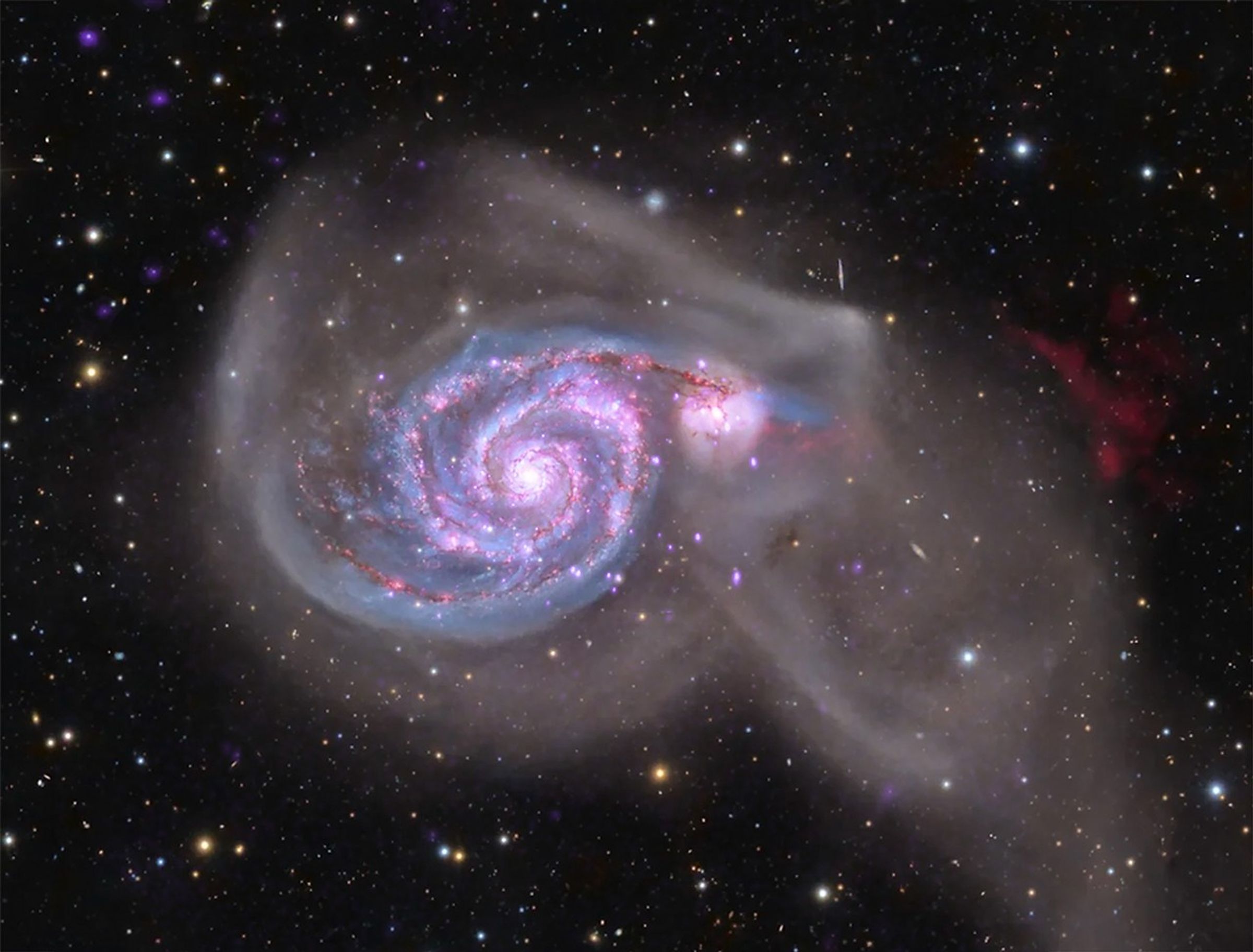
These results are not unique to M83. A follow-up study of the nearby star-forming galaxy M51 by Zoe Hoiland of Vassar College and Kilgard has uncovered a similar population of variable X-ray sources associated with supernova remnants, suggesting that such systems may be a feature of galaxies undergoing vigorous star formation.
This is a composite image of the galaxy M51 combining data from NASA’s Chandra X-ray Observatory (purple) with optical data (red, green and blue) taken with ground-based telescopes by a team of astrophotographers. A surprisingly high number of X-ray sources associated with supernova remnants in M51 show large changes in brightness, similar to the behavior seen in M83.
Chandra X-ray Data: NASA/CXC/SAO; Astrobin/Optical Groundbased: C.Björk, T.Bähnck, S.Donoso, J.Gentillon, A. and D.Grelin, S.Guberski, R. Hall, T.Heuberger, J.Jacks, P.Kent, Br.Meyers, W.Ostling, N.Puig, T.Schaeffer, F.Schöfbänker, M.Vasilev
The Chandra data for M83 began with single observations in 2000 and 2001, followed by 10 observations from 2010 to 2011 and another observation in 2014.
NASA’s Marshall Space Flight Center in Huntsville, Alabama, manages the Chandra program. The Smithsonian Astrophysical Observatory’s Chandra X-ray Center controls science operations from Cambridge, Massachusetts, and flight operations from Burlington, Massachusetts.
Visual Description
This release features a composite image of the nearby galaxy Messier 83, and short timelapse videos of two curious supernova remnants hidden inside.
In the composite image, Messier 83, or M83, is shown to have a spiral structure, viewed straight on. At the center is a brilliant white and yellow pool of light. From that light, spiral arms of hot pink cloud corkscrew out in wide, sweeping arches. The galaxy is covered in a faint grey haze, and flecked with red, green, blue, white, and yellow dots.
In an annotated version of the composite image, two tiny dots to our lower right of center are highlighted by white circles. These are two of the supernova remnants being considered by researchers. Each is examined further in a separate timelapse video.
Over a 14-year period from 2000 to 2014, astronomers pointed NASA’s X-ray observatory at the M83 galaxy. They discovered that about half of the X-ray sources believed to be supernova remnants, the aftermath of stellar explosions, were exhibiting dramatic changes in brightness. This result was entirely unexpected.
Those changes in brightness are highlighted in the timelapse videos. In each video, a series of static images flashes by, focused on one of the two X-ray sources once believed to be supernova remnants. In the videos, the X-ray sources appear as bright blue blobs with glowing cores. But in each image, taken months or years apart, the shapes change, as does the intensity of the blue color, and the brightness of the core. By presenting the substantively different images of the same objects one after another in quick succession, short timelapse videos are created.
The most likely explanation for the changes in brightness is that the team has uncovered a population of stellar survivors, stars that lived through an orbiting partner’s destruction in a supernova explosion. Material is being pulled from the surviving star onto the black hole or neutron star that formed in the supernova, a process known to cause rapid changes in X-ray brightness.
Scientists await a big splash in the Pacific Ocean as one of the most research-packed Dragon spacecraft to date returns, completing the 34th SpaceX commercial resupply mission to the International Space Station for NASA. Biological and materials samples, along with tested hardware, are heading back to research teams on Earth for further analysis, advancing NASA’s work to prepare humans for exploration beyond low Earth orbit and to deliver benefits back home.
Tiny cells, huge health insights
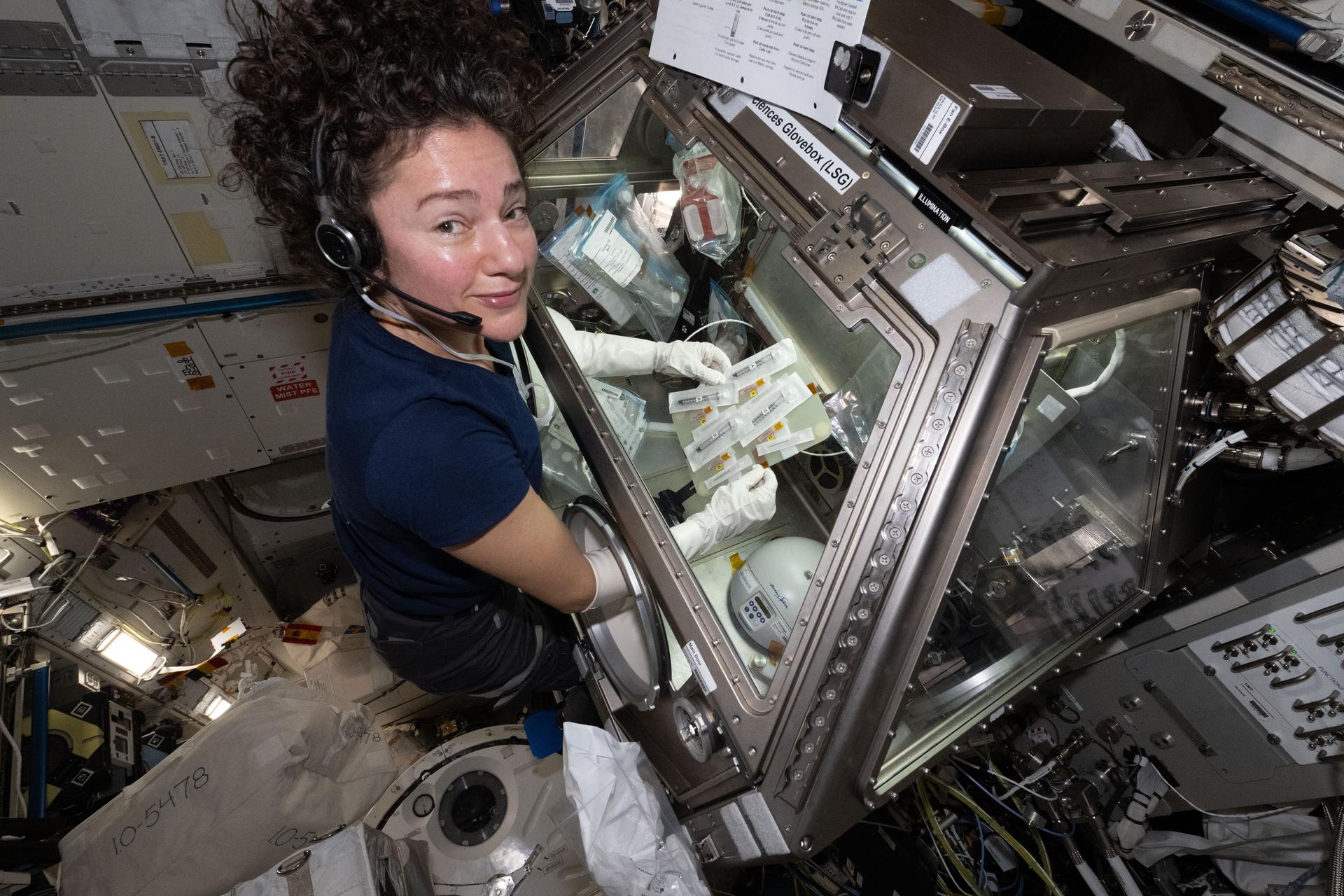
NASA astronaut Jessica Meir prepares samples in the Life Sciences Glovebox to study how weightlessness affects crew blood clotting and immune function for the Megakaryocyte Flying-One investigation.
NASA
Some samples returning are for NASA’s Hematopoietic Stem Cell Expansion in Space: Pathfinder Investigation (InSPA-StemCellEX-H2), which seeks to use the microgravity environment to scale up the production of stems cells. On Earth, lab-produced blood stem cells lose their ability to form different cell types, like red and white blood cells that are critical to treating patients with certain blood diseases and cancers. In microgravity, researchers believe this ability will be better preserved while also growing these stem cells in greater numbers. The returning samples will undergo further analysis to determine if space-based efforts produce larger quantities of enhanced stem cells suitable for clinical use.
The team behind NASA’s Streptococcus pneumoniae (Spn) Infection of Cardiac Tissue (MVP Cell-09) experiment is awaiting the return of stem cell-derived heart tissues that were intentionally infected with a pneumonia-causing bacterium as part of ongoing microgravity research. Pneumonia increases the risk of heart disease, which is not fully understood. Because bacteria tend to become more active and virulent in microgravity, this experiment could amplify their effects, making it possible to detect cellular responses that cannot be observed on Earth.
NASA’s Megakaryocyte Flying-One (MeF1) samples are returning to Earth to help understand how large cells found in bone marrow, known as megakaryocytes, and the platelets they produce adapt to spaceflight. Megakaryocytes and platelets play important roles in the formation of blood clots and immune responses. The returning samples, including those taken from astronauts, could show us how the human immune system reacts aboard the space station and help prepare for future exploration missions.
Driving design enhancements
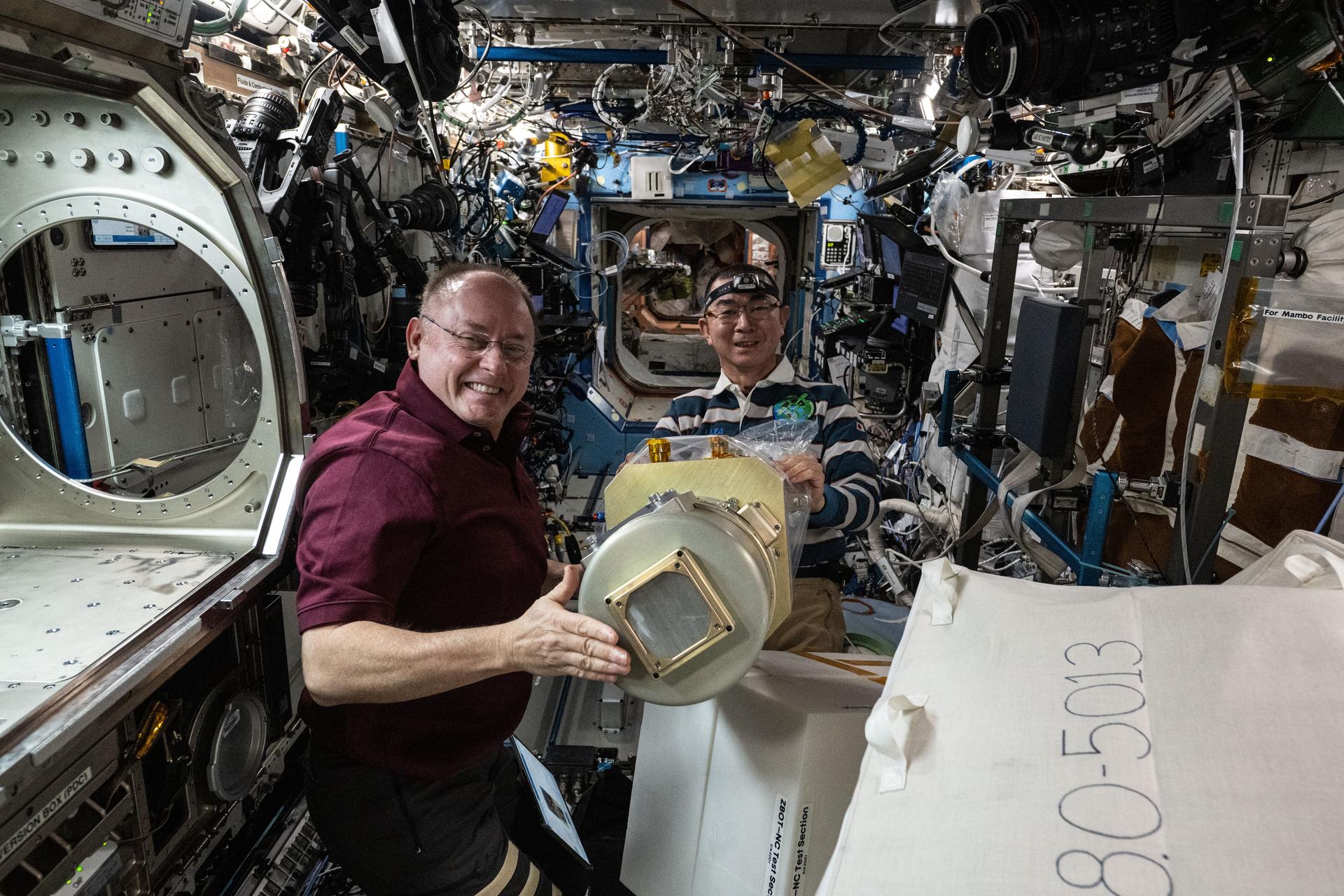
NASA astronaut Mike Fincke and JAXA (Japan Aerospace Exploration Agency) astronaut Kimiya Yui work on hardware for the Zero Boil-Off Tank investigation.
NASA
Many spacecraft use cryogenic fuels for propulsion, but temperature swings in space can cause these extremely cold fuels to slowly evaporate and escape their tank, reducing fuel efficiency and complicating mission planning. NASA’s Zero Boil-Off Tank Noncondensables (ZBOT-NC) investigation aboard station studies how gases that do not condense into liquids at cold temperatures affect pressure control and fluid behaviors in propellant tanks. Hardware returning aboard Dragon, including drives containing fluid-physics data, could help validate models and contribute to the design of more efficient cryogenic fuel storage systems for long-duration missions.
Semiconductor research samples as part of NASA’s In-Space Production of Semimetal-Semiconductor Composite Bulk Crystals in Microgravity (SUBSA-InSPA-SSCug) investigation are returning to Earth for further analysis. This study manufactured semimetal-semiconductor composite alloy crystals in space, which have applications in many electronics, including sensors and lasers. Researchers believe microgravity could enable the production of significantly greater and higher-quality crystals, supporting the development of next-generation semiconductor technologies.
Innovative medical research mix
Stem cells grown along a DNA-inspired nanomaterial on space station as part of DNA Nano Therapeutics-Mission 2, a percussor to DNA Nano Therapeutics-3.
University of Connecticut
NASA’s DNA Nano Therapeutics-3research team will receive tiny, space-assembled DNA-inspired materials that are combined with medicines to create active cancer treatments. Producing these treatments in microgravity can improve how well they perform in the body. This research could improve patient outcomes by helping therapies reach tumors more effectively, stay in the body longer, and improve medicine release.
Tissue models of the brain, heart, liver, and kidney that were tested with novel RNA-based medicines as part of NASA’s InSPA-Sachi Nanoligomerinvestigation are also returning. Microgravity can accelerate aging and disease processes, giving researchers a unique environment to better observe how well these new drugs work on different organs ahead of clinical trials.
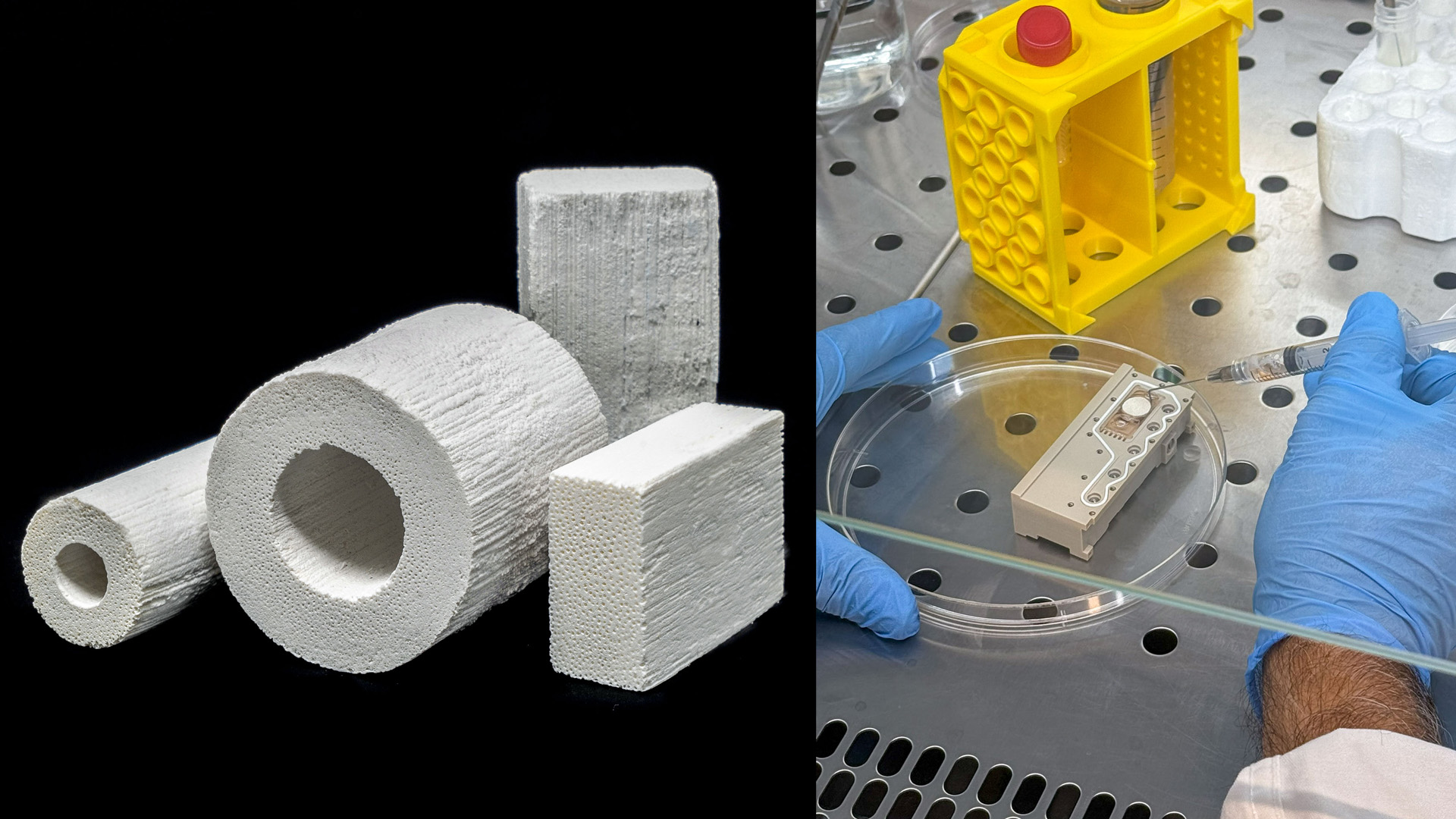
The left image shows various wood-derived products of different shapes, and the right image shows a sample of this same material in a laboratory setting on Earth. These products may have applications in the medical field by providing scaffolding for patients with fragile bones.
GreenBone Ortho
Samples from ESA’s (European Space Agency) Green Bone investigation are returning to Earth to help understand how bone cells grow and develop on a new scaffold made from wood. Designed to mimic real bone, this scaffold was tested in microgravity to understand its ability to heal defects and fractures. Because living in microgravity simulates conditions like osteoporosis, a skeletal disorder which affects millions of people worldwide, the results could help treat patients with these fragile bone conditions.
NASA’s 3D Bone Marrow Analog research team will analyze the returning 3D-printed tissues that mimic parts of the bone marrow. Spaceflight can cause aging-like changes, including bone and muscle loss. To investigate potential countermeasures, these tissue models were exposed to small vibrations aboard the space station to simulate exercise. After the samples return to Earth, researchers will measure bone-like mineral formations and observe cellular and genetic changes. Findings from this investigation could help develop new strategies to maintain astronaut bone and muscle health during future long-duration missions.
In the United States, more than 900,000 knee cartilage injuries occur annually, with many requiring surgery. NASA’s InSPA-Auxilium Bioprinter-Cell Printing is investigating how to treat these injuries and is returning 3D-printed cartilage tissue samples from space station. This investigation uses the orbiting laboratory’s unique microgravity environment to bioprint cartilage tissues with more evenly distributed cells compared to those printed on Earth. The results could help produce higher-quality cartilage prints to treat joint injuries.
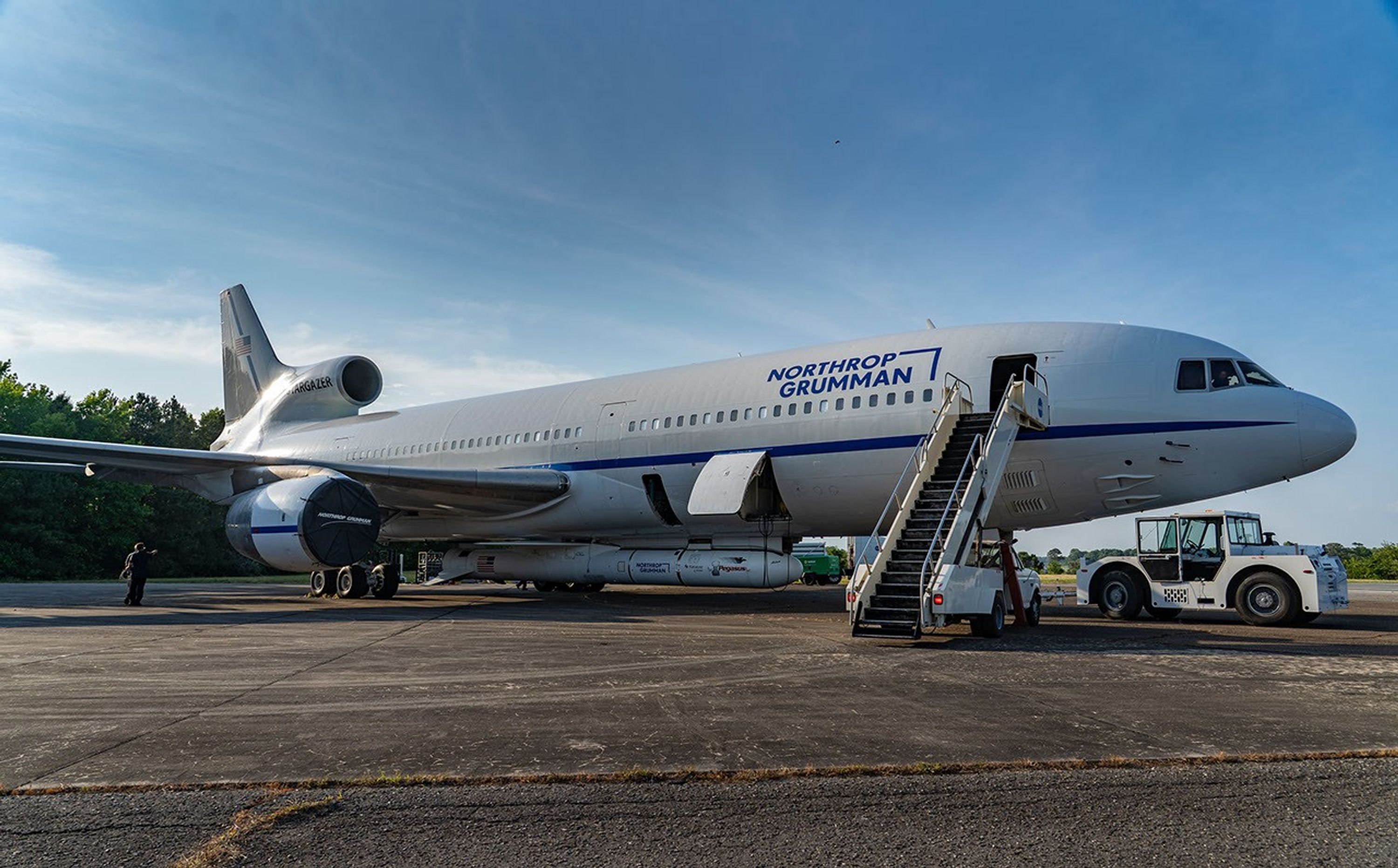
A Northrop Grumman Pegasus XL rocket is affixed to the bottom of the company’s Stargazer, a modified L-1011 aircraft, and ready for departure, as seen on June 12, 2026, at NASA’s Wallops Flight Facility in Virginia. Inside the rocket is Katalyst Space’s LINK robotic servicing spacecraft, which will launch to boost the orbit of NASA’s Neil Gehrels Swift Observatory.
NASA/Ron Beard
Engineers attached a Northrop Grumman Pegasus XL rocket to the company’s Stargazer aircraft at NASA’s Wallops Flight Facility in Virginia on Friday, June 12.
The rocket will carry LINK, a robotic servicing spacecraft from Katalyst Space, into orbit ahead of an attempt to boost NASA’s sinking Neil Gehrels Swift Observatory.
All spacecraft in low Earth orbit experience drag caused by our planet’s atmosphere, which gradually reduces their altitudes unless they have propulsion systems to counteract the effect.
A recent bout of solar activity magnified this effect on Swift, and its orbit has lowered faster than anticipated.
Katalyst selected Northrop Grumman’s Pegasus XL rocket as the best launch option for reaching the observatory in time for LINK to perform the boost procedure, based on the mission’s orbital and programmatic needs. Northrop Grumman will deploy the rocket using Stargazer, the company’s modified L-1011 airplane.
LINK will launch from Kwajalein Atoll, part of the Republic of the Marshall Islands in the South Pacific Ocean, later this month.
Everything but Exoplanets: The Transformative General Astrophysics of the Habitable Worlds Observatory
Monday, June 15th, 10:00am -11:30am PT
This is your reminder to join the Cosmic Origins community members as they present their science and talk about relevant topics of interest across the astrophysics landscape!
For Cosmic Origins at AAS, please visit the link below.
What can’t we see from Earth orbit? Dark matter signatures hidden in the Dark Ages. The magnetic fields shielding habitable worlds around nearby stars. Gravitational waves from merging intermediate-mass black holes. The surfaces of Sun-like stars at unprecedented milliarcsecond resolution.
If you’re attending the AAS Summer Meeting this week, stop by the PhysCOS table to learn more about AMMB STIG, or reach out to nmahesh@caltech.edu to get involved.
To stay up to date, you can join our mailing list by sending an email to AMMB-STIG-join@lists.nasa.gov with the subject line “subscribe.”
In accordance with Grant Information Circular 26‑02 [PDF], Research Security Training Requirements, all covered individuals named on NASA grant and cooperative agreement proposals will be required to attest that they have completed research security training prior to proposal submission beginning 5 August 2026. This attestation will be made by signing a certification included in the NASA biographical sketch and current and pending (other) support forms. To support your preparation, NASA is providing advance copies of the updated forms that will be required starting 5 August 2026. The new attestation related to research security training is highlighted within these documents.
Please note: Do not use these updated forms before August 5, 2026. Until that date, continue to use the current biographical sketch and current and pending support forms available on the NASA Grant Operations Management website under “Grant Forms.”
NASA/IPAC Extragalactic Database (NED): New APIs and Survey
15 June 2026
Respond By 31 July 2026
The NASA/IPAC Extragalactic Database (NED) aims to capture the most reliable census of extragalactic objects and provide essential data and tools to facilitate astrophysics research and exploration.
NED has new APIs which provide access to more data and services! See the new NED API specification document for details. Notice: The legacy APIs are deprecated and cannot access data ingested after January 2026.
We are currently assessing the importance of some data types in NED to the research of our users, and how to best deliver these and other data. Please help make NED better by taking this short survey (5 mins to complete) by 31 July 2026.
ROSES-25: Several Updates to the ROSES-25 Summary of Solicitation
15 June 2026
Comments Due by 13 July 2026
Research Opportunities in Space and Earth Sciences (ROSES)-2025 is an ongoing “omnibus” or “umbrella” solicitation meaning that it includes many individual program elements each with its own topics and due dates. Refer to Table 3 of ROSES-25 for a list of those program elements. The ROSES-25 “Summary of Solicitation” is the front matter that sets the default backstop rules for each of the program elements in ROSES-25.
ROSES-25 Amendment 59 makes several additions, changes, and clarifications to the ROSES-25 Summary of Solicitation [PDF] to conform with Agency and administration priorities, see Sections I, I(g), II(a), II(b), III(b), III(d), V(b)ii, VI(c) & VIII(b). New text is in bold.
Important and substantial revisions to 2 CFR 200, the government-wide guidance for grants and cooperative agreements are proposed to take effect October 1, 2026; see the proposed regulation webpage on the Federal Register. Many types of currently allowable costs, such as but not limited to publications, research or events outside the United States, and domestic conferences may be restricted, denied, or may be allowable by legal exception or special award conditions only. Public comments on the revisions to 2 CFR 200 may be submitted until 13 July 2026, using the OMB comments portal.
Questions concerning this amendment to ROSES-25 may be directed to SARA@nasa.gov.
NASA Science
NSPIRES
NASA Solicitation and Proposal Integrated Review and Evaluation System
Astrophysics Explorers Program 2026 Small Explorer (SMEX) Announcement of Opportunity Final Text Released
15 June 2026
NASA’s Science Mission Directorate (SMD) announces the release of an Announcement of Opportunity (AO) to solicit Principal Investigator (PI)-led space science investigations for the Small Explorer (SMEX) opportunity under the Astrophysics Explorers Program. The SMD strategic goal of expanding human knowledge through new scientific discoveries in astrophysics includes the broad objective: “to understand the Sun, Earth, Solar System, and Universe.” SMD addresses this objective through astrophysics investigations that address one or more of these science goals:
How does the Universe work? Probe the origin and destiny of our universe, including the nature of black holes, dark energy, dark matter and gravity.
How did we get here? Explore the origin and evolution of the galaxies, stars, and planets that make up our universe.
Are we alone? Discover and study planets around other stars and explore whether they could harbor life.
The 2026 Astrophysics SMEX (APSMEX26) Schedule is as follows:
AO Release Date: 9 June 2026
Preproposal Conference Date: 30 June 2026
Mandatory Notice of Intent Due Date: 21 July 2026
Proposal Due Date: 9 September 2026
For the full, final text of the Astrophysics Explorers Program 2026 SMEX AO, visit its NSPIRES webpage.
Prospective investigators from any category of organizations or institutions, U.S. or non-U.S. with some restrictions as specified in Section 4.2.1 of the AO, are welcome. Specific categories of organizations and institutions include, but are not limited to, educational, industrial, and not-for-profit organizations, Federally Funded Research and Development Centers (FFRDCs), University Affiliated Research Centers (UARCs), NASA Centers, and other Government agencies. Both U.S. and non-U.S. participation is subject to China restrictions described in Sections 4.2.2 and 5.8.1 of the AO.
All interested parties must read the final APSMEX26 AO carefully for significant changes from the draft AO (NNH25ZDA008J) and prior years’ SMD Explorers Program AOs. Of particular importance is the change in evaluation and selection to a single-step competitive process. NASA intends to select one investigation proposal from the APSMEX26 responses to proceed into a combined Phase A&B. All proposals must comply with the requirements, constraints, and guidelines contained within the AO.
The Science Office for Mission Assessments (SOMA) will post the virtual Preproposal Conference agenda, connection information, and related information on the official 2026 Astrophysics Small Explorer (SMEX) website, which also provides further information, including the SMEX Program Library and SMEX Question & Answer (Q&A) page. Anonymity of persons/institutions who submit questions will be preserved. Proposers are encouraged to send comments and questions early so that they may be fully addressed. Questions posed at least one week before the Pre-Proposal Conference may be addressed in the Pre-Proposal Conference presentation or on the SMEX Q&A page. The deadline for other questions is two (2) weeks before the proposal due date.
Please address all questions or comments about the Astrophysics SMEX 2026 AO Daniel Moses, APSMEX26 Lead Program Scientist, dan.moses@nasa.gov; Hannah Jang-Condell, APSMEX26 Deputy Program Scientist, hannah.jang-condell@nasa.gov; and Omar Torres, Lead Acquisition Manager for the 2026 Astrophysics SMEX AO, SOMA omar.torres@nasa.gov using subject line “APSMEX26” to be properly routed.
NASA Science
NSPIRES
NASA Solicitation and Proposal Integrated Review and Evaluation System
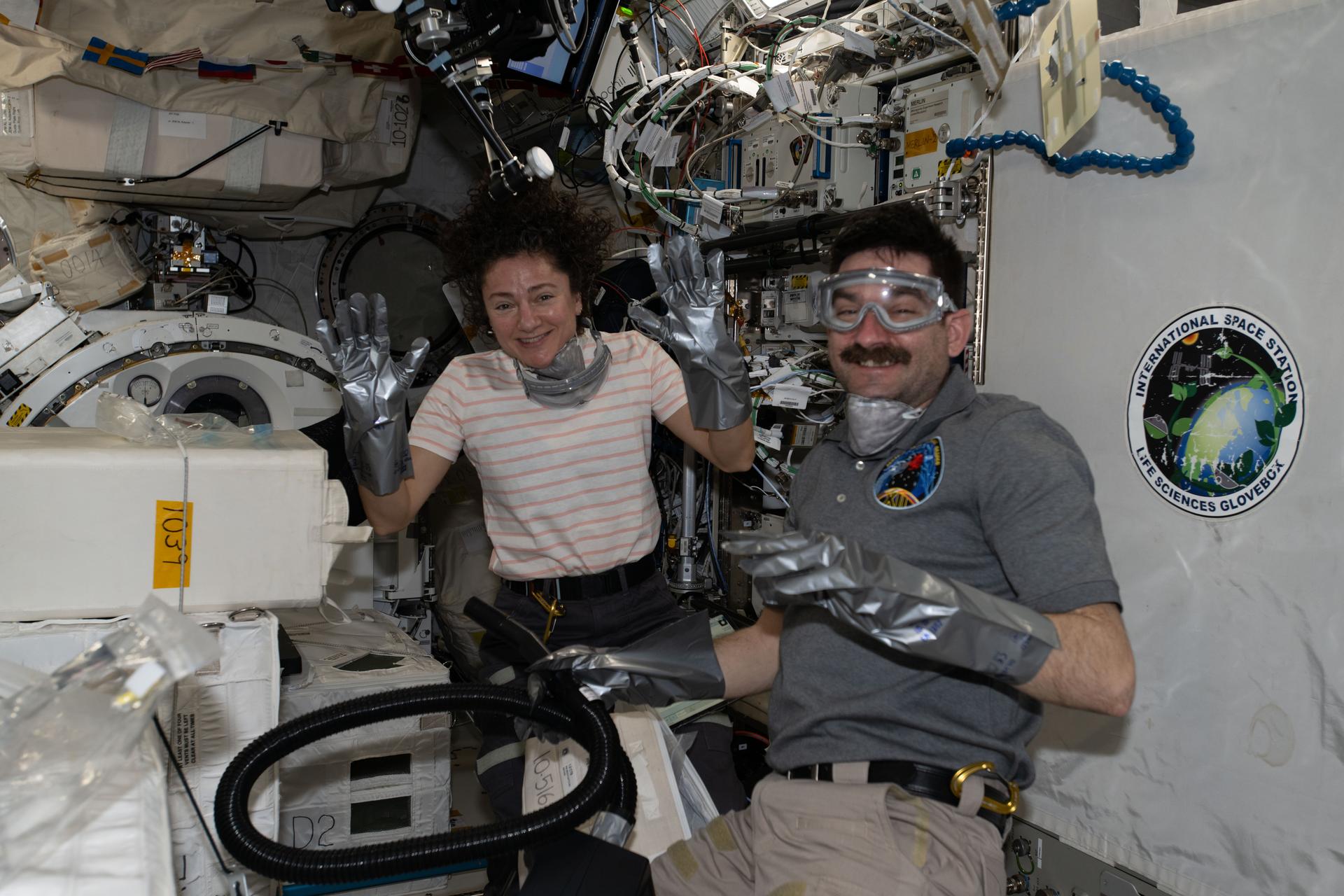
NASA astronauts Jessica Meir and Jack Hathaway wear disposable gloves, dust masks, and safety goggles while unpacking temperature‑controlled scientific samples from a SpaceX Dragon cargo spacecraft on May 17, 2026.
NASA/Chris Williams
The Expedition 74 crew members packed a SpaceX Dragon cargo spacecraft on Monday with sensitive science experiments and lab hardware for return to Earth. The orbital residents also configured spacewalking tools and conducted cardiac research to kick off the week aboard the International Space Station.
A SpaceX Dragon cargo spacecraft is scheduled to undock from the Harmony module’s forward port at 12:05 p.m. EDT on Tuesday ending its stay at the orbital laboratory that began on April 17. NASA+ will begin its broadcast of Dragon’s undocking and departure at 11:45 a.m. Dragon’s parachute-assisted splashdown in the Pacific Ocean off the coast of southern California the following day will not be televised.
The astronauts are partnering together transferring portable science freezers loaded with critical research samples and packing lab equipment into Dragon following a month of intense research into a variety of space-designed therapies to protect human health. The freezers house the results of investigations into stem cell manufacturing, cartilage tissue printing, and more to treat a range of conditions from blood diseases, cancers, and cartilage injuries. Doctors on the ground will analyze the preserved samples to gain advanced health insights unobtainable in Earth’s gravity environment.
NASA flight engineers Chris Williams and Jack Hathaway started the cargo work early Monday packing and securing station hardware inside Dragon for the ride back to Earth. Next, flight engineer Sophie Adenot of ESA (European Space Agency) installed the sample-packed freezers in Dragon where they will stay powered on preserving the biomedical specimens for retrieval on the ground. Finally, NASA flight engineer Jessica Meir capped off Monday’s shift with more scientific transfers then cleaned and inspected hatch seals on Harmony’s port where Dragon is docked.
Meanwhile, preparations continue for a spacewalk planned for June 30 to replace a wrist joint on the Canadarm2 robotic arm. Adenot began her shift in the Quest airlock charging lithium-ion batteries that power spacesuit gloves, helmet cameras, and pistol grip tools. Williams and Meir joined each other during a break in their Dragon packing and inspected tethers that secure astronauts to the orbiting lab during spacewalks.
Station commander Sergey Kud-Sverchkov and flight engineer Sergei Mikaev, both from Roscosmos, took turns wearing a series of arm, wrist, and finger cuffs measuring how living in space affects their blood pressure. Next, Kud-Sverchkov attached electrocardiogram sensors to his chest that will monitor his cardiac activity for 24 hours. Mikaev turned his attention to Earth observations, pointed a camera out a station window, and photographed landmarks across the Pacific Ocean including islands and volcanos.
Flight engineer Andrey Fedyaev began his shift transferring fluids and disinfecting tanks throughout the station’s Roscosmos segment. Fedyaev wrapped up his shift working on ventilation system maintenance and checking station lighting conditions and illumination levels.
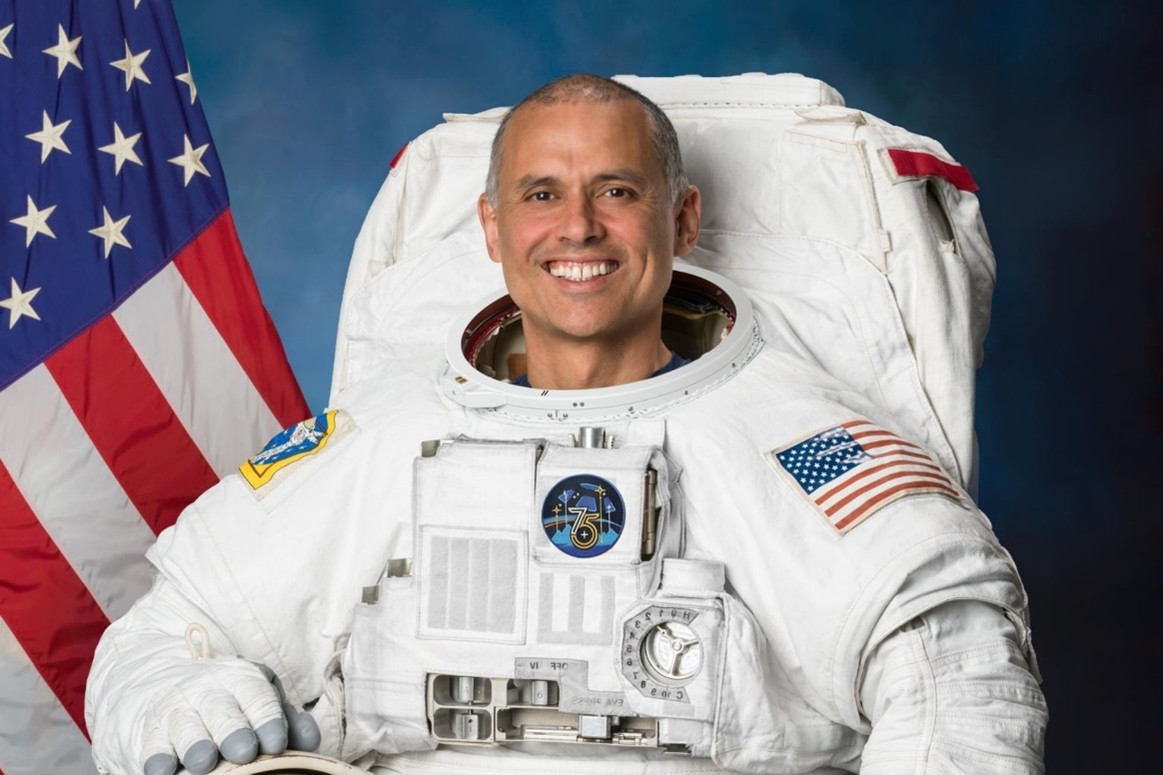
NASA astronaut and International Space Station Expedition 74/75 flight engineer Anil Menon poses for a portrait at NASA’s Johnson Space Center in Houston.
NASA/James Blair
NASA astronaut Anil Menon will be available for limited media interviews beginning at 9 a.m. EDT Monday, June 22, to discuss his upcoming mission to the International Space Station as part of Expeditions 74/75.
The virtual interviews will take place from the Gagarin Cosmonaut Training Center in Star City, Russia, and will stream live on the agency’s YouTube channel.
Media interested in participating must submit a request to the newsroom at NASA’s Johnson Space Center in Houston no later than 5 p.m. Wednesday, June 17, by emailing jsccommu@mail.nasa.gov. A copy of NASA’s media accreditation policy is online.
Menon is scheduled to launch to the space station Tuesday, July 14, from the Baikonur Cosmodrome in Kazakhstan aboard the Roscosmos Soyuz MS-29 spacecraft with Roscosmos cosmonauts Pyotr Dubrov and Anna Kikina. The trio will spend about eight months aboard the orbiting laboratory before returning to Earth in spring 2027.
During his expedition, Menon will conduct scientific investigations and technology demonstrations to help humans prepare for future exploration missions to the Moon and Mars, and to provide benefits on Earth. Among the hundreds of experiments planned during his mission, he will participate in studies to better understand astronaut vein structure, blood flow, and blood composition in microgravity. He also will test producing intravenous fluids using the space station’s potable water.
The Soyuz MS-29 mission will be his first spaceflight after he was selected as part of NASA’s 2021 astronaut class. A native of Minneapolis, Menon is an emergency medicine physician, mechanical engineer, and colonel in the United States Space Force. He also has served as an expedition flight surgeon supporting the agency’s crew members aboard the space station.
For more than 25 years, people have lived and worked continuously aboard the International Space Station, advancing scientific knowledge and making research breakthroughs not possible on Earth. The space station helps NASA understand and overcome the challenges of human spaceflight, expand commercial opportunities in low Earth orbit, and build on the foundation for long-duration missions to the Moon, as part of the Artemis program, and to Mars.
To learn more about International Space Station research, operations, and its crews, visit:
A period of unsettled weather brought scattered showers and thunderstorms to California’s Bay Area on May 27, 2026. That afternoon, a break in the clouds left downtown San Francisco and nearby communities beneath mostly cloud-free skies, allowing an astronaut aboard the International Space Station to take this photograph.
NASA
An astronaut aboard the International Space Station took this picture of downtown San Francisco and nearby communities on May 27, 2026. The image captures two of the region’s iconic bridges. The Golden Gate Bridge connects the northern San Francisco Peninsula with Marin County to the north, while the San Francisco-Oakland Bay Bridge spans the bay toward Oakland to the east.
Experience the Launch of NASA’s Roman Space Telescope
Are you ready for a new view of the universe? The Nancy Grace Roman Space Telescope will reveal distant worlds, dark energy, and the structure of the cosmos, and we want you to be a part of it!
Digital creators and social media users are invited to register to our NASA Social for the Nancy Grace Roman Space Telescope launch. Roman is NASA’s next flagship astrophysics mission, designed to explore everything from our outer solar system to the edge of the observable universe. This mission is scheduled to launch on Aug. 30, 2026, aboard a SpaceX Falcon Heavy rocket from Launch Complex 39A at NASA’s Kennedy Space Center in Florida.
Are you passionate about social media and communications? Do you love to create content for an audience? Are you a fan of new, unique experiences? If you said yes, this NASA Social event is for you! This is your opportunity to be on the front lines of this historic mission.
The NASA Social event will take place over two days, including the day of launch. A maximum of 50 digital creators will be selected to attend this two-day event and will be given access similar to news media.
NASA Social participants will have the opportunity to:
Tour NASA’s Kennedy Space Center
Learn directly from astrophysics subject matter experts
Meet fellow digital creators and social media users
Spend time with members of NASA’s social media team
View the launch of the Nancy Grace Roman Space Telescope
NASA Social events are intended for members of the public. Current or former NASA civil servants, NASA contractors, NASA interns, and individuals or organizations currently under contract to provide products or services to NASA are not eligible to apply or participate in NASA Social events.
NASA Social registration for the Roman launch opens on this page on Monday, June 15 and the deadline to apply is at 11:59 p.m. EDT on Sunday, June 28. All applications will be considered on a case-by-case basis.
Do I need to have a social media account to register?
Yes. This event is designed for people who:
Actively use multiple social networking platforms and tools to disseminate information to a unique audience.
Regularly produce new content that features multimedia elements.
Have the potential to reach a large number of people using digital platforms.
Reach a unique audience, separate and distinctive from traditional news media and/or NASA audiences.
Must have an established history of posting content on social media platforms.
Have previous postings that are highly visible, respected, and widely recognized.
Users are encouraged to follow @NASARoman for Roman updates on X, Facebook, and @NASAGoddard and @NASAUniverse on Instagram. Updates and information about the event will be shared on X via @NASA_Events
How do I register?
Registration for this event opens Monday, June 15 and closes at 5 p.m. EDT on Sunday, June 28. Registration is for one person only (you) and is non-transferable. Each individual wishing to attend must register separately. Each application will be considered on a case-by-case basis.
Can I register if I am not a U.S. citizen?
Yes, this event is open for all to apply.
When will I know if I am selected?
After registrations have been received and processed, an email with confirmation information and additional instructions will be sent to those selected. We expect to send the first notifications on XX and waitlist notifications on XX.
What are NASA Social credentials?
All NASA social applications will be considered on a case-by-case basis. Those chosen must prove through the registration process they meet specific engagement criteria.
If you do not make the registration list for this NASA Social, you still can attend the launch off site and participate in the conversation online. Find out about ways to experience a launch at https://www.nasa.gov/kennedy/see-a-launch-up-close/.
What are the registration requirements?
Registration indicates your intent to travel to NASA Kennedy and attend the two-day event in person. You are responsible for your own expenses for travel, accommodation, food, and other amenities.
The schedule of events and special guest appearances are subject to change without notice. NASA is not responsible for loss or damage incurred as a result of attending. NASA, moreover, is not responsible for loss or damage incurred if the event is canceled with limited or no notice. Please plan accordingly.
Kennedy is a government facility. Those who are selected may need to complete additional steps to receive clearance to enter the secure areas.
IMPORTANT: Those without proper identification cannot be admitted.
For United States Citizens:
You will be required to present a REAL ID compliant identification or valid U.S. passport PLUS one of the following:
Acceptable documents to accompany federal or state identification:
Unexpired Employment Authorization Document issued by DHS that contains a photograph (Form I-688B)
Driver’s license or ID card issued by a state or outlying possession of the United States provided it contains a photograph or information such as name, date of birth, gender, height, eye color, and address
ID card issued by federal, state, or local government agencies or entities, provided it contains a photograph or information such as name, date of birth, gender, height, eye color, and address
School ID card with a photograph
Voter’s Registration Card
Military Dependent’s ID Card
U.S. Military card or draft record
U.S. Coast Guard Merchant Mariner Card
Native American Tribal Document
U.S. Social Security Card issued by the Social Security Administration (other than a card stating it is not valid for employment)
Original or Certified copy of birth certificate issued by a state, county, municipal authority, or outlying possessions of the United States bearing an official seal
U.S. Citizen ID Card (Form I-197)
ID Card for use of Resident Citizens of the United States (Form I-179)
Unexpired employment authorization document issued by DHS (other than those listed previously)
For Foreign Nationals:
Same items required of U.S. Citizens (SSN only when applicable)
Unexpired foreign passport, with I-551 stamp or attached Form I-94 indicating unexpired employment authorization
Passport number and registration date
Citizenship
Driver’s license issued by a Canadian Government authority
For Legal Resident Aliens:
Same items required of U.S. Citizens, and:
Permanent Resident Card or Alien Registration Receipt Card with photograph (Form I-551)
Unexpired Temporary Resident Card (Form I-688)
Certification of Birth Abroad issued by the Department of State (Form FS-545 or Form DS-1350)
The REAL ID Act was passed by Congress in 2005 to establish minimum security standards for state-issued driver’s licenses and identification cards.
All registrants must be at least 18 years old.
What if the launch date changes?
Hundreds of different factors can cause a scheduled launch date to change multiple times. The launch date will not be official until after the Flight Readiness Review. If the launch date changes prior to the review, NASA may adjust the date of the NASA Social accordingly to coincide with the new target launch date, and will notify registrants of any changes via email.
If the launch is postponed, attendees will be invited to attend a later launch date. If the launch is postponed beyond 72 hours, the NASA Social event may be canceled.
NASA Social attendees are responsible for any additional costs they incur related to any launch delay. We strongly encourage participants to make travel arrangements that are refundable and/or flexible.
What if I cannot come to the Kennedy Space Center?
If you cannot come to NASA Kennedy and attend in person, you should not register for the NASA Social. Join the conversation by following @NASARoman on X and Facebook, and @NASAGoddard and @NASAUniverse on Instagram. You can watch the launch at nasa.gov/live. NASA will provide regular launch and mission updates on @NASA.
If you cannot make this NASA Social, don’t worry; NASA is planning many other NASA Social events in the near future at various locations! Check for updates on NASA Socials.
The SLA provides information about roles, responsibilities, rates, and service level indicators for all NASA Centers. The SLA is negotiated on an annual basis in line with the fiscal year. A single SLA is shared by all NASA Centers and signed by the Associate Administrator, Chief Financial Officer, Chief Information Officer, and the Office of Inspector General. The SLA provides for the delivery of specific services from the NSSC to NASA Centers and Headquarters Operations in the areas of:
Financial Management
Procurement
Human Resources
Information Technology
Agency Business Services
NSSC Bill (Formerly know as Performance and Utilization Report (PUR))
*** On-Line Course Management and Training Purchases have been realigned to the OLC &Training Purchases section of the bill in accordance with the realignment of training funds. Center Special Projects have been consolidated into one Special Projects bill with the funding Center identified for each project.***

 Login