Normal view

Received today — 3 June 2026 Interesting Engineering

China’s critical nuclear plant conducts hot functional tests ahead of fuel loading

China’s one of key nuclear power plants has successfully conducted hot functional tests, according to a report. The tests were conducted at the Xudabao nuclear power plant’s unit 3.

Situated in China’s Liaoning Province, Xudabao nuclear power plant is gearing up to become fully operational.

China National Nuclear Corporation revealed that the tests validated the system for normal operation by simulating the temperatures and pressures of normal tests.

Critical part of the commissioning process

This stage is a critical part of the commissioning process, during which reactor systems are operated under conditions similar to those expected during normal plant operation. Engineers use these tests to verify the performance and reliability of key systems before nuclear fuel is introduced into the reactor.

Completion of this phase indicates that Unit 3 has entered the final stretch before startup activities begin. The reactor is expected to move toward fuel loading and subsequent operational preparations in the coming years.

Reports revealed that at the same construction site, Unit 2 recorded another major breakthrough with the installation of its reactor pressure vessel.

Large-scale equipment installation

This massive component serves as the heart of the nuclear reactor, containing the reactor core and supporting safe operation throughout the plant’s lifetime. Its successful placement marks the transition from civil construction work to large-scale equipment installation.

The Xudabao project is designed to become a significant contributor to the nation’s electricity supply. The development combines both domestically developed and internationally sourced reactor technologies. Units 1 and 2 are based on China’s CAP1000 design, while Units 3 and 4 utilize the Russian-developed VVER-1200 reactor technology. Additional reactors are planned as part of the site’s long-term expansion strategy.

Construction activities at the project have progressed steadily over recent years as China continues to expand its nuclear power sector. China views nuclear energy as an important element of its broader strategy to ensure energy security, reduce dependence on fossil fuels, and lower greenhouse gas emissions.

It’s claimed that once all planned units are operational, the Xudabao facility is expected to generate tens of billions of kilowatt-hours of electricity annually. The plant will play a significant role in supplying low-carbon power to support economic growth while contributing to China’s environmental and climate objectives.

CNNC said the completion of the hot tests at Xudabao 3 “lay a solid foundation for subsequent nuclear fuel loading, grid connection, and power generation”. CNNC added the reactor pressure vessel (RPV) of unit 2 was successfully hoisted into place on 28 May, “marking the official start of the peak period for the installation of main equipment for unit 2”, reported World Nuclear News.

The latest milestones demonstrate the project’s steady advancement and reflect China’s ongoing commitment to expanding its nuclear generation capacity as part of a diversified and cleaner energy mix.
US researchers use sound waves to mimic atomic behavior, advance computing

3 June 2026 at 17:45

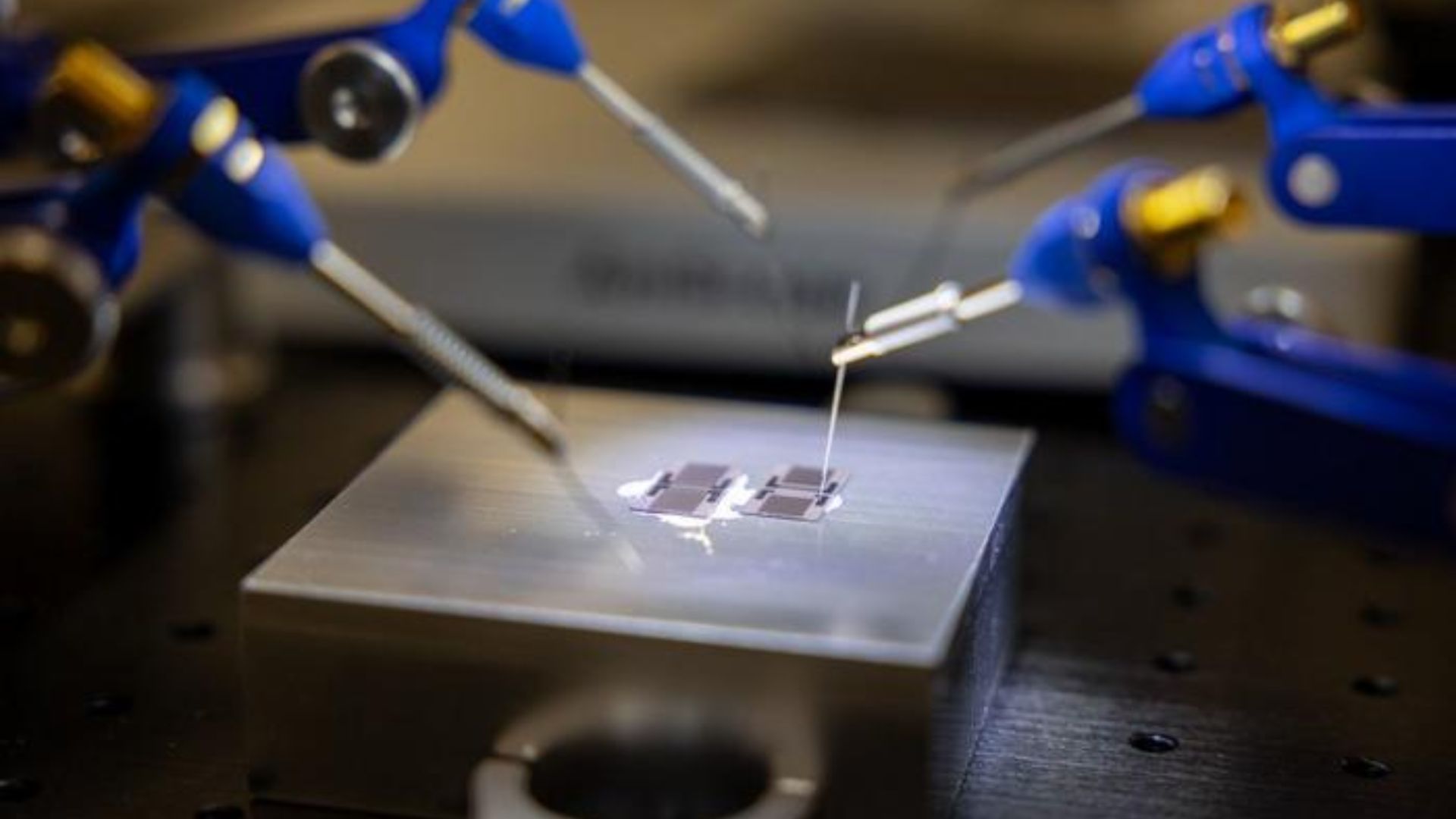
A collaboration between researchers from Virginia Tech and Oak Ridge National Laboratory (ORNL) in the US has built a chip-scale device that can trap and control sound waves in a way that mimics the behavior of real atoms. Sound waves can be used to process and route signals, paving the way for new technologies that are compact and efficient. 

The world of electronics has been shrinking and will continue to do so in the years to come. As chips become smaller, computations move from the realm of classical physics to that of quantum physics. Assumptions from classical physics do not work in this realm and to control these systems, scientists and engineers need to first understand how they work. 

In the long term, these chips will be everywhere from medical devices to telecommunication systems, in our cars and as part of artificial intelligence (AI) systems. Since factors like heat, vibration or electromagnetic noise impact quantum states, scientists needed a different solution to be able to control quantum-scale systems. 

Why build an acoustic atom? 

Scientists at the Department of Electrical and Computer Engineering, Department of Physics, and Center for Quantum Information Science and Engineering at Virigina Tech teamed up with those at ORNL to find a way to control quantum-scale systems. 

Since acoustic waves or sound waves can be used to process and route signals in a sustainable way, the researchers decided to pursue this further. The built an acoustic atom, a chip-scale device that can trap and control sound waves. 

“In nature, an atom has distinct energy levels that electrons can jump between,” said Linbo Shao, assistant professor at the Department of Electrical and Computer Engineering at Virginia Tech, in a press release. 

“Our acoustic atom is a device with distinct energy levels for acoustic waves. Using electrical fields, we can drive transitions between these acoustic energy levels, mimicking real atoms.”

Building pathways for the future

The acoustic atom is a like a simulation of atomic-sized systems and lets researchers control their behavior. This helps them understand how signal processing works within quantum systems and how to control it for future applications. 

According to the researchers, their device will help in the development of highly sensitive sensing technologies, interfaces for quantum hardware, and analog computing systems. Additionally, it will help build smaller components for microwave communications and improve signal routing and filtering. 

Unlike electromagnetic waves, acoustic waves can be used over extremely small footprints while also retaining energy or information for much longer. 

““Right now, we’re using classical, coherent microwave sources to drive the acoustic waves. There’s a long way to get this down to the single phonon level, but we’re optimistic that all those will happen soon,” added Shao in the press release

“Ultimately, we hope this platform provides a new, highly compact way to process signals and perform analog acoustic computing directly on a chip.” 

The research findings were published in the journal Physical Review Letters today.

World’s first two-seat Gripen F jet can coordinate drone swarms for added lethality

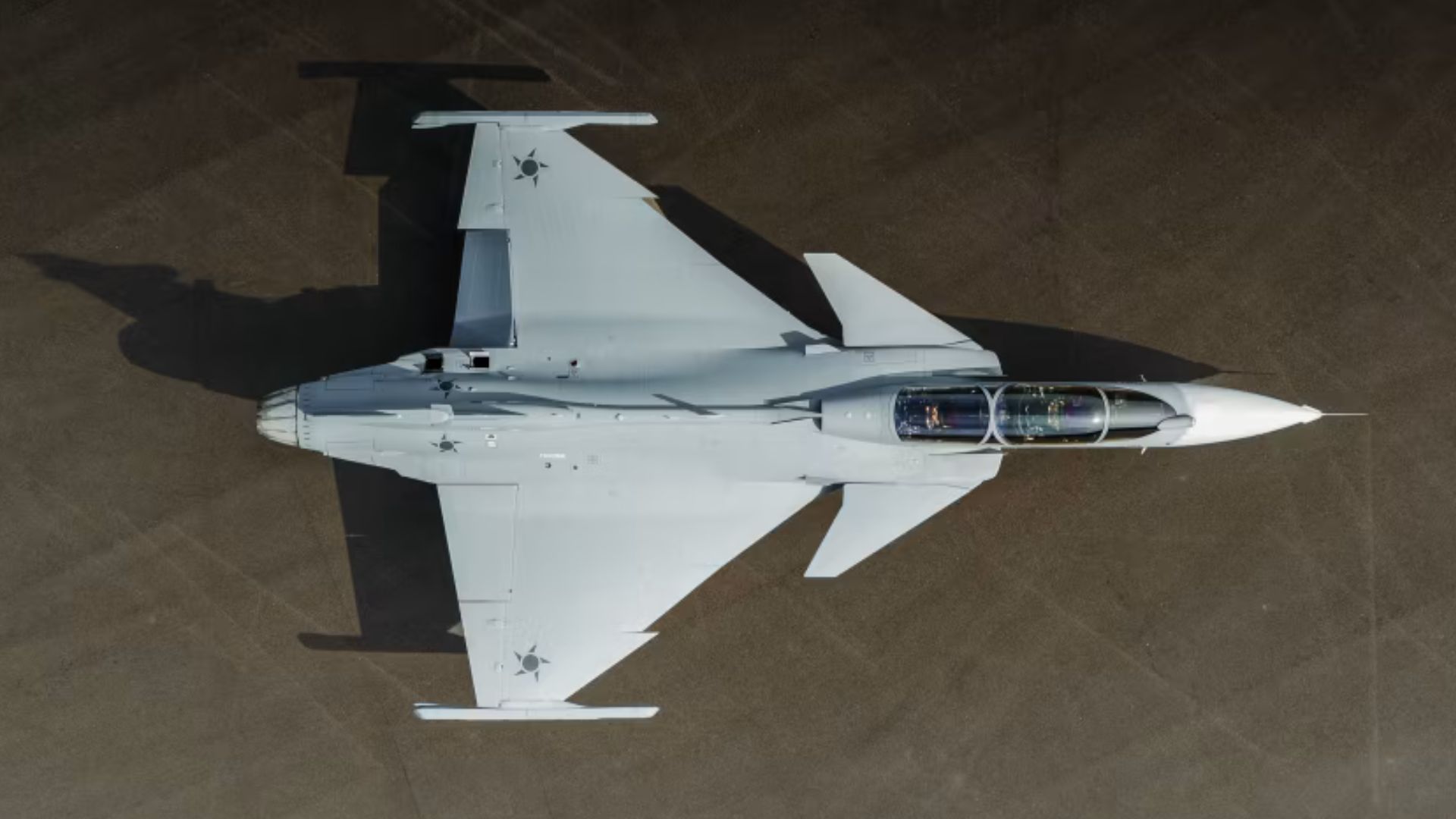
Sweden-based Saab has rolled out the world’s first Gripen F fighter jet at a ceremony held at its facilities in Linköping. It is the two-seat variant of the Gripen E series, which has been developed to meet the training and operational requirements of modern air forces.

The two-seat fighter jet has been developed by Saab in collaboration with Brazil. The Gripen F will not head to Saab’s Flight Test Center ahead of handover to the Brazilian Air Force.

In 2014, Brazil placed an order for a total of 36 Gripen fighter jets with Saab. The order included 28 single-seat Gripen E variants and eight two-seat Gripen F aircraft. Saab had started building the first Gripen F jet in 2020. As of today, 11 aircraft have been handed over to Brazilian forces under the deal.

World’s first Gripen F fighter jet

The Gripen F is unique in the sense that it is not just meant as a combat aircraft, as it also has a second seat for an instructor. The second cockpit can also help ease the workload on the main pilot and prove handy in mission support.

The aircraft retains the fighting capability of the Gripen E variant and can also be used for training. The company says that the addition of a second pilot will boost training for the entire fleet and will also improve its performance in dangerous scenarios.

The addition of a fully independent second cockpit enables instructor-guided missions in a fully operational fighter, providing trainee pilots with realistic, live-mission conditions.

“The rollout of Gripen F represents a shared achievement between Saab, Brazilian industry and the Brazilian Air Force, reflecting the deep trust we have built together over many years. Developing this aircraft together demonstrates the maturity of this collaboration. It represents not only a highly capable fighter for the Brazilian Air Force, but also the tangible outcome of sustained joint development and shared ambition,” said Lars Tossman, head of Saab’s business area Aeronautics.

More about Saab’s aircraft

The aircraft has an overall length of 52 feet (15.9 meters) and a width of 28 feet. While it is slightly longer than the Gripen E variant, it retains the width and the maximum take-off weight of 36,376 pounds (16,500 kg).

The jet has 10 hardpoints for carrying payloads, a maximum thrust of 98 kN, and an aerial refueling facility, just like the earlier single-seat variant. Saab also says that Gripen F is designed for next-day integration. “Whether it is new software, advanced AI algorithms or next-generation hardware, Gripen F can be re-equipped almost immediately.”

The addition of an extra seat will allow the second Gripen F pilot to command, monitor, and coordinate multiple unmanned systems in real time. These can be used to coordinate precise, multi-axis attacks, put drones in contested or enemy airspaces for intelligence gathering, and overwhelm enemy air defenses.

The company also adds that the Gripen F can carry all weapons that its predecessor does, be it the AESA radar, the beyond-visual-range missiles, or the capability for electronic warfare.

Watch: Shanghai firm unveils 1.2m humanoid robot with dual brains and compact design

3 June 2026 at 16:27

A Shanghai-based robotics company has unveiled a compact humanoid robot that marks the firm’s expansion beyond industrial collaborative robots into the broader field of intelligent robotics.

JAKA Robotics’ Pi is a compact humanoid robot that stands 1.22 meters tall and weighs 92 pounds (42 kilograms).

According to Jaka, Pi is designed for versatile real-world applications. The platform combines mobility, advanced perception capabilities, and human-like interaction to operate in a variety of environments.

Recently, China has introduced humanoid robots into its postal logistics network, using automated parcel sorters in Guangzhou to boost warehouse efficiency.

Compact humanoid debuts

JAKA Pi is a compact humanoid robot designed to showcase the company’s latest advances in embodied intelligence, motion control, and AI-powered interaction.

Measuring 1220 × 420 × 220 millimeters and weighing just 92 pounds (42 kilograms), the platform is among the most compact humanoids in its category.

The JAKA Pi features 27 degrees of freedom and newly developed integrated joint modules that are 15 to 27 percent smaller than previous generations, enabling a more compact and lightweight design. Its knee joints deliver up to 120Nm of torque for stable locomotion, while each arm supports payloads of up to 3 kilograms for object handling and manipulation tasks.

At the core of the robot is JAKA’s fusion brain architecture, built on Intel’s heterogeneous computing platform. The system separates high-level intelligence from low-level motion control. The “cerebrum” processes AI reasoning, vision perception, large language models, and application logic, while the “cerebellum” handles real-time movement through an EtherCAT-based control network operating with millisecond-level latency.

According to the firm, the dual-domain architecture enables the robot to interpret spoken instructions, understand its environment, generate action plans, and execute physical tasks with coordinated motion. By combining advanced AI with deterministic control systems, JAKA Pi serves as a versatile research and development platform for embodied intelligence, human-robot interaction, and next-generation robotics applications.

Beyond industrial automation

JAKA Robotics is a Shanghai-based robotics company founded in 2015 and best known for its collaborative robots (cobots) and emerging embodied AI platforms. Over the past decade, the company has evolved from an industrial automation specialist into a developer of intelligent robotic systems that combine advanced perception, force control, machine vision, and artificial intelligence.

Its core product lineup includes the JAKA Zu Series (Zu3, Zu5, Zu7, Zu12, Zu18, Zu20, Zu30), designed for general industrial automation tasks such as assembly, machine tending, palletizing, and packaging. The JAKA Pro Series (Pro5, Pro12, Pro16) is built for harsh industrial environments, featuring IP68-rated protection against dust, oil, and water.

For applications requiring precise force interaction, JAKA offers the S Series (S5 and S12), which integrates high-accuracy force sensing and advanced force-control capabilities. The AL and A Series combine robotic manipulation with machine vision, enabling perception-driven automation and easier deployment in dynamic production environments.

The company also produces compact robots such as the MiniCobo and Mini 2, aimed at education, research, hospitality, and small-scale automation. Supporting technologies include the JAKA Lens 2D and JAKA Lens VPS vision systems, six-axis force sensors, RoboHub control platforms, and low-code programming tools.

In embodied intelligence, JAKA has introduced the K-Series humanoid platforms, including the K1, K1L, and K1W, as well as the recently unveiled JAKA Pi humanoid robot. These systems integrate large language models, machine vision, force control, and real-time motion planning, positioning JAKA as a developer of next-generation AI-powered robots capable of operating beyond traditional industrial settings.

💾

Meet JAKA Pi: a 1.2m humanoid robot that combines AI reasoning, machine vision, and real-time motion control in a compact platform for labs, schools, and offices.

US firm uses megawatt-class hybrid-electric CT7 turboprop plane engine for tests

3 June 2026 at 16:16

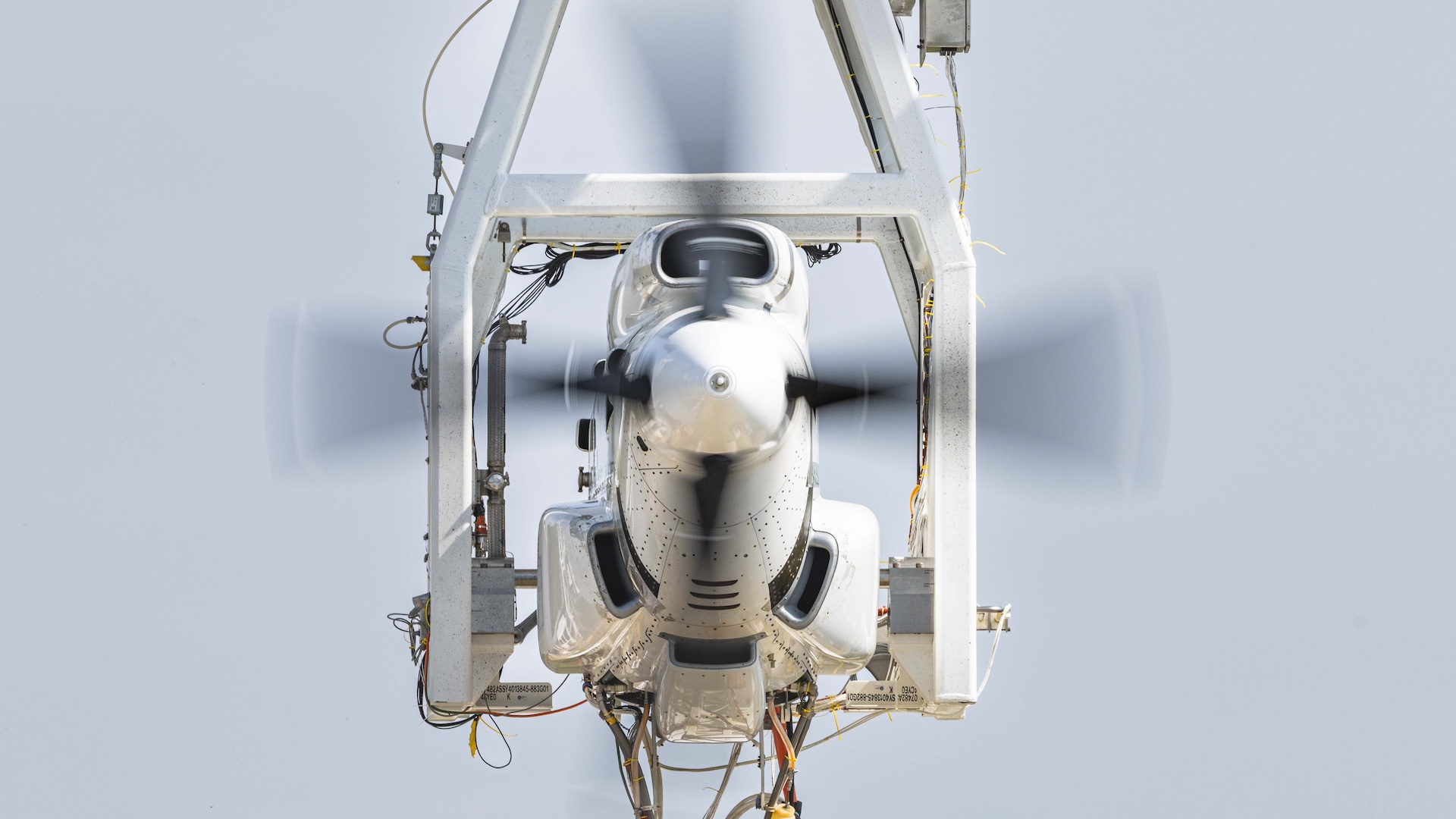
GE Aerospace is edging towards a major milestone in electrified flight. The company successfully completed initial ground tests of a hybrid-electric version of its CT7 turboprop engine.

The tests, conducted at GE’s facility in Peebles, Ohio, validated the full integrated megawatt-class hybrid-electric system. The engine maker developed the demonstrator with NASA funding under the Electrified Powertrain Flight Demonstration (EPFD) project.

GE Aerospace’s hybrid engine tests

During the tests, engineers simulated multiple flight phases, including taxi, take-off, climb, and cruise.

“The ground test was the company’s first to validate the full integrated system,” GE Aerospace explained in a press statement on June 2. “Teams simulated various flight phases such as taxi, take-off, climb, and cruise. The electric powertrain helped successfully power the propeller and generated power to the battery.”

The engine’s parallel hybrid architecture allows both the gas turbine and the electric system to drive the propeller.

GE Aerospace developed key components for the hybrid engine, including proprietary motor-generators, controllers, power converters, and inverters. BAE Systems developed the batteries used for the tests, while Boeing subsidiary Aurora Flight Sciences supplied the complete nacelle.

GE Aerospace subsidiaries Dowty and Avio Aero provided propellers, as well as gearboxes, and a CT7 engine, respectively.

According to GE, this ground test clears the path for eventual flight testing, though the company has not provided an updated timeline. The firm previously announced it was targeting mid-2020s flight trials on a modified Saab 340 regional airliner, with one of the aircraft’s two CT7 engines replaced by the hybrid unit.

The future of hybrid-electric technologies

The recent test is part of a broader effort to advance hybrid-electric technologies.

These efforts are also informing the design of GE Aerospace’s open-rotor engine under the Revolutionary Innovation for Sustainable Engines (RISE) program.

Conducted with Safran via the CFM International joint venture, the RISE open-rotor concept targets next-generation narrowbody aircraft that Airbus and Boeing expect to introduce in the 2030s.

“The ground test is a major turning point in our understanding of hybrid-electric powertrains for aviation and a fundamental building block for the future,” explained Arjan Hegeman, GE vice-president for future of flight. The test “positions GE to have the technologies ready to meet customer needs for greater durability, efficiency, and range,” he added.

GE has accumulated more than a decade of experience in electric propulsion. In 2016, it ground-tested an electric motor-driven propeller, followed by 2022 evaluations of a megawatt-class hybrid system at NASA’s Electric Aircraft Testbed. In 2025, the company demonstrated hybrid-electric power transfer and injection using a modified Passport turbofan under NASA’s Hybrid Thermally Efficient Core program.

With its latest test, GE is pushing toward sustainable aviation technologies amid industry demands for reduced fuel consumption and emissions. While details on specific efficiency gains remain limited, the company views hybrid systems as key to lowering emissions.

Scientists shrink lab-grade ultrafast laser on a single chip for making atomic clocks

3 June 2026 at 16:00

Researchers at EPFL – Swiss Federal Technology Institute of Lausanne have integrated an ultrafast femtosecond laser onto a photonic chip. 

In a major milestone, the tiny laser went toe-to-toe with tabletop models, packing 1.05 nanojoules of energy into fleeting 147-femtosecond bursts.

“For more than twenty years, a high-pulse-energy femtosecond laser on chip was widely regarded as a holy grail of integrated photonics,” said Professor Tobias J. Kippenberg at EPFL. 

“Our result shows that it is not only possible, but that it can be achieved with a surprisingly elegant architecture that the integrated-photonics community had overlooked,” added Kippenberg. 

EPFL’s chip-based ultrafast laser operating in the laboratory test setup. Credit: Zheru Qiu/EPFL

Photonic chip milestone

In this work, an ultrafast laser was miniaturized using photonic chips to route light through microscopic waveguides rather than bulky laboratory equipment. These emit incredibly precise light pulses lasting only a few hundred femtoseconds or quadrillionths of a second.

The high-speed lasers are vital for advanced applications like eye surgery, micromachining, and atomic clocks.

The EPFL team has achieved what many in the field considered impossible. They have built the first integrated chip-scale ultrafast laser that matches the raw performance of its giant, tabletop ancestors.

To pull this off, the EPFL team had to rethink how lasers handle light.

Instead of routing electricity through copper wires, photonic chips guide light through microscopic channels called waveguides etched into a wafer. But when you squeeze immense laser power into channels thousands of times thinner than a human hair, the light violently interacts with itself.

In standard laser designs, this structural stress causes the hyper-fast pulses to destabilize and rip themselves apart.

The solution lay in a forgotten, decades-old fiber-laser concept: the Mamyshev oscillator.

Use in GPS and medicine

Operating like a highly selective photon security checkpoint, this design traps light inside a laser cavity between two optical filters tuned to entirely different color spectra. 

While weak, chaotic light fails the test and dies out because it cannot pass through both barriers, high-powered pulses behave differently. Inside the tiny channel, intense pulses naturally spread out into a wide range of colors. This allows the light to clear both filters, loop back, and gain power.

“This design is especially attractive because it does not require any component that is difficult to make on this erbium-doped silicon nitride chip,” explained Zheru Qiu, a co-leading author of the paper.

Better yet, the Mamyshev architecture actually thrives on the intense light-to-light interactions that destroy other chip designs.

The implications of folding a 42-centimeter-long laser path into a microscopic spiral are immense.

Interestingly, these photonic chips can be mass-produced on silicon wafers just like computer processors. A single production run can simultaneously yield more than 1,000 completely independent ultrafast lasers.

Manufacturing at this scale will plummet production costs. Kilowatt-level peak powers, once costing tens of thousands of dollars and occupying half a room, could soon be deployed on affordable, handheld devices.

The technology could be used in various fields. In the near future, environmental teams could use pocket-sized sensors to detect microscopic pollutants in real time. Doctors could perform advanced medical diagnostics in remote villages using handheld tools. 

Eventually, these tiny lasers will power compact, highly portable atomic clocks—paving the way for next-generation navigation systems that function flawlessly even when completely cut off from satellite GPS.

The study was published in the journal Nature on June 3. 

💾

Researchers at EPFL - Swiss Federal Technology Institute of Lausanne have integrated an ultrafast femtosecond laser onto a photonic chip. 

MIT uses sacrificial bonds to toughen plastics for impact-resistant electronics, tires

3 June 2026 at 15:59

Drop the phone on the pavement, and you brace for the sickening sound of cracking plastic. Skidding on a highway can shred your car’s tires, sending microscopic bits of toxic rubber into the air.

Material scientists have long tried to prevent these everyday disasters by making plastics harder, stiffer, and tougher. 

But a team of MIT chemists has figured out how to make plastics vastly stronger by engineering them to break.

Researchers revealed that adding weakened chemical bonds to common polymers could make them more resistant to high-speed impacts. 

Interestingly, these sacrificial bonds selectively break at the site of impact when struck by a high-speed object. It creates pathways that absorb and dissipate the destructive energy while keeping the surrounding structure stable. 

“These cross-linkers can substantially increase the amount of energy that the material absorbs under ballistic impact. You can imagine many applications of that, especially if this could be generalized to other polymers,” said Jeremiah Johnson, the A. Thomas Geurtin Professor of Chemistry at MIT and a member of the Koch Institute for Integrative Cancer Research.

Tougher polystyrene. Credit: MIT

Testing the technology

The new development builds on a 2023 study that used weak chemical bonds called mechanophores to prevent polymers from slowly tearing. Researchers have now adapted this strategy to resist rapid, sudden impacts. 

In distributing these weak linkages throughout a material like polystyrene, the mechanophores split in two as a crack begins to propagate, successfully redirecting the crack and dissipating the destructive energy.

This sacrificial mechanism forces an impact to expend far more energy to penetrate the material, thereby protecting the stronger, load-bearing polymer bonds from failing during rapid deformation.

Using a specialized system called Laser-Induced Microprojectile Impact Testing (LIPIT), the researchers launched tiny silica beads at thin films of the modified plastic. 

This technique fires microscopic silica beads at the polymer film at supersonic speeds of 750 meters per second (over 1,600 mph). 

Standard polystyrene shattered or punctured easily under the stress. But the plastic laced with the new weak molecules absorbed the heavy impact with ease.

“We first developed this method to study microparticle impact and penetration into bulk polymer samples, where we would monitor particle propagation through about 100 microns of material and analyze after impact how polymer morphology had changed,” said Keith Nelson, the senior author. 

“Our new measurements show how much additional information can be extracted from particle velocities before and after penetration through a thin layer. They also show deeply informative deformation patterns both during particle impact and afterward,” Nelson added. 

Make tougher tires

This high-speed testing allowed for mimicking real-world forces, such as dropping a phone or a plastic object being struck.

The experiments successfully demonstrated that the mechanophore-cross-linked polystyrene absorbed more impact energy than standard unmodified polystyrene.

It was discovered that high-speed impacts heat the material locally to create a “mobile zone. ” In this, the mechanophore bonds selectively break under force, absorbing energy while keeping the surrounding area stable. 

The team successfully replicated this impact-resistant effect in styrene-butadiene-styrene (SBS) rubber, which is commonly used in shoe soles, asphalt, and roofing. And is now exploring its application to styrene-butadiene rubber for vehicle tires.

If successful, this technology could produce longer-lasting, blowout-resistant tires and more protective electronics cases. Furthermore, it could reduce environmental waste by curbing tire wear, which currently accounts for at least 10 percent of all global microplastics.

The findings were published in the journal Nature on June 3.

Liquid metal hydrogel stretches 900% and powers batteries at temperatures of −4°F

Scientists in South Korea have unveiled an ultra-stretchable hydrogen electrolyte that can expand up to 900 percent of its original size while staying fully functional at subzero temperatures.

The study came from Sungkyunkwan University’s (SKKU) Department of Chemical Engineering. Led by Sungjune Park, PhD, a professor and soft electronics expert, the team used liquid metal particles to create a new hydrogel electrolyte.

The new material can stretch up to nine times its original length without losing its electrochemical performance. It also remains functional at temperatures as low as -4 degrees Fahrenheit (-20 degrees Celsius).

According to the researchers, it could reportedly help power wearable electronics and flexible energy storage devices in harsh climates. “For practical applications, it is essential to ensure long-term stability and reproducibility in large-area manufacturing processes,” the research group pointed out.

A new flexible hydrogel

The growth of wearable and bio-integrated electronics has increased the need for flexible energy storage systems that can withstand bending, stretching, and harsh environmental conditions without losing performance.

Meanwhile, even though conventional hydrogel electrolytes are flexible and boast high ionic conductivity, they often lack mechanical strength. In addition, they also freeze at low temperatures, which limits their practical use.

Тo address the challenge, the SKKU team decided to build a hydrogel electrolyte. The researchers used liquid metal particles (LMPs) as initiators for polymerization, the chemical process used to form the hydrogel network.

Schematic illustration of the fabrication process and device structure of the liquid metal-based hydrogel electrolyte.
Credit: Zhang, Q., Bhuyan, P., Nguyen, Q.T. et al.

The particles combine liquid-like adaptability and metallic properties. This makes them highly versatile for applications like flexible electronics, drug delivery, and soft robotics.

The team then used ultrasonication, a technique that uses high-frequency sound waves to agitate and process materials, and broke the bulk liquid metal into fine particles. These, in turn, initiated the polymerization of acrylamide and acrylic acid to form the hydrogel. The method works without heat, UV light, or other external stimuli, which makes manufacturing easier.

Liquid metal solution

At the same time, the researchers also incorporated stearyl methacrylate (SMA), a hydrophobic material that forms physical crosslinks between polymer chains. These reversible connections can break under stress to absorb energy and then reform once the stress is removed.

This gave the hydrogel exceptional durability and stretchability. Tests revealed it could stretch up to nine times its original length before breaking. It corresponded to an elongation at break of approximately 900 percent.

The researchers then soaked the hydrogel in a lithium chloride solution. This step suppressed hydrogen bonding between water molecules, prevented freezing, and preserved its flexibility.

Consequently, the electrolyte maintained both ionic conductivity and mechanical performance at temperatures of -4 degrees Fahrenheit, unlike traditional hydrogel systems. Moreover, energy storage devices built using the materials retained 98 percent of their performance after 45,000 charge-discharge cycles.

Park highlighted the innovation’s significance. “This work introduces a new design strategy for hydrogel electrolytes based on liquid metal and provides a viable platform for next-generation wearable electronics and flexible energy storage systems operating under extreme conditions,” he concluded in a press release.

The study has been published in the journal Nano-Micro Letters.

💾

Researchers in South Korea have created a liquid metal hydrogel electrolyte that stretches 900 percent and lasts 45,000 charge cycles.

CATL eyes 12,000 Wh/kg theoretical limit lithium-air EV battery to end range anxiety

3 June 2026 at 14:46

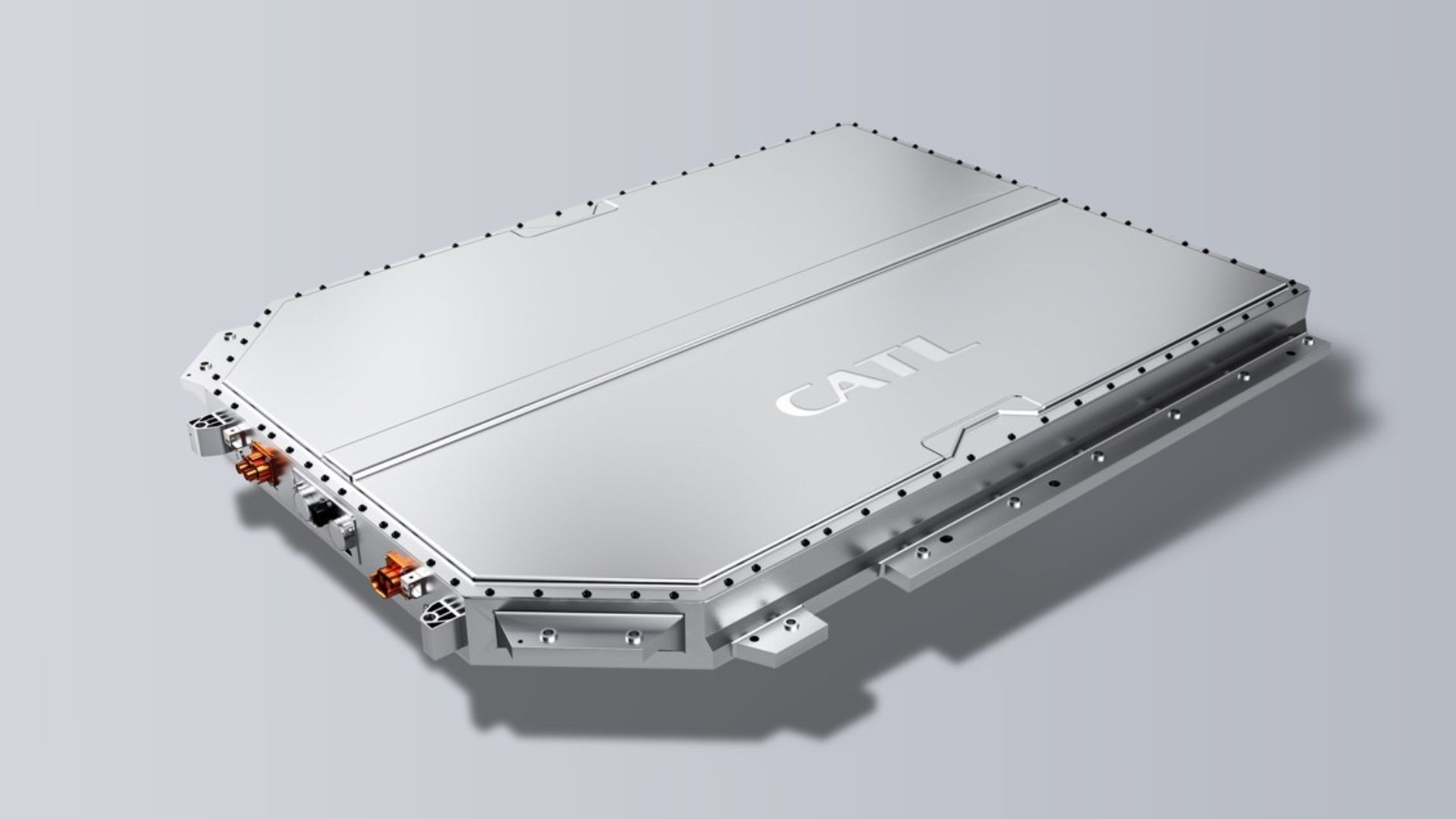
A major shift in the long-term direction of global energy storage has been established as Chinese battery giant CATL has formally selected its next-generation development path.

Recently, speaking at the 2026 Equipment Power Forum, Wu Kai, the company’s Chief Scientist and an academician of the Chinese Academy of Engineering, identified lithium-air battery technology as the primary focus for the company’s future research. 

The shift toward a lithium-air framework alters the structural design that has governed electric transport for decades. Standard lithium-ion batteries are sealed systems that depend on heavy transition metals such as nickel, cobalt, and manganese to form the crystalline structures that host lithium ions.

Conversely, lithium-air batteries eliminate the need for heavy internal cathode hosts.  The system features an open architecture that pairs a pure lithium metal negative electrode directly with ambient oxygen drawn from the surrounding atmosphere to act as the positive electrode reactant.

Because the cell effectively breathes gas during operation, it eliminates considerable dead weight from the battery pack layout.  This massive reduction in structural mass yields a major increase in energy potential.

Presenting a massive theoretical energy density limit

Mainstream lithium-ion batteries function with an energy density of approximately 250 to 270 Wh/kg, while future solid-state alternatives are expected to achieve roughly 500 Wh/kg.

Lithium-air configurations present a theoretical energy density limit of 12,000 Wh/kg, a ceiling that matches the energy capacity of conventional gasoline. Current laboratory prototypes have surpassed 1,200 Wh/kg, which is over four times the performance of today’s production electric vehicles.

Successful commercial scaling of this capacity would alter automotive ranges, allowing consumer vehicles to travel more than 1,600 kilometers (about 1,000 miles) on a single charge, as reported by CarNewsChina.

However, open-cell lithium-air reactions are sensitive to ambient moisture and carbon dioxide, which typically leads to rapid cell degradation, unstable catalyst behavior, and low cycle life. 

Breakthroughs for commercial implementation

A foundational mechanism to bypass these limitations was demonstrated in 2025 by a research group from the Illinois Institute of Technology and Argonne National Laboratory.

Traditional iterations of the battery were constrained because their chemical reactions generated lithium superoxide or lithium peroxide, compounds that restricted total energy efficiency. The research team enabled a room-temperature, four-electron chemical reaction path that forms and decomposes lithium oxide, which expands available energy storage. 

To address safety and longevity, the researchers replaced flammable liquid electrolytes with a solid-state composite matrix made of ceramic-polyethylene oxide polymer infused with lithium-rich nanoparticles. 

This solid layer isolates the reactive processes, stopping leaks and stabilizing the cell during high-energy cycles. CATL’s decision to pursue this long-term research path coincides with the commercial stabilization of its intermediate technologies. 

These lower-cost sodium packs are currently being deployed in passenger vehicles such as the GAC Aion UT and Changan Oshan 520, with wider integration across platforms from Geely, Chery, and FAW scheduled. 

With sodium-ion production managing the entry-level automotive sector, CATL is reallocating long-term engineering resources to address the physical bottlenecks of lithium-air technology, aiming at heavy-duty transport and the stabilization of solar and wind electrical grids.

US: 5th-gen VELA nuclear reactor fleet to get 3D-printed parts with new deal

3 June 2026 at 14:24

Industrial additive manufacturing is entering the commercial nuclear power sector through a new production agreement between two Midwestern companies.

NX Atomics, an Indiana-based small modular reactor (SMR) developer, will utilize technology from Chicago’s Sciaky to manufacture components for its upcoming reactor fleet.

The agreement centers on integrating Sciaky’s Electron Beam Additive Manufacturing (EBAM) process into the production line of NX Atomics’ VELA reactor platform.

NX Atomics is developing the fifth-generation VELA reactor to bypass traditional electrical grid infrastructure. Instead, the company is positioning the system to provide direct baseload electricity and high-temperature process heat to localized, power-intensive operations.

The strategy is aimed directly at the rapid expansion of artificial intelligence data centers and heavy industrial facilities, with a target production cost of under $20/MWh.

Overcoming cost barriers with advanced architecture

Traditional nuclear energy projects frequently face economic hurdles due to the extensive lead times and high capital requirements of manufacturing heavy components.

The partnership intends to alter this dynamic by replacing conventional fabrication methods with industrial 3D printing.

Beyond faster initial production, the VELA platform introduces an unconventional operational model: rather than designing every internal component to endure for the entire lifecycle of the reactor, the system utilizes an interchangeable architecture.

Certain parts are engineered to be systematically replaced during routine maintenance, which lowers initial manufacturing constraints and reduces long-term operational overhead.

“This is what bringing nuclear manufacturing into the modern era actually looks like,” said John Warden, CEO of NX Atomics.

“3D printing opens up the potential for us to produce nuclear-qualified parts faster and at lower cost, where appropriate swap them out through life, and meaningfully reduce the unit cost of every small modular reactor we build.”

Transitioning proven aviation tech to energy infrastructure

The production technique has already transitioned from experimental prototyping to standardized use in other heavy industries. Over the last ten years, aerospace and defense manufacturers have used the EBAM process to supply structural titanium and specialized alloy components for commercial aircraft, naval ships, and defense systems.

The technology has also assisted space flight, providing printed propulsion elements for orbital platforms and lunar landing vehicles.

“Our EBAM process produces parts that fly on commercial aircraft, sail on naval vessels, and orbit the earth,” concluded John Criso, CEO of Sciaky.

“Bringing that capability into America’s clean energy infrastructure with NX Atomics is a natural next step, and we are proud that two Midwestern companies are leading this transition.”

US’ advanced microreactor deployment plans

In a separate domestic nuclear development, the US Nuclear Regulatory Commission (NRC) has accepted a Construction Permit Application (CPA) to deploy NANO Nuclear Energy’s KRONOS micro modular reactor at the University of Illinois Urbana-Champaign (U. of I.). 

This acceptance transitions the project from the initial planning stage to a formal regulatory evaluation, allowing the NRC to begin its detailed technical, safety, and environmental reviews.

The KRONOS reactor is a stationary, fourth-generation nuclear energy system built to provide carbon-free electricity and process heat directly to co-located infrastructure. In a single-unit layout, the installation generates up to 45 MWth of power, while multi-unit configurations can scale up to deliver gigawatt-level output.

Designed to be transported by road and assembled directly on site, the modular system allows operators to deploy multiple units concurrently to expand capacity and reduce the levelized cost of electricity.

New York seeks reactor developers to build gigawatt-scale nuclear power project

3 June 2026 at 14:07

New York took a major step toward bringing new nuclear power generation to the state as the New York Power Authority (NYPA) launched a search for developers capable of delivering at least 1 gigawatt (GW) of advanced nuclear capacity in Upstate New York. NYPA also began accepting applications for $40 million in funding to help train a skilled workforce for future nuclear projects.

This step follows NYPA’s request for information last year and the responses from over 30 organizations. These included potential reactor developers, industry partners, and communities interested in hosting nuclear facilities.

Developers invited to compete for major nuclear project

On Monday, NYPA has released a Request for Qualifications (RFQ) to identify companies with the skills to design, build, and deliver advanced nuclear reactors capable of producing at least 1 GW of electricity. The authority is looking at two possible options. One is a large-scale reactor like the AP1000. The other focuses on small modular reactor technology, including designs such as the BWRX-300.

Companies that want to take part must present a practical plan for carrying out the project. Their proposals should cover technology readiness, site selection, permitting, construction timelines, estimated costs, ownership structures, and possible partnerships.

Only companies that pass the qualification stage will be invited to participate in the next Request for Proposal process, which could bring the project closer to construction.

Eligibility tied to construction timeline

NYPA said it will consider advanced Generation III+ and Generation IV reactor technologies, but only if these designs are already past the earliest development stages.

To qualify, the proposed technology must already be under construction or expected to reach the First Nuclear Concrete milestone by early next decade. The chosen reactor must also be able to generate more than 1 GW of electricity and start construction before 2033.

Meeting that timeline is considered important because it would help secure federal investment tax credits available through the Inflation Reduction Act.

The authority made clear that first-of-a-kind reactor concepts and micro modular reactors are not included in this effort. Bidders must also demonstrate experience with projects of this size. Submissions for the RFQ are due by June 26.

State seeks workers for future nuclear expansion

Alongside the developer solicitation, NYPA also started a separate Request for Applications focused on preparing the workforce.

The program invites eligible training providers in New York to apply for funding through the Nuclear Energy Workforce Training program. This effort aims to help people build the technical skills needed for future reactor construction, operations, and maintenance.

Applications for workforce funding are open until July 31. State leaders say workforce development is essential for New York, supporting new nuclear facilities and creating long-term jobs.

Nuclear remains key part of New York’s energy mix

Governor Kathy Hochul described the initiative as part of a larger plan to meet growing electricity needs while keeping the state’s clean energy goals on track. “Nearly a year ago, I called on the Power Authority to lay the groundwork for the next era of emissions-free power in New York as part of my all-of-the-above approach to energy,” Hochul said in a statement.

“The solicitations announced today will help ensure New York is poised to lead the nation in new nuclear development, that along with renewables, will provide needed power in the face of increasing demand to keep the lights on while helping keep costs down. By taking a proactive approach, we are preparing our state to take advantage of the opportunities associated with advanced nuclear, which will provide round-the-clock reliable clean energy while cultivating the partnerships needed to bring the project from concept to concrete.”

NYPA President and CEO Justin Driscoll stressed the importance of having reliable, carbon-free electricity.

“New York needs reliable, around-the-clock clean power to meet growing energy demand, sustain economic momentum, and achieve a clean energy economy,” Driscoll said. “These solicitations will help NYPA establish the roadmap for deploying the first new nuclear facility in New York in a generation that will deliver the dependable, emissions-free power we will rely on for decades to come.”

Nuclear power is already an important part of New York’s electricity system. Four reactors run by Constellation Energy now produce about 21.4 percent of the state’s electricity and about 41.6 percent of its carbon-free power. The nuclear fleet includes two reactors at Nine Mile Point, as well as the Ginna and FitzPatrick plants. The two reactors at Indian Point were shut down in 2020 and 2021, but there have been recent talks about their future.

Boeing’s Ghost Bat drone beats radar with ace-level stealth performance in test

3 June 2026 at 14:03

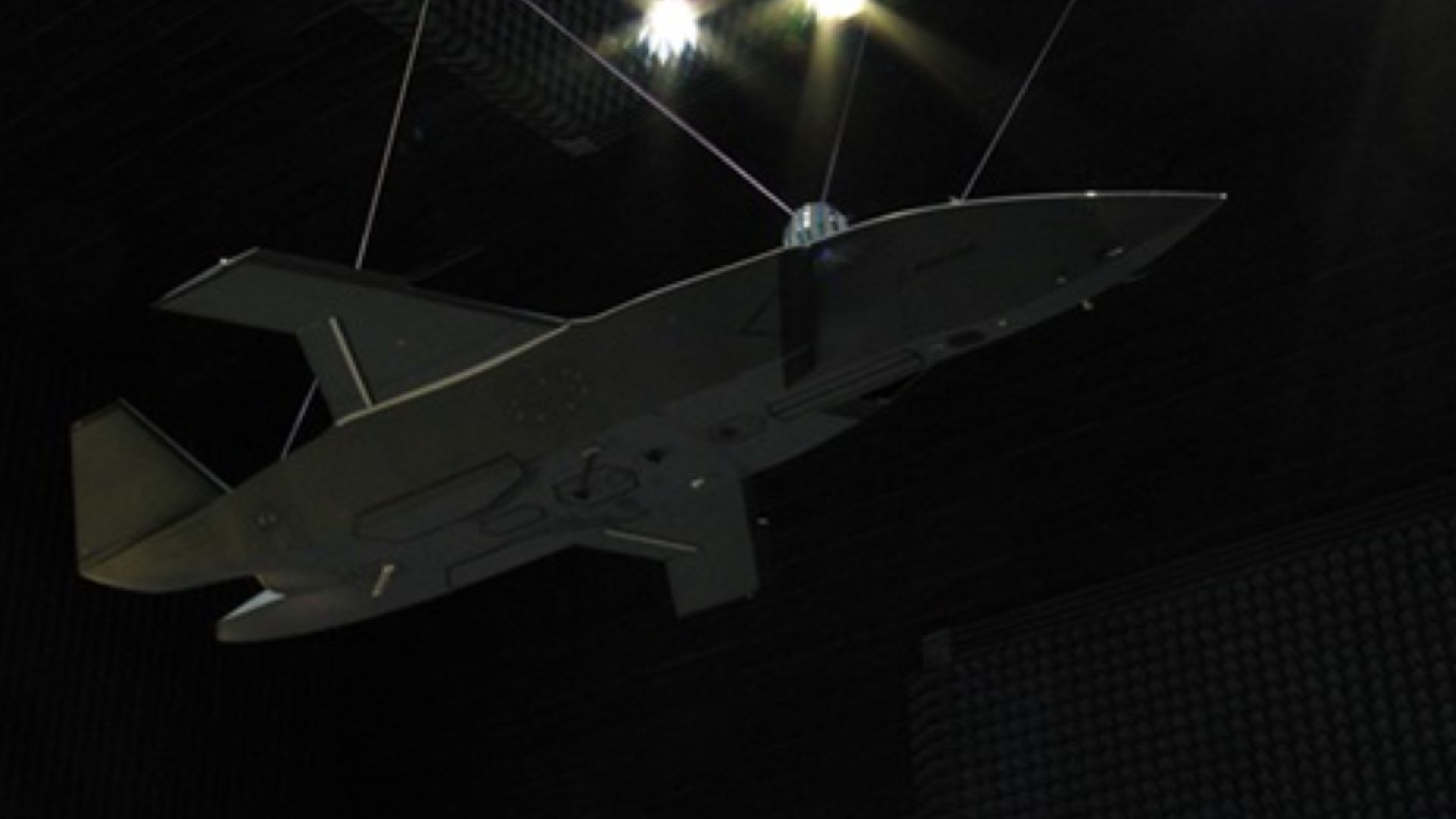
Boeing announced that its MQ-28 Ghost Bat combat aircraft has officially passed stealth performance tests. This marks another step forward as the aerospace firm works to expand the aircraft’s capabilities for future air combat.

The company said this achievement provides customers with clear proof of the aircraft’s ability to survive and avoid detection on complex battlefields. The MQ-28 is built to work with crewed military aircraft and to handle various missions while remaining hard to detect on radar.

Stealth capability reaches new milestone

The MQ-28 Ghost Bat was designed to support current fighter and surveillance aircraft by handling tasks such as intelligence gathering, electronic warfare, and boosting force strength. Boeing says the latest tests confirm the aircraft can stay hidden enough for missions in contested airspace.

According to the company, stealth is crucial in today’s military operations because it makes it harder for enemy radar to spot and track aircraft. This gives military forces more freedom to carry out missions in dangerous areas.

“The combination of a highly capable platform, stealth features, advanced autonomy and artificial intelligence provides unprecedented ability for air forces to extend their mission effectiveness and operational flexibility,” said Brad Thompson, Director for Phantom Works Australia.

Boeing also said that passing these tests shows the aircraft’s design is mature and boosts confidence in its ability to survive in combat.

Radar testing provides measurable data

A major part of the validation was Radar Cross Section (RCS) testing, which Boeing described as one of the primary methods for assessing an aircraft’s stealth characteristics.

The company ran RCS tests on the MQ-28 to get reliable performance data. It said this helps customers understand how easily the aircraft can be detected and judge how well it works in real missions.

The data also helps verify engineering models, support certifications, and guide buying decisions. It lets military planners develop tactics, countermeasures, and assess risks.

Boeing said the MQ-28’s radar cross-section makes it much harder for enemy radar to detect and target the aircraft from a distance. The company added that testing proved that its design, manufacturing, and materials are keeping radar visibility low.

Flight testing program continues to expand

Development of the Ghost Bat began in 2017, and it flew for the first time in 2021. Since then, it has completed over 150 flights and taken part in more complex demonstrations.

One of the program’s major achievements involved teaming two airborne MQ-28 aircraft and a digital aircraft with an E-7A Wedgetail during a mission against an airborne target. The MQ-28 has also operated from the Royal Australian Air Force base at Tindal, demonstrating its ability to operate from new locations.

The company said the program has improved multi-aircraft teamwork while keeping up daily flight operations during tests.

Autonomous combat demonstrations show growing capability

Besides stealth testing, Boeing has kept working on the MQ-28’s autonomous combat features.

The company reported the MQ-28 worked with both an E-7A Wedgetail and an F/A-18F Super Hornet during tests, where it autonomously engaged and shot down an airborne target. The aircraft also finished its first three international flight tests at Point Mugu, California.

Those tests were designed to validate autonomous operations while demonstrating rapid deployment and sustained operations from an allied base.

In another milestone, the MQ-28 autonomously used a Raytheon AIM-120 missile to destroy a simulated target.

New 100kW superconducting motor paves way for future electric propulsion aircraft

3 June 2026 at 13:42

Researchers at the University of Strathclyde in Glasgow have developed and demonstrated a 100kW fully superconducting aviation motor. 

This prototype could make lightweight, high-power electric propulsion a reality for future commercial aircraft.

The motor achieves a power density that conventional electric motors simply cannot match, thanks to specialized materials that exhibit zero electrical resistance when frozen.

When cooled to an ultracold 20 Kelvin (K) (-253°C or -423F), the motor’s specialized materials lose virtually all electrical resistance. This means that a small engine can handle immense power loads without generating wasteful heat.

Temperature challenge

Commercial flight faces a strict weight trap that standard electric motors cannot escape. 

Standard jet engines deliver far more power for their weight than conventional electric motors can manage, largely because standard copper wiring becomes prohibitively heavy and dangerously overheats when pushed to its limits. 

Superconducting motors overcome this technological barrier, standing as the only known innovation capable of delivering the immense power-to-weight ratio required to lift a commercial passenger plane off the ground.

“Superconducting technology offers a route to much lighter and more efficient propulsion systems, but it also brings major engineering challenges in cryogenic cooling, protection and system integration,” said Professor Min Zhang, who leads the ASL at Strathclyde. 

A superconducting axial-flux aviation motor is an electric motor that uses cryogenically cooled materials to eliminate electrical resistance. 

Though labeled “high temperature,” the motor’s superconducting tape still requires cryogenic cooling to between 20K and 77K. 

However, this is a massive engineering victory, as it operates at significantly higher temperatures than conventional superconductors, which require extreme liquid helium cooling at 4K. 

Prototype requirement

To turn this physics quirk into a working prototype, the Strathclyde team had to solve the gap between fundamental superconductor research, cryogenic engineering, and mechanical system integration.

The multidisciplinary team successfully condensed complex physics into a single working machine. 

The prototype was integrated with low-loss superconducting windings, a novel brushless starting mechanism, and internal cryogenic cooling that functions while spinning. This combined technology proved that a fully superconducting motor architecture can operate as a unified, real-world platform.

This temperature shift changes everything for aerospace giant Airbus, which backed the project under its ZEST1 (Zero Emissions for Sustainable Transport) program.

The zero-emission race

Airbus is betting on liquid hydrogen to fuel its future zero-emission fleet. Liquid hydrogen must be stored on board at extremely low temperatures, allowing it to serve a dual purpose. It acts as the fuel for the plane while simultaneously serving as the coolant for the superconducting motor.

“This demonstrator shows that fully superconducting aviation motors are no longer just a theoretical concept,” said Professor Zhang.

Apart from Airbus, several other companies like Hinetics, the U.K.’s HyFlux, and giants like Toshiba and Raytheon are racing to build ultra-efficient, high-power-density motors using high-temperature superconductors

The aviation industry accounts for roughly 2.5 percent of global CO2 emissions. While a 100kW motor is far too small to lift a commercial airliner, the Strathclyde team views this success as the definitive proof of concept. The underlying physics works.

This leap in power density is exactly what future hydrogen-electric and fully electric aircraft need to finally get off the ground. The next step is scaling this architecture up to megawatt-class superconducting systems for larger commercial aircraft.

US team combines digital twins, VR to boost lunar robot performance for future missions

3 June 2026 at 10:30

Researchers at the University of Colorado Boulder (CU Boulder) are using digital twin technology and virtual reality (VR) to develop robots capable of supporting future lunar exploration missions.

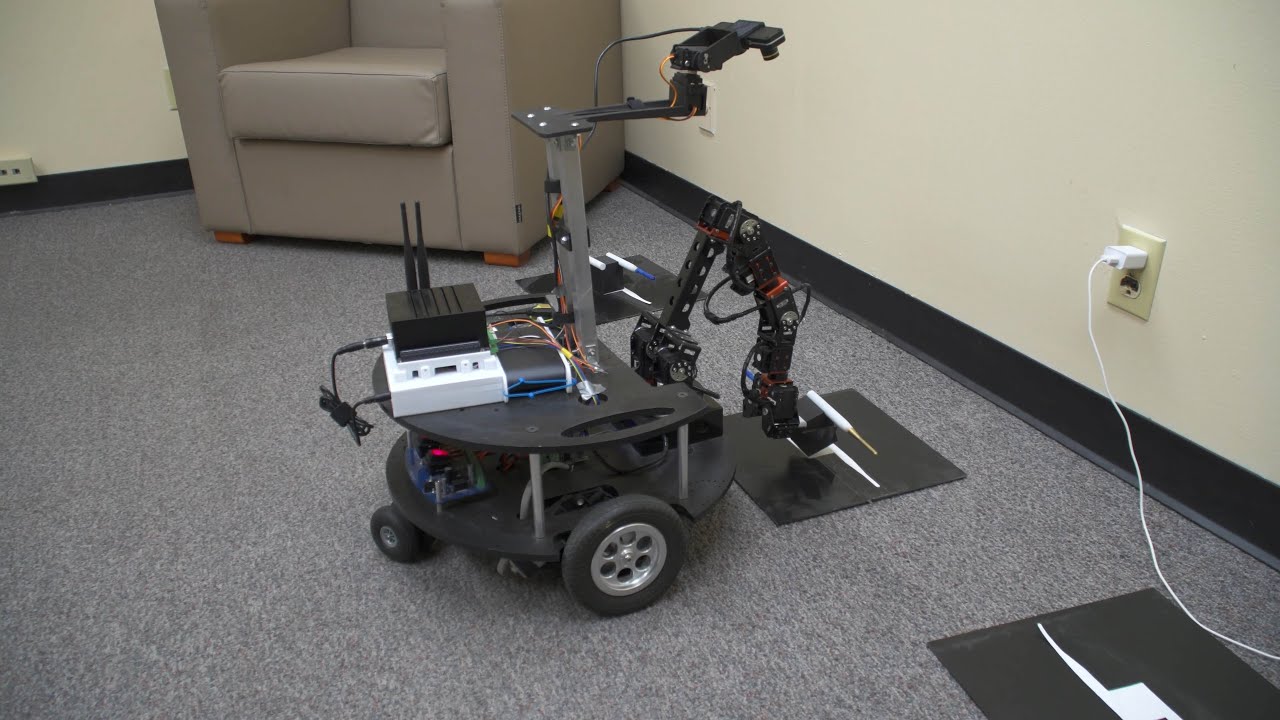
The project centers on Armstrong, a small three-wheeled robot that can be remotely operated through an immersive VR interface, allowing users to perform tasks such as picking up and moving objects.

While still confined to laboratory testing, the system is designed to help engineers study how fleets of robots could one day work alongside astronauts on the Moon, assisting with construction, scientific research, and the development of future lunar habitats.

“Our efforts at CU Boulder are intended to make lunar robots more efficient and recoverable from errors, so precious astronaut time on the lunar surface will be better utilized,” said the team in a statement.

Training lunar robots

Researchers are exploring how digital twins—highly realistic virtual reality simulations—can train operators to control robots in the Moon’s challenging environment. The technology enables realistic practice in low-gravity, crater-filled terrain without risking costly lunar hardware or mission-critical equipment.

At the center of CU Boulder’s effort is a compact three-wheeled robot equipped with a robotic arm and claw capable of manipulating objects. While the platform operates in a laboratory environment, it serves as a testbed for technologies that could eventually support large-scale lunar exploration and infrastructure development.

The project focuses on a major challenge facing future Moon missions: enabling astronauts and operators on Earth to effectively control robotic systems under harsh, unfamiliar lunar conditions. The Moon presents unique operational challenges, including low gravity, rugged terrain, deep craters, and permanently shadowed regions, which can complicate navigation and task execution.

To address these challenges, researchers developed a highly detailed digital twin of the robot and its surroundings. A digital twin is a virtual replica of a physical system that mirrors its behavior in real time. Using the Unity game engine, the team recreated the robot’s operating environment with high accuracy, including its movement characteristics and interactions with objects. The virtual model was calibrated to ensure that the robot behaved in the digital environment exactly as it did in the real world.

The digital twin was integrated with an immersive virtual reality interface, allowing operators to experience robot control from a first-person perspective through onboard cameras. This setup enables users to practice complex manipulation tasks in a risk-free environment before operating physical hardware.

Virtual exploration training

To evaluate the effectiveness of the technology, researchers conducted experiments in which participants used the robot to perform precision object-handling tasks.

Some operators are first trained in the virtual environment before transitioning to the physical robot. Results showed that users who practiced with the digital twin completed tasks significantly faster and reported lower stress levels compared to those who only used the real robot.

The findings suggest that digital twins can become valuable training tools for future lunar operations, reducing learning curves and improving mission efficiency. Such capabilities are particularly important for space missions where robotic systems may cost millions of dollars and where operational errors can have serious consequences.

Building on the initial success of the indoor digital twin, researchers are now creating more advanced virtual models of lunar vehicles operating on the Moon itself. These simulations aim to replicate challenging environmental factors, including uneven terrain, lighting conditions, and lunar dust behavior.

Modeling lunar dust remains one of the most difficult technical challenges. As rovers travel across the surface, dust can be kicked into the air, potentially obscuring cameras, degrading sensors, and affecting vehicle performance. Because real-world lunar dust data is limited, accurately simulating its movement remains a key area of ongoing research.

According to researchers, by allowing operators to train in realistic virtual environments before deploying physical hardware, the technology could play a crucial role in enabling safer, more efficient robotic operations during future lunar missions and the long-term establishment of human infrastructure on the Moon.

💾

US researchers use digital twins and VR to train lunar robots that could help astronauts build and explore the Moon.

Laser-powered hydrogen experiment resolves long-running proton size mystery

3 June 2026 at 00:53

Physicists at Colorado State University have measured the radius of a hydrogen proton with unprecedented precision, helping resolve a decade-long discrepancy that had raised questions about one of the most fundamental particles in nature.

The team determined the proton’s radius to be about 0.84 femtometers, or less than one quadrillionth of a meter. The result differs from the previously accepted value of 0.876 femtometers and aligns with more recent measurements that suggested the proton is slightly smaller than scientists once thought.

The finding helps close the so-called “proton radius puzzle,” a long-running debate that emerged when different experimental methods produced conflicting measurements of the proton’s size.

For years, physicists obtained one value when measuring hydrogen atoms using electrons. But experiments using muons, heavier cousins of electrons, consistently pointed to a smaller proton radius. The mismatch prompted speculation that unknown physics could be influencing the results.

Precision ends debate

The new measurement suggests otherwise.

According to the researchers, the result agrees with predictions from the Standard Model, the framework that describes how fundamental particles interact. The study also reduces the likelihood that a previously unknown force or particle was responsible for the discrepancy.

“Our test shows precise agreement with theory on the size of a proton to parts-per-trillion levels of accuracy, eliminating the possibility of a new force or particle being responsible for the discrepancy in this case,” said Dylan Yost, associate professor in Colorado State University’s Department of Physics.

“That would have significantly changed the Standard Model and is something researchers have been looking for,” he added.

To make the measurement, the researchers generated a beam of atomic hydrogen inside a vacuum chamber and used ultraviolet lasers to excite electrons between different energy levels. Because the proton’s size subtly influences how electrons behave around the nucleus, the team could infer the proton’s radius by precisely measuring those energy transitions.

The experiment also served as a test of quantum electrodynamics, the theory describing interactions between light and matter.

New laser method

One of the biggest challenges was obtaining clean measurements from fast-moving hydrogen atoms, which interact with laser light for only a short period.

To overcome this limitation, the team developed a new technique that uses two laser fields simultaneously.

“These atoms move very fast and do not interact with the laser for long, which can wash out the signals that we are looking for,” said Ryan Bullis, a Ph.D. student and lead author of the study.

“We developed a new technique that uses two laser fields at the same time to increase the precision of our measurements.”

The result was independently confirmed by a team at the Max Planck Institute using a different measurement approach, further strengthening confidence in the revised proton size.

Researchers say the laser techniques developed during the project will now be applied to more complex forms of hydrogen, including deuterium, to probe other aspects of atomic physics.

Yost said the work demonstrates how precision tabletop experiments can complement large facilities such as particle accelerators in the search for new physics and deeper tests of existing theories.

The study was published in the journal Physical Review Letters.

Trump signs executive order granting US early access to frontier models before launch

3 June 2026 at 00:42

President Donald Trump signed a new executive order Tuesday that asks artificial intelligence companies to share advanced AI models with the federal government before public release. The move marks the White House’s latest effort to tighten national security coordination around rapidly advancing AI systems without introducing formal licensing requirements.

The order creates a voluntary framework for AI developers to work with federal agencies on evaluating models with advanced cyber capabilities. Under the proposal, companies could provide government officials with access to certain frontier AI models up to 30 days before wider deployment.

Trump signed the order privately after delaying a planned public event with technology executives several weeks ago. At the time, he told reporters he disliked parts of the original proposal.

The White House framed the directive as a balance between accelerating AI innovation and protecting critical infrastructure from cyber threats. Administration officials repeatedly stressed that the order does not establish mandatory government approval for AI releases.

Cybersecurity takes priority

The executive order directs multiple federal agencies to strengthen cyber defenses within 30 days. The Department of Homeland Security, through the Cybersecurity and Infrastructure Security Agency, must issue new operational guidance to protect federal networks and critical infrastructure systems.

The administration also ordered agencies to expand AI-driven cybersecurity programs and improve access to defensive tools for state governments, utilities, hospitals, and community banks.

Another section creates a voluntary AI cybersecurity clearinghouse led by the Treasury Department. The initiative will coordinate vulnerability scanning, software patching, and threat detection efforts alongside private industry partners.

Trump’s order repeatedly positions AI as both a national security asset and a growing cyber risk. The administration argues that advanced AI tools could help defend government systems while also creating new attack surfaces for adversaries.

Frontier model reviews

A central part of the order focuses on so-called “covered frontier models,” which refer to advanced AI systems with significant cyber capabilities. Federal agencies, including the National Security Agency and the National Institute of Standards and Technology, must develop a classified benchmarking process within 60 days. That process will assess whether a model meets the threshold for additional government review.

Companies could voluntarily ask the government to evaluate models still under development. Developers may also grant federal agencies early access to those systems before releasing them to outside partners. The order additionally allows the government to collaborate with AI companies on selecting “trusted partners” that receive early model access. However, the White House included language aimed at calming industry concerns over federal overreach.

“Nothing in this section shall be construed to authorize the creation of a mandatory governmental licensing, preclearance, or permitting requirement,” the order states. That provision reflects ongoing tension between Silicon Valley and Washington over how aggressively the government should regulate frontier AI systems.

Anthropic welcomed the executive order and signaled support for the White House approach. “This Executive Order is an important step in strengthening America’s leadership in AI,” the company said on X. Anthropic added that it looks forward to working with the administration on implementation efforts.

This Executive Order is an important step in strengthening America’s leadership in AI.

We look forward to collaborating with the White House to support its implementation.https://t.co/ZwDimPrp3t

— Anthropic (@AnthropicAI) June 2, 2026

Criminal AI use targeted

The order also directs the Justice Department to prioritize cases involving criminals who use AI tools to hack computer systems, steal data, or support cybercrime operations. Federal prosecutors will focus on existing laws tied to computer fraud, identity theft, and wire fraud when AI systems play a role in illegal activity.

The directive arrives during an intense global race to develop more powerful AI models. Major technology firms continue to release increasingly capable systems while governments worldwide debate how to manage security, economic, and geopolitical risks tied to the technology. Trump’s administration has largely favored lighter regulation compared with previous White House AI proposals. Tuesday’s order continues that approach while expanding federal coordination around cybersecurity and advanced AI deployment.

Airbus flies world’s longest-range jet targeting nonstop 22-hour Sydney-London trips

2 June 2026 at 23:25

A modified fuel system, an extended range, and the ability to remain airborne for nearly a full day are now undergoing real-world testing. Airbus has completed the first flight of its A350-1000ULR, the aircraft selected by Qantas for its ambitious Project Sunrise program.

The test flight took place in Toulouse, France, where the aircraft spent three hours and 43 minutes in the air and climbed to more than 41,000 feet. The jet is the first of 12 A350-1000ULR aircraft ordered by Qantas and marks the beginning of a certification campaign for a variant designed to push the limits of long-haul commercial travel.

Engineering for longer range

The A350-1000ULR was developed to support nonstop flights between Sydney and London, a route spanning nearly 10,000 nautical miles. To achieve that range, Airbus engineers modified the aircraft’s structure to accommodate an additional rear center fuel tank. The extra capacity extends the aircraft’s range by roughly 1,000 nautical miles compared with a standard A350-1000.

That design change could allow the aircraft to remain airborne for as long as 22 hours, opening the door to direct flights between Australia and Europe that previously required at least one stop. During the maiden flight, Airbus crews evaluated overall aircraft performance and tested the redesigned fuel system architecture. The mission also marked the start of a two-month flight-test campaign aimed at certifying the aircraft’s modifications before it enters commercial service.

Testing critical systems

The certification effort extends beyond range and fuel capacity. Airbus will also validate a newly developed galley cooling system designed specifically for ultra-long-haul operations. The company says the system uses lighter and more efficient refrigeration equipment, helping reduce weight while supporting extended flight durations.

Engineers will also assess cabin ventilation and temperature-control performance during the testing campaign. Those systems play a critical role on flights that can keep passengers and crew onboard for nearly a full day. After certification work concludes, Airbus will retrofit the aircraft to Qantas’ final commercial specifications ahead of delivery preparations.

Meanwhile, production of the second A350-1000ULR is progressing through final assembly. Airbus said the aircraft is expected to emerge from the paint facility soon before receiving its engines and premium four-class cabin configuration. That aircraft is scheduled to become the first A350-1000ULR delivered to Qantas in April 2027.

Project Sunrise advances

Project Sunrise represents one of the aviation industry’s most ambitious efforts to eliminate distance barriers on long-haul travel. Qantas has committed to 12 A350-1000ULR aircraft for the program and has also ordered 12 standard A350-1000 jets for broader international operations.

The ultra-long-range aircraft joins a growing A350 lineup that includes the A350-900, A350-900ULR, and A350-1000 passenger variants. Airbus is also developing the A350F freighter, which is expected to complete its first flight later this year.

Demand for the A350 family remains strong. By the end of April 2026, Airbus had secured 1,579 orders from 68 customers worldwide. More than 700 A350 aircraft are currently in service with 41 operators, primarily on long-haul international routes.

For Airbus and Qantas, the successful first flight marks an important milestone as Project Sunrise moves closer to commercial operations and the prospect of nonstop Sydney-to-London travel.

Majorana 2 quantum chip unlocks 1,000x stability, keeps qubits alive 20 seconds

2 June 2026 at 23:24

Microsoft has unveiled Majorana 2, its next-generation quantum chip, claiming a 1,000-fold improvement in qubit reliability and a faster path toward a commercially useful quantum computer.

The company said the new chip was developed with the help of Microsoft Discovery, an agentic AI platform designed to accelerate scientific research. Microsoft now expects to achieve a scalable quantum computer by 2029, cutting its previous timeline in half.

Majorana 2 builds on the topological quantum computing approach Microsoft introduced with Majorana 1 in 2025. The new chip uses an updated materials stack and significantly more stable qubits, which are the fundamental building blocks of quantum computers.

According to Microsoft, the average qubit lifetime in Majorana 2 is now 20 seconds, with some lasting as long as one minute. That marks a substantial improvement over the previous generation and could help address one of quantum computing’s biggest challenges: maintaining fragile quantum states long enough to perform useful calculations.

Longer-lasting quantum states

The company said Majorana 2 achieves this reliability through changes in its materials design. While Majorana 1 used aluminum-based superconductors, the new chip uses lead, a material better suited to shielding qubits from external disturbances that can introduce errors.

“We need to make improvements each year that will get us closer to delivering a computer that we believe will have massive commercial and societal value,” said Chetan Nayak, Microsoft technical fellow.

“We’ve got to keep marching to that roadmap to accomplish that, but where are we relative to last year? We’re 1,000 times better.”

Microsoft said the improved qubit stability, combined with operation speeds measured in microseconds and extremely small qubit dimensions, has strengthened its confidence in reaching a scalable quantum computer by the end of the decade.

The company also highlighted the role of Microsoft Discovery in speeding up development. The platform uses autonomous AI agents to assist researchers with tasks ranging from managing data and workflows to analyzing measurements and identifying manufacturing issues.

AI speeds discovery

According to Microsoft, its quantum team used agentic AI to automate complex measurements, optimize fabrication processes, analyze decades of research data, and uncover previously unnoticed problems that affected device performance.

“Agentic AI has permeated almost everything we do—it’s just become kind of a very natural part of our workflow,” Nayak said.

The company said AI agents can help researchers process information across multiple scientific disciplines, generate hypotheses, and identify patterns that may be difficult for humans to detect.

Microsoft also announced the general availability of Microsoft Discovery, allowing organizations to deploy AI agents for scientific and engineering research. The company additionally introduced a preview version of the Microsoft Discovery app, which individuals can download and run locally using a GitHub Copilot account.

The announcement comes as technology companies race to make quantum computing practical for real-world applications such as drug discovery, materials science, energy production, and logistics optimization.

The research describing Majorana 2’s qubit performance, “20 Second Parity Lifetime in an InAs-Pb Device,” is available through Microsoft.

💾

Microsoft says Majorana 2 boosts qubit reliability 1,000-fold and targets scalable quantum computing by 2029.
Received yesterday — 2 June 2026 Interesting Engineering

Japan-US team builds world’s first silicon spintronic chip for smart computers

Scientists in Japan and the US have made a big achievement in smart computing after developing the first silicon-based spintronic probabilistic bit in the world, or p-bit.

The device was designed by a joint research team from Japan’s Tohoku University and the US National Institute of Standards and Technology (NIST). It is the world’s first spintronic p-bit fabricated on a silicon chip with conventional semiconductor manufacturing processes.

The researchers announced that they had experimentally verified the operation of the p-bit, the base unit of probabilistic computing. Probabilistic computing is a field of computer science and AI that focuses on the study and implementation of probabilistic algorithms, models, and methods for computation.

“The achievement provides a pathway toward large-scale spintronic p-computers for applications such as AI and machine learning,” the researchers pointed out.

Smarter AI hardware

Conventional computers process data using bits that exist in one of two states: 0 or 1. This binary system forms the foundation of modern technologies, including smartphones, supercomputers, data centers, AI, and virtually every digital device in use today. However, it struggles with searching through enormous numbers of possible solutions.

In contrast, probabilistic computers use p-bits, which are electronic elements that fluctuate randomly between 0 and 1. They utilize physical randomness, to explore many possible states and make them attractive for tasks involving AI, machine learning and optimization.

Schematic cross-sectional structure of the spintronic p-bit.
Credit: Shunsuke Fukami, William A. Borders et al.

Spintronics, a technology that processes and stores information by manipulating the intrinsic quantum spin of an electron, has meanwhile emerged as one of the most promising technologies for building p-computers. Spintronic devices exploit the magnetic properties of electrons.

“Among several candidate technologies, spintronics is considered especially promising because nanoscale magnetic devices can naturally generate probabilistic behavior through magnetic fluctuations,” the researchers stressed.

Built on a silicon chip

The study was led by Ju-Young Yoon, PhD, a researcher at Tohoku University’s lab for nanoelectronics and spintronics. The team integrated spintronic devices right onto a silicon chip by combining semiconductor and spintronics manufacturing techniques in both Japan and the US.

To fabricate transistors and lower interconnect layers, the team used the 130-nm (130-nanometer) CMOS process provided by SkyWater Technology, a Minnesota-based semiconductor firm. They then integrated superparamagnetic nanodevices and upper electrodes using spintronic device fabrication facilities at the university.

The resulting chip successfully demonstrated the two key characteristics required for p-bit operation. First, the team observed stochastic fluctuations in the output voltage over time, and confirmed that the device could naturally switch between different states.

They also proved that the average output could be controlled through an applied input voltage, allowing the probabilistic behavior to be tuned. The scientists said this is the first experimental demonstration of a spintronic p-bit monolithically integrated on a silicon chip using semiconductor integrated circuit processes.

The findings could enable larger spintronic p-computers. “By further advancing device and circuit technologies and increasing the number of integrated p-bits, the researchers expect spintronic p-computers to move closer to large-scale practical implementation,” the university concluded in a press release.

The study has been published in the journal IEEE Electron Device Letters.

💾

Scientists in Japan and the US have paved the way for smart computers by integrating a spintronic p-bit on a silicon chip for the first time.

Microsoft reboots computing with Solara OS built for agent-first device ecosystem

2 June 2026 at 20:01

Microsoft is laying the groundwork for what it believes will be the next era of computing, unveiling a new software platform designed specifically for AI-powered devices that rely on intelligent agents rather than traditional applications.

At its Build 2026 developer conference, the company introduced Project Solara, an operating system built for a new class of agent-first hardware. Instead of launching apps and navigating menus, users interact directly with AI assistants that can access information, understand context, and perform tasks across connected services.

Microsoft argues that AI agents will become the primary interface for future devices, and Project Solara is intended to provide the foundation for that transition.

AI beyond traditional apps

Unlike Microsoft’s Windows platform, Project Solara is built on Android and optimized for dedicated AI hardware. The company describes it as a flexible environment capable of supporting continuous, agent-driven experiences across multiple device categories.

To demonstrate the concept, Microsoft showcased two prototype devices that serve as reference designs for hardware partners.

The first is a desktop smart display resembling a compact home assistant screen. The device uses facial recognition for authentication and provides access to AI agents that can surface information from Microsoft 365 services. Users can review calendar schedules, access documents, and interact with workplace data through voice commands and touch controls.

Microsoft also highlighted the possibility of agents carrying out actions on a user’s behalf, reducing the need to manually navigate software interfaces.

Reference devices unveiled

The second prototype takes a different approach. Designed as a wearable badge, the device combines a touchscreen, camera, and fingerprint scanner in a compact form factor intended for mobile use.

With a single button press, users can activate an AI agent and capture information in real time. During demonstrations, Microsoft showed the badge recording conversations and generating instant transcriptions. The onboard camera also allows the agent to analyze a user’s surroundings and respond using visual context.

Microsoft does not plan to commercialize either device. Instead, the company hopes hardware manufacturers will use the concepts as starting points for their own products built on the Solara platform.

Several organizations, including AccuWeather, Best Buy, CVS Health, and Target, are expected to participate in early pilot programs involving Solara-based hardware.

New Scout assistant

Alongside Project Solara, Microsoft introduced Scout, a new AI assistant designed to bring persistent agent capabilities into the Microsoft 365 ecosystem.

Built on the OpenClaw framework, Scout functions as an always-available digital assistant that develops an ongoing relationship with its user. Each instance can be given a custom name and personalized through continuous feedback, allowing it to adapt its behavior and preferred working style over time.

Scout operates primarily in the cloud but can work across desktop environments and web browsers. The assistant can connect with calendars, email inboxes, and other productivity tools while helping users manage schedules, organize meetings, and automate routine tasks.

Microsoft plans to offer Scout through its Frontier program. Access will require a GitHub Copilot subscription.

Together, Project Solara and Scout offer a glimpse into Microsoft’s vision of a future where AI agents become the primary gateway to digital experiences, replacing many of the app-centric workflows that define computing today.

💾

At Build 2026, Microsoft revealed Project Solara and showcased smart display and wearable concepts designed around digital agents.
❌