
Reading view

Fungi Bloomed Twice around End-Cretaceous Mass Extinction
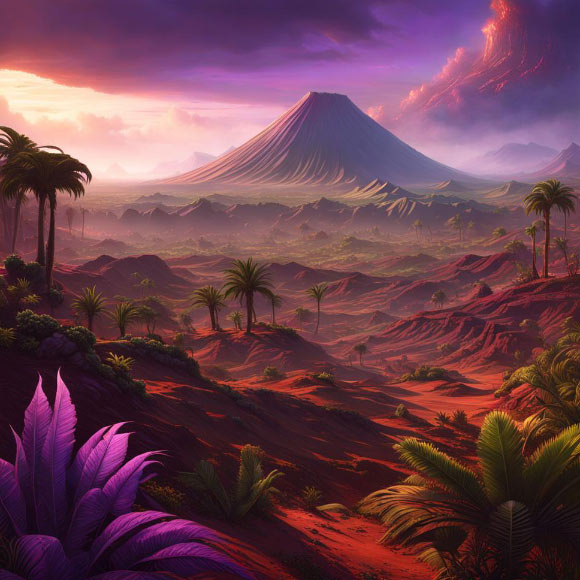
The end-Cretaceous mass extinction was marked by both the Chicxulub asteroid impact and the ongoing eruptions of the Deccan Traps volcanoes.

By studying fungal microfossils in 66-million-year-old rock samples from the Denver Basin in Colorado, Johns Hopkins University microbiologists have confirmed that the dinosaur-killing asteroid impact triggered a worldwide fungal takeover, and uncovered a second, previously unknown ecological crisis just before it.

The post Fungi Bloomed Twice around End-Cretaceous Mass Extinction appeared first on Sci.News: Breaking Science News.
  •  

Study: Early Complex Life Forms Were Bottom-Dwellers

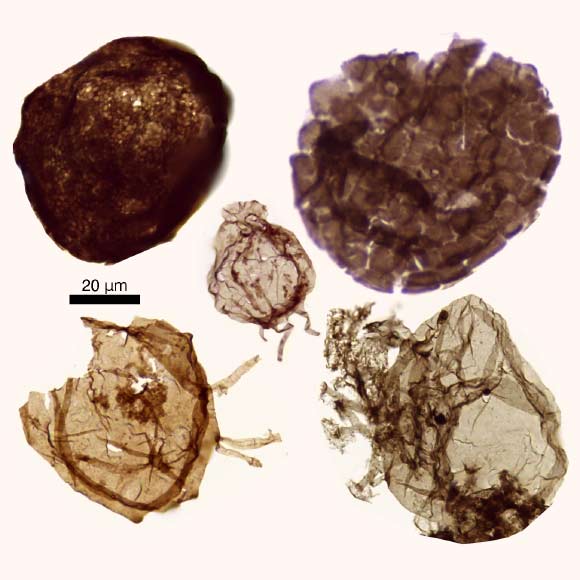
Fossil eukaryotes from Northern Territory, Australia. Image credit: Lechte et al., doi: 10.1038/s41586-026-10533-4.

Analyzing 1.75-billion-year-old microfossils from ancient Australian seabeds, paleontologists say ancient eukaryotes -- the ancestors of every plant, animal and fungus -- huddled in oxygenated seafloor patches for over a billion years before breaking free into open water.

The post Study: Early Complex Life Forms Were Bottom-Dwellers appeared first on Sci.News: Breaking Science News.

  •  
❌