Reading view

Frequent Exposure to News Involving Gun Violence is Linked to Depression, Researchers Find


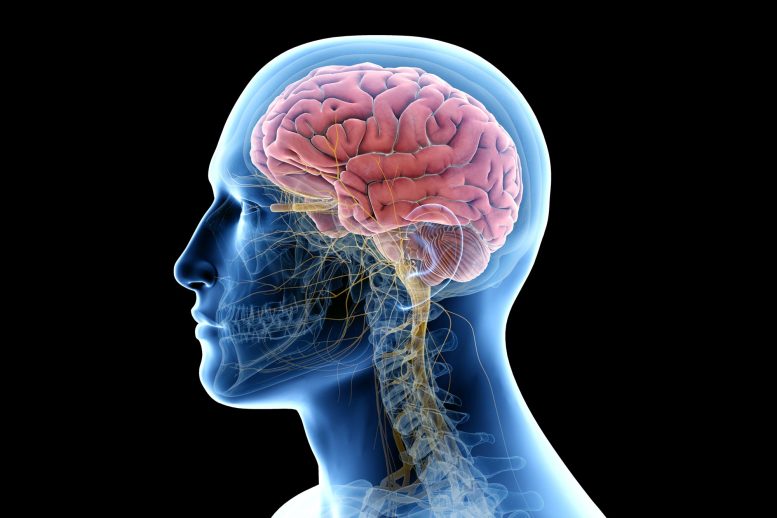
Researchers at Rutgers University have found that frequent exposure to real-world gun violence through the media may affect our mental health. The research suggests that regularly viewing firearm-related news and social media content is linked to higher levels of depression and emotional distress among adults throughout the United States.

The study examined 5,000 adults nationwide. Throughout the study, the research team focused on exposure to real-world firearm violence through popular media outlets such as Instagram, cable television news, newspapers, and other related media. Unlike fictional violence seen in movies, video games, or television dramas, the study took a direct look at the reactions to actual incidents of gun violence reported in the media throughout the United States.

“One of the most critical elements is ‘threat system activation,’ essentially how the brain’s survival system (fear/vigilance) gets activated again and again from violent images/narratives,” according to Niloufar Esmaeilpour, a Registered Clinical Counselor and the Founder of Lotus Therapy & Counseling Center.

Esmaeilpour, who was not connected to the study, told The Debrief in an email that “Although an individual might not be at risk personally, seeing shootings, victims, police/emergency response, etc., repeatedly in the media could cause individuals to inaccurately judge their personal safety,” invoking a cognitive bias known as “availability heuristic.”

“Chronic activation of the body’s threat response through repeated viewing could result in chronic stress responses (sleep disturbances, irritable mood, emotional numbing), and potentially later symptoms of anxiety/depression,” Esmaeilpour said.

Another outside perspective was provided by Dr. Clint Salo, a Board-Certified Psychiatrist at The Grove Recovery Community. “What’s happening neurologically is that the brain doesn’t fully distinguish between witnessing violence directly and consuming it repeatedly through a screen,” Salo said. “The threat response activates either way.”

“So chronic exposure to graphic news content keeps the nervous system in a low-grade state of vigilance, and over time, that contributes to anxiety, depression, and a distorted sense of how dangerous the world actually is,” Salo said. “Algorithms make this significantly worse because they’re optimized for engagement, and fear and outrage drive engagement.”

The Findings  

The researchers found that people who watch or frequently encounter firearm-related content reported more days when they experienced poor mental health and a higher rate of depression symptoms. Researchers used statistical models to compare levels of media exposure with personal emotional well-being, revealing a connection between repeated exposure and negative emotional or mental health outcomes.  

Devon Ziminski, a postdoctoral fellow at the New Jersey Gun Violence Research Center at the Rutgers School of Public Health, says in a statement that the findings  “support existing research that repeated exposure to firearm violence may negatively affect well-being, and that real-world media firearm violence exposure may also have negative implications.”

Even watching highly-publicized firearm violence events like mass shootings, how the event is shaped, its narrative, the volume of coverage, and how it’s framed in the media—even if the outlet is credible—can all lead to negative mental health outcomes. Fundamentally, the idea is that the coverage could reinforce perceptions of threat and harm. 

The overall outcome is that large amounts of gun voilence consumed can contribute to poor mental health. Researchers believe the emotional effects of repeatedly watching violent real-world events should be part of a broader discussion about how people receive their news and are exposed to information.  

“While much work focuses on direct victimization, these findings suggest that cumulative media exposure to real-world firearm violence could contribute to a mental health burden, even for those not personally involved in an incident,” Ziminski says. 

While researchers are not suggesting we turn off all our media devices, they are encouraging people to be well-informed and to work toward a better understanding of how negative media can shape emotional well-being. Strategies such as limiting repetitive exposure to distressing content, taking breaks from it, and balancing news consumption with positive activities may help reduce emotional strain.

“When consuming news, I recommend creating a ‘news dosing schedule,’ setting aside specific times each day (e.g., 20-30 min once/twice per day) for news consumption instead of constant browsing,”  Esmaeilpour suggests. “Browsing continuously can overwhelm emotions, making it difficult to manage one’s mental health.”

“Intentional selection of high-quality news sources that include contextual information and do not repeatedly present graphic detail will also help mitigate the emotional response to news stories,”  Esmaeilpour added. “In addition, taking some type of physical/cognitive break immediately following exposure (i.e., going for a walk, listening to music, talking with others) is beneficial because it changes the state of the nervous system away from being in a continued threat state.”

The recent study, “Associations between media gun violence exposure (GVE) and mental health: a national cross-sectional study,” was published in BMC Public Health.

Chrissy Newton is a PR professional and the founder of VOCAB Communications. She currently appears on The Discovery Channel and Max and hosts the Rebelliously Curious podcast, which can be found on YouTube and on all audio podcast streaming platforms. Follow her on X: @ChrissyNewton, Instagram: @BeingChrissyNewton, and chrissynewton.com. To contact Chrissy with a story, please email chrissy @ thedebrief.org.

  •  

How Screens Are Reshaping Childhood: New Research Reveals the Developing Brain Integrates Experience Until Age 25, Impacting Mental Health Deeply

In an era where digital screens have become ever-present in the lives of children and adolescents, a groundbreaking neuroscientific framework has emerged to articulate the profound impact of early experiential integration in brain development. This latest synthesis, published in the acclaimed journal Brain Health, introduces the concept of the “criticome,” a comprehensive construct describing the totality of sensory, motor, social, cultural, and environmental information integrated by the brain during critical periods of synaptic plasticity. Spanning prenatal phases through approximately the mid-twenties, this framework offers a powerful lens to understand how experience—or its absence—shapes neural architecture with lasting implications.

The importance of these critical windows lies in their load-bearing nature: experiences absorbed during these phases become foundational, permanently embedded within the brain’s circuitry. Conversely, experiences that fail to enter, or are incorrectly integrated, cannot be effortlessly appended later, making early developmental support paramount. Neuroscientists Michel Cuenod, Kim Q. Do, and Julio Licinio, through their careful literature synthesis, stress that this focus shifts research away from simply diagnosing adult neurological dysfunction towards scrutinizing what might have failed to integrate properly during youth.

Central to this shift is a radical rethinking of psychiatric conditions. Disorders traditionally treated as anomalies of adult synaptic functioning—such as autism spectrum disorders, schizophrenia, post-traumatic stress disorder, and major depression—are now increasingly viewed through a developmental prism. For example, schizophrenia appears intimately tied to disrupted maturation of parvalbumin-positive interneurons in the prefrontal cortex during late adolescence, a critical period for synaptic refinement. Similarly, autism spectrum disorders reflect a misalignment of critical period timing across sensory and higher-order association systems, while early life trauma imprints enduring alterations on stress response mechanisms.

Dr. Cuenod elaborates, stating that the existing data have long pointed to schizophrenia as a disorder rooted in neurodevelopmental processes, yet framing precisely what fails and when has remained elusive until now. The criticome, he argues, provides the essential vocabulary and conceptual structure needed to address these intricate questions, helping to link molecular biology to clinical phenomena.

Among psychiatric conditions, major depressive disorder receives special attention within the criticome framework. Drawing on a pivotal natural experiment by Kendler and Halberstadt, it highlights the profound consequences of relational ruptures in genetically identical twins, where social scaffolding—or lack thereof—during late adolescent prefrontal maturation critically influences adult mood regulation. This cumulative continuity model explains how early social experience can snowball into divergent mental health trajectories, mechanistically anchored by criticome integration during key developmental windows.

Underpinning the criticome are six neurobiological mechanisms: GABAergic regulation via parvalbumin-positive interneurons; the formation and maintenance of perineuronal nets surrounding fast-spiking cells; progressive myelination enhancing cortical connectivity; experience-dependent epigenetic modulation altering gene expression; neuromodulatory maturation shaping synaptic responsiveness; and the often underappreciated process of developmental synaptic pruning. Notably, pruning is conceptualized as a fundamental pillar—up to half of all cortical synapses are removed between childhood and adolescence, a process governed by microglial activity and complement system tagging. Once synapses are pruned, they cannot be recovered, underscoring the irreversibility of certain critical period outcomes.

This principle of irreversible plasticity echoes an ancient Brazilian proverb—Papagaio velho não aprende a falar (“An old parrot does not learn to speak”)—which aligns with classical neuroscientific findings like those of Hubel and Wiesel in the visual cortex. These observations affirm that learning and integration during plastic windows are rapid and efficient, whereas after these periods close, the same acquisition becomes laborious and incomplete. This same logic governs language acquisition, motor skill mastery, emotional regulation, and even ethical reasoning.

Crucially, the double-edged nature of critical-period plasticity is emphasized. The mechanisms that enable extraordinary talents, such as a musical prodigy or exceptional athletic performance, are simultaneously responsible for the vulnerabilities seen in developmental delays and neuropsychiatric conditions. The contrast is poignantly illustrated by examples ranging from Mozart’s harmonic genius to the devastating impact of the Romanian orphanages’ neglect on neural and psychological development. Moreover, the framework acknowledges the darker manipulations of criticome plasticity, from the Hitlerjugend’s systemic exploitation of youth to contemporary conflicts that inscribe violence and displacement into children’s criticomes, with sociohistorical consequences that will reverberate for decades.

The pressing question of how screen-saturated environments influence the criticome is identified as central to contemporary discourse. Children today ingest unprecedented quantities of screen-mediated sensory and social input during precisely those windows when neural plasticity is highest. Yet, the authors caution that the nature and long-term impacts of such experiences remain unknown. They advocate for research grounded in their framework to transform moral panic into scientifically testable inquiry, guiding policies and interventions based on empirical evidence rather than speculation.

Dr. Licinio frames this synthesis as essential not only for clinicians but also educators and policymakers. Understanding why language acquisition is more effortless at age five than fifteen, or why investments in early childhood yield significant societal returns, all relate to the criticome’s developmental timeline. Their framework provides an interdisciplinary vocabulary uniting neuroscience, psychiatry, education, and policy toward a cohesive understanding of human potential and vulnerability.

The review draws on an evocative comparison from literature to illustrate its concepts: juxtaposing a passage from James Joyce’s Finnegans Wake with letters from his daughter, Lucia Joyce, who suffered from schizophrenia, both texts reveal similarly fragmented syntax and unconventional imagery. Yet, Carl Jung’s analogy of two people descending a river differently—one by choice, the other by tragic constraint—reflects how intact versus disrupted criticome integration shapes adult cognitive and emotional navigation. This metaphor underscores the lived reality and biological substrate of developmental psychopathology.

Despite its promise, the criticome framework acknowledges limitations. It currently serves as a conceptual scaffold rather than a direct measurement or diagnostic tool. Translating its insights into practical interventions will demand novel methodologies capable of quantifying integrated experiential content within living brains. However, by uniting scattered findings under a precise vocabulary, this framework prepares the field for the next generation of experiments, therapies, and preventive strategies.

The introduction of the criticome concept marks a pivotal advance in neuroscience’s capacity to describe the complex interplay between experience and development. It moves the field beyond fragmented models of memory or cultural learning, offering a holistic perspective on how brains become uniquely human. This vision promises to reshape how we study, nurture, and protect the developing mind amid a rapidly changing social and technological landscape.


Subject of Research: People

Article Title: The criticome as the window of becoming: Toward a novel and comprehensive framework for understanding the critical period of information integration in human development

News Publication Date: 2 June 2026

Web References:
https://doi.org/10.61373/bh026i.0021

References:
Cuenod M, Licinio J, Do KQ. The criticome as the window of becoming: Toward a novel and comprehensive framework for understanding the critical period of information integration in human development. Brain Health 2026. DOI: https://doi.org/10.61373/bh026i.0021

Image Credits: Julio Licinio

Keywords: criticome, critical periods, synaptic plasticity, neurodevelopment, psychiatric disorders, synaptic pruning, parvalbumin interneurons, brain development, experiential integration, adolescence, neural plasticity, screen time effects

  •  

Quitting smoking could help protect your memory function

Many people know that smoking increases the risk of lung cancer, heart disease, and stroke. What is less widely known is that smoking can also affect the brain. Research has shown that smoking may accelerate aging processes throughout the body, including those that influence memory, learning, and thinking abilities. As scientists search for ways to […]

The post Quitting smoking could help protect your memory function appeared first on Knowridge Science Report.

  •  

New Book Argues Youth Mental Health Crisis Demands Healing for Both Parents and Children

A groundbreaking paradigm shift in youth mental healthcare urges a comprehensive approach that extends support beyond the individual child to include their parents and caregivers. Alix Hearn, a child psychotherapist affiliated with Cambridge University, presents a compelling argument in her forthcoming book, Places of Safety, for redefining how mental health services engage with children and young people. She emphasizes the importance of viewing children as integral parts of an ecological system—a complex network of family, community, and cultural relationships—that is often neglected in traditional clinical frameworks overwhelmed by demand.

Hearn’s thesis rests heavily on attachment theory, a psychological model that elucidates the foundational human need for secure, reliable relationships, primarily established during early childhood through parental caregiving. Her clinical insights suggest that mental health struggles in youth frequently reflect not only individual pathology but also intergenerational patterns of emotional processing and relational dynamics. Parents’ abilities to provide safety and support are, in themselves, shaped by their antecedent experiences, creating a cascade of concealed emotional legacies, or “ghostly attachments,” transmitted often without conscious awareness. This concept revives the notion that unresolved trauma and attachment disruption ripple forward across generations, influencing behavioral and emotional responses.

The current landscape of child mental health services tends to isolate the young person as a discrete entity requiring intervention. Hearn critiques this reductionist view, asserting that children often manifest symptoms that are less about their individual deficits and more about unprocessed relational tensions within the family unit. She advocates for a systemic clinical approach, wherein therapists engage with parents or caregivers concurrently, to uncover and address these deep-rooted emotional histories. This method challenges prevailing therapeutic models focused solely on the child and highlights the necessity of a dual-generation strategy in treatment protocols.

Clinical practice and referral patterns frequently reveal that youth exhibiting withdrawn or aggressive behaviors, or tendencies toward self-harm, may be reacting to deficits in emotional support stemming from attachment insecurities. Hearn’s research corroborates that such behaviors are often manifestations of unmet developmental needs as well as the intergenerational transmission of coping mechanisms influenced by the parents’ own upbringing. Her book delineates how these “unremembered hauntings” shape the psychobiological framework within which a child’s mental health trajectory unfolds.

A particularly poignant exploration in Places of Safety addresses the epigenetic and psychosocial ramifications of collective historical trauma. Hearn provides case studies where familial responses to atrocities like the Holocaust serve as paradigmatic examples of how mass trauma imprints, via both genetic and psychological channels, continue to influence descendants’ attachment patterns and emotional regulatory capacities. This intersection of psychodynamic and epigenetic research underscores how large-scale sociohistorical crises exert pervasive effects on family systems, affecting mental health outcomes in nuanced and enduring ways.

Research into epigenetics, the dynamic modulation of gene expression in response to environmental stressors, fortifies Hearn’s thesis about the biological embedding of trauma and anxiety within family lineages. The transgenerational transmission of stress-induced gene regulation changes presents new avenues for understanding the persistent impact of socio-political turmoil on child development. Hearn’s sensitivity to contemporary global conflicts, such as those in the Middle East and Ukraine, frames her argument within a broader context of ongoing crisis, where trauma is not merely historical but immediately relevant to populations exposed to violence and displacement.

Beyond individual and familial systems, Hearn situates the current youth mental health crisis within the wider framework of global environmental instability, proposing that ecological anxiety driven by climate change acts as a collective psychosocial stressor. Drawing on the findings of The Lancet Psychiatry Commission on Youth Mental Health, she asserts that the pervasive “polycrisis” of simultaneous global shocks erodes foundational feelings of safety and security. Adults, often unknowingly, transmit anxieties about the future to younger generations, exacerbating emotional dysregulation and mental health challenges in children and adolescents.

In a novel therapeutic proposition, Hearn introduces the concept of “green care,” advocating for an intentional reconnection with the natural environment as a source of emotional security and healing. The environment is conceived not merely as a backdrop but as an attachment figure with intrinsic therapeutic potential. Detachment from nature, she argues, compounds a fragmented sense of belonging and identity among youth, exacerbating feelings of alienation and division. This ecological perspective enriches traditional psychological models by integrating holistic considerations of place, community, and environment.

Hearn highlights the profound discrepancy between adult perceptions of resilience and the realities faced by contemporary youth. Generational misunderstandings, often encapsulated in sentiments like “in my day we just carried on,” fail to capture the context of collective anxiety catalyzed by uncertain futures and environmental degradation. She foregrounds a vital existential question: in a world perceived as “on fire,” what anchors remain for children to develop secure attachments and a robust sense of self?

Clinicians, educators, and policymakers stand at a crossroads, prompted to embrace an integrative system that simultaneously addresses children’s needs and the supporting emotional infrastructures of their families. Hearn’s clinical experience and numerous scholarly collaborations underline that effective mental health interventions must acknowledge and intervene in the relational ecology surrounding children. This perspective requires reevaluating service models, resource allocation, and therapeutic curricula to transcend child-centric interventions and encompass family systems and environmental contexts.

Places of Safety emerges as a timely and critically needed blueprint for reforming youth mental health care amidst a rapidly evolving socio-political and ecological landscape. Its fusion of attachment theory, clinical experience, epigenetics, and ecological psychology offers a multidimensional framework that could reshape how mental health professionals understand and treat young people’s emotional difficulties. As youth mental health referrals face unrelenting pressure, this systemic approach promises a more comprehensive, compassionate, and effective path forward.

The book’s London launch signals the beginning of what Hearn anticipates will be a broader conversation, catalyzing a “sea change” in the mental health field. By advocating for a nuanced recognition of the interconnectedness of child and adult mental health, familial legacy, and environmental factors, Hearn challenges entrenched paradigms and invites a collective reimagining of how society nurtures its youngest members in an unstable world.

Subject of Research: Youth mental health, attachment theory, intergenerational trauma, ecological psychology, epigenetics
Article Title: Revolutionary Insights on Youth Mental Health Call for Family-Centered Psychotherapy and Ecological Healing
News Publication Date: Not specified (book launch event on 2 June)
Web References:

  •  

Scientists Discover Surprising Similarities Between Freud’s Ideas and Modern Neuroscience

Human Anatomy 3D Brain RenderingResearchers suggest that old psychoanalytic ideas and modern brain science may be describing the same mental processes from different angles. More than a century after Sigmund Freud developed his influential theories of the mind, some researchers believe modern neuroscience may be arriving at surprisingly similar conclusions. A new paper published in the neurocognitive journal Entropy [...]
  •  

Could an arthritis drug help people with severe depression?

Depression is one of the most common mental health conditions in the world, affecting hundreds of millions of people. It can cause persistent sadness, loss of interest in daily activities, low energy, sleep problems, difficulty concentrating, and feelings of hopelessness. While many people benefit from antidepressant medications and psychological therapies, a significant number continue to […]

The post Could an arthritis drug help people with severe depression? appeared first on Knowridge Science Report.

  •  

Woman Alarmed When Her Trusted Therapist Starts Recording Her With AI

Therapy is predicated on trust. You can’t be honest and vulnerable, and share how you’re really feeling, if you don’t believe in the embodied-concerned-frown sitting in the armchair across from you.

So you can understand why one woman, 31-year-old Molly Quinn, was taken aback when her trusted therapist suddenly whipped out an AI model to start recording their private conversations, NPR reports

“She wasn’t taking notes like she usually did,” Quinn recalled realizing halfway through one session. “The iPad was just propped up.”

Where were her words being processed and stored? Will they one day become training data? It’s not something you have to ask yourself when your therapist jots stuff down on a clipboard. But those questions were now racing through Quinn’s head, leaving her uneasy.

“The more I thought about it, the more I just started getting more and more sick to my stomach,” she told NPR. “This person who I’m supposed to be able to trust with some very private and very intense emotions had just completely disregarded something I said I was not comfortable with. I felt completely violated.”

Though her therapist offered to stop using the AI tool, Quinn cut her off and found another one.

“The trust was gone,” she told NPR.

Like doctors, therapists across the country are adopting AI tools for notetaking and generating transcripts. AI companies offering these services frame it as a way of cutting down on the drudgery of paperwork and other administrative tasks, freeing up more time to focus on patients — a permutation of a common AI industry refrain: let us do the tedious stuff for you. 

The reliability of AI tools remains fairly dodgy, though, and even setting aside questions of hallucinations creeping into clinical notes — which is something we’re already seeing happen — it’s not clear whether patients are even comfortable with the tech yet. In a YouGov survey cited by NPR, only 11 percent of Americans said they would be open to using AI in mental health care. An even slimmer eight percent said they would trust AI being used this way, while 40 percent said they don’t trust the technology at all.

“Even the presence of AI changes the therapeutic experience,” Marisa Cohen, a couples and sex therapist in New York, told NPR. “Clients know or feel like something else is listening to them. That awareness can subtly alter their disclosure.”

“When you introduce something that’s being stored electronically, it raises additional questions about trust and safety,” Cohen added. “It’s essentially a third party.”

Tal Salman, the CEO a popular AI scribe tool for therapists called Berries, insists that conversation recordings are deleted immediately and that transcripts are stored on HIPAA compliant servers in the US. Even if this is true, if AI companies’ tools are to ever have a place in private mental health settings, they need the trust of patients — and that’s something the AI industry clearly hasn’t earned yet. Quinn fears that AI-recorded conversations could one day be exposed by hackers.

“We’re going to see breaches,” she told NPR. “Maybe not tomorrow, maybe not next week. But in a few years? I think we’re going to see them. And I don’t want my therapy session to be part of that.”

More on AI: The Pope Just Low Key Declared Holy War on Artificial Intelligence

The post Woman Alarmed When Her Trusted Therapist Starts Recording Her With AI appeared first on Futurism.

  •  

Influential Tech Founder Says His Peers Are Suffering From Mass AI Psychosis

It’s no secret that many of the world’s top CEOs are obsessed with AI. By pursuing lofty goals of complete AI automation, these executives have created one of the largest financial bubbles in recent memory while transforming the job market into a barren wasteland, with little to show for their efforts so far.

As the top tech companies have yet to find a way to turn AI into a profitable venture, those decisions to go all-in on AI are looking increasingly delusional. According to Aaron Levie, CEO and founder of the massive cloud computing company Box, there’s a simple explanation for it: many of his colleagues are suffering from AI psychosis.

“CEOs are uniquely prone to AI psychosis because they’re sufficiently distant from the last mile of work that still has to happen to generate most value with AI,” Levie wrote on X-formerly-Twitter. Translation: AI-happy CEOs are out of touch with the rank-and-file workers tasked with making their AI ambitions come to life.

As an example, Levie offers cases in which corporate executives say “look I made this awesome product prototype” with an AI chatbot. “Yes but you didn’t have to review the code before it went into production and fix a bunch of issues,” he retorts.

Whether “AI psychosis” is the best metaphor for this concept is up for debate. Arguably the most common definition of AI psychosis is that it’s a phenomenon where extreme interactions with AI triggers or amplifies delusions or paranoia, sometimes already existing and sometimes seemingly newly cooked up with the AI. The symptoms can be extreme, with AI chatbots convincing victims that they’re communing with God-like entities, or have singlehandedly uncovered a grave threat to humankind.

There are indeed some executives who seem to fit the bill. Last year, Futurism reported that colleagues of Geoff Lewis, managing partner of the multi-billion dollar investment firm Bedrock, were concerned that he was suffering from a break with reality after spending too much time with ChatGPT (ironically, Bedrock was an early investor in OpenAI.) In that case, Lewis had claimed to be mapping an incomprehensible “non-governmental system” that was designed to disrupt his life.

That said, there’s a major gap between an exec believing they’re targeted by a vast conspiratorial network and an exec buying into AI hype. The phenomenon Levie is identifying might better fall under “organizational blindness,” a known phenomenon where leaders of a company find themselves disconnected from the reality of work on the ground. Coupled with a ravenous hunger for profit, this kind of tunnel vision seems to be exactly what we’re seeing in companies around the globe.

In today’s world, many executives and managers operate at an abstract level, working via spreadsheets, emails and Zoom meetings. This is different from concrete labor, meaning the specific, friction-heavy tasks that workers perform, like writing code or wiring server racks. When a board-room full of executives loses sight of this tangible labor — by failing to consider the kinds of tasks AI chatbots are actually good at, for example — it can certainly create a break from material reality, though one driven by social factors rather than psychological.

In other words, there are two possibilities: either the world’s CEOs are losing their minds, or they’re just succumbing to the latest manifestation of capitalism run amok. Occam’s razor probably suggests the latter.

More on AI and CEOs: 99 Percent of CEOs Are Preparing to Lay Off Workers and Replace Them With AI Within Two Years, Survey Finds

The post Influential Tech Founder Says His Peers Are Suffering From Mass AI Psychosis appeared first on Futurism.

  •  

Man Drives Cybertruck Into Lake to Test Elon Musk’s “Boat” Claims, and It Went About as Well as You’d Guess

Longtime Cybertruck watchers might remember a peculiar day back before the brutalist pickup was even released, when Tesla CEO Elon Musk randomly tweeted that the vehicle would function as a rudimentary flotation device.

“It will even float for a while,” he wrote at the time.

It wasn’t a one-off claim. Musk later boasted that the vehicle would be able to “traverse at least 100m [330 feet] of water as a boat.”

“Mostly just need to upgrade cabin door seals,” he claimed, writing at another point that the “Cybertruck will be waterproof enough to serve briefly as a boat, so it can cross rivers, lakes and even seas that aren’t too choppy.”

The Cybertruck finally did make it to market, where it’s suffered a seemingly endless parade of recalls, embarrassing incidents, and dismal sales figures.

Unsurprisingly, all Musk’s bluster about the truck serving as a makeshift schooner turned out to be flimflam. In fact, it quickly emerged that just getting wet in a car wash could brick the thing.

To muddy the waters further, the company ended up adding what it calls “Wade Mode” to the vehicles, which sets the truck’s ride height to the highest level, ostensibly so it can ford creeks and streams.

All that mixed messaging clearly got jumbled for a Texas man, though, who activated Wade Mode and drove his Cybertruck into a lake. Unsurprisingly, things didn’t go well for him.

“Yesterday, [Grapevine Police Department] and [Grapevine Fire Department] were dispatched to Grapevine Lake, where a Tesla Cybertruck was stranded in the water,” police in Grapevine, Texas, wrote on X-formerly-Twitter. “The driver drove into the lake to use the ‘Wade Mode’ feature when the vehicle became disabled.”

Not only is the man’s vehicle swamped — as the cops showed in an amazing attached photo — but he’s in legal trouble as well.

“The passengers abandoned the vehicle and the driver was arrested,” they wrote.

More on the Cybertruck: Cybertruck Recalled to Keep Its Wheels From Flying Off While Driving

The post Man Drives Cybertruck Into Lake to Test Elon Musk’s “Boat” Claims, and It Went About as Well as You’d Guess appeared first on Futurism.

  •  

‘It was too easy’: families ask how Kenneth Law enabled so many suicides

Bereaved relatives say they were ignored by authorities as they searched for answers over suicide forums and kits

Monday would have been Aimee Walton’s 25th birthday. But in 2022, the lover of music and art from Southampton took her own life after being groomed by another user on an online forum that glorified and enabled suicide. On Friday, 3,500 miles away, the man who sold her a toxic substance pleaded guilty in a Canadian courtroom to his part in 14 other fatal poisonings.

Kenneth Law, 60, is linked to at least 131 deaths worldwide, after using a collection of digital storefronts to target vulnerable youth. Investigators in the province of Ontario say Law shipped more than 1,200 packages – many containing a toxic substance – from his local post office to people in more than 40 countries; the vast majority went to the United Kingdom and the United States.

Continue reading...

© Photograph: Peter Flude/The Guardian

© Photograph: Peter Flude/The Guardian

© Photograph: Peter Flude/The Guardian

  •  
❌