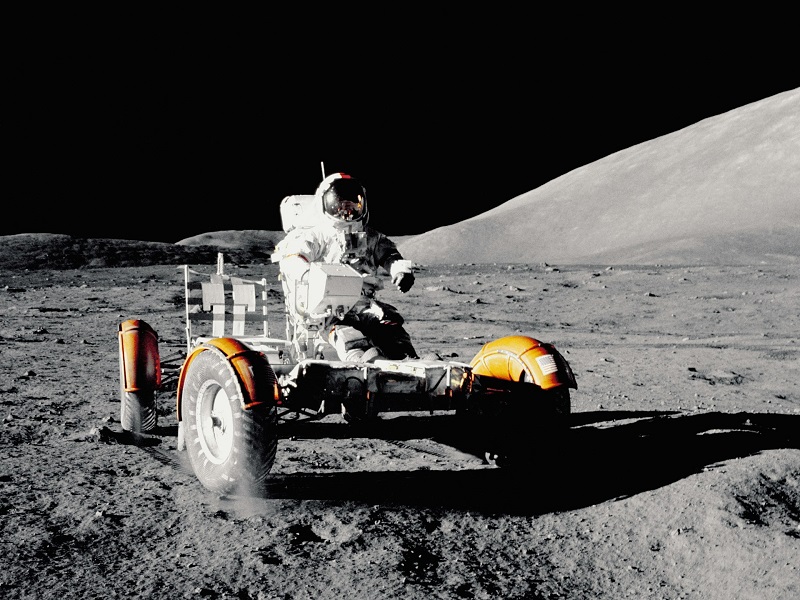
A new race to the moon is emerging between the United States and China. Unlike fifty years ago, the goal is no longer just about landing and leaving, but establishing a base that allows for a sustainable presence and extended stays on the surface of our natural satellite. The objective is now to use the […]
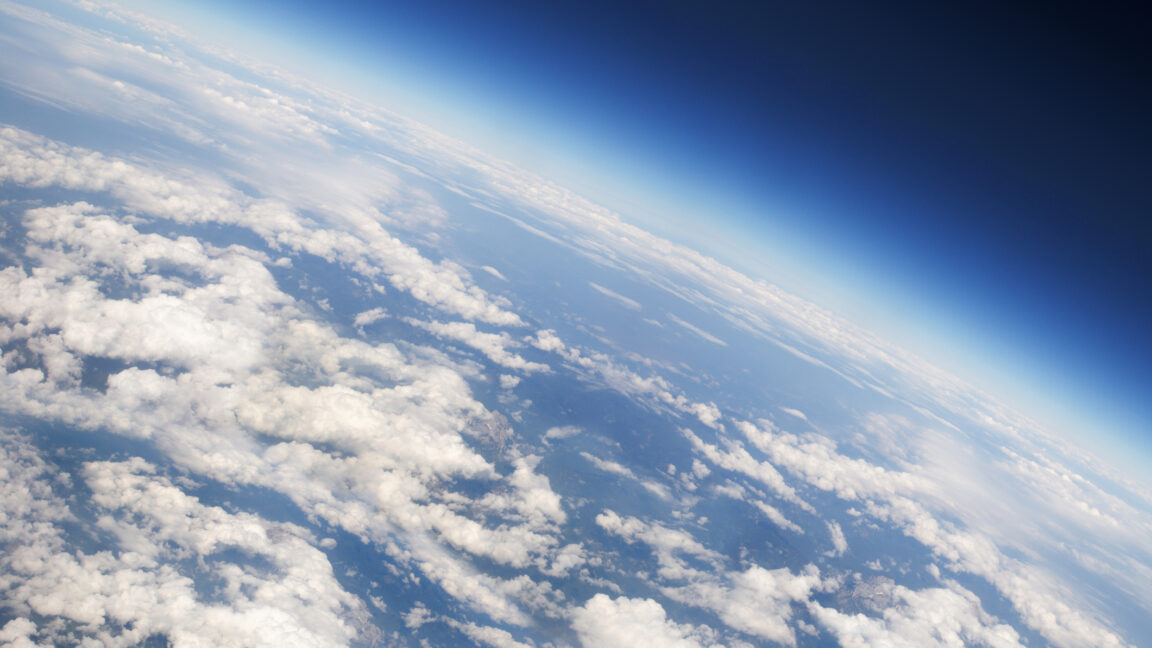
Planet Earth has some pretty great qualities going for it. (Negative reviews mostly revolve around the staff and clientele.) Pretty high on the list of positives is a richly oxygenated atmosphere. But that’s something that evolved and built up over a couple billion years, only eventually resulting in a world conducive to animal life like us.
Scientists have many ideas about what could have caused oxygen to increase, and it seems that a number of them are probably correct. No one thing in isolation seems to explain it. Life is part of the story, with photosynthetic life pumping out oxygen. The chemistry of the solid Earth also had a role to play, both through supporting photosynthetic life and through reactions that can shuttle oxygen between the atmosphere and rocks deep inside the Earth.
A new study led by Wei Shi of the Chengdu University of Technology suggests that evidence of changes in the subduction of tectonic plates—the process by which they disappear down into Earth’s interior—lines up with the timing of jumps in oxygen levels.
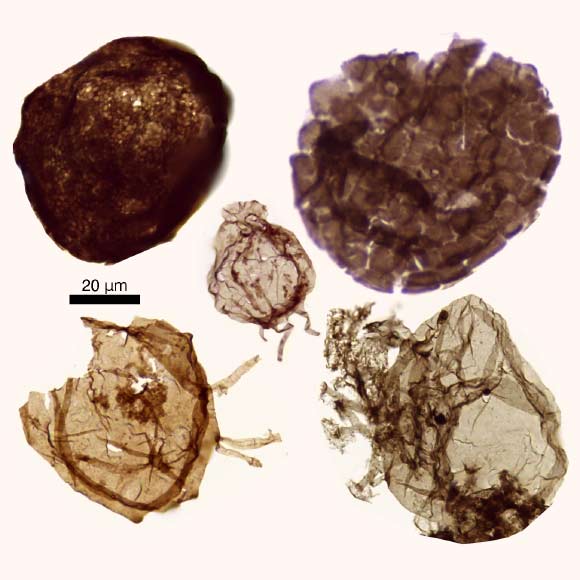
Analyzing 1.75-billion-year-old microfossils from ancient Australian seabeds, paleontologists say ancient eukaryotes -- the ancestors of every plant, animal and fungus -- huddled in oxygenated seafloor patches for over a billion years before breaking free into open water.
Planet Earth has some pretty great qualities going for it. (Negative reviews mostly revolve around the staff and clientele.) Pretty high on the list of positives is a richly oxygenated atmosphere. But that’s something that evolved and built up over a couple billion years, only eventually resulting in a world conducive to animal life like us.
Scientists have many ideas about what could have caused oxygen to increase, and it seems that a number of them are probably correct. No one thing in isolation seems to explain it. Life is part of the story, with photosynthetic life pumping out oxygen. The chemistry of the solid Earth also had a role to play, both through supporting photosynthetic life and through reactions that can shuttle oxygen between the atmosphere and rocks deep inside the Earth.
A new study led by Wei Shi of the Chengdu University of Technology suggests that evidence of changes in the subduction of tectonic plates—the process by which they disappear down into Earth’s interior—lines up with the timing of jumps in oxygen levels.

 Login
Login