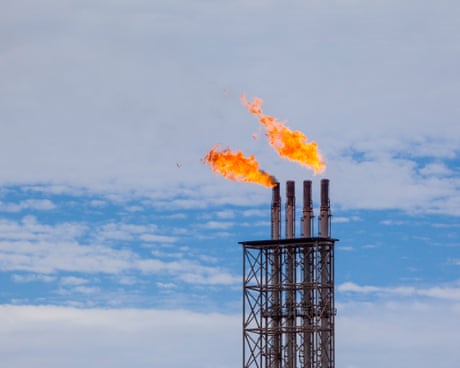
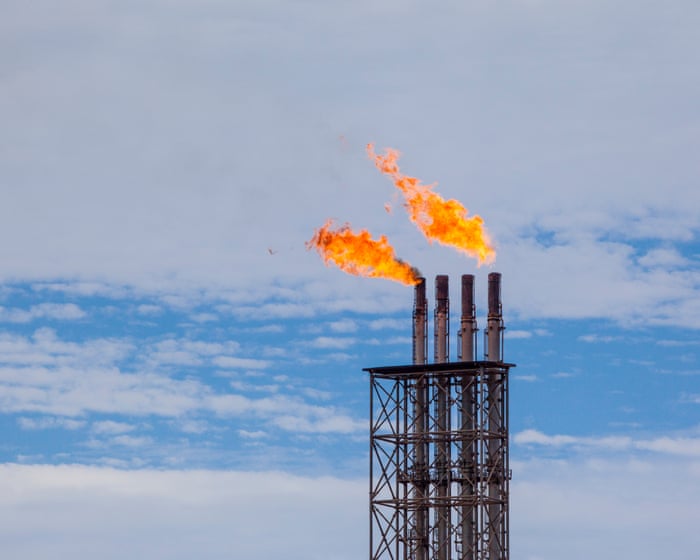
Nour Haydar speaks with Christopher Knaus about the BHP files – the cache of internal documents leaked to the Guardian and the ABC’s Four Corners – which show that the world’s biggest miner has war-gamed ways to massively delay decarbonisation
Additional audio in this episode was sourced by Financial Times Live
There are over 283 million cars cruising the United States, and over 90 percent of them are still guzzling gas. Apart from the obvious environmental problems, fuel prices also continue to skyrocket thanks to the ongoing war in Iran. The average price for gas is currently around 33 percent higher than it was before the crisis, and there is little sign that those numbers are going down anytime soon.
The strain is forcing many drives to reconsider how they get around—and they’re getting creative with it. In Georgia, a 30-year-old handyman is showing everyone how to properly adapt to uncertain times. According to a recent Reuters profile, Mali Hightower has retrofitted a discarded, bright pink Power Wheels Barbie Dream Camper with a two-gallon, one-piston engine for his shorter commuting needs.
“I drive this when I can,” Hightower said on May 19.
To get it going, a driver simply pulls the rip cord that’s attached to the former power washer engine. At less than four-feet-tall, the Dream Camper may not be the most comfortable ride for a full-grown adult,but it’s definitely cheaper. Hightower likely still prefers driving his 1996 Mercedes-Benz convertible, but with a full tank costing him around $90 right now, he’s more than willing to use his Power Wheels alternative for errands like grocery runs.
While somewhat surreal to see at a gas pump, the DIY solution underscores a more important issue: the need for more people to divest from fossil fuel rides in favor of public transportation and electric vehicles (EVs). Unfortunately, that’s easier said than done for many people. The U.S. is dramatically underfunded when it comes to options like commuter bus routes and trains, while EVs are still out of many people’s price ranges. The Dream Barbie Camper may be one-of-a-kind right now, but there’s a good chance that similar, intentionally constructed alternatives are on the way. At least those will be able to comfortably fit the driver.
A chunk of seemingly immortal sea cucumber tissue has scientists wondering if they’ve just stumbled on the secret to regenerating limbs. No, we are not kidding.
In a new study published in the journal Science, researchers say that an amputated sample of the creature, a species called Psolus fabricii, has survived for three years while being kept in natural seawater, growing and repairing all on its own. The tissue was so hardy, in fact, that it outlasted the researchers’ experiments — at which point they decided to call it quits and publish their astounding find.
“This is naturally occurring tissue immortality,” study lead author Sara Jobson, a researcher at Memorial University of Newfoundland, told Ars Technica. “Having tissues that survive that easily is unheard of. We’ve never seen anything like this.”
The sheer longevity of the specimen isn’t the only reason it’s unprecedented. Another is the fact that the sea cucumber tissue survived in ordinary seawater, an environment rife with bacteria and other microbial organisms. In previous tests, tissue samples were placed in an “axenic” culture that’s sterilized and tightly controlled.
Another is that the explanted tissue is actually healing and growing. In their experiments, the researchers found signs of immune activity and tissue reorganization; the cells even appeared to be diversifying and absorbing nutrients on their own.
That said, the immortality it’s exhibiting isn’t of the science fiction vein. While persisting, the explanted tissue hasn’t graduated into a new organism — and it’s unclear if it’s “alive” in the traditional sense at all. It’s growing and repairing, and all the biological upkeep is firing, but it lies inert and unformed.
“We haven’t grown a new, complete sea cucumber yet, but we are seeing pretty stunning growth and diversification of cells literally years after this tissue was removed,” study coauthor Rachel Sipler, a senior research scientist at the Bigelow Laboratory for Ocean Sciences, said in a statement about the work. “It’s like a lizard that loses its tail. We know some lizards can grow new tails; we’re talking about whether the tail can grow a new lizard.”
Biomedical researchers are already salivating at the find. Since it’s an invertebrate, there’s less restrictions on the research that can be performed on the organism.
“This discovery highlights that the ocean holds profoundly unexpected biological innovations,” Andrea Bodnar, science director at Gloucester Marine Genomics Institute, who wasn’t involved in the work, said in the statement. “The fact that tissue explants from a sea cucumber can heal, reorganize, and survive independently for years in natural seawater suggests an entirely new model for biological resilience and tissue regeneration.”
As sporting events go, the French Open, also known as Roland Garros, is usually a mild and sunny affair. Throughout the opening rounds of 2025’s tournament, temperatures fell squarely in the 60 degree Fahrenheit range, a perfectly agreeable conditions for players and spectators alike.
This year’s French Open, however, happens to be taking place during one of Europe’s worst springtime heat waves on record. Countries like France, the UK, Spain, and Germany have all notched record highs for the month of May as climate change fuels a massive heat dome — a situation turning the normally pleasant tennis championship into a hellish mess of sweat and red-hot clay.
As noted by CNN, every player is feeling the heat as France endures daily highs in the 90s, hotter than average temperatures in July.
After securing a victory in a four-hour contest with the Russian Roman Safiullin, Norwegian tennis star Casper Ruud told the BBC he was shambling around in a heat-induced daze. Ruud took multiple medical breaks throughout the match, covering himself with cooling towels, while both players took an extended break after the fourth set.
“It felt like it was a bit of a kind of heatstroke feeling,” Ruud explained. “I experienced something similar some years ago when I played in Washington DC and I had to retire in the third set… that’s the only time I had that same feeling as I had today in the fourth set where I felt at times really dizzy, really tired and walking around like a zombie almost.”
Days later, Czech star Jakub Menšík collapsed on the court after winning a nearly five-hour contest against Argentinian Mariano Navone. Though his opponent ran over to congratulate Menšík and help him up, the Czech player didn’t budge, prompting medical staff to dart over with ice packs and a wheelchair to help him off the court.
Menšík later told sports press his body “just turned off,” as temperatures as high as 91.2 degrees Fahrenheit baked the city of light — the lowest daily high in Paris over the past five days.
“It’s insane to play in this weather and especially in front of the Sun, to be there for more than four and a half hours is just insane,” the Czech player said. (Menšík was penalized at multiple points for taking too long to cool himself off during breaks in play, losing his first serve twice as a result.)
As Front Office Sports notes, the Roland Garros is regarded among the cooler of the four Grand Slams. That’s especially so compared to the Australian and US Opens, which are held in the dog days of their respective hemispheres’ summers.
Given the extreme heat expected once summer begins and El Niño settles in, those tournaments could make Roland Garros look like a picnic on the Champ de Mars.
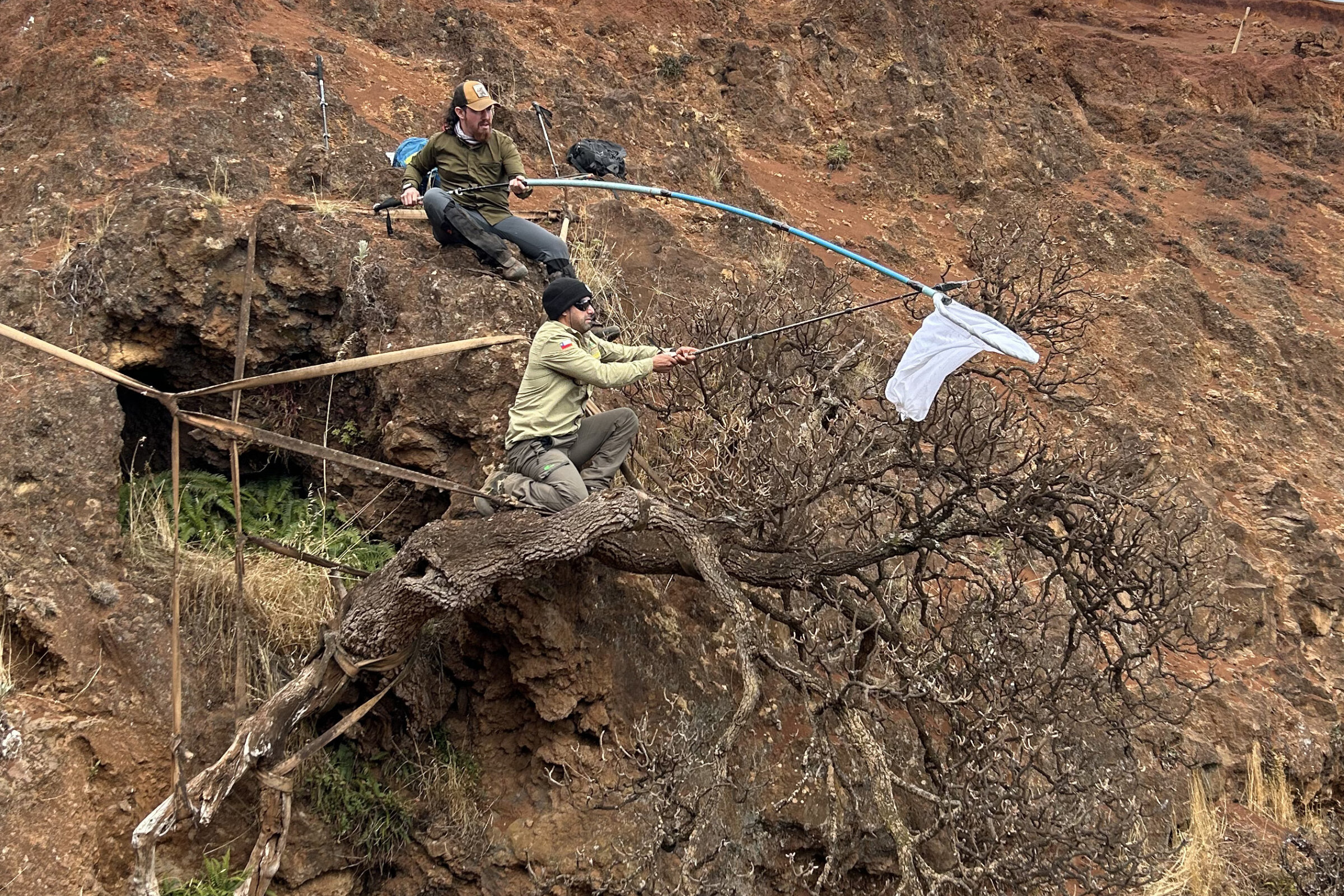
Scientists are desperately racing to save one of the world’s rarest tree species from disappearing — by collecting seeds from the only surviving specimen, which is literally clinging to the side of a cliff on Robinson Crusoe Island, an extremely remote island off the coast of Chile.
A photo shared by the Royal Botanic Gardens in the UK shows conservationists reaching out with a giant net in an attempt to recover seeds from the last known wild specimen of the Dendroseris neriifolia tree, native to Chile’s Juan Fernández Islands.
The action highlights how scientists are going to great lengths to ensure the survival of highly endangered species of plants, a prescient topic as global warming caused by human activity continues to put them at great risk. Scientists have previously found that twice as many plants have gone extinct in the last 250 years as all birds, mammals, and amphibians combined, a devastating and often less-talked-about loss of biodiversity.
The tree species has been heavily affected by habitat loss, encroaching invasive species, and failed attempts to ensure its survival, according to a statement by the Royal Botanic Gardens in Kew, near London, UK.
Twenty-nine seeds were recovered, 25 of which were identified to be potentially viable according to an X-ray analysis by scientists at the Botanic Gardens. Seven seedlings are already establishing, so the last-ditch effort may have a chance of paying off.
It’s not the first time scientists have attempted to ensure the survival of the Dendroseris neriifolia tree. By 1980, only seven surviving wild specimens remained following dramatic population declines. Park rangers attempted to recover the species in the 1990s, and reintroduction efforts in the early 2000s ultimately proved unfruitful.
At this point, there’s not a lot of room for error. Beyond the tree falling off the cliff, just single specimen is currently growing at the VerdeNativo botanic gardens in Chile.
“It is a race against time,” said VerdeNativo botanic gardens scientist Diego Penneckamp in a statement. “This international collaboration to support the last remaining individual could prevent the extinction of a species that represents a unique lineage with its own natural history.”
Summer hasn’t even started in the Northern Hemisphere, and thermometers around the globe are already fit to burst.
In India, at least 16 people have died during a pre-monsoon season heatwave as temperatures reach a scorching 116 degrees Fahrenheit, with conditions expected to worsen over the coming days.
Meanwhile, the European continent is currently experiencing one of the worst heat waves on record, the Associated Press reports, with gauges in the United Kingdom recording all-time highs of 94.6 degrees Fahrenheit and 95.1 over a 24-hour period. Seven have already died in France during the hottest day in May in the country’s recorded history, while health officials in Italy have moved to restrict outdoor activity.
While these temperatures might not sound extreme by American standards — the US is a world leader in air conditioning usage, with some 90 percent of households covered — the heat is pushing people and infrastructure to their limits elsewhere in the world.
As a recent report on the UK’s global warming outlook noted, the country is “built for a climate that no longer exists,” with only 5 percent of households boasting AC units.
“While we do occasionally have warm spells in May, what we’re seeing now is unprecedented,” Stephen Dixon, a spokesperson for the UK Met told CNN. “What was around a 1-in-100 year event is now around a 1-in-33 year event.”
Making matters worse is the looming threat of El Niño, a cyclical climate pattern which raises temperatures around the world. That event typically comes once every two to seven years, but the one expected to kick off this summer is massive — forecasted to be nearly as bad as the nearly-apocalyptic heat spell of 1877, which killed millions of people.
Keep in mind, these record heat waves are hitting well ahead of both summertime and El Niño. As researchers have found, ambient global temperatures are already enough to kill elderly and even young people given the right amount of exposure time. In other words, this summer is about to give a whole new meaning to the phrase “jumping out of the frying pan and into the fire.”
Will humankind colonize other star systems, spreading life to distant worlds? Or more locally, and realistically: will we ever establish settlements on Mars or the Moon? Before we even consider stuff like huge generation ships, we have to look at our biology. Can our fragile forms reproduce in space, allowing our off-world outposts to sustain themselves?
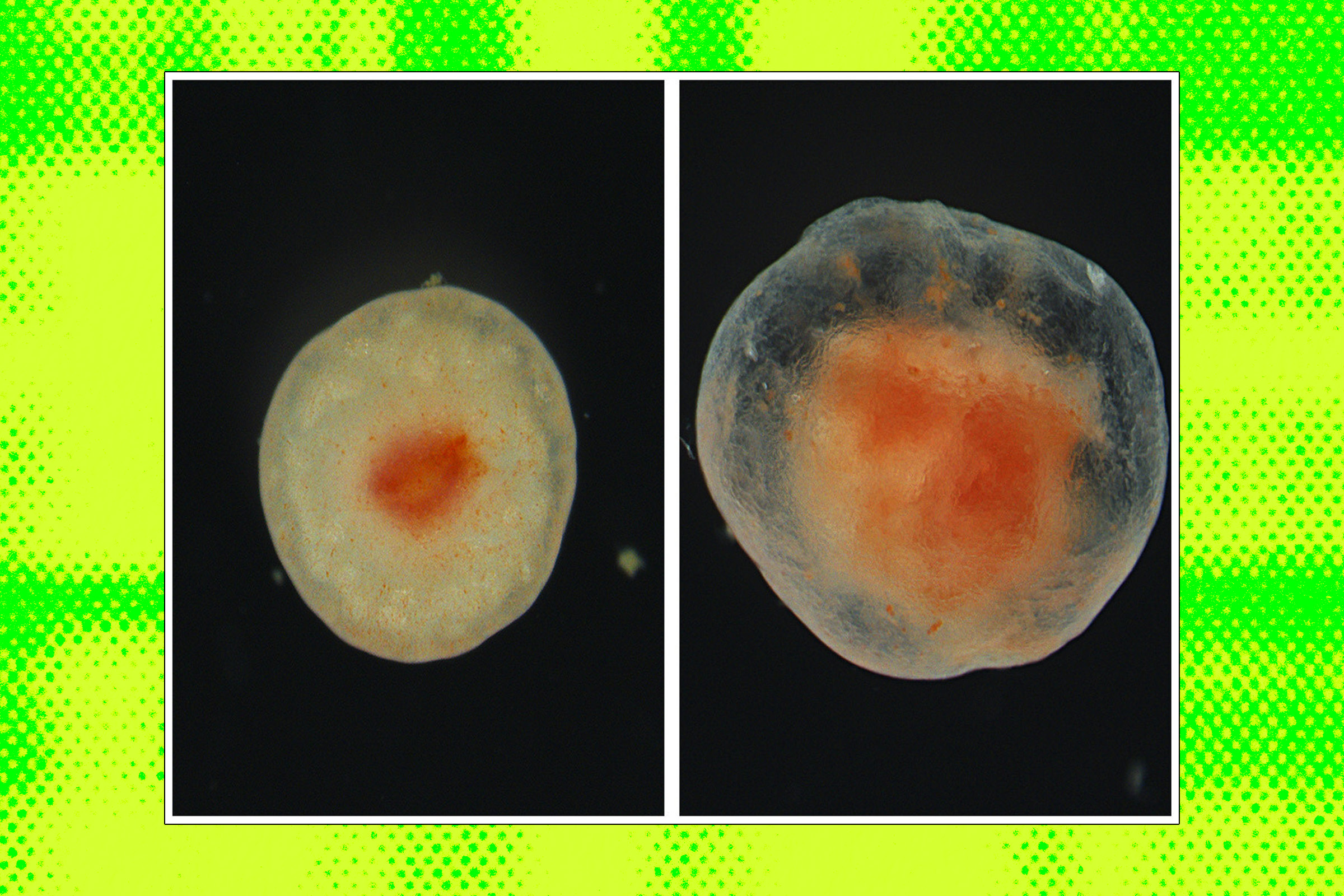
That’s what Chinese scientists hope to find out. This month, China sent a batch of synthetic human embryos to its Tiangong space station, in a first-of-its-kind experiment to explore how a critical early stage of human development is affected by a microgravity environment.
The samples are made of human stem cells and closely resemble real embryos, but aren’t capable of developing into an actual fetus.
“This is not a real human embryo and does not have the ability to develop into an individual. However, it can serve as a model for studying early human development,” project leader Yu Leqian, a researcher at the Chinese Academy of Sciences’ Institute of Zoology, said in a statement.
Space is a harsh environment for our bodies, even in the protective confines of a spacecraft. On top of the effects of microgravity, we have to worry about the effects of space radiation and powerful cosmic rays — phenomena we generally don’t have to worry about on Earth, thanks to the protection of our hearty atmosphere.
Some previous experiments using animals have been encouraging, however. In 2016, Chinese scientists successfully grew mouse embryos in space, demonstrating that they could reach the blastocyst stage of development, the point when embryos are ready to implant in the uterus, or attach themselves to the uterine wall, before developing into a fetus. And in 2023, Japanese scientists replicated that feat, finding that the embryos grown in microgravity had around a 24 percent chance of reaching the blastocyst stage, which was roughly half the chance of embryos on Earth.
Mice embryos are one thing, though, and human embryos another — and these latest samples are synthetic, underscoring the gradual progress.
After being delivered as part of the Tianzhou-10 resupply mission on May 11, the synthetic embryos were housed in the station’s experimental module. They comprise two sample groups representing different stages of development. One set are embryos cultured on uterine cells, mimicking the implantation stage in the uterus. The other set are embryos suspended in a microfluidic chip, mimicking the point when cells begin laying the groundwork to form tissues and organs, according to Live Science.
“The experiment is going very well,” Yu said in the statement. “A pre-set automated system changes the culture medium for the samples every day.”
The experiment was designed to last five days before the embryos were frozen. But it won’t be until they’re sent back to Earth for analysis, and compared with a control group that was kept planetside, that we’ll know the results.
If the samples don’t fare well, it’s not a nail in the coffin for space reproduction just yet. The Japanese study, for example, showed that embryos in an artificial gravity environment had about a five percent better chance of blastocyst development than the microgravity samples.
“[We might] use certain technologies to mitigate the impact,” Yu told South China Morning Post. “This is our first attempt to answer [the questions]: Can humans survive and reproduce in space? I hope the answer is yes.”
Sea levels are just the start of how climate change will upend the ocean. Rising temperatures are also threatening a critical artery that runs through the ocean known as the Atlantic Meridional Overturning Circulation, or AMOC. This current, in short, sends warm water northwards and dumps colder water southwards in a giant loop, massively influencing the world’s weather systems along the way.
If temperatures keep soaring, scientists fear that AMOC could collapse — and with it, climate patterns across the globe. Temperatures in Europe would plunge without the injection of warm water it brings. Rainfall in the tropics would be disrupted. And sea levels on the US east coast would rise.
To save AMOC from demise, two researchers have proposed a daring Hail Mary: building a giant dam across the Bering Strait, the channel that separates Alaska from Siberia, to stop the proverbial bleeding. As outrageous as it sounds, the megaproject could in theory stabilize the ocean current, according to the findings of a new study they published in the journal Science Advances.
Jelle Soons, a researcher from Utrecht University and one of the study’s two authors, stressed that the proposal was a “proof of concept,” but told the Financial Times that building the dam could be a “possible measure in a worst-case scenario.”
In their research, Soons and his colleague Henk A. Dijkstra focused on the Bering Strait because it’s through this choke point that AMOC pumps fresh water from the Pacific, then into the Arctic Ocean, and then finally into the Atlantic. Their view of the strait’s importance was buoyed by another study that found that AMOC was stronger three million years ago when the Bering Strait was a land bridge, forming a natural dam of sorts.
Running computer simulations, they found that a dam today would stymy the flow of fresh water from the Arctic Ocean into the Atlantic. That would keep the Atlantic salty, stabilizing the flow across the AMOC broadly.
For this to work, though, the dam would need to be constructed at just the right moment. If it’s built while the AMOC is still strong, then the dam would help it stay healthy, the study found. But if it’s built when AMOC is weak, it could accelerate it towards collapse, the FT noted. While it’s clear the AMOC is weakening, there’s still significant debate over its current health and how close it is to collapse.
The authors gladly concede that the engineering details of actually constructing a dam over fifty miles long is beyond their and the paper’s remit. As are other questions, like how it would impact the migration routes of aquatic life, or the shipping routes of huge oil tankers, or what would it entail for always-testy US-Russian relations, the FT cautioned.
Perhaps it’s for the best that the dam remains a thought-provoking proof-of-concept, and not the blueprint for climate action, was the opinion of the UK’s Met Office.
“The Met Office does not advocate geoengineering solutions to climate change, which can often bring dramatic and unintended consequences,” a spokesperson told the FT. ”Fighting to stave off every fraction of a degree rise of global temperature is the more sustainable and pragmatic approach.”
As it happens, the Bering Strait scheme isn’t the only desperate climatological option that involves building a gargantuan aquatic structure. Engineers have also proposed immuring the Thwaites “Doomsday” glacier in Western Antarctica in an over 60 mile long curtain that blocks out warm water to prevent it from melting.
Bad news for anybody holding out hope for a future free of climate disaster: one of the largest glaciers in the world is about to splinter apart.
According to the New Scientist, a 45 kilometer ice shelf in front of the Thwaites glacier in Antarctica — nicknamed the “doomsday glacier” by some for its role as tipping point for the global climate — is about to break away.
Satellite imagery shows that the ice shelf is actively breaking away, with major fissures visible around the point where the sheet connects to the broader glacier. As University of Innsbruck in Austria geophysicist Christian Wild told the New Scientist, “suddenly, large areas are just falling to pieces. It looks like a windscreen that’s shattering.”
About the size of Britain, scientists are concerned the Thwaites’ collapse will set off a sort of domino effect across the West Antarctic Ice Sheet, which holds enough ice to raise the global sea level by anywhere from 13 to 16 feet.
Earlier this year, a team of researchers and engineers scrambled to set up camp on the rapidly decaying ice sheet, where they planned to fasten scientific instruments to monitor the ongoing collapse.
Though the team ultimately failed to plant monitoring equipment under the glacier as planned, they still managed to take some valuable measurements from beneath the “main trunk” of the glacier. That data showed the waters below the Thwaites are much warmer and faster flowing than previously thought, providing a hint as to why the glacier is collapsing at such a rapid pace.
While the sheet is still attached to the glacier for now, it’s really only a matter of time until it breaks off completely — ushering in a frightening new reality for humanity the world over.
The idea of manually tampering with our atmosphere to combat climate change, such as by seeding clouds with reflective particles to dim the Sun, remains extremely controversial. These acts of geoengineering could deliver us from climate doom, the thinking goes, or backfire spectacularly in ways we never anticipated — which is why scientists are proceeding with caution.
But to an extent, something like this is already happening on a global scale. In a new study published in the journal Earth’s Future, researchers warn that the air pollution caused by satellites burning up in the Earth’s atmosphere is already decreasing the amount of sunlight reaching the Earth’s surface. And if the space industry continues growing at its current pace, the impact could eventually become significant enough to alter the entire climate.
Project lead and coauthor Eloise Marais, a professor of atmospheric chemistry and air quality at University College London, laid out the stakes in a striking comparison: “The space industry pollution is like a small-scale, unregulated geoengineering experiment that could have many unintended and serious environmental consequences,” she warned in a statement about the work.
Space launches have accelerated in the past decade and have tripled in the past five years, spearheaded by companies like Elon Musk’s SpaceX. A good chunk of the launches are to bring satellites into the Earth’s orbit. SpaceX’s Starlink internet service boasts nearly 12,000 of them (and Musk wants to launch a million more). These huge networks are referred to as megaconstellations, signaling a new paradigm in how satellites are used and deployed. Competitors are racing to build their own megaconstellations, including Jeff Bezos’ Blue Origin, which plans to deploy over 5,000 satellites.
These satellites are expendable. They’re designed to deorbit after a few years and then burn up — harmlessly, we’re told — in the Earth’s atmosphere, and constantly need to be replenished. But scientists have begun paying closer attention to the environmental impact of treating the atmosphere like a crematorium for satellites, with early studies finding that they release metals like lead and aluminum. Other research has raised the ominous possibility that some of these metal pollutants could trigger a chain reaction that lays waste to the ozone.
In this latest work, the researchers modeled the major pollutants from de-orbited megaconstellation satellites between 2020 and 2022. In 2020, the satellites accounted for 25 percent of the total climate impact from the space industry and will climb to 42 percent by 2029. By that same year, they project that the accumulated pollutants released by burning satellites will produce similar effects to solar geoengineering strategies, like aerosol injection.
The researchers also mapped the impact of rocket launches, which release soot particles. Once released in the upper atmosphere, the soot stays there for years, unlike soot released from the ground, which gets washed away by rainfall. By 2029, rocket launches will emit about 870 metric tons into the atmosphere annually, which is roughly equal to the total soot emissions from passenger cars in the UK, a release notes.
“Currently the impact on the atmosphere is small, so we still have the chance to act early before it becomes a more serious issue that is harder to reverse or repair,” Marais said in the statement. “So far there has been limited effort to effectively regulate this type of pollution.”
“The cooling effect from the reduction in sunlight that we calculate with our models may sound like a welcome change against the backdrop of global warming,” she added, “but we need to be extremely cautious.”
If you’re a tech billionaire, the last thing you want right now is a bunch of local yokels vetoing the data centers you’re trying to build in their backyards. Data centers are vital for fueling the growth of AI, which is pretty much the only thing saving the US economy — and therefore your tens of billions of dollars of wealth — from a world of pain.
Sadly, this scenario is becoming all too common throughoutthe US and much the rest of the world, as grubby plebeians learn they can organize together to kick your data center ambitions to the curb.
But you’re smart and resourceful — you are a billionaire, after all — and if the unwashed masses won’t let you build on dry land, you might as well take them to the ocean.
This is the scenario playing out in the mind of tech billionaire Peter Thiel. With more than half of the data centers planned to open in 2026 either severely delayed or cancelled, the former PayPal CEO has reportedly dumped $140 million into Panthalassa, a $1 billion US-based startup looking to build a fleet of floating data centers.
In his announcement of the deal, Thiel deployed some UFO-sounding language to promote the project.
“The future demands more compute than we can imagine,” he said. “Extra-terrestrial solutions are no longer science fiction. Panthalassa has opened the ocean frontier.”
According to Fortune, the company plans to deploy an experimental data center fleet in the northern Pacific Ocean sometime this year. By 2027, the company plans to launch its first commercially-viable installation, a bobbing data center powered by the ocean waves.
Whether it can work at scale is anybody’s guess. Microsoft previously shuttered an experimental seaborne datacenter in 2024. While promising, it was about the closest anybody in the US has come to realizing Theil’s Vernesque ambitions, though a similar research project in China is reportedly underway.
As University of Florida professor of electrical and computer engineering Md Jahidul Islam told Fortune that the “main advantages of having a data center underwater are the free cooling and the isolation from variable environments on land.”
While these factors could theoretically lead to less resourceintensive data centers, they also present a host of new challenges out on the open sea, such as access for maintenance and vulnerability to acoustic phenomenon. As Islam put it: “these two advantages can also become liabilities.”
Last year, the first few months of data from the US grid suggested that fears of a data-center-driven surge in demand were becoming a reality. Demand had risen by about 3 percent, triggering a surge in coal, interrupting what had been a long downward trend. But over the course of the year, both trends slowed considerably.
A year later, all of that seems to be in the past, as the US has returned to its normal pattern: slow growth, with renewables pushing coal off the grid. The one oddity is that hydroelectric production has surged without a corresponding increase in capacity, likely due to unusually warm weather in the western US causing the snowpack to melt early. That may have consequences later in the year.
Pushing fossil fuels out
Overall demand in the US grew by only 1.5 percent in the first quarter of 2026 compared to the same period the year before. Often, changes in demand during this part of the year are driven by weather-related heating demand. But the US had an unusual combination set of weather conditions to start 2026, with the western half baking in unseasonal warm temperatures, while the eastern half suffered a deep freeze. So we'll probably need data from more of the year before we read too much into the small rise in demand we've seen so far.
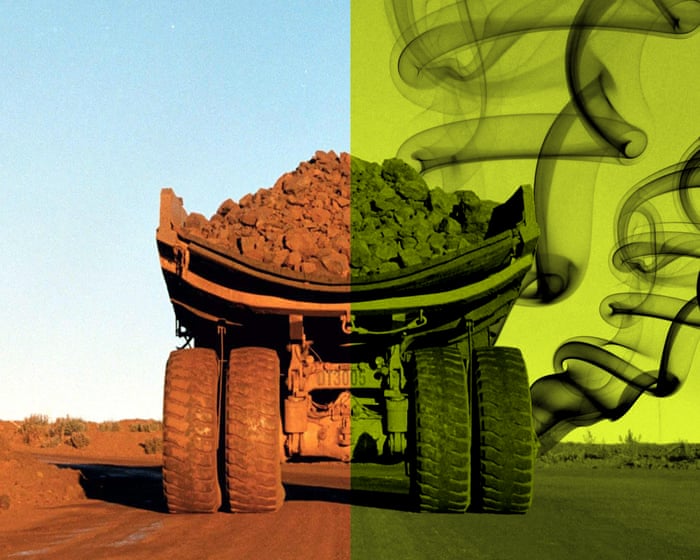
Exclusive: Mining giant says technology is not yet advanced enough to run a fully electrified fleet but experts say it is hooked on federal fuel tax credits
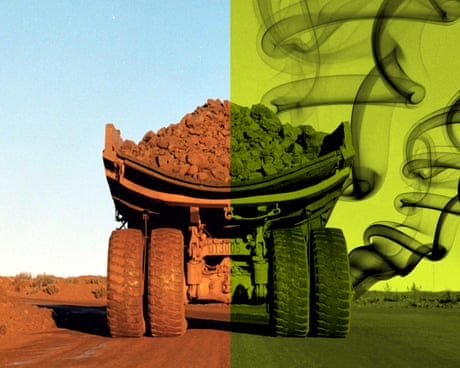
BHP has continued to spend hundreds of millions of dollars buying diesel trucks in the Pilbara despite internal documents suggesting it would increase emissions and be “misaligned” with its decarbonisation goals.
The mining giant is Australia’s biggest consumer of diesel and trucks are its biggest single source of diesel emissions. Replacing the fleet with battery-electric trucks is considered a critical step in the multinational’s efforts to decarbonise.
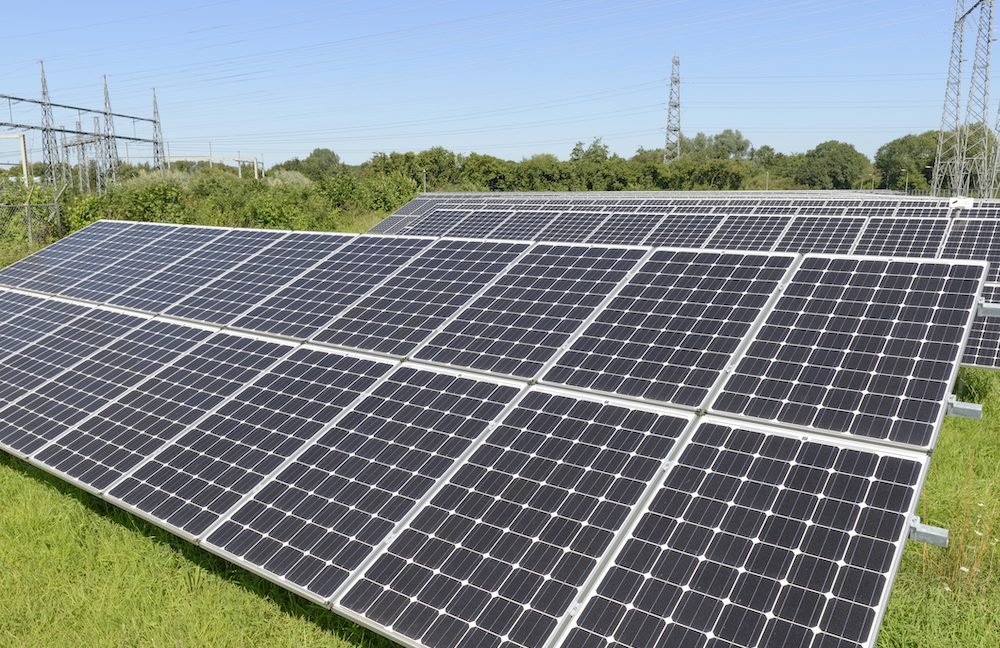
Cllr Lucy Shaw says councils could take up many policies to help, including more support for rooftop solar installations
Your editorial is right that the government could be doing more to help with the cost of living (The Guardian view on Britain’s coming energy shock: mini-measures won’t suffice, 22 May). That extends to local government, too. Renewable energy projects, from the industrial scale right down to rooftops, can be scuppered locally even if there is national support. The wealthiest borough in the entire country, Kensington and Chelsea, has the nation’s lowest rooftop solar installation rate, at just 0.6% of households according to the MCS installer database. This is despite touting groundbreaking policies to make it easier to build solar in conservation areas.
There are so many local policies that would help. Coordinating solar installations by street could lead to material cost savings, as would simpler permitting rules, and installations on council-owned rooftops. When 80% of cars in the borough are parked on the street, cost-effective public charging is essential to ensure that drivers can make the switch, like offering discounted charging when grid power is cheapest. Partnering with housing associations, charities, and energy suppliers to help people access energy efficiency services and government capital grants, or negotiate payment plans for their bills could go a long way to making people feel more secure.
While Westminster’s attention is focused on Andy Burnham and Makerfield, another pivotal byelection is taking place in Scotland’s north-east
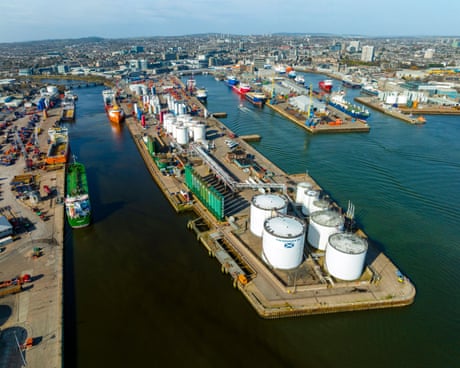
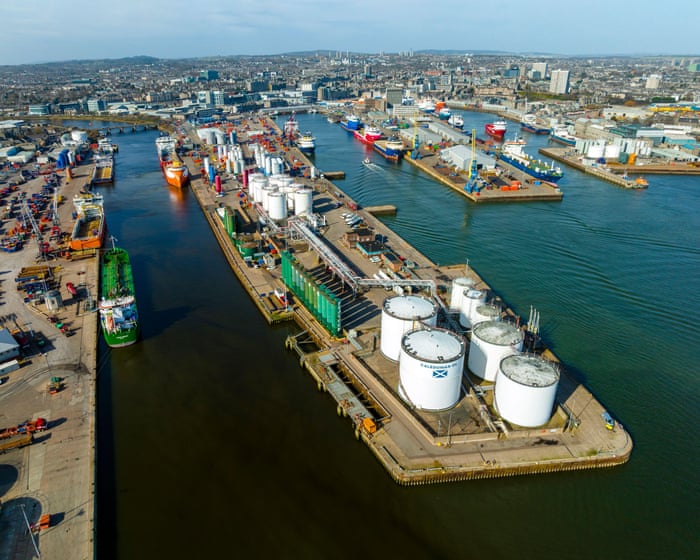
The coming byelection in Makerfield, from where Andy Burnham aspires to make rapid progress towards Downing Street, is perhaps the most consequential in British political history. But the decision by the Scottish National party’s former Westminster leader, Stephen Flynn, to relocate to Holyrood means that another pivotal contest is taking place more than 350 miles to the north. If Makerfield is a test case for Mr Burnham and Labour’s ability to see off Reform UK, Mr Flynn’s old constituency of Aberdeen South is on the frontline of the increasingly fraught politics of North Sea oil.
Labour, despite finishing second in the 2024 general election thanks largely to anti-Tory tactical voting, will not be expecting much this time round. The ramifications of Donald Trump’s reckless war in Iran have exposed Britain’s ongoing vulnerability to fossil-fuel-related energy shocks, highlighting the practical benefits of moving to a green economy. But the knock-on effects of the closure of the strait of Hormuz have also been a gift for the Scottish Conservatives and Reform, who are framing the byelection as a local referendum on reviving oil and gas production beyond Westminster-imposed limits.
After more than a half a century of growth, the use of gas in Australia has peaked in all sectors and entered a “structural decline”. But use will need to fall fast to meet climate targets, according to new research from an influential thinktank.
The Grattan Institute warned the government had failed to acknowledge the decline and instead needed policies to further reduce gas use and avoid the need for expensive carbon capture technologies to meet net zero targets.
Scientists in Finland have developed a new smart material that can both change color and store electrical energy. In the future, this technology could lead to self-tinting windows that not only block excess sunlight but also store solar energy for later use. The research was carried out by doctoral researcher Sachin Kochrekar at the University […]
For nearly 30 years, scientists have believed that a mysterious force called dark energy is causing the universe to expand faster and faster. But a new mathematical study suggests that dark energy may not be needed at all. Researchers from the University of California, Davis have published a paper in Proceedings of the Royal Society […]
Labour leadership hopeful says NI reduction for firms could ‘incentivise’ hiring, particularly of younger people
Wes Streeting has backed calls for national insurance cuts for businesses, and for the government to drill for oil and gas in the North Sea.
The former health secretary and potential Labour leadership candidate told the Sunday Times there should be a “targeted reduction” of employers’ national insurance contribution as a way to “actively incentivise” hiring, particularly of young people.
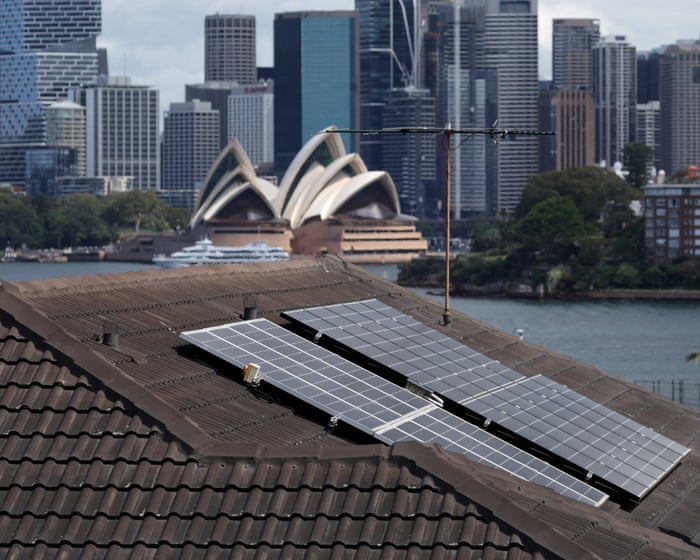
Australia is pioneering a revolution in home renewables and battery use, proving what is possible with the right policies
The timing was rich with symbolism. As intense heatwaves pummelled Europe and Asia, and oil markets around the world leapt and sputtered, the two big chimneys of one of Australia’s largest power stations were being demolished. Meanwhile, the Australian energy minister was holding a media conference to hail a fall of up to 10% in the benchmark electricity price in parts of the country.
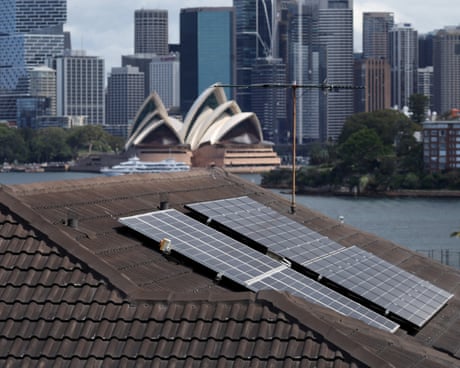
Quietly, and with surprisingly little fanfare from the rest of the world, Australia is pioneering a revolution in home renewables and battery use, proving what is possible with the right policies. The country was already one of the global leaders in domestic solar power, with panels on one in three homes. It also remains, however, a major contributor to the climate crisis through its vast fossil fuel exports.But it is batteries that are giving Australia a new burst of speed.

 Login
Login