Reading view

AI and Automation Transform Assisted Reproduction Techniques

The global rise in infertility rates has catalyzed a dramatic surge in the utilization of assisted reproductive technologies (ART), marking a pivotal juncture in reproductive medicine. As conventional ART procedures remain largely manual, labor-intensive, and fraught with subjective decision-making, the quest for heightened precision and consistency in outcomes has become increasingly urgent. Despite advances in laboratory techniques and clinical protocols, many aspects of ART are hindered by a lack of robust, evidence-based tools capable of non-invasively enhancing processes such as gamete evaluation, protocol optimization, and embryo selection. These challenges underscore the necessity for innovative solutions that can transcend the limitations of human assessment and procedural variability.

Artificial intelligence (AI) and automation emerge as transformative forces poised to revolutionize the landscape of ART by driving standardization, accelerating workflows, and improving predictive accuracy. Integrating computer vision, deep learning algorithms, and microfluidic technologies offers a compelling framework to refine every stage of the reproductive journey—from semen processing and oocyte evaluation to embryo culture and transfer. Early successes in clinical deployment underscore the feasibility of such approaches; for instance, AI-powered embryo grading systems are already assisting embryologists in objective assessment, while microfluidic devices are revolutionizing sperm sorting with unprecedented precision and gentleness. Nonetheless, the frontier of AI-enabled ART is still nascent, with vast potential waiting to be unlocked by systems-level integration.

At the core of this technological evolution lies the application of deep learning, a subset of AI that excels in pattern recognition and data-driven decision-making. By training neural networks on vast datasets of clinical and cellular images, researchers have begun to develop models capable of predicting embryo viability with remarkable accuracy, thereby enhancing implantation success rates and reducing the emotional and financial burdens on patients. These AI models leverage an array of features—from morphological characteristics and dynamic developmental patterns to molecular biomarkers—redefining embryo selection as a data-rich, evidence-based process rather than an art reliant on subjective human judgment.

Microfluidics, another cornerstone of automation in ART, offers the ability to manipulate minute volumes of biological fluids with exquisite control. The integration of microfluidic platforms in semen processing exemplifies how automation can enhance both efficiency and effectiveness. Traditional sperm preparation techniques often expose gametes to physical stresses that compromise their quality, but microfluidic systems facilitate gentle, precise sorting based on motility, morphology, and other functional parameters. This advancement translates directly into improved fertilization outcomes and healthier embryos, thereby addressing one of the key bottlenecks in male fertility assessment and treatment.

Beyond gamete processing and embryo selection, AI is influencing the management of the entire embryology laboratory workflow. Automation frameworks, guided by adaptive algorithms, have the potential to create closed-loop systems where feedback from each stage informs real-time adjustments in protocols. Such platforms could continuously learn from clinical outcomes to optimize hormone stimulation regimens, culture conditions, and embryo transfer timing. The vision is a data-driven reproductive ecosystem where human oversight is augmented—not replaced—by intelligent systems, enabling a more personalized and effective approach to fertility care that adapts dynamically to each patient’s unique biology.

Despite these promising advancements, the integration of AI and automation into ART faces notable challenges. One major hurdle is the scarcity of high-quality, standardized datasets critical for training reliable and generalizable AI models. Variability in laboratory techniques, imaging modalities, and patient populations complicates efforts to construct comprehensive databases, slowing algorithm development and validation. Furthermore, ethical and regulatory considerations loom large. The deployment of AI in reproductive medicine raises complex questions about data privacy, algorithmic transparency, and informed consent, necessitating stringent oversight frameworks that balance innovation with patient safety and autonomy.

Clinical adoption also requires robust validation through large-scale, prospective trials to demonstrate that AI-driven interventions translate into meaningful improvements in live birth rates and patient experience. As many current studies rely on retrospective data or surrogate markers of success, the path to widespread acceptance demands rigorous evidence and consensus among reproductive specialists. Additionally, the integration of automated systems within existing laboratory infrastructures must consider workflow compatibility, cost-effectiveness, and user training requirements to ensure seamless transition and maximize clinical impact.

The future of ART may well be shaped by the emergence of fully integrated AI-enabled laboratories, where a network of automated devices and intelligent software operate in concert to deliver adaptive, personalized reproductive care. Such closed-loop systems could harness continuous data streams from non-invasive monitoring technologies, predictive analytics, and decision support tools to refine every decision point in the embryology pipeline. This paradigm shift would move the field from static, protocol-driven practices to a responsive, learning environment where patient outcomes guide iterative improvements and innovations are rapidly deployed.

This revolution has implications beyond technical enhancements; it also reshapes the ethical landscape of reproductive medicine. The empowerment of AI to influence critical decisions about embryo viability and selection introduces profound questions about agency, consent, and the potential for unintended biases embedded within algorithms. Transparent development processes, interdisciplinary collaboration among clinicians, ethicists, and technologists, and proactive regulatory engagement will be essential to navigate these challenges responsibly while preserving patients’ trust and autonomy.

In summation, the intersection of AI, automation, and ART heralds a new epoch in reproductive medicine, where data-driven insights and precision engineering coalesce to surmount longstanding barriers. Continued investment in research, infrastructure, and ethical frameworks will be critical to unlock the full potential of these technologies, enabling more predictable, efficient, and equitable reproductive care globally. The vision of an AI-integrated, closed-loop in vitro fertilization laboratory exemplifies the tangible future of fertility treatment—one where innovation meets compassionate, personalized medicine to address one of humanity’s most fundamental challenges.

As the global community grapples with escalating infertility, embracing AI and automation represents a beacon of hope, promising not only enhanced clinical outcomes but also democratization of access through scalable, standardized technologies. The path forward invites a collective effort—uniting data scientists, reproductive biologists, clinicians, and policymakers—to realize the transformative impact of intelligent systems that can truly redefine what is possible in assisted reproduction.

This profound shift will ultimately transform the experience of patients, clinicians, and laboratory professionals alike, as the integration of AI and automation reduces variability, mitigates error, and personalizes treatment. By transcending the limitations of subjective assessments and manual procedures, these technologies offer the promise of a more reliable and confident path to parenthood for millions worldwide.

While the journey to fully automated, AI-driven labs continues to unfold, current advancements signal meaningful progress that is already reshaping clinical practice. Continued interdisciplinary collaboration, technological refinement, and comprehensive validation are poised to accelerate innovation and broaden access to cutting-edge fertility care. As the field moves swiftly toward these new horizons, AI and automation stand as pivotal tools in our collective endeavor to overcome infertility’s challenges through science and technology.


Subject of Research: The application and integration of artificial intelligence (AI) and automation technologies in assisted reproductive technologies (ART), with a focus on improving precision, standardization, and outcomes in embryology laboratories.

Article Title: AI and automation in assisted reproduction

Article References:
Lorimer, J., McLachlan, R., Zander-Fox, D. et al. AI and automation in assisted reproduction. Nat Rev Bioeng (2026). https://doi.org/10.1038/s44222-026-00454-2

Image Credits: AI Generated

  •  

Amazon’s AI-Generated Animated Series Canceled After Relentless Derision

At first, it felt a bit like Emmy-winning writer director Jorge Gutierrez had been living under a rock.

On May 27, Amazon announced that it had ordered an animated series, dubbed “Punky Duck,” as part of its GenAI Creators’ Fund, celebrating it as a “creative breakthrough.” The fund, a collaboration between Amazon’s MGM Studios and its Amazon Web Services, was designed to hand creators “access to professional-grade AI tools and funding” to “produce high-quality cinematic entertainment.”

Gutierrez seemingly couldn’t believe the power he’d been handed.

“The best way I can describe it is, it’s like you have sex, and then someone hands you the baby,” he told a panel during an announcement last week. “It’s pretty crazy.”

However, given the way the conversation surrounding the use of AI in creative industries has been headed, it shouldn’t come as a surprise that reactions to the news were overwhelmingly negative, with Gutierrez swiftly becoming the target of an astonishing amount of online outrage.

His Wikipedia profile was edited to describe him as a “sellout” and early attempts to allow his fans to vent their frustration on his Instagram account didn’t go over well, either, forcing him to delete swaths of posts.

Not all the derision was from the online peanut gallery.

“It is very seductive that something now exists that contains the collective works of millions of artists and wordsmiths all thrown in a blender allowing one to pour out on demand things based on suggestions and prompts,” wrote acclaimed voice actor Billy West. “You become a soul stealer, a grave robber of sorts. You are an artist! God gave you a far greater gift and purpose to share with others. We need your true self!”

The backlash was so extensive, Gutierrez ended up backtracking on the lucrative gig entirely, in one of the clearest signs yet that AI has become toxic sludge to much of the audience Amazon is trying to woo.

“I have decided to drop out of the AI program at Amazon,” he tweeted on May 29, just two days after the company’s announcement. “I will not be making a Punky Duck series. Actions speak louder than words.”

The incident perfectly highlights just how much the AI backlash has grown, with experts warning that the tech is causing cultural stagnation while Hollywood actors panic over being replaced. Some of the biggest names in the industry have publicly spoken out against the use of AI in creative fields, forming a expanding line of resistance.

It apparently wasn’t just angry comments directed at Gutierrez for “selling out.” In a separate tweet, Gutierrez said that “the racist stuff and the attack on my kid were too much,” indicating pundits online had gone to extreme lengths.

Even this attempt to defuse the situation didn’t sit well, with users accusing him of pulling the “racism card,” while others claimed he was “making this up to deflect from your piss poor choices.”

Oddly enough, Gutierrez was once a vocal critic of AI, as the Los Angeles Times reports, posting several memes decrying the tech between 2023 and 2025.

“Threatening the dude and his family is obviously going way too far, but I’m still against major animators using AI, 100 percent,” one Reddit user argued. “I’m still glad he dropped out of it, but I f***ing hate that people threatened the dude.”

“Animation isn’t worth that, the hell is wrong with people?” the user added.

Meanwhile, Gutierrez has tried to get the angry mob back on his side.

“Learning a lot from many of you,” he tweeted. “Thank you. Lots of information that I’m digesting wholeheartedly. I am absolutely understanding the concern of using AI to assist an animation pipeline.”

“For all those showing me grace, I really appreciate it,” Gutierrez added. “I have a lot to think about.”

More on AI backlash: Harvard Graduation Speaker Unloads on AI in Profanity-Loaded Tirade, Prompting Cheers From Students: “I’m Here to Tell You the Mission of Your Generation Is to Destroy AI”

The post Amazon’s AI-Generated Animated Series Canceled After Relentless Derision appeared first on Futurism.

  •  

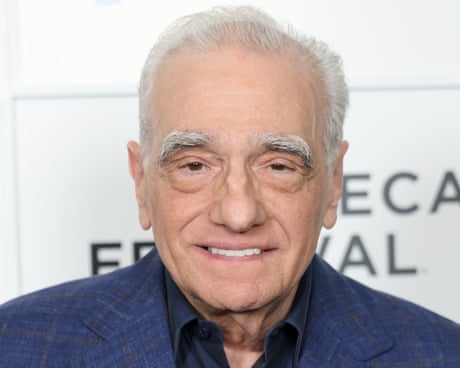
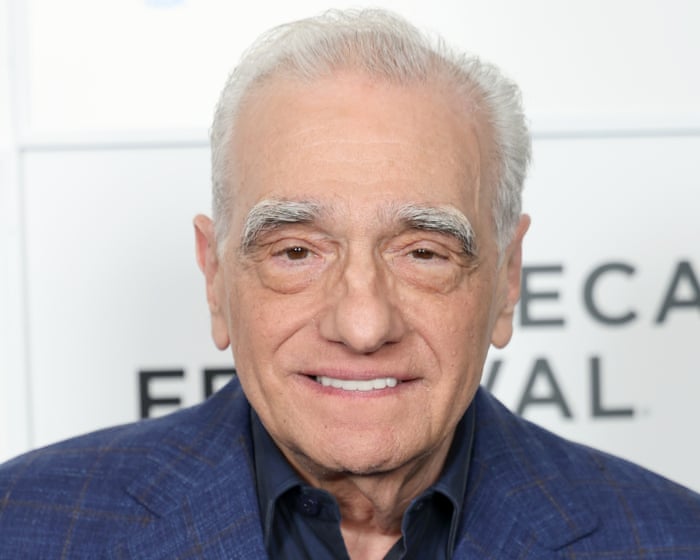
Martin Scorsese accused of ‘throwing artists under bus’ with AI storyboards

The director defends investment in and use of AI-generated storyboards, saying the immediacy of communicating his vision to cast and crew is ‘creatively freeing’

Martin Scorsese’s announcement that he has invested in an AI company and uses the technology to create storyboards has triggered a backlash from fellow members of the film industry.

The New York Times reported that Scorsese had been appointed in 2025 as a partner and adviser to Black Forest Labs, a German-based venture that specialises in text-to-image generative AI.

Continue reading...

© Photograph: Michael Loccisano/Getty Images for Tribeca Festival

© Photograph: Michael Loccisano/Getty Images for Tribeca Festival

© Photograph: Michael Loccisano/Getty Images for Tribeca Festival

  •  

Scientists Create Conductive Plastic to Replicate Heart Muscle Cells

In a groundbreaking advancement at the intersection of organic electronics and biomedical engineering, researchers at Linköping University have successfully replicated the ion signaling mechanism of heart muscle cells using conductive plastics. This achievement marks the first-ever artificial mimicry of cardiac ion transport—a complex biological process responsible for the heart’s relentless rhythm—and ushers in new possibilities for bio-integrated devices such as advanced prostheses, cardiac implants, and sensitive physiological sensors. Published in the revered journal Nature Communications, this pioneering work could redefine how we interface synthetic devices with living tissues.

The human heart’s ceaseless beating—approximately 2.6 billion cycles over an average lifespan—is orchestrated by a delicate dance of ions, including potassium, sodium, and calcium, across cellular membranes. This ion exchange generates the electrical impulses known as action potentials, which trigger myocardial contractions critical for blood circulation. Despite decades of research in bioelectronic interfaces, replicating the nuanced ion channel dynamics of cardiac cells, especially the comparatively slow calcium channels, has remained a formidable challenge for conventional electronics.

Traditional inorganic electronics excel in rapid signal processing but fail to emulate the intrinsic slowness of cardiac calcium ion channels. As Professor Simone Fabiano from Linköping University elucidates, the unique temporal properties of cardiac ion channels are crucial for effective heart function. “Nature has evolved these precise electrophysiological characteristics for good reason,” Fabiano notes. Recognizing this, the team turned to organic electronics, particularly conductive polymers, which naturally facilitate both ion and electron transport and can thus communicate analogously to biological cells.

At the heart of this research is an artificial cardiomyocyte device fabricated entirely from conductive plastic materials that recapitulate the cardiac action potential waveform. This synthetic cell mimics key electrical behaviors of native heart muscle cells by precisely controlling ion fluxes, thereby overcoming the temporal bottlenecks inherent in faster inorganic systems. Postdoctoral researcher Dace Gao explains that this dual ionic and electronic conductivity enables the sophisticated signal transduction necessary for genuine bioelectronic emulation.

Notably, this development builds upon the research group’s prior successes in engineering artificial neurons with organic electronic components. Transitioning from nerve cells to heart muscle cells represented a logical extension, confronting a higher degree of complexity due to the heart’s distinctive calcium channel kinetics. Developing hardware capable of duplicating these slow ion signaling dynamics filled a critical void in synthetic biointerfaces.

The implications of these findings transcend foundational science. According to Fabiano, such organic artificial cardiomyocytes could serve as powerful experimental models to investigate how physiological variables—like ion concentration fluctuations or pH changes—affect cardiac electrical signaling in a precisely controlled environment. “Hardware-based systems allow systematic study that would be challenging or impossible in vivo,” Fabiano remarks, emphasizing the intersection of materials science with electrophysiology.

Looking ahead, the research team aspires to integrate these artificial cardiac cells with living cardiac tissue, forging hybrid platforms that combine biological and synthetic components. This integration would be a transformative leap toward biohybrid implants capable of repairing or augmenting damaged heart tissue. Gao underlines the necessity for artificial cells not only to generate signals but to sense and relay impulses to and from biological cells, effectively functioning as bioelectronic conduits.

Potential applications envisioned by the team include minimally invasive “natural” pacemakers fabricated from flexible, biocompatible conductive polymers that synchronize seamlessly with the heart’s intrinsic rhythms. Furthermore, implants designed to activate specific muscle groups could revolutionize treatments for muscular dystrophies or nerve injuries. Sensitive biosensors derived from this technology might detect early electrophysiological disturbances, enabling preemptive clinical interventions for cardiac diseases.

The materials employed—organic conductive plastics—provide unique advantages over traditional silicon-based electronics. Their inherent compatibility with ionic signaling and their mechanical flexibility allow for intimate interfacing with soft biological tissues, reducing immune response and improving the longevity of implants. These properties position organic electronics as a promising frontier in the design of next-generation medical devices that bridge the gap between organism and machine.

Despite these promising advances, key challenges remain. Integrating artificial cells into the body’s existing complex electrical network requires precise synchronization and reliable signal transmission. The research community must also address long-term stability, biocompatibility, and potential immune reactions to organic materials. Nevertheless, the current breakthrough lays the foundational framework upon which such hurdles may be overcome.

By pioneering an organic artificial cardiomyocyte capable of emulating the nuanced ion transport and action potentials of heart muscle cells, the Linköping University team has opened new vistas in bioelectronic medicine. This fusion of organic materials science and cardiac electrophysiology not only deepens our understanding of living systems but also provides tangible pathways toward innovative therapies and diagnostic tools that harmonize human biology with technology.

As this work progresses, it promises to ignite profound transformations in cardiac healthcare, embodying the promise of truly integrative bioelectronics that respect and replicate the sophistication of the human heart.


Subject of Research: Artificial mimicry of ion signaling in heart muscle cells using organic electronics.

Article Title: An organic artificial cardiomyocyte

News Publication Date: 6-May-2026

Web References: DOI: 10.1038/s41467-026-72584-5

Image Credits: Thor Balkhed

Keywords

Organic electronics, conductive plastics, cardiac muscle cells, ion signaling, artificial cardiomyocyte, bioelectronic interfaces, action potential, calcium ion channels, electrophysiology, biohybrid implants, pacemakers, biomedical devices

  •  

Self-Assembled Cardiac Organoids Model Heart Chambers

In a groundbreaking leap for cardiovascular research, scientists have engineered self-assembled chamber-like cardiac organoids that faithfully mimic the complex architecture and functionality of human heart chambers. This pioneering development not only provides a transformative model for studying cardiac chamber formation but also establishes a robust platform for assessing drug-induced cardiotoxicity, potentially revolutionizing how new therapeutics are evaluated before clinical trials. Published this year in Nature Communications, the work by Zou, Wang, Zheng, and colleagues spotlights the convergence of stem cell biology, tissue engineering, and regenerative medicine, presenting an unprecedented window into the earliest steps of heart development and disease modeling.

The human heart’s intricate structure—comprising multiple chambers each with specialized functions—is notoriously challenging to replicate in vitro. Traditional two-dimensional cardiomyocyte cultures lack the spatial organization and mechanical cues necessary for proper cardiac maturation. While previous three-dimensional cardiac organoids have demonstrated contractile activity and cell heterogeneity, recreating chamber-like structures that resemble true heart morphology has remained elusive. Zou et al. surmount this hurdle by harnessing self-assembly principles, enabling pluripotent stem cells to organize autonomously into defined, chambered organoids. This architectural mimicry is essential, as the heart’s ability to pump blood relies heavily on the precise formation and interplay of distinct chambers.

Central to their approach is the optimization of culture conditions that guide stem cells down specific differentiation trajectories while promoting cellular interactions and biomechanical feedback mechanisms. Through a carefully orchestrated protocol, the research team modulated signaling pathways such as Wnt, BMP, and Notch, which are pivotal during embryonic heart development. This biochemical guidance, combined with tailored extracellular matrix components, facilitated the aggregation of cardiomyocytes, cardiac fibroblasts, and endothelial cells into a cohesive, hollow structure reminiscent of heart chambers. Notably, the organoids exhibited spontaneous contractions with coordinated electrical conduction, underscoring their functional maturity.

This model opens unprecedented avenues for interrogating the molecular and biomechanical determinants of cardiac chamber morphogenesis. Researchers can now probe how gradients of morphogens and mechanical forces sculpt chamber identity, valve formation, and myocardial patterning in a controlled laboratory environment. By recapitulating key developmental milestones in vitro, these organoids provide insight into congenital heart defects and allow for the dissection of complex gene-environment interactions that underlie cardiac malformations. The study paves the way for elucidating pathway-specific perturbations linked to heart disease.

In addition to developmental insights, the chamber-like organoids serve as a sophisticated platform for pharmacological screening. Drug-induced cardiotoxicity remains a pervasive challenge in drug development, often causing late-stage failures or post-market withdrawals. Current preclinical models, including animal testing and 2D cultures, only partially recapitulate human cardiac physiology, limiting predictive accuracy. These self-assembled cardiac organoids, by contrast, provide a human-relevant context to assess the electrophysiological, structural, and contractile effects of novel compounds, capturing subtle toxicities that conventional assays might overlook.

The research team demonstrated the utility of their platform by testing well-known cardiotoxic agents, revealing dose-dependent disruptions in organoid rhythm and contractile force. Their findings correlated with clinical manifestations observed in patients, suggesting that this model can forecast adverse cardiac responses with enhanced fidelity. This capability could streamline drug safety assessments, reduce reliance on animal models, and ultimately expedite the delivery of safer cardiovascular therapeutics to patients.

Crucially, the organoids produced by Zou et al. display remarkable reproducibility and scalability, addressing long-standing challenges in organoid research. By standardizing the self-assembly process, the team ensured consistent formation of chambers exhibiting uniform size, morphology, and cell composition across batches. This consistency lays the groundwork for larger-scale applications such as high-throughput drug screening and precision medicine initiatives, where patient-derived organoids could be tested against personalized therapeutic regimens.

Furthermore, the researchers leveraged advanced imaging and electrophysiological techniques to characterize organoid dynamics in real time. Using high-resolution confocal microscopy and multi-electrode arrays, they mapped calcium transients, electrical propagation, and mechanical contraction patterns within the chamber-like structures. These comprehensive analyses confirmed that the organoids not only structurally resemble heart chambers but also functionally emulate their synchronous beating and electrical coupling, hallmarks of a physiologically relevant cardiac model.

Beyond drug testing, the potential of these cardiac organoids extends into regenerative medicine. The ability to self-organize into chambered constructs suggests their suitability for bioengineered tissue grafts aimed at repairing damaged myocardium. Although clinical translation remains distant, the mechanistic insights gained from these models can inform strategies for enhancing cardiac regeneration, integrating stem cell therapies, and engineering next-generation heart patches.

Zou and colleagues also touched upon the ethical and logistical advantages of their organoid system. By reducing dependence on animal experimentation, their model aligns with the principles of the 3Rs (replacement, reduction, refinement) in biomedical research. Additionally, the use of human induced pluripotent stem cells enables studies on genetically diverse populations, enhancing our understanding of how individual genetic backgrounds influence heart development and drug responses.

The combination of bioengineering, developmental biology, and pharmacology embodied in this research illustrates a paradigm shift in cardiovascular science. Where once the heart was an impenetrable black box, the creation of chamber-like cardiac organoids offers a tangible window into its formation, function, and pathologies. This synthetic heart tissue platform promises to accelerate the discovery of novel treatments for heart disease, a leading cause of mortality worldwide, with profound implications for public health.

Looking forward, the research sets the stage for integrating other cell types critical to heart function, such as immune cells and specialized conduction system components, to achieve even more physiologically comprehensive organoids. Advances in microfluidics and tissue perfusion could further enhance nutrient delivery and waste removal, mimicking in vivo conditions and prolonging organoid survival. Such innovations will push the boundaries of what organoids can reveal about cardiac biology and therapeutic potential.

In summary, the self-assembled chamber-like cardiac organoids developed by Zou et al. represent an extraordinary technological and conceptual advance. By recapitulating the form and function of human cardiac chambers in vitro, they provide a powerful tool for unraveling the complexities of heart development and disease, enabling safer drug discovery, and opening new horizons for regenerative therapies. This landmark study heralds a new era in cardiovascular research where the heart’s mysteries can be explored with unprecedented clarity, precision, and relevance.


Subject of Research: Cardiac development, cardiac organoids, cardiotoxicity assessment, tissue engineering.

Article Title: Self-assembled chamber-like cardiac organoids for modeling cardiac chamber formation and cardiotoxicity assessment.

Article References:
Zou, X., Wang, F., Zheng, H. et al. Self-assembled chamber-like cardiac organoids for modeling cardiac chamber formation and cardiotoxicity assessment. Nat Commun (2026). https://doi.org/10.1038/s41467-026-73822-6

Image Credits: AI Generated

  •  

The Human Heart is More than Just a Meat Pump

The heart transcends its role as a mere blood pump; it is the center of love, thought, and soul. Biblical references affirm its significance in emotions and spirituality, suggesting it embodies much more than physical function.

  •  

A Hidden Pattern in Famous Abstract Art Reveals a Secret Mathematical “Golden Rule” Linked to Human Perception


When most people think of visual art, they don’t usually think of math at the same time. One primary reason for this is that mainstream culture has framed art and math as two separate functions of the brain.

However, because the brain works as a whole when creating art and solving mathematical problems, a new study suggests that abstract art may follow hidden mathematical principles that influence how people perceive and respond to it.

For years, researchers have wondered why certain types of art move people more than others. Until now, however, there has been no direct explanation.

Using a sophisticated method from computational topology, researchers discovered that famous abstract artists appear to share a common structural pattern in their work. Researchers are calling this a mathematical “golden rule” that can distinguish real art from AI-generated “slop.”

Led by Jacek Rogala of the University of Warsaw and Shabnam Kadir of the University of Hertfordshire, the research team used a technique called persistent homology to analyze visual compositions. Persistent homology is a mathematical tool that breaks down how structures within an image change across multiple scales, revealing patterns that the human eye cannot see.

Patterns Hidden in Abstract Imagery

The team compared two sets of images: authentic abstract paintings created by celebrated artists such as Wassily Kandinsky, Mark Rothko, and Jackson Pollock, and “pseudo-art” produced by AI to mimic abstract styles.

The findings suggested the topological method could distinguish real art from AI-generated images. According to the researchers, the structural organization of authentic paintings changed in consistent, measurable ways compared to the computer-generated alternatives.

Senior author Jacek Rogala said in a statement, “What struck me most is that we could actually see the gallery environment doing something measurable. It wasn’t just a backdrop — it changed which images held attention and for how long. That’s a result you can put numbers on, and it still feels surprising.”

When examining the works of Wassily Kandinsky, Mark Rothko, and Jackson Pollock more closely, the researchers discovered that the artists’ paintings tended to converge on a similar rate of violation of a mathematical relationship called Alexander duality. This concept describes the balance between structures near the edges of an image and what is happening in the middle.

“An important part of our study was to explore the relationship between topologically derived image features, eye movement, and aesthetic experience,” the authors say in a co-statement. “Our research showed that our newly developed method not only clearly distinguished between two sets of images but also allowed us to map topological features onto gaze fixation heat maps.”

The Hidden Mathematics Behind Works of Art

Researchers think many abstract artists may naturally arrange shapes and patterns in similar ways, even without knowing the mathematics behind them. This hidden structure could help explain why certain artworks feel more pleasing or emotionally engaging to viewers.

The researchers also took the study a step further by examining how people respond physically and mentally to abstract art. Participants studied both authentic and AI-generated images while researchers tracked their eye movements and monitored brain activity in laboratory and gallery settings. The results revealed noticeable behavioral differences. Real artworks produced more stable, integrated patterns of brain activity, while AI-generated art elicited more exploratory eye movements.

Overall, the study suggests that abstract art is not purely subjective or random. Instead, abstract art may follow hidden mathematical patterns that naturally connect with the way our brains interpret and understand images.

The study, “Art’s Hidden Topology: A Window into Human Perception,” was published in PLOS Computational Biology.

Chrissy Newton is a PR professional and the founder of VOCAB Communications. She currently appears on The Discovery Channel and Max and hosts the Rebelliously Curious podcast, which can be found on YouTube and on all audio podcast streaming platforms. Follow her on X: @ChrissyNewton, Instagram: @BeingChrissyNewton, and chrissynewton.com. To contact Chrissy with a story, please email chrissy @ thedebrief.org.

  •  

This Neuralink Patient is Transforming Thoughts Into Art in a New Brain-Computer Interface Breakthrough


Neuralink’s first female PRIME trial participant, Audrey Crews, is now creating abstract art using the company’s brain-computer interface.

Crews, who was paralyzed from the neck down at age 16, has been creating memorable abstract art with her mind using an innovative brain-computer interface (BCI) technology.

Crews is the 9th Neuralink participant and the first woman to receive the implantable device in the PRIME clinical trials.  

After a car accident left her paralyzed from the neck down, Audrey didn’t think she would be able to draw or paint again.

20 years later, she became the first female participant in our clinical trials. Now, she uses her brain-computer interface to create art with her mind. pic.twitter.com/mRkJMDpgrM

— Neuralink (@neuralink) May 15, 2026

With fewer than 100 people worldwide with BCIs, Crews has found herself at the intersection of art and the future of bneuroscience. By using only the power of thought, Crews has created vibrant abstract art with rich color and shapes.

On her website, she explains why creating this art is important to her: “My mission is to expand the boundaries of human expression and share the u

nseen landscapes of the mind,” Crews says. 

Her artwork has evolved stylistically since her first showcase on X in 2025, at which time she was learning to draw her name.

“I tried writing my name for the first time in 20 years. Im working on it,” Crews said in a post on X

“I’ll never forget the moment I used my thoughts to write my name, ‘Audrey,’ on a laptop screen for the first time in two decades. I even drew hearts and a slice of pizza, which felt like a small miracle! I shared that moment on X, laughing about my progress,” Crews said on her website.

“It’s humbling to know my journey is helping Neuralink refine this technology, which could one day let millions control devices with their minds,” she added.  

Since then, Crews’ art has evolved, and she has also launched her online NeuraArt Studio, where fans can purchase limited-edition prints of her artwork.

Amid the BCI company’s efforts, Neuralink states that its devices are still “investigational and not FDA approved.” 

However, in January of this year, the company said in a statement that a “primary ‌aim of our expanding clinical trials is to better understand these variations and improve both our hardware and the overall procedure for every participant.”

Neuralink began human trials of its brain implant in 2024 after resolving safety concerns raised by the U.S. Food and Drug Administration, which had previously declined to approve its initial application in 2022.

For Crews, what she has achieved lies at the intersection of current implantable BCI technology and fine abstract art, signaling a fundamental reframing of what it means to create, perceive, and even experience such creative products—a shift from something merely observed to something partially constructed by BCI users through thought.

“This breakthrough didn’t just restore my ability to create—it ignited a passion for art that had been dormant for too long,” she says. Crews’ art can be viewed, and prints are available for purchase, on her NeuraArt Studio website.

Chrissy Newton is a PR professional and the founder of VOCAB Communications. She currently appears on The Discovery Channel and Max and hosts the Rebelliously Curious podcast, which can be found on YouTube and on all audio podcast streaming platforms. Follow her on X: @ChrissyNewton, Instagram: @BeingChrissyNewton, and chrissynewton.com. To contact Chrissy with a story, please email chrissy @ thedebrief.org.

  •  

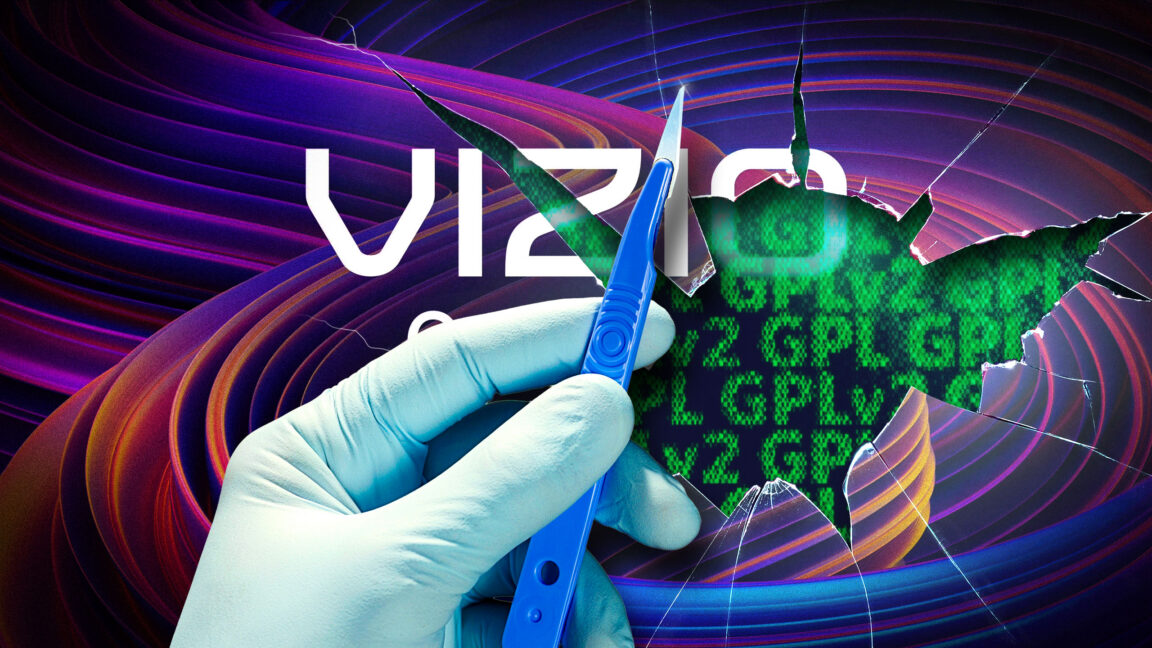
Yearslong fight over users' right to tweak smart TV software heads to trial

For years, owners of Vizio smart TVs have had little control over the software running on their sets—software that can track viewing habits, push ads, and generally shape the experience of using the device.

The Software Freedom Conservancy (SFC), a US nonprofit that promotes and provides legal support for free and open source software projects, isn't happy about that—so much so that it has spent eight years trying to force the release of the complete source code for Vizio's Linux-based smart TV operating system.

Now, after numerous delays since the SFC filed suit in 2021, a California jury will decide in August whether Vizio must provide that code in executable form to SFC and any Vizio TV owner who wants it.

Read full article

Comments

© Aurich Lawson | Getty Images

  •  

AI ‘art’ is boring, soulless theft – and when I see it as an artist I see red | Jess Harwood

I draw the old way – with my hand. Doing it with AI would not make me more creative, it would drain the colour out of my existence

Last week I went to a gig by myself for the first time. I sat myself down in my single seat, possibly the youngest person in the room and one of thousands excited to see Split Enz. I loved it – I felt joy and heartache as the lyrics spoke of human experiences, really lived. I happily realised that I did not have to wonder whether Split Enz had used AI in their work (as I so often do nowadays) as these bangers were created long before it was even dreamed of.

As a visual artist and writer myself, when I see AI generated images, music or words presented as “art”, I see red. It’s boring, it’s theft, it’s soulless, sterile and it’s killing the planet through energy and water-guzzling datacentres. Someone suggested AI “visual art” should be called “Computer Rendered Artificial Pictures” (CRAP).

Continue reading...

© Illustration: Jess Harwood/The Guardian

© Illustration: Jess Harwood/The Guardian

© Illustration: Jess Harwood/The Guardian

  •  

Yearslong fight over users' right to tweak smart TV software heads to trial

For years, owners of Vizio smart TVs have had little control over the software running on their sets—software that can track viewing habits, push ads, and generally shape the experience of using the device.

The Software Freedom Conservancy (SFC), a US nonprofit that promotes and provides legal support for free and open source software projects, isn't happy about that—so much so that it has spent eight years trying to force the release of the complete source code for Vizio's Linux-based smart TV operating system.

Now, after numerous delays since the SFC filed suit in 2021, a California jury will decide in August whether Vizio must provide that code in executable form to SFC and any Vizio TV owner who wants it.

Read full article

Comments

© Aurich Lawson | Getty Images

  •  
❌