Espionnage chinois : faut-il se méfier du nouveau robot star de Nvidia ?


South Korea’s Kospi stock market has hit record highs thanks to AI, but experts urge caution over boom-bust cycles and a heavy reliance on two chipmakers
South Korea has leapfrogged India to become the world’s sixth largest share market, leaving equity markets in the UK, Germany and France trailing in its dust. But despite the runaway success, some are raising concerns that the Kospi index is too dependent on two freshly minted trillion-dollar chipmaking companies.
Chip company SK Hynix last week claimed a seat in Asia’s trillion-dollar company club, alongside South Korean compatriot Samsung Electronics and Taiwan’s TSMC. Explosive demand for chips used in AI has propelled the trio past the valuation threshold.
Continue reading...
© Photograph: YONHAP/EPA

© Photograph: YONHAP/EPA

© Photograph: YONHAP/EPA
Microsoft's Build developer conference kicked off today, and as with almost everything the company has done in the last few years, Microsoft's opening keynote focused overwhelmingly on AI and other closely related technologies. There's Microsoft Scout, an OpenClaw-based "Autopilot" agent that can hook into Microsoft 365 data to perform tasks for users; several new AI models; an expanded preview of "Codename MDASH," which is a "multi-model agentic scanning system" meant to detect and fix software vulnerabilities.
A few of those announcements stood out to us as particularly interesting, either for esoteric technical reasons or because they seem like they may have some utility for those who aren't spending their every waking moment using generative AI tools. (Microsoft's recent efforts to make its flagship operating system faster, more reliable, more useful, and less annoying didn't really come up, but there have been plenty of other announcements on that front lately.)
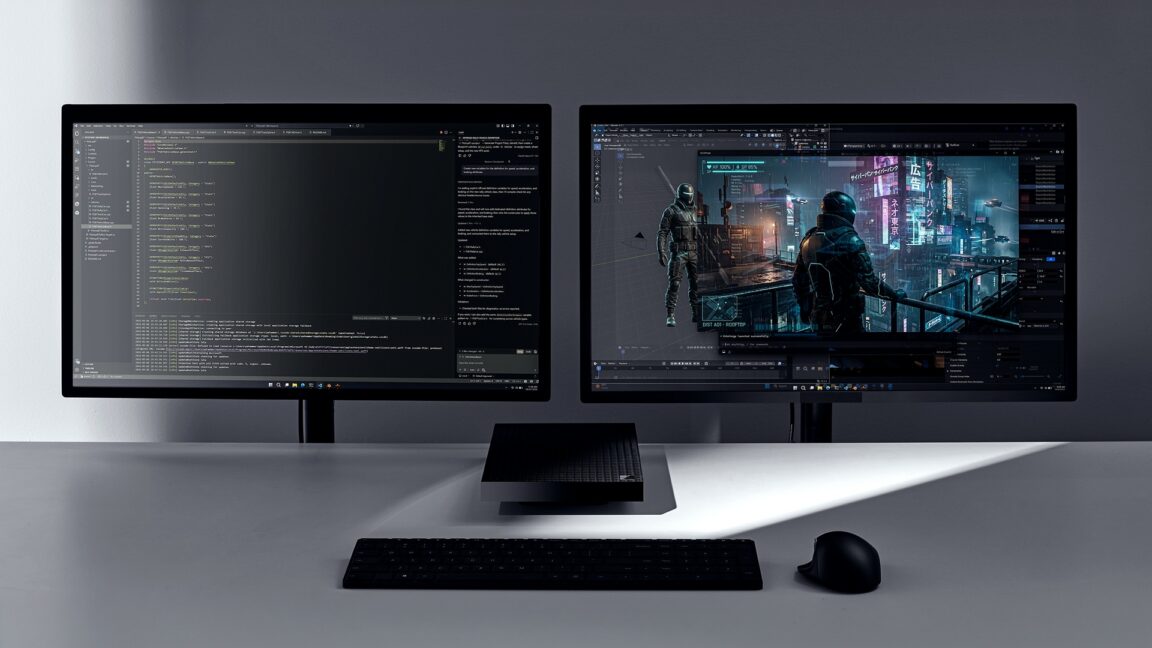
On the hardware front, we didn't get any updates for existing Surface devices (not counting yesterday's Surface Laptop Ultra announcement), but we did get something new: the Surface RTX Spark Dev Box is "a compact developer PC" built around Nvidia's new RTX Spark chip with up to 128GB of built-in memory.


© Microsoft
Microsoft's Build developer conference kicked off today, and as with almost everything the company has done in the last few years, Microsoft's opening keynote focused overwhelmingly on AI and other closely related technologies. There's Microsoft Scout, an OpenClaw-based "Autopilot" agent that can hook into Microsoft 365 data to perform tasks for users; several new AI models; an expanded preview of "Codename MDASH," which is a "multi-model agentic scanning system" meant to detect and fix software vulnerabilities.
A few of those announcements stood out to us as particularly interesting, either for esoteric technical reasons or because they seem like they may have some utility for those who aren't spending their every waking moment using generative AI tools. (Microsoft's recent efforts to make its flagship operating system faster, more reliable, more useful, and less annoying didn't really come up, but there have been plenty of other announcements on that front lately.)
On the hardware front, we didn't get any updates for existing Surface devices (not counting yesterday's Surface Laptop Ultra announcement), but we did get something new: the Surface RTX Spark Dev Box is "a compact developer PC" built around Nvidia's new RTX Spark chip with up to 128GB of built-in memory.


© Microsoft
Microsoft's Build developer conference kicked off today, and as with almost everything the company has done in the last few years, Microsoft's opening keynote focused overwhelmingly on AI and other closely related technologies. There's Microsoft Scout, an OpenClaw-based "Autopilot" agent that can hook into Microsoft 365 data to perform tasks for users; several new AI models; an expanded preview of "Codename MDASH," which is a "multi-model agentic scanning system" meant to detect and fix software vulnerabilities.
A few of those announcements stood out to us as particularly interesting, either for esoteric technical reasons or because they seem like they may have some utility for those who aren't spending their every waking moment using generative AI tools. (Microsoft's recent efforts to make its flagship operating system faster, more reliable, more useful, and less annoying didn't really come up, but there have been plenty of other announcements on that front lately.)
On the hardware front, we didn't get any updates for existing Surface devices (not counting yesterday's Surface Laptop Ultra announcement), but we did get something new: the Surface RTX Spark Dev Box is "a compact developer PC" built around Nvidia's new RTX Spark chip with up to 128GB of built-in memory.


© Microsoft
Microsoft's Build developer conference kicked off today, and as with almost everything the company has done in the last few years, Microsoft's opening keynote focused overwhelmingly on AI and other closely related technologies. There's Microsoft Scout, an OpenClaw-based "Autopilot" agent that can hook into Microsoft 365 data to perform tasks for users; several new AI models; an expanded preview of "Codename MDASH," which is a "multi-model agentic scanning system" meant to detect and fix software vulnerabilities.
A few of those announcements stood out to us as particularly interesting, either for esoteric technical reasons or because they seem like they may have some utility for those who aren't spending their every waking moment using generative AI tools. (Microsoft's recent efforts to make its flagship operating system faster, more reliable, more useful, and less annoying didn't really come up, but there have been plenty of other announcements on that front lately.)
On the hardware front, we didn't get any updates for existing Surface devices (not counting yesterday's Surface Laptop Ultra announcement), but we did get something new: the Surface RTX Spark Dev Box is "a compact developer PC" built around Nvidia's new RTX Spark chip with up to 128GB of built-in memory.


© Microsoft


SK Telecom (SKT) partnered up with Nvidia to use the chip company’s digital twin technology for semiconductor manufacturing environments operated by SK Hynix, pushing industrial AI deployments to achieve more automated factory operations.
The operator said it used Nvidia “Omniverse libraries” to adapt digital twins for complex, large-scale manufacturing environments, following a proof-of-concept completed last year at a SK Hynix semiconductor manufacturing site. It plans to commercialise the technology in stages as SK Hynix works to establish autonomous fab operations by 2030.
Using Nvidia’s Agent Toolkit, SKT developed Agentic Digital Twin Modelling technology to automate data processing, including site equipment and spatial structures, for use in digital twin systems. It also integrated Nvidia Omniverse libraries to make large 3D factory scenes load faster, run more smoothly and use GPU and memory resources more efficiently.
The set up aims to improve data conversion, scene optimisation and performance tasks required to build and run digital twins at scale.
SKT explained digital twins act as working replicas of real factories and equipment. In semiconductor plants, they can be used to test changes to processes or equipment layouts in advance, helping reduce costly trial and error in highly complex production sites.
Mike Geyer, head of industrial digital twins at Nvidia, said semiconductor fabs are “among the most challenging manufacturing environments”, citing “massive amounts of 3D data, complex equipment structures, and the need for high-level optimisation”.
Cho Ik-hwan, head of physical AI at SKT, added the collaboration demonstrates manufacturing digital twins can move “beyond simple 3D visualisation” into systems capable of “understanding and optimising large-scale 3D manufacturing data”.
SKT added the move bolsters its plans to expand its enterprise and public sector business with AI offerings spanning infrastructure, models and services.
The post SKT puts Nvidia digital twins to work in chip fabs appeared first on Mobile World Live.

Nvidia's announcement that it's getting into the consumer laptop chip space with RTX Spark is huge. Apple has proved for years that Arm-based chips can perform incredibly well while also delivering great battery life - at least on the Mac. In the Windows world, performance hasn't fully matched up under Qualcomm chips, mostly in the graphics department. There's clearly still untapped potential, and Nvidia seems to be promising to deliver it.
This could be Windows' moment to blow us away with a new generation of supremely capable chips, much like Apple's back in 2020, with the introduction of the M1. But why does this launch feel simultaneous …
Depois daquela que foi considerada a mais relevante apresentação, até agora, na Computex 2026, está na altura de conhecer um pouco melhor o que é o Nvidia RTX Spark, e quais os primeiros equipamentos a virem equipados com o mesmo.
The post Da Asus à Lenovo: Estes são primeiros portáteis equipados com o “super processador” Nvidia RTX Spark appeared first on Tek Notícias.
Conheça o Nvidia RTX Spark, chip AI que promete transformar PCs e jogos com alto desempenho e tecnologia avançada.
O post Nvidia lança chip RTX Spark com foco em IA para revolucionar PCs e laptops apareceu primeiro em Blog do Edivaldo - Informações e Notícias sobre Linux.
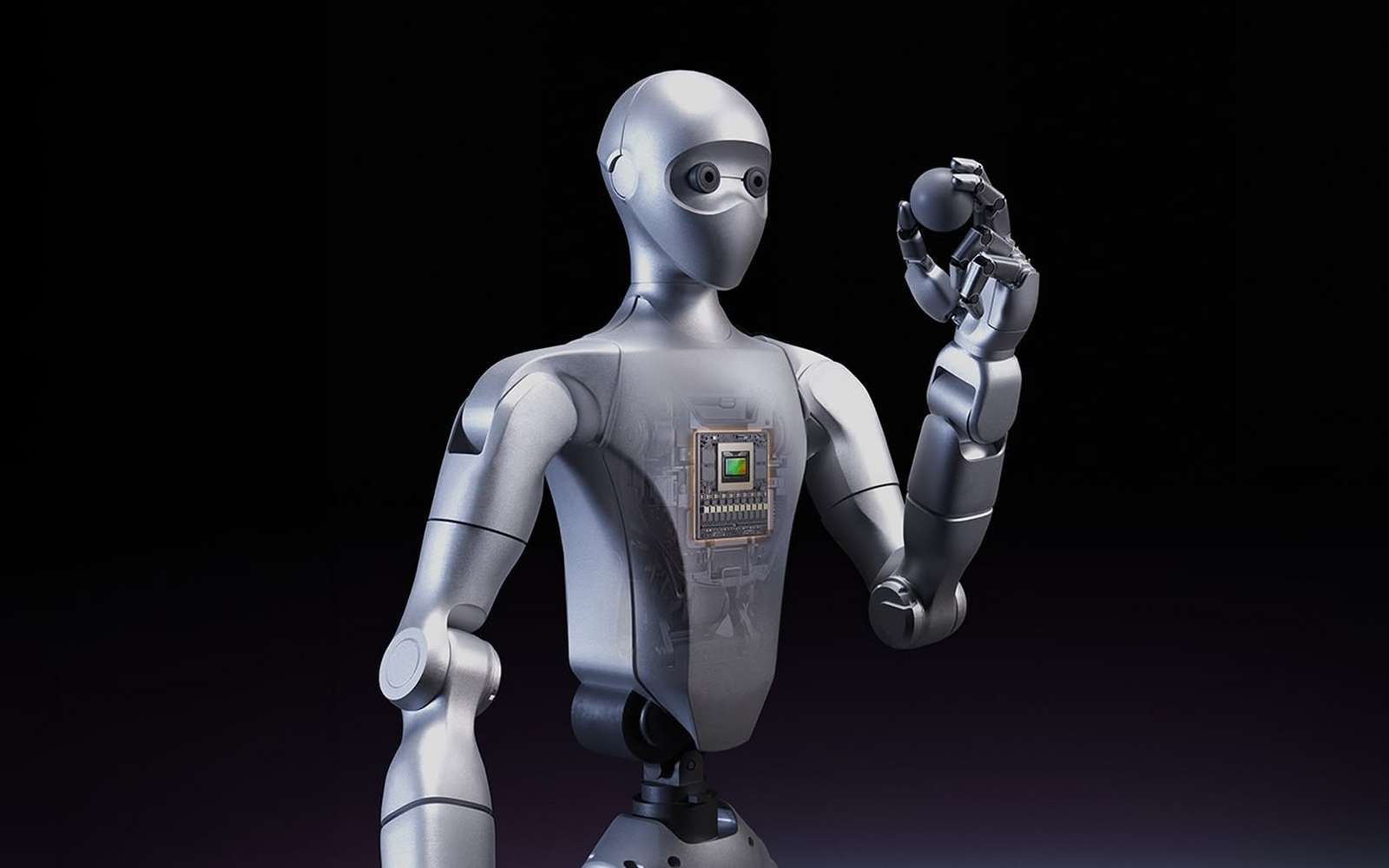
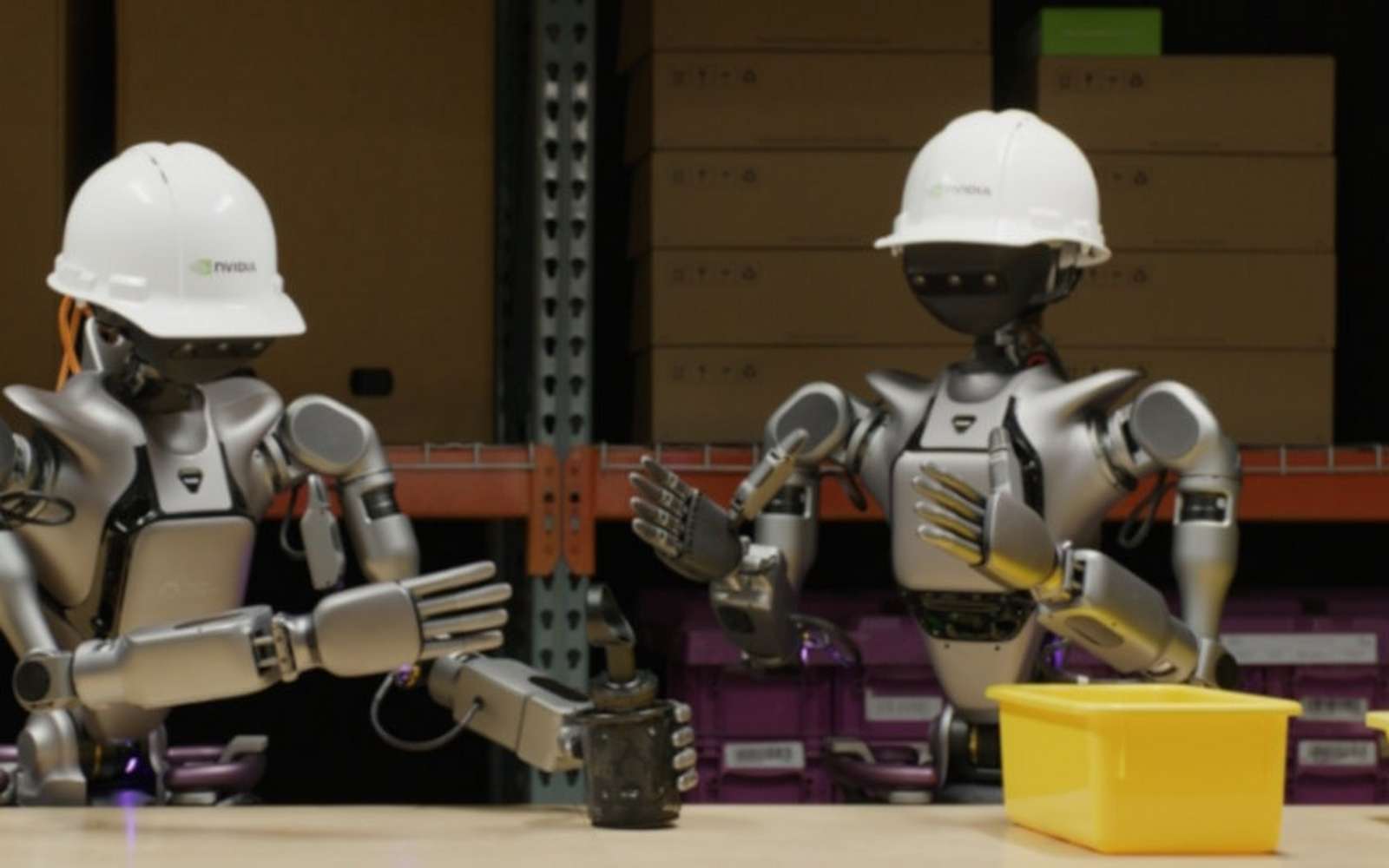
Nvidia CEO Jensen Huang positioned the adoption of humanoid robots in industry as opening a multitrillion-dollar economic opportunity, as it announced a model for academics using hardware from Unitree and Sharpa intended to accelerate advances.
In an announcement made at Computex 2026 in Taipei, Taiwan, the executive backed humanoid robotics to “bring physical AI to the world’s largest industries” but indicated there were barriers to academic work to this end, which it aims to resolve by introduction of the “reference robot”.
The machine uses Nvidia compute systems and Isaac GR00T development platform, a Unitree H2 body standing at almost 6 feet tall and weighing 50 pounds in weight, and Sharpa Wave tactile five-finger hands.
“Nvidia Isaac GR00T Reference Humanoid Robot gives researchers a single, open platform to make breakthrough discoveries toward general-purpose physical intelligence,” Huang added.
During his keynote at the event Huang explained “we built this for higher education and university researchers, because for them to build this is insanely hard to do”, pointing to the complexities and expense of starting from scratch in every project.
Nvidia noted by using its “compute and open software stack” at the core “the reference design gives research teams a more unified, secure foundation for advancing humanoid robotics”.
Discussing Sharpa’s role founder David Li said “partnering with Nvidia on a humanoid robot reference design and end-to-end development solution is a meaningful step toward deploying robots that can perform real work, in real settings”.
The executive added its “vision is to make robots genuinely productive – by advancing fine manipulation skills through dexterous, tactile hardware and the AI models that power them”.
The post Nvidia chief pushes industrial humanoid robot opportunity appeared first on Mobile World Live.
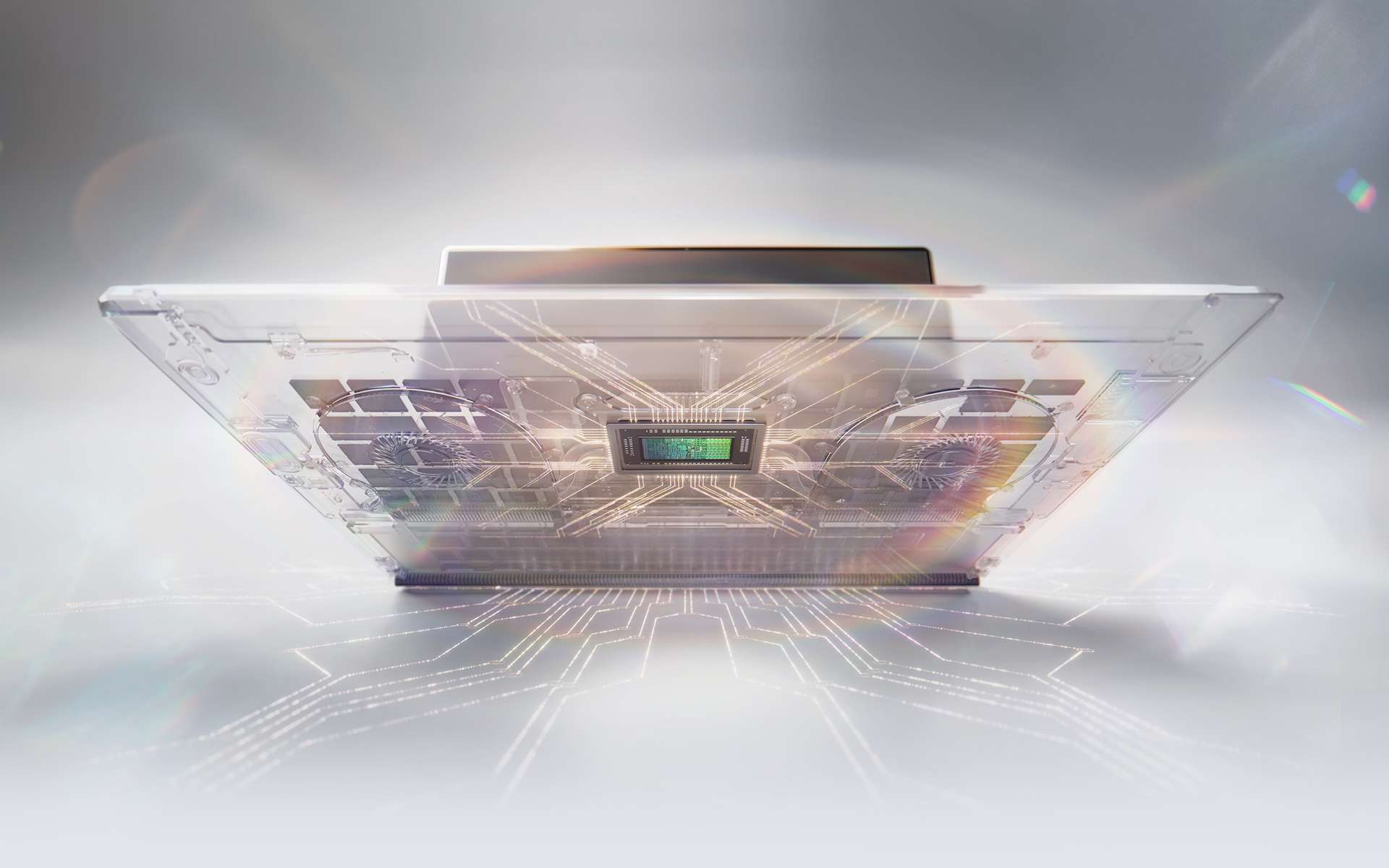
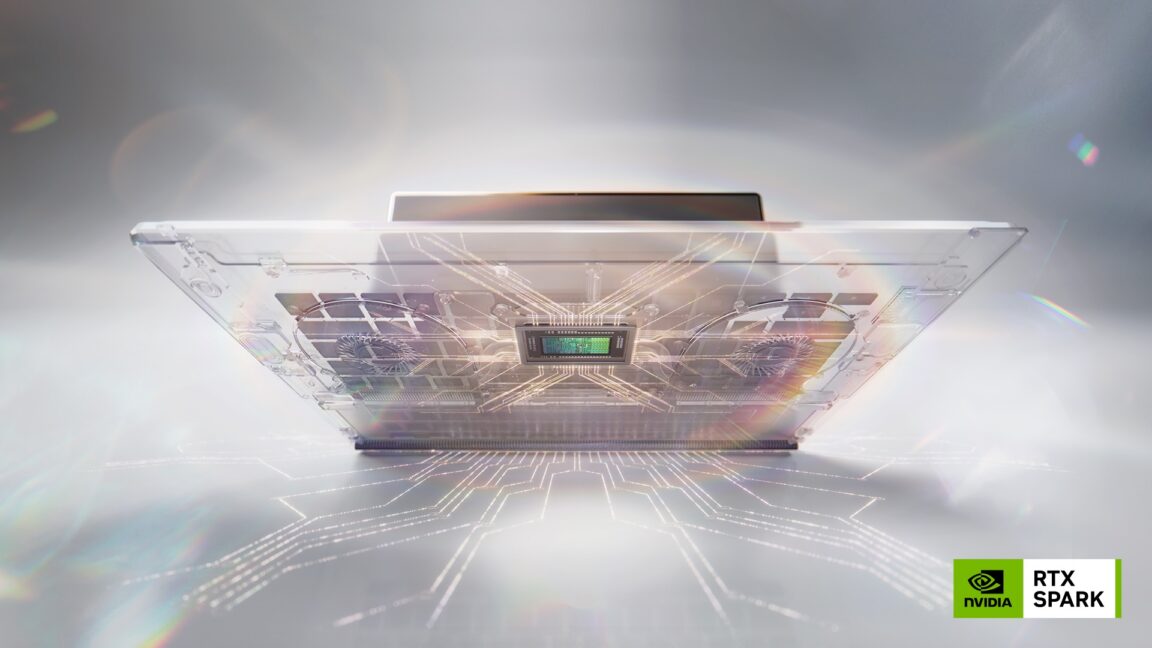
These days, Nvidia primarily sells AI data center products, and its traditional consumer devices feel like more of a side project. But the company occasionally still releases something designed for consumers. After a couple of years of rumors, Nvidia has announced an Arm-based chip designed to power Windows PCs. Dubbed RTX Spark, the new chip combines a 20-core Nvidia Grace CPU co-developed with MediaTek, up to 6,144 Blackwell-based GPU cores (the same architecture as the RTX 50-series GPUs), and support for up to 128GB of unified LPDDR5x memory.
Nvidia and its partners offered nothing about expected pricing, but both "slim Windows laptops with all-day battery life and premium displays" and "compact desktop PCs" are slated to be "available this fall" from partners including Asus, Dell, HP, Lenovo, Microsoft, MSI, Acer, and Gigabyte.
This isn't Nvidia's first chip for Windows PCs; earlier chips in the Tegra series powered several of the short-lived Windows RT tablets. But Tegra chips largely stopped appearing in consumer devices following the Tegra X1 in the late 2010s (variants power the original Nintendo Switch and the apparently unkillable Nvidia Shield TV box). Modern Arm-based PCs in the Windows 10 and Windows 11 eras have all used processors from Qualcomm.


© Nvidia
These days, Nvidia primarily sells AI data center products, and its traditional consumer devices feel like more of a side project. But the company occasionally still releases something designed for consumers. After a couple of years of rumors, Nvidia has announced an Arm-based chip designed to power Windows PCs. Dubbed RTX Spark, the new chip combines a 20-core Nvidia Grace CPU co-developed with MediaTek, up to 6,144 Blackwell-based GPU cores (the same architecture as the RTX 50-series GPUs), and support for up to 128GB of unified LPDDR5x memory.
Nvidia and its partners offered nothing about expected pricing, but both "slim Windows laptops with all-day battery life and premium displays" and "compact desktop PCs" are slated to be "available this fall" from partners including Asus, Dell, HP, Lenovo, Microsoft, MSI, Acer, and Gigabyte.
This isn't Nvidia's first chip for Windows PCs; earlier chips in the Tegra series powered several of the short-lived Windows RT tablets. But Tegra chips largely stopped appearing in consumer devices following the Tegra X1 in the late 2010s (variants power the original Nintendo Switch and the apparently unkillable Nvidia Shield TV box). Modern Arm-based PCs in the Windows 10 and Windows 11 eras have all used processors from Qualcomm.


© Nvidia
These days, Nvidia primarily sells AI data center products, and its traditional consumer devices feel like more of a side project. But the company occasionally still releases something designed for consumers. After a couple of years of rumors, Nvidia has announced an Arm-based chip designed to power Windows PCs. Dubbed RTX Spark, the new chip combines a 20-core Nvidia Grace CPU co-developed with MediaTek, up to 6,144 Blackwell-based GPU cores (the same architecture as the RTX 50-series GPUs), and support for up to 128GB of unified LPDDR5x memory.
Nvidia and its partners offered nothing about expected pricing, but both "slim Windows laptops with all-day battery life and premium displays" and "compact desktop PCs" are slated to be "available this fall" from partners including Asus, Dell, HP, Lenovo, Microsoft, MSI, Acer, and Gigabyte.
This isn't Nvidia's first chip for Windows PCs; earlier chips in the Tegra series powered several of the short-lived Windows RT tablets. But Tegra chips largely stopped appearing in consumer devices following the Tegra X1 in the late 2010s (variants power the original Nintendo Switch and the apparently unkillable Nvidia Shield TV box). Modern Arm-based PCs in the Windows 10 and Windows 11 eras have all used processors from Qualcomm.


© Nvidia
These days, Nvidia primarily sells AI data center products, and its traditional consumer devices feel like more of a side project. But the company occasionally still releases something designed for consumers. After a couple of years of rumors, Nvidia has announced an Arm-based chip designed to power Windows PCs. Dubbed RTX Spark, the new chip combines a 20-core Nvidia Grace CPU co-developed with MediaTek, up to 6,144 Blackwell-based GPU cores (the same architecture as the RTX 50-series GPUs), and support for up to 128GB of unified LPDDR5x memory.
Nvidia and its partners offered nothing about expected pricing, but both "slim Windows laptops with all-day battery life and premium displays" and "compact desktop PCs" are slated to be "available this fall" from partners including Asus, Dell, HP, Lenovo, Microsoft, MSI, Acer, and Gigabyte.
This isn't Nvidia's first chip for Windows PCs; earlier chips in the Tegra series powered several of the short-lived Windows RT tablets. But Tegra chips largely stopped appearing in consumer devices following the Tegra X1 in the late 2010s (variants power the original Nintendo Switch and the apparently unkillable Nvidia Shield TV box). Modern Arm-based PCs in the Windows 10 and Windows 11 eras have all used processors from Qualcomm.


© Nvidia
Computex 2026 is kicking off in Taipei, Taiwan this week, where Nvidia, AMD, Qualcomm, Intel, and other tech brands are announcing new laptops, handhelds, chips, and more.
Nvidia unveiled RTX Spark, its first family of consumer PC chips, arriving in laptops and mini PCs starting this fall. Intel is launching two new custom chips made for handheld gaming devices, the Arc G3 and Arc G3 Extreme, which will power the upcoming Acer Predator Atlas 8. Qualcomm is taking aim at the MacBook Neo with its new entry-level Snapdragon C platform. Meanwhile, AMD’s responding to RAMaggedon by launching new versions of its old hardware and promising support for AM5 through 2029.
Follow along here for the latest news and updates.