Reading view

‘The CGI would have cost millions. I spent $2,000.’ Is Dreams of Violets AI slop – or the future of film-making?

It should have taken years, but Ash Koosha made a drama about Iran’s anti-government protests in weeks – and now it’s the first AI-made movie to screen at a major film festival. It could transform indie film-making, claims the director

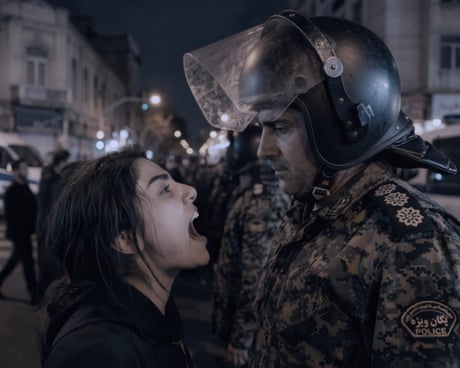
Next week a breakthrough 75-minute drama about the brutal crackdown in Iran on anti-government protesters in January will premiere at the Tribeca film festival in New York. It is called Dreams of Violets and is based on journalism, video footage and eyewitness accounts. “I would say 80% of it is a recreation of events that actually happened,” says its Iranian-British director Ash Koosha. But Dreams of Violets is a work of fiction, not a documentary: a drama following a group of strangers caught up in the protests, who meet by chance in an alleyway. How on earth has Koosha managed to pull together a drama about the killings in less than six months?

The answer, it turns out, is by using artificial intelligence. Every image and character in Dreams of Violets is AI-generated. Koosha says he created the characters by describing their physical appearances, using people he has known in the past as references. It would be too dangerous to base characters on living people in Iran, he says. “Because of the security issue, it would not be safe for the characters to even remotely resemble someone.”

Continue reading...

© Illustration: Courtesy of Ash Koosha
© Illustration: Courtesy of Ash Koosha

© Illustration: Courtesy of Ash Koosha

  •  

Rabbi Elhanan Beck | “Netanyahu is Amalek”

Rabbi Elhanan Beck is a Jerusalem-born anti Zionist Jew who discusses with a Muslim reporter why he says that Netanyahu is Amalek. It is a discussion on Muslims and Jews peacefully coexisting in Palestine, the politics of the Zionist state and the religious beliefs of Torah Jews in regards to Israel.

  •  

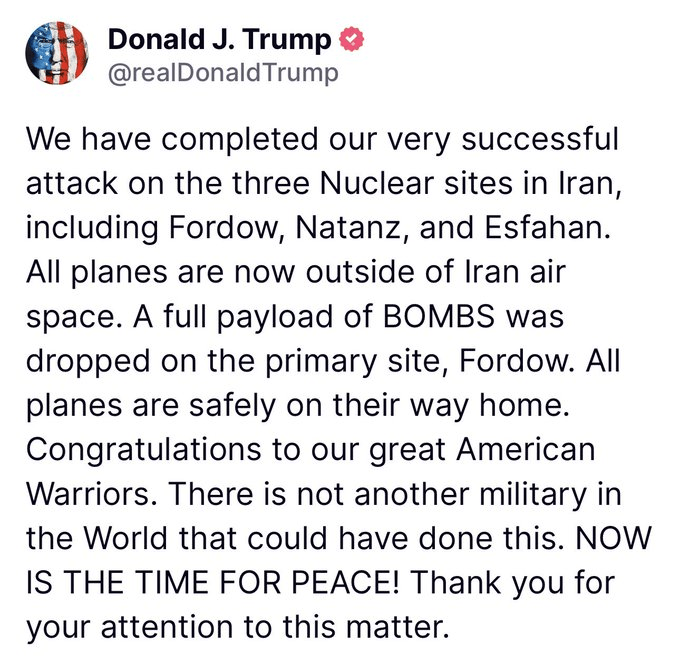
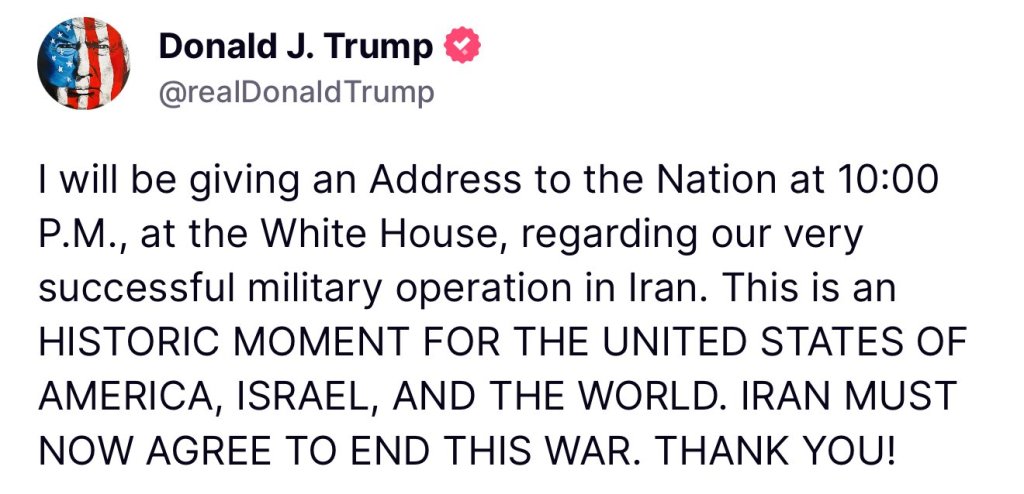
“Peace” President Trump is Waging War on Iran

US President Trump's bombing of Iranian nuclear sites has escalated tensions, risking a regional war and potentially a global conflict. His actions have drawn criticism, with claims of betrayal from his supporters and warnings of dire consequences.

  •  

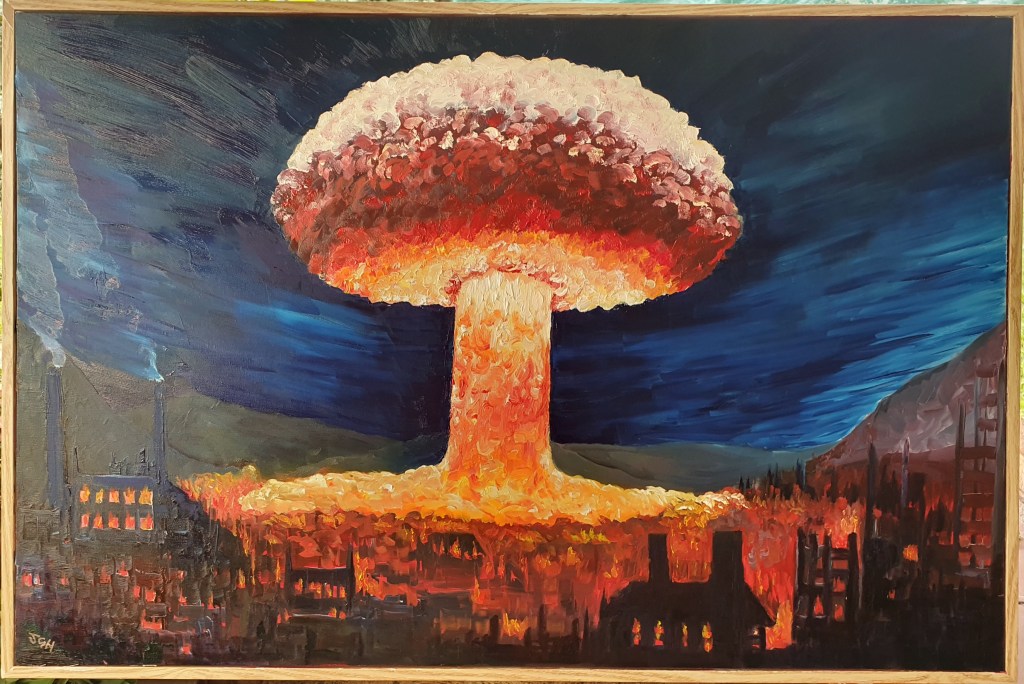
Israel’s Nuclear Arsenal: A Controversial Reality

Israel, a non-NPT signatory, may possess 200-400 nuclear warheads. Its minister's bomb remarks hint at this arsenal. The NPT encourages nonproliferation but excludes Israel, highlighting global nuclear hypocrisy and tension.

  •  

Oil Prices Jump as Middle East Tensions Build

Some analysts said the main international oil price, which was up 6 percent on Monday, could climb much higher in the coming weeks if the Strait of Hormuz doesn’t reopen.

© Damian Dovarganes/Associated Press

An oil refinery in Carson, Calif. The possibility of continued fighting has raised concerns about how long the world’s stockpiles of oil and fuels will last if the Strait of Hormuz does not reopen.
  •  

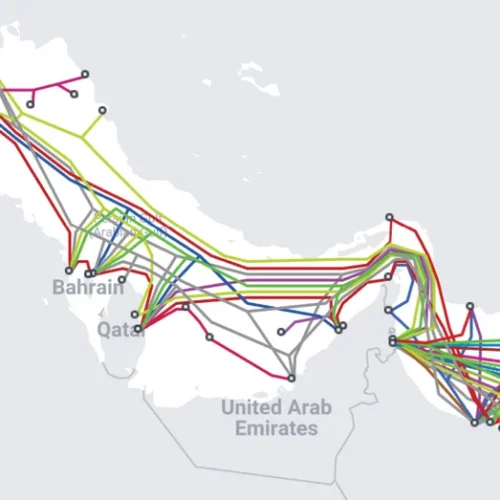
Iran demands Big Tech pay fees for undersea Internet cables in Strait of Hormuz

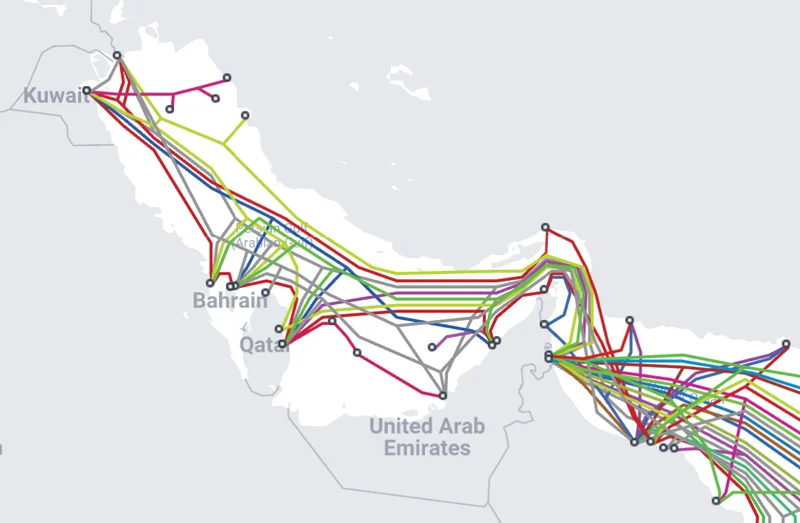
Iran claims it will charge US tech companies fees for using undersea Internet cables that run beneath the contested Strait of Hormuz shipping lanes. The war has already halted multiple projects and led to the suspension of cable repairs in the region—and the latest Iranian threats may accelerate efforts by Big Tech and Gulf countries to find alternative routes for bypassing the Strait of Hormuz’s digital chokepoint.

The latest assertions of Iranian authority over the Strait of Hormuz were announced in a brief statement by Ebrahim Zolfaghari, a spokesperson for Iran’s military and the Islamic Revolutionary Guard Corps. “We will impose fees on internet cables” Zolfaghari wrote in a May 9 post. It was not immediately clear how Iran might implement such fees or impose its rules on cable projects, given that the majority of routes pass through Oman-controlled waters.

But Tasnim and Fars, both Iranian state-linked media channels, laid out more detailed proposals on how Iran could charge license fees to US tech giants for the use and maintenance of undersea cables carrying regional Internet traffic, according to The Guardian. For example, the Tasnim plan described charging tech companies—specifically naming Meta, Google, Amazon, and Microsoft—license fees for cable usage while also claiming that Iran alone has the right to repair and maintain the subsea cables.

Read full article

Comments

© TeleGeography

  •  

Spatial data has become a weapon of war in the US-Iran war

Wind sweeps dust across across southeastern Iran in January 2025. Credit: NASA Earth Observatory image by Michala Garrison

We are in the geospatial era of warfare in which information derived from satellites is as strategically critical as territorial control. The progressive dissolution of the distinction between the civil […]

The post Spatial data has become a weapon of war in the US-Iran war appeared first on SpaceNews.

  •  

The race for oil: will Jamaica be the next country to drill and what does that mean for its green pledges?

With early tests suggesting the presence of crude oil, the Caribbean island has begun to debate whether it could justify becoming a producer

Jamaica is closer than ever to drilling for oil. Tests on samples from the seabed off the Caribbean island’s south coast earlier this year identified hydrocarbons, which suggest the presence of crude oil below ground.

Jamaica imports all its fuel, which costs about $1.5-2bn (£1.1bn-1.5bn) annually, depending on global oil prices. It is a persistent drag on an economy that generated $4.3bn from tourism, its biggest earner, in 2024.

Continue reading...

© Illustration: Eleanor Shakespeare

© Illustration: Eleanor Shakespeare

© Illustration: Eleanor Shakespeare

  •  

‘This isn’t freedom’: anger, anxiety and tears as Iran’s internet flickers back

After 88 days of near-total blackout, first reactions to the return of partial connectivity were not celebratory

After 88 days of near-total internet blackout in Iran, long-delayed messages, images and poems flooded phones and social media feeds at about 5pm on Tuesday, when still-limited connectivity flickered back to life.

The first reactions, however, were not celebratory. Many new posts were threaded with scepticism, anxiety and anger.

Continue reading...

© Photograph: Majid Asgaripour/Reuters

© Photograph: Majid Asgaripour/Reuters

© Photograph: Majid Asgaripour/Reuters

  •  

Iran demands Big Tech pay fees for undersea Internet cables in Strait of Hormuz

Iran claims it will charge US tech companies fees for using undersea Internet cables that run beneath the contested Strait of Hormuz shipping lanes. The war has already halted multiple projects and led to the suspension of cable repairs in the region—and the latest Iranian threats may accelerate efforts by Big Tech and Gulf countries to find alternative routes for bypassing the Strait of Hormuz’s digital chokepoint.

The latest assertions of Iranian authority over the Strait of Hormuz were announced in a brief statement by Ebrahim Zolfaghari, a spokesperson for Iran’s military and the Islamic Revolutionary Guard Corps. “We will impose fees on internet cables” Zolfaghari wrote in a May 9 post. It was not immediately clear how Iran might implement such fees or impose its rules on cable projects, given that the majority of routes pass through Oman-controlled waters.

But Tasnim and Fars, both Iranian state-linked media channels, laid out more detailed proposals on how Iran could charge license fees to US tech giants for the use and maintenance of undersea cables carrying regional Internet traffic, according to The Guardian. For example, the Tasnim plan described charging tech companies—specifically naming Meta, Google, Amazon, and Microsoft—license fees for cable usage while also claiming that Iran alone has the right to repair and maintain the subsea cables.

Read full article

Comments

© TeleGeography

  •  
❌