A groundbreaking report from the United Nations University Institute for Water, Environment and Health (UNU-INWEH) unveils the extensive environmental footprint underpinning artificial intelligence (AI) across carbon emissions, water usage, and land occupation, exposing complexities beyond the often-cited surge in electricity consumption. This comprehensive study paints a sobering picture of the physical infrastructure, resource demands, and environmental justice implications accompanying the explosive growth of AI technologies worldwide.
At the heart of this investigation lies the understanding that AI’s environmental impact extends well beyond energy consumption and carbon footprints. The report emphasizes the intricate supply chains and physical systems supporting AI: sprawling data centers, semiconductor fabrication, cooling mechanisms, and resources extracted for critical minerals. These components introduce significant water withdrawals, land use for energy infrastructure, and the escalating challenge of electronic waste management. In doing so, the report marks a crucial shift from the conventional carbon-centric discussions toward a holistic environmental perspective.
The scale of AI’s operational energy demands is staggering. Projections estimate that data centers, the backbone of AI computing, will consume 448 terawatt-hours of electricity in 2025—an amount equivalent to the national consumption of France, ranking them as the 11th largest global electricity user if considered a country. Notably, AI workloads account for roughly 20% of this power use, a share predicted to rise to 40% by 2030. Should current growth trajectories persist, the energy consumption attributed to AI could nearly triple by 2030, corresponding to around 945 terawatt-hours annually and equating to nearly 3% of worldwide electricity usage. This prodigious demand alone could sustain the energy needs of 1.3 billion people living in Sub-Saharan Africa for over five years—a demographic particularly vulnerable to energy scarcity.
Beyond energy, the water footprint of AI infrastructure poses an underappreciated risk to global freshwater resources. Data centers currently utilize an estimated 9.3 trillion liters of water, sufficing for the drinking requirements of the global population for approximately 1.6 years. The report underscores that water withdrawals, especially in arid or depleted regions, can severely stress aquatic ecosystems and groundwater reserves, even when some of this water is eventually returned. Moreover, land requirements for electricity generation related to AI’s growth are poised to surpass 14,000 square kilometers by 2030, roughly the size of Northern Ireland, presenting additional challenges for land management and biodiversity conservation.
Training state-of-the-art AI models such as ChatGPT-5 demands colossal energy inputs, consuming around 100 gigawatt-hours of electricity—comparable to the annual residential energy consumption of 770,000 individuals in Sub-Saharan Africa. The corresponding water and land footprints—1 billion liters and 1.5 square kilometers respectively—highlight the significant spatial and resource components embedded within AI’s developmental phase. However, the report pivots attention toward the AI’s ubiquitous daily use, which far exceeds the energy footprint of training alone. For instance, ChatGPT processes roughly 2.5 billion prompts daily, translating into annual electricity use of about 383 gigawatt-hours and water consumption sufficient for half a million people’s domestic needs annually, reflecting the enormous cumulative resource drain of AI services.
The environmental cost per AI interaction varies significantly by technology and usage context. For example, Google handles approximately 5 trillion search queries each year, where a traditional search requires around 0.3 watt-hours, but AI-enhanced generative searches inflate this figure to up to 3 watt-hours—a tenfold increase. Additionally, AI-generated video content emerges as a looming environmental crisis. A single high-resolution video clip may demand more than 415 watt-hours of energy, outstripping the energy required for producing hundreds of static AI-generated images. Given that energy requirements rise quadratically with resolution and frame count, the burgeoning prevalence of AI video generation could rapidly escalate infrastructure strain.
Crucially, the report explores the intricate trade-offs between carbon, water, and land footprints in AI energy sourcing. Transitioning from coal to bioenergy production can reduce carbon emissions by an average of 72%, yet simultaneously inflates water consumption more than thirtyfold and enlarges land use by a factor of one hundred. This nuance dismantles simplistic narratives around “green” or “renewable-powered” data centers and compels stakeholders to weigh multifaceted environmental impacts in energy procurement and infrastructure siting. The geographic variance in electricity supply further complicates the notion of universal sustainability metrics.
The environmental and social implications extend deeply into the realm of mineral extraction and electronic waste. AI infrastructure relies on minerals often mined under conditions that disproportionately harm communities in the Global South, exacerbating environmental degradation and social injustices. By 2030, AI-related hardware waste could reach 2.5 million metric tons annually—equivalent to discarding a quarter of a million Eiffel Towers—posing severe challenges for hazardous material management and pollution control. The report calls for robust lifecycle governance spanning from resource acquisition through responsible disposal to mitigate these burdens on vulnerable populations.
Disparities in AI infrastructure distribution exacerbate global inequalities. Currently, 90% of specialized AI cloud infrastructure capacity is concentrated in just two countries—the United States and China—with only 32 nations worldwide hosting such facilities at all. The vast majority of over 150 countries remain dependent consumers of AI services, bearing metal extraction and e-waste costs disproportionately while reaping scant strategic benefits. This digital divide manifests not only as an economic disparity but as an environmental justice concern demanding urgent attention and coordinated global action.
Ireland stands as a cautionary exemplar of the perils of unregulated AI infrastructure growth. Data centers now consume 21% of the country’s total metered electricity—a sharp rise from 5% in 2015—exceeding the energy used by all urban households combined. The national grid operator’s decision to pause new data center approvals until 2028 encapsulates the critical need for integrative energy planning and sustainable infrastructure development, highlighting the risks that other nations might encounter without proactive governance.
The report presents a compelling call to action and a roadmap for responsible AI governance framed around six foundational principles: transparency in environmental impact reporting; efficiency engineered at the design phase; equity and environmental justice considerations; lifecycle accountability; international collaboration; and sustainable use practices. It addresses varied stakeholders—from governments integrating AI into energy and land-use policy, to industry prioritizing footprint-aware model development, to users selecting appropriate computational scales—emphasizing governance as a collective, multilevel imperative.
Finally, the report recognizes user interface design and behavioral choices as potent instruments for environmental stewardship. For instance, adopting a “concise mode” in AI interactions, which avoids unnecessary politeness or verbosity, can reduce token output by 30%, saving significant electricity—estimated at 87 to 98 gigawatt-hours annually. This reduction parallels the residential energy usage of 760,000 individuals in Sub-Saharan Africa, illustrating how seemingly small efficiency gains in user interactions and product defaults can cascade into substantial sustainability dividends.
In its starkest summary, UNU-INWEH’s report declares that AI’s environmental footprint is neither fixed nor inevitable; it is the product of cumulative engineering, usage, and policy decisions rooted in physical realities. Confronting AI’s rapid expansion with holistic, transparent, and just frameworks offers the only viable path to ensuring that technological progress advances human well-being within planetary boundaries. Without systemic and cooperative stewardship, the opportunity for AI to be a force for sustainable innovation risks being eclipsed by escalating environmental costs and intensifying inequalities.
Subject of Research: Environmental impacts of AI infrastructure and usage, including energy, carbon, water, land footprints, and associated social justice concerns.
Article Title: Environmental Cost of AI’s Energy Use: Carbon, Water and Land Footprints
References:
Aczel, M., Chamanara, S., Matin, M., Farsi, A., Marwala, T., Madani, K. (2026). Environmental Cost of AI’s Energy Use: Carbon, Water and Land Footprints. United Nations University Institute for Water, Environment and Health (UNU-INWEH), Richmond Hill, Ontario, Canada. doi: 10.53328/INR26RMA002
Image Credits: United Nations University Institute for Water, Environment and Health (UNU-INWEH)
Keywords
Artificial intelligence, AI energy consumption, carbon emissions, water footprint, land footprint, environmental justice, data centers, AI infrastructure, e-waste, sustainable AI, mineral extraction, global digital divide
At first, it felt a bit like Emmy-winning writer director Jorge Gutierrez had been living under a rock.
On May 27, Amazon announced that it had ordered an animated series, dubbed “Punky Duck,” as part of its GenAI Creators’ Fund, celebrating it as a “creative breakthrough.” The fund, a collaboration between Amazon’s MGM Studios and its Amazon Web Services, was designed to hand creators “access to professional-grade AI tools and funding” to “produce high-quality cinematic entertainment.”
“The best way I can describe it is, it’s like you have sex, and then someone hands you the baby,” he told a panel during an announcement last week. “It’s pretty crazy.”
However, given the way the conversation surrounding the use of AI in creative industries has been headed, it shouldn’t come as a surprise that reactions to the news were overwhelmingly negative, with Gutierrez swiftly becoming the target of an astonishing amount of online outrage.
His Wikipedia profile was edited to describe him as a “sellout” and early attempts to allow his fans to vent their frustration on his Instagram account didn’t go over well, either, forcing him to delete swaths of posts.
Not all the derision was from the online peanut gallery.
“It is very seductive that something now exists that contains the collective works of millions of artists and wordsmiths all thrown in a blender allowing one to pour out on demand things based on suggestions and prompts,” wrote acclaimed voice actor Billy West. “You become a soul stealer, a grave robber of sorts. You are an artist! God gave you a far greater gift and purpose to share with others. We need your true self!”
The backlash was so extensive, Gutierrez ended up backtracking on the lucrative gig entirely, in one of the clearest signs yet that AI has become toxic sludge to much of the audience Amazon is trying to woo.
“I have decided to drop out of the AI program at Amazon,” he tweeted on May 29, just two days after the company’s announcement. “I will not be making a Punky Duck series. Actions speak louder than words.”
It apparently wasn’t just angry comments directed at Gutierrez for “selling out.” In a separate tweet, Gutierrez said that “the racist stuff and the attack on my kid were too much,” indicating pundits online had gone to extreme lengths.
Even this attempt to defuse the situation didn’t sit well, with users accusing him of pulling the “racism card,” while others claimed he was “making this up to deflect from your piss poor choices.”
Oddly enough, Gutierrez was once a vocal critic of AI, as the Los Angeles Times reports, posting several memes decrying the tech between 2023 and 2025.
“Threatening the dude and his family is obviously going way too far, but I’m still against major animators using AI, 100 percent,” one Reddit user argued. “I’m still glad he dropped out of it, but I f***ing hate that people threatened the dude.”
“Animation isn’t worth that, the hell is wrong with people?” the user added.
Meanwhile, Gutierrez has tried to get the angry mob back on his side.
“Learning a lot from many of you,” he tweeted. “Thank you. Lots of information that I’m digesting wholeheartedly. I am absolutely understanding the concern of using AI to assist an animation pipeline.”
“For all those showing me grace, I really appreciate it,” Gutierrez added. “I have a lot to think about.”
Are AI models conscious, and if not, could they be in the near future? The possibility is far-fetched, but AI companies seem to feel it’s in their best interests to keep the question as open-ended as possible.
Now, the Financial Times reports that three of the industry’s top dogs — Anthropic, Google’s AI lab DeepMind, and Meta — have all hired experts in fields like psychology, philosophy, and ethics to pursue research into machine consciousness and AI welfare.
Anthropic, which has arguably done the most out of the bunch to anthropomorphize its models and play up the AI consciousness angle — its chatbot has the human name of “Claude,” after all — has been testing its models for behaviors that resemble “panic” and “anxiety,” per the reporting, and is pursuing “model welfare research” to explore whether AI models might have experiences that matter morally.
“We remain deeply uncertain about this, but we think the question is serious enough to study carefully as AI systems get more capable,” the company said in a statement.
DeepMind, meanwhile, has hired University of Cambridge researcher Henry Shevlin as a philosopher working on machine consciousness, human-AI relationships, and AGI readiness, per the reporting. (Earlier this year, Shevlin sparked a wave of discourse in online AI circles after sharing his stunned reaction to an email he received from an AI agent.)
DeepMind ethicist Iason Gabriel, who leads the lab’s AGI and society team, called the question of AI consciousness “very complicated,” and described AI as “highly capable cognitive agents that are also just very deeply different from human beings and even from animal consciousness.”
These weighty claims are disputed by many scientists and AI researchers. But the FT, in seeking a counterargument to round out its reporting, quotes an expert who makes claims that ascribe a questionable degree of humanlike agency to chatbots. “[AI models] have goals, they can deceive, they can hide what their true interests are,” Susan Schneider, director of the Center for the Future of AI, Mind and Society, told the newspaper. But she added it’s “entirely scientifically possible that they’re doing this without having the felt quality of experience, which is what consciousness is.”
Certainly, the possibility of AI consciousness shouldn’t be completely dismissed out of hand. But neither should alien civilizations, which are generally treated more as a sci-fi musing than an urgent existential issue.
Moreover, we should be skeptical when most of the noise on this topic is coming from the industry itself. Anthropic CEO Dario Amodei has repeatedly dangled the possibility of AI consciousness in interviews. And his company’s research frequently makes bold claims about their models showing humanlike behavior, such as supposedly harboring “emotions.” Just remember that it’s easier for AI companies to string us along with wild Skynet doomsday scenarios instead of confronting the tech’s far mundane consequences currently playing out before our eyes.
OpenAI says it's rolling out a new update that improves the existing GPT-5.5 Instant model, and this move comes ahead of the scheduled retirement of multiple legacy models, including o3. [...]
A threat actor is using an AI-built ransomware attack toolkit that automates Active Directory discovery and helps evade endpoint detection and response (EDR) solutions. [...]
Multiple Instagram users had their accounts hijacked after attackers convinced Meta's AI-powered support tools that they were the legitimate owners. [...]
However, according to a new analysis published in Neuron, the science used to answer that question may not actually be measuring what researchers think it is. A research team led by Hakwan Lau at the Institute for Basic Science in South Korea, with collaborators from the Université de Montréal and New York University, argues that many common experimental methods in consciousness research do not separate subjective experience from general information processing.
Consciousness research relies heavily on methods such as visual masking, binocular rivalry, and the detection of perceptual limits. These methods usually compare brain responses when a person is aware of something versus when they are not. The idea is that the difference between these two cases shows whether conscious experience is present or not.
Lau and his team challenge this assumption. When experiments make a stimulus invisible, they often reduce both conscious awareness and the brain’s ability to process information about that stimulus. This means that what appears to be a marker of consciousness in the brain may actually reflect general cognitive activity.
“Many current theories of consciousness appear to be supported by a range of experimental findings,” Lau said. “But those findings may actually reflect general information processing rather than consciousness itself — so it remains difficult to conclude that these theories truly explain consciousness.”
A Historical Warning
The authors compare the current situation to the late 19th and early 20th centuries, when strong claims about consciousness led to a crisis in psychology. The resulting backlash led to the rise of behaviorism, which focused only on observable behavior and halted consciousness research for many years.
Researchers caution that a similar situation could occur again. As AI systems become more advanced and public interest in machine consciousness increases, scientists are under pressure to provide answers. If researchers make strong claims about consciousness in AI, organoids, or fetuses that lack robust methods to support them, scientific credibility could be undermined.
Better Science Required
The authors suggest a different approach. Conditions like blindsight, in which people with brain damage can respond to stimuli they do not report seeing, offer a more controlled way to study consciousness. Another example is hemispatial neglect, where patients fail to notice one side of their visual field while still having basic perception. For researchers, these conditions provide a rare opportunity to separate awareness from information processing and investigate each process on its own.
These conditions show that subjective experience and information processing are distinct from one another. The team says that building experiments around this difference is needed to make reliable scientific claims about consciousness.
The implications of this study extend far beyond the academic world. Deciding whether non-human entities are conscious has direct legal and ethical concerns. The researchers say that the science behind these decisions must meet high standards.
“Questions about consciousness increasingly carry ethical and societal implications,” Lau said. “If scientific claims about consciousness are going to influence discussions about animal welfare, AI ethics, or bioethics, then the scientific foundations supporting those claims must be especially rigorous.”
The researchers conclude that the most urgent challenge is not deciding whether AI, animals, or organoids are conscious, but developing better tools to identify consciousness if it emerges.
Austin Burgess is a writer and researcher with a background in sales, marketing, and data analytics. He holds an MBA, a Bachelor of Science in Business Administration, and a data analytics certification. His work focuses on breaking scientific developments, with an emphasis on emerging biology, cognitive neuroscience, and archaeological discoveries.
Nvidia’s RTX Spark could give PC makers a new high-end category, built around machines that run more demanding AI workloads locally rather than in the cloud.
The chipmaker and Microsoft said RTX Spark Windows PCs will be built for personal AI agents and heavier local AI workloads, from AI development to engineering and content creation.
Nvidia said RTX Spark will offer up to 1 petaflop of AI performance and up to 128GB of unified memory, allowing systems to run 120-billion-parameter large language models locally.
Nvidia has lined up several major PC makers for the launch. The company said RTX Spark laptops and compact desktops will be available this fall from Asus, Dell, HP, Lenovo, Microsoft Surface, and MSI, with models from Acer and Gigabyte to follow. Dell is bringing the platform to its XPS 16 Creator Edition, while HP said upcoming OmniBooks powered by Nvidia will target agentic developers. Microsoft is positioning its Surface Laptop Ultra for creators, developers, and engineers.
Microsoft is also introducing the Surface RTX Spark Dev Box, a compact Windows AI developer PC designed to let developers build and refine models locally before turning to the cloud for larger workloads.
That could create a premium tier above mainstream AI PCs based on Intel, AMD and Qualcomm chips, helping lift average selling prices in a PC market where growth has been uneven. It could also raise questions about whether current AI PCs have enough local computing power for the more ambitious AI workloads that software makers and chip companies are now promoting.
But broad enterprise adoption is not assured. According to Futurum Research, the AI PC market could grow at a compound annual growth rate of about 38% between 2025 and 2030, but adoption is likely to slow in 2026 after a Windows 10 end-of-support-driven refresh cycle and normalize through 2027.
Futurum expects another wave of upgrades around 2028, as systems with higher levels of on-device AI compute become capable of running agentic AI workloads locally, suggesting RTX Spark’s early impact may be felt more in premium and specialist systems than in broad corporate fleets.
Adoption potential
Analysts say RTX Spark’s first test will be whether enterprises treat local AI compute as a workstation requirement rather than a standard laptop feature.
“In the near term, RTX Spark is more likely to be a high-end enterprise AI workstation category than a mass-market PC category,” said Pareekh Jain, CEO of Pareekh Consulting. “Most enterprise users do not need the level of local AI compute that RTX Spark offers.”
Jain said the platform could establish a premium tier between traditional workstations and AI servers, similar to how gaming GPUs created a premium PC segment. Its longer-term significance, he said, may lie less in unit volumes than in whether it becomes a reference architecture for AI-native workstations that can run large models on-device with strong security and low latency.
Prabhu Ram, VP of the industry research group at Cybermedia Research, said RTX Spark adoption would start in niche segments but could expand over the next two to three years if the software vision materializes. Its prospects will depend on post-launch performance, real-world pricing, and early enterprise pilot results, he said.
Ram added that OEM uptake would be the clearest early signal of whether RTX Spark is becoming a real enterprise category rather than a niche workstation product.
Cost and competition
The clearest near-term effect may be at the high end of the PC market, where RTX Spark could give vendors a more powerful class of AI system to sell above mainstream business laptops.
Jain said RTX Spark systems, which he expects to cost more than $2,000, are designed for heavier local AI workloads, including large language models and advanced content creation. By contrast, he said mainstream AI PCs based on Intel, AMD and Qualcomm chips are typically priced below $1,500 and are aimed more at Copilot+, summarization and other office productivity tasks.
That split could raise enterprise PC spending for power users, while making mainstream AI PCs look more like productivity devices, Jain said. Over time, it could increase pressure on Intel, AMD and Qualcomm to add more AI capabilities at lower price points.
But the immediate impact may not be on demand for mainstream PCs based on Qualcomm, Intel or AMD chips, according to Neil Shah, vice president for research and partner at Counterpoint Research. He said the more likely scenario is that RTX Spark may create a new segment that competes more directly with gaming PCs, Apple’s Mac Mini, and higher-end Macs used for on-device AI applications.
Who needs RTX Spark?
Analysts said RTX Spark-class systems are likely to be justified only where running AI locally has clear business value.
Sanchit Vir Gogia, chief analyst at Greyhound Research, said the test for enterprises is not whether a workload uses AI, but whether the organization gains by running that AI closer to the user, data, device or operating environment.
“If the work is meeting summaries, drafting, email triage, transcription, translation, search and ordinary assistance, Spark is unnecessary and a mainstream AI PC will do,” Gogia said. “Issuing Spark to every employee for that would be sending a Formula One car to fetch the milk.”
Gogia said likely early users include software developers, AI engineers, data scientists and security teams working with sensitive code, larger models, forensic data or local retrieval pipelines that companies may not want to move into external systems.
The security question could also shape adoption. Nvidia said the platform will rely on new Windows security tools and its OpenShell runtime, allowing companies to set policies for agents while keeping some queries on local models and masking personal data before selected queries are sent to cloud services.
“Nvidia is not only selling endpoint hardware,” Gogia said. “It is installing itself into the endpoint’s runtime, its policy layer and its agent orchestration. The endpoint conversation has quietly expanded from endpoint hardware to endpoint agency, and that is a CISO question long before it is a procurement one.”
Manish Rawat, analyst at TechInsights, said local AI compute could support faster development cycles, stronger privacy and lower cloud inference costs, while enabling workloads such as 12K video editing, simulations, digital twins and edge AI applications.
“CIOs should buy Spark where the workload justifies it, where the governance model supports it, and where the economics hold, and nowhere else,” Gogia added.
Cloud computing has reached a crossroads. The high cost and data sensitivity of AI workloads are raising the appeal of private clouds, even as neoclouds and sovereign clouds shake up the cloud provider landscape. New cyberthreats, shifting compute requirements, and management complexity are adding to cloud complications.
Download the June 2026 issue of the Enterprise Spotlight from the editors of CIO, Computerworld, CSO, InfoWorld, and Network World, and learn how to navigate the latest cloud strategy developments.
Researchers at the University of Toronto showed how hackers could use artificial intelligence to create a program that could target any known flaw in the world’s computers.
In a groundbreaking announcement that promises to reshape the landscape of healthcare technology, the esteemed Mayo Clinic and global tech giant Microsoft have embarked on a strategic collaboration to develop a frontier artificial intelligence model meticulously designed for healthcare applications. This partnership unites Mayo Clinic’s unparalleled medical expertise, extensive de-identified clinical health data, and deep longitudinal patient insights with Microsoft’s cutting-edge AI frameworks, cloud infrastructure, and superintelligence capabilities. Together, they aspire to create an AI system that transcends the limitations of general-purpose models, delivering advanced clinical reasoning and transformational healthcare outcomes at scale.
The core objective of this endeavor is to engineer a healthcare-specific AI model that integrates the complexity and nuance of medical knowledge with real-world clinical data to enable earlier detection of diseases, tailor personalized treatment regimens, and ultimately enhance patient prognosis. Unlike conventional AI models primarily trained on generic datasets lacking clinical context, this frontier AI model will synthesize diverse streams of clinical information over time—such as laboratory results, imaging, medical histories, and longitudinal health trajectories—facilitating a more holistic understanding of patient health and evolving conditions.
From a technical standpoint, Microsoft’s Azure Foundry will serve as the global deployment platform, providing scalable and secure API access for healthcare organizations worldwide. This architecture ensures that the model can be leveraged effectively in varied clinical settings while maintaining rigorous adherence to privacy, security, and data governance standards established by Mayo Clinic. The deliberate choice for Mayo Clinic to retain ownership of the AI model underscores their commitment to patient trust, safety, and ethical stewardship of medical data—addressing ongoing concerns surrounding AI transparency and accountability.
The collaboration leverages the strengths of both institutions: Mayo Clinic’s pioneering Mayo Clinic Platform, which has, over the past seven years, catalyzed healthcare innovation through a safe and patient-centric framework for de-identified data aggregation, combined with Microsoft’s leadership in AI engineering and cloud technology. This fusion enables not only the construction of an advanced AI system but also its rigorous validation, continuous refinement, and adaptation through real-world clinical feedback loops at Mayo Clinic’s trusted environment.
Clinical integration of AI poses unique complexities absent from other domains, requiring deep contextual understanding of disease pathophysiology, evolving standards of care, and ethical principles governing patient interactions. This frontier model is purpose-built to address these challenges, integrating clinical guidelines, evidence-based research, and longitudinal patient monitoring to support clinicians in complex diagnostic and therapeutic decision-making. By facilitating earlier and more precise interventions, the model promises to reduce diagnostic errors, delay disease progression, and personalize care pathways with unprecedented granularity.
Mustafa Suleyman, CEO of Microsoft AI, encapsulated the transformative potential of this collaboration by emphasizing the advent of “frontier medical intelligence” that merges high-fidelity clinical insights with scalable AI computation. This strategic partnership harnesses domain expertise alongside AI to transcend conventional healthcare barriers while accelerating innovation trajectories that could revolutionize patient outcomes on a global scale.
Moreover, the AI model’s deployment in Mayo Clinic’s clinical environment enables iterative learning—continuously refining through clinician feedback, outcome tracking, and updated medical knowledge. This dynamic adaptation mechanism is critical to address evolving disease patterns, emerging clinical evidence, and variability across patient populations, solidifying the model’s robustness and reliability.
Ethical AI stewardship remains a cornerstone of this project, with strict measures implemented to protect patient privacy and ensure data de-identification. Governance protocols encompass data provenance, auditability, bias mitigation, and transparent algorithms, aligning with regulatory frameworks and fostering trust among clinicians and patients alike. These principles are paramount to ensuring AI’s responsible integration into sensitive healthcare ecosystems.
The technological backbone also involves sophisticated natural language processing, computer vision, and multimodal data fusion techniques to process unstructured clinical notes, medical imaging, genomic data, and real-time monitoring signals. By empowering the AI model to comprehend complex data modalities and clinical narratives, the partnership unlocks nuanced predictive analytics and actionable insights that were previously unattainable.
This initiative arrives at a crucial juncture, as the healthcare sector grapples with escalating complexity, rising chronic disease burdens, and global resource constraints. The infusion of frontier AI models capable of augmenting human expertise offers a path toward scalable, efficient, and personalized healthcare delivery—enabling clinicians to navigate massive data volumes with enhanced precision and timeliness.
In sum, the collaboration between Mayo Clinic and Microsoft marks an epoch-making convergence of medical science and AI innovation. By fundamentally reinventing how clinical data is leveraged and integrated, this frontier model holds immense promise to revolutionize diagnostics, therapies, and patient-centric care pathways—potentially setting a new standard in healthcare intelligence for decades to come.
Subject of Research: Healthcare-focused frontier artificial intelligence model development
Article Title: Mayo Clinic and Microsoft Collaborate to Develop Frontier AI Model Tailored for Healthcare
News Publication Date: Not provided
Web References:
– https://www.mayoclinic.org/
– https://www.microsoft.com/
References: Not provided
Image Credits: Not provided
Keywords
Frontier AI, healthcare AI, clinical data integration, personalized medicine, medical AI model, Mayo Clinic Platform, Microsoft AI, healthcare innovation, clinical decision support, ethical AI, patient privacy, medical data stewardship, AI validation, AI deployment
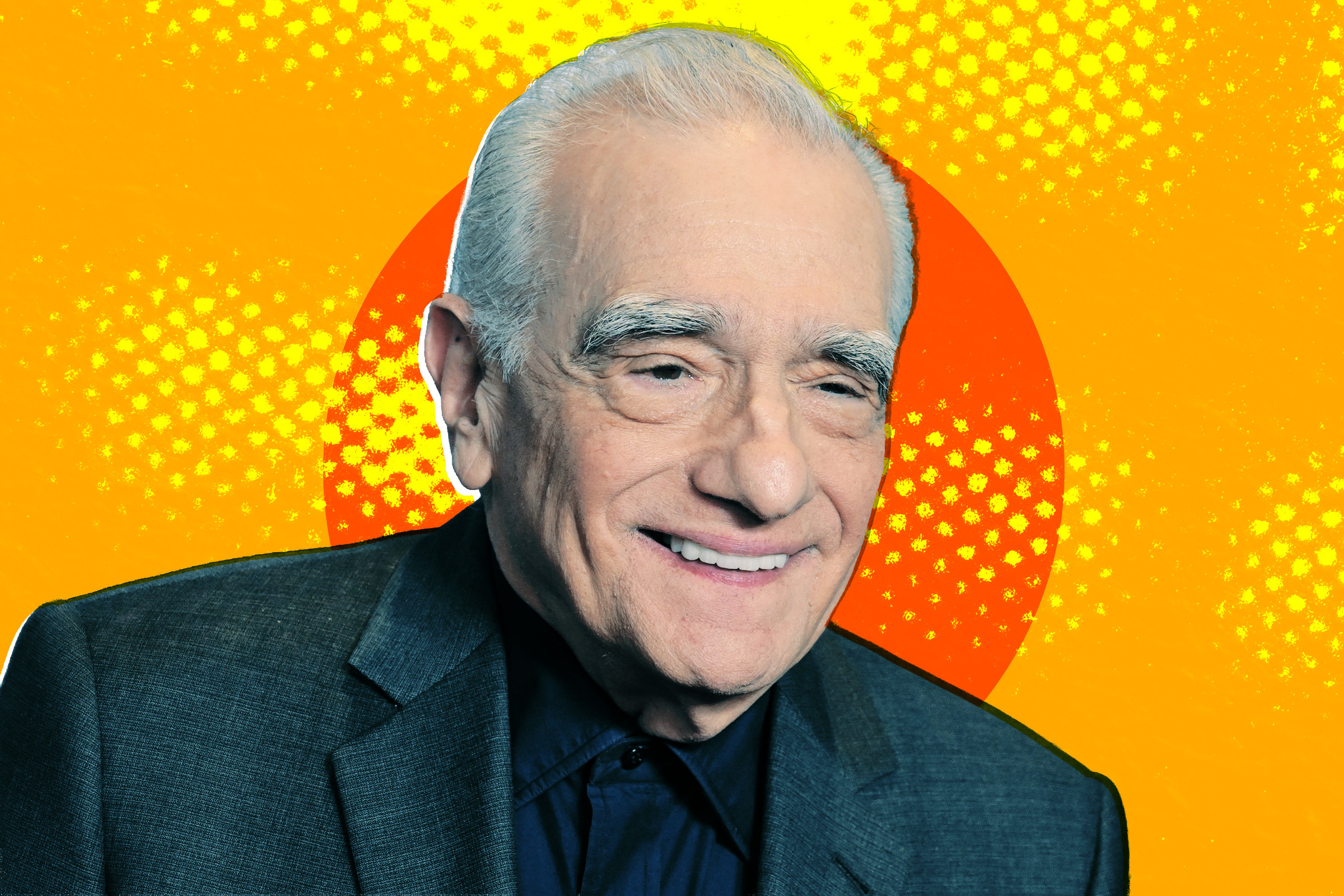
The film community is in meltdown after acclaimed director Martin Scorsese promoted a new AI startup called Black Forest Labs, saying that he’s already using its tech to help plan his movies.
Scorsese revealed this collaboration in a statement to The New York Times on Tuesday, which was accompanied by the release of a new promotional video from Black Forest Labs depicting the 83-year-old film legend using its AI image generation tool for storyboarding, the process of visualizing scenes using illustrations in preparation for filming. According to the reporting, Scorsese signed on as a partner and an adviser to the venture last year.
Such shilling by a venerated artist for AI was, in the eyes of many filmgoers, the opposite of “Absolute Cinema.”
“Cannot stress enough how disappointing it is that Martin Scorsese is collaborating with an AI company and putting a stain on his name so late in his life and career,” wrote one cineaste.
“Putting storyboard artists out of work is bad and that should not be a controversial opinion,” another fumed.
For film journalist Richard Newby, the reaction was visceral. “I feel like I’m going to throw up,” he tweeted.
It’s easy to understand where they’re coming from, since Scorsese is one of the most revered filmmakers alive. The “GoodFellas” and “Mean Streets” director spearheaded a movement that cast off the shackles of the stodgy old studio system and ushered in a Renaissance of Hollywood filmmaking that embraced authorial intent, drawing on a deep reverence for foreign filmmakers — from Akira Kurosawa to the duo of Michael Powell and Emeric Pressburger — to create something more stylistic and transgressive, while taking a unflinching eye to social issues of the day.
Beyond his role behind the camera, Scorsese has also been an important champion of overlooked international films, and has helped preserve cinema history through his Film Foundation. For him to throw his weight behind AI is a big victory for the industry — and a gut punch to artists who view the tech as not only a threat to their livelihoods, but to creativity itself.
That said, Scorsese is being conspicuously limited in how he praises AI, though this is likely to be little consolation to the anti-AI crowd. In the promotional video and in his remarks to the NYT, he was careful to stress that he only uses AI for storyboarding, claiming that it’s allowed his team “to move faster without sacrificing quality or craft” during preproduction.
“For 70 years, I’ve been creating my own storyboards,” Scorsese told the NYT in a statement (which is notable, since it definitely reads more like a company-approved release than something he’s said in one of his many insightful interviews.) “There’s always been this problem of how do you communicate what you see in your head to your cast and crew. There are some things you have to see and feel.”
“Now with this tool,” he added, “I can share what I’m visualizing more clearly and efficiently to my creative team — the production designer, art designer and cinematographer.”
The sense of betrayal hit one Scorsese fan especially close to home.
“Scorsese’s storyboards for Taxi Driver were a big inspiration for me, a poor artist, to feel confident drawing ideas to share with our illustrators,” the indie game developer lamented. “I can’t understand why so much of the older generation of artists are swayed by this crap when they already had it all figured out.”
Microsoft has been deeply committed to the growth of generative AI technology in recent years through its now-fragmented partnership with OpenAI. At Build 2026, the company remains all-in on AI, and it's looking toward the future with a new software platform. The new Android-based OS is called Project Solara, and Microsoft says Solara is designed to run agents instead of apps.
Project Solara is not something you'll have to worry about killing your apps anytime soon. It's limited to a few pieces of concept hardware and software that are awaiting the magical agents of the future. The vision is for Solara to run on myriad specialized devices with interfaces generated on the spot, and it's all powered by the explosive intelligence of models that Microsoft and others insist will soon exist.
According to Microsoft, Solara is a chip-to-cloud platform intended to free agents from reliance on single interfaces. Much of Microsoft's messaging around AI is speculative and self-serving, but the company rightly points out that new computing form factors have always required specialization, and that process is complex and expensive. The shift to mobile computing, for example, tripped Microsoft up multiple times as it fell behind on app availability, security, and long-term support.
Microsoft has been deeply committed to the growth of generative AI technology in recent years through its now-fragmented partnership with OpenAI. At Build 2026, the company remains all-in on AI, and it's looking toward the future with a new software platform. The new Android-based OS is called Project Solara, and Microsoft says Solara is designed to run agents instead of apps.
Project Solara is not something you'll have to worry about killing your apps anytime soon. It's limited to a few pieces of concept hardware and software that are awaiting the magical agents of the future. The vision is for Solara to run on myriad specialized devices with interfaces generated on the spot, and it's all powered by the explosive intelligence of models that Microsoft and others insist will soon exist.
According to Microsoft, Solara is a chip-to-cloud platform intended to free agents from reliance on single interfaces. Much of Microsoft's messaging around AI is speculative and self-serving, but the company rightly points out that new computing form factors have always required specialization, and that process is complex and expensive. The shift to mobile computing, for example, tripped Microsoft up multiple times as it fell behind on app availability, security, and long-term support.
Microsoft has been deeply committed to the growth of generative AI technology in recent years through its now-fragmented partnership with OpenAI. At Build 2026, the company remains all-in on AI, and it's looking toward the future with a new software platform. The new Android-based OS is called Project Solara, and Microsoft says Solara is designed to run agents instead of apps.
Project Solara is not something you'll have to worry about killing your apps anytime soon. It's limited to a few pieces of concept hardware and software that are awaiting the magical agents of the future. The vision is for Solara to run on myriad specialized devices with interfaces generated on the spot, and it's all powered by the explosive intelligence of models that Microsoft and others insist will soon exist.
According to Microsoft, Solara is a chip-to-cloud platform intended to free agents from reliance on single interfaces. Much of Microsoft's messaging around AI is speculative and self-serving, but the company rightly points out that new computing form factors have always required specialization, and that process is complex and expensive. The shift to mobile computing, for example, tripped Microsoft up multiple times as it fell behind on app availability, security, and long-term support.
 Login
Login