Reading view

Android phones will soon be able to detect spoofed calls and impersonation scams

We're expecting Android 17 to begin rolling out later this month, but first, Google has a batch of updates for the wider Android device ecosystem. As usual, some of the new features are limited to specific devices, and others require using Google's apps. But if you don't mind the latter, you can get automated protection from the growing threat of deepfake phone scams.

According to Google, "impersonation fraud" is one of the most common types of financial scams. The FTC tracked almost $3 billion in losses from such scams during 2024, and the improvements in AI voice cloning tools more recently are making the schemes easier to pull off. The voice models are becoming so capable that it can be difficult to identify a fake caller even when an AI is imitating someone you talk to every day.

Google's solution is an expansion of the system it debuted last month for verified financial calls. Now, a similar feature will work with anyone in your contacts. Many of the most effective deepfake scams involve spoofing a contact's number, which makes the call look more legitimate when your phone lights up. Victims of these scams are then greeted by an accurate re-creation of the person's voice spinning a yarn that involves an urgent need for cash.


Read full article

Comments

© Ryan Whitwam

  •  

The truth lies in the past in Silo S3 trailer

In April, we got a short teaser for the third season of Silo, the critically acclaimed Apple TV series based on the trilogy by novelist Hugh Howey, which hinted at a mysterious origin story dating back centuries. Apple TV just released the full trailer, and it looks like our heroine is again facing conflict and danger because she just keeps asking so many inconvenient questions.

As previously reported, Silo is set in a self-sustaining underground city inhabited by a community whose recorded history dates back only 140 years. The outside is a toxic hellscape that is only visible on big screens in the silo’s topmost level. The second season expanded Silo‘s world to incorporate the survivors in the second Silo 17; everyone else died in a revolt to escape to the surface. We discovered that there are 50 silos in all. Meanwhile, another revolution was brewing in Juliette’s (Rebecca Ferguson) original Silo 18 against Holland (Tim Robbins). And even more secrets were revealed.

In the season finale, Juliette returned to her silo and warned the residents not to leave, but she and Holland ended up locked in the incinerator just as it was being fired up. The final scene was a flashback, showing a woman questioning a congressman in Washington, DC, about possible retaliation after the US dropped a dirty bomb on Iran. And that brings us to S3. Per the official premise:

Read full article

Comments

© Apple TV

  •  

Number of suspected Ebola cases falls by hundreds as testing ramps up

The estimated size of the Ebola outbreak in the Democratic Republic of the Congo has fallen by hundreds of cases as outbreak response efforts have ramped up and increased testing has ruled out illnesses.

On Tuesday, a representative for the World Health Organization confirmed to Reuters that Congolese authorities are now reporting 437 cases in the DRC, including 321 confirmed cases and 116 suspected. That's a significant difference from the case count the WHO relayed Friday, which totaled 1,041 cases, including 135 confirmed cases and 906 suspected. Over the weekend, the director-general of the Africa Centres for Disease Control and Prevention, Jean Kaseya, also wrote in an op-ed that there were more than 1,100 suspected cases.

The number of deaths has also been lowered to 48 confirmed deaths. On Friday, the WHO had reported 241 deaths, including 18 confirmed and 223 suspected.

Read full article

Comments

© Getty | Jospin Mwisha

  •  

Why a Neo Geo port of Doom is functionally impossible

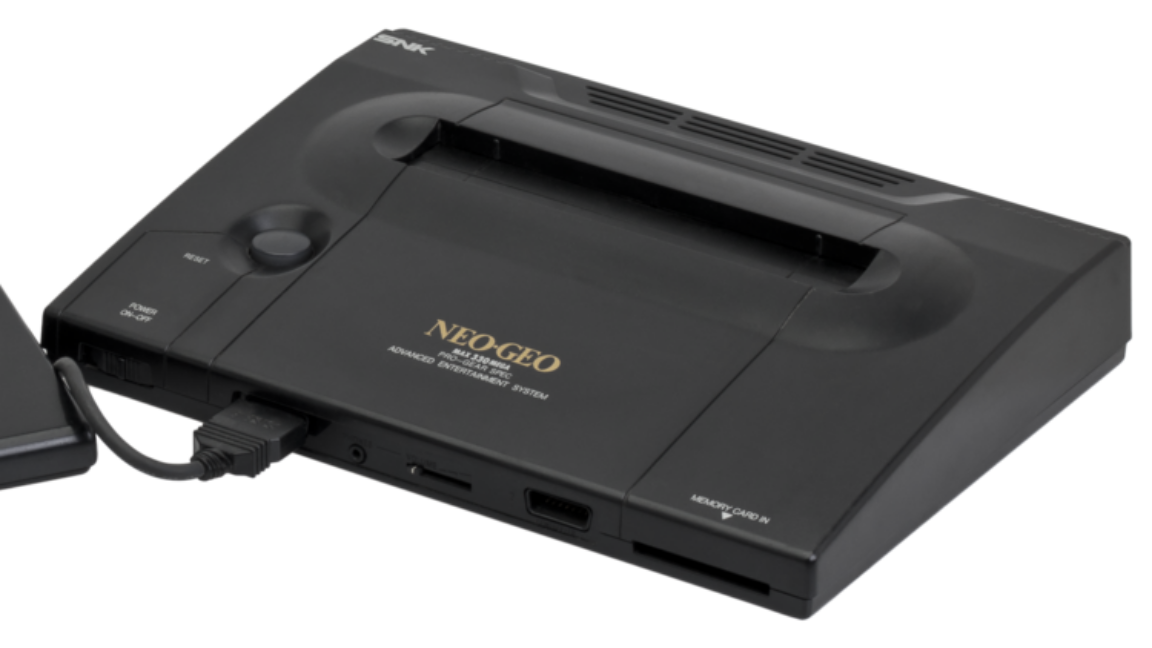
Here at Ars, we've taken pleasure in reporting on versions of Doom that run on everything from wireless earbuds and printers to Windows' notepad.exe and even inside Doom itself. So when we hear that a piece of game-playing hardware from the '90s (or later) can't run Doom, our ears perk up.

That hardware is the Neo Geo, an early '90s game console that players of a certain age will remember for its eye-watering launch price and its relatively strong pixel-pushing power for the time. Despite that relative power, though, a fascinating new video from Modern Vintage Gamer argues that the Neo Geo's architecture makes it particularly ill-suited for a port of id's famously easy-to-port game.

At first glance, the Neo Geo seems like it should be up to the task of running Doom. The Motorola 68000 CPU inside the console is the same one powering the Commodore Amiga, which has seen quite a few homebrew Doom ports over the years.

Read full article

Comments

© Wikimedia

  •  

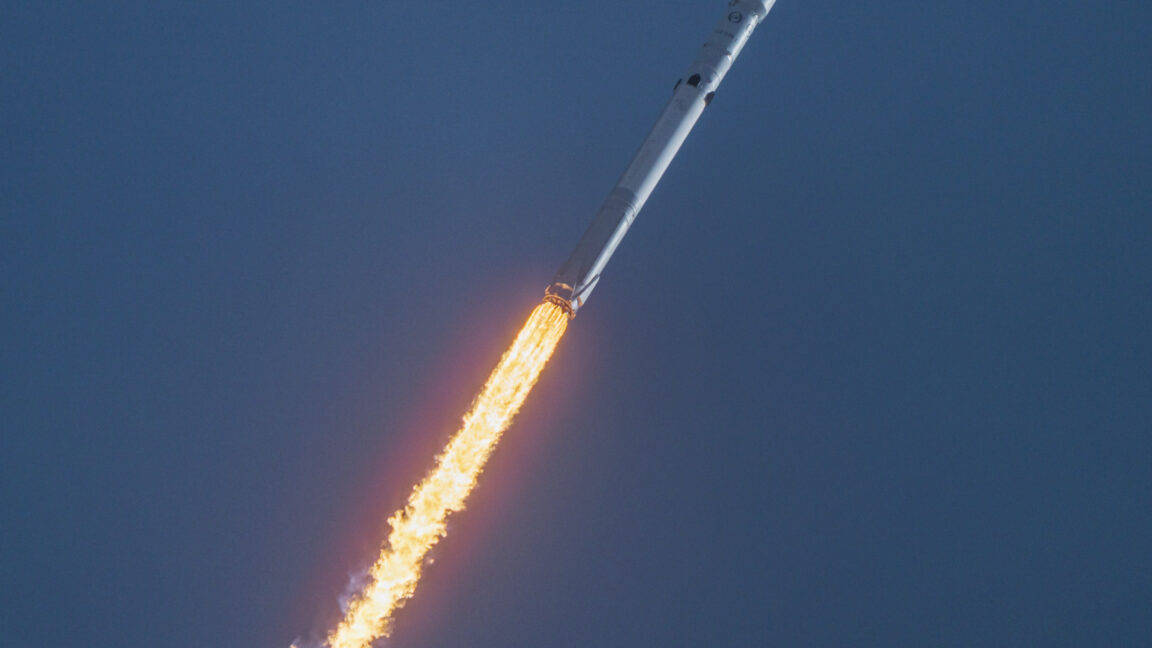
In a surprise launch, China debuts another big rocket designed for reusability

The race to field China's first reusable launch vehicle is far less predictable than a similar competition that played out in the United States a decade ago.

There was never any real question of which company would develop and demonstrate the first reusable orbital-class rocket in the United States. SpaceX landed a Falcon 9 booster for the first time in 2015, and a little more than a year later, it launched it back into space. It took nearly 10 years for anyone else to do the same. Blue Origin celebrated its first orbital-class booster landing last November with the successful recovery of one of its New Glenn boosters, followed by a relaunch of the same rocket in April.

In China, several companies and state-owned enterprises have a realistic shot at landing an orbital-class booster stage this year. For a time, it seemed like China's new crop of privately funded launch companies might have the advantage in accomplishing the first landing of an orbital-class booster. But Monday's launch of China's Long March 12B rocket, backed by the nearly unrestricted resources of the country's vast state-owned aerospace enterprise, suggests the industry's legacy players may now have a leg up.

Read full article

Comments

© VCG/VCG via Getty Images

  •  

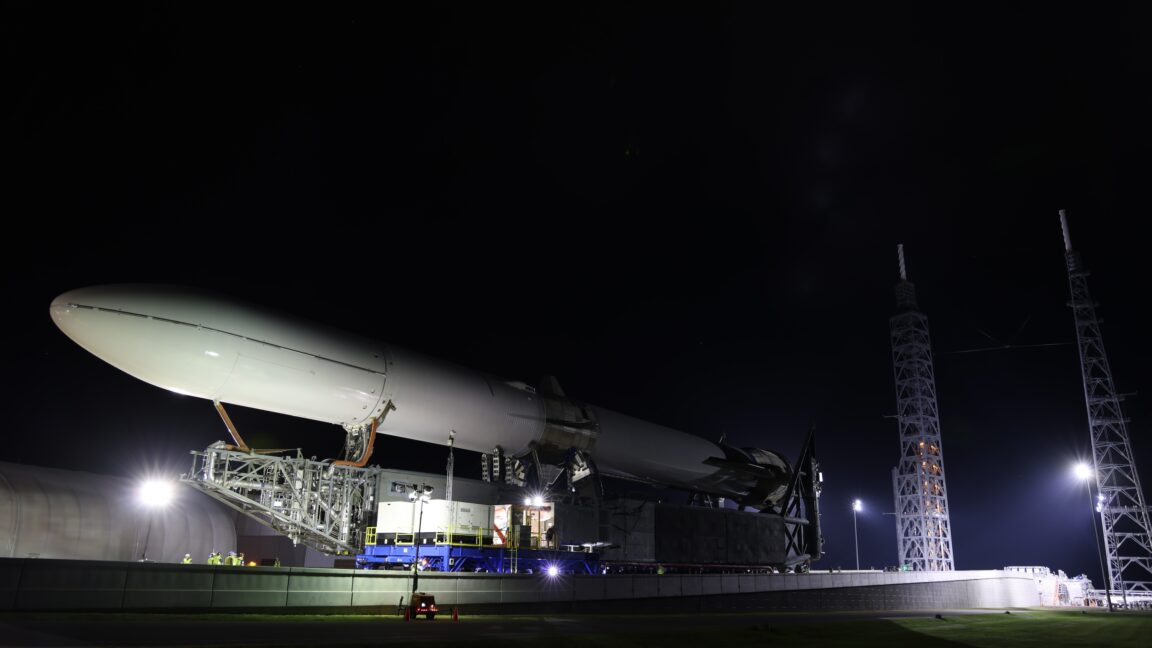
Blue Origin has set a very aggressive return-to-flight timeline

The chief executive of Blue Origin, whose large New Glenn rocket exploded spectacularly less than a week ago at the company's launch site in Florida, vowed Monday night that the company would launch again before the end of 2026.

Writing on the social media site X, Blue Origin's Dave Limp said the company had been able to complete a preliminary survey of the LC-36A launch site.

"Now that we’ve had access to the pad and integration facility, we can share a bit of good news," Limp said. "The propellant farm, oxygen, liquid hydrogen and LNG tanks are all in good shape. This is good luck because these are very long lead items. The water tower is also good."

Read full article

Comments

© Blue Origin

  •  

Slate Auto gets serious about privacy for its bare-bones EV pickup

Slate Auto may be one of the most interesting companies in the American automotive industry right now. Based in Warsaw, Indiana, the startup is taking a completely different approach to building an electric pickup truck. Forget Ford's clean-sheet "skunk works" story; the Slate Truck's design has been stripped down to just 600 parts and components. That minimalism includes the interior, where you'll find two seats and manually wound windows, but no infotainment system. If you're one of Ars' many readers who want an electric car that won't track you, Slate might have what you're looking for.

It's not an entirely analog experience, though; a Slate smartphone app can manage settings, change drive mode, and provide range and charging info. But only when connected locally to the car—there's no embedded modem, so forget about remote access. And the company says that while it may use data from the app to improve its products, it won't sell that data.

That's according to a new report from SAE International's (and sometime Ars contributor) Roberto Baldwin. "We are building it around ownership value," Slate said. "We collect data to make ownership better, not to turn the owner into the product. The app will collect data only when it directly contributes to enabling or improving a customer experience. Privacy is paramount. For Slate, privacy is not a compliance footnote. It is part of the product experience."

Read full article

Comments

© Slate Auto

  •  

Trump's DOE restarts energy rebate program with dumb conditions

Federal energy efficiency rebate programs will no longer cover a switch from fossil fuels to electricity for heating, according to long-awaited guidance from the Department of Energy.

The department published an update on how it will implement consumer programs with $8.8 billion in funding. The new provisions include eliminating use of diversity, equity and inclusion considerations, among other changes.

This follows legal challenges after President Donald Trump issued an executive order last year, upon returning to office, canceling the release of funds from Biden’s Inflation Reduction Act, including rebates for home energy efficiency. A coalition of states successfully sued to restore the funding, obtaining an injunction in March 2025.

Read full article

Comments

© Prathan Chorruangsak/Getty

  •  

Impulse Space raises $500 million as orbital maneuvering race heats up

Getting around space, as it turns out, is kind of a big deal.

On Tuesday, Impulse Space, a company dedicated to improving space mobility, announced it has raised $500 million in Series D funding. Since it was founded five years ago by SpaceX veteran Tom Mueller, the company has now raised more than $1 billion.

"Timing is everything," Mueller said in an interview about the new round of funding. By this, he means the company has found its way into a lot of markets.

Read full article

Comments

© Impulse Space

  •  

AI costs how much? GitHub Copilot users react to new usage-based pricing system.

In April, GitHub announced that it was moving subscribers from request-based billing to a usage-based model for its AI-powered Copilot service. As that new pricing model goes into effect today, many GitHub Copilot users are reporting some extreme sticker shock as they realize just how quickly their previous "normal" usage is burning through their newly limited monthly allotment of AI credits.

Across social media and forums, many Copilot users are sharing personal statistics showing how just a few hours of AI usage can now account for a large chunk of their new monthly subscription caps. For some users, it reportedly took less than a day to use up a month's usage quota.

That's a big change from previous months, when GitHub Copilot subscribers were allocated a certain number of "requests" and "premium requests" based on their payment tier. GitHub said that the old system meant that "a quick chat question and a multi-hour autonomous coding session [could] cost the user the same amount," forcing Copilot itself to "absorb much of the escalating inference cost behind that usage." Indeed, some Copilot users have been sharing estimates from GitHub's own tool showing that their previous monthly usage would rack up bills in the thousands of dollars under the new pricing plan.

Read full article

Comments

© Getty Images

  •  
❌