Login
LoginNASA’s X-59 Is About to Crack the Sound Barrier Without the Boom — and Possibly Change How We Fly
3 June 2026 at 22:50
 The experimental jet was built to kill the sonic boom. First, it has to survive going supersonic.

 The experimental jet was built to kill the sonic boom. First, it has to survive going supersonic.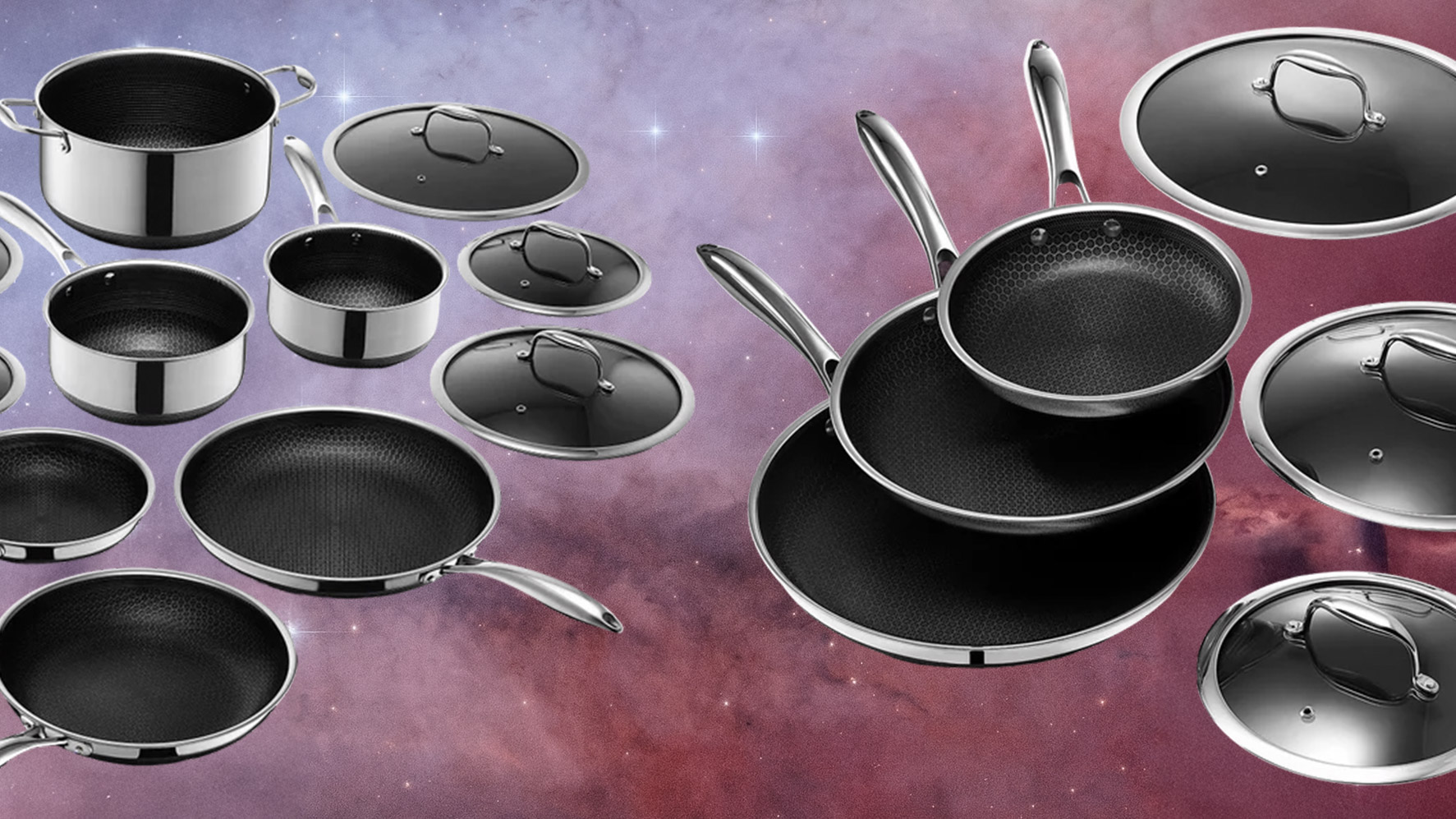
HexClad has marked down nearly its entire catalog for the season, with free shipping and cuts that run up to roughly 50% across hybrid cookware, Damascus steel knives, and grilling gear. The summer sale has a few standouts worth flagging up top: the 7-piece Damascus Steel Knife Set drops to $399 (was $783), the Master Series steak knife set falls to $131 (was $259), and the Hybrid BBQ Grill Pan is down to $111 (was $159). The prices hold while the sale runs, and a handful of the bundles throw in a free gift on top.
I just started testing a HexClad frying pan to update some of our cookware buying guides and I’m impressed off the bat. My fried eggs have been dancing around the cooking surface like Ryan and Emma in La La Land (I just got around to watching La La Land).
The pan that built the brand, and the easiest way into the lineup
The 12-inch Hybrid is currently on my stove and it will have a pound of ground beef in it later. With a laser-etched stainless steel grid raised over the nonstick valleys, you can sear hard and use metal utensils without chewing up the surface. It works with induction cooktops, stays oven-safe to 500 degrees, and the tempered glass lid covers everything from a fast fry to a slow simmer.
Three pans, three lids, and a free gift for $292 off
This set covers the three pan sizes most kitchens actually reach for, the 8-, 10-, and 12-inch Hybrids, each with its own tempered glass lid. Bought together they run $292 less than the pans cost individually, and HexClad is adding a free gift with purchase during the sale. It is the practical pick if you want most of your stovetop sorted in one box without jumping to a full set.
A full cookware kit for $499 off, the headline deal of the sale
This is the complete HexClad kitchen in one box, with fry pans, saucepans, a stockpot, and lids that handle nearly everything you cook in a given week. It is the most-reviewed item in the whole sale and carries the biggest dollar discount most people will reasonably go for, $499 off the regular $1,198. If you are replacing a tired set all at once, this is the cheapest moment to buy into the version you keep for years.
The bundles are where the deepest percentage cuts live. The Too Hot to Handle Bundle is half off at $1,399 (was $2,766), and the Summer Sizzler Set lands at $999 (was $1,933) if you want to outfit a kitchen and a grill in one go.
If you would rather buy one pan at a time, every size is discounted. The smaller pans carry the steepest cuts, with the 7-inch Hybrid down to $76 (was $109), a low-risk way to test whether the hybrid surface earns a spot in your kitchen.
Need to fill gaps rather than buy a full set? The pots and saucepans are each 15% off, including the 5-quart Hybrid Dutch Oven at $169 (was $199) and the 12-quart Stock Pot at $186 (was $219).
This is the summer-relevant corner of the sale. The Hybrid BBQ Grill Pan drops 30% to $111 (was $159), and the 10-inch Hybrid Wok is $95 (was $119) if stir-fry is more your speed.
The knives carry some of the largest percentage discounts in the sale. The 7-piece Damascus Steel Knife Set is half off at $399 (was $783), and the Master Series 4-piece steak knife set is $131 (was $259).
The HexMill grinders rarely move on price, so the sale is worth a look. The Salt and Pepper Grinder Set is $199 (was $318), and the full HexMill Collection Bundle is $299 (was $487).
The smaller add-ons round out the cart. The 8-piece BBQ Tool Set is $74 (was $99), and the 6-piece Stainless Mixing Bowl Set with vacuum-seal lids drops to $84 (was $99).
The post HexClad just dropped its summer sale with site-wide discounts on everything it makes (including pots and pans) appeared first on Popular Science.
In a groundbreaking advancement poised to transform the trajectory of space exploration and technology, researchers have unveiled a novel method for manufacturing electronics in microgravity environments using on-demand additive nanomanufacturing techniques. This development, articulated in a recent publication by Bevel, Taba, Patel, and colleagues, outlines the creation of intricate electronic components and functional devices directly in space, bypassing the significant constraints traditionally imposed by Earth-dependent manufacturing and payload transport. The technology marks a pivotal step towards sustaining long-duration missions and the expansion of human presence beyond our planet.
The innovation leverages the advantages offered by microgravity, an environment that alters material behaviors at nanoscale levels, enabling unprecedented precision and control during the fabrication of electronic circuits. Additive manufacturing in microgravity defies the limitations caused by gravity-driven sedimentation and convection on Earth, permitting the deposition of materials with atomic and molecular fidelity. This enhancement at the nanomanufacturing scale is essential for producing next-generation electronics that require exacting standards for performance, miniaturization, and integration.
At the core of this technology is a platform capable of performing ultra-fine additive deposition processes, employing specialized printheads and deposition strategies adaptable to the unique conditions of space. Rather than relying on pre-fabricated components that must be transported from Earth—a costly and logistically challenging endeavor—this methodology empowers spacecraft and potentially orbital outposts to fabricate electronic parts autonomously. The capacity to manufacture on-demand not only reduces payload weights and costs but also mitigates risks associated with component failure, allowing for real-time repairs and adaptations in the field.
Significantly, the researchers have demonstrated the feasibility of this approach through experiments replicating microgravity conditions, integrating conductive, semiconductive, and dielectric materials with nanoscale precision. This multi-material integration is critical for constructing functional devices such as sensors, thin-film transistors, and other components essential to spacecraft instrumentation and communication systems. The ability to seamlessly combine materials paves the way for more complex architectures necessary in advanced electronics.
The implications extend beyond mere convenience; they herald a paradigm shift in how future space missions approach sustainability and autonomy. Missions to Mars, lunar bases, and deep space exploration necessitate robust, self-sufficient systems capable of overcoming the isolation and resupply limitations inherent at vast distances from Earth. The capacity for in-situ manufacturing of electronic systems reduces dependency on Earth’s manufacturing cycles and enables continuous innovation and customization in operational hardware.
Furthermore, the nanomanufacturing process developed capitalizes on the unique physicochemical properties inherent in microgravity. For instance, surface tension and capillary forces dominate over gravitational effects, enabling smoother layering of materials and reducing defects that typically arise in terrestrial manufacturing. This fundamental shift enhances device reliability and performance critical for mission success in harsh extraterrestrial environments.
Another notable aspect of the study involves the scalability and adaptability of the technology. The modular nature of the additive deposition system allows it to be tailored for various mission sizes and requirements, from small satellite platforms to large space stations. Such versatility ensures that the technology can evolve in tandem with ambitions in space habitation and exploration, integrating seamlessly with robotic manufacturing units and autonomous assembly lines.
The research team also addresses challenges related to environmental interference in space, such as radiation and vacuum conditions, illustrating how their materials and techniques maintain structural integrity and functional stability even under these stresses. This robust design consideration is crucial to operational longevity and reliability, ensuring that electronics produced via this method endure the rigors of space.
Moreover, the development contributes significant insights into the materials science of space conditions. By analyzing the microstructural properties of the printed electronics, the study elucidates how microgravity influences crystalline growth, grain boundaries, and defect formation. These findings have broader implications for material engineering and could inform terrestrial manufacturing improvements by mimicking advantageous space-like environments.
Importantly, the technology’s on-demand nature introduces dynamic adaptability to mission operations. Instruments and devices can be fabricated or modified in real time, allowing for unexpected mission requirements or adjustments without waiting for resupply missions. This responsive manufacturing capability offers strategic benefits for mission planners, scientists, and engineers operating in the unpredictable expanse of space.
While currently focused on nanoscale electronics, the researchers envision expansions into fabricating other functional devices, including sensors, actuators, and potentially bioelectronic systems. Such expansions would significantly enrich the technological toolkit available in orbit or on extraterrestrial surfaces, driving innovation in habitat systems, health monitoring, and environmental sensing.
Financially and operationally, this advancement promises to reduce the exorbitant costs associated with launching heavy and complex electronic equipment from Earth. By decentralizing manufacturing to space itself, mission budgets can allocate resources more effectively, and payload design can focus on raw materials and versatile fabrication modules instead of stockpiled components.
As humanity pushes further into the final frontier, the ability to engineer and produce critical technology in situ emerges as a cornerstone of sustainable space exploration. This study not only offers a technological breakthrough but also acts as a conceptual beacon, inspiring new strategies for mission resilience and autonomy that will shape the future of human activity beyond Earth’s atmosphere.
In conclusion, the pioneering work on additive nanomanufacturing of electronics in microgravity marks a critical inflection point in space manufacturing technology. By harnessing the distinctive advantages of space environments, researchers have created a path forward that could dramatically enhance mission resilience, cost-efficiency, and technological capability. This research, presented by Bevel, Taba, Patel, and their collaborators, vividly illustrates how microgravity is not simply a challenge to be overcome but an enabling condition for next-generation manufacturing, heralding a new era of in-space electronics fabrication and functional device production.
Subject of Research:
Additive nanomanufacturing of electronics in microgravity environments aimed at enabling in-space fabrication of functional electronic devices.
Article Title:
On-demand additive nanomanufacturing of electronics in microgravity: towards in-space manufacturing of electronics and functional devices.
Article References:
Bevel, C., Taba, A., Patel, A. et al. On-demand additive nanomanufacturing of electronics in microgravity: towards in-space manufacturing of electronics and functional devices. npj Adv. Manuf. 3, 23 (2026). https://doi.org/10.1038/s44334-026-00085-w
Image Credits:
AI Generated
DOI:
https://doi.org/10.1038/s44334-026-00085-w
Se você quer poder modificar seus arquivos PDF, conheça e veja como instalar o editor Sejda PDF Desktop no Linux via Flatpak.
Leia o restante do texto "Como instalar o editor Sejda PDF Desktop no Linux via Flatpak"
O post Como instalar o editor Sejda PDF Desktop no Linux via Flatpak apareceu primeiro em Blog do Edivaldo - Informações e Notícias sobre Linux.
Com mais de 10 milhões de jogadores em todo o mundo, Airport Simulator: Plane City é um simulador de gestão de aeroportos do estúdio francês Playrion que mistura estratégia, personalização e a calma hipnótica de ver aviões a descolar e a aterrar.
The post Airport Simulator: Plane City coloca-o no comando dos maiores aeroportos do mundo appeared first on Tek Notícias.
The weather on Earth can get pretty messy sometimes. But in space, it can be wild—and the effects can be far-reaching.
Solar flares, giant explosions on the sun, can send out streams of energy that block radio communications and fry satellite electronics. Geomagnetic storms, caused by variations in solar wind, can mess with GPS signals and spark current surges on Earth that overload power grids.
The impact of space weather isn’t limited to temporarily losing electricity or digging out dusty paper maps for directions when satellite navigation systems fail. Every electronic financial transaction in the world, for instance, relies on time stamps sent by satellite systems. And, in May 2024, a solar storm threw out GPS systems used to accurately guide tractors in planting and harvesting crops, hobbling food production for days and costing US farmers $500 million.
Although satellites can be built with tougher shields or have their orbits adjusted, those are just Band-Aids; there’s currently little we can do to protect ourselves from space storms.
Boston University researcher Brian Walsh has an idea for how to change that. He’s been testing the theoretical feasibility of a system of spacecraft that could fire chemical elements to the edge of Earth’s magnetic field, temporarily fortifying our defenses and deflecting potentially damaging space weather. In simulations, Walsh and researchers from the University of Michigan found the system could cut the intensity of a major geomagnetic storm in half. The findings were published in the journal Space Weather.
“Since humans have been in space, we’ve been trying to predict what’s going to happen in the space environment,” says Walsh, a BU College of Engineering associate professor of mechanical engineering. “But we came up with a model that could flip the paradigm. It’s like people in a village who see a river flooding—maybe they can predict when that will happen, but probably what’s even better is if they could build a storm wall. That’s what we’re proposing here.”
Bouncing Storms Past the Earth
Walsh says his idea for a weather wall in space was inspired by a natural phenomenon: material peeling off the Earth’s atmosphere and floating to the edge of our planet’s protective bubble, the magnetosphere, to bolster it. “I thought, maybe you could turn [that process] up, increase the intensity of it,” he says.
His proposed system, named StormWall, would start with the launch of six spacecraft into a geosynchronous orbit matching the Earth’s own rotation. Each craft would be fitted with a canister loaded with what the researchers call a mass-loading material. When released, the material—an alkaline chemical element like barium or lithium—would photoionize, a process that induces an electrical charge, seeding the atmosphere with plasma.
In their simulations, Walsh and his colleagues found that this plasma would disrupt the flow of energy between any solar storm and the magnetosphere—and that would be enough to bounce the space weather around and past our planet.
Not Science Fiction
Walsh admits a weather wall in space sounds a little like science fiction, but says it’s within our reach.
“When you apply some really serious physics to it, it does work. And the amount of mass we need, the launch capacities—it’s all within our capabilities,” he says. “People have always thought, ‘space is huge, the sun is massive, we just have to sit here and take whatever it gives us.’ But what we found is that we can impact it.”
One of the biggest barriers to implementation is cost. Launching six spacecraft, together carrying the equivalent of about a dozen oil trucks–worth of material, wouldn’t be cheap. And once the payload is fired out and photoionizes, the system would be dead and couldn’t be replenished—it’s one and done. But with private companies investing billions in space infrastructure—and even contemplating data centers in orbit—Walsh says the math on cost-benefit ratios could soon favor his proposed approach. In their paper, Walsh and his colleagues point out that a massive once-in-a-century geomagnetic storm—the last one was in 1859—would cause devastating damage in space and on Earth, with power grid costs alone topping $2.4 trillion.
He’s confident the team can bring down the StormWall costs too. Next on their agenda is studying ways to half the material used, simulating a pulsed release of materials to extend the system’s lifespan, and examining potentially more efficient orbits. They also want to dig deeper into the chemistry involved to nail down the best elements to use.
And although space junk is a major issue in Earth’s lower atmosphere, Walsh says any materials they pump into its higher reaches would quickly be carried out of the system after they’ve done their job. “The material drifts out on these natural highways, it leaves the system—the magnetosphere flushes the material out within six or so hours.”
Geoengineering Space
As the head of BU’s Space Physics & Technology Lab, much of Walsh’s broader research is focused on observing and better understanding the space environment around Earth; he and his team were recently part of a mission that sent a telescope to the moon to image our magnetic shield. Although the StormWall project is loosely connected to that wider work, Walsh says it’s a bit of an outlier. “This is quite different than what anyone is doing right now—I don’t know of anyone proposing to geoengineer space.”
Should the idea literally take off, he says that, unlike some space missions that might reap rewards for the few, this one would benefit us all.
“If you built it, if it was deployed, it would help all people on the planet,” says Walsh. “You couldn’t make it in a way that helped only one country, one group of satellites.”
Space Weather
Computational simulation/modeling
Not applicable
Terrestrial Space Weather Protection Through Human-Produced Mass-Loading
2-Jun-2026
The authors declare no conflicts of interest relevant to this study.
Jennifer Rosenberg
Boston University
jennr@bu.edu
bu içeriği en az 2000 kelime olacak şekilde ve alt başlıklar ve madde içermiyecek şekilde ünlü bir science magazine için İngilizce olarak yeniden yaz. Teknik açıklamalar içersin ve viral olacak şekilde İngilizce yaz. Haber dışında başka bir şey içermesin. Haber içerisinde en az 12 paragraf ve her bir paragrafta da en az 50 kelime olsun. Cevapta sadece haber olsun. Ayrıca haberi yazdıktan sonra içerikten yararlanarak aşağıdaki başlıkların bilgisi var ise haberin altında doldur. Eğer yoksa bilgisi ilgili kısmı yazma.:
Subject of Research:
Article Title:
News Publication Date:
Web References:
References:
Image Credits:
Descubra como o Steam Deck ajudou Linux a crescer nos games, transformando o cenário e ganhando espaço entre jogadores populares.
O post O Steam Deck ajudou Linux a crescer nos games apareceu primeiro em Blog do Edivaldo - Informações e Notícias sobre Linux.
Se você quer se divertir jogando Freeciv, conheça e veja como instalar o Freeciv Qt client no Linux via Flatpak.
Leia o restante do texto "Como instalar o Freeciv Qt client no Linux via Flatpak"
O post Como instalar o Freeciv Qt client no Linux via Flatpak apareceu primeiro em Blog do Edivaldo - Informações e Notícias sobre Linux.
Descubra o Nitro V 15 da Acer, um laptop gamer 15'' com display 165 Hz, processador Raptor Lake e opções RTX 5050 e 5060.
O post Acer lança Nitro V 15: laptop gamer de 15” com display 165 Hz e processador potente apareceu primeiro em Blog do Edivaldo - Informações e Notícias sobre Linux.
Linux gamer explodiu em 2026 com suporte massivo da Valve e Steam Deck, revolucionando jogos no sistema e atraindo nova legião de jogadores.
O post Linux gamer explodiu em 2026 e a culpa é da Valve apareceu primeiro em Blog do Edivaldo - Informações e Notícias sobre Linux.
In a groundbreaking new study published in Nature, researchers have unveiled the intricate cellular landscape remodeling that underlies the progression of IDH-mutant gliomas, a prevalent form of brain cancer. By employing advanced single-cell RNA sequencing technologies and integrative computational analyses, the team dissected malignant cell states across different tumor grades and types, revealing a dynamic choreography dictated by genetic alterations and tumor microenvironmental interactions. This work not only enriches our understanding of glioma biology but also charts new avenues for targeted therapies aimed at halting tumor evolution.
The research delved into the abundance of malignant states by tumor type and grade, uncovering nuanced patterns that challenge previous assumptions. While most cell state distributions were similar across tumor types, oligodendrogliomas exhibited a notable increase in a neural progenitor-like (NPC-like) cell state, hinting at divergent differentiation pathways associated with tumor lineage. This observation was statistically robust, suggesting that lineage-specific programs might pre-condition these tumors to distinct malignant trajectories.
Tumor grade emerged as a powerful determinant of cellular state composition. Higher-grade tumors demonstrated a consistent decline in the differentiated astrocyte-like (AC-like) cell population coupled with an increase in mesenchymal-like (MES-like), undifferentiated, and proliferative cycling cells. This gradation vividly illustrates the stepwise dedifferentiation and heightened proliferative capacity that accompany malignancy intensification. Through rigorous validation using both bulk RNA deconvolution from TCGA and Glioma Longitudinal Analysis (GLASS) consortium data and external single-cell sequencing cohorts, these grade-associated shifts were confirmed as robust and reproducible across diverse datasets.
Spatial heterogeneity, often cited as a confounding factor in tumor biology, was scrutinized using spatially mapped single-cell data. Interestingly, malignant-state composition remained comparatively stable across distinct tumor regions within the same patient, indicating that cell state architecture is more profoundly influenced by temporal progression and genetic evolution than by spatial variation alone. This insight refines our understanding of intratumoral complexity and suggests that therapeutic strategies targeting specific states may achieve uniform efficacy within heterogeneous tumor masses.
Longitudinal analysis across treatment timelines brought to light profound cell-state dynamics associated with tumor recurrence. The investigators documented significant increases in MES-like, undifferentiated, and cycling states at recurrence, alongside a pronounced reduction in AC-like cells. This shift towards a less differentiated and more proliferative state mirrors the progression observed with increasing tumor grade, underscoring the parallelism between disease advancement and cell-state evolution. Intriguingly, these trends were observed across tumor types and persisted when restricted to primary astrocytoma diagnoses, highlighting their broad relevance.
A pivotal revelation emerged when correlating these cellular state changes with acquired genetic alterations associated with recurrence. Tumors harboring new genetic events such as hypermutation, enhanced somatic copy number variations, small deletions, and cell cycle disruptions exhibited greater increases in undifferentiated and cycling cell populations. This genetic crescendo was linked to an elevated stemness signature, emphasizing the coalescence of genetic instability with a more aggressive cellular phenotype. Conversely, MES-like state expansion appeared independent of these genetic changes, suggesting multiple pathways driving tumor plasticity.
Molecular distance metrics further corroborated the tight coupling between genetic alterations and transcriptional remodeling. Positive correlations between longitudinal mutational burden and transcriptional divergence encapsulate a model wherein genomic evolution fuels phenotypic heterogeneity. This co-evolution is substantiated by the finding that gliomas acquiring genetic aberrations concurrently display altered chromatin accessibility patterns, implicating coordinated genome-epigenome remodeling during tumor progression.
Validations within the GLASS cohort reinforced these inferences by demonstrating that recurrence-associated genetic shifts coincide with decreased differentiation and heightened proliferation signatures inferred from bulk RNA data. This multi-modal validation not only affirms the robustness of the observed trends but also exemplifies the power of integrative genomics in decoding tumor evolution.
Altogether, the study posits that IDH-mutant gliomas traverse a defined evolutionary trajectory marked by cellular dedifferentiation and increased proliferative vigor, tightly linked to the accumulation of genetic alterations. These findings bear critical implications for clinical practice, as they identify malignant cellular states as both markers and drivers of tumor progression, offering potential targets for therapeutic intervention aimed at intercepting the path to recurrence.
Beyond their immediate clinical impact, these revelations prompt a broader reevaluation of brain tumor biology. The stable spatial distribution of malignant states within tumors juxtaposed with temporal and genetic variation suggests that therapeutic timing and genomic context are paramount considerations in designing effective treatment regimens. Interventions targeting early evolutionary branches or restricting stem-like and cycling populations could substantially alter the course of disease.
Furthermore, the delineation of MES-like cells as a genetically independent population expanding in recurrence opens questions about the environmental or microenvironmental cues fostering this state. Disentangling intrinsic genetic drivers from extrinsic modulators could illuminate novel vulnerabilities exploitable by combination therapies.
The methodology underscoring this work leverages cutting-edge single-cell sequencing techniques, computational deconvolution methodologies such as CIBERSORTx, and gene set enrichment analyses, highlighting the synergy between technological advancements and biological inquiry. These tools enable a granular depiction of tumor ecosystems, revolutionizing our ability to track tumor evolution at unprecedented resolution.
Looking ahead, these insights pave the way for longitudinal monitoring of glioma patients through minimally invasive sampling coupled with single-cell profiling. Such approaches could inform adaptive treatment strategies tailored to real-time tumor state dynamics, ultimately improving prognosis and patient survival.
In essence, this study elegantly captures the complex, intertwined genetic and cellular transformations that sculpt IDH-mutant glioma progression. By elucidating the molecular underpinnings of malignant cell states and their evolution, it sets the stage for innovative therapeutic paradigms tailored to intercept the relentless advancement of these formidable brain tumors.
Subject of Research:
IDH-mutant glioma progression, malignant cell states, tumor grade, genetic alterations, and cell-state evolution.
Article Title:
Acquired genetic and cell-state changes in IDH-mutant glioma progression.
Article References:
Johnson, K.C., Spitzer, A., Varn, F.S. et al. Acquired genetic and cell-state changes in IDH-mutant glioma progression. Nature (2026). https://doi.org/10.1038/s41586-026-10612-6
Image Credits:
AI Generated
Se você procura uma ferramenta para para analisar e escanear máquinas da rede, veja como instalar o Angry IP Scanner no Linux via Flatpak.
Leia o restante do texto "Como instalar o Angry IP Scanner no Linux via Flatpak"
O post Como instalar o Angry IP Scanner no Linux via Flatpak apareceu primeiro em Blog do Edivaldo - Informações e Notícias sobre Linux.

How to change the energy market from within. Plus: Is Iran Trump’s Vietnam?
• Get the Guardian Weekly delivered to your home address
Last week, as the war in Iran continued to choke global oil supplies, the UK government announced a 13% increase in the cap on energy prices. But it was another related story on the other side of the world that caught my eye.
In Australia, the energy minister announced a fall of up to 10% in the benchmark electricity price in parts of the country, driven by record levels of renewables and batteries in the power grid.
Continue reading...
© Illustration: Guardian Design
© Illustration: Guardian Design
© Illustration: Guardian Design
A groundbreaking study emerging from the University of Gothenburg has shed new light on the persistent problem of improper waste disposal, revealing that the emotional response of disgust plays a critical role in shaping public behavior in shared environments. Traditionally, waste management failures have been attributed largely to social norms and carelessness. However, this new research emphasizes the powerful influence of sensory and emotional perceptions, particularly disgust sensitivity, on how individuals interact with waste disposal spaces.
The conventional wisdom posits that people’s waste disposal habits are mainly influenced by the behaviors of those around them—if littering is common, individuals are more likely to follow suit. While this social contagion effect is well-documented, it overlooks a vital psychological component: the visceral reaction humans have to unclean environments. When people perceive a space, such as a waste disposal room, as dirty or revolting, their discomfort and aversion can drive them to avoid engaging in proper disposal behavior, ironically exacerbating the original problem.
Dr. Jacob Sohlberg, a political scientist spearheading this research, explains that disgust—a fundamental human emotion designed to protect us from contamination—can paradoxically undermine environmental cleanliness. “People sensitive to disgust may actively avoid spending time in waste disposal areas if these spaces are perceived as repugnant, increasing the likelihood of haphazard waste disposal elsewhere,” Sohlberg notes. This new perspective shifts waste management research beyond the realm of pure social compliance and into the intricate interplay of human emotion and environmental cues.
The study focused on disadvantaged neighborhoods in Sweden, Finland, and Denmark, areas where littering is notably problematic and causes significant concern among residents. Prior empirical evidence uncovered that in these communities, residents view littering as a problem as severe as crime and unemployment, issues typically regarded as more pressing societal challenges. This underscores the urgency of addressing waste disposal inefficiencies comprehensively, taking into account not only social policies but human psychological tendencies.
The research team proposed three pivotal hypotheses. First, that unclean waste disposal environments heighten the incidence of improper waste disposal. Second, that individuals with heightened disgust sensitivity are disproportionately likely to dispose of waste incorrectly. Third, that the adverse effect of dirty surroundings on waste disposal behavior is magnified in those with high disgust sensitivity. These hypotheses guided a multifaceted research design involving field intervention, experimental manipulation, and large-scale surveys.
In a hands-on field study conducted over three weeks in Gothenburg, researchers allied with a local municipal housing company to observe waste disposal behavior in real time. Two waste stations were meticulously cleaned daily, while eight stations served as controls with no intervention. The results were revealing: stations subjected to extra cleaning saw a marked decrease in littering and erroneous waste disposal. Conversely, control stations showed no significant change, highlighting the tangible benefits of environmental maintenance on public behavior.
To directly examine the psychological mechanisms at play, the team designed a controlled experiment involving more than 300 residents from a disadvantaged Gothenburg neighborhood. Participants were exposed to images of either a pristine or a filthy waste disposal station. Those who viewed the dirty environment reported a significantly lower willingness to use the waste station properly, particularly among those scoring high on a disgust sensitivity scale. This experimental approach confirmed a causal link between perceived environmental cleanliness, disgust, and waste disposal intentions.
Expanding on these results, a third study reached over one thousand participants across socioeconomically challenged neighborhoods in Sweden, Denmark, and Finland through an online experiment that mirrored the earlier design. The data robustly supported the preliminary findings: perceptions of dirty waste disposal spaces increased self-reported intentions to mismanage waste, with disgust sensitivity intensifying this effect. Such consistency across different populations and methodologies affirms the generalizability of the emotional response’s role in waste behavior.
From a policy standpoint, this research translates into actionable strategies. Municipal authorities and housing agencies aiming to mitigate littering and improve waste management efficacy should prioritize the cleanliness and aesthetic quality of waste disposal areas. A well-maintained waste station not only encourages proper disposal but also fosters a community-wide perception of care and order, potentially creating a virtuous cycle of environmental stewardship and social norm adherence.
The societal implications of these findings extend beyond mere environmental tidiness. Cleaner waste disposal areas improve residents’ quality of life, enhancing neighborhood attractiveness and reducing public health risks associated with waste mismanagement. Moreover, better-managed waste systems facilitate the achievement of broader sustainability goals, lowering contamination risks and enhancing recycling efficacy.
Researchers anticipate that integrating psychological insights such as disgust sensitivity into urban planning and public health campaigns will refine waste management interventions. This emotionally informed approach moves beyond traditional messaging and enforcement, incorporating environmental design considerations that shape unconscious behavioral drivers effectively.
Ultimately, the research from the University of Gothenburg propels the discourse on waste disposal into new dimensions, showcasing the synergy between human psychology, environmental conditions, and collective action. It serves as a reminder that solving public sanitation issues necessitates nuanced understanding of both societal structures and the fundamental, innate emotional systems governing human behavior.
As cities worldwide grapple with mounting waste challenges, the integration of emotion-focused research provides a promising avenue to foster healthier public spaces. Keeping waste disposal environments not only clean but also psychologically inviting may very well be the key to reducing littering and promoting sustainable waste habits in vulnerable urban communities.
Subject of Research: Waste disposal behavior and disgust sensitivity in socioeconomically disadvantaged public environments.
Article Title: How Disgust Sensitivity Shapes Waste Disposal Behavior in Everyday Public Environments: Experimental and Difference-in-Differences Studies in the Nordic Countries
News Publication Date: 28-Apr-2026
Web References:
DOI Link
Image Credits: Photo: Emelie Asplund, featuring Jacob Sohlberg, political scientist at University of Gothenburg.
Keywords: Disgust sensitivity, waste disposal behavior, littering, public environment, environmental psychology, socioeconomically disadvantaged neighborhoods, waste management, recycling, behavioral intervention, urban sanitation.
Understanding the behavior of microscopic aerosols expelled during coughing or sneezing has never been more critical, especially in light of ongoing global respiratory disease challenges such as influenza, COVID-19, and tuberculosis. These tiny particles, often invisible to the naked eye, serve as carriers for pathogens, enabling virus and bacteria transmission through the air. Numerous factors influence how these infectious aerosols disperse, including the strength of the exhalation, the intricacies of human respiratory anatomy, and environmental conditions. Recent groundbreaking research from the Universitat Rovira i Virgili (URV) has uncovered another vital element governing aerosol behavior: temperature. This revelation could transform how we understand and mitigate airborne disease spread indoors.
The research team from URV has demonstrated through meticulously controlled experiments that the temperature difference between exhaled air and the surrounding environment plays a significant role in the dispersion pattern and concentration of aerosols. Specifically, when warm exhaled air—mimicking body temperature—is introduced into cooler ambient air, the aerosol cloud maintains higher particle concentrations and travels further distances compared to situations where the temperature disparity is minimal. This relationship becomes more pronounced with increasing temperature gradients, shedding new light on the physical dynamics operating during respiratory emissions.
Central to this innovative study is the use of a sophisticated, three-dimensional-printed human airway model developed by the URV’s ECoMMFiT research group. This device replicates the biomechanics of human exhalation with exceptional stability and precision, allowing the researchers to simulate coughing and sneezing under tightly controlled parameters. By modifying this simulator to heat the exhaled air to 37 degrees Celsius—representing a slight fever condition—the team was able to explore interactions between temperature, respiratory flow dynamics, and aerosol dispersal in unprecedented detail.
Experiments were conducted within a climate-controlled chamber at the Catalonia Institute for Energy Research (IREC), where environmental conditions could be precisely manipulated. The team investigated three distinct ambient temperatures: 27°C, 17°C, and 7°C. These temperatures were combined with varying exhalation intensities and two different modes of nasal airflow: open and closed nasal cavities. This combination resulted in eighteen unique trial configurations, each rigorously repeated ten times for statistical robustness, culminating in a comprehensive dataset derived from 180 individual experiments.
The results reveal that the aerosol clouds generated under these varying conditions behave differently in predictable yet complex ways. As Nicolás Catalán, co-author and URV mechanical engineering researcher, explains, the increased temperature difference augments buoyancy effects. Warm exhaled air, less dense than the surrounding cooler air, rises and carries aerosol particles further and more cohesively. This buoyant lift sustains particle concentrations for longer periods, significantly extending the spatial range of potential pathogen transmission, particularly in colder environments.
A particularly striking finding relates to the role of the nasal cavity in shaping aerosol spread. The study confirms that partial airflow through the nose reduces horizontal propagation but promotes increased vertical dispersion. Conversely, when the simulator mimics mouth-only exhalation, aerosols tend to move more horizontally, covering greater frontline distances. This mechanistic insight highlights how variations in individual respiratory behaviors and anatomical structures can dramatically impact transmission risks.
The technical prowess of the study owes much to the utilization of high-speed videography and laser illumination techniques. These tools unveil the fine-scale structure and temporal evolution of the aerosol clouds. The recorded visualizations underscore how the interplay between ambient temperature gradients and respiratory airflow generates intricate aerosol flow patterns. This mechanistic understanding is crucial for modeling pathogen transport pathways more accurately within indoor environments, where interventions are typically applied.
Notably, the research contributes valuable experimental data that historically has been scarce in aerosol studies. Previous investigations frequently relied on numerical simulations or human trials, each limited in their control over parameters such as flow rate and temperature. In contrast, the URV’s 3D-printed airway simulator enables reproducible and stable experimental conditions, providing crucial validation points for computational fluid dynamic (CFD) models that predict aerosol dissemination and, by extension, infection risk.
From a practical standpoint, these insights hold significant implications for public health and safety. Environments like hospitals, schools, biological labs, and public transportation systems, where pathogen exposure risk is elevated, can benefit from refined ventilation designs and tailored control measures based on thermal considerations. For example, in colder seasons or cooler indoor environments, the increased persistence and reach of respiratory aerosols could warrant enhanced air circulation strategies or modifications to heating systems to mitigate transmission potential.
While the research sheds new light on temperature’s role in aerosol dynamics, the authors caution that respiratory aerosol behavior is inherently multifaceted. Factors such as humidity, indoor ventilation patterns, and the longevity of suspended particles must be further investigated to achieve comprehensive risk assessments. The study encourages continued interdisciplinary research integrating experimental, computational, and epidemiological approaches to fully unravel the variables influencing airborne disease propagation.
The research team’s approach, combining experimental rigor with innovative simulation, establishes a robust framework for future investigations. Their novel use of a temperature-controlled exhalation model advances the field beyond simplistic or static assumptions about aerosol dynamics. This detailed analysis forms a foundational step towards predictive models capable of informing adaptive infection control protocols sensitive to thermal variances across seasons and indoor spaces.
In conclusion, the URV-led study emphasizes that temperature differences between exhaled and ambient air significantly affect bioaerosol transport, influencing both the extent and persistence of pathogen-laden particle clouds. By integrating anatomical realism through a 3D-printed airway model and employing precise climate control, the research advances our scientific understanding of respiratory aerosol physics. These findings promise to inform smarter environmental and public health strategies, reducing airborne transmission risks in indoor settings worldwide.
Subject of Research: Respiratory aerosol dynamics and pathogen transmission influenced by temperature differences.
Article Title: Bioaerosol transport dynamics in cold and warm environments: An experimental study using a three-dimensional-printed human airway model.
News Publication Date: 20-Mar-2026
Web References: http://dx.doi.org/10.1063/5.0303143
References:
Catalán, N., Cito, S., Varela Ballesta, S., Fabregat, A., Vernet, A., Graus, D., & Pallarès, J. (2026). Bioaerosol transport dynamics in cold and warm environments: An experimental study using a three-dimensional-printed human airway model. Physics of Fluids.
Respiratory aerosols, airborne pathogens, bioaerosol transport, temperature effects, human airway model, aerosol dispersion, exhalation dynamics, infectious disease transmission, ventilation, computational fluid dynamics, public health, indoor air quality
Se você quer ver ou editar as informações de suas músicas, conheça e veja como instalar o editor de tags Puddletag no Linux via Flatpak.
Leia o restante do texto "Como instalar o editor de tags Puddletag no Linux via Flatpak"
O post Como instalar o editor de tags Puddletag no Linux via Flatpak apareceu primeiro em Blog do Edivaldo - Informações e Notícias sobre Linux.
A closer look at cancer cells with extra chromosomes uncovered surprising traits linked to faster-growing, more dangerous tumors, pointing to potential new indicators of disease severity. Cancer cells are notorious for breaking the rules of biology. One of the most dramatic violations occurs when a cell suddenly doubles its entire genetic library, creating a chromosome-packed [...]