Normal view

Lost WWII submarine discovered off the coast of Japan

2 June 2026 at 18:13

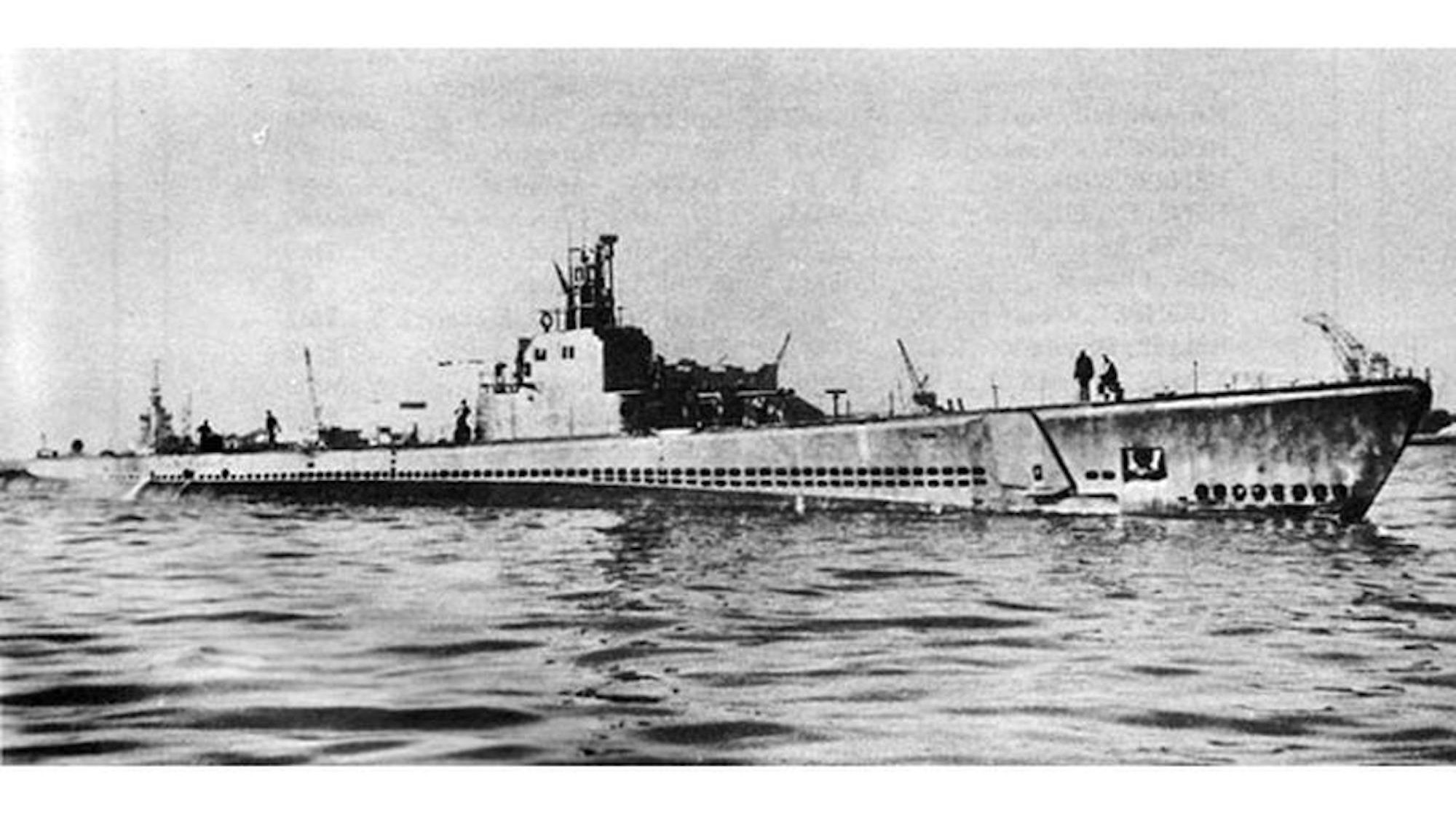
The wreck of an American submarine from World War II has been found off the coast of Matsua Island, Japan. The USS Herring (SS-233) currently rests over 300 feet down in the Pacific Ocean, where it is sitting upright and “maintains a high degree of integrity,” according to United States Naval History and Heritage Command (NHHC). The discovery was announced exactly 82 years after the vessel sank, based on evidence collected from an international team of researchers. 

Herring’s final mission

The Herring was first launched from Portsmouth Naval Shipyard in Maine on January 15, 1942, and officially commissioned on May 4, 1942. The vessel completed eight war patrols in both the Atlantic and Pacific Oceans during the war. Herring sank seven enemy ships, including four Japanese cargo ships during what would be the submarine’s final patrol. 

Herring was last seen by the crew of the USS Barb during the evening of May 31, 1944. The submarines met to determine who would patrol areas off the Kurile Islands, an archipelago east of Japan. Early on June 1, 1944, Barb’s crew recorded hearing the sound of weapons designed to attack a submarine from a ship or aircraft called depth charges exploding in the distance. 

Japanese historical records also confirm that Herring was struck in two direct hits during a counterattack by a shore battery. The strikes ultimately sank Herring and the vessel was presumed lost when Herring failed to report to Midway on July 13, 1944. The sinking killed all 83 crewmembers.

USS Herring Memorial statue at the Battleship Memorial Park in Mobile, Alabama. (Photo by: Ron Buskirk/UCG/Universal Images Group via Getty Images)
USS Herring Memorial statue at the Battleship Memorial Park in Mobile, Alabama. Image: Ron Buskirk/UCG/Universal Images Group via Getty Images Ron Buskirk

A protected final resting place

In 2017, a joint expedition between Russian Geographic Society (RGS) and the Russian Military reported a submarine wreck in the area. Based on its location and appearance, the RGS reported that the wreckage was Herring. A subsequent joint expedition returned to the wreck in 2022 to document its status and honor the lost crew. The expedition team also placed a plaque on site. The data collected and shared by the RGS was analyzed by two U.S. volunteer researchers and one researcher in Japan. NHCC confirmed the wreckage on June 1, 2026–82 years to the day after Herring is believed to have sunk.

Importantly, the wreckage shows battle damage around the submarine’s conning tower. This tower is a raised platform from which an officer can conn (conduct or control) a vessel. This damage, along with evidence of grounding at the submarine’s bow, correlates with the historical record of the Herring’s sinking.

The wreckage is currently protected by U.S. law and under the jurisdiction of the Department of the Navy. The Navy allows some non-intrusive activities on sunken military craft, but any activity that may disturb the sunken vessel must be coordinated with NHHC.

“Most importantly, the wreck represents the final resting place of Sailors who gave their lives in defense of the nation and should be respected by all parties as a war grave,” the NHHC wrote in a press release.”

The post Lost WWII submarine discovered off the coast of Japan appeared first on Popular Science.
The mystery of Alaska’s orange rivers is finally solved

2 June 2026 at 17:25

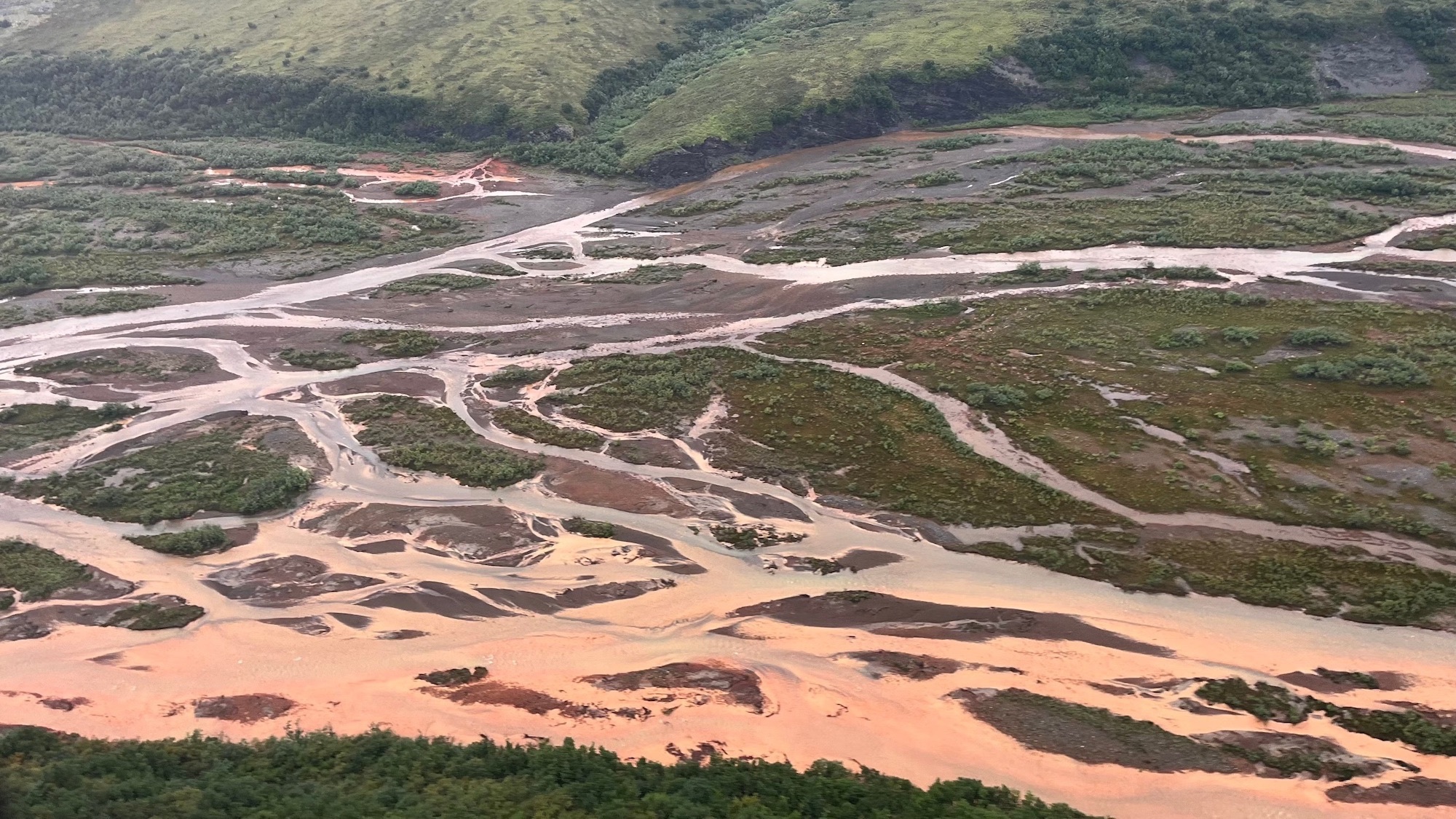
Alaska’s Arctic rivers have a big, orange problem. Previously clear rivers are turning a cloudy orange color due to iron particles, and it’s more than unsightly. The particles can suffocate fish and choke insects, threatening the food web and ecosystem as a whole. 

Scientists have long pointed to previously frozen soil beginning to thaw as the potential culprit behind the contamination of rivers in northern Alaska’s remote Brooks Range, and a study recently published in the Communications Earth & Environment proves it. The research also shows two distinct ways that this thawing soil is rusting the rivers and can help scientists predict where the damage is likely to spread next. 

“You’d think if any ecosystem could hide from the effects of warming and big human footprints, it’d be this one. But it’s not so,” Tim Lyons, a study co-author and biogeochemist at the University of California, Riverside, said in a statement. “There is no safe place.”

a scientist samples river water that has turned orange
Researcher sampling rusty Alaskan river water. Image: Tim Lyons/UCR.

From thawing permafrost to orange water

Permafrost is rock or soil that contains ice that has been frozen for two or more years. Alaska is warming two to three times faster than the global average, melting some of the permafrost that has been frozen for thousands of years. That thawing permafrost is already threatening the Tracy Arm Fjord, a popular destination for Alaskan cruises. 

As the ice-filled permafrost begins to thaw due to climate change, it can turn into mud that can’t support the weight of the soil or vegetation above it. This can threaten human-built infrastructure such as homes, pipes, and roads. It can also expose iron particles from rocks that turn rivers orange, a process called rusting. 

Rusting has severe ecological consequences. The fine iron particles can stay suspended in water for over 60 miles, smothering algae, disrupting insect populations, and clogging fish gills. These changes may already be affecting salmon in Alaska and Canada who rely on the gravel riverbeds for spawning and rely on algae as food during early life stages.

A top-down, fool’s gold problem

For this new study, the team looked at a wide regional view of the roughly 600-mile Brooks Range. They then zoomed in on a specific river system, followed by an even closer look at one creek. This top-down approach helped them to connect the bigger regional patterns to specific, on-the-ground processes.

“At middle, more heavily forested elevations, there isn’t much going on. But at the higher and lower elevations we could see distinctly different phenomena,” said Roman Dial, a study co-author math and biology professor emeritus at Alaska Pacific University.

At the higher elevations, the problem begins in the rocky ground containing pyrite, aka fool’s gold. Since the ground was frozen for many years, water and air didn’t affect the pyrite. Yet the rising temperatures have started to melt the ground, kicking off a process called acid rock drainage. The minerals and rocks are exposed to oxygen and water and degrade the water quality. 

“When pyrite meets water, it comes apart. It breaks down into iron and sulfur, creating sulfuric acid as well as sulfate and other toxic metals,” said Lyons. “When the iron-rich water mixes with more oxygen, the iron turns into rust-like particles that color the water and stain the bottom sediments orange.”

It’s an entirely different story at the lower elevations. The landscape is covered with wetlands that are changing shape and expanding downward as the permafrost melts. In these more soggy places, the soils are low in oxygen. So instead of breathing in oxygen, the microbes in the water (mostly bacteria) are taking in iron. 

“When we breathe, oxygen goes in and gets converted to the carbon dioxide that we exhale,” Dial said. “Similarly, microbes are consuming iron in the lowland soils and converting it into a water-soluble form that seeps into streams and results in rusting as it meets oxygenated surface water.”

Taken together, both acid rock drainage and microbes breathing in more iron help explain why orange waters are appearing across such large and remote regions across northern Alaska, closely tracking to areas where permafrost is thawing.

scientists sampling orange river water

The direct link

The team also found a delayed effect that could help predict future contamination. During the summer, the active, top layer of soil thaws to its deepest point. It then refreezes before the winter. The iron released during one summer thaw can become trapped and then flushed into rivers the following year.

By studying long-term ground temperature data and stream chemistry, this lag can be used to anticipate increases in metal levels.

“That means we can use ground temperatures to help predict water quality in the future,” added study co-author and University of Alaska ecologist Paddy Sullivan. In 2019, Sullivan first noticed the dramatic river changes that looked “like sewage” during fieldwork in the region.

Since mines typically control the waters near them to minimize pollution, the team partnered with scientists at the Red Dog zinc mine in northwest Alaska. The scientists there have long-term temperature records from boreholes that are drilled deeply into the earth and from chemistry sampling in stream water. Linking the underground measurements with changes in the stream’s chemistry directly connected the thawing permafrost to the rusting rivers.

While this problem is difficult to contain and manage, predicting where the contamination may pop up next could help pinpoint and protect critical habitats. This forecasting is especially important for communities that depend on these waters and the fishing living there for food and cultural practices.

“There’s no fixing this once it starts,” Lyons said. “But we can give people downstream a heads up and work hard to protect the places that are still safe and less vulnerable to the rusting.”

The post The mystery of Alaska’s orange rivers is finally solved appeared first on Popular Science.

This T. rex could be yours for $30 million

1 June 2026 at 21:04

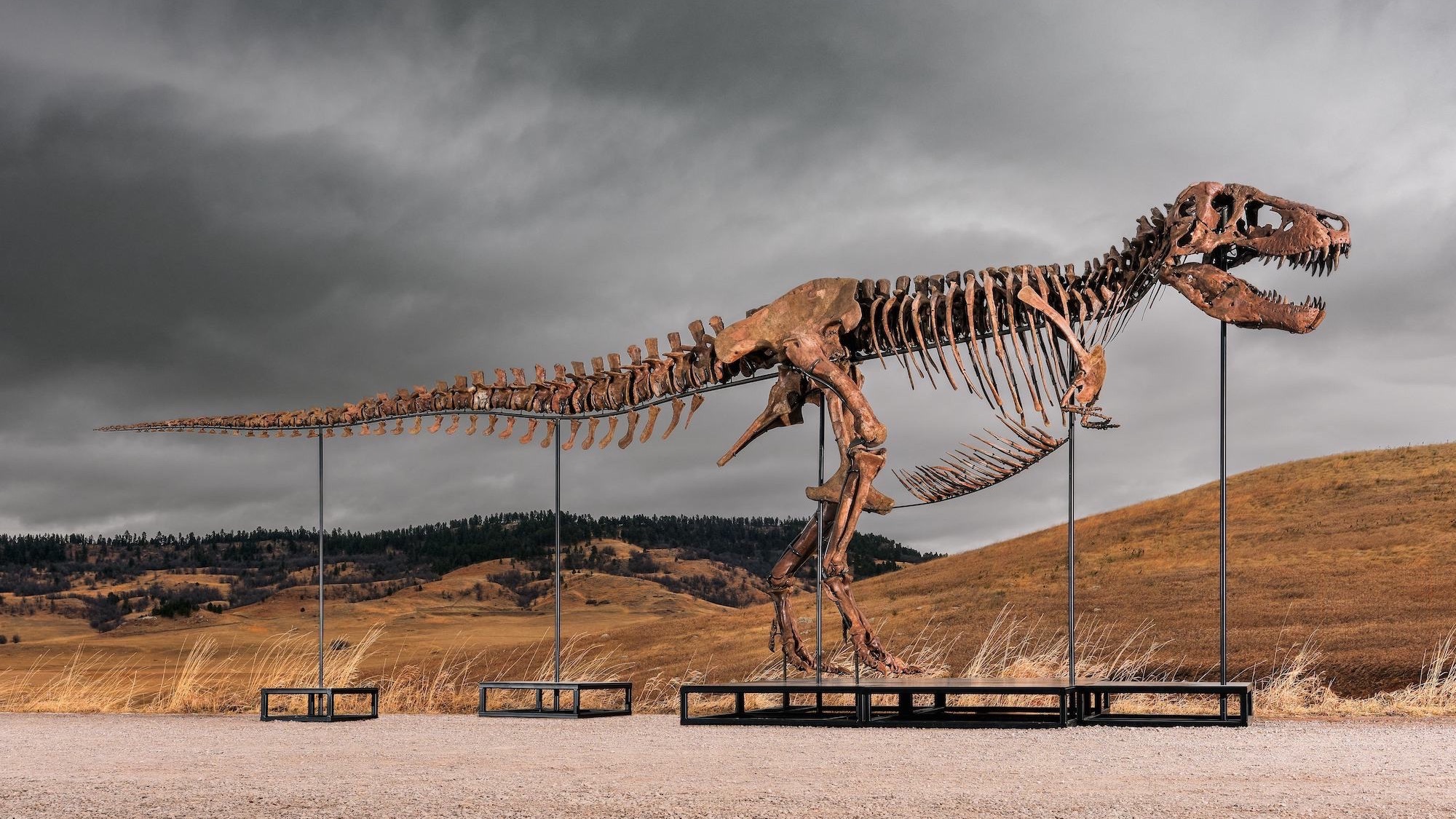
Dinosaur enthusiasts with deep pockets will have their chance to buy one of the largest and most complete Tyrannosaurus rex specimens ever discovered. Meet Gus, a 12.5-foot tall skeleton that took paleontologists three years to excavate. Auction house Sotheby’s values the specimen at $20–30 million, the highest estimate ever placed on a dinosaur.

Late cattle rancher Gary “Gus” Licking found Gus on his land in South Dakota. For years, Licking came across teeth and small bone fragments on his ranch, and realized more bones may be lurking beneath the soil. To find out, he recruited Thomas Heitkamp and his team from Theropoda Expeditions.

Licking suggested that the team start digging in a 6,500-acre parcel of land. And that’s exactly where Gus was found in 2021. Licking died only one year into the excavation, so he never got to see the complete specimen. The team named the T. rex “Gus” in his honor.

“This specimen took three years to excavate—with the team sometimes working for weeks straight without finding a thing,” Heitkamp said in a press release. “The site was a complex fossil bed and preserved many fossils of the flora and fauna that comprised the larger Cretaceous ecosystem. We documented each stage with quarry maps, inventories, and collection data. In the end, our diligence paid off and we were delighted to discover what turned out to be a huge and incredibly complete T. rex specimen.”

In addition to the three summers it took to excavate, the team also had three years of lab work. In the lab, they carefully extracted the fossil from the rock before the bones could be prepared, cleaned, and identified. 

The skeleton is made up of 183 fossil bones representing 82 percent of all of the dinosaur’s bones, including a well preserved skull, furcula (wishbone), and a completely represented pelvis. Its body is roughly 38-feet long and its skull alone is over four-feet long.

“It really does feel like tackling the world’s hardest puzzle, except we have to find all the pieces first,” said Heitkamp. “All those bones separated for 67 million years that we can now, almost magically, fit back together. There’s something deeply satisfying about that.”

Gus will be up for auction on July 14 during Sotheby’s Natural History auction. The fossil will also be on display to the public at Sotheby’s galleries in New York City beginning on July 1.

“For me the added bonus was knowing that Gus was just one of the many pieces of history hidden in the land that Gary and I loved to share,” added Licking’s wife, Dana. “It will be exciting to see how many others will get to enjoy this spectacular discovery.”

The first T. rex to be auctioned off was a specimen named Sue. Now on display at the Field Museum in Chicago, she was sold for over $8 million in October 1997. Ever since, dinosaur auctions like these have courted controversy. Some critics say that fossils kept in private collections are lost to science. They also believe it encourages finding complete or marketable fossils over scientific study, and could lead to incomplete research.

There’s also the question of the fees private landowners may receive, meaning that the person with the largest bank account may receive favorable access over scientists. Some countries including South Africa, Brazil, and Canada have gone as far as to place heavy restrictions on significant fossils wherever they are found.

The post This T. rex could be yours for $30 million appeared first on Popular Science.

50 million pounds of invasive fish removed from Illinois River

1 June 2026 at 17:02

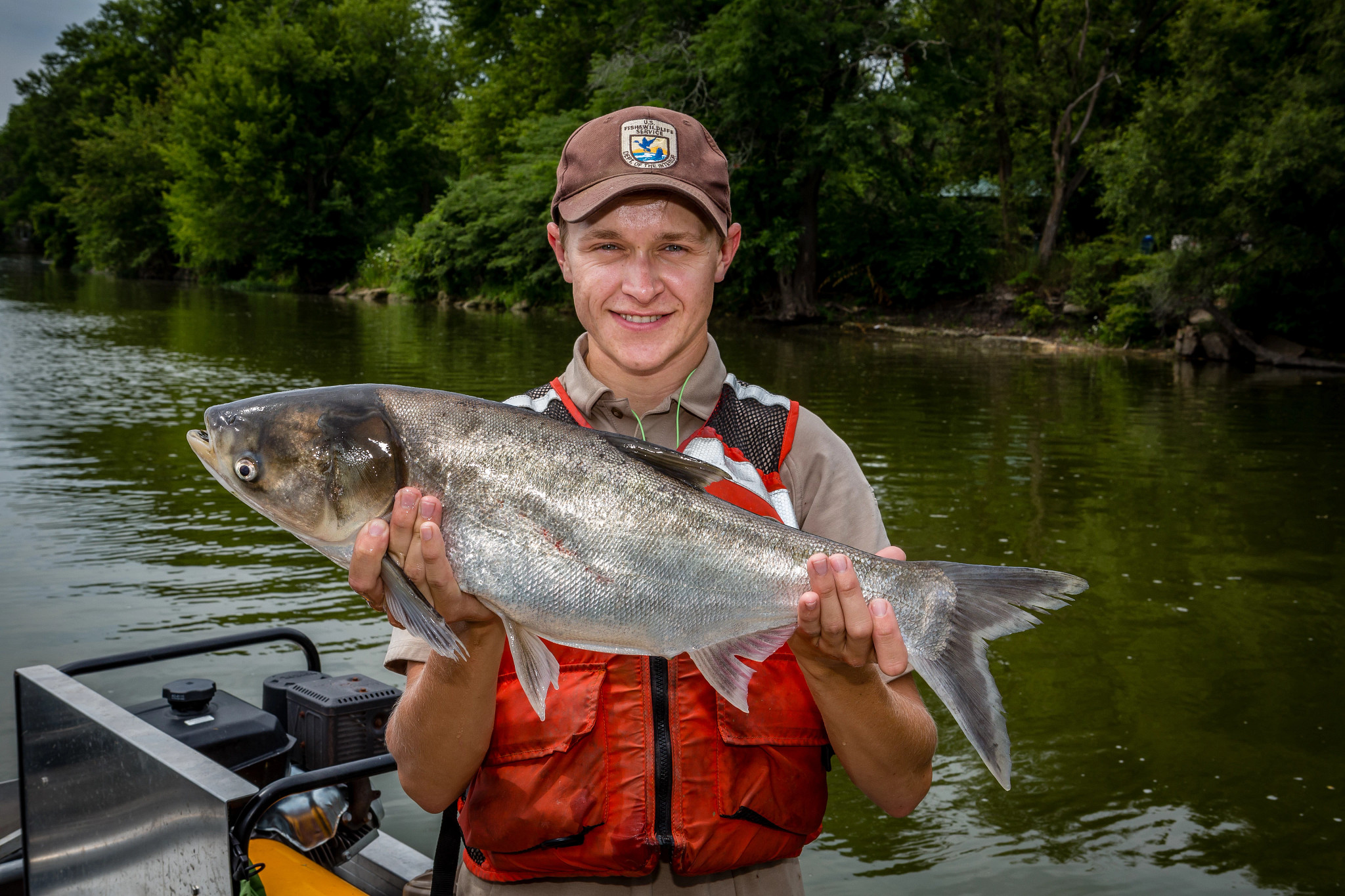
While swimmers and boaters don’t have to fear sharks or giant squid in the Great Lakes watershed, invasive fish the size of large dogs lurk in the freshwater. Invasive carp have wreaked havoc on the ecosystem for over a century, but officials have hit a milestone worth celebrating in the fight against these mega fish. 

In the past 15 years, wildlife officials have removed 50 million pounds of invasive carp from the Illinois River. That’s equivalent to roughly 5,000 elephants. The removal is part of a broader and coordinated effort to protect the rivers and lakes from this non native species.

Why are carp a problem?

Currently, four species of invasive carp cause harm in the Great Lakes and beyond—bighead carp (Hypophthalmichthys nobilis), silver carp (Hypophthalmichthys molitrix), black carp (Mylopharyngodon piceus), and grass carp (Ctenopharyngodon idella). 

According to the Great Lakes Fishery Commission, all four species were imported to North America to help with pest control in aquaculture facilities in the 1970s. The carp escaped confinement in only 10 years, and have spread to the Mississippi River basin and other large rivers, including the Missouri and Illinois.

Each of the four invasive carp species can weigh more than 100 pounds and grow to four feet from tip to tail. Bighead carp and silver carp generally feed on the tiny plankton in the water, while grass carp eats rooted plants in shallow water, and black carp feed primarily on mollusks and snails. 

“They consume so much food and can exist in such great numbers that they can really reduce the amount of [resources] for resident species of fish,” Peter Alsip, an ecologist with the NOAA Great Lakes Environmental Research Lab told Popular Science in 2024. “They can have indirect effects on the whole ecosystem because [silver carp] are consuming phytoplankton and zooplankton, which are essentially the base of the food web.”

Once inside a watershed, they can reproduce rapidly and compete with native fish species for resources. In areas where invasive carp are abundant, they have harmed other fish species  and interfered with commercial and recreational fishing, according to the United States Fish & Wildlife Service (USFWS). They can also pose a danger to humans, as the giant fish can jump out of the lake and hit unsuspecting boaters.

What is being done to stop them?

Carp eradication measures have been active for over 100 years. These efforts include targeted mass removal efforts, developing barriers to block or impede their movement, and ongoing monitoring. 

carp in a large net
Cap being culled in the Illinois River. Image: Illinois Department of Natural Resources.

The 50 million pounds of fish removed from the Illinois River were part of a program focusing on the northern part of the river about 50 miles from Lake Michigan. The removal project is designed to suppress the mostly adult populations of carp living in the area, by limiting their ability to reproduce and reduce their migration upstream towards the Electric Dispersal Barrier System. Located about 37 miles from Lake Michigan, this electric barrier is designed to deter their movement through the Chicago area. It is one of the main tools wildlife officials are using to keep them from further entering the Great Lakes through the Illinois River. Another program in the Illinois River offers fish harvest incentives to commercial fishers in the river’s lower 240 miles. 

“The more invasive carp we remove, the more we reduce their harmful impacts and the risk of them reaching Lake Michigan,” the USFWS wrote on Facebook. “Thanks to these and other efforts to monitor our waters and prevent the spread of invasive carp, Illinois and more than two dozen partners are safeguarding some of our most prized native fisheries, and the Great Lakes regional economy.”

The post 50 million pounds of invasive fish removed from Illinois River appeared first on Popular Science.

❌