Normal view

AI Billionaires Are Starting to Get Scared

2 June 2026 at 15:01

As it turns out, telling the world’s workers to prepare for a dystopia rife with poverty and alienation isn’t the smartest way to market your exciting new tech.

As data centers are shut down by angry mobs and AI surveillance cameras are ripped from their poles, the world’s tech billionaires and CEOs are waking up to the reality that the masses are, broadly speaking, not on board with their plan to automate the world with AI. It isn’t necessarily that working people want to stay shackled to the wage-based employment system, but that folks need those jobs to have any hope of eating, seeing a doctor, and sleeping with a roof over their heads.

Instead of the tone-deaf hype we once heard about AI’s potential, these rich and powerful figures are now moderating their messaging, calling for policy measures to help workers weather the AI storm — or perhaps head off a violent revolt led by the many who lost their jobs.

For example, Amazon executive chairman Jeff Bezos — whose net worth would take the average US worker 3.8 million years to earn on their own — recently shared his new belief that the bottom 50 percent of US earners should pay no federal income tax.

“You could double the taxes I pay and it’s not going to help that teacher in Queens,” he said, painting the federal income tax as the main hurdle for working-class families (though he’s started paying his share in recent years, Bezos paid $0 in federal income tax in 2007 and 2011, when he was already a multibillionaire.)

Elon Musk, meanwhile, has floated the idea of “universal high income,” a play on the well-known concept of universal basic income, where a government issues cost-of-living checks to the broader population (from what we can tell, the only difference is that Musk’s version would be driven by humanoid robots creating radical economic abundance).

OpenAI CEO Sam Altman has similar ideas, like a “universal basic compute” where everybody’s income corresponds to a share of his company’s revenue — which would also conveniently make ChatGPT the most important AI chatbot on the planet.

There’s also another option that none of them seem to be pushing: if AI is as disruptive as they say, there’s always the option to pull the plug. That they won’t even consider this choice suggests that their appeals to the toiling masses aren’t in good faith — which at this point should be obvious to just about everyone.

More on AI billionaires: New Website Detects Apocalypse If Billionaire Jets Start Fleeing en Masse

The post AI Billionaires Are Starting to Get Scared appeared first on Futurism.

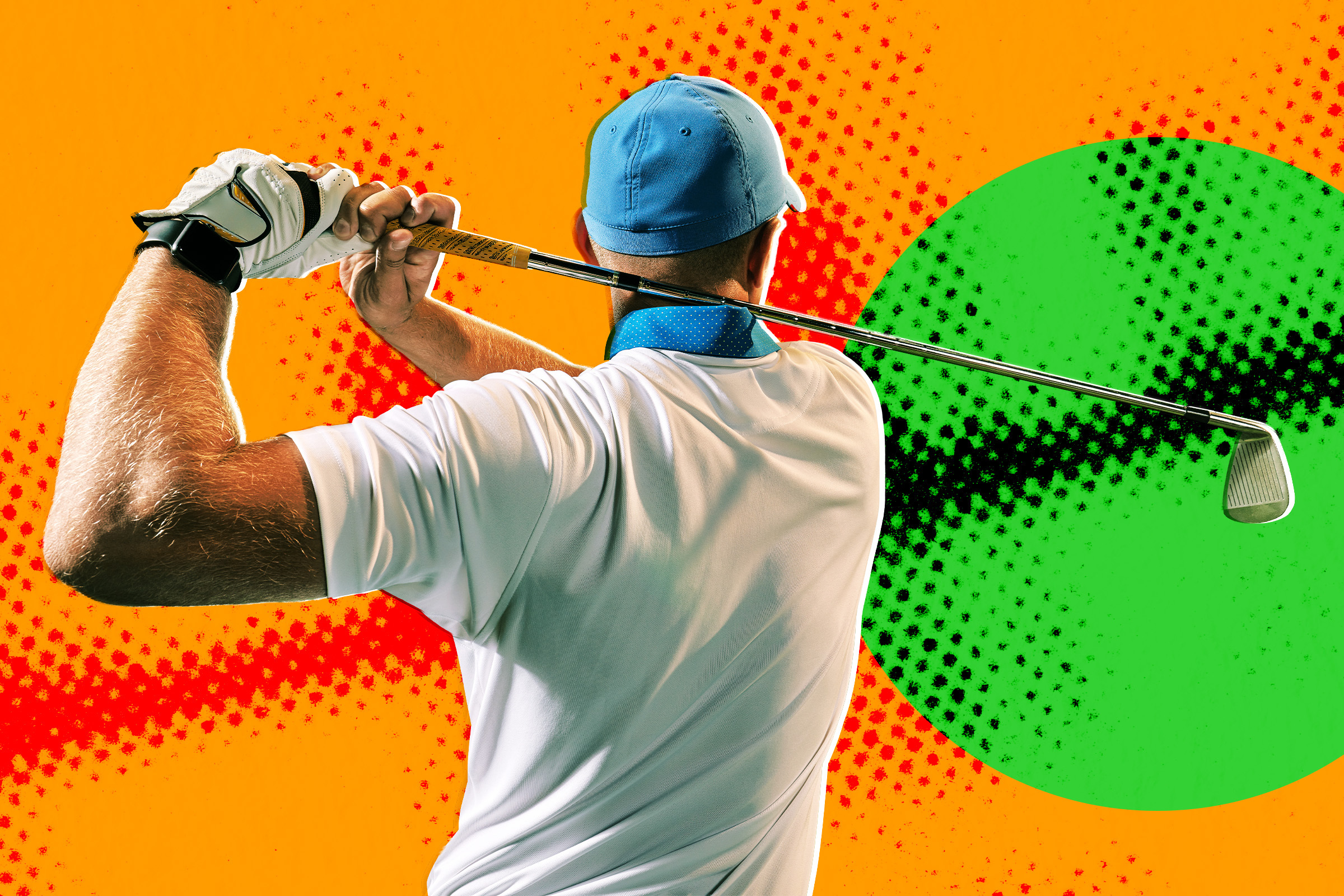
Dick’s Sporting Goods Launches AI Personal Trainer to Fix Your Horrible Golf Swing

1 June 2026 at 19:50

These days, retailers are increasingly hitching their wagon to the AI horse: big box stores like Target have issued guidance that they’re not responsible for any errant purchases its AI agent charges to your credit card, while chain restaurants like Taco Bell and Pizza Hut have forced AI into their services, with dismal results so far.

Now, sports retail giant Dick’s Sporting Goods is getting in on the hype with its own AI personal trainer. Called “Coach by Dick’s,” the system will be an AI agent meant to give athletes tips on upping their game, which will of course include targeted ads for new sports equipment, Retail Dive reported.

According to a Dick’s press release, the AI system “delivers immersive conversational experiences that go beyond transactional shopping, guiding athletes using timely, relevant data and adapting to their stated preferences, goals and behaviors.”

Built on the Adobe Brand Concierge platform, the whole thing goes live on the Dick’s mobile app in June, at which time athletes will be able to “access training pro tips and product education grounded in Dick’s sport knowledge.”

Whether you ask for advice improving your forehand, or for tips on navigating the basketball league you just joined, Coach by Dick’s is overtly geared toward getting you to the checkout line.

As Dick’s chief technology officer Vlad Rak said in the press release, “Coach by Dick’s helps guide athletes to the right product, the right fit, and trusted expertise so every interaction is personal to what they need.”

Needless to say, how this plays out in reality is anybody’s guess — especially where physical activity is concerned, where misinformation or improper training from an AI chatbot could easily lead to debilitating injuries. We’ll be watching.

More on AI in retail: New York’s Beloved Bodegas Are Filling Up With AI Slop

The post Dick’s Sporting Goods Launches AI Personal Trainer to Fix Your Horrible Golf Swing appeared first on Futurism.

Sports Betting Scandals Are Tearing College Football Apart

1 June 2026 at 18:57

The rise of gambling platforms like DraftKings and Polymarket has supercharged a timeless phenomenon: sports stars ruining their careers by placing bets on their own games.

The latest case rocking the world of college sports is instructive. According to reporting from Fox News, Texas Tech star quarterback Brendan Sorsby is seeking an injunction in a Texas district court after the National Collegiate Athletic Association suspended him over hundreds of bets he’s placed throughout his four-year college football career, in direct violation of Association rules.

If granted, the court order would functionally allow Sorsby to play football during his senior year — while his lawsuit against the NCAA works its way through the courts.

Sorsby previously admitted to placing hundreds of bets worth some $90,000 through family members and friends, including on games he himself was playing in while at Indiana University and Texas Tech. He allegedly helped himself to a buffet gambling apps — according to court filings, Sorsby frequented books hosted by FanDuel, Underdog, Prize Picks, and Hard Rock Bet. After the allegations came to light, the young QB went so far as to check himself into gambling rehab for several weeks, CBS Sports reported.

“I want to be clear that I never bet to make money,” Sorsby wrote in his court statement. “Given the money I had and earned from NIL [name, image, and likeness], the total amount of money I made from 2022 to 2025 was not a big deal to me. I never kept track of my betting over time, but I’m pretty sure I lost more than I won.”

His case comes as college-aged men are increasingly losing themselves to gambling on sports betting apps and prediction markets like Polymarket and Kalshi, which are really just betting parlors by another name.

Back in January, the Associated Press reported that federal investigators had closed in on a massive scheme to rig games for bettors by exploiting students playing in the NCAA as well as the Chinese Basketball Association. In Fall of 2025, two separate investigations uncovered at least nine student-athletes who had manipulated their on-court performance to make sure certain bets hit. At the time, the NCAA said it was looking into 30 separate violations allegedly committed by current or former players.

Though the NCAA prohibits student athletes from betting on any game — whether they play in it or not — the culture around college sports is a breeding ground for gambling companies. Sportsbook advertise heavily in NCAA-adjacent spaces, for example, by partnering with broadcast networks like ESPN or even universities themselves.

In a society where college students are inundated with gambling ads — and prediction markets, not lawmakers call the shots — who’s really to blame when fledgling sports stars decide to join in on the fun?

More on sports: Fans Aghast as New York Jets Say They’re Switching to AI

The post Sports Betting Scandals Are Tearing College Football Apart appeared first on Futurism.

❌