Normal view

The Physics of the Curse

28 January 2025 at 22:48
The Curse resulted in decay, disease, and death affecting the entire creation, meaning the whole universe. The effects are seen in the cosmos and in living organisms. However a future restoration of creation is promised by God, reversing the effects of the Curse.

Death, the Last Enemy

4 November 2024 at 22:34
Excess deaths linked to Covid vaccines in Australia, alarming death and disease surges identified in Japan, and humanitarian crises in Gaza are in the news. But there is hope. Death is the last enemy which will be conquered by Jesus Christ.

This Startup is Reviving Human Brains to Explore New Treatments for Neurodegenerative Disease

24 May 2026 at 16:24


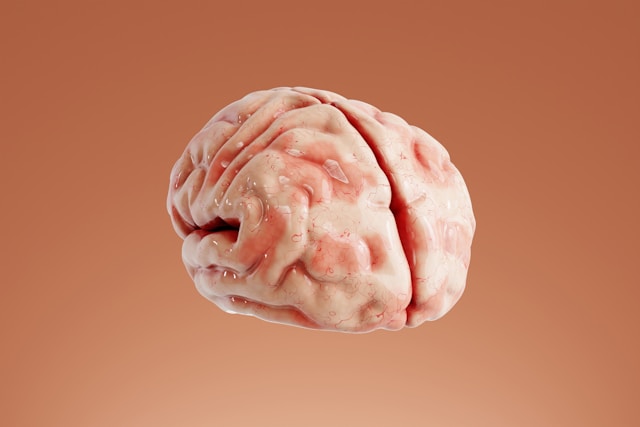
A medical startup says it is using disembodied human brains in new drug development research targeting neurodegenerative diseases, a practice that may draw unsettling comparisons to the science fiction trope of a living brain in a jar. 

The brains of deceased donors are reportedly being used in the work by Bexorg, a Connecticut-based medical startup, building on successful attempts to restore limited function in pig brains.

A system dubbed BrainEx, a targeted life-support system for brains, is at the core of Bexorg’s work, restoring metabolic functions in donated organs and enabling extremely invasive research, albeit in a manner that has raised some ethical concerns.

Investigating the Human Brain

In their new process, Bexorg supplies recently deceased human brains with a blood substitute and other fluids that fuel metabolic processes, while anesthesia deadens their electrical activity. The artificially life-sustaining liquids, data, and drugs flow through four ports sutured into each brain, while apparatus mimicking the lungs and kidneys inject oxygen and remove waste. 

Bexborg says that the lack of neural firing in the brain, induced by the anesthetic drug propofol, means they do not experience consciousness. In a strange twilight state, the brain operates as though it were alive, allowing researchers to observe how it metabolizes experimental drugs, yet without the electrical activity that forms consciousness.

The shelf life of these brains is rather short; after only 24 hours, the researchers cut them into hundreds of pieces for a more detailed study. These investigations are targeting how ailments such as Parkinson’s, Alzheimer’s, or amyotrophic lateral sclerosis may respond to new treatments, allowing detailed information on duration, targeting, and potential side effects.

According to Bexborg, the greatest advantage of their work is in the deep complexities of how the human brain develops over decades. The real-world effects of genetics, environmental exposures, and drug histories are difficult to capture in simulated computer models, petri dish cells, or whole-animal brains.

Bexborg Grows

While their work has only recently come to public attention, Bexborg has been working in this space for five years now. They say early results show a close match between the responses displayed by preserved examples and those of living brains.

So far, only the company’s work with pig brains has been published, with their first human brain paper forthcoming. However, according to Bexborg, recent efforts to curb animal testing may potentially be a boon to the company, offering what they see as an ethical alternative.

As part of Bexborg’s upscaling, the company says it is developing new laboratory space where a robotic arm will automatically dissect more than 1,600 preserved brains per year.

Their public relations arm was working at full steam on a public presentation this week, aimed at assuaging those who feared that the brains might still possess some form of consciousness. Bexborg did not respond to inquiries from The Debrief about exactly where the brains used in the company’s research originate. However, the company has claimed that family members are informed about how the brains will be used.

Bringing Bexborg Results to Market

The first real-world application of Bexborg’s work is coming to fruition as their collaborator, Biohaven, begins clinical trials of a drug developed using Bexborg data. Bexborg claims that their work will enable safer clinical trials, as the results will be much closer to a treatment’s effect on actual human brains than those from animal testing or simulated models.

Biohaven praised the results from testing on 130 preserved brains, noting that a dose of their drugs 20 times lower than expected yielded optimal results in human brains, thereby minimizing the time required for clinical trials and potentially alleviating major side effects that could have occurred at the higher dose.

While the company is now focused on drug testing, they say expansion into more robust disease research could be on the horizon. They also note that, since electrical activity is not a major component of neurodegenerative diseases, the BrainEx could be the ideal platform for studying these maladies.

Still, some issues exist with BrainEx, limiting it from being a perfect representation of the human body. These artificial fluids, lungs, and kidneys are not exactly he same as the human originals, and the lack of electrical activity means that potential seizure risks would go unrecognized.

In the future, Bexorg is looking to expand in two directions. The first is exploring ways to extend the longevity of their preserved brains from 24 hours to two weeks, enabling more in-depth research. The second—and perhaps at odds with the company’s focus on the human brain—is NeuroLens, a machine-learning model for simulated drug testing.

Ryan Whalen covers science and technology for The Debrief. He holds an MA in History and a Master of Library and Information Science with a certificate in Data Science. He can be contacted at ryan@thedebrief.org, and follow him on Twitter @mdntwvlf.

CDC Officials Warn ER Visits Are Rising Due to Bites from This Parasite Linked to Dangerous Illness—Here’s What You Need to Know

19 May 2026 at 13:26

Emergency rooms are seeing an uptick in visits related to bites from a common parasite, according to the Centers for Disease Control and Prevention (CDC).

Recent data has revealed that tick bites are being reported at a higher-than-normal rate in some parts of the United States, according to data from the CDC’s official Tick Bite Tracker.

“In all regions except the South Central United States, weekly rates of ER visits for tick bites are the highest for this time of year since 2017,” the agency said in a statement.

tick bites
Ticks are parasitic arachnids that can often transmit serious illnesses, the most common of which in the United States is Lyme disease (image credit: Erik Karits/Unsplash).

Ironically, May is also recognized as Lyme Disease Awareness Month, which recognizes those affected by the tick-borne inflammatory disease, characterized by a rash followed by flu-like symptoms and later by a range of issues that may include neurological and cardiac disorders.

Presently, Lyme Disease remains the most common illness associated with ticks in the United States. According to CDC data, close to 476,000 patients are treated for the disease annually.

With the recent rise in tick bites, the CDC is calling on the public to take protective measures to prevent such infections. Other diseases that ticks are known to transmit through harmful bacteria include Rocky Mountain spotted fever and alpha-gal syndrome.

“Tick season is here and these tiny biters can make you seriously sick,” said Alison Hinckley, PhD, an epidemiologist with the CDC’s Division of Vector-Borne Diseases.

Hinckley, who also specializes in Lyme disease, says prevention is one of the best ways to combat the illnesses ticks often carry.

“The good news is you have options to help prevent tick bites when you spend time outdoors,” Hinckley says, which include the use of EPA-registered insect repellents that are commonly available.

Hinckley also recommends wearing permethrin-treated clothing while visiting areas where ticks are common, such as tall grasses and large amounts of foliage, which are likely to come into contact with hikers, runners, gardeners, or anyone in situations where they may come into contact with vegetation.

Above all else, Hinckley says checking for ticks is the gold standard for prevention.

“Do tick checks, and remove attached ticks as quickly as possible,” she says, adding that spotting and removing ticks before they can become embedded for a length of time is the only sure way to prevent transmission of harmful bacteria that give rise to tickborne illnesses.

“These simple steps can go a long way in protecting you and your family from diseases spread by ticks,” she said, adding that if a rash or fever manifests in the days or even weeks following a bite from a tick, it is important to immediately seek medical attention.

According to the CDC, if a tick has attached itself to you, removing it within 24 hours of the bite can help prevent Lyme disease. CDC officials also advise removing ticks immediately upon discovery, before seeking medical attention, since the time a tick remains embedded can be a factor in whether any harmful pathogens are transmitted.

“If individuals do find an attached tick, they should remove it as soon as possible, and not wait to get to the ER,” the CDC said in a statement.

How to Remove a Tick

To remove an embedded tick, the CDC recommends grasping it with tweezers as close to the skin as possible and pulling it away with steady, even pressure. Do not attempt to remove the tick with your fingers, and avoid squeezing its body.

The CDC also says not to twist or jerk the tick, as this can leave some of the tick’s mouthparts embedded. “If this happens, your body will naturally push the mouthparts out over time as your skin heals,” according to the CDC’s fact page on tick removal.

“You can also remove the mouthparts with tweezers,” the CDC’s page says. “If you cannot remove the mouthparts easily with tweezers, leave them alone.”

Once the tick is removed, it can be disposed of by wrapping it in plastic and flushing it down the toilet, or soaking it in alcohol. The CDC advises thoroughly cleaning the bite area and hands with rubbing alcohol, hand sanitizer, or soap and water.

“Do not use petroleum jelly, heat, nail polish, or other substances to try and make the tick detach from the skin,” the CDC also warns, noting that using such methods “may agitate the tick and force infected fluid from the tick into the skin.”

For additional information on best practices for tick removal, you can find the CDC’s fact page on its official website.

Micah Hanks is the Editor-in-Chief and Co-Founder of The Debrief. A longtime reporter on science, defense, and technology with a focus on space and astronomy, he can be reached at micah@thedebrief.org. Follow him on X @MicahHanks, and at micahhanks.com.

Major Surgery May Speed Up Memory Decline in Older People

2 June 2026 at 11:44

For many older adults, major surgery can bring important benefits. Procedures such as hip replacements can reduce pain and improve mobility, while abdominal surgeries can treat serious medical conditions and improve quality of life. However, a growing body of research suggests that surgery may affect more than just the body. It may also have lasting […]

The post Major Surgery May Speed Up Memory Decline in Older People appeared first on Knowridge Science Report.

AI Blood Test May Finally Solve One of Dementia’s Biggest Mysteries

2 June 2026 at 11:38

For many families, receiving a dementia diagnosis is only the beginning of a long journey filled with uncertainty. A doctor may diagnose Alzheimer’s disease, Parkinson’s disease, or another form of dementia, but the reality is often more complicated. Different brain diseases can produce similar symptoms, and many patients have more than one condition affecting their […]

The post AI Blood Test May Finally Solve One of Dementia’s Biggest Mysteries appeared first on Knowridge Science Report.

Stanford Scientists Find a Possible Root Cause of Brain Aging

2 June 2026 at 11:37

Why do our brains become more vulnerable to memory loss and disease as we get older? This question has challenged scientists for decades. While researchers have identified many changes that occur in aging brains, finding the underlying cause has been much more difficult. A new study from Stanford University may bring scientists one step closer […]

The post Stanford Scientists Find a Possible Root Cause of Brain Aging appeared first on Knowridge Science Report.

Five-mRNA Cocktail Shows Promise in Reducing Heart Failure Post-Myocardial Infarction

2 June 2026 at 05:38

Heart failure following myocardial infarction has long presented a formidable challenge to clinicians worldwide. Despite advances in acute cardiac care, the progression from initial infarction to chronic heart dysfunction remains frequent and devastating. Recent groundbreaking research from The University of Osaka, Japan, has unveiled a promising multipronged therapeutic strategy that leverages the power of mRNA technology to repair the heart after injury. This innovative approach, detailed in the journal Small Science, introduces a sophisticated delivery system based on polyplex nanomicelles to simultaneously administer multiple therapeutic mRNAs directly into damaged heart tissue.

Myocardial infarction precipitates a complex pathological cascade characterized by inflammation, cardiomyocyte death, fibrotic scar formation, and impaired vascularization. These processes collectively undermine cardiac contractility and structural integrity, eventually leading to heart failure. Traditional therapeutic modalities have largely targeted isolated components of this cascade, often rendering limited efficacy due to the multifaceted nature of post-infarction remodeling. The challenge lies in addressing the intricate interplay between cell death, extracellular matrix remodeling, and neovascularization simultaneously, a feat that the current study aims to achieve.

The research team employed a nanotechnology-based delivery vehicle termed polyplex nanomicelles—engineered polymeric carriers designed to protect and transport mRNA molecules efficiently while facilitating their targeted uptake by cardiac cells. By harnessing these nanomicelles, the scientists could convey a cocktail of five distinct mRNAs encoding proteins critical to various repair mechanisms. This multi-mRNA cargo was administered in a controlled manner into the myocardium of a murine heart failure model induced by ischemic injury.

A key advantage of this polyplex nanomicelle system is its ability to overcome the inherent instability and rapid degradation of naked mRNA in vivo. The nanomicelles form condensed complexes with mRNA strands, shielding them from enzymatic breakdown while ensuring sustained release and translation into functional proteins within the cardiac microenvironment. This delivery technology not only amplifies therapeutic efficacy but also minimizes off-target effects and immune activation that typically complicate gene therapy approaches.

The functional proteins encoded by the co-delivered mRNAs orchestrate complementary reparative actions in the infarcted myocardium. They promote angiogenesis, the process of new blood vessel formation essential for supplying oxygen and nutrients to regenerating tissue. Simultaneously, these factors inhibit fibrotic scar deposition by modulating fibroblast activity, thus preserving myocardial compliance and contractile function. Additionally, by fostering cardiomyocyte survival and proliferation, they directly counteract cell loss and support myocardial regeneration.

Experimental results from the murine heart failure models were striking. Treated animals exhibited marked improvements in left ventricular ejection fraction, indicating enhanced cardiac contractility. Histological analyses revealed thicker myocardial walls and reduced scar tissue compared to controls, underscoring the structural benefits of the therapy. Importantly, the formation of functional capillary networks was significantly increased, facilitating improved perfusion and metabolic support for the rehabilitated myocardium.

This integrative strategy also translated into improved survival rates and prolonged cardiac function preservation in the treated cohort. The synergy achieved by addressing multiple pathological targets simultaneously surpasses the outcomes of monotherapy approaches, underscoring the necessity of multifunctional intervention in post-infarction cardiac care. The early timing of therapy post-infarction proved critical, enabling attenuation of maladaptive remodeling cascades before irreversible damage ensued.

Scientifically, this work represents a significant advance in the burgeoning field of regenerative medicine, particularly within the context of mRNA therapeutics. By demonstrating the feasibility and efficacy of delivering multiplexed mRNA payloads via nanomicelles, the study paves the way for future translational research and clinical trials. This platform offers adaptability to incorporate additional or alternative mRNAs tailored to specific injury profiles or patient needs, representing a customizable cardiac repair toolkit.

Considering the global burden of cardiovascular disease and heart failure, the implications of this technology are profound. Beyond myocardial infarctions, similar multipronged mRNA delivery systems may find applications in other ischemic or degenerative cardiac conditions. The potential for mRNA-based regenerative therapies to supplant or complement existing treatments heralds a new era where targeted molecular repair can be achieved with unprecedented precision and efficacy.

As mRNA therapeutics gain momentum in diverse clinical realms, including oncology and infectious diseases, their deployment in cardiology exemplifies the expanding horizons of this versatile modality. The Osaka team’s innovative polyplex nanomicelle delivery system underscores how integrating advanced biomaterials science with molecular biology can overcome longstanding hurdles in tissue regeneration.

In conclusion, the study “Nanomicelle-Based Multi-mRNA Delivery Promotes Cardiac Repair After Myocardial Infarction” exemplifies a pioneering step toward bespoke regenerative therapies that comprehensively address the multifactorial nature of cardiac injury. By fostering coordinated repair mechanisms through simultaneous multi-mRNA administration, this work charts a promising path to improving outcomes for millions suffering from heart failure worldwide. Future research will be essential to refine dosing strategies, investigate long-term safety, and ultimately translate these findings into human clinical practice.

Subject of Research: Animals

Article Title: Nanomicelle-Based Multi-mRNA Delivery Promotes Cardiac Repair After Myocardial Infarction

News Publication Date: 23-May-2026

Web References: http://dx.doi.org/10.1002/smsc.20250052

References: DOI: 10.1002/smsc.20250052

Image Credits: 2026, Kazuma Handa et al., Nanomicelle-Based Multi-mRNA Delivery Promotes Cardiac Repair After Myocardial Infarction, Small Science

Keywords: Cardiology, Heart failure, Heart muscle, Myocardium, Cardiac function, Contractility, Myocardial infarction

Quitting smoking could help protect your memory function

2 June 2026 at 02:34

Many people know that smoking increases the risk of lung cancer, heart disease, and stroke. What is less widely known is that smoking can also affect the brain. Research has shown that smoking may accelerate aging processes throughout the body, including those that influence memory, learning, and thinking abilities. As scientists search for ways to […]

The post Quitting smoking could help protect your memory function appeared first on Knowridge Science Report.

Chinese Adaptation of Snyder Hope Scale Validated

2 June 2026 at 00:16

In a groundbreaking scientific endeavor poised to reshape psychological assessments in China, researchers have embarked on adapting the Snyder Adult Dispositional Hope Scale for use among older adults suffering from coronary heart disease. This work, published in the eminent journal BMC Geriatrics in 2026, transcends cultural and linguistic barriers by carefully translating and validating a tool that measures hope—a powerful psychological construct intimately linked to health outcomes in chronic disease populations.

Hope, often viewed as a beacon of positive expectancy even in adversity, is fundamentally tied to motivation and goal pursuit. The Snyder scale operationalizes hope by parsing it into agency—the motivational component that propels individuals forward—and pathways, which reflect one’s perceived capacity to generate routes to desired goals. While the scale has seen extensive use worldwide, its application in Chinese populations, especially among elderly patients with cardiac conditions, remained uncharted until now.

Given China’s rapid demographic shift toward an aging population burdened with chronic diseases like coronary heart disease, understanding the psychological determinants that influence health trajectories is imperative. The adaptation of psychological instruments like the Snyder Adult Dispositional Hope Scale stands as a pivotal tool for clinicians and researchers to quantify hope reliably and validly, thus paving the way for targeted interventions.

This cross-sectional study meticulously conducted among older Chinese adults with coronary heart disease rigorously evaluated the scale’s psychometric properties. Researchers ensured cultural and linguistic equivalence through iterative translation, back-translation, and expert panel reviews, triangulated with qualitative feedback from patients to capture nuanced understandings of hope within a Chinese cultural context.

Reliability testing centered on internal consistency measures and test-retest reliability to confirm that the instrument yields stable and consistent results over time. Indeed, the adapted scale demonstrated compelling reliability indices, indicating its dependability for repeated use in clinical and research settings. This consistency is crucial, particularly for longitudinal studies tracking psychological resilience and treatment adherence in chronic disease management.

Beyond reliability, validity assessments encompassed several facets—construct validity, convergent and divergent validity—to affirm that the scale genuinely measures the construct of hope and distinguishes it from related constructs such as optimism or self-efficacy. Factor analyses confirmed that the original two-factor structure—agency and pathways—was preserved, thus supporting the scale’s theoretical foundation even in a new cultural milieu.

An intriguing dimension of this research lies in the interplay between hope and clinical variables among older adults with coronary heart disease. Existing literature posits that higher hope levels correlate with improved health behaviors, better psychological well-being, and even physiological outcomes like cardiac function. This study’s findings reinforce and contextualize these associations within a Chinese patient cohort, suggesting that fostering hope could enhance holistic cardiac care.

Importantly, the adaptation process also accounted for age-specific considerations. Cognitive decline, cultural attitudes toward illness and aging, and linguistic subtleties necessitate a bespoke approach when translating psychometric tools for elderly populations. This study navigated these challenges adeptly, ensuring that items were comprehensible, culturally resonant, and appropriate for older adults’ lived experiences.

The broader implications of this validation extend to clinical practice, where the scale can serve as both a screening instrument and a metric for evaluating psychosocial interventions aimed at boosting hope. For healthcare providers, this represents a paradigm shift in integrating psychological measures into standard care to capture patient-centered outcomes that transcend traditional biomedical parameters.

Furthermore, from a research standpoint, the availability of a culturally validated hope scale unlocks new avenues for exploring psychosocial determinants of health in China’s aging population. It fosters cross-cultural comparisons, enriches global health psychology literature, and informs policy-making for mental health resources allocation in chronic disease settings.

Considering coronary heart disease’s status as a leading cause of morbidity and mortality globally, especially in aging populations, the intersection of psychological resilience and cardiac health assumes critical importance. The adaptable and validated hope scale equips clinicians and researchers with a sophisticated instrument to delve deeper into this nexus and devise comprehensive care models.

The study also underscores the methodological rigor essential in adapting psychological instruments. Mere linguistic translation without cultural adaptation risks misinterpretations and invalid conclusions. The authors’ meticulous approach exemplifies best practices, including psychometric evaluations, qualitative validations, and iterative refinements, setting a standard for future cross-cultural scale adaptations.

In synthesizing these complex processes, the study reinforces that hope is universally significant yet culturally nuanced. Instruments measuring intangible psychological constructs must honor these nuances to retain validity and clinical utility, particularly in populations vulnerable to health disparities and psychosocial stressors.

Moreover, as the global medical community increasingly recognizes the mind-heart connection, integrating psychological metrics like hope into routine cardiac care resonates with holistic medicine principles. It bridges biomedical models with psychosocial frameworks, fostering patient-centered care that acknowledges emotional and motivational dimensions impacting recovery and quality of life.

In summary, the adaptation of the Snyder Adult Dispositional Hope Scale into Chinese is a landmark study that enriches psychological assessment tools for older adults with coronary heart disease. Its rigorous validation assures researchers and clinicians of its reliability and accuracy while emphasizing the transformative potential of hope as a therapeutic target.

This work heralds an era where psychological constructs are not peripheral but central to understanding and managing chronic diseases. By capturing hope’s essence within a culturally attuned framework, this research advances both science and compassionate care for one of humanity’s most vulnerable groups—the aging heart patient.

As this tool gains traction in clinical and academic circles, further longitudinal and intervention studies can leverage it to elucidate how fostering hope directly translates into improved cardiovascular outcomes. Such insights will be invaluable in designing psychologically informed, culturally sensitive care pathways that enhance resilience and healthspan among older adults globally.

Ultimately, this adaptation transcends mere scale translation—it embodies the synthesis of psychology, cardiology, and cultural science, illuminating hope’s indelible role in healing hearts and minds alike. Through this pioneering work, researchers are not just measuring hope but empowering patients to envision and strive toward healthier futures.


Subject of Research: Adaptation and validation of the Snyder Adult Dispositional Hope Scale in Chinese older adults with coronary heart disease

Article Title: Adaptation of Snyder adult dispositional hope scale into Chinese: a cross-sectional study on reliability and validity test in older adults with coronary heart disease

Article References:
Cheng, Y., Xia, Y., Zhang, W. et al. Adaptation of Snyder adult dispositional hope scale into Chinese: a cross-sectional study on reliability and validity test in older adults with coronary heart disease. BMC Geriatr (2026). https://doi.org/10.1186/s12877-026-07698-y

Image Credits: AI Generated

❌