Normal view

Glyphosate Exposure Linked to Kidney Health in Workers

2 June 2026 at 21:44

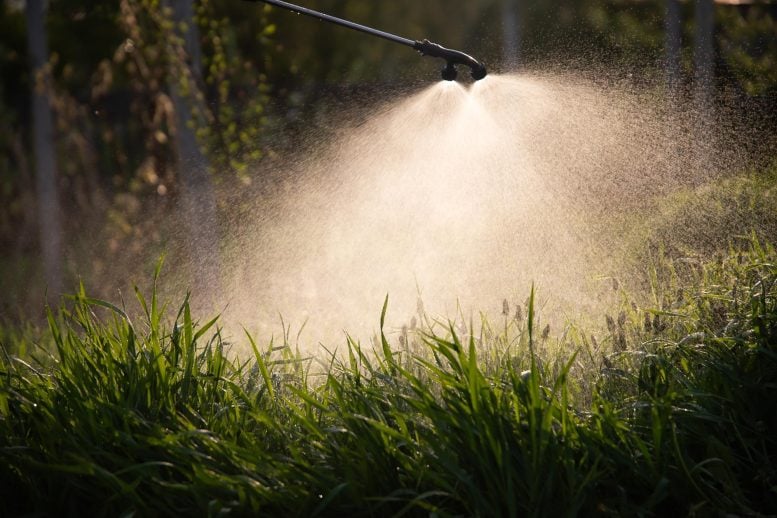
Emerging research casting a critical eye on the widespread use of glyphosate has unveiled concerning links between exposure to this common herbicide and adverse effects on kidney function among agricultural workers in Central America. A groundbreaking cohort study conducted by a team of international scientists has meticulously measured glyphosate levels in urine samples from workers in El Salvador and Nicaragua, revealing a troubling pattern that connects chemical exposure to diminished renal health. The implications of this research extend far beyond the fields where glyphosate is applied, raising urgent questions about occupational safety, environmental health, and public policy surrounding herbicide regulation.

Glyphosate, a widely used organophosphorus herbicide found in countless agricultural products globally, has long been a subject of debate in both scientific and regulatory circles. Used extensively due to its effectiveness in controlling broadleaf weeds and grasses, glyphosate’s pervasive presence in the environment has elicited scrutiny concerning its potential toxicological effects on humans and ecosystems. The latest study approaches this discourse from a rigorous, epidemiological perspective, focusing on populations with the highest likelihood of exposure—the workers involved directly in herbicide application.

The research team undertook a robust cohort analysis, systematically collecting and analyzing urinary glyphosate concentrations from hundreds of agricultural laborers in the two Central American countries. They combined these biomonitoring efforts with comprehensive kidney function assessments, including measurement of biomarkers such as serum creatinine and estimated glomerular filtration rate (eGFR), which serve as indicators of renal performance and health. Through this integrative approach, the investigators sought to elucidate whether the burden of glyphosate accumulates in exposed individuals and if such accumulation correlates with measurable declines in kidney function.

Importantly, the study cohort was composed of workers engaged in diverse agricultural tasks, ranging from field spraying to crop maintenance, thereby encompassing a realistic spectrum of exposure gradients. The investigators incorporated detailed questionnaires addressing work practices, use of protective equipment, duration, and intensity of exposure, which allowed for nuanced statistical modeling of glyphosate’s effect on renal outcomes. This multifaceted methodology ensured that observed associations could be robustly attributed to glyphosate exposure rather than confounded by extraneous variables.

Results demonstrated a clear dose-response relationship whereby higher urinary glyphosate concentrations corresponded to diminished eGFR values, indicating early-stage kidney dysfunction. The findings are particularly alarming given that these renal impairments were detected even in the absence of overt clinical symptoms, suggesting that chronic low-level exposure may silently compromise kidney health over time. The study thus underscores the insidious nature of glyphosate toxicity which may evade detection through standard medical assessments until substantial damage has occurred.

The researchers also highlighted that many affected workers had limited access to proper protective gear or training on safe herbicide use, factors that likely exacerbated their vulnerability. The absence of rigorous occupational safeguards in many agricultural settings in developing nations amplifies the public health risk, potentially creating epidemic-like conditions of chronic kidney disease among farming communities reliant on manual labor. This evidence calls for urgent review and enhancement of worker safety protocols as a preventive measure.

Mechanistically, the study postulates that glyphosate may induce nephrotoxicity through oxidative stress pathways and disruption of renal tubular cells, as suggested by recent toxicological experiments. The herbicide’s interference with mitochondrial function in kidney cells could precipitate cellular injury, inflammation, and fibrosis, ultimately impairing the organ’s filtration capacity. Additional research is warranted to dissect these molecular pathways further, but the current epidemiological data strongly point to glyphosate as a contributing nephrotoxin.

The implications of these findings reverberate globally, considering glyphosate’s ubiquity in modern agriculture and its residues detected in various environmental compartments including water sources and food products. Populations residing near agricultural zones may be subjected to inadvertent exposure, augmenting the need for environmental monitoring and biomonitoring programs. Moreover, regulatory agencies must weigh such emerging evidence in reevaluating permissible exposure limits and enforcing stricter guidelines to protect vulnerable groups.

Public health advocates emphasize that glyphosate-related kidney dysfunction could represent a larger, underrecognized component of the global chronic kidney disease burden, particularly in tropical and subtropical regions where agricultural employment predominates. Interdisciplinary cooperation among nephrologists, toxicologists, epidemiologists, and policymakers is essential to develop targeted interventions, diagnostic strategies, and surveillance frameworks that address this growing epidemic.

Policy responses could include mandatory training for pesticide applicators, distribution of effective personal protective equipment, and the promotion of alternative weed management techniques that reduce reliance on chemical herbicides. These measures would help mitigate exposure risks while balancing agricultural productivity needs. Additionally, expanding healthcare access to early detection and management services for affected populations remains critical.

In summary, the comprehensive cohort study conducted in El Salvador and Nicaragua sheds light on the hidden health toll exacted by glyphosate exposure on kidney function among agricultural workers. The clear correlation between urinary glyphosate levels and subclinical kidney impairment not only advances scientific understanding but also challenges existing paradigms of pesticide safety. This landmark research serves as a clarion call to safeguard the wellbeing of those who labor in the fields and, by extension, the broader communities linked to agricultural production systems worldwide.

Future research trajectories should incorporate longitudinal follow-ups to track renal function trajectories over time, explore gene-environment interactions that influence susceptibility, and evaluate the efficacy of intervention strategies. Only through such concerted efforts can the full scope of glyphosate’s health impacts be comprehended and mitigated, ensuring that food production does not come at the cost of human health.

This study significantly enriches the evidence base informing ongoing debates about glyphosate regulation and underscores the urgent need for integrated policies that harmonize agricultural practices with occupational health imperatives. As glyphosate continues to be a cornerstone of weed management, embedding scientific insights into policymaking constitutes a vital step toward sustainable and just farming systems.

By addressing the silent but serious repercussions of glyphosate exposure on renal health, this research invigorates a critical discourse essential for protecting vulnerable worker populations and maintaining the integrity of public health amid evolving environmental challenges.

Subject of Research: Occupational exposure to glyphosate and its impact on kidney function in agricultural workers.

Article Title: Urine glyphosate levels and kidney function outcomes in a cohort study of workers in El Salvador and Nicaragua.

Article References:
Rodgers, K.M., Fimbres, J., Velázquez, J.J.A. et al. Urine glyphosate levels and kidney function outcomes in a cohort study of workers in El Salvador and Nicaragua. J Exp Sci Environ Epidemiol (2026). https://doi.org/10.1038/s41370-026-00913-3

Image Credits: AI Generated

DOI: 02 June 2026

The truth lies in the past in Silo S3 trailer

2 June 2026 at 18:58

In April, we got a short teaser for the third season of Silo, the critically acclaimed Apple TV series based on the trilogy by novelist Hugh Howey, which hinted at a mysterious origin story dating back centuries. Apple TV just released the full trailer, and it looks like our heroine is again facing conflict and danger because she just keeps asking so many inconvenient questions.

As previously reported, Silo is set in a self-sustaining underground city inhabited by a community whose recorded history dates back only 140 years. The outside is a toxic hellscape that is only visible on big screens in the silo’s topmost level. The second season expanded Silo‘s world to incorporate the survivors in the second Silo 17; everyone else died in a revolt to escape to the surface. We discovered that there are 50 silos in all. Meanwhile, another revolution was brewing in Juliette’s (Rebecca Ferguson) original Silo 18 against Holland (Tim Robbins). And even more secrets were revealed.

In the season finale, Juliette returned to her silo and warned the residents not to leave, but she and Holland ended up locked in the incinerator just as it was being fired up. The final scene was a flashback, showing a woman questioning a congressman in Washington, DC, about possible retaliation after the US dropped a dirty bomb on Iran. And that brings us to S3. Per the official premise:

Read full article

Comments

© Apple TV

The truth lies in the past in Silo S3 trailer

2 June 2026 at 18:58

In April, we got a short teaser for the third season of Silo, the critically acclaimed Apple TV series based on the trilogy by novelist Hugh Howey, which hinted at a mysterious origin story dating back centuries. Apple TV just released the full trailer, and it looks like our heroine is again facing conflict and danger because she just keeps asking so many inconvenient questions.

As previously reported, Silo is set in a self-sustaining underground city inhabited by a community whose recorded history dates back only 140 years. The outside is a toxic hellscape that is only visible on big screens in the silo’s topmost level. The second season expanded Silo‘s world to incorporate the survivors in the second Silo 17; everyone else died in a revolt to escape to the surface. We discovered that there are 50 silos in all. Meanwhile, another revolution was brewing in Juliette’s (Rebecca Ferguson) original Silo 18 against Holland (Tim Robbins). And even more secrets were revealed.

In the season finale, Juliette returned to her silo and warned the residents not to leave, but she and Holland ended up locked in the incinerator just as it was being fired up. The final scene was a flashback, showing a woman questioning a congressman in Washington, DC, about possible retaliation after the US dropped a dirty bomb on Iran. And that brings us to S3. Per the official premise:

Read full article

Comments

© Apple TV

A Viral YouTube Show About an Unhinged AI Is Hitting Theaters. It’s a Big Test for Hollywood

2 June 2026 at 12:00
The Amazing Digital Circus finale will hit more than 4,000 theaters around the world Thursday. Two weeks later it’ll be on YouTube, bucking Hollywood trends and testing the power of online fandom.

BookTok : l’algorithme, allié inattendu pour relever le « défi de civilisation » de la lecture

Alors que le recul de la lecture chez les jeunes inquiète, l’Institut de France, par la voix de son Chancelier Xavier Darcos, cherche à réaffirmer le rôle du livre dans le débat démocratique. Une communauté virale née de TikTok, « BookTok », pourrait paradoxalement aider à sauver la pratique de...

Legend Trippers Are Losing Themselves in Mysterious Online “Backrooms” Resembling Empty Corridors—These Researchers Want to Know Why

26 May 2026 at 13:18

In the tenebrous furthest corners of the World Wide Web, an unusual new kind of internet tourism has manifested, and now scholars are trying to understand why.

Made in the likeness of empty spaces that resemble unfurnished rooms, desolate alleys, undecorated corridors, or vacant voids within concrete walls, these out-of-the-way online environments, known as “backrooms,” are becoming increasingly popular online destinations.

These “Backrooms” are the collective product of online communities “legend trippers”—users whose shared experiences through stories, journaling, videos, and imagery, or other forms of creative expression—invite weary internet travelers in for an unusual online experience that serves as a web-based corollary for traditional “dark tourism.”

Now, in new research by co-authors Dr. Sophie James and Professor James Cronin from Lancaster University Management School (LUMS), these liminal areas of the web are being revealed as a unique—and at times unsettling—new kind of online tourism, accessible through immersive digital environments.

A View from the Backroom

“Our research shows that people are increasingly drawn to intense emotional experiences in spaces that are not physically real, but still feel vivid and meaningful,” Dr. James recently explained.

A lecturer in LUMS’s Department of Marketing, James, and her co-author characterize the Backroom phenomenon as what they call “para-terrestrial dark tourism,” a term they use to describe online encounters with non-existent environments that are evocative of being “place-like,” but which exist someplace well outside of any conventional geography.

“The Backrooms demonstrate how digital culture is transforming what it means to explore and to feel present somewhere, while also raising broader questions about how people engage with risk, ambiguity, and the unknown in digitally mediated worlds,” James says.

Backrooms on the Silver Screen

The Backroom phenomenon is likely to garner even more attention, James argues, since it has become the focus of a forthcoming film produced by A24, the American independent film company best known for their distribution of arthouse and cult cinema features, which often feature odd, ethereal, and unsettling themes.

“Our research is especially timely, given the growing cultural attention around the upcoming Backrooms film, produced by A24, which reflects how these once niche internet imaginaries are moving into the mainstream,” James says.

Dr. James and Professor Cronin’s recent study, which was published in Annals of Tourism Research, argues that rather than purely being a source for the accumulation of human knowledge, the World Wide Web is a sort of destination itself.

As such, the internet offers a medium for the growing online communities of legend-trippers, where interactions in Backroom spaces can become participatory, as opposed to simply being online representations of the kinds of “dark tourism” destinations that become the focus of real-world legend tripping.

According to their findings, James and Cronin argue that a broader understanding and definition of what constitutes dark tourism may be required, which moves the concept of a “destination” away from solely being a physical place and instead makes it a part of a more collaborative digital experience.

The recent study, “When dark tourism goes para-terrestrial: Online legend-tripping and touring the void,” appeared in the May 2026 edition of Annals of Tourism Research.

Micah Hanks is the Editor-in-Chief and Co-Founder of The Debrief. A longtime reporter on science, defense, and technology with a focus on space and astronomy, he can be reached at micah@thedebrief.org. Follow him on X @MicahHanks, and at micahhanks.com.

New Study Shows Chimpanzees Learn Everyday Survival Skills Through Rich Social Culture

25 May 2026 at 14:00


What sets humans apart from other animals is our ability to create culture; however, a new study from the Max Planck Institute of Animal Behavior focusing on chimpanzees is challenging how researchers define culture in the animal kingdom.

Digging deeper into chimpanzee behavior, the new findings indicate that wild chimpanzees learn dozens of everyday behaviors from one another, many of which are essential for survival but have not traditionally been recognized as “cultural.”

The study took place in the Budongo Forest region at the Budongo Conservation Field Station in Uganda. Over two years, the team followed 28 wild chimpanzees of different ages, recording more than 1,000 hours of detailed observations of their daily behavior.

“Animal culture doesn’t have to be rare or complex. It can include basic skills used every day, like finding food and knowing how to eat it,” says first author Nora Slania from the Max Planck Institute of Animal Behavior in a statement.

Researchers focused on a behavior called “peering,” in which one chimpanzee closely watches another’s actions. This attention-based learning technique has been studied in other primates, but its broader role in chimpanzee cultural transmission had not been fully explored. The team documented 366 instances of peering and found that chimpanzees selectively observed others during important learning moments, such as when acquiring complex or rare skills.

chimpanzees
Above: Infant King (middle) peering at his mother Kutu grooming the adult female Janie, including the removal of a parasite with her mouth and stroking Janie’s fur for inspection (Image Credit: Nora Slania)

“In humans, our everyday lives are full of culture, including the way we speak, dress, or eat. We don’t require behaviors to be especially remarkable or independent of our environment,” says Dr. Caroline Schuppli, senior author of the study.

 “Animals, however, have long been held to stricter standards. By adopting a more inclusive view of culture—and standards more comparable to those applied to humans—future research may reveal that many animals possess richer cultures than previously recognized,” she adds. 

During the long-term observations, the research team identified 69 distinct behaviors that chimpanzees appeared to learn socially. Surprisingly, only a small subset of those behaviors would have been classified as cultural under previous definitions. Most of the observed activities involved feeding, grooming, playing, and basic environmental exploration.

One of the study’s most important findings involved the central role food plays in chimpanzee culture. Around 60% of the observed behaviors involved identifying, processing, or consuming plant foods such as fruits and leaves. These observations suggest chimpanzees rely not only on instinct, but also on social learning through “peering” to locate and process food sources.

Notable researchers such as Jane Goodall previously linked chimpanzee culture primarily to tool use, identifying 39 cultural behaviors across chimpanzee populations. However, the new findings suggest that a narrower definition may have underestimated the true scale of cultural learning in chimpanzees.

“The fact that so much of a chimpanzee’s diet is socially learned highlights how important social learning is for their development,” Schuppli said in a statement.

“While some behaviors may be simple and learned quickly, acquiring the full range of their culture still takes young chimpanzees many years,” she adds.

These everyday practices are very similar to human culture, like eating habits, communication styles, and social norms. The study proposes that chimpanzee culture is more continuous and embedded in daily life than previously recognized. 

“Behavior allows animals to respond flexibly to the world around them, and cultural transmission offers a fast way to learn new behaviors. Ultimately, understanding the full scope of animal culture will help us protect the diverse ways these species adapt to changing environments,” Slania added

This study was previously published in iScience. 

Chrissy Newton is a PR professional and the founder of VOCAB Communications. She currently appears on The Discovery Channel and Max and hosts the Rebelliously Curious podcast, which can be found on YouTube and on all audio podcast streaming platforms. Follow her on X: @ChrissyNewton, Instagram: @BeingChrissyNewton, and chrissynewton.com. To contact Chrissy with a story, please email chrissy @ thedebrief.org.

A Hidden Pattern in Famous Abstract Art Reveals a Secret Mathematical “Golden Rule” Linked to Human Perception

24 May 2026 at 19:05


When most people think of visual art, they don’t usually think of math at the same time. One primary reason for this is that mainstream culture has framed art and math as two separate functions of the brain.

However, because the brain works as a whole when creating art and solving mathematical problems, a new study suggests that abstract art may follow hidden mathematical principles that influence how people perceive and respond to it.

For years, researchers have wondered why certain types of art move people more than others. Until now, however, there has been no direct explanation.

Using a sophisticated method from computational topology, researchers discovered that famous abstract artists appear to share a common structural pattern in their work. Researchers are calling this a mathematical “golden rule” that can distinguish real art from AI-generated “slop.”

Led by Jacek Rogala of the University of Warsaw and Shabnam Kadir of the University of Hertfordshire, the research team used a technique called persistent homology to analyze visual compositions. Persistent homology is a mathematical tool that breaks down how structures within an image change across multiple scales, revealing patterns that the human eye cannot see.

Patterns Hidden in Abstract Imagery

The team compared two sets of images: authentic abstract paintings created by celebrated artists such as Wassily Kandinsky, Mark Rothko, and Jackson Pollock, and “pseudo-art” produced by AI to mimic abstract styles.

The findings suggested the topological method could distinguish real art from AI-generated images. According to the researchers, the structural organization of authentic paintings changed in consistent, measurable ways compared to the computer-generated alternatives.

Senior author Jacek Rogala said in a statement, “What struck me most is that we could actually see the gallery environment doing something measurable. It wasn’t just a backdrop — it changed which images held attention and for how long. That’s a result you can put numbers on, and it still feels surprising.”

When examining the works of Wassily Kandinsky, Mark Rothko, and Jackson Pollock more closely, the researchers discovered that the artists’ paintings tended to converge on a similar rate of violation of a mathematical relationship called Alexander duality. This concept describes the balance between structures near the edges of an image and what is happening in the middle.

“An important part of our study was to explore the relationship between topologically derived image features, eye movement, and aesthetic experience,” the authors say in a co-statement. “Our research showed that our newly developed method not only clearly distinguished between two sets of images but also allowed us to map topological features onto gaze fixation heat maps.”

The Hidden Mathematics Behind Works of Art

Researchers think many abstract artists may naturally arrange shapes and patterns in similar ways, even without knowing the mathematics behind them. This hidden structure could help explain why certain artworks feel more pleasing or emotionally engaging to viewers.

The researchers also took the study a step further by examining how people respond physically and mentally to abstract art. Participants studied both authentic and AI-generated images while researchers tracked their eye movements and monitored brain activity in laboratory and gallery settings. The results revealed noticeable behavioral differences. Real artworks produced more stable, integrated patterns of brain activity, while AI-generated art elicited more exploratory eye movements.

Overall, the study suggests that abstract art is not purely subjective or random. Instead, abstract art may follow hidden mathematical patterns that naturally connect with the way our brains interpret and understand images.

The study, “Art’s Hidden Topology: A Window into Human Perception,” was published in PLOS Computational Biology.

Chrissy Newton is a PR professional and the founder of VOCAB Communications. She currently appears on The Discovery Channel and Max and hosts the Rebelliously Curious podcast, which can be found on YouTube and on all audio podcast streaming platforms. Follow her on X: @ChrissyNewton, Instagram: @BeingChrissyNewton, and chrissynewton.com. To contact Chrissy with a story, please email chrissy @ thedebrief.org.

5,000 Years Ago, Two Ancient Megalithic Societies Shared an Unknown Connection—Now Genetic Science Reveals Their Long-Hidden Secrets

22 May 2026 at 13:03


New genetic analysis of remains recovered from two 5,000-year-old Neolithic stone monument sites in present-day Germany has revealed a previously unknown biological connection between distant megalithic societies.

The new findings include the discovery that two individuals buried at separate sites over 250 kilometers apart were father and son.

In an email to The Debrief, study co-author Ben Krause-Kyora from Kiel University said their findings reveal surprisingly long-distance familial ties between the people from the Western Funnel Beaker (TRB-West) and the neighboring Wartberg (WBC) communities despite their distinct archaeological differences, suggesting that these Stone Age megalithic communities “were much more interconnected than previously assumed.”

Although the study found little evidence for a genetic connection between the Sorsum and WBC megalithic communities and those found in more distant parts of northern Europe, Britain, and Scandinavia, the research team behind the new study said there may be cultural or social connections between these ancient societies that would account for the archaeological and cultural similarities.

Previously ‘Unrelated’ Megalithic Communities Share Cultural and Architectural Features

Although archaeologists have documented large ancient stone monuments around the world, some of the oldest and most complex megalithic structures began to appear across Europe between 4,500 and 2,800 BCE. The TRB-West community was responsible for some of the most elaborate stone burial chambers of the time, and also stood out for other distinct traditions.

ancient megalithic stone structures
The Gallery Tomb at Züschen. Image Credit:
Barbara Fritsch, Kiel.

Unfortunately, very little is known about these ancient stone monument builders or any possible relationship with other nearby megalithic cultures due to a lack of genetic data. To date, the TRB-West site studied by Krause-Kyora and colleagues, called Sorsum, is the only one where human remains have been recovered.

Still, the researcher told The Debrief that previous studies had noted general similarities in burial chamber features between Sorsum and the nearby Wartberg culture, suggesting a potentially deeper connection.

“Most notably, Sorsum contains an underground rock-cut burial chamber with an elongated form, which is unusual for the Western Funnel Beaker (TRB-West) tradition and instead resembles the subterranean gallery graves characteristic of WBC communities,” the study co-author explained.

When asked if any of these architectural features were also observed in other, more distant megalithic cultures beyond Wartburg, Krause-Kyora said that some of the site’s broader features, including collective burial practices and monumental stone architecture, “are shared across many European megalithic cultures.” However, the researcher also cautioned that their findings suggest that even when similarly aged communities shared monument styles, “the social meaning and burial organization behind these structures could differ substantially from region to region.”

Genetic Tests Show Hunter-Gatherer Heritage & Father/Son Duo Buried over 250 Kilometers Apart

To explore any possible genetic connection between the people buried at the TRB-west Sorsum site and remains collected from the Wartburg site of Niedertiefenbach, study leader Nicolas Antonio da Silva from Kiel University’s Institute of Clinical Molecular Biology (IKMB) and colleagues analyzed the genomes of 203 separate individuals collected from Sorsum and five local WBC sites.

ancient megalithic stone structures
Sampling of the inner ear (petrous bone) in a dedicated cleanroom facility, enabling the extraction of ancient DNA for high-resolution population genetic analysis. Image Credit: Jan Steffens, ROOTS Cluster of Excellence, Kiel University.

When the researchers compared the results, they found that the people buried at Sorsum were more closely related to the WBC groups than other groups classified within the TRB-west culture. This deep genetic connection was unexpected since previous studies have identified the two groups with different archaeological labels.

The two groups also shared what the research team termed “high levels of ancestry” with Western hunter-gatherer cultures. The study authors said the hunter-gatherer ancestry was higher in male lineages, suggesting that the seemingly disparate groups shared “deep-sustained biological connections.”

Network of first- and second-degree relatives revealing far-reaching biological connections across geographically distant burial communities, highlighting extensive mobility and social interaction. Image Credit: Ralf Opitz, Institute of Prehistoric and Protohistoric Archeology, Kiel University.

Perhaps the most shocking discovery involved the genetic connection between two individuals buried separately at the Sorsum and WBC sites. Krause-Kyora told The Debrief that the biological father was buried at the WBC site of Niedertiefenbach, whereas his “subadult son” was buried far away at Sorsum.

“This was one of the most surprising findings of the study because the two sites are separated by more than 250 km,” the researcher told The Debrief.

Site Differences: “Primarily Archaeological & Stylistic” Rather Than Genetic

Although the father-son pair buried over 250km apart was the most unexpected familial relationship identified between the two cultures, the genetic analysis did reveal other, first and second-degree genetic connections between individuals. The researchers suggest that these signs of interbreeding across stylistically independent cultures living at substantial distances from one another indicate occasional movement between the sites, potential intermarriage, and social or cultural exchanges that defy the distance.

“The major differences between Sorsum/TRB-West and WBC are primarily archaeological and stylistic rather than genetic,” Krause-Kyora told The Debrief.

ancient megalithic stone structures
The Gallery Tomb at Züschen. Image Credit:
Barbara Fritsch, Kiel.

For example, TRB-West communities like Sorsum are usually associated with decorated funeral beaker pottery and the manufacture of transverse arrowheads, which are razor-sharp, arrow-shaped stones wider than they are long. Conversely, the researcher explained, WBC assemblages like the ones examined in this study “are characterized by mostly undecorated barrel-shaped pottery and gallery graves.”

“Despite these cultural distinctions, genetically the groups were remarkably closely related,” Krause-Koyra told The Debrief.

Taken as a whole, the team said the evidence suggests that Sorsum and the WBC communities represented a “genetically continuous population,” including the possibility that Sorsum was a northern branch of the WBC collective that integrated various TRB-West traditions and methods distinct from those of typical TRB-West groups.

Exploring Potential Connections with Other Ancient European Megalithic Societies

While the genetic analysis revealed unexpected connections between these seemingly disparate megalithic groups, the research team found no genetic connections between the tested groups and more distant megalithic populations in the British Isles or Scandinavia to the north. When asked if these unrelated groups may have shared knowledge or displayed stylistic or cultural similarities that may indicate a similar cultural cross-contamination with the groups they studied, Krause-Koyra told The Debrief that there are “definitely broader stylistic and cultural similarities across European megalithic societies.”

“Monumental stone constructions, communal burials, and certain ritual traditions appear widely shared,” the researcher explained.

Still, he cautioned, their genetic results suggest these similarities were not indicative of a large-scale migration or long-distance biological networks spanning thousands of kilometers. Instead, the study co-author said that previously observed similarities in ideas and cultural practices “likely spread through cultural exchange and interaction between neighboring regions over time.”

When asked about the broader significance of their findings, the researcher told The Debrief that their genetic analysis successfully identified close biological relatives buried over 250 km apart, “showing substantial long-distance mobility and interaction during the Late Neolithic.”

“At the same time, the collective graves were not simply family tombs,” Krause-Koyra added. “Many unrelated individuals were buried together, indicating that social kinship and community identity were just as important as biological relationships.”

Researcher Pleas for Enhancing Research Integrity “Across the Field”

In a separate statement to journalists covering their discovery, Krause-Kyora said those working in ancient DNA research have increasingly emphasized authentication standards, reproducibility, open data sharing, and contamination control. The researcher also noted that a community-wide adoption of transparent bioinformatic pipelines and independent replication of test data has “substantially strengthened confidence in results.”

“Moving forward, stronger support for long-term data accessibility, standardized metadata reporting, and interdisciplinary validation approaches would further enhance research integrity across the field,” Krause-Kyora added.

The study “Long-distance genetic relatedness in megalithic central Europe” was published in Science.

Christopher Plain is a Science Fiction and Fantasy novelist and Head Science Writer at The Debrief. Follow and connect with him on X, learn about his books at plainfiction.com, or email him directly at christopher@thedebrief.org.

Frequent Exposure to News Involving Gun Violence is Linked to Depression, Researchers Find

14 May 2026 at 13:15


Researchers at Rutgers University have found that frequent exposure to real-world gun violence through the media may affect our mental health. The research suggests that regularly viewing firearm-related news and social media content is linked to higher levels of depression and emotional distress among adults throughout the United States.

The study examined 5,000 adults nationwide. Throughout the study, the research team focused on exposure to real-world firearm violence through popular media outlets such as Instagram, cable television news, newspapers, and other related media. Unlike fictional violence seen in movies, video games, or television dramas, the study took a direct look at the reactions to actual incidents of gun violence reported in the media throughout the United States.

“One of the most critical elements is ‘threat system activation,’ essentially how the brain’s survival system (fear/vigilance) gets activated again and again from violent images/narratives,” according to Niloufar Esmaeilpour, a Registered Clinical Counselor and the Founder of Lotus Therapy & Counseling Center.

Esmaeilpour, who was not connected to the study, told The Debrief in an email that “Although an individual might not be at risk personally, seeing shootings, victims, police/emergency response, etc., repeatedly in the media could cause individuals to inaccurately judge their personal safety,” invoking a cognitive bias known as “availability heuristic.”

“Chronic activation of the body’s threat response through repeated viewing could result in chronic stress responses (sleep disturbances, irritable mood, emotional numbing), and potentially later symptoms of anxiety/depression,” Esmaeilpour said.

Another outside perspective was provided by Dr. Clint Salo, a Board-Certified Psychiatrist at The Grove Recovery Community. “What’s happening neurologically is that the brain doesn’t fully distinguish between witnessing violence directly and consuming it repeatedly through a screen,” Salo said. “The threat response activates either way.”

“So chronic exposure to graphic news content keeps the nervous system in a low-grade state of vigilance, and over time, that contributes to anxiety, depression, and a distorted sense of how dangerous the world actually is,” Salo said. “Algorithms make this significantly worse because they’re optimized for engagement, and fear and outrage drive engagement.”

The Findings  

The researchers found that people who watch or frequently encounter firearm-related content reported more days when they experienced poor mental health and a higher rate of depression symptoms. Researchers used statistical models to compare levels of media exposure with personal emotional well-being, revealing a connection between repeated exposure and negative emotional or mental health outcomes.  

Devon Ziminski, a postdoctoral fellow at the New Jersey Gun Violence Research Center at the Rutgers School of Public Health, says in a statement that the findings  “support existing research that repeated exposure to firearm violence may negatively affect well-being, and that real-world media firearm violence exposure may also have negative implications.”

Even watching highly-publicized firearm violence events like mass shootings, how the event is shaped, its narrative, the volume of coverage, and how it’s framed in the media—even if the outlet is credible—can all lead to negative mental health outcomes. Fundamentally, the idea is that the coverage could reinforce perceptions of threat and harm. 

The overall outcome is that large amounts of gun voilence consumed can contribute to poor mental health. Researchers believe the emotional effects of repeatedly watching violent real-world events should be part of a broader discussion about how people receive their news and are exposed to information.  

“While much work focuses on direct victimization, these findings suggest that cumulative media exposure to real-world firearm violence could contribute to a mental health burden, even for those not personally involved in an incident,” Ziminski says. 

While researchers are not suggesting we turn off all our media devices, they are encouraging people to be well-informed and to work toward a better understanding of how negative media can shape emotional well-being. Strategies such as limiting repetitive exposure to distressing content, taking breaks from it, and balancing news consumption with positive activities may help reduce emotional strain.

“When consuming news, I recommend creating a ‘news dosing schedule,’ setting aside specific times each day (e.g., 20-30 min once/twice per day) for news consumption instead of constant browsing,”  Esmaeilpour suggests. “Browsing continuously can overwhelm emotions, making it difficult to manage one’s mental health.”

“Intentional selection of high-quality news sources that include contextual information and do not repeatedly present graphic detail will also help mitigate the emotional response to news stories,”  Esmaeilpour added. “In addition, taking some type of physical/cognitive break immediately following exposure (i.e., going for a walk, listening to music, talking with others) is beneficial because it changes the state of the nervous system away from being in a continued threat state.”

The recent study, “Associations between media gun violence exposure (GVE) and mental health: a national cross-sectional study,” was published in BMC Public Health.

Chrissy Newton is a PR professional and the founder of VOCAB Communications. She currently appears on The Discovery Channel and Max and hosts the Rebelliously Curious podcast, which can be found on YouTube and on all audio podcast streaming platforms. Follow her on X: @ChrissyNewton, Instagram: @BeingChrissyNewton, and chrissynewton.com. To contact Chrissy with a story, please email chrissy @ thedebrief.org.

New Study Reveals Language Evolves in Predictable, Weather-Like Patterns, Researchers Say

9 May 2026 at 14:13


Language is ever evolving—from ancient dialects to modern slang, the words and accents people use are not only expressions of culture and personal identity, but also reflections of our past.

Now, a new study from the University of Portsmouth suggests that these changes may not be as random as first thought. Instead, they may follow predictable patterns.

James Burridge, Professor of Probability and Statistical Physics at the University’s School of Mathematics and Physics, and his team developed a framework to forecast how language patterns spread across regions and generations.

By leveraging statistical physics, scientists are beginning to map the movement of words and accents in ways that are similar to weather forecasting.

“Just as meteorologists use mathematical models to forecast tomorrow’s weather, the same kind of thinking can be applied to language,” Burridge said in a statement. 

“Where you are affects how you speak, and if you map how people use certain words, you see clear geographic patterns—just like a weather map. However, the physics of language is closer to crystals and magnets than the atmosphere.”

“Language change can seem mysterious,” Burridge said, “but my research argues that as well as being driven by individual human behavior it may also obey some of the same broad rules that govern physical systems like magnets, bubbles, and fluids.”

The result looks something like a  “language weather map,” revealing clear geographic patterns in speech. In their research, Burridge and his colleagues decided to focus their study on regional dialects in the United States, using data from the University of Cambridge’s Cambridge Online Survey of World Englishes, created by linguist Bert Vaux.

This large-scale survey enabled Burridge to examine how different terms compete and spread across various communities. Specifically, Burridge looked at common pop culture terms we use daily or weekly, like the word “soda,” while others use the term “pop,” and why some of these popular words spread while others retreat. 

One interesting example is the word used for a small crustacean commonly found in gardens. Depending on the region and area someone lives in, they might call it a “woodlouse” or a “roly-poly.” In the 1950s, “roly-poly” was mainly used in parts of the American South. But by 1995, the term had spread widely across the United States. This rapid spread of common words shows how local expressions can spread far beyond their origins and become the dominant word in that area or region. 

The model also helps explain why some regional terms survive while others die out. In earlier research, Burridge studied the spread of the word “splinter” across England. While “splinter” became standard across most of the country, in the northeast (in regions like Newcastle upon Tyne), the local term “spelk” stayed strong as a word. According to the model, local isolation of a term and low population in those areas can help preserve the local words. 

“Splinter is used across almost all of England, except around Newcastle, where people still say spelk,” says Burridge. “Although Newcastle itself is densely populated, it is surrounded by more sparsely populated areas, which helps the local form hold its ground and prevents splinter from taking over.”

One of the study’s most important findings is the idea of a linguistic “horizon.” Like weather forecasts, language predictions become less trustworthy over time as they keep being picked up by the new generation.

Burridge notes, “My research suggests that language may be much more law-like than it first appears. Beneath the creativity and messiness of human speech, there may be hidden statistical forces shaping how we all end up talking.” 

“For physicists like me, this is particularly exciting, as it suggests that the elegant tools of statistical field theory may help explain not just the natural world, but patterns in human communication as well,” he adds. 

The new framework could have implications beyond linguistics. For example, understanding how language evolves may help sociologists study cultural change and improve technologies such as speech recognition and translation systems.

Chrissy Newton is a PR professional and the founder of VOCAB Communications. She currently appears on The Discovery Channel and Max and hosts the Rebelliously Curious podcast, which can be found on YouTube and on all audio podcast streaming platforms. Follow her on X: @ChrissyNewton, Instagram: @BeingChrissyNewton, and chrissynewton.com. To contact Chrissy with a story, please email chrissy @ thedebrief.org.

A Viral YouTube Show About an Unhinged AI Is Hitting Theaters. It’s a Big Test for Hollywood

2 June 2026 at 12:00
The Amazing Digital Circus finale will hit more than 4,000 theaters around the world Thursday. Two weeks later it’ll be on YouTube, bucking Hollywood trends and testing the power of online fandom.

World’s Most-Used Weedkiller Found To Disrupt Honeybee Brains

2 June 2026 at 06:30
Farmer Spraying Herbicides Pesticides InsecticidesNew research suggests a widely used herbicide may have subtle but significant effects on honeybees. Growing flowering plants for pollinator gardens, farms, and home landscapes often requires herbicides to control weeds. Honeybees are naturally drawn to these areas and are essential for pollination. But researchers wanted to know what happens when bees are exposed to [...]
❌