Normal view

New bolometer achieves sub-zeptojoule resolution

23 May 2026 at 12:57

A bolometer that can measure absorbed energy at a resolution of less than a zeptojoule (10−21 J) has been unveiled by Mikko Möttönen and colleagues at Finland’s Aalto University.  Their device could soon enable researchers to measure the energy of individual lower-energy photons – leading to new opportunities in quantum computing and information processing.

A bolometer detects radiation using two main components: an absorber, which heats up as it captures incoming radiation, and a thermometer, which converts this temperature rise into a measurable electrical signal. Bolometers are some of the most sensitive radiation detectors in use today.

Indeed, high-performance bolometers based on nonlinear oscillators, superconducting qubits or Josephson junctions are sensitive enough to detect individual microwave photons with energies of about 10−23 J. However, these devices are not able to resolve photon energies very well and only work over certain photon energy ranges.

Normal sandwich

A Josephson junction comprises a normal (non-superconducting) material sandwiched between two superconductors. Thanks to the proximity effect, superconducting Cooper pairs of electrons can penetrate some distance into the normal material. So, if the normal material is narrow enough, a supercurrent will flow across the junction.

“We started to build bolometers based on so-called proximity superconductivity around 2010 when I obtained my European Research Council Starting Grant,” says Möttönen.

In the team’s previous bolometer design, the normal material (a metal) absorbs photons, thereby increasing the temperature of the Josephson junction. This results in a shift in the impedance of the junction – and this shift is measured and related to the amount of energy absorbed. A key feature of this approach is the integration of the absorber and thermometer functions into a single structure.

In their latest study, Möttönen’s team has expanded their design to include multiple junctions. “We used gold-palladium (AuPd) and aluminium as the materials such that we can independently engineer the absorber part of the device from the thermometer part,” he describes. “We can optimize the strength of the superconductivity in the thermometer for high sensitivity.”

Impedance match

Their design consists of a AuPd nanowire (a normal metal), split into two segments. The first acts as an absorber and is tuned to match the impedance of the transmission line delivering microwave photons. This ensures that the highest possible amount of microwave power is transferred to the nanowire, across a broad range of photon energies.

The other nanowire segment acts as the thermometer. Superconducting aluminium islands are placed next to the nanowire, creating a series of Josephson junctions. By measuring inductance shifts across the junctions the team determined the energies of single photons at resolutions smaller than 1 zJ.

The researchers are hopeful that their design will be developed to create practical detectors of single lower-energy photons – and potentially other types of particle. This would be especially useful for calibrating the components of quantum computers.

“We will use this sensor in what I refer to as an autonomous quantum processing unit to measure qubits at millikelvin temperatures and feed back to information through millikelvin controllers and microwave sources,” Möttönen says. “This will dramatically reduce the price of quantum computers in the future.” The detector design could be also adjusted to receive telecom signals at the single-photon level – providing an ideal platform for the ultra-secure communication method of quantum key distribution.

The post New bolometer achieves sub-zeptojoule resolution appeared first on Physics World.
Thyracont’s vacuum measurement instruments enable innovation across industries

21 May 2026 at 08:57
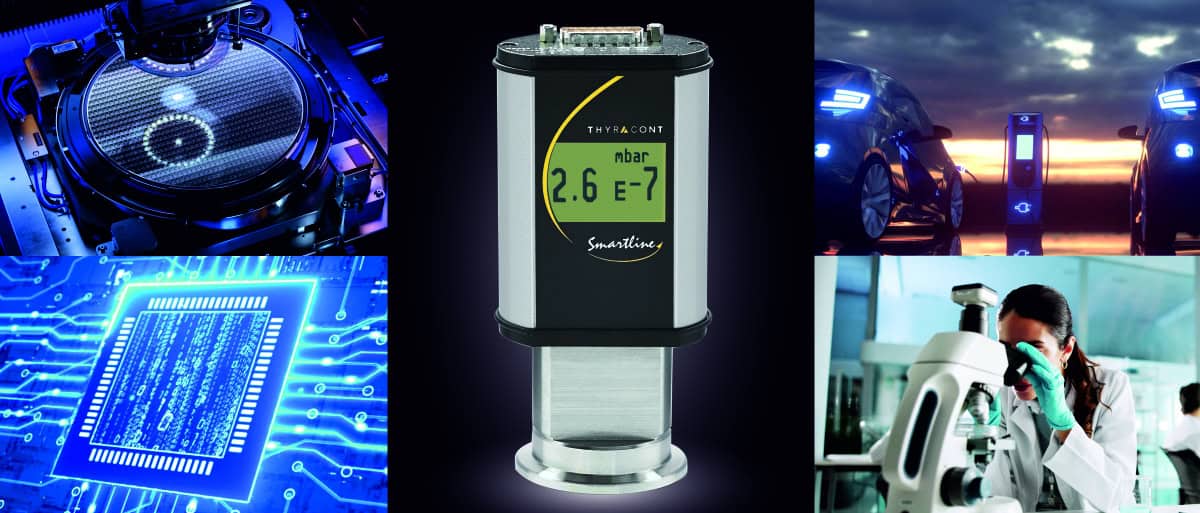
High-precision vacuum measurement instruments used in industrial and laboratory applications. (Courtesy: Thyracont Vacuum Instruments GmbH. Composite image including proprietary product photography and licensed stock footage used under valid usage rights)
High-precision vacuum measurement Thyracont’s instruments are used in industrial and laboratory applications. (Courtesy: Thyracont Vacuum Instruments GmbH. Composite image including proprietary product photography and licensed stock footage used under valid usage rights)

Life sciences: reliable conditions for pharmaceutical freeze drying

Freeze drying (lyophilization) plays an important role in the manufacture of pharmaceuticals extending shelf life by removing water via sublimation under vacuum conditions. Because these processes run over long cycles, stable and contamination-resistant vacuum measurement is essential.

Thyracont’s VCP transducer is designed for such applications. Its platinum-rhodium filament provides high resistance against corrosion and contamination, supports sterilization and reliable operation under thermal stress. Operating in the fine vacuum range (1000 to 5 × 10−⁴ mbar), it ensures stable process control in freeze-drying systems.

“Long-term stability and resistance against corrosive process media are decisive factors in freeze-drying processes. The VCP was specifically engineered to maintain reliable performance even withstanding steam sterilizations,” explains Frank P Salzberger, CEO of Thyracont.

High-tech and research: enabling analytical precision

Many of the cutting-edge instruments used in analytics and R&D operate under vacuum – including those used for mass spectrometry and materials testing. In applications such as beverage gas analysis, the VSP63MV Pirani transducer enables precise monitoring in the 1000 to 10−4 mbar range, supporting zero adjustment of the mass spectrometer, which is essential for the reliable detection of trace contaminants at very low concentrations.

The analysis of the thermomechanical properties of materials is necessary for the development of cryogenic technologies including those used in quantum technologies. This involves cooling materials and devices to very low temperatures and measuring how their physical properties change. Thyracont vacuum gauges such as the VSP63DL and VSM77D cover fine and high vacuum ranges down to ultra-high vacuum conditions, enabling stable thermomechanical characterization of materials at extreme temperatures.

Semiconductor and coating processes: stability in complex systems

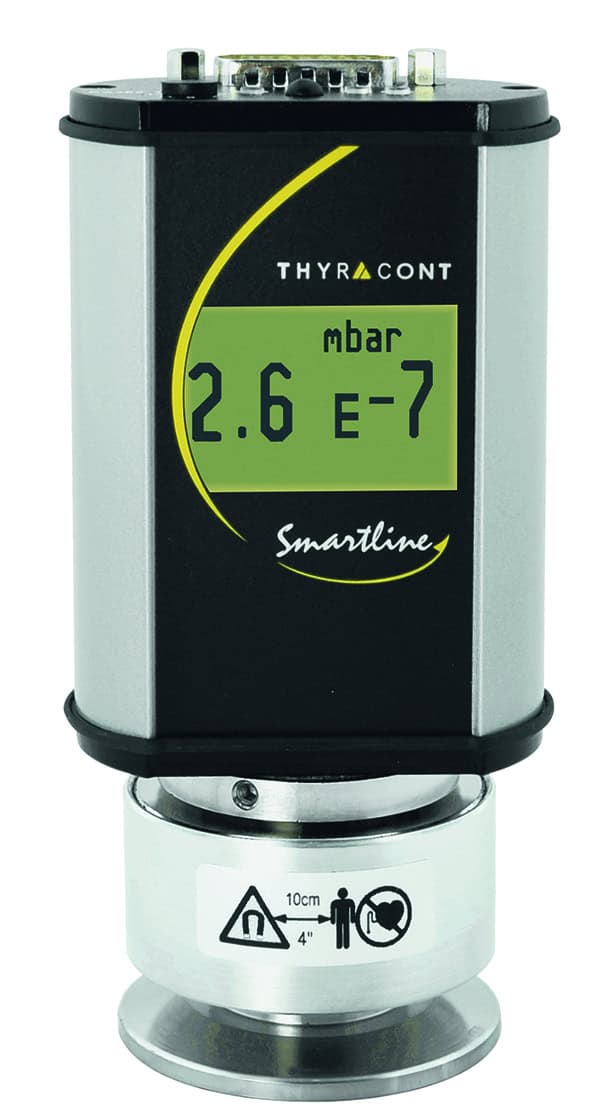
Smartline VSM transducers These provide reliable monitoring from atmospheric pressure to ultra-high vacuum. (Courtesy: Thyracont Vacuum Instruments GmbH)

In semiconductor manufacturing, wafer bonding requires tightly controlled vacuum conditions to ensure contamination-free and uniform layer formation. During initial evacuation, Thyracont’s VSC43MA4 is used to monitor roughing and bypass pumping stages.

In subsequent high-vacuum stages, Smartline VSM transducers provide reliable measurement from atmospheric pressure to ultra-high vacuum, combining Pirani and cold cathode technologies with optimized range switching for stable operation.

“In semiconductor wafer bonding, it is essential to maintain stable measurement across the full pressure range – from roughing to ultra-high vacuum. Our Smartline VSM series ensures exactly this seamless transition,” says Salzberger.

In optical coating applications, this approach ensures continuous monitoring while protecting sensitive sensor components.

Industrial vacuum processes: distillation and thermal treatment

Short-path distillation relies on precise vacuum control (typically 1 × 10−³ to 1 mbar) to enable gentle separation of heat-sensitive substances such as fragrances. A thin film is formed inside the chamber, and evaporation occurs at reduced temperatures, preserving delicate compounds.

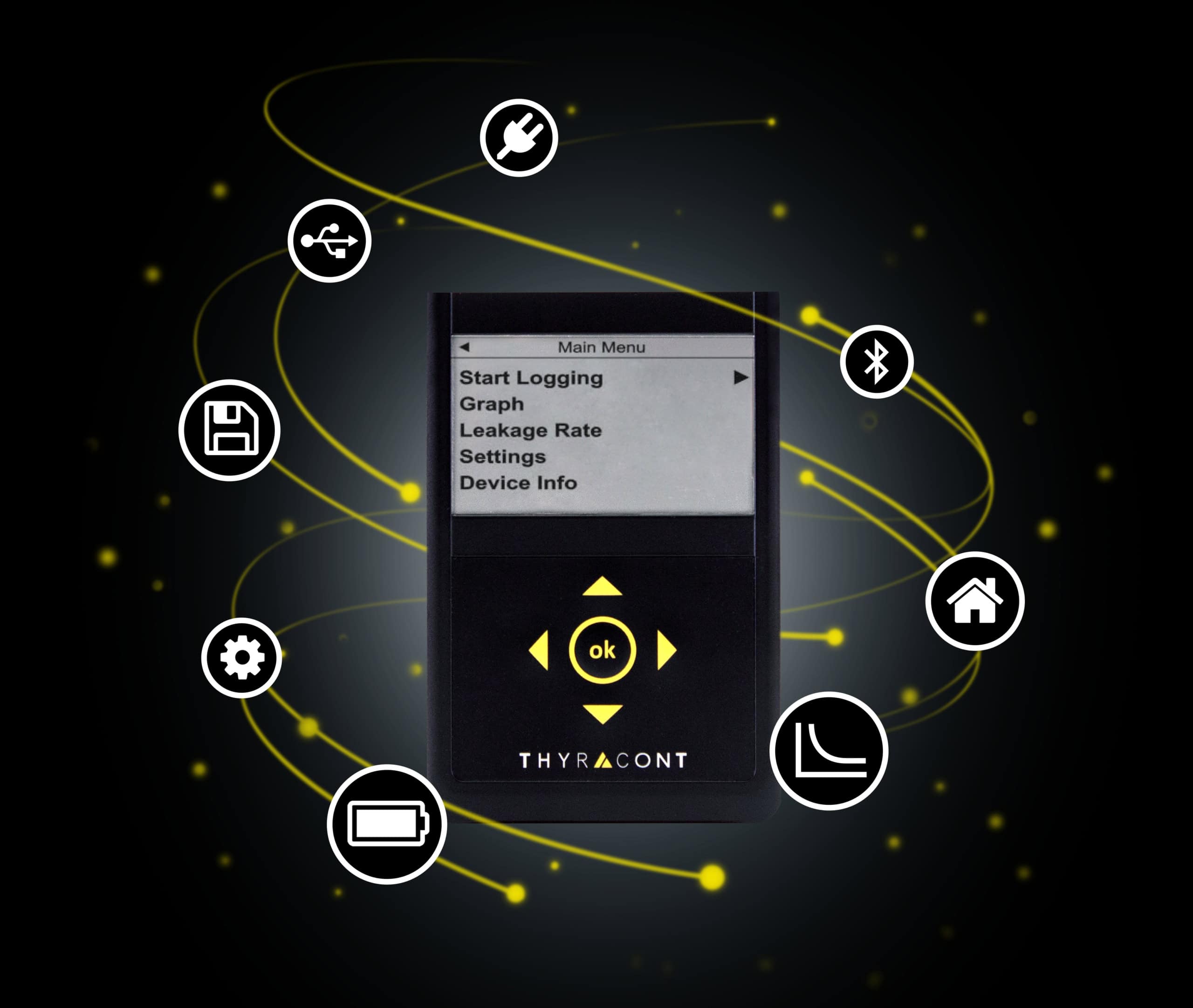
VD850 digital compact vacuum meters These are equipped with a data logger and USB-C interface. (Courtesy: Thyracont Vacuum Instruments GmbH)

Stable pressure control is essential to ensure consistent product quality. Devices such as the VD64P and VD850 support monitoring and control functions including switching outputs, leak detection, and integrated data logging for process documentation.

Peter Gerlesberger, development manager at Thyracont explains, “Reliable leak testing ensures that vacuum chambers and systems meet the required process conditions. With the VD850 users can quickly and reliably determine the magnitude of the leak rate”.

Vacuum furnaces face similar requirements under high-temperature and contamination conditions. The VD850, as well as VSH transducers (Pirani/hot cathode), enable reliable pressure measurement across furnace inlet and outlet zones.

Packaging applications: quality control in food safety

Vacuum packaging plays a crucial role in in the food industry, extending shelf life and reducing food waste. Ensuring consistent vacuum levels is critical for product safety and quality.

Testing is performed by replacing the food with a vacuum gauge and monitoring the pressure after sealing. The compact VD810 can be temporarily integrated directly into packaging, thereby simulating real-world process conditions.

The built-in piezo-ceramic sensor measures absolute and relative pressure in a rough vacuum and records pressure curves with timestamps. The recorded measurement data can be downloaded via USB or, optionally, via Bluetooth LE and used for process analysis and quality documentation.

The common thread

Across industries, from life sciences to semiconductor manufacturing, Thyracont vacuum measurement technology enables precise, stable, and reliable process control under demanding conditions. By combining robust sensor design with wide measurement ranges and intelligent system integration, these instruments contribute to the performance and quality of modern industrial and research applications.

The post Thyracont’s vacuum measurement instruments enable innovation across industries appeared first on Physics World.
Tantala 3D integrated circuits deliver a rainbow of laser light

23 April 2026 at 16:41

By harnessing the unique properties of tantala (tantalum pentoxide), a team of US-based researchers has created a photonic integrated circuit that can be tuned to deliver laser light across a broad spectrum of visible and infrared wavelengths.

The work was done by researchers at the National Institute of Standards and Technology (NIST) and colleagues at Octave Photonics.

From consumer electronics to atom-based metrology systems, many modern technologies depend on sources that deliver light at specific wavelengths. However, delivering high-quality narrow-band light is difficult – especially at visible wavelengths. As a result many of these technologies cannot be miniaturized to create low-cost, portable devices. Instead they must be implemented in bulky tabletop setups that are operated in expensive laboratory settings.

“Photonics technology offers routes to miniaturize components like laser sources and switches to the chip scale – devices smaller than a grain of rice,” explains study leader Grant Brodnik . “Different photonic materials have different strengths and limitations, and there is currently no single material ecosystem that can accommodate all the diverse demands of photonics.”

Mismatched materials

One promising solution involves integrating multiple advanced materials into the same device, harnessing combinations of their photonic properties to engineer capabilities that would not be possible with any single material. The key challenge is that many photonic materials have mismatched thermal, mechanical, and chemical properties, making them broadly incompatible with one another. So far, this has prevented researchers from seamlessly combining multiple materials into chip-scale devices.

To address this challenge, Brodnik’s team looked to the unique properties of tantala. A key feature of the material is that it can transform laser light at one frequency into laser light within a broad spectrum of light at visible and infrared wavelengths.

Tantala can be deposited onto other materials at room temperature, before being annealed at relatively modest temperatures of around 500 °C. In comparison, more conventional materials such as silicon nitride require annealing temperatures approaching 1200 °C.

Once deposited, tantala benefits from low internal mechanical stress, at around 38 MPa compared with around 800 MPa for silicon nitride. Together, these properties make it compatible with a broad range of underlying substrates and structures without damaging devices during fabrication.

In this latest work, Brodnik and colleagues deposited tantala directly onto a patterned thin-film substrate of lithium niobate – which itself an advanced photonic material. The result is a monolithically integrated, 3D photonic platform.

Sprinkling tantala

“We essentially sprinkle tantala directly on top of existing photonic circuitry,” Brodnik explains. “Then, we can make new photonics circuits on top, link other circuits below, or even operate together with the underlayer material and devices for new functionality.”

The team then showed that their combined platform is capable of a range of useful capabilities. “We demonstrated various photonic functions that involve generating new, custom-colour light sources from single-colour input lasers,” Brodnik says. “We also made frequency combs and supercontinuum, which are important tools for things like optical communications, precision metrology, and sensing applications.”

Several of these devices relied on the tantala and lithium niobate layers working in tandem. For instance, they used tantala to generate intense laser pulses, before passing light into the lithium niobate layer for further nonlinear processing. This allowed them to precisely measure the frequency of the laser light.

The work points to a new and broadly applicable route to the 3D integration of photonic materials, which could make it far easier to link advanced photonic functions across existing platforms.

In turn, this could open new pathways towards the scalable, affordable fabrication of complex photonic circuits, applicable in real-world devices. “New configurations offer opportunities to realise entirely new photonic designs that will drive lab experiments to field-deployable systems,” Brodnik says.

The research is described in Nature.

  • This article was updated on 12 May 2026 to recognize the contributions from researchers at Octave Photonics.

The post Tantala 3D integrated circuits deliver a rainbow of laser light appeared first on Physics World.

Ask me anything: Ian Griffiths – ‘While changing jobs is a daunting task, it has always been worthwhile’

20 April 2026 at 11:00
Under the microscope Ian Griffiths has worked with electron microscopes as a researcher then a technician in academia, and now as a sales executive in industry. (Courtesy: Ian Griffiths)

Ian Griffiths studied physics at the University of Bristol in the UK, followed by a PhD in transmission electron microscopy (TEM). He remained at Bristol to do an EU-funded postdoc focusing on 3D gallium nitride LEDs, collaborating with academic and industrial partners in Germany, Spain and Poland. He also worked with the University of Oxford and the University of Southampton on an aberration-corrected scanning transmission electron microscope (STEM).

Following a brief period at the South West Nuclear Hub, Griffiths moved back to Oxford as a support scientist in the David Cockayne Centre for Electron Microscopy, where he managed and trained users on the high-end TEM, and supported electron microscopy research in the Department of Materials. In 2023 Griffiths joined microscope and spectrometer provider JEOL UK as a sales executive, supporting the electron microscope business across the south of England.

What skills do you use every day in your job?

Working in a sales role for a multinational company specializing in high-end microscopy equipment often involves collaborating with a wide range of users and customers. Communication and listening are key to ensuring the correct instrument is configured and offered to a customer.

Having been in academia specializing in physics and materials analysis, it’s easy to see electron microscopy as a technique for studying traditional metallic or semiconductor samples. In my current role, however, I interact with a whole spectrum of samples, from geological to future battery anodes to cryogenically cooled biological materials. It is important to be able to adapt my perception of the technology and also see the similarities between the techniques.

Above all, the main skill I use every day is to be approachable and understanding. The nature of the instruments I offer to customers means they are large value items that will form the basis of their work or research for years to come, and they have often put in a personal commitment to the project and are invested in finding the best solution to their problem.

What do you like best and least about your job?

The best aspect of my job is visiting a user to see their new instrument installed at their facility. It’s the culmination of a long process – from initial discussions, to visits and demonstrations, to ordering – and the excitement from the customer as they talk about future work they’ll be doing is great to see. Being part of their journey and helping them achieve it is a huge positive for me.

Another great part of my job is going to conferences and exhibitions to meet users and hear about the latest research. I’m lucky enough to sit on the organizing committee for the Royal Microscopical Society’s annual UK and Ireland electron microscopy meeting. The event aims to not only present the latest community updates, but also highlight the work of research technical professionals and facility staff in academia to give them greater recognition for the work they do in supporting students and researchers.

One of the parts I like least is discussing projects with users who are constrained with budgets and funding, and hearing about university departments that are sadly struggling for funds and being forced to reduce staff levels. Central facilities – both electron microscopy and other analytical techniques – are often key to the research output of a department but are also hard to maintain without effective central support.

What do you know today that you wish you knew when you were starting out in your career?

I wish I’d known earlier in my career that the most important aspect of a role is to enjoy it. If you find yourself no longer being challenged, look for something new to motivate you. I’ve enjoyed the different challenges and roles I’ve done since starting my physics degree, and while changing jobs is a daunting task, it has always been worthwhile.

On another note, I think I underestimated the role and progress that technology and AI would have in everyday aspects of our jobs. These will continue to change and progress, and it’s a good idea to be up to date on the latest innovations in your area.

The post Ask me anything: Ian Griffiths – ‘While changing jobs is a daunting task, it has always been worthwhile’ appeared first on Physics World.

Laser-driven free electron laser runs for more than eight hours

11 April 2026 at 13:47

A laser plasma accelerator (LPA) has been used to power a free electron laser (FEL) for more than eight hours, delivering stable pulses of coherent light. The system was created in the US by researchers at the company Tau Systems and Lawrence Berkeley National Laboratory. The team says that its achievement represents a major breakthrough in stability for LPA-driven FELs, which could someday make coherent UV and X-ray pulses more accessible to academia and industry.

An FEL creates bright pulses of coherent light – usually in the ultraviolet-to-X-ray portion of the electromagnetic spectrum. These pulses are used in a wide range of research including physics, chemistry, biology and materials science.

The pulses are created by sending bunches of high-energy electrons through a device called an undulator, which applies a transverse magnetic field that alternates in direction as the bunch propagates. As the electrons are accelerated back and forth by the field they emit light. Under the right conditions the emitted light interacts with the electron bunch in such a way that the coherence and brightness of the light increases as the electron bunch travels through the undulator.

FELs require a bright and stable source of high-energy electron bunches, so today’s facilities are driven by large and expensive electron accelerators. The European X-ray Free Electron Laser, for example, is located at the end of a 3.4 km linear accelerator.

Surfing a plasma wave

High-energy electron bunches can also be created by firing high-intensity laser pulses at a plasma target. Electrons in the plasma are much lighter than the ions, so they are accelerated more by the intense electric field of the laser pulse. The result is a region of separated positive and negative charge that contains a large electric field. This region trails the laser pulse like the wake of a ship – and is called a wakefield. If electrons are injected into this wakefield, they are captured and accelerated to near the speed of light. The process is similar to how a surfer is propelled by an ocean wave.

While LPA-driven FELs would require expensive lasers, their size and cost would dwarf that of accelerator-driven facilities. Today, however, the electron pulses delivered by LPAs are not good enough to drive a FEL. Some shortcomings are related to fluctuations in the focal point of the laser and well as changes in the pulse energy and duration. These fluctuations can be caused by mechanical vibrations, temperature fluctuations and other environmental disturbances.

Founded in 2021, the Texas-based company Tau Systems is developing practical LPAs for a range of applications including FELs. Now, the company has joined forces with researchers at Berkeley Lab’s BELLA Center to implement a set of laser-stabilization technologies on BELLA’s Hundred Terawatt Undulator beamline.

The team implemented five active systems that worked together to stabilize the focal point of the powerful laser. Some of this was done using a “ghost” beam – a low-power copy of the driving beam – to observe subtle fluctuations that would not be apparent by monitoring the main beam.

High-quality bunches

As a result the system delivered bunches of 100 MeV electrons at a frequency of 1 Hz and at high stability for over 10 h. These bunches were then used to drive  a self-amplified spontaneous emission (SASE) FEL based on a 4 m-long undulator that is embedded within a vacuum chamber.

The LPA–FEL delivered violet (420 nm wavelength) pulses for more than 8 h without any human intervention. The FEL gain of the system was about 1000, which is the ratio of brightness of the emitted coherent FEL pulse to the brightness of light emitted by unamplified undulation.

This run is a significant improvement on the team’s 2025 achievement of using a LPA–FEL setup to deliver pulses of similar quality for an hour.

“This is the moment the community has been working toward,” says  Stephen Milton of Tau Systems. “We have shown that an LPA-driven FEL is not just a proof-of-concept experiment. It is a platform capable of delivering the stability that real scientific and industrial users demand.”

Finn Kohrell of the BELLA Center adds, “Maintaining FEL stability for a record eight hours represents a significant advancement in LPA-driven FELs and provides deeper insights both into achieving optimal FEL performance and into validating LPAs as high-brightness injectors, which is crucial for LPA application in future light source facilities”.

During operation, the team gathered data about the stabilization process and mapped correlations between the parameters of the drive laser; the plasma source; the electron bunches; and the FEL’s output pulses.  The researchers are now using this information to improve their control systems and they say that these data indicate that further gains in stability and brightness are possible.

The next experimental step will involve increasing the FEL energy to their system’s maximum value of 500 MeV.

“At this level, we can lower the undulator radiation wavelength to the 20–30 nm range, placing it in the hard ultraviolet or soft X-ray regime,” explains Kohrell. “[This would be] a crucial step toward making the technology viable for real-world applications.”

The new system is described in Physical Review Accelerators and Beams.

The post Laser-driven free electron laser runs for more than eight hours appeared first on Physics World.

‘Nano-aquariums’ deliver atomic-resolution imaging

7 April 2026 at 14:31

Graphene liquid cells have been used to study atoms dissolved in organic solvents at atomic-scale resolution. Through a combination of smarter material choices and machine learning techniques, a team led by Sarah Haigh at the University of Manchester showed how these graphene “nano-aquariums” can work with virtually any type of solvent – offering deeper insights into the atomic-scale properties of solids left behind when solvents dry out.

To understand the atomic interactions taking place at solid–liquid interfaces, researchers will often start by sandwiching liquid samples between pairs of transparent films. In most cases, they will then use transmission electron microscopy (TEM) to create atomic-scale images of these interactions. This involves irradiating the sample and films with a tightly focused electron beam.

“These windows need to be as thin as possible to get the best resolution,” explains Manchester’s Nick Clark. “Graphene is just about the thinnest window possible, and over the past decade or so it’s enabled atomic-resolution imaging of solid nanoparticles inside liquids.”

Uncontrollable evaporation

So far, however, these graphene liquid cells have proven difficult to work with. While sealing liquid samples inside these cells, the solution will often evaporate uncontrollably, creating significant variability in the sample’s concentration. In addition, most organic solvents are incompatible with the soft polymer membranes used to support the graphene films during the sealing process, limiting previous studies to mild aqueous solutions.

To address these challenges, Haigh’s team replaced the polymeric supports with stiff ceramic cantilevers. These offer similar levels of mechanical stability while being far more chemically inert. As a result, the cells can be sealed mechanically while fully immersed in liquid. This prevents the sample from drying out during sealing, while also making the process compatible with virtually any solvent.

The resulting graphene cells are remarkably stable, which allows the team to collect large numbers of images via repeated irradiation by the TEM electron beam.

“We combined this with neural-network based denoising to minimize the signal to noise ratio required to extract atomic coordinates, and a fully automated analysis workflow,” Clark adds. “This enabled us to collect enough atomic coordinates to draw representative conclusions.”

Individual gold atoms

With this combination of techniques, the team could resolve individual gold atoms and the graphene lattice beneath them, and examine how the behaviour of gold atoms at the graphene-liquid interface varied with their choice of organic solvent.

With their rapid TEM imaging, they could track over one million gold adatoms – single atoms which adsorb to a solid surface – and account for the dynamic, interconnected behaviours of structures formed from pairs, triplets, and larger clusters of adatoms.

Chemists have long known that these behaviours are strongly connected to the catalytic properties of the solid material left behind when the solvent dries out. For the first time, however, this approach allowed Haigh’s team to explore in detail how these properties depend on the choice of solvent.

“We were able to decouple the actual liquid phase dispersion from the drying process, and showed how both must be controlled to generate isolated atoms on the final dried support – which we know gives the most active catalytic materials,” Clark explains.

Through further improvements to their technique, Haigh, Clark and their colleagues are confident it could drive advances across a range of real-world technologies. “We hope that our new characterisation approach will allow us to help those working on catalysis, or batteries, or liquid filtration to understand what’s happening at the solid-liquid interfaces in their devices at atomic scale,” Clark says.

The research is described in Science.

The post ‘Nano-aquariums’ deliver atomic-resolution imaging appeared first on Physics World.

Biomedical optics play crucial roles across medicine

2 April 2026 at 14:59

PMB 70th anniversary logo

This episode of the Physics World Weekly podcast features Brian Pogue, who is professor of biomedical engineering at Dartmouth College in the US. He is also the co-founder of several start-up companies that are developing optics-based systems for medicine.

In conversation with Physics World’s Tami Freeman, Pogue explains that optical technologies underlie many of today’s routine medical procedures. The field of optics is also converging with the world of medical physics, and Pogue talks about exciting new techniques for guidance, dosimetry and in vivo verification of radiation therapy cancer treatments.

This podcast is supported by One Physics, your trusted, local partner in medical physics and radiation safety.

The post Biomedical optics play crucial roles across medicine appeared first on Physics World.

Miniature magnets break field strength record

31 March 2026 at 09:00

Physicists at ETH Zurich in Switzerland have produced magnetic fields as high as 40 T in a superconducting coil that has a bore diameter of just 3.1 mm. Until now, creating such intense fields required large and expensive facilities and tens of megawatts of power. The new miniaturized structure requires a few thousand times less power than larger magnets and it could help bring ultrastrong benchtop magnets closer to reality.

“All previous 40 T class magnets have been metres in size, weigh more than six tons, and require about 20 MW of power to operate,” says Alexander Barnes, who led the research effort. “Our miniature magnet can also generate a 40 T magnetic field, but it is small enough to fit in the palm of your hand and requires a few watts or less to operate.”

Such a device could be extremely useful for scientists who use strong magnets in their research, he adds. “Rather than having to travel to the few locations in the world that have the resources and space to house a strong magnetic field, with this technology scientists in the future could have access to these magnets in their own laboratory.”

Making the magnet tiny

Barnes and his colleagues, who are nuclear magnetic resonance (NMR) spectroscopists, came up with the idea for their new magnet by asking themselves a simple question: “what do we need to put inside it in our experiments?” The answer was: only the sample and an NMR detection coil.

“So, instead of making magnets expensive and big enough to house all different kinds of equipment, we decided to make the magnet tiny – and just big enough to be able to fit inside it what we need to fit inside it,” says Barnes. In this way, any bulky components can be placed outside the magnet and only the essential elements within the high-field region inside it.

“Think about the right-hand rule and the Biot-Savart law we all learn in first year physics,” he explains. “This law tells us the more electrons moving in a circle, the higher the magnetic field. And the more electrons moving in a circle in a smaller volume close to the sample also means a higher magnetic field. This is all we did – we tried to maximize the electrons moving in a circle near our sample.”

High-temperature superconducting tapes

Strong magnets are needed in a host of research and technology areas, from magnetic resonance imaging (MRI) and particle accelerators to NMR spectroscopy. Magnetic fields greater than 40 T can be produced using high-temperature superconducting (HTS) tapes. These structures can also be wound together to increase their already very high critical current even further, something that allows the resulting coils to reach higher magnetic fields. A famous example, Barnes reminds us, is the world-record 45.5 T steady-state magnet, which uses a HTS coil as an insert within a resistive background magnet. The problem, however, is that these high-field hybrid magnets are huge and require a lot of power.

Barnes’ team says it might now have overcome this issue with its two compact HTS magnets wound with a conducting tape coated with the superconducting ceramic REBCO. The first magnet, composed of two pancake coils, produces a magnetic field of 38 T and the second, composed of four (quad) pancake coils, a field of 42 T. The researchers say they used a specialized winding technique combined with soldering to make sure there was a jointless connection between the pancake coils at a winding diameter of 3.5 mm.

The strong magnetic fields of the coils stem from the high current-carrying ability of REBCO and the extremely small magnet bore diameter of 3.1 mm. “These magnets reach current densities of 2257 and 1880 Amm−2 at peak currents of 1246 and 1038 A, respectively,” says Barnes, “and despite the much higher current density, they consume a few thousand times less power and require a coil volume over 1000 times smaller than that of the 45.5 T hybrid magnet.”

“Amazing” materials

He says he imagines a “bright future” where there are hundreds and thousands of benchtop magnets capable of 50 T and more, all over the world in academia and industry.  These magnets can be used for NMR and electron paramagnetic resonance (EPR) spectroscopy, but also quantum computers and other applications. For instance, the ETH Zurich team is working on a project that uses these magnets to build miniature gyrotrons, which are microwave generators. “We have plans to use such devices for spectroscopy, but also for nuclear fusion heating and even vaporizing holes deep in the Earth to extract geothermal energy,” Barnes tells Physics World.

It will not all be plain sailing, however, say the researchers. One of the main challenges in this work, which is detailed in Science Advances, is to avoid damaging the REBCO-coated tapes. These tapes are “amazing” materials, says Barnes. They are a single crystal of rare-earth barium copper oxide and are more than 100 m long, but the problem is that they are subject to mechanical strain. If this strain exceeds a certain, critical threshold, then the superconducting layer can crack, leading to reduced current-carrying capacity as the structure’s resistance increases.

The researchers say they are now busy working on increasing the magnetic fields – they are targeting 50 T soon – and performing NMR inside their existing coils. “ResonX, the commercial partner on this study, is also actively commercializing these magnets,” reveals Barnes.

The post Miniature magnets break field strength record appeared first on Physics World.

❌